Pacific Living Centers of Bend.
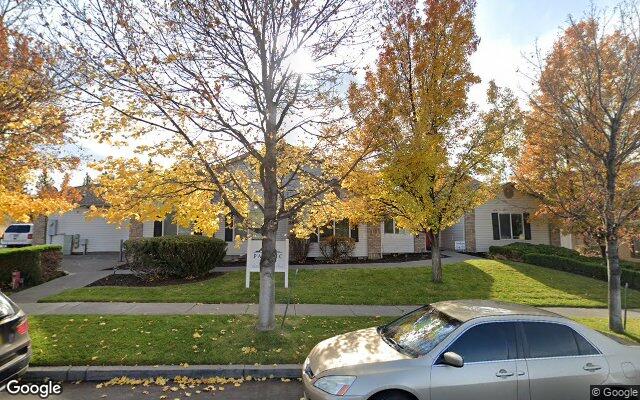
A medium home, reviewed on public record.
© Google Street View
Compared to 38 Oregon facilities with a similar number of beds.
ALF memory care · 36-month window. Higher percentile = better performance on inspection record. Source: Oregon Dept. of Human Services · Long-Term Care Licensing.
among peers to rank.
Rankings based on 36-month OR-DHS inspection data. Severity and frequency: fewer citations = higher percentile. Repeat rate: lower repeat citation share = higher percentile.
Citation history, plotted month by month.
11 deficiencies on record. Each bar is a month with a citation.
Finding distribution
11 total · 36 monthsScope × Severity (CMS A–L)
Every inspection visit, verbatim.
3 inspections in the public record, most recent first. Plain-language summaries open first — click into any row for the full citation text.
2024-10-11Annual Compliance VisitOR-cited · 2 findings
Plain-language summary
During a kitchen inspection on October 11, 2024, the facility was found to have multiple food safety violations including undated and expired foods in refrigerators, foods stored improperly in a garage alongside incontinence pads, staff not wearing hair restraints or washing hands before food preparation, and no system to monitor food temperatures during cooking or storage. The facility also failed to maintain proper sanitation of equipment, with damaged testing strips and no documented evidence that sanitizing solutions were tested for correct strength. The facility acknowledged these findings during the inspection.
Read full citation text (2)Hide full citation text
“Based on observation, interview, and record review, it was determined the facility failed to ensure food was handled, and the kitchen was maintained, in accordance with the Food Sanitation Rules OAR 333-150-000. Findings include, but are not limited to: Observations of the facility kitchen, food storage areas, food preparation, and food service with Staff 1 (Regional Director of Operations) on 10/11/24 revealed: * There were undated and unlabeled foods in the refrigerators. * Expired foods were identified in the refrigerators. * Multiple food containers were stacked on the refrigerator shelves preventing air circulation. * The carpet in the pantry closet was damaged exposing uncleanable bare wood. * Spoons were left in containers of food in the pantry closet. * Foods were stored in the garage on shelving along with re-usable incontinence pads. * The testing strips were available to ensure the sanitizing solution was at the correct ratio were damaged. The sanitizer towel was not submerged in the sanitizing solution. There was no documented evidence the sanitizer solution was tested to ensure correct ratios. * There was no evidence cooked food temperatures were consistently monitored. * Universal Workers preparing and serving food were observed without hair and beard restraints. * Universal Workers preparing and serving food were observed to not wash hand upon entering the kitchen. * Universal Workers who provided incontinent care to residents were observed to prepare and serve food with out donning aprons. An uncovered frying pan of cooked food was noted on a cold stove. An uncovered bowl of cut melon was observed on the kitchen counter. Food was observed to be re-heated in the microwave without testing the temperature to ensure it reached 165 degrees F (Fahrenheit). There was no system in place to ensure hot foods were maintained at 135° F or above and cold foods maintained at 41° F or below when being served. The food handling and storage findings were reviewed with Staff 1 on 10/11/24. She acknowledged the findings.”
“Based on observation, interview, and record review, it was determined the facility failed to follow licensing rules for Residential Care and Assisted Living Facilities. Findings include, but are not limited to: Refer to C 240. Refer to C 240. OAR 411-057-0140(2) Administration Compliance (2) The licensee of a memory care community must comply with both the licensing rules for the facility and Chapter 411, Division 57. This Rule is not met as evidenced by:”
Read raw inspector notesClose inspector notes
Based on observation, interview, and record review, it was determined the facility failed to ensure food was handled, and the kitchen was maintained, in accordance with the Food Sanitation Rules OAR 333-150-000. Findings include, but are not limited to: Observations of the facility kitchen, food storage areas, food preparation, and food service with Staff 1 (Regional Director of Operations) on 10/11/24 revealed: * There were undated and unlabeled foods in the refrigerators. * Expired foods were identified in the refrigerators. * Multiple food containers were stacked on the refrigerator shelves preventing air circulation. * The carpet in the pantry closet was damaged exposing uncleanable bare wood. * Spoons were left in containers of food in the pantry closet. * Foods were stored in the garage on shelving along with re-usable incontinence pads. * The testing strips were available to ensure the sanitizing solution was at the correct ratio were damaged. The sanitizer towel was not submerged in the sanitizing solution. There was no documented evidence the sanitizer solution was tested to ensure correct ratios. * There was no evidence cooked food temperatures were consistently monitored. * Universal Workers preparing and serving food were observed without hair and beard restraints. * Universal Workers preparing and serving food were observed to not wash hand upon entering the kitchen. * Universal Workers who provided incontinent care to residents were observed to prepare and serve food with out donning aprons. An uncovered frying pan of cooked food was noted on a cold stove. An uncovered bowl of cut melon was observed on the kitchen counter. Food was observed to be re-heated in the microwave without testing the temperature to ensure it reached 165 degrees F (Fahrenheit). There was no system in place to ensure hot foods were maintained at 135° F or above and cold foods maintained at 41° F or below when being served. The food handling and storage findings were reviewed with Staff 1 on 10/11/24. She acknowledged the findings. Based on observation, interview, and record review, it was determined the facility failed to follow licensing rules for Residential Care and Assisted Living Facilities. Findings include, but are not limited to: Refer to C 240. Refer to C 240. OAR 411-057-0140(2) Administration Compliance (2) The licensee of a memory care community must comply with both the licensing rules for the facility and Chapter 411, Division 57. This Rule is not met as evidenced by:
2024-03-25Annual Compliance VisitOR-cited · 8 findings
Plain-language summary
A re-licensure validation survey conducted on August 12, 2024 found the facility in compliance with state regulations for Residential Care and Assisted Living Facilities and Memory Care Communities. However, a prior re-licensure survey from March 25-26, 2024 identified that the facility failed to report resident altercations to the local Adult Protective Services office; specifically, a resident with dementia had engaged in multiple aggressive incidents including threatening to beat another resident, attempting to throw coffee and juice on another resident, and unplugging another resident's electric chair, but these incidents were not reported to authorities as required. The facility acknowledged the violation and reported the incidents after being directed to do so.
Read full citation text (8)Hide full citation text
“The findings of the re-licensure survey, conducted 03/25/24 through 03/26/24, are documented in this report. The survey was conducted to determine compliance with OARs 411 Division 54 for Residential Care and Assisted Living Facilities, OARs 411 Division 57 for Memory Care Communities, and OARs 411 Division 004 Home and Community Based Services Regulations. Tag numbers beginning with the letter C refer to the Residential Care and Assisted Living rules. Tag numbers beginning with the letter Z refer to the Memory Care Community rules. Abbreviations possibly used in this document: ADL: activities of daily living bid: twice a day CBG: capillary blood glucose or blood sugar CG: caregiver cm: centimeter ED: Executive Director F: Fahrenheit HH: Home Health LPN: Licensed Practical Nurse MA: Medication Aide MAR: Medication Administration Record MCC Memory Care Community mg: milligram ml: milliliter MT: Medication Technician OT: Occupational Therapist PT: Physical Therapist PRN: as needed qd: every day or daily qid: four times a day QI: quality improvement RCC: Resident Care Coordinator RN: Registered Nurse TAR: Treatment Administration Record tid: three times a day The findings of the re-licensure survey, conducted 03/25/24 through 03/26/24, are documented in this report. The survey was conducted to determine compliance with OARs 411 Division 54 for Residential Care and Assisted Living Facilities, OARs 411 Division 57 for Memory Care Communities, and OARs 411 Division 004 Home and Community Based Services Regulations. Tag numbers beginning with the letter C refer to the Residential Care and Assisted Living rules. Tag numbers beginning with the letter Z refer to the Memory Care Community rules. Abbreviations possibly used in this document: ADL: activities of daily living bid: twice a day CBG: capillary blood glucose or blood sugar CG: caregiver cm: centimeter ED: Executive Director F: Fahrenheit HH: Home Health LPN: Licensed Practical Nurse MA: Medication Aide MAR: Medication Administration Record MCC Memory Care Community mg: milligram ml: milliliter MT: Medication Technician OT: Occupational Therapist PT: Physical Therapist PRN: as needed qd: every day or daily qid: four times a day QI: quality improvement RCC: Resident Care Coordinator RN: Registered Nurse TAR: Treatment Administration Record tid: three times a day The findings of the re-visit to the re-licensure survey of 03/26/24, conducted on 08/12/24, are documented in this report. It was determined the facility was in compliance with OARs 411 Division 54 for Residential Care and Assisted Living Facilities, Division 57 for Memory Care Communities, and Home and Community Based Services Regulations OARs 411 Division 004. The findings of the re-visit to the re-licensure survey of 03/26/24, conducted on 08/12/24, are documented in this report. It was determined the facility was in compliance with OARs 411 Division 54 for Residential Care and Assisted Living Facilities, Division 57 for Memory Care Communities, and Home and Community Based Services Regulations OARs 411 Division 004.”
“Based on interview and record review, it was determined the facility failed to ensure resident altercations were reported to the local SPD office for 1 of 1 sampled resident (#1) who was involved in altercations. Findings include, but are not limited to: Resident 1 was admitted to the facility in August 2023 with diagnoses including Wernicke's Encephalopathy, a form of dementia. The resident's service plan, dated 03/07/24, behavior plan, and interviews with care staff between 03/25/24 and 03/26/24 indicated the resident ambulated independently throughout the facility and was aggressive and agitated at times. Facility Progress Notes were reviewed and noted: * 01/28/24 - "After dinner [Resident 1] proceeded to pick on [resident room number] again. [S/he] began shoving the side table over toward [room number]...and unplugging [his/her] chair..." Staff explained Resident 1 unplugged an electric recliner, restricting the other resident. * 03/04/24 - "Resident came out of [his/her] room raising [his/her] voice at [room number] to move. [Resident 1] stated "If you don't move I'm going to beat your ass! Move now! Staff attempted to redirect by informing [Resident 1] there were 6 other available seats in the living room to which [Resident 1] stated [s/he] didn't care...[Resident 1] grabbed a coffee cup intending to throw coffee on [room number]. The cup happened to be empty and [Resident 1] then grabbed a cup of juice to throw on [room number] which staff took from [him/her]..." In an interview with Staff 1 (Regional Director of Operations) on 03/26/24, she explained the incidents had not been reported to the local SPD. The need to ensure incidents of threatening significant physical harm and intimidation were reported to the local SPD was reviewed with Staff 1 (Regional Director of Operations) on 03/26/24. She acknowledged the findings The facility was asked to report the incidents. Case intake numbers were provided prior to survey exit. Based on interview and record review, it was determined the facility failed to ensure resident altercations were reported to the local SPD office for 1 of 1 sampled resident (#1) who was involved in altercations. Findings include, but are not limited to: Resident 1 was admitted to the facility in August 2023 with diagnoses including Wernicke's Encephalopathy, a form of dementia. The resident's service plan, dated 03/07/24, behavior plan, and interviews with care staff between 03/25/24 and 03/26/24 indicated the resident ambulated independently throughout the facility and was aggressive and agitated at times. Facility Progress Notes were reviewed and noted: * 01/28/24 - "After dinner [Resident 1] proceeded to pick on [resident room number] again. [S/he] began shoving the side table over toward [room number]...and unplugging [his/her] chair..." Staff explained Resident 1 unplugged an electric recliner, restricting the other resident. * 03/04/24 - "Resident came out of [his/her] room raising [his/her] voice at [room number] to move. [Resident 1] stated "If you don't move I'm going to beat your ass! Move now! Staff attempted to redirect by informing [Resident 1] there were 6 other available seats in the living room to which [Resident 1] stated [s/he] didn't care...[Resident 1] grabbed a coffee cup intending to throw coffee on [room number]. The cup happened to be empty and [Resident 1] then grabbed a cup of juice to throw on [room number] which staff took from [him/her]..." In an interview with Staff 1 (Regional Director of Operations) on 03/26/24, she explained the incidents had not been reported to the local SPD. The need to ensure incidents of threatening significant physical harm and intimidation were reported to the local SPD was reviewed with Staff 1 (Regional Director of Operations) on 03/26/24. She acknowledged the findings The facility was asked to report the incidents. Case intake numbers were provided prior to survey exit. PLC of Bend will implement the following: Self report 2 verbal Res to Res altercations. All resident incident reports will be reviewed and if abuse and neglect can not be ruled out so self reports were done. 2) EDIRN will review daily, 3) RDO will review weekly EDIAED and RDO 4 EDIAEDIRDOIRN PLC of Bend will implement the following: Self report 2 verbal Res to Res altercations. All resident incident reports will be reviewed and if abuse and neglect can not be ruled out so self reports were done. 2) EDIRN will review daily, 3) RDO will review weekly EDIAED and RDO 4 EDIAEDIRDOIRN There are no detail notes for this visit.”
“Based on observation, interview, and record review, it was determined the facility failed to have a system in place for accurately tracking controlled substances administered by the facility for 2 of 2 sampled residents (#s 2 and 3) whose medications, MARs, and Controlled Substance Drug Disposition logs were reviewed for accuracy. Findings include, but are not limited to: 1. Resident 2 was admitted in 03/05/24 with diagnoses including pain. Resident 2 had an order for Hydrocodone/APAP 5-325 mg one tablet every six hours as needed for severe pain. Review of Resident 2's Controlled Substance Disposition Logs and MARs, from 03/01/24 to 03/26/24, and pills, revealed 11 occasions when staff signed on the drug disposition log the medication was given, however, the MAR lacked documentation the resident received the medication. The medications were in a bottle and the count matched the dispensation log. The inconsistencies between the MARs and Controlled Substance Disposition logs were reviewed with Staff 1 (Regional Director of Operations) on 03/26/24. She acknowledged the discrepancies. 2. Resident 3 was admitted to the facility in May 2023 with diagnoses including dementia and anxiety. Resident 2 had an order for Lorazepam 0.5 mg one tablet every six hours as needed for anxiety. Resident 2's Controlled Substance Disposition Logs, medication bubble packs, and MARs, reviewed from 03/01/24 to 03/26/24, revealed the medication was documented on the MAR as administered on 03/07/24. There was not documentation of the medication being given on the Controlled Substance Disposition log. The Disposition Log and medication in the bubble pack count matched. The inconsistencies between the MARs and Controlled Substance Disposition logs were reviewed with Staff 1 (Regional Director of Operations) on 03/26/24. She acknowledged the discrepancies. Based on observation, interview, and record review, it was determined the facility failed to have a system in place for accurately tracking controlled substances administered by the facility for 2 of 2 sampled residents (#s 2 and 3) whose medications, MARs, and Controlled Substance Drug Disposition logs were reviewed for accuracy. Findings include, but are not limited to:”
“Based on interview and record review, it was determined the facility failed to notify the physician when a resident refused consent to an order, for 1 of 1 sampled resident (#1) with multiple medication refusals. Findings include, but are not limited to: Resident 1 was admitted to the facility in August 2023 with diagnoses including Wernicke's Encephalopathy, a form of dementia. Resident 1's MARs from 03/01/24 through 03/25/24 were reviewed. Resident 1 refused some or all medications on 16 days. There was no documented evidence each incident of Resident 1's multiple medication refusals had been reported to the practitioner. The need to notify the practitioner when Resident 1 refused ordered medications was reviewed with Staff 1 (Regional Director of Operations). She acknowledged the physician had not been informed of the refusals. Based on interview and record review, it was determined the facility failed to notify the physician when a resident refused consent to an order, for 1 of 1 sampled resident (#1) with multiple medication refusals. Findings include, but are not limited to: Resident 1 was admitted to the facility in August 2023 with diagnoses including Wernicke's Encephalopathy, a form of dementia. Resident 1's MARs from 03/01/24 through 03/25/24 were reviewed. Resident 1 refused some or all medications on 16 days. There was no documented evidence each incident of Resident 1's multiple medication refusals had been reported to the practitioner. The need to notify the practitioner when Resident 1 refused ordered medications was reviewed with Staff 1 (Regional Director of Operations). She acknowledged the physician had not been informed of the refusals. 1) All PCP's have been faxed refusal orders and how often they want to be notified. All orders received and added to the EMAR 2) New move in orders include how often to report to refusals. 3) Monthly ED and AED will review ALL residents orders to ensure they have a refusal order. also to be done upon admit and quarterly 4) ED and AED 1) All PCP's have been faxed refusal orders and how often they want to be notified. All orders received and added to the EMAR 2) New move in orders include how often to report to refusals. 3) Monthly ED and AED will review ALL residents orders to ensure they have a refusal order. also to be done upon admit and quarterly 4) ED and AED There are no detail notes for this visit.”
“Based on observation and interview, it was determined the facility failed to ensure hot water temperatures in residents' units and common areas were maintained within a range of 110 to 120 degrees Fahrenheit. Findings include, but are not limited to: A tour of the facility on 03/25/24 revealed the following: * The shared bathroom in the common area had water that when turned on, was hot to the touch. The hot water temperature, taken by the surveyor with the facility digital thermometer, was 125 degrees Fahrenheit; and * Various residents' bathroom sinks' hot water was between 123 and 125 degrees Fahrenheit. Signs were posted at all sinks warning of hot water. In an interview with Staff 1 (Regional Director of Operation) on 03/25/24, she reported the facility had identified the issue and had been adjusting the temperature. She acknowledged the water temperatures were exceeding 120 degrees Fahrenheit. Based on observation and interview, it was determined the facility failed to ensure hot water temperatures in residents' units and common areas were maintained within a range of 110 to 120 degrees Fahrenheit. Findings include, but are not limited to: A tour of the facility on 03/25/24 revealed the following: * The shared bathroom in the common area had water that when turned on, was hot to the touch. The hot water temperature, taken by the surveyor with the facility digital thermometer, was 125 degrees Fahrenheit; and * Various residents' bathroom sinks' hot water was between 123 and 125 degrees Fahrenheit. Signs were posted at all sinks warning of hot water. In an interview with Staff 1 (Regional Director of Operation) on 03/25/24, she reported the facility had identified the issue and had been adjusting the temperature. She acknowledged the water temperatures were exceeding 120 degrees Fahrenheit. 1) Our Maintenance person is looking into the system and if he is unable to resolve the issue he will be looking to bring in an outside company for a water heater specialist. 2) Maintenance will evaluate and if he is not able to correct problem he will call in a specialist to fix 3) ED and AED will continue hot water temp checks weekly to maintain a steady temp with in the OAR rules and Reg ED, AED and Maitence 1) Our Maintenance person is looking into the system and if he is unable to resolve the issue he will be looking to bring in an outside company for a water heater specialist. 2) Maintenance will evaluate and if he is not able to correct problem he will call in a specialist to fix 3) ED and AED will continue hot water temp checks weekly to maintain a steady temp with in the OAR rules and Reg ED, AED and Maitence There are no detail notes for this visit.”
“Based on observation, interview and record review, it was determined the facility failed to follow licensing rules for Residential Care and Assisted Living Facilities. Findings include, but are not limited to: Refer to C 231 and C 545. Based on observation, interview and record review, it was determined the facility failed to follow licensing rules for Residential Care and Assisted Living Facilities. Findings include, but are not limited to: Refer to C 231 and C 545. Please refer to Refer to C 231 and C 545. Please refer to Refer to C 231 and C 545. There are no detail notes for this visit.”
“Based on observation, interview and record review, it was determined the facility failed to provide health care services in accordance with the licensing rules for Residential Care and Assisted Living Facilities. Findings include, but are not limited to: Refer to C 302 and C 305. Based on observation, interview and record review, it was determined the facility failed to provide health care services in accordance with the licensing rules for Residential Care and Assisted Living Facilities. Findings include, but are not limited to: Refer to C 302 and C 305. Refer to C 302 and C 305. Refer to C 302 and C 305. There are no detail notes for this visit.”
“Based on observation and interview, it was determined the facility failed to ensure fences surrounding the perimeter of the outdoor recreation area were no less than six feet (or 72 inches) in height. Findings include, but are not limited to: The facility was toured on 03/25/24. Sections of fencing surrounding the perimeter of the outdoor recreation area did not meet the six foot height requirement. The surveyor measured several sections of the fence. Measurements included areas as low as 63 inches, or five feet three inches, in height. The facility had cameras to monitor the courtyard. The door alerted staff when residents exited the facility into the courtyard. The need to ensure fences surrounding the perimeter of the outdoor recreation area were no less than six feet (or 72 inches) in height was discussed with Staff 1 (Regional Director of Operations) on 03/25/24 and 03/26/24. Staff 1 reported a fencing company was scheduled on 03/27/24 to increase the height of the fence. Based on observation and interview, it was determined the facility failed to ensure fences surrounding the perimeter of the outdoor recreation area were no less than six feet (or 72 inches) in height. Findings include, but are not limited to: The facility was toured on 03/25/24. Sections of fencing surrounding the perimeter of the outdoor recreation area did not meet the six foot height requirement. The surveyor measured several sections of the fence. Measurements included areas as low as 63 inches, or five feet three inches, in height. The facility had cameras to monitor the courtyard. The door alerted staff when residents exited the facility into the courtyard. The need to ensure fences surrounding the perimeter of the outdoor recreation area were no less than six feet (or 72 inches) in height was discussed with Staff 1 (Regional Director of Operations) on 03/25/24 and 03/26/24. Staff 1 reported a fencing company was scheduled on 03/27/24 to increase the height of the fence. 1) Quotes are being obtained 2) we have a company making a model of what an extension would look like to reach our height requirement 3) Until extension or repair is made to the current fencing ED/AED RDO 1) Quotes are being obtained 2) we have a company making a model of what an extension would look like to reach our height requirement 3) Until extension or repair is made to the current fencing ED/AED RDO There are no detail notes for this visit.”
Read raw inspector notesClose inspector notes
The findings of the re-licensure survey, conducted 03/25/24 through 03/26/24, are documented in this report. The survey was conducted to determine compliance with OARs 411 Division 54 for Residential Care and Assisted Living Facilities, OARs 411 Division 57 for Memory Care Communities, and OARs 411 Division 004 Home and Community Based Services Regulations. Tag numbers beginning with the letter C refer to the Residential Care and Assisted Living rules. Tag numbers beginning with the letter Z refer to the Memory Care Community rules. Abbreviations possibly used in this document: ADL: activities of daily living bid: twice a day CBG: capillary blood glucose or blood sugar CG: caregiver cm: centimeter ED: Executive Director F: Fahrenheit HH: Home Health LPN: Licensed Practical Nurse MA: Medication Aide MAR: Medication Administration Record MCC Memory Care Community mg: milligram ml: milliliter MT: Medication Technician OT: Occupational Therapist PT: Physical Therapist PRN: as needed qd: every day or daily qid: four times a day QI: quality improvement RCC: Resident Care Coordinator RN: Registered Nurse TAR: Treatment Administration Record tid: three times a day The findings of the re-licensure survey, conducted 03/25/24 through 03/26/24, are documented in this report. The survey was conducted to determine compliance with OARs 411 Division 54 for Residential Care and Assisted Living Facilities, OARs 411 Division 57 for Memory Care Communities, and OARs 411 Division 004 Home and Community Based Services Regulations. Tag numbers beginning with the letter C refer to the Residential Care and Assisted Living rules. Tag numbers beginning with the letter Z refer to the Memory Care Community rules. Abbreviations possibly used in this document: ADL: activities of daily living bid: twice a day CBG: capillary blood glucose or blood sugar CG: caregiver cm: centimeter ED: Executive Director F: Fahrenheit HH: Home Health LPN: Licensed Practical Nurse MA: Medication Aide MAR: Medication Administration Record MCC Memory Care Community mg: milligram ml: milliliter MT: Medication Technician OT: Occupational Therapist PT: Physical Therapist PRN: as needed qd: every day or daily qid: four times a day QI: quality improvement RCC: Resident Care Coordinator RN: Registered Nurse TAR: Treatment Administration Record tid: three times a day The findings of the re-visit to the re-licensure survey of 03/26/24, conducted on 08/12/24, are documented in this report. It was determined the facility was in compliance with OARs 411 Division 54 for Residential Care and Assisted Living Facilities, Division 57 for Memory Care Communities, and Home and Community Based Services Regulations OARs 411 Division 004. The findings of the re-visit to the re-licensure survey of 03/26/24, conducted on 08/12/24, are documented in this report. It was determined the facility was in compliance with OARs 411 Division 54 for Residential Care and Assisted Living Facilities, Division 57 for Memory Care Communities, and Home and Community Based Services Regulations OARs 411 Division 004. Based on interview and record review, it was determined the facility failed to ensure resident altercations were reported to the local SPD office for 1 of 1 sampled resident (#1) who was involved in altercations. Findings include, but are not limited to: Resident 1 was admitted to the facility in August 2023 with diagnoses including Wernicke's Encephalopathy, a form of dementia. The resident's service plan, dated 03/07/24, behavior plan, and interviews with care staff between 03/25/24 and 03/26/24 indicated the resident ambulated independently throughout the facility and was aggressive and agitated at times. Facility Progress Notes were reviewed and noted: * 01/28/24 - "After dinner [Resident 1] proceeded to pick on [resident room number] again. [S/he] began shoving the side table over toward [room number]...and unplugging [his/her] chair..." Staff explained Resident 1 unplugged an electric recliner, restricting the other resident. * 03/04/24 - "Resident came out of [his/her] room raising [his/her] voice at [room number] to move. [Resident 1] stated "If you don't move I'm going to beat your ass! Move now! Staff attempted to redirect by informing [Resident 1] there were 6 other available seats in the living room to which [Resident 1] stated [s/he] didn't care...[Resident 1] grabbed a coffee cup intending to throw coffee on [room number]. The cup happened to be empty and [Resident 1] then grabbed a cup of juice to throw on [room number] which staff took from [him/her]..." In an interview with Staff 1 (Regional Director of Operations) on 03/26/24, she explained the incidents had not been reported to the local SPD. The need to ensure incidents of threatening significant physical harm and intimidation were reported to the local SPD was reviewed with Staff 1 (Regional Director of Operations) on 03/26/24. She acknowledged the findings The facility was asked to report the incidents. Case intake numbers were provided prior to survey exit. Based on interview and record review, it was determined the facility failed to ensure resident altercations were reported to the local SPD office for 1 of 1 sampled resident (#1) who was involved in altercations. Findings include, but are not limited to: Resident 1 was admitted to the facility in August 2023 with diagnoses including Wernicke's Encephalopathy, a form of dementia. The resident's service plan, dated 03/07/24, behavior plan, and interviews with care staff between 03/25/24 and 03/26/24 indicated the resident ambulated independently throughout the facility and was aggressive and agitated at times. Facility Progress Notes were reviewed and noted: * 01/28/24 - "After dinner [Resident 1] proceeded to pick on [resident room number] again. [S/he] began shoving the side table over toward [room number]...and unplugging [his/her] chair..." Staff explained Resident 1 unplugged an electric recliner, restricting the other resident. * 03/04/24 - "Resident came out of [his/her] room raising [his/her] voice at [room number] to move. [Resident 1] stated "If you don't move I'm going to beat your ass! Move now! Staff attempted to redirect by informing [Resident 1] there were 6 other available seats in the living room to which [Resident 1] stated [s/he] didn't care...[Resident 1] grabbed a coffee cup intending to throw coffee on [room number]. The cup happened to be empty and [Resident 1] then grabbed a cup of juice to throw on [room number] which staff took from [him/her]..." In an interview with Staff 1 (Regional Director of Operations) on 03/26/24, she explained the incidents had not been reported to the local SPD. The need to ensure incidents of threatening significant physical harm and intimidation were reported to the local SPD was reviewed with Staff 1 (Regional Director of Operations) on 03/26/24. She acknowledged the findings The facility was asked to report the incidents. Case intake numbers were provided prior to survey exit. PLC of Bend will implement the following: Self report 2 verbal Res to Res altercations. All resident incident reports will be reviewed and if abuse and neglect can not be ruled out so self reports were done. 2) EDIRN will review daily, 3) RDO will review weekly EDIAED and RDO 4 EDIAEDIRDOIRN PLC of Bend will implement the following: Self report 2 verbal Res to Res altercations. All resident incident reports will be reviewed and if abuse and neglect can not be ruled out so self reports were done. 2) EDIRN will review daily, 3) RDO will review weekly EDIAED and RDO 4 EDIAEDIRDOIRN There are no detail notes for this visit. Based on observation, interview, and record review, it was determined the facility failed to have a system in place for accurately tracking controlled substances administered by the facility for 2 of 2 sampled residents (#s 2 and 3) whose medications, MARs, and Controlled Substance Drug Disposition logs were reviewed for accuracy. Findings include, but are not limited to: 1. Resident 2 was admitted in 03/05/24 with diagnoses including pain. Resident 2 had an order for Hydrocodone/APAP 5-325 mg one tablet every six hours as needed for severe pain. Review of Resident 2's Controlled Substance Disposition Logs and MARs, from 03/01/24 to 03/26/24, and pills, revealed 11 occasions when staff signed on the drug disposition log the medication was given, however, the MAR lacked documentation the resident received the medication. The medications were in a bottle and the count matched the dispensation log. The inconsistencies between the MARs and Controlled Substance Disposition logs were reviewed with Staff 1 (Regional Director of Operations) on 03/26/24. She acknowledged the discrepancies. 2. Resident 3 was admitted to the facility in May 2023 with diagnoses including dementia and anxiety. Resident 2 had an order for Lorazepam 0.5 mg one tablet every six hours as needed for anxiety. Resident 2's Controlled Substance Disposition Logs, medication bubble packs, and MARs, reviewed from 03/01/24 to 03/26/24, revealed the medication was documented on the MAR as administered on 03/07/24. There was not documentation of the medication being given on the Controlled Substance Disposition log. The Disposition Log and medication in the bubble pack count matched. The inconsistencies between the MARs and Controlled Substance Disposition logs were reviewed with Staff 1 (Regional Director of Operations) on 03/26/24. She acknowledged the discrepancies. Based on observation, interview, and record review, it was determined the facility failed to have a system in place for accurately tracking controlled substances administered by the facility for 2 of 2 sampled residents (#s 2 and 3) whose medications, MARs, and Controlled Substance Drug Disposition logs were reviewed for accuracy. Findings include, but are not limited to: Based on interview and record review, it was determined the facility failed to notify the physician when a resident refused consent to an order, for 1 of 1 sampled resident (#1) with multiple medication refusals. Findings include, but are not limited to: Resident 1 was admitted to the facility in August 2023 with diagnoses including Wernicke's Encephalopathy, a form of dementia. Resident 1's MARs from 03/01/24 through 03/25/24 were reviewed. Resident 1 refused some or all medications on 16 days. There was no documented evidence each incident of Resident 1's multiple medication refusals had been reported to the practitioner. The need to notify the practitioner when Resident 1 refused ordered medications was reviewed with Staff 1 (Regional Director of Operations). She acknowledged the physician had not been informed of the refusals. Based on interview and record review, it was determined the facility failed to notify the physician when a resident refused consent to an order, for 1 of 1 sampled resident (#1) with multiple medication refusals. Findings include, but are not limited to: Resident 1 was admitted to the facility in August 2023 with diagnoses including Wernicke's Encephalopathy, a form of dementia. Resident 1's MARs from 03/01/24 through 03/25/24 were reviewed. Resident 1 refused some or all medications on 16 days. There was no documented evidence each incident of Resident 1's multiple medication refusals had been reported to the practitioner. The need to notify the practitioner when Resident 1 refused ordered medications was reviewed with Staff 1 (Regional Director of Operations). She acknowledged the physician had not been informed of the refusals. 1) All PCP's have been faxed refusal orders and how often they want to be notified. All orders received and added to the EMAR 2) New move in orders include how often to report to refusals. 3) Monthly ED and AED will review ALL residents orders to ensure they have a refusal order. also to be done upon admit and quarterly 4) ED and AED 1) All PCP's have been faxed refusal orders and how often they want to be notified. All orders received and added to the EMAR 2) New move in orders include how often to report to refusals. 3) Monthly ED and AED will review ALL residents orders to ensure they have a refusal order. also to be done upon admit and quarterly 4) ED and AED There are no detail notes for this visit. Based on observation and interview, it was determined the facility failed to ensure hot water temperatures in residents' units and common areas were maintained within a range of 110 to 120 degrees Fahrenheit. Findings include, but are not limited to: A tour of the facility on 03/25/24 revealed the following: * The shared bathroom in the common area had water that when turned on, was hot to the touch. The hot water temperature, taken by the surveyor with the facility digital thermometer, was 125 degrees Fahrenheit; and * Various residents' bathroom sinks' hot water was between 123 and 125 degrees Fahrenheit. Signs were posted at all sinks warning of hot water. In an interview with Staff 1 (Regional Director of Operation) on 03/25/24, she reported the facility had identified the issue and had been adjusting the temperature. She acknowledged the water temperatures were exceeding 120 degrees Fahrenheit. Based on observation and interview, it was determined the facility failed to ensure hot water temperatures in residents' units and common areas were maintained within a range of 110 to 120 degrees Fahrenheit. Findings include, but are not limited to: A tour of the facility on 03/25/24 revealed the following: * The shared bathroom in the common area had water that when turned on, was hot to the touch. The hot water temperature, taken by the surveyor with the facility digital thermometer, was 125 degrees Fahrenheit; and * Various residents' bathroom sinks' hot water was between 123 and 125 degrees Fahrenheit. Signs were posted at all sinks warning of hot water. In an interview with Staff 1 (Regional Director of Operation) on 03/25/24, she reported the facility had identified the issue and had been adjusting the temperature. She acknowledged the water temperatures were exceeding 120 degrees Fahrenheit. 1) Our Maintenance person is looking into the system and if he is unable to resolve the issue he will be looking to bring in an outside company for a water heater specialist. 2) Maintenance will evaluate and if he is not able to correct problem he will call in a specialist to fix 3) ED and AED will continue hot water temp checks weekly to maintain a steady temp with in the OAR rules and Reg ED, AED and Maitence 1) Our Maintenance person is looking into the system and if he is unable to resolve the issue he will be looking to bring in an outside company for a water heater specialist. 2) Maintenance will evaluate and if he is not able to correct problem he will call in a specialist to fix 3) ED and AED will continue hot water temp checks weekly to maintain a steady temp with in the OAR rules and Reg ED, AED and Maitence There are no detail notes for this visit. Based on observation, interview and record review, it was determined the facility failed to follow licensing rules for Residential Care and Assisted Living Facilities. Findings include, but are not limited to: Refer to C 231 and C 545. Based on observation, interview and record review, it was determined the facility failed to follow licensing rules for Residential Care and Assisted Living Facilities. Findings include, but are not limited to: Refer to C 231 and C 545. Please refer to Refer to C 231 and C 545. Please refer to Refer to C 231 and C 545. There are no detail notes for this visit. Based on observation, interview and record review, it was determined the facility failed to provide health care services in accordance with the licensing rules for Residential Care and Assisted Living Facilities. Findings include, but are not limited to: Refer to C 302 and C 305. Based on observation, interview and record review, it was determined the facility failed to provide health care services in accordance with the licensing rules for Residential Care and Assisted Living Facilities. Findings include, but are not limited to: Refer to C 302 and C 305. Refer to C 302 and C 305. Refer to C 302 and C 305. There are no detail notes for this visit. Based on observation and interview, it was determined the facility failed to ensure fences surrounding the perimeter of the outdoor recreation area were no less than six feet (or 72 inches) in height. Findings include, but are not limited to: The facility was toured on 03/25/24. Sections of fencing surrounding the perimeter of the outdoor recreation area did not meet the six foot height requirement. The surveyor measured several sections of the fence. Measurements included areas as low as 63 inches, or five feet three inches, in height. The facility had cameras to monitor the courtyard. The door alerted staff when residents exited the facility into the courtyard. The need to ensure fences surrounding the perimeter of the outdoor recreation area were no less than six feet (or 72 inches) in height was discussed with Staff 1 (Regional Director of Operations) on 03/25/24 and 03/26/24. Staff 1 reported a fencing company was scheduled on 03/27/24 to increase the height of the fence. Based on observation and interview, it was determined the facility failed to ensure fences surrounding the perimeter of the outdoor recreation area were no less than six feet (or 72 inches) in height. Findings include, but are not limited to: The facility was toured on 03/25/24. Sections of fencing surrounding the perimeter of the outdoor recreation area did not meet the six foot height requirement. The surveyor measured several sections of the fence. Measurements included areas as low as 63 inches, or five feet three inches, in height. The facility had cameras to monitor the courtyard. The door alerted staff when residents exited the facility into the courtyard. The need to ensure fences surrounding the perimeter of the outdoor recreation area were no less than six feet (or 72 inches) in height was discussed with Staff 1 (Regional Director of Operations) on 03/25/24 and 03/26/24. Staff 1 reported a fencing company was scheduled on 03/27/24 to increase the height of the fence. 1) Quotes are being obtained 2) we have a company making a model of what an extension would look like to reach our height requirement 3) Until extension or repair is made to the current fencing ED/AED RDO 1) Quotes are being obtained 2) we have a company making a model of what an extension would look like to reach our height requirement 3) Until extension or repair is made to the current fencing ED/AED RDO There are no detail notes for this visit.
2023-12-11Annual Compliance VisitOR-cited · 1 finding
Plain-language summary
A kitchen inspection was conducted on December 11, 2023, and the facility was found to be in substantial compliance with Oregon meal service and food sanitation rules. No violations were identified.
Read full citation text (1)Hide full citation text
“The findings of the kitchen inspection, conducted 12/11/23, are documented in this report. It was determined the facility was in substantial compliance with the OARs 411-054-0030 for Residential Care and Assisted Living Facilities for Resident Services- Meals, and Oregon Health Service Food Sanitation Rules OARs 333-150-0000. The findings of the kitchen inspection, conducted 12/11/23, are documented in this report. It was determined the facility was in substantial compliance with the OARs 411-054-0030 for Residential Care and Assisted Living Facilities for Resident Services- Meals, and Oregon Health Service Food Sanitation Rules OARs 333-150-0000.”
Read raw inspector notesClose inspector notes
The findings of the kitchen inspection, conducted 12/11/23, are documented in this report. It was determined the facility was in substantial compliance with the OARs 411-054-0030 for Residential Care and Assisted Living Facilities for Resident Services- Meals, and Oregon Health Service Food Sanitation Rules OARs 333-150-0000. The findings of the kitchen inspection, conducted 12/11/23, are documented in this report. It was determined the facility was in substantial compliance with the OARs 411-054-0030 for Residential Care and Assisted Living Facilities for Resident Services- Meals, and Oregon Health Service Food Sanitation Rules OARs 333-150-0000.
2 older inspections from 2021 are not shown above.
Get the complete record, translated into plain language — emailed to you.
Other facilities in Deschutes County.
Other memory care facilities in Deschutes County with similar care offerings.
Tour Prep
Family reviews
No reviews yet — be the first to share your experience
Other memory care options nearby.
More options in neighboring cities
Licensed memory care in other cities within this county region — useful when your search radius crosses city limits.