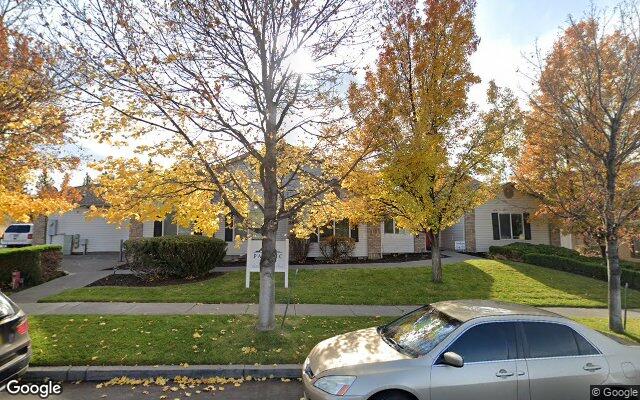
Clg-bend Buildings 1-3.
A large home, reviewed on public record.
Compared to 22 Oregon facilities with a similar number of beds.
ALF memory care · 36-month window. Higher percentile = better performance on inspection record. Source: Oregon Dept. of Human Services · Long-Term Care Licensing.
Rankings based on 36-month OR-DHS inspection data. Severity and frequency: fewer citations = higher percentile. Repeat rate: lower repeat citation share = higher percentile.
Citation history, plotted month by month.
18 deficiencies on record. Each bar is a month with a citation.
Finding distribution
18 total · 36 monthsScope × Severity (CMS A–L)
Every inspection visit, verbatim.
3 inspections in the public record, most recent first. Plain-language summaries open first — click into any row for the full citation text.
2026-02-25Annual Compliance VisitOR-cited · 2 findings
Plain-language summary
A routine kitchen inspection on February 25, 2026 found that the facility did not follow food sanitation rules under Oregon Administrative Rules 333-150-000 and failed to meet licensing requirements for residential care and assisted living facilities. The inspection identified violations related to kitchen practices and protocols, with specific details referenced in the inspection report's C240 section. Families should request the full inspection report to understand the exact violations and any corrective actions required.
Read full citation text (2)Hide full citation text
“Based on observation and interview, it was determined the facility failed to follow licensing rules for Residential Care and Assisted Living Facilities. Findings include, but are not limited to: Refer to C240. Please refer to C240.”
“Based on observation and interview, it was determined the facility failed to ensure kitchen practices and protocols were in accordance with the Food Sanitation Rules OAR 333-150-000. Findings include, but are not limited to: On 02/25/26, between 10:00 am and 1:15 pm, the facility kitchen was observed, and the following was identified.”
Read raw inspector notesClose inspector notes
Based on observation and interview, it was determined the facility failed to ensure kitchen practices and protocols were in accordance with the Food Sanitation Rules OAR 333-150-000. Findings include, but are not limited to: On 02/25/26, between 10:00 am and 1:15 pm, the facility kitchen was observed, and the following was identified. Based on observation and interview, it was determined the facility failed to follow licensing rules for Residential Care and Assisted Living Facilities. Findings include, but are not limited to: Refer to C240. Please refer to C240.
2025-01-07Annual Compliance VisitOR-cited · 4 findings
Plain-language summary
A routine kitchen inspection on January 7, 2025 found the facility failed to maintain sanitary conditions under Oregon food safety rules, with widespread contamination including dirty equipment, uncleaned surfaces, and improper food storage throughout multiple kitchen areas, as well as eight food service staff who lacked required active food handler's certificates. The facility also failed to implement its plan of correction from a prior licensing survey and did not comply with residential care and assisted living facility rules, including memory care community requirements.
Read full citation text (4)Hide full citation text
“Based on observation, interview, and record review, it was determined the facility failed to ensure food was prepared, and the kitchen was maintained, in accordance with the Food Sanitation Rules OAR 333-150-000. Findings include, but are not limited to: Observations of the facility kitchens, food storage areas, food preparation, and food service on 01/07/25 revealed splatters, spills, drips, and debris noted on: - Can opener blade and casing; - Small appliances on counters; - Timer and speaker on tray line; - Convection oven exterior including doors and knobs; - Stand mixer; - Interior and exterior of the ice cream freezer; - Shelving below the steam table; - Shelving and floors of reach-in and deli refrigerators; - Cage of air circulation fan in walk in refrigerator; - Dry storage flooring and food containers; - Interior of the microwaves on the tray line and in the Memory Care kitchenette; - The oven in the Memory Care kitchenette; - Dishes and cookware stored on open shelving and racks; - Garbage cans; - Interior of drawers in food prep area; - Open stainless steel shelving and metal rack shelving throughout the kitchen; - Flooring throughout the kitchen, including beneath shelving and equipment; - Walls throughout the kitchen; - Interior of drawers and cupboards in the beverage station; - Carts; - Drains throughout the kitchen and in the beverage station; - Walls, flooring, and equipment in the dishwashing area; - Underneath shelving and equipment throughout kitchen; and - Janitorial closet floor, sink, and drain. * There was no documented evidence of consistent monitoring of the temperatures of cooked foods, refrigerators, or the sanitizer solution. * Multiple staff preparing and serving food did not have long beard and/or hair restrained. * A serving utensil was left in a bin of undated, unlabeled food in the walk-in refrigerator and in a bin of food on the service line. * Prepared foods were dated as older than seven days. * Boxes were stored on the floor in the walk-in freezer. * Boxes were left open, exposing food, in the walk-in freezer. * Ice cream containers were left uncovered. * Foods noted to require refrigeration after opening were stored outside the refrigerator after being opened. * Dented can of food in the dry storage area. * Cutting boards on the steam table, the deli fridge, and the color code cutting boards were stained and deeply scored. * Cups left in bins of food. * Uncovered, undated, and unlabeled prepared foods in the walk-in, deli, tray line, and beverage station refrigerators. * Packaged foods not dated when opened. * Dish washing racks were stored on the floor. * There were not lids for multiple garbage cans in food preparation areas. * Sanitizer towels were not stored submerged in the sanitizing solution. * Employee coats, purses, and jewelry were left on the service line. The areas in need of cleaning and repair were reviewed with Staff 1 (Executive Director) and Staff 3 (Dining Services Director) on 01/07/25. They acknowledged the findings.”
“Based on record review and interview, it was determined the facility failed to ensure all staff who prepare and serve food had active food handler's certificates (#s 4 through 11). Findings include, but are not limited to: On 01/07/25, the surveyor reviewed employee records for active food handler's cards. There were eight employees who did not have a food handler's card on file. Staff 1 (Executive Director) acknowledged there were multiple staff that did not have active food handler's certification. Staff 1 verified the staff duties did include preparing and serving food to residents.”
“Based on observation, interview, and record review, it was determined the facility failed to ensure their re-licensure survey plan of correction was implemented and satisfied the Department. Findings include, but are not limited to:? Refer to C240. Refer to C240. OAR 411-054-0105 (2-4) Inspections and Investigation: Insp Interval (Amended 12/15/21)(2) The facility shall not interfere with a good faith disclosure of information by an employee or volunteer concerning abuse or other action affecting a resident's safety or welfare, as described in OAR 411-054-0028(4).(3) Staff of the Department shall visit and inspect every facility at least but not limited to once every two years for a full in-person survey to determine whether the facility is maintained and operated in accordance with these rules.(a) For each year during which a facility does not have a full survey, the Department shall conduct an in-person inspection of the kitchen and other areas where food is prepared for residents.(b) Subsection (a) will not go into effect until July 1, 2022.(c) Facilities not in compliance with these rules must submit, within ten days of receipt of the inspection report, a plan of correction that satisfies the Department.(d) The Department may impose sanctions for failure to comply with these rules.(4) Department staff may consult with and advise the facility administrator concerning methods of care, records, housing, equipment, and other areas of operation. This Rule is not met as evidenced by:”
“Based on observation, interview, and record review, it was determined the facility failed to follow licensing rules for Residential Care and Assisted Living Facilities. Findings include, but are not limited to: Refer to C 240 and C 370. Please refer to C240 and C370. OAR 411-057-0140(2) Administration Compliance (2) The licensee of a memory care community must comply with both the licensing rules for the facility and Chapter 411, Division 57. This Rule is not met as evidenced by: Based on observation, interview and record review it was determined the facility failed to follow licensing rules for Residential Care and Assisted Living Facilities. Findings include, but are not limited to: Refer to C240 Refer to C240. OAR 411-057-0140(2) Administration Compliance (2) The licensee of a memory care community must comply with both the licensing rules for the facility and Chapter 411, Division 57. This Rule is not met as evidenced by:”
Read raw inspector notesClose inspector notes
Based on observation, interview, and record review, it was determined the facility failed to ensure food was prepared, and the kitchen was maintained, in accordance with the Food Sanitation Rules OAR 333-150-000. Findings include, but are not limited to: Observations of the facility kitchens, food storage areas, food preparation, and food service on 01/07/25 revealed splatters, spills, drips, and debris noted on: - Can opener blade and casing; - Small appliances on counters; - Timer and speaker on tray line; - Convection oven exterior including doors and knobs; - Stand mixer; - Interior and exterior of the ice cream freezer; - Shelving below the steam table; - Shelving and floors of reach-in and deli refrigerators; - Cage of air circulation fan in walk in refrigerator; - Dry storage flooring and food containers; - Interior of the microwaves on the tray line and in the Memory Care kitchenette; - The oven in the Memory Care kitchenette; - Dishes and cookware stored on open shelving and racks; - Garbage cans; - Interior of drawers in food prep area; - Open stainless steel shelving and metal rack shelving throughout the kitchen; - Flooring throughout the kitchen, including beneath shelving and equipment; - Walls throughout the kitchen; - Interior of drawers and cupboards in the beverage station; - Carts; - Drains throughout the kitchen and in the beverage station; - Walls, flooring, and equipment in the dishwashing area; - Underneath shelving and equipment throughout kitchen; and - Janitorial closet floor, sink, and drain. * There was no documented evidence of consistent monitoring of the temperatures of cooked foods, refrigerators, or the sanitizer solution. * Multiple staff preparing and serving food did not have long beard and/or hair restrained. * A serving utensil was left in a bin of undated, unlabeled food in the walk-in refrigerator and in a bin of food on the service line. * Prepared foods were dated as older than seven days. * Boxes were stored on the floor in the walk-in freezer. * Boxes were left open, exposing food, in the walk-in freezer. * Ice cream containers were left uncovered. * Foods noted to require refrigeration after opening were stored outside the refrigerator after being opened. * Dented can of food in the dry storage area. * Cutting boards on the steam table, the deli fridge, and the color code cutting boards were stained and deeply scored. * Cups left in bins of food. * Uncovered, undated, and unlabeled prepared foods in the walk-in, deli, tray line, and beverage station refrigerators. * Packaged foods not dated when opened. * Dish washing racks were stored on the floor. * There were not lids for multiple garbage cans in food preparation areas. * Sanitizer towels were not stored submerged in the sanitizing solution. * Employee coats, purses, and jewelry were left on the service line. The areas in need of cleaning and repair were reviewed with Staff 1 (Executive Director) and Staff 3 (Dining Services Director) on 01/07/25. They acknowledged the findings. Based on record review and interview, it was determined the facility failed to ensure all staff who prepare and serve food had active food handler's certificates (#s 4 through 11). Findings include, but are not limited to: On 01/07/25, the surveyor reviewed employee records for active food handler's cards. There were eight employees who did not have a food handler's card on file. Staff 1 (Executive Director) acknowledged there were multiple staff that did not have active food handler's certification. Staff 1 verified the staff duties did include preparing and serving food to residents. Based on observation, interview, and record review, it was determined the facility failed to ensure their re-licensure survey plan of correction was implemented and satisfied the Department. Findings include, but are not limited to:? Refer to C240. Refer to C240. OAR 411-054-0105 (2-4) Inspections and Investigation: Insp Interval (Amended 12/15/21)(2) The facility shall not interfere with a good faith disclosure of information by an employee or volunteer concerning abuse or other action affecting a resident's safety or welfare, as described in OAR 411-054-0028(4).(3) Staff of the Department shall visit and inspect every facility at least but not limited to once every two years for a full in-person survey to determine whether the facility is maintained and operated in accordance with these rules.(a) For each year during which a facility does not have a full survey, the Department shall conduct an in-person inspection of the kitchen and other areas where food is prepared for residents.(b) Subsection (a) will not go into effect until July 1, 2022.(c) Facilities not in compliance with these rules must submit, within ten days of receipt of the inspection report, a plan of correction that satisfies the Department.(d) The Department may impose sanctions for failure to comply with these rules.(4) Department staff may consult with and advise the facility administrator concerning methods of care, records, housing, equipment, and other areas of operation. This Rule is not met as evidenced by: Based on observation, interview, and record review, it was determined the facility failed to follow licensing rules for Residential Care and Assisted Living Facilities. Findings include, but are not limited to: Refer to C 240 and C 370. Please refer to C240 and C370. OAR 411-057-0140(2) Administration Compliance (2) The licensee of a memory care community must comply with both the licensing rules for the facility and Chapter 411, Division 57. This Rule is not met as evidenced by: Based on observation, interview and record review it was determined the facility failed to follow licensing rules for Residential Care and Assisted Living Facilities. Findings include, but are not limited to: Refer to C240 Refer to C240. OAR 411-057-0140(2) Administration Compliance (2) The licensee of a memory care community must comply with both the licensing rules for the facility and Chapter 411, Division 57. This Rule is not met as evidenced by:
2024-02-12Annual Compliance VisitOR-cited · 12 findings
Plain-language summary
An initial licensure survey conducted from February 12–14, 2024 found that the facility failed to immediately report two medication errors to the Adult Protective Services office as required: one resident missed all morning medications including blood thinners and heart medications on January 26, 2024, and another resident received the wrong type of insulin on February 5, 2024. A follow-up visit on July 31–August 1, 2024 determined the facility was in substantial compliance with state regulations for residential care and memory care communities.
Read full citation text (12)Hide full citation text
“The findings of the initial licensure survey, conducted 02/12/24 through 02/14/24, are documented in this report. The survey was conducted to determine compliance with OARs 411 Division 54 for Residential Care and Assisted Living Facilities, OARs 411 Division 57 for Memory Care Communities, and OARs 411 Division 004 for Home and Community Based Services Regulations. Tag numbers beginning with the letter C refer to the Residential Care and Assisted Living rules. Tag numbers beginning with the letter Z refer to the Memory Care Community rules. Abbreviations possibly used in this document: ADL: activities of daily living bid: twice a day CBG: capillary blood glucose or blood sugar CG: caregiver cm: centimeter ED: Executive Director F: Fahrenheit HH: Home Health LPN: Licensed Practical Nurse MA: Medication Aide MAR: Medication Administration Record MCC: Memory Care Community mg: milligram ml: milliliter MT: Medication Technician OT: Occupational Therapist PT: Physical Therapist PRN: as needed qd: every day or daily qid: four times a day QI: quality improvement RCC: Resident Care Coordinator RN: Registered Nurse TAR: Treatment Administration Record tid: three times a day The findings of the initial licensure survey, conducted 02/12/24 through 02/14/24, are documented in this report. The survey was conducted to determine compliance with OARs 411 Division 54 for Residential Care and Assisted Living Facilities, OARs 411 Division 57 for Memory Care Communities, and OARs 411 Division 004 for Home and Community Based Services Regulations. Tag numbers beginning with the letter C refer to the Residential Care and Assisted Living rules. Tag numbers beginning with the letter Z refer to the Memory Care Community rules. Abbreviations possibly used in this document: ADL: activities of daily living bid: twice a day CBG: capillary blood glucose or blood sugar CG: caregiver cm: centimeter ED: Executive Director F: Fahrenheit HH: Home Health LPN: Licensed Practical Nurse MA: Medication Aide MAR: Medication Administration Record MCC: Memory Care Community mg: milligram ml: milliliter MT: Medication Technician OT: Occupational Therapist PT: Physical Therapist PRN: as needed qd: every day or daily qid: four times a day QI: quality improvement RCC: Resident Care Coordinator RN: Registered Nurse TAR: Treatment Administration Record tid: three times a day The findings of the first re-visit to the re-licensure survey of 02/14/24, conducted 07/31/24 through 08/01/24, are documented in this report. It was determined the facility was in substantial compliance with the OARs 411 Division 54 for Residential Care and Assisted Living Facilities and OARs 411 Division 57 for Memory Care Communities. The findings of the first re-visit to the re-licensure survey of 02/14/24, conducted 07/31/24 through 08/01/24, are documented in this report. It was determined the facility was in substantial compliance with the OARs 411 Division 54 for Residential Care and Assisted Living Facilities and OARs 411 Division 57 for Memory Care Communities.”
“Based on interview and record review, it was determined the facility failed to immediately notify the local SPD office, or the local AAA, of any incident of abuse or suspected abuse for 2 of 2 sampled residents (#s 5 and 6) with medication errors. Findings include, but are not limited to: 1. Resident 5 was admitted to the facility in 02/2023 with diagnoses including Type 2 diabetes, atrial fibrillation, hypertension, and heart disease. Progress notes and incident reports, dated 11/15/23 to 01/29/24, and MARs, dated 01/01/24 to 02/12/24, were reviewed. A progress note dated 01/27/24 noted: "missed all morning meds on 1/26[/24]." A corresponding Medication Error Report dated 01/27/24 noted, "med tech did not watch resident take meds." The missed medications were listed on the report as follows: * Aspirin (for heart health); * Eliquis (a blood thinner); * Jardiance (for congestive heart failure); * Lisinopril (for hypertension); * Metformin (for diabetes); * Metoprolol (for hypertension); * Rosuvastatin (for heart disease); * Omeprazole (for gastroesophageal reflux disease); * Senna (for constipation); * Vitamin D3 (a supplement); and * Multivitamin (a supplement). During an interview on 02/13/24, Staff 3 (Wellness Director RN) stated the facility had concerns with Staff 10's (MT) job performance. The missed medications constituted possible neglect with a risk of harm, which needed to be reported to the local SPD office. Survey requested the facility report the incident, and confirmation was received at 10:24 am on 02/14/24. 2. Resident 6 was admitted to the facility in 12/2023 with diagnoses including Type 2 diabetes. Progress notes and incident reports, dated 12/21/23 to 02/12/24, MARs dated 02/01/24 to 02/12/24, and physician orders dated 01/29/24 were reviewed. The resident had a signed physician order for insulin aspart (for diabetes), inject eight units under the skin three times a day. A progress note dated 02/05/24 noted: "Wrong insulin given on 02/05/24 am". A corresponding "Medication Error Report" dated 02/05/24 noted, "I gave [him/her]...13 units of insulin glargine instead of insulin aspart." During an interview on 02/13/24, Staff 3 (Wellness Director RN) stated the facility had concerns with Staff 11's (MT) job performance. The medication error constituted a risk of harm which needed to be reported to the local SPD office. Survey requested the facility report the incident. Staff 3 contacted the local SPD and was awaiting instruction related to reporting the incident. The need to ensure all incidents of abuse or suspected abuse were reported to the local SPD office was discussed with Staff 1 (ED), Staff 2 (Associate ED), and Staff 3 on 02/14/24. They acknowledged the findings . Based on interview and record review, it was determined the facility failed to immediately notify the local SPD office, or the local AAA, of any incident of abuse or suspected abuse for 2 of 2 sampled residents (#s 5 and 6) with medication errors. Findings include, but are not limited to:”
“Based on interview and record review, it was determined the facility failed to ensure a safe medication and treatment system for 2 of 5 sampled residents (#s 5 and 6) who had medications administered by the facility. Findings include, but are not limited to: 1. Resident 5 was admitted to the facility in 02/2023 with diagnoses including Type 2 diabetes, atrial fibrillation, hypertension, and heart disease. Progress notes and incident reports dated 11/15/23 to 01/29/24 and MARs dated 01/01/24 to 02/12/24 were reviewed. A progress note dated 01/27/24 noted: "missed all morning meds on 1/26[/24]." A corresponding "Medication Error Report" dated 01/27/24 noted, "med tech did not watch resident take meds." 2. Resident 6 was admitted to the facility in 12/2023 with diagnoses including Type 2 diabetes. Progress notes and incident reports dated 12/21/23 to 02/12/24, MARs dated 02/01/24 to 02/12/24, and physician orders dated 01/29/24 were reviewed. The resident had a signed physician order for insulin aspart (for diabetes), inject eight units under the skin three times a day. A progress note dated 02/05/24 noted: "Wrong insulin given on 02/05/24 am". A corresponding "Medication Error Report" dated 02/05/24 noted, "I gave [him/her] ... 13 units of insulin glargine instead of insulin aspart." The need to ensure a safe medication and treatment system was discussed with Staff 1 (ED), Staff 2 (Associate ED), and Staff 3 (Wellness Director RN) on 02/14/24. They acknowledged the findings. Refer to C 231. Based on interview and record review, it was determined the facility failed to ensure a safe medication and treatment system for 2 of 5 sampled residents (#s 5 and 6) who had medications administered by the facility. Findings include, but are not limited to:”
“Based on interview and record review, it was determined the facility failed to ensure the staff person who administered medications visually observed the resident take the medications for 1 of 5 sampled residents (#5) whose medications were administered by the facility. Findings include, but are not limited to: Resident 5 was admitted to the facility in 02/2023 with diagnoses including Type 2 diabetes, atrial fibrillation, hypertension, and heart disease. Progress notes and incident reports dated 11/15/23 to 01/29/24 and MARs dated 01/01/24 to 02/12/24 were reviewed. A progress note dated 01/27/24 noted: "missed all morning meds on 1/26[/24]." A corresponding "Medication Error Report" dated 01/27/24 noted, "med tech did not watch resident take meds." The need to ensure staff who administered medications observed the resident take medications was discussed with Staff 1 (ED), Staff 2 (Associate ED), and Staff 3 (Wellness Director RN) on 02/14/23. They acknowledged the findings. Based on interview and record review, it was determined the facility failed to ensure the staff person who administered medications visually observed the resident take the medications for 1 of 5 sampled residents (#5) whose medications were administered by the facility. Findings include, but are not limited to: Resident 5 was admitted to the facility in 02/2023 with diagnoses including Type 2 diabetes, atrial fibrillation, hypertension, and heart disease. Progress notes and incident reports dated 11/15/23 to 01/29/24 and MARs dated 01/01/24 to 02/12/24 were reviewed. A progress note dated 01/27/24 noted: "missed all morning meds on 1/26[/24]." A corresponding "Medication Error Report" dated 01/27/24 noted, "med tech did not watch resident take meds." The need to ensure staff who administered medications observed the resident take medications was discussed with Staff 1 (ED), Staff 2 (Associate ED), and Staff 3 (Wellness Director RN) on 02/14/23. They acknowledged the findings.”
“Based on interview and record review, it was determined the facility failed to ensure 2 of 2 newly hired staff (#s 17 and 24) completed pre-service orientation training prior to beginning their job responsibilities. Findings include, but are not limited to: Staff training records were reviewed with Staff 7 (Business Office Manager) on 02/14/24. The following was identified: There was no documented evidence Staff 17 (MT) and Staff 24 (Housekeeper), hired 01/14/24 and 01/16/24 respectively, completed required pre-service orientation training topics prior to beginning job duties in one or more of the following areas: * Resident rights and values of CBC care; * Abuse reporting requirements; * Infectious disease prevention training; and * Fire safety and emergency procedures. The need to ensure staff completed all required pre-service orientation training prior to beginning job duties was discussed with Staff 1 (ED) and Staff 2 (Associate ED) on 02/14/24. They acknowledged the findings. Based on interview and record review, it was determined the facility failed to ensure 2 of 2 newly hired staff (#s 17 and 24) completed pre-service orientation training prior to beginning their job responsibilities. Findings include, but are not limited to: Staff training records were reviewed with Staff 7 (Business Office Manager) on 02/14/24. The following was identified: There was no documented evidence Staff 17 (MT) and Staff 24 (Housekeeper), hired 01/14/24 and 01/16/24 respectively, completed required pre-service orientation training topics prior to beginning job duties in one or more of the following areas: * Resident rights and values of CBC care; * Abuse reporting requirements; * Infectious disease prevention training; and * Fire safety and emergency procedures. The need to ensure staff completed all required pre-service orientation training prior to beginning job duties was discussed with Staff 1 (ED) and Staff 2 (Associate ED) on 02/14/24. They acknowledged the findings.”
“Based on interview and record review, it was determined the facility failed to ensure 2 of 2 newly hired direct care staff (#s 17 and 19) demonstrated satisfactory performance in any duty they were assigned within thirty days of hire. Findings include, but are not limited to: Staff training records were reviewed with Staff 7 (Business Office Manager) on 02/14/24. The following was identified: There was no documented evidence Staff 17 (CG) and Staff 19 (CG), hired on 01/04/24 and 10/31/23 respectively, demonstrated competency within 30 days of hire in one or more of the following areas: * Changes associated with normal aging; * Identification, documentation, and reporting changes of condition; * Conditions that require assessment, treatment, observation, and reporting; and * First aid/abdominal thrust training. The need to ensure documentation that newly hired staff completed training and demonstrated competency in all assigned duties within 30 days of hire was discussed with Staff 1 (ED) and Staff 2 (Associate ED) on 02/14/24. They acknowledged the findings. Based on interview and record review, it was determined the facility failed to ensure 2 of 2 newly hired direct care staff (#s 17 and 19) demonstrated satisfactory performance in any duty they were assigned within thirty days of hire. Findings include, but are not limited to: Staff training records were reviewed with Staff 7 (Business Office Manager) on 02/14/24. The following was identified: There was no documented evidence Staff 17 (CG) and Staff 19 (CG), hired on 01/04/24 and 10/31/23 respectively, demonstrated competency within 30 days of hire in one or more of the following areas: * Changes associated with normal aging; * Identification, documentation, and reporting changes of condition; * Conditions that require assessment, treatment, observation, and reporting; and * First aid/abdominal thrust training. The need to ensure documentation that newly hired staff completed training and demonstrated competency in all assigned duties within 30 days of hire was discussed with Staff 1 (ED) and Staff 2 (Associate ED) on 02/14/24. They acknowledged the findings.”
“Based on interview and record review, it was determined the facility failed to ensure documentation that 2 of 2 long term non-direct care staff (#s 22 and 23) completed annual infectious disease training, and 3 of 4 direct care staff (#s 12, 13, and 15) completed a minimum of 12 hours of in-service training on topics related to the provision of care for persons in a community-based setting, including training on chronic diseases in the facility population and dementia training. Findings include, but are not limited to: Staff training records were reviewed with Staff 7 (Business Office Manager) on 02/14/24. The following was identified: 1. There was no documented evidence Staff 22 (Concierge) and Staff 23 (Cook), hired 12/14/20 and 02/15/21, respectively, completed annual training on infectious disease outbreak and control. 2. There was no documented evidence Staff 12 (MT), Staff 13 (MT), and Staff 15 (MT), hired on 09/16/92, 04/18/15, and 12/07/16 respectively, completed 12 hours of annual training related to the provision of care in CBC, including six hours related to the care of residents with dementia. The need to ensure documentation that all staff completed annual infectious disease training and direct care staff completed a minimum of twelve hours of annual training related to the provision of care for persons in a community-based setting was discussed with Staff 1 (ED) and Staff 2 (Associate ED) on 02/14/24. They acknowledged the findings. Based on interview and record review, it was determined the facility failed to ensure documentation that 2 of 2 long term non-direct care staff (#s 22 and 23) completed annual infectious disease training, and 3 of 4 direct care staff (#s 12, 13, and 15) completed a minimum of 12 hours of in-service training on topics related to the provision of care for persons in a community-based setting, including training on chronic diseases in the facility population and dementia training. Findings include, but are not limited to: Staff training records were reviewed with Staff 7 (Business Office Manager) on 02/14/24. The following was identified:”
“Based on interview and record review, it was determined the facility failed to instruct residents within 24 hours of admission, and re-instruct residents at least annually, in general safety procedures, evacuation methods, responsibilities during fire drills and designated meeting places outside the building or within the fire safe area in the event of an actual fire. Findings include, but are not limited to: On 02/13/24, the surveyor discussed the facility's process and documentation for instructing residents on fire and life safety procedures with Staff 6 (Plant Operations Director). Staff 6 reported he did not have documented evidence of instructing residents within 24 hours of admission, or evidence of annual instruction. During an interview on 02/13/24 , five un-sampled residents stated they were not aware of general safety procedures, evacuation methods, responsibilities during fire drills and designated meeting places outside the building or within the fire safe area in the event of an actual fire. The need to ensure residents were instructed within 24 hours of admission, and re-instructed at least annually, in general safety procedures, evacuation methods, responsibilities during fire drills and designated meeting places outside the building or within the fire safe area in the event of an actual fire was reviewed with Staff 1 (ED) on 02/14/24. She acknowledge the findings. Based on interview and record review, it was determined the facility failed to instruct residents within 24 hours of admission, and re-instruct residents at least annually, in general safety procedures, evacuation methods, responsibilities during fire drills and designated meeting places outside the building or within the fire safe area in the event of an actual fire. Findings include, but are not limited to: On 02/13/24, the surveyor discussed the facility's process and documentation for instructing residents on fire and life safety procedures with Staff 6 (Plant Operations Director). Staff 6 reported he did not have documented evidence of instructing residents within 24 hours of admission, or evidence of annual instruction. During an interview on 02/13/24 , five un-sampled residents stated they were not aware of general safety procedures, evacuation methods, responsibilities during fire drills and designated meeting places outside the building or within the fire safe area in the event of an actual fire. The need to ensure residents were instructed within 24 hours of admission, and re-instructed at least annually, in general safety procedures, evacuation methods, responsibilities during fire drills and designated meeting places outside the building or within the fire safe area in the event of an actual fire was reviewed with Staff 1 (ED) on 02/14/24. She acknowledge the findings.”
“Based on interview and record review, it was determined the facility failed to follow licensing rules for Residential Care and Assisted Living Facilities. Findings include, but are not limited to: Refer to C 231 and C 422. Based on interview and record review, it was determined the facility failed to follow licensing rules for Residential Care and Assisted Living Facilities. Findings include, but are not limited to: Refer to C 231 and C 422. Refer to C422. Refer to C422. There are no detail notes for this visit.”
“Based on interview and record review, it was determined the facility failed to ensure staff completed pre-service orientation training as required in OAR 411-054-0070(3) prior to performing any job duties, including information concerning specific aspects of dementia, and direct care staff completed training within 30 days after hire as outlined in OAR 411-054-0070(5). Findings include, but are not limited to: Staff training records were reviewed with Staff 7 (Business Office Manager) on 02/14/24. The following was identified: 1. There was no documented evidence Staff 16 (MT), Staff 20 (CG), and Staff 21 (CG), hired 05/25/23, 12/14/23, and 01/18/24 respectively, completed all required areas of pre-service orientation training including: * Resident rights and values of CBC care; * Abuse reporting requirements; * Infectious disease prevention; * Written job description; * Dementia disease process; * Addressing pain in dementia and using a person-centered approach; * Environmental factors important to a resident's well-being; * Family support and the role the family may have in the care of the resident; and * How to provide personal care to a resident with dementia. 2. There was no documented evidence Staff 16 demonstrated competency in medication administration within the first 30 days of hire. During an interview at 12:50 pm on 02/14/24, Staff 5 (Memory Care Wellness Director) and Staff 9 (MCC RCC) stated Staff 16 would be observed demonstrating competency in medication administration prior to passing medications to residents. The need to ensure documentation that all staff completed required pre-service orientation training and demonstrated competency in all areas of job duties within 30 days of hire was discussed with Staff 1 (ED) and Staff 2 (Associate ED) on 02/14/24. They acknowledged the findings. Based on interview and record review, it was determined the facility failed to ensure staff completed pre-service orientation training as required in OAR 411-054-0070(3) prior to performing any job duties, including information concerning specific aspects of dementia, and direct care staff completed training within 30 days after hire as outlined in OAR 411-054-0070(5). Findings include, but are not limited to: Staff training records were reviewed with Staff 7 (Business Office Manager) on 02/14/24. The following was identified:”
“Based on interview and record review, it was determined the facility failed to ensure an individualized activity plan was developed for each resident, based on an activity evaluation, for 2 of 2 sampled residents (#s 1 and 2) whose records were reviewed. Findings include, but are not limited to: Resident 1 and 2's service plans and evaluations were reviewed. There was no documented evidence the facility had fully evaluated the residents': * Current abilities and skills; * Emotional and social needs and patterns; * Physical abilities and limitations; * Adaptations necessary for the resident to participate; and * Activities that could be used as behavioral interventions, if necessary. There was no documented evidence of specific activity plans which detailed what, when, how, and how often staff should offer and assist the residents with more individualized activities. On 02/14/24, the failure to ensure all residents had individualized activity plans developed and implemented, based on their activity evaluations, was discussed with Staff 1 (ED), Staff 2 (Associate ED), Staff 3 (Wellness Director RN), Staff 4 (Associate Wellness Director LPN), and Staff 5 (Memory Care Wellness Director LPN). They acknowledged the findings. Based on interview and record review, it was determined the facility failed to ensure an individualized activity plan was developed for each resident, based on an activity evaluation, for 2 of 2 sampled residents (#s 1 and 2) whose records were reviewed. Findings include, but are not limited to: Resident 1 and 2's service plans and evaluations were reviewed. There was no documented evidence the facility had fully evaluated the residents': * Current abilities and skills; * Emotional and social needs and patterns; * Physical abilities and limitations; * Adaptations necessary for the resident to participate; and * Activities that could be used as behavioral interventions, if necessary. There was no documented evidence of specific activity plans which detailed what, when, how, and how often staff should offer and assist the residents with more individualized activities. On 02/14/24, the failure to ensure all residents had individualized activity plans developed and implemented, based on their activity evaluations, was discussed with Staff 1 (ED), Staff 2 (Associate ED), Staff 3 (Wellness Director RN), Staff 4 (Associate Wellness Director LPN), and Staff 5 (Memory Care Wellness Director LPN). They acknowledged the findings.”
“Based on observation and interview, it was determined the facility failed to provide access to a secured outdoor space which allowed residents to enter and return without staff assistance. Findings include, but are not limited to: Observations during the survey between 02/12/24 and 02/14/24 found the door to the exterior courtyard was locked and did not allow residents to exit and return. In an interview on 2/12/24, Staff 1 (ED) and Staff 2 (Associate ED) explained the doors required a code to unlock and they were in contact with the alarm company to address the issue. They acknowledged residents could not independently access the secure courtyard. Based on observation and interview, it was determined the facility failed to provide access to a secured outdoor space which allowed residents to enter and return without staff assistance. Findings include, but are not limited to: Observations during the survey between 02/12/24 and 02/14/24 found the door to the exterior courtyard was locked and did not allow residents to exit and return. In an interview on 2/12/24, Staff 1 (ED) and Staff 2 (Associate ED) explained the doors required a code to unlock and they were in contact with the alarm company to address the issue. They acknowledged residents could not independently access the secure courtyard.”
Read raw inspector notesClose inspector notes
The findings of the initial licensure survey, conducted 02/12/24 through 02/14/24, are documented in this report. The survey was conducted to determine compliance with OARs 411 Division 54 for Residential Care and Assisted Living Facilities, OARs 411 Division 57 for Memory Care Communities, and OARs 411 Division 004 for Home and Community Based Services Regulations. Tag numbers beginning with the letter C refer to the Residential Care and Assisted Living rules. Tag numbers beginning with the letter Z refer to the Memory Care Community rules. Abbreviations possibly used in this document: ADL: activities of daily living bid: twice a day CBG: capillary blood glucose or blood sugar CG: caregiver cm: centimeter ED: Executive Director F: Fahrenheit HH: Home Health LPN: Licensed Practical Nurse MA: Medication Aide MAR: Medication Administration Record MCC: Memory Care Community mg: milligram ml: milliliter MT: Medication Technician OT: Occupational Therapist PT: Physical Therapist PRN: as needed qd: every day or daily qid: four times a day QI: quality improvement RCC: Resident Care Coordinator RN: Registered Nurse TAR: Treatment Administration Record tid: three times a day The findings of the initial licensure survey, conducted 02/12/24 through 02/14/24, are documented in this report. The survey was conducted to determine compliance with OARs 411 Division 54 for Residential Care and Assisted Living Facilities, OARs 411 Division 57 for Memory Care Communities, and OARs 411 Division 004 for Home and Community Based Services Regulations. Tag numbers beginning with the letter C refer to the Residential Care and Assisted Living rules. Tag numbers beginning with the letter Z refer to the Memory Care Community rules. Abbreviations possibly used in this document: ADL: activities of daily living bid: twice a day CBG: capillary blood glucose or blood sugar CG: caregiver cm: centimeter ED: Executive Director F: Fahrenheit HH: Home Health LPN: Licensed Practical Nurse MA: Medication Aide MAR: Medication Administration Record MCC: Memory Care Community mg: milligram ml: milliliter MT: Medication Technician OT: Occupational Therapist PT: Physical Therapist PRN: as needed qd: every day or daily qid: four times a day QI: quality improvement RCC: Resident Care Coordinator RN: Registered Nurse TAR: Treatment Administration Record tid: three times a day The findings of the first re-visit to the re-licensure survey of 02/14/24, conducted 07/31/24 through 08/01/24, are documented in this report. It was determined the facility was in substantial compliance with the OARs 411 Division 54 for Residential Care and Assisted Living Facilities and OARs 411 Division 57 for Memory Care Communities. The findings of the first re-visit to the re-licensure survey of 02/14/24, conducted 07/31/24 through 08/01/24, are documented in this report. It was determined the facility was in substantial compliance with the OARs 411 Division 54 for Residential Care and Assisted Living Facilities and OARs 411 Division 57 for Memory Care Communities. Based on interview and record review, it was determined the facility failed to immediately notify the local SPD office, or the local AAA, of any incident of abuse or suspected abuse for 2 of 2 sampled residents (#s 5 and 6) with medication errors. Findings include, but are not limited to: 1. Resident 5 was admitted to the facility in 02/2023 with diagnoses including Type 2 diabetes, atrial fibrillation, hypertension, and heart disease. Progress notes and incident reports, dated 11/15/23 to 01/29/24, and MARs, dated 01/01/24 to 02/12/24, were reviewed. A progress note dated 01/27/24 noted: "missed all morning meds on 1/26[/24]." A corresponding Medication Error Report dated 01/27/24 noted, "med tech did not watch resident take meds." The missed medications were listed on the report as follows: * Aspirin (for heart health); * Eliquis (a blood thinner); * Jardiance (for congestive heart failure); * Lisinopril (for hypertension); * Metformin (for diabetes); * Metoprolol (for hypertension); * Rosuvastatin (for heart disease); * Omeprazole (for gastroesophageal reflux disease); * Senna (for constipation); * Vitamin D3 (a supplement); and * Multivitamin (a supplement). During an interview on 02/13/24, Staff 3 (Wellness Director RN) stated the facility had concerns with Staff 10's (MT) job performance. The missed medications constituted possible neglect with a risk of harm, which needed to be reported to the local SPD office. Survey requested the facility report the incident, and confirmation was received at 10:24 am on 02/14/24. 2. Resident 6 was admitted to the facility in 12/2023 with diagnoses including Type 2 diabetes. Progress notes and incident reports, dated 12/21/23 to 02/12/24, MARs dated 02/01/24 to 02/12/24, and physician orders dated 01/29/24 were reviewed. The resident had a signed physician order for insulin aspart (for diabetes), inject eight units under the skin three times a day. A progress note dated 02/05/24 noted: "Wrong insulin given on 02/05/24 am". A corresponding "Medication Error Report" dated 02/05/24 noted, "I gave [him/her]...13 units of insulin glargine instead of insulin aspart." During an interview on 02/13/24, Staff 3 (Wellness Director RN) stated the facility had concerns with Staff 11's (MT) job performance. The medication error constituted a risk of harm which needed to be reported to the local SPD office. Survey requested the facility report the incident. Staff 3 contacted the local SPD and was awaiting instruction related to reporting the incident. The need to ensure all incidents of abuse or suspected abuse were reported to the local SPD office was discussed with Staff 1 (ED), Staff 2 (Associate ED), and Staff 3 on 02/14/24. They acknowledged the findings . Based on interview and record review, it was determined the facility failed to immediately notify the local SPD office, or the local AAA, of any incident of abuse or suspected abuse for 2 of 2 sampled residents (#s 5 and 6) with medication errors. Findings include, but are not limited to: Based on interview and record review, it was determined the facility failed to ensure a safe medication and treatment system for 2 of 5 sampled residents (#s 5 and 6) who had medications administered by the facility. Findings include, but are not limited to: 1. Resident 5 was admitted to the facility in 02/2023 with diagnoses including Type 2 diabetes, atrial fibrillation, hypertension, and heart disease. Progress notes and incident reports dated 11/15/23 to 01/29/24 and MARs dated 01/01/24 to 02/12/24 were reviewed. A progress note dated 01/27/24 noted: "missed all morning meds on 1/26[/24]." A corresponding "Medication Error Report" dated 01/27/24 noted, "med tech did not watch resident take meds." 2. Resident 6 was admitted to the facility in 12/2023 with diagnoses including Type 2 diabetes. Progress notes and incident reports dated 12/21/23 to 02/12/24, MARs dated 02/01/24 to 02/12/24, and physician orders dated 01/29/24 were reviewed. The resident had a signed physician order for insulin aspart (for diabetes), inject eight units under the skin three times a day. A progress note dated 02/05/24 noted: "Wrong insulin given on 02/05/24 am". A corresponding "Medication Error Report" dated 02/05/24 noted, "I gave [him/her] ... 13 units of insulin glargine instead of insulin aspart." The need to ensure a safe medication and treatment system was discussed with Staff 1 (ED), Staff 2 (Associate ED), and Staff 3 (Wellness Director RN) on 02/14/24. They acknowledged the findings. Refer to C 231. Based on interview and record review, it was determined the facility failed to ensure a safe medication and treatment system for 2 of 5 sampled residents (#s 5 and 6) who had medications administered by the facility. Findings include, but are not limited to: Based on interview and record review, it was determined the facility failed to ensure the staff person who administered medications visually observed the resident take the medications for 1 of 5 sampled residents (#5) whose medications were administered by the facility. Findings include, but are not limited to: Resident 5 was admitted to the facility in 02/2023 with diagnoses including Type 2 diabetes, atrial fibrillation, hypertension, and heart disease. Progress notes and incident reports dated 11/15/23 to 01/29/24 and MARs dated 01/01/24 to 02/12/24 were reviewed. A progress note dated 01/27/24 noted: "missed all morning meds on 1/26[/24]." A corresponding "Medication Error Report" dated 01/27/24 noted, "med tech did not watch resident take meds." The need to ensure staff who administered medications observed the resident take medications was discussed with Staff 1 (ED), Staff 2 (Associate ED), and Staff 3 (Wellness Director RN) on 02/14/23. They acknowledged the findings. Based on interview and record review, it was determined the facility failed to ensure the staff person who administered medications visually observed the resident take the medications for 1 of 5 sampled residents (#5) whose medications were administered by the facility. Findings include, but are not limited to: Resident 5 was admitted to the facility in 02/2023 with diagnoses including Type 2 diabetes, atrial fibrillation, hypertension, and heart disease. Progress notes and incident reports dated 11/15/23 to 01/29/24 and MARs dated 01/01/24 to 02/12/24 were reviewed. A progress note dated 01/27/24 noted: "missed all morning meds on 1/26[/24]." A corresponding "Medication Error Report" dated 01/27/24 noted, "med tech did not watch resident take meds." The need to ensure staff who administered medications observed the resident take medications was discussed with Staff 1 (ED), Staff 2 (Associate ED), and Staff 3 (Wellness Director RN) on 02/14/23. They acknowledged the findings. Based on interview and record review, it was determined the facility failed to ensure 2 of 2 newly hired staff (#s 17 and 24) completed pre-service orientation training prior to beginning their job responsibilities. Findings include, but are not limited to: Staff training records were reviewed with Staff 7 (Business Office Manager) on 02/14/24. The following was identified: There was no documented evidence Staff 17 (MT) and Staff 24 (Housekeeper), hired 01/14/24 and 01/16/24 respectively, completed required pre-service orientation training topics prior to beginning job duties in one or more of the following areas: * Resident rights and values of CBC care; * Abuse reporting requirements; * Infectious disease prevention training; and * Fire safety and emergency procedures. The need to ensure staff completed all required pre-service orientation training prior to beginning job duties was discussed with Staff 1 (ED) and Staff 2 (Associate ED) on 02/14/24. They acknowledged the findings. Based on interview and record review, it was determined the facility failed to ensure 2 of 2 newly hired staff (#s 17 and 24) completed pre-service orientation training prior to beginning their job responsibilities. Findings include, but are not limited to: Staff training records were reviewed with Staff 7 (Business Office Manager) on 02/14/24. The following was identified: There was no documented evidence Staff 17 (MT) and Staff 24 (Housekeeper), hired 01/14/24 and 01/16/24 respectively, completed required pre-service orientation training topics prior to beginning job duties in one or more of the following areas: * Resident rights and values of CBC care; * Abuse reporting requirements; * Infectious disease prevention training; and * Fire safety and emergency procedures. The need to ensure staff completed all required pre-service orientation training prior to beginning job duties was discussed with Staff 1 (ED) and Staff 2 (Associate ED) on 02/14/24. They acknowledged the findings. Based on interview and record review, it was determined the facility failed to ensure 2 of 2 newly hired direct care staff (#s 17 and 19) demonstrated satisfactory performance in any duty they were assigned within thirty days of hire. Findings include, but are not limited to: Staff training records were reviewed with Staff 7 (Business Office Manager) on 02/14/24. The following was identified: There was no documented evidence Staff 17 (CG) and Staff 19 (CG), hired on 01/04/24 and 10/31/23 respectively, demonstrated competency within 30 days of hire in one or more of the following areas: * Changes associated with normal aging; * Identification, documentation, and reporting changes of condition; * Conditions that require assessment, treatment, observation, and reporting; and * First aid/abdominal thrust training. The need to ensure documentation that newly hired staff completed training and demonstrated competency in all assigned duties within 30 days of hire was discussed with Staff 1 (ED) and Staff 2 (Associate ED) on 02/14/24. They acknowledged the findings. Based on interview and record review, it was determined the facility failed to ensure 2 of 2 newly hired direct care staff (#s 17 and 19) demonstrated satisfactory performance in any duty they were assigned within thirty days of hire. Findings include, but are not limited to: Staff training records were reviewed with Staff 7 (Business Office Manager) on 02/14/24. The following was identified: There was no documented evidence Staff 17 (CG) and Staff 19 (CG), hired on 01/04/24 and 10/31/23 respectively, demonstrated competency within 30 days of hire in one or more of the following areas: * Changes associated with normal aging; * Identification, documentation, and reporting changes of condition; * Conditions that require assessment, treatment, observation, and reporting; and * First aid/abdominal thrust training. The need to ensure documentation that newly hired staff completed training and demonstrated competency in all assigned duties within 30 days of hire was discussed with Staff 1 (ED) and Staff 2 (Associate ED) on 02/14/24. They acknowledged the findings. Based on interview and record review, it was determined the facility failed to ensure documentation that 2 of 2 long term non-direct care staff (#s 22 and 23) completed annual infectious disease training, and 3 of 4 direct care staff (#s 12, 13, and 15) completed a minimum of 12 hours of in-service training on topics related to the provision of care for persons in a community-based setting, including training on chronic diseases in the facility population and dementia training. Findings include, but are not limited to: Staff training records were reviewed with Staff 7 (Business Office Manager) on 02/14/24. The following was identified: 1. There was no documented evidence Staff 22 (Concierge) and Staff 23 (Cook), hired 12/14/20 and 02/15/21, respectively, completed annual training on infectious disease outbreak and control. 2. There was no documented evidence Staff 12 (MT), Staff 13 (MT), and Staff 15 (MT), hired on 09/16/92, 04/18/15, and 12/07/16 respectively, completed 12 hours of annual training related to the provision of care in CBC, including six hours related to the care of residents with dementia. The need to ensure documentation that all staff completed annual infectious disease training and direct care staff completed a minimum of twelve hours of annual training related to the provision of care for persons in a community-based setting was discussed with Staff 1 (ED) and Staff 2 (Associate ED) on 02/14/24. They acknowledged the findings. Based on interview and record review, it was determined the facility failed to ensure documentation that 2 of 2 long term non-direct care staff (#s 22 and 23) completed annual infectious disease training, and 3 of 4 direct care staff (#s 12, 13, and 15) completed a minimum of 12 hours of in-service training on topics related to the provision of care for persons in a community-based setting, including training on chronic diseases in the facility population and dementia training. Findings include, but are not limited to: Staff training records were reviewed with Staff 7 (Business Office Manager) on 02/14/24. The following was identified: Based on interview and record review, it was determined the facility failed to instruct residents within 24 hours of admission, and re-instruct residents at least annually, in general safety procedures, evacuation methods, responsibilities during fire drills and designated meeting places outside the building or within the fire safe area in the event of an actual fire. Findings include, but are not limited to: On 02/13/24, the surveyor discussed the facility's process and documentation for instructing residents on fire and life safety procedures with Staff 6 (Plant Operations Director). Staff 6 reported he did not have documented evidence of instructing residents within 24 hours of admission, or evidence of annual instruction. During an interview on 02/13/24 , five un-sampled residents stated they were not aware of general safety procedures, evacuation methods, responsibilities during fire drills and designated meeting places outside the building or within the fire safe area in the event of an actual fire. The need to ensure residents were instructed within 24 hours of admission, and re-instructed at least annually, in general safety procedures, evacuation methods, responsibilities during fire drills and designated meeting places outside the building or within the fire safe area in the event of an actual fire was reviewed with Staff 1 (ED) on 02/14/24. She acknowledge the findings. Based on interview and record review, it was determined the facility failed to instruct residents within 24 hours of admission, and re-instruct residents at least annually, in general safety procedures, evacuation methods, responsibilities during fire drills and designated meeting places outside the building or within the fire safe area in the event of an actual fire. Findings include, but are not limited to: On 02/13/24, the surveyor discussed the facility's process and documentation for instructing residents on fire and life safety procedures with Staff 6 (Plant Operations Director). Staff 6 reported he did not have documented evidence of instructing residents within 24 hours of admission, or evidence of annual instruction. During an interview on 02/13/24 , five un-sampled residents stated they were not aware of general safety procedures, evacuation methods, responsibilities during fire drills and designated meeting places outside the building or within the fire safe area in the event of an actual fire. The need to ensure residents were instructed within 24 hours of admission, and re-instructed at least annually, in general safety procedures, evacuation methods, responsibilities during fire drills and designated meeting places outside the building or within the fire safe area in the event of an actual fire was reviewed with Staff 1 (ED) on 02/14/24. She acknowledge the findings. Based on interview and record review, it was determined the facility failed to follow licensing rules for Residential Care and Assisted Living Facilities. Findings include, but are not limited to: Refer to C 231 and C 422. Based on interview and record review, it was determined the facility failed to follow licensing rules for Residential Care and Assisted Living Facilities. Findings include, but are not limited to: Refer to C 231 and C 422. Refer to C422. Refer to C422. There are no detail notes for this visit. Based on interview and record review, it was determined the facility failed to ensure staff completed pre-service orientation training as required in OAR 411-054-0070(3) prior to performing any job duties, including information concerning specific aspects of dementia, and direct care staff completed training within 30 days after hire as outlined in OAR 411-054-0070(5). Findings include, but are not limited to: Staff training records were reviewed with Staff 7 (Business Office Manager) on 02/14/24. The following was identified: 1. There was no documented evidence Staff 16 (MT), Staff 20 (CG), and Staff 21 (CG), hired 05/25/23, 12/14/23, and 01/18/24 respectively, completed all required areas of pre-service orientation training including: * Resident rights and values of CBC care; * Abuse reporting requirements; * Infectious disease prevention; * Written job description; * Dementia disease process; * Addressing pain in dementia and using a person-centered approach; * Environmental factors important to a resident's well-being; * Family support and the role the family may have in the care of the resident; and * How to provide personal care to a resident with dementia. 2. There was no documented evidence Staff 16 demonstrated competency in medication administration within the first 30 days of hire. During an interview at 12:50 pm on 02/14/24, Staff 5 (Memory Care Wellness Director) and Staff 9 (MCC RCC) stated Staff 16 would be observed demonstrating competency in medication administration prior to passing medications to residents. The need to ensure documentation that all staff completed required pre-service orientation training and demonstrated competency in all areas of job duties within 30 days of hire was discussed with Staff 1 (ED) and Staff 2 (Associate ED) on 02/14/24. They acknowledged the findings. Based on interview and record review, it was determined the facility failed to ensure staff completed pre-service orientation training as required in OAR 411-054-0070(3) prior to performing any job duties, including information concerning specific aspects of dementia, and direct care staff completed training within 30 days after hire as outlined in OAR 411-054-0070(5). Findings include, but are not limited to: Staff training records were reviewed with Staff 7 (Business Office Manager) on 02/14/24. The following was identified: Based on interview and record review, it was determined the facility failed to ensure an individualized activity plan was developed for each resident, based on an activity evaluation, for 2 of 2 sampled residents (#s 1 and 2) whose records were reviewed. Findings include, but are not limited to: Resident 1 and 2's service plans and evaluations were reviewed. There was no documented evidence the facility had fully evaluated the residents': * Current abilities and skills; * Emotional and social needs and patterns; * Physical abilities and limitations; * Adaptations necessary for the resident to participate; and * Activities that could be used as behavioral interventions, if necessary. There was no documented evidence of specific activity plans which detailed what, when, how, and how often staff should offer and assist the residents with more individualized activities. On 02/14/24, the failure to ensure all residents had individualized activity plans developed and implemented, based on their activity evaluations, was discussed with Staff 1 (ED), Staff 2 (Associate ED), Staff 3 (Wellness Director RN), Staff 4 (Associate Wellness Director LPN), and Staff 5 (Memory Care Wellness Director LPN). They acknowledged the findings. Based on interview and record review, it was determined the facility failed to ensure an individualized activity plan was developed for each resident, based on an activity evaluation, for 2 of 2 sampled residents (#s 1 and 2) whose records were reviewed. Findings include, but are not limited to: Resident 1 and 2's service plans and evaluations were reviewed. There was no documented evidence the facility had fully evaluated the residents': * Current abilities and skills; * Emotional and social needs and patterns; * Physical abilities and limitations; * Adaptations necessary for the resident to participate; and * Activities that could be used as behavioral interventions, if necessary. There was no documented evidence of specific activity plans which detailed what, when, how, and how often staff should offer and assist the residents with more individualized activities. On 02/14/24, the failure to ensure all residents had individualized activity plans developed and implemented, based on their activity evaluations, was discussed with Staff 1 (ED), Staff 2 (Associate ED), Staff 3 (Wellness Director RN), Staff 4 (Associate Wellness Director LPN), and Staff 5 (Memory Care Wellness Director LPN). They acknowledged the findings. Based on observation and interview, it was determined the facility failed to provide access to a secured outdoor space which allowed residents to enter and return without staff assistance. Findings include, but are not limited to: Observations during the survey between 02/12/24 and 02/14/24 found the door to the exterior courtyard was locked and did not allow residents to exit and return. In an interview on 2/12/24, Staff 1 (ED) and Staff 2 (Associate ED) explained the doors required a code to unlock and they were in contact with the alarm company to address the issue. They acknowledged residents could not independently access the secure courtyard. Based on observation and interview, it was determined the facility failed to provide access to a secured outdoor space which allowed residents to enter and return without staff assistance. Findings include, but are not limited to: Observations during the survey between 02/12/24 and 02/14/24 found the door to the exterior courtyard was locked and did not allow residents to exit and return. In an interview on 2/12/24, Staff 1 (ED) and Staff 2 (Associate ED) explained the doors required a code to unlock and they were in contact with the alarm company to address the issue. They acknowledged residents could not independently access the secure courtyard.
1 older inspection from 2023 are not shown above.
Get the complete record, translated into plain language — emailed to you.
Other facilities in Deschutes County.
Other memory care facilities in Deschutes County with similar care offerings.
Contract Decoder
Family reviews
No reviews yet — be the first to share your experience
Other memory care options nearby.
More options in neighboring cities
Licensed memory care in other cities within this county region — useful when your search radius crosses city limits.