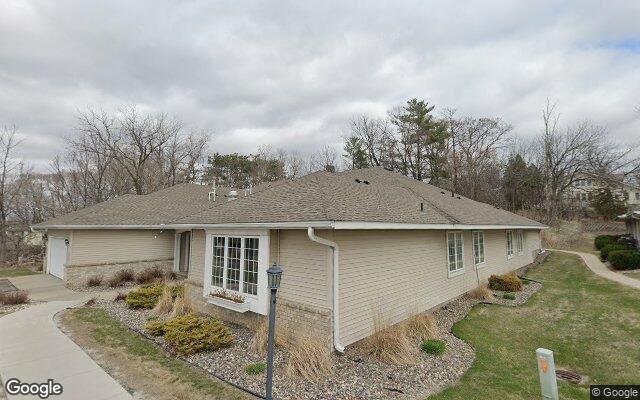
The Glenn Minnetonka.
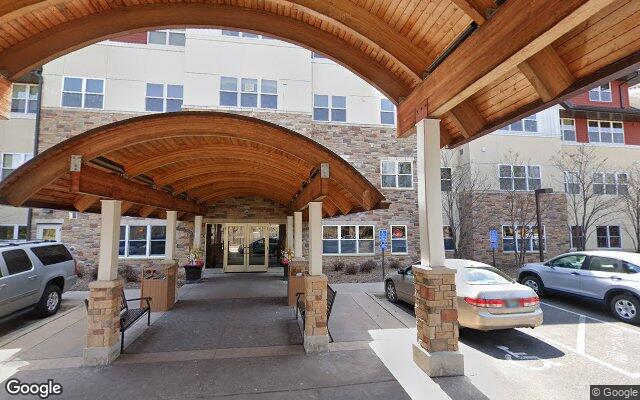
A large home, reviewed on public record.
Compared to 139 Minnesota facilities with a similar number of beds.
ALF memory care · 36-month window. Higher percentile = better performance on inspection record. Source: Minnesota Dept. of Health · Health Regulation Division.
among peers to rank.
Rankings based on 36-month MDH inspection data. Severity and frequency: fewer citations = higher percentile. Repeat rate: lower repeat citation share = higher percentile.
Citation history, plotted month by month.
No citations in the last 36 months.
Finding distribution
none · 36 monthsScope × Severity (CMS A–L)
Questions to ask before you visit.
A short pre-tour checklist tailored to The Glenn Minnetonka's record and state requirements.
The most recent Minnesota Department of Health inspection on 2025-05-21 recorded zero deficiencies across all regulatory standards — can you walk us through the facility's internal audit process and show us documentation of how you prepare for state surveys?
Ask the operator on tour. Take notes and compare answers across facilities you visit.
Two complaints were filed with MDH during the inspection period on record — were either of those complaints substantiated, and what documentation can you provide showing how the facility responded to any findings?
Ask the operator on tour. Take notes and compare answers across facilities you visit.
Minnesota Statutes chapter 144G requires assisted living facilities with dementia care to maintain written policies specific to dementia services — can you show prospective families a copy of your current dementia care program and explain how staff are trained on those protocols?
Ask the operator on tour. Take notes and compare answers across facilities you visit.
Every inspection visit, verbatim.
3 inspections in the public record, most recent first. Plain-language summaries open first — click into any row for the full citation text.
2026-07-01Complaint InvestigationNo findings
2025-05-21Annual Compliance VisitNo findings
Plain-language summary
A follow-up survey on August 13, 2025, found that the facility had not corrected a background check violation from the May 21, 2025 initial survey, and a $1,000 fine was assessed for this Level 3 violation. The facility must document actions taken to comply with the correction order and will be invoiced approximately 30 days after receiving the notice.
Read full citation textHide full citation text
Read raw inspector notesClose inspector notes
correction orders issued pursuant to the May 21, 2025 survey. In accordance with Minn. Stat. § 144G3. 1 Subd .4 (a), state correction orders issued pursuant to the last survey, completed on May 21, 2025, found not corrected at the time of the Augus t13, 2025, follow-up survey and/or subject to penalty assessmen at re as follows: 1290-Background Studies Required-144g.60 Subdivision 1 - $1,000.00 The details of the violations noted at the time of this follow-up survey completed on August 13, 2025 (listed above), are on the attached State Form. Brackets around the ID Prefix Tag in the left hand column, e.g., {2 ----} will identify the uncorrected tags. Therefore ,in accordance with Minn. Stat. §§ 144G0. 1 to 144G9. 999, the total amount you are assesse dis $1,000.00. You will be invoiced approximately 30 days after receipt of this notice, subject to appeal. DOCUMENTATIO ONF ACTION TO COMPLY In accordance with Minn. Stat. § 144G3. 0, Subd .5(c), the licensee must document actions taken to comply with the correction orders outlined on the state form; however, plans of correction are not required to be submitted for approval. IMPOSITION OF FINES In accordance with Minn. Stat. § 144G3. 1, Subd .4, fines and enforcement actions may be imposed based on the level and scope of the violations and may be imposed immediately with no opportunity to correct the violation first as follows: Leve l1: no fines or enforcement; Leve l2: a fine of $500 per violation, in addition to any enforcemen tmechanism authorized in § 144G2. 0; Leve l3: a fine of $1,000 per incident, in addition to any enforcemen tmechanism authorized in § 144G2. 0; Leve l4: a fine of $3,000 per incident, in addition to any enforcemen tmechanism authorized in § 144G2. 0; An equal opportunity employer . Letter ID: 8GKP Revised 04/14/2023 The Glenn Minnetonka Septembe r30, 2025 Page 2 Leve l5: a fine of $5,000 per violation, in addition to any enforcemen tmechanism authorized in § 144G2. 0. CORRECTIO ONRDER RECONSIDERATI OPRNOCESS In accordance with Minn. Stat. § 144G3. 2, Subd .2, you may challenge the correction order(s) issued ,including the level and scope ,and any fine assesse dthrough the correction order reconsideration process .The request for reconsideration must be in writing and received by MDH within 15 calendar days of the correction order receipt date. To submit a reconsideration request, please visit: https:/ / forms.web.health.state.mn.us/form/ HRDAppealsForm REQUESTIN AG HEARING Alternatively ,in accordance with Minn. Stat. § 144G3. 1, Subd .5(d), an assisted living provider that has been assesse da fine under this subdivision has a right to a reconsideration or a hearing under this section and chapter 14. Pursuan tto Minn. Stat. § 144G2. 0, Subd .14 and Subd .18, a request for a hearing must be in writing and received by the Department of Health within 15 business days of the correction order receipt date. The request must contain a brief and plain statement describing each matter or issue contested and any new information you believe constitutes a defense or mitigating factor. To submit a hearing request, please visit: https:/ / forms.web.health.state.mn.us/form/ HRDAppealsForm To appea lfines via reconsideration ,please follow the procedure outlined above. Please note that you may request a reconsideration or a hearing ,but not both. If you wish to contest tags without fines in a reconsideration and tags with the fines at a hearing, please submit two separate appeals forms at the website listed above. We urge you to review these orders carefully. If you have questions ,please contact Jess Schoenecke ar t You are encouraged to retain this document for your records . It is your responsibility to share the information contained in the letter and/or state form with your organizations’ Governing Body. Sincerely, Jess Schoenecke rS, upervisor State Evaluation Team Email :JessS. choenecker@state.mn.us Telephone :651-201-3789 Fax :1-866-890-9290 CLN PRINTED: 09/30/2025 FORM APPROVED STATEMENT OF DEFICIENCIES (X1) PROVIDER/SUPPLIER/CLIA (X2) MULTIPLE CONSTRUCTION (X3) DATE SURVEY AND PLAN OF CORRECTION IDENTIFICATION NUMBER: COMPLETED A. BUILDING: ______________________ R B. WING _____________________________ 28261 08/13/2025 NAME OF PROVIDER OR SUPPLIER STREET ADDRESS, CITY, STATE, ZIP CODE 5300 WOODHILL ROAD THE GLENN MINNETONKA MINNETONKA, MN 55345 SUMMARY STATEMENT OF DEFICIENCIES PROVIDER'S PLAN OF CORRECTION (X4) ID ID (X5) (EACH DEFICIENCY MUST BE PRECEDED BY FULL (EACH CORRECTIVE ACTION SHOULD BE COMPLETE PREFIX PREFIX REGULATORY OR LSC IDENTIFYING INFORMATION) CROSS-REFERENCED TO THE APPROPRIATE DATE TAG TAG DEFICIENCY) {0 000} Initial Comments {0 000} ******ATTENTION****** Minnesota Department of Health is documenting the State Correction Orders ASSISTED LIVING PROVIDER FOLLOW UP using federal software. Tag numbers have SURVEY WITH RE-ISSUE OF ORDERS been assigned to Minnesota State Statutes for Assisted Living Facilities. The INITIAL COMMENTS assigned tag number appears in the SL28261016-1 far-left column entitled "ID Prefix Tag." The state Statute number and the On August 13, 2025, the Minnesota Department corresponding text of the state Statute out of Health conducted a follow-up survey at the of compliance is listed in the "Summary above provider to follow-up on orders issued Statement of Deficiencies" column. This pursuant to a survey completed on May 21, column also includes the findings which 2025. At the time of the survey, there were 174 are in violation of the state requirement residents; 100 receiving services under the after the statement, "This Minnesota Assisted Living Facility with Dementia Care requirement is not met as evidenced by." license. As a result of the follow-up survey, the Following the evaluators ' findings is the following orders were reissued and/or issued. Time Period for Correction. PLEASE DISREGARD THE HEADING OF THE FOURTH COLUMN WHICH STATES,"PROVIDER'S PLAN OF CORRECTION." THIS APPLIES TO FEDERAL DEFICIENCIES ONLY. THIS WILL APPEAR ON EACH PAGE. THERE IS NO REQUIREMENT TO SUBMIT A PLAN OF CORRECTION FOR VIOLATIONS OF MINNESOTA STATE STATUTES. THE LETTER IN THE LEFT COLUMN IS USED FOR TRACKING PURPOSES AND REFLECTS THE SCOPE AND LEVEL ISSUED PURSUANT TO 144G.31 SUBDIVISION 1-3. {0 730} 144G.43 Subd. 3 Contents of resident record {0 730} SS=D LABORATORY DIRECTOR'S OR PROVIDER/SUPPLIER REPRESENTATIVE'S SIGNATURE TITLE (X6) DATE STATE FORM 6899 D6V912 If continuation sheet 1 of 6 PRINTED: 09/30/2025 FORM APPROVED STATEMENT OF DEFICIENCIES (X1) PROVIDER/SUPPLIER/CLIA (X2) MULTIPLE CONSTRUCTION (X3) DATE SURVEY AND PLAN OF CORRECTION IDENTIFICATION NUMBER: COMPLETED A. BUILDING: ______________________ R B. WING _____________________________ 28261 08/13/2025 NAME OF PROVIDER OR SUPPLIER STREET ADDRESS, CITY, STATE, ZIP CODE 5300 WOODHILL ROAD THE GLENN MINNETONKA MINNETONKA, MN 55345 SUMMARY STATEMENT OF DEFICIENCIES PROVIDER'S PLAN OF CORRECTION (X4) ID ID (X5) (EACH DEFICIENCY MUST BE PRECEDED BY FULL (EACH CORRECTIVE ACTION SHOULD BE COMPLETE PREFIX PREFIX REGULATORY OR LSC IDENTIFYING INFORMATION) CROSS-REFERENCED TO THE APPROPRIATE DATE TAG TAG DEFICIENCY) {0 730} Continued From page 1 {0 730} Contents of a resident record include the following for each resident: (1) identifying information, including the resident's name, date of birth, address, and telephone number; (2) the name, address, and telephone number of the resident's emergency contact, legal representatives, and designated representative; (3) names, addresses, and telephone numbers of the resident's health and medical service providers, if known; (4) health information, including medical history, allergies, and when the provider is managing medications, treatments or therapies that require documentation, and other relevant health records; (5) the resident's advance directives, if any; (6) copies of any health care directives, guardianships, powers of attorney, or conservatorships; (7) the facility's current and previous assessments and service plans; (8) all records of communications pertinent to the resident's services; (9) documentation of significant changes in the resident's status and actions taken in response to the needs of the resident, including reporting to the appropriate supervisor or health care professional; (10) documentation of incidents involving the resident and actions taken in response to the needs of the resident, including reporting to the appropriate supervisor or health care professional; (11) documentation that services have been provided as identified in the service plan; (12) documentation that the resident has received and reviewed the assisted living bill of rights; STATE FORM 6899 D6V912 If continuation sheet 2 of 6 PRINTED: 09/30/2025 FORM APPROVED STATEMENT OF DEFICIENCIES (X1) PROVIDER/SUPPLIER/CLIA (X2) MULTIPLE CONSTRUCTION (X3) DATE SURVEY AND PLAN OF CORRECTION IDENTIFICATION NUMBER: COMPLETED A. BUILDING: ______________________ R B.
2024-09-16Complaint InvestigationNo findings
Plain-language summary
A complaint investigation found that the facility did not neglect the resident when the resident showed signs of cognitive decline and became unresponsive. Staff contacted emergency services the day the resident's condition changed from her baseline, and the facility had communicated with the resident's provider in the days prior about the resident's declining mood and other health concerns. The Minnesota Department of Health determined the allegation was not substantiated.
Read full citation textHide full citation text
Read raw inspector notesClose inspector notes
Finding: Not Substantiated Nature of Investigation: The Minnesota Department of Health investigated an allegation of maltreatment, in accordance with the Minnesota Reporting of Maltreatment of Vulnerable Adults Act, Minn. Stat. 626.557, and to evaluate compliance with applicable licensing standards for the provider type. Initial Investigation Allegation(s): The facility neglected the resident when the facility failed to seek medical care for the resident when the resident showed signs of cognitive decline and was unresponsive. Investigative Findings and Conclusion: The Minnesota Department of Health determined neglect was not substantiated. The facility contacted emergency services to take the resident to the hospital the day the resident had change from her cognitive baseline. The facility also communicated with the residents provider during the days prior to the resident needing to be sent to the hospital. The investigator conducted interviews with facility staff members, including administrative staff, nursing staff, and unlicensed staff. The investigation included review of the resident’s medical records, death record, facility incident reports, staff schedules, related facility policy and procedures. Also, the investigator observed staff members providing care to and interacting with residents. The resident resided in an assisted living facility. The resident’s diagnoses included major depressive disorder, reduced mobility, and mild cognitive impairment. The resident’s service plan included assistance with medication management, mobility, repositioning, behavior management, and wellness checks. The resident also had every shift “care alert” service directing staff how to reassure and encourage the resident. The resident’s assessment indicated the resident was depressed following the death of her spouse and was previously hospitalized for failure to thrive. The resident needed the assistance of one staff member for mobility, however, the resident desired to stay in bed and declined to leave bed. Provider notes from seven and six days prior to the time in question indicated the facility contacted the provider because the resident was more weepy than usual and unable to explain what was wrong. The facility also reported the resident had swelling in her extremities with clear lung sounds and no coughing or shortness of breath. The provider indicated the resident had swelling that was due to positioning and limited mobility. The provider indicated the resident had failure to thrive and recommended a hospice evaluation that was dependent on the resident’s agreement to be evaluated. Provider notes from four days before the time in question indicated the resident reported feeling very tired due to not sleeping well. The provider noted the resident had swelling due to limited mobility and home care would be assisting to give extra time and attention and promote movement. On this day, the resident did not want to make any medication changes. Provider notes from two days before the time in question indicated the resident’s provider collaborated with psychiatric team members to change the resident’s mental health medication dose. Facility nurse progress notes three days before the resident was sent to the hospital indicated the resident would not participate in therapies and would close her eyes when asked to perform tasks. Facility nurse progress notes from the day the resident was sent to the hospital indicated staff reported the resident was “more lethargic and not rousable.” The note indicated the resident had a history of not opening her eyes when staff spoke to her, however the nurse assessed the resident and the resident only responded to pain. The nurse contacted emergency services to take the resident to the hospital. During separate interviews, multiple unlicensed personnel stated the resident was often weepy and sad and that the resident reported she wanted to die so she could be with her deceased spouse. The unlicensed personnel also stated they would try to console the resident and encourage her to move and get out of bed, but the resident would decline. During interview, a nurse stated the resident preferred to stay in bed and had that preference since admission to the facility. The day the resident was sent to the hospital, a staff member reported the resident was not doing well. The nurse went to check on the resident and a second nurse joined. The resident was not responding, the nurse ran to the nurses’ station to contact emergency services while the second nurse stayed with the resident. During interview, the second nurse stated approximately ten days before the resident was sent to the hospital, the resident was more weepy than usual and was not eating much. The second nurse stated the resident’s provider was made aware and continued to monitor the resident. The day the resident went to the hospital, the second nurse was conducting unit rounds when a staff member informed her the resident would not wake up and the second nurse and another nurse went to the resident’s room. The resident had a history of refusing to open her eyes at times, however, this morning the resident appeared pale on color and would not wake up when the second nurse rubbed her breastbone to stimulate a response. Emergency services were contacted and took the resident to the hospital. In conclusion, the Minnesota Department of Health determined neglect was not substantiated. “Not Substantiated” means: An investigatory conclusion indicating the preponderance of evidence shows that an act meeting the definition of maltreatment did not occur. Neglect: Minnesota Statutes, section 626.5572, subdivision 17 “Neglect” means neglect by a caregiver or self-neglect. (a) "Caregiver neglect" means the failure or omission by a caregiver to supply a vulnerable adult with care or services, including but not limited to, food, clothing, shelter, health care, or supervision which is: (1) reasonable and necessary to obtain or maintain the vulnerable adult's physical or mental health or safety, considering the physical and mental capacity or dysfunction of the vulnerable adult; and (2) which is not the result of an accident or therapeutic conduct. Vulnerable Adult interviewed: No, deceased. Family/Responsible Party interviewed: No, interview declined. Alleged Perpetrator interviewed: Not Applicable. t Action taken by facility: Facility contacted the resident’s provider with medical changes and concerns and sent resident to hospital via emergency services when she became unresponsive. Action taken by the Minnesota Department of Health: No further action taken at this time. cc: The Office of Ombudsman for Long Term Care The Office of Ombudsman for Mental Health and Developmental Disabilities PRINTED: 09/16/2024 FORM APPROVED STATEMENT OF DEFICIENCIES (X1) PROVIDER/SUPPLIER/CLIA (X2) MULTIPLE CONSTRUCTION (X3) DATE SURVEY AND PLAN OF CORRECTION IDENTIFICATION NUMBER: COMPLETED A. BUILDING: ______________________ C B. WING _____________________________ 28261 08/12/2024 NAME OF PROVIDER OR SUPPLIER STREET ADDRESS, CITY, STATE, ZIP CODE 5300 WOODHILL ROAD THE GLENN MINNETONKA MINNETONKA, MN 55345 SUMMARY STATEMENT OF DEFICIENCIES PROVIDER'S PLAN OF CORRECTION (X4) ID ID (X5) PREFIX (EACH DEFICIENCY MUST BE PRECEDED BY FULL PREFIX (EACH CORRECTIVE ACTION SHOULD BE COMPLETE REGULATORY OR LSC IDENTIFYING INFORMATION) CROSS-REFERENCED TO THE APPROPRIATE DATE TAG TAG DEFICIENCY) 0 000 Initial Comments 0 000 On August 12, 2024, the Minnesota Department of Health initiated an investigation of complaint #HL282616202C/#HL282614722M. No correction orders are issued. LABORATORY DIRECTOR'S OR PROVIDER/SUPPLIER REPRESENTATIVE'S SIGNATURE TITLE (X6) DATE STATE FORM 6899 XMKH11 If continuation sheet 1 of 1
2 older inspections from 2023 are not shown above.
Get the complete record, translated into plain language — emailed to you.
Other facilities in Hennepin County.
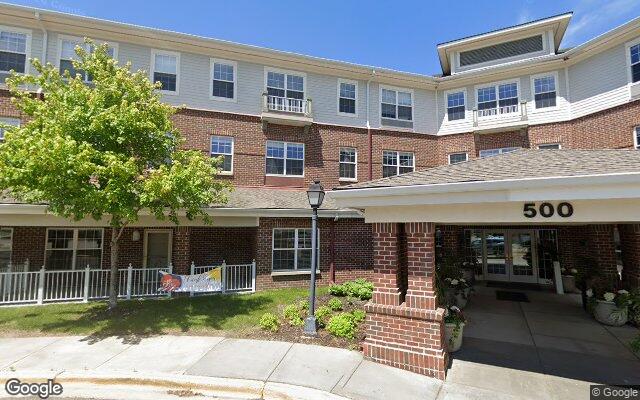
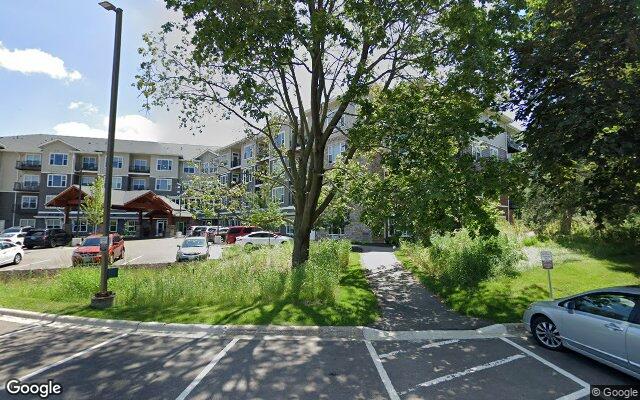
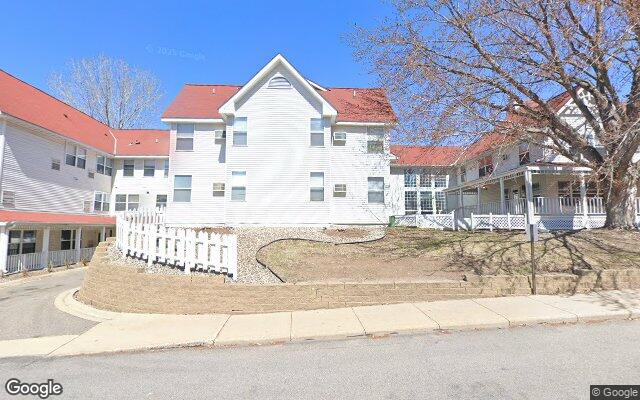
Other memory care facilities in Hennepin County with similar care offerings.
Contract Decoder
Family reviews
No reviews yet — be the first to share your experience
Other memory care options nearby.
More options in neighboring cities
Licensed memory care in other cities within this county region — useful when your search radius crosses city limits.