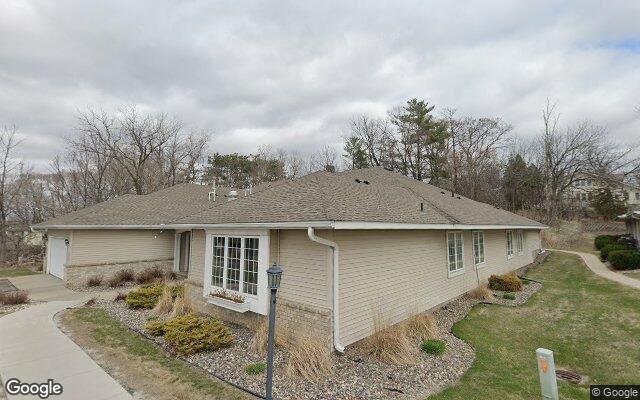
Spirit Care Homes.
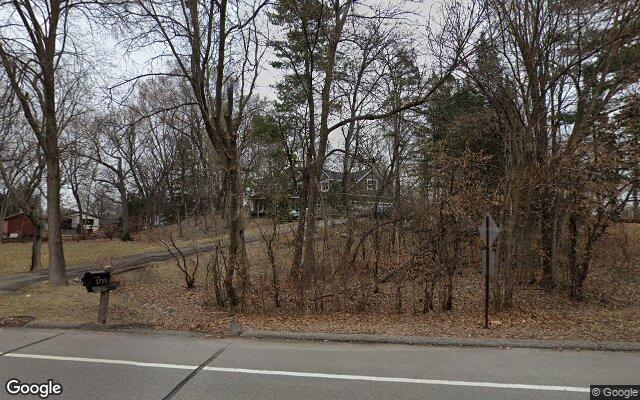
A medium home, reviewed on public record.
Compared to 84 Minnesota facilities with a similar number of beds.
ALF memory care · 36-month window. Higher percentile = better performance on inspection record. Source: Minnesota Dept. of Health · Health Regulation Division.
among peers to rank.
Rankings based on 36-month MDH inspection data. Severity and frequency: fewer citations = higher percentile. Repeat rate: lower repeat citation share = higher percentile.
Citation history, plotted month by month.
No citations in the last 36 months.
Finding distribution
none · 36 monthsScope × Severity (CMS A–L)
Every inspection visit, verbatim.
3 inspections in the public record, most recent first. Plain-language summaries open first — click into any row for the full citation text.
2026-06-17Annual Compliance VisitNo findings
2025-12-02Complaint InvestigationNo findings
Plain-language summary
A Minnesota Department of Health complaint investigation found that neglect was not substantiated after a resident with dementia exited a memory care facility's secured door (which unlocked after 15 seconds per fire safety code) and sustained a head laceration, bruises, scrapes, and a wrist fracture from an unwitnessed fall outside. Staff responded within five minutes of the alarm sounding, and the investigation determined the facility's protocols were followed appropriately. The resident's condition improved over the following weeks with monitoring and medical care.
Read full citation textHide full citation text
Read raw inspector notesClose inspector notes
Finding: Not Substantiated Nature of Investigation: The Minnesota Department of Health investigated an allegation of maltreatment, in accordance with the Minnesota Reporting of Maltreatment of Vulnerable Adults Act, Minn. Stat. 626.557, and to evaluate compliance with applicable licensing standards for the provider type. Initial Investigation Allegation(s): The facility neglected the resident when staff failed to provide adequate supervision. As a result, the resident eloped and sustained injury. Investigative Findings and Conclusion: The Minnesota Department of Health determined neglect was not substantiated. The resident exited the facility through a secured door that was released per fire safety code after sustained pressure while the unlicensed personnel (ULP) was assisting another resident. The ULP responded to the alarm within five minutes and found the resident outside the front entrance sitting on her buttocks. The resident had an unwitnessed fall, sustained a head laceration (cut) and bruise, a shoulder abrasion (scrape), knee and ear skin tear. The resident diagnosed with a wrist fracture. The facility took action to reduce the risk of reoccurrence. The investigator conducted interviews with facility staff members including administrative staff and nursing staff. The investigation included review of the resident records, facility internal investigation, facility incident reports, hospice records, staff schedules, video footage, and related facility policy and procedures. Also, the investigator observed the resident and observed exit doors and alarm systems. The resident resided in an assisted living memory care unit. The resident’s diagnoses included dementia. The resident’s service plan included assistance with safety checks. The resident’s assessment indicated the resident was at risk for elopement and wandered. On occasions, the resident wandered towards exit doors attempting to open them. When the resident heard the alarm, she backed away from the door. Interventions included if the resident exit sought staff were to offer the resident something to eat/drink, offer a movie, or magazine to read. The resident’s strength and endurance varied and was unpredictable. At times the resident was able to walk steady, other times the resident was weak. The resident used a wheelchair and required staff assistance with a gait belt when she walked. The resident was disoriented and had severely impaired decision making. The resident received hospice services. A 20 second video clip with audio showed the resident walk and stand at the front entrance. The resident turned, pulled, and pushed the door and door handle. The door alarm sounded and continued to sound. The resident turned around and walked away from the door. Three minutes later, a 9 second video clip with audio showed the resident standing at the front entrance with the door alarm sounding. The resident turned the door handle, opened the door, and exited. The resident’s incident reports indicated prior to the resident’s elopement, the resident had just finished a meal, was sitting in her wheelchair at the dining table, and was calm. The ULP went upstairs to assist another resident. Upon return five minutes later, the resident was not seated in her wheelchair like she had been when last seen. The front entrance door alarm was sounding. The ULP went to the front door. The resident was sitting outside on her buttocks at the bottom of the front entrance stairs. The ULP assisted the resident back into the facility. The nurse assessed the resident after the fall, cleansed the resident’s head laceration, and applied a dressing. The resident had range of motion. The resident was provided pain medication. Hospice services were called and went to the facility the same day. The facility nurse and hospice nurse conducted a full skin assessment. The next day, the resident started guarding her right wrist and had pain. A portable x-ray was ordered and the resident diagnosed with a wrist fracture. The resident’s scheduled services record indicated the resident received safety checks the day of the incident. The resident’s hospice records indicated the day of the elopement, there was a duration of five minutes from when the exit door alarm went off to when the resident was found outside by the ULP. Outside, the resident had an unwitnessed fall. Records indicated the weeks following the incident, the resident’s head laceration scabbed over, showed healing, with no more bruising. The resident received additional pain medication and wore a wrist brace. The same records indicated the resident’s wrist fracture pain was well managed and the added pain medication eventually discontinued. The records also indicated the facility monitored the resident closely for falls and for pain. The resident’s medical provider records indicated the resident was seen after the incident. The resident’s record did not indicate any prior or further elopements. During an interview, leadership stated when the secure door alarms the lock will disengage after 15 seconds due to life safety code. Staff need to swipe their badge to reengage the lock and shut off the alarm. Leadership stated ULP followed the facility’s protocol and did exactly what he was supposed to in the event of an elopement. After the ULP finished assisting the other resident in the bathroom and ensured resident was safe, he responded to the door alarm. The ULP found the resident outside and assisted her back inside. Leadership stated the secure door alarm system was working the way it was supposed to. Prior to this incident, the resident had not gotten up and walked for months. During an interview, a nurse stated the resident had a history of exit seeking behavior when she was more mobile, however prior to the incident had not exit sought for several months. The nurse said during this same timeframe the resident’s impulsiveness of getting up to walk had also dissipated. She said it was a surprise to everyone the resident was able to get up, walk, and exit the door. During shift, the nurse said she had seen the resident prior to the incident and said there was nothing different or abnormal going on. The resident was at her normal baseline. The resident was last seen by ULP sitting in her wheelchair at the dining table and had just finished eating a meal. The resident was calm. The nurse said the resident had no prior elopement nor any further elopement at the facility. The nurse said the resident was outside for five minutes or less before being found by unlicensed personnel. The nurse said interventions were added. During an interview, a family member stated she did not have any concerns with staff supervision of the resident. The resident had not had any other elopement outside of this incident and said she was surprised the resident physically got up and walked. In conclusion, the Minnesota Department of Health determined neglect was not substantiated. “Not Substantiated” means: An investigatory conclusion indicating the preponderance of evidence shows that an act meeting the definition of maltreatment did not occur. Neglect: Minnesota Statutes, section 626.5572, subdivision 17 “Neglect” means neglect by a caregiver or self-neglect. (a) "Caregiver neglect" means the failure or omission by a caregiver to supply a vulnerable adult with care or services, including but not limited to, food, clothing, shelter, health care, or supervision which is: (1) reasonable and necessary to obtain or maintain the vulnerable adult's physical or mental health or safety, considering the physical and mental capacity or dysfunction of the vulnerable adult; and (2) which is not the result of an accident or therapeutic conduct. Vulnerable Adult interviewed: Yes. Attempted, unable due to cognition. Family/Responsible Party interviewed: Yes. Alleged Perpetrator interviewed: Not Applicable. Action taken by facility: The facility installed an additional annunciator to ensure alarms were audible in all areas. The facility contacted the alarm door vendor to review possible system enhancements. The facility implemented routine elopement drills and refresher training. The facility also conducted missing person drills with their staff. The facility added monthly testing and validation of wander management technology systems and alarms. Action taken by the Minnesota Department of Health: No further action taken at this time. cc: The Office of Ombudsman for Long Term Care The Office of Ombudsman for Mental Health and Developmental Disabilities PRINTED: 12/04/2025 FORM APPROVED STATEMENT OF DEFICIENCIES (X1) PROVIDER/SUPPLIER/CLIA (X2) MULTIPLE CONSTRUCTION (X3) DATE SURVEY AND PLAN OF CORRECTION IDENTIFICATION NUMBER: COMPLETED A. BUILDING: ______________________ C B.
2024-06-26Complaint InvestigationNo findings
Plain-language summary
A complaint was investigated that staff neglected a resident by releasing his gait belt during a walk, which led to a fall and spinal fracture. The Minnesota Department of Health determined the allegation was not substantiated because the staff member was following the resident's care plan and facility procedures, and the resident ignored the instruction to wait and fell as a result of an accident rather than neglect. No violations were found, and the facility instructed staff to remain focused during ambulation with residents.
Read full citation textHide full citation text
Read raw inspector notesClose inspector notes
Finding: Not Substantiated Nature of Investigation: The Minnesota Department of Health investigated an allegation of maltreatment, in accordance with the Minnesota Reporting of Maltreatment of Vulnerable Adults Act, Minn. Stat. 626.557, and to evaluate compliance with applicable licensing standards for the provider type. Initial Investigation Allegation(s): The alleged perpetrator (AP), facility staff, neglected the resident when they failed to follow the resident’s plan of care when the AP released the resident’s gait belt when walking the resident. The resident fell and fractured his spine. Investigative Findings and Conclusion: The Minnesota Department of Health determined neglect was not substantiated. The AP was following the resident’s plan of care and facility policies and procedures at the time of the resident’s fall. The AP briefly let go of the resident’s gait belt during ambulation and instructed the resident to wait for her. The resident continued to walk and fell resulting in a spinal fracture. The incident was an accident which was sudden, unforeseen, and unexpected. The investigator conducted interviews with facility staff members, including administrative staff, nursing staff, and unlicensed staff. The investigator contacted licensed health professionals. The resident’s family member was interviewed. The investigation included review of the resident record, hospital records, home health record, in-house provider’s record, facility incident reports, personnel files, staff schedules, and related facility policy and procedures. The resident resided in an assisted living facility with dementia care. The resident’s diagnoses included Alzheimer’s disease with a history of falls with fractures. The resident’s care plan indicated the resident required staff assistance of one using a gait belt and four-wheeled walker when he walked. The resident chose to sleep in his reclining lift chair. The resident had an emergency call pendant he wore on his wrist but did not know how to use it. The resident was oriented to person and place. The resident’s record indicated the resident had four falls during approximately two months at the facility. Three of the falls occurred when the resident attempted to transfer out of the recliner without staff assistance. An incident report indicated early one morning; the AP was getting the resident ready for the day. The AP instructed the resident to not start walking without her as she momentarily let go of his gait belt to grab trash off his bed. The resident ignored the AP and started to walk then fell backwards, landing on his butt and back. The AP obtained vital signs, performed range-of-motion, checked for injuries, and called the RN. The AP and another staff member got the resident off the floor. The resident initially denied pain and said he felt fine, but later complained of neck and shoulder pain. The registered nurse assessed the resident when she arrived at the facility and called 911 to have the resident transported to the emergency room for an evaluation. The hospital record indicated the resident was diagnosed with a pathological compression fracture (not caused by force or impact but an underlying disease) in the spinal thoracic (middle back) area (T10). The resident was fitted with a back brace and seven days later discharged to another facility that provided a higher level of care. During an interview a staff member stated the resident was very impulsive and stubborn, stating, “he wanted to go when he wanted to go, and he wouldn’t listen to anybody else.” The staff member stated staff always used a gait belt when they walked the resident. During an interview, the registered nurse stated the resident had a history of falls at his prior facility. The registered nurse stated most falls occurred in his apartment when the resident attempted to get out of his recliner without requesting assistance stating, “his mind said yes, but his body said no.” The registered nurse stated, following the fall, the AP was educated to always focus on the resident during ambulation avoiding distractions. In conclusion, the Minnesota Department of Health determined neglect was not. “Not Substantiated” means: An investigatory conclusion indicating the preponderance of evidence shows that an act meeting the definition of maltreatment did not occur. Neglect: Minnesota Statutes, section 626.5572, subdivision 17 Neglect means neglect by a caregiver or self-neglect. (a) "Caregiver neglect" means the failure or omission by a caregiver to supply a vulnerable adult with care or services, including but not limited to, food, clothing, shelter, health care, or supervision which is: (1) reasonable and necessary to obtain or maintain the vulnerable adult's physical or mental health or safety, considering the physical and mental capacity or dysfunction of the vulnerable adult; and (2) which is not the result of an accident or therapeutic conduct. Vulnerable Adult interviewed: No. Unable to interview due to Alzheimer’s disease. Family/Responsible Party interviewed: Yes. Alleged Perpetrator interviewed: No. The AP initially agreed to be interviewed but then declined when the investigator called her. Action taken by facility: The facility sent the resident to the hospital for further evaluation. Facility staff instructed the AP to focus on the resident during ambulation and avoid distractions. Action taken by the Minnesota Department of Health No further action taken at this time. cc: The Office of Ombudsman for Long Term Care The Office of Ombudsman for Mental Health and Developmental Disabilities PRINTED: 06/27/2024 FORM APPROVED STATEMENT OF DEFICIENCIES (X1) PROVIDER/SUPPLIER/CLIA (X2) MULTIPLE CONSTRUCTION (X3) DATE SURVEY AND PLAN OF CORRECTION IDENTIFICATION NUMBER: COMPLETED A. BUILDING: ______________________ C B. WING _____________________________ 39678 05/20/2024 NAME OF PROVIDER OR SUPPLIER STREET ADDRESS, CITY, STATE, ZIP CODE 3727 SHADY OAK ROAD SPIRIT CARE HOMES LLC MINNETONKA, MN 55305 SUMMARY STATEMENT OF DEFICIENCIES PROVIDER'S PLAN OF CORRECTION (X4) ID ID (X5) PREFIX (EACH DEFICIENCY MUST BE PRECEDED BY FULL PREFIX (EACH CORRECTIVE ACTION SHOULD BE COMPLETE REGULATORY OR LSC IDENTIFYING INFORMATION) CROSS-REFERENCED TO THE APPROPRIATE DATE TAG TAG DEFICIENCY) 0 000 Initial Comments 0 000 On May 20, 2024, the Minnesota Department of Health initiated an investigation of complaint #HL396788516C/#HL396781182M. No correction orders are issued. LABORATORY DIRECTOR'S OR PROVIDER/SUPPLIER REPRESENTATIVE'S SIGNATURE TITLE (X6) DATE STATE FORM 6899 QRDY11 If continuation sheet 1 of 1
Other facilities in Hennepin County.
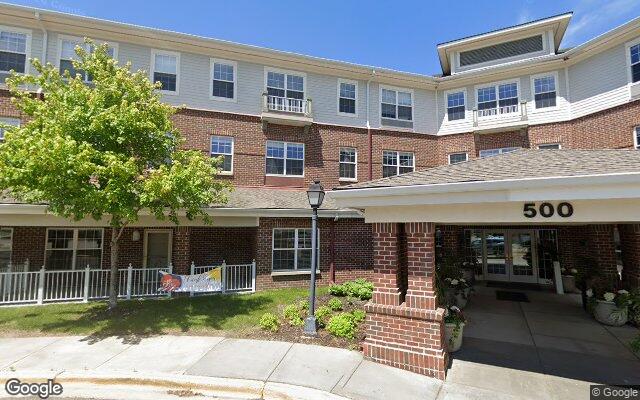
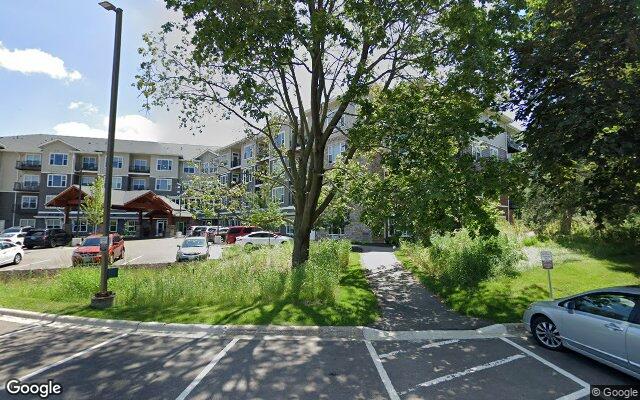
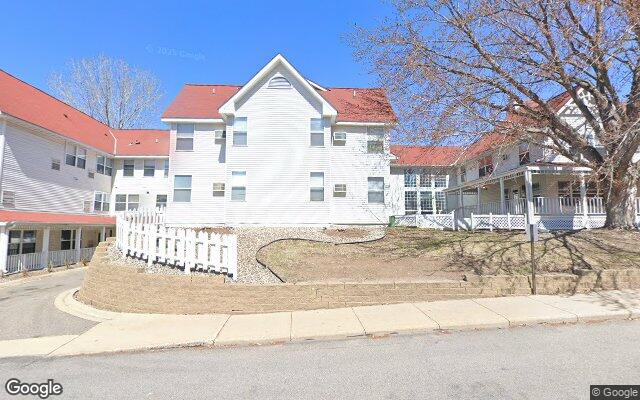
Other memory care facilities in Hennepin County with similar care offerings.
Tour Prep
Family reviews
No reviews yet — be the first to share your experience
Other memory care options nearby.
More options in neighboring cities
Licensed memory care in other cities within this county region — useful when your search radius crosses city limits.