Elder Homestead.
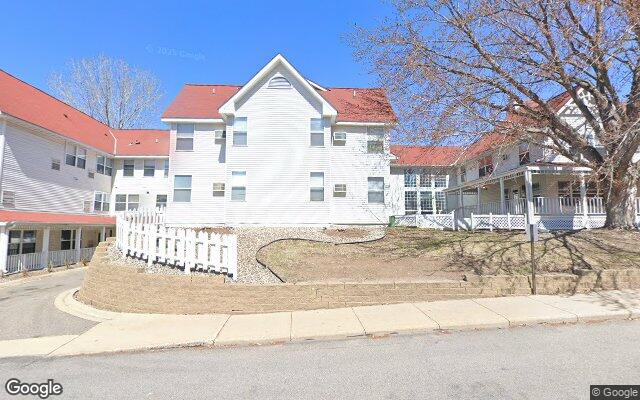
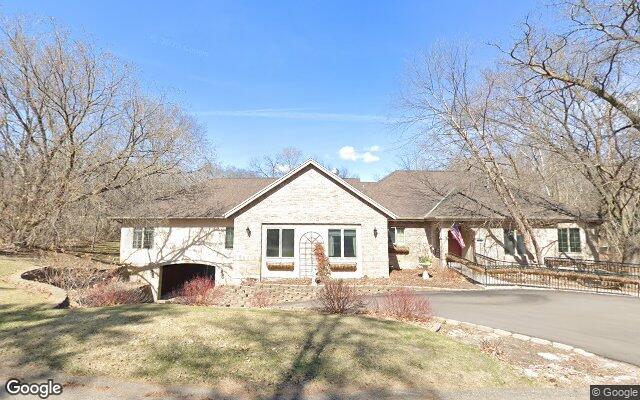
A large home, reviewed on public record.
Compared to 187 Minnesota facilities with a similar number of beds.
ALF memory care · 36-month window. Higher percentile = better performance on inspection record. Source: Minnesota Dept. of Health · Health Regulation Division.
among peers to rank.
Rankings based on 36-month MDH inspection data. Severity and frequency: fewer citations = higher percentile. Repeat rate: lower repeat citation share = higher percentile.
Citation history, plotted month by month.
1 deficiency on record. Each bar is a month with a citation.
Finding distribution
1 total · 36 monthsScope × Severity (CMS A–L)
Questions to ask before you visit.
A short pre-tour checklist tailored to Elder Homestead's record and state requirements.
The most recent Minnesota Department of Health inspection on January 9, 2025 found zero deficiencies — can you walk us through how Elder Homestead maintains compliance with Minnesota Statutes Chapter 144G dementia care requirements, and what internal audits or quality checks you use between state visits?
Ask the operator on tour. Take notes and compare answers across facilities you visit.
Two complaints were filed with MDH during the inspection period on record — can you share whether those complaints were substantiated, and if so, what corrective action plans Elder Homestead implemented in response?
Ask the operator on tour. Take notes and compare answers across facilities you visit.
Elder Homestead holds an Assisted Living Facility with Dementia Care license under Minnesota law — can you provide families with a copy of your written dementia care program and explain how staff competency in dementia care is documented and verified across all shifts?
Ask the operator on tour. Take notes and compare answers across facilities you visit.
Every inspection visit, verbatim.
3 inspections in the public record, most recent first. Plain-language summaries open first — click into any row for the full citation text.
2025-01-09Annual Compliance VisitNo findings
Plain-language summary
A standard inspection was conducted at this facility from January 6 through January 9, 2025, and state correction orders were issued for violations of Minnesota statutes governing assisted living facilities with dementia care. The facility must document the actions taken to correct these violations within the timeframe specified on the state form, though no immediate fines were assessed. The facility may challenge these correction orders through Minnesota's reconsideration process if it chooses to do so within 15 calendar days.
Read full citation textHide full citation text
Read raw inspector notesClose inspector notes
correction orders and document the actions taken to comply in the facility's records. The Department reserves the right to return to the facility at any time should the Department receive a complaint or deem it necessary to ensure the health, safety, and welfare of residents in your care. STATE CORRECTION ORDERS The enclosed State Form documents the state correction orders. MDH documents state licensing correction orders using federal software. Tag numbers are assigned to Minnesota state statutes for Assisted Living Facilities. The assigned tag number appears in the far left column entitled "ID Prefix Tag." The state statute number and the corresponding text of the state statute out of compliance are listed in the "Summary Statement of Deficiencies" column. This column also includes the findings that are in violation of the state statute after the statement, "This MN Requirement is not met as evidenced by . . ." In accordance with Minn. Stat. § 144G.31 Subd. 4, MDH may assess fines based on the level and scope of the violations; h owever, no immediate fines are assessed for this survey of your facility. DOCUMENTATION OF ACTION TO COMPLY In accordance with Minn. Stat. § 144G.30, Subd. 5(c), the licensee must document actions taken to comply with the correction orders within the time period outlined on the state form; however, plans of correction are not required to be submitted for approval. The correction order documentation should include the following: Identify how the area(s) of noncompliance was corrected related to the An equal opportunity employer. Letter ID: IS7N REVISED 09/13/2021 Elder Homestead February 19, 2025 Page 2 resident(s)/employee(s) identified in the correction order. Identify how the area(s) of noncompliance was corrected for all of the provider’s resident(s)/employees that may be affected by the noncompliance. Identify what changes to your systems and practices were made to ensure compliance with the specific statute(s). CORRECTION ORDER RECONSIDERATION PROCESS In accordance with Minn. Stat. § 144G.32, Subd. 2, you may challenge the correction order(s) issued, including the level and scope, and any fine assessed through the correction order reconsideration process. The request for reconsideration must be in writing and received by MDH within 15 calendar days of the correction order receipt date. To submit a reconsideration request, please visit: https://forms.web.health.state.mn.us/form/HRDAppealsForm The MDH Health Regulation Division (HRD) values your feedback about your experience during the survey and/or investigation process. Please fill out this anonymous provider feedback questionnaire at your convenience at this link: h ttps://forms.office.com/g/Bm5uQEpHVa. Your input is important to us and will enable MDH to improve its processes and communication with providers. If you have any questions regarding the questionnaire, please contact Susan Winkelmann at susan.winkelmann@state.mn.us or call 651-201-5952. You are encouraged to retain this document for your records. It is your responsibility to share the information contained in the letter and state form with your organization’s Governing Body. If you have any questions, please contact me. Sincerely, Jess Schoenecker, Supervisor State Evaluation Team Email: Jess.Schoenecker@state.mn.us Telephone: 651-201-3789 Fax: 1-866-890-9290 HHH PRINTED: 02/19/2025 FORM APPROVED STATEMENT OF DEFICIENCIES (X1) PROVIDER/SUPPLIER/CLIA (X2) MULTIPLE CONSTRUCTION (X3) DATE SURVEY AND PLAN OF CORRECTION IDENTIFICATION NUMBER: COMPLETED A. BUILDING: ______________________ B. WING _____________________________ 20104 01/09/2025 NAME OF PROVIDER OR SUPPLIER STREET ADDRESS, CITY, STATE, ZIP CODE 11400 4TH STREET NORTH ELDER HOMESTEAD MINNETONKA, MN 55343 SUMMARY STATEMENT OF DEFICIENCIES PROVIDER'S PLAN OF CORRECTION (X4) ID ID (X5) PREFIX (EACH DEFICIENCY MUST BE PRECEDED BY FULL PREFIX (EACH CORRECTIVE ACTION SHOULD BE COMPLETE REGULATORY OR LSC IDENTIFYING INFORMATION) CROSS-REFERENCED TO THE APPROPRIATE DATE TAG TAG DEFICIENCY) 0 000 Initial Comments 0 000 *****ATTENTION****** Minnesota Department of Health is documenting the State Correction Orders ASSISTED LIVING PROVIDER LICENSING using federal software. Tag numbers have CORRECTION ORDER been assigned to Minnesota State Statutes for Assisted Living Facilities with In accordance with Minnesota Statutes, section Dementia Care. The assigned tag number 144G.08 to 144G.95, these correction orders are appears in the far-left column entitled "ID issued pursuant to a survey. Prefix Tag." The state Statute number and the corresponding text of the state Statute Determination of whether violations are corrected out of compliance is listed in the requires compliance with all requirements "Summary Statement of Deficiencies" provided at the Statute number indicated below. column. This column also includes the When Minnesota Statute contains several items, findings which are in violation of the state failure to comply with any of the items will be requirement after the statement, "This considered lack of compliance. Minnesota requirement is not met as evidenced by." Following the evaluators ' INITIAL COMMENTS: findings is the Time Period for Correction. Project # SL20104016 PLEASE DISREGARD THE HEADING OF On January 6, 2025, through January 9, 2025, the THE FOURTH COLUMN WHICH survey at the above provider, and the following CORRECTION." THIS APPLIES TO correction orders are issued. At the time of the FEDERAL DEFICIENCIES ONLY. THIS survey, there were thirty-seven (37) residents WILL APPEAR ON EACH PAGE. receiving services under the provider's Assisted Living with Dementia Care license. THERE IS NO REQUIREMENT TO SUBMIT A PLAN OF CORRECTION FOR VIOLATIONS OF MINNESOTA STATE STATUTES. THE LETTER IN THE LEFT COLUMN IS USED FOR TRACKING PURPOSES AND REFLECTS THE SCOPE AND LEVEL ISSUED PURSUANT TO 144G.31 SUBDIVISION 1-3. 0 780 144G.45 Subd. 2 (a) (1) Fire protection and 0 780 SS=F physical environment LABORATORY DIRECTOR'S OR PROVIDER/SUPPLIER REPRESENTATIVE'S SIGNATURE TITLE (X6) DATE STATE FORM 6899 36X411 If continuation sheet 1 of 15 PRINTED: 02/19/2025 FORM APPROVED STATEMENT OF DEFICIENCIES (X1) PROVIDER/SUPPLIER/CLIA (X2) MULTIPLE CONSTRUCTION (X3) DATE SURVEY AND PLAN OF CORRECTION IDENTIFICATION NUMBER: COMPLETED A. BUILDING: ______________________ B. WING _____________________________ 20104 01/09/2025 NAME OF PROVIDER OR SUPPLIER STREET ADDRESS, CITY, STATE, ZIP CODE 11400 4TH STREET NORTH ELDER HOMESTEAD MINNETONKA, MN 55343 SUMMARY STATEMENT OF DEFICIENCIES PROVIDER'S PLAN OF CORRECTION (X4) ID ID (X5) PREFIX (EACH DEFICIENCY MUST BE PRECEDED BY FULL PREFIX (EACH CORRECTIVE ACTION SHOULD BE COMPLETE REGULATORY OR LSC IDENTIFYING INFORMATION) CROSS-REFERENCED TO THE APPROPRIATE DATE TAG TAG DEFICIENCY) 0 780 Continued From page 1 0 780 for dwellings or sleeping units, as defined in the State Fire Code: (i) provide smoke alarms in each room used for sleeping purposes; (ii) provide smoke alarms outside each separate sleeping area in the immediate vicinity of bedrooms; (iii) provide smoke alarms on each story within a dwelling unit, including basements, but not including crawl spaces and unoccupied attics; (iv) where more than one smoke alarm is required within an individual dwelling unit or sleeping unit, interconnect all smoke alarms so that actuation of one alarm causes all alarms in the individual dwelling unit or sleeping unit to operate; and (v) ensure the power supply for existing smoke alarms complies with the State Fire Code, except that newly introduced smoke alarms in existing buildings may be battery operated; This MN Requirement is not met as evidenced by: Based on observation and interview, the licensee failed to comply with Minnesota State Fire Code and Minnesota Rule 7511. This had the potential to directly affect all residents, staff, and visitors. This practice resulted in a level two violation (a violation that did not harm a resident's health or safety but had the potential to have harmed a resident's health or safety) and was issued at a widespread scope (when problems are pervasive or represent a systemic failure that has affected or has the potential to affect a large portion or all of the residents). STATE FORM 6899 36X411 If continuation sheet 2 of 15 PRINTED: 02/19/2025 FORM APPROVED STATEMENT OF DEFICIENCIES (X1) PROVIDER/SUPPLIER/CLIA (X2) MULTIPLE CONSTRUCTION (X3) DATE SURVEY AND PLAN OF CORRECTION IDENTIFICATION NUMBER: COMPLETED A. BUILDING: ______________________ B. WING _____________________________ 20104 01/09/2025 NAME OF PROVIDER OR SUPPLIER STREET ADDRESS, CITY, STATE, ZIP CODE 11400 4TH STREET NORTH ELDER HOMESTEAD MINNETONKA, MN 55343 SUMMARY STATEMENT OF DEFICIENCIES PROVIDER'S PLAN OF CORRECTION (X4) ID ID (X5) PREFIX (EACH DEFICIENCY MUST BE PRECEDED BY FULL PREFIX (EACH CORRECTIVE ACTION SHOULD BE COMPLETE REGULATORY OR LSC IDENTIFYING INFORMATION) CROSS-REFERENCED TO THE APPROPRIATE DATE TAG TAG DEFICIENCY) 0 780 Continued From page 2 0 780 Findings include: On January 7. 2025, from approximately 2:00 p.m. to 4:44 p.m., the surveyor toured the facility with licensed assisted living director (LALD)-D.
2024-12-26Complaint InvestigationNo findings
Plain-language summary
A complaint alleged the facility neglected a resident by failing to assess her after a change in condition, which contributed to her death; the Minnesota Department of Health investigated and determined the allegation was not substantiated. The facility documented that it assessed the resident after falls, communicated with her medical provider, and offered additional services, but the resident often refused care, medications, and emergency room evaluations. The resident died at a hospital from mesenteric ischemia and sepsis related to poor oral intake and self-neglect, according to law enforcement and the medical examiner.
Read full citation textHide full citation text
Read raw inspector notesClose inspector notes
Finding: Not Substantiated Nature of Investigation: The Minnesota Department of Health investigated an allegation of maltreatment, in accordance with the Minnesota Reporting of Maltreatment of Vulnerable Adults Act, Minn. Stat. 626.557, and to evaluate compliance with applicable licensing standards for the provider type. Initial Investigation Allegation(s): The facility neglected the resident when they failed to assess her after a noted change in condition and failed to provide adequate care and services to the resident resulting in her death. Investigative Findings and Conclusion: The Minnesota Department of Health determined neglect was not substantiated. The facility assessed the resident after falls, communicated concerns to the resident’s provider and provided cares as the resident allowed. The resident often refused cares, medications, and emergency room evaluations as recommended. The investigator conducted interviews with facility staff members, including administrative staff and nursing staff. The investigator contacted law enforcement. The investigation included review of the resident records, death record, hospital records, facility internal investigations, facility incident reports, staff schedules, law enforcement report, related facility policy and procedures. Also, the investigator observed resident cares and interactions with staff while on site. The resident resided in an assisted living facility. The resident’s diagnoses included chronic kidney disease and osteoporosis with pathological fracture. The resident’s service plan included assistance with medication administration, meal delivery and bathing. The resident’s assessment indicated the resident was alert, oriented, and walked with use of a walker. The resident was her own decision maker and independent with most activities of daily living. The resident’s service plan indicated the resident admitted to the facility on a wellness plan that included nursing assessments as required, staff response to activated call lights, daily safety check, and monthly monitoring of vital signs. Other services were available to the resident as requested via an a la cart pay per service system. The residents progress notes indicated the resident had multiple falls while residing at the facility and increased weakness from poor appetite. The notes indicated the nurses updated the resident’s medical provider and family, along with a review of the incident. Facility leadership implemented interventions after each fall. The facility staff educated the resident on risks and benefits for being evaluated after a fall with hitting her head due to being on blood thinners, but the resident declined. The notes indicated the facility also carried out new orders such as medication changes, lab work and x-ray orders received by the medical provider. The notes also indicated the facility nurse attempted on multiple occasions to meet with the resident to discuss services she felt could be beneficial for the resident to receive, but the resident refused to discuss the options. A facility incident report indicated the resident had fall approximately one week prior to hospitalization. The resident hit the back of her head and had a cut with some bleeding. The resident also had low blood sugar. The report indicated the resident was non-compliant with interventions. The resident’s progress notes indicated the day before the resident admitted to the hospital, the resident had been vomiting and had critical lab results. The medical provider advised the resident to be evaluated in the emergency room. The resident declined to go to the emergency room. The following day, the resident’s progress notes indicated staff updated the nurse of the resident’s continued vomiting, refusals of medications, and refusal to get out of bed. Staff called 911 and the resident transferred to the hospital. The notes indicated the resident passed away at the hospital two days later. The resident’s hospital record indicated the resident likely passed away from mesenteric ischemia (a medical condition where blood flow to the intestines is significantly reduced or blocked, usually due to a narrowing or blockage in the mesenteric arteries) and sepsis (a life-threatening condition that occurs when the body's immune system has an extreme response to an infection or injury.) The notes indicated the resident had profound hypokalemia (a condition where there are low levels of potassium in the blood) and hyponatremia (a condition where there are low levels of sodium in the blood) that was the suspected result of the resident’s poor oral intake. A law enforcement report indicated the resident was estranged from her family and there was no power of attorney in place. The report indicated that once the resident ran out of funds, the facility assisted her to obtain a state waiver to pay for services such as bathing, laundry, medication administration, meals delivered to her door, and housekeeping. The report indicated law enforcement contacted the medical examiner who reviewed hospital notes and determined the resident’s injuries were due to self-neglect. The law enforcement officer indicated the medical examiner’s findings corroborated his findings at the facility. An autopsy was not performed. The resident’s death record indicated the resident died due to complications of a right hip fracture related to a presumed fall. During an interview, a registered nurse (RN) stated the resident was very independent and was estranged from her family. The RN stated she felt the resident declined and needed more assistance. The RN was able to have a county assessment arranged to help the resident receive funding for more services. The RN stated the resident slowly began to refuse the extra services. The RN stated the facility delivered the resident’s meal trays to her room and a housekeeper notified her of meal trays with the food left on them in the resident’s room. The RN stated the provider was notified of their concerns of the resident not eating, losing weight, and feeling dizzy. The RN stated the resident told her it was good for a person to skip meals to shrink their stomach, and the RN educated the resident on the importance of nutrition. The RN stated when the resident had critical lab values, her provider recommended she be evaluated in the emergency department and provided the resident the risks of not going in. The RN stated the resident declined to go, but she still called 911 in hopes the emergency medical staff could evaluate her and convince her to go in. However, the resident continued to refuse to go to the hospital with the emergency medical staff. The RN stated the resident would refuse to allow her to assess her skin and would deny injury after a fall, stating she was fine. During an interview, a family member stated he had a strained relationship with the resident. The family member stated the resident was non-compliant for receiving care. The family member stated there were previous investigations that resulted in a determination of self-neglect, and he would not put it past the resident to neglect herself to death. The family member stated he would not be surprised if the resident refused to go to the hospital. During an interview, the licensed assisted living director (LALD) stated the facility had concerns about the resident’s personal choices as she did not always make right choices regarding her health. The LALD stated once they had a county waiver approved for the resident, she received assistance with things like bathing, meal tray delivery, and medications. The LALD stated the waiver paid for the cost of the services and told the resident multiple times the services were covered as she knew the resident previously declined assistance due to the financial burden of paying for them in the a la cart pay for service system she previously used. The LALD stated as soon as they were aware of a fall the resident was assessed for injury and pain. The LALD stated the resident refused to be evaluated at the hospital a few times, including when her medical provider recommended it. The LALD stated the facility also had concerns about the resident drinking alcohol, as it was an issue for her. The LALD stated she saw the resident clearly intoxicated, walking unsteady and smelled alcohol on the resident which contributed to her falls. The LALD stated there were no bruises on the resident reported to her, and believed if there were bruises staff did not see them as the resident had been refusing assistance with bathing so they did not have the chance to see her skin. In conclusion, the Minnesota Department of Health determined neglect was not substantiated. “Not Substantiated” means: An investigatory conclusion indicating the preponderance of evidence shows that an act meeting the definition of maltreatment did not occur. Neglect: Minnesota Statutes, section 626.
2024-07-24Complaint InvestigationSubstantiated Finding · 1 finding
Plain-language summary
A complaint investigation found that facility staff neglected a resident with dementia by failing to follow medical provider orders and properly assess the resident after a fall, resulting in a delayed diagnosis of a hip fracture that required surgery. Nursing staff did not adequately manage the resident's pain, monitor her condition, or communicate changes to the medical provider, and the ordered x-ray was not completed for two days after the fall. The resident was later transferred to a hospital where she was diagnosed with a right femur fracture requiring surgical repair and did not return to the facility.
Read full citation text (1)Hide full citation text
“MDH substantiated maltreatment or licensing violation finding”
Read raw inspector notesClose inspector notes
Finding: Substantiated, facility responsibility Nature of Investigation: The Minnesota Department of Health investigated an allegation of maltreatment, in accordance with the Minnesota Reporting of Maltreatment of Vulnerable Adults Act, Minn. Stat. 626.557, and to evaluate compliance with applicable licensing standards for the provider type. Initial Investigation Allegation(s): The facility neglected the resident when facility staff failed to follow the care plan resulting in the resident falling and being hospitalized with a hip fracture. Investigative Findings and Conclusion: The Minnesota Department of Health determined neglect was substantiated. The facility was responsible for the maltreatment. Facility nursing staff failed to immediately implement provider orders and failed to assess the resident and update the medical provider when a change in condition occurred, resulting in a delay of care. The resident fell and staff failed to assess, monitor, and update the resident’s medical provider, after an increase in pain and decline in mobility status were observed. The resident was later transferred to the hospital and diagnosed with a hip fracture that required surgical repair. The investigator conducted interviews with facility staff members, including administrative staff, nursing staff, and unlicensed staff. The investigation included review of resident records, death records, hospital records, facility internal investigation documentation, facility incident reports, staff schedules, and related policies and procedures. At the time of the onsite visit, the investigator observed interactions between staff and residents. The resident resided in an assisted living memory care unit with a diagnosis of dementia. The resident’s service plan included assistance with dressing, medication, and pain management. The resident was independent with a walker for ambulation. The resident’s assessment indicated the resident had a history of falls, was confused with short-term and long-term memory loss, but able to communicate her needs. Facility documentation indicated staff were in the resident’s room when the resident attempted a self-transfer out of bed and fell. An incident report indicated the resident sustained an injury to the right side of her nose. The resident rated her pain as 5 out of 10 and scheduled Tylenol was administered. The incident report did not indicate if range of motion (ROM) was completed to the resident’s upper or lower extremities following the fall. The next morning, the resident reported pain of 10 out of 10 in the right hip and pain with ROM. The resident was unable to move her right leg independently and could not get out of bed due to the severity of the pain. The medical provider was updated and stated she would visit the resident later that day. Medical provider documentation indicated the resident required assistance from two staff to transfer and the right hip was externally rotated (when the leg rotates outward away from the body, indicative of fracture). The medical provider ordered for hospice to evaluate and treat the resident, ordered an x-ray of the right hip and pelvis, and directed staff to update with changes as needed. Hospice agency staff did not immediately evaluate the resident. The resident’s medical record lacked evidence of ongoing assessment of the resident’s condition, pain, or ROM, following the fall and the provider’s visit after the fall. There was no documentation to indicate that the medical provider was updated about hospice not immediately evaluating the resident or the resident’s ongoing hip pain and immobility. The medical record included no evidence of administration of additional pain medication or implementation of interventions to manage or alleviate pain while the resident remained in bed for two days following the fall. The x-ray was not completed until two days later, after the provider questioned nursing staff on the results of the x-ray. The preliminary x-ray results were indicative of a possible hip fracture. The medical provider’s notes indicated a facility nurse called the resident’s family member about the x-ray results and the resident was sent to the emergency room for further evaluation. The hospital record indicated the resident was provided intravenous (IV) pain medication in the ambulance and emergency medical technicians (EMT)s reported a right hip deformity. The resident was diagnosed with a right femur fracture and underwent surgery to repair the fracture. The resident later discharged to a transitional care unit (TCU) to receive a higher level of care and did not return to the facility. During an interview, facility nurse #1 stated she evaluated the resident after the fall and reported the pain to the medical provider. The medical provider did not order additional pain medication, and no additional contact was made to the provider to request additional pain medication or report an increase in pain. Facility nurse #1 stated she faxed the provider’s orders for the x-ray, but the x-ray company never received the orders. The orders were not faxed again until three days later and the company completed the x-ray that same evening. Facility nurse #1 could not remember if the resident was monitored for pain following the fall or if pain medication was administered to the resident. During investigative interviews, multiple unlicensed staff reported the resident was bedbound after the fall. The resident did not verbalize pain, but grimaced when cares were provided. Staff could not recall if medication was given for pain but reported the facial grimacing to facility nurses. During an interview, facility nurse #2 stated she was on leave when the resident fell and did not return until after the resident was sent to the hospital. Facility staff provided care to the resident; however, the resident was unable to get up out of bed following the fall due to pain. The nurse indicated the resident’s pain was treated with scheduled Tylenol and the resident did not display non-verbal signs of pain “all of the time” so nursing staff decided not to send her to the hospital. Facility nurse #2 stated the medical provider was under the impression that hospice staff would come out right away and manage the resident’s pain but that did not occur. Facility nurse #2 was not aware if the medical provider was contacted regarding the resident’s ongoing pain or if the provider was informed that hospice did not immediately evaluate the resident. Facility nurse #2 stated she did not assess the resident but stated that had she known the resident’s hip was externally rotated, she would have sent the resident to the hospital sooner. During an interview, the medical provider stated she expected facility staff to update her if the resident continued to have pain and request additional pain medication. After the medical provider’s initial visit, the facility did not reach out to her to report the resident was in extensive pain or bedbound due to the pain. The medical provider stated they were under the impression that the resident was comfortable as there was no follow up provided by the facility regarding a change in condition. During an interview, a family member stated the resident had a history of falls. The family member stated she was not notified of the fall until the x-ray came back with a possible hip fracture. The family member stated if she would have been told about the resident’s pain, she would have requested for the resident to be sent to the hospital. The family member stated that they couldn’t imagine being elderly, having a fracture, and not being sent to the hospital right away. The family member stated the resident never returned to her baseline condition after the fall and subsequent surgery. The family member stated the facility and medical provider could have done more to provide adequate care and pain management following the fall. In conclusion, the Minnesota Department of Health determined neglect was substantiated. Substantiated: Minnesota Statutes, section 626.5572, Subdivision 19. “Substantiated” means a preponderance of evidence shows that an act that meets the definition of maltreatment occurred. Neglect: Minnesota Statutes, section 626.5572, subdivision 17 “Neglect” means neglect by a caregiver or self-neglect. (a) "Caregiver neglect" means the failure or omission by a caregiver to supply a vulnerable adult with care or services, including but not limited to, food, clothing, shelter, health care, or supervision which is: (1) reasonable and necessary to obtain or maintain the vulnerable adult's physical or mental health or safety, considering the physical and mental capacity or dysfunction of the vulnerable adult; and (2) which is not the result of an accident or therapeutic conduct. Vulnerable Adult interviewed: No, resident deceased. Family/Responsible Party interviewed: Yes. Alleged Perpetrator interviewed: Not Applicable.
1 older inspection from 2023 are not shown above.
Get the complete record, translated into plain language — emailed to you.
Other facilities in Hennepin County.
Other memory care facilities in Hennepin County with similar care offerings.
Full Inspection Record
Family reviews
No reviews yet — be the first to share your experience
Other memory care options nearby.
More options in neighboring cities
Licensed memory care in other cities within this county region — useful when your search radius crosses city limits.