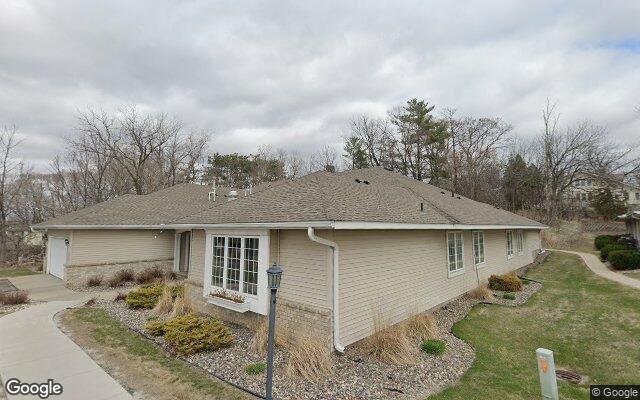
Orchards of Minnetonka.
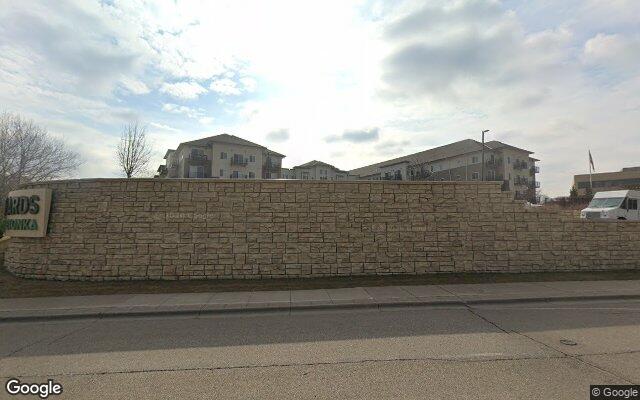
A large home, reviewed on public record.
Compared to 139 Minnesota facilities with a similar number of beds.
ALF memory care · 36-month window. Higher percentile = better performance on inspection record. Source: Minnesota Dept. of Health · Health Regulation Division.
among peers to rank.
Rankings based on 36-month MDH inspection data. Severity and frequency: fewer citations = higher percentile. Repeat rate: lower repeat citation share = higher percentile.
Citation history, plotted month by month.
1 deficiency on record. Each bar is a month with a citation.
Finding distribution
1 total · 36 monthsScope × Severity (CMS A–L)
Questions to ask before you visit.
A short pre-tour checklist tailored to Orchards of Minnetonka's record and state requirements.
Minnesota Department of Health records show three complaints on file through October 29, 2025 — can you describe the nature of those complaints and walk me through the corrective actions the facility took in response?
Ask the operator on tour. Take notes and compare answers across facilities you visit.
The facility holds an Assisted Living Facility with Dementia Care license under Minnesota Statutes chapter 144G — can you provide a copy of the written dementia care program and show how staff training aligns with the requirements of that license designation?
Ask the operator on tour. Take notes and compare answers across facilities you visit.
MDH inspection records show zero deficiencies across five inspections, with the most recent visit on October 29, 2025 — can you share the inspection reports and explain how the facility maintains compliance with 144G dementia care standards?
Ask the operator on tour. Take notes and compare answers across facilities you visit.
Every inspection visit, verbatim.
4 inspections in the public record, most recent first. Plain-language summaries open first — click into any row for the full citation text.
2025-10-29Annual Compliance VisitNo findings
Plain-language summary
A routine inspection was conducted at Orchards of Minnetonka on October 27-29, 2025, where state surveyors identified violations of Minnesota licensing statutes and issued correction orders to the facility. No immediate fines were assessed, but the facility is required to document how it corrected the violations and made changes to prevent future noncompliance. The specific areas of noncompliance are listed on the state form but were cut off in this document excerpt.
Read full citation textHide full citation text
Read raw inspector notesClose inspector notes
correction orders and document the actions taken to comply in the facility's records. The Department reserves the right to return to the facility at any time should the Department receive a complaint or deem it necessar yto ensure the health, safety, and welfare of residents in your care. STATE CORRECTIO ONRDERS The enclosed State Form documents the state correction orders. MDH documents state licensing correction orders using federal software. Tag numbers are assigned to Minnesota state statutes for Assisted Living Facilities .The assigned tag number appears in the far left column entitled "ID Prefix Tag". The state statute number and the corresponding text of the state statute out of compliance are listed in the "Summary Statemen tof Deficiencies "column. This column also includes the findings that are in violation of the state statute after the statement, "This MN Requiremen tis not met as evidenced by . . ." In accordance with Minn. Stat. § 144G3. 1 Subd .4, MDH may asses sfines based on the level and scope of the violations; however, no immediate fines are assesse dfor this survey of your facility. DOCUMENTATIO ONF ACTION TO COMPLY In accordance with Minn. Stat. § 144G3. 0, Subd .5(c), the licensee must docum ent actions taken to comply with the correction orders within the time period outlined on the state form; however, plans of correction are not required to be submitted for approval. The correction order documentation should include the following: An equal opportunity employer . Letter ID: IS7N REVISE 0D9/13/2021 Orchards Of Minnetonka Novembe r10, 2025 Page 2 x Identify how the area(s) of noncompliance was corrected related to the resident(s)/ employees( ) identified in the correction order. x Identify how the area(s) of noncompliance was corrected for all of the provider’s resident(s)/ employees that may be affected by the noncompliance. x Identify what changes to your systems and practices were made to ensure compliance with the specific statute(s). CORRECTIO ONRDER RECONSIDERATI OPRNOCESS In accordance with Minn. Stat. § 144G3. 2, Subd .2, you may challenge the correction order(s) issued, including the level and scope ,and any fine assesse dthrough the correction order reconsideration process .The request for reconsideration must be in writing and received by MDH within 15 calendar days of the correction order receipt date. To submit a reconsideration request, please visit: https:/ / forms.web.health.state.mn.us/form/ HRDAppealsForm The MDH Health Regulation Division (HRD )values your feedback about your experience during the survey and/or investigation process .Please fill out this anonymous provider feedback questionnaire at your convenience at this link: https:/ / forms.office.com/g/ Bm5uQEpHV.a Your input is important to us and will enable MDH to improve its processe sand communication with providers . If you have any questions regarding the questionnaire ,please contact Susan Winkelmann at susanw. inkelmann@state.mn.us or call 651-201-5952. You are encouraged to retain this document for your records . It is your responsibility to share the information contained in the letter and state form with your organizations’ Governing Body. If you have any questions ,please contact me. Sincerely, Casey DeVries ,Supervisor State Evaluation Team Email: CaseyD. eVries@state.mn.us Telephone :651-201-5917 Fax :1-866-890-9290 KKM PRINTED: 11/10/2025 FORM APPROVED STATEMENT OF DEFICIENCIES (X1) PROVIDER/SUPPLIER/CLIA (X2) MULTIPLE CONSTRUCTION (X3) DATE SURVEY AND PLAN OF CORRECTION IDENTIFICATION NUMBER: COMPLETED A. BUILDING: ______________________ B. WING _____________________________ 34716 10/29/2025 NAME OF PROVIDER OR SUPPLIER STREET ADDRESS, CITY, STATE, ZIP CODE 10955 WAYZATA BOULEVARD ORCHARDS OF MINNETONKA MINNETONKA, MN 55305 SUMMARY STATEMENT OF DEFICIENCIES PROVIDER'S PLAN OF CORRECTION (X4) ID ID (X5) (EACH DEFICIENCY MUST BE PRECEDED BY FULL (EACH CORRECTIVE ACTION SHOULD BE COMPLETE PREFIX PREFIX REGULATORY OR LSC IDENTIFYING INFORMATION) CROSS-REFERENCED TO THE APPROPRIATE DATE TAG TAG DEFICIENCY) 0 000 Initial Comments 0 000 ASSISTED LIVING PROVIDER LICENSING Minnesota Department of Health is CORRECTION ORDER(S) documenting the State Correction Orders using federal software. Tag numbers have In accordance with Minnesota Statutes, section been assigned to Minnesota State 144G.08 to 144G.95, these correction orders are Statutes for Assisted Living Facilities. The issued pursuant to a survey. assigned tag number appears in the far-left column entitled "ID Prefix Tag." Determination of whether violations are corrected The state Statute number and the requires compliance with all requirements corresponding text of the state Statute out provided at the Statute number indicated below. of compliance is listed in the "Summary When Minnesota Statute contains several items, Statement of Deficiencies" column. This failure to comply with any of the items will be column also includes the findings which considered lack of compliance. are in violation of the state requirement after the statement, "This Minnesota INITIAL COMMENTS: requirement is not met as evidenced by." Following the evaluators' findings is the SL34716016-0 Time Period for Correction. On October 27, 2025, through October 29, 2025, PLEASE DISREGARD THE HEADING the Minnesota Department of Health conducted a OF THE FOURTH COLUMN WHICH change of ownership (CHOW) survey at the STATES,"PROVIDER'S PLAN OF above provider. At the time of the survey, there CORRECTION." THIS APPLIES TO were 163 residents; 76 residents receiving FEDERAL DEFICIENCIES ONLY. THIS services under the Assisted Living Facility with WILL APPEAR ON EACH PAGE. Dementia Care license. THERE IS NO REQUIREMENT TO SUBMIT A PLAN OF CORRECTION FOR VIOLATIONS OF MINNESOTA STATE STATUTES. THE LETTER IN THE LEFT COLUMN IS USED FOR TRACKING PURPOSES AND REFLECTS THE SCOPE AND LEVEL ISSUED PURSUANT TO 144G.31 SUBDIVISION 1-3. 0 510 144G.41 Subd. 3 Infection control program 0 510 SS=D LABORATORY DIRECTOR'S OR PROVIDER/SUPPLIER REPRESENTATIVE'S SIGNATURE TITLE (X6) DATE STATE FORM 6899 9GHF11 If continuation sheet 1 of 14 PRINTED: 11/10/2025 FORM APPROVED STATEMENT OF DEFICIENCIES (X1) PROVIDER/SUPPLIER/CLIA (X2) MULTIPLE CONSTRUCTION (X3) DATE SURVEY AND PLAN OF CORRECTION IDENTIFICATION NUMBER: COMPLETED A. BUILDING: ______________________ B. WING _____________________________ 34716 10/29/2025 NAME OF PROVIDER OR SUPPLIER STREET ADDRESS, CITY, STATE, ZIP CODE 10955 WAYZATA BOULEVARD ORCHARDS OF MINNETONKA MINNETONKA, MN 55305 SUMMARY STATEMENT OF DEFICIENCIES PROVIDER'S PLAN OF CORRECTION (X4) ID ID (X5) (EACH DEFICIENCY MUST BE PRECEDED BY FULL (EACH CORRECTIVE ACTION SHOULD BE COMPLETE PREFIX PREFIX REGULATORY OR LSC IDENTIFYING INFORMATION) CROSS-REFERENCED TO THE APPROPRIATE DATE TAG TAG DEFICIENCY) 0 510 Continued From page 1 0 510 (a) All assisted living facilities must establish and maintain an infection control program that complies with accepted health care, medical, and nursing standards for infection control. (b)The facility's infection control program must be consistent with current guidelines from the national Centers for Disease Control and Prevention (CDC) for infection prevention and control in long-term care facilities and, as applicable, for infection prevention and control in assisted living facilities. (c) The facility must maintain written evidence of compliance with this subdivision. This MN Requirement is not met as evidenced by: Based on observation, interview, and record review, the licensee failed to establish and maintain an effective infection control program that complied with accepted health care, medical, and nursing standards for infection control related to gloving for two of six employees (unlicensed personnel (ULP)-J, ULP-K). This practice resulted in a level two violation (a violation that did not harm a resident's health or safety but had the potential to have harmed a resident's health or safety, but was not likely to cause serious injury, impairment, or death) and was issued at an isolated scope (when one or a limited number of residents are affected or one or a limited number of staff are involved, or the situation has occurred only occasionally). The findings include: ULP-J On October 28, 2025, at 6:21 a.m. through 6:59 a.m., the surveyor observed ULP-J with gloves STATE FORM 6899 9GHF11 If continuation sheet 2 of 14 PRINTED: 11/10/2025 FORM APPROVED STATEMENT OF DEFICIENCIES (X1) PROVIDER/SUPPLIER/CLIA (X2) MULTIPLE CONSTRUCTION (X3) DATE SURVEY AND PLAN OF CORRECTION IDENTIFICATION NUMBER: COMPLETED A. BUILDING: ______________________ B. WING _____________________________ 34716 10/29/2025 NAME OF PROVIDER OR SUPPLIER STREET ADDRESS, CITY, STATE, ZIP CODE 10955 WAYZATA BOULEVARD ORCHARDS OF MINNETONKA MINNETONKA, MN 55305 SUMMARY STATEMENT OF DEFICIENCIES PROVIDER'S PLAN OF CORRECTION (X4) ID ID (X5) (EACH DEFICIENCY MUST BE PRECEDED BY FULL (EACH CORRECTIVE ACTION SHOULD BE COMPLETE PREFIX PREFIX REGULATORY OR LSC IDENTIFYING INFORMATION) CROSS-REFERENCED TO THE APPROPRIATE DATE TAG TAG DEFICIENCY) 0 510 Continued From page 2 0 510 on assisting R2 in the resident's bathroom. ULP-J partially applied a pull-up brief, pants, and shoes to R2 then removed gloves and exited the bathroom to provide R2 with privacy.
2025-04-23Complaint InvestigationNo findings
Plain-language summary
A complaint investigation was conducted regarding alleged sexual abuse by a staff member toward a resident with advanced dementia. The Minnesota Department of Health determined the allegation was inconclusive: video footage showed an extended hug and physical contact that appeared to cross professional boundaries, but a 4-minute gap in recording and obscured camera angles prevented determining whether sexual contact occurred, and no DNA evidence was collected during the hospital examination.
Read full citation textHide full citation text
Read raw inspector notesClose inspector notes
Finding: Inconclusive Nature of Investigation: The Minnesota Department of Health investigated an allegation of maltreatment, in accordance with the Minnesota Reporting of Maltreatment of Vulnerable Adults Act, Minn. Stat. 626.557, and to evaluate compliance with applicable licensing standards for the provider type. Initial Investigation Allegation(s): The alleged perpetrator (AP) sexually abused the resident when the AP hugged and touched the resident inappropriately. Investigative Findings and Conclusion: The Minnesota Department of Health determined abuse was inconclusive. The AP was observed on video engaged in an extended hug with the resident. However, the video footage was obscured, and there was a 4-minute block of time that was not recorded. The AP denied inappropriate physical contact beyond hugging, and no DNA evidence was collected when the resident visited the hospital. The resident was unable to be interviewed due to advanced dementia. It could not be determined if sexual contact occurred between the resident and the AP. The investigator conducted interviews with facility staff members, including administrative staff, nursing staff, and unlicensed staff. The investigator contacted family and law enforcement. The investigation included review of the resident record, hospital records, the facility internal investigation, facility incident reports, personnel files, the law enforcement report, video footage, and related facility policy and procedures. Also, the investigator observed resident interactions with staff. The resident resided in an assisted living memory care unit. The resident’s diagnoses included Alzheimer’s disease. The resident’s services included assistance with activities of daily living (including grooming and dressing), meals, housekeeping/laundry, and medication management. The resident’s assessment indicated the resident was at risk to be abused (physically, verbally, emotionally, financially, and/or sexually) due to a diagnosis of Alzheimer’s disease. Review of the facility internal investigation indicated the resident’s family reported concerns regarding an inappropriate encounter between the resident and the AP, which they observed via video surveillance. The family alleged the AP’s behavior constituted sexual “harassment” and reported the incident to law enforcement. Facility leadership interviewed the AP, and reviewed video footage provided by the family, as well as facility video footage. The internal investigation determined the AP engaged in a prolonged hug with the resident which was not appropriate and crossed professional physical boundaries. In addition, following the interaction, the AP was observed picking up the resident’s camera, an action which led to suspicions regarding the AP’s conduct. The AP was suspended pending the ongoing investigation. The internal investigation indicated when the AP was interviewed, he stated he was passing medications when the resident said she wanted to go to bed. The AP said he opened her door and told her she needed to brush her teeth before she went to bed. The AP directed the resident to the bathroom. The AP said the resident put her hand out for a hug and he hugged her. The AP said he did not know how long the hug lasted. After they left the bathroom, the AP stated he saw something blinking, and he picked it up to see what it was and then put it back down (the item was one of the cameras in the resident’s room). The AP stated when staff are assigned to pass medications, they also help with resident cares. Review of the police report indicated the family placed cameras in the resident’s room because they worried about her staying awake all night. The cameras that recorded this incident were positioned to capture the bathroom/bathroom hall and the resident’s bed. When family reviewed the camera footage, it revealed the AP entering the resident’s room. The AP brought the resident to the bathroom to brush her teeth. The police report indicated the AP appeared to hug the resident. Family stated they heard the AP tell the resident he loved her. The AP directed the resident, who shifted her body position toward the AP, with her back against the bathroom sink. The AP appeared to press himself against the resident, and the resident’s hand could be seen moving up and down the AP’s back. The AP was seen picking up and disabling the camera feed after he and the resident exited the bathroom. The family attempted to speak with the resident about the incident, but she did not remember the incident due to her memory loss. The police report indicated law enforcement reviewed the videos provided by family, and it was evident that physical contact occurred between the AP and the resident. The extent of physical contact was unknown, as the wall/angle obstructed the area near the bathroom sink. There was a 4-minute period between clips that was not recorded, as the cameras were motion-triggered. The resident’s hair and clothing appeared to be in similar orderly state when she both entered and exited the bathroom. Although law enforcement and family agreed it appeared no sexual intercourse occurred, both parties decided an examination completed by a Sexual Assault Nurse Examiner (SANE) would be in order. At a later point, it was discovered the SANE had not completed an evidence collection kit, so no DNA was collected. It was unclear why no kit was completed. When interviewed by law enforcement, the AP said he helped the resident brush her teeth. The AP said he did not turn the camera off but simply moved it and was unaware the camera was off. The AP said he knew the resident liked to hug, and he hugged her but nothing else happened. The AP said he helped the resident get tucked into bed and left to complete his medication pass. Law enforcement had no further information and the case was closed with no charges filed against the AP. Review of five short video clips revealed the following: Video 1 (Walking Toward the Bathroom): at the foot of her bed walking toward the bathroom with the AP. The The resident was seen AP said something about getting ready for bed and brushing the resident’s teeth, but the audio was distorted. Video 2 (Inside the Bathroom): The AP appeared to summon the resident into the bathroom. The AP said, “[resident’s name], I love you.” The resident responded, but the audio was distorted. The AP placed his left arm on the resident’s upper back as they both stood near the sink. The resident’s body position shifted toward the AP and they appeared to hug, but the angle and view were partially blocked by the bathroom wall. Video 3 (Inside the Bathroom): The AP appeared to shift the resident, so her backside was against the bathroom sink and she was facing the AP. The AP appeared to lean toward the resident, but she was not in view of the camera. The resident’s hand could be seen moving up and down the AP’s back. Video 4 (Exiting the Bathroom): The AP and resident exited the bathroom. The resident’s clothing was not disheveled. The AP placed one glove on his right hand as he approached the camera. The AP picked up the camera with the gloved hand. The camera cut off. Video 5 (View of the Bed): The AP appeared to be talking to the resident while she was lying in bed. There was no physical contact. When interviewed, the AP said he entered the resident’s room because she said she was tired. The AP was passing medications, but he decided to help the resident get ready for bed since the aides were busy helping other residents. The AP denied physical contact with the resident beyond one hug. The AP said the resident did not ask for a hug, but she put out her hand as if asking for a hug. The AP said after he and the resident exited the bathroom, he saw something flashing on the floor. The AP walked to the item to see what it was. When he saw it was a camera, the AP said he set it down where he had found it. When interviewed, a family member said they had placed cameras in the resident’s room because they were concerned the resident was not sleeping at night. The family member stated they were concerned when they saw the interaction between the resident and the AP so they reported it right away. In conclusion, the Minnesota Department of Health determined abuse was inconclusive. Inconclusive: Minnesota Statutes, section 626.5572, Subdivision 11. "Inconclusive" means there is less than a preponderance of evidence to show that maltreatment did or did not occur. Abuse: Minnesota Statutes section 626.5572, subdivision 2.
2024-07-29Complaint InvestigationNo findings
Plain-language summary
The Minnesota Department of Health investigated a complaint that staff failed to use proper precautions when transferring and repositioning a resident, resulting in a fractured femur. The investigation was inconclusive because while the resident sustained a serious bone fracture discovered during morning care, staff could not determine how it occurred, the resident's bones were significantly weakened, and video footage was not retained; a physician indicated the fracture could have resulted from something as minor as sliding into bed given the resident's severely demineralized bones. No violation was determined, and no further action was taken.
Read full citation textHide full citation text
Read raw inspector notesClose inspector notes
Finding: Inconclusive Nature of Investigation: The Minnesota Department of Health investigated an allegation of maltreatment, in accordance with the Minnesota Reporting of Maltreatment of Vulnerable Adults Act, Minn. Stat. 626.557, and to evaluate compliance with applicable licensing standards for the provider type. Initial Investigation Allegation(s): The facility neglected the resident when the facility failed to ensure staff used appropriate precautions when transferring and repositioning the resident. The resident sustained a fractured femur (upper leg bone). Investigative Findings and Conclusion: The Minnesota Department of Health determined neglect was inconclusive. Staff found the resident with unexplained bruising and swelling to her right leg and an x-ray confirmed a break to her femur. Medical reports from the resident’s hospitalization indicated a traumatic force might have caused the break, however the resident’s bones were “considerably demineralized” (the loss of minerals that make up bone structure). Staff members from shifts prior to or during the time of discovery stated they did not know how or when the injury occurred. It could not be determined how the residents fracture occurred. The investigator conducted interviews with facility staff members, including administrative staff, nursing staff, and unlicensed staff. The investigation included review of the resident’s medical records, facility internal investigation, facility incident reports, staff schedules, related facility policy and procedures. Also, the investigator observed staff members providing care to residents. The resident resided in an assisted living memory care unit. The resident’s diagnoses included Lewy Body dementia, osteoarthritis, and general weakness. The resident’s service plan included assistance with bed mobility and repositioning, Hoyer (mechanical) lift for transfers, dressing and changing. The resident’s assessment indicated the resident had severe cognitive decline and required physical assistance of two staff members when assisting the resident in bed and transferring the resident with a Hoyer lift. Progress notes five days before the time in question indicated the resident’s skin was intact and the resident denied pain while sitting in a chair. Progress notes from the morning in question indicated staff noted severe swelling and red, purple, and blue bruising to the resident’s right upper leg measuring 10cm wide and 12cm long, and the resident’s lower calf measuring 8cm wide and 14cm long. The resident was unable to move her leg and screamed in pain when the injuries were touched. Staff administered pain medication and applied cold cloths to the area. No other injuries to the resident were noted. An incident report from the time in question indicated staff found bruising to the resident’s right leg when assisting the resident with morning cares. The resident could not state how the injury occurred. An x-ray was conducted and indicated the resident had a fracture to her right femur. The resident went to the hospital for further care and pain management. Hospital records indicated the residents broken femur bone poked through the resident’s leg tissue causing a hole in the resident’s leg that required surgical intervention. Physician notes indicated the resident’s femur bone was “considerably demineralized” and some force or trauma might have caused the bone fracture. During interview, a leadership member stated he reviewed previously recorded video of multiple memory care cameras of the day before the resident’s injury until the morning staff found the resident with injuries, and no unusual activity was noted in the hallway. The recorded video footage was not retained by the facility. During separate interviews, unlicensed staff members stated they did not see or experience anything unusual regarding the resident’s care. The unlicensed staff members stated they did not have knowledge of how the resident’s femur broke. During separate interviews, family members stated the surgeon who performed the resident’s surgery indicated the resident’s bones were decalcified to the point of being foam like and rubbery. Family members stated the surgeon indicated the break could have happened with a slide into bed or general movements. In conclusion, the Minnesota Department of Health determined neglect was inconclusive. Inconclusive: Minnesota Statutes, section 626.5572, Subdivision 11. "Inconclusive" means there is less than a preponderance of evidence to show that maltreatment did or did not occur. Neglect: Minnesota Statutes, section 626.5572, subdivision 17 “Neglect” means neglect by a caregiver or self-neglect. (a) "Caregiver neglect" means the failure or omission by a caregiver to supply a vulnerable adult with care or services, including but not limited to, food, clothing, shelter, health care, or supervision which is: (1) reasonable and necessary to obtain or maintain the vulnerable adult's physical or mental health or safety, considering the physical and mental capacity or dysfunction of the vulnerable adult; and (2) which is not the result of an accident or therapeutic conduct. Vulnerable Adult interviewed: No, deceased. Family/Responsible Party interviewed: Yes. Alleged Perpetrator interviewed: Not Applicable. Action taken by facility: Facility conducted an internal investigation of the incident. Action taken by the Minnesota Department of Health: No further action taken at this time. cc: The Office of Ombudsman for Long Term Care The Office of Ombudsman for Mental Health and Developmental Disabilities PRINTED: 07/29/2024 FORM APPROVED STATEMENT OF DEFICIENCIES (X1) PROVIDER/SUPPLIER/CLIA (X2) MULTIPLE CONSTRUCTION (X3) DATE SURVEY AND PLAN OF CORRECTION IDENTIFICATION NUMBER: COMPLETED A. BUILDING: ______________________ C B. WING _____________________________ 34716 05/30/2024 NAME OF PROVIDER OR SUPPLIER STREET ADDRESS, CITY, STATE, ZIP CODE 10955 WAYZATA BOULEVARD ORCHARDS OF MINNETONKA MINNETONKA, MN 55305 SUMMARY STATEMENT OF DEFICIENCIES PROVIDER'S PLAN OF CORRECTION (X4) ID ID (X5) PREFIX (EACH DEFICIENCY MUST BE PRECEDED BY FULL PREFIX (EACH CORRECTIVE ACTION SHOULD BE COMPLETE REGULATORY OR LSC IDENTIFYING INFORMATION) CROSS-REFERENCED TO THE APPROPRIATE DATE TAG TAG DEFICIENCY) 0 000 Initial Comments 0 000 On May 30, 2024, the Minnesota Department of Health initiated an investigation of complaint #HL347161819C/#HL347162602M. No correction orders are issued. LABORATORY DIRECTOR'S OR PROVIDER/SUPPLIER REPRESENTATIVE'S SIGNATURE TITLE (X6) DATE STATE FORM 6899 QK8H11 If continuation sheet 1 of 1
2023-12-20Complaint InvestigationSubstantiated Finding · 1 finding
Plain-language summary
A complaint investigation found that a staff member hit and was physically rough with a resident during evening care on multiple occasions, striking the resident on the arms and legs with both closed and open hands; the resident sustained a skin tear and bruises documented by nursing assessment, and video surveillance and witness accounts corroborated the abuse. The investigation determined the staff member was responsible for maltreatment and violated the facility's own care plan, which required staff to allow the resident additional time and to have a different caregiver assist if the resident refused care. Law enforcement was contacted and the case was substantiated under Minnesota's vulnerable adults protection law.
Read full citation text (1)Hide full citation text
“MDH substantiated maltreatment or licensing violation finding”
Read raw inspector notesClose inspector notes
Finding: Substantiated, individual responsibility Nature of Investigation: The Minnesota Department of Health investigated an allegation of maltreatment, in accordance with the Minnesota Reporting of Maltreatment of Vulnerable Adults Act, Minn. Stat. 626.557, and to evaluate compliance with applicable licensing standards for the provider type. Initial Investigation Allegation(s): The alleged perpetrator (AP), facility staff, abused a resident when the AP hit and was physically rough with a resident. Investigative Findings and Conclusion: The Minnesota Department of Health determined abuse was substantiated. The AP was responsible for the maltreatment. The AP was physically rough and hit a resident multiple times with a closed and open hand. The resident had injuries to her arms and ankle. The investigator conducted interviews with facility staff members, including administrative staff, nursing staff, and unlicensed staff. The investigator contacted law enforcement. The investigation included review of medical records, employee records, policies and procedures, surveillance videos, photographs, and law enforcement reports. Also, the investigator observed facility staff members interacting and caring for memory care residents. An equal opportunity employer. The resident resided in an assisted living memory care unit. The resident’s diagnoses included Alzheimer’s disease. The resident’s service plan included assistance with dressing, grooming, toileting, and behavior management. The resident’s service plan indicated staff should allow time and reapproach when the resident refused cares and to have a different caregiver attempt cares if the resident refused a third time. The resident’s assessment indicated she verbally communicated in words or phrases that were out of order or context, had delayed response, and needed additional time for communication. Review of a facility incident report indicated a caregiver witnessed the AP hit the resident while providing cares. The report indicated the AP hit the resident several times on the left upper arm, shoulder, left forearm, and left inner leg. A nurse came to the facility and assessed the resident the same evening. The nurse noted the resident had a skin tear measuring 3.75 centimeters by 0.5 centimeters to the left forearm that was bleeding, a quarter sized bruise to the right forearm, and a quarter size bruise to the inner lower right leg next to the ankle. The facility’s internal investigation indicated leadership interviewed the AP the day after the incident. The AP stated she put her hand around the resident’s hand to walk the resident to her room and the resident was not resistive. The AP indicated the resident “wanted to be tough” and “was being sassy” during evening cares and the resident was combative when having her clothes changed before bed. The AP denied hitting the resident. The facility’s internal investigation indicated another caregiver stated she witnessed the AP abuse the resident. The caregiver stated the resident did not want to walk to her room, but the AP locked arms with the resident and pulled the resident to her room. The staff stated the AP roughly removed the resident’s clothing while the resident was sitting on the toilet and the resident became stiff and did not want to cooperate. The staff stated the AP told the resident “If you hit me, I will punch you back.” The resident lifted her arms, and the AP struck the resident in the left upper arm three times. When the AP removed the resident’s socks, the resident lifted her leg and then AP struck the back of the resident’s legs. The AP told the resident to go to bed, walked out of the resident’s room, and locked the resident’s door leaving the resident standing alone in her room. Review of recorded video of the memory care unit from the time of the incident showed the AP lacing arms with the resident and forcing the resident to walk down the hallway. The video showed the resident attempting to not walk with the AP and thrust away from the AP. The AP continued to lace her arm with the resident’s arm despite the resident’s efforts to not walk with the AP. Review of photographs taken after the incident showed the resident with injuries to her arms and right ankle. During interview, a caregiver stated she worked with the AP on the memory care unit the evening of the incident. The staff stated the AP wanted to finish evening and bedtime cares quickly so she could have little work left the remainder of the shift. The caregiver stated she and the AP approached the resident in the television room and the AP grabbed the resident by the arm and pulled the resident to her room despite the resident’s resistance to going with the AP. The staff stated the resident was brought to use the bathroom and the AP stated to the resident, “If you hit me, I’ll hit you back.” The resident sat on the toilet and the AP quickly tried to remove the resident’s clothing. The resident raised her hand, and the AP used a closed fist to hit the resident in the arm. The resident attempted to block the AP and the AP hit the resident four times in the upper arm. The caregiver stated the resident said “ow” when the AP was hitting her. The resident lifted her legs to prevent the AP from removing her pants. The AP hit the resident in the leg with an open hand three times. The caregiver stated she was very uncomfortable with the situation and tried to step in to assist. The caregiver stated she helped finish dressing the resident and the resident was left standing in her room. The caregiver stated after exiting, the AP locked the resident’s door. During interview, a nurse stated staff contacted her regarding reports of the AP hitting the resident. The nurse called the AP who told the nurse “nothing happened” and the shift was “going fine.” The nurse instructed the AP to leave the facility until the allegation was internally reviewed. The nurse went to the facility to check on the resident and the resident’s room was locked when she arrived. The nurse stated she assessed the resident and noted an actively bleeding skin tear to the resident’s arm and bruising to the resident’s arms and ankle that appeared fresh. The nurse also reviewed surveillance video of the time in question and stated the video showed the AP lock arms with the resident and pull the resident. The nurse stated the AP took the resident’s arm forcefully and the resident did not want to go with the AP, and the AP should have reapproached the resident later. During interview, a leadership member stated she never witnessed the AP providing in-room cares to residents, but did witness the AP being verbally “gruff” with residents in the facility common areas. Leadership stated the resident was very agile and liked to walk around the unit. The resident responded well to nonverbal engagement and, despite speaking in a confused mix of words, the resident verbalized “no” and communicated non-verbally with actions when she did not like or want to do something. Leadership stated the resident could be resistive to cares and become physically aggressive and staff were directed to give the resident some time and then reapproach the resident later. Leadership also stated the day after the incident, the resident was not her usual self; the resident was not smiling, kept her distance, and seemed disinterested and unwell. During interview, the AP stated it was not okay to yell at, hit, or pull a resident. The AP stated residents have the right to refuse cares and staff members should reapproach residents later when cares are refused. The AP stated the night of the incident the resident agreed to go to her room and receive cares during the time of the alleged incident. The AP stated she “danced” with the resident in the common area to get the resident to her room. The AP stated the resident could be combative and when the AP helped remove the resident’s pants, the resident hit her in the back. The AP stated she asked another caregiver to help hold the resident’s hands so she could finish getting the resident changed. The AP stated she then left the room because the resident could finish getting herself to bed. The AP stated later that evening, a nurse called her to ask if something had happened with the resident. The AP told the nurse there were no problems and the nurse told the AP to clock out and go home.
1 older inspection from 2023 are not shown above.
Get the complete record, translated into plain language — emailed to you.
Other facilities in Hennepin County.
Other memory care facilities in Hennepin County with similar care offerings.
Facility Watch · Premium
Family reviews
No reviews yet — be the first to share your experience
Other memory care options nearby.
More options in neighboring cities
Licensed memory care in other cities within this county region — useful when your search radius crosses city limits.