Prairie Bluffs Senior Living.
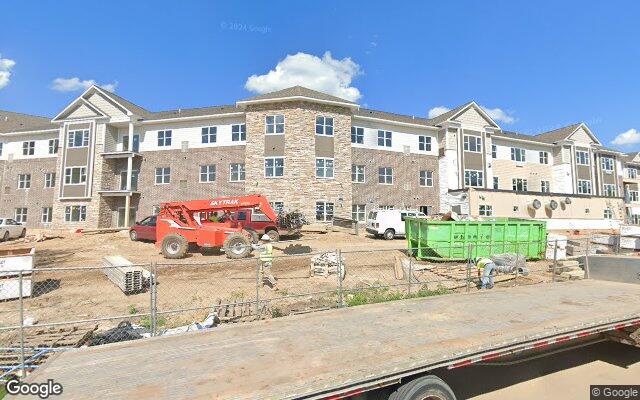
A large home, reviewed on public record.
Compared to 139 Minnesota facilities with a similar number of beds.
ALF memory care · 36-month window. Higher percentile = better performance on inspection record. Source: Minnesota Dept. of Health · Health Regulation Division.
among peers to rank.
Rankings based on 36-month MDH inspection data. Severity and frequency: fewer citations = higher percentile. Repeat rate: lower repeat citation share = higher percentile.
Citation history, plotted month by month.
1 deficiency on record. Each bar is a month with a citation.
Finding distribution
1 total · 36 monthsScope × Severity (CMS A–L)
Questions to ask before you visit.
A short pre-tour checklist tailored to Prairie Bluffs Senior Living's record and state requirements.
Minnesota Department of Health records show 3 complaints were filed during the inspection period on file — were any of those complaints substantiated, and can you share the facility's written response or corrective action plans that were developed in response?
Ask the operator on tour. Take notes and compare answers across facilities you visit.
The most recent inspection on record is dated 2022-09-21, more than three years ago — has MDH conducted any unannounced follow-up visits or complaint investigations since that date, and if so, can you provide families with copies of those reports?
Ask the operator on tour. Take notes and compare answers across facilities you visit.
The facility holds an Assisted Living Facility with Dementia Care license under Minn. Stat. ch. 144G — can you walk us through the written dementia care program you're required to maintain, and show us how staff document specialized training in dementia care practices?
Ask the operator on tour. Take notes and compare answers across facilities you visit.
Every inspection visit, verbatim.
8 inspections in the public record, most recent first. Plain-language summaries open first — click into any row for the full citation text.
2025-05-23Complaint InvestigationNo findings
Plain-language summary
The Minnesota Department of Health investigated a complaint at Prairie Bluffs Senior Living on April 29, 2025, to determine whether the facility complied with state laws and rules for assisted living facilities with dementia care. No correction orders were issued as a result of the investigation.
Read full citation textHide full citation text
Read raw inspector notesClose inspector notes
STATE LICENSING COMPLIANCE REPORT Report #: HL355613947C Date Concluded: May 6, 2025 Name, Address, and County of Facility Investigated: Prairie Bluffs Senior Living 10300 Hennepin Town RD Eden Prairie MN 55347 Facility Type: Assisted Living Facility with Evaluator’s Name: Maggie Regnier Dementia Care (ALFDC) Special Investigator The Minnesota Department of Health conducted a complaint investigation to determine compliance with state laws and rules governing the provision of care under Minnesota Statutes, Chapter 144G. The purpose of this complaint investigation was to review if facility policies and practices comply with applicable laws and rules. No maltreatment under Minnesota Statutes, Chapter 626 was alleged. To view a copy of the correction orders, if any, please visit: https://www.health.state.mn.us/facilities/regulation/directory/provcompselect.html Or call 651-201-4201 to be provided a copy via mail or email. If you are viewing this report on the MDH website, please see the attached state form. PRINTED: 05/23/2025 FORM APPROVED STATEMENT OF DEFICIENCIES (X1) PROVIDER/SUPPLIER/CLIA (X2) MULTIPLE CONSTRUCTION (X3) DATE SURVEY AND PLAN OF CORRECTION IDENTIFICATION NUMBER: COMPLETED A. BUILDING: ______________________ C B. WING _____________________________ 35561 04/29/2025 NAME OF PROVIDER OR SUPPLIER STREET ADDRESS, CITY, STATE, ZIP CODE 10300 HENNEPIN TOWN ROAD PRAIRIE BLUFFS SENIOR LIVING EDEN PRAIRIE, MN 55347 SUMMARY STATEMENT OF DEFICIENCIES PROVIDER'S PLAN OF CORRECTION (X4) ID ID (X5) PREFIX (EACH DEFICIENCY MUST BE PRECEDED BY FULL PREFIX (EACH CORRECTIVE ACTION SHOULD BE COMPLETE REGULATORY OR LSC IDENTIFYING INFORMATION) CROSS-REFERENCED TO THE APPROPRIATE DATE TAG TAG DEFICIENCY) 0 000 Initial Comments 0 000 On April 29, 2025, the Minnesota Department of Health initiated an investigation of complaint #HL355613947C. No correction orders are issued. LABORATORY DIRECTOR'S OR PROVIDER/SUPPLIER REPRESENTATIVE'S SIGNATURE TITLE (X6) DATE STATE FORM 6899 UZUD11 If continuation sheet 1 of 1
2025-02-12Annual Compliance VisitNo findings
Plain-language summary
A routine inspection of Prairie Bluffs Senior Living was conducted February 10–12, 2025, and state correction orders were issued for violations of Minnesota assisted living statutes; no immediate fines were assessed. The facility must document the actions it takes to correct the noncompliance within the timeframe specified on the state form. The specific violations are detailed in the accompanying state form.
Read full citation textHide full citation text
Read raw inspector notesClose inspector notes
CORRECTION ORDERS The enclosed State Form documents the state correction orders. MDH documents state licensing correction orders using federal software. Tag numbers are assigned to Minnesota state statutes for Assisted Living Facilities. The assigned tag number appears in the far left column entitled "ID Prefix Tag." The state statute number and the corresponding text of the state statute out of compliance are listed in the "Summary Statement of Deficiencies" column. This column also includes the findings that are in violation of the state statute after the statement, "This MN Requirement is not met as evidenced by . . ." In accordance with Minn. Stat. § 144G.31 Subd. 4, MDH may assess fines based on the level and scope of the violations; h owever, no immediate fines are assessed for this survey of your facility. DOCUMENTATION OF ACTION TO COMPLY In accordance with Minn. Stat. § 144G.30, Subd. 5(c), the licensee must document actions taken to comply with the correction orders within the time period outlined on the state form; however, plans of correction are not required to be submitted for approval. The correction order documentation should include the following: Identify how the area(s) of noncompliance was corrected related to the An equal opportunity employer. Letter ID: IS7N REVISED 09/13/2021 Prairie Bluffs Senior Living May 15, 2025 Page 2 resident(s)/employee(s) identified in the correction order. Identify how the area(s) of noncompliance was corrected for all of the provider’s resident(s)/employees that may be affected by the noncompliance. Identify what changes to your systems and practices were made to ensure compliance with the specific statute(s). CORRECTION ORDER RECONSIDERATION PROCESS In accordance with Minn. Stat. § 144G.32, Subd. 2, you may challenge the correction order(s) issued, including the level and scope, and any fine assessed through the correction order reconsideration process. The request for reconsideration must be in writing and received by MDH within 15 calendar days of the correction order receipt date. To submit a reconsideration request, please visit: https://forms.web.health.state.mn.us/form/HRDAppealsForm The MDH Health Regulation Division (HRD) values your feedback about your experience during the survey and/or investigation process. Please fill out this anonymous provider feedback questionnaire at your convenience at this link: h ttps://forms.office.com/g/Bm5uQEpHVa. Your input is important to us and will enable MDH to improve its processes and communication with providers. If you have any questions regarding the questionnaire, please contact Susan Winkelmann at susan.winkelmann@state.mn.us or call 651-201-5952. You are encouraged to retain this document for your records. It is your responsibility to share the information contained in the letter and state form with your organization’s Governing Body. If you have any questions, please contact me. Sincerely, Jess Schoenecker, Supervisor State Evaluation Team Email: jess.schoenecker@state.mn.us Telephone: 651-201-3789 Fax: 1-866-890-9290 HHH PRINTED: 05/15/2025 FORM APPROVED STATEMENT OF DEFICIENCIES (X1) PROVIDER/SUPPLIER/CLIA (X2) MULTIPLE CONSTRUCTION (X3) DATE SURVEY AND PLAN OF CORRECTION IDENTIFICATION NUMBER: COMPLETED A. BUILDING: ______________________ B. WING _____________________________ 35561 02/12/2025 NAME OF PROVIDER OR SUPPLIER STREET ADDRESS, CITY, STATE, ZIP CODE 10300 HENNEPIN TOWN ROAD PRAIRIE BLUFFS SENIOR LIVING EDEN PRAIRIE, MN 55347 SUMMARY STATEMENT OF DEFICIENCIES PROVIDER'S PLAN OF CORRECTION (X4) ID ID (X5) PREFIX (EACH DEFICIENCY MUST BE PRECEDED BY FULL PREFIX (EACH CORRECTIVE ACTION SHOULD BE COMPLETE REGULATORY OR LSC IDENTIFYING INFORMATION) CROSS-REFERENCED TO THE APPROPRIATE DATE TAG TAG DEFICIENCY) 0 000 Initial Comments 0 000 ASSISTED LIVING PROVIDER LICENSING Minnesota Department of Health is CORRECTION ORDER(S) documenting the State Correction Orders using federal software. Tag numbers have In accordance with Minnesota Statutes, section been assigned to Minnesota State 144G.08 to 144G.95, these correction orders are Statutes for Assisted Living Facilities. The issued pursuant to a survey. assigned tag number appears in the far-left column entitled "ID Prefix Tag." The Determination of whether violations are corrected state Statute number and the requires compliance with all requirements corresponding text of the state Statute out provided at the Statute number indicated below. of compliance is listed in the "Summary When Minnesota Statute contains several items, Statement of Deficiencies" column. This failure to comply with any of the items will be column also includes the findings which considered lack of compliance. are in violation of the state requirement after the statement, "This Minnesota INITIAL COMMENTS: requirement is not met as evidenced by." Following the evaluators ' findings is the SL35561016-0 Time Period for Correction. On February 10, 2025, through February 12, PLEASE DISREGARD THE HEADING OF 2025, the Minnesota Department of Health THE FOURTH COLUMN WHICH conducted a full survey at the above provider. At STATES,"PROVIDER'S PLAN OF the time of the survey, there were 86 residents; CORRECTION." THIS APPLIES TO 86 receiving services under the Assisted Living FEDERAL DEFICIENCIES ONLY. THIS Facility with Dementia Care license. WILL APPEAR ON EACH PAGE. On May 14, 2025, tag identification 0100 was THERE IS NO REQUIREMENT TO amended. The licensee was notified. SUBMIT A PLAN OF CORRECTION FOR VIOLATIONS OF MINNESOTA STATE STATUTES. THE LETTER IN THE LEFT COLUMN IS USED FOR TRACKING PURPOSES AND REFLECTS THE SCOPE AND LEVEL ISSUED PURSUANT TO 144G.31 SUBDIVISION 1-3. 0 100 144G.10 Subdivision 1 License required 0 100 SS=F (a)(1)Beginning August 1, 2021, no assisted living LABORATORY DIRECTOR'S OR PROVIDER/SUPPLIER REPRESENTATIVE'S SIGNATURE TITLE (X6) DATE STATE FORM 6899 106411 If continuation sheet 1 of 21 PRINTED: 05/15/2025 FORM APPROVED STATEMENT OF DEFICIENCIES (X1) PROVIDER/SUPPLIER/CLIA (X2) MULTIPLE CONSTRUCTION (X3) DATE SURVEY AND PLAN OF CORRECTION IDENTIFICATION NUMBER: COMPLETED A. BUILDING: ______________________ B. WING _____________________________ 35561 02/12/2025 NAME OF PROVIDER OR SUPPLIER STREET ADDRESS, CITY, STATE, ZIP CODE 10300 HENNEPIN TOWN ROAD PRAIRIE BLUFFS SENIOR LIVING EDEN PRAIRIE, MN 55347 SUMMARY STATEMENT OF DEFICIENCIES PROVIDER'S PLAN OF CORRECTION (X4) ID ID (X5) PREFIX (EACH DEFICIENCY MUST BE PRECEDED BY FULL PREFIX (EACH CORRECTIVE ACTION SHOULD BE COMPLETE REGULATORY OR LSC IDENTIFYING INFORMATION) CROSS-REFERENCED TO THE APPROPRIATE DATE TAG TAG DEFICIENCY) 0 100 Continued From page 1 0 100 facility may operate in Minnesota unless it is licensed under this chapter. (2) No facility or building on a campus may provide assisted living services until obtaining the required license under paragraphs (c) to (e). (b)The licensee is legally responsible for the management, control, and operation of the facility, regardless of the existence of a management agreement or subcontract. Nothing in this chapter shall in any way affect the rights and remedies available under other law. (c) Upon approving an application for an assisted living facility license, the commissioner shall issue a single license for each building that is operated by the licensee as an assisted living facility and is located at a separate address, except as provided under paragraph (d) or (e). (d) Upon approving an application for an assisted living facility license, the commissioner may issue a single license for two or more buildings on a campus that are operated by the same licensee as an assisted living facility. An assisted living facility license for a campus must identify the address and licensed resident capacity of each building located on the campus in which assisted living services are provided. (e) Upon approving an application for an assisted living facility license, the commissioner may: (1) issue a single license for two or more buildings on a campus that are operated by the same licensee as an assisted living facility with dementia care, provided the assisted living facility for dementia care license for a campus identifies the buildings operating as assisted living facilities with dementia care; or (2) issue a separate assisted living facility with dementia care license for a building that is on a campus and that is operating as an assisted living facility with dementia care. STATE FORM 6899 106411 If continuation sheet 2 of 21 PRINTED: 05/15/2025 FORM APPROVED STATEMENT OF DEFICIENCIES (X1) PROVIDER/SUPPLIER/CLIA (X2) MULTIPLE CONSTRUCTION (X3) DATE SURVEY AND PLAN OF CORRECTION IDENTIFICATION NUMBER: COMPLETED A. BUILDING: ______________________ B.
2024-10-17Complaint InvestigationNo findings
Plain-language summary
A complaint investigation found that the facility failed to timely assess a resident after she fell and sustained an open elbow laceration and hip fracture, resulting in a 2-day delay before the resident was transferred to the emergency department for necessary surgical repair. Staff initially called the nurse hotline after the fall but did not report the elbow injury or the resident's severe pain to the nurse, and the facility did not conduct a proper assessment when the resident reported leg pain and pain-related refusal of care the following day. The Minnesota Department of Health substantiated neglect as the facility's responsibility.
Read full citation textHide full citation text
Read raw inspector notesClose inspector notes
Finding: Substantiated, facility responsibility Nature of Investigation: The Minnesota Department of Health investigated an allegation of maltreatment, in accordance with the Minnesota Reporting of Maltreatment of Vulnerable Adults Act, Minn. Stat. 626.557, and to evaluate compliance with applicable licensing standards for the provider type. Initial Investigation Allegation(s): The resident was neglected when the facility failed to timely assess the resident after a change in condition/function until 2 days later when the resident was transferred to the emergency department (ED). Investigative Findings and Conclusion: The Minnesota Department of Health determined neglect was substantiated. The facility failed to timely assess the resident after staff reported an elbow injury, and left leg/hip pain with a decline in function. As a result, the resident had a delay in care when she was not transferred to the ED until 2 days later where it was identified the resident sustained an open elbow laceration with exposed bone and hip fracture requiring hospitalization and surgical repair. The investigator conducted interviews with facility staff members, including administrative staff, nursing staff, and unlicensed staff. The investigator contacted the resident’s family member. The investigation included review of the resident record(s), resident video surveillance photos, hospital/ED records, facility internal investigation, facility incident reports, personnel files, staff schedules, and related facility policy and procedures. Also, the investigator observed resident’s and staff in the facility. The resident resided in an assisted living facility memory care unit with diagnoses including memory loss, spinal stenosis - lumbar region, and intraparenchymal hemorrhage of the brain (a type of stroke caused by bleeding within the brain tissue). The resident’s assessment indicated the resident had intermittent confusion and was orientated to herself only. The assessment indicated the resident had no reports of pain in the last 7 days, and indicated staff should notify nursing of any changes in the resident’s condition. The resident’s service plan indicated the resident was independent with bed mobility including getting in/out of bed, was independent with toileting, and independent with ambulation using a 2 wheeled walker. The service plan indicated staff were to remind the resident of mealtimes but indicated the resident was independent with going to the dining room. The resident’s individual abuse prevention plan (IAPP) indicated the resident was at risk for abuse due to memory impairment and dependence on others. The IAPP indicated the resident was at a risk for falls and indicated staff should monitor for changes in the resident’s ability to walk and transfer and report changes in condition to nursing promptly. A facility incident report completed 41 days after the incident occurred indicated at 5:00 p.m. the resident had fallen and was found on the floor by 2 staff in the dining room area with an abrasion to her left elbow. The resident was assisted off the floor by the staff. The incident report indicated first aide was provided and a band aide was applied to the resident’s elbow injury. The incident report indicated the resident had increased pain/swelling to her left leg over the weekend and was sent into the ED for evaluation. A facility investigation indicated 2 staff were observed on video surveillance find the resident, assisted the resident off the floor, and brought the resident to her room to be given a shower by one of the staff. When staff undressed the resident, they found a bleeding open injury on the resident’s left elbow and called triage. The investigation included interviews with staff which indicated the day after the resident fell a facility nurse checked on the resident but was “unsure if the resident’s leg was broken”. The investigation indicated the nurse called triage, but triage was unable to reach the resident’s family. The facility investigation indicated the following day (2 days after staff reported the elbow injury and pain) ULP staff again reported the resident had left leg pain to the facility nurse. The investigation indicated another staff also reported the resident had an open elbow injury noticed while assisting to change the resident’s clothing. The facility investigation indicated the facility nurse was notified who observed the resident’s left leg to be swollen and painful. A triage progress note indicated the staff again called triage and reported the resident had complaints of severe pain and it appeared the resident’s left elbow was dislocated. The triage note indicated the resident was transferred to the ED by ambulance. The facility investigation identified there was a delay in evaluation and treatment for the resident’s severe injury. The resident’s service delivery of care record just after the fall occurred indicated staff documented the resident had refused her shower because she was in so much pain and indicated the triage nurse was notified. The resident’s progress notes, and triage nurses call log the day of the incident indicated staff had called triage after the fall incident occurred. The triage note indicated staff called and reported the resident had generalized pain, loose stools, and was coughing. Staff were instructed to give scheduled Tylenol and ibuprofen, encourage fluids, and monitor. The triage progress notes failed to include any documentation that staff reported the resident had an elbow injury, how the injury occurred, or that the resident had refused her shower due to being in so much pain. The triage nurses note failed to indicate any direction was given to staff for the resident’s pain or elbow injury. The following day a nurse’s progress note indicated Unlicensed Personnel (ULP) staff asked the facility nurse to check on the resident due to complaints of pain. The nurse documented the resident was laying on her back in bed, and when asked how she was doing, the resident pointed to her left leg and stated she was hurt. A triage phone log indicated the nurse reported the resident had pain and sensitivity in the top of her leg. The triage log indicated the resident’s family member was called and a voice mail was left to determine if they wanted the resident to go to urgent care or by ambulance. The resident record lacked any documentation of actions taken by the facility after triage nursing was unable to reach the resident’s family. The resident record lacked documentation triage was contacted by the nurse that day, what actions were taken for the resident, and what direction was given to staff. The resident’s hospital medical record indicated the resident presented to the ED with left hip pain on admission and an open left elbow injury after having an unwitnessed fall at the facility. The hospital admission notes indicated the resident was unable to articulate her thoughts but complained of pain in her left elbow and hip on admission. The resident assessment indicated the resident’s left lower extremity was slightly shortened and rotated with tenderness to palpation over the left hip area as well as with attempted range of motion of the left hip. The resident had an open wound to the left elbow with visible joint capsule present. The left elbow was tender to palpation and the resident had restricted range of motion. The resident’s ED/hospital record included photographs of the resident’s elbow injury on arrival to the ED which showed a large wound across the elbow area with a dry scabbed abrasion surrounding a laceration wound that was open into the resident’s elbow joint where white exposed bone and connective tissue could be visibly seen. A radiology report indicated the resident had a laceration into the elbow, and a mildly displaced intertrochanteric left proximal femur fracture. The hospital record indicated the resident required surgical repair of her femur fracture, and an incision/drainage, intravenous antibiotics, and daily wound care for the open left elbow wound. When interviewed one ULP staff stated they assisted the resident off the floor after the fall occurred, called triage, and reported the resident’s elbow injury. The ULP stated triage instructed her to put a bandage on the resident’s elbow but that did not seem right because the injury looked severe. The ULP indicated she took a picture of the resident’s wound and sent it to nursing leadership so they could follow up on the wound the next day. The staff stated the elbow was bleeding and the injury looked deep like it needed more than a bandage. The ULP stated the resident also refused her shower due to complaints of severe pain, the triage nurse was notified, and the resident was assisted to bed.
2024-08-14Complaint InvestigationNo findings
Plain-language summary
A complaint investigation found that staff member abused a resident by grabbing and twisting the resident's arm during a physical altercation, causing the resident to fall to the floor multiple times. Camera footage confirmed the staff member's aggressive actions, including forcefully pushing the resident several feet across the floor before suddenly releasing her, causing another fall. The Minnesota Department of Health substantiated the abuse allegation and determined the staff member was responsible for the maltreatment.
Read full citation textHide full citation text
Read raw inspector notesClose inspector notes
Finding: Substantiated, individual responsibility Nature of Investigation: The Minnesota Department of Health investigated an allegation of maltreatment, in accordance with the Minnesota Reporting of Maltreatment of Vulnerable Adults Act, Minn. Stat. 626.557, and to evaluate compliance with applicable licensing standards for the provider type. Initial Investigation Allegation(s): The alleged perpetrator (AP) abused a resident when the AP got into a physical altercation with the resident causing the resident to fall. Investigative Findings and Conclusion: The Minnesota Department of Health determined abuse was substantiated. The AP was responsible for the maltreatment. The resident hit the AP and the AP grabbed the resident’s arm and twisted it. The AP continued grabbing and twisting the residents arms, and when the AP let go of the resident, the resident fell backwards onto the floor. The investigator conducted interviews with facility staff members, including administrative staff, nursing staff, and unlicensed staff. The investigation included review of medical records, camera footage of the incident, facility policies and procedures, and employee records and training. An equal opportunity employer. The resident resided in an assisted living memory care unit. The resident’s diagnoses included Alzheimer’s dementia with behavioral disturbance. The resident’s service plan included assistance with bathing, dressing, grooming, meals, medications, housekeeping, and laundry. The resident’s assessment indicated the resident had a history of physical aggression with staff and other residents. A facility investigation of the incident indicated the facility nurse was notified the next morning of the incident and reviewed camera footage. The investigation indicated the recording of the incident showed the AP assisting a different resident when the resident hit the AP on the back. The AP turned and grabbed the resident by her wrist and twisted it. The other resident fell. The AP then let go of the resident and attempted to get the other resident up off the floor. The resident hit the AP and held on to the other resident’s shoulder. The AP attempted to pull the resident off the floor and the resident hit the AP in the face. The AP then grabbed the resident aggressively by the hands and pushed the resident back with force. The AP and the resident struggled, and the AP let go of the resident, who fell back onto the floor. Review of camera footage of the incident showed the AP walk into the facility day room with another resident, holding the other resident by her hand and pulling her. The AP was attempting to assist the other resident to sit on the couch when the resident came in the room behind the AP pushing a third resident in a wheelchair. The resident hit the AP in the back and the AP turned around and grabbed the resident’s hand and twisted her arm. The resident did not let go, and the AP was still holding on to the other resident while being held by the resident, and the other resident fell onto the floor. The AP attempted to assist the other resident off the floor by pulling on her right arm, while the resident continued to hit the AP and grab the other resident on her shoulder. The other resident got up off the floor and sat on the couch. The AP grabbed the resident by her right arm and twisted, then the AP grabbed the resident’s wrists and forced/ pushed the resident several feet, while the resident struggled to get free. After the AP pulled the resident by her wrists several feet across the floor, the AP suddenly let go of the resident’s wrists causing the resident to fall on the floor. During an interview, the facility nurse stated she was notified of the incident the morning after it occurred. The facility nurse stated she reviewed the camera footage and saw the AP’s actions. The nurse stated she felt the AP’s actions caused two residents to fall and the AP was too aggressive with the residents. During interview, unlicensed personnel stated she worked with the AP on the evening the incident occurred, however, she did not witness the incident. The staff stated the AP called her after the resident was on the floor and told her the resident grabbed her and when the AP turned around the resident fell. During interview, the AP stated the resident had a history of kicking, hitting, spiting, and scratching. The AP stated during the incident she was trying to deescalate the situation and she was unable to walk away because the resident would have hit somebody else. In conclusion, the Minnesota Department of Health determined abuse was substantiated. Substantiated: Minnesota Statutes, section 626.5572, Subdivision 19. “Substantiated” means a preponderance of evidence shows that an act that meets the definition of maltreatment occurred. Abuse: Minnesota Statutes section 626.5572, subdivision 2. "Abuse" means: (a) An act against a vulnerable adult that constitutes a violation of, an attempt to violate, or aiding and abetting a violation of: (1) assault in the first through fifth degrees as defined in sections 609.221 to 609.224; (2) the use of drugs to injure or facilitate crime as defined in section 609.235; (3) the solicitation, inducement, and promotion of prostitution as defined in section 609.322; and (4) criminal sexual conduct in the first through fifth degrees as defined in sections 609.342 to 609.3451. A violation includes any action that meets the elements of the crime, regardless of whether there is a criminal proceeding or conviction. (b) Conduct which is not an accident or therapeutic conduct as defined in this section, which produces or could reasonably be expected to produce physical pain or injury or emotional distress including, but not limited to, the following: (1) hitting, slapping, kicking, pinching, biting, or corporal punishment of a vulnerable adult; (2) use of repeated or malicious oral, written, or gestured language toward a vulnerable adult or the treatment of a vulnerable adult which would be considered by a reasonable person to be disparaging, derogatory, humiliating, harassing, or threatening; Vulnerable Adult interviewed: No, due to cognition Family/Responsible Party interviewed: Yes Alleged Perpetrator interviewed: Yes Action taken by facility: The facility filed a report with the Minnesota Adult Abuse Reporting Center. The AP no longer works for the facility. Action taken by the Minnesota Department of Health: The facility was issued a correction order regarding the vulnerable adult’s right to be free from maltreatment. You may also call 651-201-4200 to receive a copy via mail or email The responsible party will be notified of their right to appeal the maltreatment finding. If the maltreatment is substantiated against an identified employee, this report will be submitted to the nurse aide registry for possible inclusion of the finding on the abuse registry and/or to the Minnesota Department of Human Services for possible disqualification in accordance with the provisions of the background study requirements under Minnesota 245C. cc: The Office of Ombudsman for Long Term Care The Office of Ombudsman for Mental Health and Developmental Disabilities Hennepin County Attorney Eden Prairie Attorney Eden Prairie Police Department PRINTED: 08/15/2024 FORM APPROVED STATEMENT OF DEFICIENCIES (X1) PROVIDER/SUPPLIER/CLIA (X2) MULTIPLE CONSTRUCTION (X3) DATE SURVEY AND PLAN OF CORRECTION IDENTIFICATION NUMBER: COMPLETED A. BUILDING: ______________________ C B. WING _____________________________ 35561 07/02/2024 NAME OF PROVIDER OR SUPPLIER STREET ADDRESS, CITY, STATE, ZIP CODE 10300 HENNEPIN TOWN ROAD PRAIRIE BLUFFS SENIOR LIVING EDEN PRAIRIE, MN 55347 SUMMARY STATEMENT OF DEFICIENCIES PROVIDER'S PLAN OF CORRECTION (X4) ID ID (X5) PREFIX (EACH DEFICIENCY MUST BE PRECEDED BY FULL PREFIX (EACH CORRECTIVE ACTION SHOULD BE COMPLETE REGULATORY OR LSC IDENTIFYING INFORMATION) CROSS-REFERENCED TO THE APPROPRIATE DATE TAG TAG DEFICIENCY) 0 000 Initial Comments 0 000 ******ATTENTION****** ASSISTED LIVING PROVIDER CORRECTION ORDER In accordance with Minnesota Statutes, section 144G.08 to 144G.95, these correction orders are issued pursuant to a complaint investigation. Determination of whether a violation is corrected requires compliance with all requirements provided at the statute number indicated below. When a Minnesota Statute contains several items, failure to comply with any of the items will be considered lack of compliance. INITIAL COMMENTS: #HL355614207C/#HL355613761M On July 2, 2024, the Minnesota Department of Health conducted a complaint investigation at the above provider, and the following correction orders are issued. At the time of the complaint investigation, there were 85 residents receiving services under the provider's Assisted Living with Dementia Care license. The following correction order is issued for #HL355614207C/#HL355613761M, tag identification 2360. 02360 144G.91 Subd.
2024-06-24Complaint InvestigationNo findings
Plain-language summary
A complaint investigation found that maltreatment occurred at the facility and the facility was responsible. Details of the maltreatment findings are available in the public maltreatment report from the Minnesota Department of Health.
Read full citation textHide full citation text
Read raw inspector notesClose inspector notes
Findings include: The Minnesota Department of Health (MDH) issued a determination maltreatment occurred, and the facility was responsible for the maltreatment, in connection with incidents which occurred at the facility. Please refer to the public maltreatment report for details. LABORATORY DIRECTOR'S OR PROVIDER/SUPPLIER REPRESENTATIVE'S SIGNATURE TITLE (X6) DATE STATE FORM 6899 2GCJ11 If continuation sheet 1 of 1
2024-06-20Complaint InvestigationNo findings
Plain-language summary
A complaint investigation found that facility staff did not give a resident his prescribed blood pressure medication (atenolol) for several consecutive evenings but documented it as administered, and the resident was hospitalized the next day with an intracranial hemorrhage. The investigation determined the medication passers skipped doses because the resident was sleeping and did not want to wake him, yet still charted the medication as given and did not notify the physician of the missed doses. This constituted substantiated neglect under Minnesota law.
Read full citation textHide full citation text
Read raw inspector notesClose inspector notes
Finding: Substantiated, facility responsibility Nature of Investigation: The Minnesota Department of Health investigated an allegation of maltreatment, in accordance with the Minnesota Reporting of Maltreatment of Vulnerable Adults Act, Minn. Stat. 626.557, and to evaluate compliance with applicable licensing standards for the provider type. Initial Investigation Allegation(s): The facility neglected the resident when staff members did not administer the resident’s atenolol medication (an antihypertensive) for intracranial hemorrhage scheduled at night for multiple consecutive days but still documented it as given. Investigative Findings and Conclusion: The Minnesota Department of Health determined neglect was substantiated. The facility medication passers did not administer half tablet of atenolol 25 milligram (mg) for intracranial hemorrhage scheduled in the evening for multiple days. The missed medication was necessary to reduce the resident’s risk of intracranial bleed, which was identified when the resident was hospitalized the following day. The investigator conducted interviews with facility staff members, including administrative staff, nursing staff, and unlicensed staff. The investigation included review of the resident’s records, internal investigation documentation, incident reports, personnel files, staff schedules, policies, and procedures. The resident resided in an assisted living facility. The resident’s service plan included assistance of one person with gait belt and a walker for mobility. The same document indicated the facility provided medication administration services. The resident’s assessment indicated he was mildly disoriented to person, place, and time. One day the resident was admitted to the hospital and diagnosed with an intracranial hemorrhage and a concern arose that the facility had not administered his medications as ordered prior to this hospitalization. The most recent assessment completed approximately one week prior to this hospitalization indicated the resident’s diagnoses included high blood pressure, cerebral amyloid angiopathy, and a history of nontraumatic intracerebral hemorrhage (brain bleed). The same document indicated the resident’s blood pressure was 154/89. The electronic medication administration record (EMAR) indicated the resident was to receive a half tablet of atenolol 25 mg scheduled twice a day: half tablet in the morning and half tablet at night. The medical reason listed for atenolol was listed as intracranial hemorrhage. Aside from an over-the-counter sleep aid, the resident had no other scheduled medications. During an interview, a family member stated she noticed the resident’s blood pressure was high over a period of a few days and notified the nurse the day prior to the resident’s hospitalization. The family member stated the nurse came to the unit, pulled out the medication planner (pill box), and told the family member that he had missed his evening medications for four days. The family stated she noticed the planner had slots for both morning and evening doses. The family member stated the nurse expressed surprise because there no medications at night for the whole week, even though there should have been at least two days left before it needed to be refilled. The family member stated the nurse was apologetic. During an interview, a nurse stated the resident was scheduled to take atenolol twice a day. The nurse stated the family notified her that the resident’s blood pressure had been high, and said she thought his evening atenolol was missed a couple of times. She stated she inquired and learned the resident was not given his medication because he was sleeping when medication passers came to give it and they did not want to wake him up. However, the medication passers charted the medication as given even though it was not given and provided the names of the medication passers involved. A review of the EMAR indicated the resident’s atenolol was administered each evening although the statements from the family member and the nurse called this into question. In an effort to determine if the medical provider was informed of the potential medication error, the investigation included a request for documentation regarding follow-up. Email correspondence with a manager indicated no medication had been missed so no incident report or physician notification was needed. The same day as the discussion between the nurse and the family member, the occupational therapist notes indicated the resident had more difficulty maintaining midline posture, with an increased lean to his right side. It also indicated that the right upper extremity was less involved, hanging down on the right side of his wheelchair, and exhibited less grip when holding the dowel and parallel bar. The resident also had limited verbalization and engagement during the occupational therapy session. That same day the resident’s medical record indicated an unlicensed staff member told the occupational therapist that the resident needed help to eat breakfast that day, which was not typical. The day after the discussion between the nurse and the family member, the progress notes indicated the family member took the resident to a medical appointment and from there the resident admitted to the hospital. The hospital records indicated the resident was diagnosed with an acute left-sided intracranial hemorrhage. The same documents indicated the resident had a history of underlying cerebral amyloid angiopathy and found to have a new intraparenchymal hemorrhage (a bleed that occurs within the brain). The National Library of Medicine indicated cerebral amyloid angiopathy along with hypertension as a common cause of intracranial hemorrhage in the elderly. In conclusion, the Minnesota Department of Health determined neglect was substantiated. Substantiated: Minnesota Statutes, section 626.5572, Subdivision 19. “Substantiated” means a preponderance of evidence shows that an act that meets the definition of maltreatment occurred. Neglect: Minnesota Statutes, section 626.5572, subdivision 17 “Neglect” means neglect by a caregiver or self-neglect. (a) "Caregiver neglect" means the failure or omission by a caregiver to supply a vulnerable adult with care or services, including but not limited to, food, clothing, shelter, health care, or supervision which is: (1) reasonable and necessary to obtain or maintain the vulnerable adult's physical or mental health or safety, considering the physical and mental capacity or dysfunction of the vulnerable adult; and (2) which is not the result of an accident or therapeutic conduct. Vulnerable Adult interviewed: No. The resident was deceased. Family/Responsible Party interviewed: Yes. Alleged Perpetrator interviewed: Not Applicable. Action taken by facility: The facility posted a sign reminding medication passers to give the resident his medications. Action taken by the Minnesota Department of Health: The responsible party will be notified of their right to appeal the maltreatment finding. The facility was found to be in noncompliance. To view a copy of the Statement of Deficiencies and/or correction orders, please visit: https://www.health.state.mn.us/facilities/regulation/directory/provcompselect.html If you are viewing this report on the MDH website, please see the attached Statement of Deficiencies. You may also call 651-201-4200 to receive a copy via mail or email. cc: The Office of Ombudsman for Long Term Care The Office of Ombudsman for Mental Health and Developmental Disabilities Hennepin County Attorney Eden Prairie Attorney Eden Prairie Police Department PRINTED: 06/24/2024 FORM APPROVED STATEMENT OF DEFICIENCIES (X1) PROVIDER/SUPPLIER/CLIA (X2) MULTIPLE CONSTRUCTION (X3) DATE SURVEY AND PLAN OF CORRECTION IDENTIFICATION NUMBER: COMPLETED A. BUILDING: ______________________ C B. WING _____________________________ 35561 05/23/2024 NAME OF PROVIDER OR SUPPLIER STREET ADDRESS, CITY, STATE, ZIP CODE 10300 HENNEPIN TOWN ROAD PRAIRIE BLUFFS SENIOR LIVING EDEN PRAIRIE, MN 55347 SUMMARY STATEMENT OF DEFICIENCIES PROVIDER'S PLAN OF CORRECTION (X4) ID ID (X5) PREFIX (EACH DEFICIENCY MUST BE PRECEDED BY FULL PREFIX (EACH CORRECTIVE ACTION SHOULD BE COMPLETE REGULATORY OR LSC IDENTIFYING INFORMATION) CROSS-REFERENCED TO THE APPROPRIATE DATE TAG TAG DEFICIENCY) 0 000 Initial Comments 0 000 On May 23, 2024, the Minnesota Department of Health initiated an investigation of complaint HL355612339C, and HL355613061M/HL355612990C. No correction orders are issued for HL355612339C. For HL355613061M/HL355612990C, the following correction order is issued, tag identification 2360. 02360 144G.91 Subd. 8 Freedom from maltreatment 02360 Residents have the right to be free from physical, sexual, and emotional abuse; neglect; financial exploitation; and all forms of maltreatment covered under the Vulnerable Adults Act. This MN Requirement is not met as evidenced by: The facility failed to ensure one of one resident No plan of correction is required for this reviewed (R1) was free from maltreatment. tag. Findings include: The Minnesota Department of Health (MDH) issued a determination maltreatment occurred, and the facility was responsible for the maltreatment, in connection with incidents which occurred at the facility. Please refer to the public maltreatment report for details. LABORATORY DIRECTOR'S OR PROVIDER/SUPPLIER REPRESENTATIVE'S SIGNATURE TITLE (X6) DATE STATE FORM 6899 2GCJ11 If continuation sheet 1 of 1
2024-04-04Complaint InvestigationSubstantiated Finding · 1 finding
Plain-language summary
A complaint investigation substantiated that the facility was responsible for neglect when a resident missed critical medications including a blood thinner (Eliquis) and water pills for three days after returning from hip surgery hospitalization due to a transcription error by staff, failure of caregivers to report extra medications in the cart, and lack of timely double-checking by the nurse. Two days after missing these medications, the resident suffered a stroke and was hospitalized, with hospital records showing a blood clot associated with the stroke. The investigation found that unlicensed caregivers and nursing staff failed to follow proper medication management protocols during the resident's transition from self-administered to facility-administered medications.
Read full citation text (1)Hide full citation text
“MDH substantiated maltreatment or licensing violation finding”
Read raw inspector notesClose inspector notes
Finding: Substantiated, facility responsibility Nature of Investigation: The Minnesota Department of Health investigated an allegation of maltreatment, in accordance with the Minnesota Reporting of Maltreatment of Vulnerable Adults Act, Minn. Stat. 626.557, and to evaluate compliance with applicable licensing standards for the provider type. Initial Investigation Allegation(s): The alleged perpetrator (AP) neglected the resident by making a transcription error, causing the resident to miss several medications including Eliquis (a blood thinner) and Lasix (a water pill to treat fluid retention) for three days upon return to the facility. Investigative Findings and Conclusion: The Minnesota Department of Health determined neglect was substantiated. The facility was responsible for the maltreatment. Although the AP made a transcription error, the unlicensed caregivers failed to notify the nurse when there were the extra medications in the resident's cart during their daily medication administration. The facility's nurse did not perform a double check in a timely manner when the resident was discharged from the hospital and returned to the facility. The investigator conducted interviews with facility staff members, including administrative staff, and nursing staff. The investigation included review of the resident’s records, internal investigation documentation, incident reports, personnel files, staff schedules, policies, and procedures. The resident resided in an enhanced care unit in an assisted living facility. The resident’s diagnoses included atrial fibrillation, and hypertension. The resident’s service plan included assistance with medication, meals, and activities of daily living. The progress notes indicated the resident returned from a recent hospitalization after a fall and subsequent hip fracture surgery. The same document indicated the facility was to manage the resident’s medications upon return as previously she had managed her own medications. According to the electronic medical administration record (EMAR), the resident had the medications prescribed which were missed for three days. Those medications included: Eliquis: 2.5 milligram (mg) tablet, one tablet by mouth twice daily. Lasix 20 mg tablet, one tablet by mouth once daily (a water pill) Isosorbide 30 mg tablet, one tablet by mouth once daily (prevents chest pain) Spironolactone 25 mg tablet, one tablet by mouth once daily (a water pill) Atorvastatin: 10 mg tablet, one tablet by mouth every night at bedtime (lowers cholesterol) The manufacturers website for Eliquis included the following statement: do not stop taking Eliquis without talking to the doctor who prescribed it for you. For patients taking Eliquis for atrial fibrillation: stopping Eliquis increases your risk of having a stroke. On the fifth day after returning to the facility, the progress notes indicated the resident was assessed due to not receiving some of her medications for a few days. The resident’s right leg became swollen more than the left leg and she said it was sore. The EMAR indicated the facility began administering the resident’s Eliquis on the fifth day. On the seventh day after returning to the facility the progress notes indicated the resident’s speech became slurred, she could not open her eyes, and kept touching her head. The resident’s family was at the facility and advised staff to call 911 and the resident went to the hospital. The hospital records indicated resident was diagnosed with an acute cerebrovascular accident (CVA or stroke). The same documents indicated her speech was garbled with a sudden onset of aphasia. The records included imaging which indicated a “thrombus” (blood clot) associated with the CVA. During an interview, a family member stated she visited the resident three days after the resident was discharged from the hospital. She noticed the unlicensed caregivers had only given the resident Tylenol, so she inquired about the resident's other medications. Upon checking the medication cart, the unlicensed caregiver found the other medications present but not listed on the EMAR. The caregiver then contacted the nurse, who administered all the resident's medications that night. The family member expressed concern that the resident had missed her medications for three days, and the facility was unaware until her visit. Following a discussion with the management team, they promised to order an ultrasound to check for a blood clot, as the resident's right leg was swollen. However, the ultrasound would not be done until Monday since it was Friday. Unfortunately, two days after the discussion, the resident experienced slurred speech and had a stroke, prompting transfer to the hospital. The resident was in intensive care unit for two days and discharged to transition care unit before she went back to facility. During an interview, the AP stated the resident was self-administered before being admitted to the hospital for a hip surgery. She said she was new at the time and did not realize she had to switch from self-administered to facility administered for the medication passers to see. Following the incident, she said the management trained her on how to make the necessary changes in the system. During an interview, manager #1 stated the resident was initially in the assisted living side and was transferred to the hospital for a broken hip after a fall. Upon discharge from the hospital, she was relocated to the enhanced care unit, which required more care. During her time there, the family observed that she did not receive all her medications and notified them. It was noted that she missed three days of medication. Unfortunately, she returned to the hospital again for slurred speech. During an interview, manager #2 stated prior to the resident’s fall, she was self-administering medication. Upon the resident's return, the AP did not realize the medications already in the system were set for self-administration and added new medications. The missed medications were the ones the resident used to take independently. When the AP processed the order, she failed to lift the button orders for the med passers to see. It was brought to her attention by a family member, and a registered nurse reviewed the situation. She also said the unlicensed staff members failed to notify the nurse when they saw the medications in a card which was not on the EMAR and the re-education had been provided to all the staff members after the incident. Manager #2 stated the AP had been working there for approximately a month when the incident occurred. After the incident, the provider was notified, and an ultrasound was ordered due to the resident’s red and swollen right leg. Unfortunately, the resident developed slurred speech and was promptly hospitalized before the ultrasound could be conducted. In conclusion, the Minnesota Department of Health determined neglect was substantiated. Substantiated: Minnesota Statutes, section 626.5572, Subdivision 19. “Substantiated” means a preponderance of evidence shows that an act that meets the definition of maltreatment occurred. Neglect: Minnesota Statutes, section 626.5572, subdivision 17 “Neglect” means neglect by a caregiver or self-neglect. (a) "Caregiver neglect" means the failure or omission by a caregiver to supply a vulnerable adult with care or services, including but not limited to, food, clothing, shelter, health care, or supervision which is: (1) reasonable and necessary to obtain or maintain the vulnerable adult's physical or mental health or safety, considering the physical and mental capacity or dysfunction of the vulnerable adult; and (2) which is not the result of an accident or therapeutic conduct. Vulnerable Adult interviewed: No. Family/Responsible Party interviewed: Yes. Alleged Perpetrator interviewed: Yes. Action taken by facility: The provider was informed about the missing medication and an ultrasound was ordered from the primary provider to rule out any clots. The facility provided education and trained all the licensed practical nurses. Additionally, they initiated a process to ensure the registered nurse would review the discharged documents and verify that all medications were processed accurately. Action taken by the Minnesota Department of Health: The responsible party will be notified of their right to appeal the maltreatment finding. The facility was found to be in noncompliance. To view a copy of the Statement of Deficiencies and/or correction orders, please visit: https://www.health.state.mn.us/facilities/regulation/directory/provcompselect.html If you are viewing this report on the MDH website, please see the attached Statement of Deficiencies. You may also call 651-201-4200 to receive a copy via mail or email. cc: The Office of Ombudsman for Long Term Care The Office of Ombudsman for Mental Health and Developmental Disabilities Hennepin County Attorney Eden Prairie City Attorney Eden Prairie Police Department PRINTED: 04/11/2024 FORM APPROVED STATEMENT OF DEFICIENCIES (X1) PROVIDER/SUPPLIER/CLIA (X2) MULTIPLE CONSTRUCTION (X3) DATE SURVEY AND PLAN OF CORRECTION IDENTIFICATION NUMBER: COMPLETED A. BUILDING: ______________________ C B.
2024-04-01Complaint InvestigationNo findings
Plain-language summary
Minnesota Department of Health investigated a complaint that a staff member neglected a resident by failing to perform scheduled care, which allegedly led to pressure ulcers. The investigation found the allegation was not substantiated; while the staff member did miss one scheduled check-and-change, the facility discovered two pressure wounds days later, it was unclear the events were connected, and the wounds healed within ten days after treatment began. The facility provided the staff member with retraining and corrective action.
Read full citation textHide full citation text
Read raw inspector notesClose inspector notes
Finding: Not Substantiated Nature of Investigation: The Minnesota Department of Health investigated an allegation of maltreatment, in accordance with the Minnesota Reporting of Maltreatment of Vulnerable Adults Act, Minn. Stat. 626.557, and to evaluate compliance with applicable licensing standards for the provider type. Initial Investigation Allegation(s): The alleged perpetrator (AP) neglected the resident when she failed to perform scheduled care, resulting in the resident developing pressure ulcers. Investigative Findings and Conclusion: The Minnesota Department of Health determined neglect was not substantiated. Although the AP did not provide “check and change” cares as scheduled one time, it was an isolated event. Several days later the facility identified two pressure wounds on his skin, but it was not clear these events were related. The facility provided the resident treatment and the wounds healed. The investigator conducted interviews with facility staff members, including administrative staff and unlicensed staff. The investigation included review of the resident’s records, internal investigation documentation, incident reports, personnel files, staff schedules, policies, and procedures. The resident’s diagnoses include lung cancer and type 2 diabetes. The resident’s service plan included assistance with all activities of daily living which included hygiene, dressing, toileting, medications, meals, and housekeeping. The service plan also included two-hour safety checks throughout the day and night. The facility received a report from a staff member a few days after the incident asserting the AP did not perform a scheduled check and change for the resident. The day after receiving the report, the facility assessed the resident's skin and identified two open areas near the resident's right gluteal fold. The facility notified the resident’s family and medical provider. A wound care consult was arranged, and treatment orders were obtained. The wound tracking form indicated the resident’s wound resolved in less than 10 days from the time it was identified. The AP’s employee file indicated the facility provided the AP with re-education regarding check and change cares. During an interview, the manager stated the AP did not perform a check and change only one time, due to a misunderstanding of staff duties. Upon learning about the incident days later, a nurse did an assessment and noted two open areas. She then consulted a wound specialist, wound care was provided, and the wound healed. She said education and training sessions were provided for the AP, emphasizing that staff were supposed to check and change every two hours. Additionally, she updated hospice, provider, and the family about the incident. During an interview, the AP stated the resident needed to be changed and repositioned every two hours. At that time there was a lot of confusion regarding repositioning the resident, which led her to not perform the scheduled check and change for him. The AP said the facility followed up with her with re-education. In conclusion, the Minnesota Department of Health determined neglect was not substantiated. “Not Substantiated” means: An investigatory conclusion indicating the preponderance of evidence shows that an act meeting the definition of maltreatment did not occur. Neglect: Minnesota Statutes, section 626.5572, subdivision 17 “Neglect” means neglect by a caregiver or self-neglect. (a) "Caregiver neglect" means the failure or omission by a caregiver to supply a vulnerable adult with care or services, including but not limited to, food, clothing, shelter, health care, or supervision which is: (1) reasonable and necessary to obtain or maintain the vulnerable adult's physical or mental health or safety, considering the physical and mental capacity or dysfunction of the vulnerable adult; and (2) which is not the result of an accident or therapeutic conduct. Vulnerable Adult interviewed: No, resident no longer at the facility. Family/Responsible Party interviewed: No, attempts not successful. Alleged Perpetrator interviewed: Yes. Action taken by facility: The facility provided the AP with corrective action and re-education along with a supervisory review with the AP. Action taken by the Minnesota Department of Health: No further action taken at this time. cc: The Office of Ombudsman for Long Term Care The Office of Ombudsman for Mental Health and Developmental Disabilities PRINTED: 04/11/2024 FORM APPROVED STATEMENT OF DEFICIENCIES (X1) PROVIDER/SUPPLIER/CLIA (X2) MULTIPLE CONSTRUCTION (X3) DATE SURVEY AND PLAN OF CORRECTION IDENTIFICATION NUMBER: COMPLETED A. BUILDING: ______________________ C B. WING _____________________________ 35561 03/06/2024 NAME OF PROVIDER OR SUPPLIER STREET ADDRESS, CITY, STATE, ZIP CODE 10300 HENNEPIN TOWN ROAD PRAIRIE BLUFFS SENIOR LIVING EDEN PRAIRIE, MN 55347 SUMMARY STATEMENT OF DEFICIENCIES PROVIDER'S PLAN OF CORRECTION (X4) ID ID (X5) PREFIX (EACH DEFICIENCY MUST BE PRECEDED BY FULL PREFIX (EACH CORRECTIVE ACTION SHOULD BE COMPLETE REGULATORY OR LSC IDENTIFYING INFORMATION) CROSS-REFERENCED TO THE APPROPRIATE DATE TAG TAG DEFICIENCY) 0 000 Initial Comments 0 000 On March 6, 2024, the Minnesota Department of Minnesota Department of Health is Health initiated an investigation of complaint documenting the State Correction Orders HL355619950M/HL355618156C, using federal software. Tag numbers have HL355619485M/HL355617229C and been assigned to Minnesota State HL355618467M/HL355615689C . Statutes for Assisted Living License Providers. The assigned tag number The following correction orders are issued appears in the far left column entitled "ID Prefix Tag." The state Statute number and No correction orders are issued for the corresponding text of the state Statute HL355618467M/HL355615689C. out of compliance is listed in the "Summary Statement of Deficiencies" For HL355619950M/HL355618156C and column. This column also includes the HL355619485M/HL355617229C: correction order findings which are in violation of the state identification 1950 and 2360 . requirement after the statement, "This Minnesota requirement is not met as evidenced by." Following the surveyors' findings is the Time Period for Correction. PLEASE DISREGARD THE HEADING OF THE FOURTH COLUMN WHICH STATES,"PROVIDER'S PLAN OF CORRECTION." THIS APPLIES TO FEDERAL DEFICIENCIES ONLY. THIS WILL APPEAR ON EACH PAGE. THERE IS NO REQUIREMENT TO SUBMIT A PLAN OF CORRECTION FOR VIOLATIONS OF MINNESOTA STATE STATUTES. 01760 144G.71 Subd. 8 Documentation of 01760 SS=J administration of medication Each medication administered by the assisted living facility staff must be documented in the resident's record. The documentation must include the signature and title of the person who administered the medication. The documentation must include the medication name, dosage, date LABORATORY DIRECTOR'S OR PROVIDER/SUPPLIER REPRESENTATIVE'S SIGNATURE TITLE (X6) DATE STATE FORM 6899 45IC11 If continuation sheet 1 of 8 PRINTED: 04/11/2024 FORM APPROVED STATEMENT OF DEFICIENCIES (X1) PROVIDER/SUPPLIER/CLIA (X2) MULTIPLE CONSTRUCTION (X3) DATE SURVEY AND PLAN OF CORRECTION IDENTIFICATION NUMBER: COMPLETED A. BUILDING: ______________________ C B. WING _____________________________ 35561 03/06/2024 NAME OF PROVIDER OR SUPPLIER STREET ADDRESS, CITY, STATE, ZIP CODE 10300 HENNEPIN TOWN ROAD PRAIRIE BLUFFS SENIOR LIVING EDEN PRAIRIE, MN 55347 SUMMARY STATEMENT OF DEFICIENCIES PROVIDER'S PLAN OF CORRECTION (X4) ID ID (X5) PREFIX (EACH DEFICIENCY MUST BE PRECEDED BY FULL PREFIX (EACH CORRECTIVE ACTION SHOULD BE COMPLETE REGULATORY OR LSC IDENTIFYING INFORMATION) CROSS-REFERENCED TO THE APPROPRIATE DATE TAG TAG DEFICIENCY) 01760 Continued From page 1 01760 and time administered, and method and route of administration. The staff must document the reason why medication administration was not completed as prescribed and document any follow-up procedures that were provided to meet the resident's needs when medication was not administered as prescribed and in compliance with the resident's medication management plan. This MN Requirement is not met as evidenced by: Based on interview and record review, the license failed to ensure and/or double check the newly hired licensed practical nurses after they did medication transcriptions for two of two residents (R1 and R2) reviewed resulting in medications not administered as prescribed. This practice resulted in a level four violation (a violation that results in serious injury, impairment, or death), and was issued at an isolated scope (when one or a limited number of residents are affected or one or a limited number of staff are involved, or the situation has occurred only occasionally). The findings include: R1 R1's face sheet indicated R1 admitted to the facility on April 13, 2022, with current diagnoses of hyperlipidemia and hypertension. R1's service plan effective dated September 1, 2023, indicated R1 required assistance medication management three times daily. R1's medication sheet, Losartan 50 milligram (mg) tablet (take one tablet by mouth once daily) STATE FORM 6899 45IC11 If continuation sheet 2 of 8 PRINTED: 04/11/2024 FORM APPROVED STATEMENT OF DEFICIENCIES (X1) PROVIDER/SUPPLIER/CLIA (X2) MULTIPLE CONSTRUCTION (X3) DATE SURVEY AND PLAN OF CORRECTION IDENTIFICATION NUMBER: COMPLETED A. BUILDING: ______________________ C B.
2 older inspections from 2022 are not shown above.
Get the complete record, translated into plain language — emailed to you.
Other facilities in Hennepin County.
Other memory care facilities in Hennepin County with similar care offerings.
Facility Watch · Premium
Family reviews
No reviews yet — be the first to share your experience
Other memory care options nearby.
More options in neighboring cities
Licensed memory care in other cities within this county region — useful when your search radius crosses city limits.