Brookdale Eden Prairie.
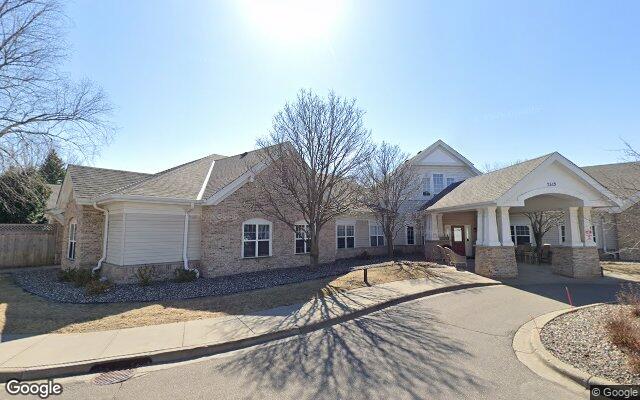
A large home, reviewed on public record.
Compared to 187 Minnesota facilities with a similar number of beds.
ALF memory care · 36-month window. Higher percentile = better performance on inspection record. Source: Minnesota Dept. of Health · Health Regulation Division.
among peers to rank.
on file.
Rankings based on 36-month MDH inspection data. Severity and frequency: fewer citations = higher percentile. Repeat rate: lower repeat citation share = higher percentile.
Citation history, plotted month by month.
1 deficiency on record. Each bar is a month with a citation.
Finding distribution
1 total · 36 monthsScope × Severity (CMS A–L)
Questions to ask before you visit.
A short pre-tour checklist tailored to Brookdale Eden Prairie's record and state requirements.
Minnesota Department of Health records show three complaints on file through June 2023 — can you share which of those complaints were substantiated, and provide copies of the corrective action plans or remediation steps the facility implemented in response?
Ask the operator on tour. Take notes and compare answers across facilities you visit.
The most recent inspection on June 13, 2023 resulted in zero deficiencies — can you walk us through how the facility prepared for that survey, and provide documentation of the internal audit or quality assurance process you use to maintain compliance between MDH visits?
Ask the operator on tour. Take notes and compare answers across facilities you visit.
This community holds an Assisted Living Facility with Dementia Care license under Minnesota Statute chapter 144G — can you provide a copy of the written dementia care program that MDH reviewed during licensure, and explain how staff demonstrate competency in the specific dementia care practices outlined in that program?
Ask the operator on tour. Take notes and compare answers across facilities you visit.
Every inspection visit, verbatim.
3 inspections in the public record, most recent first. Plain-language summaries open first — click into any row for the full citation text.
2025-03-04Complaint InvestigationNo findings
Plain-language summary
A complaint investigation found that the facility did not neglect the resident when he fell multiple times within a week and sustained broken ribs and vertebrae. The facility sent the resident to the hospital after the first fall and again when his agitation persisted, gave him medication as needed, and communicated with his family and provider. The investigation reviewed medical records, facility policies, staff interviews, and observations, and determined the facility's response was appropriate given the resident's dementia diagnosis and behavioral challenges.
Read full citation textHide full citation text
Read raw inspector notesClose inspector notes
Finding: Not Substantiated Nature of Investigation: The Minnesota Department of Health investigated an allegation of maltreatment, in accordance with the Minnesota Reporting of Maltreatment of Vulnerable Adults Act, Minn. Stat. 626.557, and to evaluate compliance with applicable licensing standards for the provider type. Initial Investigation Allegation(s): The facility neglected the resident when the resident fell several times in about one week. The resident sustained broken ribs and vertebrae. Investigative Findings and Conclusion: The Minnesota Department of Health determined neglect was not substantiated. The facility sent the resident to the hospital for evaluation after the first fall when they suspected injury, and again when the resident’s agitation persisted for about a week. Facility staff administered as needed medications and communicated with the family and provider. The investigator conducted interviews with facility staff members, including administrative staff, nursing staff, and unlicensed staff. The investigator contacted family. The investigation included review of the resident record, death record, hospital records, facility internal investigation, facility incident reports, staff schedules, and related facility policy and procedures. Also, the investigator observed transfers and assistance with walking. The resident resided in an assisted living memory care unit. The resident’s diagnoses included dementia. The resident’s service plan included assistance with toileting, walking, bathing, and medication administration. The plan also indicated the resident demonstrated anxious, disruptive, or obsessive behaviors and required additional attention and redirection at times. The resident’s assessment indicated he needed help going to and from the dining room and activities, as well as wandering redirection. A progress note indicated a nurse held a care conference with the resident’s family members one day before the resident’s falls. The note indicated they discussed the resident’s behaviors over the previous weekend, including being agitated and impulsive and needing one-to-one supervision for safety reasons. The nurse explained the facility services did not include one-to-one service and suggested family hire a companion to sit with and monitor him for safety. A family member stated she could not afford that, so the nurse instructed family to provide the one-to-one service when agitated. Family agreed to provide the one-to-one service. An incident report indicated the resident fell one morning. The resident sustained a cut to his elbow. A progress note indicated staff found the resident on the floor near his bed. The resident reported he hit his head, and he had been experiencing pain. Staff obtained his vitals and sent the resident to the hospital after a nursing assessment. The note indicated the resident had been agitated prior to the fall, getting up on his own even though he required assistance of one staff member. The resident had also been noncompliant, impulsive, and at times unable to follow verbal cues and directions. The resident’s after visit summary (AVS) from the hospital indicated the resident had a closed head injury and skin tear of the left elbow from the fall. The hospital completed imaging of part of the resident’s spine, his head, and his elbow. A progress note indicated the resident returned from the hospital within about eight hours after the fall. Another progress note indicated family requested an as needed medication to help with the resident’s agitation during dinner. A second incident report indicated the resident fell about twelve hours after the first fall. The resident had no apparent injury after the unwitnessed fall. The resident’s record included several progress notes indicating the resident presented with agitation prior to and after his falls. Notes indicated the resident yelled, tried getting up and walking on his own, and at times became combative or aggressive. Notes also indicated the facility staff gave as needed medications to help with anxiety and agitation, reached out to the provider, and tried redirection. A progress note indicated the resident had been agitated and yelling for help most of the morning one day. The resident could not identify pain or explain what was wrong. Staff called 911 and sent him out for evaluation, then notified the family. A facility internal investigation included a summary timeline of events and behaviors from the resident. The resident became agitated and began screaming in the dining room the day he admitted to the facility. The resident’s family member stayed with the resident over the weekend. During the first few days of admission, the resident walked around in the dining room without clothing and had other behaviors of agitation, shouting, difficult to provide cares and attempting elopement. The next morning, approximately one week after admission, the resident fell in his room. He went to the emergency department (ED) and returned mid-afternoon. About twelve hours after the first fall, the resident had an unwitnessed fall in the living room with no apparent injury. During the days after the fall, the resident continued trying to walk unassisted, had increased anxiety with screaming and agitation with cares. On the fourth day, the resident had been screaming often, complaining of pain in his shoulder and side. The resident’s family visited much of the weekend. On the fifth day, the resident had been observed in the dining room on his hands and knees, without clothing, scaring other residents. The same day, the resident’s family assisted him to bed with an unlicensed personnel (ULP) and transfer belt. The resident went to his knees, and the ULP called for assistance from another ULP. Two days later, the resident screamed, did not want to get dressed, and needed three staff members to get ready. Staff called emergency medical services (EMS) and the resident went to the hospital. The next day, the hospital notified the facility the resident had fractured ribs and back. The investigation indicated the resident’s family believed the injuries occurred during his first fall. While at the facility, family asked for staff to get the resident up and get him to the dining room, while the resident appeared resistant and agitated, yelling and requiring two to three staff for transfers. The resident’s hospital record indicated he presented to the ED due to worsening agitation and concern for pain with a history of falling a week prior. The ED completed imaging and found two broken ribs and two age-indeterminate mild compression deformities of the spine. A hospital provider noted the spine fractures had an acute or subacute appearance. During the hospitalization, the resident appeared agitated, yelling out, pulling at his intravenous (IV) access, and required one-to-one staffing at his bedside. The hospital record indicated the resident required several medications to help his agitation. The resident’s delirium had most likely been secondary to pain, although other contributing factors included medications, poor nutritional status, and a previous stroke. The resident had been struggling with increasing agitation and delirium following the stroke a couple of months prior. The resident’s hospital diagnoses included altered mental status, agitation due to dementia, and fractures of the spine and ribs. The record indicated the resident admitted to hospice and died in the hospital. The resident’s death record identified the resident’s cause of death as terminal delirium. The death record did not identify the resident’s broken spine or ribs as contributing to death. During an interview, a nurse stated the resident fell twice in one day. After the first fall, the facility sent him in for evaluation. He did not have any apparent injury with the second fall from him getting up without help. Facility staff tried redirection, keeping him in public spaces to keep an eye on him, utilized as needed medication, got an order for increasing a medication, and encouraged him to gain strength, walking as much as possible. The resident had an order for therapy, but therapy determined they would not do therapy with him because he would not follow their plan. Prior to the resident admitting to the hospital and discharging from the facility, the nurse wanted him to be seen by the medical provider and could tell something seemed wrong, but family objected. The nurse stated although his prior facility did not describe any behaviors, the resident presented with behaviors after admitting to the facility which became increasingly more difficult to care for. They had a conversation with the resident’s family member, explaining he needed one-to-one monitoring which the facility did not provide. Family declined but spent a lot of time at the facility. During an interview, the licensed assisted living director (LALD) stated the resident had been screaming a lot from the day he arrived. The family spent a lot of time at the facility.
2024-09-13Complaint InvestigationNo findings
Plain-language summary
A complaint investigation found that a resident with Alzheimer's disease exited a secured memory care unit through an alarmed fire exit and fell, sustaining a wrist fracture, but the Minnesota Department of Health determined the facility did not neglect the resident because staff responded immediately according to protocol when the alarm was triggered. The facility maintained secured exits with dual-door systems and alarms, trained staff on alarm response, and caregivers were present and monitoring the resident who frequently wandered throughout the common areas. The investigation included staff interviews, a review of the resident's care plan and the facility's elopement procedures, and an unannounced onsite visit that tested staff response to the alarm system.
Read full citation textHide full citation text
Read raw inspector notesClose inspector notes
Finding: Not Substantiated Nature of Investigation: The Minnesota Department of Health investigated an allegation of maltreatment, in accordance with the Minnesota Reporting of Maltreatment of Vulnerable Adults Act, Minn. Stat. 626.557, and to evaluate compliance with applicable licensing standards for the provider type. Initial Investigation Allegation(s): The facility neglected the resident when the facility failed to provide supervision, the resident exited the building, fell, and fractured her wrist. Investigative Findings and Conclusion: The Minnesota Department of Health determined neglect was not substantiated. Although the resident did exit through a secured exit and fell, staff responded immediately and according to facility protocol. The investigator conducted interviews with facility staff members, including administrative staff, nursing staff, and unlicensed staff. The investigator contacted a family member. The investigation included review of the resident’s assessments, service plan, internal investigation and elopement policy. Also, the investigator completed an onsite visit to observe staff to resident interactions in the secured memory care as well as how the exit door functions in the facility. The resident resided in an assisted living memory care unit. The resident’s diagnoses included Alzheimer’s disease and chronic pain syndrome. The resident’s service plan included verbal cues for dressing, and toileting assistance. The resident’s assessment indicated the resident walked independently without any devices. The resident wandered throughout the community and required redirection and often set off door alarms attempting to leave the facility. The resident was verbal but did not always communicate her needs. One day the resident exited the facility without supervision. Meanwhile, the facility alarm-system alerted caregivers an exterior exit door had been opened who immediately responded. The resident was found a short distance from the door on the ground having sustained a wrist fracture from an apparent fall. Three caregivers responded to the alarm. Facility documents indicated the staff members stayed with the resident, obtained, vital signs, called the on-call nurse, and contacted the resident’s family. Initially, the staff members were directed to assist resident off the ground and back into the facility where ice was applied to her wrist. Later, the resident was diagnosed with a wrist fracture from the fall. Facility characteristics and fire exits The facility was licensed for assisted living with dementia care and was a secured memory-care building. To enter or exit, the building, a visitor required a facility staff member to allow passage through either the main or the back service-door. The facility included two “neighborhoods” (units) which each included three secured fire exits (six total), which were alarmed at the end of each wing. Each secured fire exit included a two-door system which meant to exit a person passed through one door into a small entry area to reach the second door. If or when a person opened the first door an alarm was triggered and continued to sound until and unless the alarm was deactivated using a key carried only by employees. The second door had a bar that required being pushed for 15 consecutive seconds to open which also caused a second alarm to sound. Inside the facility at multiple locations the alarm system included a panel which displayed which door had been breached so that staff could readily know which door to go check if an alarm went off. Training records indicated the facility trained it staff members on how to monitor the alarm system and how to respond quickly to any alarms indicating someone had left the building. The investigation included an unannounced onsite visit which included a test of the facility response to the fire exit alarm system during which multiple staff members responded within a short period of time to the correct door. Interviews During an interview, a nurse stated the resident was constantly walking and wandering about the facility. The nurse stated staff members were able to visually observe the resident due to her constant wandering in the main common areas. The resident’s attempts to leave the facility were increased during periods of anxiety and after phone calls with family. The nurse stated initially the resident did not seem injured based on the update over the phone, however when the nurse assessed the resident in-person the next morning she requested an x-ray and further evaluation. During an interview, a family member stated they chose the facility as it was secured and for the location. The family member stated approximately six months before the incident the resident had discovered if she pressed on the bar long enough the alarm signals, but the door eventually would open. The family member stated the nurse requested medication to help with the resident’s anxiety as the resident had elopement attempts but not always out the same door. During an interview, a manager stated resident elopement attempts had increased three months prior to the incident. The manager stated the resident was able to explain how to exit the building so the facility staff members were on high alert when they heard the alarm go off. During an interview, a staff member from maintenance stated the facility conducted monthly elopement drills. The staff member stated the doors are checked weekly to ensure they are functioning properly. During an interview, multiple unlicensed caregivers, who had been working the day the resident exited, stated she was doing her normal roaming of going up and down the hallways. Three caregivers heard the alarm and responded to the alarm with the resident being found already on the ground outside the exit. In conclusion, the Minnesota Department of Health determined neglect was not substantiated. “Not Substantiated” means: An investigatory conclusion indicating the preponderance of evidence shows that an act meeting the definition of maltreatment did not occur. Neglect: Minnesota Statutes, section 626.5572, subdivision 17 “Neglect” means neglect by a caregiver or self-neglect. (a) "Caregiver neglect" means the failure or omission by a caregiver to supply a vulnerable adult with care or services, including but not limited to, food, clothing, shelter, health care, or supervision which is: (1) reasonable and necessary to obtain or maintain the vulnerable adult's physical or mental health or safety, considering the physical and mental capacity or dysfunction of the vulnerable adult; and (2) which is not the result of an accident or therapeutic conduct. Vulnerable Adult interviewed: No Family/Responsible Party interviewed: Yes Alleged Perpetrator interviewed: NA the Action taken by facility: No action required. Action taken by the Minnesota Department of Health: No further action taken at this time. cc: The Office of Ombudsman for Long Term Care The Office of Ombudsman for Mental Health and Developmental Disabilities PRINTED: 09/16/2024 FORM APPROVED STATEMENT OF DEFICIENCIES (X1) PROVIDER/SUPPLIER/CLIA (X2) MULTIPLE CONSTRUCTION (X3) DATE SURVEY AND PLAN OF CORRECTION IDENTIFICATION NUMBER: COMPLETED A. BUILDING: ______________________ C B. WING _____________________________ 30691 08/19/2024 NAME OF PROVIDER OR SUPPLIER STREET ADDRESS, CITY, STATE, ZIP CODE 7513 MITCHELL ROAD BROOKDALE EDEN PRAIRIE EDEN PRAIRIE, MN 55344 SUMMARY STATEMENT OF DEFICIENCIES PROVIDER'S PLAN OF CORRECTION (X4) ID ID (X5) PREFIX (EACH DEFICIENCY MUST BE PRECEDED BY FULL PREFIX (EACH CORRECTIVE ACTION SHOULD BE COMPLETE REGULATORY OR LSC IDENTIFYING INFORMATION) CROSS-REFERENCED TO THE APPROPRIATE DATE TAG TAG DEFICIENCY) 0 000 Initial Comments 0 000 On August 19, 2024,, the Minnesota Department of Health initiated an investigation of complaint #HL306913061C/#HL306913042M. No correction orders are issued. LABORATORY DIRECTOR'S OR PROVIDER/SUPPLIER REPRESENTATIVE'S SIGNATURE TITLE (X6) DATE STATE FORM 6899 7TE811 If continuation sheet 1 of 1
2024-05-13Complaint InvestigationSubstantiated Finding · 1 finding
Plain-language summary
A Minnesota Department of Health complaint investigation found that the facility neglected to provide appropriate supervision to two residents with a history of physical altercations and wandering; when one resident wandered into another's room, a physical fight occurred during which the second resident pushed the first into a wall, resulting in a fall and a fractured left hip that required hospitalization, and the resident died two months later from complications of the injury. The investigation determined that neither resident had specific interventions in their care plans to prevent wandering or manage the risk of resident-to-resident violence, and staff did not recognize the severity of the resident's injury until approximately ten hours after the fall. The facility was found responsible for this maltreatment.
Read full citation text (1)Hide full citation text
“MDH substantiated maltreatment or licensing violation finding”
Read raw inspector notesClose inspector notes
Finding: Substantiated, facility responsibility Nature of Investigation: The Minnesota Department of Health investigated an allegation of maltreatment, in accordance with the Minnesota Reporting of Maltreatment of Vulnerable Adults Act, Minn. Stat. 626.557, and to evaluate compliance with applicable licensing standards for the provider type. Initial Investigation Allegation(s): The facility neglected to provide the appropriate level of supervision to resident #1 (R1) and resident #2 (R2). The residents had a physical altercation, R2 pushed R1, and R1 fell and fractured her left femur (hip bone). R1 died two months later from her injury’s. Investigative Findings and Conclusion: The Minnesota Department of Health determined neglect was substantiated. The facility was responsible for the maltreatment. R1 and R2 had a history of resident-to-resident physical altercations and wandering into other residents’ rooms. The facility failed to ensure R1 and R2 had interventions in place to ensure the residents safety. R1 wandered into R2’s room, where a physical altercation took place. R1 and R2 both experienced falls from being pushed during the altercation. R1 experienced pain, was sent to the hospital the next morning, and diagnosed with a broken hip. An equal opportunity employer. The investigator conducted interviews with facility staff members, including administrative staff, nursing staff, and unlicensed staff. The investigator contacted law enforcement and resident’s families. The investigation included review of medical records, nursing assessments, police reports, ambulance run report, recorded camera footage of the incident, facility policies and procedures, and staff training records. R1 resided in an assisted living memory care unit. The resident’s service plan included assistance with medications, meals, and bathing. The resident’s assessment indicated the resident had a history of going into other residents’ rooms and taking their belongings as well as verbal and physical aggression with staff and other residents. R1’s assessments had no specific interventions to direct staff on how to supervise the resident to prevent R1 from wandering into others room putting the resident and other residents’ safety at risk. R2 resided in an assisted living memory care unit. The resident’s service plan included assistance with medications, dressing, grooming, bathing, and toileting. The resident’s assessment indicated the resident has a history of yelling at staff and other residents. Review of recorded video footage [no audio] from R2’s room the overnight shift of the incident, R2 is observed sleeping in her bed in a dark room. R1 opened R2’s door, turned on the overhead lights, and closed the door. R2 got out of bed and grabbed R1’s right arm. R1 swatted R2 away and continued to walk into the room. R2 pushed R1 back towards the door and pushed R1 into a wall. R1 pushed R2 onto the bed and the residents continued to swing at each other and R2 began to kick R1. R2 stood up from the bed, and R1 pushed R2 back onto the bed and hit R2 in the face with a closed fist. R2 attempted to get off the bed and fell to the floor. R2 got up off the floor, stood by R1 for a few seconds and ran out of the room. R1 took some of R2’s clothing and left the room. Three minutes later, R2 was observed coming back into her room with the piece of clothing R1 took. R2 sat on the edge of her bed rocking back and forth and was holding her right hand up looking at it. Approximately one minute later, two unlicensed staff come into R2’s room and look at R2’s hand. One unlicensed staff took out his phone and appeared to walk out of the room. The other stayed with R2 for a minute and appeared to be talking with her. The facility had no cameras in the hallway. A facility investigation of the incident, completed two months after the incident, indicated after an altercation between R1 and R2, R1 had a fall in the hallway. The unlicensed staff interviewed stated R1 was found sitting on the floor in the hallway saying she could not get up. R2 was standing in the hallway as well and her finger was bleeding. R2 was observed with a bleeding, broken fingernail, and R1 could not stand or walk. The staff contacted the nurse administrator. Initially, the unlicensed staff reported R1 was not having pain. Later when staff checked on R1, the resident stated she had pain in her hip. The nurse administrator was contacted again to report R1’s pain and the nurse stated she would be in early in the morning to check on the resident. During the morning shift another nurse checked on R1 and indicated the resident could not get out of bed and ate breakfast in her room, which she had never done before. The morning nurse reported the pain and change of behavior to the facility nurse who told the morning shift nurse to monitor R1. Later that morning, the camera in R1’s room alerted staff R1 was on the floor. The facility nurse made the decision to send R1 to the hospital, where she was found to have a fracture in her left femur. An ambulance report indicated Emergency Medical Services (EMS) were called to assist with R1 due to left hip pain. The report indicated facility staff reported R1 had an altercation with another resident and a fall approximately 10 hours prior. Facility staff reported to EMS the resident had a gradual decline in mobility since the fall. EMS found R1 kneeling next to her bed upon arrival. The report indicated when EMS assisted R1 to the stretcher, she yelled out in pain. EMS transported R1 to the hospital. Hospital notes indicated R1 arrived at the hospital complaining of left hip pain. The notes indicated EMS had reported R1 had an altercation which another resident, during which R1 was pushed and fell. Hospital notes indicated R1 had a closed fracture of the left femur and traumatic rhabdomyolysis (muscle fibers die and release their contents into the blood stream). The notes indicated R1 underwent an open reduction and internal fixation surgery (ORIF). The resident was discharged to another facility with end-of-life hospice care services. R1’s death certificate indicated R1 died approximately two months later from a ground level fall during physical altercation; and staphylococcus aureus pneumonia (a type of bacteria) complicating recovery of left hip fracture. When interviewed unlicensed personnel (ULP-1) stated the night of the incident he was alerted by the facility camera system there was a fall in R2’s room. ULP-1 stated when he arrived in the hallway outside of R2’s room, R2 was on the floor bleeding from her finger and had a broken fingernail. Later on, he found R1 leaning against a wall saying she could not stand up. ULP-1 asked another unlicensed personnel (ULP-2) to assist him with R1. ULP-1 stated it was common for R1 to be up overnight wandering and going into other residents’ rooms. He stated R1 was difficult to redirect because she became verbally and physically aggressive. ULP-1 stated sometimes staff would have to lock all of the residents’ doors to prevent R1 from wandering into other rooms. ULP-1 stated he contacted the facility nurse and informed her R1 was in pain in her leg. The facility nurse told ULP-1 she would come into the facility early in the morning to assess R1. During an interview, ULP-2 stated the night of the incident he was called by ULP-1 to assist with a fall. ULP-2 stated when he arrived in the hallway, he saw R2 standing in the hallway crying and bleeding from her hand and R1 was a few feet away leaning against the wall, unable to stand on her own. ULP-2 stated he got a wheelchair for R1 and assisted the resident to bed. ULP-2 stated R1 was complaining of pain in her leg. During interview a facility nurse stated R1 and R2 had “issues” with each other from the day R1 moved in. She stated R2 had a history of being oppositional and R1 had a history of aggressive behavior toward other residents. The nurse stated the intervention to prevent R1 from acting aggressive toward other residents included medication, engagement, and meeting with a dementia care specialist to find other ways to engage R1. The nurse stated she did not remember what the dementia care specialist recommended, and she did not document what the recommended interventions were, but the interventions were communicated to staff verbally.
1 older inspection from 2023 are not shown above.
Get the complete record, translated into plain language — emailed to you.
Other facilities in Hennepin County.
Other memory care facilities in Hennepin County with similar care offerings.
Tour Prep
Family reviews
No reviews yet — be the first to share your experience
Other memory care options nearby.
More options in neighboring cities
Licensed memory care in other cities within this county region — useful when your search radius crosses city limits.