Wellquest of Elk Grove.
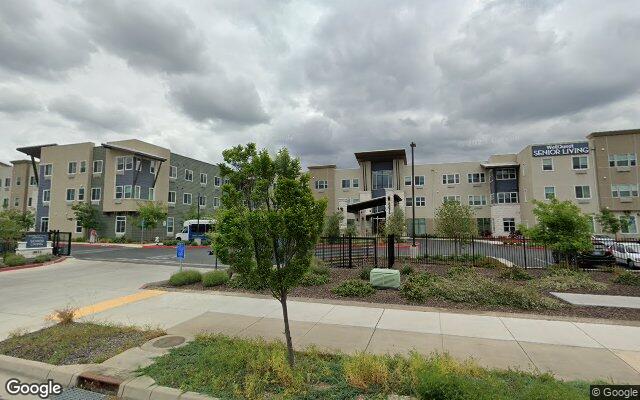
A large home, reviewed on public record.
Compared to 160 California facilities with a similar number of beds.
RCFE · 36-month window. Higher percentile = better performance on inspection record. Source: California Dept. of Social Services · Community Care Licensing.
among peers to rank.
Rankings based on 36-month CDSS inspection data. Severity and frequency: fewer citations = higher percentile. Repeat rate: lower repeat citation share = higher percentile.
Citation history, plotted month by month.
10 deficiencies on record. Each bar is a month with a citation.
Finding distribution
7 total · 36 monthsScope × Severity (CMS A–L)
The rules that apply to this facility.
State requirements with the exact regulation citation, plain-language explanation, and a question to ask on tour. Rules this facility has been cited for appear first.
Plain language
Elopements, fires, epidemic outbreaks, and poisonings must be reported immediately. Abuse with serious bodily injury requires a 2-hour phone report + 2-hour written report to CDSS, Adult Protective Services, and law enforcement. Abuse without serious bodily injury must be reported within 24 hours. A resident death requires a phone call by the next working day and a written report within 7 days. Injuries requiring medical treatment beyond first aid, and bankruptcy/foreclosure/utility shutoff notices, must also be reported. Incidents not reported on time are a separate violation — families may file a complaint directly with CDSS.
Ask on tour
“When was the last incident report filed with CDSS, and may I see your incident log summary for the past 12 months?”
Questions to ask before you visit.
A short pre-tour checklist tailored to Wellquest of Elk Grove's record and state requirements.
The facility holds license 342700722 with a capacity of 170 beds and no formal memory-care designation on file with CDSS — can you explain what dementia-specific programming is in place, and whether the facility intends to pursue formal memory-care licensure under Title 22 §87705?
Ask the operator on tour. Take notes and compare answers across facilities you visit.
Zero deficiencies and zero complaints appear in the CDSS inspection record — can you provide the date of the most recent state inspection, and show families the last deficiency notice or inspection report received from licensing?
Ask the operator on tour. Take notes and compare answers across facilities you visit.
The operator Wellquest Elk Grove Tenantco LLC advertises memory care, but no §87705 or §87706 citations appear in state records — does the facility maintain a written dementia-care program as required by §87705, and can you provide a copy for families to review?
Ask the operator on tour. Take notes and compare answers across facilities you visit.
Every inspection visit, verbatim.
25 inspections in the public record, most recent first. Plain-language summaries open first — click into any row for the full citation text.
2026-10-01Complaint InvestigationType B · 1 finding
“Based on reviewed, the licensee did not comply with the section cited above in 4 out of 4 records reviewed, poses/posed a potential health, safety or personal rights risk to persons in care. POC Due Date: 10/30/2026 Plan of Correction 1 2 3 4 ED stated they will change the selection of courses in order to satisfy the required training and they will send the listing of the new training modules to community care licensing at CCLASCPSacramentoSouthRO@dss.ca.gov by the lose of business on 10/30/26.”
Read raw inspector notesClose inspector notes
On 10/01/26, Licensing Program Analyst (LPA) Kimberly Viarella made an unannounced visit to this facility to conduct the annual inspection. LPA identified herself upon arrival, stated the purpose of the visit, and asked to meet with the Designated Facility Administrator / Executive Director (ED) Michael Talani. LPA met with Talani and a brief interview followed. Talani provided a copy of the LIC 500, a staff roster listing 95 employees, and this LPA compared it to the Guardian roster to ensure that all staff had obtained the proper background clearances and association to the facility as required. LPA conducted a walkthrough of the common areas of the facility that included but was not limited to: multiple lounge areas, a theatre room, multiple activity rooms, an exercise room, a salon, an art studio, a library and the dining room/restaurant. This LPA also inspected 3 resident rooms in Journey (memory care) and 3 in assisted living. Each room had the required furniture, furnishings, and lighting to be in compliance at the time of this inspection. Each bathroom had the required soap, grab bars, and non-skid surfaces in the showers as required. The hot water measured in room 32 reached 117.7 degrees Fahrenheit and was within the required range. This LPA activated a call alert from room 224 and staff responded in 14 minutes and 09 seconds. The kitchen for this facility with a capacity of 170, was inaccessible to residents in care. LPA inspected inventory of food and found it to be sufficient for 7-day perishable and 2-day non-perishable. LPA inspected frozen and refrigerated foods for proper storage and labeling and a sample of pantry items to ensure that 1 2 3 4 5 6 7 8 9 10 11 12 13 14 15 16 17 18 19 20 21 22 23 24 25 26 27 28 29 30 31 32 none had expired. The facility fire extinguishers were last inspected on 08/13/26 by Fire Code Safety Equipment Inc. The ED also showed this LPA that they recently replenished their emergency water and food supply. Upon arrival, LPA observed a group of 4 residents enjoying coffee in the front room to the left of the entrance. Another resident was observed sitting at a piano in the Quest Lounge talking to 2 other residents. LPA observed 1 resident working with a physical therapist in the exercise room and 3 residents conversing in the library. Later in the afternoon, this LPA observed 15 residents enjoying live music in the Quest Lounge. While visiting Journey (memory care) this LPA observed 12 residents supervised by 4 staff members; some were working on puzzles, others were coloring, 1 was playing Connect 4 and all were enjoying snacks. LPA also observed a red flashing light over the doors to the patio area indicating extreme heat outdoors. LPA inspected the Medication Room in Journey (memory care). LPA reviewed administration and destruction procedures with staff. LPA examined a sample of medications on the medication cart. LPA also reviewed the documentation process for all new prescriptions. LPA inspected the first aid kit to ensure it had all the required elements to be in compliance at the time of this inspection. This LPA and the ED also discussed the policies and practices surrounding residents who independently store and manage their own medications. The following materials were posted in the facility: "If You See Something, Say Something" and Ombudsman contact information posters, Resident Rights, Resident Council information, the grievance policy, the most recent Community Care License report, the Stipulation Order and facility license. The calendar of activities was displayed on a monitor in the first floor lobby. This LPA conducted an inspection of the exterior of the facility. All windows, screens and gutters were in good repair. There was an in ground pool that was completely fenced in, locked and inaccessible to residents in care without supervision. LPA also observed a bocci court, a dog park and pickle ball court along with multiple shaded areas with furniture for residents and their guests to enjoy. A file review was then conducted by the LPA. Six resident files were reviewed. LPA provided consulting services regarding some of the forms included. Four staff files were reviewed and 4 out of 4 were missing some of the required dementia care training. Each staff member took online dementia care training, 1 2 3 4 5 6 7 8 9 10 11 12 13 14 15 16 17 18 19 20 21 22 23 24 25 26 27 28 29 30 31 32 but in all 4 of the files reviewed the training did not total the 12 hours required. The ED stated that they purchased a training package and were under the assumption that it met Title 22 Requirements. The ED stated they would look into correcting this and/or creating tracking sheets to include additional hands-on or classroom training to ensure that the requirement would be met. This deficiency was cited on the LIC 809D page. According to the California Code of Regulations, Title 22, no other deficiencies were cited during today’s visit, a copy of this report was provided along with APPEAL RIGHTS and an exit interview was conducted with Executive Director Talani.
2026-08-06Complaint InvestigationUnsubstantiatedNo findings
Read raw inspector notesClose inspector notes
Allegation: Staff are not providing adequate food service to residents. LPA conducted interviews, record reviews, and observations as noted above. Based on staff interviews conducted on 7-20-2026 and 7-27-2026, it was revealed that staff demonstrated awareness of various residents’ dietary needs. LPA’s review of physician reports and needs and service plan for various residents in care on 7-27-2026 further revealed residents identified dietary needs. During an observation on 7-20-2026, it was revealed that staff are demonstrating knowledge of various diets of residents and rendering assistance as needed. As a result, the preponderance of evidence standard is not met, and this allegation is UNSUBSTANTIATED. Allegation: Staff are not ensuring residents are eating. LPA conducted interviews, and observations as noted above. Based on interviews and observations conducted, it was revealed that residents are consistently receiving assistance with feeding as necessary. LPA’s observation on 7-20-2026 revealed residents received staff assistance based on diet restrictions and food texture, while staff ensure residents were eating sufficiently. Interviews did not reveal any corroborated evidence of staff not ensuring residents are eating. As a result, the preponderance of evidence standard is not met, and this allegation is UNSUBSTANTIATED. Allegation: Staff are not providing activities for residents. LPA conducted interviews, record, reviews, and observation as noted above. Based on interviews, it was revealed that staff have been consistently offering activities and engaging with residents. A review of facility’s activities calendar on 7-27-2026 revealed various adequate activities offered within memory care. An observation conducted on 7-20-2026 revealed staff involvement with residents in care for various activities based on resident’s ability to participate. Interviews conducted did not reveal any corroborated statements or evidence to reveal staff not providing activities to residents. As a result, the preponderance of evidence standard is not met, and this allegation is UNSUBSTANTIATED. Allegation: Staff did not prevent residents from wandering into other residents’ rooms resulting in physical altercations. LPA conducted interviews and record reviews as noted above. Based on interviews and record reviews, it was revealed that select residents were identified to have history of altercation with peers. Record reviews further revealed appropriate interventions in place for residents identified. Additionally, LPA’s observation on 7-20-2026 revealed staff appropriately interacting and attempting to redirect residents as necessary for safety. Interviews conducted did not reveal any corroborated statements from staff not attempting to prevent residents from inappropriate interactions with peers. As a result, the preponderance of evidence standard is not met, and this allegation is UNSUBSTANTIATED. {Cont. on 9099C} 1 2 3 4 5 6 7 8 9 10 11 12 13 14 15 16 17 18 19 20 21 22 23 24 25 26 27 28 29 30 31 32 Allegation: Staff are not properly assessing residents. LPA conducted interviews and record reviews as noted above. Based on interviews and record reviews, it was revealed that licensee has utilized appropriate assessment forms and included adequate information necessary to properly determine initial level of care needs for residents in care. Interviews conducted did not reveal corroborated statements of instances in which residents are not properly assessed. Furthermore, it was revealed through interviews that facility conducts on-going assessments to determine any level of care change in residents. As a result, the preponderance of evidence standard is not met, and this allegation is UNSUBSTANTIATED. Allegation: Staff are inappropriately increasing rent without additional care. LPA conducted interviews and record reviews as noted above. Based on review of admissions agreement reviewed on 7-27-2026, it was revealed that facility increases rent based on regulatory requirements including a 90-day notice for general rate increases, and two business day notice for level of care increase including a description of care involved. As a result, the preponderance of evidence standard is not met, and this allegation is UNSUBSTANTIATED. A finding of unsubstantiated means the allegation may have happened or is valid, but there is not a preponderance of the evidence to prove that the alleged violation occurred. An exit interview was conducted with business office manager and a copy of this report was provided. Appeal rights provided.
2026-07-20Other VisitNo findings
Read raw inspector notesClose inspector notes
During the course of this investigation, this LPA learned that the allegation pertained to an area of the facility not licensed by Community Care Licensing. Therefore the Department found the allegation UNFOUNDED as it was outside of the Department's regulatory authority. According to the California Code of Regulations, Title 22, no deficiencies were observed or cited during today's visit, a copy of this report was provided and an exit interview was conducted with Talani.
2026-07-20Complaint InvestigationNo findings
Read raw inspector notesClose inspector notes
the resident's privacy by contacting their primary care physician, they remained in compliance with Title 22 regulations. The Department found the above allegation UNFOUNDED. A finding of unfounded means that the allegation is false, could not have happened, and/or is without a reasonable basis. According to the California Code of Regulations, Title 22, no deficiencies were observed or cited during today's visit, a copy of this report was provided and an exit interview was conducted with Talani.
2026-06-30Other VisitNo findings
Read raw inspector notesClose inspector notes
An office meeting was held via Microsoft Teams on June 30, 2026 at 10:00AM. The Department explained the purpose of this office meeting to Wellquest of Elk Grove representatives. The following were in attendance: Regional Manager Stephenie Doub, Licensing Program Manager Arielle Pascua, Licensing Program Analyst Kimberly Viarella and Licensing Program Analyst Arvin Villanueva; Wellquest of Elk Grove Representatives: Dean Mattsson and Michael Talani. The purpose of today’s visit is to review the stipulation adopted on June 9, 2026. Items discussed at this meeting included, but not limited to: Stipulation contents Findings Revocation stayed and probation terms Mandatory training and oversight requirements Staffing requirements Structural and safety improvements The creation of corporate position dedicated to resident safety and training Withdrawal of Change of Management (CHOM) applications Restriction of future licensing applications Tolling and extension of probation Violation consequences Waiver of appeal/modification rights Monitoring fee requirements {1 of 2) 1 2 3 4 5 6 7 8 9 10 11 12 13 14 15 16 17 18 19 20 21 22 23 24 25 26 27 28 29 30 31 32 The licensees/Respondents/Representatives stated they would abide by the following: Abide by the contents/terms of the Stipulation Operate the facility in strict compliance with the regulations and statues governing the operation of a residential care facility for the elderly. CCLD will do the following: Increase monitoring Per the California Code of Regulations, Title 22, Division 6, Chapter 8, no violations cited during this visit. An exit interview was conducted, and a copy of this report was provided via email and an electronic email read receipt confirms receiving these documents. {2 of 2}
2026-04-01Other VisitNo findings
Plain-language summary
On April 1, 2026, a licensing analyst made an unannounced visit to check whether required state inspection reports were posted in a visible location, as state law requires. The facility had not posted an Accusation for License Revocation, but the analyst worked with management to post all required documents on a bulletin board near the mailboxes, and the facility had already notified residents and their families about the accusation through written messages and a town hall meeting. No violations were found.
Read full citation textHide full citation text
Read raw inspector notesClose inspector notes
On 04/01/26, Licensing Program Analyst (LPA) Kimberly Viarella made an unannounced visit to this facility to ensure that Community Care Licensing (CCL) reports are posted in a "conspicuous location" as stated in the California Health and Safety Codes. LPA observed that the Accusation for License Revocation was not posted, but that a sign stating that all (CCL) reports were available upon request along with the phone number for CCL and the LPA for this facility. LPA provided technical assistance regarding the requirements for posting CCL reports per Heath and Safety Code 1569.38. The ED and the LPA determined that a bulletin board near the mailboxes would be an appropriate "conspicuous" location for CCL reports and the ED immediately posted the required documents. The ED also provided this LPA with a copy of the message that was sent out to all residents and POA/responsible parties regarding the Accusation for License Revocation. The ED also informed this LPA that they sent a text message to all of the residents and POAs/responsible parties as well. Cuevas also added that she had a conversation with the President of the Resident Council and conducted a Town Hall meeting on 03/19/26 to address any concerns. Due to time constraints, this LPA will return at a later date to become better acquainted with this facility as she has newly assumed this caseload. According to the California Code of Regulations, no deficiencies were cited during today's visit. A copy of this report was provided and an exit interview was conducted with Cuevas.
2026-03-16Complaint InvestigationNo findings
Plain-language summary
On March 12 and March 16, 2026, two separate physical altercations between residents occurred at the facility; the first resulted in no injuries, and the second resulted in a skin tear on one resident. The facility reported both incidents to law enforcement and the ombudsman as required, assessed the residents involved, and made care plan changes to prevent future conflicts. The state inspector found no violations and confirmed the facility followed proper reporting procedures.
Read full citation textHide full citation text
Read raw inspector notesClose inspector notes
Licensing Program Analyst (LPA) Christina Valerio, LPA Reza Jamaly, and Administrator Certification Bureau Branch Chief Wendy Soerianta arrived to the facility unannounced to conduct a case management visit to follow up on two (2) unusual incident reports submitted to the department. LPAs and Branch Chief met with Administrator Elena Cuevas, and explained the purpose of the visit. On 03/12/2026, an Unusual Incident Report was submitted to the Regional Office regarding Resident 1 (R1) and Resident 2 (R2). R1 and R2 were involved in a physical altercation. R2 made a comment to R1, which triggered R2 to shove R1 on the chest. Staff redirected the residents. Residents were assessed for injuries and complaints. No injuries or pain were noted or observed. Alert charting was put into place. Responsible parties, Ombudsman, and law enforcement were contacted. On 03/16/2026, a SOC 341 was sent to the Regional office for a physical altercation between two residents (R1 and Resident 3 (R3)). A skin tear was observed for R1. The facility contacted law enforcement, responsible parties, and the Long Term Care Ombudsman. Administrator Elena Cuevas elaborated on both incidents. Based on the information provided, there are no health, safety, or personal rights risk to residents in care. The facility has completed the proper reporting requirements and have put plans in place for all residents involved. Per California Code of Regulations (CCR) Title 22 - no deficiencies are being cited today. An exit interview was held with Business Office Director Luna Garcia, and a copy of the report was provided.
2026-01-13Complaint InvestigationNo findings
Plain-language summary
A follow-up inspection on January 13, 2026 confirmed a prior finding that a resident died after being left unattended outdoors in direct sunlight and heat, suffering heat-related injuries and heat stroke due to inadequate care and supervision. The facility was issued a $14,500 civil penalty (in addition to a $500 penalty already issued in January 2025) for this violation. The facility has the right to appeal this decision.
Read full citation textHide full citation text
Read raw inspector notesClose inspector notes
Licensing Program Analyst, Arvin Villanueva (LPA), arrived on January 13, 2026 for an unannounced inspection to follow up on a substantiated allegation from complaint investigation 27-AS-20241007094603. On January 16, 2025, the Department concluded a complaint investigation which alleged the following: Lack of care and supervision resulted in resident death. The licensee was cited for Health and Safety Code § 1569.312(e)Basic services requirements. A Complaint visit was conducted on January 16, 2025, where an immediate civil penalty of $500.00 was issued and the licensee was informed that an additional civil penalty might be assessed based on Health and Safety Code § 1569.49(e). The Department has concluded an analysis and has determined that a civil penalty is warranted for a violation that the Department determines resulted in the death of a resident. This was evidenced by interviews and record reviews indicating that the licensee/administrator did not ensure staff provided adequate care and supervision to the resident, who was left unattended outdoors in direct sunlight and heat, resulting in heat-related injuries, heat stroke, and ultimately, death. Today, January 13, 2026, the Department will be issuing a civil penalty per Health and Safety Code § 1569.49(e) for a violation that the Department constitutes as death in the amount of $15,000. However, since an immediate civil penalty of $500 was previously issued on January 16, 2025, the amount of the civil penalty issued today will be $14,500. Exit interview conducted. A copy of the report issued. Appeal rights provided to Elena Cuevas and signature on this report acknowledges receipt of the appeal rights, found on page two of LIC 421D.
2025-12-31Other VisitNo findings
Plain-language summary
This was an investigation of complaints about care for a resident who moved from assisted living to memory care as their health declined. Investigators reviewed staff training records, care plans, progress notes, physician reports, and observations from multiple visits, and interviewed staff, residents, and family members; they found no evidence that staff failed to provide timely assistance with personal care, adequate personal care supplies, or to meet dietary needs. The allegations were unsubstantiated.
Read full citation textHide full citation text
Read raw inspector notesClose inspector notes
They explained that R1 first lived in Assisted Living (AL) and later moved to Memory Care as health and behavior changed. Staff said R1 sometimes refused care and liked things done a certain way, which made helping R1 more difficult. Staff also said R1 sometimes tried to stand up on their own even though R1 was no longer able to walk safely. At night, R1 sometimes refused to get out of bed to use the bathroom, so staff cleaned R1 in bed. Staff also said R1 had a long history of UTIs, even when R1 lived in AL and was more independent. Staff confirmed that R1 was not assessed to have one-on-one care but did receive help during meals because R1 ate slowly. Staff said they checked on residents often and followed care plans for bathing, dressing, toileting, and other ADLs. Residents with mobility problems were kept in common areas where staff could watch them more easily. Record reviews showed that after R1 broke their collarbone, staff followed the doctor’s orders and helped R1 with all ADLs while keeping R1’s arm in a sling. R1’s care plan was updated eight times between July 2021 and February 2024 due to falls, UTIs, and changes in condition. Progress notes from 7/2/21 to 7/25/24 showed entries where R1 refused care and entries showing staff checked on R1 often and responded to their needs. Service plans from 2021–2024 showed that R1 went from being mostly independent to needing much more help by late 2023. Physician’s Reports from 2021 and 2024 also showed a clear decline in mobility, diet needs, continence, and cognitive abilities. There was no indication that R1 needed one-on-one care. Records also showed that staff received training in several areas, including fall incidents, memory care rounds, reporting procedures, hydration, proper storage of personal items in memory care, environmental safety, dementia care, hygiene, wellness checks, and daily care routines .Residents interviewed during the investigation said staff helped them with bathing, hygiene, and other needs. They did not report problems with call-button response times. A family member visiting the MC unit also said they had no concerns about staffing, care, or food. During LPA observations on 7/2/25, 7/18/25, and 12/29/25, staff were seen helping residents with meals and feeding those who needed assistance. Based on interviews, record reviews, and observations, there was not enough evidence to show that staff did not assist residents with their care needs in a timely manner. Although R1 sometimes refused care and R1’s condition declined over time, the information gathered shows that staff followed the care plan and responded to her needs. Therefore, this allegation is unsubstantiated. {2 of 7} 1 2 3 4 5 6 7 8 9 10 11 12 13 14 15 16 17 18 19 20 21 22 23 24 25 26 27 28 29 30 31 32 Allegation 2- Staff did not ensure adequate personal care supplies were available for the resident: The investigation included staff interviews, resident interviews, record reviews, and observations made on 7/2/25, 7/18/25, and 12/29/25. During staff interviews, staff explained that residents’ families usually bring personal care supplies such as wipes, briefs, and hygiene items. Staff stated that if a resident is running low on supplies, they call the family to let them know more supplies are needed. Staff also said the facility keeps basic supplies on hand and can provide them if a resident temporarily runs out. Staff reported they had not seen or heard of residents’ belongings being taken or stolen from their rooms. Regarding Resident 1 (R1), staff said R1’s family regularly brought supplies and that R1 often had more than enough. Staff did not recall any time when R1 ran out of supplies but noted that R1 moved out a long time ago, making details harder to remember. Residents that were interviewed during the investigation did not report any problems with running out of supplies. They also did not report any concerns about other residents or staff taking their belongings. Record reviews showed that R1’s progress notes from 7/2/21 to 7/25/24 contained many entries about R1 refusing care and entries showing staff checked on R1 periodically. The notes also showed staff responded to R1’s medical needs. Review of R1’s service plans from 2021, 2022, and 2023 showed that R1’s care needs increased over time as R1’s condition declined. The plans did not show any concerns about lack of supplies. Review of R1’s Physician’s Reports from 2021 and 2024 also showed a decline in health and functioning but did not indicate any issues with missing or inadequate personal care supplies. Records also showed that staff received training in several areas, including fall incidents, memory care rounds, reporting procedures, hydration, proper storage of personal items in memory care, environmental safety, dementia care, hygiene, wellness checks, and daily care routines. During LPA observations on 7/2/25, 7/18/25, and 12/29/25, staff were seen assisting residents with meals and helping those who needed feeding support. No concerns related to supplies were observed. Based on interviews, record reviews, and observations, there is not enough evidence to show that the facility did not to provide adequate personal care supplies for R1. Staff reported that supplies were available, families were notified when more were needed, and residents confirmed they did not experience shortages. Therefore, this allegation is unsubstantiated . {3 of 7} 1 2 3 4 5 6 7 8 9 10 11 12 13 14 15 16 17 18 19 20 21 22 23 24 25 26 27 28 29 30 31 32 Allegation 3- Staff did not ensure the resident’s dietary needs were met: The investigation included interviews with staff, residents, and a visiting family member, as well as a review of records and observations made on 7/2/25, 7/18/25, and 12/29/25. During staff interviews, staff shared that Resident 1 (R1) first lived in the Assisted Living (AL) area and was mostly independent at that time. Staff said R1 liked things done a certain way and had a small appetite. They described R1 as “petite” and a “picky eater,” and said they encouraged R1 to eat more when needed. Staff also remembered that R1 sometimes received Ensure supplements and vitamins to help with weight management. When R1 later moved to the Memory Care (MC) unit, staff said R1’s condition was declining, but they did not recall any concerns about R1’s dietary needs not being met. Residents that were interviewed during the investigation did not report any problems with their own dietary needs. Several residents said they liked the food served at the facility and that alternative menu options were available if they did not want what was offered. A family member visiting their loved one in the MC unit also reported no concerns about food, care, or staffing. Record reviews did not show any evidence that R1’s dietary needs were unmet. Service plans from 2021 through 2023 consistently listed R1 as being on a regular diet with no special dietary restrictions. There were no notes about weight loss concerns, nutritional problems, or unmet dietary needs. The service plans mainly showed changes in R1’s cognitive abilities and care needs over time, not changes in diet. Progress notes from 7/2/21 to 7/25/24 showed entries about R1 refusing care and entries showing staff checked on R1 often and responded to R1’s needs. Review of R1’s Physician’s Reports from 2021 and 2024 showed a clear decline in health and functioning, but there was no indication that dietary needs were ignored or not provided. Records also showed that staff received training in several areas, including fall incidents, memory care rounds, reporting procedures, hydration, proper storage of personal items in memory care, environmental safety, dementia care, hygiene, wellness checks, and daily care routines. During LPA observations on 7/2/25, 7/18/25, and 12/29/25, staff were seen helping residents with meals and feeding those who needed assistance in the dining/activity area. Based on interviews, record reviews, and observations, there is not enough evidence to show that the facility did not to meet R1’s dietary needs. Staff reported encouraging R1 to eat, residents reported no issues with food service, and records showed no dietary concerns. Therefore, this allegation is unsubstantiated . {4 of 7} 1 2 3 4 5 6 7 8 9 10 11 12 13 14 15 16 17 18 19 20 21 22 23 24 25 26 27 28 29 30 31 32 Allegation 4- Staff did not adequately address a change in the resident’s condition: The investigation included staff interviews, record reviews, and observations. During staff interviews, staff explained that Resident 1 (R1) first lived in the Assisted Living (AL) area and needed very little help at that time. Staff said R1 was mostly independent and liked things done a certain way. When R1 later moved to the Memory Care (MC) unit, staff noticed R1’s condition was declining. Staff described R1 as a “petite” person and said R1’s needs increased over time. Staff said they checked on residents often, followed care plans, and kept residents with mobility problems in common areas where staff could watch them more closely. Regarding R1’s change in condition, staff stated that after R1 fractured collarbone, they followed the doctor’s orders. Staff were told to help R1 with all activities of daily living (ADLs) while keeping arm in a sling. According to staff, R1’s care plan was updated eight times between July 2021 and February 2024 to reflect changes related to falls, UTIs, and overall decline. Staff said these updates were shared during shift changes so all caregivers knew how to support R1. Staff also said the facility notified R1’s responsible party when supplies were running low and documented communication through emails, care conferences, and progress notes. In response to R1’s falls on June 3, June 12, and July 16, 2024, the Memory Care Director, Executive Director, Regional Care Director, and VP of
2025-11-17Annual Compliance VisitNo findings
Plain-language summary
A routine inspection on July 28, 2025 investigated three allegations about hydration, incontinence care, and bathing assistance in the Memory Care and Assisted Living units. Inspectors interviewed residents, families, and staff, reviewed records, and observed care practices; residents and most family members reported receiving help when needed, and no signs of neglect were observed during the site visit. While the facility was experiencing staffing challenges, particularly in the Memory Care unit, the inspection found insufficient evidence to substantiate any of the three allegations.
Read full citation textHide full citation text
Read raw inspector notesClose inspector notes
Allegation – staff did not ensure that residents were hydrated (con't): Through interviews with residents, they stated that they had access to water and fluids whenever they needed them. They described hydration stations placed throughout the facility, including in common areas like the movie theater and the café on the second floor. They also stated that staff were available to help if needed. Interview with a family member during a visit on 7/28/25, who visited their parent regularly, stated that they have never seen any issues with hydration. Interview with some staff acknowledged that the facility was experiencing staffing challenges, especially in the Memory Care (MC) Unit, but did not report any issues related to hydration. A report from an Ombudsman which they noted that one hydration was observed in the MC Unit but was missing cups and had damage to its surface. During a site visit by LPA Arielle Pascua and LPA Villanueva on 7/28/25, hydration stations were observed in both the Assisted Living (AL) Unit and MC Unit. LPAs observed water and other fluids being served to residents during lunch, and hydration stations appeared stocked and accessible during this visit. Based on interviews, record reviews, and observation, there is not enough evidence gathered to support this allegation. Therefore, the allegation was UNSUBSTANTIATED. ***************************************************** Allegation – staff did not meet resident’s incontinence needs: The investigation into this allegation consisted of interviews with staff and residents, reviews of relevant records and site visit to observe care practices. Additionally, statements and interviews from residents’ family members were reviewed. Residents interviewed reported that staff responded quickly to call buttons and helped them with toileting and bathing when needed. None of the residents that were interviewed expressed concerns about being left in soiled clothing or not receiving help. One family member of a resident stated that they had no complaints and believed the facility as well-staffed and attentive to residents’ needs. Statement from another family member expressed contradiction and reported that their parent was not changed between 8am and 1:30pm on 5/21/25. They also claimed that routine incontinent brief changes were missed due to staffing shortages in the MC Unit. Staff interviews revealed staffing was inconsistent, especially in the mornings, and that staffing agency workers were being used to fill gaps. Memory Care Director also confirmed providing direct care to residents due to staff shortages. {2 of 3} 1 2 3 4 5 6 7 8 9 10 11 12 13 14 15 16 17 18 19 20 21 22 23 24 25 26 27 28 29 30 31 32 Allegation – staff did not meet resident’s incontinence needs (con't): During LPAs Pascua and Villanueva’s site visit on 7/28/25, staff were observed assisting residents during lunch, and no signs of neglect or hygiene issues were noted at this visit. LPAs also observed outside agency staff were working during this shift. While staffing issues were evident, there is not enough consistent evidence to prove that residents’ incontinent needs were being neglected. Therefore, the allegation is UNSUBSTANTIATED. ***************************************************** Allegation – staff did not assist residents with bathing: The investigation into this allegation included interviews with sample residents, staff, and family members, reviews of reports, and site visit to observe care practices. The residents that were interviewed stated that they receive help with bathing when they asked for it. One resident mentions that they are mostly independent, but staff are available when assistance is requested. Another resident confirmed that staff usually help with bathing and toileting. None of the residents interviewed reported being denied help or left unattended. During a site visit on 7/28/25, a family member, who was visiting a resident, stated that they had no concerns and believed the facility was meeting their parent’s needs. A statement from another family member did not mention bathing from their statement but did express concerns about staffing shortages and general neglect in the MC Unit. Staff interviews and based on Ombudsman's reports confirmed that facility was experiencing staff issues. Memory Care Director have reported that they sometimes help with resident care. During LPAs Pascua and Villanueva's site visit on 7/28/25, they observed both AL and MC units. No signs of poor hygiene or missed bathing care were noted during this visit. LPAs also observed outside agency staff were working during this shift. Although staffing issues were reported, there is insufficient evidence to show that staff did not assist residents with bathing. Therefore, the allegation is UNSUBSTANTIATED. Note that unsubstantiated findings mean that although the allegations may have happened or was valid, there was not a preponderance of the evidence to prove that the alleged violation occurred. No citations are being issued at this time. An exit interview was conducted with AD and a copy of this report and appeal rights were provided upon exit. {3 of 3}
2025-10-23Complaint InvestigationSubstantiatedCitation on file
Plain-language summary
A complaint investigation found that unsafe chairs were used in the memory care patio area from mid-May through late August 2025. Multiple staff members reported the blue-and-black chairs were flimsy and wobbly, with screws coming loose daily, and at least two residents fell when the chairs tipped backward as they sat down or stood up; despite these known safety problems, the chairs remained available to residents for over three months. The facility was cited for failing to provide safe furniture.
Read full citation text (1)Hide full citation text
Substantiated — the state found a violation and issued a citation. Full citation details are on file with the state.
Read raw inspector notesClose inspector notes
LPA Moleski interviewed Cuevas, nine staff members of this facility, and three non-staff witnesses, comprised of one resident’s family member, another resident’s friend, and an ombudsperson. In interviews, multiple staff members said that the blue-and-black chairs were lightweight, flimsy, and posed a hazard to residents in care. In an interview, Cuevas described the chairs as “lightweight,” and said that some residents were pushing the chairs back when they stood up. S1 said the chairs were replaced due to falls and due to questions of sturdiness. S1 said the chairs had a tendency to “go back,” and residents needed something sturdy. S1 said that R1 plops down heavily when they sit, and they also rock when standing up. S1 said they had observed the chairs moving around when residents rocked in them. S1 said they had concerns about the safety of the chairs. S2 said the chairs had a tendency to rock, and described them as “a bit shaky” and not “that sturdy.” S3 said the chairs were wobbly. “Anything that’s wobbly is going to be unsafe for a senior,” S3 said. S5 said that the chairs might have been unsafe. S5 said the chairs were thin, and residents tend to slam down when they sit. S5 said they had observed the chairs tipping back when residents sat down. S7 said there may have been a fall risk posed by the chairs. S7 said the chairs were very light and thin, which meant residents sitting down heavily might tip their chairs back. S7 said that R2 did have a habit of sitting down hard. S3, S4, S5, and S7 said they responded to R1’s fall as described above. S3, S4, S5 said R1 was either trying to stand up from a chair or sit down into one, although they did not witness the fall. S7 said that when they responded, they observed R1 lying back up against a window pane. S7 said it appeared that R1 had fallen backward out of the chair. S2 said they responded to R2’s fall as described above. S2 said that, upon arrival, they observed R2 on the floor propping themselves up. S2 said it appeared that R2’s chair had tipped backward. In interviews, multiple staff members were aware that loose screws had been falling out of the chairs (S1, S2, S3, S4). According to S1, screws started coming out of the chairs about a month after the chairs were first put out. In a previous interview, S1 told LPA Moleski the chairs were put out around the middle of May. In a previous interview, S1 told LPA Arielle Pascua that screws were coming out of the chairs daily. S1 told LPA Moleski that maintenance staff were re-tightening the screws. [continued on 9099-C] 1 2 3 4 5 6 7 8 9 10 11 12 13 14 15 16 17 18 19 20 21 22 23 24 25 26 27 28 29 30 31 32 S2 said that any chairs that were losing screws were removed when they were noticed. S4 said that maintenance staff were reinforcing the chairs with loose screws. In interviews, visitors of this facility voiced concerns over the patio chairs. A resident’s family member said they had observed wobbly chairs and chairs with missing screws, which they removed from the area. A different resident’s friend had observed screws coming loose from chairs, which maintenance staff screwed back into the chairs. On one occasion, chairs with loose screws were removed from the area when brought to the attention of staff, according to the resident's friend. The resident’s friend had also observed the chairs wobbling and/or tipping when residents sat down heavily into them. Based on the above, facility staff were aware of issues with the blue-and-black model of chair which were used in the memory care patio area between approximately mid-May and late August 2025. These issues included a tendency for the chairs to tip and/or wobble when residents sat down into them and a tendency for the chairs to lose screws. Although some staff reported that chairs with loose screws were reinforced by maintenance or removed from the patio area, at least two visitors independently discovered screws coming loose from chairs. Despite these known issues, the blue-and-black chairs remained available to residents for more than three months. The department has determined the following as it relates to the allegation that unsafe furniture was present in the memory care patio area: Based on interviews and record review, the above allegation is SUBSTANTIATED. A finding that the complaint allegation is substantiated means that the allegation is valid because the preponderance of evidence standard has been met. This facility is hereby cited per 22 CCR Section 87303(a). An exit interview was held with Cuevas. Appeal rights and a copy of this report were left with Cuevas.
2025-09-04Complaint InvestigationNo findings
Plain-language summary
On September 4, 2025, this facility had an unannounced annual inspection that included a walkthrough of the building, review of five resident files and five staff files, and testing of safety equipment like fire extinguishers, elevators, and emergency doors. The inspector found no violations—hot water temperatures, emergency exits, fire safety systems, and staff qualifications all met requirements.
Read full citation textHide full citation text
Read raw inspector notesClose inspector notes
On 9/4/2025, Licensing Program Analyst, Arvin Villanueva (LPA) arrived unannounced at this facility to conduct their annual inspection visit. LPA met initially met with staff on duty and explained the purpose of the visit. The Administrator Elena Cuevas was notified and arrived shortly after. Overview : Facility is a 3-story building. Facility is licensed to serve up to 170 residents, ages 60 and above. Ambulatory is approved for all 3 floors. Non-ambulatory is approved for the 1st and 2nd floor. Bedridden is approved for the 1st floor only. Facility is approved for 20 bedridden residents. Facility has hospice waiver for 25 residents. Facility has clearance for delayed egress in the Memory Care area only. Physical Inspection : Areas inspected include, but not limited to, the kitchen, resident units, resident bathrooms, living and dining room and outdoor areas. LPA inspected 5 resident units, both in the Assisted Living (AL) and Memory Care (MC) areas. Each AL units have its own bathroom. MC units have shared bathroom, Jack and Jill style. Hot water temperature taken in resident bathrooms were between 108 and 118 degrees Fahrenheit. Fire extinguishers were observed throughout the hallway and were last inspected on 9/21/2025. Smoke and carbon monoxide detectors were observed throughout. One elevator was tested and found to be in good working condition at this time. Facility has 5 stairwells. One stairwell was inspected and an evacuation chair was observed in the 3rd floor. Outdoor area was inspected. LPA observed outdoor furniture for resident use. Emergency walkways were observed to be unobstructed. Fence and gates were in good condition. One door with delayed egress was tested in the MC area and found to be in good working condition at this time. {809-1} 1 2 3 4 5 6 7 8 9 10 11 12 13 14 15 16 17 18 19 20 21 22 23 24 25 26 27 28 29 30 31 32 Record Reviews: Review of 5 resident files was conducted, include, but not limited to, review of Admission Agreement, Physician Reports, Needs and Services Plan, Centrally Stored Medication Record and Ambulatory Status. Review of 5 staff files include, but not limited to, review of background clearance, First Aid/CPR certificate, Health Screen, Initial and Ongoing Training. LPA also reviewed fire drill/disaster drill records and fire alarm inspection report; facility conducts at least quarterly fire drill. Last fire drill was on 8/23/25 for the NOC shift. Last fire alarm system inspection was on 6/16/25. Fire sprinkle system inspection and testing was last conducted on 5/12/25. LPA requested a copy of current/updated Liability Insurance Certificate, LIC500, LIC308 and LIC610E during this visit. Per the California Code of Regulations, Title 22, Division 6, Chapter 8, no deficiencies were cited. Exit interview was conducted with Elena. A copy of the report was provided upon exit.
2025-08-05Complaint InvestigationMixedType B · 1 finding
Plain-language summary
A complaint investigation found that a resident's medication was not given as prescribed on February 4, 2025, and this allegation was confirmed. A separate allegation about slow response times to call bells was not substantiated, with interviews of five residents showing no problems and call button logs showing average response times of 9 to 11 minutes between January and February 2025.
Read full citation text (1)Hide full citation text
“The licensee did not obtain medication as prescribed resulting in a missed dosage. This poses a potential health, safety, and personal rights risks to persons in care.”
Read raw inspector notesClose inspector notes
A review of the medication administration record for this period reflects the missed medication for 02/04/2025 due to missing medication. Based on the information gathered, the facility staff did not ensure that the resident was administered their medication(s) as prescribed. As a result of this investigation, this LPA found the allegations to be SUBSTANTIATED - A finding that the complaint was Substantiated meant that the allegation was valid because the preponderance of the evidence standard had been met. The following deficiencies were cited on the following LIC 9099-D pursuant to Title 22 Rules and Regulations, Division 6 and Health and Safety Codes. An Exit Interview was conducted and a copy of this report was provided to the facility. 1 2 3 4 5 6 7 8 9 10 11 12 13 14 15 16 17 18 19 20 21 22 23 24 25 26 27 28 29 30 31 32 An interview with 5 residents were conducted. 5 out 5 residents state that they do not have any issues when pressing their call bells for assistance. A review of the facility call button log shows an average response time of 9-11 minutes between the months of January-Febuary 2025. As a result of this investigation, this Department found the allegations to be UNSUBSTANTIATED. A complaint allegation finding of Unsubstantiated meant that although the allegations may have happened or was valid, there was not a preponderance of the evidence to prove that the alleged violation occurred. There were no deficiencies observed or cited at this time. An exit interview was conducted and a copy of this report were provided to the facility at the end of this visit.
2025-07-28Complaint InvestigationUnsubstantiatedNo findings
Plain-language summary
A complaint about patio safety was investigated on July 28, 2025, and inspectors found no violation — the outdoor furniture was sturdy and in good condition, and residents and family members confirmed the patio areas were safe. No deficiencies were cited.
Read full citation textHide full citation text
Read raw inspector notesClose inspector notes
On 07/28/2025, LPAs Arielle Pascua and Arvin Villanueva conducted another tour of the outdoor areas. The facility was found to have two patio areas, one designated for residents in the memory care unit and another for those in assisted living and independent cottages. LPAs observed two large black patio tables surrounded by several black and blue chairs. LPAs sat on the furniture for five minutes and applied pressure to the tables, confirming the furniture was sturdy and in good condition. In the memory care patio, two additional round tables were observed. While the furniture had edges, they were not found to be sharp enough to pose a safety hazard.Furthermore, interviews with residents and family members did not support the allegation; all reported that the patio areas were adequately safeguarded for resident use. As a result of this investigation, this Department found the allegations to be UNSUBSTANTIATED. A complaint allegation finding of Unsubstantiated meant that although the allegations may have happened or was valid, there was not a preponderance of the evidence to prove that the alleged violation occurred. There were no deficiencies observed or cited at this time. An exit interview was conducted and a copy of this report were provided to the facility at the end of this visit.
2025-07-02Complaint InvestigationUnsubstantiatedNo findings
Plain-language summary
An investigator looked into a complaint about grooming services at the facility. The facility offers regular manicures, pedicures, and hair salon services, and staff arranged additional grooming help for the resident after they entered hospice care when they could no longer leave the building. No violation was found.
Read full citation textHide full citation text
Read raw inspector notesClose inspector notes
Records also showed that facility offers regular grooming services, including manicures and pedicures every Tuesday and hair salon services every Friday, as stated in the facility’s December 2024 newsletter. Podiatry and ENT services are also made available upon request. A screenshot of a text message dated October 29, 2024, confirmed that staff attempted to schedule a pedicure appointment for R1 with the facility’s nail technician (S2). S2 replied that the earliest available appointment was November 19, 2024. Per interview with staff S1, facility staff are not permitted to clip toenails per policy. However, once R1 was placed on hospice care on November 8, 2024, and could no longer leave the facility, staff took the initiative to arrange grooming services on R1's behalf. S1 stated that prior to hospice enrollment, R1’s grooming and self-care were fully independent. Given the information gathered, this allegation was UNSUBSTANTIATED. Note that a finding of unsubstantiated means that the allegation may have happened or is valid, but there is not a preponderance of evidence to prove the alleged violation occurred. No deficiencies are being cited. Exit interview was conducted with Elena Cuevas and a copy of this report and appeal rights were provided. {2 of 2}
2025-06-18Complaint InvestigationUnsubstantiatedNo findings
2025-03-13Complaint InvestigationSubstantiatedCitation on file
Plain-language summary
This complaint investigation found that the facility charged a resident in assisted living for a third meal each day, even though state law requires all three meals to be included in the basic service fee for assisted living residents. Records from 2021 show the resident was charged $12 per meal for the third meal on multiple occasions, and email exchanges show facility staff initially misrepresented the resident's service level when questioned about the charges.
Read full citation text (1)Hide full citation text
Substantiated — the state found a violation and issued a citation. Full citation details are on file with the state.
Read raw inspector notesClose inspector notes
Review of R2’s admission agreement stipulates that three nutritionally balanced meals are to be made available to residents as part of their monthly fee. The agreement includes language that specifies the provision of meals and snacks, as well as the accommodation of special diets if prescribed. The agreement does not clarify whether R2 is under the Independent Living or Assisted Living rate, but it does provide that residents in the Independent Living program are entitled to two meals per day, with a third available for an additional fee. However, review of R2’s ledger revealed that R2 was paying rent for Assisted Living and not Independent Living. Further record review confirms that R2 was living in the assisted living building of the facility. Review of the email correspondence between R2’s responsible party (RP) and facility staff (S1) revealed that on 3/25/2021, RP questioned the charge for an additional meal on 3/11/2021. S1 stated that the charge was for the third meal as part of the Independent Living Program. RP clarified that R2 was in the Assisted Living Program due to an assistance with two activities of daily living (ADL). S1 then stated that R2 was being charged under the Independent Living rate which includes two meals per day and charges for the third meal. Interview with current administrator, Elena Cuevas, revealed that R2 was paying the Independent Living rate when they lived at this facility. It was also noted during the visit on 1/7/2025 that the facility’s admission agreement was updated and there were some changes, especially the verbiage under the meal section which states: " Residents paying the Independent Living rate have access to three (3) nutritionally balanced meals daily as well. Two meals are included with the core service fee and the third is available for an additional fee." This statement was added to the new admission agreement. Additional changes include Under Living Accommodations, the section Electronic Surveillance was added. It was not in the original admission agreement that was initially approved. According to California Code of Regulations, Title 22, Division 6, Chapter 8, Section 87555 under General Food Service Requirement, (b) The following food service requirements shall apply: (1) Where all food is provided by the facility arrangements shall be made so that each resident has available at least three meals per day. This regulation contradicts the facility’s practice of charging for a third meal for resident living under Assisted Living (RCFE), where meals should be included in their basic services. Therefore, the preponderance of evidence has been met and the allegation that staff are not providing basic food services for resident is SUBSTANTIATED. {2 of 4} 1 2 3 4 5 6 7 8 9 10 11 12 13 14 15 16 17 18 19 20 21 22 23 24 25 26 27 28 29 30 31 32 Allegation: Facility is overcharging resident. An allegation that facility is overcharging Resident R2 for food services, specifically regarding charges for additional meals beyond the core service fee. The investigation into the allegation was based on a review of R2’s invoice, ledger, admission agreement, relevant regulations, and facility staff interviews. Review of invoice records revealed that R2 was a resident at the Assisted Living building of the facility. A review of R2’s invoice reveals that on 3/11/2021 , R2 was charged an additional $12 for a meal. Similarly, on 4/1/2021 , R2 was charged $72 for six additional meals at a rate of $12 each. R2’s ledger, covering the period from February 2021 to March 2023 , shows consistent monthly charges of $3,200 for rent and $280 for care services, which are associated with Assisted Living. Email correspondence between the Responsible Party (RP) and S1 , a facility representative, further clarifies the overcharging issue. On 3/25/2021 , RP questioned the invoice for an additional $12 meal on 3/11/2021 , arguing that R2 was entitled to three meals a day as per the contract. S1 initially explained that the charge was for the third meal, referencing the Independent Living rate, which includes only two meals, with a third meal available for an extra charge. However, RP responded that R2 was enrolled in the Assisted Living program, which should have included three meals per day. On 4/1/2021 , S1 confirmed that R2’s base rent was charged at the Independent Living rate. Furthermore, in an interview with the facility administrator , it was revealed that some residents in the Assisted Living section are being charged under the Independent Living rate, meaning they only receive two meals per day, unless they opt to pay for a third meal. The admission agreement signed by R2 outlines the provision of three nutritionally balanced meals daily as part of the core service fee for Assisted Living residents, with additional meals available for a fee under the Independent Living rate. However, the agreement does not clearly specify whether R2 is classified under the Independent Living or Assisted Living rate. Despite this, the California Code of Regulations, Title 22, Division 6, Chapter 8, Section 87464(f)(3) , mandates that facilities provide a minimum of three meals per day. Therefore, this allegation is SUBSTANTIATED. A finding that the complaint allegation is Substantiated means that the allegation is valid because the preponderance of the evidence standard has been met. {3 of 4} 1 2 3 4 5 6 7 8 9 10 11 12 13 14 15 16 17 18 19 20 21 22 23 24 25 26 27 28 29 30 31 32 California Code of Regulations (Title 22, Division 6, Chapter 8) are being cited on the attached LIC-9099D. Failure to correct the deficiency may result in civil penalties. Exit interview was conducted. Administrator refused to sign this report due to not agreeing with the findings. Per administrator, the same complaint was unsubstantiated on 8/25/2022. Per Administrator, they will be appealing this citation. A copy of this report and appeal rights were provided. {4 of 4}
2025-02-26Complaint InvestigationUnsubstantiatedNo findings
Plain-language summary
A complaint alleged that staff were not awake or available to help residents during overnight hours. The facility provided call light response records showing average response times of 7 to 9 minutes, and confirmed it maintains adequate staffing (at least two care staff plus a medication technician on night shifts in memory care) through use of agency personnel when needed. The investigator found no evidence to support the complaint.
Read full citation textHide full citation text
Read raw inspector notesClose inspector notes
Executive Director/Administrator, Elena Cuevas (AD), also addressed the call light response times, stating that the average response time for call lights is currently at approximately 8.5 minutes. AD confirmed there have been no issues with staffing shortages during the night (NOC) shifts. The facility ensures adequate staffing by utilizing outside agency personnel when necessary, such as in cases of call-ins or when other staff members are unavailable. Further corroborating this, a review of call light/pendant response records for January and February 2025 indicated that the average time to take an alert was approximately 7 to 9 minutes. The response times for staff to reach residents ranged from 9 to 11 minutes, with an average of around 7 minutes spent with residents. The types of assistance provided during these interactions ranged from toileting and transferring to emotional support, medication administration, and addressing falls, among other needs. Additionally, a review of the facility’s staffing schedule for the night (NOC) shifts in both the Assisted Living (AL) and Memory Care (MC) areas confirmed that at least two care staff members in the MC area and two care staff in the AL are scheduled during each NOC shift, along with a med tech on duty. Based on the interviews and record reviews, there is no preponderance of evidence to substantiate the allegation that facility staff are not awake or unavailable during overnight hours when residents require assistance. The facility has measures in place to ensure staff are attentive during the night. Therefore, the above allegation was deemed UNSUBSTANTIATED. Exit interview was conducted and a copy of this report and appeal rights were provided. {2 of 2}
2025-01-30Complaint InvestigationNo findings
2025-01-16Complaint InvestigationSubstantiatedCitation on file
Plain-language summary
A resident with memory care needs was found unconscious in the courtyard on October 2, 2024, after being left in direct sunlight in 102-degree heat for nearly two hours; video footage showed staff passed by multiple times without bringing the resident inside, and there was no proper handoff between morning and afternoon staff due to a meeting. The resident arrived at the hospital with a core body temperature of 105.3 degrees, severe burns, and heat stroke, suffered multiple seizures, and passed away on October 6, 2024; the state confirmed heat stroke as a cause of death. The facility was cited for failure to provide adequate supervision and care, was fined $500 immediately, and faces additional penalties; the facility reported it has added intervention procedures to prevent similar incidents.
Read full citation text (1)Hide full citation text
Substantiated — the state found a violation and issued a citation. Full citation details are on file with the state.
Read raw inspector notesClose inspector notes
The administrator stated that R1 was checked every two hours but walked outside to the courtyard around 1:30 PM on 10/2/2024. Morning caregiver S1 checked on R1 twice, providing water, but did not complete a shift crossover with the afternoon staff due to a meeting. R1 was last seen conscious but was found unconscious by afternoon caregiver S3, who attempted to cool R1 down before calling 911. 2 of 3 staff interviews revealed concerns of staffing shortages. S1 later expressed regret, acknowledging the incident could have been prevented with better judgment and that they felt the facility was short staffed. S4 also mentioned that they felt the facility is short staffed and there have been past complaints by families regarding the facility being short staffed and not having staff available which negatively impacted the level of care residents received. According to S4, they noticed R1 outside but did not notify staff or complete a shift crossover due to the meeting. After the meeting, S4 found R1 unconscious and helped with cooling measures. S4 also felt that the facility was extremely short on staff that negatively impacted care. According to interview, S3 was assigned to R1 in the afternoon, found R1 unconscious and moved R1 to the shade. S3 felt unfairly blamed for the incident due to communication failures and under staffing. S3 also noted that front desk person could have seen R1 on the video surveillance. S3 added that other staff had seen R1 outside earlier that day but took no action to ensure R1 was safe. Interviews revealed that facility management conducted their internal investigation and has determined to terminate S3 for the incident. Administrator stated that R1’s was not purposely neglected and that the incident was a result of a huge oversight from care staff. Administrator also stated that facility has added intervention techniques to avoid future incidents from occurring. Review of the video surveillance footage obtained from the facility cameras dated 10/2/2024 showed R1 was sitting in a patio chair in the courtyard at approximately 1:26 PM, with their body exposed to sunlight. At 1:38 PM, staff member (S1) briefly interacted with R1 for 20 seconds. Another staff member (S2) passed by R1 at 1:46 PM but did not stop. At 1:53 PM, S1 gave R1 a cup of water and stayed with R1 for about 10 seconds. At 1:59 PM, R1 was still exposed to full sunlight. Over the next hour, several residents walked past R1, and at 2:57 PM, R1 slumped over completely and was no longer visible in the chair. Afternoon staff member (S3) checked on R1 at 3:20 PM, and with assistance from another staff member (S4) and other staff, they brought R1 inside at 3:25 PM. Emergency Medical Services (EMS) arrived at 3:31 PM, and by 3:44 PM, they departed with R1 for medical care. {2 of 3} 1 2 3 4 5 6 7 8 9 10 11 12 13 14 15 16 17 18 19 20 21 22 23 24 25 26 27 28 29 30 31 32 Review of R1’s medical record obtained from the hospital on 10/29/2024 showed that on 10/2/2024, R1 arrived at the hospital with a core temperature of 105.3 degrees Fahrenheit with a chief complaint of altered consciousness. It was also noted that R1 had 23% to 25 % of first and second degree burns on the right forearm, foot, face, and abdomen. R1 was also diagnosed with heat stroke. On 10/3/2024, R1 had a seizure and was noted to remained comatose off sedation. It was also noted that R1’s burns began to blister. On 10/4/2024, R1 experienced fourth seizure and remained comatose. On 10/5/2024, R1 remained comatose and on comfort care. R1 later passed away on 10/62024. Review of R1’s death report confirmed heat stroke as one of the causes of R1’s death. It was also noted that R1’s injuries occurred due to direct sunlight and elevated environmental temperature exposure. Additionally, it was also confirmed from AccuWeahter.com that, on 10/2/2024, the outdoor temperature in Elk Grove, CA was approximately 102 degrees Fahrenheit. The lack of care and supervision resulted in R1’s prolonged exposure to extreme heat, causing severe injuries and subsequent death. Factors contributing to R1’s incident include procedural failures, such as the lack of a shift crossover and delayed resident checks. The preponderance of evidence standards has been met; therefore, the allegation is SUBSTANTIATED. The following deficiencies are being cited from the California Health and Safety Code (HSC) 1569.312(e). Failure to correct the deficiencies may also result in civil penalties. At the time of the complaint visit, an immediate civil penalty of $500 was issued, and AD was informed that an additional civil penalty was pending review and may be assessed according to Health and Safety Code § 1569.49(e). Once a civil penalty has been determined, the Department will return at a future date to assess civil penalty. Exit interview was conducted with AD and details of the deficiencies and plan of corrections were discussed. Per discussion with AD, they implemented plans to ensure residents’ overall health, safety, and well-being are properly monitored following the incident. A copy of this report and appeal rights were provided during this visit. {3 of 3}
2024-12-03Other VisitIJ · 1 finding
Plain-language summary
On November 22, 2024, all memory care residents missed their scheduled morning medications due to staffing shortages—the med tech on duty called out sick and no qualified replacement was available until 11 a.m. The facility immediately notified residents' families and physicians, who advised monitoring rather than administering the missed doses; residents were watched closely for 48 hours and showed no adverse effects. The facility has since hired additional staff, brought in an interim healthcare director, added a second medication technician to morning shifts, and provided retraining to prevent this from happening again.
Read full citation text (1)Hide full citation text
“Based on interviews and record reviews, the licensee did not ensure facility had enough qualified staff to assist with residents' medication as scheduled. This posed an immediate threat to the health, safety and personal rights of the residents in care.”
Read raw inspector notesClose inspector notes
On 12/3/24, Licensing Program Analyst (LPA) Arvin Villanueva arrived unannounced to this facility to conduct a case management visit regarding an incident occurred on 11/22/24 that the facility self-reported. LPA met with the Administrator, Elena Cuevas (AD), and explained the purpose of the visit. On 11/22/2024, an incident occurred at the facility where all Memory Care (MC) residents did not receive their scheduled morning medications due to staffing issues. The absence of a qualified medication technician (med tech) to cover the morning shift in the MC section led to this oversight. The med tech scheduled for the morning shift called out sick, and despite efforts, no other qualified staff member was available to cover the shift. Although an additional med tech was contacted to report to duty later that day, they were unable to arrive until 11:00 AM, leaving a significant gap in medication administration. A med tech in the Assisted Living (AL) section was already occupied assisting AL residents with their own medications, and it was determined that they could not assist in the MC section due to the high demand of residents needing their medication in AL. The facility’s Administrator (AD) and Residential Care Coordinator, who were not trained in medication administration, were unable to step in and help. As a result, no medication was administered to the MC residents in the morning as scheduled. In compliance with safety protocols, the AD and Health and Wellness Director (HW) promptly notified all affected residents' responsible parties, hospices, and physicians of the incident. Per AD, residents' physicians instructed the staff to just monitor the residents and not give the morning medications. They closely monitored the affected residents for a 48-hour period for any potential adverse reactions, but fortunately, no negative effects were observed. Following the incident, the facility took immediate action to prevent a recurrence. AD and HW conducted an in-service training session for the med techs, focusing on proper medication management, communication, and responsibilities, as well as dementia care. {1 of 2} 1 2 3 4 5 6 7 8 9 10 11 12 13 14 15 16 17 18 19 20 21 22 23 24 25 26 27 28 29 30 31 32 Additionally, the AD noted that the current Healthcare Director (HD) had been on leave and was unavailable to assist during the staffing shortage. As a result, the facility hired an interim Healthcare Director, additional Residential Care Coordinator, and three new med techs to ensure adequate staffing. A plan was also implemented to increase coverage in the AL section by adding a second med tech to the morning shift, who could be deployed to MC if necessary. The AD and HW also communicated with the residents and their families through a town hall meeting, where they discussed the facility’s corrective action plan. This plan included hiring an interim Resident Care Coordinator to serve as the Memory Care Director until further notice and appointing another Residential Care Coordinator to oversee MC and AL staff, ensuring proper support and compliance with care plans. A review of the staff schedule confirmed that, on the day of the incident, only one med tech was scheduled from 6:00 AM to 2:30 PM, highlighting the staffing challenges that contributed to the oversight. A review of the Medication Administration Record (MAR) confirmed that morning medications were not given to MC residents on 11/22/2024. Based on information gathered, the facility did not ensure that MC residents received their prescribed morning medications which was a result of unforeseen staffing issues. However, the facility took action by reporting the incident to the Department, notifying the necessary parties, monitoring residents for adverse effects, providing additional training to staff, and implementing a comprehensive plan to address future staffing shortages. As a result of this visit, the following deficiencies were cited on 809-D, per California Code of Regulations, Title 22. An exit was conducted, and a copy of the this report and appeal rights were provided. {2 of 2}
2024-09-04Other VisitType B · 1 finding
Plain-language summary
On September 4, 2024, inspectors visited the facility to investigate a medication error from July in which a resident received eye drops prescribed for another resident. The resident's hospice provider was notified and assessed the resident's condition; review of medical records showed the resident had no adverse reaction to the eye drops. The facility was cited for this error, and the staff member responsible was removed from medication duties and received additional training.
Read full citation text (1)Hide full citation text
“Based on record review and interview, licensee did not comply with the regulation noted above. S1 administered eye drops to R1that were prescribed for another resident. This poses a potential health, safety and personal rights risk to residents in care.”
Read raw inspector notesClose inspector notes
On 9/4/24, Licensing Program Analyst (LPA) Arvin Villanueva arrived at this facility unannounced for the purpose of conducting a case management incident inspection regarding incident report received dated 07/02/2024 . LPA met with Executive Director, Elena Cuevas (ED) and explained purpose of visit. The incident report detailed an occurrence in which resident R1 was mistakenly given eye drops intended for another resident. This error was made by a staff member on duty (S1), who promptly reported the incident as required. Note that the incident was reported to CCLD within the reporting requirement. Upon a review of the incident report and R1's medication records, it was verified that R1 did not have a prescription for the eye drops that were mistakenly administered on June 26, 2024. During the visit, staff member (S2) provided additional details, explaining that following the incident, R1’s hospice provider was promptly notified. A skilled nurse from the hospice subsequently assessed R1’s condition. According to S2, the hospice provider did not issue further instructions but continued to monitor R1 to ensure their well-being after the error. S2 also clarified that the eye drops administered were antibiotics that had been discontinued prior to today's visit. A comprehensive review of R1’s care notes corroborated that there were no adverse reactions or negative effects from the administration of the eye drops. Furthermore, an interview with the Executive Director (ED) and a review of the incident report revealed that S1, who was responsible for the medication error, was removed from medication duties after the incident. S1 also underwent additional training to prevent future occurrences of such errors. Per California Code of Regulations, Title 22, deficiency is being cited during today's case management inspection. Note that failure to correct the citation can result in civil penalties. An exit interview was conducted with Elena and a copy of this report and appeal rights were provided to the facility.
2024-09-04Annual Compliance VisitType A · 1 finding
Plain-language summary
During a routine annual inspection on September 4, 2024, inspectors found the facility generally in compliance with safety and health standards—medication storage was secure, resident units were clean and spacious, kitchen temperatures were properly maintained, and emergency evacuation equipment was in place. However, inspectors identified that two residents in the assisted living area had become bedridden but were living in units that were not fire-cleared for bedridden residents, which violated safety regulations. The facility was cited for this deficiency and given an opportunity to correct it.
Read full citation text (1)Hide full citation text
“Based on record review and interview, the licensee did not comply with the section cited above. 2 residents became bedridden status and were living in units that are not fire cleared for bedridden residents which poses an immediate health, safety or personal rights risk to persons in care. POC Due Date: 09/05/2024 Plan of Correction 1 2 3 4 Licensee will provide LPA with a written plan of correction indicating the steps facility will take to be in compliance by POC due date.”
Read raw inspector notesClose inspector notes
On 9/4/24, at 10:20am, Licensing Program Analyst (LPA) Arvin Villanueva, arrived to this facility unannounced to conduct their required annual inspectiont. LPA met with Elena Cuevas, current Executive Director (ED), and explained the purpose of the visit. The facility currently has an approval to retain/accept 25 hospice residents and fire cleared to retain/accept 20 bedridden residents in the first floor. LPA and ED inspected the physical plan of the facility to ensure compliance of Title 22 regulation. Facility is a 3-story building consisting of Memory Care (MC), located in the 1st floor, and Assisted Living (AL) in the 1st, 2nd and 3rd floor. LPA observed all floors of the facility, the activity room, dining room, cinema room, elevator, and random resident apartments/units. Facility has a 170-resident capacity for both assisted living and memory care residents. Facility also has Independent Living area (IL). Facility has a pool area and was observed to be fenced, locked and inaccessible to some residents. Per interview with ED, some residents are provided supervision when they use the pool. LPA observed a shaded area in the yard with tables and chairs. Additionally the outdoor area for activities is secure for dementia residents. Outdoor passageways, walkways, driveways, and steps are free from obstructions and hazards. LPA observed medication rooms in the AL and MC side and medications were observed to be properly stored, locked and inaccessible to residents in care. The resident apartments/units are spacious enough to accommodate the residents' furnishings. 3 of 3 resident apartments/units were observed to be clean, sanitary and free of obstruction. Bathrooms were observed to be clean, maintained and in good repair. Memory care has delayed egress doors. Kitchen and dining area were observed to be clean and sanitary. During this visit, kitchen staff were observed to be preparing lunch. Sharps, cleaning supplies and toxins were observed to be locked and inaccessible to residents. Kitchen refrigerators and freezers were observed to be cleaned and in good repair and were maintained at regulatory temperatures. Hot water temperature in 1 randomly selected bathroom (in a resident apartment/units) were measured at between 115 degrees F. Room temperature in the hallways were observed between 70 and 75 degrees F. One elevator was observed to be in good working condition. Facility has 4 stairwells and 2 were inspected and were observed to have evacuation chairs. Con't to LIC809-C 1 2 3 4 5 6 7 8 9 10 11 12 13 14 15 16 17 18 19 20 21 22 23 24 25 26 27 28 29 30 31 32 LPA conducted record review of 6 resident files and 6 staff files and found to be in compliance at this time. LPA also reviewed facility emergency drill and facility conducts evacuation drills at least quarterly. During this visit, LPA discovered 2 residents in care in the AL area became bedridden status and were living in units not fire cleared for bedridden residents. LPA obtained a copy of their current resident roster, staff roster, current Liability Insurance Certificate and updated LIC308. The following deficiency was observed and cited on the following LIC 809-D pursuant to Title 22 Rules and Regulations, Health and Safety Codes. Failure to correct the deficiency may result in additional civil penalties. An exit interview was conducted with Elena Cuevas, ED, and a copy of this report and appeal rights were provided.
2023-12-21Other VisitType B · 1 finding
Plain-language summary
An unannounced visit on December 21, 2023, reviewed eight falls that occurred at the facility between September and November 2023, seven of which were unwitnessed; the facility reported all incidents correctly but was found to have a deficiency related to a death report that was submitted 14 days after the resident's actual date of death. The facility has since implemented fall prevention measures including frequent room checks, medication reviews with doctors, fall pendons for at-risk residents, and enrollment in therapy programs, with staff training planned to address falls and incident reporting.
Read full citation text (1)Hide full citation text
“Based on record review and interview, a death report was submitted to the Department past the seven days requirement, which poses/posed a potential health, safety or personal rights risk to persons in care.”
Read raw inspector notesClose inspector notes
On 12/21/23, at 10:15am, Licensing Program Analyst (LPA) Arvin Villanueva arrived to this facility unannounced to conduct a case management visit on recent incident reports regarding falls. LPA met with the current Administrator, Elena Cuevas, and the facility Regional Health and Wellness Director, Rochelle Factor, and explained the purpose of the visit. During this visit, LPA reviewed fall incident reports and resident files for Resident_1 (R1), R2, R3, R4, R5, R6, R7 and R8. Falls were reported between the dates of 9/29/23 and 11/24/23. LPA also interviewed Elena Cuevas and Rochelle Factor. Of the 8 resident falls reviewed, 7 were unwitnessed falls. All reporting requirements for incident reports received were met per regulations. Based on interviews, it was determined that the facility has now implemented a fall prevention protocol which include frequent checks on residents in care, especially those on fall risks. Per interview, residents who had falls are put on high alert and encourage residents to enroll the EmpowerMe Wellness program which include physical therapy, occupational therapy and speech therapy. Additionally, residents who are fall risk will have their medications evaluated by their primary care physician to determine if any of their current medications can contribute to falls. Additionally, residents carry a fall pendant. Administrator and Health and Wellness Director is planning to conduct in-service training next week to address falls and incident reporting. A discovery during a resident file review that a death report was submitted to the Department on 11/13/23. However, review of the death report indicates that the date of death of the resident was on 10/30/23. Per interview confirms the date on the death report and the reporting date are accurate. Per California Code of Regulations, Title 22, deficiencies were observed or cited during today's case management inspection. Note: *Citations not cleared by the due date will be a $100 fine assessed for each citation until it is cleared. An exit interview was conducted with Elena Cuevas and a copy of this report and appeal rights were provided.
2023-11-07Complaint InvestigationMixedType A · 1 finding
Plain-language summary
A complaint investigation found that the facility failed to properly manage sunscreen orders for a resident, including not applying prescribed sunscreen for several months, not updating medication records when a physician changed orders from as-needed to daily, and inputting a physician's signed sunscreen order as as-needed when it should have been daily—the resident developed sun damage and a precancerous skin condition during this period. The investigation could not substantiate a separate allegation that staff failed to intervene when the resident sat outside for extended periods, as there was no documented evidence this occurred. The facility was cited for the medication management violations.
Read full citation text (1)Hide full citation text
“Based on records review, the licensee did not ensure R1's physician orders were followed. This poses an immediate health, safety, or personal rights risk to residents in care.”
Read raw inspector notesClose inspector notes
Continues from LIC 9099 Based on review of the facility records obtained by LPA on 09/01/2023, there was an order dated and signed on 05/09/2022 by a physician for the following: Neutrogena Invisible daily lotion - apply as directed on tube to the face, ears, neck as needed - SPF 60+, Neutrogena ultra sheer SPY 70 - apply as directed on bottle as needed to the arm and legs. According to Medication Administrator Records (MAR) for May of 2022, LPA observed sunscreen being provided on 05/16/22, 05/18/22, 05/23/22, 05/24/22, 05/25/22, 05/30/22, and 05/31/222. The dates that it was provided was provided by the same staff member each time. LPA observed a trend where primarily the same staff member was the individual to assist with the PRN. During October 2022, November 2022, December 2022, January 2023, February 2023, March 2023, the PRN for specific cream was not provided for R1. On 04/04/23, R1's treating physician wrote a letter and provided orders to update the sunscreen from a PRN to a daily prescribed cream. According to MAR records for April 2023, the PRN orders did not change. MAR records reviewed for May 2023 show that the facility started an order effective 04/04/2023 for "Sunscreen lotion and spray and hat - not given by facility". There were no signatures noted for this order; however, there are signatures for the previous PRN orders. On 05/09/23, another physician submitted an signed order to the facility. "Dear Care Team: Please apply the below sunblock lotion... before spending time outside. Banana Board Kids Sport 50 Powerstay Technology Tear and Sting Free. Based on review of the MAR for May 2023, the facility inputted it as a PRN. This was discontinued in October of 2023. Facility Records and Medical Records show that Topical creams Calcipotriene and Flurorouracil was ordered to start on 09/22/22, however, cream was not applied until 09/26/22 during PM shift due to not receiving the creams and "daughter requesting the start of cream on 09/27/22 due to doctor wanting the family member to teach medication technicians on how to apply the cream." According to a staff interview, the facility does not create the MARs. The MARs are created by Yorba Linda Pharmacy, an outside agency. Based on medical record review, interview, and record reviews, the preponderance of evidence standard has been met, therefore the above allegations are found to be SUBSTANTIATED. California Code of Regulations (Title 22, Division 6, Chapter 8) are being cited on the attached LIC-9099D. Failure to correct the deficiency may result in civil penalties. Appeal rights were provided. An exit interview was conducted, and a copy of the report was provided. 1 2 3 4 5 6 7 8 9 10 11 12 13 14 15 16 17 18 19 20 21 22 23 24 25 26 27 28 29 30 31 32 Continues from LIC 9099 - A The pictures show that R1's face is red on the sides of R1's temples down to R1's entire cheek and across R1's nose. According to Medical Records, R1 was seen by a Physician on 05/09/2022 at due to excess exposure to the sun and left with an order for the "nursing home to apply sunscreen." According to Medical Records, R1 was seen by a Physician for a skin check. Records indicate that R1 was diagnosed with Actinic Keratosis. LPA searched Actinic Keratosis on google. According to Mayo Clinic Web Search, Actinic Keratosis is a rough, scaly patch on skin, hard, wartlike surface, with a skin appearance of color variation, including pink, red or brown caused by frequent or intense exposure to ultraviolet rays from the sun or tanning beds (Mayo Foundation for Medical Education and Research, 2023). On 09/22/22, R1 was treated for sun damaged skin. Medical Records show that the R1 was seen by the same physician in April of 2023, May of 2023, and October of 2023. LPA attempted to interview 6 staff members (S1 - S6). 1 staff member denied answering questions, 2 were unavailable, and 4 were deemed successful. S3 stated that all staff have the responsibility to check on the residents who chose to sit outside. Residents have the right to sit outside if they chose; however, staff are to assist with needs, such as offering water, redirecting to shade, or prompting. Staff stated that if a resident does not listen or oblige to prompt, staff cannot force the resident to do anything. S3 stated they always put sunscreen on R1 since last summer but could not speak to any other staff. S5 stated if there was ever a resident sitting outside for too long, S5 would make sure to take the resident out from the sun. S5 does not recall any resident's sitting outside for a long period of time. Based on file review of facility records, there is no record of R1 being observed sitting outside for an extended period of time without staff intervention. Due to the above noted information, although the allegation may have happened or is valid, there is not a preponderance of evidence to prove the alleged violation(s) did or did not occur, and therefore the allegations are unsubstantiated. An exit interview was held, and a copy of report was provided. 1 2 3 4 5 6 7 8 9 10 11 12 13 14 15 16 17 18 19 20 21 22 23 24 25 26 27 28 29 30 31 32 Continued from LIC 9099 - A According to S5, the facility has training but feels that the current staff need extra training on how to care for residents on the memory care side. S5 stated they are unaware if anyone at the facility has an order for sunscreen. According to Staff 7 (S7), the facility has all employees to go through an orientation checklist. Each individual will go through 9 hours of online topics, Relias General Topics, 2 days of shadow training, along with a supervised medication pass, CPR refresher, and review with working with Pharmacy, Med Room and EHR protocols. Additional training is provided by the Health and Wellness Director and the Resident Care Coordinator. LPA reviewed facility training files. LPA observed 6 staff files to have 20-40 hours of completed training prior to being left alone on the floor. Based on records review, the facility has copies of additional in-service training provided by management staff. Due to the above noted information, although the allegation may have happened or is valid, there is not a preponderance of evidence to prove the alleged violation(s) did or did not occur, and therefore the allegations are unsubstantiated. An exit interview was held, and a copy of report was provided.
6 older inspections from 2022 are not shown above.
Get the complete record, translated into plain language — emailed to you.
Other facilities in Sacramento County.
Other memory care facilities in Sacramento County with similar care offerings.
Full Inspection Record
Family reviews
No reviews yet — be the first to share your experience
Other memory care options nearby.
More options in neighboring cities
Licensed memory care in other cities within this county region — useful when your search radius crosses city limits.