The Meadows Senior Living.
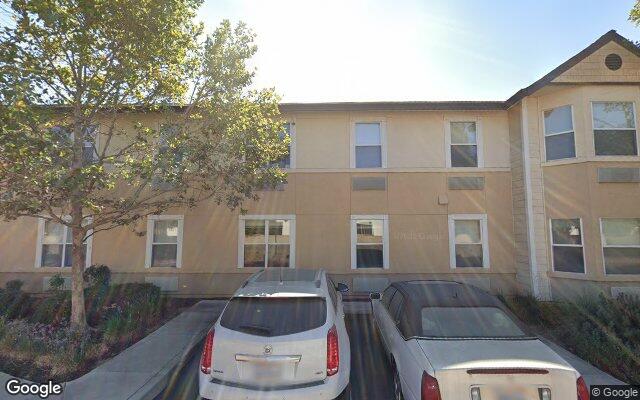
A large home, reviewed on public record.
Compared to 160 California facilities with a similar number of beds.
RCFE · 36-month window. Higher percentile = better performance on inspection record. Source: California Dept. of Social Services · Community Care Licensing.
among peers to rank.
Rankings based on 36-month CDSS inspection data. Severity and frequency: fewer citations = higher percentile. Repeat rate: lower repeat citation share = higher percentile.
Citation history, plotted month by month.
4 deficiencies on record. Each bar is a month with a citation.
Finding distribution
4 total · 36 monthsScope × Severity (CMS A–L)
The rules that apply to this facility.
State requirements with the exact regulation citation, plain-language explanation, and a question to ask on tour. Rules this facility has been cited for appear first.
Plain language
Because a facility markets dementia or Alzheimer's care, state law mandates higher training standards: 12 hours of initial dementia training (6 hours before a staff member works independently with residents, 6 more within the first 4 weeks), 8 hours of annual dementia in-service every year thereafter, and an administrator must include 8 hours of dementia-specific continuing education in every 2-year recertification cycle. Training must cover individualized care plans, behavioral expressions, appropriate supervision, and the facility's dementia care philosophy.
Ask on tour
“Can you show me each direct-care staffer's most recent dementia training certificate, and tell me when their next refresher is due?”
Questions to ask before you visit.
A short pre-tour checklist tailored to The Meadows Senior Living's record and state requirements.
The facility holds a standard RCFE license for 160 beds but does not carry a formal CDSS memory-care designation — can you explain what dementia-care services you provide, and what training staff receive to support residents with cognitive impairment?
Ask the operator on tour. Take notes and compare answers across facilities you visit.
Zero deficiencies and zero complaints appear in the CDSS public record — can you provide the dates of your most recent state inspections, and show families copies of the deficiency-free inspection reports?
Ask the operator on tour. Take notes and compare answers across facilities you visit.
The operator is listed as Vop the Meadows Lp and Milestone Retirement Communities — can you clarify the ownership structure and confirm who holds day-to-day operational responsibility for compliance and resident care?
Ask the operator on tour. Take notes and compare answers across facilities you visit.
Every inspection visit, verbatim.
19 inspections in the public record, most recent first. Plain-language summaries open first — click into any row for the full citation text.
2026-09-01Complaint InvestigationUnsubstantiatedNo findings
2026-07-02Complaint InvestigationUnsubstantiatedNo findings
Read raw inspector notesClose inspector notes
Caregiver assignment sheet for R1 During this visit, this LPA interviewed the resident (R1) and 3 staff (S1, S2 and S3). This LPA also reviewed the records requested above. Based on a review of records, in the resident's (R1's) service plan, R1 was independent and did not need assistance with their special medical needs. Due to R1's complicated medical condition, an event occurred which resulted in R1 activating their personal call alert pendant. Staff (S2) responded within 4 minutes and S1 arrived shortly after. R1 was on the phone with emergency services when S2 arrived. S1, a medication aide, had received a call from emergency services alerting them to the fact that a resident had called for transport due to shortness of breath. When S1 arrived in the R1's room, they observed that R1's medical equipment had detached from their body and as The Meadows is not a skilled nursing facility, by regulations, they were not allowed, trained, or qualified, to assist the resident with re-establishing the connection. It was appropriate for the resident to call 911. If the resident had not called, S1 or S2 would have been required to do so as their Wellness Director, an. LVN, was not on duty that weekend. R1's service plan stated that they (and their special medical equipment) would receive checks 3 times daily. LPA reviewed the log which was completed for all of the required checks. In an interview with R1, R1 stated that they were at fault for waiting too long to call for assistance which caused the event that required emergency services to intervene. The standard for the preponderance of evidence has been met, the Department found the allegation, " Staff did not ensure that the resident’s specialized care needs were met at the facility," UNSUBSTANTIATED. A finding of unsubstantiated does not mean the event did not happen or was untrue, it means that there was not enough evidence to substantiate the allegation. According to the California Code of Regulations, Title 22, no deficiencies were cited during today's visit, a copy of this report was provided along with APPEAL RIGHTS, and an exit interview was conducted with Sellers.
2026-01-30Complaint InvestigationUnsubstantiatedNo findings
Plain-language summary
A complaint investigation in December 2025 looked into allegations that staff were not helping residents with hygiene and shower services. The facility's records, interviews with residents and staff, and direct observations all showed that residents were receiving scheduled showers at least twice weekly and assistance with hygiene care as needed, so both allegations were found to be unsubstantiated.
Read full citation textHide full citation text
Read raw inspector notesClose inspector notes
Training dated 2/20/25 included general policies and procedures, grooming assistance, proper storage of hygiene supplies, hydration, meal times, shower and spa room use, and protected health information. These records showed staff received training related to resident hygiene care. Per review of R1’s Physician’s Report dated 10/3/2025, R1 was assessed to be at risks if allowed direct access to personal grooming and hygiene items. R1 was also diagnosed with Alzheimer's dementia. LPA interviewed Resident (R1). R1 confirmed they receive assistance with activities of daily living, including hygiene care. R1 stated not having any issues with staff meeting their hygiene needs at this time. Three additional residents were interviewed and did not report concerns regarding staff not assisting with hygiene care. Staff on duty, (S1) and (S2), were interviewed and denied the allegation. Both staff stated residents receive assistance with hygiene as needed and as scheduled. During a facility visit on 12/10/2025, LPA observed grooming carts containing residents’ hygiene items labeled with residents’ names. Baskets with resident-specific hygiene supplies and additional facility-provided items were also observed. LPA observed resident bedrooms and noted hand soap available for resident use. Based on record review, interviews, and observations, there was insufficient evidence to support the allegation that staff are not meeting residents’ hygiene needs. Therefore, this allegation is unsubstantiated . --------------------------------------------------------------------------------------------------------------- Allegation 2: Staff do not ensure that residents receive shower services The investigation into this allegation included record review, interviews, and direct observation. The LPA reviewed Resident 1’s (R1) shower schedule and shower tracking sheets for October, November, and December 2025. Records showed R1 was scheduled to receive showers at least twice per week on Sundays and Thursdays. {2 of 3} 1 2 3 4 5 6 7 8 9 10 11 12 13 14 15 16 17 18 19 20 21 22 23 24 25 26 27 28 29 30 31 32 Staff initials were documented on scheduled days, indicating showers were provided. Records also showed R1 requires assistance with parts of the bathing process, including getting in and out of the shower or tub. Per review of R1’s Physician’s Report dated 10/3/2025, R1 was assessed to be at risks if allowed direct access to personal grooming and hygiene items. R1 was also diagnosed with Alzheimer's dementia. R1 was interviewed and stated staff assist them with showers at least two times per week. R1 did not report any concerns about missing showers. Three additional residents were interviewed and did not report concerns about not receiving showers. Staff on duty, (S1) and (S2), denied the allegation and stated staff ensure residents receive scheduled showers. During a facility visit on 12/10/2025, LPA observed the common shower room in the Memory Care area, which included two shower stalls and a walk-in bathtub for non-ambulatory residents. The LPA noted a resident in the Memory Care area being assisted by staff during a shower. The LPA also observed a room where shower schedules were kept. Based on record reviews, interviews, and observations, there was insufficient evidence to support the allegation that staff do not ensure residents receive shower services. Therefore, this allegation is unsubstantiated . Note that an unsubstantiated finding means that although the allegation may have happened or valid, the preponderance of evidence standard is not met. No deficiencies were cited as a result of this visit. An exit interview was conducted with AD and a copy of this report and appeal rights were provided. {3 of 3}
2026-01-21Other VisitNo findings
Plain-language summary
An unannounced annual inspection was conducted on January 21, 2026, and found the facility in good repair with proper temperatures, working safety equipment, and clean resident rooms, though staff were advised to label opened food items with dates and clean the refrigerator floor where dried blood was observed. Staff files and resident records were reviewed with no issues found, fire drills are conducted monthly, and the facility passed its fire inspection. No violations were cited during this inspection.
Read full citation textHide full citation text
Read raw inspector notesClose inspector notes
On 1/21/2026, Licensing Program Analyst, Arvin Villanueva (LPA), arrived unannounced at this facility to conduct their annual inspection visit. LPA met with Business Manager, Kaushik Sharma (S1), and stated the purpose of the visit. The Executive Director/ Administrator, Alyssa Sellers (AD) was notified and unable to be present during this annual visit. Overview : Facility is a two-story building. Facility is licensed to serve up to 160 elderly residents, up to 154 residents may be non-ambulatory and up to 24 may be bedridden. Bedrooms and non-ambulatory rooms are interchangeable. Facility has a hospice waiver granted for 15 residents. Physical Inspection : Areas inspected include, but not limited to, the kitchen, dining, resident units/bedrooms, resident bathrooms, common areas and outdoor areas. Tour of the facility was conducted with Facility Maintenance, Johnna Weaver. LPA inspected 4 resident units, 2 in the Memory Care (MC) area and 2 in the Assisted Living (AL) area. Hot water temperature ranged from 105 - 117 degrees Fahrenheit. The 4 resident units were observed to be in good repair at this time. Pull cords were tested in the residents’ bathrooms and were found to be in good working condition. Each resident room have its own heating/cooling and can be controlled by residents. Hallway temperature was between 68 – 74 degrees Fahrenheit. Fire extinguishers were observed throughout the hallways. One sample was last inspected on 2/11/2025. Smoke and carbon monoxide detectors were observed throughout. LPA observed centrally stored medications, toxins, sharp objects and other dangerous items were kept locked and inaccessible to residents in care. In the kitchen area, LPA observed at least seven-day non-perishable and two-day perishable food supplies. Pantry was observed to be fully stocked with non-perishable food items. {1 of 2} 1 2 3 4 5 6 7 8 9 10 11 12 13 14 15 16 17 18 19 20 21 22 23 24 25 26 27 28 29 30 31 32 Facility has one walk in refrigerator and freezer. LPA observed dried blood on the floor inside the refrigerator. LPA observed meat that had been thawed in the refrigerator without label/date opened. Advisory was provided to kitchen staff to properly label opened food items, including date it was opened. Advisory was provided to kitchen staff to ensure refrigerator floor is cleaned. Kitchen refrigerator and freezer were maintained at regulatory temperature at 40 degrees Fahrenheit and 0 degrees Fahrenheit. Menus and activity calendar were posted. LPA met with the Activity Director in the activity room at the second floor. They were preparing for the next activity scheduled. Facility has a courtyard. LPA observed shaded area and outdoor furniture for resident use. Ramps were observed to be in good repair at this time. Emergency walkways were observed to be unobstructed. Fence and gate were in good repair. Record Reviews: LPA reviewed 8 staff files, 4 care staff, 2 med techs, and 2 kitchen staff. LPA reviewed 8 resident files, 4 AL residents and 4 MC residents. Review of 8 resident files, including but not limited to, review of Admission Agreement, Physician Reports, Needs and Services Plan, Centrally Stored Medication Record and Ambulatory Status. LPA did not review resident medications during this visit. Records indicate that some residents utilize Omnicare Pharmacy. Medication audit was conducted by Omnicare on 11/21/2025. Review staff files included, but not limited, background clearance, First Aid/CPR certificate, Health Screen, Initial and Ongoing Training. No issues were noted at this time. Review of fire drill/disaster drill records: facility conducts monthly drills and last drill was conducted on 12/29/25. Fire inspection report dated 5/8/25 was conducted by Consumnes Fire Department. Per inspection report, facility passed. LPA did not conduct interviews during this visit due to time constraint. Documents Requested: LPA requested a copy of current Liability Insurance Certificate, LIC500, LIC308 to be emailed to arvin.villanueva@dss.ca.gov. Per the California Code of Regulations, Title 22, Division 6, Chapter 8, no deficiencies were cited. Advisories were provided. Exit interview was conducted. A copy of the report was provided upon exit. {2 of 2}
2026-01-21Annual Compliance VisitNo findings
Plain-language summary
This was a routine inspection that investigated three complaints about a resident's care. The facility was found to have provided adequate beverages and hydration options, followed the resident's admission agreement terms, and maintained proper documentation of the resident's diabetic diet order, with no violations substantiated.
Read full citation textHide full citation text
Read raw inspector notesClose inspector notes
Allegation - Staff did not ensure residents received sufficient beverages, resulting in dehydration. The investigation into this allegation consisted of interviews, record reviews and observations. Through interview, witness (W1) believes the facility did not give resident (R1) enough to drink at meals and medication times. W1 said staff once saw R1 “guzzling” ice water and took that as a sign of dehydration. Interviews with staff revealed that water is offered at each meal, often during activities and whenever residents ask. Staff stated that they do not track or log daily fluid intake unless residents show a change in condition and placed on alert; R1 was not on dehydration alert. Dietary and care staff described hydration stations in common areas, water pitchers on dining tables, drinks in the dining-room fridge/freezer, and a mobile cart that offers water, juice, popsicles, and fruit, especially on hot days. Through interviews with current residents in care, they did not report any problems with food or hydration issues. One resident stated that there are places in the facility to get water. Records review showed R1 was not on dehydration alert. Review of facility’s newsletter for July 2025 that provides residents with information and reminders to hydrate, especially during summertime, and the importance of avoiding dehydration, UTI’s, heat stroke and other heat related conditions. During this LPA’s observations on 7/1/25 and 12/26/25, LPA observed hydration stations with water, coffee, and tea near the lobby. At lunchtime, LPA observed a glass of water at each dining table place setting, and many residents also had juice, coffee, or tea. Menu items were posted and easy to see. Staff did not report signs of dehydration for R1 before the hospital transfer, and R1 was not put on a dehydration alert. While W1’s concerns are noted, there is not enough evidence to show that staff did not provide sufficient beverages to R1. Based on the information gathered, the allegation that staff did not ensure the resident received sufficient beverages, resulting in dehydration, is unsubstantiated . {2 of 5} 1 2 3 4 5 6 7 8 9 10 11 12 13 14 15 16 17 18 19 20 21 22 23 24 25 26 27 28 29 30 31 32 Allegation - Licensee did not adhere to resident's admission agreement: The investigation into this allegation focuses mainly around R1’s situation. The investigation included interviews with staff, review of the admission agreement signed on January 22, 2025, R1’s payer ledger, and related correspondence. Based on interviews, R1 was not denied return to the community following hospitalization. The administrator explained that R1 was sent to the emergency room on March 18, 2025, due to stroke symptoms. After hospitalization, the facility’s Director of Health and Wellness typically assesses residents before readmission to ensure care plans remain accurate and regulatory requirements are met. In R1’s case, there was a change in care needs under review. During this time, R1’s Power of Attorney (POA), decided to seek alternative placement that could accommodate these changes and was more financially feasible. Through interviews and record reviews, the POA provided a written 30-day notice via text message on April 2, 2025, which was confirmed by a screenshot and a written message dated April 30, 2025. Review of the admission agreement shows that residents may terminate the agreement at any time by giving a 30-day written notice, and they are responsible for paying all rent and fees during that notice period, even if they do not occupy the apartment. Review of R1’s payer ledger confirms that R1 was billed through April 30, 2025, consistent with the agreement terms. Staff interviews also confirmed that level-of-care charges stop when a resident physically leaves the facility, but rent obligations continue through the notice period, per admission agreement. R1’s last billing stopped on April 30, 2025. Based on the evidence, the allegation that the licensee did not adhere to R1’s admission agreement is unsubstantiated . The facility followed the signed agreement by requiring payment through the 30-day notice period and did not deny R1’s return. {3 of 5} 1 2 3 4 5 6 7 8 9 10 11 12 13 14 15 16 17 18 19 20 21 22 23 24 25 26 27 28 29 30 31 32 Allegation - Staff did not follow resident's diet order: Investigation included interviews with staff, residents in care, and other individuals involved with the care of R1, review of R1’s care plan, diet order, admission agreement, and facility observations. Interview with witness (W1) stated that R1 was diabetic and was supposed to receive a carb-controlled diet after switching from insulin to oral medication. W1 stated that R1 ate the same meals as other residents and that this caused R1’s blood sugar to rise. W1 also reported that blood sugar checks were not done regularly. During interviews, staff explained that diet orders are reviewed during admission and any changes are communicated to the kitchen. Staff also stated that menus are planned by a dietitian and that special diets are documented in a binder accessible to kitchen staff. Interviews with current residents in care did not report issues with food services and did not report staff not following their diet, food allergies or food preferences. Through record reviews, R1 had a diabetic diet. Review of the diet order form signed by the health practitioner on January 16, 2025, indicated R1 was to have a consistent carbohydrate diet, meaning a consistent amount of carbohydrates at meals and snacks. Foods with high sugar were allowed when planned into the total carbohydrate allowance for the meal. Additionally, review of training records showed staff were trained on diet and texture modifications. During observations, LPA observed menus posted and water provided at tables, and interview with kitchen staff confirmed that alternative meals are available upon request. Based on the information gathered, there is not enough evidence to prove that staff did not follow R1’s diet order. Therefore, the allegation is unsubstantiated . {4 of 5} 1 2 3 4 5 6 7 8 9 10 11 12 13 14 15 16 17 18 19 20 21 22 23 24 25 26 27 28 29 30 31 32 Allegation – Unlawful eviction: The investigation into this allegation focuses mainly around R1’s situation. The investigation included interviews, review of R1’s admission agreement, termination clause, and facility records. According to the complaint, R1 was hospitalized on March 18, 2025, and was later informed that the facility would not allow R1 to return. The facility did not provide an eviction notice and that POA learned of the eviction indirectly through hospital staff. Review of R1’s admission agreement and termination clause shows that the facility may terminate the agreement with a 30-day written notice for reasons such as nonpayment, failure to comply with laws or facility policies, or if the resident’s needs can no longer be met. The agreement also states that a 3-day notice may be given with prior approval from the Department of Social Services if the resident poses a health or safety risk. CCR Title 22, Section 87224, requires proper written notice and DSS approval for certain evictions. Records show that R1’s POA submitted a written 30-day notice, via text, on April 2, 2025, to move R1 out of the facility. Staff interviews confirmed that the facility did not issue an eviction notice and did not deny R1’s return; instead, the POA chose an alternative placement that could meet R1’s changing care needs. Based on the information reviewed, there is insufficient evidence that the facility unlawfully evicted R1. The move-out was initiated by the POA, and the facility followed the admission agreement signed by R1 and/or R1’s POA. Therefore, the allegation is unsubstantiated . An unsubstantiated finding means that although the allegation may have happened or valid, the preponderance of evidence standard is not met. No deficiencies were cited as a result of this visit. An exit interview was conducted with S1 and AD, and a copy of this report and appeal rights were provided. {5 of 5}
2026-01-21Complaint InvestigationUnsubstantiatedNo findings
Plain-language summary
A complaint alleged the facility illegally evicted a resident, but the investigation found no violation—the resident's family decided to move the resident out after the facility and family held meetings about the resident's aggressive behavior and a hospital visit in August 2025, and the "3-Day Eviction" letter was sent afterward as a documentation error by the administrator. The facility acknowledged the letter had the wrong title and said it will use correct procedures in the future.
Read full citation textHide full citation text
Read raw inspector notesClose inspector notes
LPA reviewed R1’s records and interviewed staff and the administrator. R1 moved into the facility on February 10, 2025. At first, R1 did not have behavioral problems. Over time, R1’s condition changed. Starting in March 2025, R1 began showing signs of aggression. By June and July 2025, R1 had several incidents where R1 yelled at or pushed other residents and staff. The facility held care meetings with R1’s responsible party on July 2 and August 6 2025 to talk about R1’s behavior and possible next steps. Hospice was added to help manage R1’s care. On August 12, 2025, R1 had a serious incident where R1 refused medication and attacked staff. Police and EMS were called, and R1 was taken to the hospital. The next day, August 13, R1’s responsible party removed all R1’s belongings from R1’s apartment. The administrator said the facility had not officially refused R1’s return yet, but during the August 6 meeting, they agreed R1 could not come back if R1’s behavior continued. After R1 moved out of the facility, the facility sent a letter titled “3-Day Eviction.” The administrator admitted this was a mistake because the resident had already moved out. The letter was sent only for documentation purposes and not to force R1 to leave. The admission agreement says the facility must give 30 days’ notice for termination unless DSS approves a 3-day eviction for emergencies. In this case, DSS approval was not requested because the resident had already left. The administrator said they will fix their process and use the correct type of letter in the future. Based on the information gathered, the allegation that the facility illegally evicted R1 is unsubstantiated . The evidence shows the R1’s responsible party decided to move R1 after care meetings and hospital transport. The “3-Day Eviction’’ letter was sent after the move and did not cause the eviction. Administrator admitted that the title was incorrect. An unsubstantiated finding means that although the allegation may have happened or valid, the preponderance of evidence standard is not met. No deficiencies were cited as a result of this visit. An exit interview was conducted with S1 and AD and a copy of this report and appeal rights were provided.
2025-11-25Complaint InvestigationNo findings
Plain-language summary
A complaint investigation was conducted on November 20, 2025, and the facility later corrected an administrative error in how the visit was classified in the state system. No violations were identified in the original complaint investigation.
Read full citation textHide full citation text
Read raw inspector notesClose inspector notes
LPA Hayes returned to the facility to correct the facility visit type from a complaint visit on 11/20/25 (27-AS-202511131209410) from 1:15pm-05:15pm. The report was amended in the Sacramento South Regional Office on 11/24/25 to reflect the original visit was at this facility and not in the Regional Office. LPA Hayes retrieved the original report and replaced it with an updated 9099 and given to Sharma. Report was signed by Sharma with permission from Alyssa Sellers, Administrator.
2025-10-02Complaint InvestigationUnsubstantiatedNo findings
Plain-language summary
A complaint was investigated regarding a resident's care needs and readmission to the facility. The investigation found that the facility properly assessed the resident's condition, documented their care needs, and appropriately determined they could no longer provide the necessary level of care when the resident's condition changed; the facility also coordinated with outside agencies to help the resident find appropriate placement. No violations were found.
Read full citation textHide full citation text
Read raw inspector notesClose inspector notes
The assessment tool helps determine whether a resident’s needs can be met by the facility or if a higher level of care, such as a Skilled Nursing Facility (SNF), is required. Interviews also revealed that S1 evaluates residents' ability to perform activities of daily living (ADLs) and provides recommendations to the Administrator, who then sends the final decision to the corporate team for review and approval. Other staff involved in assessments include the Residential Care Director and the Sales Director. A review of R1's records shows that assessments were conducted and documented. R1’s initial care assessment, completed on 8/16/22, showed that R1 required staff assistance with grooming, mobility (wheelchair use), showering, queueing with toileting, and medication management due to medical condition (M1). R1 was noted as alert and oriented, able to communicate needs, and independent in many areas of care. The medical assessment from 8/14/22 confirmed that R1 had no mental health conditions and required only minimal assistance with self-care. A later medical assessment, dated 1/16/25, continued to show that R1 did not have a cognitive impairment, remained alert, and required minimal assistance with daily activities. Though R1 was non-ambulatory, they were able to transfer independently and feed themselves. R1 also remained able to manage personal finances and medications. Progress notes showed that the facility coordinated with outside professionals, including hospital social workers, APS, and the Ombudsman, when R1’s condition changed. In January 2025, the hospital Social Worker informed the facility that R1 would be moved to a Skilled Nursing Facility. The facility, in turn, determined that R1’s condition had changed and that they could no longer meet R1's care needs, thus denying readmission. The facility also took steps by contacting APS and the Ombudsman in assisting R1 find proper placement. Based on the interviews and reviewed documentation, the preponderance of evidence is not met, therefore, the allegation is UNSUBSTANTIATED. An unsubstantiated finding means that although the allegation may have happened the preponderance of evidence does not prove it. No deficiencies were cited as a result of this visit. An exit interview was conducted and a copy of this report and appeal rights were provided. {9099-2}
2025-08-22Complaint InvestigationNo findings
Plain-language summary
A complaint investigation found no evidence of neglect or mismanagement in the death of a resident who had acute kidney failure and heart disease and had chosen comfort-focused care. Staff followed the resident's physician orders and comfort care instructions appropriately during the resident's five-day stay at the facility. No violations were found.
Read full citation textHide full citation text
Read raw inspector notesClose inspector notes
Through review of facility records, R2 had been at this facility for five days and had known diagnoses of acute kidney failure and hypertensive heart disease. R2’s POLST documents indicate Do Not Resuscitate (DNR) orders and a focus on comfort care. Further review of facility records from 8/8/2024 to 8/13/2024 shows that staff followed physician orders, appropriately managed medications, and provided care consistently with R2’s comfort-focused instructions. Based on the information gathered, there is no found evidence to indicate that R2’s death was the result of neglect, mismanagement, or any questionable circumstances. Therefore, the allegation is UNFOUNDED. Note that an unfounded finding means that the allegation is false, could not have happened, and/or is without a reasonable basis. Based on this investigation, no citations are issued. Exit interview was conducted and a copy of this report was provided. {LIC9099-2}
2025-07-01Other VisitType B · 1 finding
Plain-language summary
On July 1, 2025, the state conducted a follow-up visit after a resident died on June 21, 2025 from unknown causes while receiving hospice care for Alzheimer's Disease; the resident had been hospitalized for shortness of breath and low oxygen levels and was removed from life support at the hospital per family direction. During a walk-through of the memory care area, inspectors found a cleaning chemical spray bottle stored in an unlocked cabinet above a sink that was accessible to residents, though staff were present supervising the room at the time. A violation was cited for this inspection.
Read full citation text (1)Hide full citation text
“Based on observation, a cleaning sulutions was observed in an unlocked cabinet in the Memory Care Livingroom area which was made accessible to residents in care. This poses a potential health, safety and personal risks to residents in care.”
Read raw inspector notesClose inspector notes
On 7/1/2025, Licensing Program Analyst Arvin Villanueva (LPA) arrived at this facility unannounced to conduct a case management visit. LPA met with Executive Director/Administrator Alyssa Sellers and stated the purpose of the visit. The purpose of this visit is to follow up on the death of Resident_1(R1) occurred on 6/21/25. The Department an incident report and death report on 6/27/25. The investigation into R1’s death consisted of interviews and record reviews. Per review of the death report, the cause of death is unknown at this time. Additionally, R1 was receiving hospice care services due to Alzheimer's Disease. R1 was sent to the hospital on 6/21/25 due to shortness of breath and low oxygen saturation. According to an interview with the facility's Director of Health and Wellness (DHW), R1's family has not shared any updates about the cause of death. The DHW stated that R1 was removed from life support at the hospital, according to family member. ********************************************************************************************************************************** Also, in this visit, LPA conducted a physical walk through of common areas both in the Assisted Living side and Memory Care side for complaint # 27-AS-20250625155709. During the walk through of the Memory Care Living room, LPA observed a cleaning chemical spray bottle labeled POPCORN MACHINE CLEANER inside a cabinet, above the faucet to the left. The cabinet was observed to be unlocked and the cleaning supply was accessible to residents in care. However, the bottle was located at the very top of the shelf. Additionally, LPA observed a staff to be present providing supervision to the residents in the room. Based on this case management visit, deficiency is being cited. Exit interview was conducted and a copy of this report and appeal rights were provided.
2025-06-20Complaint InvestigationUnsubstantiatedNo findings
Plain-language summary
The facility received a complaint that staff were not ordering medications on time. An investigation found no evidence of a violation: staff follow procedures to order medications when supplies reach 7-10 days remaining, work with multiple pharmacies including one offered at no extra cost, and take steps to address delays on the pharmacy's end.
Read full citation textHide full citation text
Read raw inspector notesClose inspector notes
The facility collaborates with pharmacies, including Omnicare, which is offered to residents at no additional charge. Omnicare typically delivers medications on time, and if the resident opts not to use this service, staff coordinate with other pharmacies. For residents who use Kaiser as their pharmacy, the AD explained that while there are occasional delays, staff take extra steps to ensure the medication is obtained, even dispatching a driver to pick it up as a last resort. However, this is only done in emergencies, such as an evacuation situation, and is not a regular service offered by the facility. Staff S1 reported that when a resident is down to a seven-day supply of medication, staff make contact to the pharmacy for refills and, if necessary, contact the prescribing physician. Staff S3 and S4 provided similar accounts, confirming that medications are ordered well in advance—often when there are 7 to 10 days remaining in a resident's supply. Staff S4 emphasized that medications are ordered as early as possible to prevent shortages and that any delays are typically due to issues on the pharmacy's end, not from staff failing to place orders on time. In cases where a pharmacy does not have a medication in stock, staff take immediate action to contact the doctor and arrange for an alternative solution. S5 further confirmed that the facility has procedures in place to reorder medications well before supplies run out. She explained that when a medication supply reaches 7 days, staff confirm whether additional medication is available, and if not, an order is promptly placed. Additionally, Staff S5 outlined the steps taken when a medication is out of stock, including notifying the resident’s doctor, the responsible party, and coordinating with pharmacies to expedite the delivery. A review of the facility’s medication ordering forms also supports the finding that the facility follows appropriate procedures. The Omnicare Refill Order Form requires staff to place orders at least five days before medication runs out, or 10 business days for Schedule II Narcotics. The facility’s own Medication Refill/New Order Roster is used less frequently but also includes clear instructions for tracking orders and deliveries. While there have been occasional delays in receiving medications from certain pharmacies, the evidence gathered from interviews and records indicates that staff follow a structured and timely process for ordering medications. Therefore, the complaint alleging that staff are not ordering resident medications in a timely manner is UNSUBSTANTIATED. An unsubstantiated finding means although the allegation may have happened or is valid, there is not a preponderance of evidence to prove the alleged violation did or did not occur. No deficiencies are being cited based on today's visit. Exit interview was conducted with Kaushik Sharma (in person) and Carley Taylor (via phone) to discuss the report. A copy of this report and appeal rights were provided. {2 of 2}
2025-04-03Complaint InvestigationUnsubstantiatedNo findings
Plain-language summary
A complaint was investigated about whether staff were properly assessing residents' health and wellness needs. The facility's Health and Wellness Director, who holds a nursing license, described a multi-step assessment process involving the director, administrator, and corporate oversight to review each resident's needs and care plans. The investigator found no evidence to support the complaint.
Read full citation textHide full citation text
Read raw inspector notesClose inspector notes
Similarly, S1, as the Health and Wellness Director, holds a significant role in assessing residents' health and wellbeing. With a background in nursing and a current nursing license, S1 supervises personal care staff and coordinates the services provided to residents. S1’s responsibilities include performing thorough health assessments of all new residents, monitoring the health status of current residents, and participating in care conferences to discuss the ongoing needs of residents. S1’s qualifications, including CPR certification and state nursing license, manage the health and wellness of residents. In addition, S1 works closely with other staff members, including the Residential Care Director and the Sales Director, to ensure that all assessments and care plans are reviewed thoroughly and adjusted as necessary. Through interview, the assessment process involves multiple levels. S1 discussed the process involved in assessing residents. S1's role includes making recommendations based on assessments of residents' activities of daily living (ADLs). These recommendations are passed on to the administrator (AD), who further reviews the information and ensures the resident’s needs are met appropriately by the facility. After the administrator’s assessment, the recommendations are sent to corporate overseers for final approval. This multi-step approach ensures that every aspect of a resident's needs is addressed and verified. Interview also indicated that along with other staff members such as the Residential Care Director, actively assist with residents' care when needed, especially during times of staff shortages. S1 and the Residential Care Director, occasionally provide hands-on care to residents if necessary. Furthermore, S1 is responsible for assessing situations that require medical attention, such as minor injuries, and providing appropriate care. If more specialized care, such as home health or hospice services, is required, those needs are handled by external agency staff, ensuring that the resident receives the best possible care for their specific circumstances and needs. Based on the gathered information, there is no preponderance of evidence that staff are not properly assessing residents. Therefore, this allegation is UNSUBSTANTIATED. An unsubstantiated finding means although the allegation may have happened or is valid, there is not a preponderance of evidence to prove the alleged violation did or did not occur. Exit interview was conducted with Alyssa Sellers and Carley Taylor. A copy of this report and appeal rights were provided. {2 of 2}
2025-02-05Complaint InvestigationSubstantiatedType B · 1 finding
Plain-language summary
A complaint investigation found that the facility failed to report incidents to the state licensing agency in a timely manner, with twelve incidents occurring between July 2024 and January 2025 that were not properly submitted. Staff interviews revealed that the facility uses an internal approval process where the administrator decides which incidents are "significant" enough to report, rather than following state requirements for timely reporting of hospitalizations, injuries, and deaths. The facility has been cited for this violation.
Read full citation text (1)Hide full citation text
“This requirement as evidenced by: Based on record review of incident reports whinin the past 6 months, 13 incidents reports were submitted to the Department past the 7 days reporting period. This poses a potential health, safety, and personal risks to persons in care.”
Read raw inspector notesClose inspector notes
- Incident for Resident_1 (R1) on 7/20/24—reported on 8/2/24 - Incident for R2 on 7/22/24—reported on 8/2/24 - Incident for R3 on 7/22/24—reported on 8/2/24 - Incident for R4 on 7/22/24—reported on 8/2/24 - Incident for R5 on 8/26/24—reported on 9/4/24 - Incident for R6 on 9/2/24—reported on 9/10/24 - Incident for R7 on 10/22/24—reported on 10/30/24 - Incident for R8 on 10/6/24—reported on 10/16/24 - Incident for R9 on 10/7/24—reported on 10/16/24 - Incident for R7 on 10/17/24—reported on 10/25/24 - Incident for R10 on 11/4/24—reported on 11/12/24 - Incident for R11 on 11/12/24—reported on 11/20/24 - Incident for R12 on 1/5/25—reported on 1/13/25 Interview with the Director of Health and Wellness (DHW), Ashley Melendez, indicated that reportable incidents include hospitalizations, injuries, and death, and that the Administrator, Alyssa Sellers (AD), determines which incidents require reporting. However, the process of incident reporting, as explained by the staff, involves multiple steps of review and approval. For example, reports are written by the DHW, reviewed by the AD and sometimes forwarded to corporate for additional review before being submitted to the Department. Interview with AD confirmed that those are not assessed as non-serious incidents, are not reported to the licensing agency. These are documented internally but not submitted as written reports to the licensing agency unless the incident is deemed significant by clinical staff. Based on the information gathered, the allegation that the facility does not report incidents to the Department in a timely manner is SUBSTANTIATED. A finding that the complaint is substantiated means that the allegation is valid because the preponderance of the evidence standard has been met. The following deficiency is cited on 9099-D, per Title 22 Regulations, Division 6. Note that failure to correct deficiencies may result in civil penalties. Exit interview was conducted with Alyssa Sellers, AD and Laura Willingham, COO and a copy of this report and appeal rights were provided.
2025-01-09Annual Compliance VisitNo findings
Plain-language summary
This was a routine annual inspection visit where inspectors reviewed resident and staff files, insurance documents, and the facility's disaster preparedness and dementia care plans. No violations were found, though the facility was advised to update its plan of operation to comply with new dementia care regulations. Inspectors noted they may need to return to verify that some staff members' first aid training certifications are valid.
Read full citation textHide full citation text
Read raw inspector notesClose inspector notes
Licensing Program Analyst (LPA) Arvin Villanueva conducted an unannounced Case Management - Annual Continuation visit today at this facility to continue with the annual inspection initiated on 12/10/2024. LPA met with Administrator/Executive Director, Alyssa Sellers, and stated the purpose of this visit. LPA continued with facility visit to ensure facility is in compliance with Title 22 Regulations. Review of 9 resident files (R1 - R9) which include review of Admission Agreement, Medical Assessment, Needs and Services Plan, and Ambulatory Status. LPA did not conduct medication review during this visit. Review of 9 staff files (S1 - S9) which include review of background clearance, First Aid and/or CPR, Health Screen, Initial and Ongoing Training. It was noted that some staff completed their 1st aid training from Relias. At this time, LPA need to verify the validity of the training and may have to return for a case management visit. Facility conducts quarterly disaster drill. Facility has a dementia and infection control plan. Advisory was provided to update their plan of operation, if necessary, to ensure compliance with the new dementia regulation. Administrator provided the following documents during this visit: current Liability Insurance Certificate, LIC 610E, LIC500 and LIC308 to the Department. No deficiencies are being cited at this time. Exit interview was conducted and a copy of this report were provided.
2024-12-24Other VisitType A · 1 finding
Plain-language summary
During a complaint investigation, surveillance video from October 31, 2024, showed that a staff member physically intervened when a resident entered another resident's room, pushing the resident and causing her to fall and hit the floor; the staff member's account in the resident's notes falsely claimed the resident had struck them first, but the video showed no such aggression. The facility had provided the staff member with training in de-escalation and resident safety, but the staff member did not use those techniques during this incident. The complaint was substantiated, the staff member was terminated, and the facility was assessed a $500 civil penalty.
Read full citation text (1)Hide full citation text
“Based on interviews, record reviews, and analysis of video footage, staff (S1) pushed resident (R1) causing the resident to fall back and sustained injuries. This poses an immediate health, safety or personal rights risk to residents in care.”
Read raw inspector notesClose inspector notes
Surveillance footage from October 31, 2024, revealed that R1 entered another resident’s room and took a walker. At 7:11:49 PM, S1 intervened to retrieve the walker. The video showed a physical struggle between S1 and R1, during which S1 pushed R1, causing R1 to fall backward and hit the floor. The footage contradicted initial documentation in R1’s progress notes, which alleged that R1 exhibited aggression and struck S1 prior to falling. R1’s care notes from October 31, 2024, described the incident as escalating from aggressive behavior by R1. However, this account was inconsistent with the video evidence. Interviews revealed that the facility’s internal investigation identified discrepancies between the surveillance footage and the account recorded in R1’s care notes. It was confirmed, through interview, that the video showed no evidence of R1 striking S1 and that the fall resulted from S1’s physical intervention. It was stated that S1 was terminated following the incident and that additional staff training was conducted. S1’s training records from 2023 to 2024 showed S1 received education in dementia care, de-escalation techniques, and resident safety. Training covered include managing challenging behaviors and minimizing resident-to-resident conflicts. Despite this training, S1’s actions during the incident were inappropriate and directly contributed to R1’s fall and subsequent injuries. The allegation that facility staff caused injury to a resident in care is SUBSTANTIATED. While the licensee provided adequate training to staff, S1 failed to apply the principles of de-escalation and resident safety, resulting in a preventable injury to R1. The video evidence clearly shows that S1’s physical intervention directly led to R1’s fall and injuries. A finding that the complaint is substantiated means that the allegation is valid because the preponderance of the evidence standard has been met. The following deficiency is cited on 9099-D, per Title 22 Regulations, Division 6. Immediate civil penalties were also assessed today in the amount of $500.00. At this time, the civil penalty assessments are under review, and a civil penalty determination is pending by the Department. Exit interview was conducted and a copy of this report was provided along with appeal rights were provided. {2 of 2}
2024-12-10Other VisitNo findings
Plain-language summary
This was a routine annual inspection on December 10, 2024, where the state inspector checked the facility's compliance with care and safety regulations. The inspector found that medications were properly secured, resident rooms were clean and safe with working smoke and carbon monoxide detectors, the kitchen maintained adequate food supplies, outdoor areas were secure, and water and room temperatures were within appropriate ranges. The inspection was not completed in one visit and will continue at a later date.
Read full citation textHide full citation text
Read raw inspector notesClose inspector notes
On 12/10/2024, Licensing Program Analyst (LPA) Arvin Villanueva arrived at this facility unannounced to conduct their required annual visit. LPA met with Executive Director/Administrator Alyssa Sellers (ADM) and stated the purpose of the visit. This facility currently approved to retain/accept 10 hospice residents and fire cleared to retain/accept 24 bedridden residents. Note that bedrooms and non-ambulatory bedrooms are interchangeable. The LPA and ADM toured the facility to verify compliance with Title 22 regulations. The facility is a two-story building, with memory care located on the first floor. It has a capacity of 160 residents, serving both assisted living and memory care. The LPA inspected the first and second floors, activity rooms, dining room, cinema room, elevator, and resident apartments/units. Each floor is equipped with a medication room, and medications were found to be securely stored, locked, and inaccessible to residents. The resident apartments/units are spacious enough to accommodate personal furnishings, and all 4 observed units were clean, sanitary, and free of obstructions. Each observed bedroom had a smoke and carbon monoxide detector, and the memory care rooms were equipped with electronic monitoring systems installed on the ceiling to detect falls and notify staff. Memory care also has delayed egress doors. The LPA observed the kitchen area to be clean and sanitary. The facility maintains a minimum of two days’ worth of perishable food and seven days’ worth of non-perishable food. The LPA reviewed the menu and activity calendar, and the Administrator confirmed that each resident is provided with a copy of both. During the visit, kitchen staff were preparing dinner. The LPA noted a shaded area in the yard with tables and chairs, and the outdoor activity area is secure for dementia residents. The outdoor passageways, walkways, driveways, and steps were free from obstructions and hazards. The facility does not have any bodies of water. Water temperatures in 4 selected bathrooms (within resident apartments/units) were recorded between 113°F and 114°F. Room temperatures in the 4 observed resident apartments/units ranged from 69°F to 78°F. Due to time constraints, this annual visit will require a continuation visit. An exit interview was conducted with the Alyssa Sellers and , and a copy of this report was provided.
2024-11-12Other VisitNo findings
Plain-language summary
On November 12, 2024, inspectors conducted a follow-up visit to investigate an incident from October 31, 2024, in which a resident fell during a physical struggle with staff over a walker, resulting in hospitalization and multiple injuries; the facility's internal investigation found that staff member's account in the resident's notes did not match surveillance footage, and that staff member was terminated. Inspectors reviewed surveillance video, medical records, and other documents and determined that further investigation was needed. Law enforcement and the local ombudsman were notified of the incident.
Read full citation textHide full citation text
Read raw inspector notesClose inspector notes
On 11/12/24, Licensing Program Analyst (LPA) Arvin Villanueva arrived unannounced to this facility to conduct a case management visit regarding an incident occurred on 10/31/24. LPA met with the facility's Director of Health and Wellness (DHW), Ashley Melendez, and stated the purpose of the visit. Per incident, Resident (R1) attempted to take walker from another resident's space. Staff (S1) attempted redirection, then S1 and R1 got into a "scuffle" over the walker which resulted in R1 falling. R1 was taken to the hospital and was diagnosed with the following: D1, D2, D3, and D4. Further review of the incident indicated that facility investigated the incident and found that the fall was deemed to be suspicious and that local law enforcement and Local Long-Term Care Ombudsman were notified. During an interview with DHW, it was confirmed that they reviewed the surveillance footage of the incident and determined that R1 did not hit anyone, which contradicted the information recorded in R1's Progress Notes on 10/31/24. DHW explained that R1 had taken a walker from another resident's room and walked out. S1 then took the walker from R1, leading to a "scuffle" between S1 and R1, which caused R1 to fall. Following their internal investigation, DHW reported that S1 was terminated as a result. During this visit, LPA conducted a review of the surveillance footage of the incident on 10/31/24. LPA also conducted a review of R1's physician's report and Progress Notes dated 10/31/24 to 11/1/24. During today's visit, LPA obtained relevant documents related to R1 and S1 for further review. LPA also obtained copy of the following facility file including a personnel report, the staff schedule for the week of 10/26/24 to 11/1/24, and staff contact information. Additionally, LPA recorded part of the surveillance footage from 10/31/24. Based on today's visit, further investigation is needed. Exit interview was conducted with Ashley Melendez and a copy of this report was provided.
2024-08-13Other VisitNo findings
Plain-language summary
On August 13, 2024, licensing staff conducted a case management visit following an incident in June 2024 when a resident reported being abused by a friend and was taken to the hospital for evaluation. Hospital testing confirmed the resident's medications (including fentanyl and opiates) were appropriate per the resident's hospice care plan, and investigations by police, Adult Protective Services, and the Ombudsman found no violations or deficiencies at the facility. The resident passed away on July 26, 2024, during hospice care, consistent with their terminal illness.
Read full citation textHide full citation text
Read raw inspector notesClose inspector notes
On 8/13/24, at 2:38pm, Licensing Program Analyst (LPA) Arvin Villanueva arrived at this facility unannounced to conduct a case management visit regarding an incident report received by the Department on 6/26/24. LPA met with Alyssa Sellers, Executive Director (ED), and stated the purpose of the visit. Incident Description: On 6/20/24, a resident in care (R1) reported to the care staff that they were being abused by their friend. R1 claimed that their friend was drugging them and attempting to kill them. R1 requested assistance to call 911 and to be transported to the hospital. Actions Taken: R1 was promptly transported to the hospital for evaluation and treatment. The police were notified and conducted a visit to the facility. Adult Protective Services (APS) and the Ombudsman were also informed and initiated their investigations. Hospital Findings: A drug test conducted at the hospital indicated the presence of opiates and fentanyl. These substances were consistent with R1’s current medications prescribed per hospice orders. Follow-Up Actions: On 6/21/24, a hospice nurse conducted a follow-up visit to adjust R1’s medications. Review of R1’s medication list from 8/25/23, confirmed the use of a fentanyl patch. R1’s Needs and Services Plan dated 4/9/24, confirmed that R1 was under hospice care due to a malignant condition. Progress and Final Outcome: Progress notes from 6/21/24, to 7/26/2024, documented ongoing hospice care and medication adjustments. R1 experienced increasing confusion due to the progression of their illness. R1 passed away on 726/24, during a hospice nurse visit. {1 of 2} 1 2 3 4 5 6 7 8 9 10 11 12 13 14 15 16 17 18 19 20 21 22 23 24 25 26 27 28 29 30 31 32 Summary: The incident involving R1's report of abuse was thoroughly investigated by different agencies, and subsequent medical and administrative reviews confirmed that R1's medication use was appropriate as per hospice guidelines. The progression of R1’s condition and their eventual passing were consistent with the expected outcomes of their terminal illness and hospice care. Per California Code of Regulations, Title 22 no deficiencies were observed or cited during today's case management inspection. An exit interview was conducted with ED and Caryl Ridgeway, Management Company representive and a copy of this report was provided. {2 of 2}
2024-05-06Other VisitType A · 1 finding
Plain-language summary
During a post-licensing visit on May 6, 2024, inspectors found that the facility was generally clean and well-maintained, with proper medication storage, working fire safety systems, and secure outdoor areas for residents. However, inspectors cited a deficiency: three residents with dementia did not have required updated physician reports and care plans that should be reviewed annually. The facility's executive director confirmed these documents were not updated as required by regulation.
Read full citation text (1)Hide full citation text
“Based on record review and interview, the licensee did not comply with the section cited above. During a review of 10 sample resident files, it was determined that 4 of 10 resident were diagnosed with dementia and 3 of them did not have updated physicians reports and reappraisals which poses an immediate health, safety or personal rights risk to persons in care. POC Due Date: 05/07/2024 Plan of Correction 1 2 3 4 Administrator to ensure that all residents diagnosed with dementia to update their medical assessment and their needs and services plan annually in order to address any changes in their care needs related to dementia care. Administrator will submit a statement of understanding of the CCR 87705 Care of Persons with Dementia and submit to the Department by POC due date.”
Read raw inspector notesClose inspector notes
On 5/6/24, at 10:46am, Licensing Program Analyst (LPA) Arvin Villanueva, arrived to this facility unannounced to conduct their post-licensing visit. LPA met with Alyssa Sellers, current Executive Director (ED), and explained the purpose of the visit. The facility currently has an approval to retain/accept 10 hospice residents and fire cleared to retain/accept 24 bedridden residents. LPA and ED toured the facility to ensure compliance of Title 22 regulation. LPA observed the first floor, second floor, the activity room, dining room, cinema room, elevator, and random resident apartments/units. Facility has a 160-resident capacity for both assisted living and memory care residents. Currently, there are 90 residents in care, including the 17 residents living in the memory care area. Facility is a two-story building. Memory care is located on the first floor. Each floor has medication room and medications were observed to be properly stored, locked and inaccessible to residents in care. The resident apartments/units are spacious enough to accommodate the residents' furnishings. 4 of 4 resident apartments/units were observed to be clean, sanitary and free of obstruction. Each bedroom in the memory care was observed to have an electronic monitoring system installed at the ceiling to monitor resident falls. Per interview with ED, the system detects when a resident falls and notify the care staff. Memory care has delayed egress doors. LPA observed a shaded area in the yard with tables and chairs. Additionally the outdoor area for activities is secure for dementia residents. Outdoor passageways, walkways, driveways, and steps are free from obstructions and hazards. The facility does not have bodies of water. Water temperature in 2 randomly selected bathroom (in a resident apartment/units) were measured at between 105 and 120 degrees F. Room temperature in 4 random resident apartments/units were observed between 70 and 75 degrees F. During the visit, the facility staff conducted a fire drill and the alarms were found to be operable. Con't to LIC809-C 1 2 3 4 5 6 7 8 9 10 11 12 13 14 15 16 17 18 19 20 21 22 23 24 25 26 27 28 29 30 31 32 LPA conducted file review of 10 resident files and 10 staff files. During resident file review, it was determined that 4 of the 10 residents were diagnosed with dementia. Further review indicated that of the 4 residents with dementia, 3 of which did not have updated physician report and needs and services plan. Per interview with ED confirmed that these required documents were not updated annually as per regulation for the care of persons with dementia. 10 of 10 staff files reviewed were in compliance with Title 22 regulation. LPA obtained a copy of their current resident roster, staff roster and staff schedule. The following deficiency was observed and cited on the following LIC 809-D pursuant to Title 22 Rules and Regulations, Health and Safety Codes. Failure to correct the deficiency may result in civil penalties. An exit interview was conducted with Alyssa Sellers, ED, and a copy of this report and appeal rights were provided.
Other facilities in Sacramento County.
Other memory care facilities in Sacramento County with similar care offerings.
Contract Decoder
Family reviews
No reviews yet — be the first to share your experience
Other memory care options nearby.
More options in neighboring cities
Licensed memory care in other cities within this county region — useful when your search radius crosses city limits.