Kinsington Oak Grove.
A large home, reviewed on public record.
Compared to 55 Oregon facilities with a similar number of beds.
ALF memory care · 36-month window. Higher percentile = better performance on inspection record. Source: Oregon Dept. of Human Services · Long-Term Care Licensing.
Rankings based on 36-month OR-DHS inspection data. Severity and frequency: fewer citations = higher percentile. Repeat rate: lower repeat citation share = higher percentile.
Citation history, plotted month by month.
30 deficiencies on record. Each bar is a month with a citation.
Finding distribution
30 total · 36 monthsScope × Severity (CMS A–L)
Every inspection visit, verbatim.
4 inspections in the public record, most recent first. Plain-language summaries open first — click into any row for the full citation text.
2026-07-07Annual Compliance VisitNo findings
2025-11-18Annual Compliance VisitOR-cited · 2 findings
Plain-language summary
A routine kitchen inspection on November 17, 2025 found that the facility failed to maintain the kitchen in good repair and in a sanitary manner in accordance with Oregon Food Sanitation Rules. The inspection also identified a violation of memory care community licensing rules under OAR 411-057-0140(2), requiring the facility to comply with both the underlying facility licensing rules and the memory care-specific standards. Additional details of the specific violations are referenced in the full inspection report.
Read full citation text (2)Hide full citation text
“Based on observation and interview, it was determined the facility failed to maintain the kitchen in good repair and in a sanitary manner in accordance with Food Sanitation Rules, OAR 333-150-000. Findings include, but are not limited to: On 11/17/25, from 1:33 pm thru 2:00 pm, the facility main kitchen was observed, and the following was identified:”
“Based on observation and interview, it was determined the facility failed to follow licensing rules for Residential Care and Assisted Living Facilities. Findings include, but are not limited to: Refer to C240. see C 240 OAR 411-057-0140(2) Administration Compliance (2) The licensee of a memory care community must comply with both the licensing rules for the facility and Chapter 411, Division 57. This Rule is not met as evidenced by:”
Read raw inspector notesClose inspector notes
Based on observation and interview, it was determined the facility failed to maintain the kitchen in good repair and in a sanitary manner in accordance with Food Sanitation Rules, OAR 333-150-000. Findings include, but are not limited to: On 11/17/25, from 1:33 pm thru 2:00 pm, the facility main kitchen was observed, and the following was identified: Based on observation and interview, it was determined the facility failed to follow licensing rules for Residential Care and Assisted Living Facilities. Findings include, but are not limited to: Refer to C240. see C 240 OAR 411-057-0140(2) Administration Compliance (2) The licensee of a memory care community must comply with both the licensing rules for the facility and Chapter 411, Division 57. This Rule is not met as evidenced by:
2024-06-03Annual Compliance VisitOR-cited · 25 findings
“The findings of change of ownership survey, conducted 06/03/24 through 06/06/24, are documented in this report. The survey was conducted to determine compliance with the OARs 411 Division 54 for Residential Care and Assisted Living Facilities, OARs 411 Division 57 for Memory Care Communities, and OARs 411 Division 004 for Home and Community Based Services Regulations. Tag numbers beginning with C refer to the Residential Care and Assisted Living Facilities rules. Tag numbers beginning with the letter Z refer to the Memory Care Community rules. Abbreviations possibly used in this document: ADL: activities of daily living bid: twice a day CBG: capillary blood glucose or blood sugar CG: caregiver cm: centimeter ED: Executive Director F: Fahrenheit HH: Home Health LPN: Licensed Practical Nurse MA: Medication Aide MAR: Medication Administration Record MCC: Memory Care Community mg: milligram ml: milliliter MT: Medication Technician OT: Occupational Therapist PT: Physical Therapist PRN: as needed qd: every day or daily qid: four times a day QI: quality improvement RCC: Resident Care Coordinator RN: Registered Nurse TAR: Treatment Administration Record tid: three times a day The findings of change of ownership survey, conducted 06/03/24 through 06/06/24, are documented in this report. The survey was conducted to determine compliance with the OARs 411 Division 54 for Residential Care and Assisted Living Facilities, OARs 411 Division 57 for Memory Care Communities, and OARs 411 Division 004 for Home and Community Based Services Regulations. Tag numbers beginning with C refer to the Residential Care and Assisted Living Facilities rules. Tag numbers beginning with the letter Z refer to the Memory Care Community rules. Abbreviations possibly used in this document: ADL: activities of daily living bid: twice a day CBG: capillary blood glucose or blood sugar CG: caregiver cm: centimeter ED: Executive Director F: Fahrenheit HH: Home Health LPN: Licensed Practical Nurse MA: Medication Aide MAR: Medication Administration Record MCC: Memory Care Community mg: milligram ml: milliliter MT: Medication Technician OT: Occupational Therapist PT: Physical Therapist PRN: as needed qd: every day or daily qid: four times a day QI: quality improvement RCC: Resident Care Coordinator RN: Registered Nurse TAR: Treatment Administration Record tid: three times a day The findings of the first re-visit to the re-licensure survey of 06/06/24, conducted 11/12/24-11/14/24, are documented in this report. The survey was conducted to determine compliance with the OARs 411 Division 54 for Residential Care and Assisted Living Facilities, Division 57 for Memory Care Communities and Home and Community Based Services Regulations OARs 411 Division 004. Tag numbers beginning with C refer to the Residential Care and Assisted Living Facilities rules. Tag numbers beginning with the letter Z refer to the Memory Care Community rules. Abbreviations possibly used in this document: ADL: activities of daily living bid: twice a day CBG: capillary blood glucose or blood sugar CG: caregiver cm: centimeter ED: Executive Director F: Fahrenheit HH: Home Health LPN: Licensed Practical Nurse MA: Medication Aide MAR: Medication Administration Record MCC: Memory Care Community mg: milligram ml: milliliter MT: Medication Technician OT: Occupational Therapist PT: Physical Therapist PRN: as needed qd: every day or daily qid: four times a day QI: quality improvement RCC: Resident Care Coordinator RN: Registered Nurse TAR: Treatment Administration Record tid: three times a day The findings of the first re-visit to the re-licensure survey of 06/06/24, conducted 11/12/24-11/14/24, are documented in this report. The survey was conducted to determine compliance with the OARs 411 Division 54 for Residential Care and Assisted Living Facilities, Division 57 for Memory Care Communities and Home and Community Based Services Regulations OARs 411 Division 004. Tag numbers beginning with C refer to the Residential Care and Assisted Living Facilities rules. Tag numbers beginning with the letter Z refer to the Memory Care Community rules. Abbreviations possibly used in this document: ADL: activities of daily living bid: twice a day CBG: capillary blood glucose or blood sugar CG: caregiver cm: centimeter ED: Executive Director F: Fahrenheit HH: Home Health LPN: Licensed Practical Nurse MA: Medication Aide MAR: Medication Administration Record MCC: Memory Care Community mg: milligram ml: milliliter MT: Medication Technician OT: Occupational Therapist PT: Physical Therapist PRN: as needed qd: every day or daily qid: four times a day QI: quality improvement RCC: Resident Care Coordinator RN: Registered Nurse TAR: Treatment Administration Record tid: three times a day The findings of the second re-visit to the re-licensure survey of 06/06/24, conducted 04/23/25 through 05/07/25 are documented in this report. The survey was conducted to determine compliance with the OARs 411 Division 54 for Residential Care and Assisted Living Facilities, Division 57 for Memory Care Communities and Home and Community Based Services Regulations OARs 411 Division 004. Tag numbers beginning with C refer to the Residential Care and Assisted Living Facilities rules. Tag numbers beginning with the letter Z refer to the Memory Care Community rules. Abbreviations possibly used in this document: ADL: activities of daily living bid: twice a day CBG: capillary blood glucose or blood sugar CG: caregiver cm: centimeter ED: Executive Director F: Fahrenheit HH: Home Health LPN: Licensed Practical Nurse MA: Medication Aide MAR: Medication Administration Record MCC: Memory Care Community mg: milligram ml: milliliter MT: Medication Technician OT: Occupational Therapist PT: Physical Therapist PRN: as needed qd: every day or daily qid: four times a day QI: quality improvement RCC: Resident Care Coordinator RN: Registered Nurse TAR: Treatment Administration Record tid: three times a day The findings of the second re-visit to the re-licensure survey of 06/06/24, conducted 04/23/25 through 05/07/25 are documented in this report. The survey was conducted to determine compliance with the OARs 411 Division 54 for Residential Care and Assisted Living Facilities, Division 57 for Memory Care Communities and Home and Community Based Services Regulations OARs 411 Division 004. Tag numbers beginning with C refer to the Residential Care and Assisted Living Facilities rules. Tag numbers beginning with the letter Z refer to the Memory Care Community rules. Abbreviations possibly used in this document: ADL: activities of daily living bid: twice a day CBG: capillary blood glucose or blood sugar CG: caregiver cm: centimeter ED: Executive Director F: Fahrenheit HH: Home Health LPN: Licensed Practical Nurse MA: Medication Aide MAR: Medication Administration Record MCC: Memory Care Community mg: milligram ml: milliliter MT: Medication Technician OT: Occupational Therapist PT: Physical Therapist PRN: as needed qd: every day or daily qid: four times a day QI: quality improvement RCC: Resident Care Coordinator RN: Registered Nurse TAR: Treatment Administration Record tid: three times a day The findings of the third re-visit to the re-licensure survey of 06/06/24, conducted 09/08/25 through 09/10/25 are documented in this report. The survey was conducted to determine compliance with the OARs 411 Division 54 for Residential Care and Assisted Living Facilities, Division 57 for Memory Care Communities and Home and Community Based Services Regulations OARs 411 Division 004. Tag numbers beginning with C refer to the Residential Care and Assisted Living Facilities rules. Tag numbers beginning with the letter Z refer to the Memory Care Community rules. Abbreviations possibly used in this do”
“Based on observation and interview, it was determined the facility failed to ensure required postings were posted in a routinely accessible and conspicuous location to residents and visitors. Findings include, but are not limited to: The facility was divided into three memory care units: Pine, Oak, and Maple. On 09/09/25, observations of the facility's main lobby and separate MCC cottages revealed an absence of the following required postings: * The name of the administrator or designee in charge; * The current facility staffing plan; * Resident Rights and Protections, including the LGBTQIA2S+ Rights and Protections; and * LGBTQIA2S+ Nondiscrimination Notice. In an interview with Staff 29 (Administrator) and Staff 2 (Chief Operating Officer) on 09/09/25 at 4:04 pm, they reported being unaware of the specific LGBTQIA2S+ postings required, or that all required postings needed to be accessible to residents in each separate cottage. The need to ensure required postings are posted in a routinely accessible and conspicuous location for residents and visitors was reviewed with Staff 2, Staff 3 (RN), Staff 10 (Admissions Coordinator), and Staff 29 on 09/10/25 at 1:00 pm. They acknowledged the findings. Based on observation and interview, it was determined the facility failed to ensure required postings were posted in a routinely accessible and conspicuous location to residents and visitors. Findings include, but are not limited to: The facility was divided into three memory care units: Pine, Oak, and Maple. On 09/09/25, observations of the facility's main lobby and separate MCC cottages revealed an absence of the following required postings: * The name of the administrator or designee in charge; * The current facility staffing plan; * Resident Rights and Protections, including the LGBTQIA2S+ Rights and Protections; and * LGBTQIA2S+ Nondiscrimination Notice. In an interview with Staff 29 (Administrator) and Staff 2 (Chief Operating Officer) on 09/09/25 at 4:04 pm, they reported being unaware of the specific LGBTQIA2S+ postings required, or that all required postings needed to be accessible to residents in each separate cottage. The need to ensure required postings are posted in a routinely accessible and conspicuous location for residents and visitors was reviewed with Staff 2, Staff 3 (RN), Staff 10 (Admissions Coordinator), and Staff 29 on 09/10/25 at 1:00 pm. They acknowledged the findings.”
“Based on interview and record review, it was determined the facility failed to ensure residents' rights to have a safe and homelike environment for multiple unsampled residents related to 1 of 1 sampled residents (#14) reviewed. Findings include, but are not limited to: Resident 14 moved into the memory care community in 02/2025 with diagnosis including dementia with anxiety, Alzheimer's disease, and bowel and urinary incontinence. The resident's record, including the most recent service plan, dated 02/05/25 with handwritten updates on 03/11/25, progress notes, dated 02/05/25 through 04/24/25, and temporary service plans were reviewed. Interviews with staff were conducted and the following was identified: * 02/09/25: Resident 14 was "getting anxious and pacing around [Resident 14] was affecting [his/her] roommate with this behavior"; * 02/10/25: The resident "will take [a bowel movement] out of toilet and play with it"; * 02/10/25: Public urination in common areas; * 02/12/25: The resident took a "hand full of feces [and] spread [it] all over the living room and dining room"; * 02/13/25: Resident 14 was "trying to get in [his/her] roommates bed"; * 02/24/25: The resident "plays with [his/her] feces and will wipe [it] on the wall"; * 02/24/25: The resident "will take off [his/her] clothes in common area and go to the bathroom on the floor"; * 03/24/25: "a few days ago" the resident "smeared feces all over another [resident's room]"; and * 04/11/25: The resident was found out of bed and "messing with [his/her] roommate". The resident's above noted exhibiting ongoing behaviors impacted the ability of multiple unsampled residents to live in a homelike environment. The need to ensure residents rights and the right to live in a safe and homelike environment was reviewed with Staff 8 (LPN) and Staff 29 (ED) on 04/24/25 at 6:36 pm. They acknowledged the findings. Based on interview and record review, it was determined the facility failed to ensure residents' rights to have a safe and homelike environment for multiple unsampled residents related to 1 of 1 sampled residents (#14) reviewed. Findings include, but are not limited to: Resident 14 moved into the memory care community in 02/2025 with diagnosis including dementia with anxiety, Alzheimer's disease, and bowel and urinary incontinence. The resident's record, including the most recent service plan, dated 02/05/25 with handwritten updates on 03/11/25, progress notes, dated 02/05/25 through 04/24/25, and temporary service plans were reviewed. Interviews with staff were conducted and the following was identified: * 02/09/25: Resident 14 was "getting anxious and pacing around [Resident 14] was affecting [his/her] roommate with this behavior"; * 02/10/25: The resident "will take [a bowel movement] out of toilet and play with it"; * 02/10/25: Public urination in common areas; * 02/12/25: The resident took a "hand full of feces [and] spread [it] all over the living room and dining room"; * 02/13/25: Resident 14 was "trying to get in [his/her] roommates bed"; * 02/24/25: The resident "plays with [his/her] feces and will wipe [it] on the wall"; * 02/24/25: The resident "will take off [his/her] clothes in common area and go to the bathroom on the floor"; * 03/24/25: "a few days ago" the resident "smeared feces all over another [resident's room]"; and * 04/11/25: The resident was found out of bed and "messing with [his/her] roommate". The resident's above noted exhibiting ongoing behaviors impacted the ability of multiple unsampled residents to live in a homelike environment. The need to ensure residents rights and the right to live in a safe and homelike environment was reviewed with Staff 8 (LPN) and Staff 29 (ED) on 04/24/25 at 6:36 pm. They acknowledged the findings. 1: For Resident 14 the corrective actions taken was to update the service plan and provide increased education on interventions. Staff report effectiveness of interventions that redirect the noted behaviors. Increased the rounding on Resident 14 and increased the time needed on the ABST. 2: System updated with new requirements during Clinical review. 24-hour book reviewed the clinical team to discuss each behavior and possible interventions. Education provided on requirements of interventions for behaviors that affect not only the residents but also the other residents that live within the facility. 3: Clinical Team during clinical review to note if new behaviors have been identified and if current interventions are effective in mitigating the negative results of behaviors. Also review each QI of the month for the next three months than move to quarterly. 4: Clinical team during clinical review to complete the checks. Clinical reviews have LPN, RN, Administrator, RCC, and RCM. or a subset of listed members depending on the needs of the facility. 1: For Resident 14 the corrective actions taken was to update the service plan and provide increased education on interventions. Staff report effectiveness of interventions that redirect the noted behaviors. Increased the rounding on Resident 14 and increased the time needed on the ABST. 2: System updated with new requirements during Clinical review. 24-hour book reviewed the clinical team to discuss each behavior and possible interventions. Education provided on requirements of interventions for behaviors that affect not only the residents but also the other residents that live within the facility. 3: Clinical Team during clinical review to note if new behaviors have been identified and if current interventions are effective in mitigating the negative results of behaviors. Also review each QI of the month for the next three months than move to quarterly. 4: Clinical team during clinical review to complete the checks. Clinical reviews have LPN, RN, Administrator, RCC, and RCM. or a subset of listed members depending on the needs of the facility. 2. During the third revisit survey conducted from 09/08/25 through 09/10/25, multiple staff interviews identified that the facility failed to consistently maintain an adequate supply of incontinent briefs necessary to meet residents' needs and to ensure their rights to dignity and respect. Interviews with staff between 09/08/25 and 09/10/25 revealed that due to the facility's failure to provide adequate incontinent briefs, staff were required to use briefs belonging to other residents when supplies were depleted. As a result, residents were frequently placed in the wrong size incontinent briefs, compromising dignity, comfort, and placing them at risk for impaired skin integrity. The need to ensure the facility maintained an adequate supply of incontinent supplies was discussed with Staff 2 (Chief Operating Officer), Staff 3 (Director of Nursing), Staff 10 (Admissions Coordinator), and Staff 29 (Administrator) on 09/10/25. 2. During the third revisit survey conducted from 09/08/25 through 09/10/25, multiple staff interviews identified that the facility failed to consistently maintain an adequate supply of incontinent briefs necessary to meet residents' needs and to ensure their rights to dignity and respect. Interviews with staff between 09/08/25 and 09/10/25 revealed that due to the facility's failure to provide adequate incontinent briefs, staff were required to use briefs belonging to other residents when supplies were depleted. As a result, residents were frequently placed in the wrong size incontinent briefs, compromising dignity, comfort, and placing them at risk for impaired skin integrity. The need to ensure the facility maintained an adequate supply of incontinent supplies was discussed with Staff 2 (Chief Operating Officer), Staff 3 (Director of Nursing), Staff 10 (Admissions Coordinator), and Staff 29 (Administrator) on 09/10/25. Based on observation and interview, it was determined the facility failed to ensure residents received services in a manner that protected privacy and dignity and provided a safe an”
“Based on observation, interview, and record review, it was determined the facility failed to ensure resident-to-resident physical altercations were immediately reported to the local SPD office, and /or injuries of unknown cause were reported to the local SPD office, or the local AAA, as suspected abuse, unless an immediate facility investigation reasonably concluded and documented that the physical injury was not the result of abuse for 3 of 3 sampled residents (#s 4, 5 and 6) whose incidents were reviewed. Findings include, but are not limited to: 1. Resident 4 was admitted to the memory care facility in 04/2023 with diagnoses including dementia with behavioral disturbances. The resident's service plan dated 05/29/24, incident investigation reports, progress notes from 03/01/24 through 06/03/24, observations of the resident, and interviews with care staff during the survey indicated the resident ambulated independently throughout the facility and had been involved in several resident-to-resident altercations. The resident's clinical record revealed the following: * 03/15/24: "Another resident notified caregivers that resident's [Resident 4] hand was bleeding ... Resident has 2 skin tears on hand ... Resident is unable to explain how skin tear was caused ..." Although the facility completed an incident investigation report, there was no evidence the injury of unknown cause had been reported to the local SPD office as required. In an interview with Staff 8 (LPN) on 06/05/24 at 4:25 pm, she reviewed the resident's record and stated the incident had not been reported to the local SPD. She was asked to report the incident. Findings were reviewed with Staff 1 (Administrator) and Staff 8 on 06/05/24 at 5:30 pm. The findings were acknowledged. Case intake numbers were provided prior to survey exit. Based on observation, interview, and record review, it was determined the facility failed to ensure resident-to-resident physical altercations were immediately reported to the local SPD office, and /or injuries of unknown cause were reported to the local SPD office, or the local AAA, as suspected abuse, unless an immediate facility investigation reasonably concluded and documented that the physical injury was not the result of abuse for 3 of 3 sampled residents (#s 4, 5 and 6) whose incidents were reviewed. Findings include, but are not limited to:”
“Based on observation, interview, and record review, it was determined the facility failed to provide a daily program of social and recreational activities based upon individual and group interests, physical, mental, and psychosocial needs, and created opportunities for active participation in the community at large. Findings include, but are not limited to: The facility was divided into three memory care units: Pine, Oak, and Maple. At the time of the survey the facility was home to 52 residents: 16, 18, and 17, respectively. During the interview on 06/05/24 at 1:40 pm, Staff 6 (Activities Director) stated she hosted or facilitated resident activities during her scheduled hours Monday through Friday. Weekend activities were scheduled to be facilitated by caregivers. During the interview with Staff 17 (CG) and Staff 24 (CG) on 06/05/24 at 2:10 pm both confirmed facility staff conducted the activities during weekends but only in the afternoon and depending on staff's availability. The June 2024 Activity Program calendar provided to the survey team indicated the following activities would occur during the survey: 06/03/24: * Caregiver planned activities 06/04/24: * 10:00 am - Seated stretch program * 2:00 pm - Balloon Toss 06/05/24: * 10:00 am - Breathing and Yoga program * 2:00 pm - Painting seashells 06/06/24: * 10:00 am - Seated Cardio program a. Observations in the Oak and Pine Units, from 06/03/24 through 06/05/24, revealed most of the activities listed on the calendar were either not held or substituted with a different activity in each unit. A television played continuously in both units, and residents were observed in their rooms, wandering the halls, or sitting asleep in common areas for long periods of time. b. Random observations in the Maple Unit from 06/04/24 thorough 06/05/24 revealed the following facility led activities occurred: - 06/04/24 at 11:10 am: Seated stretch program; and - 06/05/24 at approximately 3:30 pm: Painting. No other facility led activities occurred in the Maple unit. The need to provide a daily program of social and recreational activities based upon individual and group interests, physical, mental, and psychosocial needs, and created opportunities for active participation in the community at large was reviewed with Staff 1 (Administrator) and Staff 8 (LPN) on 06/05/24. They acknowledged the findings. No further information was provided. Based on observation, interview, and record review, it was determined the facility failed to provide a daily program of social and recreational activities based upon individual and group interests, physical, mental, and psychosocial needs, and created opportunities for active participation in the community at large. Findings include, but are not limited to: The facility was divided into three memory care units: Pine, Oak, and Maple. At the time of the survey the facility was home to 52 residents: 16, 18, and 17, respectively. During the interview on 06/05/24 at 1:40 pm, Staff 6 (Activities Director) stated she hosted or facilitated resident activities during her scheduled hours Monday through Friday. Weekend activities were scheduled to be facilitated by caregivers. During the interview with Staff 17 (CG) and Staff 24 (CG) on 06/05/24 at 2:10 pm both confirmed facility staff conducted the activities during weekends but only in the afternoon and depending on staff's availability. The June 2024 Activity Program calendar provided to the survey team indicated the following activities would occur during the survey: 06/03/24: * Caregiver planned activities 06/04/24: * 10:00 am - Seated stretch program * 2:00 pm - Balloon Toss 06/05/24: * 10:00 am - Breathing and Yoga program * 2:00 pm - Painting seashells 06/06/24: * 10:00 am - Seated Cardio program a. Observations in the Oak and Pine Units, from 06/03/24 through 06/05/24, revealed most of the activities listed on the calendar were either not held or substituted with a different activity in each unit. A television played continuously in both units, and residents were observed in their rooms, wandering the halls, or sitting asleep in common areas for long periods of time. b. Random observations in the Maple Unit from 06/04/24 thorough 06/05/24 revealed the following facility led activities occurred: - 06/04/24 at 11:10 am: Seated stretch program; and - 06/05/24 at approximately 3:30 pm: Painting. No other facility led activities occurred in the Maple unit. The need to provide a daily program of social and recreational activities based upon individual and group interests, physical, mental, and psychosocial needs, and created opportunities for active participation in the community at large was reviewed with Staff 1 (Administrator) and Staff 8 (LPN) on 06/05/24. They acknowledged the findings. No further information was provided.”
“Based on observation, interview, and record review, it was determined the facility failed to ensure initial evaluations addressed all the required elements, for 1 of 1 newly admitted resident (# 6) and quarterly evaluations were the foundation used to develop residents' quarterly service plans, including documentation relevant to the residents' needs and current condition for 3 of 5 sampled residents (#s 3, 4 and 5) whose evaluations were reviewed. Findings include, but are not limited to: 1. Resident 6 moved into the memory care community in 03/2024 with diagnoses including Alzheimer's disease. The resident's initial evaluation was reviewed and it failed to address the following required elements: * Interests, hobbies, social, leisure activities; * Spiritual, cultural preferences and traditions; * Physical health status including vital signs if indicated by diagnosis, health problems or medications; * Personality including how the person copes with change or challenging situations; * List of treatments; * Smoking, ability to smoke safely; * Alcohol and drug use; and * Environmental factors that impact the resident's behaviors including, but not limited to noise, lighting, room temperature. The need to ensure the initial evaluation included all required elements was discussed with Staff 1 (Administrator), Staff 2 (Chief Operating Officer) and Staff 8 (LPN) during interviews on 06/05/24 and 06/06/24. Staff acknowledged the findings. 2. Resident 5 moved into the memory care facility in 03/2020 with diagnoses including vascular dementia. During an interview with Staff 2 (Chief Operating Officer) on 06/03/24, he reported the resident's quarterly evaluation and service plan were combined into one document. Observations of the resident, staff interviews, and review of the record during the survey were conducted. Between 03/01/24 and 06/03/24, the resident had experienced falls, hospitalizations, and skin injuries. Resident 5's most recent evaluation, dated 04/02/24, was not reflective of the resident's health status and current needs in the following areas: * Customary routines: sleeping, eating and bathing; * Personality: including how the person copes with change or challenging situations; * Ability to use call system; * Hydration and nutrition status; and * Environmental factors that impact the resident's behavior including but not limited to: noise, lighting, and room temperature. The need to ensure Resident 5's evaluation was reflective of his/her health status and current needs was discussed with Staff 1 (Administrator) and Staff 8 (LPN) on 06/05/24 at 5:28 pm. They acknowledged the findings. Based on observation, interview, and record review, it was determined the facility failed to ensure initial evaluations addressed all the required elements, for 1 of 1 newly admitted resident (# 6) and quarterly evaluations were the foundation used to develop residents' quarterly service plans, including documentation relevant to the residents' needs and current condition for 3 of 5 sampled residents (#s 3, 4 and 5) whose evaluations were reviewed. Findings include, but are not limited to:”
“Based on observation, interview, and record review, it was determined the facility failed to ensure service plans were reflective of residents' care needs, and included a written description of who shall provide the services and when, how, and how often the services shall be provided, for 6 of 6 sampled residents (#s 1, 2, 3, 4, 5 and 6) whose service plans were reviewed. Findings include, but are not limited to: 1. Resident 5 moved into the memory care community in 03/2020 with diagnoses including vascular dementia. The resident's 04/02/24 service plan, 05/24/24 through 05/29/24 temporary service plans, were reviewed, observations were made, and interviews with caregivers were conducted between 06/03/24 and 06/05/24. Resident 5's service plan was not reflective, and did not provide clear direction to staff including what, when and how often services shall be provided in the following areas: * Use of fall mattress; * Activities and life enrichment; * A relationship with another resident; * Assistance needed for toileting and dressing; * Health shakes status; * Oral health status; and * Use of glasses. The need to ensure service plans were reflective of the identified needs of the resident and provided clear direction to staff including what, when and how often services shall be provided was discussed with Staff 1 (Administrator) and Staff 8 (LPN) on 06/05/24. The findings were acknowledged. 2. Resident 6 moved into the memory care community in 03/2024 with diagnoses including Alzheimer's disease. The resident's 05/09/24 service plan and 04/29/24 through 05/24/24 temporary service plans, were reviewed, observations were made, and interviews with caregivers were conducted between 06/03/24 and 06/05/24. Resident 6's service plan was not reflective, and did not provide clear direction to staff including what, when and how often services shall be provided in the following areas: * A relationship with another resident; * Activities and life enrichment; * Cognition, including memory, orientation, confusion and decision making abilities; * Use of a walker for ambulation; and * Use of a splint on ring finger. The need to ensure service plans were reflective of the identified needs of the resident and provided clear direction to staff including what, when and how often services shall be provided was discussed with Staff 1 (Administrator) and Staff 8 (LPN) on 06/05/24. The findings were acknowledged. Based on observation, interview, and record review, it was determined the facility failed to ensure service plans were reflective of residents' care needs, and included a written description of who shall provide the services and when, how, and how often the services shall be provided, for 6 of 6 sampled residents (#s 1, 2, 3, 4, 5 and 6) whose service plans were reviewed. Findings include, but are not limited to:”
“Based on interview and record review, it was determined the facility failed to ensure service plans were developed by a Service Planning Team that included the resident, the resident's legal representative if applicable, any person of the resident's choice, the Administrator or designee, and at least one other staff person who was familiar with or who was going to provide services to the resident for 3 of 5 sampled residents (#s 1, 2 and 3). Findings include, but are not limited to: Resident 1, 2 and 3's current service plans were reviewed during the survey. The service plans lacked evidence a Service Planning Team reviewed and participated in the development of the service plans. The need to ensure service plans were developed by a Service Planning Team was discussed with Staff 1 (Administrator) and Staff 8 (LPN) on 06/05/24. They acknowledged the findings. Based on interview and record review, it was determined the facility failed to ensure service plans were developed by a Service Planning Team that included the resident, the resident's legal representative if applicable, any person of the resident's choice, the Administrator or designee, and at least one other staff person who was familiar with or who was going to provide services to the resident for 3 of 5 sampled residents (#s 1, 2 and 3). Findings include, but are not limited to: Resident 1, 2 and 3's current service plans were reviewed during the survey. The service plans lacked evidence a Service Planning Team reviewed and participated in the development of the service plans. The need to ensure service plans were developed by a Service Planning Team was discussed with Staff 1 (Administrator) and Staff 8 (LPN) on 06/05/24. They acknowledged the findings.”
“Based on observation, interview, and record review, it was determined the facility failed to ensure residents who had short-term changes of condition had determined what action or intervention was needed, actions or interventions were communicated to staff on all shifts and progress was documented weekly until resolution for 5 of 6 sampled residents (#s 2, 3, 4, 5, and 6). The facility failed to evaluate the resident, refer to the facility nurse, document the change, and update the service plan as needed for 1 of 4 sampled residents who experienced a significant change of condition (# 2). Findings include, but are not limited to: 1. Resident 2 was admitted to the facility in 02/2023 with diagnoses including cerebrovascular accident (stroke) and dementia without behaviors. Review of the 03/02/24 through 06/02/24 progress notes, and physician orders showed Resident 6 experienced the following short-term changes of condition: * On 03/16/24, Staff 13 (MT) documented Resident 2 had a choking incident during a meal and his/her diet texture was downgraded from regular to mechanical soft. * There was no documented evidence the facility determined actions or interventions and communicated to staff on each shift on swallow precautions and how staff should respond if they observed Resident 2 experiencing a choking episode. * On 04/30/24, Staff 13 documented Resident 2 had another choking incident during a meal and his/her diet texture was downgraded to puree. * There was no documented evidence the facility evaluated the resident, referred to the facility nurse, actions or interventions determined, documented and communicated to staff on each shift on swallow precautions and how staff should respond if they observed Resident 2 experiencing a choking episode, and the changes of condition were monitored. The need to ensure actions or interventions for short-term changes of condition were documented, communicated to staff on each shift, and the need to ensure there was documentation significant changes of condition were evaluated, referred to the nurse and the service plan was updated as needed, was discussed with Staff 1 (Administrator) and Staff 8 (LPN) on 06/05/24. They acknowledged the findings. No further information was provided. Based on observation, interview, and record review, it was determined the facility failed to ensure residents who had short-term changes of condition had determined what action or intervention was needed, actions or interventions were communicated to staff on all shifts and progress was documented weekly until resolution for 5 of 6 sampled residents (#s 2, 3, 4, 5, and 6). The facility failed to evaluate the resident, refer to the facility nurse, document the change, and update the service plan as needed for 1 of 4 sampled residents who experienced a significant change of condition (# 2). Findings include, but are not limited to:”
“Based on observation, interview, and record review, it was determined the facility failed to ensure an RN assessment was completed timely and documented findings, resident status, and interventions made as a result of the assessment for 3 of 4 sampled residents (#s 2, 4 and 6) who experienced significant changes of condition. Findings include, but are not limited to: 1. Resident 2 was admitted to the facility in 02/2023 with diagnoses including cerebrovascular accident (stroke) and dementia without behaviors. Observations of the resident, interviews with staff, review of the resident's 05/01/24 service plan, progress notes, and hospice visit notes were reviewed. The following was showed: A progress note dated 04/30/24, indicated Resident 2 had a choking incident during a meal and his/her diet texture was downgraded to puree. This was the second choking episode and diet texture change in seven weeks and constituted a significant change in condition for which an assessment by the facility RN was required. There was no documented evidence the facility RN had completed an assessment to include findings, resident status and interventions made as a result. During an interview with Staff 1 (Administrator) on 06/05/24, she acknowledged a facility RN assessment had not been completed when the resident had a second episode of choking which resulted in another downgrade of diet texture to puree and constituted a significant change of condition which resulted in a major deviation of the resident's health or functional abilities. The facility RN was not available during the survey for interview. The need to ensure facility RN assessments were completed with significant changes in condition was reviewed with Staff 1 and Staff 8 (LPN) on 06/05/24. They acknowledged the findings. No further information was provided. Based on observation, interview, and record review, it was determined the facility failed to ensure an RN assessment was completed timely and documented findings, resident status, and interventions made as a result of the assessment for 3 of 4 sampled residents (#s 2, 4 and 6) who experienced significant changes of condition. Findings include, but are not limited to:”
“Based on interview and record review, it was determined the facility failed to ensure delegation and teaching was provided and documented by a RN in accordance with the Oregon Administrative Rules (OAR) adopted by the Oregon State Board of Nursing (OSBN) in chapter 851, division 047 for 1 of 1 sampled resident (#3) who received subcutaneous injections by a facility unregulated assistive person (UAP). Findings include, but are not limited to: Pursuant to OAR chapter 851 division 006, delegation process means the process utilized by an RN to authorize an UAP to perform a nursing procedure for a client, the outcome of which the RN retains accountability for. The RN must document all delegation process decisions, actions and outcomes pursuant OAR 851-045 including comprehensive assessment, reasoned conclusions that identify client problems and risks, educate the UAP and evaluate their learned knowledge, and provide a one-on-one education and evaluation experience with the UAP and the client. During the acuity interview on 06/03/24, Resident 3 was identified to be administered a subcutaneous injection once weekly by a facility UAP. Resident 3's MARs from 05/01/24 through 06/03/24 revealed subcutaneous injections had been given by Staff 11 (MT/CG) and Staff 12 (MT/CG). Review of the nursing delegation binder found no documented evidence all elements of the initial delegation were completed for Staff 11 and Staff 12. Additionally, the RN assessment to determine Resident 3's condition was stable and predictable, one of the criteria for delegation of a nursing procedure, was not completed and/or documented. Staff 3 (RN), the facility nurse, was not present and available during the survey. The need to ensure nursing delegation and teaching to facility UAPs was provided and documented by a RN in accordance with the Oregon Administrative Rules (OAR) adopted by the Oregon State Board of Nursing (OSBN) in chapter 851, division 047 was reviewed with Staff 1 (Administrator) and Staff 8 (LPN) on 06/05/24. They acknowledged the findings. No further information was provided. Based on interview and record review, it was determined the facility failed to ensure delegation and teaching was provided and documented by a RN in accordance with the Oregon Administrative Rules (OAR) adopted by the Oregon State Board of Nursing (OSBN) in chapter 851, division 047 for 1 of 1 sampled resident (#3) who received subcutaneous injections by a facility unregulated assistive person (UAP). Findings include, but are not limited to: Pursuant to OAR chapter 851 division 006, delegation process means the process utilized by an RN to authorize an UAP to perform a nursing procedure for a client, the outcome of which the RN retains accountability for. The RN must document all delegation process decisions, actions and outcomes pursuant OAR 851-045 including comprehensive assessment, reasoned conclusions that identify client problems and risks, educate the UAP and evaluate their learned knowledge, and provide a one-on-one education and evaluation experience with the UAP and the client. During the acuity interview on 06/03/24, Resident 3 was identified to be administered a subcutaneous injection once weekly by a facility UAP. Resident 3's MARs from 05/01/24 through 06/03/24 revealed subcutaneous injections had been given by Staff 11 (MT/CG) and Staff 12 (MT/CG). Review of the nursing delegation binder found no documented evidence all elements of the initial delegation were completed for Staff 11 and Staff 12. Additionally, the RN assessment to determine Resident 3's condition was stable and predictable, one of the criteria for delegation of a nursing procedure, was not completed and/or documented. Staff 3 (RN), the facility nurse, was not present and available during the survey. The need to ensure nursing delegation and teaching to facility UAPs was provided and documented by a RN in accordance with the Oregon Administrative Rules (OAR) adopted by the Oregon State Board of Nursing (OSBN) in chapter 851, division 047 was reviewed with Staff 1 (Administrator) and Staff 8 (LPN) on 06/05/24. They acknowledged the findings. No further information was provided.”
“Based on observation and interview, it was determined the facility failed to establish and maintain effective infection prevention and control protocols to provide a safe, sanitary, and comfortable environment for 2 of 2 sampled residents (#s 7 and 8) and multiple unsampled residents who received dining services. Findings include, but are not limited to: 1. The surveyor observed on 11/13/24 at 12:23 pm, Staff 26 (CG) and Staff 27 (CG) serve lunch to residents in the Pine unit. There were 16 residents in the dining room for lunch. During the observations, Staff 26 and 27 donned gloves without performing hand hygiene. Staff 27 picked items including napkins from the floor and then served food to Resident 7 and other residents with the same gloves. Similarly, Staff 26 touched her hair with gloved hands multiple times and then served food without changing gloves. Staff 26 and 27 failed to change gloves between clean and dirty tasks and perform hand hygiene prior to donning gloves. The above observations were discussed with Staff 1 (Administrator), Staff 2 (Chief Operating Officer) and Staff 3 (Facility RN) on 11/14/24 at 11:09 am. Staff acknowledged the findings. Based on observation and interview, it was determined the facility failed to establish and maintain effective infection prevention and control protocols to provide a safe, sanitary, and comfortable environment for 2 of 2 sampled residents (#s 7 and 8) and multiple unsampled residents who received dining services. Findings include, but are not limited to:”
“Based on interview and record review, it was determined the facility failed to ensure resident medications were administered as ordered by the physician for 1 of 1 sampled resident (# 6) whose medication orders were reviewed. Findings include, but are not limited to: Resident 6 was admitted to the facility in 03/2024 with diagnoses including lactose intolerance. Resident 6's physician orders and 08/01/25 through 09/10/25 MARs were reviewed. Resident 6 had an order for Lactaid Fast Act 9,000 (for lactose intolerance) to chew and swallow one tablet by mouth three times daily as needed with first bite of dairy product. The MAR instructed staff "to check at each mealtime if dairy is being given. If yes, give PRN Lactaid Fast Act as ordered with meals for lactose intolerance." Review of the 08/01/25 - 08/31/25 MAR showed 27 meals contained dairy. Of the 27 meals, Lactaid was administered five times. Review of the 09/01/25 - 09/10/25 MAR showed eight meals contained dairy. Of the eight meals, there was no documented evidence Lactaid was administered. In an interview, on 09/10/25, Staff 8 (LPN) confirmed the MAR lacked documentation that the medication was administered as ordered. On 09/10/25, Witness 1 reported it was an ongoing struggle to have the facility administer Lactaid as ordered. Witness 1 stated they repeatedly had to remind staff that the resident required Lactaid when consuming dairy. The need to ensure all medications were administered as ordered was discussed with Staff 2 (Chief Operating Officer), Staff 3 (Director of Nursing), Staff 10 (Admissions Coordinator), and Staff 29 (Administrator) on 09/10/25. Based on interview and record review, it was determined the facility failed to ensure resident medications were administered as ordered by the physician for 1 of 1 sampled resident (# 6) whose medication orders were reviewed. Findings include, but are not limited to: Resident 6 was admitted to the facility in 03/2024 with diagnoses including lactose intolerance. Resident 6's physician orders and 08/01/25 through 09/10/25 MARs were reviewed. Resident 6 had an order for Lactaid Fast Act 9,000 (for lactose intolerance) to chew and swallow one tablet by mouth three times daily as needed with first bite of dairy product. The MAR instructed staff "to check at each mealtime if dairy is being given. If yes, give PRN Lactaid Fast Act as ordered with meals for lactose intolerance." Review of the 08/01/25 - 08/31/25 MAR showed 27 meals contained dairy. Of the 27 meals, Lactaid was administered five times. Review of the 09/01/25 - 09/10/25 MAR showed eight meals contained dairy. Of the eight meals, there was no documented evidence Lactaid was administered. In an interview, on 09/10/25, Staff 8 (LPN) confirmed the MAR lacked documentation that the medication was administered as ordered. On 09/10/25, Witness 1 reported it was an ongoing struggle to have the facility administer Lactaid as ordered. Witness 1 stated they repeatedly had to remind staff that the resident required Lactaid when consuming dairy. The need to ensure all medications were administered as ordered was discussed with Staff 2 (Chief Operating Officer), Staff 3 (Director of Nursing), Staff 10 (Admissions Coordinator), and Staff 29 (Administrator) on 09/10/25.”
“Based on interview and record review, it was determined the Administrator failed to maintain a current Residential Care Facility Administrator license. Findings include, but are not limited to: Record review showed Staff 29 (Administrator) had been serving in the role of Administrator since 01/13/25. On 09/12/25, the facility's policy analyst confirmed that Staff 29 serving as the Administrator, did not hold a current Residential Care Facility Administrator license. The facility failed to have an Administrator with a current Residential Care Facility Administrator license as required. Based on interview and record review, it was determined the Administrator failed to maintain a current Residential Care Facility Administrator license. Findings include, but are not limited to: Record review showed Staff 29 (Administrator) had been serving in the role of Administrator since 01/13/25. On 09/12/25, the facility's policy analyst confirmed that Staff 29 serving as the Administrator, did not hold a current Residential Care Facility Administrator license. The facility failed to have an Administrator with a current Residential Care Facility Administrator license as required.”
“Based on observation, interview, and record review, it was determined the facility failed to have qualified awake direct care staff, sufficient in number to meet the 24-hour scheduled and unscheduled needs of each resident. Findings include, but are not limited to: The facility was divided into three memory care units: Pine, Oak, and Maple. At the time of the survey the facility was home to 53 residents: 19, 17 and 17, respectively. The facility used the Department ABST to document resident care needs and develop its staffing plan. The data in the ABST was reviewed on 09/09/25 at 11:45 am. The facility provided a copy of the staff schedule and the time card record which included the dates and times that all staff worked for the weeks of 08/24/25 - 08/30/25 and 08/31/25 - 09/06/25. The following deficiencies were identified: * The ABST indicated the facility needed 9 direct care staff during the day shift (6:00 am - 6:00 pm) to meet the scheduled and unscheduled needs of the residents across the three units. The facility failed to provide the required number of staff on 09/6/25 and half of the day shift on 09/03/25. * The ABST indicated the facility needed 7 direct care staff during the night shift (6:00 pm - 6:00 am) to meet the scheduled and unscheduled needs of the residents across the three units. The facility failed to provide the required number of staff on 09/01/25 and 09/02/25. Interviews with staff and Staff 2 (Chief Operating Officer) on 09/09/25 indicated that, though the facility scheduled the required number of staff each day on each shift, there were staff who called out and the facility was not always able to find someone to fill in on that shift. The need to ensure the facility provided a sufficient number of staff on each shift to meet the needs of the residents was discussed with Staff 2, Staff 3 (Director of Nursing) and Staff 29 (Administrator) on 09/10/25. No additional information was provided. Based on observation, interview, and record review, it was determined the facility failed to have qualified awake direct care staff, sufficient in number to meet the 24-hour scheduled and unscheduled needs of each resident. Findings include, but are not limited to: The facility was divided into three memory care units: Pine, Oak, and Maple. At the time of the survey the facility was home to 53 residents: 19, 17 and 17, respectively. The facility used the Department ABST to document resident care needs and develop its staffing plan. The data in the ABST was reviewed on 09/09/25 at 11:45 am. The facility provided a copy of the staff schedule and the time card record which included the dates and times that all staff worked for the weeks of 08/24/25 - 08/30/25 and 08/31/25 - 09/06/25. The following deficiencies were identified: * The ABST indicated the facility needed 9 direct care staff during the day shift (6:00 am - 6:00 pm) to meet the scheduled and unscheduled needs of the residents across the three units. The facility failed to provide the required number of staff on 09/6/25 and half of the day shift on 09/03/25. * The ABST indicated the facility needed 7 direct care staff during the night shift (6:00 pm - 6:00 am) to meet the scheduled and unscheduled needs of the residents across the three units. The facility failed to provide the required number of staff on 09/01/25 and 09/02/25. Interviews with staff and Staff 2 (Chief Operating Officer) on 09/09/25 indicated that, though the facility scheduled the required number of staff each day on each shift, there were staff who called out and the facility was not always able to find someone to fill in on that shift. The need to ensure the facility provided a sufficient number of staff on each shift to meet the needs of the residents was discussed with Staff 2, Staff 3 (Director of Nursing) and Staff 29 (Administrator) on 09/10/25. No additional information was provided.”
“Based on interview and record review, it was determined the facility failed to review the Acuity Based Staffing Tool (ABST) for each resident no less than quarterly and to use the results to develop and routinely update the facility's staffing plan. Findings include, but are not limited to: The facility's ABST was reviewed and discussed with Staff 2 (Chief Operating Officer), Staff 1 (Administrator) and Staff 23 (Business Office Manager) on 06/04/24. The facility had implemented the ODHS ABST tool. All three staff members confirmed the facility did not utilize the ABST for each resident no less than quarterly, to routinely update the staffing plan, nor did the ABST inform the facility the total number of weekly minutes required to meet the 24-hour scheduled and unscheduled needs of residents. Instead, the facility's staffing plan was generated by Staff 1 based on her prior work experience as a nurse. Staff 23 stated she was scheduled to start ABST training with the Department on 06/06/24. The need to ensure residents' ABST was reviewed no less than quarterly and the tool was used to develop and update the facility's staffing plan was discussed with Staff 1, Staff 2 and Staff 23 on 06/05/24. They acknowledged the findings. No further information was provided. Based on interview and record review, it was determined the facility failed to review the Acuity Based Staffing Tool (ABST) for each resident no less than quarterly and to use the results to develop and routinely update the facility's staffing plan. Findings include, but are not limited to: The facility's ABST was reviewed and discussed with Staff 2 (Chief Operating Officer), Staff 1 (Administrator) and Staff 23 (Business Office Manager) on 06/04/24. The facility had implemented the ODHS ABST tool. All three staff members confirmed the facility did not utilize the ABST for each resident no less than quarterly, to routinely update the staffing plan, nor did the ABST inform the facility the total number of weekly minutes required to meet the 24-hour scheduled and unscheduled needs of residents. Instead, the facility's staffing plan was generated by Staff 1 based on her prior work experience as a nurse. Staff 23 stated she was scheduled to start ABST training with the Department on 06/06/24. The need to ensure residents' ABST was reviewed no less than quarterly and the tool was used to develop and update the facility's staffing plan was discussed with Staff 1, Staff 2 and Staff 23 on 06/05/24. They acknowledged the findings. No further information was provided.”
“Based on interview and record review, it was determined the facility failed to ensure the ABST (Acuity Based Staffing Tool) was updated before each resident moved in, at least quarterly, and following changes of condition, to determine appropriate staffing levels to address activities of daily living and other tasks related to care, for 3 of 4 sampled residents (#s 12, 13 and 14). Findings include, but are not limited to: a. Review of clinical records, including service plans for Residents 14, revealed the facility's ABST tool was not updated before move-in, quarterly and when there was a significant change of condition to reflect the residents' care needs, in order to ensure the ABST accurately determined the needed staffing level. b. Review of clinical records, including service plans for Residents 12 and 13 revealed the facility's ABST tool was not updated quarterly to reflect the residents' care needs, in order to ensure the ABST accurately determined the needed staffing level. On 04/24/25, the need to ensure the ABST tool was updated at least quarterly and following changes in condition was discussed with Staff 8 (LPN) and Staff 29 (ED). They acknowledged the findings. Based on interview and record review, it was determined the facility failed to ensure the ABST (Acuity Based Staffing Tool) was updated before each resident moved in, at least quarterly, and following changes of condition, to determine appropriate staffing levels to address activities of daily living and other tasks related to care, for 3 of 4 sampled residents (#s 12, 13 and 14). Findings include, but are not limited to: a. Review of clinical records, including service plans for Residents 14, revealed the facility's ABST tool was not updated before move-in, quarterly and when there was a significant change of condition to reflect the residents' care needs, in order to ensure the ABST accurately determined the needed staffing level. b. Review of clinical records, including service plans for Residents 12 and 13 revealed the facility's ABST tool was not updated quarterly to reflect the residents' care needs, in order to ensure the ABST accurately determined the needed staffing level. On 04/24/25, the need to ensure the ABST tool was updated at least quarterly and following changes in condition was discussed with Staff 8 (LPN) and Staff 29 (ED). They acknowledged the findings. 1: Corrective action was to update and add the missing or incorrect hours into the system immediately upon discovery of the deficiency 2: System corrected to add a duo check system that makes sure a corrected ABST is completed with each move-in, significant change of condition and during quarterly service planning. 3: The system will be evaluated once weekly during IDT meeting. 4: The Administrator and Nursing lead will be responsible in making sure the new system remains updated with the correct information 1: Corrective action was to update and add the missing or incorrect hours into the system immediately upon discovery of the deficiency 2: System corrected to add a duo check system that makes sure a corrected ABST is completed with each move-in, significant change of condition and during quarterly service planning. 3: The system will be evaluated once weekly during IDT meeting. 4: The Administrator and Nursing lead will be responsible in making sure the new system remains updated with the correct information Based on interview and record review, it was determined the facility failed to ensure the acuity-based staffing tool (ABST) evaluation for each resident was reviewed and updated no less than quarterly at the same time the resident's service plan was updated, for 2 of 2 sampled residents (#s 15 and 16) and multiple unsampled residents. This is a repeat citation. Findings include, but are not limited to: The facility used the Department ABST to document resident care needs and develop its staffing plan. The data in the ABST was reviewed on 09/09/25 at 11:45 am. The following were identified: a. Resident 15 was admitted to the facility in 06/2025. The resident's service plan was reviewed and updated on 09/04/25. The resident's ABST evaluation was last reviewed on 06/12/25 and was not reviewed and updated along with the service plan. b. Resident 16 was admitted to the facility in 05/2025. The resident's service plan was last reviewed and updated on 07/16/25 but the resident's ABST evaluation was last reviewed and updated on 05/31/25. c. Resident 5 was admitted to the facility in 03/2020. The resident's service was last reviewed and updated on 06/15/25, but the resident's ABST evaluation was last reviewed and updated on 05/31/25. d. The date that each resident's ABST evaluation was reviewed or updated was reviewed. Of the 53 current residents reviewed, 42 resident ABST evaluations had not been reviewed and updated in the last 90 days (quarterly). The findings were reviewed with Staff 29 (Administrator), Staff 3 (Director of Nursing) and Staff 2 (Chief operating Officer) on 09/11/25. No additional information was provided. Based on interview and record review, it was determined the facility failed to ensure the acuity-based staffing tool (ABST) evaluation for each resident was reviewed and updated no less than quarterly at the same time the resident's service plan was updated, for 2 of 2 sampled residents (#s 15 and 16) and multiple unsampled residents. This is a repeat citation. Findings include, but are not limited to: The facility used the Department ABST to document resident care needs and develop its staffing plan. The data in the ABST was reviewed on 09/09/25 at 11:45 am. The following were identified: a. Resident 15 was admitted to the facility in 06/2025. The resident's service plan was reviewed and updated on 09/04/25. The resident's ABST evaluation was last reviewed on 06/12/25 and was not reviewed and updated along with the service plan. b. Resident 16 was admitted to the facility in 05/2025. The resident's service plan was last reviewed and updated on 07/16/25 but the resident's ABST evaluation was last reviewed and updated on 05/31/25. c. Resident 5 was admitted to the facility in 03/2020. The resident's service was last reviewed and updated on 06/15/25, but the resident's ABST evaluation was last reviewed and updated on 05/31/25. d. The date that each resident's ABST evaluation was reviewed or updated was reviewed. Of the 53 current residents reviewed, 42 resident ABST evaluations had not been reviewed and updated in the last 90 days (quarterly). The findings were reviewed with Staff 29 (Administrator), Staff 3 (Director of Nursing) and Staff 2 (Chief operating Officer) on 09/11/25. No additional information was provided.”
“Based on interview and record review, it was determined the facility failed to provide and document fire and life safety instruction to staff on alternate months and to conduct unannounced fire drills according to the Oregon Fire Code (OFC). Findings include, but are not limited to: On 06/04/24, fire drill and fire and life safety records for the previous six months were requested. Review of the documentation provided revealed there was no documented evidence the facility provided fire and life safety training for staff and conducted unannounced fire drills on alternate months. The need to provide fire and life safety instruction to staff and conduct unannounced fire drills on alternate months was discussed with Staff 2 (Chief Operating Officer) and Staff 5 (Maintenance) on 06/04/24. They acknowledged the findings. No further information was provided. Based on interview and record review, it was determined the facility failed to provide and document fire and life safety instruction to staff on alternate months and to conduct unannounced fire drills according to the Oregon Fire Code (OFC). Findings include, but are not limited to: On 06/04/24, fire drill and fire and life safety records for the previous six months were requested. Review of the documentation provided revealed there was no documented evidence the facility provided fire and life safety training for staff and conducted unannounced fire drills on alternate months. The need to provide fire and life safety instruction to staff and conduct unannounced fire drills on alternate months was discussed with Staff 2 (Chief Operating Officer) and Staff 5 (Maintenance) on 06/04/24. They acknowledged the findings. No further information was provided.”
“Based on interview and record review, it was determined the facility failed to ensure residents were instructed about fire and life safety procedures within 24 hours of admission and re-instructed, at least annually, according to the Oregon Fire Code (OFC). Findings include, but are not limited to: Fire and life safety records were reviewed on 06/04/24 at 11:30 am. There was no documented evidence residents were provided fire and life safety procedure training within 24 hours of admission to the facility and were being re-instructed, at least annually, in general safety procedures, evacuation methods, responsibilities during fire drills, and designated meeting places outside the building or within the fire safe area in the event of an actual fire. The need for residents to be instructed about fire and life safety procedures within 24 hours of admission and at least annually thereafter, per the OFC, was discussed with Staff 2 (Chief Operating Officer) and Staff 5 (Maintenance) on 06/04/24. They acknowledged the findings. No further information was provided. Based on interview and record review, it was determined the facility failed to ensure residents were instructed about fire and life safety procedures within 24 hours of admission and re-instructed, at least annually, according to the Oregon Fire Code (OFC). Findings include, but are not limited to: Fire and life safety records were reviewed on 06/04/24 at 11:30 am. There was no documented evidence residents were provided fire and life safety procedure training within 24 hours of admission to the facility and were being re-instructed, at least annually, in general safety procedures, evacuation methods, responsibilities during fire drills, and designated meeting places outside the building or within the fire safe area in the event of an actual fire. The need for residents to be instructed about fire and life safety procedures within 24 hours of admission and at least annually thereafter, per the OFC, was discussed with Staff 2 (Chief Operating Officer) and Staff 5 (Maintenance) on 06/04/24. They acknowledged the findings. No further information was provided.”
“Based on observation, interview, and record review, it was determined the facility failed to ensure their re-licensure survey plan of correction was implemented and satisfied the Department. Findings include, but are not limited to: Refer to C 242, C 260, C 270, and Z 164. Based on observation, interview, and record review, it was determined the facility failed to ensure their re-licensure survey plan of correction was implemented and satisfied the Department. Findings include, but are not limited to: Refer to C 242, C 260, C 270, and Z 164. Based on observation, interview, and record review, it was determined the facility failed to ensure their re-licensure survey plan of correction was implemented and satisfied the Department. This is a repeat citation. Findings include, but are not limited to: Refer to C 260 and C 270. Based on observation, interview, and record review, it was determined the facility failed to ensure their re-licensure survey plan of correction was implemented and satisfied the Department. This is a repeat citation. Findings include, but are not limited to: Refer to C 260 and C 270. Refer to 260,270, and 280 Refer to 260,270, and 280 Based on observation, interview, and record review, it was determined the facility failed to ensure their re-licensure survey plan of correction was implemented and satisfied the Department. This is a repeat citation. Findings include, but are not limited to: Refer to C 200 , C 260 , and C 363 . Based on observation, interview, and record review, it was determined the facility failed to ensure their re-licensure survey plan of correction was implemented and satisfied the Department. This is a repeat citation. Findings include, but are not limited to: Refer to C 200 , C 260 , and C 363 .”
“Based on observation, interview, and record review, it was determined the facility failed to provide effective administrative oversight over the operation of the Memory Care Community. Findings include, but are not limited to: The licensee is responsible for the operation of the MCC and the provision of person-directed care that promotes each resident's dignity, independence and comfort. This includes the supervision and overall conduct of the staff. During the third revisit survey, conducted 09/08/25 through 09/10/25, administrative oversight to ensure adequate resident care and services was found to be ineffective, as the facility remained out of compliance and continued to receive additional citations. This demonstrated an ongoing pattern of noncompliance and ineffective administrative oversight. Refer to deficiencies in the report. Based on observation, interview, and record review, it was determined the facility failed to provide effective administrative oversight over the operation of the Memory Care Community. Findings include, but are not limited to: The licensee is responsible for the operation of the MCC and the provision of person-directed care that promotes each resident's dignity, independence and comfort. This includes the supervision and overall conduct of the staff. During the third revisit survey, conducted 09/08/25 through 09/10/25, administrative oversight to ensure adequate resident care and services was found to be ineffective, as the facility remained out of compliance and continued to receive additional citations. This demonstrated an ongoing pattern of noncompliance and ineffective administrative oversight. Refer to deficiencies in the report.”
“Based on observation, interview, and record review, it was determined the facility failed to follow licensing rules for Residential Care and Assisted Living Facilities. Findings include, but are limited to: Refer to C 231, C 361, C 420, and C 422. Based on observation, interview, and record review, it was determined the facility failed to follow licensing rules for Residential Care and Assisted Living Facilities. Findings include, but are limited to: Refer to C 231, C 361, C 420, and C 422. Z-142: See Tags C231, C361, C420, C422 Z-142: See Tags C231, C361, C420, C422 There are no detail notes for this visit. Based on interview and record review, it was determined the facility failed to follow licensing rules for Residential Care and Assisted Living Facilities. This is a repeat citation. Findings include, but are not limited to: Refer to C 200, C 231, and C 363. Based on interview and record review, it was determined the facility failed to follow licensing rules for Residential Care and Assisted Living Facilities. This is a repeat citation. Findings include, but are not limited to: Refer to C 200, C 231, and C 363. Refer to C200,C231, and C363 Refer to C200,C231, and C363 Based on observation, interview and record review, it was determined the facility failed to follow licensing rules for Residential Care and Assisted Living Facilities. This is a repeat citation. Findings include, but are limited to: Refer to: C 152, C 200, C 260, C 242, C 355, C 360, and C 363. Based on observation, interview and record review, it was determined the facility failed to follow licensing rules for Residential Care and Assisted Living Facilities. This is a repeat citation. Findings include, but are limited to: Refer to: C 152, C 200, C 260, C 242, C 355, C 360, and C 363.”
“Based on observation, interview, and record review, it was determined the facility failed to ensure health services were consistently provided in accordance with the licensing rules of the facility. Findings include, but are not limited to: Refer to C 242, C 252, C 260, C 262, C 270, C 280 and C 282. Based on observation, interview, and record review, it was determined the facility failed to ensure health services were consistently provided in accordance with the licensing rules of the facility. Findings include, but are not limited to: Refer to C 242, C 252, C 260, C 262, C 270, C 280 and C 282. Z-162: See Tags C242, C252, C260, C262, C270, C280, C282 Z-162: See Tags C242, C252, C260, C262, C270, C280, C282 Based on observation, interview, and record review, it was determined the facility failed to ensure health services were consistently provided in accordance with the licensing rules of the facility. Findings include, but are not limited to: Refer to C 260, C 270, and C 295. Based on observation, interview, and record review, it was determined the facility failed to ensure health services were consistently provided in accordance with the licensing rules of the facility. Findings include, but are not limited to: Refer to C 260, C 270, and C 295. Based on observation, interview, and record review, it was determined the facility failed to provide health care services in accordance with the licensing rules for Residential Care and Assisted Living Facilities. This is a repeat citation. Findings include, but are not limited to: Refer to C 260 and C 270. Based on observation, interview, and record review, it was determined the facility failed to provide health care services in accordance with the licensing rules for Residential Care and Assisted Living Facilities. This is a repeat citation. Findings include, but are not limited to: Refer to C 260 and C 270. Refer to C200, C231, C363 Refer to C200, C231, C363 Based on interview and record review, it was determined the facility failed to provide health care services in accordance with the licensing rules for Residential Care and Assisted Living Facilities. This is a repeat citation. Findings include, but are not limited to: Refer to C 260 and C 303. Based on interview and record review, it was determined the facility failed to provide health care services in accordance with the licensing rules for Residential Care and Assisted Living Facilities. This is a repeat citation. Findings include, but are not limited to: Refer to C 260 and C 303.”
“Based on interview and record review, it was determined the facility failed to ensure a daily meal program based on resident's preferences and needs that was individualized and documented in the resident's service plan for 2 of 6 sampled residents (#s 4 and 5) whose service plans were reviewed. Findings include, but are not limited to: Resident 4 and 5's current service plans were reviewed during survey. Each service plan lacked information and/or staff instructions related to the individualized nutrition and hydration status, preferences, and needs of the resident. The need to develop a daily meal program based on resident's preferences and needs that was individualized and documented in the resident's service plan was discussed with Staff 1 (Administrator) and Staff 8 (LPN) on 06/05/24. They acknowledged the findings. Based on interview and record review, it was determined the facility failed to ensure a daily meal program based on resident's preferences and needs that was individualized and documented in the resident's service plan for 2 of 6 sampled residents (#s 4 and 5) whose service plans were reviewed. Findings include, but are not limited to: Resident 4 and 5's current service plans were reviewed during survey. Each service plan lacked information and/or staff instructions related to the individualized nutrition and hydration status, preferences, and needs of the resident. The need to develop a daily meal program based on resident's preferences and needs that was individualized and documented in the resident's service plan was discussed with Staff 1 (Administrator) and Staff 8 (LPN) on 06/05/24. They acknowledged the findings.”
“Based on interview and record review, it was determined the facility failed to develop individualized activity plans for 6 of 6 sampled residents (#s 1, 2, 3, 4, 5 and 6) whose activity plans were reviewed. Findings include, but are not limited to: Service plans and evaluations were reviewed for Residents 1, 2, 3, 4, 5 and 6. There was no documented evidence individualized activity plans were developed based on the residents' activity evaluations that reflected each residents' activity preferences and needs. The need to ensure the facility developed individualized activity plans was discussed with Staff 1 (Administrator) and Staff 8 (LPN) on 06/05/24. They acknowledged the findings. Based on interview and record review, it was determined the facility failed to develop individualized activity plans for 6 of 6 sampled residents (#s 1, 2, 3, 4, 5 and 6) whose activity plans were reviewed. Findings include, but are not limited to: Service plans and evaluations were reviewed for Residents 1, 2, 3, 4, 5 and 6. There was no documented evidence individualized activity plans were developed based on the residents' activity evaluations that reflected each residents' activity preferences and needs. The need to ensure the facility developed individualized activity plans was discussed with Staff 1 (Administrator) and Staff 8 (LPN) on 06/05/24. They acknowledged the findings. Z-164: See Tag C242. Z-164: See Tag C242. Based on interview and record review, it was determined the facility failed to ensure an individualized activity plan was developed for each resident, based on an activity evaluation, for 3 of 3 sampled residents (#s 7, 8 and 9) whose records were reviewed. This is a repeat citation. Findings include, but are not limited to: Resident service plans and activity assessments were reviewed. There was no documented evidence the facility had fully evaluated and developed individualized plans based on the residents': * Current abilities and skills; * Emotional and social needs and patterns; * Physical abilities and limitations; * Adaptations necessary for the resident to participate; and * Identification of activities for behavioral interventions, if necessary. The need to ensure the facility developed individualized activity plans based on the activity evaluation was discussed with Staff 1 (Administrator), Staff 2 (Chief Operating Officer) and Staff 3 (RN) on 11/14/24. They acknowledged the findings. Based on interview and record review, it was determined the facility failed to ensure an individualized activity plan was developed for each resident, based on an activity evaluation, for 3 of 3 sampled residents (#s 7, 8 and 9) whose records were reviewed. This is a repeat citation. Findings include, but are not limited to: Resident service plans and activity assessments were reviewed. There was no documented evidence the facility had fully evaluated and developed individualized plans based on the residents': * Current abilities and skills; * Emotional and social needs and patterns; * Physical abilities and limitations; * Adaptations necessary for the resident to participate; and * Identification of activities for behavioral interventions, if necessary. The need to ensure the facility developed individualized activity plans based on the activity evaluation was discussed with Staff 1 (Administrator), Staff 2 (Chief Operating Officer) and Staff 3 (RN) on 11/14/24. They acknowledged the findings. There are no detail notes for this visit.”
Read raw inspector notesClose inspector notes
The findings of change of ownership survey, conducted 06/03/24 through 06/06/24, are documented in this report. The survey was conducted to determine compliance with the OARs 411 Division 54 for Residential Care and Assisted Living Facilities, OARs 411 Division 57 for Memory Care Communities, and OARs 411 Division 004 for Home and Community Based Services Regulations. Tag numbers beginning with C refer to the Residential Care and Assisted Living Facilities rules. Tag numbers beginning with the letter Z refer to the Memory Care Community rules. Abbreviations possibly used in this document: ADL: activities of daily living bid: twice a day CBG: capillary blood glucose or blood sugar CG: caregiver cm: centimeter ED: Executive Director F: Fahrenheit HH: Home Health LPN: Licensed Practical Nurse MA: Medication Aide MAR: Medication Administration Record MCC: Memory Care Community mg: milligram ml: milliliter MT: Medication Technician OT: Occupational Therapist PT: Physical Therapist PRN: as needed qd: every day or daily qid: four times a day QI: quality improvement RCC: Resident Care Coordinator RN: Registered Nurse TAR: Treatment Administration Record tid: three times a day The findings of change of ownership survey, conducted 06/03/24 through 06/06/24, are documented in this report. The survey was conducted to determine compliance with the OARs 411 Division 54 for Residential Care and Assisted Living Facilities, OARs 411 Division 57 for Memory Care Communities, and OARs 411 Division 004 for Home and Community Based Services Regulations. Tag numbers beginning with C refer to the Residential Care and Assisted Living Facilities rules. Tag numbers beginning with the letter Z refer to the Memory Care Community rules. Abbreviations possibly used in this document: ADL: activities of daily living bid: twice a day CBG: capillary blood glucose or blood sugar CG: caregiver cm: centimeter ED: Executive Director F: Fahrenheit HH: Home Health LPN: Licensed Practical Nurse MA: Medication Aide MAR: Medication Administration Record MCC: Memory Care Community mg: milligram ml: milliliter MT: Medication Technician OT: Occupational Therapist PT: Physical Therapist PRN: as needed qd: every day or daily qid: four times a day QI: quality improvement RCC: Resident Care Coordinator RN: Registered Nurse TAR: Treatment Administration Record tid: three times a day The findings of the first re-visit to the re-licensure survey of 06/06/24, conducted 11/12/24-11/14/24, are documented in this report. The survey was conducted to determine compliance with the OARs 411 Division 54 for Residential Care and Assisted Living Facilities, Division 57 for Memory Care Communities and Home and Community Based Services Regulations OARs 411 Division 004. Tag numbers beginning with C refer to the Residential Care and Assisted Living Facilities rules. Tag numbers beginning with the letter Z refer to the Memory Care Community rules. Abbreviations possibly used in this document: ADL: activities of daily living bid: twice a day CBG: capillary blood glucose or blood sugar CG: caregiver cm: centimeter ED: Executive Director F: Fahrenheit HH: Home Health LPN: Licensed Practical Nurse MA: Medication Aide MAR: Medication Administration Record MCC: Memory Care Community mg: milligram ml: milliliter MT: Medication Technician OT: Occupational Therapist PT: Physical Therapist PRN: as needed qd: every day or daily qid: four times a day QI: quality improvement RCC: Resident Care Coordinator RN: Registered Nurse TAR: Treatment Administration Record tid: three times a day The findings of the first re-visit to the re-licensure survey of 06/06/24, conducted 11/12/24-11/14/24, are documented in this report. The survey was conducted to determine compliance with the OARs 411 Division 54 for Residential Care and Assisted Living Facilities, Division 57 for Memory Care Communities and Home and Community Based Services Regulations OARs 411 Division 004. Tag numbers beginning with C refer to the Residential Care and Assisted Living Facilities rules. Tag numbers beginning with the letter Z refer to the Memory Care Community rules. Abbreviations possibly used in this document: ADL: activities of daily living bid: twice a day CBG: capillary blood glucose or blood sugar CG: caregiver cm: centimeter ED: Executive Director F: Fahrenheit HH: Home Health LPN: Licensed Practical Nurse MA: Medication Aide MAR: Medication Administration Record MCC: Memory Care Community mg: milligram ml: milliliter MT: Medication Technician OT: Occupational Therapist PT: Physical Therapist PRN: as needed qd: every day or daily qid: four times a day QI: quality improvement RCC: Resident Care Coordinator RN: Registered Nurse TAR: Treatment Administration Record tid: three times a day The findings of the second re-visit to the re-licensure survey of 06/06/24, conducted 04/23/25 through 05/07/25 are documented in this report. The survey was conducted to determine compliance with the OARs 411 Division 54 for Residential Care and Assisted Living Facilities, Division 57 for Memory Care Communities and Home and Community Based Services Regulations OARs 411 Division 004. Tag numbers beginning with C refer to the Residential Care and Assisted Living Facilities rules. Tag numbers beginning with the letter Z refer to the Memory Care Community rules. Abbreviations possibly used in this document: ADL: activities of daily living bid: twice a day CBG: capillary blood glucose or blood sugar CG: caregiver cm: centimeter ED: Executive Director F: Fahrenheit HH: Home Health LPN: Licensed Practical Nurse MA: Medication Aide MAR: Medication Administration Record MCC: Memory Care Community mg: milligram ml: milliliter MT: Medication Technician OT: Occupational Therapist PT: Physical Therapist PRN: as needed qd: every day or daily qid: four times a day QI: quality improvement RCC: Resident Care Coordinator RN: Registered Nurse TAR: Treatment Administration Record tid: three times a day The findings of the second re-visit to the re-licensure survey of 06/06/24, conducted 04/23/25 through 05/07/25 are documented in this report. The survey was conducted to determine compliance with the OARs 411 Division 54 for Residential Care and Assisted Living Facilities, Division 57 for Memory Care Communities and Home and Community Based Services Regulations OARs 411 Division 004. Tag numbers beginning with C refer to the Residential Care and Assisted Living Facilities rules. Tag numbers beginning with the letter Z refer to the Memory Care Community rules. Abbreviations possibly used in this document: ADL: activities of daily living bid: twice a day CBG: capillary blood glucose or blood sugar CG: caregiver cm: centimeter ED: Executive Director F: Fahrenheit HH: Home Health LPN: Licensed Practical Nurse MA: Medication Aide MAR: Medication Administration Record MCC: Memory Care Community mg: milligram ml: milliliter MT: Medication Technician OT: Occupational Therapist PT: Physical Therapist PRN: as needed qd: every day or daily qid: four times a day QI: quality improvement RCC: Resident Care Coordinator RN: Registered Nurse TAR: Treatment Administration Record tid: three times a day The findings of the third re-visit to the re-licensure survey of 06/06/24, conducted 09/08/25 through 09/10/25 are documented in this report. The survey was conducted to determine compliance with the OARs 411 Division 54 for Residential Care and Assisted Living Facilities, Division 57 for Memory Care Communities and Home and Community Based Services Regulations OARs 411 Division 004. Tag numbers beginning with C refer to the Residential Care and Assisted Living Facilities rules. Tag numbers beginning with the letter Z refer to the Memory Care Community rules. Abbreviations possibly used in this do Based on observation and interview, it was determined the facility failed to ensure required postings were posted in a routinely accessible and conspicuous location to residents and visitors. Findings include, but are not limited to: The facility was divided into three memory care units: Pine, Oak, and Maple. On 09/09/25, observations of the facility's main lobby and separate MCC cottages revealed an absence of the following required postings: * The name of the administrator or designee in charge; * The current facility staffing plan; * Resident Rights and Protections, including the LGBTQIA2S+ Rights and Protections; and * LGBTQIA2S+ Nondiscrimination Notice. In an interview with Staff 29 (Administrator) and Staff 2 (Chief Operating Officer) on 09/09/25 at 4:04 pm, they reported being unaware of the specific LGBTQIA2S+ postings required, or that all required postings needed to be accessible to residents in each separate cottage. The need to ensure required postings are posted in a routinely accessible and conspicuous location for residents and visitors was reviewed with Staff 2, Staff 3 (RN), Staff 10 (Admissions Coordinator), and Staff 29 on 09/10/25 at 1:00 pm. They acknowledged the findings. Based on observation and interview, it was determined the facility failed to ensure required postings were posted in a routinely accessible and conspicuous location to residents and visitors. Findings include, but are not limited to: The facility was divided into three memory care units: Pine, Oak, and Maple. On 09/09/25, observations of the facility's main lobby and separate MCC cottages revealed an absence of the following required postings: * The name of the administrator or designee in charge; * The current facility staffing plan; * Resident Rights and Protections, including the LGBTQIA2S+ Rights and Protections; and * LGBTQIA2S+ Nondiscrimination Notice. In an interview with Staff 29 (Administrator) and Staff 2 (Chief Operating Officer) on 09/09/25 at 4:04 pm, they reported being unaware of the specific LGBTQIA2S+ postings required, or that all required postings needed to be accessible to residents in each separate cottage. The need to ensure required postings are posted in a routinely accessible and conspicuous location for residents and visitors was reviewed with Staff 2, Staff 3 (RN), Staff 10 (Admissions Coordinator), and Staff 29 on 09/10/25 at 1:00 pm. They acknowledged the findings. Based on interview and record review, it was determined the facility failed to ensure residents' rights to have a safe and homelike environment for multiple unsampled residents related to 1 of 1 sampled residents (#14) reviewed. Findings include, but are not limited to: Resident 14 moved into the memory care community in 02/2025 with diagnosis including dementia with anxiety, Alzheimer's disease, and bowel and urinary incontinence. The resident's record, including the most recent service plan, dated 02/05/25 with handwritten updates on 03/11/25, progress notes, dated 02/05/25 through 04/24/25, and temporary service plans were reviewed. Interviews with staff were conducted and the following was identified: * 02/09/25: Resident 14 was "getting anxious and pacing around [Resident 14] was affecting [his/her] roommate with this behavior"; * 02/10/25: The resident "will take [a bowel movement] out of toilet and play with it"; * 02/10/25: Public urination in common areas; * 02/12/25: The resident took a "hand full of feces [and] spread [it] all over the living room and dining room"; * 02/13/25: Resident 14 was "trying to get in [his/her] roommates bed"; * 02/24/25: The resident "plays with [his/her] feces and will wipe [it] on the wall"; * 02/24/25: The resident "will take off [his/her] clothes in common area and go to the bathroom on the floor"; * 03/24/25: "a few days ago" the resident "smeared feces all over another [resident's room]"; and * 04/11/25: The resident was found out of bed and "messing with [his/her] roommate". The resident's above noted exhibiting ongoing behaviors impacted the ability of multiple unsampled residents to live in a homelike environment. The need to ensure residents rights and the right to live in a safe and homelike environment was reviewed with Staff 8 (LPN) and Staff 29 (ED) on 04/24/25 at 6:36 pm. They acknowledged the findings. Based on interview and record review, it was determined the facility failed to ensure residents' rights to have a safe and homelike environment for multiple unsampled residents related to 1 of 1 sampled residents (#14) reviewed. Findings include, but are not limited to: Resident 14 moved into the memory care community in 02/2025 with diagnosis including dementia with anxiety, Alzheimer's disease, and bowel and urinary incontinence. The resident's record, including the most recent service plan, dated 02/05/25 with handwritten updates on 03/11/25, progress notes, dated 02/05/25 through 04/24/25, and temporary service plans were reviewed. Interviews with staff were conducted and the following was identified: * 02/09/25: Resident 14 was "getting anxious and pacing around [Resident 14] was affecting [his/her] roommate with this behavior"; * 02/10/25: The resident "will take [a bowel movement] out of toilet and play with it"; * 02/10/25: Public urination in common areas; * 02/12/25: The resident took a "hand full of feces [and] spread [it] all over the living room and dining room"; * 02/13/25: Resident 14 was "trying to get in [his/her] roommates bed"; * 02/24/25: The resident "plays with [his/her] feces and will wipe [it] on the wall"; * 02/24/25: The resident "will take off [his/her] clothes in common area and go to the bathroom on the floor"; * 03/24/25: "a few days ago" the resident "smeared feces all over another [resident's room]"; and * 04/11/25: The resident was found out of bed and "messing with [his/her] roommate". The resident's above noted exhibiting ongoing behaviors impacted the ability of multiple unsampled residents to live in a homelike environment. The need to ensure residents rights and the right to live in a safe and homelike environment was reviewed with Staff 8 (LPN) and Staff 29 (ED) on 04/24/25 at 6:36 pm. They acknowledged the findings. 1: For Resident 14 the corrective actions taken was to update the service plan and provide increased education on interventions. Staff report effectiveness of interventions that redirect the noted behaviors. Increased the rounding on Resident 14 and increased the time needed on the ABST. 2: System updated with new requirements during Clinical review. 24-hour book reviewed the clinical team to discuss each behavior and possible interventions. Education provided on requirements of interventions for behaviors that affect not only the residents but also the other residents that live within the facility. 3: Clinical Team during clinical review to note if new behaviors have been identified and if current interventions are effective in mitigating the negative results of behaviors. Also review each QI of the month for the next three months than move to quarterly. 4: Clinical team during clinical review to complete the checks. Clinical reviews have LPN, RN, Administrator, RCC, and RCM. or a subset of listed members depending on the needs of the facility. 1: For Resident 14 the corrective actions taken was to update the service plan and provide increased education on interventions. Staff report effectiveness of interventions that redirect the noted behaviors. Increased the rounding on Resident 14 and increased the time needed on the ABST. 2: System updated with new requirements during Clinical review. 24-hour book reviewed the clinical team to discuss each behavior and possible interventions. Education provided on requirements of interventions for behaviors that affect not only the residents but also the other residents that live within the facility. 3: Clinical Team during clinical review to note if new behaviors have been identified and if current interventions are effective in mitigating the negative results of behaviors. Also review each QI of the month for the next three months than move to quarterly. 4: Clinical team during clinical review to complete the checks. Clinical reviews have LPN, RN, Administrator, RCC, and RCM. or a subset of listed members depending on the needs of the facility. 2. During the third revisit survey conducted from 09/08/25 through 09/10/25, multiple staff interviews identified that the facility failed to consistently maintain an adequate supply of incontinent briefs necessary to meet residents' needs and to ensure their rights to dignity and respect. Interviews with staff between 09/08/25 and 09/10/25 revealed that due to the facility's failure to provide adequate incontinent briefs, staff were required to use briefs belonging to other residents when supplies were depleted. As a result, residents were frequently placed in the wrong size incontinent briefs, compromising dignity, comfort, and placing them at risk for impaired skin integrity. The need to ensure the facility maintained an adequate supply of incontinent supplies was discussed with Staff 2 (Chief Operating Officer), Staff 3 (Director of Nursing), Staff 10 (Admissions Coordinator), and Staff 29 (Administrator) on 09/10/25. 2. During the third revisit survey conducted from 09/08/25 through 09/10/25, multiple staff interviews identified that the facility failed to consistently maintain an adequate supply of incontinent briefs necessary to meet residents' needs and to ensure their rights to dignity and respect. Interviews with staff between 09/08/25 and 09/10/25 revealed that due to the facility's failure to provide adequate incontinent briefs, staff were required to use briefs belonging to other residents when supplies were depleted. As a result, residents were frequently placed in the wrong size incontinent briefs, compromising dignity, comfort, and placing them at risk for impaired skin integrity. The need to ensure the facility maintained an adequate supply of incontinent supplies was discussed with Staff 2 (Chief Operating Officer), Staff 3 (Director of Nursing), Staff 10 (Admissions Coordinator), and Staff 29 (Administrator) on 09/10/25. Based on observation and interview, it was determined the facility failed to ensure residents received services in a manner that protected privacy and dignity and provided a safe an Based on observation, interview, and record review, it was determined the facility failed to ensure resident-to-resident physical altercations were immediately reported to the local SPD office, and /or injuries of unknown cause were reported to the local SPD office, or the local AAA, as suspected abuse, unless an immediate facility investigation reasonably concluded and documented that the physical injury was not the result of abuse for 3 of 3 sampled residents (#s 4, 5 and 6) whose incidents were reviewed. Findings include, but are not limited to: 1. Resident 4 was admitted to the memory care facility in 04/2023 with diagnoses including dementia with behavioral disturbances. The resident's service plan dated 05/29/24, incident investigation reports, progress notes from 03/01/24 through 06/03/24, observations of the resident, and interviews with care staff during the survey indicated the resident ambulated independently throughout the facility and had been involved in several resident-to-resident altercations. The resident's clinical record revealed the following: * 03/15/24: "Another resident notified caregivers that resident's [Resident 4] hand was bleeding ... Resident has 2 skin tears on hand ... Resident is unable to explain how skin tear was caused ..." Although the facility completed an incident investigation report, there was no evidence the injury of unknown cause had been reported to the local SPD office as required. In an interview with Staff 8 (LPN) on 06/05/24 at 4:25 pm, she reviewed the resident's record and stated the incident had not been reported to the local SPD. She was asked to report the incident. Findings were reviewed with Staff 1 (Administrator) and Staff 8 on 06/05/24 at 5:30 pm. The findings were acknowledged. Case intake numbers were provided prior to survey exit. Based on observation, interview, and record review, it was determined the facility failed to ensure resident-to-resident physical altercations were immediately reported to the local SPD office, and /or injuries of unknown cause were reported to the local SPD office, or the local AAA, as suspected abuse, unless an immediate facility investigation reasonably concluded and documented that the physical injury was not the result of abuse for 3 of 3 sampled residents (#s 4, 5 and 6) whose incidents were reviewed. Findings include, but are not limited to: Based on observation, interview, and record review, it was determined the facility failed to provide a daily program of social and recreational activities based upon individual and group interests, physical, mental, and psychosocial needs, and created opportunities for active participation in the community at large. Findings include, but are not limited to: The facility was divided into three memory care units: Pine, Oak, and Maple. At the time of the survey the facility was home to 52 residents: 16, 18, and 17, respectively. During the interview on 06/05/24 at 1:40 pm, Staff 6 (Activities Director) stated she hosted or facilitated resident activities during her scheduled hours Monday through Friday. Weekend activities were scheduled to be facilitated by caregivers. During the interview with Staff 17 (CG) and Staff 24 (CG) on 06/05/24 at 2:10 pm both confirmed facility staff conducted the activities during weekends but only in the afternoon and depending on staff's availability. The June 2024 Activity Program calendar provided to the survey team indicated the following activities would occur during the survey: 06/03/24: * Caregiver planned activities 06/04/24: * 10:00 am - Seated stretch program * 2:00 pm - Balloon Toss 06/05/24: * 10:00 am - Breathing and Yoga program * 2:00 pm - Painting seashells 06/06/24: * 10:00 am - Seated Cardio program a. Observations in the Oak and Pine Units, from 06/03/24 through 06/05/24, revealed most of the activities listed on the calendar were either not held or substituted with a different activity in each unit. A television played continuously in both units, and residents were observed in their rooms, wandering the halls, or sitting asleep in common areas for long periods of time. b. Random observations in the Maple Unit from 06/04/24 thorough 06/05/24 revealed the following facility led activities occurred: - 06/04/24 at 11:10 am: Seated stretch program; and - 06/05/24 at approximately 3:30 pm: Painting. No other facility led activities occurred in the Maple unit. The need to provide a daily program of social and recreational activities based upon individual and group interests, physical, mental, and psychosocial needs, and created opportunities for active participation in the community at large was reviewed with Staff 1 (Administrator) and Staff 8 (LPN) on 06/05/24. They acknowledged the findings. No further information was provided. Based on observation, interview, and record review, it was determined the facility failed to provide a daily program of social and recreational activities based upon individual and group interests, physical, mental, and psychosocial needs, and created opportunities for active participation in the community at large. Findings include, but are not limited to: The facility was divided into three memory care units: Pine, Oak, and Maple. At the time of the survey the facility was home to 52 residents: 16, 18, and 17, respectively. During the interview on 06/05/24 at 1:40 pm, Staff 6 (Activities Director) stated she hosted or facilitated resident activities during her scheduled hours Monday through Friday. Weekend activities were scheduled to be facilitated by caregivers. During the interview with Staff 17 (CG) and Staff 24 (CG) on 06/05/24 at 2:10 pm both confirmed facility staff conducted the activities during weekends but only in the afternoon and depending on staff's availability. The June 2024 Activity Program calendar provided to the survey team indicated the following activities would occur during the survey: 06/03/24: * Caregiver planned activities 06/04/24: * 10:00 am - Seated stretch program * 2:00 pm - Balloon Toss 06/05/24: * 10:00 am - Breathing and Yoga program * 2:00 pm - Painting seashells 06/06/24: * 10:00 am - Seated Cardio program a. Observations in the Oak and Pine Units, from 06/03/24 through 06/05/24, revealed most of the activities listed on the calendar were either not held or substituted with a different activity in each unit. A television played continuously in both units, and residents were observed in their rooms, wandering the halls, or sitting asleep in common areas for long periods of time. b. Random observations in the Maple Unit from 06/04/24 thorough 06/05/24 revealed the following facility led activities occurred: - 06/04/24 at 11:10 am: Seated stretch program; and - 06/05/24 at approximately 3:30 pm: Painting. No other facility led activities occurred in the Maple unit. The need to provide a daily program of social and recreational activities based upon individual and group interests, physical, mental, and psychosocial needs, and created opportunities for active participation in the community at large was reviewed with Staff 1 (Administrator) and Staff 8 (LPN) on 06/05/24. They acknowledged the findings. No further information was provided. Based on observation, interview, and record review, it was determined the facility failed to ensure initial evaluations addressed all the required elements, for 1 of 1 newly admitted resident (# 6) and quarterly evaluations were the foundation used to develop residents' quarterly service plans, including documentation relevant to the residents' needs and current condition for 3 of 5 sampled residents (#s 3, 4 and 5) whose evaluations were reviewed. Findings include, but are not limited to: 1. Resident 6 moved into the memory care community in 03/2024 with diagnoses including Alzheimer's disease. The resident's initial evaluation was reviewed and it failed to address the following required elements: * Interests, hobbies, social, leisure activities; * Spiritual, cultural preferences and traditions; * Physical health status including vital signs if indicated by diagnosis, health problems or medications; * Personality including how the person copes with change or challenging situations; * List of treatments; * Smoking, ability to smoke safely; * Alcohol and drug use; and * Environmental factors that impact the resident's behaviors including, but not limited to noise, lighting, room temperature. The need to ensure the initial evaluation included all required elements was discussed with Staff 1 (Administrator), Staff 2 (Chief Operating Officer) and Staff 8 (LPN) during interviews on 06/05/24 and 06/06/24. Staff acknowledged the findings. 2. Resident 5 moved into the memory care facility in 03/2020 with diagnoses including vascular dementia. During an interview with Staff 2 (Chief Operating Officer) on 06/03/24, he reported the resident's quarterly evaluation and service plan were combined into one document. Observations of the resident, staff interviews, and review of the record during the survey were conducted. Between 03/01/24 and 06/03/24, the resident had experienced falls, hospitalizations, and skin injuries. Resident 5's most recent evaluation, dated 04/02/24, was not reflective of the resident's health status and current needs in the following areas: * Customary routines: sleeping, eating and bathing; * Personality: including how the person copes with change or challenging situations; * Ability to use call system; * Hydration and nutrition status; and * Environmental factors that impact the resident's behavior including but not limited to: noise, lighting, and room temperature. The need to ensure Resident 5's evaluation was reflective of his/her health status and current needs was discussed with Staff 1 (Administrator) and Staff 8 (LPN) on 06/05/24 at 5:28 pm. They acknowledged the findings. Based on observation, interview, and record review, it was determined the facility failed to ensure initial evaluations addressed all the required elements, for 1 of 1 newly admitted resident (# 6) and quarterly evaluations were the foundation used to develop residents' quarterly service plans, including documentation relevant to the residents' needs and current condition for 3 of 5 sampled residents (#s 3, 4 and 5) whose evaluations were reviewed. Findings include, but are not limited to: Based on observation, interview, and record review, it was determined the facility failed to ensure service plans were reflective of residents' care needs, and included a written description of who shall provide the services and when, how, and how often the services shall be provided, for 6 of 6 sampled residents (#s 1, 2, 3, 4, 5 and 6) whose service plans were reviewed. Findings include, but are not limited to: 1. Resident 5 moved into the memory care community in 03/2020 with diagnoses including vascular dementia. The resident's 04/02/24 service plan, 05/24/24 through 05/29/24 temporary service plans, were reviewed, observations were made, and interviews with caregivers were conducted between 06/03/24 and 06/05/24. Resident 5's service plan was not reflective, and did not provide clear direction to staff including what, when and how often services shall be provided in the following areas: * Use of fall mattress; * Activities and life enrichment; * A relationship with another resident; * Assistance needed for toileting and dressing; * Health shakes status; * Oral health status; and * Use of glasses. The need to ensure service plans were reflective of the identified needs of the resident and provided clear direction to staff including what, when and how often services shall be provided was discussed with Staff 1 (Administrator) and Staff 8 (LPN) on 06/05/24. The findings were acknowledged. 2. Resident 6 moved into the memory care community in 03/2024 with diagnoses including Alzheimer's disease. The resident's 05/09/24 service plan and 04/29/24 through 05/24/24 temporary service plans, were reviewed, observations were made, and interviews with caregivers were conducted between 06/03/24 and 06/05/24. Resident 6's service plan was not reflective, and did not provide clear direction to staff including what, when and how often services shall be provided in the following areas: * A relationship with another resident; * Activities and life enrichment; * Cognition, including memory, orientation, confusion and decision making abilities; * Use of a walker for ambulation; and * Use of a splint on ring finger. The need to ensure service plans were reflective of the identified needs of the resident and provided clear direction to staff including what, when and how often services shall be provided was discussed with Staff 1 (Administrator) and Staff 8 (LPN) on 06/05/24. The findings were acknowledged. Based on observation, interview, and record review, it was determined the facility failed to ensure service plans were reflective of residents' care needs, and included a written description of who shall provide the services and when, how, and how often the services shall be provided, for 6 of 6 sampled residents (#s 1, 2, 3, 4, 5 and 6) whose service plans were reviewed. Findings include, but are not limited to: Based on interview and record review, it was determined the facility failed to ensure service plans were developed by a Service Planning Team that included the resident, the resident's legal representative if applicable, any person of the resident's choice, the Administrator or designee, and at least one other staff person who was familiar with or who was going to provide services to the resident for 3 of 5 sampled residents (#s 1, 2 and 3). Findings include, but are not limited to: Resident 1, 2 and 3's current service plans were reviewed during the survey. The service plans lacked evidence a Service Planning Team reviewed and participated in the development of the service plans. The need to ensure service plans were developed by a Service Planning Team was discussed with Staff 1 (Administrator) and Staff 8 (LPN) on 06/05/24. They acknowledged the findings. Based on interview and record review, it was determined the facility failed to ensure service plans were developed by a Service Planning Team that included the resident, the resident's legal representative if applicable, any person of the resident's choice, the Administrator or designee, and at least one other staff person who was familiar with or who was going to provide services to the resident for 3 of 5 sampled residents (#s 1, 2 and 3). Findings include, but are not limited to: Resident 1, 2 and 3's current service plans were reviewed during the survey. The service plans lacked evidence a Service Planning Team reviewed and participated in the development of the service plans. The need to ensure service plans were developed by a Service Planning Team was discussed with Staff 1 (Administrator) and Staff 8 (LPN) on 06/05/24. They acknowledged the findings. Based on observation, interview, and record review, it was determined the facility failed to ensure residents who had short-term changes of condition had determined what action or intervention was needed, actions or interventions were communicated to staff on all shifts and progress was documented weekly until resolution for 5 of 6 sampled residents (#s 2, 3, 4, 5, and 6). The facility failed to evaluate the resident, refer to the facility nurse, document the change, and update the service plan as needed for 1 of 4 sampled residents who experienced a significant change of condition (# 2). Findings include, but are not limited to: 1. Resident 2 was admitted to the facility in 02/2023 with diagnoses including cerebrovascular accident (stroke) and dementia without behaviors. Review of the 03/02/24 through 06/02/24 progress notes, and physician orders showed Resident 6 experienced the following short-term changes of condition: * On 03/16/24, Staff 13 (MT) documented Resident 2 had a choking incident during a meal and his/her diet texture was downgraded from regular to mechanical soft. * There was no documented evidence the facility determined actions or interventions and communicated to staff on each shift on swallow precautions and how staff should respond if they observed Resident 2 experiencing a choking episode. * On 04/30/24, Staff 13 documented Resident 2 had another choking incident during a meal and his/her diet texture was downgraded to puree. * There was no documented evidence the facility evaluated the resident, referred to the facility nurse, actions or interventions determined, documented and communicated to staff on each shift on swallow precautions and how staff should respond if they observed Resident 2 experiencing a choking episode, and the changes of condition were monitored. The need to ensure actions or interventions for short-term changes of condition were documented, communicated to staff on each shift, and the need to ensure there was documentation significant changes of condition were evaluated, referred to the nurse and the service plan was updated as needed, was discussed with Staff 1 (Administrator) and Staff 8 (LPN) on 06/05/24. They acknowledged the findings. No further information was provided. Based on observation, interview, and record review, it was determined the facility failed to ensure residents who had short-term changes of condition had determined what action or intervention was needed, actions or interventions were communicated to staff on all shifts and progress was documented weekly until resolution for 5 of 6 sampled residents (#s 2, 3, 4, 5, and 6). The facility failed to evaluate the resident, refer to the facility nurse, document the change, and update the service plan as needed for 1 of 4 sampled residents who experienced a significant change of condition (# 2). Findings include, but are not limited to: Based on observation, interview, and record review, it was determined the facility failed to ensure an RN assessment was completed timely and documented findings, resident status, and interventions made as a result of the assessment for 3 of 4 sampled residents (#s 2, 4 and 6) who experienced significant changes of condition. Findings include, but are not limited to: 1. Resident 2 was admitted to the facility in 02/2023 with diagnoses including cerebrovascular accident (stroke) and dementia without behaviors. Observations of the resident, interviews with staff, review of the resident's 05/01/24 service plan, progress notes, and hospice visit notes were reviewed. The following was showed: A progress note dated 04/30/24, indicated Resident 2 had a choking incident during a meal and his/her diet texture was downgraded to puree. This was the second choking episode and diet texture change in seven weeks and constituted a significant change in condition for which an assessment by the facility RN was required. There was no documented evidence the facility RN had completed an assessment to include findings, resident status and interventions made as a result. During an interview with Staff 1 (Administrator) on 06/05/24, she acknowledged a facility RN assessment had not been completed when the resident had a second episode of choking which resulted in another downgrade of diet texture to puree and constituted a significant change of condition which resulted in a major deviation of the resident's health or functional abilities. The facility RN was not available during the survey for interview. The need to ensure facility RN assessments were completed with significant changes in condition was reviewed with Staff 1 and Staff 8 (LPN) on 06/05/24. They acknowledged the findings. No further information was provided. Based on observation, interview, and record review, it was determined the facility failed to ensure an RN assessment was completed timely and documented findings, resident status, and interventions made as a result of the assessment for 3 of 4 sampled residents (#s 2, 4 and 6) who experienced significant changes of condition. Findings include, but are not limited to: Based on interview and record review, it was determined the facility failed to ensure delegation and teaching was provided and documented by a RN in accordance with the Oregon Administrative Rules (OAR) adopted by the Oregon State Board of Nursing (OSBN) in chapter 851, division 047 for 1 of 1 sampled resident (#3) who received subcutaneous injections by a facility unregulated assistive person (UAP). Findings include, but are not limited to: Pursuant to OAR chapter 851 division 006, delegation process means the process utilized by an RN to authorize an UAP to perform a nursing procedure for a client, the outcome of which the RN retains accountability for. The RN must document all delegation process decisions, actions and outcomes pursuant OAR 851-045 including comprehensive assessment, reasoned conclusions that identify client problems and risks, educate the UAP and evaluate their learned knowledge, and provide a one-on-one education and evaluation experience with the UAP and the client. During the acuity interview on 06/03/24, Resident 3 was identified to be administered a subcutaneous injection once weekly by a facility UAP. Resident 3's MARs from 05/01/24 through 06/03/24 revealed subcutaneous injections had been given by Staff 11 (MT/CG) and Staff 12 (MT/CG). Review of the nursing delegation binder found no documented evidence all elements of the initial delegation were completed for Staff 11 and Staff 12. Additionally, the RN assessment to determine Resident 3's condition was stable and predictable, one of the criteria for delegation of a nursing procedure, was not completed and/or documented. Staff 3 (RN), the facility nurse, was not present and available during the survey. The need to ensure nursing delegation and teaching to facility UAPs was provided and documented by a RN in accordance with the Oregon Administrative Rules (OAR) adopted by the Oregon State Board of Nursing (OSBN) in chapter 851, division 047 was reviewed with Staff 1 (Administrator) and Staff 8 (LPN) on 06/05/24. They acknowledged the findings. No further information was provided. Based on interview and record review, it was determined the facility failed to ensure delegation and teaching was provided and documented by a RN in accordance with the Oregon Administrative Rules (OAR) adopted by the Oregon State Board of Nursing (OSBN) in chapter 851, division 047 for 1 of 1 sampled resident (#3) who received subcutaneous injections by a facility unregulated assistive person (UAP). Findings include, but are not limited to: Pursuant to OAR chapter 851 division 006, delegation process means the process utilized by an RN to authorize an UAP to perform a nursing procedure for a client, the outcome of which the RN retains accountability for. The RN must document all delegation process decisions, actions and outcomes pursuant OAR 851-045 including comprehensive assessment, reasoned conclusions that identify client problems and risks, educate the UAP and evaluate their learned knowledge, and provide a one-on-one education and evaluation experience with the UAP and the client. During the acuity interview on 06/03/24, Resident 3 was identified to be administered a subcutaneous injection once weekly by a facility UAP. Resident 3's MARs from 05/01/24 through 06/03/24 revealed subcutaneous injections had been given by Staff 11 (MT/CG) and Staff 12 (MT/CG). Review of the nursing delegation binder found no documented evidence all elements of the initial delegation were completed for Staff 11 and Staff 12. Additionally, the RN assessment to determine Resident 3's condition was stable and predictable, one of the criteria for delegation of a nursing procedure, was not completed and/or documented. Staff 3 (RN), the facility nurse, was not present and available during the survey. The need to ensure nursing delegation and teaching to facility UAPs was provided and documented by a RN in accordance with the Oregon Administrative Rules (OAR) adopted by the Oregon State Board of Nursing (OSBN) in chapter 851, division 047 was reviewed with Staff 1 (Administrator) and Staff 8 (LPN) on 06/05/24. They acknowledged the findings. No further information was provided. Based on observation and interview, it was determined the facility failed to establish and maintain effective infection prevention and control protocols to provide a safe, sanitary, and comfortable environment for 2 of 2 sampled residents (#s 7 and 8) and multiple unsampled residents who received dining services. Findings include, but are not limited to: 1. The surveyor observed on 11/13/24 at 12:23 pm, Staff 26 (CG) and Staff 27 (CG) serve lunch to residents in the Pine unit. There were 16 residents in the dining room for lunch. During the observations, Staff 26 and 27 donned gloves without performing hand hygiene. Staff 27 picked items including napkins from the floor and then served food to Resident 7 and other residents with the same gloves. Similarly, Staff 26 touched her hair with gloved hands multiple times and then served food without changing gloves. Staff 26 and 27 failed to change gloves between clean and dirty tasks and perform hand hygiene prior to donning gloves. The above observations were discussed with Staff 1 (Administrator), Staff 2 (Chief Operating Officer) and Staff 3 (Facility RN) on 11/14/24 at 11:09 am. Staff acknowledged the findings. Based on observation and interview, it was determined the facility failed to establish and maintain effective infection prevention and control protocols to provide a safe, sanitary, and comfortable environment for 2 of 2 sampled residents (#s 7 and 8) and multiple unsampled residents who received dining services. Findings include, but are not limited to: Based on interview and record review, it was determined the facility failed to ensure resident medications were administered as ordered by the physician for 1 of 1 sampled resident (# 6) whose medication orders were reviewed. Findings include, but are not limited to: Resident 6 was admitted to the facility in 03/2024 with diagnoses including lactose intolerance. Resident 6's physician orders and 08/01/25 through 09/10/25 MARs were reviewed. Resident 6 had an order for Lactaid Fast Act 9,000 (for lactose intolerance) to chew and swallow one tablet by mouth three times daily as needed with first bite of dairy product. The MAR instructed staff "to check at each mealtime if dairy is being given. If yes, give PRN Lactaid Fast Act as ordered with meals for lactose intolerance." Review of the 08/01/25 - 08/31/25 MAR showed 27 meals contained dairy. Of the 27 meals, Lactaid was administered five times. Review of the 09/01/25 - 09/10/25 MAR showed eight meals contained dairy. Of the eight meals, there was no documented evidence Lactaid was administered. In an interview, on 09/10/25, Staff 8 (LPN) confirmed the MAR lacked documentation that the medication was administered as ordered. On 09/10/25, Witness 1 reported it was an ongoing struggle to have the facility administer Lactaid as ordered. Witness 1 stated they repeatedly had to remind staff that the resident required Lactaid when consuming dairy. The need to ensure all medications were administered as ordered was discussed with Staff 2 (Chief Operating Officer), Staff 3 (Director of Nursing), Staff 10 (Admissions Coordinator), and Staff 29 (Administrator) on 09/10/25. Based on interview and record review, it was determined the facility failed to ensure resident medications were administered as ordered by the physician for 1 of 1 sampled resident (# 6) whose medication orders were reviewed. Findings include, but are not limited to: Resident 6 was admitted to the facility in 03/2024 with diagnoses including lactose intolerance. Resident 6's physician orders and 08/01/25 through 09/10/25 MARs were reviewed. Resident 6 had an order for Lactaid Fast Act 9,000 (for lactose intolerance) to chew and swallow one tablet by mouth three times daily as needed with first bite of dairy product. The MAR instructed staff "to check at each mealtime if dairy is being given. If yes, give PRN Lactaid Fast Act as ordered with meals for lactose intolerance." Review of the 08/01/25 - 08/31/25 MAR showed 27 meals contained dairy. Of the 27 meals, Lactaid was administered five times. Review of the 09/01/25 - 09/10/25 MAR showed eight meals contained dairy. Of the eight meals, there was no documented evidence Lactaid was administered. In an interview, on 09/10/25, Staff 8 (LPN) confirmed the MAR lacked documentation that the medication was administered as ordered. On 09/10/25, Witness 1 reported it was an ongoing struggle to have the facility administer Lactaid as ordered. Witness 1 stated they repeatedly had to remind staff that the resident required Lactaid when consuming dairy. The need to ensure all medications were administered as ordered was discussed with Staff 2 (Chief Operating Officer), Staff 3 (Director of Nursing), Staff 10 (Admissions Coordinator), and Staff 29 (Administrator) on 09/10/25. Based on interview and record review, it was determined the Administrator failed to maintain a current Residential Care Facility Administrator license. Findings include, but are not limited to: Record review showed Staff 29 (Administrator) had been serving in the role of Administrator since 01/13/25. On 09/12/25, the facility's policy analyst confirmed that Staff 29 serving as the Administrator, did not hold a current Residential Care Facility Administrator license. The facility failed to have an Administrator with a current Residential Care Facility Administrator license as required. Based on interview and record review, it was determined the Administrator failed to maintain a current Residential Care Facility Administrator license. Findings include, but are not limited to: Record review showed Staff 29 (Administrator) had been serving in the role of Administrator since 01/13/25. On 09/12/25, the facility's policy analyst confirmed that Staff 29 serving as the Administrator, did not hold a current Residential Care Facility Administrator license. The facility failed to have an Administrator with a current Residential Care Facility Administrator license as required. Based on observation, interview, and record review, it was determined the facility failed to have qualified awake direct care staff, sufficient in number to meet the 24-hour scheduled and unscheduled needs of each resident. Findings include, but are not limited to: The facility was divided into three memory care units: Pine, Oak, and Maple. At the time of the survey the facility was home to 53 residents: 19, 17 and 17, respectively. The facility used the Department ABST to document resident care needs and develop its staffing plan. The data in the ABST was reviewed on 09/09/25 at 11:45 am. The facility provided a copy of the staff schedule and the time card record which included the dates and times that all staff worked for the weeks of 08/24/25 - 08/30/25 and 08/31/25 - 09/06/25. The following deficiencies were identified: * The ABST indicated the facility needed 9 direct care staff during the day shift (6:00 am - 6:00 pm) to meet the scheduled and unscheduled needs of the residents across the three units. The facility failed to provide the required number of staff on 09/6/25 and half of the day shift on 09/03/25. * The ABST indicated the facility needed 7 direct care staff during the night shift (6:00 pm - 6:00 am) to meet the scheduled and unscheduled needs of the residents across the three units. The facility failed to provide the required number of staff on 09/01/25 and 09/02/25. Interviews with staff and Staff 2 (Chief Operating Officer) on 09/09/25 indicated that, though the facility scheduled the required number of staff each day on each shift, there were staff who called out and the facility was not always able to find someone to fill in on that shift. The need to ensure the facility provided a sufficient number of staff on each shift to meet the needs of the residents was discussed with Staff 2, Staff 3 (Director of Nursing) and Staff 29 (Administrator) on 09/10/25. No additional information was provided. Based on observation, interview, and record review, it was determined the facility failed to have qualified awake direct care staff, sufficient in number to meet the 24-hour scheduled and unscheduled needs of each resident. Findings include, but are not limited to: The facility was divided into three memory care units: Pine, Oak, and Maple. At the time of the survey the facility was home to 53 residents: 19, 17 and 17, respectively. The facility used the Department ABST to document resident care needs and develop its staffing plan. The data in the ABST was reviewed on 09/09/25 at 11:45 am. The facility provided a copy of the staff schedule and the time card record which included the dates and times that all staff worked for the weeks of 08/24/25 - 08/30/25 and 08/31/25 - 09/06/25. The following deficiencies were identified: * The ABST indicated the facility needed 9 direct care staff during the day shift (6:00 am - 6:00 pm) to meet the scheduled and unscheduled needs of the residents across the three units. The facility failed to provide the required number of staff on 09/6/25 and half of the day shift on 09/03/25. * The ABST indicated the facility needed 7 direct care staff during the night shift (6:00 pm - 6:00 am) to meet the scheduled and unscheduled needs of the residents across the three units. The facility failed to provide the required number of staff on 09/01/25 and 09/02/25. Interviews with staff and Staff 2 (Chief Operating Officer) on 09/09/25 indicated that, though the facility scheduled the required number of staff each day on each shift, there were staff who called out and the facility was not always able to find someone to fill in on that shift. The need to ensure the facility provided a sufficient number of staff on each shift to meet the needs of the residents was discussed with Staff 2, Staff 3 (Director of Nursing) and Staff 29 (Administrator) on 09/10/25. No additional information was provided. Based on interview and record review, it was determined the facility failed to review the Acuity Based Staffing Tool (ABST) for each resident no less than quarterly and to use the results to develop and routinely update the facility's staffing plan. Findings include, but are not limited to: The facility's ABST was reviewed and discussed with Staff 2 (Chief Operating Officer), Staff 1 (Administrator) and Staff 23 (Business Office Manager) on 06/04/24. The facility had implemented the ODHS ABST tool. All three staff members confirmed the facility did not utilize the ABST for each resident no less than quarterly, to routinely update the staffing plan, nor did the ABST inform the facility the total number of weekly minutes required to meet the 24-hour scheduled and unscheduled needs of residents. Instead, the facility's staffing plan was generated by Staff 1 based on her prior work experience as a nurse. Staff 23 stated she was scheduled to start ABST training with the Department on 06/06/24. The need to ensure residents' ABST was reviewed no less than quarterly and the tool was used to develop and update the facility's staffing plan was discussed with Staff 1, Staff 2 and Staff 23 on 06/05/24. They acknowledged the findings. No further information was provided. Based on interview and record review, it was determined the facility failed to review the Acuity Based Staffing Tool (ABST) for each resident no less than quarterly and to use the results to develop and routinely update the facility's staffing plan. Findings include, but are not limited to: The facility's ABST was reviewed and discussed with Staff 2 (Chief Operating Officer), Staff 1 (Administrator) and Staff 23 (Business Office Manager) on 06/04/24. The facility had implemented the ODHS ABST tool. All three staff members confirmed the facility did not utilize the ABST for each resident no less than quarterly, to routinely update the staffing plan, nor did the ABST inform the facility the total number of weekly minutes required to meet the 24-hour scheduled and unscheduled needs of residents. Instead, the facility's staffing plan was generated by Staff 1 based on her prior work experience as a nurse. Staff 23 stated she was scheduled to start ABST training with the Department on 06/06/24. The need to ensure residents' ABST was reviewed no less than quarterly and the tool was used to develop and update the facility's staffing plan was discussed with Staff 1, Staff 2 and Staff 23 on 06/05/24. They acknowledged the findings. No further information was provided. Based on interview and record review, it was determined the facility failed to ensure the ABST (Acuity Based Staffing Tool) was updated before each resident moved in, at least quarterly, and following changes of condition, to determine appropriate staffing levels to address activities of daily living and other tasks related to care, for 3 of 4 sampled residents (#s 12, 13 and 14). Findings include, but are not limited to: a. Review of clinical records, including service plans for Residents 14, revealed the facility's ABST tool was not updated before move-in, quarterly and when there was a significant change of condition to reflect the residents' care needs, in order to ensure the ABST accurately determined the needed staffing level. b. Review of clinical records, including service plans for Residents 12 and 13 revealed the facility's ABST tool was not updated quarterly to reflect the residents' care needs, in order to ensure the ABST accurately determined the needed staffing level. On 04/24/25, the need to ensure the ABST tool was updated at least quarterly and following changes in condition was discussed with Staff 8 (LPN) and Staff 29 (ED). They acknowledged the findings. Based on interview and record review, it was determined the facility failed to ensure the ABST (Acuity Based Staffing Tool) was updated before each resident moved in, at least quarterly, and following changes of condition, to determine appropriate staffing levels to address activities of daily living and other tasks related to care, for 3 of 4 sampled residents (#s 12, 13 and 14). Findings include, but are not limited to: a. Review of clinical records, including service plans for Residents 14, revealed the facility's ABST tool was not updated before move-in, quarterly and when there was a significant change of condition to reflect the residents' care needs, in order to ensure the ABST accurately determined the needed staffing level. b. Review of clinical records, including service plans for Residents 12 and 13 revealed the facility's ABST tool was not updated quarterly to reflect the residents' care needs, in order to ensure the ABST accurately determined the needed staffing level. On 04/24/25, the need to ensure the ABST tool was updated at least quarterly and following changes in condition was discussed with Staff 8 (LPN) and Staff 29 (ED). They acknowledged the findings. 1: Corrective action was to update and add the missing or incorrect hours into the system immediately upon discovery of the deficiency 2: System corrected to add a duo check system that makes sure a corrected ABST is completed with each move-in, significant change of condition and during quarterly service planning. 3: The system will be evaluated once weekly during IDT meeting. 4: The Administrator and Nursing lead will be responsible in making sure the new system remains updated with the correct information 1: Corrective action was to update and add the missing or incorrect hours into the system immediately upon discovery of the deficiency 2: System corrected to add a duo check system that makes sure a corrected ABST is completed with each move-in, significant change of condition and during quarterly service planning. 3: The system will be evaluated once weekly during IDT meeting. 4: The Administrator and Nursing lead will be responsible in making sure the new system remains updated with the correct information Based on interview and record review, it was determined the facility failed to ensure the acuity-based staffing tool (ABST) evaluation for each resident was reviewed and updated no less than quarterly at the same time the resident's service plan was updated, for 2 of 2 sampled residents (#s 15 and 16) and multiple unsampled residents. This is a repeat citation. Findings include, but are not limited to: The facility used the Department ABST to document resident care needs and develop its staffing plan. The data in the ABST was reviewed on 09/09/25 at 11:45 am. The following were identified: a. Resident 15 was admitted to the facility in 06/2025. The resident's service plan was reviewed and updated on 09/04/25. The resident's ABST evaluation was last reviewed on 06/12/25 and was not reviewed and updated along with the service plan. b. Resident 16 was admitted to the facility in 05/2025. The resident's service plan was last reviewed and updated on 07/16/25 but the resident's ABST evaluation was last reviewed and updated on 05/31/25. c. Resident 5 was admitted to the facility in 03/2020. The resident's service was last reviewed and updated on 06/15/25, but the resident's ABST evaluation was last reviewed and updated on 05/31/25. d. The date that each resident's ABST evaluation was reviewed or updated was reviewed. Of the 53 current residents reviewed, 42 resident ABST evaluations had not been reviewed and updated in the last 90 days (quarterly). The findings were reviewed with Staff 29 (Administrator), Staff 3 (Director of Nursing) and Staff 2 (Chief operating Officer) on 09/11/25. No additional information was provided. Based on interview and record review, it was determined the facility failed to ensure the acuity-based staffing tool (ABST) evaluation for each resident was reviewed and updated no less than quarterly at the same time the resident's service plan was updated, for 2 of 2 sampled residents (#s 15 and 16) and multiple unsampled residents. This is a repeat citation. Findings include, but are not limited to: The facility used the Department ABST to document resident care needs and develop its staffing plan. The data in the ABST was reviewed on 09/09/25 at 11:45 am. The following were identified: a. Resident 15 was admitted to the facility in 06/2025. The resident's service plan was reviewed and updated on 09/04/25. The resident's ABST evaluation was last reviewed on 06/12/25 and was not reviewed and updated along with the service plan. b. Resident 16 was admitted to the facility in 05/2025. The resident's service plan was last reviewed and updated on 07/16/25 but the resident's ABST evaluation was last reviewed and updated on 05/31/25. c. Resident 5 was admitted to the facility in 03/2020. The resident's service was last reviewed and updated on 06/15/25, but the resident's ABST evaluation was last reviewed and updated on 05/31/25. d. The date that each resident's ABST evaluation was reviewed or updated was reviewed. Of the 53 current residents reviewed, 42 resident ABST evaluations had not been reviewed and updated in the last 90 days (quarterly). The findings were reviewed with Staff 29 (Administrator), Staff 3 (Director of Nursing) and Staff 2 (Chief operating Officer) on 09/11/25. No additional information was provided. Based on interview and record review, it was determined the facility failed to provide and document fire and life safety instruction to staff on alternate months and to conduct unannounced fire drills according to the Oregon Fire Code (OFC). Findings include, but are not limited to: On 06/04/24, fire drill and fire and life safety records for the previous six months were requested. Review of the documentation provided revealed there was no documented evidence the facility provided fire and life safety training for staff and conducted unannounced fire drills on alternate months. The need to provide fire and life safety instruction to staff and conduct unannounced fire drills on alternate months was discussed with Staff 2 (Chief Operating Officer) and Staff 5 (Maintenance) on 06/04/24. They acknowledged the findings. No further information was provided. Based on interview and record review, it was determined the facility failed to provide and document fire and life safety instruction to staff on alternate months and to conduct unannounced fire drills according to the Oregon Fire Code (OFC). Findings include, but are not limited to: On 06/04/24, fire drill and fire and life safety records for the previous six months were requested. Review of the documentation provided revealed there was no documented evidence the facility provided fire and life safety training for staff and conducted unannounced fire drills on alternate months. The need to provide fire and life safety instruction to staff and conduct unannounced fire drills on alternate months was discussed with Staff 2 (Chief Operating Officer) and Staff 5 (Maintenance) on 06/04/24. They acknowledged the findings. No further information was provided. Based on interview and record review, it was determined the facility failed to ensure residents were instructed about fire and life safety procedures within 24 hours of admission and re-instructed, at least annually, according to the Oregon Fire Code (OFC). Findings include, but are not limited to: Fire and life safety records were reviewed on 06/04/24 at 11:30 am. There was no documented evidence residents were provided fire and life safety procedure training within 24 hours of admission to the facility and were being re-instructed, at least annually, in general safety procedures, evacuation methods, responsibilities during fire drills, and designated meeting places outside the building or within the fire safe area in the event of an actual fire. The need for residents to be instructed about fire and life safety procedures within 24 hours of admission and at least annually thereafter, per the OFC, was discussed with Staff 2 (Chief Operating Officer) and Staff 5 (Maintenance) on 06/04/24. They acknowledged the findings. No further information was provided. Based on interview and record review, it was determined the facility failed to ensure residents were instructed about fire and life safety procedures within 24 hours of admission and re-instructed, at least annually, according to the Oregon Fire Code (OFC). Findings include, but are not limited to: Fire and life safety records were reviewed on 06/04/24 at 11:30 am. There was no documented evidence residents were provided fire and life safety procedure training within 24 hours of admission to the facility and were being re-instructed, at least annually, in general safety procedures, evacuation methods, responsibilities during fire drills, and designated meeting places outside the building or within the fire safe area in the event of an actual fire. The need for residents to be instructed about fire and life safety procedures within 24 hours of admission and at least annually thereafter, per the OFC, was discussed with Staff 2 (Chief Operating Officer) and Staff 5 (Maintenance) on 06/04/24. They acknowledged the findings. No further information was provided. Based on observation, interview, and record review, it was determined the facility failed to ensure their re-licensure survey plan of correction was implemented and satisfied the Department. Findings include, but are not limited to: Refer to C 242, C 260, C 270, and Z 164. Based on observation, interview, and record review, it was determined the facility failed to ensure their re-licensure survey plan of correction was implemented and satisfied the Department. Findings include, but are not limited to: Refer to C 242, C 260, C 270, and Z 164. Based on observation, interview, and record review, it was determined the facility failed to ensure their re-licensure survey plan of correction was implemented and satisfied the Department. This is a repeat citation. Findings include, but are not limited to: Refer to C 260 and C 270. Based on observation, interview, and record review, it was determined the facility failed to ensure their re-licensure survey plan of correction was implemented and satisfied the Department. This is a repeat citation. Findings include, but are not limited to: Refer to C 260 and C 270. Refer to 260,270, and 280 Refer to 260,270, and 280 Based on observation, interview, and record review, it was determined the facility failed to ensure their re-licensure survey plan of correction was implemented and satisfied the Department. This is a repeat citation. Findings include, but are not limited to: Refer to C 200 , C 260 , and C 363 . Based on observation, interview, and record review, it was determined the facility failed to ensure their re-licensure survey plan of correction was implemented and satisfied the Department. This is a repeat citation. Findings include, but are not limited to: Refer to C 200 , C 260 , and C 363 . Based on observation, interview, and record review, it was determined the facility failed to provide effective administrative oversight over the operation of the Memory Care Community. Findings include, but are not limited to: The licensee is responsible for the operation of the MCC and the provision of person-directed care that promotes each resident's dignity, independence and comfort. This includes the supervision and overall conduct of the staff. During the third revisit survey, conducted 09/08/25 through 09/10/25, administrative oversight to ensure adequate resident care and services was found to be ineffective, as the facility remained out of compliance and continued to receive additional citations. This demonstrated an ongoing pattern of noncompliance and ineffective administrative oversight. Refer to deficiencies in the report. Based on observation, interview, and record review, it was determined the facility failed to provide effective administrative oversight over the operation of the Memory Care Community. Findings include, but are not limited to: The licensee is responsible for the operation of the MCC and the provision of person-directed care that promotes each resident's dignity, independence and comfort. This includes the supervision and overall conduct of the staff. During the third revisit survey, conducted 09/08/25 through 09/10/25, administrative oversight to ensure adequate resident care and services was found to be ineffective, as the facility remained out of compliance and continued to receive additional citations. This demonstrated an ongoing pattern of noncompliance and ineffective administrative oversight. Refer to deficiencies in the report. Based on observation, interview, and record review, it was determined the facility failed to follow licensing rules for Residential Care and Assisted Living Facilities. Findings include, but are limited to: Refer to C 231, C 361, C 420, and C 422. Based on observation, interview, and record review, it was determined the facility failed to follow licensing rules for Residential Care and Assisted Living Facilities. Findings include, but are limited to: Refer to C 231, C 361, C 420, and C 422. Z-142: See Tags C231, C361, C420, C422 Z-142: See Tags C231, C361, C420, C422 There are no detail notes for this visit. Based on interview and record review, it was determined the facility failed to follow licensing rules for Residential Care and Assisted Living Facilities. This is a repeat citation. Findings include, but are not limited to: Refer to C 200, C 231, and C 363. Based on interview and record review, it was determined the facility failed to follow licensing rules for Residential Care and Assisted Living Facilities. This is a repeat citation. Findings include, but are not limited to: Refer to C 200, C 231, and C 363. Refer to C200,C231, and C363 Refer to C200,C231, and C363 Based on observation, interview and record review, it was determined the facility failed to follow licensing rules for Residential Care and Assisted Living Facilities. This is a repeat citation. Findings include, but are limited to: Refer to: C 152, C 200, C 260, C 242, C 355, C 360, and C 363. Based on observation, interview and record review, it was determined the facility failed to follow licensing rules for Residential Care and Assisted Living Facilities. This is a repeat citation. Findings include, but are limited to: Refer to: C 152, C 200, C 260, C 242, C 355, C 360, and C 363. Based on observation, interview, and record review, it was determined the facility failed to ensure health services were consistently provided in accordance with the licensing rules of the facility. Findings include, but are not limited to: Refer to C 242, C 252, C 260, C 262, C 270, C 280 and C 282. Based on observation, interview, and record review, it was determined the facility failed to ensure health services were consistently provided in accordance with the licensing rules of the facility. Findings include, but are not limited to: Refer to C 242, C 252, C 260, C 262, C 270, C 280 and C 282. Z-162: See Tags C242, C252, C260, C262, C270, C280, C282 Z-162: See Tags C242, C252, C260, C262, C270, C280, C282 Based on observation, interview, and record review, it was determined the facility failed to ensure health services were consistently provided in accordance with the licensing rules of the facility. Findings include, but are not limited to: Refer to C 260, C 270, and C 295. Based on observation, interview, and record review, it was determined the facility failed to ensure health services were consistently provided in accordance with the licensing rules of the facility. Findings include, but are not limited to: Refer to C 260, C 270, and C 295. Based on observation, interview, and record review, it was determined the facility failed to provide health care services in accordance with the licensing rules for Residential Care and Assisted Living Facilities. This is a repeat citation. Findings include, but are not limited to: Refer to C 260 and C 270. Based on observation, interview, and record review, it was determined the facility failed to provide health care services in accordance with the licensing rules for Residential Care and Assisted Living Facilities. This is a repeat citation. Findings include, but are not limited to: Refer to C 260 and C 270. Refer to C200, C231, C363 Refer to C200, C231, C363 Based on interview and record review, it was determined the facility failed to provide health care services in accordance with the licensing rules for Residential Care and Assisted Living Facilities. This is a repeat citation. Findings include, but are not limited to: Refer to C 260 and C 303. Based on interview and record review, it was determined the facility failed to provide health care services in accordance with the licensing rules for Residential Care and Assisted Living Facilities. This is a repeat citation. Findings include, but are not limited to: Refer to C 260 and C 303. Based on interview and record review, it was determined the facility failed to ensure a daily meal program based on resident's preferences and needs that was individualized and documented in the resident's service plan for 2 of 6 sampled residents (#s 4 and 5) whose service plans were reviewed. Findings include, but are not limited to: Resident 4 and 5's current service plans were reviewed during survey. Each service plan lacked information and/or staff instructions related to the individualized nutrition and hydration status, preferences, and needs of the resident. The need to develop a daily meal program based on resident's preferences and needs that was individualized and documented in the resident's service plan was discussed with Staff 1 (Administrator) and Staff 8 (LPN) on 06/05/24. They acknowledged the findings. Based on interview and record review, it was determined the facility failed to ensure a daily meal program based on resident's preferences and needs that was individualized and documented in the resident's service plan for 2 of 6 sampled residents (#s 4 and 5) whose service plans were reviewed. Findings include, but are not limited to: Resident 4 and 5's current service plans were reviewed during survey. Each service plan lacked information and/or staff instructions related to the individualized nutrition and hydration status, preferences, and needs of the resident. The need to develop a daily meal program based on resident's preferences and needs that was individualized and documented in the resident's service plan was discussed with Staff 1 (Administrator) and Staff 8 (LPN) on 06/05/24. They acknowledged the findings. Based on interview and record review, it was determined the facility failed to develop individualized activity plans for 6 of 6 sampled residents (#s 1, 2, 3, 4, 5 and 6) whose activity plans were reviewed. Findings include, but are not limited to: Service plans and evaluations were reviewed for Residents 1, 2, 3, 4, 5 and 6. There was no documented evidence individualized activity plans were developed based on the residents' activity evaluations that reflected each residents' activity preferences and needs. The need to ensure the facility developed individualized activity plans was discussed with Staff 1 (Administrator) and Staff 8 (LPN) on 06/05/24. They acknowledged the findings. Based on interview and record review, it was determined the facility failed to develop individualized activity plans for 6 of 6 sampled residents (#s 1, 2, 3, 4, 5 and 6) whose activity plans were reviewed. Findings include, but are not limited to: Service plans and evaluations were reviewed for Residents 1, 2, 3, 4, 5 and 6. There was no documented evidence individualized activity plans were developed based on the residents' activity evaluations that reflected each residents' activity preferences and needs. The need to ensure the facility developed individualized activity plans was discussed with Staff 1 (Administrator) and Staff 8 (LPN) on 06/05/24. They acknowledged the findings. Z-164: See Tag C242. Z-164: See Tag C242. Based on interview and record review, it was determined the facility failed to ensure an individualized activity plan was developed for each resident, based on an activity evaluation, for 3 of 3 sampled residents (#s 7, 8 and 9) whose records were reviewed. This is a repeat citation. Findings include, but are not limited to: Resident service plans and activity assessments were reviewed. There was no documented evidence the facility had fully evaluated and developed individualized plans based on the residents': * Current abilities and skills; * Emotional and social needs and patterns; * Physical abilities and limitations; * Adaptations necessary for the resident to participate; and * Identification of activities for behavioral interventions, if necessary. The need to ensure the facility developed individualized activity plans based on the activity evaluation was discussed with Staff 1 (Administrator), Staff 2 (Chief Operating Officer) and Staff 3 (RN) on 11/14/24. They acknowledged the findings. Based on interview and record review, it was determined the facility failed to ensure an individualized activity plan was developed for each resident, based on an activity evaluation, for 3 of 3 sampled residents (#s 7, 8 and 9) whose records were reviewed. This is a repeat citation. Findings include, but are not limited to: Resident service plans and activity assessments were reviewed. There was no documented evidence the facility had fully evaluated and developed individualized plans based on the residents': * Current abilities and skills; * Emotional and social needs and patterns; * Physical abilities and limitations; * Adaptations necessary for the resident to participate; and * Identification of activities for behavioral interventions, if necessary. The need to ensure the facility developed individualized activity plans based on the activity evaluation was discussed with Staff 1 (Administrator), Staff 2 (Chief Operating Officer) and Staff 3 (RN) on 11/14/24. They acknowledged the findings. There are no detail notes for this visit.
2023-12-27Annual Compliance VisitOR-cited · 3 findings
Plain-language summary
During a routine state licensure kitchen inspection conducted on December 27, 2023, the facility was found to have violations of food sanitation and handling rules, including food debris and dirt in multiple kitchen areas, two dietary staff without current food handler cards, improperly stored and labeled food items, and uncovered plated meals left on counters. A follow-up inspection conducted June 3-4, 2024 found the facility in substantial compliance with meal service and food sanitation rules.
Read full citation text (3)Hide full citation text
“Based on observation, interview and record review, it was determined the facility failed to follow licensing rules for Residential Care and Assisted Living Facilities. Findings include, but are not limited to: Refer to C 240. Based on observation, interview and record review, it was determined the facility failed to follow licensing rules for Residential Care and Assisted Living Facilities. Findings include, but are not limited to: Refer to C 240. 2-Please refer to Plan of Correction. 2-Please refer to Plan of Correction. There are no detail notes for this visit.”
“The findings of the kitchen inspection, conducted 12/27/23, are documented in this report. The survey was conducted to determine compliance with the OARs 411-054-0030 for Residential Care and Assisted Living Facilities for Resident Services - Meals and Oregon Health Service Food Sanitation Rules OARs 333-150-0000. The findings of the kitchen inspection, conducted 12/27/23, are documented in this report. The survey was conducted to determine compliance with the OARs 411-054-0030 for Residential Care and Assisted Living Facilities for Resident Services - Meals and Oregon Health Service Food Sanitation Rules OARs 333-150-0000. The findings of the revisit to the kitchen inspection of 12/27/23, conducted 06/03/24 through 06/04/24, are documented in this report. The facility was found to be in substantial compliance with the OARs 411-054-0030 for Residential Care and Assisted Living Facilities for Resident Services- Meals, and Oregon Health Service Food Sanitation Rules OARs 333-150-0000. The findings of the revisit to the kitchen inspection of 12/27/23, conducted 06/03/24 through 06/04/24, are documented in this report. The facility was found to be in substantial compliance with the OARs 411-054-0030 for Residential Care and Assisted Living Facilities for Resident Services- Meals, and Oregon Health Service Food Sanitation Rules OARs 333-150-0000.”
“Based on observation, interview and record review, it was determined the facility failed to maintain the kitchen in clean and good repair in accordance with the Food Sanitation Rules OAR 333-150-000. Findings include, but are not limited to: 1. On 12/27/23, observations of the facility main kitchen identified the following: a. Food spills, splatters, debris, dirt, and/or black matter was observed on or underneath the following: * Interior and exterior of the oven and stove top; * Interior and exterior of the "Duke" oven; * Walk-in refrigerator and freezer shelving and flooring; * Interior and exterior of the reach-in refrigerator; * Stainless steel open shelving; * Ceiling vents; * Walls and ceiling; * Mixer and mixer stand; and * A box fan. b. Two kitchen staff were sampled for evidence of current food handler cards. Staff 3 (Dietary Supervisor) and Staff 4 (Chef), failed to have documented evidence of a current food handler card. Staff 2 (Chief Operations Officer) reported Staff 3 and Staff 4 would be pulled from the kitchen until they could complete the Oregon food handler course. c. Ice machine scoop was stored inside the ice machine. d. Multiple items inside the standing and walk-in refrigerators were not labeled, dated, and/or covered. 2. On 12/27/23, observations of the facility three kitchenettes identified the following: a. Food spills, splatters, debris, dirt, and/or black matter was observed on or underneath the following: * Interior and exterior of multiple cabinets and drawers; * Interior of multiple reach-in refrigerators and freezers; * Multiple toasters; and * Drawers below ovens. b. Unserved and plated meals were observed on counters without covers, for extended periods of time, and open to potential contamination. c. Universal workers, who provided care to residents, were observed to not use aprons during food plating and service. On 12/27/23, the food handling and storage concerns, and the areas in need of cleaning were reviewed with Staff 2 and Staff 3. They acknowledged the findings. Based on observation, interview and record review, it was determined the facility failed to maintain the kitchen in clean and good repair in accordance with the Food Sanitation Rules OAR 333-150-000. Findings include, but are not limited to:”
Read raw inspector notesClose inspector notes
The findings of the kitchen inspection, conducted 12/27/23, are documented in this report. The survey was conducted to determine compliance with the OARs 411-054-0030 for Residential Care and Assisted Living Facilities for Resident Services - Meals and Oregon Health Service Food Sanitation Rules OARs 333-150-0000. The findings of the kitchen inspection, conducted 12/27/23, are documented in this report. The survey was conducted to determine compliance with the OARs 411-054-0030 for Residential Care and Assisted Living Facilities for Resident Services - Meals and Oregon Health Service Food Sanitation Rules OARs 333-150-0000. The findings of the revisit to the kitchen inspection of 12/27/23, conducted 06/03/24 through 06/04/24, are documented in this report. The facility was found to be in substantial compliance with the OARs 411-054-0030 for Residential Care and Assisted Living Facilities for Resident Services- Meals, and Oregon Health Service Food Sanitation Rules OARs 333-150-0000. The findings of the revisit to the kitchen inspection of 12/27/23, conducted 06/03/24 through 06/04/24, are documented in this report. The facility was found to be in substantial compliance with the OARs 411-054-0030 for Residential Care and Assisted Living Facilities for Resident Services- Meals, and Oregon Health Service Food Sanitation Rules OARs 333-150-0000. Based on observation, interview and record review, it was determined the facility failed to maintain the kitchen in clean and good repair in accordance with the Food Sanitation Rules OAR 333-150-000. Findings include, but are not limited to: 1. On 12/27/23, observations of the facility main kitchen identified the following: a. Food spills, splatters, debris, dirt, and/or black matter was observed on or underneath the following: * Interior and exterior of the oven and stove top; * Interior and exterior of the "Duke" oven; * Walk-in refrigerator and freezer shelving and flooring; * Interior and exterior of the reach-in refrigerator; * Stainless steel open shelving; * Ceiling vents; * Walls and ceiling; * Mixer and mixer stand; and * A box fan. b. Two kitchen staff were sampled for evidence of current food handler cards. Staff 3 (Dietary Supervisor) and Staff 4 (Chef), failed to have documented evidence of a current food handler card. Staff 2 (Chief Operations Officer) reported Staff 3 and Staff 4 would be pulled from the kitchen until they could complete the Oregon food handler course. c. Ice machine scoop was stored inside the ice machine. d. Multiple items inside the standing and walk-in refrigerators were not labeled, dated, and/or covered. 2. On 12/27/23, observations of the facility three kitchenettes identified the following: a. Food spills, splatters, debris, dirt, and/or black matter was observed on or underneath the following: * Interior and exterior of multiple cabinets and drawers; * Interior of multiple reach-in refrigerators and freezers; * Multiple toasters; and * Drawers below ovens. b. Unserved and plated meals were observed on counters without covers, for extended periods of time, and open to potential contamination. c. Universal workers, who provided care to residents, were observed to not use aprons during food plating and service. On 12/27/23, the food handling and storage concerns, and the areas in need of cleaning were reviewed with Staff 2 and Staff 3. They acknowledged the findings. Based on observation, interview and record review, it was determined the facility failed to maintain the kitchen in clean and good repair in accordance with the Food Sanitation Rules OAR 333-150-000. Findings include, but are not limited to: Based on observation, interview and record review, it was determined the facility failed to follow licensing rules for Residential Care and Assisted Living Facilities. Findings include, but are not limited to: Refer to C 240. Based on observation, interview and record review, it was determined the facility failed to follow licensing rules for Residential Care and Assisted Living Facilities. Findings include, but are not limited to: Refer to C 240. 2-Please refer to Plan of Correction. 2-Please refer to Plan of Correction. There are no detail notes for this visit.
2 older inspections from 2022 are not shown above.
Get the complete record, translated into plain language — emailed to you.
Other facilities in Jackson County.
Other memory care facilities in Jackson County with similar care offerings.
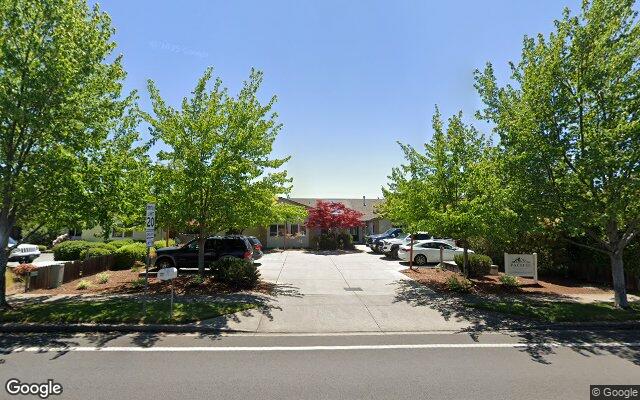
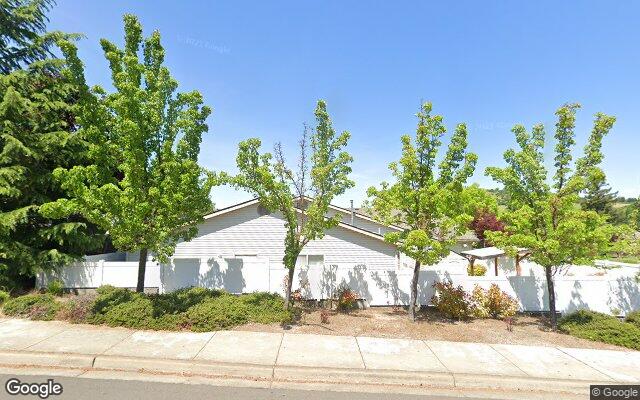

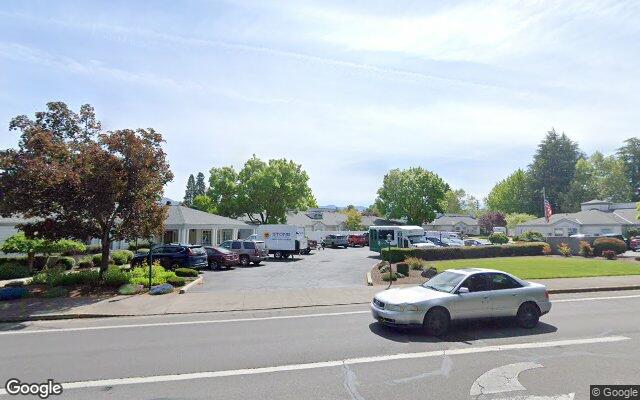
Tour Prep
Family reviews
No reviews yet — be the first to share your experience
Other memory care options nearby.
More options in neighboring cities
Licensed memory care in other cities within this county region — useful when your search radius crosses city limits.