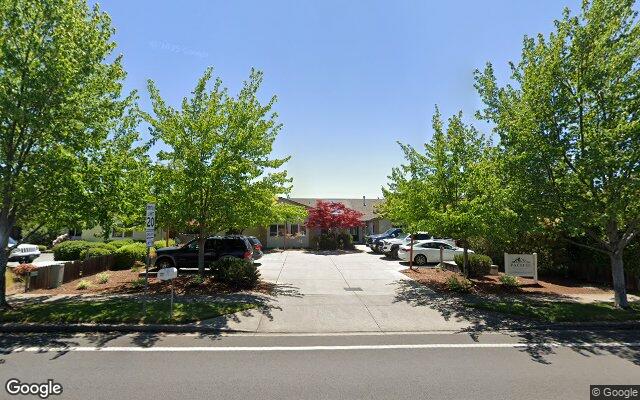
Bartlett House of Medford.

A medium home, reviewed on public record.
© Google Street View
Compared to 38 Oregon facilities with a similar number of beds.
ALF memory care · 36-month window. Higher percentile = better performance on inspection record. Source: Oregon Dept. of Human Services · Long-Term Care Licensing.
among peers to rank.
Rankings based on 36-month OR-DHS inspection data. Severity and frequency: fewer citations = higher percentile. Repeat rate: lower repeat citation share = higher percentile.
Citation history, plotted month by month.
13 deficiencies on record. Each bar is a month with a citation.
Finding distribution
13 total · 36 monthsScope × Severity (CMS A–L)
Every inspection visit, verbatim.
2 inspections in the public record, most recent first. Plain-language summaries open first — click into any row for the full citation text.
2024-03-18Annual Compliance VisitOR-cited · 10 findings
Plain-language summary
A re-licensure inspection conducted March 18–19, 2024, found that the facility failed to ensure service plans for two sampled residents reflected their current needs and provided clear direction to staff, with deficiencies including inadequate documentation of fall prevention measures, mobility assistance levels, and transfer procedures. A follow-up validation visit on August 5–6, 2024, determined the facility was in substantial compliance with Oregon regulations.
Read full citation text (10)Hide full citation text
“The findings of the re-licensure survey, conducted 03/18/24 through 03/19/24, are documented in this report. The survey was conducted to determine compliance with OARs 411 Division 54 for Residential Care and Assisted Living Facilities, OARs 411 Division 57 for Memory Care Communities, and OARs 411 Division 004 Home and Community Based Services Regulations. Tag numbers beginning with the letter C refer to the Residential Care and Assisted Living rules. Tag numbers beginning with the letter Z refer to the Memory Care Community rules. Abbreviations possibly used in this document: ADL: activities of daily living bid: twice a day CBG: capillary blood glucose or blood sugar CG: caregiver cm: centimeter ED: Executive Director F: Fahrenheit HH: Home Health LPN: Licensed Practical Nurse MA: Medication Aide MAR: Medication Administration Record MCC Memory Care Community mg: milligram ml: milliliter MT: Medication Technician OT: Occupational Therapist PT: Physical Therapist PRN: as needed qd: every day or daily qid: four times a day QI: quality improvement RCC: Resident Care Coordinator RN: Registered Nurse TAR: Treatment Administration Record tid: three times a day The findings of the re-licensure survey, conducted 03/18/24 through 03/19/24, are documented in this report. The survey was conducted to determine compliance with OARs 411 Division 54 for Residential Care and Assisted Living Facilities, OARs 411 Division 57 for Memory Care Communities, and OARs 411 Division 004 Home and Community Based Services Regulations. Tag numbers beginning with the letter C refer to the Residential Care and Assisted Living rules. Tag numbers beginning with the letter Z refer to the Memory Care Community rules. Abbreviations possibly used in this document: ADL: activities of daily living bid: twice a day CBG: capillary blood glucose or blood sugar CG: caregiver cm: centimeter ED: Executive Director F: Fahrenheit HH: Home Health LPN: Licensed Practical Nurse MA: Medication Aide MAR: Medication Administration Record MCC Memory Care Community mg: milligram ml: milliliter MT: Medication Technician OT: Occupational Therapist PT: Physical Therapist PRN: as needed qd: every day or daily qid: four times a day QI: quality improvement RCC: Resident Care Coordinator RN: Registered Nurse TAR: Treatment Administration Record tid: three times a day The findings of the first re-visit to the re-licensure survey of 03/19/24, conducted 08/05/24 through 08/06/24, are documented in this report. It was determined the facility was in substantial compliance with the OARs 411 Division 54 for Residential Care and Assisted Living Facilities, OARs 411 Division 57 for Memory Care Communities, and OARs 411 Division 004 Home and Community Based Services Regulations. The findings of the first re-visit to the re-licensure survey of 03/19/24, conducted 08/05/24 through 08/06/24, are documented in this report. It was determined the facility was in substantial compliance with the OARs 411 Division 54 for Residential Care and Assisted Living Facilities, OARs 411 Division 57 for Memory Care Communities, and OARs 411 Division 004 Home and Community Based Services Regulations.”
“Based on observation, interview, and record review, it was determined the facility failed to ensure service plans were reflective of residents' needs and provided clear direction for staff for 2 of 2 sampled residents (#s 1 and 2) whose service plans were reviewed. Findings include, but are not limited to: 1. Resident 1 was admitted to the facility in 02/2023 with diagnoses including dementia. Observations of the resident, interviews with staff, and review of the resident's service plan, dated 02/14/24, and progress notes from 12/2023 to 03/2024 were completed. Staff indicated the resident had increased weakness. The resident had poor safety awareness and tried to get up on his/her own, resulting in falls. The staff further indicated they provided assistance with ADLs and two person assistance with transfers. The resident's service plan was not reflective and lacked resident specific direction in the following areas: * Falls and safety interventions; * Walker use for mobility and transfers; * Number and level of staff assistance required and specific steps for ADL completion; * Behaviors, including aggression, and agitation; and * One-person versus two-person transfers and devices used; The need to ensure resident service plans were reflective of current care needs and provided clear direction to staff was discussed with Staff 1 (Administrator) on 03/18/24 and 03/19/24. She acknowledged the findings. 2. Resident 2 was admitted to the facility in 06/2018 with diagnoses including dementia. Resident 2 was receiving hospice service. Observations of the resident, interviews with staff, and review of the resident's service plan, dated 01/11/24, progress notes from 12/2023 to 03/2024, and hospice communication were completed. Staff indicated they provided full assistance with all ADLs and two person assistance with transfers. The resident's service plan was not reflective and lacked resident specific direction in the following areas: * Mobility level and ability of the resident; * Use of pressure devise and foot rests in wheelchair; * Number and level of staff assistance required and specific steps for ADL completion; and * One-person versus two-person transfers The need to ensure resident service plans were reflective of current care needs and provided clear direction to staff was discussed with Staff 1 (Administrator) on 03/18/24 and 03/19/24. She acknowledged the findings. Based on observation, interview, and record review, it was determined the facility failed to ensure service plans were reflective of residents' needs and provided clear direction for staff for 2 of 2 sampled residents (#s 1 and 2) whose service plans were reviewed. Findings include, but are not limited to:”
“Based on observation, interview, and record review, it was determined the facility failed to ensure residents who had short term changes of condition were monitored at least weekly to resolution, and that interventions were re-evaluated to determine effectiveness for 2 of 2 sampled residents (#s 1 and 2) who experienced changes of condition. 1. Resident 1 was admitted to the facility in 02/2023 with diagnoses including dementia. Observations of the resident, interviews with staff, review of the service plan dated 02/14/24, incident investigations, and progress notes dated 12/2023 through 03/2024 were reviewed. The resident experienced multiple short-term changes without documented monitoring at least weekly until resolution, interventions were not reviewed for effectiveness and/or lacked resident-specific directions to staff in the following areas: * Falls; * Behaviors; * Acute illness and hospital stay; and * Wounds and injuries. The need to ensure short-term changes of condition had documentation to reflect monitoring at least weekly to resolution, and that interventions were evaluated for effectiveness related to falls and behaviors was discussed with Staff 1 (Administrator), Staff 2 (RN) and Staff 3 (Universal Worker/RCC) on 03/19/24. They acknowledged the findings. 2. Resident 2 was admitted to the facility in 06/2018 with diagnoses including dementia and was receiving hospice services. Observations of the resident, interviews with staff, review of the service plan dated 01/11/24, hospice communications, and progress notes dated 12/2023 through 03/2024 were reviewed. a. The resident experienced short-term changes without documented monitoring at least weekly until resolution in the following areas: * Bruising; and * Injuries to hands caused by resident finger nails. The need to ensure short-term changes of condition had documentation to reflect monitoring at least weekly to resolution was discussed with Staff 1 (Administrator), Staff 2 (RN) and Staff 3 (Universal Worker/RCC) on 03/19/24. They acknowledged the findings. Based on observation, interview, and record review, it was determined the facility failed to ensure residents who had short term changes of condition were monitored at least weekly to resolution, and that interventions were re-evaluated to determine effectiveness for 2 of 2 sampled residents (#s 1 and 2) who experienced changes of condition.”
“Based on interview and record review, it was determined the facility failed to ensure staff documented non-pharmacological interventions had been tried with ineffective results prior to administering PRN psychotropic medications for 1 of 1 sampled resident (#1) who were prescribed and administered PRN medications to treat behaviors. Findings include, but are not limited to: Resident 1 was admitted to the facility in 02/2023 with diagnoses including dementia. Resident 1 had a physician's order for Quietiapine 25 mg as needed for agitation and impulsivity. Resident 1's 2/2024 and 03/2024 MARs were reviewed. The resident was administered the psychotropic medication three times in 02/2024 and twice in 03/2024 with no documented evidence staff had first attempted non-drug interventions with ineffective results. The need to attempt non-drug interventions prior to administering PRN psychotropic medications was reviewed with Staff 1 (Administrator) and Staff 2 (RN). They acknowledged the findings. Based on interview and record review, it was determined the facility failed to ensure staff documented non-pharmacological interventions had been tried with ineffective results prior to administering PRN psychotropic medications for 1 of 1 sampled resident (#1) who were prescribed and administered PRN medications to treat behaviors. Findings include, but are not limited to: Resident 1 was admitted to the facility in 02/2023 with diagnoses including dementia. Resident 1 had a physician's order for Quietiapine 25 mg as needed for agitation and impulsivity. Resident 1's 2/2024 and 03/2024 MARs were reviewed. The resident was administered the psychotropic medication three times in 02/2024 and twice in 03/2024 with no documented evidence staff had first attempted non-drug interventions with ineffective results. The need to attempt non-drug interventions prior to administering PRN psychotropic medications was reviewed with Staff 1 (Administrator) and Staff 2 (RN). They acknowledged the findings. Bartlett House of Medford will implement the following: 1.Correct interventions will be placed in EMAR for staff to sign and in care plan with detailed steps to try before use of behavioral medication for Resident 1. 2. Staff will be retrained on correct documentation with use of medication, will be sure one hour follow up is completed with effective or ineffective and to document the result of effectiveness. 3. Executive Director and Rn Assistant Executive Director and Nurse will review weekly for PRN use to ensure it is being used correctly and documentation is correct. 4.Executive Director And Assistant Executive Director will be responsible for weekly monitoring of PRN use and put use in Nurse corner for review. Bartlett House of Medford will implement the following: 1.Correct interventions will be placed in EMAR for staff to sign and in care plan with detailed steps to try before use of behavioral medication for Resident 1. 2. Staff will be retrained on correct documentation with use of medication, will be sure one hour follow up is completed with effective or ineffective and to document the result of effectiveness. 3. Executive Director and Rn Assistant Executive Director and Nurse will review weekly for PRN use to ensure it is being used correctly and documentation is correct. 4.Executive Director And Assistant Executive Director will be responsible for weekly monitoring of PRN use and put use in Nurse corner for review. There are no detail notes for this visit.”
“Based on observation, interview, and record review, it was determined the facility failed to ensure Acuity Based Staffing Tool (ABST) entries were reflective of the resident's current care needs for 3 of 3 sampled residents reviewed (#s 1, 2, and 3). Findings include, but are not limited to: 1. Resident 1 was admitted to the facility in 02/2023 with diagnoses dementia with behaviors. Observations of the resident, interviews with staff, and review of the resident's records noted ABST entries were not reflective of the resident's current care needs. A review of Resident 1's ABST revealed an inaccuracy of minutes assigned in the following areas: * Bowel and bladder management; * Assisting with leisure activities; * Monitoring behavioral conditions or symptoms; * Ensuring non-drug interventions for behaviors; * Redirecting due to cognitive impairment or dementia; and * Medication administration, passing out medications. Inaccuracies on resident entries for the ABST tool and potentially inaccurate staffing calculations were discussed with Staff 1 (Administrator) 03/19/24. She staff acknowledged the findings. 2. Resident 2 was admitted to the facility in 06/2018 with diagnoses dementia. Observations of the resident, interviews with staff, and review of the resident's records noted ABST entries were not reflective of the resident's current care needs. A review of Resident 2's ABST revealed an inaccuracy of minutes assigned in the following areas: * Medication administration, passing out medications; * Transferring in or out of bed or a chair; and * Supervising, cueing, or supporting while eating Inaccuracies on resident entries for the ABST tool and potentially inaccurate staffing calculations were discussed with Staff 1 (Administrator) 03/19/24. She staff acknowledged the findings. 3. Resident 3 was admitted to the facility in 02/2024 with diagnoses dementia and insulin dependent diabetes. Interviews with staff and review of the resident's records noted ABST entries were not reflective of the resident's current care needs related to medication administration. Inaccuracies on resident entries for the ABST tool and potentially inaccurate staffing calculations were discussed with Staff 1 (Administrator) on 03/19/24. She staff acknowledged the findings. Based on observation, interview, and record review, it was determined the facility failed to ensure Acuity Based Staffing Tool (ABST) entries were reflective of the resident's current care needs for 3 of 3 sampled residents reviewed (#s 1, 2, and 3). Findings include, but are not limited to:”
“Based on interview and record review, it was determined the facility failed to provide fire and life safety training at least every other month. Findings include, but are not limited to: Fire and life safety records, reviewed between 05/2023 - 03/2024, revealed fire and life safety training was not documented as completed every other month alternating with fire drills. On 03/18/24 and 03/19/24 the need provide fire and life safety training was reviewed with Staff 1 (Administrator). She acknowledged the findings. Based on interview and record review, it was determined the facility failed to provide fire and life safety training at least every other month. Findings include, but are not limited to: Fire and life safety records, reviewed between 05/2023 - 03/2024, revealed fire and life safety training was not documented as completed every other month alternating with fire drills. On 03/18/24 and 03/19/24 the need provide fire and life safety training was reviewed with Staff 1 (Administrator). She acknowledged the findings. Bartlett House of Medford will implement the following: 1.Fire Drills will be done every other month and fire safety staff meetings will be every other month during staff meetings. 1. The Executive Director and Assistant Executive Director now have a fire training book to go over and train on every other month on fire topics. 3.Executive Director will upload to drive after safety meetings and fire drills every other month, Assistant will review every month to ensure completion. 4.The Executive Director and Assistant Executive Direct will be responsible to ensure that bi monthly drills and trainings are done and monitored for completion. Bartlett House of Medford will implement the following: 1.Fire Drills will be done every other month and fire safety staff meetings will be every other month during staff meetings.”
“Based on observation, interview, and record review, it was determined the facility failed to follow licensing rules for Residential Care and Assisted Living Facilities. Findings include, but are not limited to: Refer to C 361 and C 420. Based on observation, interview, and record review, it was determined the facility failed to follow licensing rules for Residential Care and Assisted Living Facilities. Findings include, but are not limited to: Refer to C 361 and C 420. Refer to C420 and C361 Refer to C420 and C361 There are no detail notes for this visit.”
“Based on interview and record review, it was determined the facility failed to ensure 2 of 2 sampled staff (#s 4 and 5) completed 16 hours of annual in-service training. Findings include, but are not limited to: Staff training records were reviewed on 03/18/24 and 03/19/24. Staff 4 (Universal Worker), hired 09/25/20, and Staff 5 (Universal Worker) hired 06/13/19, lacked evidence of 16 hours of annual in-service training based on anniversary date of hire. The need to ensure staff completed 16 hours of annual training, including six hours related to dementia care and annual infectious disease training was discussed with Staff 1 (Administrator) on 03/18/24 and 03/19/24. She acknowledged the findings. Based on interview and record review, it was determined the facility failed to ensure 2 of 2 sampled staff (#s 4 and 5) completed 16 hours of annual in-service training. Findings include, but are not limited to: Staff training records were reviewed on 03/18/24 and 03/19/24. Staff 4 (Universal Worker), hired 09/25/20, and Staff 5 (Universal Worker) hired 06/13/19, lacked evidence of 16 hours of annual in-service training based on anniversary date of hire. The need to ensure staff completed 16 hours of annual training, including six hours related to dementia care and annual infectious disease training was discussed with Staff 1 (Administrator) on 03/18/24 and 03/19/24. She acknowledged the findings. Bartlett House of Medford will implement the following: 1. Staff 4 and 5 and all staff have the training needed for the year now per oars. 2. All staff are now aware that if they don't have the training assigned to them each month done by the end of each month, they will be taken off the schedule, and a yearly training sheet has been done to track each month's training. 3. This will be evaluated monthly Executive Director is responsible to be sure this is completed Bartlett House of Medford will implement the following:”
“Based on observation, interview, and record review, it was determined the facility failed to provide health care services in accordance with the licensing rules for Residential Care and Assisted Living Facilities. Findings include, but are not limited to: Refer to C 260, C 270, and C 330. Based on observation, interview, and record review, it was determined the facility failed to provide health care services in accordance with the licensing rules for Residential Care and Assisted Living Facilities. Findings include, but are not limited to: Refer to C 260, C 270, and C 330. Refer to C260, C270, and C330 Refer to C260, C270, and C330 There are no detail notes for this visit.”
“Based on interview and record review, it was determined the facility failed to provide an individualized service plan for behavioral symptoms that negatively impacted the resident or others in the community for 1 of 1 sampled resident (#1) with documented behaviors. Findings include, but are not limited to: Resident 1 was admitted to the facility in 02/2023 with diagnoses including dementia. Resident 1's record documented behaviors including refusal of care, aggression with staff, and agitation. The resident's service plan, dated 02/14/24, did not address the behaviors and lacked individualized interventions to assist staff in minimizing the negative impact of the behaviors. On 03/19/24, the need to develop individualized behavior plans for residents with behavioral symptoms was discussed with Staff 1 (Administrator). She acknowledged the findings. Based on interview and record review, it was determined the facility failed to provide an individualized service plan for behavioral symptoms that negatively impacted the resident or others in the community for 1 of 1 sampled resident (#1) with documented behaviors. Findings include, but are not limited to: Resident 1 was admitted to the facility in 02/2023 with diagnoses including dementia. Resident 1's record documented behaviors including refusal of care, aggression with staff, and agitation. The resident's service plan, dated 02/14/24, did not address the behaviors and lacked individualized interventions to assist staff in minimizing the negative impact of the behaviors. On 03/19/24, the need to develop individualized behavior plans for residents with behavioral symptoms was discussed with Staff 1 (Administrator). She acknowledged the findings. ?????Bartlett House of Medford will implement the following: 1. Resident 1 and all residents have been assessed for behaviors and step by step instructions are in the service plan for staff to follow if there are any behaviors. 2. Anytime a new behavior happens, the Executive Director and RN will double check to be sure there are step by step instructions for staff. 3. Initial, 30 day, 90 day and change of conditions. The Executive Director and RN will be responsible to see that corrections are completed and monitored. ?????Bartlett House of Medford will implement the following:”
Read raw inspector notesClose inspector notes
The findings of the re-licensure survey, conducted 03/18/24 through 03/19/24, are documented in this report. The survey was conducted to determine compliance with OARs 411 Division 54 for Residential Care and Assisted Living Facilities, OARs 411 Division 57 for Memory Care Communities, and OARs 411 Division 004 Home and Community Based Services Regulations. Tag numbers beginning with the letter C refer to the Residential Care and Assisted Living rules. Tag numbers beginning with the letter Z refer to the Memory Care Community rules. Abbreviations possibly used in this document: ADL: activities of daily living bid: twice a day CBG: capillary blood glucose or blood sugar CG: caregiver cm: centimeter ED: Executive Director F: Fahrenheit HH: Home Health LPN: Licensed Practical Nurse MA: Medication Aide MAR: Medication Administration Record MCC Memory Care Community mg: milligram ml: milliliter MT: Medication Technician OT: Occupational Therapist PT: Physical Therapist PRN: as needed qd: every day or daily qid: four times a day QI: quality improvement RCC: Resident Care Coordinator RN: Registered Nurse TAR: Treatment Administration Record tid: three times a day The findings of the re-licensure survey, conducted 03/18/24 through 03/19/24, are documented in this report. The survey was conducted to determine compliance with OARs 411 Division 54 for Residential Care and Assisted Living Facilities, OARs 411 Division 57 for Memory Care Communities, and OARs 411 Division 004 Home and Community Based Services Regulations. Tag numbers beginning with the letter C refer to the Residential Care and Assisted Living rules. Tag numbers beginning with the letter Z refer to the Memory Care Community rules. Abbreviations possibly used in this document: ADL: activities of daily living bid: twice a day CBG: capillary blood glucose or blood sugar CG: caregiver cm: centimeter ED: Executive Director F: Fahrenheit HH: Home Health LPN: Licensed Practical Nurse MA: Medication Aide MAR: Medication Administration Record MCC Memory Care Community mg: milligram ml: milliliter MT: Medication Technician OT: Occupational Therapist PT: Physical Therapist PRN: as needed qd: every day or daily qid: four times a day QI: quality improvement RCC: Resident Care Coordinator RN: Registered Nurse TAR: Treatment Administration Record tid: three times a day The findings of the first re-visit to the re-licensure survey of 03/19/24, conducted 08/05/24 through 08/06/24, are documented in this report. It was determined the facility was in substantial compliance with the OARs 411 Division 54 for Residential Care and Assisted Living Facilities, OARs 411 Division 57 for Memory Care Communities, and OARs 411 Division 004 Home and Community Based Services Regulations. The findings of the first re-visit to the re-licensure survey of 03/19/24, conducted 08/05/24 through 08/06/24, are documented in this report. It was determined the facility was in substantial compliance with the OARs 411 Division 54 for Residential Care and Assisted Living Facilities, OARs 411 Division 57 for Memory Care Communities, and OARs 411 Division 004 Home and Community Based Services Regulations. Based on observation, interview, and record review, it was determined the facility failed to ensure service plans were reflective of residents' needs and provided clear direction for staff for 2 of 2 sampled residents (#s 1 and 2) whose service plans were reviewed. Findings include, but are not limited to: 1. Resident 1 was admitted to the facility in 02/2023 with diagnoses including dementia. Observations of the resident, interviews with staff, and review of the resident's service plan, dated 02/14/24, and progress notes from 12/2023 to 03/2024 were completed. Staff indicated the resident had increased weakness. The resident had poor safety awareness and tried to get up on his/her own, resulting in falls. The staff further indicated they provided assistance with ADLs and two person assistance with transfers. The resident's service plan was not reflective and lacked resident specific direction in the following areas: * Falls and safety interventions; * Walker use for mobility and transfers; * Number and level of staff assistance required and specific steps for ADL completion; * Behaviors, including aggression, and agitation; and * One-person versus two-person transfers and devices used; The need to ensure resident service plans were reflective of current care needs and provided clear direction to staff was discussed with Staff 1 (Administrator) on 03/18/24 and 03/19/24. She acknowledged the findings. 2. Resident 2 was admitted to the facility in 06/2018 with diagnoses including dementia. Resident 2 was receiving hospice service. Observations of the resident, interviews with staff, and review of the resident's service plan, dated 01/11/24, progress notes from 12/2023 to 03/2024, and hospice communication were completed. Staff indicated they provided full assistance with all ADLs and two person assistance with transfers. The resident's service plan was not reflective and lacked resident specific direction in the following areas: * Mobility level and ability of the resident; * Use of pressure devise and foot rests in wheelchair; * Number and level of staff assistance required and specific steps for ADL completion; and * One-person versus two-person transfers The need to ensure resident service plans were reflective of current care needs and provided clear direction to staff was discussed with Staff 1 (Administrator) on 03/18/24 and 03/19/24. She acknowledged the findings. Based on observation, interview, and record review, it was determined the facility failed to ensure service plans were reflective of residents' needs and provided clear direction for staff for 2 of 2 sampled residents (#s 1 and 2) whose service plans were reviewed. Findings include, but are not limited to: Based on observation, interview, and record review, it was determined the facility failed to ensure residents who had short term changes of condition were monitored at least weekly to resolution, and that interventions were re-evaluated to determine effectiveness for 2 of 2 sampled residents (#s 1 and 2) who experienced changes of condition. 1. Resident 1 was admitted to the facility in 02/2023 with diagnoses including dementia. Observations of the resident, interviews with staff, review of the service plan dated 02/14/24, incident investigations, and progress notes dated 12/2023 through 03/2024 were reviewed. The resident experienced multiple short-term changes without documented monitoring at least weekly until resolution, interventions were not reviewed for effectiveness and/or lacked resident-specific directions to staff in the following areas: * Falls; * Behaviors; * Acute illness and hospital stay; and * Wounds and injuries. The need to ensure short-term changes of condition had documentation to reflect monitoring at least weekly to resolution, and that interventions were evaluated for effectiveness related to falls and behaviors was discussed with Staff 1 (Administrator), Staff 2 (RN) and Staff 3 (Universal Worker/RCC) on 03/19/24. They acknowledged the findings. 2. Resident 2 was admitted to the facility in 06/2018 with diagnoses including dementia and was receiving hospice services. Observations of the resident, interviews with staff, review of the service plan dated 01/11/24, hospice communications, and progress notes dated 12/2023 through 03/2024 were reviewed. a. The resident experienced short-term changes without documented monitoring at least weekly until resolution in the following areas: * Bruising; and * Injuries to hands caused by resident finger nails. The need to ensure short-term changes of condition had documentation to reflect monitoring at least weekly to resolution was discussed with Staff 1 (Administrator), Staff 2 (RN) and Staff 3 (Universal Worker/RCC) on 03/19/24. They acknowledged the findings. Based on observation, interview, and record review, it was determined the facility failed to ensure residents who had short term changes of condition were monitored at least weekly to resolution, and that interventions were re-evaluated to determine effectiveness for 2 of 2 sampled residents (#s 1 and 2) who experienced changes of condition. Based on interview and record review, it was determined the facility failed to ensure staff documented non-pharmacological interventions had been tried with ineffective results prior to administering PRN psychotropic medications for 1 of 1 sampled resident (#1) who were prescribed and administered PRN medications to treat behaviors. Findings include, but are not limited to: Resident 1 was admitted to the facility in 02/2023 with diagnoses including dementia. Resident 1 had a physician's order for Quietiapine 25 mg as needed for agitation and impulsivity. Resident 1's 2/2024 and 03/2024 MARs were reviewed. The resident was administered the psychotropic medication three times in 02/2024 and twice in 03/2024 with no documented evidence staff had first attempted non-drug interventions with ineffective results. The need to attempt non-drug interventions prior to administering PRN psychotropic medications was reviewed with Staff 1 (Administrator) and Staff 2 (RN). They acknowledged the findings. Based on interview and record review, it was determined the facility failed to ensure staff documented non-pharmacological interventions had been tried with ineffective results prior to administering PRN psychotropic medications for 1 of 1 sampled resident (#1) who were prescribed and administered PRN medications to treat behaviors. Findings include, but are not limited to: Resident 1 was admitted to the facility in 02/2023 with diagnoses including dementia. Resident 1 had a physician's order for Quietiapine 25 mg as needed for agitation and impulsivity. Resident 1's 2/2024 and 03/2024 MARs were reviewed. The resident was administered the psychotropic medication three times in 02/2024 and twice in 03/2024 with no documented evidence staff had first attempted non-drug interventions with ineffective results. The need to attempt non-drug interventions prior to administering PRN psychotropic medications was reviewed with Staff 1 (Administrator) and Staff 2 (RN). They acknowledged the findings. Bartlett House of Medford will implement the following: 1.Correct interventions will be placed in EMAR for staff to sign and in care plan with detailed steps to try before use of behavioral medication for Resident 1. 2. Staff will be retrained on correct documentation with use of medication, will be sure one hour follow up is completed with effective or ineffective and to document the result of effectiveness. 3. Executive Director and Rn Assistant Executive Director and Nurse will review weekly for PRN use to ensure it is being used correctly and documentation is correct. 4.Executive Director And Assistant Executive Director will be responsible for weekly monitoring of PRN use and put use in Nurse corner for review. Bartlett House of Medford will implement the following: 1.Correct interventions will be placed in EMAR for staff to sign and in care plan with detailed steps to try before use of behavioral medication for Resident 1. 2. Staff will be retrained on correct documentation with use of medication, will be sure one hour follow up is completed with effective or ineffective and to document the result of effectiveness. 3. Executive Director and Rn Assistant Executive Director and Nurse will review weekly for PRN use to ensure it is being used correctly and documentation is correct. 4.Executive Director And Assistant Executive Director will be responsible for weekly monitoring of PRN use and put use in Nurse corner for review. There are no detail notes for this visit. Based on observation, interview, and record review, it was determined the facility failed to ensure Acuity Based Staffing Tool (ABST) entries were reflective of the resident's current care needs for 3 of 3 sampled residents reviewed (#s 1, 2, and 3). Findings include, but are not limited to: 1. Resident 1 was admitted to the facility in 02/2023 with diagnoses dementia with behaviors. Observations of the resident, interviews with staff, and review of the resident's records noted ABST entries were not reflective of the resident's current care needs. A review of Resident 1's ABST revealed an inaccuracy of minutes assigned in the following areas: * Bowel and bladder management; * Assisting with leisure activities; * Monitoring behavioral conditions or symptoms; * Ensuring non-drug interventions for behaviors; * Redirecting due to cognitive impairment or dementia; and * Medication administration, passing out medications. Inaccuracies on resident entries for the ABST tool and potentially inaccurate staffing calculations were discussed with Staff 1 (Administrator) 03/19/24. She staff acknowledged the findings. 2. Resident 2 was admitted to the facility in 06/2018 with diagnoses dementia. Observations of the resident, interviews with staff, and review of the resident's records noted ABST entries were not reflective of the resident's current care needs. A review of Resident 2's ABST revealed an inaccuracy of minutes assigned in the following areas: * Medication administration, passing out medications; * Transferring in or out of bed or a chair; and * Supervising, cueing, or supporting while eating Inaccuracies on resident entries for the ABST tool and potentially inaccurate staffing calculations were discussed with Staff 1 (Administrator) 03/19/24. She staff acknowledged the findings. 3. Resident 3 was admitted to the facility in 02/2024 with diagnoses dementia and insulin dependent diabetes. Interviews with staff and review of the resident's records noted ABST entries were not reflective of the resident's current care needs related to medication administration. Inaccuracies on resident entries for the ABST tool and potentially inaccurate staffing calculations were discussed with Staff 1 (Administrator) on 03/19/24. She staff acknowledged the findings. Based on observation, interview, and record review, it was determined the facility failed to ensure Acuity Based Staffing Tool (ABST) entries were reflective of the resident's current care needs for 3 of 3 sampled residents reviewed (#s 1, 2, and 3). Findings include, but are not limited to: Based on interview and record review, it was determined the facility failed to provide fire and life safety training at least every other month. Findings include, but are not limited to: Fire and life safety records, reviewed between 05/2023 - 03/2024, revealed fire and life safety training was not documented as completed every other month alternating with fire drills. On 03/18/24 and 03/19/24 the need provide fire and life safety training was reviewed with Staff 1 (Administrator). She acknowledged the findings. Based on interview and record review, it was determined the facility failed to provide fire and life safety training at least every other month. Findings include, but are not limited to: Fire and life safety records, reviewed between 05/2023 - 03/2024, revealed fire and life safety training was not documented as completed every other month alternating with fire drills. On 03/18/24 and 03/19/24 the need provide fire and life safety training was reviewed with Staff 1 (Administrator). She acknowledged the findings. Bartlett House of Medford will implement the following: 1.Fire Drills will be done every other month and fire safety staff meetings will be every other month during staff meetings. 1. The Executive Director and Assistant Executive Director now have a fire training book to go over and train on every other month on fire topics. 3.Executive Director will upload to drive after safety meetings and fire drills every other month, Assistant will review every month to ensure completion. 4.The Executive Director and Assistant Executive Direct will be responsible to ensure that bi monthly drills and trainings are done and monitored for completion. Bartlett House of Medford will implement the following: 1.Fire Drills will be done every other month and fire safety staff meetings will be every other month during staff meetings. Based on observation, interview, and record review, it was determined the facility failed to follow licensing rules for Residential Care and Assisted Living Facilities. Findings include, but are not limited to: Refer to C 361 and C 420. Based on observation, interview, and record review, it was determined the facility failed to follow licensing rules for Residential Care and Assisted Living Facilities. Findings include, but are not limited to: Refer to C 361 and C 420. Refer to C420 and C361 Refer to C420 and C361 There are no detail notes for this visit. Based on interview and record review, it was determined the facility failed to ensure 2 of 2 sampled staff (#s 4 and 5) completed 16 hours of annual in-service training. Findings include, but are not limited to: Staff training records were reviewed on 03/18/24 and 03/19/24. Staff 4 (Universal Worker), hired 09/25/20, and Staff 5 (Universal Worker) hired 06/13/19, lacked evidence of 16 hours of annual in-service training based on anniversary date of hire. The need to ensure staff completed 16 hours of annual training, including six hours related to dementia care and annual infectious disease training was discussed with Staff 1 (Administrator) on 03/18/24 and 03/19/24. She acknowledged the findings. Based on interview and record review, it was determined the facility failed to ensure 2 of 2 sampled staff (#s 4 and 5) completed 16 hours of annual in-service training. Findings include, but are not limited to: Staff training records were reviewed on 03/18/24 and 03/19/24. Staff 4 (Universal Worker), hired 09/25/20, and Staff 5 (Universal Worker) hired 06/13/19, lacked evidence of 16 hours of annual in-service training based on anniversary date of hire. The need to ensure staff completed 16 hours of annual training, including six hours related to dementia care and annual infectious disease training was discussed with Staff 1 (Administrator) on 03/18/24 and 03/19/24. She acknowledged the findings. Bartlett House of Medford will implement the following: 1. Staff 4 and 5 and all staff have the training needed for the year now per oars. 2. All staff are now aware that if they don't have the training assigned to them each month done by the end of each month, they will be taken off the schedule, and a yearly training sheet has been done to track each month's training. 3. This will be evaluated monthly Executive Director is responsible to be sure this is completed Bartlett House of Medford will implement the following: Based on observation, interview, and record review, it was determined the facility failed to provide health care services in accordance with the licensing rules for Residential Care and Assisted Living Facilities. Findings include, but are not limited to: Refer to C 260, C 270, and C 330. Based on observation, interview, and record review, it was determined the facility failed to provide health care services in accordance with the licensing rules for Residential Care and Assisted Living Facilities. Findings include, but are not limited to: Refer to C 260, C 270, and C 330. Refer to C260, C270, and C330 Refer to C260, C270, and C330 There are no detail notes for this visit. Based on interview and record review, it was determined the facility failed to provide an individualized service plan for behavioral symptoms that negatively impacted the resident or others in the community for 1 of 1 sampled resident (#1) with documented behaviors. Findings include, but are not limited to: Resident 1 was admitted to the facility in 02/2023 with diagnoses including dementia. Resident 1's record documented behaviors including refusal of care, aggression with staff, and agitation. The resident's service plan, dated 02/14/24, did not address the behaviors and lacked individualized interventions to assist staff in minimizing the negative impact of the behaviors. On 03/19/24, the need to develop individualized behavior plans for residents with behavioral symptoms was discussed with Staff 1 (Administrator). She acknowledged the findings. Based on interview and record review, it was determined the facility failed to provide an individualized service plan for behavioral symptoms that negatively impacted the resident or others in the community for 1 of 1 sampled resident (#1) with documented behaviors. Findings include, but are not limited to: Resident 1 was admitted to the facility in 02/2023 with diagnoses including dementia. Resident 1's record documented behaviors including refusal of care, aggression with staff, and agitation. The resident's service plan, dated 02/14/24, did not address the behaviors and lacked individualized interventions to assist staff in minimizing the negative impact of the behaviors. On 03/19/24, the need to develop individualized behavior plans for residents with behavioral symptoms was discussed with Staff 1 (Administrator). She acknowledged the findings. ?????Bartlett House of Medford will implement the following: 1. Resident 1 and all residents have been assessed for behaviors and step by step instructions are in the service plan for staff to follow if there are any behaviors. 2. Anytime a new behavior happens, the Executive Director and RN will double check to be sure there are step by step instructions for staff. 3. Initial, 30 day, 90 day and change of conditions. The Executive Director and RN will be responsible to see that corrections are completed and monitored. ?????Bartlett House of Medford will implement the following:
2023-12-28Annual Compliance VisitOR-cited · 3 findings
Plain-language summary
A routine kitchen inspection on December 28, 2023 found that Bartlett House of Medford failed to maintain the kitchen in clean and good repair, with food spills, debris, and dirt observed on cabinets, appliances, the freezer, and ceiling vents; an uncovered plate of cupcakes in the refrigerator; dried food stored on the floor; and a missing cabinet door. The facility implemented corrective actions including deep cleaning, repairs, staff retraining, and daily spot checks with weekly audits. A follow-up inspection on March 18, 2024 determined the facility was in substantial compliance with food sanitation and meal service rules.
Read full citation text (3)Hide full citation text
“Based on observation and interview, it was determined the facility failed to maintain the kitchen in clean and good repair in accordance with the Food Sanitation Rules OAR 333-150-000. Findings include, but are not limited to: On 12/28/23, observations of the facility kitchen identified the following: a. Food spills, splatters, debris, dirt and black matter was observed on or underneath the following: * Multiple cabinets, cabinet doors, and drawers; * Multiple slow cookers stored inside a cabinet; * Inside and around the oven and stove top; * Inside the standing freezer; * Coffee maker; * Fridge drawers; and * The kitchen ceiling vent. b. An upper cabinet door was missing and in need of repair. c. A plate of cupcakes was observed inside the fridge without a cover, label, or date. d. Multiple sacks of dried food were stored on the floor in the dry storage closet. On 12/28/23, the areas which required cleaning and repair were observed and discussed with Staff 1 (Executive Director). She acknowledged the findings. Based on observation and interview, it was determined the facility failed to maintain the kitchen in clean and good repair in accordance with the Food Sanitation Rules OAR 333-150-000. Findings include, but are not limited to: On 12/28/23, observations of the facility kitchen identified the following: a. Food spills, splatters, debris, dirt and black matter was observed on or underneath the following: * Multiple cabinets, cabinet doors, and drawers; * Multiple slow cookers stored inside a cabinet; * Inside and around the oven and stove top; * Inside the standing freezer; * Coffee maker; * Fridge drawers; and * The kitchen ceiling vent. b. An upper cabinet door was missing and in need of repair. c. A plate of cupcakes was observed inside the fridge without a cover, label, or date. d. Multiple sacks of dried food were stored on the floor in the dry storage closet. On 12/28/23, the areas which required cleaning and repair were observed and discussed with Staff 1 (Executive Director). She acknowledged the findings. Bartlett House of Medford will implement the following: 1. *A. All the food spills, splatters and debris, dirt and black matter from all the cabinets, cabinet drawers and doors, slow cookers, inside and outside the oven and stove top, inside the standing freezer, coffee maker, refrigertor drawers and the kitchen ceiling vent have been deep cleaned. *B. The upper cabinet door will be repaired and hung back up. * C. All food is covered, dated and labeled. *D. All sacks of food and have been removed off the floor. 2. The kitchen and Maintence binder has been updated and auditing the above issues are in place. * All staff will be retrained on cleaning and the uses of the kitchen binder, and maintence man will be retrained on his maintence binder and duties. * All staff have been retrained on being sure all food put in fridge is covered and labeled all times. * Sign has been made to remind all satff no dry food allowed on floor. 3.Daily spot checks and weekly auditing will be done. 4.The Assistant Executive and /or Executive Director will be responsible. Bartlett House of Medford will implement the following:”
“The findings of the kitchen inspection, conducted 12/28/23, are documented in this report. The survey was conducted to determine compliance with the OARs 411-054-0030 for Residential Care and Assisted Living Facilities for Resident Services - Meals and Oregon Health Service Food Sanitation Rules OARs 333-150-0000. The findings of the kitchen inspection, conducted 12/28/23, are documented in this report. The survey was conducted to determine compliance with the OARs 411-054-0030 for Residential Care and Assisted Living Facilities for Resident Services - Meals and Oregon Health Service Food Sanitation Rules OARs 333-150-0000. The findings of the revisit to the kitchen inspection of 12/28/23, conducted 03/18/24, are documented in this report. It was determined the facility was in substantial compliance with the OARs 411-054-0030 for Residential Care and Assisted Living Facilities for Resident Services- Meals, and Oregon Health Service Food Sanitation Rules OARs 333-150-0000. The findings of the revisit to the kitchen inspection of 12/28/23, conducted 03/18/24, are documented in this report. It was determined the facility was in substantial compliance with the OARs 411-054-0030 for Residential Care and Assisted Living Facilities for Resident Services- Meals, and Oregon Health Service Food Sanitation Rules OARs 333-150-0000.”
“Based on observation and interview, it was determined the facility failed to follow licensing rules for Residential Care and Assisted Living Facilities. Findings include, but are not limited to: Refer to C240. Based on observation and interview, it was determined the facility failed to follow licensing rules for Residential Care and Assisted Living Facilities. Findings include, but are not limited to: Refer to C240. Refer to C240 Refer to C240 There are no detail notes for this visit.”
Read raw inspector notesClose inspector notes
The findings of the kitchen inspection, conducted 12/28/23, are documented in this report. The survey was conducted to determine compliance with the OARs 411-054-0030 for Residential Care and Assisted Living Facilities for Resident Services - Meals and Oregon Health Service Food Sanitation Rules OARs 333-150-0000. The findings of the kitchen inspection, conducted 12/28/23, are documented in this report. The survey was conducted to determine compliance with the OARs 411-054-0030 for Residential Care and Assisted Living Facilities for Resident Services - Meals and Oregon Health Service Food Sanitation Rules OARs 333-150-0000. The findings of the revisit to the kitchen inspection of 12/28/23, conducted 03/18/24, are documented in this report. It was determined the facility was in substantial compliance with the OARs 411-054-0030 for Residential Care and Assisted Living Facilities for Resident Services- Meals, and Oregon Health Service Food Sanitation Rules OARs 333-150-0000. The findings of the revisit to the kitchen inspection of 12/28/23, conducted 03/18/24, are documented in this report. It was determined the facility was in substantial compliance with the OARs 411-054-0030 for Residential Care and Assisted Living Facilities for Resident Services- Meals, and Oregon Health Service Food Sanitation Rules OARs 333-150-0000. Based on observation and interview, it was determined the facility failed to maintain the kitchen in clean and good repair in accordance with the Food Sanitation Rules OAR 333-150-000. Findings include, but are not limited to: On 12/28/23, observations of the facility kitchen identified the following: a. Food spills, splatters, debris, dirt and black matter was observed on or underneath the following: * Multiple cabinets, cabinet doors, and drawers; * Multiple slow cookers stored inside a cabinet; * Inside and around the oven and stove top; * Inside the standing freezer; * Coffee maker; * Fridge drawers; and * The kitchen ceiling vent. b. An upper cabinet door was missing and in need of repair. c. A plate of cupcakes was observed inside the fridge without a cover, label, or date. d. Multiple sacks of dried food were stored on the floor in the dry storage closet. On 12/28/23, the areas which required cleaning and repair were observed and discussed with Staff 1 (Executive Director). She acknowledged the findings. Based on observation and interview, it was determined the facility failed to maintain the kitchen in clean and good repair in accordance with the Food Sanitation Rules OAR 333-150-000. Findings include, but are not limited to: On 12/28/23, observations of the facility kitchen identified the following: a. Food spills, splatters, debris, dirt and black matter was observed on or underneath the following: * Multiple cabinets, cabinet doors, and drawers; * Multiple slow cookers stored inside a cabinet; * Inside and around the oven and stove top; * Inside the standing freezer; * Coffee maker; * Fridge drawers; and * The kitchen ceiling vent. b. An upper cabinet door was missing and in need of repair. c. A plate of cupcakes was observed inside the fridge without a cover, label, or date. d. Multiple sacks of dried food were stored on the floor in the dry storage closet. On 12/28/23, the areas which required cleaning and repair were observed and discussed with Staff 1 (Executive Director). She acknowledged the findings. Bartlett House of Medford will implement the following: 1. *A. All the food spills, splatters and debris, dirt and black matter from all the cabinets, cabinet drawers and doors, slow cookers, inside and outside the oven and stove top, inside the standing freezer, coffee maker, refrigertor drawers and the kitchen ceiling vent have been deep cleaned. *B. The upper cabinet door will be repaired and hung back up. * C. All food is covered, dated and labeled. *D. All sacks of food and have been removed off the floor. 2. The kitchen and Maintence binder has been updated and auditing the above issues are in place. * All staff will be retrained on cleaning and the uses of the kitchen binder, and maintence man will be retrained on his maintence binder and duties. * All staff have been retrained on being sure all food put in fridge is covered and labeled all times. * Sign has been made to remind all satff no dry food allowed on floor. 3.Daily spot checks and weekly auditing will be done. 4.The Assistant Executive and /or Executive Director will be responsible. Bartlett House of Medford will implement the following: Based on observation and interview, it was determined the facility failed to follow licensing rules for Residential Care and Assisted Living Facilities. Findings include, but are not limited to: Refer to C240. Based on observation and interview, it was determined the facility failed to follow licensing rules for Residential Care and Assisted Living Facilities. Findings include, but are not limited to: Refer to C240. Refer to C240 Refer to C240 There are no detail notes for this visit.
1 older inspection from 2022 are not shown above.
Get the complete record, translated into plain language — emailed to you.
Other facilities in Jackson County.
Other memory care facilities in Jackson County with similar care offerings.


Contract Decoder
Family reviews
No reviews yet — be the first to share your experience
Other memory care options nearby.
More options in neighboring cities
Licensed memory care in other cities within this county region — useful when your search radius crosses city limits.