Footsteps at Lake Oswego.

A medium home, reviewed on public record.
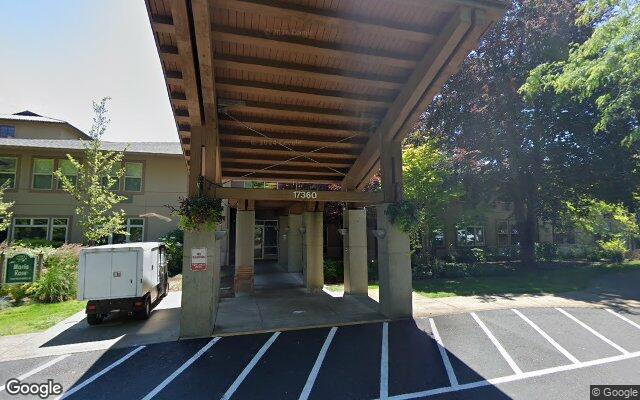
© Google Street View
Compared to 38 Oregon facilities with a similar number of beds.
ALF memory care · 36-month window. Higher percentile = better performance on inspection record. Source: Oregon Dept. of Human Services · Long-Term Care Licensing.
Rankings based on 36-month OR-DHS inspection data. Severity and frequency: fewer citations = higher percentile. Repeat rate: lower repeat citation share = higher percentile.
Citation history, plotted month by month.
19 deficiencies on record. Each bar is a month with a citation.
Finding distribution
19 total · 36 monthsScope × Severity (CMS A–L)
Every inspection visit, verbatim.
7 inspections in the public record, most recent first. Plain-language summaries open first — click into any row for the full citation text.
2026-07-01Annual Compliance VisitNo findings
2026-01-21Annual Compliance VisitOR-cited · 2 findings
Plain-language summary
During a kitchen inspection on January 21, 2026, the facility's kitchens in both Aspen Peak and Pacific Ridge were found to have violations of food sanitation rules, including greasy hood vents, black matter buildup on walls and under equipment, uncovered food containers in refrigerators, worn cutting board surfaces, a worn can opener blade, and staff not wearing required facial hair restraints. The facility acknowledged these findings and implemented corrective actions including immediate cleaning, staff training on food storage and sanitation practices, weekly monitoring schedules, and quarterly equipment inspections to be overseen by the Executive Chef and Food and Beverage Director.
Read full citation text (2)Hide full citation text
“Based on observation and interview, it was determined the facility failed to ensure kitchen practices and protocols were in accordance with the Food Sanitation Rules OARs 333-150-0000. Findings include, but are not limited to: On 01/21/26 at 10:50 am, the facility kitchens were observed to need cleaning in the following areas: Aspen Peak kitchen: * Hood vents – dusty/greasy; * Drain and floor underneath dishwasher – debris/black matter build up; and * Wall behind spray hose in dishwashing area – build up of black matter. Pacific Ridge kitchen: * Walk in refrigerator – food/debris under storage racks; * Wall behind spray hose in dishwashing area – build up of black matter; and * Hood vents above stove/grill/deep fryer – dusty/greasy. Improper food storage included: * Aspen Peak – Refrigerator Units 1 and 6 – multiple uncovered containers of miscellaneous food items. Other areas of concern included: * White cutting boards in both kitchens – heavily scored/stained; * Commercial can opener blade in Pacific Ridge kitchen – finish worn off; and * Lack of facial hair restraints. The areas of concern were presented and discussed with Staff 1 (Executive Chef) and Staff 2 (Sous Chef) on 01/21/26. The findings were acknowledged at 1:45 pm. 1)Vents in both areas will be cleaned by staff to ensure propper cleanliness of hood vents. The drain will be flushed and scrubbed. Foods to be disposed of and replaced with covered foods as needed. Walls in both areas will be scrubbed and cleaned to remove black matter. Floors will be swept and cleaned to remove debris from under the racks. We will purchase new blade to replace worn blade on can opener, and purchase cutting boards to replace those that are stained or scuffed. Staff required to wear facial hair covering will begin wearing them effective immediately. 2)training on cleaning will be provided and vents will be put on weekly cleaning schedule and signed off on. Drain cleaning will be added to weekly task and checked weekly. Staff will be trainined on importance of covering foods as well as the system to ensure covering. Dishwasher will be trained and instructed on cleaning behind the dishwasher daily. Weekly checks will be completed by the Executive Chef to ensure the cleaning is successful. Staff to be trained on propper cleaning and expectation of cleanliness on the refrigerator floor. Training to include weekly sweeping. Can opener will be checked quarterly and staff will be instructed to notify Executive Chef if they notice the finish wearing off. Staff to be trained to report scored and stained cutting boards. Employees with facial hair to the extent requiring hair restraints will have them available and be required to wear them. Staff to be trained on the requirements of when facial covering is needed. 3) Executive Chef or designee will check hoods, drain, dishwashing area, facial coverings, refrigerators and walk-in weekly. Executive Chef will inspect can opener quarterly. 4) Food and Beverage Director is responsible for the corrections and monitoring. OAR 411-054-0030 (1)(a) Resident Services Meals, Food Sanitation Rule (1) The residential care or assisted living facility must provide a minimum scope of services as follows: (a) Three daily nutritious, palatable meals with snacks available seven days a week, in accordance with the recommended dietary allowances found in the United States Department of Agriculture (USDA) guidelines, including seasonal fresh fruit and fresh vegetables; (A) Modified special diets that are appropriate to residents' needs and choices. The facility must encourage residents' involvement in developing menus. (B) Menus must be prepared at least one week in advance, and must be made available to all residents. Meal substitutions must be of similar nutritional value if a resident refuses a food that is served. Residents must be informed in advance of menu changes. (C) Food must be prepared and served in accordance with OAR 333-150-0000 (Food Sanitation Rules). This Rule is not met as evidenced by:”
“Based on observation and interview, it was determined the facility failed to follow licensing rules for Residential Care and Assisted Living Facilities. Findings include, but are not limited to: Refer to C240. 1)Vents in both areas will be cleaned by staff to ensure propper cleanliness of hood vents. The drain will be flushed and scrubbed. Foods to be disposed of and replaced with covered foods as needed. Walls in both areas will be scrubbed and cleaned to remove black matter. Floors will be swept and cleaned to remove debris from under the racks. We will purchase new blade to replace worn blade on can opener, and purchase cutting boards to replace those that are stained or scuffed. Staff required to wear facial hair covering will begin wearing them effective immediately. 2)training on cleaning will be provided and vents will be put on weekly cleaning schedule and signed off on. Drain cleaning will be added to weekly task and checked weekly. Staff will be trainined on importance of covering foods as well as the system to ensure covering. Dishwasher will be trained and instructed on cleaning behind the dishwasher daily. Weekly checks will be completed by the Executive Chef to ensure the cleaning is successful. Staff to be trained on propper cleaning and expectation of cleanliness on the refrigerator floor. Training to include weekly sweeping. Can opener will be checked quarterly and staff will be instructed to notify Executive Chef if they notice the finish wearing off. Staff to be trained to report scored and stained cutting boards. Employees with facial hair to the extent requiring hair restraints will have them available and be required to wear them. Staff to be trained on the requirements of when facial covering is needed. 3) Executive Chef or designee will check hoods, drain, dishwashing area, facial coverings,refrigerators and walk-in weekly. Executive Chef will inspect can opener quarterly. 4) Food and Beverage Director is responsible for the corrections and monitoring. OAR 411-057-0140(2) Administration Compliance (2) The licensee of a memory care community must comply with both the licensing rules for the facility and Chapter 411, Division 57. This Rule is not met as evidenced by:”
Read raw inspector notesClose inspector notes
Based on observation and interview, it was determined the facility failed to ensure kitchen practices and protocols were in accordance with the Food Sanitation Rules OARs 333-150-0000. Findings include, but are not limited to: On 01/21/26 at 10:50 am, the facility kitchens were observed to need cleaning in the following areas: Aspen Peak kitchen: * Hood vents – dusty/greasy; * Drain and floor underneath dishwasher – debris/black matter build up; and * Wall behind spray hose in dishwashing area – build up of black matter. Pacific Ridge kitchen: * Walk in refrigerator – food/debris under storage racks; * Wall behind spray hose in dishwashing area – build up of black matter; and * Hood vents above stove/grill/deep fryer – dusty/greasy. Improper food storage included: * Aspen Peak – Refrigerator Units 1 and 6 – multiple uncovered containers of miscellaneous food items. Other areas of concern included: * White cutting boards in both kitchens – heavily scored/stained; * Commercial can opener blade in Pacific Ridge kitchen – finish worn off; and * Lack of facial hair restraints. The areas of concern were presented and discussed with Staff 1 (Executive Chef) and Staff 2 (Sous Chef) on 01/21/26. The findings were acknowledged at 1:45 pm. 1)Vents in both areas will be cleaned by staff to ensure propper cleanliness of hood vents. The drain will be flushed and scrubbed. Foods to be disposed of and replaced with covered foods as needed. Walls in both areas will be scrubbed and cleaned to remove black matter. Floors will be swept and cleaned to remove debris from under the racks. We will purchase new blade to replace worn blade on can opener, and purchase cutting boards to replace those that are stained or scuffed. Staff required to wear facial hair covering will begin wearing them effective immediately. 2)training on cleaning will be provided and vents will be put on weekly cleaning schedule and signed off on. Drain cleaning will be added to weekly task and checked weekly. Staff will be trainined on importance of covering foods as well as the system to ensure covering. Dishwasher will be trained and instructed on cleaning behind the dishwasher daily. Weekly checks will be completed by the Executive Chef to ensure the cleaning is successful. Staff to be trained on propper cleaning and expectation of cleanliness on the refrigerator floor. Training to include weekly sweeping. Can opener will be checked quarterly and staff will be instructed to notify Executive Chef if they notice the finish wearing off. Staff to be trained to report scored and stained cutting boards. Employees with facial hair to the extent requiring hair restraints will have them available and be required to wear them. Staff to be trained on the requirements of when facial covering is needed. 3) Executive Chef or designee will check hoods, drain, dishwashing area, facial coverings, refrigerators and walk-in weekly. Executive Chef will inspect can opener quarterly. 4) Food and Beverage Director is responsible for the corrections and monitoring. OAR 411-054-0030 (1)(a) Resident Services Meals, Food Sanitation Rule (1) The residential care or assisted living facility must provide a minimum scope of services as follows: (a) Three daily nutritious, palatable meals with snacks available seven days a week, in accordance with the recommended dietary allowances found in the United States Department of Agriculture (USDA) guidelines, including seasonal fresh fruit and fresh vegetables; (A) Modified special diets that are appropriate to residents' needs and choices. The facility must encourage residents' involvement in developing menus. (B) Menus must be prepared at least one week in advance, and must be made available to all residents. Meal substitutions must be of similar nutritional value if a resident refuses a food that is served. Residents must be informed in advance of menu changes. (C) Food must be prepared and served in accordance with OAR 333-150-0000 (Food Sanitation Rules). This Rule is not met as evidenced by: Based on observation and interview, it was determined the facility failed to follow licensing rules for Residential Care and Assisted Living Facilities. Findings include, but are not limited to: Refer to C240. 1)Vents in both areas will be cleaned by staff to ensure propper cleanliness of hood vents. The drain will be flushed and scrubbed. Foods to be disposed of and replaced with covered foods as needed. Walls in both areas will be scrubbed and cleaned to remove black matter. Floors will be swept and cleaned to remove debris from under the racks. We will purchase new blade to replace worn blade on can opener, and purchase cutting boards to replace those that are stained or scuffed. Staff required to wear facial hair covering will begin wearing them effective immediately. 2)training on cleaning will be provided and vents will be put on weekly cleaning schedule and signed off on. Drain cleaning will be added to weekly task and checked weekly. Staff will be trainined on importance of covering foods as well as the system to ensure covering. Dishwasher will be trained and instructed on cleaning behind the dishwasher daily. Weekly checks will be completed by the Executive Chef to ensure the cleaning is successful. Staff to be trained on propper cleaning and expectation of cleanliness on the refrigerator floor. Training to include weekly sweeping. Can opener will be checked quarterly and staff will be instructed to notify Executive Chef if they notice the finish wearing off. Staff to be trained to report scored and stained cutting boards. Employees with facial hair to the extent requiring hair restraints will have them available and be required to wear them. Staff to be trained on the requirements of when facial covering is needed. 3) Executive Chef or designee will check hoods, drain, dishwashing area, facial coverings,refrigerators and walk-in weekly. Executive Chef will inspect can opener quarterly. 4) Food and Beverage Director is responsible for the corrections and monitoring. OAR 411-057-0140(2) Administration Compliance (2) The licensee of a memory care community must comply with both the licensing rules for the facility and Chapter 411, Division 57. This Rule is not met as evidenced by:
2025-04-21Complaint InvestigationOR-cited · 2 findings
Plain-language summary
A complaint investigation conducted on April 21, 2025 found that the facility failed to implement its Acuity-Based Staffing Tool as required. The facility's staffing plan and actual day shift staffing did not match the acuity-based hours it had calculated (33.8 hours day, 28.2 hours evening, 9.8 hours night), and multiple resident acuity profiles had not been updated in the last quarter despite the administrator stating they were updated regularly. The licensing violation was substantiated and acknowledged by facility leadership.
Read full citation text (2)Hide full citation text
“Based on observation, interview, and record review, conducted during a site visit on 04/21/25, the facility's failure to implement an Acuity-Based Staffing Tool (ABST) was substantiated. Findings include, but are not limited to: A review of the facility's ABST indicated the following required staffing hours: * Day: 33.8 hours; * Evening: 28.2 hours; and * Night: 9.8 hours. A review of the facility's posted staffing plan indicated it was not consistent with the ABST: * Day: three caregivers and one med tech; * Evening: two caregivers and one med tech; and * Night: one caregiver and one med tech. An observation of day shift staffing showed the facility was not staffed to their ABST. In an interview, Staff 1 (Administrator) stated residents' ABST profiles were updated regularly, including quarterly. A review of the facility's ABST indicated multiple resident profiles had not been updated in the last quarter. The findings were reviewed with and acknowledged by Staff 1. The facility's facility's failure to implement an Acuity-Based Staffing Tool was substantiated. Based on observation, interview, and record review, conducted during a site visit on 04/21/25, the facility's failure to implement an Acuity-Based Staffing Tool (ABST) was substantiated. Findings include, but are not limited to: A review of the facility's ABST indicated the following required staffing hours: * Day: 33.8 hours; * Evening: 28.2 hours; and * Night: 9.8 hours. A review of the facility's posted staffing plan indicated it was not consistent with the ABST: * Day: three caregivers and one med tech; * Evening: two caregivers and one med tech; and * Night: one caregiver and one med tech. An observation of day shift staffing showed the facility was not staffed to their ABST. In an interview, Staff 1 (Administrator) stated residents' ABST profiles were updated regularly, including quarterly. A review of the facility's ABST indicated multiple resident profiles had not been updated in the last quarter. The findings were reviewed with and acknowledged by Staff 1. The facility's facility's failure to implement an Acuity-Based Staffing Tool was substantiated.”
“Based on observation, interview, and record review, conducted during a site visit on 04/21/25, the facility's failure to implement an Acuity-Based Staffing Tool (ABST) was substantiated. Findings include, but are not limited to: A review of the facility's ABST indicated the following required staffing hours: * Day: 33.8 hours; * Evening: 28.2 hours; and * Night: 9.8 hours. A review of the facility's posted staffing plan indicated it was not consistent with the ABST: * Day: three caregivers and one med tech; * Evening: two caregivers and one med tech; and * Night: one caregiver and one med tech. An observation of day shift staffing showed the facility was not staffed to their ABST. In an interview, Staff 1 (Administrator) stated residents' ABST profiles were updated regularly, including quarterly. A review of the facility's ABST indicated multiple resident profiles had not been updated in the last quarter. The findings were reviewed with and acknowledged by Staff 1. The facility's facility's failure to implement an Acuity-Based Staffing Tool was substantiated. Based on observation, interview, and record review, conducted during a site visit on 04/21/25, the facility's failure to implement an Acuity-Based Staffing Tool (ABST) was substantiated. Findings include, but are not limited to: A review of the facility's ABST indicated the following required staffing hours: * Day: 33.8 hours; * Evening: 28.2 hours; and * Night: 9.8 hours. A review of the facility's posted staffing plan indicated it was not consistent with the ABST: * Day: three caregivers and one med tech; * Evening: two caregivers and one med tech; and * Night: one caregiver and one med tech. An observation of day shift staffing showed the facility was not staffed to their ABST. In an interview, Staff 1 (Administrator) stated residents' ABST profiles were updated regularly, including quarterly. A review of the facility's ABST indicated multiple resident profiles had not been updated in the last quarter. The findings were reviewed with and acknowledged by Staff 1. The facility's facility's failure to implement an Acuity-Based Staffing Tool was substantiated.”
Read raw inspector notesClose inspector notes
Based on observation, interview, and record review, conducted during a site visit on 04/21/25, the facility's failure to implement an Acuity-Based Staffing Tool (ABST) was substantiated. Findings include, but are not limited to: A review of the facility's ABST indicated the following required staffing hours: * Day: 33.8 hours; * Evening: 28.2 hours; and * Night: 9.8 hours. A review of the facility's posted staffing plan indicated it was not consistent with the ABST: * Day: three caregivers and one med tech; * Evening: two caregivers and one med tech; and * Night: one caregiver and one med tech. An observation of day shift staffing showed the facility was not staffed to their ABST. In an interview, Staff 1 (Administrator) stated residents' ABST profiles were updated regularly, including quarterly. A review of the facility's ABST indicated multiple resident profiles had not been updated in the last quarter. The findings were reviewed with and acknowledged by Staff 1. The facility's facility's failure to implement an Acuity-Based Staffing Tool was substantiated. Based on observation, interview, and record review, conducted during a site visit on 04/21/25, the facility's failure to implement an Acuity-Based Staffing Tool (ABST) was substantiated. Findings include, but are not limited to: A review of the facility's ABST indicated the following required staffing hours: * Day: 33.8 hours; * Evening: 28.2 hours; and * Night: 9.8 hours. A review of the facility's posted staffing plan indicated it was not consistent with the ABST: * Day: three caregivers and one med tech; * Evening: two caregivers and one med tech; and * Night: one caregiver and one med tech. An observation of day shift staffing showed the facility was not staffed to their ABST. In an interview, Staff 1 (Administrator) stated residents' ABST profiles were updated regularly, including quarterly. A review of the facility's ABST indicated multiple resident profiles had not been updated in the last quarter. The findings were reviewed with and acknowledged by Staff 1. The facility's facility's failure to implement an Acuity-Based Staffing Tool was substantiated. Based on observation, interview, and record review, conducted during a site visit on 04/21/25, the facility's failure to implement an Acuity-Based Staffing Tool (ABST) was substantiated. Findings include, but are not limited to: A review of the facility's ABST indicated the following required staffing hours: * Day: 33.8 hours; * Evening: 28.2 hours; and * Night: 9.8 hours. A review of the facility's posted staffing plan indicated it was not consistent with the ABST: * Day: three caregivers and one med tech; * Evening: two caregivers and one med tech; and * Night: one caregiver and one med tech. An observation of day shift staffing showed the facility was not staffed to their ABST. In an interview, Staff 1 (Administrator) stated residents' ABST profiles were updated regularly, including quarterly. A review of the facility's ABST indicated multiple resident profiles had not been updated in the last quarter. The findings were reviewed with and acknowledged by Staff 1. The facility's facility's failure to implement an Acuity-Based Staffing Tool was substantiated. Based on observation, interview, and record review, conducted during a site visit on 04/21/25, the facility's failure to implement an Acuity-Based Staffing Tool (ABST) was substantiated. Findings include, but are not limited to: A review of the facility's ABST indicated the following required staffing hours: * Day: 33.8 hours; * Evening: 28.2 hours; and * Night: 9.8 hours. A review of the facility's posted staffing plan indicated it was not consistent with the ABST: * Day: three caregivers and one med tech; * Evening: two caregivers and one med tech; and * Night: one caregiver and one med tech. An observation of day shift staffing showed the facility was not staffed to their ABST. In an interview, Staff 1 (Administrator) stated residents' ABST profiles were updated regularly, including quarterly. A review of the facility's ABST indicated multiple resident profiles had not been updated in the last quarter. The findings were reviewed with and acknowledged by Staff 1. The facility's facility's failure to implement an Acuity-Based Staffing Tool was substantiated.
2025-01-28Annual Compliance VisitOR-cited · 2 findings
Plain-language summary
During a routine kitchen inspection on January 28, 2025, inspectors found dust and grease buildup on hood vents above the grill and stove, and black matter on walls and caulking in dishwashing areas that did not meet Oregon food sanitation rules. The facility cleaned the affected areas, scheduled weekly hood cleaning with monitoring, purchased a steam cleaner for maintenance, and assigned the Director of Food and Beverage to oversee ongoing compliance through quarterly inspections and caulking replacement as needed.
Read full citation text (2)Hide full citation text
“Based on observation and interview, it was determined the facility failed to ensure kitchen practices and protocols were in accordance with the Food Sanitation Rules OARs 333-150-0000. Findings include, but are not limited to: On 01/28/25 at 10:45 am, the facility kitchen was observed to need cleaning in the following areas: * Hood vents above grill/stove – accumulation of dust/grease. The areas of concern were observed and discussed with Staff 2 (Sous Chef) and discussed with Staff 1 (Executive Chef), Staff 3 (Food & Beverage Manager) and Staff 4 (Executive Director) on 01/28/25. The findings were acknowledged. C240 1: Kitchen hood above grill/stove cleane. Walls and caulking behinid spray hose and below counters in dishwashing areas cleaned. Caulking removed and replaced. Black matter was removed from walls and caulking in both Pac Ridge and Aspen Peak kitchens. 2: Steam cleaner will be purchased to clean as needed for black matter. Hood cleaning will be scheduled weekly and monitored for completion. 3: Quarterly inspections will be completed to ensure cleaning is happening and caulking will be inspected during this check and replaced as needed. 4: Director of Food and Beverage will be responsible for monitoring completion and ongoing cleaning. OAR 411-054-0030 (1)(a) Resident Services Meals, Food Sanitation Rule (1) The residential care or assisted living facility must provide a minimum scope of services as follows: (a) Three daily nutritious, palatable meals with snacks available seven days a week, in accordance with the recommended dietary allowances found in the United States Department of Agriculture (USDA) guidelines, including seasonal fresh fruit and fresh vegetables; (A) Modified special diets that are appropriate to residents' needs and choices. The facility must encourage residents' involvement in developing menus. (B) Menus must be prepared at least one week in advance, and must be made available to all residents. Meal substitutions must be of similar nutritional value if a resident refuses a food that is served. Residents must be informed in advance of menu changes. (C) Food must be prepared and served in accordance with OAR 333-150-0000 (Food Sanitation Rules). This Rule is not met as evidenced by:”
“Based on observation and interview, it was determined the facility failed to follow licensing rules for Residential Care and Assisted Living Facilities. Findings include, but are not limited to: Refer to C240. C240 1: Kitchen hood above grill/stove cleane. Walls and caulking behinid spray hose and below counters in dishwashing areas cleaned. Caulking removed and replaced. Black matter was removed from walls and caulking in both Pac Ridge and Aspen Peak kitchens. 2: Steam cleaner will be purchased to clean as needed for black matter. Hood cleaning will be scheduled weekly and monitored for completion. 3: Quarterly inspections will be completed to ensure cleaning is happening and caulking will be inspected during this check and replaced as needed. 4: Director of Food and Beverage will be responsible for monitoring completion and ongoing cleaning. OAR 411-057-0140(2) Administration Compliance (2) The licensee of a memory care community must comply with both the licensing rules for the facility and Chapter 411, Division 57. This Rule is not met as evidenced by:”
Read raw inspector notesClose inspector notes
Based on observation and interview, it was determined the facility failed to ensure kitchen practices and protocols were in accordance with the Food Sanitation Rules OARs 333-150-0000. Findings include, but are not limited to: On 01/28/25 at 10:45 am, the facility kitchen was observed to need cleaning in the following areas: * Hood vents above grill/stove – accumulation of dust/grease. The areas of concern were observed and discussed with Staff 2 (Sous Chef) and discussed with Staff 1 (Executive Chef), Staff 3 (Food & Beverage Manager) and Staff 4 (Executive Director) on 01/28/25. The findings were acknowledged. C240 1: Kitchen hood above grill/stove cleane. Walls and caulking behinid spray hose and below counters in dishwashing areas cleaned. Caulking removed and replaced. Black matter was removed from walls and caulking in both Pac Ridge and Aspen Peak kitchens. 2: Steam cleaner will be purchased to clean as needed for black matter. Hood cleaning will be scheduled weekly and monitored for completion. 3: Quarterly inspections will be completed to ensure cleaning is happening and caulking will be inspected during this check and replaced as needed. 4: Director of Food and Beverage will be responsible for monitoring completion and ongoing cleaning. OAR 411-054-0030 (1)(a) Resident Services Meals, Food Sanitation Rule (1) The residential care or assisted living facility must provide a minimum scope of services as follows: (a) Three daily nutritious, palatable meals with snacks available seven days a week, in accordance with the recommended dietary allowances found in the United States Department of Agriculture (USDA) guidelines, including seasonal fresh fruit and fresh vegetables; (A) Modified special diets that are appropriate to residents' needs and choices. The facility must encourage residents' involvement in developing menus. (B) Menus must be prepared at least one week in advance, and must be made available to all residents. Meal substitutions must be of similar nutritional value if a resident refuses a food that is served. Residents must be informed in advance of menu changes. (C) Food must be prepared and served in accordance with OAR 333-150-0000 (Food Sanitation Rules). This Rule is not met as evidenced by: Based on observation and interview, it was determined the facility failed to follow licensing rules for Residential Care and Assisted Living Facilities. Findings include, but are not limited to: Refer to C240. C240 1: Kitchen hood above grill/stove cleane. Walls and caulking behinid spray hose and below counters in dishwashing areas cleaned. Caulking removed and replaced. Black matter was removed from walls and caulking in both Pac Ridge and Aspen Peak kitchens. 2: Steam cleaner will be purchased to clean as needed for black matter. Hood cleaning will be scheduled weekly and monitored for completion. 3: Quarterly inspections will be completed to ensure cleaning is happening and caulking will be inspected during this check and replaced as needed. 4: Director of Food and Beverage will be responsible for monitoring completion and ongoing cleaning. OAR 411-057-0140(2) Administration Compliance (2) The licensee of a memory care community must comply with both the licensing rules for the facility and Chapter 411, Division 57. This Rule is not met as evidenced by:
2024-05-29Complaint InvestigationOR-cited · 3 findings
Plain-language summary
A complaint investigation conducted on May 29, 2024 found three licensing violations: the facility failed to retain resident records for the required three years because staff had been overwriting old service plans instead of preserving them; the facility failed to administer prescribed medications as ordered, giving a resident a narcotic pain medication on December 7 and 8, 2022 without first giving the ordered non-narcotic pain reliever as directed; and the facility did not enter a newly admitted resident's information into its behavioral support tool as required. The administrator acknowledged all three findings during the inspection.
Read full citation text (3)Hide full citation text
“Based on interview and record review, conducted during a site visit on 05/29/24, it was confirmed the facility failed to keep resident records for a minimum of three years for 1 of 1 sampled resident (#2). Findings include, but are not limited to: During an interview on 05/29/24, Staff 1 (Assistant Executive Director) stated the facility did have a problem in 2022 in which staff were copying over old service plans to update them, instead of copying the service plan into a new document and then editing which resulted in the facility losing the previous versions of service plans. A review of Resident 2's available service plan revised on 07/13/24 revealed Resident 2 moved into the facility on 03/01/21. There were no previous versions of his/her service plan to review. The facility failed to keep resident records for a minimum of three years. The findings were reviewed with and acknowledged by Staff 2 (Administrator) on 05/29/24. Verbal plan of correction: The facility corrected the problem in 2022. Based on interview and record review, conducted during a site visit on 05/29/24, it was confirmed the facility failed to keep resident records for a minimum of three years for 1 of 1 sampled resident (#2). Findings include, but are not limited to: During an interview on 05/29/24, Staff 1 (Assistant Executive Director) stated the facility did have a problem in 2022 in which staff were copying over old service plans to update them, instead of copying the service plan into a new document and then editing which resulted in the facility losing the previous versions of service plans. A review of Resident 2's available service plan revised on 07/13/24 revealed Resident 2 moved into the facility on 03/01/21. There were no previous versions of his/her service plan to review. The facility failed to keep resident records for a minimum of three years. The findings were reviewed with and acknowledged by Staff 2 (Administrator) on 05/29/24. Verbal plan of correction: The facility corrected the problem in 2022.”
“Based on interview and record review, conducted during a site visit on 05/29/24, it was confirmed the facility failed to carry out medication and treatment orders as prescribed for 1 of 1 sampled resident (#3). Findings include, but are not limited to: A review of Resident 3's signed physican orders dated 12/05/22 and MAR dated 12/01/22 through12/31/22 revealed an order for: *Acetomenophin 500 mg tablets take 2 tablets by mouth every six hours as needed for pain. Use before any narcotics. *Hydromorphone (a narcotic pain medication) 1mg/ml solution .75 ml by mouth every hour as needed for breakthrough pain. A review of Resident 3's MAR revealed on 12/07/22 and 12/08/22, Resident 3 was not given the ordered tylenol, but was given the ordered hydomorphone. It was unable to be determined if an RN provided the direction as the RN is no longer employed by the facility. The facility failed to carry out medication and treatment orders as prescribed. The findings were reviewed with and acknowledged by Staff 2 (Administrator) on 05/29/24 who confirmed the order was not followed. Verbal plan of correction: RN no longer employed by the facility. Based on interview and record review, conducted during a site visit on 05/29/24, it was confirmed the facility failed to carry out medication and treatment orders as prescribed for 1 of 1 sampled resident (#3). Findings include, but are not limited to: A review of Resident 3's signed physican orders dated 12/05/22 and MAR dated 12/01/22 through12/31/22 revealed an order for: *Acetomenophin 500 mg tablets take 2 tablets by mouth every six hours as needed for pain. Use before any narcotics. *Hydromorphone (a narcotic pain medication) 1mg/ml solution .75 ml by mouth every hour as needed for breakthrough pain. A review of Resident 3's MAR revealed on 12/07/22 and 12/08/22, Resident 3 was not given the ordered tylenol, but was given the ordered hydomorphone. It was unable to be determined if an RN provided the direction as the RN is no longer employed by the facility. The facility failed to carry out medication and treatment orders as prescribed. The findings were reviewed with and acknowledged by Staff 2 (Administrator) on 05/29/24 who confirmed the order was not followed. Verbal plan of correction: RN no longer employed by the facility.”
“Based on interview and record review, conducted during a site visit on 05/29/24, it was confirmed the facility failed to fully implement and update an ABST. Findings include, but are not limited to: During an interview on 05/29/24, Staff 2 (Administrator) stated Resident 1 moved into the memory care portion of the facility on 05/23/24. A review of the facility's ABST on 05/29/24 revealed Resident 1's information was not yet input into the ABST. The facility failed to fully implement and update an ABST. The findings were reviewed with and acknowledged by Staff 2 on 05/29/24. Based on interview and record review, conducted during a site visit on 05/29/24, it was confirmed the facility failed to fully implement and update an ABST. Findings include, but are not limited to: During an interview on 05/29/24, Staff 2 (Administrator) stated Resident 1 moved into the memory care portion of the facility on 05/23/24. A review of the facility's ABST on 05/29/24 revealed Resident 1's information was not yet input into the ABST. The facility failed to fully implement and update an ABST. The findings were reviewed with and acknowledged by Staff 2 on 05/29/24.”
Read raw inspector notesClose inspector notes
Based on interview and record review, conducted during a site visit on 05/29/24, it was confirmed the facility failed to keep resident records for a minimum of three years for 1 of 1 sampled resident (#2). Findings include, but are not limited to: During an interview on 05/29/24, Staff 1 (Assistant Executive Director) stated the facility did have a problem in 2022 in which staff were copying over old service plans to update them, instead of copying the service plan into a new document and then editing which resulted in the facility losing the previous versions of service plans. A review of Resident 2's available service plan revised on 07/13/24 revealed Resident 2 moved into the facility on 03/01/21. There were no previous versions of his/her service plan to review. The facility failed to keep resident records for a minimum of three years. The findings were reviewed with and acknowledged by Staff 2 (Administrator) on 05/29/24. Verbal plan of correction: The facility corrected the problem in 2022. Based on interview and record review, conducted during a site visit on 05/29/24, it was confirmed the facility failed to keep resident records for a minimum of three years for 1 of 1 sampled resident (#2). Findings include, but are not limited to: During an interview on 05/29/24, Staff 1 (Assistant Executive Director) stated the facility did have a problem in 2022 in which staff were copying over old service plans to update them, instead of copying the service plan into a new document and then editing which resulted in the facility losing the previous versions of service plans. A review of Resident 2's available service plan revised on 07/13/24 revealed Resident 2 moved into the facility on 03/01/21. There were no previous versions of his/her service plan to review. The facility failed to keep resident records for a minimum of three years. The findings were reviewed with and acknowledged by Staff 2 (Administrator) on 05/29/24. Verbal plan of correction: The facility corrected the problem in 2022. Based on interview and record review, conducted during a site visit on 05/29/24, it was confirmed the facility failed to carry out medication and treatment orders as prescribed for 1 of 1 sampled resident (#3). Findings include, but are not limited to: A review of Resident 3's signed physican orders dated 12/05/22 and MAR dated 12/01/22 through12/31/22 revealed an order for: *Acetomenophin 500 mg tablets take 2 tablets by mouth every six hours as needed for pain. Use before any narcotics. *Hydromorphone (a narcotic pain medication) 1mg/ml solution .75 ml by mouth every hour as needed for breakthrough pain. A review of Resident 3's MAR revealed on 12/07/22 and 12/08/22, Resident 3 was not given the ordered tylenol, but was given the ordered hydomorphone. It was unable to be determined if an RN provided the direction as the RN is no longer employed by the facility. The facility failed to carry out medication and treatment orders as prescribed. The findings were reviewed with and acknowledged by Staff 2 (Administrator) on 05/29/24 who confirmed the order was not followed. Verbal plan of correction: RN no longer employed by the facility. Based on interview and record review, conducted during a site visit on 05/29/24, it was confirmed the facility failed to carry out medication and treatment orders as prescribed for 1 of 1 sampled resident (#3). Findings include, but are not limited to: A review of Resident 3's signed physican orders dated 12/05/22 and MAR dated 12/01/22 through12/31/22 revealed an order for: *Acetomenophin 500 mg tablets take 2 tablets by mouth every six hours as needed for pain. Use before any narcotics. *Hydromorphone (a narcotic pain medication) 1mg/ml solution .75 ml by mouth every hour as needed for breakthrough pain. A review of Resident 3's MAR revealed on 12/07/22 and 12/08/22, Resident 3 was not given the ordered tylenol, but was given the ordered hydomorphone. It was unable to be determined if an RN provided the direction as the RN is no longer employed by the facility. The facility failed to carry out medication and treatment orders as prescribed. The findings were reviewed with and acknowledged by Staff 2 (Administrator) on 05/29/24 who confirmed the order was not followed. Verbal plan of correction: RN no longer employed by the facility. Based on interview and record review, conducted during a site visit on 05/29/24, it was confirmed the facility failed to fully implement and update an ABST. Findings include, but are not limited to: During an interview on 05/29/24, Staff 2 (Administrator) stated Resident 1 moved into the memory care portion of the facility on 05/23/24. A review of the facility's ABST on 05/29/24 revealed Resident 1's information was not yet input into the ABST. The facility failed to fully implement and update an ABST. The findings were reviewed with and acknowledged by Staff 2 on 05/29/24. Based on interview and record review, conducted during a site visit on 05/29/24, it was confirmed the facility failed to fully implement and update an ABST. Findings include, but are not limited to: During an interview on 05/29/24, Staff 2 (Administrator) stated Resident 1 moved into the memory care portion of the facility on 05/23/24. A review of the facility's ABST on 05/29/24 revealed Resident 1's information was not yet input into the ABST. The facility failed to fully implement and update an ABST. The findings were reviewed with and acknowledged by Staff 2 on 05/29/24.
2024-02-06Annual Compliance VisitOR-cited · 9 findings
Plain-language summary
A relicensure survey was conducted February 6–9, 2024, with a follow-up visit on May 13, 2024, and the facility was found in substantial compliance with Oregon regulations. However, the facility failed to report three resident-to-resident incidents involving physical altercations to the local Safeguarding and Protection Division office; the incidents occurred in November 2023 and January 2024, and the facility reported them only after being directed to do so during the survey. The facility acknowledged the violation when it was discussed with the administrator and nurse.
Read full citation text (9)Hide full citation text
“The findings of the relicensure survey, conducted 02/06/24 through 02/09/24, are documented in this report. The survey was conducted to determine compliance with the OARs 411 Division 54 for Residential Care and Assisted Living Facilities, OARs 411 Division 57 for Memory Care Communities, and OARs 411 Division 004 Home and Community Based Services Regulations. Tag numbers beginning with C refer to the Residential Care and Assisted Living Facilities rules. Tag numbers beginning with the letter Z refer to the Memory Care Community rules. Abbreviations possibly used in this document: ADL: activities of daily living bid: twice a day CBG: capillary blood glucose or blood sugar CG: caregiver cm: centimeter ED: Executive Director F: Fahrenheit HH: Home Health LPN: Licensed Practical Nurse MA: Medication Aide MAR: Medication Administration Record MCC Memory Care Community mg: milligram ml: milliliter MT: Medication Technician OT: Occupational Therapist PT: Physical Therapist PRN: as needed qd: every day or daily qid: four times a day QI: quality improvement RCC: Resident Care Coordinator RN: Registered Nurse TAR: Treatment Administration Record tid: three times a day The findings of the relicensure survey, conducted 02/06/24 through 02/09/24, are documented in this report. The survey was conducted to determine compliance with the OARs 411 Division 54 for Residential Care and Assisted Living Facilities, OARs 411 Division 57 for Memory Care Communities, and OARs 411 Division 004 Home and Community Based Services Regulations. Tag numbers beginning with C refer to the Residential Care and Assisted Living Facilities rules. Tag numbers beginning with the letter Z refer to the Memory Care Community rules. Abbreviations possibly used in this document: ADL: activities of daily living bid: twice a day CBG: capillary blood glucose or blood sugar CG: caregiver cm: centimeter ED: Executive Director F: Fahrenheit HH: Home Health LPN: Licensed Practical Nurse MA: Medication Aide MAR: Medication Administration Record MCC Memory Care Community mg: milligram ml: milliliter MT: Medication Technician OT: Occupational Therapist PT: Physical Therapist PRN: as needed qd: every day or daily qid: four times a day QI: quality improvement RCC: Resident Care Coordinator RN: Registered Nurse TAR: Treatment Administration Record tid: three times a day The findings of the first re-visit to the re-licensure survey of 02/09/24, conducted 05/13/24, are documented in this report. It was determined the facility was in substantial compliance with the OARs 411 Division 54 for Residential Care and Assisted Living Facilities, OARs 411 Division 57 for Memory Care Communities and OARs 411 Division 004 Home and Community Based Services Regulations. The findings of the first re-visit to the re-licensure survey of 02/09/24, conducted 05/13/24, are documented in this report. It was determined the facility was in substantial compliance with the OARs 411 Division 54 for Residential Care and Assisted Living Facilities, OARs 411 Division 57 for Memory Care Communities and OARs 411 Division 004 Home and Community Based Services Regulations.”
“Based on interview and record review, it was determined the facility failed to ensure all incidents of abuse and/or neglect were reported to the local SPD office for 1 of 1 sampled residents (# 2) with incidents of resident-to-resident altercations. Findings include, but are not limited to: Resident 2 moved into the memory care facility in 11/2022 with diagnoses including dementia with behavioral disturbance. Review of the resident's progress notes and incident reports documented the following resident-to-resident incidents: * 11/21/23: Resident 2 repeatedly struck another resident on the upper arm; * 11/21/23: Resident 2 threw a plate of food at another resident; and * 01/06/24: Resident 2 was involved in a verbal altercation with another resident and threw a fork, hitting the other resident's arm. Investigations were completed at the time of the incidents; however, the incidents were not reported to the local SPD office. On 02/07/24, survey requested the facility report the incidents to the local SPD office. Confirmation the incidents were reported was provided on 02/08/24. On 02/09/24, the need to ensure all incidents of abuse and/or neglect were reported to the local SPD office was discussed with Staff 1 (Administrator) and Staff 2 (RN). They acknowledged the findings. Based on interview and record review, it was determined the facility failed to ensure all incidents of abuse and/or neglect were reported to the local SPD office for 1 of 1 sampled residents (# 2) with incidents of resident-to-resident altercations. Findings include, but are not limited to: Resident 2 moved into the memory care facility in 11/2022 with diagnoses including dementia with behavioral disturbance. Review of the resident's progress notes and incident reports documented the following resident-to-resident incidents: * 11/21/23: Resident 2 repeatedly struck another resident on the upper arm; * 11/21/23: Resident 2 threw a plate of food at another resident; and * 01/06/24: Resident 2 was involved in a verbal altercation with another resident and threw a fork, hitting the other resident's arm. Investigations were completed at the time of the incidents; however, the incidents were not reported to the local SPD office. On 02/07/24, survey requested the facility report the incidents to the local SPD office. Confirmation the incidents were reported was provided on 02/08/24. On 02/09/24, the need to ensure all incidents of abuse and/or neglect were reported to the local SPD office was discussed with Staff 1 (Administrator) and Staff 2 (RN). They acknowledged the findings.”
“Based on interview and record review, it was determined the facility failed to notify the physician/practitioner when a resident refused to consent to orders for 1 of 1 sampled resident (# 2) who had documented medication refusals. Findings include, but are not limited to: Resident 2 moved into the facility in 11/2022 with diagnoses including dementia with behavioral disturbance. The resident had a history of difficulty sleeping. The clinical record included directions for staff to notify the physician "after three consecutive refusals or missed doses" of medications. A review of the 01/01/24 through 02/06/24 MARs identified the resident refused multiple medications three consecutive times, including: * Melatonin (for sleep); * Acetaminophen (for pain); and * Gabapentin (for pain). There was no documented evidence the physician had been notified of the refusals. The need to notify the practitioner of resident medication refusals was discussed with Staff 1 (Administrator) and Staff 2 (RN) on 02/08/24. They acknowledged the findings. Based on interview and record review, it was determined the facility failed to notify the physician/practitioner when a resident refused to consent to orders for 1 of 1 sampled resident (# 2) who had documented medication refusals. Findings include, but are not limited to: Resident 2 moved into the facility in 11/2022 with diagnoses including dementia with behavioral disturbance. The resident had a history of difficulty sleeping. The clinical record included directions for staff to notify the physician "after three consecutive refusals or missed doses" of medications. A review of the 01/01/24 through 02/06/24 MARs identified the resident refused multiple medications three consecutive times, including: * Melatonin (for sleep); * Acetaminophen (for pain); and * Gabapentin (for pain). There was no documented evidence the physician had been notified of the refusals. The need to notify the practitioner of resident medication refusals was discussed with Staff 1 (Administrator) and Staff 2 (RN) on 02/08/24. They acknowledged the findings.”
“Based on interview and record review, it was determined the facility failed to ensure residents' MARs were accurate and included specific parameters for use of PRN medications for 2 of 2 sampled residents (#s 1 and 2) whose MARs were reviewed. Findings include, but are not limited to: 1. Resident 1 was admitted to the MCC in 11/2023, with diagnoses of atrial fibrillation, Parkinson's disease, and Alzheimer's disease. Review of Resident 1's MAR, dated 01/01/24 through 02/06/24, identified the following deficiencies: a. The MAR lacked reasons for use for the following medications: * Cerave lotion (moisturizer); * Fluconazole 200 mg (antifungal); and * Quetiapine 25 mg (antipsychotic). b. The MAR included the following PRN medications for constipation: * Bisacodyl 10 mg Suppository; and * Senna 8.6 mg. The MAR lacked parameters to direct staff on the sequential order of use for these PRN medications. On 02/09/24, the need to ensure complete and accurate MARs were kept for all medications, including reasons for use and clear PRN parameters, was discussed with Staff 1 (Administrator) and Staff 2 (RN). They acknowledged the findings. Based on interview and record review, it was determined the facility failed to ensure residents' MARs were accurate and included specific parameters for use of PRN medications for 2 of 2 sampled residents (#s 1 and 2) whose MARs were reviewed. Findings include, but are not limited to:”
“Based on interview and record review, it was determined the facility failed to ensure PRN medications used to treat residents' behaviors had written, resident-specific parameters and non-pharmacological interventions had been tried with ineffective results prior to administering PRN psychotropic medications for 2 of 2 sampled residents (#s 1 and 2) who were prescribed PRN psychotropics. Findings include, but are not limited to: 1. Resident 1 was admitted to the MCC in 11/2023, with diagnoses including Parkinson's disease, hypertension, and Alzheimer's disease. Review of Resident 1's MAR, dated 01/01/24 through 2/06/24, indicated the resident was prescribed the following PRN psychotropic medications: * Lorazepam 0.5 mg, "every 4 hours as needed for anxiety"; and * Quetiapine 25 mg, "every 4 hours as needed for agitation." The record lacked resident-specific parameters to direct staff on how the resident displayed agitation vs. anxiety. On 02/09/24, the need to ensure PRN medications to treat behaviors had written, resident-specific parameters was discussed with Staff 1 (Administrator) and Staff 2 (RN). They acknowledged the findings. Based on interview and record review, it was determined the facility failed to ensure PRN medications used to treat residents' behaviors had written, resident-specific parameters and non-pharmacological interventions had been tried with ineffective results prior to administering PRN psychotropic medications for 2 of 2 sampled residents (#s 1 and 2) who were prescribed PRN psychotropics. Findings include, but are not limited to:”
“Based on observation, interview, and record review, it was determined the facility failed to update an acuity-based staffing tool (ABST) to accurately reflect all tasks for each resident, including the amount of staff time needed to provide care, for 2 of 2 sampled residents (#s 1 and 2). Findings include, but not limited to: The facility's ABST was reviewed with Staff 1 (Administrator) on 02/07/24, and the individual ABST records for Residents 1 and 2 were reviewed. During interviews with staff and observations of resident care, the current ADL needs and other tasks required for sampled residents were not reflected in the ABST, including an accurate amount of staff time needed to provide care. The need to ensure all time needed for providing care to residents was accurate in the ABST was reviewed with Staff 1 on 02/07/24. She acknowledged the findings. Based on observation, interview, and record review, it was determined the facility failed to update an acuity-based staffing tool (ABST) to accurately reflect all tasks for each resident, including the amount of staff time needed to provide care, for 2 of 2 sampled residents (#s 1 and 2). Findings include, but not limited to: The facility's ABST was reviewed with Staff 1 (Administrator) on 02/07/24, and the individual ABST records for Residents 1 and 2 were reviewed. During interviews with staff and observations of resident care, the current ADL needs and other tasks required for sampled residents were not reflected in the ABST, including an accurate amount of staff time needed to provide care. The need to ensure all time needed for providing care to residents was accurate in the ABST was reviewed with Staff 1 on 02/07/24. She acknowledged the findings.”
“Based on observation, interview, and record review, it was determined the facility failed to ensure compliance with non-healthcare related Residential Care and Assisted Living regulations. Findings include, but are not limited to: Refer to C231 and C361. Based on observation, interview, and record review, it was determined the facility failed to ensure compliance with non-healthcare related Residential Care and Assisted Living regulations. Findings include, but are not limited to: Refer to C231 and C361. Refer to above C231 and C361 Refer to above C231 and C361 There are no detail notes for this visit.”
“Based on observation, interview, and record review, it was determined the facility failed to provide health care services in accordance with the licensing rules for Residential Care and Assisted Living Facilities. Findings include, but are not limited to: Refer to C305, C310, and C330. Based on observation, interview, and record review, it was determined the facility failed to provide health care services in accordance with the licensing rules for Residential Care and Assisted Living Facilities. Findings include, but are not limited to: Refer to C305, C310, and C330. Refer to above C305, C310 and C330 Refer to above C305, C310 and C330 There are no detail notes for this visit.”
“Based on interview and record review, it was determined the facility failed to ensure an individualized activity plan was developed for each resident, based on an activity evaluation, for 2 of 2 sampled residents (#s 1 and 2) whose records were reviewed. Findings include, but are not limited to: Resident 1 and 2's service plans and evaluations were reviewed. There was no documented evidence the facility had fully evaluated the residents': * Current abilities and skills; * Emotional and social needs and patterns; * Physical abilities and limitations; * Adaptations necessary for the resident to participate; and * Activities that could be used as behavioral interventions, if necessary. There was no documented evidence of specific activity plans which detailed what, when, how, and how often staff should offer and assist the residents with more individualized activities. On 02/09/24, the failure to ensure all residents had individualized activity plans developed and implemented, based on their activity evaluations, was discussed with Staff 1 (Administrator) and Staff 2 (RN). They acknowledged the findings. Based on interview and record review, it was determined the facility failed to ensure an individualized activity plan was developed for each resident, based on an activity evaluation, for 2 of 2 sampled residents (#s 1 and 2) whose records were reviewed. Findings include, but are not limited to: Resident 1 and 2's service plans and evaluations were reviewed. There was no documented evidence the facility had fully evaluated the residents': * Current abilities and skills; * Emotional and social needs and patterns; * Physical abilities and limitations; * Adaptations necessary for the resident to participate; and * Activities that could be used as behavioral interventions, if necessary. There was no documented evidence of specific activity plans which detailed what, when, how, and how often staff should offer and assist the residents with more individualized activities. On 02/09/24, the failure to ensure all residents had individualized activity plans developed and implemented, based on their activity evaluations, was discussed with Staff 1 (Administrator) and Staff 2 (RN). They acknowledged the findings.”
Read raw inspector notesClose inspector notes
The findings of the relicensure survey, conducted 02/06/24 through 02/09/24, are documented in this report. The survey was conducted to determine compliance with the OARs 411 Division 54 for Residential Care and Assisted Living Facilities, OARs 411 Division 57 for Memory Care Communities, and OARs 411 Division 004 Home and Community Based Services Regulations. Tag numbers beginning with C refer to the Residential Care and Assisted Living Facilities rules. Tag numbers beginning with the letter Z refer to the Memory Care Community rules. Abbreviations possibly used in this document: ADL: activities of daily living bid: twice a day CBG: capillary blood glucose or blood sugar CG: caregiver cm: centimeter ED: Executive Director F: Fahrenheit HH: Home Health LPN: Licensed Practical Nurse MA: Medication Aide MAR: Medication Administration Record MCC Memory Care Community mg: milligram ml: milliliter MT: Medication Technician OT: Occupational Therapist PT: Physical Therapist PRN: as needed qd: every day or daily qid: four times a day QI: quality improvement RCC: Resident Care Coordinator RN: Registered Nurse TAR: Treatment Administration Record tid: three times a day The findings of the relicensure survey, conducted 02/06/24 through 02/09/24, are documented in this report. The survey was conducted to determine compliance with the OARs 411 Division 54 for Residential Care and Assisted Living Facilities, OARs 411 Division 57 for Memory Care Communities, and OARs 411 Division 004 Home and Community Based Services Regulations. Tag numbers beginning with C refer to the Residential Care and Assisted Living Facilities rules. Tag numbers beginning with the letter Z refer to the Memory Care Community rules. Abbreviations possibly used in this document: ADL: activities of daily living bid: twice a day CBG: capillary blood glucose or blood sugar CG: caregiver cm: centimeter ED: Executive Director F: Fahrenheit HH: Home Health LPN: Licensed Practical Nurse MA: Medication Aide MAR: Medication Administration Record MCC Memory Care Community mg: milligram ml: milliliter MT: Medication Technician OT: Occupational Therapist PT: Physical Therapist PRN: as needed qd: every day or daily qid: four times a day QI: quality improvement RCC: Resident Care Coordinator RN: Registered Nurse TAR: Treatment Administration Record tid: three times a day The findings of the first re-visit to the re-licensure survey of 02/09/24, conducted 05/13/24, are documented in this report. It was determined the facility was in substantial compliance with the OARs 411 Division 54 for Residential Care and Assisted Living Facilities, OARs 411 Division 57 for Memory Care Communities and OARs 411 Division 004 Home and Community Based Services Regulations. The findings of the first re-visit to the re-licensure survey of 02/09/24, conducted 05/13/24, are documented in this report. It was determined the facility was in substantial compliance with the OARs 411 Division 54 for Residential Care and Assisted Living Facilities, OARs 411 Division 57 for Memory Care Communities and OARs 411 Division 004 Home and Community Based Services Regulations. Based on interview and record review, it was determined the facility failed to ensure all incidents of abuse and/or neglect were reported to the local SPD office for 1 of 1 sampled residents (# 2) with incidents of resident-to-resident altercations. Findings include, but are not limited to: Resident 2 moved into the memory care facility in 11/2022 with diagnoses including dementia with behavioral disturbance. Review of the resident's progress notes and incident reports documented the following resident-to-resident incidents: * 11/21/23: Resident 2 repeatedly struck another resident on the upper arm; * 11/21/23: Resident 2 threw a plate of food at another resident; and * 01/06/24: Resident 2 was involved in a verbal altercation with another resident and threw a fork, hitting the other resident's arm. Investigations were completed at the time of the incidents; however, the incidents were not reported to the local SPD office. On 02/07/24, survey requested the facility report the incidents to the local SPD office. Confirmation the incidents were reported was provided on 02/08/24. On 02/09/24, the need to ensure all incidents of abuse and/or neglect were reported to the local SPD office was discussed with Staff 1 (Administrator) and Staff 2 (RN). They acknowledged the findings. Based on interview and record review, it was determined the facility failed to ensure all incidents of abuse and/or neglect were reported to the local SPD office for 1 of 1 sampled residents (# 2) with incidents of resident-to-resident altercations. Findings include, but are not limited to: Resident 2 moved into the memory care facility in 11/2022 with diagnoses including dementia with behavioral disturbance. Review of the resident's progress notes and incident reports documented the following resident-to-resident incidents: * 11/21/23: Resident 2 repeatedly struck another resident on the upper arm; * 11/21/23: Resident 2 threw a plate of food at another resident; and * 01/06/24: Resident 2 was involved in a verbal altercation with another resident and threw a fork, hitting the other resident's arm. Investigations were completed at the time of the incidents; however, the incidents were not reported to the local SPD office. On 02/07/24, survey requested the facility report the incidents to the local SPD office. Confirmation the incidents were reported was provided on 02/08/24. On 02/09/24, the need to ensure all incidents of abuse and/or neglect were reported to the local SPD office was discussed with Staff 1 (Administrator) and Staff 2 (RN). They acknowledged the findings. Based on interview and record review, it was determined the facility failed to notify the physician/practitioner when a resident refused to consent to orders for 1 of 1 sampled resident (# 2) who had documented medication refusals. Findings include, but are not limited to: Resident 2 moved into the facility in 11/2022 with diagnoses including dementia with behavioral disturbance. The resident had a history of difficulty sleeping. The clinical record included directions for staff to notify the physician "after three consecutive refusals or missed doses" of medications. A review of the 01/01/24 through 02/06/24 MARs identified the resident refused multiple medications three consecutive times, including: * Melatonin (for sleep); * Acetaminophen (for pain); and * Gabapentin (for pain). There was no documented evidence the physician had been notified of the refusals. The need to notify the practitioner of resident medication refusals was discussed with Staff 1 (Administrator) and Staff 2 (RN) on 02/08/24. They acknowledged the findings. Based on interview and record review, it was determined the facility failed to notify the physician/practitioner when a resident refused to consent to orders for 1 of 1 sampled resident (# 2) who had documented medication refusals. Findings include, but are not limited to: Resident 2 moved into the facility in 11/2022 with diagnoses including dementia with behavioral disturbance. The resident had a history of difficulty sleeping. The clinical record included directions for staff to notify the physician "after three consecutive refusals or missed doses" of medications. A review of the 01/01/24 through 02/06/24 MARs identified the resident refused multiple medications three consecutive times, including: * Melatonin (for sleep); * Acetaminophen (for pain); and * Gabapentin (for pain). There was no documented evidence the physician had been notified of the refusals. The need to notify the practitioner of resident medication refusals was discussed with Staff 1 (Administrator) and Staff 2 (RN) on 02/08/24. They acknowledged the findings. Based on interview and record review, it was determined the facility failed to ensure residents' MARs were accurate and included specific parameters for use of PRN medications for 2 of 2 sampled residents (#s 1 and 2) whose MARs were reviewed. Findings include, but are not limited to: 1. Resident 1 was admitted to the MCC in 11/2023, with diagnoses of atrial fibrillation, Parkinson's disease, and Alzheimer's disease. Review of Resident 1's MAR, dated 01/01/24 through 02/06/24, identified the following deficiencies: a. The MAR lacked reasons for use for the following medications: * Cerave lotion (moisturizer); * Fluconazole 200 mg (antifungal); and * Quetiapine 25 mg (antipsychotic). b. The MAR included the following PRN medications for constipation: * Bisacodyl 10 mg Suppository; and * Senna 8.6 mg. The MAR lacked parameters to direct staff on the sequential order of use for these PRN medications. On 02/09/24, the need to ensure complete and accurate MARs were kept for all medications, including reasons for use and clear PRN parameters, was discussed with Staff 1 (Administrator) and Staff 2 (RN). They acknowledged the findings. Based on interview and record review, it was determined the facility failed to ensure residents' MARs were accurate and included specific parameters for use of PRN medications for 2 of 2 sampled residents (#s 1 and 2) whose MARs were reviewed. Findings include, but are not limited to: Based on interview and record review, it was determined the facility failed to ensure PRN medications used to treat residents' behaviors had written, resident-specific parameters and non-pharmacological interventions had been tried with ineffective results prior to administering PRN psychotropic medications for 2 of 2 sampled residents (#s 1 and 2) who were prescribed PRN psychotropics. Findings include, but are not limited to: 1. Resident 1 was admitted to the MCC in 11/2023, with diagnoses including Parkinson's disease, hypertension, and Alzheimer's disease. Review of Resident 1's MAR, dated 01/01/24 through 2/06/24, indicated the resident was prescribed the following PRN psychotropic medications: * Lorazepam 0.5 mg, "every 4 hours as needed for anxiety"; and * Quetiapine 25 mg, "every 4 hours as needed for agitation." The record lacked resident-specific parameters to direct staff on how the resident displayed agitation vs. anxiety. On 02/09/24, the need to ensure PRN medications to treat behaviors had written, resident-specific parameters was discussed with Staff 1 (Administrator) and Staff 2 (RN). They acknowledged the findings. Based on interview and record review, it was determined the facility failed to ensure PRN medications used to treat residents' behaviors had written, resident-specific parameters and non-pharmacological interventions had been tried with ineffective results prior to administering PRN psychotropic medications for 2 of 2 sampled residents (#s 1 and 2) who were prescribed PRN psychotropics. Findings include, but are not limited to: Based on observation, interview, and record review, it was determined the facility failed to update an acuity-based staffing tool (ABST) to accurately reflect all tasks for each resident, including the amount of staff time needed to provide care, for 2 of 2 sampled residents (#s 1 and 2). Findings include, but not limited to: The facility's ABST was reviewed with Staff 1 (Administrator) on 02/07/24, and the individual ABST records for Residents 1 and 2 were reviewed. During interviews with staff and observations of resident care, the current ADL needs and other tasks required for sampled residents were not reflected in the ABST, including an accurate amount of staff time needed to provide care. The need to ensure all time needed for providing care to residents was accurate in the ABST was reviewed with Staff 1 on 02/07/24. She acknowledged the findings. Based on observation, interview, and record review, it was determined the facility failed to update an acuity-based staffing tool (ABST) to accurately reflect all tasks for each resident, including the amount of staff time needed to provide care, for 2 of 2 sampled residents (#s 1 and 2). Findings include, but not limited to: The facility's ABST was reviewed with Staff 1 (Administrator) on 02/07/24, and the individual ABST records for Residents 1 and 2 were reviewed. During interviews with staff and observations of resident care, the current ADL needs and other tasks required for sampled residents were not reflected in the ABST, including an accurate amount of staff time needed to provide care. The need to ensure all time needed for providing care to residents was accurate in the ABST was reviewed with Staff 1 on 02/07/24. She acknowledged the findings. Based on observation, interview, and record review, it was determined the facility failed to ensure compliance with non-healthcare related Residential Care and Assisted Living regulations. Findings include, but are not limited to: Refer to C231 and C361. Based on observation, interview, and record review, it was determined the facility failed to ensure compliance with non-healthcare related Residential Care and Assisted Living regulations. Findings include, but are not limited to: Refer to C231 and C361. Refer to above C231 and C361 Refer to above C231 and C361 There are no detail notes for this visit. Based on observation, interview, and record review, it was determined the facility failed to provide health care services in accordance with the licensing rules for Residential Care and Assisted Living Facilities. Findings include, but are not limited to: Refer to C305, C310, and C330. Based on observation, interview, and record review, it was determined the facility failed to provide health care services in accordance with the licensing rules for Residential Care and Assisted Living Facilities. Findings include, but are not limited to: Refer to C305, C310, and C330. Refer to above C305, C310 and C330 Refer to above C305, C310 and C330 There are no detail notes for this visit. Based on interview and record review, it was determined the facility failed to ensure an individualized activity plan was developed for each resident, based on an activity evaluation, for 2 of 2 sampled residents (#s 1 and 2) whose records were reviewed. Findings include, but are not limited to: Resident 1 and 2's service plans and evaluations were reviewed. There was no documented evidence the facility had fully evaluated the residents': * Current abilities and skills; * Emotional and social needs and patterns; * Physical abilities and limitations; * Adaptations necessary for the resident to participate; and * Activities that could be used as behavioral interventions, if necessary. There was no documented evidence of specific activity plans which detailed what, when, how, and how often staff should offer and assist the residents with more individualized activities. On 02/09/24, the failure to ensure all residents had individualized activity plans developed and implemented, based on their activity evaluations, was discussed with Staff 1 (Administrator) and Staff 2 (RN). They acknowledged the findings. Based on interview and record review, it was determined the facility failed to ensure an individualized activity plan was developed for each resident, based on an activity evaluation, for 2 of 2 sampled residents (#s 1 and 2) whose records were reviewed. Findings include, but are not limited to: Resident 1 and 2's service plans and evaluations were reviewed. There was no documented evidence the facility had fully evaluated the residents': * Current abilities and skills; * Emotional and social needs and patterns; * Physical abilities and limitations; * Adaptations necessary for the resident to participate; and * Activities that could be used as behavioral interventions, if necessary. There was no documented evidence of specific activity plans which detailed what, when, how, and how often staff should offer and assist the residents with more individualized activities. On 02/09/24, the failure to ensure all residents had individualized activity plans developed and implemented, based on their activity evaluations, was discussed with Staff 1 (Administrator) and Staff 2 (RN). They acknowledged the findings.
2024-01-29Annual Compliance VisitOR-cited · 1 finding
Plain-language summary
A state kitchen inspection was conducted on January 30, 2024, and the facility was found to be in substantial compliance with Oregon meal service and food sanitation rules. No violations were identified.
Read full citation text (1)Hide full citation text
“The findings of the kitchen inspection, conducted 01/30/24, are documented in this report. It was determined the facility was in substantial compliance with the OARs 411-054-0030 for Residential Care and Assisted Living Facilities for Resident Services- Meals, and Oregon Health Service Food Sanitation Rules OARs 333-150-0000. The findings of the kitchen inspection, conducted 01/30/24, are documented in this report. It was determined the facility was in substantial compliance with the OARs 411-054-0030 for Residential Care and Assisted Living Facilities for Resident Services- Meals, and Oregon Health Service Food Sanitation Rules OARs 333-150-0000.”
Read raw inspector notesClose inspector notes
The findings of the kitchen inspection, conducted 01/30/24, are documented in this report. It was determined the facility was in substantial compliance with the OARs 411-054-0030 for Residential Care and Assisted Living Facilities for Resident Services- Meals, and Oregon Health Service Food Sanitation Rules OARs 333-150-0000. The findings of the kitchen inspection, conducted 01/30/24, are documented in this report. It was determined the facility was in substantial compliance with the OARs 411-054-0030 for Residential Care and Assisted Living Facilities for Resident Services- Meals, and Oregon Health Service Food Sanitation Rules OARs 333-150-0000.
1 older inspection from 2023 are not shown above.
Get the complete record, translated into plain language — emailed to you.
Other facilities in Clackamas County.
Other memory care facilities in Clackamas County with similar care offerings.


Contract Decoder
Family reviews
No reviews yet — be the first to share your experience
Other memory care options nearby.
More options in neighboring cities
Licensed memory care in other cities within this county region — useful when your search radius crosses city limits.