Sunlight Senior Living.
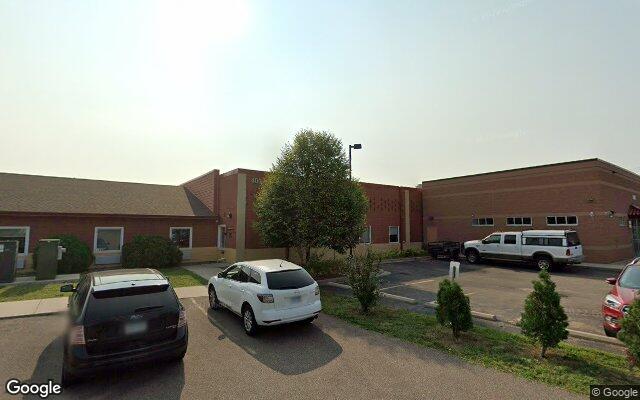
A large home, reviewed on public record.
Compared to 143 Minnesota facilities with a similar number of beds.
ALF memory care · 36-month window. Higher percentile = better performance on inspection record. Source: Minnesota Dept. of Health · Health Regulation Division.
Rankings based on 36-month MDH inspection data. Severity and frequency: fewer citations = higher percentile. Repeat rate: lower repeat citation share = higher percentile.
Citation history, plotted month by month.
4 deficiencies on record. Each bar is a month with a citation.
Finding distribution
4 total · 36 monthsScope × Severity (CMS A–L)
Questions to ask before you visit.
A short pre-tour checklist tailored to Sunlight Senior Living's record and state requirements.
MDH records show 13 complaints on file through the April 7, 2025 inspection — can you share which of those complaints were substantiated by the state, and provide copies of your corrective action plans or remediation steps for any substantiated findings?
Ask the operator on tour. Take notes and compare answers across facilities you visit.
The facility holds an Assisted Living Facility with Dementia Care license under Minnesota Statutes chapter 144G — can you provide a written copy of your dementia care program and explain how it meets the statutory requirements for memory care services?
Ask the operator on tour. Take notes and compare answers across facilities you visit.
With 14 inspection reports on file and zero deficiencies cited, what internal quality assurance processes does the facility use to maintain compliance, and can you share documentation of your most recent internal audits or policy reviews?
Ask the operator on tour. Take notes and compare answers across facilities you visit.
Every inspection visit, verbatim.
15 inspections in the public record, most recent first. Plain-language summaries open first — click into any row for the full citation text.
2026-06-16Complaint InvestigationNo findings
2026-06-15Complaint InvestigationNo findings
2025-11-05Complaint InvestigationNo findings
Plain-language summary
The Minnesota Department of Health completed a complaint investigation at Sunlight Senior Living on June 24, 2025, and concluded the investigation on October 30, 2025. No correction orders were issued, meaning no violations of state law or facility policies were found.
Read full citation textHide full citation text
Read raw inspector notesClose inspector notes
STATE LICENSING COMPLIANCE REPORT Report #: HL306727887C Date Concluded: October 30, 2025 Name, Address, and County of Facility Investigated: Sunlight Senior Living 400 Western Avenue North Saint Paul, MN 55103 Ramsey County Facility Type: Assisted Living Facility with Evaluator’s Name: Yolanda Dawson, RN Dementia Care (ALFDC) The Minnesota Department of Health conducted a complaint investigation to determine compliance with state laws and rules governing the provision of care under Minnesota Statutes, Chapter 144G. The purpose of this complaint investigation was to review if facility policies and practices comply with applicable laws and rules. No maltreatment under Minnesota Statutes, Chapter 626 was alleged. To view a copy of the correction orders, if any, please visit: https://www.health.state.mn.us/facilities/regulation/directory/provcompselect.html, or call 651- 201-4201 to be provided a copy via mail or email. If you are viewing this report on the MDH website, please see the attached state form. PRINTED: 11/24/2025 FORM APPROVED STATEMENT OF DEFICIENCIES (X1) PROVIDER/SUPPLIER/CLIA (X2) MULTIPLE CONSTRUCTION (X3) DATE SURVEY AND PLAN OF CORRECTION IDENTIFICATION NUMBER: COMPLETED A. BUILDING: ______________________ C 30672 B. WING _____________________________ 06/24/2025 NAME OF PROVIDER OR SUPPLIER STREET ADDRESS, CITY, STATE, ZIP CODE 400 WESTERN AVENUE SUNLIGHT SENIOR LIVING SAINT PAUL, MN 55103 (X4) ID SUMMARY STATEMENT OF DEFICIENCIES ID PROVIDER'S PLAN OF CORRECTION (X5) PREFIX (EACH DEFICIENCY MUST BE PRECEDED BY FULL PREFIX (EACH CORRECTIVE ACTION SHOULD BE COMPLETE TAG REGULATORY OR LSC IDENTIFYING INFORMATION) TAG CROSS-REFERENCED TO THE APPROPRIATE DATE DEFICIENCY) 0 000 Initial Comments 0 000 On June 24, 2025, the Minnesota Department of Health initiated an investigation of complaint HL306727887C. No correction orders are issued. LABORATORY DIRECTOR'S OR PROVIDER/SUPPLIER REPRESENTATIVE'S SIGNATURE TITLE (X6) DATE STATE FORM 6899 NZX611 If continuation sheet 1 of 1
2025-11-04Complaint InvestigationNo findings
Plain-language summary
A complaint investigation was conducted at Sunlight Senior Living on October 20, 2025, to review whether facility policies and practices complied with state laws governing assisted living facilities with dementia care. No correction orders were issued as a result of the investigation.
Read full citation textHide full citation text
Read raw inspector notesClose inspector notes
STATE LICENSING COMPLIANCE REPORT Report #: HL306729607C Date Concluded: October 26, 2025 Name, Address, and County of Facility Investigated: Sunlight Senior Living 400 Western Avenue St. Paul, MN 55103 Ramsey County Facility Type: Assisted Living Facility with Evaluator’s Name: Peggy Boeck, RN Dementia Care (ALFDC) Special Investigator The Minnesota Department of Health conducted a complaint investigation to determine compliance with state laws and rules governing the provision of care under Minnesota Statutes, Chapter 144G. The purpose of this complaint investigation was to review if facility policies and practices comply with applicable laws and rules. No maltreatment under Minnesota Statutes, Chapter 626 was alleged. To view a copy of the correction orders, if any, please visit: https://www.health.state.mn.us/facilities/regulation/directory/provcompselect.html, or call MDH website, please see the attached state form. PRINTED: 11/24/2025 FORM APPROVED STATEMENT OF DEFICIENCIES (X1) PROVIDER/SUPPLIER/CLIA (X2) MULTIPLE CONSTRUCTION (X3) DATE SURVEY AND PLAN OF CORRECTION IDENTIFICATION NUMBER: COMPLETED A. BUILDING: ______________________ C B. WING _____________________________ 30672 10/20/2025 NAME OF PROVIDER OR SUPPLIER STREET ADDRESS, CITY, STATE, ZIP CODE 400 WESTERN AVENUE SUNLIGHT SENIOR LIVING SAINT PAUL, MN 55103 SUMMARY STATEMENT OF DEFICIENCIES PROVIDER'S PLAN OF CORRECTION (X4) ID ID (X5) (EACH DEFICIENCY MUST BE PRECEDED BY FULL (EACH CORRECTIVE ACTION SHOULD BE COMPLETE PREFIX PREFIX REGULATORY OR LSC IDENTIFYING INFORMATION) CROSS-REFERENCED TO THE APPROPRIATE DATE TAG TAG DEFICIENCY) 0 000 Initial Comments 0 000 On October 20, 2025, the Minnesota Department of Health initiated an investigation of complaint #HL306729607C and #HL306729787C. No correction orders are issued. LABORATORY DIRECTOR'S OR PROVIDER/SUPPLIER REPRESENTATIVE'S SIGNATURE TITLE (X6) DATE STATE FORM 6899 WFQ411 If continuation sheet 1 of 1
2025-10-30Complaint InvestigationSubstantiated Finding · 1 finding
Plain-language summary
A complaint investigation found the facility substantiated neglected a resident by failing to order and then administer pain medication for seven weeks after an emergency room visit, leaving the resident without adequate pain relief for multiple days at a time, and by delaying shower assistance for over two months despite the resident's service plan requiring bath and shower help. The facility also failed to properly track narcotic medication administration and did not reconcile medication orders with the resident's physician, contributing to gaps in the resident's care.
Read full citation text (1)Hide full citation text
“MDH substantiated maltreatment or licensing violation finding”
Read raw inspector notesClose inspector notes
Finding: Substantiated, facility responsibility Nature of Investigation: The Minnesota Department of Health investigated an allegation of maltreatment, in accordance with the Minnesota Reporting of Maltreatment of Vulnerable Adults Act, Minn. Stat. 626.557, and to evaluate compliance with applicable licensing standards for the provider type. Initial Investigation Allegation(s): The facility neglected a resident when the resident did not receive pain medication when experiencing severe pain. Additionally, the resident was neglected when staff did not perform hygiene cares, resulting in skin concerns. Investigative Findings and Conclusion: The Minnesota Department of Health determined neglect was substantiated. The facility was responsible for the maltreatment. Regarding the pain medication, the facility failed to order the resident’s narcotic prescription pain medication after an emergency room (ER) visit. Additionally, the facility failed to reconciling medication orders with the resident’s physician. An equal opportunity employer. After seven weeks, the physician ordered a different, but similar narcotic pain medication and the pharmacy delivered the medication the same day. The facility staff failed to administer the medication, after supply was received consistently and the resident went several days without at a time. The resident stated his current medications were not effective and needed a stronger pain medication. Regarding hygiene, the facility failed to order a shower until six weeks after the resident’s admission. Nursing did not follow-up with the shower chair order and the resident did not receive a shower for over two months, including the day of the onsite visit. The resident state his bed baths were one time when he had a spider bite, when the staff cleaned up his arm and his peri-area during brief changes. The resident stated the facility should be ashamed. The investigator conducted interviews with facility staff members, including administrative staff, nursing staff, and unlicensed staff. The investigator contacted social worker, case manager, medical equipment store and the pharmacy. The investigation included review of resident records, clinic records, pharmacy records, medical device records, employee records, facility policies and procedures, and surveillance tape footage. Also, the investigator observed medication administration and glucose monitoring. The resident resided in an assisted living facility. The resident’s diagnoses included heart failure, kidney disease stage 4, stroke, right side paralysis, diabetes type 2 with neuropathy, right knee pain, and adjustment disorder with depressed mood. The resident’s service plan included assistance with medication management, blood glucose monitoring, repositioning and transfers, and bath/shower assistance. The resident utilized an electric wheelchair. PAIN MEDICATION The resident’s medication administration record (MAR) indicated he had pain medication orders for baclofen daily at nighttime and methocarbam (muscle relaxant) twice per day. Progress notes indicated a couple of days after admission, the resident went to the ER due to diarrhea. The ER discharge instructions included an order for hydrocodone-acetaminophen (narcotic pain medication) once daily in the morning and once per day as needed. The facility failed to transcribe the hydrocodone-acetaminophen order to the resident’s MAR nor had record of requesting a prescription to fill the order. Progress noted indicated the resident had a face-to-face visit with his physician two days after returning to the facility. The note, written by the director of nursing (DON), indicated the resident requested his “narcotic prescription” to be canceled because it made him dizzy and the physician canceled the order. The note lacked documentation of what medication the DON referred to. The resident’s clinic visit record lacked indication the physician discontinued any orders during the visit. One month later, requested physician records (not maintained by the facility), included physician orders to discontinue Lyrica (nerve pain medication) and discontinue oxycodone with the words written behind the order “not on.” The resident’s MAR at the time the of the written orders did not include a transcribed order for Lyrica nor an order for oxycodone. The next month’s MAR also failed to transcribe the hydrocodone-acetaminophen order for a daily scheduled dose and daily as needed dose. Seven weeks after admission, the physician ordered a narcotic pain medication of a similar name, oxycodone-acetaminophen scheduled daily in the morning and once daily as needed. Additionally, the physician clinic records had a second physician order on the same date for a referral to the pain clinic. Pharmacy records indicated 14 oxycodone-acetaminophen tablets were dispensed to the facility per provider orders on the same date. Additionally, the pharmacy noted hydrocodone-acetaminophen and Lyrica were never dispensed to the facility. The resident’s MAR indicated the oxycodone-acetaminophen order was transcribed two days after the order was provided and supply received. However, the order was on “hold” due to lack of supply. Staff continued to document on the MAR however administration of medication, but not continuously. Since the date of the pharmacy delivery, the facility staff still failed to administer 11 out of 22 scheduled daily doses. Pharmacy staff indicated only fourteen tablets were dispensed because insurance would only pay for that amount at a time, causing the medication to run out before insurance allowed the medication to be refilled. At the time of the investigation the resident had not received oxycodone-acetaminophen for five days. Additionally, it was unknown if the resident received all 12 (11 scheduled and one as needed dose) doses during those 22 days because the facility lacked a narcotic count record tracking the medication. Additionally, on the 7th day of the supply being at the facility, the unlicensed personnel (ULP) documented with the as needed dose administration, the last dose was administered from the pill card and zero tablets remained. However, the MAR indicated nine documented administrations after the ULP’s note. Two days after the ULP’s note on the MAR of no more supply, a physician order indicated to continue baclofen until oxycodone-acetaminophen pharmacy delivers. Surveillance records were reviewed when onsite showed a ULP med-passer did not enter the resident’s room to take blood sugar, although it was documented that it was completed. Additional documentation discrepancies were noted on the resident’s MARs. The resident’s record lacked indication of a sending a referral for the pain clinic to evaluate the resident. During an interview, the DON stated the resident often refused his medications because he did not think they were the correct medications. The DON first stated the oxycodone/acetaminophen was not available for three months because insurance would not pay for it, then she stated it was not available because the resident had utilized all that was received from the pharmacy, and it was too soon to reorder. The DON could not produce a document showing how the medication was used such as medication count documentation. The DON stated she believed the resident’s case worker followed up on the insurance issue with the oxycodone/acetaminophen therefore she did not. During an interview, the resident stated staff did not give him the correct medications or did not give them at all and was in constant pain. Resident stated staff often left medication at the bedside and proceeded to show an Altoids mint tin full of pills that he had saved. The resident stated his nerve pain medication no longer worked and he needed something stronger. SHOWERS The resident’s service plan and contract indicated the resident required two staff assistance with showers two days per week. The resident’s ER discharge instructions included orders of medical equipment that included a hydraulic mechanical lift, hospital bed, commode/shower chair and a power wheelchair. The facility failed to order the shower chair for six weeks. The facility received a shower chair quote, however there was an issue with authorization and the equipment was not sent. A week later the facility received a sales order number for the shower chair. At the time of the investigation, the resident did not have a shower chair for the resident and had not received a shower in 75 days. During an interview, a ULP stated the resident often refused bed baths and they did not have a shower chair available to get him into the shower. During an interview, the resident stated he had not had a shower since before his admission and the only time he received peri care was when staff changed his brief. The resident stated that was the extent of his bed baths. The resident stated one time the staff wiped his arm after a spider bite. The resident stated the facility should be “ashamed” (regarding their bathing cares). During an interview, the DON stated the resident often refused showers on scheduled shower days.
2025-05-06Complaint InvestigationSubstantiated Finding · 1 finding
Plain-language summary
A complaint investigation found that the facility neglected a resident with dementia, Parkinson's disease, and bipolar disorder by failing to ensure her safety when she left the facility unsupervised and was missing for two nights; the facility did not search for her, notify law enforcement in a timely manner, or contact her doctor despite having implemented a monitoring plan due to her declining mental health. The resident was hospitalized for malnourishment, dehydration, and worsening psychosis after being found wandering in the community. The investigation found no evidence to substantiate the complaint of financial exploitation by a staff member.
Read full citation text (1)Hide full citation text
“MDH substantiated maltreatment or licensing violation finding”
Read raw inspector notesClose inspector notes
Finding: Substantiated, facility responsibility Nature of Investigation: The Minnesota Department of Health investigated an allegation of maltreatment, in accordance with the Minnesota Reporting of Maltreatment of Vulnerable Adults Act, Minn. Stat. 626.557, and to evaluate compliance with applicable licensing standards for the provider type. Initial Investigation Allegation(s): The resident was neglected by the facility when the resident was missing from the facility for two days and hospitalized for malnourishment. In addition, the resident was financially exploited by a facility staff member, an alleged perpetrator when unapproved charges were made with the resident’s debit card. Investigative Findings and Conclusion: The Minnesota Department of Health determined neglect was substantiated. The facility was responsible for the maltreatment. Following concerns about the resident’s mental health, the resident left the facility unsupervised and was missing for two nights. The facility failed to ensure the resident’s safety by searching for the resident, notifying law enforcement, and/or the resident’s primary care provider. Although the facility provided an incident report indicating law enforcement was notified the day the resident left, law enforcement stated there was no call or report in the time frame the resident was missing from the facility. The Minnesota Department of Health determined financial exploitation was not substantiated. During the investigation, there was no evidence that the resident was financially exploited by an AP. The investigator conducted interviews with facility staff members, including administrative staff, nursing staff, and unlicensed staff. The investigator contacted law enforcement and the resident’s case worker. The investigation included review of the resident records, hospital records, facility incident reports, staff schedules and related facility policy and procedures. Also, the investigator observed staff and resident interactions. The resident resided in an assisted living memory care unit. At the time of the incident, the resident resided in assisted living. The resident’s diagnoses included Parkinson’s disease, impaired cognition, and bipolar disorder. The resident’s assessment indicated the resident’s services included medication management, diabetes management, and safety management. The resident could walk independently and had poor nutrition intake due to depression. The resident was a vulnerable adult, needed monitoring, supervision and redirection, and was paranoid that someone was stealing from her. The resident’s progress notes indicated five days prior to the resident leaving the facility, the facility began a monitoring plan for the resident due to the resident’s declining mental health in order to provide support, safety, and assistance. The progress notes indicated the resident took her medications for a day or two, then would not take them for several days. Licensed staff assessed the resident for self-neglect. Two nights after the resident left the facility, the resident returned to the facility, the nurse assessed the resident to be weak, dehydrated, and more confused than normal. The resident was transported to the hospital because of increased paranoia and abnormal vital signs. An incident report indicated one day staff could not find the resident in her room. Staff notified management and called 911. However, the incident report lacked an electronic signature and date to indicate that it was completed and authenticated on the date of the incident. The resident’s medical record lacked evidence that the resident left the facility, and any efforts made to locate the missing resident. Hospital records indicated the resident was transported to the hospital after paranoia led the resident to leave the facility for a couple of days. The resident was initially placed on a 72-hour psychiatric hold because of worsening psychosis (a state where a person experiences a disconnect from reality, often involving hallucinations and delusions). The hospital records indicated the resident’s mental health was stabilized after being hospitalized for 84 days and returned to the facility. During an interview, the resident did not recall spending two nights out in the community. The resident stated someone had her debit card and credit card information and made purchases for food and groceries. The resident stated she did not know who the person was making charges on her debit card and credit card and did not have bank statements to show the charges. During an interview, the nurse stated a monitoring plan for the resident included safety checks and were started because of concerns for the resident’s mental health and behaviors. The nurse stated one day in the afternoon despite the safety checks the resident left the facility and spent two nights out in the community. After two days, facility staff notified the police. The police found the resident wandering in the community a few blocks from the facility and returned the resident to the facility. The nurse stated the resident should not have spent two nights in the community by herself. When the resident returned to the facility, staff arranged for the resident to be evaluated at a hospital because she was experiencing increased paranoia. The nurse stated the resident did not report anything about missing money and she was not aware if the resident had a debit or credit card. A representative from the local law enforcement stated there was no report of a missing resident that matched the resident’s name, facility, and time frame of incident. The representative stated when a facility reports a missing resident, an investigator gets assigned to the case and there would always be a report created. In conclusion, the Minnesota Department of Health determined neglect was substantiated and financial exploitation was not substantiated. Substantiated: Minnesota Statutes, section 626.5572, Subdivision 19. “Substantiated” means a preponderance of evidence shows that an act that meets the definition of maltreatment occurred. “Not Substantiated” means: An investigatory conclusion indicating the preponderance of evidence shows that an act meeting the definition of maltreatment did not occur. Neglect: Minnesota Statutes, section 626.5572, subdivision 17 “Neglect” means neglect by a caregiver or self-neglect. (a) "Caregiver neglect" means the failure or omission by a caregiver to supply a vulnerable adult with care or services, including but not limited to, food, clothing, shelter, health care, or supervision which is: (1) reasonable and necessary to obtain or maintain the vulnerable adult's physical or mental health or safety, considering the physical and mental capacity or dysfunction of the vulnerable adult; and (2) which is not the result of an accident or therapeutic conduct. Financial exploitation: Minnesota Statutes, section 626.5572, subdivision 9 "Financial exploitation" means: (a) In breach of a fiduciary obligation recognized elsewhere in law, including pertinent regulations, contractual obligations, documented consent by a competent person, or the obligations of a responsible party under section 144.6501, a person: (1) engages in unauthorized expenditure of funds entrusted to the actor by the vulnerable adult which results or is likely to result in detriment to the vulnerable adult; or (2) fails to use the financial resources of the vulnerable adult to provide food, clothing, shelter, health care, therapeutic conduct or supervision for the vulnerable adult, and the failure results or is likely to result in detriment to the vulnerable adult. (b) In the absence of legal authority, a person: (1) willfully uses, withholds, or disposes of funds or property of a vulnerable adult; (2) obtains for the actor or another the performance of services by a third person for the wrongful profit or advantage of the actor or another to the detriment of the vulnerable adult; (3) acquires possession or control of, or an interest in, funds or property of a vulnerable adult through the use of undue influence, harassment, duress, deception, or fraud; or (4) forces, compels, coerces, or entices a vulnerable adult against the vulnerable adult's will to perform services for the profit or advantage of another. Vulnerable Adult interviewed: Yes. Family/Responsible Party interviewed: No. Resident was responsible for self. Alleged Perpetrator interviewed: No. An AP could not be identified. Action taken by facility: When the resident returned to the facility, facility staff arranged for the resident to be evaluated at a hospital. Action taken by the Minnesota Department of Health: The responsible party will be notified of their right to appeal the maltreatment finding. The facility was found to be in noncompliance. To view a copy of the Statement of Deficiencies and/or correction orders, please visit: https://www.health.state.mn.us/facilities/regulation/directory/provcompselect.html If you are viewing this report on the MDH website, please see the attached Statement of Deficiencies. You may also call 651-201-4200 to receive a copy via mail or email cc: The Office of Ombudsman for Long Term Care The Office of Ombudsman for Mental Health and Developmental Disabilities Ramsey County Attorney St. Paul City Attorney St.
2025-04-07Annual Compliance VisitNo findings
Plain-language summary
During a standard inspection on April 7, 2025, Minnesota Department of Health inspectors found that Sunlight Senior Living did not meet fire protection and physical environment requirements under Minnesota Statutes chapter 144G, subdivision 45. The facility was assessed a fine of $500 for this violation and must document the corrective actions taken within the timeframe specified by the state.
Read full citation textHide full citation text
Read raw inspector notesClose inspector notes
correction orders and document the actions taken to comply in the facility's records. The Department reserves the right to return to the facility at any time should the Department receive a complaint or deem it necessary to ensure the health, safety, and welfare of residents in your care. STATE CORRECTION ORDERS The enclosed State Form documents the state correction orders. MDH documents state licensing correction orders using federal software. Tag numbers are assigned to Minnesota state statutes for Assisted Living Facilities. The assigned tag number appears in the far left column entitled "ID Prefix Tag." The state statute number and the corresponding text of the state statute out of compliance are listed in the "Summary Statement of Deficiencies" column. This column also includes the findings that are in violation of the state statute after the statement, "This MN Requirement is not met as evidenced by . . ." IMPOSITION OF FINES In accordance with Minn. Stat. § 144G.31, Subd. 4, fines and enforcement actions may be imposed based on the level and scope of the violations and may be imposed immediately with no opportunity to correct the violation first as follows: Level 1: no fines or enforcement. Level 2: a fine of $500 per violation, in addition to any enforcement mechanism authorized in § 144G.20 for widespread violations; Level 3: a fine of $3,000 per violation per incident, in addition to any enforcement mechanism authorized in § 144G.20. Level 4: a fine of $5,000 per incident, in addition to any enforcement mechanism authorized in An equal opportunity employer. Letter ID: IS7N REVISED 09/13/2021 Sunlight Senior Living May 1, 2025 Page 2 § 144G.20. Therefore, in accordance with Minn. Stat. §§ 144G.01 to 144G.9999, the following fines are assessed pursuant to this survey: St - 0 - 0775 - 144g.45 Subd. 2. (a) - Fire Protection And Physical Environment - $500.00 Therefore, in accordance with Minn. Stat. §§ 144G.01 to 144G.9999, t he total amount you are assessed is $500.00. You will be invoiced approximately 30 days after receipt of this notice, subject to appeal. DOCUMENTATION OF ACTION TO COMPLY In accordance with Minn. Stat. § 144G.30, Subd. 5(c), the licensee must document actions taken to comply with the correction orders within the time period outlined on the state form; however, plans of correction are not required to be submitted for approval. The correction order documentation should include the following: Identify how the area(s) of noncompliance was corrected related to the resident(s)/employee(s) identified in the correction order. Identify how the area(s) of noncompliance was corrected for all of the provider’s resident(s)/employees that may be affected by the noncompliance. Identify what changes to your systems and practices were made to ensure compliance with the specific statute(s). CORRECTION ORDER RECONSIDERATION PROCESS In accordance with Minn. Stat. § 144G.32, Subd. 2, you may challenge the correction order(s) issued, including the level and scope, and any fine assessed through the correction order reconsideration process. The request for reconsideration must be in writing and received by MDH within 15 calendar days of the correction order receipt date. To submit a reconsideration request, please visit: https://forms.web.health.state.mn.us/form/HRDAppealsForm REQUESTING A HEARING Alternatively, in accordance with Minn. Stat. § 144G.31, Subd. 5(d), an assisted living provider that has been assessed a fine under this subdivision has a right to a reconsideration or a hearing under this section and chapter 14. Pursuant to Minn. Stat. § 144G.20, Subd. 14 and Subd. 18, a request for a hearing must be in writing and received by the Department of Health within 15 business days of the correction order receipt date. The request must contain a brief and plain statement describing each matter or issue contested and any new information you believe constitutes a defense or mitigating factor. To submit a hearing request, please visit: Sunlight Senior Living May 1, 2025 Page 3 https://forms.web.health.state.mn.us/form/HRDAppealsForm To appeal fines via reconsideration, please follow the procedure outlined above. P lease note that you may request a reconsideration o r a hearing, but not both. If you wish to contest tags without fines in a reconsideration and tags with the fines at a hearing, please submit two separate appeals forms at the website listed above. The MDH Health Regulation Division (HRD) values your feedback about your experience during the survey and/or investigation process. Please fill out this anonymous provider feedback questionnaire at your convenience at this link: h ttps://forms.office.com/g/Bm5uQEpHVa. Your input is important to us and will enable MDH to improve its processes and communication with providers. If you have any questions regarding the questionnaire, please contact Susan Winkelmann at susan.winkelmann@state.mn.us or call 651-201-5952. You are encouraged to retain this document for your records. It is your responsibility to share the information contained in the letter and state form with your organization’s Governing Body. If you have any questions, please contact me. Sincerely, Renee L. Anderson, Supervisor State Evaluation Team Email: Renee.L.Anderson@state.mn.us Telephone: 651-201-5871 Fax: 1-866-890-9290 HHH PRINTED: 05/01/2025 FORM APPROVED STATEMENT OF DEFICIENCIES (X1) PROVIDER/SUPPLIER/CLIA (X2) MULTIPLE CONSTRUCTION (X3) DATE SURVEY AND PLAN OF CORRECTION IDENTIFICATION NUMBER: COMPLETED A. BUILDING: ______________________ B. WING _____________________________ 30672 04/07/2025 NAME OF PROVIDER OR SUPPLIER STREET ADDRESS, CITY, STATE, ZIP CODE 400 WESTERN AVENUE SUNLIGHT SENIOR LIVING SAINT PAUL, MN 55103 SUMMARY STATEMENT OF DEFICIENCIES PROVIDER'S PLAN OF CORRECTION (X4) ID ID (X5) PREFIX (EACH DEFICIENCY MUST BE PRECEDED BY FULL PREFIX (EACH CORRECTIVE ACTION SHOULD BE COMPLETE REGULATORY OR LSC IDENTIFYING INFORMATION) CROSS-REFERENCED TO THE APPROPRIATE DATE TAG TAG DEFICIENCY) 0 000 Initial Comments 0 000 ASSISTED LIVING PROVIDER LICENSING Minnesota Department of Health is CORRECTION ORDER(S) documenting the State Licensing Correction Orders using federal software. In accordance with Minnesota Statutes, section Tag numbers have been assigned to 144G.08 to 144G.95, these correction orders are Minnesota State Statutes for Assisted issued pursuant to a survey. Living License Providers. The assigned tag number appears in the far left column Determination of whether violations are corrected entitled "ID Prefix Tag." The state Statute requires compliance with all requirements number and the corresponding text of the provided at the Statute number indicated below. state Statute out of compliance is listed in When Minnesota Statute contains several items, the "Summary Statement of Deficiencies" failure to comply with any of the items will be column. This column also includes the considered lack of compliance. findings which are in violation of the state requirement after the statement, "This INITIAL COMMENTS: Minnesota requirement is not met as evidenced by." Following the surveyors' SL30672016-0 findings is the Time Period for Correction. On March 24, 2025, through April 7, 2025, the PLEASE DISREGARD THE HEADING OF survey at the above provider, and the following STATES,"PROVIDER'S PLAN OF orders are issued. At the time of the survey, there CORRECTION." THIS APPLIES TO were 37 residents; 37 receiving services under FEDERAL DEFICIENCIES ONLY. THIS the Assisted Living Facility with Dementia Care WILL APPEAR ON EACH PAGE. license. THERE IS NO REQUIREMENT TO SUBMIT A PLAN OF CORRECTION FOR VIOLATIONS OF MINNESOTA STATE STATUTES. The letter in the left column is used for tracking purposes and reflects the scope and level pursuant to 144G.31 Subd. 1, 2 and 3. 0 480 144G.41 Subdivision 1 Subd. 1a (a-b) Minimum 0 480 SS=F requirements; required food services (a) Except as provided in paragraph (b), food must be prepared and served according to the Minnesota Food Code, Minnesota Rules, chapter LABORATORY DIRECTOR'S OR PROVIDER/SUPPLIER REPRESENTATIVE'S SIGNATURE TITLE (X6) DATE STATE FORM 6899 20FQ11 If continuation sheet 1 of 30 PRINTED: 05/01/2025 FORM APPROVED STATEMENT OF DEFICIENCIES (X1) PROVIDER/SUPPLIER/CLIA (X2) MULTIPLE CONSTRUCTION (X3) DATE SURVEY AND PLAN OF CORRECTION IDENTIFICATION NUMBER: COMPLETED A. BUILDING: ______________________ B. WING _____________________________ 30672 04/07/2025 NAME OF PROVIDER OR SUPPLIER STREET ADDRESS, CITY, STATE, ZIP CODE 400 WESTERN AVENUE SUNLIGHT SENIOR LIVING SAINT PAUL, MN 55103 SUMMARY STATEMENT OF DEFICIENCIES PROVIDER'S PLAN OF CORRECTION (X4) ID ID (X5) PREFIX (EACH DEFICIENCY MUST BE PRECEDED BY FULL PREFIX (EACH CORRECTIVE ACTION SHOULD BE COMPLETE REGULATORY OR LSC IDENTIFYING INFORMATION) CROSS-REFERENCED TO THE APPROPRIATE DATE TAG TAG DEFICIENCY) 0 480 Continued From page 1 0 480 4626. (b) For an assisted living facility with a licensed capacity of ten or fewer residents: (1) notwithstanding Minnesota Rules, part 4626.
2025-03-10Complaint InvestigationNo findings
Plain-language summary
MDH investigated a complaint that the facility neglected a resident by failing to meet care needs, which allegedly caused pressure sores, but determined the allegation was inconclusive—the resident developed a skin wound on the buttocks that a medical provider evaluated as moisture-related skin damage rather than a pressure injury, and the wound healed within eight days of treatment. The investigation found documentation gaps: staff did not timely record positioning and toileting services in the resident's service record, the barrier cream order was not added to the medication administration record despite staff reports of applying it, and there was missing charting for care completed two months before the skin concern was noted. The facility did update the resident's care plan with increased positioning and toileting assistance following the discovery of the skin concern.
Read full citation textHide full citation text
Read raw inspector notesClose inspector notes
Finding: Inconclusive Nature of Investigation: The Minnesota Department of Health investigated an allegation of maltreatment, in accordance with the Minnesota Reporting of Maltreatment of Vulnerable Adults Act, Minn. Stat. 626.557, and to evaluate compliance with applicable licensing standards for the provider type. Initial Investigation Allegation(s): The facility neglected the resident when they failed to meet the resident’s care needs, causing pressure sores. Investigative Findings and Conclusion: The Minnesota Department of Health determined neglect was inconclusive. The resident developed a skin wound on his buttocks, but the medical provider evaluated it as a result of macerated tissue, not a pressure injury. The medical provider ordered barrier cream. The nurse assessed the resident’s change in condition and updated services with positioning and toileting services due to increased incontinence and decreased mobility. The services however did not have written directive of frequency and was not initiated in the service record until almost a month later. Additionally, staff documented there was two occasions when the resident was up in his chair for many hours or all shift. The barrier cream was not transcribed on the resident’s medication administration record, conflicting with staff report of applying barrier cream and indicating the resident was repositioned every two hours. The nurse documented the wound healed eight days later after the skin concern was noted. The investigator conducted interviews with facility staff members, including administrative staff, nursing staff, and unlicensed staff. The investigator contacted a family member. The investigation included review of the resident records, facility internal investigation, facility incident reports, personnel files, staff schedules, and related facility policy and procedures. Also, the investigator observed resident cares while on site. The resident resided in an assisted living memory care unit. The resident’s diagnoses included traumatic brain injury and anxiety disorder. The resident’s service delivery record included assistance with toileting, incontinence care, bathing, dressing, grooming, walking and medication administration. The assessment indicated the resident was independent with repositioning himself in bed and used a walker with assistance. The resident needed stand by assistance with transfers and walking. The resident had significant cognitive impairments, required safety checks and frequent redirection. The assessment indicated the resident had no skin impairments aside from dry scalp. A facility incident report indicated there was skin redness, irritation and minor scratch marks noted to the resident buttocks, with unknown cause. The report indicated the nurse was notified and there was no need for emergency services. Nurse’s notes authored by registered nurse (RN)-2 indicated RN- 2 was notified by the resident’s family of concerns they had about the resident’s skin. The notes indicated RN-2 went to the resident and completed a focused assessment on the resident’s skin, where RN-2 noted mild redness and less than five scratch marks on the resident’s buttocks. The notes indicated RN-2 directed unlicensed personnel (ULP) to frequently walk, reposition, and ensure the resident’s toileting needs were met. The notes indicated RN-2 directed staff to alternate application of A&D ointment and barrier cream to the resident’s buttocks. Medical provider notes indicated the provider evaluated the resident’s skin concern in person following its discovery. The provider notes indicated this skin concern appeared to be macerated tissue (moisture associated skin damage) related to the resident’s incontinence, and not pressure damage. The notes indicated the provider gave an order for a barrier skin cream to be applied twice daily and as needed. The provider notes did not indicate any other concerns. The resident’s medication administration records indicated the facility failed to transcribe the barrier cream order and nursing order of RN-2 for A&D ointment. A nurses note authored by RN-1 eight days after the skin concern on the resident’s buttocks was noted, indicated the area was healed with warm, dry and intact skin. The note indicated the treatment plan would be continued for preventative care. The resident’s service plan indicated staff are to assist the resident with turning and repositioning as well as toileting three times daily. The resident’s service delivery records reviewed two months prior to the notation of the skin concern indicated there were seven days of missing charting for cares completed by staff. The records did not indicate acknowledgement of staff completing turn and repositioning assistance until one month after the resident had developed the skin concern on his buttocks. Additionally, the services were not identified with a frequency to monitor if ULP were providing the services as verbally directed by the RN, every two hours. During an interview, RN-1 stated she expected staff to monitor a resident’s skin each time they take care of the resident and inform a nurse right away if they note a skin concern. RN-1 stated she was notified of the skin concern on the resident when the licensed assisted living director (LALD) called her and stated he received a call from adult protection services stating the resident needed to go to the emergency room for a severe stage three pressure ulcer. RN-1 stated she went to the facility to assess the resident, and the skin concern was not something to send the resident to the emergency room for. RN-1 stated she called the resident’s provider and initiated the orders received from the provider. RN-1 stated staff followed the resident’s plan of care and signed for the cares provided at the end of their shift acknowledging turning and repositioning had been completed every two hours. RN-1 stated it had been a challenge to get staff to comply with completing their charting and had continued to train the staff on the importance of completing resident care charting. RN-1 stated she monitored resident charting daily to ensure cares were completed. During an interview, a ULP stated ULP complete resident rounds every two hours to do their cares and make sure they have what they need. The ULP stated the online care system the facility utilized, called Rtasks, alerts the ULP of what care needed to be completed for each resident. The ULP stated the resident sometimes had bouts of diarrhea that will irritate his skin, so they apply barrier cream to prevent any issues. The ULP stated the resident was known to scratch his skin, so they used ointment on his skin. The ULP stated the resident enjoyed completing his cares with staff, and staff spent more time with him than anyone else. During an interview, the LALD stated he rounded the facility a couple times a day and monitors the Rtask charting daily to ensure resident cares were completed. The LALD stated resident cares and needs were also discussed daily during the staff huddle. The LALD stated once he was aware of the resident’s skin concern on his buttocks, he notified the DON right away to start the clinical process. The LALD stated the resident’s provider came to the facility to assess him and confirmed it was not a pressure wound, that it was scratches and irritation from moisture. The LALD stated the skin concern healed in a few days and has not returned since. During an interview, a family member stated she was assisting the resident in the bathroom when she noted open sores on both buttocks. The family member stated she immediately called to have the LALD come to the room. The family member stated the LALD stated the skin concern was new information to him, he would get a cream to apply and make sure the medical provider came to assess the resident. The family member stated she did not understand how the resident’s skin could have got to that point if staff were changing him and bathing him. During an interview, the resident stated things were going well at the facility, that staff were good to him, and took good care of him. In conclusion, the Minnesota Department of Health determined neglect inconclusive. Inconclusive: Minnesota Statutes, section 626.5572, Subdivision 11. "Inconclusive" means there is less than a preponderance of evidence to show that maltreatment did or did not occur. Neglect: Minnesota Statutes, section 626.5572, subdivision 17 “Neglect” means neglect by a caregiver or self-neglect.
2025-01-21Complaint InvestigationNo findings
Plain-language summary
A complaint investigation found that the facility did not neglect a resident when she became unresponsive and staff did not perform CPR; the facility properly called 911 and followed emergency procedures, and unlicensed staff were not required to have CPR training. The investigation included interviews with facility staff and a review of the resident's records, policies, and staff training documentation. The Minnesota Department of Health took no further action.
Read full citation textHide full citation text
Read raw inspector notesClose inspector notes
Finding: Not Substantiated Nature of Investigation: The Minnesota Department of Health investigated an allegation of maltreatment, in accordance with the Minnesota Reporting of Maltreatment of Vulnerable Adults Act, Minn. Stat. 626.557, and to evaluate compliance with applicable licensing standards for the provider type. Initial Investigation Allegation(s): The facility staff neglected a resident when CPR was not initiated when the resident became unresponsive. Investigative Findings and Conclusion: The Minnesota Department of Health determined neglect was not substantiated. The facility followed their emergency policy to contact 911 for emergencies. f The investigator conducted interviews with facility staff members, including administrative staff, nursing staff, and unlicensed staff. The investigation included review of the resident record, employee records, staff schedules, and facility policies and procedures. Observation was made of staff interaction with residents. The resident resided in an assisted living facility. The resident’s diagnoses included chest pain, suicidal ideation, depression, and polysubstance abuse. The resident’s service plan included An equal opportunity employer. assistance with behavior monitoring, dressing, grooming, positioning, transfers, safety checks, medication management, and range of motion. One morning the resident was moving from the laundry room to her bedroom when she began to exhibit slurred speech and eventually became unresponsive. Unlicensed staff members responded and called 911. During an interview, an unlicensed staff member stated he gave the resident her medication and applied leg cream after which he noticed the resident slummed down in her wheelchair. The staff member called another staff member for assistance and called 911. The staff member stated he answered the 911 operator’s questions and the paramedics arrived. The staff member stated he was not instructed by the operator to begin CPR. The staff member stated he was not trained by the facility to perform CPR. During an interview, the nurse stated unlicensed staff were not required to have CPR training and the facility did not provide CPR training. In an emergency, staff members were trained to call 911 and follow the instructions given. In conclusion, the Minnesota Department of Health determined neglect was not substantiated. “Not Substantiated” means: An investigatory conclusion indicating the preponderance of evidence shows that an act meeting the definition of maltreatment did not occur. Neglect: Minnesota Statutes, section 626.5572, subdivision 17 “Neglect” means neglect by a caregiver or self-neglect. (a) "Caregiver neglect" means the failure or omission by a caregiver to supply a vulnerable adult with care or services, including but not limited to, food, clothing, shelter, health care, or supervision which is: (1) reasonable and necessary to obtain or maintain the vulnerable adult's physical or mental health or safety, considering the physical and mental capacity or dysfunction of the vulnerable adult; and (2) which is not the result of an accident or therapeutic conduct. Vulnerable Adult interviewed: No, deceased. Family/Responsible Party interviewed: Yes. Alleged Perpetrator interviewed: NA. Action taken by facility: Internal investigation conducted. Action taken by the Minnesota Department of Health: No further action at this time. cc: The Office of Ombudsman for Long Term Care The Office of Ombudsman for Mental Health and Developmental Disabilities PRINTED: 01/22/2025 FORM APPROVED STATEMENT OF DEFICIENCIES (X1) PROVIDER/SUPPLIER/CLIA (X2) MULTIPLE CONSTRUCTION (X3) DATE SURVEY AND PLAN OF CORRECTION IDENTIFICATION NUMBER: COMPLETED A. BUILDING: ______________________ C B. WING _____________________________ 30672 10/15/2024 NAME OF PROVIDER OR SUPPLIER STREET ADDRESS, CITY, STATE, ZIP CODE 400 WESTERN AVENUE SUNLIGHT SENIOR LIVING SAINT PAUL, MN 55103 SUMMARY STATEMENT OF DEFICIENCIES PROVIDER'S PLAN OF CORRECTION (X4) ID ID (X5) PREFIX (EACH DEFICIENCY MUST BE PRECEDED BY FULL PREFIX (EACH CORRECTIVE ACTION SHOULD BE COMPLETE REGULATORY OR LSC IDENTIFYING INFORMATION) CROSS-REFERENCED TO THE APPROPRIATE DATE TAG TAG DEFICIENCY) 0 000 Initial Comments 0 000 On Oct 15, 2024, the Minnesota Department of Minnesota Department of Health is Health initiated an investigation of complaint documenting the State Correction Orders #HL306728980C/#HL306726141M. No correction using federal software. Tag numbers have orders are issued. been assigned to Minnesota State Statutes for Assisted Living Facilities. The assigned tag number appears in the far-left column entitled "ID Prefix Tag." The state Statute number and the corresponding text of the state Statute out of compliance is listed in the "Summary Statement of Deficiencies" column. This column also includes the findings which are in violation of the state requirement after the statement, "This Minnesota requirement is not met as evidenced by." Following the evaluators' findings is the Time Period for Correction. PLEASE DISREGARD THE HEADING OF THE FOURTH COLUMN WHICH STATES,"PROVIDER'S PLAN OF CORRECTION." THIS APPLIES TO FEDERAL DEFICIENCIES ONLY. THIS WILL APPEAR ON EACH PAGE. THERE IS NO REQUIREMENT TO SUBMIT A PLAN OF CORRECTION FOR VIOLATIONS OF MINNESOTA STATE STATUTES. THE LETTER IN THE LEFT COLUMN IS USED FOR TRACKING PURPOSES AND REFLECTS THE SCOPE AND LEVEL ISSUED PURSUANT TO 144G.31 SUBDIVISION 1-3. LABORATORY DIRECTOR'S OR PROVIDER/SUPPLIER REPRESENTATIVE'S SIGNATURE TITLE (X6) DATE STATE FORM 6899 1YST11 If continuation sheet 1 of 1
2024-10-15Complaint InvestigationSubstantiated Finding · 1 finding
Plain-language summary
An investigation substantiated that the facility neglected a resident by failing to reposition him and provide wound care according to his plan of care, contributing to the worsening of wounds on his tailbone, ankles, and heels; the facility also had an inconclusive finding regarding a fall incident where the resident reported being on the floor for over four hours before calling emergency services himself, though facility staff disputed the timeline. The resident was hospitalized for wound treatment and subsequently transferred to a long-term care facility with hospice care, where he died two days later. The facility's repositioning logs showed the resident was repositioned only 20 times out of 96 opportunities over a 1½-month period prior to hospitalization.
Read full citation text (1)Hide full citation text
“MDH substantiated maltreatment or licensing violation finding”
Read raw inspector notesClose inspector notes
Finding: Substantiated, facility responsibility Finding: Inconclusive Nature of Investigation: The Minnesota Department of Health investigated an allegation of maltreatment, in accordance with the Minnesota Reporting of Maltreatment of Vulnerable Adults Act, Minn. Stat. 626.557, and to evaluate compliance with applicable licensing standards for the provider type. Initial Investigation Allegation(s): The facility neglected a resident when the facility staff failed to reposition and assist the resident with toileting according to his plan of care. The resident’s wounds on his coccyx worsened. The facility neglected a resident when he had a fall and was left on the ground for several hours with no assistance from the facility staff, leading to hospitalization. Investigative Findings and Conclusion: The Minnesota Department of Health determined neglect was substantiated. The facility was responsible for the maltreatment. The resident had wounds to his coccyx (tailbone), right lateral malleolus (outside ankle bone), right medial malleolus (inside ankle bone), and right heel. The facility failed to document and ensure the resident was repositioned and did not provide any An equal opportunity employer. orders for staff to provide wound care or interventions to prevent skin breakdown, which contributed to the deterioration of the resident’s wounds. The Minnesota Department of Health determined neglect was inconclusive due to conflicting information. The resident had a fall at the facility and was transferred to the hospital. The resident told hospital staff he had been on the floor for four hours before calling emergency services on his own. Facility staff stated they saw the resident less than two hours prior to the resident calling emergency services and he was not on the floor. The investigator conducted interviews with facility staff members, including nursing staff and unlicensed staff. The investigation included review of medical records, staff training, repositioning logs, and wound care orders. The resident resided in an assisted living facility. The resident’s diagnoses included chronic kidney disease, diabetes mellitus, and multiple sclerosis. The resident’s service plan included assistance with bathing, dressing, grooming, toileting, medications, meals, and housekeeping. The resident’s most recent assessment prior to his leaving the facility indicated the resident had a high risk for skin breakdown and the resident was to be repositioned one time per shift. The assessment indicated the resident required assist of two for transfers using a full lift and he would require assistance for repositioning. An outside report indicated the resident had open areas on his coccyx measuring 11cm x 7cm and wounds on his heels. The report indicated the resident was found soaked in urine and stool, which was inside the resident’s wound on his coccyx. The report indicated the facility nurse did not treat the wound and the resident did not appear to have been repositioned. The report indicated the resident elected to go to the hospital for wound treatment and for assistance in finding a new facility to move to. The resident’s hospital notes indicated the resident admitted to the hospital due to the facility not providing appropriate care for the resident. The resident and his family member called emergency services to take the resident to the hospital due to the resident not receiving basic cares including wound care and repositioning. The hospital notes indicated the resident wanted a new place to live and felt the facility did not take good care of him, and the resident was often left lying in stool and urine at the facility. The hospital notes indicated the resident had a nephrostomy (an artificial opening between the kidney and the skin to divert urine from the upper urinary system) in his right lower back, and had wounds on his scrotum, his coccyx and both of his ankles and heels. The hospital notes indicated the resident had malnutrition due to his chronic illness and an ejection fraction (heart function) of 10% meaning he had poor blood circulation. The hospital notes indicated the resident was discharged from the hospital to a long-term care facility with hospice cares two days prior to his death. The resident’s care plan indicated the resident was to be repositioned twice per day, once in the morning and once in the evening. The care plan indicated the resident was to be toileted one time on the morning shift, one time on the evening shift and one time overnight. The resident had one safety check overnight. The resident’s care plan indicated the resident had a chronic sacral (tailbone area) wound but did not outline care for the wound. The facility repositioning log for the resident indicated the resident was not being repositioned as ordered on his care plan. The log indicated the 1 ½ months prior to the resident’s hospitalization for his wounds the staff documented repositioning the resident 20 times out of the 96 opportunities’. Hospice orders indicated the hospice nurse would change the resident’s wound and nephrostomy dressing two times per week and the facility was directed to change the dressing as needed. The hospice notes indicated the wound on the resident’s coccyx was improving and decreasing in size one month prior to the resident’s hospitalization and the hospice nurse visits were decreased from two times per week to one time per week due to the decreased need for wound care. Hospital notes indicated the resident called emergency services on his own after falling in his room. The hospital notes indicated the resident reported he had been on the floor of his room for over four hours before he was able to get to his cell phone and call emergency services after facility staff did not respond to his calls for assistance. The resident was treated for ankle pain with no injury, and nephrostomy placement, then discharged back to the facility the same day. In an interview, the facility nurse stated the resident had a fast decline in condition after his nephrostomy tube was placed. Within a month after the nephrostomy, the resident required total cares, he lost a lot of weight and was not moving, which caused the resident to develop pressure sores. The resident made the decision to receive hospice care. The nurse stated the resident had every two-hour repositioning orders. The nurse stated she did assessments on the wounds every three months and staff were to notify her if they noticed any new wounds or changes in the current wounds. The nurse stated resident wound care was the responsibility of either skilled nursing or hospice and if the resident needed more specialized care, it would not be provided at the facility. The nurse stated the resident called himself into the hospital and did not come back to the facility. During an interview, another facility nurse stated the resident did have a fall at the facility and called the paramedics on his own, however, the resident was not on the floor for four hours. The nurse stated the facility staff told her they checked on the resident two hours prior to him calling the paramedics and the resident was not on the floor at that time. The nurse stated after the fall the care plan was updated to check on the resident every two hours. In conclusion, the Minnesota Department of Health determined neglect was substantiated. In conclusion, the Minnesota Department of Health determined neglect was inconclusive. Substantiated: Minnesota Statutes, section 626.5572, Subdivision 19. “Substantiated” means a preponderance of evidence shows that an act that meets the definition of maltreatment occurred. Inconclusive: Minnesota Statutes, section 626.5572, Subdivision 11. "Inconclusive" means there is less than a preponderance of evidence to show that maltreatment did or did not occur. Neglect: Minnesota Statutes, section 626.5572, subdivision 17 Neglect means neglect by a caregiver or self-neglect. (a) "Caregiver neglect" means the failure or omission by a caregiver to supply a vulnerable adult with care or services, including but not limited to, food, clothing, shelter, health care, or supervision which is: (1) reasonable and necessary to obtain or maintain the vulnerable adult's physical or mental health or safety, considering the physical and mental capacity or dysfunction of the vulnerable adult; and (2) which is not the result of an accident or therapeutic conduct. Vulnerable Adult interviewed: No, deceased Family/Responsible Party interviewed: No, left voicemail Alleged Perpetrator interviewed: Not Applicable Action taken by facility: No action taken. Action taken by the Minnesota Department of Health: The responsible party will be notified of their right to appeal the maltreatment finding. The facility was found to be in noncompliance.
2024-09-26Complaint InvestigationNo findings
Plain-language summary
A complaint investigation found that neglect allegations regarding wound care were not substantiated; the facility provided wound care in coordination with an outside home care agency according to physician orders, and staff monitored skin regularly. Although the resident was missing money from his room, the investigator could not determine whether financial exploitation occurred, but the facility replaced the missing funds. The facility was found to be in noncompliance with licensing standards and issued a correction order.
Read full citation textHide full citation text
Read raw inspector notesClose inspector notes
Finding: Not Substantiated Nature of Investigation: The Minnesota Department of Health investigated an allegation of maltreatment, in accordance with the Minnesota Reporting of Maltreatment of Vulnerable Adults Act, Minn. Stat. 626.557, and to evaluate compliance with applicable licensing standards for the provider type. Initial Investigation Allegation(s): It is alleged the facility neglected the resident when appropriate wound care and wound supplies were not provided. In addition, financial exploitation occurred when money was stolen from a drawer in the resident's room. Investigative Findings and Conclusion: The Minnesota Department of Health determined neglect was not substantiated. Wound care was provided in coordination with an outside home care agency and in accordance with physician’s orders. Although the resident was missing money, it could not be determined if financial exploitation occurred. No alleged perpetrator was identified; however, the facility replaced the resident’s missing money. The investigator conducted interviews with facility staff members, including administrative staff and nursing staff. The investigator also contacted outside agency staff and the resident’s case manager. The investigation included review of resident records, hospital records, facility records, internal investigation documentation, personnel files, staff schedules, and related facility policies and procedures. Also, the investigator observed the facility environment, cares provided by staff, and resident and staff interactions. The resident resided in an assisted living facility. The resident’s diagnoses included a traumatic brain injury and quadriplegia. The resident’s service plan included assistance with all activities of daily living (ADLs), including medication management, repositioning three times per day, daily skin monitoring, range of motion exercises two times per day, transfers to a wheelchair twice per day with a mechanical lift, and skin care every three days. The resident’s assessment indicated the resident had periods of confusion that included disorientation of person or place. The resident’s medical records indicated the resident had a history of noncompliance with cares including bathing, washing, safety measures, occupational therapy services (OT), and medication administration. The resident was admitted to the facility with a history of complex wounds including a left foot and buttock pressure wound. Facility nursing staff assessed and treated the resident’s pressure wounds per physician’s orders and maintained necessary wound care supplies. When new skin concerns were observed by nursing staff, the resident’s physician was updated. Facility staff followed wound care treatment orders as prescribed and implemented interventions to prevent further development of the wounds. Following a hospital stay, an outside agency home care assumed care and treatment of the resident’s wounds. Facility staff coordinated care with the home care agency and continued to provide care as directed by home care agency staff. During an interview, the resident stated he had a history of buttock pressure wounds and severe foot wounds. The resident recalled being transported to hospital and diagnosed with a blood infection due to the pressure wounds on his feet. The resident stated he was never without wound supplies and a nurse frequently completed pressure wound dressing changes. During an interview, nurse management staff stated skin assessments were completed every time skin care was provided. Nurse management staff stated she observes when wound care is completed by a home care agency service, and notes from the agency staff are transcribed into the resident’s chart. During interview with the family of the resident, the family stated that the resident developed new wounds while residing at the facility and stated a home care agency was now managing the resident’s wound care. In conclusion, the Minnesota Department of Health determined neglect was not substantiated. “Not Substantiated” means: An investigatory conclusion indicating the preponderance of evidence shows that an act meeting the definition of maltreatment did not occur. Neglect: Minnesota Statutes, section 626.5572, subdivision 17 “Neglect” means neglect by a caregiver or self-neglect. (a) "Caregiver neglect" means the failure or omission by a caregiver to supply a vulnerable adult with care or services, including but not limited to, food, clothing, shelter, health care, or supervision which is: (1) reasonable and necessary to obtain or maintain the vulnerable adult's physical or mental health or safety, considering the physical and mental capacity or dysfunction of the vulnerable adult; and (2) which is not the result of an accident or therapeutic conduct. Vulnerable Adult interviewed: Yes Family/Responsible Party interviewed: Yes Alleged Perpetrator interviewed: Not Applicable Action taken by facility: The facility provided wound care as directed and coordinated care with an outside home care agency. Action taken by the Minnesota Department of Health: The facility was found to be in noncompliance. To view a copy of the Statement of Deficiencies and/or correction orders, please visit: https://www.health.state.mn.us/facilities/regulation/directory/provcompselect.html If you are viewing this report on the MDH website, please see the attached Statement of Deficiencies. You may also call 651-201-4200 to receive a copy via mail or email cc: The Office of Ombudsman for Long Term Care The Office of Ombudsman for Mental Health and Developmental Disabilities PRINTED: 09/30/2024 FORM APPROVED STATEMENT OF DEFICIENCIES (X1) PROVIDER/SUPPLIER/CLIA (X2) MULTIPLE CONSTRUCTION (X3) DATE SURVEY AND PLAN OF CORRECTION IDENTIFICATION NUMBER: COMPLETED A. BUILDING: ______________________ C B. WING _____________________________ 30672 08/08/2024 NAME OF PROVIDER OR SUPPLIER STREET ADDRESS, CITY, STATE, ZIP CODE 400 WESTERN AVENUE SUNLIGHT SENIOR LIVING SAINT PAUL, MN 55103 SUMMARY STATEMENT OF DEFICIENCIES PROVIDER'S PLAN OF CORRECTION (X4) ID ID (X5) PREFIX (EACH DEFICIENCY MUST BE PRECEDED BY FULL PREFIX (EACH CORRECTIVE ACTION SHOULD BE COMPLETE REGULATORY OR LSC IDENTIFYING INFORMATION) CROSS-REFERENCED TO THE APPROPRIATE DATE TAG TAG DEFICIENCY) 0 000 Initial Comments 0 000 ******ATTENTION****** Minnesota Department of Health is documenting the State Correction Orders ASSISTED LIVING PROVIDER CORRECTION using federal software. Tag numbers have ORDER been assigned to Minnesota State Statutes for Assisted Living Facilities. The In accordance with Minnesota Statutes, section assigned tag number appears in the 144G.08 to 144G.95, these correction orders are far-left column entitled "ID Prefix Tag." The issued pursuant to a complaint investigation. state Statute number and the corresponding text of the state Statute out Determination of whether a violation is corrected of compliance is listed in the "Summary requires compliance with all requirements Statement of Deficiencies" column. This provided at the statute number indicated below. column also includes the findings which When a Minnesota Statute contains several are in violation of the state requirement items, failure to comply with any of the items will after the statement, "This Minnesota be considered lack of compliance. requirement is not met as evidenced by." Following the evaluators' findings is the INITIAL COMMENTS: Time Period for Correction. #HL306725462C/#HL306724441M PLEASE DISREGARD THE HEADING OF THE FOURTH COLUMN WHICH On August 8, 2024, the Minnesota Department of STATES,"PROVIDER'S PLAN OF Health conducted a complaint investigation at the CORRECTION." THIS APPLIES TO above provider, and the following correction FEDERAL DEFICIENCIES ONLY. THIS orders are issued. At the time of the complaint WILL APPEAR ON EACH PAGE. investigation, there were 40 residents receiving services under the provider's Assisted Living license with Dementia Care. THERE IS NO REQUIREMENT TO SUBMIT A PLAN OF CORRECTION FOR The following correction orders are issued for VIOLATIONS OF MINNESOTA STATE #HL306725462C/#HL306724441M, tag STATUTES. identification 1640, 1810. THE LETTER IN THE LEFT COLUMN IS USED FOR TRACKING PURPOSES AND REFLECTS THE SCOPE AND LEVEL ISSUED PURSUANT TO 144G.31 SUBDIVISION 1-3. 01640 144G.70 Subd. 4 (a-e) Service plan, 01640 SS=D implementation and revisions to LABORATORY DIRECTOR'S OR PROVIDER/SUPPLIER REPRESENTATIVE'S SIGNATURE TITLE (X6) DATE STATE FORM 6899 GBRG11 If continuation sheet 1 of 8 PRINTED: 09/30/2024 FORM APPROVED STATEMENT OF DEFICIENCIES (X1) PROVIDER/SUPPLIER/CLIA (X2) MULTIPLE CONSTRUCTION (X3) DATE SURVEY AND PLAN OF CORRECTION IDENTIFICATION NUMBER: COMPLETED A. BUILDING: ______________________ C B. WING _____________________________ 30672 08/08/2024 NAME OF PROVIDER OR SUPPLIER STREET ADDRESS, CITY, STATE, ZIP CODE 400 WESTERN AVENUE SUNLIGHT SENIOR LIVING SAINT PAUL, MN 55103 SUMMARY STATEMENT OF DEFICIENCIES PROVIDER'S PLAN OF CORRECTION (X4) ID ID (X5) PREFIX (EACH DEFICIENCY MUST BE PRECEDED BY FULL PREFIX (EACH CORRECTIVE ACTION SHOULD BE COMPLETE REGULATORY OR LSC IDENTIFYING INFORMATION) CROSS-REFERENCED TO THE APPROPRIATE DATE TAG TAG DEFICIENCY) 01640 Continued From page 1 01640 (a) No later than 14 calendar days after the date that services are first provided, an assisted living facility shall finalize a current written service plan. (b) The service plan and any revisions must include a signature or other authentication by the facility and by the resident documenting agreement on the services to be provided. The service plan must be revised, if needed, based on resident reassessment under subdivision 2.
2024-04-23Complaint InvestigationNo findings
Plain-language summary
A complaint investigation substantiated that facility staff sexually abused a resident by removing her clothing down to her undergarments and touching her breasts; the resident communicated the abuse through body language and gestures, and the staff member's DNA matched male DNA found on the resident's breasts. The staff member was charged with fourth-degree criminal sexual conduct and was placed on a work suspension pending law enforcement's investigation. The resident, who has limited communication abilities and lives in the facility's memory care unit, was assessed as having additional vulnerability to abuse due to difficulty understanding physical boundaries.
Read full citation textHide full citation text
Read raw inspector notesClose inspector notes
Finding: Substantiated, individual responsibility Nature of Investigation: The Minnesota Department of Health investigated an allegation of maltreatment, in accordance with the Minnesota Reporting of Maltreatment of Vulnerable Adults Act, Minn. Stat. 626.557, and to evaluate compliance with applicable licensing standards for the provider type. Initial Investigation Allegation(s): The alleged perpetrator (AP), facility staff, abused the resident when the AP removed the residents clothing down to undergarments and touched the resident’s breasts. Investigative Findings and Conclusion: The Minnesota Department of Health determined abuse was substantiated. The AP was responsible for the maltreatment. The resident demonstrated with body language and hand gestures the AP touched the residents’ breasts. The AP’s DNA matched the male DNA found on the residents’ breasts. The AP was charged with 4th degree criminal sexual conduct. The investigator interviewed facility staff members, including administrative staff, nursing staff, and unlicensed staff. The investigator contacted law enforcement and the case manager. The investigation included a review of the resident's facility record, hospital records, facility internal investigation, video footage of the common area, employee records, and pertinent facility policy and procedures. Also, the investigator observed staff and resident interactions and care provided at the facility. The resident resided in an assisted living memory care unit with diagnoses including deafness and neurodevelopmental disorder. The resident's assessment indicated cognition could not be assessed because the resident could not communicate needs or understand others. The resident walked independently and enjoyed socializing with others. The resident's service plan included safety, supervision, assistance with personal care when needed, and additional heavy housekeeping as needed. A facility investigation indicated one afternoon; facility staff observed the resident gesture signs they believed might indicate someone touched the resident in a sexual manner. The staff indicated the resident pointed at the AP and appeared fearful and agitated when the AP was nearby. Management assessed the resident, and the resident put both middle fingers up, nodded her head, made a fist with her right hand, and covered her mouth. In addition, the resident rubbed her breasts and then rubbed the staff's breasts. Facility staff indicated the gestures were unusual for the resident, and staff called 911. A hospital note indicated interpreters could not communicate with the resident, and the resident appeared to use nonstandard sign language. A hospital examination note indicated the resident communicated to the family a man had removed layers of clothing down to her undergarments. The resident gestured a letter L with her thumb and forefinger in front of nose, which family confirmed the resident was gesturing it was a man. The resident was wearing four layers of clothing at the hospital and demonstrated peeling all four layers of clothing off. The family asked if the male touched her breasts, and the resident touched her breasts and nodded yes. The family made a circle with the thumb and forefinger of one hand and put the other forefinger through the circle to ask if there was penetration. The resident touched her cheek with a forefinger up and down, a gesture of shame and embarrassment, and shook her head no. The exam included additional forensic specimens, including skin swabs of the resident's left and right breasts for touch DNA and blood work. A facility document indicated management interviewed the AP, and the AP denied touching the resident. The facility determined due to uncertainty of the allegation and the resident’s response the AP could not return to work until law enforcement finished the investigation. Recorded video footage of the hallway outside the resident’s room was observed and showed the AP knock on the resident's door and enter the apartment for less than 45 seconds on several occasions throughout the shift. The AP was observed knocking on the resident’s door before walking in and carrying supplies for work and removing items following clean up. During interview, facility leadership stated the resident had never made sexual hand gestures or appeared fearful of the AP until the day of the incident. During interview a staff stated suddenly one day the resident was scared and reacted negatively when the AP was in sight. The staff stated the resident spent most of the time outside of the apartment and enjoyed socializing, however, the morning of the incident the resident did not come out for meal as usual. The staff stated the resident had additional vulnerability for abuse because she wanted to please others, did not understand physical boundaries, and had limited communication including deafness. During interview a family member stated the resident clearly communicated through her own sign to family that a man was in her apartment and the resident story was consistent throughout the day and night. The family stated the resident had never expressed a sexual gesture or accused anyone of touching her inappropriately in past. During interview the AP denied touching the resident sexually and stated he had no reason to touch the resident as he did not assist with resident cares. In conclusion, the Minnesota Department of Health determined abuse was substantiated. Substantiated: Minnesota Statutes, section 626.5572, Subdivision 19. “Substantiated” means a preponderance of evidence shows that an act that meets the definition of maltreatment occurred. Abuse: Minnesota Statutes section 626.5572, subdivision 2. "Abuse" means: (a) An act against a vulnerable adult that constitutes a violation of an attempt to violate, or aiding and abetting a violation of: (1) assault in the first through fifth degrees as defined in sections 609.221 to 609.224; (2) the use of drugs to injure or facilitate crime as defined in section 609.235; (3) the solicitation, inducement, and promotion of prostitution as defined in section 609.322; and (4) criminal sexual conduct in the first through fifth degrees as defined in sections 609.342 to 609.3451. A violation includes any action that meets the elements of the crime, regardless of whether there is a criminal proceeding or conviction. (b) Conduct which is not an accident or therapeutic conduct as defined in this section, which produces or could reasonably be expected to produce physical pain or injury or emotional distress including, but not limited to, the following: (1) hitting, slapping, kicking, pinching, biting, or corporal punishment of a vulnerable adult; (2) use of repeated or malicious oral, written, or gestured language toward a vulnerable adult or the treatment of a vulnerable adult which would be considered by a reasonable person to be disparaging, derogatory, humiliating, harassing, or threatening; Stop here if it is not a restraints issue or sexual abuse. (3) use of any aversive or deprivation procedure, unreasonable confinement, or involuntary seclusion, including the forced separation of the vulnerable adult from other persons against the will of the vulnerable adult or the legal representative of the vulnerable adult; and (4) use of any aversive or deprivation procedures for persons with developmental disabilities or related conditions not authorized under section 245.825. (c) Any sexual contact or penetration as defined in section 609.341, between a facility staff person or a person providing services in the facility and a resident, patient, or client of that facility. (d) The act of forcing, compelling, coercing, or enticing a vulnerable adult against the vulnerable adult's will to perform services for the advantage of another. Vulnerable Adult interviewed: Yes Family/Responsible Party interviewed: Yes Alleged Perpetrator interviewed: Yes e Action taken by facility: The facility called 911 and investigated the incident. Action Taken by the Minnesota Department of Health: The facility was issued a correction order regarding the vulnerable adult’s right to be free from maltreatment. You may also call 651-201-4200 to receive a copy via mail or email The responsible party will be notified of their right to appeal the maltreatment finding. If the maltreatment is substantiated against an identified employee, this report will be submitted to the nurse aide registry for possible inclusion of the finding on the abuse registry and/or to the Minnesota Department of Human Services for possible disqualification in accordance with the provisions of the background study requirements under Minnesota 245C. cc: The Office of Ombudsman for Long Term Care The Office of Ombudsman for Mental Health and Developmental Disabilities St Paul Police Department Ramsey County Attorney PRINTED: 03/12/2024 FORM APPROVED STATEMENT OF DEFICIENCIES (X1) PROVIDER/SUPPLIER/CLIA (X2) MULTIPLE CONSTRUCTION (X3) DATE SURVEY AND PLAN OF CORRECTION IDENTIFICATION NUMBER: COMPLETED A. BUILDING: ______________________ C B.
2023-12-19Complaint InvestigationSubstantiated Finding · 1 finding
Plain-language summary
A complaint investigation substantiated that the facility neglected residents by failing to maintain adequate staffing levels; records showed only one staff member worked the night shift on 13 of 31 days to care for all 41 residents, leaving residents unable to receive timely assistance with medications, repositioning, hygiene, and other required care services. Specific residents reported unmet call lights, missed medications, lack of nighttime repositioning for wound care, and insufficient hygiene assistance that contributed to health complications. The facility did not develop an appropriate staffing plan based on resident care needs and did not ensure minimum staffing levels required by its own policies.
Read full citation text (1)Hide full citation text
“MDH substantiated maltreatment or licensing violation finding”
Read raw inspector notesClose inspector notes
Finding: Substantiated, facility responsibility Nature of Investigation: The Minnesota Department of Health investigated an allegation of maltreatment, in accordance with the Minnesota Reporting of Maltreatment of Vulnerable Adults Act, Minn. Stat. 626.557, and to evaluate compliance with applicable licensing standards for the provider type. Initial Investigation Allegation(s): The facility neglected the residents when the facility did not ensure enough staff were available to provide assistance with services and supervision according to the resident’s care plans. Investigative Findings and Conclusion: The Minnesota Department of Health determined neglect was substantiated. The facility was responsible for the maltreatment. The facility was licensed as an assisted living with dementia care and provided services to all 41 residents. Of the 41 residents, 33 resided in assisted living and eight resided in the secured memory care unit. On several dates, there was only one staff working in the facility. The facility failed to evaluate resident scheduled and anticipated unscheduled cares and services to develop a staffing plan that provided appropriate levels of An equal opportunity employer. staffing in the facility. In addition, the facility failed to ensure there was at a minimum two staff on the overnight shift as required by the staff schedule that were trained and competent to provide required resident services, such as medication administration. As a result, the facility failed to ensure staff were available to provide care and ensure safety to all residents. The investigator conducted interviews with facility staff members, including administrative staff, nursing staff, and unlicensed staff. The investigation included review of resident records, personnel files, facility policies, staff schedules and staff time clock punch log. Also, the investigator toured the facility and observed interactions between staff and residents. The investigator requested the facility’s staffing plan. The facility provided a staffing and scheduling policy. The investigator informed facility management, the policy did not address the requirements of the staffing plan that determined appropriate staffing levels based on evaluation of resident needs and inquired if the facility had a staffing plan. The facility again sent the staffing and scheduling policy and did not provide a developed staffing plan. Resident 1 resided in an assisted living facility. Resident 1’s diagnoses included paraplegia and non-healing ulcers on both hips. Resident 1’s service plan included assistance with repositioning, medication management, grooming, dressing, bathing, catheter care, transfers, housekeeping, laundry, and safety checks. Resident 2 resided in an assisted living facility. Resident 2’s diagnoses included adult failure to thrive, morbid obesity, muscle weakness, major depression, cognitive deficits, and urinary tract infection. Resident 2’s service plan included assistance with dressing, bathing, medication administration, transfers, repositioning, toileting, grooming, housekeeping, and laundry. Resident 3 resided in an assisted living facility. Resident 3’s diagnoses included multiple sclerosis, stroke, muscle weakness, major depression, and anxiety disorder. Resident 3’s service plan included assistance safety checks including behavior tracking, medication administration, laundry, and housekeeping. During an interview, a member of management stated when she arrived at work there was only one staff in the facility. There were no cars in the parking lot and the one staff was on the memory care unit. Later, she was told staff refused to work because they were mad at administration. During a separate incident on a different date, she arrived at work and no kitchen staff were onsite at 9:00 a.m. Residents were in the dining room waiting for breakfast. She gave the residents cereal, milk, and yogurt at 10:00 a.m. During an interview, a housekeeper said he has been the only staff in the building “a couple times.” There have been times he has arrived at work in the morning and no staff were in the facility. He stated there were no cars in the parking lot, no staff in the offices, and he was unable to find staff anywhere in the facility. He stated the facility has terminated staff in the past because they were leaving before the other shift arrived which left the facility unattended. Review of the staff timecard punch log for the month of the allegations, indicated only one staff worked the night shift on 13 of the 31 days to care for all 41 residents, for both memory care and assisted living. Therefore, memory care was left unattended during laundry and assisted living resident cares. The staff scheduled showed the night shift was scheduled from 10:00 p.m. to 6:00 a.m. One staff member would not be able to complete all scheduled resident services for 41 residents in five hours, as laundry took three hours to complete per night shift staff interview. During an interview, a nurse from an outside agency stated resident 1 reported facility staff never answered his call light at night. Resident 1 reported to her he pulled his call light at midnight and staff never answered his call light until day shift arrived. Resident 1 reported he was never repositioned at night. He stayed awake to adjust his bed to off load pressure because he worried his wound would worsen if left in one position all night. Resident 1 also reported his medications were not administered as ordered. He reported on several occasions when he requested medication, the staff never came back. During an interview, resident 2 stated she required assist from staff with brief changes and hygiene. She stated she developed a urinary tract infection due to lack of hygiene cares and timely brief changes. She put her call light on, but staff never came to assist her with changing her briefs. Resident 2 stated she had to sit in her urine-soaked briefs. She stated staff also failed to administer her prescribed antibiotic for her urinary tract infection as ordered. During an interview, resident 3 stated staff smelt like marijuana and leave [their shift] before they were supposed to. She stated “you can’t find anybody after 9:00 o’clock at night. If you’re looking for help, forget it.” During an interview, an unlicensed personnel (ULP) stated she has worked alone at night. She most recently worked alone during the previous week. She stated laundry is completed on the night shift and takes three hours to complete. She left the secured memory care unit unattended when she completed safety checks and cares for residents on the assisted living unit. She was not trained by a registered nurse to administer medication but administered medications to residents. The ULP stated she recently administered Tylenol to a resident and stated she could administer all medications except narcotics. During an interview, a nurse stated she helped make the staff schedule. She was unaware one staff has worked alone at night. She and a member of management rotate as the on-call administrator. It was the on-call administrators’ responsibility to find coverage when staff call-in sick. Sometimes they were unable to cover shifts and the facility was left short staffed. The nurse stated all residents received services including safety checks and laundry was completed at night. The nurse stated ULP must be trained by a registered nurse before they administer medications. During an interview, a second member of management stated he helped create the staff schedule. He shared the on-call duties including employee sick calls and covering shifts. He stated he was informed staff have worked alone at night but not until after the shift was completed. Review of the staff timecard punch log for November 1 through November 20, 2023, (during the course of the investigation) indicated only one staff worked for all or part of the night shift six times, which showed sufficient staffing to provide required resident care continued to be an issue for the facility beyond the time of the allegations. In conclusion, the Minnesota Department of Health determined neglect was substantiated. Substantiated: Minnesota Statutes, section 626.5572, Subdivision 19. “Substantiated” means a preponderance of evidence shows that an act that meets the definition of maltreatment occurred. Neglect: Minnesota Statutes, section 626.5572, subdivision 17 Neglect means neglect by a caregiver or self-neglect. (a) "Caregiver neglect" means the failure or omission by a caregiver to supply a vulnerable adult with care or services, including but not limited to, food, clothing, shelter, health care, or supervision which is: (1) reasonable and necessary to obtain or maintain the vulnerable adult's physical or mental health or safety, considering the physical and mental capacity or dysfunction of the vulnerable adult; and (2) which is not the result of an accident or therapeutic conduct. Vulnerable Adult interviewed: Yes. Family/Responsible Party interviewed: Yes.
2023-12-13Complaint InvestigationNo findings
Plain-language summary
A complaint investigation found that the facility did not financially exploit a resident, though the facility had served as the resident's representative payee and failed to pay rent at the resident's new facility or provide personal needs money in a timely manner. The facility subsequently sent the resident's back social security payment and personal needs money to his current facility. The Minnesota Department of Health found the facility in noncompliance because a facility cannot act as a representative payee for a resident.
Read full citation textHide full citation text
Read raw inspector notesClose inspector notes
Finding: Not Substantiated Nature of Investigation: The Minnesota Department of Health investigated an allegation of maltreatment, in accordance with the Minnesota Reporting of Maltreatment of Vulnerable Adults Act, Minn. Stat. 626.557, and to evaluate compliance with applicable licensing standards for the provider type. Initial Investigation Allegation(s): The facility financially exploited a resident when the facility stole money from the resident while acting as the representative payee. Investigative Findings and Conclusion: The Minnesota Department of Health determined financial exploitation was not substantiated. While the facility did designate themselves as the representative payee for the resident, they did not withhold or steal any of the resident’s money. They did manage the resident’s money to pay for his care. A facility cannot act as a representative payee for a resident and a licensing order was issued. The investigator conducted interviews with facility staff members, including administrative staff. The investigator contacted the cadi case manager and resident. The investigation included review of medical record, financial records, and facility policies. An equal opportunity employer. The resident resided in an assisted living facility. The resident’s diagnoses included depression, hemiplegia, and chronic pain. The resident’s service plan included assistance with bathing, dressing, grooming, housekeeping, and laundry. During an interview, the resident stated he moved to a new facility several months ago. Prior to the move, the resident stated the facility was his representative payee and had not paid his new facility any rent money. He also stated he had only received basic needs money once. During an interview, a case manager stated the facility was the resident’s representative payee. The resident had not received his personal needs money and rent had not been paid since moving to his new facility. She had been in contact with the facility, and they recently received a lump sum of back pay from social security. The facility informed her they planned to send the resident a check for his personal needs and keep the rest to apply towards his unpaid rent debt. During an interview, a member of management stated she received a large sum of back pay from social security. She recently sent the resident’s personal needs check to cover the last four months. She stated she sent the social security back pay she received to his new facility to cover his current rent. She stated she was originally told by a lawyer that she may keep the money to pay off past debts but later was told to check with social security and find out what months the payment was for. She stated social security told her the money was for months the resident lived at his new facility. Since the payment was for months the resident lived at his new facility, the funds were sent to his current residence. She recently informed the case manger she sent the check. In addition, the member of management stated she was in the process of transferring representative payee of the resident to another entity to manage his funds. According to the account summary, the recent funds received from social security were sent to the resident’s current facility. Per an email sent from a member of management to his case manager, the email indicated a check was sent. In conclusion, the Minnesota Department of Health determined financial exploitation was not substantiated. “Not Substantiated” means: An investigatory conclusion indicating the preponderance of evidence shows that an act meeting the definition of maltreatment did not occur. Financial exploitation: Minnesota Statutes, section 626.5572, subdivision 9 "Financial exploitation" means: … (a) In breach of a fiduciary obligation recognized elsewhere in law, including pertinent regulations, contractual obligations, documented consent by a competent person, or the obligations of a responsible party under section 144.6501, a person: (1) engages in unauthorized expenditure of funds entrusted to the actor by the vulnerable adult which results or is likely to result in detriment to the vulnerable adult; or (2) fails to use the financial resources of the vulnerable adult to provide food, clothing, shelter, health care, therapeutic conduct or supervision for the vulnerable adult, and the failure results or is likely to result in detriment to the vulnerable adult. (b) In the absence of legal authority a person: (1) willfully uses, withholds, or disposes of funds or property of a vulnerable adult; (2) obtains for the actor or another the performance of services by a third person for the wrongful profit or advantage of the actor or another to the detriment of the vulnerable adult; (3) acquires possession or control of, or an interest in, funds or property of a vulnerable adult through the use of undue influence, harassment, duress, deception, or fraud; or (4) forces, compels, coerces, or entices a vulnerable adult against the vulnerable adult's will to perform services for the profit or advantage of another. Vulnerable Adult interviewed: Yes. Family/Responsible Party interviewed: Yes. Alleged Perpetrator interviewed: Not Applicable. the Action taken by facility: The facility sent the resident’s recent social security check to his current facility and provided his personal needs money from the back payment received. Action taken by the Minnesota Department of Health: The facility was found to be in noncompliance. To view a copy of the Statement of Deficiencies and/or correction orders, please visit: https://www.health.state.mn.us/facilities/regulation/directory/provcompselect.html If you are viewing this report on the MDH website, please see the attached Statement of Deficiencies. You may also call 651-201-4200 to receive a copy via mail or email cc: The Office of Ombudsman for Long Term Care The Office of Ombudsman for Mental Health and Developmental Disabilities PRINTED: 12/27/2023 FORM APPROVED STATEMENT OF DEFICIENCIES (X1) PROVIDER/SUPPLIER/CLIA (X2) MULTIPLE CONSTRUCTION (X3) DATE SURVEY AND PLAN OF CORRECTION IDENTIFICATION NUMBER: COMPLETED A. BUILDING: ______________________ C B. WING _____________________________ 30672 10/17/2023 NAME OF PROVIDER OR SUPPLIER STREET ADDRESS, CITY, STATE, ZIP CODE 400 WESTERN AVENUE SUNLIGHT SENIOR LIVING SAINT PAUL, MN 55103 SUMMARY STATEMENT OF DEFICIENCIES PROVIDER'S PLAN OF CORRECTION (X4) ID ID (X5) PREFIX (EACH DEFICIENCY MUST BE PRECEDED BY FULL PREFIX (EACH CORRECTIVE ACTION SHOULD BE COMPLETE REGULATORY OR LSC IDENTIFYING INFORMATION) CROSS-REFERENCED TO THE APPROPRIATE DATE TAG TAG DEFICIENCY) 0 000 Initial Comments 0 000 ******ATTENTION****** Minnesota Department of Health is documenting the State Correction Orders ASSISTED LIVING PROVIDER CORRECTION using federal software. Tag numbers have ORDER been assigned to Minnesota State Statutes for Assisted Living Facilities. The In accordance with Minnesota Statutes, section assigned tag number appears in the far 144G.08 to 144G.95, these correction orders are left column entitled "ID Prefix Tag." The issued pursuant to a complaint investigation. state Statute number and the corresponding text of the state Statute out Determination of whether a violation is corrected of compliance is listed in the "Summary requires compliance with all requirements Statement of Deficiencies" column. This provided at the statute number indicated below. column also includes the findings which When a Minnesota Statute contains several are in violation of the state requirement items, failure to comply with any of the items will after the statement, "This Minnesota be considered lack of compliance. requirement is not met as evidenced by." Following the evaluators' findings is the INITIAL COMMENTS: Time Period for Correction. #HL306725374C/#HL306728206M, PLEASE DISREGARD THE HEADING OF HL306725128C/ HL306728047M, THE FOURTH COLUMN WHICH HL306725124C/ HL306728045M, STATES,"PROVIDER'S PLAN OF HL306724722C/ HL306727808M, CORRECTION." THIS APPLIES TO HL306725122C /HL306728044M, FEDERAL DEFICIENCIES ONLY. THIS HL306724693C/ HL306727825M, WILL APPEAR ON EACH PAGE. HL306728046M/HL306725125C THERE IS NO REQUIREMENT TO On October 12, 2023 through October 17, 2023, SUBMIT A PLAN OF CORRECTION FOR the Minnesota Department of Health conducted a VIOLATIONS OF MINNESOTA STATE complaint investigation at the above provider, and STATUTES. the following correction orders are issued. At the time of the complaint investigation, there were 41 THE LETTER IN THE LEFT COLUMN IS residents receiving services under the provider's USED FOR TRACKING PURPOSES AND Assisted Living with Dementia Care license. REFLECTS THE SCOPE AND LEVEL ISSUED PURSUANT TO 144G.31 The following correction orders are issued for SUBDIVISION 1-3. #HL306725374C/ HL306728206M, HL306725128C/ HL306728047M, HL306725124C/ HL306728045M, HL306724722C/ HL306727808M, tag LABORATORY DIRECTOR'S OR PROVIDER/SUPPLIER REPRESENTATIVE'S SIGNATURE TITLE (X6) DATE STATE FORM 6899 LVII11 If continuation sheet 1 of 11 PRINTED: 12/27/2023 FORM APPROVED STATEMENT OF DEFICIENCIES (X1) PROVIDER/SUPPLIER/CLIA (X2) MULTIPLE CONSTRUCTION (X3) DATE SURVEY AND PLAN OF CORRECTION IDENTIFICATION NUMBER: COMPLETED A. BUILDING: ______________________ C B.
2023-12-05Complaint InvestigationNo findings
Plain-language summary
A complaint investigation found that the facility did not neglect a resident who reported not having seen a medical provider and having a rash and cough; investigators reviewed medical records and notes showing the resident had been evaluated by a medical provider multiple times since admission, received medication for both the rash and cough, and was even seen in the hospital at least twice for these concerns. The investigation included interviews with facility staff and the resident, a facility tour, and observation of medication administration and staff-resident interactions. No further action was taken by the Minnesota Department of Health.
Read full citation textHide full citation text
Read raw inspector notesClose inspector notes
Finding: Not Substantiated Nature of Investigation: The Minnesota Department of Health investigated an allegation of maltreatment, in accordance with the Minnesota Reporting of Maltreatment of Vulnerable Adults Act, Minn. Stat. 626.557, and to evaluate compliance with applicable licensing standards for the provider type. Initial Investigation Allegation(s): The facility neglected a resident when the facility failed to provide medical care necessary to maintain the resident’s health. Investigative Findings and Conclusion: The Minnesota Department of Health determined neglect was not substantiated. The resident was seen by a medical provider several times while living at the facility and medical concerns were addressed. The investigator conducted interviews with facility staff members, including administrative staff, and nursing staff. The investigator interviewed the resident. The investigation included review of medical records, and policies. Also, the investigator toured the facility, observed medication administration and interactions between staff and residents. An equal opportunity employer. The resident resided in an assisted living memory care unit. The resident’s diagnoses included anxiety, depression, and memory loss. The resident’s mental examination score indicated the resident had dementia. The service plan included assistance with bathing, grooming, medication management, safety checks, housekeeping, and laundry. During an interview, the resident stated she was upset about being transferred to the memory care unit. She stated she has not been assessed by a medical provider since she has been at the facility. She stated she had a rash and a chronic cough. During an interview, a nurse stated the resident has been assessed by a medical provider several times since living at the facility and received medication for her rash. The nurse stated the resident has difficulty remembering and often forgets recent events. Several medical provider notes were reviewed. The provider notes indicated the resident’s concerns were addressed including her coughing and rash. Medications were ordered for both concerns. Progress notes indicated the resident was seen in the hospital at least twice since admission for her concerns. In conclusion, the Minnesota Department of Health determined neglect was not substantiated. “Not Substantiated” means: An investigatory conclusion indicating the preponderance of evidence shows that an act meeting the definition of maltreatment did not occur. Neglect: Minnesota Statutes, section 626.5572, subdivision 17 Neglect means neglect by a caregiver or self-neglect. (a) "Caregiver neglect" means the failure or omission by a caregiver to supply a vulnerable adult with care or services, including but not limited to, food, clothing, shelter, health care, or supervision which is: (1) reasonable and necessary to obtain or maintain the vulnerable adult's physical or mental health or safety, considering the physical and mental capacity or dysfunction of the vulnerable adult; and (2) which is not the result of an accident or therapeutic conduct. Vulnerable Adult interviewed: Yes. Family/Responsible Party interviewed: Not Applicable. Alleged Perpetrator interviewed: Not Applicable..he Action taken by facility: The facility scheduled medical appointments, completed assessments and administered medications. Action taken by the Minnesota Department of Health: No further action taken at this time. cc: The Office of Ombudsman for Long Term Care The Office of Ombudsman for Mental Health and Developmental Disabilities PRINTED: 12/27/2023 FORM APPROVED STATEMENT OF DEFICIENCIES (X1) PROVIDER/SUPPLIER/CLIA (X2) MULTIPLE CONSTRUCTION (X3) DATE SURVEY AND PLAN OF CORRECTION IDENTIFICATION NUMBER: COMPLETED A. BUILDING: ______________________ C B. WING _____________________________ 30672 10/17/2023 NAME OF PROVIDER OR SUPPLIER STREET ADDRESS, CITY, STATE, ZIP CODE 400 WESTERN AVENUE SUNLIGHT SENIOR LIVING SAINT PAUL, MN 55103 SUMMARY STATEMENT OF DEFICIENCIES PROVIDER'S PLAN OF CORRECTION (X4) ID ID (X5) PREFIX (EACH DEFICIENCY MUST BE PRECEDED BY FULL PREFIX (EACH CORRECTIVE ACTION SHOULD BE COMPLETE REGULATORY OR LSC IDENTIFYING INFORMATION) CROSS-REFERENCED TO THE APPROPRIATE DATE TAG TAG DEFICIENCY) 0 000 Initial Comments 0 000 ******ATTENTION****** Minnesota Department of Health is documenting the State Correction Orders ASSISTED LIVING PROVIDER CORRECTION using federal software. Tag numbers have ORDER been assigned to Minnesota State Statutes for Assisted Living Facilities. The In accordance with Minnesota Statutes, section assigned tag number appears in the far 144G.08 to 144G.95, these correction orders are left column entitled "ID Prefix Tag." The issued pursuant to a complaint investigation. state Statute number and the corresponding text of the state Statute out Determination of whether a violation is corrected of compliance is listed in the "Summary requires compliance with all requirements Statement of Deficiencies" column. This provided at the statute number indicated below. column also includes the findings which When a Minnesota Statute contains several are in violation of the state requirement items, failure to comply with any of the items will after the statement, "This Minnesota be considered lack of compliance. requirement is not met as evidenced by." Following the evaluators' findings is the INITIAL COMMENTS: Time Period for Correction. #HL306725374C/#HL306728206M, PLEASE DISREGARD THE HEADING OF HL306725128C/ HL306728047M, THE FOURTH COLUMN WHICH HL306725124C/ HL306728045M, STATES,"PROVIDER'S PLAN OF HL306724722C/ HL306727808M, CORRECTION." THIS APPLIES TO HL306725122C /HL306728044M, FEDERAL DEFICIENCIES ONLY. THIS HL306724693C/ HL306727825M, WILL APPEAR ON EACH PAGE. HL306728046M/HL306725125C THERE IS NO REQUIREMENT TO On October 12, 2023 through October 17, 2023, SUBMIT A PLAN OF CORRECTION FOR the Minnesota Department of Health conducted a VIOLATIONS OF MINNESOTA STATE complaint investigation at the above provider, and STATUTES. the following correction orders are issued. At the time of the complaint investigation, there were 41 THE LETTER IN THE LEFT COLUMN IS residents receiving services under the provider's USED FOR TRACKING PURPOSES AND Assisted Living with Dementia Care license. REFLECTS THE SCOPE AND LEVEL ISSUED PURSUANT TO 144G.31 The following correction orders are issued for SUBDIVISION 1-3. #HL306725374C/ HL306728206M, HL306725128C/ HL306728047M, HL306725124C/ HL306728045M, HL306724722C/ HL306727808M, tag LABORATORY DIRECTOR'S OR PROVIDER/SUPPLIER REPRESENTATIVE'S SIGNATURE TITLE (X6) DATE STATE FORM 6899 LVII11 If continuation sheet 1 of 11 PRINTED: 12/27/2023 FORM APPROVED STATEMENT OF DEFICIENCIES (X1) PROVIDER/SUPPLIER/CLIA (X2) MULTIPLE CONSTRUCTION (X3) DATE SURVEY AND PLAN OF CORRECTION IDENTIFICATION NUMBER: COMPLETED A. BUILDING: ______________________ C B. WING _____________________________ 30672 10/17/2023 NAME OF PROVIDER OR SUPPLIER STREET ADDRESS, CITY, STATE, ZIP CODE 400 WESTERN AVENUE SUNLIGHT SENIOR LIVING SAINT PAUL, MN 55103 SUMMARY STATEMENT OF DEFICIENCIES PROVIDER'S PLAN OF CORRECTION (X4) ID ID (X5) PREFIX (EACH DEFICIENCY MUST BE PRECEDED BY FULL PREFIX (EACH CORRECTIVE ACTION SHOULD BE COMPLETE REGULATORY OR LSC IDENTIFYING INFORMATION) CROSS-REFERENCED TO THE APPROPRIATE DATE TAG TAG DEFICIENCY) 0 000 Continued From page 1 0 000 identification 0470, 1750, 2360. The following correction orders are issued for #HL306724693C/ HL306727825M, tag identification 0590. No correction orders are issued for HL306728046M/HL306725125C. 0 470 144G.41 Subdivision 1 Minimum requirements 0 470 SS=I (11) develop and implement a staffing plan for determining its staffing level that: (i) includes an evaluation, to be conducted at least twice a year, of the appropriateness of staffing levels in the facility; (ii) ensures sufficient staffing at all times to meet the scheduled and reasonably foreseeable unscheduled needs of each resident as required by the residents' assessments and service plans on a 24-hour per day basis; and (iii) ensures that the facility can respond promptly and effectively to individual resident emergencies and to emergency, life safety, and disaster situations affecting staff or residents in the facility; (12) ensure that one or more persons are available 24 hours per day, seven days per week, who are responsible for responding to the requests of residents for assistance with health or safety needs. Such persons must be: (i) awake; (ii) located in the same building, in an attached building, or on a contiguous campus with the facility in order to respond within a reasonable amount of time; (iii) capable of communicating with residents; (iv) capable of providing or summoning the appropriate assistance; and (v) capable of following directions; STATE FORM 6899 LVII11 If continuation sheet 2 of 11 PRINTED: 12/27/2023 FORM APPROVED STATEMENT OF DEFICIENCIES (X1) PROVIDER/SUPPLIER/CLIA (X2) MULTIPLE CONSTRUCTION (X3) DATE SURVEY AND PLAN OF CORRECTION IDENTIFICATION NUMBER: COMPLETED A. BUILDING: ______________________ C B.
2 older inspections from 2023 are not shown above.
Get the complete record, translated into plain language — emailed to you.
Other facilities in Ramsey County.
Other memory care facilities in Ramsey County with similar care offerings.
Contract Decoder
Family reviews
No reviews yet — be the first to share your experience
Other memory care options nearby.
More options in neighboring cities
Licensed memory care in other cities within this county region — useful when your search radius crosses city limits.