Summit Hill Senior Living.
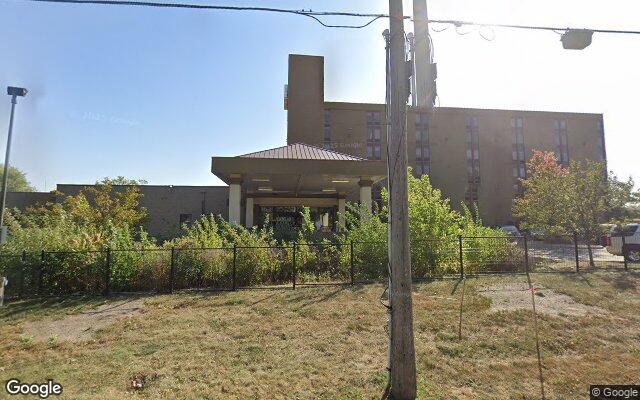
A large home, reviewed on public record.
Compared to 139 Minnesota facilities with a similar number of beds.
ALF memory care · 36-month window. Higher percentile = better performance on inspection record. Source: Minnesota Dept. of Health · Health Regulation Division.
among peers to rank.
Rankings based on 36-month MDH inspection data. Severity and frequency: fewer citations = higher percentile. Repeat rate: lower repeat citation share = higher percentile.
Citation history, plotted month by month.
No citations in the last 36 months.
Finding distribution
none · 36 monthsScope × Severity (CMS A–L)
Questions to ask before you visit.
A short pre-tour checklist tailored to Summit Hill Senior Living's record and state requirements.
The most recent Minnesota Department of Health inspection on December 2, 2022 found zero deficiencies — can you walk us through the facility's internal audit process that helps maintain compliance between state inspections, and how often do you conduct those self-audits?
Ask the operator on tour. Take notes and compare answers across facilities you visit.
One complaint was filed with MDH during the inspection period on file — was that complaint substantiated, and can you share the facility's written response or corrective action documentation related to that complaint?
Ask the operator on tour. Take notes and compare answers across facilities you visit.
This facility holds an Assisted Living Facility with Dementia Care license under Minnesota Statutes chapter 144G — can you provide a copy of your written dementia care program and explain how staff competency in dementia care techniques is assessed and documented?
Ask the operator on tour. Take notes and compare answers across facilities you visit.
Every inspection visit, verbatim.
4 inspections in the public record, most recent first. Plain-language summaries open first — click into any row for the full citation text.
2026-02-09Complaint InvestigationNo findings
Plain-language summary
A complaint alleged the facility neglected a resident by failing to provide adequate care and supervision, leading to a fall and hospitalization. The Minnesota Department of Health investigated and found the allegation was not substantiated, determining the facility had appropriate services in place, staff were following the resident's plan of care, and the fall was unwitnessed. No violations were identified, and no further action was taken.
Read full citation textHide full citation text
Read raw inspector notesClose inspector notes
Finding: Not Substantiated Nature of Investigation: The Minnesota Department of Health investigated an allegation of maltreatment, in accordance with the Minnesota Reporting of Maltreatment of Vulnerable Adults Act, Minn. Stat. 626.557, and to evaluate compliance with applicable licensing standards for the provider type. Initial Investigation Allegation(s): The facility neglected the resident when they failed to provide cares, services, and supervision. As a result, the resident fell and was hospitalized. Investigative Findings and Conclusion: The Minnesota Department of Health determined neglect was not substantiated. The facility assessed and had services in place to assist with the resident’s cares and supervision. Although the resident had an unwitnessed fall, staff were following the resident’s plan of care. The resident did not sustain serious injuries, was transported to the hospital per the family member’s request and was transferred to a higher level of care. The investigator conducted interviews with facility staff members, nursing staff, and unlicensed staff. The investigation included review of the resident records, hospital records, facility internal investigation, facility incident reports, staff schedules, and related facility policy and procedures. Also, the investigator observed staff and resident interactions. The resident resided in an assisted living memory care unit. The resident’s diagnoses included dementia, psychosis, and paranoia/delusions. The resident’s service plan included assistance with safety checks three times a day, toileting, dressing and bathing. The resident’s assessment indicated the resident was independent with transfers, walking, and bed mobility. The resident’s assessment indicated the resident needed assist of one staff for grooming, bathing and required standby assist with dressing. The resident’s medical record indicated an unlicensed staff member went to the resident’s room to get her for breakfast. The resident was found on the floor and the resident reported that she fell from the bed. The medical record indicated the resident sustained an abrasion to her right knee. The resident was transferred to the hospital for an evaluation. The hospital record indicated the resident had an unwitnessed fall, complained of pain all over, had bilateral knee abrasions and that it was unclear of the total duration of time the resident was on the ground. The resident did not sustain any fractures, and the resident was provided with intravenous fluids. During the hospitalization the resident exhibited stroke-like symptoms, was hospitalized for five days and transferred to a higher level of care. During an interview, unlicensed staff member stated the resident was able to walk independently but needed assist of one staff for dressing and bathing. The day of the fall, the resident was checked on approximately two hours prior to the fall. The resident was in bed and appeared to be sleeping before breakfast, and the staff gave the resident her medications. The unlicensed staff member stated she went to get the resident for breakfast, and the resident was found on the floor next to her bed. The resident stated she fell out of bed. The unlicensed staff member stated she called for assistances from a co-worker and notified the nurse in the facility. During an interview, a nurse stated the resident stated she fell from the bed and onto the floor. The resident was transferred to the hospital at the request of the family member. A couple days prior to the unwitnessed fall, services were increased to include safety checks per the request of resident’s family member. The staff are educated to document the number of times a service was completed in the service delivery record. The service delivery record indicated services were completed for the resident as scheduled. In conclusion, the Minnesota Department of Health determined neglect was not substantiated. “Not Substantiated” means: An investigatory conclusion indicating the preponderance of evidence shows that an act meeting the definition of maltreatment did not occur. Neglect: Minnesota Statutes, section 626.5572, subdivision 17 “Neglect” means neglect by a caregiver or self-neglect. (a) "Caregiver neglect" means the failure or omission by a caregiver to supply a vulnerable adult with care or services, including but not limited to, food, clothing, shelter, health care, or supervision which is: (1) reasonable and necessary to obtain or maintain the vulnerable adult's physical or mental health or safety, considering the physical and mental capacity or dysfunction of the vulnerable adult; and (2) which is not the result of an accident or therapeutic conduct. Vulnerable Adult interviewed: No. Resident resided at a different facility. Family/Responsible Party interviewed: Yes. Alleged Perpetrator interviewed: Not Applicable. the Action taken by facility: When the resident was found on the floor, the nurse was alerted and assessed the resident. The resident was transferred to the hospital for evaluation. Action taken by the Minnesota Department of Health: No further action taken at this time. cc: The Office of Ombudsman for Long Term Care The Office of Ombudsman for Mental Health and Developmental Disabilities PRINTED: 02/ 09/ 2026 FORM APPROVED STATEMENT OF DEFICIENCIES (X1) PROVIDER/ SUPPLIER/ CLIA (X2) MULTIPLE CONSTRUCTION (X3) DATE SURVEY AND PLAN OF CORRECTION IDENTIFICATION NUMBER: COMPLETED A. BUILDING: ______________________ C B. WING _____________________________ 28605 01/ 13/ 2026 NAME OF PROVIDER OR SUPPLIER STREET ADDRESS, CITY, STATE, ZIP CODE 1824 OLD HUDSON ROAD SUMMIT HILL SENIOR LIVING SAINT PAUL, MN 55119 SUMMARY STATEMENT OF DEFICIENCIES PROVIDER' S PLAN OF CORRECTION (X4) ID ID (X5) PREFIX (EACH DEFICIENCY MUST BE PRECEDED BY FULL PREFIX (EACH CORRECTIVE ACTION SHOULD BE COMPLETE REGULATORY OR LSC IDENTIFYING INFORMATION) CROSS- REFERENCED TO THE APPROPRIATE DATE TAG TAG DEFICIENCY) 0 000 Initial Comments 0 000 On January 13, 2026, the Minnesota Department of Health initiated an investigation of complaints #HL286057284M / HL286056984C and HL286058644M / HL286051684C. No correction orders are issued. LABORATORY DIRECTOR' S OR PROVIDER/ SUPPLIER REPRESENTATIVE' S SIGNATURE TITLE (X6) DATE STATE FORM 6899 RGVW11 If continuation sheet 1 of 1
2025-04-14Complaint InvestigationNo findings
Plain-language summary
A complaint investigation found that allegations of financial exploitation involving a resident's medications were inconclusive because accounts from staff and the resident conflicted and evidence was incomplete—including blurry video footage and medications that could not be located in the sharps container where staff claimed to have disposed of them. The facility conducted its own investigation, updated the medical provider, and educated staff on medication administration procedures. No correction orders were issued by the Minnesota Department of Health.
Read full citation textHide full citation text
Read raw inspector notesClose inspector notes
Finding: Inconclusive Nature of Investigation: The Minnesota Department of Health investigated an allegation of maltreatment, in accordance with the Minnesota Reporting of Maltreatment of Vulnerable Adults Act, Minn. Stat. 626.557, and to evaluate compliance with applicable licensing standards for the provider type. Initial Investigation Allegation(s): The alleged perpetrator (AP) financially exploited the resident when the AP took the resident’s morning medications including narcotics, for personal use but reported she destroyed the medications in the sharp’s container. Investigative Findings and Conclusion: The Minnesota Department of Health determined financial exploitation was inconclusive. Due to incomplete and conflicting accounts of the incident, it could not be determined if maltreatment occurred. The investigator conducted interviews with facility staff members, including administrative staff, nursing staff, and unlicensed staff. The investigator contacted law enforcement. The investigation included review of the resident record, facility internal investigation, facility incident reports, personnel files, staff schedules, a law enforcement report, and related facility policy and procedures. Also, the investigator observed interactions between staff and residents. The resident resided in an assisted living memory care unit. The resident’s diagnoses included spinal stenosis. The resident’s service plan included assistance with medication management. The resident’s assessment indicated the resident was cognitively intact. The facility’s internal investigation indicated the resident called 911 and reported she was not administered her morning medications. The investigation indicated the AP attempted to administer the resident her medications but did not watch the resident take the medications. The internal investigation indicated the AP provided inconsistent stories about what happened to the medications. During an interview, the AP stated the resident did not want staff in her apartment so the medications were left on the shelf inside the apartment. The AP denied placing the medications in the sharps container and denied taking the resident’s medications for personal use. During an interview, the resident stated a staff member stole her medications; however, the resident could not identify any specific staff member. The resident stated when she did not receive her morning medication, she reported the concern to facility staff and called police. The resident stated she had chronic pain and was in pain the day of the incident. During an interview, a facility nurse stated the resident was very particular about her medications. The AP reported she gave the resident’s medications to the resident’s friend that was also a resident at the facility because the resident was sleeping. When questioned later, the AP reported the resident didn’t take the medications, so the AP removed them from the resident’s room and put them in the sharp’s container. The sharps container was inspected, and no medications were found. Video footage was reviewed but was blurry and could not provide a clear account of the incident. A facility nurse stated when a medication needed to be destroyed staff were educated to place the medication in a white envelope with a label and notify the nurse. Video footage was not available for review at the time of the investigation. In conclusion, the Minnesota Department of Health determined financial exploitation was inconclusive. Inconclusive: Minnesota Statutes, section 626.5572, Subdivision 11. "Inconclusive" means there is less than a preponderance of evidence to show that maltreatment did or did not occur. Financial exploitation: Minnesota Statutes, section 626.5572, subdivision 9 "Financial exploitation" means: (b) In the absence of legal authority a person: (1) willfully uses, withholds, or disposes of funds or property of a vulnerable adult; (2) obtains for the actor or another the performance of services by a third person for the wrongful profit or advantage of the actor or another to the detriment of the vulnerable adult; (3) acquires possession or control of, or an interest in, funds or property of a vulnerable adult through the use of undue influence, harassment, duress, deception, or fraud; or (4) forces, compels, coerces, or entices a vulnerable adult against the vulnerable adult's will to perform services for the profit or advantage of another. Vulnerable Adult interviewed: Yes. Family/Responsible Party interviewed: No, attempts made were not successful. Alleged Perpetrator interviewed: Yes. Action taken by facility: The facility investigated the incident, updated the medical provider and provided education to facility staff regarding medication administration. Action taken by the Minnesota Department of Health: No further action taken at this time. cc: The Office of Ombudsman for Long Term Care The Office of Ombudsman for Mental Health and Developmental Disabilities PRINTED: 04/16/2025 FORM APPROVED STATEMENT OF DEFICIENCIES (X1) PROVIDER/SUPPLIER/CLIA (X2) MULTIPLE CONSTRUCTION (X3) DATE SURVEY AND PLAN OF CORRECTION IDENTIFICATION NUMBER: COMPLETED A. BUILDING: ______________________ C B. WING _____________________________ 28605 02/18/2025 NAME OF PROVIDER OR SUPPLIER STREET ADDRESS, CITY, STATE, ZIP CODE 1824 OLD HUDSON ROAD SUMMIT HILL SENIOR LIVING SAINT PAUL, MN 55119 SUMMARY STATEMENT OF DEFICIENCIES PROVIDER'S PLAN OF CORRECTION (X4) ID ID (X5) PREFIX (EACH DEFICIENCY MUST BE PRECEDED BY FULL PREFIX (EACH CORRECTIVE ACTION SHOULD BE COMPLETE REGULATORY OR LSC IDENTIFYING INFORMATION) CROSS-REFERENCED TO THE APPROPRIATE DATE TAG TAG DEFICIENCY) 0 000 Initial Comments 0 000 On February 18, 2025, the Minnesota Department of Health initiated an investigation of complaint #HL286052280C/#HL286057242M. No correction orders are issued. LABORATORY DIRECTOR'S OR PROVIDER/SUPPLIER REPRESENTATIVE'S SIGNATURE TITLE (X6) DATE STATE FORM 6899 D60F11 If continuation sheet 1 of 1
2025-04-10Annual Compliance VisitNo findings
Plain-language summary
A routine inspection of Summit Hill Senior Living on April 10, 2025 found one violation related to fire protection and physical environment under Minnesota's assisted living regulations, resulting in a $500 fine. The facility must document the corrective actions taken to address this violation in its records.
Read full citation textHide full citation text
Read raw inspector notesClose inspector notes
correction orders and document the actions taken to comply in the facility's records. The Department reserves the right to return to the facility at any time should the Department receive a complaint or deem it necessary to ensure the health, safety, and welfare of residents in your care. STATE CORRECTION ORDERS The enclosed State Form documents the state correction orders. MDH documents state licensing correction orders using federal software. Tag numbers are assigned to Minnesota state statutes for Assisted Living Facilities. The assigned tag number appears in the far left column entitled "ID Prefix Tag." The state statute number and the corresponding text of the state statute out of compliance are listed in the "Summary Statement of Deficiencies" column. This column also includes the findings that are in violation of the state statute after the statement, "This MN Requirement is not met as evidenced by . . ." IMPOSITION OF FINES In accordance with Minn. Stat. § 144G.31, Subd. 4, fines and enforcement actions may be imposed based on the level and scope of the violations and may be imposed immediately with no opportunity to correct the violation first as follows: Level 1: no fines or enforcement. Level 2: a fine of $500 per violation, in addition to any enforcement mechanism authorized in § 144G.20 for widespread violations; Level 3: a fine of $3,000 per violation per incident, in addition to any enforcement mechanism authorized in § 144G.20. Level 4: a fine of $5,000 per incident, in addition to any enforcement mechanism authorized in An equal opportunity employer. Letter ID: IS7N REVISED 09/13/2021 Summit Hill Senior Living May 6, 2025 Page 2 § 144G.20. Therefore, in accordance with Minn. Stat. §§ 144G.01 to 144G.9999, the following fines are assessed pursuant to this survey: 0775 - 144g.45 Subd. 2. (a) - Fire Protection And Physical Environment - $500.00 Therefore, in accordance with Minn. Stat. §§ 144G.01 to 144G.9999, t he total amount you are assessed is $500.00. You will be invoiced approximately 30 days after receipt of this notice, subject to appeal. DOCUMENTATION OF ACTION TO COMPLY In accordance with Minn. Stat. § 144G.30, Subd. 5(c), the licensee must document actions taken to comply with the correction orders within the time period outlined on the state form; however, plans of correction are not required to be submitted for approval. The correction order documentation should include the following: Identify how the area(s) of noncompliance was corrected related to the resident(s)/employee(s) identified in the correction order. Identify how the area(s) of noncompliance was corrected for all of the provider’s resident(s)/employees that may be affected by the noncompliance. Identify what changes to your systems and practices were made to ensure compliance with the specific statute(s). CORRECTION ORDER RECONSIDERATION PROCESS In accordance with Minn. Stat. § 144G.32, Subd. 2, you may challenge the correction order(s) issued, including the level and scope, and any fine assessed through the correction order reconsideration process. The request for reconsideration must be in writing and received by MDH within 15 calendar days of the correction order receipt date. To submit a reconsideration request, please visit: https://forms.web.health.state.mn.us/form/HRDAppealsForm REQUESTING A HEARING Alternatively, in accordance with Minn. Stat. § 144G.31, Subd. 5(d), an assisted living provider that has been assessed a fine under this subdivision has a right to a reconsideration or a hearing under this section and chapter 14. Pursuant to Minn. Stat. § 144G.20, Subd. 14 and Subd. 18, a request for a hearing must be in writing and received by the Department of Health within 15 business days of the correction order receipt date. The request must contain a brief and plain statement describing each matter or issue contested and any new information you believe constitutes a defense or mitigating factor. Summit Hill Senior Living May 6, 2025 Page 3 To submit a hearing request, please visit: https://forms.web.health.state.mn.us/form/HRDAppealsForm To appeal fines via reconsideration, please follow the procedure outlined above. P lease note that you may request a reconsideration o r a hearing, but not both. If you wish to contest tags without fines in a reconsideration and tags with the fines at a hearing, please submit two separate appeals forms at the website listed above. The MDH Health Regulation Division (HRD) values your feedback about your experience during the survey and/or investigation process. Please fill out this anonymous provider feedback questionnaire at your convenience at this link: h ttps://forms.office.com/g/Bm5uQEpHVa. Your input is important to us and will enable MDH to improve its processes and communication with providers. If you have any questions regarding the questionnaire, please contact Susan Winkelmann at susan.winkelmann@state.mn.us or call 651-201-5952. You are encouraged to retain this document for your records. It is your responsibility to share the information contained in the letter and state form with your organization’s Governing Body. If you have any questions, please contact me. Sincerely, Renee Anderson, Supervisor State Evaluation Team Email: Renee.L.Anderson@state.mn.us Telephone: 651-201-5871 Fax: 1 -866-890-9290 JMD PRINTED: 05/06/2025 FORM APPROVED STATEMENT OF DEFICIENCIES (X1) PROVIDER/SUPPLIER/CLIA (X2) MULTIPLE CONSTRUCTION (X3) DATE SURVEY AND PLAN OF CORRECTION IDENTIFICATION NUMBER: COMPLETED A. BUILDING: ______________________ B. WING _____________________________ 28605 04/10/2025 NAME OF PROVIDER OR SUPPLIER STREET ADDRESS, CITY, STATE, ZIP CODE 1824 OLD HUDSON ROAD SUMMIT HILL SENIOR LIVING SAINT PAUL, MN 55119 SUMMARY STATEMENT OF DEFICIENCIES PROVIDER'S PLAN OF CORRECTION (X4) ID ID (X5) PREFIX (EACH DEFICIENCY MUST BE PRECEDED BY FULL PREFIX (EACH CORRECTIVE ACTION SHOULD BE COMPLETE REGULATORY OR LSC IDENTIFYING INFORMATION) CROSS-REFERENCED TO THE APPROPRIATE DATE TAG TAG DEFICIENCY) 0 000 Initial Comments 0 000 ******ATTENTION****** Minnesota Department of Health is documenting the State Licensing ASSISTED LIVING PROVIDER LICENSING Correction Orders using federal software. CORRECTION ORDER(S) Tag numbers have been assigned to Minnesota State Statutes for Assisted In accordance with Minnesota Statutes, section Living License Providers. The assigned 144G.08 to 144G.95, these correction orders are tag number appears in the far left column issued pursuant to a survey. entitled "ID Prefix Tag." The state Statute number and the corresponding text of the Determination of whether violations are corrected state Statute out of compliance is listed in requires compliance with all requirements the "Summary Statement of Deficiencies" provided at the Statute number indicated below. column. This column also includes the When Minnesota Statute contains several items, findings which are in violation of the state failure to comply with any of the items will be requirement after the statement, "This considered lack of compliance. Minnesota requirement is not met as evidenced by." Following the surveyors' INITIAL COMMENTS: findings is the Time Period for Correction. SL#28605016-0 PLEASE DISREGARD THE HEADING OF On April 7, 2025, through April 10, 2025, the THE FOURTH COLUMN WHICH survey at the above provider, and the following CORRECTION." THIS APPLIES TO correction orders are issued. At the time of the FEDERAL DEFICIENCIES ONLY. THIS survey, there were 91 residents, all of whom were WILL APPEAR ON EACH PAGE. receiving services under the provider's Assisted Living with Dementia Care license. THERE IS NO REQUIREMENT TO SUBMIT A PLAN OF CORRECTION FOR VIOLATIONS OF MINNESOTA STATE STATUTES. The letter in the left column is used for tracking purposes and reflects the scope and level pursuant to 144G.31 Subd. 1, 2 and 3. 0 640 144G.42 Subd. 7 Posting information for 0 640 SS=F reporting suspected c The facility shall support protection and safety through access to the state's systems for reporting suspected criminal activity and LABORATORY DIRECTOR'S OR PROVIDER/SUPPLIER REPRESENTATIVE'S SIGNATURE TITLE (X6) DATE STATE FORM 6899 5NRJ11 If continuation sheet 1 of 11 PRINTED: 05/06/2025 FORM APPROVED STATEMENT OF DEFICIENCIES (X1) PROVIDER/SUPPLIER/CLIA (X2) MULTIPLE CONSTRUCTION (X3) DATE SURVEY AND PLAN OF CORRECTION IDENTIFICATION NUMBER: COMPLETED A. BUILDING: ______________________ B. WING _____________________________ 28605 04/10/2025 NAME OF PROVIDER OR SUPPLIER STREET ADDRESS, CITY, STATE, ZIP CODE 1824 OLD HUDSON ROAD SUMMIT HILL SENIOR LIVING SAINT PAUL, MN 55119 SUMMARY STATEMENT OF DEFICIENCIES PROVIDER'S PLAN OF CORRECTION (X4) ID ID (X5) PREFIX (EACH DEFICIENCY MUST BE PRECEDED BY FULL PREFIX (EACH CORRECTIVE ACTION SHOULD BE COMPLETE REGULATORY OR LSC IDENTIFYING INFORMATION) CROSS-REFERENCED TO THE APPROPRIATE DATE TAG TAG DEFICIENCY) 0 640 Continued From page 1 0 640 suspected vulnerable adult maltreatment by: (1) posting the 911 emergency number in common areas and near telephones provided by the assisted living facility; (2) posting information and the reporting number for the Minnesota Adult Abuse Reporting Center to report suspected maltreatment of a vulnerable adult under section 626.
2024-09-30Complaint InvestigationNo findings
Plain-language summary
A Minnesota Department of Health complaint investigation substantiated that overnight staff failed to complete three required safety checks for a resident with end-stage kidney disease on the night shift; the resident was found deceased in her room the following morning, approximately 10 hours after last being seen by staff, with the medical examiner determining the cause of death was natural and related to kidney disease. The staff member responsible stated she did not complete the safety checks because she confused the medication system with the service task documentation system, despite having been trained on both. The facility was issued a correction order and provided retraining to staff on documentation procedures.
Read full citation textHide full citation text
Read raw inspector notesClose inspector notes
Finding: Substantiated, individual responsibility Nature of Investigation: The Minnesota Department of Health investigated an allegation of maltreatment, in accordance with the Minnesota Reporting of Maltreatment of Vulnerable Adults Act, Minn. Stat. 626.557, and to evaluate compliance with applicable licensing standards for the provider type. Initial Investigation Allegation(s): The alleged perpetrator (AP) neglected the resident when the AP failed to provide safety checks and cares to the resident. Staff found the resident deceased in the morning. Investigative Findings and Conclusion: The Minnesota Department of Health determined neglect was substantiated. The AP was responsible for the maltreatment. The AP did not complete safety checks or other cares for the resident on the overnight shift. Incoming day staff found the resident deceased in her room the following morning; approximately 10 hours since the resident was last seen by staff. The investigator conducted interviews with facility staff members, including administrative staff, nursing staff, and unlicensed staff. The investigator contacted the resident’s family. The investigation included review of the resident records, death record, medication records, facility internal investigation, facility incident reports, personnel files, staff schedules, and related facility policy and procedures. Also, the investigator observed staff interactions with residents. The resident resided in an assisted living facility. The resident’s diagnoses included end-stage kidney disease and diabetes. The resident’s services included help with activities of daily living (such as bathing, toileting, grooming, etc.), meals, laundry, housekeeping, and medication management. The resident’s assessment indicated the resident received kidney dialysis three times a week. The resident’s service plan indicated staff were to complete safety checks on the overnight (NOC) shift at 12:00 a.m., 2:00 a.m., and 4:00 a.m. The residents first safety check for the day shift was scheduled at 7:00 a.m. The service plan indicated the resident was a full code (full code signifies that every possible measure that can be used to save an individual’s life should be used, whether that is cardiopulmonary resuscitation (CPR) or any other kind of intervention deemed necessary). The facility’s internal investigation indicated the evening before her death, staff reported the resident was at baseline and they observed no unusual changes. The resident took her evening medications and staff observed the resident talking to family on the phone at 8:00 p.m. Staff conducted a safety check at 10:00 p.m. and described the resident as, “up and well.” The resident was in her bathroom getting ready for bed. The resident told staff she did not need anything. The resident was scheduled for three safety checks on the NOC shift, but none of them were completed. The AP stated she did not log into the point of care (POC) documentation system because she thought the electronic medication administration record (eMAR) and service tasks showed up on the same platform. The AP stated she did not complete safety checks or any cares overnight for the resident. The investigation indicated at approximately 7:58 a.m. the following morning, day shift staff completed a safety check and found the resident sitting in her wheelchair. The staff member called the resident’s name, but she did not respond. Staff called 911, and emergency medical service personnel (EMS) pronounced the resident deceased. The resident’s service record indicated a final safety check at 10:00 p.m., and staff documented the resident was “safe and okay in her room in the bathroom getting ready for bed.” The resident’s progress notes indicated staff discovered the resident unresponsive in her room, sitting in her chair. Staff called EMS, and EMS confirmed the resident had died. The medical examiner report indicated the resident’s cause of death was natural, related to end-stage renal (kidney) disease. When interviewed, a supervisor stated during her internal investigation, she discovered the AP did not complete safety checks or cares for the resident on the night shift. The AP said she believed services and medications were all located on the eMAR, so she did not see that the resident needed three safety checks over the course of her shift and did not complete them. The supervisor said the AP had been trained on both the eMAR and the point of care documentation system, so it was expected she would have known the difference. The AP did not respond to interview requests. In conclusion, the Minnesota Department of Health determined neglect was substantiated. Substantiated: Minnesota Statutes, section 626.5572, Subdivision 19. “Substantiated” means a preponderance of evidence shows that an act that meets the definition of maltreatment occurred. Neglect: Minnesota Statutes, section 626.5572, subdivision 17 “Neglect” means neglect by a caregiver or self-neglect. (a) "Caregiver neglect" means the failure or omission by a caregiver to supply a vulnerable adult with care or services, including but not limited to, food, clothing, shelter, health care, or supervision which is: (1) reasonable and necessary to obtain or maintain the vulnerable adult's physical or mental health or safety, considering the physical and mental capacity or dysfunction of the vulnerable adult; and (2) which is not the result of an accident or therapeutic conduct. Vulnerable Adult interviewed: No, deceased. Family/Responsible Party interviewed: No, family were informed of the investigation but did not request to be interviewed. Alleged Perpetrator interviewed: No, did not respond to subpoena. the Action taken by facility: The facility completed an internal investigation and provided re-training for staff regarding the difference between the eMAR and service tasks. Action taken by the Minnesota Department of Health: The facility was issued a correction order regarding the vulnerable adult’s right to be free from maltreatment. You may also call 651-201-4200 to receive a copy via mail or email The responsible party will be notified of their right to appeal the maltreatment finding. If the maltreatment is substantiated against an identified employee, this report will be submitted to the nurse aide registry for possible inclusion of the finding on the abuse registry and/or to the Minnesota Department of Human Services for possible disqualification in accordance with the provisions of the background study requirements under Minnesota 245C. cc: The Office of Ombudsman for Long Term Care The Office of Ombudsman for Mental Health and Developmental Disabilities Ramsey County Attorney St. Paul City Attorney St. Paul Police Department PRINTED: 10/01/2024 FORM APPROVED STATEMENT OF DEFICIENCIES (X1) PROVIDER/SUPPLIER/CLIA (X2) MULTIPLE CONSTRUCTION (X3) DATE SURVEY AND PLAN OF CORRECTION IDENTIFICATION NUMBER: COMPLETED A. BUILDING: ______________________ C B. WING _____________________________ 28605 08/07/2024 NAME OF PROVIDER OR SUPPLIER STREET ADDRESS, CITY, STATE, ZIP CODE 1824 OLD HUDSON ROAD SUMMIT HILL SENIOR LIVING SAINT PAUL, MN 55119 SUMMARY STATEMENT OF DEFICIENCIES PROVIDER'S PLAN OF CORRECTION (X4) ID ID (X5) PREFIX (EACH DEFICIENCY MUST BE PRECEDED BY FULL PREFIX (EACH CORRECTIVE ACTION SHOULD BE COMPLETE REGULATORY OR LSC IDENTIFYING INFORMATION) CROSS-REFERENCED TO THE APPROPRIATE DATE TAG TAG DEFICIENCY) 0 000 Initial Comments 0 000 ******ATTENTION****** ASSISTED LIVING PROVIDER CORRECTION ORDER In accordance with Minnesota Statutes, section 144G.08 to 144G.95, these correction orders are issued pursuant to a complaint investigation. Determination of whether a violation is corrected requires compliance with all requirements provided at the statute number indicated below. When a Minnesota Statute contains several items, failure to comply with any of the items will be considered lack of compliance. INITIAL COMMENTS: #HL286054042C/#HL286053602M On August 7, 2024, the Minnesota Department of Health conducted a complaint investigation at the above provider, and the following correction orders are issued. At the time of the complaint investigation, there were 92 residents receiving services under the provider's Assisted Living with Dementia Care license. The following correction order is issued/orders are issued for #HL286054042C/#HL286053602M, tag identification 2360. 02360 144G.91 Subd. 8 Freedom from maltreatment 02360 Residents have the right to be free from physical, sexual, and emotional abuse; neglect; financial exploitation; and all forms of maltreatment covered under the Vulnerable Adults Act. LABORATORY DIRECTOR'S OR PROVIDER/SUPPLIER REPRESENTATIVE'S SIGNATURE TITLE (X6) DATE STATE FORM 6899 LCT411 If continuation sheet 1 of 2 PRINTED: 10/01/2024 FORM APPROVED STATEMENT OF DEFICIENCIES (X1) PROVIDER/SUPPLIER/CLIA (X2) MULTIPLE CONSTRUCTION (X3) DATE SURVEY AND PLAN OF CORRECTION IDENTIFICATION NUMBER: COMPLETED A. BUILDING: ______________________ C B.
4 older inspections from 2022 are not shown above.
Get the complete record, translated into plain language — emailed to you.
Other facilities in Ramsey County.
Other memory care facilities in Ramsey County with similar care offerings.
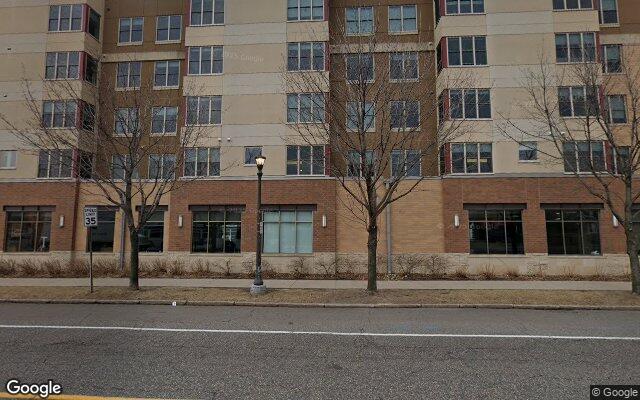
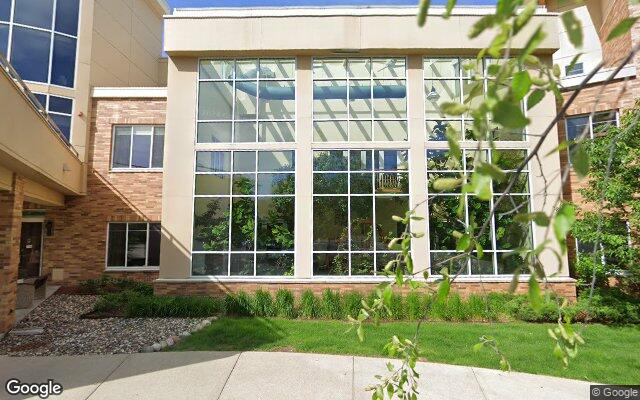
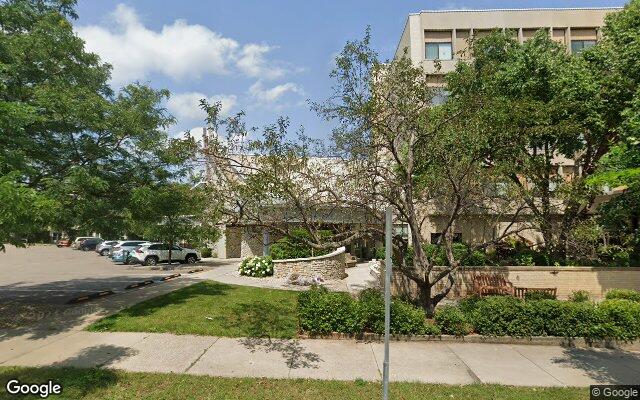
Facility Watch · Premium
Family reviews
No reviews yet — be the first to share your experience
Other memory care options nearby.
More options in neighboring cities
Licensed memory care in other cities within this county region — useful when your search radius crosses city limits.