Highland Gw LLC.
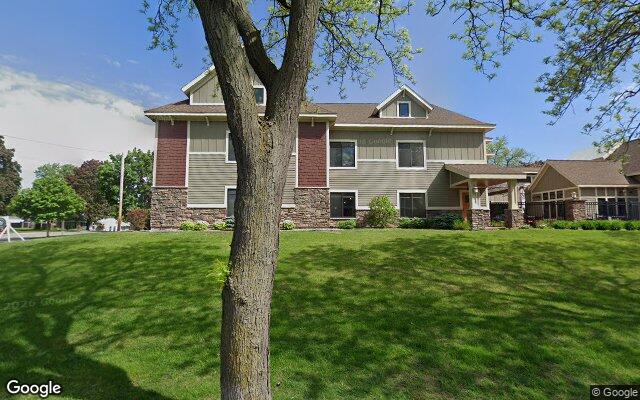
A medium home, reviewed on public record.
Compared to 187 Minnesota facilities with a similar number of beds.
ALF memory care · 36-month window. Higher percentile = better performance on inspection record. Source: Minnesota Dept. of Health · Health Regulation Division.
among peers to rank.
Rankings based on 36-month MDH inspection data. Severity and frequency: fewer citations = higher percentile. Repeat rate: lower repeat citation share = higher percentile.
Citation history, plotted month by month.
No citations in the last 36 months.
Finding distribution
none · 36 monthsScope × Severity (CMS A–L)
Questions to ask before you visit.
A short pre-tour checklist tailored to Highland Gw LLC's record and state requirements.
The most recent Minnesota Department of Health inspection on file is dated 2023-01-06, over three years ago — can you provide documentation of any subsequent MDH visits or reviews, and explain the typical inspection cycle for your Assisted Living Facility with Dementia Care license?
Ask the operator on tour. Take notes and compare answers across facilities you visit.
MDH records show 2 complaints were filed against this facility during the inspection period on file — were any of those complaints substantiated by the state, and can you share your written corrective action plans or responses to those complaints?
Ask the operator on tour. Take notes and compare answers across facilities you visit.
This facility holds an Assisted Living Facility with Dementia Care license under Minn. Stat. ch. 144G — can you provide families with a copy of your written dementia care program and describe how it meets the specific dementia care requirements in Minnesota law?
Ask the operator on tour. Take notes and compare answers across facilities you visit.
Every inspection visit, verbatim.
3 inspections in the public record, most recent first. Plain-language summaries open first — click into any row for the full citation text.
2026-02-04Complaint InvestigationNo findings
Plain-language summary
The Minnesota Department of Health investigated a complaint that staff failed to check on a resident during the night, and he was found deceased in the morning; the investigation determined neglect was not substantiated. Staff had responded promptly when the resident reported feeling unwell and hip pain, his medical provider assessed him the day before his death and ordered tests, and the resident had specifically requested and documented that he not be checked on or disturbed between 10 p.m. and 7 a.m., a preference that was included in his care plan and abuse prevention plan. The resident's death was determined to be from natural causes.
Read full citation textHide full citation text
Read raw inspector notesClose inspector notes
Finding: Not Substantiated Nature of Investigation: The Minnesota Department of Health investigated an allegation of maltreatment, in accordance with the Minnesota Reporting of Maltreatment of Vulnerable Adults Act, Minn. Stat. 626.557, and to evaluate compliance with applicable licensing standards for the provider type. Initial Investigation Allegation(s): The facility neglected a resident when staff did not check on the resident during the night and he was found deceased in the morning. Investigative Findings and Conclusion: The Minnesota Department of Health determined neglect was not substantiated. When the resident complained of not feeling well and experienced hip pain, staff promptly notified his provider. The day before the resident’s passing his provider came to the facility and assessed him. The resident completed x-rays at that time, and results were pending. The resident declined to be sent to the emergency room. Staff last encountered the resident late evening and then followed the resident’s care plan not to be disturbed during the night. Staff found him unresponsive in the morning. The investigator conducted interviews with facility staff members, nursing staff, and unlicensed staff. The investigator contacted the medical examiner and the resident’s provider. The investigation included review of the resident record, death record, provider notes, facility internal investigation, facility incident reports, personnel files, staff schedules, and related facility policy and procedures. The resident resided in an assisted living facility. The resident’s diagnoses included type 2 diabetes with nerve pain and congestive heart failure. The resident’s service plan included assistance with bathing, escorts, mobility assistance, every two-hour safety checks from 7:00 a.m. to 10:00 p.m., vital signs, and blood sugar monitoring. The resident’s assessment indicated the resident’s behaviors were not posing a risk to self-harm. The assessment indicated decreased muscle mass and strength, reduction in mobility, chronic pain, were a risk for falls. The assessment also indicated the resident did not want to be disturbed or checked on every two hours from 10:00 p.m. to 7:00 a.m. This request was also indicated in the resident’s individual abuse prevention plan. A facility nursing policy indicated a responsible party could refuse or request less frequent safety checks, and nursing would educate them about the risks of decreased safety checks and document the education in the residents chart. Nursing notes dated seven months before the resident’s passing indicated the resident declined safety checks during the night and did not want staff entering his room between 10:00 p.m. and 7:00 a.m. The nurse she explained the importance of safety checks as a safety measure to ensure the resident was okay throughout the night. The nurse indicated the resident acknowledged understanding but still declined the check and the service agreement had been updated accordingly. The resident’s progress notes indicated two days prior to the resident’s death, the resident reported he felt unwell, his legs were weak and he could barely move from his recliner chair to his bed. The nurse assessed the resident’s vitals and were stable, but a lower blood pressure. The nurse encouraged the resident to use his call light to request assistance with the bathroom, encouraged fluids, would follow up on blood pressure and notified the medical provider. An hour later, the nurse rechecked the resident who then reported pain in his right hip. Staff administered oxycodone (controlled-pain medication). On a third check of the resident’s blood pressure it had improved to normal limits. The medical provider’s notes indicated the resident was assessed the next day. The resident had complained of stomach pain and right hip pain when standing. The resident declined to go to the emergency room. The provider ordered medication for nausea, X-ray of the right hip and abdomen, and physical therapy evaluation. The notes indicated if the resident’s pain worsened or if he was unable to stand, he should be sent to the emergency room. The provider notes and orders did not indicate continued monitoring of vital signs. The resident’s progress notes indicated the following day at 8:30 a.m., staff found the resident unresponsive on the floor and called 911. The officer pronounced the resident deceased. The resident’s death record indicated that the cause of death was from natural causes. During an interview, nurse #1 stated two days before the incident the resident was week, experienced hip pain, and had a low blood pressure. Because the resident had difficulty moving at that time a wheelchair was provided. Nurse #1 stated the resident was encouraged to go to the hospital on more than one occasion, however, he declined. Nurse #1 stated provider communication indicated the resident should be encouraged to drink more water to increase his blood pressure. Blood pressures taken later in the day indicated it was within normal limits. Nurse #1 stated provider orders were written the day before his passing for an X-ray of his hip. Nurse #1 stated the resident had oxycodone/acetaminophen ordered for pain. Nurse #1 stated the resident utilized his call-light the night before the incident at 11:00 p.m. when he asked for something to eat, and that was the last time staff had checked on the resident. During an interview, nurse #2 stated the resident was alert and oriented and able to communicate his needs. Nurse #2 stated the resident did not want to be disturbed and requested staff not perform safety checks between 10:00 p.m. and 7:00 a.m. However, staff members did complete two-hour checks during daytime hours. During an interview, an unlicensed personnel (ULP) stated on the morning of the incident she was performing her morning routine of checking residents blood glucose levels. She knocked on the resident’s door three times and he did not answer. She proceeded to enter the resident’s room and found him unresponsive face down on the floor in front of his recliner. The ULP called for help and another staff member came to help her. The nurse was notified and 911 was called. Staff were instructed to turn the resident over and check for vital signs. Paramedics arrived and pronounced the resident as deceased. In conclusion, the Minnesota Department of Health determined neglect was not substantiated. “Not Substantiated” means: An investigatory conclusion indicating the preponderance of evidence shows that an act meeting the definition of maltreatment did not occur. Neglect: Minnesota Statutes, section 626.5572, subdivision 17 “Neglect” means neglect by a caregiver or self-neglect. (a) "Caregiver neglect" means the failure or omission by a caregiver to supply a vulnerable adult with care or services, including but not limited to, food, clothing, shelter, health care, or supervision which is: (1) reasonable and necessary to obtain or maintain the vulnerable adult's physical or mental health or safety, considering the physical and mental capacity or dysfunction of the vulnerable adult; and (2) which is not the result of an accident or therapeutic conduct. Vulnerable Adult interviewed: no, deceased. Family/Responsible Party interviewed: No, resident was his own guardian, no contact information available. Alleged Perpetrator interviewed: Not Applicable. the Action taken by facility: The facility nurses assessed the resident when he had a change in condition, contacted the medical provider for evaluation and new orders. Action taken by the Minnesota Department of Health: No further action taken at this time. cc: The Office of Ombudsman for Long Term Care The Office of Ombudsman for Mental Health and Developmental Disabilities PRINTED: 02/ 05/ 2026 FORM APPROVED STATEMENT OF DEFICIENCIES (X1) PROVIDER/ SUPPLIER/ CLIA (X2) MULTIPLE CONSTRUCTION (X3) DATE SURVEY AND PLAN OF CORRECTION IDENTIFICATION NUMBER: COMPLETED A. BUILDING: ______________________ C B. WING _____________________________ 31337 09/ 02/ 2025 NAME OF PROVIDER OR SUPPLIER STREET ADDRESS, CITY, STATE, ZIP CODE 1925 GRAHAM AVENUE HIGHLAND GW LLC SAINT PAUL, MN 55116 SUMMARY STATEMENT OF DEFICIENCIES PROVIDER' S PLAN OF CORRECTION (X4) ID ID (X5) PREFIX (EACH DEFICIENCY MUST BE PRECEDED BY FULL PREFIX (EACH CORRECTIVE ACTION SHOULD BE COMPLETE REGULATORY OR LSC IDENTIFYING INFORMATION) CROSS- REFERENCED TO THE APPROPRIATE DATE TAG TAG DEFICIENCY) 0 000 Initial Comments 0 000 On September 2, 2025, the Minnesota Department of Health initiated an investigation of complaint #HL313372860C/ #HL313375462M. No correction orders are issued. LABORATORY DIRECTOR' S OR PROVIDER/ SUPPLIER REPRESENTATIVE' S SIGNATURE TITLE (X6) DATE STATE FORM 6899 GR8Q11 If continuation sheet 1 of 1
2025-03-12Annual Compliance VisitNo findings
Plain-language summary
A standard inspection on March 12, 2025 found one violation of Minnesota fire protection and physical environment standards at this facility, resulting in a $500 fine. The facility must document the corrections made to address the fire protection deficiency and any changes to prevent similar problems in the future.
Read full citation textHide full citation text
Read raw inspector notesClose inspector notes
correction orders and document the actions taken to comply in the facility's records. The Department reserves the right to return to the facility at any time should the Department receive a complaint or deem it necessary to ensure the health, safety, and welfare of residents in your care. STATE CORRECTION ORDERS The enclosed State Form documents the state correction orders. MDH documents state licensing correction orders using federal software. Tag numbers are assigned to Minnesota state statutes for Assisted Living Facilities. The assigned tag number appears in the far left column entitled "ID Prefix Tag." The state statute number and the corresponding text of the state statute out of compliance are listed in the "Summary Statement of Deficiencies" column. This column also includes the findings that are in violation of the state statute after the statement, "This MN Requirement is not met as evidenced by . . ." IMPOSITION OF FINES In accordance with Minn. Stat. § 144G.31, Subd. 4, fines and enforcement actions may be imposed based on the level and scope of the violations and may be imposed immediately with no opportunity to correct the violation first as follows: Level 1: no fines or enforcement. Level 2: a fine of $500 per violation, in addition to any enforcement mechanism authorized in § 144G.20 for widespread violations; Level 3: a fine of $3,000 per violation per incident, in addition to any enforcement mechanism authorized in § 144G.20. Level 4: a fine of $5,000 per incident, in addition to any enforcement mechanism authorized in An equal opportunity employer. Letter ID: IS7N REVISED 09/13/2021 Highland Gw LLC April 10, 2025 Page 2 § 144G.20. Therefore, in accordance with Minn. Stat. §§ 144G.01 to 144G.9999, the following fines are assessed pursuant to this survey: 0775 - 144g.45 Subd. 2. (a) - Fire Protection And Physical Environment - $500.00 Therefore, in accordance with Minn. Stat. §§ 144G.01 to 144G.9999, t he total amount you are assessed is $500.00. You will be invoiced approximately 30 days after receipt of this notice, subject to appeal. DOCUMENTATION OF ACTION TO COMPLY In accordance with Minn. Stat. § 144G.30, Subd. 5(c), the licensee must document actions taken to comply with the correction orders within the time period outlined on the state form; however, plans of correction are not required to be submitted for approval. The correction order documentation should include the following: Identify how the area(s) of noncompliance was corrected related to the resident(s)/employee(s) identified in the correction order. Identify how the area(s) of noncompliance was corrected for all of the provider’s resident(s)/employees that may be affected by the noncompliance. Identify what changes to your systems and practices were made to ensure compliance with the specific statute(s). CORRECTION ORDER RECONSIDERATION PROCESS In accordance with Minn. Stat. § 144G.32, Subd. 2, you may challenge the correction order(s) issued, including the level and scope, and any fine assessed through the correction order reconsideration process. The request for reconsideration must be in writing and received by MDH within 15 calendar days of the correction order receipt date. To submit a reconsideration request, please visit: https://forms.web.health.state.mn.us/form/HRDAppealsForm REQUESTING A HEARING Alternatively, in accordance with Minn. Stat. § 144G.31, Subd. 5(d), an assisted living provider that has been assessed a fine under this subdivision has a right to a reconsideration or a hearing under this section and chapter 14. Pursuant to Minn. Stat. § 144G.20, Subd. 14 and Subd. 18, a request for a hearing must be in writing and received by the Department of Health within 15 business days of the correction order receipt date. The request must contain a brief and plain statement describing each matter or issue contested and any new information you believe constitutes a defense or mitigating factor. To submit a hearing request, please visit: Highland Gw LLC April 10, 2025 Page 3 https://forms.web.health.state.mn.us/form/HRDAppealsForm To appeal fines via reconsideration, please follow the procedure outlined above. P lease note that you may request a reconsideration o r a hearing, but not both. If you wish to contest tags without fines in a reconsideration and tags with the fines at a hearing, please submit two separate appeals forms at the website listed above. The MDH Health Regulation Division (HRD) values your feedback about your experience during the survey and/or investigation process. Please fill out this anonymous provider feedback questionnaire at your convenience at this link: h ttps://forms.office.com/g/Bm5uQEpHVa. Your input is important to us and will enable MDH to improve its processes and communication with providers. If you have any questions regarding the questionnaire, please contact Susan Winkelmann at susan.winkelmann@state.mn.us or call 651-201-5952. You are encouraged to retain this document for your records. It is your responsibility to share the information contained in the letter and state form with your organization’s Governing Body. If you have any questions, please contact me. Sincerely, Renee Anderson, Supervisor State Evaluation Team Email: Renee.L.Anderson@state.mn.us Telephone: 651-201-5871 Fax: 1 -866-890-9290 JMD PRINTED: 04/10/2025 FORM APPROVED STATEMENT OF DEFICIENCIES (X1) PROVIDER/SUPPLIER/CLIA (X2) MULTIPLE CONSTRUCTION (X3) DATE SURVEY AND PLAN OF CORRECTION IDENTIFICATION NUMBER: COMPLETED A. BUILDING: ______________________ B. WING _____________________________ 31337 03/12/2025 NAME OF PROVIDER OR SUPPLIER STREET ADDRESS, CITY, STATE, ZIP CODE 1925 GRAHAM AVENUE HIGHLAND GW LLC SAINT PAUL, MN 55116 SUMMARY STATEMENT OF DEFICIENCIES PROVIDER'S PLAN OF CORRECTION (X4) ID ID (X5) PREFIX (EACH DEFICIENCY MUST BE PRECEDED BY FULL PREFIX (EACH CORRECTIVE ACTION SHOULD BE COMPLETE REGULATORY OR LSC IDENTIFYING INFORMATION) CROSS-REFERENCED TO THE APPROPRIATE DATE TAG TAG DEFICIENCY) 0 000 Initial Comments 0 000 ******ATTENTION****** Minnesota Department of Health is documenting the State Licensing ASSISTED LIVING PROVIDER LICENSING Correction Orders using federal software. CORRECTION ORDER(S) Tag numbers have been assigned to Minnesota State Statutes for Assisted In accordance with Minnesota Statutes, section Living License Providers. The assigned 144G.08 to 144G.95, these correction orders are tag number appears in the far left column issued pursuant to a survey. entitled "ID Prefix Tag." The state Statute number and the corresponding text of the Determination of whether violations are corrected state Statute out of compliance is listed in requires compliance with all requirements the "Summary Statement of Deficiencies" provided at the Statute number indicated below. column. This column also includes the When Minnesota Statute contains several items, findings which are in violation of the state failure to comply with any of the items will be requirement after the statement, "This considered lack of compliance. Minnesota requirement is not met as evidenced by." Following the surveyors' INITIAL COMMENTS: findings is the Time Period for Correction. SL #31337016-0 PLEASE DISREGARD THE HEADING OF On March 10, 2025, through March 12, 2025, the THE FOURTH COLUMN WHICH survey at the above provider, and the following CORRECTION." THIS APPLIES TO correction orders are issued. At the time of the FEDERAL DEFICIENCIES ONLY. THIS survey, there were 24 residents, all of whom were WILL APPEAR ON EACH PAGE. receiving services under the provider's Assisted Living with Dementia Care Facility license. THERE IS NO REQUIREMENT TO SUBMIT A PLAN OF CORRECTION FOR VIOLATIONS OF MINNESOTA STATE STATUTES. The letter in the left column is used for tracking purposes and reflects the scope and level pursuant to 144G.31 Subd. 1, 2 and 3. 0 480 144G.41 Subdivision 1 Subd. 1a (a-b) Minimum 0 480 SS=F requirements; required food services (a) Except as provided in paragraph (b), food must be prepared and served according to the Minnesota Food Code, Minnesota Rules, chapter LABORATORY DIRECTOR'S OR PROVIDER/SUPPLIER REPRESENTATIVE'S SIGNATURE TITLE (X6) DATE STATE FORM 6899 T11K11 If continuation sheet 1 of 15 PRINTED: 04/10/2025 FORM APPROVED STATEMENT OF DEFICIENCIES (X1) PROVIDER/SUPPLIER/CLIA (X2) MULTIPLE CONSTRUCTION (X3) DATE SURVEY AND PLAN OF CORRECTION IDENTIFICATION NUMBER: COMPLETED A. BUILDING: ______________________ B. WING _____________________________ 31337 03/12/2025 NAME OF PROVIDER OR SUPPLIER STREET ADDRESS, CITY, STATE, ZIP CODE 1925 GRAHAM AVENUE HIGHLAND GW LLC SAINT PAUL, MN 55116 SUMMARY STATEMENT OF DEFICIENCIES PROVIDER'S PLAN OF CORRECTION (X4) ID ID (X5) PREFIX (EACH DEFICIENCY MUST BE PRECEDED BY FULL PREFIX (EACH CORRECTIVE ACTION SHOULD BE COMPLETE REGULATORY OR LSC IDENTIFYING INFORMATION) CROSS-REFERENCED TO THE APPROPRIATE DATE TAG TAG DEFICIENCY) 0 480 Continued From page 1 0 480 4626. (b) For an assisted living facility with a licensed capacity of ten or fewer residents: (1) notwithstanding Minnesota Rules, part 4626.
2024-12-31Complaint InvestigationNo findings
Plain-language summary
A complaint investigation found that a staff member abused a resident by tying him to his wheelchair with his mechanical lift sling to restrict his movement, then leaving his shift without reporting the restraint to the next shift; the resident was not injured, and the staff member no longer works at the facility. The investigation included interviews with facility staff and the resident's family, and a review of the resident's records and facility policies. The facility was operating below required staffing levels on the day of the incident, with one staff member assigned to the memory care unit instead of the required two.
Read full citation textHide full citation text
Read raw inspector notesClose inspector notes
Finding: Substantiated, individual responsibility Nature of Investigation: The Minnesota Department of Health investigated an allegation of maltreatment, in accordance with the Minnesota Reporting of Maltreatment of Vulnerable Adults Act, Minn. Stat. 626.557, and to evaluate compliance with applicable licensing standards for the provider type. Initial Investigation Allegation(s): The alleged perpetrator (AP) abused the resident when the AP tied the resident to his wheelchair to prevent him from moving. Investigative Findings and Conclusion: The Minnesota Department of Health determined abuse was substantiated. The AP was responsible for the maltreatment. Although the facility was short staffed the day of the incident, the AP purposely tied the resident to his wheelchair to restrict his movement. The AP left at the end of his shift not reporting the restraint to the oncoming shift unlicensed personnel (ULP). Family found the resident tied to his wheelchair with his mechanical lift sling and reported to ULP 1. The investigator conducted interviews with facility staff members, including administrative staff, nursing staff, and unlicensed staff. The investigator contacted the resident’s family. The investigation included review of the resident’s record, facility internal investigation, facility incident reports, personnel files, staff schedules, and related facility policy and procedures. Also, the investigator toured the facility and observed interactions between staff and residents. The resident resided in an assisted living memory care unit. The resident’s diagnoses included dementia, frequent falls, and diabetes. The resident’s service plan included assistance with medication administration, behavioral interventions, feeding assistance, bathing, grooming, repositioning every two hours, and he used a sit to stand lift with two staff assistance for transfers. The facility schedule indicated the day of the incident, the facility was understaffed with one ULP working on the first-floor assisted living unit and one staff, the AP, working on the second-floor memory care unit. The facility’s staff plan indicated staffing levels required two ULP per unit. An internal investigation indicated the resident’s family member found him in his chair facing the window with his sling strapped around him. The AP working the unit alone passing medications and providing cares. The AP said the resident kept getting up out of his wheelchair despite utilizing approved interventions. The AP placed the resident in his room, pinned the hook [of the sling] to the wheelchair so it would not move, and offered him a snack. When the family member observed the resident tied to his wheelchair, she alerted the evening ULP. When ULP 1 witnessed the resident tied to his chair with his sling she untied the resident. The AP’s personnel file included training in preserving resident dignity, recognizing cognitive needs of residents, dementia care training and abuse prevention training. During an interview, the nurse said the AP worked alone in the memory care unit on the day shift. A family member visited around shift change and reported she found the resident tied to his wheelchair with his sling. The family member alert ULP 1, who had just started the evening shift. ULP 1 observed the resident tied to his wheelchair by his sling and helped the family member untie him. The nurse along with a second member of management investigated the incident. The AP reported the resident was difficult to redirect and kept getting up from his chair. He placed the sling around the resident to prevent the resident from getting up. The AP left his shift with the resident tied to his wheelchair and did not report it to ULP 1 at shift change. During an interview, a family member said when she arrived, she found the resident tied to his wheelchair. She said he was upset that he could not move. His sling was tied to his wheelchair so tight she could not untie him. She reported the incident to unlicensed personnel 1 who assisted with untying the resident. The resident was not injured. During an interview, a member of management said she assisted the nurse with the investigation. She said a reenactment of the incident was conducted with the AP and ULP 1. She also spoke to the family member over the phone. ULP 1 and the family member both described how the sling was placed around the resident and their descriptions matched. The resident’s sling was placed around the resident in reverse, so the resident was unable to stand. The AP said he placed the resident facing the wall and tried to prevent him from falling but denied he restrained the resident. The member of management described the AP’s description of the incident as “untruthful,” and he no longer worked at the facility. The AP did not respond to attempts to interview. In conclusion, the Minnesota Department of Health determined abuse was substantiated. Substantiated: Minnesota Statutes, section 626.5572, Subdivision 19. “Substantiated” means a preponderance of evidence shows that an act that meets the definition of maltreatment occurred. Abuse: Minnesota Statutes section 626.5572, subdivision 2. "Abuse" means: (a) An act against a vulnerable adult that constitutes a violation of, an attempt to violate, or aiding and abetting a violation of: (1) assault in the first through fifth degrees as defined in sections 609.221 to 609.224; (2) the use of drugs to injure or facilitate crime as defined in section 609.235; (3) the solicitation, inducement, and promotion of prostitution as defined in section 609.322; and (4) criminal sexual conduct in the first through fifth degrees as defined in sections 609.342 to 609.3451. A violation includes any action that meets the elements of the crime, regardless of whether there is a criminal proceeding or conviction. (b) Conduct which is not an accident or therapeutic conduct as defined in this section, which produces or could reasonably be expected to produce physical pain or injury or emotional distress including, but not limited to, the following: (1) hitting, slapping, kicking, pinching, biting, or corporal punishment of a vulnerable adult; (2) use of repeated or malicious oral, written, or gestured language toward a vulnerable adult or the treatment of a vulnerable adult which would be considered by a reasonable person to be disparaging, derogatory, humiliating, harassing, or threatening; or (3) use of any aversive or deprivation procedure, unreasonable confinement, or involuntary seclusion, including the forced separation of the vulnerable adult from other persons against the will of the vulnerable adult or the legal representative of the vulnerable adult unless authorized under applicable licensing requirements or Minnesota Rules, chapter 9544. (c) Any sexual contact or penetration as defined in section 609.341, between a facility staff person or a person providing services in the facility and a resident, patient, or client of that facility. (d) The act of forcing, compelling, coercing, or enticing a vulnerable adult against the vulnerable adult's will to perform services for the advantage of another. Mitigating Factors considered, Minnesota Statutes, section 626.557, Subd. 9c(f): (1) The AP did not follow an erroneous order, direction or care plan with awareness and failure to take action. The facility did not direct an erroneous order, direction, or care plan. (2) The facility was not in compliance with regulatory standards. The facility provided proper training and/or supervision of staff. The facility failed to provide adequate staffing levels. The AP failed to follow the facility directive and/or policies and procedures. (3) The AP failed to follow professional standards and/or exercise professional judgement. The AP failed to act in good faith interest of the vulnerable adult. The maltreatment was not a sudden or foreseen event. Vulnerable Adult interviewed: No, resident has since passed. Family/Responsible Party interviewed: Yes. Alleged Perpetrator interviewed: No, the AP failed to respond to interview requests. Action taken by facility: The facility completed an internal investigation. The AP no longer works at the facility. Action taken by the Minnesota Department of Health: The facility was found to be in noncompliance. To view a copy of the Statement of Deficiencies and/or correction orders, please visit: https://www.health.state.mn.us/facilities/regulation/directory/provcompselect.html If you are viewing this report on the MDH website, please see the attached Statement of Deficiencies. You may also call 651-201-4200 to receive a copy via mail or email The responsible party will be notified of their right to appeal the maltreatment finding. If the maltreatment is substantiated against an identified employee, this report will be submitted to the nurse aide registry for possible inclusion of the finding on the abuse registry and/or to the Minnesota Department of Human Services for possible disqualification in accordance with the provisions of the background study requirements under Minnesota 245C.
4 older inspections from 2022 are not shown above.
Get the complete record, translated into plain language — emailed to you.
Other facilities in Ramsey County.
Other memory care facilities in Ramsey County with similar care offerings.
Facility Watch · Premium
Family reviews
No reviews yet — be the first to share your experience
Other memory care options nearby.
More options in neighboring cities
Licensed memory care in other cities within this county region — useful when your search radius crosses city limits.