The Shores of Lake Phalen.
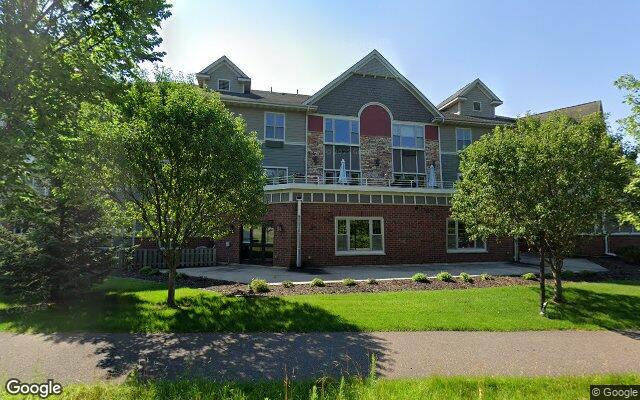
A large home, reviewed on public record.
Compared to 139 Minnesota facilities with a similar number of beds.
ALF memory care · 36-month window. Higher percentile = better performance on inspection record. Source: Minnesota Dept. of Health · Health Regulation Division.
among peers to rank.
Rankings based on 36-month MDH inspection data. Severity and frequency: fewer citations = higher percentile. Repeat rate: lower repeat citation share = higher percentile.
Citation history, plotted month by month.
No citations in the last 36 months.
Finding distribution
none · 36 monthsScope × Severity (CMS A–L)
Every inspection visit, verbatim.
3 inspections in the public record, most recent first. Plain-language summaries open first — click into any row for the full citation text.
2025-06-16Complaint InvestigationNo findings
Plain-language summary
A complaint investigation found that an allegation of neglect related to a resident's falls and resulting hip fracture was not substantiated; the falls were not foreseeable events, the facility staff were following the resident's plan of care, and staff provided proper medical care and fall prevention interventions. The resident had multiple falls due to his neurological condition affecting balance and his tendency to attempt self-transfers without using his call pendant, and the facility implemented additional safety measures including environmental modifications, reminder signs, and a new fall risk monitoring program.
Read full citation textHide full citation text
Read raw inspector notesClose inspector notes
Finding: Not Substantiated Nature of Investigation: The Minnesota Department of Health investigated an allegation of maltreatment, in accordance with the Minnesota Reporting of Maltreatment of Vulnerable Adults Act, Minn. Stat. 626.557, and to evaluate compliance with applicable licensing standards for the provider type. Initial Investigation Allegation(s): The facility neglected the resident when he had falls that resulted in a right hip fracture. Investigative Findings and Conclusion: The Minnesota Department of Health determined neglect was not substantiated. The falls were not foreseeable events. The facility staff were following the resident’s plan of care at the time of the falls. Staff notified the resident’s provider, provided proper medical care, and placed interventions in attempt to prevent future falls. The investigator conducted interviews with facility staff members, including nursing staff and unlicensed staff. The investigator contacted a family member. The investigation included review of the resident records, facility internal investigation, facility incident reports, staff schedules, and related facility policy and procedures. Also, the investigator observed staff providing resident care while on site. The resident resided in an assisted living memory care unit. The resident’s diagnoses included chronic heart failure and ataxia (a neurological condition resulting in unsteady movement, balance problems, and difficulty with fine motor skills). The resident’s service plan included assistance with transfers and toileting. The resident’s assessment indicated he was blind in one eye, used hearing aids in both ears, used a wheelchair for locomotion and was alert and oriented with verbal response delay. A facility incident report indicated while being assisted by staff to get in his wheelchair, the resident was not able to follow directions given by the staff member, so he was lowered to the floor for his safety. The resident did not sustain any injury. The resident’s provider and family were updated of the incident. Four days later, a second facility incident report indicated staff heard a noise and noted the resident to be on the floor in his room. The report indicated the resident stated he was trying to check under his bed mattress. The report indicated staff noted the resident’s wheelchair brakes were not engaged and believed that to be the cause of the fall. Staff noted an injury to the resident’s head, notified the nurse, and then called 911. The resident’s family opted to not have the resident sent to the emergency room. Staff applied pressure to the wound and bleeding stopped. The report indicated the resident was open to receiving therapy services and the medical provider was updated. The next day, a third facility incident report indicated the resident fell in the bathroom during a self-transfer attempt and sustained an abrasion to his right hip. The resident was seen by his provider at that time who was in house. The provider ordered an x-ray of the right hip due to the resident complaining of hip pain, and lab work. The resident’s progress notes indicated the right hip x-ray revealed an avulsion fracture (a fracture that occurs when a ligament or tendon pulls a small piece of bone away from the main bone) to the right hip. The resident was sent to the hospital, received surgery and went to a transitional care unit for recovery. After a couple of weeks, the resident returned to the facility and required transfer assistance with a standing lift with two staff. The resident’s service delivery record indicated staff completed safety checks every two hours and toileting assistance every two hours as required. Although the resident’s plan of care lacked documented fall interventions, the facility provided photographs of environmental changes to the resident’s room to aide in fall prevention which included the resident’s call pendant had been painted a dark color on the area of the pendant that needs to be pressed to activate it to summons staff. The facility placed a sign on the resident’s bedside table directing staff to ensure the table was next to the resident’s bed when he was in bed, with a drawing indicating the table’s placement. The facility also placed a reminder sign in the resident’s room that reminded the resident not to self-transfer and call staff. During an interview, unlicensed personnel (ULP)-1 stated when a resident had a fall, the staff have a meeting to go over any changes to the resident’s plan of care. During an interview, ULP-2 stated staff could see changes or directions for fall preventions in the resident’s care plan or behavior care plan. During an interview, a nurse stated staff placed signs in the resident’s room to remind him to use his call pendant and wait for help, and painted the resident’s call pendent so the resident could better see exactly where he needs to press to activate the pendant. The nurse stated staff check in on a resident for three days after a fall, and facility department heads review any falls every morning in the daily meeting to try to determine the cause of the fall and any appropriate interventions to initiate. The nurse stated the facility planned to implement a new fall program called the Rose Program, that places any newly admitted resident into the high falls risk category for 30 days after admission to monitor and assess them better. The nurse stated the residents in the program will have a rose indicator on their room doors and on any devices such as a walker if they use one to remind staff they are a high fall risk. During an interview, the resident stated he did not recall having any falls at the facility. The resident stated the staff treat him well and take care of him. During an interview, a family member stated the resident does not always press his call pendant and forgets he needs help with transfers and toileting. The family member stated she had no concerns or issues with the care provided to the resident, and believed staff do a good job. The family member stated there has been times she visited the resident who told her he had pressed his call pendant and was waiting for help, and when she checked his pendant, it had not bee pressed. The family member stated a care conference was held to discuss the resident’s falls, and it was discussed how the resident does not see well and may be pressing the pendant in the wrong spot. The family member stated staff painted a bright red spot on the resident’s pendant to help him see where to press for help. The family member stated the resident has not had a fall since the pendant had been painted, and now seems to realize he cannot do things by himself. In conclusion, the Minnesota Department of Health determined neglect was not substantiated. “Not Substantiated” means: An investigatory conclusion indicating the preponderance of evidence shows that an act meeting the definition of maltreatment did not occur. Neglect: Minnesota Statutes, section 626.5572, subdivision 17 “Neglect” means neglect by a caregiver or self-neglect. (a) "Caregiver neglect" means the failure or omission by a caregiver to supply a vulnerable adult with care or services, including but not limited to, food, clothing, shelter, health care, or supervision which is: (1) reasonable and necessary to obtain or maintain the vulnerable adult's physical or mental health or safety, considering the physical and mental capacity or dysfunction of the vulnerable adult; and (2) which is not the result of an accident or therapeutic conduct. (d) For purposes of this section, a vulnerable adult is not neglected for the sole reason that: (4) an individual makes an error in the provision of therapeutic conduct to a vulnerable adult which does not result in injury or harm which reasonably requires medical or mental health care; or (5) an individual makes an error in the provision of therapeutic conduct to a vulnerable adult that results in injury or harm, which reasonably requires the care of a physician, and: (i) the necessary care is provided in a timely fashion as dictated by the condition of the vulnerable adult; (ii) if after receiving care, the health status of the vulnerable adult can be reasonably expected, as determined by the attending physician, to be restored to the vulnerable adult's preexisting condition; (iii) the error is not part of a pattern of errors by the individual; (iv) if in a facility, the error is immediately reported as required under section 626.
2025-06-13Complaint InvestigationNo findings
Plain-language summary
A complaint alleged the facility neglected a resident by failing to assess her after a change in condition, which resulted in additional falls and injuries. The Minnesota Department of Health investigated and found the allegation not substantiated, determining that facility staff did assess the resident after falls, notified the provider and family, provided medical care, and updated the service plan with new fall prevention measures including hourly safety checks, signs in the room, and use of assistive equipment. The resident had multiple falls over several days that resulted in fractures and hospitalizations, but the investigation found the facility responded appropriately to each incident and change in the resident's condition.
Read full citation textHide full citation text
Read raw inspector notesClose inspector notes
Finding: Not Substantiated Nature of Investigation: The Minnesota Department of Health investigated an allegation of maltreatment, in accordance with the Minnesota Reporting of Maltreatment of Vulnerable Adults Act, Minn. Stat. 626.557, and to evaluate compliance with applicable licensing standards for the provider type. Initial Investigation Allegation(s): The facility neglected the resident when they failed to assess the resident after a change in condition, resulting in additional falls and injury. Investigative Findings and Conclusion: The Minnesota Department of Health determined neglect was not substantiated. The facility staff assessed the resident after falls, notified the provider and family, provided medical care as necessary. The facility assessed the resident for change in condition upon her return from the hospital. The investigator conducted interviews with facility staff members, including nursing staff and unlicensed staff. The investigator contacted a family member. The investigation included review of the resident records, facility internal investigation, facility incident reports, staff schedules and related facility policy and procedures. Also, the investigator observed resident cares while on site. The resident resided in an assisted living memory care unit. The resident’s diagnoses included unspecified dementia and long-term use of anticoagulants. The resident’s service plan included assistance with toileting safety monitoring. The resident’s assessment indicated she could understand others and could make her needs know. The assessment prior to having falls indicated the resident was independent with transfers and used a walker. A facility incident report indicated the resident had a fall in her room, while returning to her bed from the bathroom. The resident sustained a bruise to her left knee and had no immediate complaints of pain. The same report indicated the resident had an additional fall approximately seven hours later in her room, and the resident was not sure how she fell. The resident complained of hip pain while bearing weight. The resident was transported to the emergency room. The report included staff action of removing the resident’s walker from her view to avoid temptation of self-transfers, and directive for the resident to wear shoes, not just socks. The resident’s progress notes indicated the resident was admitted to the hospital with a pelvic and a lumbar (back) fracture. The notes indicated the resident returned to the facility the next day with new orders for medications. A facility incident report completed the day the resident returned from the hospital, indicated the resident was found on the floor in her room by staff with blood coming from her head and a cut on her elbow. The report indicated the resident had two falls on this date that were approximately four hours apart. At the time of the second fall on this date, the resident was noted to be on the floor in her kitchen with no walker or wheelchair with her. The report indicated the nurse was called, followed by a call to 911 for transportation to the emergency room. The report indicated the plan for the resident upon return to the facility was hospice services and to initiate the use of a broda wheelchair and a hospital bed. The resident’s progress notes indicated the resident was re-admitted to the hospital for a second pelvic fracture. The notes indicated the resident returned to the facility four days later and began hospice services the next day. The notes indicated the resident’s services were updated upon her return for her change in condition, and she required the assistance of two staff with a mechanical lift for transfers. A nursing assessment performed after the resident returned from the hospital indicated a change to the resident’s transfer and mobility abilities, requiring full assist from staff. The resident’s service plan was updated to reflect the change in needs with transfers indicated the resident required hourly safety checks. While on site, the investigator noted multiple signs hung in the resident’s room to remind her to have staff assistance. The investigator also noted a safety mat on the floor next to the resident’s bed while she was in bed. During an interview, unlicensed personnel (ULP)-1 stated when a resident had a fall, the staff have a meeting to go over any changes to the resident’s plan of care. During an interview, ULP-2 stated staff can see changes or directions for fall preventions in the resident’s care plan or behavior care plan. During an interview, a nurse stated interventions were documented on incident reports and the resident’s service plan where the ULP sign off on the cares or interventions for fall prevention. The nurse stated a note was placed in the resident’s medication administration record (MAR) for the ULP to be notified of any changes or new needs the resident has for fall prevention. The nurse stated staff check in on a resident for three days after a fall. The nurse stated the resident had a cognitive decline overtime and moved on to the memory care unit where she did most of her activities of daily living on her own. The nurse stated the resident became impulsive and had trouble understanding what she could no longer do on her own. The nurse stated after the resident fell, she was admitted to the hospital and returned to the facility, she had a back brace to be worn when out of bed. The nurse stated she requested therapy orders to work with the resident and get more ideas on what could be done to help the resident at her cognitive level. The nurse stated the resident fell again in a short amount of time before they had the chance to initiate new fall prevention interventions. The nurse stated the resident returned from the hospital with orders for hospice services, a hospital bed, and a broda wheelchair to help keep her safe. During an interview, the resident did not recall having any falls and denied having any concerns about the care she received at the facility. The resident stated staff come quickly when she uses her call button for assistance. During an interview, a family member stated she believed the staff were caring for the resident how they were supposed to, and felt the falls the resident had were due to the resident not realizing her declined abilities. The family member stated she had no concerns about the care the resident received at the facility. In conclusion, the Minnesota Department of Health determined neglect was not substantiated. “Not Substantiated” means: An investigatory conclusion indicating the preponderance of evidence shows that an act meeting the definition of maltreatment did not occur. Neglect: Minnesota Statutes, section 626.5572, subdivision 17 “Neglect” means neglect by a caregiver or self-neglect. (a) "Caregiver neglect" means the failure or omission by a caregiver to supply a vulnerable adult with care or services, including but not limited to, food, clothing, shelter, health care, or supervision which is: (1) reasonable and necessary to obtain or maintain the vulnerable adult's physical or mental health or safety, considering the physical and mental capacity or dysfunction of the vulnerable adult; and (2) which is not the result of an accident or therapeutic conduct. (d) For purposes of this section, a vulnerable adult is not neglected for the sole reason that: (4) an individual makes an error in the provision of therapeutic conduct to a vulnerable adult which does not result in injury or harm which reasonably requires medical or mental health care; or (5) an individual makes an error in the provision of therapeutic conduct to a vulnerable adult that results in injury or harm, which reasonably requires the care of a physician, and: (i) the necessary care is provided in a timely fashion as dictated by the condition of the vulnerable adult; (ii) if after receiving care, the health status of the vulnerable adult can be reasonably expected, as determined by the attending physician, to be restored to the vulnerable adult's preexisting condition; (iii) the error is not part of a pattern of errors by the individual; (iv) if in a facility, the error is immediately reported as required under section 626.557, and recorded internally in the facility; (v) if in a facility, the facility identifies and takes corrective action and implements measures designed to reduce the risk of further occurrence of this error and similar errors; and (vi) if in a facility, the actions required under items (iv) and (v) are sufficiently documented for review and evaluation by the facility and any applicable licensing, certification, and ombudsman agency. Vulnerable Adult interviewed: Yes.
2025-04-24Annual Compliance VisitNo findings
Plain-language summary
During a routine inspection conducted April 21–24, 2025, at The Shores of Lake Phalen in Maplewood, the Minnesota Department of Health issued correction orders indicating that the facility was not in compliance with minimum requirements under Minnesota Statute 144G.41. No immediate fines were assessed, and the facility must document the actions it takes to correct these violations in its records.
Read full citation textHide full citation text
Read raw inspector notesClose inspector notes
correction orders and document the actions taken to comply in the facility's records. The Department reserves the right to return to the facility at any time should the Department receive a complaint or deem it necessary to ensure the health, safety, and welfare of residents in your care. STATE CORRECTION ORDERS The enclosed State Form documents the state correction orders. MDH documents state licensing correction orders using federal software. Tag numbers are assigned to Minnesota state statutes for Assisted Living Facilities. The assigned tag number appears in the far left column entitled "ID Prefix Tag." The state statute number and the corresponding text of the state statute out of compliance are listed in the "Summary Statement of Deficiencies" column. This column also includes the findings that are in violation of the state statute after the statement, "This MN Requirement is not met as evidenced by . . ." In accordance with Minn. Stat. § 144G.31 Subd. 4, MDH may assess fines based on the level and scope of the violations; h owever, no immediate fines are assessed for this survey of your facility. DOCUMENTATION OF ACTION TO COMPLY In accordance with Minn. Stat. § 144G.30, Subd. 5(c), the licensee must document actions taken to comply with the correction orders within the time period outlined on the state form; however, plans of correction are not required to be submitted for approval. The correction order documentation should include the following: Identify how the area(s) of noncompliance was corrected related to the An equal opportunity employer. Letter ID: IS7N REVISED 09/13/2021 The Shores Of Lake Phalen June 5, 2025 Page 2 resident(s)/employee(s) identified in the correction order. Identify how the area(s) of noncompliance was corrected for all of the provider’s resident(s)/employees that may be affected by the noncompliance. Identify what changes to your systems and practices were made to ensure compliance with the specific statute(s). CORRECTION ORDER RECONSIDERATION PROCESS In accordance with Minn. Stat. § 144G.32, Subd. 2, you may challenge the correction order(s) issued, including the level and scope, and any fine assessed through the correction order reconsideration process. The request for reconsideration must be in writing and received by MDH within 15 calendar days of the correction order receipt date. To submit a reconsideration request, please visit: https://forms.web.health.state.mn.us/form/HRDAppealsForm The MDH Health Regulation Division (HRD) values your feedback about your experience during the survey and/or investigation process. Please fill out this anonymous provider feedback questionnaire at your convenience at this link: h ttps://forms.office.com/g/Bm5uQEpHVa. Your input is important to us and will enable MDH to improve its processes and communication with providers. If you have any questions regarding the questionnaire, please contact Susan Winkelmann at susan.winkelmann@state.mn.us or call 651-201-5952. You are encouraged to retain this document for your records. It is your responsibility to share the information contained in the letter and state form with your organization’s Governing Body. If you have any questions, please contact me. Sincerely, Renee Anderson, Supervisor State Evaluation Team Email: Renee.L.Anderson@state.mn.us Telephone: 651-201-5871 Fax: 1 -866-890-9290 JMD PRINTED: 06/05/2025 FORM APPROVED STATEMENT OF DEFICIENCIES (X1) PROVIDER/SUPPLIER/CLIA (X2) MULTIPLE CONSTRUCTION (X3) DATE SURVEY AND PLAN OF CORRECTION IDENTIFICATION NUMBER: COMPLETED A. BUILDING: ______________________ B. WING _____________________________ 29004 04/24/2025 NAME OF PROVIDER OR SUPPLIER STREET ADDRESS, CITY, STATE, ZIP CODE 1870 EAST SHORE DRIVE THE SHORES OF LAKE PHALEN MAPLEWOOD, MN 55109 SUMMARY STATEMENT OF DEFICIENCIES PROVIDER'S PLAN OF CORRECTION (X4) ID ID (X5) PREFIX (EACH DEFICIENCY MUST BE PRECEDED BY FULL PREFIX (EACH CORRECTIVE ACTION SHOULD BE COMPLETE REGULATORY OR LSC IDENTIFYING INFORMATION) CROSS-REFERENCED TO THE APPROPRIATE DATE TAG TAG DEFICIENCY) 0 000 Initial Comments 0 000 ******ATTENTION****** Minnesota Department of Health is documenting the State Licensing ASSISTED LIVING PROVIDER LICENSING Correction Orders using federal software. CORRECTION ORDER(S) Tag numbers have been assigned to Minnesota State Statutes for Assisted In accordance with Minnesota Statutes, section Living License Providers. The assigned 144G.08 to 144G.95, these correction orders are tag number appears in the far left column issued pursuant to a survey. entitled "ID Prefix Tag." The state Statute number and the corresponding text of the Determination of whether violations are corrected state Statute out of compliance is listed in requires compliance with all requirements the "Summary Statement of Deficiencies" provided at the Statute number indicated below. column. This column also includes the When Minnesota Statute contains several items, findings which are in violation of the state failure to comply with any of the items will be requirement after the statement, "This considered lack of compliance. Minnesota requirement is not met as evidenced by." Following the surveyors' INITIAL COMMENTS: findings is the Time Period for Correction. SL#29004016-0 PLEASE DISREGARD THE HEADING OF On April 21, 2025, through April 24, 2025, the THE FOURTH COLUMN WHICH survey at the above provider, and the following CORRECTION." THIS APPLIES TO correction orders are issued. At the time of the FEDERAL DEFICIENCIES ONLY. THIS survey, there were 78 residents, all of whom were WILL APPEAR ON EACH PAGE. receiving services under the provider's Assisted Living with Dementia Care license. THERE IS NO REQUIREMENT TO SUBMIT A PLAN OF CORRECTION FOR VIOLATIONS OF MINNESOTA STATE STATUTES. The letter in the left column is used for tracking purposes and reflects the scope and level pursuant to 144G.31 Subd. 1, 2 and 3. 0 480 144G.41 Subdivision 1 Subd. 1a (a-b) Minimum 0 480 SS=F requirements; required food services (a) Except as provided in paragraph (b), food must be prepared and served according to the Minnesota Food Code, Minnesota Rules, chapter LABORATORY DIRECTOR'S OR PROVIDER/SUPPLIER REPRESENTATIVE'S SIGNATURE TITLE (X6) DATE STATE FORM 6899 U4DH11 If continuation sheet 1 of 14 PRINTED: 06/05/2025 FORM APPROVED STATEMENT OF DEFICIENCIES (X1) PROVIDER/SUPPLIER/CLIA (X2) MULTIPLE CONSTRUCTION (X3) DATE SURVEY AND PLAN OF CORRECTION IDENTIFICATION NUMBER: COMPLETED A. BUILDING: ______________________ B. WING _____________________________ 29004 04/24/2025 NAME OF PROVIDER OR SUPPLIER STREET ADDRESS, CITY, STATE, ZIP CODE 1870 EAST SHORE DRIVE THE SHORES OF LAKE PHALEN MAPLEWOOD, MN 55109 SUMMARY STATEMENT OF DEFICIENCIES PROVIDER'S PLAN OF CORRECTION (X4) ID ID (X5) PREFIX (EACH DEFICIENCY MUST BE PRECEDED BY FULL PREFIX (EACH CORRECTIVE ACTION SHOULD BE COMPLETE REGULATORY OR LSC IDENTIFYING INFORMATION) CROSS-REFERENCED TO THE APPROPRIATE DATE TAG TAG DEFICIENCY) 0 480 Continued From page 1 0 480 4626. (b) For an assisted living facility with a licensed capacity of ten or fewer residents: (1) notwithstanding Minnesota Rules, part 4626.0033, item A, the facility may share a certified food protection manager (CFPM) with one other facility located within a 60-mile radius and under common management provided the CFPM is present at each facility frequently enough to effectively administer, manage, and supervise each facility's food service operation; (2) notwithstanding Minnesota Rules, part 4626.0545, item A, kick plates that are not removable or cannot be rotated open are allowed unless the facility has been issued repeated correction orders for violations of Minnesota Rules, part 4626.1565 or 4626.1570; (3) notwithstanding Minnesota Rules, part 4626.0685, item A, the facility is not required to provide integral drainboards, utensil racks, or tables large enough to accommodate soiled and clean items that may accumulate during hours of operation provided soiled items do not contaminate clean items, surfaces, or food, and clean equipment and dishes are air dried in a manner that prevents contamination before storage; (4) notwithstanding Minnesota Rules, part 4626.1070, item A, the facility is not required to install a dedicated handwashing sink in its existing kitchen provided it designates one well of a two-compartment sink for use only as a handwashing sink; (5) notwithstanding Minnesota Rules, parts 4626.1325, 4626.1335, and 4626.1360, item A, existing floor, wall, and ceiling finishes are allowed provided the facility keeps them clean and in good condition; (6) notwithstanding Minnesota Rules, part STATE FORM 6899 U4DH11 If continuation sheet 2 of 14 PRINTED: 06/05/2025 FORM APPROVED STATEMENT OF DEFICIENCIES (X1) PROVIDER/SUPPLIER/CLIA (X2) MULTIPLE CONSTRUCTION (X3) DATE SURVEY AND PLAN OF CORRECTION IDENTIFICATION NUMBER: COMPLETED A. BUILDING: ______________________ B. WING _____________________________ 29004 04/24/2025 NAME OF PROVIDER OR SUPPLIER STREET ADDRESS, CITY, STATE, ZIP CODE 1870 EAST SHORE DRIVE THE SHORES OF LAKE PHALEN MAPLEWOOD, MN 55109 SUMMARY STATEMENT OF DEFICIENCIES PROVIDER'S PLAN OF CORRECTION (X4) ID ID (X5) PREFIX (EACH DEFICIENCY MUST BE PRECEDED BY FULL PREFIX (EACH CORRECTIVE ACTION SHOULD BE COMPLETE REGULATORY OR LSC IDENTIFYING INFORMATION) CROSS-REFERENCED TO THE APPROPRIATE DATE TAG TAG DEFICIENCY) 0 480 Continued From page 2 0 480 4626.
3 older inspections from 2022 are not shown above.
Get the complete record, translated into plain language — emailed to you.
Other facilities in Ramsey County.
Other memory care facilities in Ramsey County with similar care offerings.

Contract Decoder
Family reviews
No reviews yet — be the first to share your experience
Other memory care options nearby.
More options in neighboring cities
Licensed memory care in other cities within this county region — useful when your search radius crosses city limits.