Harmony Gardens.
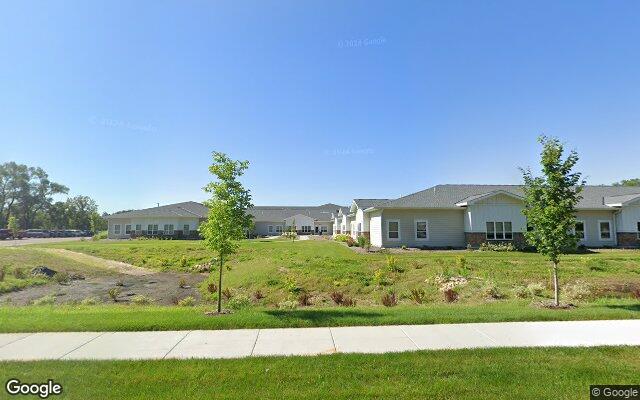
A large home, reviewed on public record.
Compared to 139 Minnesota facilities with a similar number of beds.
ALF memory care · 36-month window. Higher percentile = better performance on inspection record. Source: Minnesota Dept. of Health · Health Regulation Division.
among peers to rank.
Rankings based on 36-month MDH inspection data. Severity and frequency: fewer citations = higher percentile. Repeat rate: lower repeat citation share = higher percentile.
Citation history, plotted month by month.
2 deficiencies on record. Each bar is a month with a citation.
Finding distribution
2 total · 36 monthsScope × Severity (CMS A–L)
Questions to ask before you visit.
A short pre-tour checklist tailored to Harmony Gardens's record and state requirements.
The most recent Minnesota Department of Health inspection on November 4, 2025 found zero deficiencies across all areas — can you walk us through the facility's internal quality assurance process and show documentation of how staff prepare for state inspections?
Ask the operator on tour. Take notes and compare answers across facilities you visit.
Four complaints were filed with MDH during the inspection period on file — were any of those complaints substantiated, and what corrective actions did the facility implement in response to substantiated findings?
Ask the operator on tour. Take notes and compare answers across facilities you visit.
This facility holds an Assisted Living Facility with Dementia Care license under Minnesota Statutes chapter 144G — can you provide a copy of the written dementia care program and explain how it differs from the general assisted living services for the 120 licensed beds?
Ask the operator on tour. Take notes and compare answers across facilities you visit.
Every inspection visit, verbatim.
5 inspections in the public record, most recent first. Plain-language summaries open first — click into any row for the full citation text.
2025-11-04Annual Compliance VisitNo findings
Plain-language summary
A routine inspection of this assisted living facility with dementia care was conducted on November 3–4, 2025, and correction orders were issued for violations of Minnesota statutes. No immediate fines were assessed, but the facility must document how it corrected the violations and made system changes to prevent future noncompliance within the timeframe specified on the state form. The facility has the right to request reconsideration of the correction orders within 15 days.
Read full citation textHide full citation text
Read raw inspector notesClose inspector notes
correction orders and document the actions taken to comply in the facility's records. The Department reserves the right to return to the facility at any time should the Department receive a complaint or deem it necessar yto ensure the health, safety, and welfare of residents in your care. STATE CORRECTIO ONRDERS The enclosed State Form documents the state correction orders. MDH documents state licensing correction orders using federal software. Tag numbers are assigned to Minnesota state statutes for Assisted Living Facilities .The assigned tag number appears in the far left column entitled "ID Prefix Tag". The state statute number and the corresponding text of the state statute out of compliance are listed in the "Summary Statemen tof Deficiencies "column. This column also includes the findings that are in violation of the state statute after the statement, "This MN Requiremen tis not met as evidenced by . . ." In accordance with Minn. Stat. § 144G3. 1 Subd .4, MDH may asses sfines based on the level and scope of the violations; however, no immediate fines are assesse dfor this survey of your facility. DOCUMENTATIO ONF ACTION TO COMPLY In accordance with Minn. Stat. § 144G3. 0, Subd .5(c), the licensee must docum ent actions taken to comply with the correction orders within the time period outlined on the state form; however, plans of correction are not required to be submitted for approval. The correction order documentation should include the following: An equal opportunity employer . Letter ID: IS7N REVISE 0D9/13/2021 Harmony Gardens Novembe r18, 2025 Page 2 x Identify how the area(s) of noncompliance was corrected related to the resident(s)/ employees( ) identified in the correction order. x Identify how the area(s) of noncompliance was corrected for all of the provider’s resident(s)/ employees that may be affected by the noncompliance. x Identify what changes to your systems and practices were made to ensure compliance with the specific statute(s). CORRECTIO ONRDER RECONSIDERATI OPRNOCESS In accordance with Minn. Stat. § 144G3. 2, Subd .2, you may challenge the correction order(s) issued, including the level and scope ,and any fine assesse dthrough the correction order reconsideration process .The request for reconsideration must be in writing and received by MDH within 15 calendar days of the correction order receipt date. To submit a reconsideration request, please visit: https:/ / forms.web.health.state.mn.us/form/ HRDAppealsForm The MDH Health Regulation Division (HRD )values your feedback about your experience during the survey and/or investigation process .Please fill out this anonymous provider feedback questionnaire at your convenience at this link: https:/ / forms.office.com/g/ Bm5uQEpHV.a Your input is important to us and will enable MDH to improve its processe sand communication with providers . If you have any questions regarding the questionnaire ,please contact Susan Winkelmann at susanw. inkelmann@state.mn.us or call 651-201-5952. You are encouraged to retain this document for your records . It is your responsibility to share the information contained in the letter and state form with your organizations’ Governing Body. If you have any questions ,please contact me. Sincerely, Casey DeVries ,Supervisor State Evaluation Team Email: CaseyD. eVries@state.mn.us Telephone :651-201-5917 Fax :1-866-890-9290 CLN PRINTED: 11/18/2025 FORM APPROVED STATEMENT OF DEFICIENCIES (X1) PROVIDER/SUPPLIER/CLIA (X2) MULTIPLE CONSTRUCTION (X3) DATE SURVEY AND PLAN OF CORRECTION IDENTIFICATION NUMBER: COMPLETED A. BUILDING: ______________________ B. WING _____________________________ 39485 11/04/2025 NAME OF PROVIDER OR SUPPLIER STREET ADDRESS, CITY, STATE, ZIP CODE 1440 COUNTY ROAD C EAST HARMONY GARDENS MAPLEWOOD, MN 55109 SUMMARY STATEMENT OF DEFICIENCIES PROVIDER'S PLAN OF CORRECTION (X4) ID ID (X5) (EACH DEFICIENCY MUST BE PRECEDED BY FULL (EACH CORRECTIVE ACTION SHOULD BE COMPLETE PREFIX PREFIX REGULATORY OR LSC IDENTIFYING INFORMATION) CROSS-REFERENCED TO THE APPROPRIATE DATE TAG TAG DEFICIENCY) 0 000 Initial Comments 0 000 *****ATTENTION***** Minnesota Department of Health is documenting the State Correction Orders ASSISTED LIVING PROVIDER LICENSING using federal software. Tag numbers have CORRECTION ORDER(S) been assigned to Minnesota State Statutes for Assisted Living Facilities. The In accordance with Minnesota Statutes, section assigned tag number appears in the 144G.08 to 144G.95, these correction orders are far-left column entitled "ID Prefix Tag." issued pursuant to a survey. The state Statute number and the corresponding text of the state Statute out Determination of whether violations are corrected of compliance is listed in the "Summary requires compliance with all requirements Statement of Deficiencies" column. This provided at the Statute number indicated below. column also includes the findings which When Minnesota Statute contains several items, are in violation of the state requirement failure to comply with any of the items will be after the statement, "This Minnesota considered lack of compliance. requirement is not met as evidenced by." Following the evaluators' findings is the INITIAL COMMENTS: Time Period for Correction. SL39485016-0 PLEASE DISREGARD THE HEADING OF THE FOURTH COLUMN WHICH On November 3, 2025, through November 4, STATES,"PROVIDER'S PLAN OF 2025, the Minnesota Department of Health CORRECTION." THIS APPLIES TO conducted a full survey at the above provider and FEDERAL DEFICIENCIES ONLY. THIS the following correction orders are issued. At the WILL APPEAR ON EACH PAGE. time of the survey, there were 108 residents; 72 receiving services under the Assisted Living THERE IS NO REQUIREMENT TO Facility with Dementia Care license. SUBMIT A PLAN OF CORRECTION FOR VIOLATIONS OF MINNESOTA STATE STATUTES. THE LETTER IN THE LEFT COLUMN IS USED FOR TRACKING PURPOSES AND REFLECTS THE SCOPE AND LEVEL ISSUED PURSUANT TO 144G.31 SUBDIVISION 1-3. 0 480 144G.41 Subdivision 1 Subd. 1a (a-b) Minimum 0 480 SS=F requirements; required food services LABORATORY DIRECTOR'S OR PROVIDER/SUPPLIER REPRESENTATIVE'S SIGNATURE TITLE (X6) DATE STATE FORM 6899 T3B411 If continuation sheet 1 of 8 PRINTED: 11/18/2025 FORM APPROVED STATEMENT OF DEFICIENCIES (X1) PROVIDER/SUPPLIER/CLIA (X2) MULTIPLE CONSTRUCTION (X3) DATE SURVEY AND PLAN OF CORRECTION IDENTIFICATION NUMBER: COMPLETED A. BUILDING: ______________________ B. WING _____________________________ 39485 11/04/2025 NAME OF PROVIDER OR SUPPLIER STREET ADDRESS, CITY, STATE, ZIP CODE 1440 COUNTY ROAD C EAST HARMONY GARDENS MAPLEWOOD, MN 55109 SUMMARY STATEMENT OF DEFICIENCIES PROVIDER'S PLAN OF CORRECTION (X4) ID ID (X5) (EACH DEFICIENCY MUST BE PRECEDED BY FULL (EACH CORRECTIVE ACTION SHOULD BE COMPLETE PREFIX PREFIX REGULATORY OR LSC IDENTIFYING INFORMATION) CROSS-REFERENCED TO THE APPROPRIATE DATE TAG TAG DEFICIENCY) 0 480 Continued From page 1 0 480 (a) Except as provided in paragraph (b), food must be prepared and served according to the Minnesota Food Code, Minnesota Rules, chapter 4626. (b) For an assisted living facility with a licensed capacity of ten or fewer residents: (1) notwithstanding Minnesota Rules, part 4626.0033, item A, the facility may share a certified food protection manager (CFPM) with one other facility located within a 60-mile radius and under common management provided the CFPM is present at each facility frequently enough to effectively administer, manage, and supervise each facility's food service operation; (2) notwithstanding Minnesota Rules, part 4626.0545, item A, kick plates that are not removable or cannot be rotated open are allowed unless the facility has been issued repeated correction orders for violations of Minnesota Rules, part 4626.1565 or 4626.1570; (3) notwithstanding Minnesota Rules, part 4626.0685, item A, the facility is not required to provide integral drainboards, utensil racks, or tables large enough to accommodate soiled and clean items that may accumulate during hours of operation provided soiled items do not contaminate clean items, surfaces, or food, and clean equipment and dishes are air dried in a manner that prevents contamination before storage; (4) notwithstanding Minnesota Rules, part 4626.1070, item A, the facility is not required to install a dedicated handwashing sink in its existing kitchen provided it designates one well of a two-compartment sink for use only as a handwashing sink; (5) notwithstanding Minnesota Rules, parts 4626.1325, 4626.1335, and 4626.1360, item A, STATE FORM 6899 T3B411 If continuation sheet 2 of 8 PRINTED: 11/18/2025 FORM APPROVED STATEMENT OF DEFICIENCIES (X1) PROVIDER/SUPPLIER/CLIA (X2) MULTIPLE CONSTRUCTION (X3) DATE SURVEY AND PLAN OF CORRECTION IDENTIFICATION NUMBER: COMPLETED A. BUILDING: ______________________ B. WING _____________________________ 39485 11/04/2025 NAME OF PROVIDER OR SUPPLIER STREET ADDRESS, CITY, STATE, ZIP CODE 1440 COUNTY ROAD C EAST HARMONY GARDENS MAPLEWOOD, MN 55109 SUMMARY STATEMENT OF DEFICIENCIES PROVIDER'S PLAN OF CORRECTION (X4) ID ID (X5) (EACH DEFICIENCY MUST BE PRECEDED BY FULL (EACH CORRECTIVE ACTION SHOULD BE COMPLETE PREFIX PREFIX REGULATORY OR LSC IDENTIFYING INFORMATION) CROSS-REFERENCED TO THE APPROPRIATE DATE TAG TAG DEFICIENCY) 0 480 Continued From page 2 0 480 existing floor, wall, and ceiling finishes are allowed provided the facility keeps them clean and in good condition; (6) notwithstanding Minnesota Rules, part 4626.
2025-07-08Complaint InvestigationNo findings
Plain-language summary
Minnesota Department of Health investigated a complaint that an unlicensed staff member slapped a resident's face during a transfer assistance in the overnight hours; however, the investigation concluded the allegation was inconclusive because the resident and staff member gave conflicting accounts, there was no physical evidence of injury, no witnesses, and no camera footage from inside the resident's room. The facility's own investigation found no visible bruising, redness, or swelling on the resident's face, and the next morning the resident showed no signs of distress or injury and did not report the incident to other staff.
Read full citation textHide full citation text
Read raw inspector notesClose inspector notes
Finding: Inconclusive Nature of Investigation: The Minnesota Department of Health investigated an allegation of maltreatment, in accordance with the Minnesota Reporting of Maltreatment of Vulnerable Adults Act, Minn. Stat. 626.557, and to evaluate compliance with applicable licensing standards for the provider type. Initial Investigation Allegation(s): The alleged perpetrator (AP), a facility unlicensed personnel, physically abused the resident when the AP slapped the resident’s face. Investigative Findings and Conclusion: The Minnesota Department of Health determined abuse was inconclusive. Due to conflicting accounts of the incident, it could not be determined whether physical abuse did or did not occur. The resident reported the AP slapped her face and the AP denied the allegation. There was no physical evidence the AP slapped the resident, no witnesses to the alleged incident, and no camera in the resident’s room. The investigator conducted interviews with facility staff members, including administrative and nursing staff. The investigation included review of the resident records, facility internal investigation, facility incident report, personnel file, staff schedules, law enforcement report, and related facility policy and procedures. Also, the investigator observed staff interaction with the resident and staff interactions with other residents. The resident resided in an assisted living memory care unit. The resident’s diagnoses included amyotrophic lateral sclerosis (ALS, nervous system disease), and anxiety. The resident required hands on assistance of one staff with transfers. The resident was alert, oriented, and made her needs known. The resident was easily overwhelmed, became fearful, which led to crying spells. The resident at times had acute anxiety and crying spells that made the resident unable to do things or communicate effectively. The resident also received contracted hospice services. The resident’s record indicated the resident was admitted to a specialized area of the facility from a different floor the night of the alleged incident. The facility internal investigation indicated the first full day in the new living area; the resident told a contracted staff that the AP slapped the resident’s face. During the facility investigation, the resident stated during the overnight shift she asked the male overnight unlicensed personnel (AP) to assist her out of bed into her recliner. The resident stated the AP had grabbed her to help her up, the resident said she pushed the AP’s hand out of the way, and the AP responded by slapping the resident’s face. The resident stated the AP may have slapped her right cheek however she did not remember. The resident stated the incident occurred around 2:00 a.m. and the AP did not come back to the room after the incident. When leadership asked if this occurred intentionally, the resident said, “well yeah” and began crying. The resident stated the AP wanted her to shut up and had asked her “What do you need? Why are you crying?” when the AP came into the room. Leadership did not see noticeable redness, bruising, or swelling. During the facility investigation, the AP stated the resident had yelled and pushed his hand while he attempted to assist the resident out of bed. The AP stated the resident hit him in the face, and later in the shift the resident apologized. The AP stated he told the resident he was there to care for her, and she did not have to hit him. The resident became very emotional and was crying during shift. The resident had a history of crying. The AP stated when he tried to assist the resident in the past, the resident had not allowed him in the resident’s room, and stated the resident did not like the AP. During the facility investigation, the morning unlicensed personnel, stated when she arrived to shift at 6:00 a.m., the resident was ready to get out of bed. The resident was in a pleasant mood, and did not have any signs of bruising or redness. Throughout shift the resident did not report anything occurred with the AP, and the resident did not have any complaints of pain, swelling, redness, or bruising. During the facility investigation, multiple unlicensed personnel reported the resident had a history of striking out at staff. One unlicensed personnel stated the resident had a history of not wanting the AP to assist her during the overnight shift when the resident lived on a different floor of the facility. During the facility investigation, other residents were interviewed. None reported any concerns with the AP’s care or interactions with the AP during the overnight shift. The resident’s record indicated a licensed nurse assessed the resident’s skin due to the reported incident. There was no bruising, swelling on the resident’s cheek area, or reddened marks. The resident denied any physical pain. The facility reviewed camera footage from a hallway outside the resident’s room. The footage showed the AP entered the resident’s room a total of four times; at 10:55 p.m., for a minute or less. at 12:18 a.m. until 12:21 a.m., at 12:25 a.m. until 12:31 a.m., and at 3:57 a.m. until 4:02 a.m. The facility was unable to determine what occurred in the resident’s apartment behind closed doors. The facility contacted law enforcement to report the incident. The resident chose not to meet with law enforcement. The law enforcement report indicated the facility contacted law enforcement and reported the incident. During an interview, a contracted unlicensed personnel stated the resident reported to her that the facility male overnight unlicensed personnel (AP), had slapped the resident’s face when the resident requested to be transferred from her bed to her recliner. The resident said she “shooed” the AP’s hands away and the AP then slapped the resident’s face. The contracted staff stated there were no noticeable marks visible on the resident’s face. The resident was visually upset and crying. During an interview, a nurse stated the resident required staff assistance with transfers and was alert and oriented. The nurse stated after the resident reported the incident, a licensed nurse assessed the resident’s skin. The nurse stated the resident did not have red marks, no injuries, or complaints of pain. The nurse stated the resident had prior and ongoing extreme crying episodes that the resident could not control due to ALS disease. During an interview, leadership stated when she spoke to the resident the resident said it was the male unlicensed personnel working overnights that slapped her. Leadership stated the AP was the only male overnight unlicensed personnel working and was viewed on the facility hallway cameras entering and exiting the resident’s room. Leadership stated the AP denied the allegation. The alleged incident occurred on the first night the resident moved to a specialized area at the facility and the AP worked in the specialized area. Leadership stated the resident had requested assistance from the AP with a transfer. Leadership stated there were no physical signs of injury and there was no video evidence of the incident from the resident’s room. During an interview, the AP stated he went into the resident’s room to assist the resident to get up out of bed. The resident was crying, which was not abnormal for the resident. The AP stated the resident declined the AP’s assistance and help. The AP denied slapping the resident’s face. In conclusion, the Minnesota Department of Health determined abuse was inconclusive. Inconclusive: Minnesota Statutes, section 626.5572, Subdivision 11. "Inconclusive" means there is less than a preponderance of evidence to show that maltreatment did or did not occur. Abuse: Minnesota Statutes section 626.5572, subdivision 2. "Abuse" means: (a) An act against a vulnerable adult that constitutes a violation of an attempt to violate, or aiding and abetting a violation of: (1) assault in the first through fifth degrees as defined in sections 609.221 to 609.224; (2) the use of drugs to injure or facilitate crime as defined in section 609.235; (3) the solicitation, inducement, and promotion of prostitution as defined in section 609.322; and (4) criminal sexual conduct in the first through fifth degrees as defined in sections 609.342 to 609.3451. A violation includes any action that meets the elements of the crime, regardless of whether there is a criminal proceeding or conviction.
2025-03-31Complaint InvestigationSubstantiated Finding · 1 finding
Plain-language summary
The Minnesota Department of Health investigated a complaint of financial exploitation involving two nurses who diverted controlled pain medications from residents by stealing them and falsifying medication records between 2025 and 2026. The investigation substantiated financial exploitation for 14 residents, with the nurses removing narcotic medications without administering them to residents and impersonating other staff in the electronic medication system; financial exploitation findings were inconclusive for 5 additional residents and not substantiated for 2 residents. Both nurses were removed from employment and the case was reported to law enforcement.
Read full citation text (1)Hide full citation text
“MDH substantiated maltreatment or licensing violation finding”
Read raw inspector notesClose inspector notes
Finding: Substantiated, individual responsibility S E U Nature of Investigation: Q The Minnesota Department of Health investigated an allegation of maltreatment, in accordance E with the Minnesota Reporting of Maltreatment of Vulnerable Adults Act, Minn. Stat. 626.557, R and to evaluate compliance with applicable licensing standards for the provider type. A Initial InvestigationD Allegation(s): E The alleged perpetrators (AP 1 and AP 2) financially exploited residents when they stole the V residents’ controlled medications. I E C Investigative Findings and Conclusion: E The Minnesota Department of Health determined financial exploitation was substantiated for R residents 1, 2, 3, 5, 6, 7, 8, 9, 11, 13, 14, 16, 18 and 21. AP 1 and AP 2 were responsible for the maltreatment. AP 1 and AP 2 were nurses and AP 1 supervised AP 2. AP 1 and AP 2’s drug diversion included documentation inconsistencies with pharmacy deliveries; inconsistencies or a lack of documentation in the narcotic records regarding scheduled and as needed (prn) narcotic medication counts, new, refilled or discontinued narcotic prescriptions, and legibility of entries. There were documentation inconsistencies in the electronic medication administration record (MAR). AP 1 and AP 2 failed to follow medication destruction policies and procedures. The Minnesota Department of Health determined financial exploitation was inconclusive for Residents 4, 10, 12, 19, and 20. The Minnesota Department of Health determined financial exploitation was not substantiated for resident 15 and resident 17. N The investigators conducted interviews with facility staff members, including administrative O staff, nursing staff, and unlicensed staff. The investigators contacted law enforcement, the Drug I Enforcement Administration officer and the pharmacist. The investigation includeTd review of A the resident records, pharmacy records, facility internal investigation, facility narcotic records, R personnel files, staff schedules, law enforcement report, facility security video footage and E pictures, and related facility policy and procedures. Also, the investigators observed medication D storage and controlled substance storage in the units and nursing office. I S N The residents resided in an assisted living facility, and all received medication administration O services. C E R During an interview, management staff stated they received suspicion and reports of suspected of drug diversion occurring. The initiated a facility internal investigation and began reviewing R O resident narcotic records, pharmacy delivery records, resident medication administration F records (MAR) and security video. As patterns of diversion were evident of AP 1, management T staff stated they then continued their investigation going further back of dated records for S review. Management staff stated they removed AP 1 and reported drug diversion to law E enforcement. Management staff stated AP 1 managed the nursing department and during her U employment, she had a medication cart in the nurse’s office, maintained a master nurse’s Q narcotic book and kept resident narcotic medication in that cart. In addition, each unit had a E R narcotic book for each medication cart. The nurses had keys to open all narcotic boxes on the unit medication carts. A D During an interview, a nurse stated AP 1 managed both her and AP 2. AP 2 was responsible for E managing all oVf the medications for the residents and she was responsible for completing all of I the resident assessments. E C InvestEigative interviews multiple staff stated AP 1 often offered to administer noon medication R passes for particular residents with narcotic medications. AP 1 would document under the ULP that had been signed in the eMAR system, impersonating the ULP administering the medication. ULP 2 stated the ULPs were under the impression AP 1, who was the director of nursing, could help and sign off medication administration for staff. When management started their internal investigation, all ULP were instructed to change their passwords. ULP 2 stated during interview, AP 1 stood at her medication cart, upset that she could not get into the computer and asked her why she was logged out of the eMAR. ULP 2 stated she told AP 1 she had changed her password and AP 1 was upset. Review of 21 resident narcotic records compared with MARs indicated AP 1 had a diversion tendency to remove controlled medications around 10:00 a.m. (ranging from 9:00 a.m. to 11:00 a.m.), around 1:00 p.m. and around the end of the day at 4:00 p.m. or 5:00 p.m. AP 1 diversion patterns included removing controlled medications with no evidence of administering the medication, removing the controlled medication on the narcotic record with a ULP signed on the MAR (indicative of staff reporting she was signing the computer while recorded in with their N user log in). No other staff had a pattern of removing a controlled medication from the narcotic O record and failing to document administration in the resident MAR. ULP documented accurately I T administration in the MAR and signing out the controlled substance from the narcotic records, A with consistent mirroring times, whereas AP 1 did not. R E Resident 1 D Resident 1’s diagnoses included dementia, congestive heart failure, a cIlosed fracture of her S right femur and pain. She was enrolled in hospice and her prescribed medications included the N narcotic oxycodone for pain. Resident 1 is deceased. O C AP 2 faxed an order from hospice to the pharmacy for oxEycodone 2.5 milligrams (mg) tablets by R mouth every four hours as needed (PRN) for pain. R O The narcotic record showed AP 1 received and recorded 60 oxycodone 2.5 mg tablets and then F removed one 2.5 mg tablet to give to resident 1, which left 59 tablets. Several days later, AP 1 T took a hospice telephone order for oxycodone 5 mg tablets by mouth every morning and night S for increased pain, and every 2 hours PRN for increased pain. E U The pharmacy delivery records indicated 30 oxycodone 5 mg tablets were delivered to the Q facility. A nurse signed for them. The new oxycodone 5 mg prescription was added to the same E R unit narcotic record page as the oxycodone 2.5mg count, but the count did not reflect the additional 30 tablets. A D AP 1 documented in the individual narcotic record that she removed and signed for a E oxycodone 2.5V mg tablet but did not sign resident 1’s MAR that she gave the medication. I E The next day, AP 1 removed and signed for a 5mg tablet in the morning and again four hours C later. EThe MAR indicated only one dose of oxycodone was given that day and another staff R member signed for it, not AP 1. There were still 24 oxycodone tablets recorded at the bottom of the unit narcotic record page and the page was crossed out. There was no medication disposition form. Another page in the unit narcotic record, indicated 20 oxycodone 5 mg tablets were received (no date, no signature) and “new order 5 mg not 2.5 mg” was written across the top of the page. The pharmacy delivered 30 tablets, not 20. There was no activity on the record page or documentation on what happened to the 20 oxycodone tablets. There was no medication disposition record. AP 1 diverted one dose of oxycodone. Resident 1’s power of attorney (POA) said she was not aware of the drug diversion. N Resident 2 O Resident 2’s diagnoses included Crohn’s disease and severe protein-calorie malnutrition. She I was enrolled in hospice. Resident 2 is deceased. T A R There were over 20 entries recorded in the master narcotic record for resident 2’s morphine E and lorazepam prescriptions over two months. Two of the morphine entries were duplicates D and had inaccurate or duplicate delivery dates. I S N Resident 2 had a prescription for morphine 2.5 mg, give 2 tabs (5 mg) by mouth twice daily and O 2 tabs (5 mg) every hour as needed for pain and shortness of breath (SOB). C E R Pharmacy delivery records indicated 30 morphine 2.5 mg tablets were delivered on one date. AP 2 recorded and signed in R2’s individual narcotic record that she received 15 morphine 2.5 R mg tablets and put them in the unit cart. The paOge was crossed out and had “AM PM” F handwritten at the top of the page. On the following page, AP 2 recorded and signed that she received 15 morphine 2.5 mg tablets and pTut them in the unit cart.
2024-07-25Complaint InvestigationNo findings
Plain-language summary
The Minnesota Department of Health investigated a complaint that staff neglected a resident by not providing toileting assistance as required, after the resident fell and broke her hip. The investigation found the complaint was not substantiated because the resident was assessed as independent with mobility and fell during her own transfer to the bathroom; staff responded appropriately by assisting her off the floor and having a nurse assess and hospitalize her when her condition worsened. The facility completed an investigation of the incident and provided staff education on incident reporting and nurse protocols.
Read full citation textHide full citation text
Read raw inspector notesClose inspector notes
Finding: Not Substantiated Nature of Investigation: The Minnesota Department of Health investigated an allegation of maltreatment, in accordance with the Minnesota Reporting of Maltreatment of Vulnerable Adults Act, Minn. Stat. 626.557, and to evaluate compliance with applicable licensing standards for the provider type. Initial Investigation Allegation(s): Facility staff neglected the resident when they did not toilet the resident as indicated on the service plan and the resident fell and sustained a right hip fracture and head injury. Investigative Findings and Conclusion: The Minnesota Department of Health determined neglect was not substantiated. Although the resident fell and sustained a hip fracture, the resident was independent with mobility and fell during an independent transfer to the bathroom. Following the fall, staff assisted the resident off of the floor and attempted to contact the facility nurse. When a change in condition was later observed, the resident was transferred to the hospital for further evaluation. The investigator conducted interviews with facility staff members, including administrative staff, nursing staff, and unlicensed staff. The investigation included review of the resident’s record, facility internal investigation documentation, facility incident reports, personnel files, staff schedules, and related facility policies and procedures. Also, the investigator observed the facility, the resident’s room, and staff to resident interactions. The resident resided in an assisted living memory care unit with a diagnosis of dementia. The resident’s service plan included reassurance checks, medication management, and toileting assistance. The resident’s assessment indicated the resident was cognitively impaired and had a history of falls. The assessment further indicated the resident was independent with mobility and noted that the resident independently wandered throughout the unit with a four-wheeled walker and required reminders and standby assistance with toileting. The resident’s medical record indicated the resident was found on the floor in her bathroom at the end of an evening shift. Staff attempted to contact the on-call nurse; the nurse did not answer, and staff left a message about the fall. Staff assisted the resident off the floor and noted that the resident complained of knee pain but was able to walk back to bed with assistance. The on-call nurse spoke with facility staff later that night and documented on the fall. The nurse directed staff to increase safety checks and updated the resident’s family about the fall. The on-call nurse documented again around 5:30 a.m. that night shift staff completed safety checks and obtained vital signs. The nurse documented that the resident reported mild hip pain, had no change in gait with ambulation, and staff administered Tylenol for pain. Later that morning, the resident refused to get out of bed and complained of excruciating right hip pain. A facility nurse assessed the resident, contacted nurse management and the resident’s family, and transported the resident to the hospital for further evaluation. The resident was diagnosed with a right hip fracture and urinary tract infection (UTI). During an interview, the on-call nurse stated staff initially reported that the resident was found on floor, sustained no injuries, and had no complaints of pain. The on-call nurse instructed staff to continue safety checks, report any change in condition, and for the facility nurse to follow-up with the resident the next day. During an interview, nursing staff stated when unlicensed staff reported the resident refused to get out of bed due to leg pain, they completed an assessment and found the resident was unable to move her right leg. Nursing management and the resident’s family were notified, and the resident was sent to the hospital for further evaluation. In conclusion, the Minnesota Department of Health determined neglect was not substantiated. “Not Substantiated” means: An investigatory conclusion indicating the preponderance of evidence shows that an act meeting the definition of maltreatment did not occur. Neglect: Minnesota Statutes, section 626.5572, subdivision 17 “Neglect” means neglect by a caregiver or self-neglect. (a) "Caregiver neglect" means the failure or omission by a caregiver to supply a vulnerable adult with care or services, including but not limited to, food, clothing, shelter, health care, or supervision which is: (1) reasonable and necessary to obtain or maintain the vulnerable adult's physical or mental health or safety, considering the physical and mental capacity or dysfunction of the vulnerable adult; and (2) which is not the result of an accident or therapeutic conduct. Vulnerable Adult interviewed: No, due to cognitive impairment. Family/Responsible Party interviewed: Yes. Alleged Perpetrator interviewed: Attempts to contact were not successful. Action taken by facility: The facility completed an investigation into the fall and completed staff education regarding incident reporting and on-call nurse protocol following the incident. Action taken by the Minnesota Department of Health: No further action taken at this time. cc: The Office of Ombudsman for Long Term Care The Office of Ombudsman for Mental Health and Developmental Disabilities PRINTED: 07/26/2024 FORM APPROVED STATEMENT OF DEFICIENCIES (X1) PROVIDER/SUPPLIER/CLIA (X2) MULTIPLE CONSTRUCTION (X3) DATE SURVEY AND PLAN OF CORRECTION IDENTIFICATION NUMBER: COMPLETED A. BUILDING: ______________________ C B. WING _____________________________ 39485 05/23/2024 NAME OF PROVIDER OR SUPPLIER STREET ADDRESS, CITY, STATE, ZIP CODE 1440 COUNTY ROAD C EAST HARMONY GARDENS MAPLEWOOD, MN 55109 SUMMARY STATEMENT OF DEFICIENCIES PROVIDER'S PLAN OF CORRECTION (X4) ID ID (X5) PREFIX (EACH DEFICIENCY MUST BE PRECEDED BY FULL PREFIX (EACH CORRECTIVE ACTION SHOULD BE COMPLETE REGULATORY OR LSC IDENTIFYING INFORMATION) CROSS-REFERENCED TO THE APPROPRIATE DATE TAG TAG DEFICIENCY) 0 000 Initial Comments 0 000 On May 23, 2024, the Minnesota Department of Health initiated an investigation of complaint #HL394859223C/#HL394851640M. No correction orders are issued. LABORATORY DIRECTOR'S OR PROVIDER/SUPPLIER REPRESENTATIVE'S SIGNATURE TITLE (X6) DATE STATE FORM 6899 Q0MK11 If continuation sheet 1 of 1
2024-01-24Complaint InvestigationSubstantiated Finding · 1 finding
Plain-language summary
The Minnesota Department of Health investigated a complaint of financial exploitation and substantiated that a staff member stole three residents' rings, including wedding rings from two memory care residents and a diamond ring from an assisted living resident. The staff member was identified through resident accounts, video surveillance, work schedules, and a prior history of financial exploitation of a vulnerable adult at another facility. Law enforcement was contacted regarding the thefts.
Read full citation text (1)Hide full citation text
“MDH substantiated maltreatment or licensing violation finding”
Read raw inspector notesClose inspector notes
Finding: Substantiated, individual responsibility Nature of Investigation: The Minnesota Department of Health investigated an allegation of maltreatment, in accordance with the Minnesota Reporting of Maltreatment of Vulnerable Adults Act, Minn. Stat. 626.557, and to evaluate compliance with applicable licensing standards for the provider type. Initial Investigation Allegation(s): The alleged perpetrator (AP), unknown facility staff, financially exploited Resident #1 (R1), Resident #2 (R2), and Resident #3 (R3) when the AP stole the resident’s rings. Investigative Findings and Conclusion: The Minnesota Department of Health determined financial exploitation was substantiated. The AP was responsible for the maltreatment. Resident #1’s wedding ring went missing from her finger. Resident #2 had a diamond ring missing from her apartment. Resident #3’s wedding ring went missing from her finger. Based on a preponderance of evidence, the AP, a facility staff, took R1, R2, and R3’s rings. The AP had recently worked with the residents, was described by resident #1 as the person who took the ring and was seen on video surveillance as the last staff to exit resident #3’s apartment prior to the ring missing. In addition, the AP was previously determined to be responsible for financially exploiting a vulnerable adult when the AP took $25,000.00 from a resident who resided at a facility the AP was employed at. An equal opportunity employer. The investigator conducted interviews with facility staff members, including administrative staff and nursing staff. The investigator contacted law enforcement. The investigation included review of resident’s medical records, facility investigations, staff schedules, the AP’s employee file and facility policy and procedures. Resident #1 lived in the memory care unit of the assisted living with diagnoses including dementia. R1’s service plan indicated the resident required assistance with all personal care and staff checked on the resident hourly. R1’s assessment indicated she was vulnerable and at risk of abuse and financial exploitation due to community living setting. Resident #2 lived in an assisted living apartment with diagnoses including diabetes and kidney disease. R2’s service plan included assistance with all personal cares including medication management. Resident #3 lived in the memory care unit of the assisted living with diagnoses including dementia. R3’s service plan included assistance with all personal care and staff checked on the resident every two hours. R3’s assessment indicated she was vulnerable and at risk of abuse and financial exploitation due to community living setting. A facility investigation indicated R1 was in the hallway at 6:30 a.m. looking for a woman who was in her room at 4:00 a.m. and stole her wedding rings. The facility investigation indicated staff searched for R1’s rings and initiated an investigation. The facility investigation indicated multiple staff spoke with R1 regarding her missing rings. R1’s recollection of the incident was consistent when describing a woman stole her rings at 4:00 a.m. The facility investigation indicated two staff worked the overnight shift, the AP, and another unlicensed staff. When interviewed the AP stated R1 slept through the night. The AP stated when she checked on R1 at 4:00 a.m., the resident was “bundled up” and sleeping so the AP didn’t notice if the resident had rings on. The other unlicensed staff working that night stated she did not work in memory care that night. The investigation indicated R1s ring was not found, and the facility was unable to determine how the rings went missing. The staff schedule for the overnight shift when R1’s rings went missing indicated the AP worked alone in the memory care unit, and another unlicensed staff was scheduled to work in the assisted living. R1’s service delivery record indicated the AP documented providing reassurance checks throughout the night R1’s rings went missing. The AP documented checking on R1 at 4: 00 a.m. During an interview, R1s family member stated he was aware R1 was missing her wedding rings, however, it could not be determined if the ring was misplaced or if someone took it. Six weeks later, a facility investigation indicated resident #2 stated she was missing a diamond ring that was in a wooden box and kept in her bedroom dresser drawer. R2 saw the ring 4-5 days prior to it missing. The facility investigation indicated the resident’s family member stated they saw the ring inside the wooden box in the resident’s bedroom dresser drawer about 4-5 days prior. R2 and her family searched for the ring and could not locate it. The staff schedule reviewed over five days including all shifts and prior to R2 noticing her ring was missing indicated the AP worked in the facility five out of the five days reviewed. R2’s service delivery record indicated the AP documented providing several personal cares to R2 throughout the morning, afternoon and evening three out of five days reviewed. The facility investigation indicated several residents and staff members were interviewed and stated no other missing items were identified, and no one knew about R2’s missing ring. A police report indicated a report of theft at the facility was made when R2’s diamond ring was missing from her apartment. The police report indicated the AP worked during the time R2’s ring was missing and was working when R1’s ring went missing. The report indicated when law enforcement interviewed R2 and family she stated she did not remove the ring from the wooden box in the drawer, because she does not wear the ring and insisted it was last seen in the ring box inside the drawer. When interviewed R2 stated another family member held the ring in a safe because it held such special meaning. R2 and family decided to gift the ring to another family member and asked the family member securing the ring to bring it to R2s apartment. They placed the ring in a wooden box and put it in a dresser drawer for safe keeping for a short time until she was able to gift the ring. 4-5 days before she planned to give the ring to her family member R2 discovered the ring was missing. R2 stated the wooden box was in the drawer, but the ring was not in the box. R2 stated family and police went through everything searching for the ring. R2 stated the facility staff have keys to the apartment and they provided frequent care. Four months later, a facility internal investigation indicated resident #3’s family notified management R3 was missing her wedding ring. The family stated she visited R3 the prior evening and saw the wedding ring on R3’s finger. When family asked R3 where her wedding ring was, R3 stated a short woman was in her apartment and took the wedding ring off R3’s finger during the night. The facility investigation indicated they reviewed video from the hallway from the time R3’s rings were discovered missing. R3 was observed wearing her wedding ring at approximately 5:15 p.m. The resident was observed at 7:56 a.m., approximately 15 hours later, with no wedding ring on her finger. The investigation indicated only two staff members had access to R3’s apartment during the time the ring went missing. The AP worked alone that night and the other person with access to R3’s apartment reported the missing ring. The staff schedule over the fifteen hours R3’s wedding ring went missing the AP was scheduled to work in the memory care unit alone and another unlicensed staff was scheduled to work in the assisted living. R3’s service delivery record indicated the AP documented providing reassurance checks every two hours throughout the night. During interview R3’s family stated R3 wore her wedding ring all the time she never removed it. The family stated when they visited the following day and noticed R3 without her wedding ring it was unusual. When family asked R3 what happened to her wedding ring R3 said a woman removed her wedding ring from her hand during the night. During interview the facility leadership stated they concluded the AP likely took the rings based on information they obtained from law enforcement, commonalties of the two previous incidences of missing rings and facility video surveillance showed the AP was the only staff member to go in or out of R3’s apartment during the time frame the ring went missing. The facility stated the AP is no longer employed at the facility and the facility has not had any more reports of missing items. The Police report indicated at approximately 5:22 a.m.
1 older inspection from 2023 are not shown above.
Get the complete record, translated into plain language — emailed to you.
Other facilities in Ramsey County.
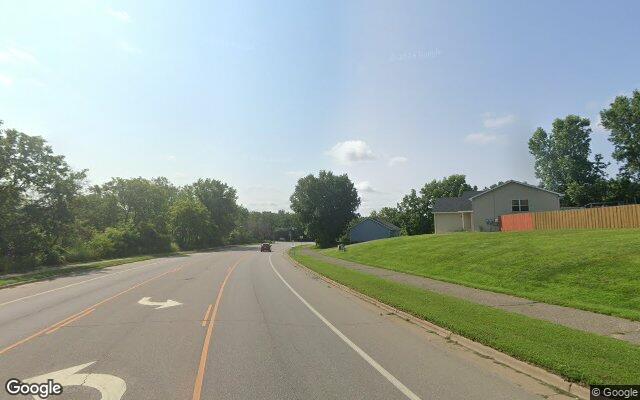
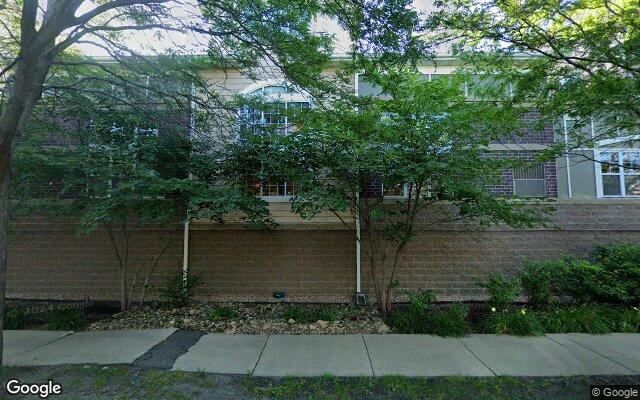
Other memory care facilities in Ramsey County with similar care offerings.

Full Inspection Record
Family reviews
No reviews yet — be the first to share your experience
Other memory care options nearby.
More options in neighboring cities
Licensed memory care in other cities within this county region — useful when your search radius crosses city limits.