Ecumen Seasons at Maplewood.
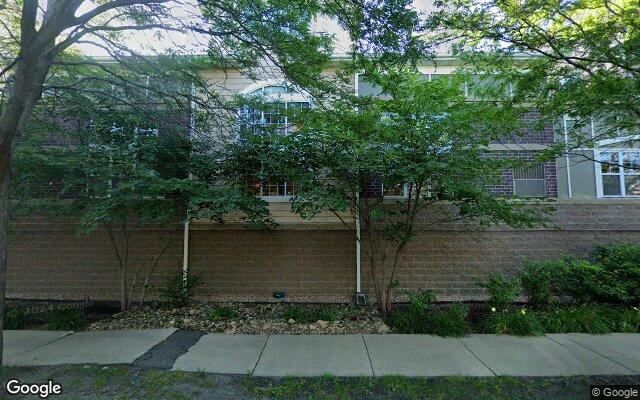
A large home, reviewed on public record.
Compared to 139 Minnesota facilities with a similar number of beds.
ALF memory care · 36-month window. Higher percentile = better performance on inspection record. Source: Minnesota Dept. of Health · Health Regulation Division.
among peers to rank.
Rankings based on 36-month MDH inspection data. Severity and frequency: fewer citations = higher percentile. Repeat rate: lower repeat citation share = higher percentile.
Citation history, plotted month by month.
2 deficiencies on record. Each bar is a month with a citation.
Finding distribution
2 total · 36 monthsScope × Severity (CMS A–L)
Questions to ask before you visit.
A short pre-tour checklist tailored to Ecumen Seasons at Maplewood's record and state requirements.
The most recent Minnesota Department of Health inspection was conducted on August 8, 2025 — can you walk us through the inspection report and confirm that no deficiencies were cited during that visit?
Ask the operator on tour. Take notes and compare answers across facilities you visit.
MDH records show 6 complaints on file for this facility — were any of those complaints substantiated by the state, and can you share the facility's internal documentation of how each complaint was addressed?
Ask the operator on tour. Take notes and compare answers across facilities you visit.
This community holds an Assisted Living Facility with Dementia Care license under Minnesota Statute chapter 144G with 163 licensed beds — can you explain how the dementia care program is structured across the building, and provide written documentation of the dementia-specific training requirements for staff who work in memory care households?
Ask the operator on tour. Take notes and compare answers across facilities you visit.
Every inspection visit, verbatim.
5 inspections in the public record, most recent first. Plain-language summaries open first — click into any row for the full citation text.
2026-03-12Complaint InvestigationNo findings
2025-08-08Annual Compliance VisitNo findings
Plain-language summary
A routine inspection of Ecumen Seasons at Maplewood was conducted August 4–8, 2025, and resulted in state correction orders for violations of Minnesota assisted living statutes. The facility, which serves 143 residents including 87 receiving dementia care, was not assessed immediate fines and must document the specific actions it took to correct the violations within the timeframes set by the state. The facility may request reconsideration of the correction orders in writing within 15 calendar days of receiving this notice.
Read full citation textHide full citation text
Read raw inspector notesClose inspector notes
correction orders and document the actions taken to comply in the facility's records. The Department reserves the right to return to the facility at any time should the Department receive a complaint or deem it necessar yto ensure the health, safety, and welfare of residents in your care. STATE CORRECTIO ONRDERS The enclosed State Form documents the state correction orders. MDH documents state licensing correction orders using federal software. Tag numbers are assigned to Minnesota state statutes for Assisted Living Facilities .The assigned tag number appears in the far left column entitled "ID Prefix Tag". The state statute number and the corresponding text of the state statute out of compliance are listed in the "Summary Statemen tof Deficiencies "column. This column also includes the findings that are in violation of the state statute after the statement, "This MN Requiremen tis not met as evidenced by . . ." In accordance with Minn. Stat. § 144G3. 1 Subd .4, MDH may asses sfines based on the level and scope of the violations; however, no immediate fines are assesse dfor this survey of your facility. DOCUMENTATIO ONF ACTION TO COMPLY In accordance with Minn. Stat. § 144G3. 0, Subd .5(c), the licensee must docum ent actions taken to comply with the correction orders within the time period outlined on the state form; however, plans of correction are not required to be submitted for approval. The correction order documentation should include the following: x Identify how the area(s) of noncompliance was corrected related to the An equal opportunity employer . Letter ID: IS7N REVISE 0D9/13/2021 Ecumen Season sat Maplewood Septembe r25, 2025 Page 2 resident(s)/ employees( ) identified in the correction order. x Identify how the area(s) of noncompliance was corrected for all of the provider’s resident(s)/ employees that may be affected by the noncompliance. x Identify what changes to your systems and practices were made to ensure compliance with the specific statute(s). CORRECTIO ONRDER RECONSIDERATI OPRNOCESS In accordance with Minn. Stat. § 144G3. 2, Subd .2, you may challenge the correction order(s) issued, including the level and scope ,and any fine assesse dthrough the correction order reconsideration process .The request for reconsideration must be in writing and received by MDH within 15 calendar days of the correction order receipt date. To submit a reconsideration request, please visit: https:/ / forms.web.health.state.mn.us/form/ HRDAppealsForm The MDH Health Regulation Division (HRD )values your feedback about your experience during the survey and/or investigation process .Please fill out this anonymous provider feedback questionnaire at your convenience at this link: https:/ / forms.office.com/g/ Bm5uQEpHV.a Your input is important to us and will enable MDH to improve its processe sand communication with providers . If you have any questions regarding the questionnaire ,please contact Susan Winkelmann at susanw. inkelmann@state.mn.us or call 651-201-5952. You are encouraged to retain this document for your records . It is your responsibility to share the information contained in the letter and state form with your organizations’ Governing Body. If you have any questions ,please contact me. Sincerely, Renee L. Anderson ,Supervisor State Evaluation Team Email: ReneeL. .Anderson@state.mn.us Telephone :651-201-5871 Fax :1-866-890-9290 AH PRINTED: 09/25/2025 FORM APPROVED STATEMENT OF DEFICIENCIES (X1) PROVIDER/SUPPLIER/CLIA (X2) MULTIPLE CONSTRUCTION (X3) DATE SURVEY AND PLAN OF CORRECTION IDENTIFICATION NUMBER: COMPLETED A. BUILDING: ______________________ B. WING _____________________________ 27398 08/08/2025 NAME OF PROVIDER OR SUPPLIER STREET ADDRESS, CITY, STATE, ZIP CODE 1670 LEGACY PARKWAY EAST ECUMEN SEASONS AT MAPLEWOOD MAPLEWOOD, MN 55109 SUMMARY STATEMENT OF DEFICIENCIES PROVIDER'S PLAN OF CORRECTION (X4) ID ID (X5) (EACH DEFICIENCY MUST BE PRECEDED BY FULL (EACH CORRECTIVE ACTION SHOULD BE COMPLETE PREFIX PREFIX REGULATORY OR LSC IDENTIFYING INFORMATION) CROSS-REFERENCED TO THE APPROPRIATE DATE TAG TAG DEFICIENCY) 0 000 Initial Comments 0 000 ******ATTENTION****** Minnesota Department of Health is documenting the State Licensing ASSISTED LIVING PROVIDER LICENSING Correction Orders using federal software. CORRECTION ORDER(S) Tag numbers have been assigned to Minnesota State Statutes for Assisted In accordance with Minnesota Statutes, section Living License Providers. The assigned 144G.08 to 144G.95, these correction orders are tag number appears in the far left column issued pursuant to a survey. entitled "ID Prefix Tag." The state Statute number and the corresponding text of the Determination of whether violations are corrected state Statute out of compliance is listed in requires compliance with all requirements the "Summary Statement of Deficiencies" provided at the Statute number indicated below. column. This column also includes the When Minnesota Statute contains several items, findings which are in violation of the state failure to comply with any of the items will be requirement after the statement, "This considered lack of compliance. Minnesota requirement is not met as evidenced by." Following the surveyors' INITIAL COMMENTS: findings is the Time Period for Correction. SL#27398016-0 PLEASE DISREGARD THE HEADING On August 4, 2025, through August 8, 2025, the OF THE FOURTH COLUMN WHICH survey at the above provider, and the following CORRECTION." THIS APPLIES TO correction orders are issued. At the time of the FEDERAL DEFICIENCIES ONLY. THIS survey, there were 143 residents, 87 of whom WILL APPEAR ON EACH PAGE. were receiving services under the provider's Assisted Living with Dementia Care license. THERE IS NO REQUIREMENT TO SUBMIT A PLAN OF CORRECTION FOR VIOLATIONS OF MINNESOTA STATE STATUTES. THE LETTER IN THE LEFT COLUMN IS USED FOR TRACKING PURPOSES AND REFLECTS THE SCOPE AND LEVEL ISSUED PURSUANT TO 144G.31 SUBDIVISION 1-3. 0 480 144G.41 Subdivision 1 Subd. 1a (a-b) Minimum 0 480 SS=F requirements; required food services LABORATORY DIRECTOR'S OR PROVIDER/SUPPLIER REPRESENTATIVE'S SIGNATURE TITLE (X6) DATE STATE FORM 6899 FZ5H11 If continuation sheet 1 of 8 PRINTED: 09/25/2025 FORM APPROVED STATEMENT OF DEFICIENCIES (X1) PROVIDER/SUPPLIER/CLIA (X2) MULTIPLE CONSTRUCTION (X3) DATE SURVEY AND PLAN OF CORRECTION IDENTIFICATION NUMBER: COMPLETED A. BUILDING: ______________________ B. WING _____________________________ 27398 08/08/2025 NAME OF PROVIDER OR SUPPLIER STREET ADDRESS, CITY, STATE, ZIP CODE 1670 LEGACY PARKWAY EAST ECUMEN SEASONS AT MAPLEWOOD MAPLEWOOD, MN 55109 SUMMARY STATEMENT OF DEFICIENCIES PROVIDER'S PLAN OF CORRECTION (X4) ID ID (X5) (EACH DEFICIENCY MUST BE PRECEDED BY FULL (EACH CORRECTIVE ACTION SHOULD BE COMPLETE PREFIX PREFIX REGULATORY OR LSC IDENTIFYING INFORMATION) CROSS-REFERENCED TO THE APPROPRIATE DATE TAG TAG DEFICIENCY) 0 480 Continued From page 1 0 480 (a) Except as provided in paragraph (b), food must be prepared and served according to the Minnesota Food Code, Minnesota Rules, chapter 4626. (b) For an assisted living facility with a licensed capacity of ten or fewer residents: (1) notwithstanding Minnesota Rules, part 4626.0033, item A, the facility may share a certified food protection manager (CFPM) with one other facility located within a 60-mile radius and under common management provided the CFPM is present at each facility frequently enough to effectively administer, manage, and supervise each facility's food service operation; (2) notwithstanding Minnesota Rules, part 4626.0545, item A, kick plates that are not removable or cannot be rotated open are allowed unless the facility has been issued repeated correction orders for violations of Minnesota Rules, part 4626.1565 or 4626.1570; (3) notwithstanding Minnesota Rules, part 4626.0685, item A, the facility is not required to provide integral drainboards, utensil racks, or tables large enough to accommodate soiled and clean items that may accumulate during hours of operation provided soiled items do not contaminate clean items, surfaces, or food, and clean equipment and dishes are air dried in a manner that prevents contamination before storage; (4) notwithstanding Minnesota Rules, part 4626.1070, item A, the facility is not required to install a dedicated handwashing sink in its existing kitchen provided it designates one well of a two-compartment sink for use only as a handwashing sink; (5) notwithstanding Minnesota Rules, parts 4626.1325, 4626.1335, and 4626.1360, item A, STATE FORM 6899 FZ5H11 If continuation sheet 2 of 8 PRINTED: 09/25/2025 FORM APPROVED STATEMENT OF DEFICIENCIES (X1) PROVIDER/SUPPLIER/CLIA (X2) MULTIPLE CONSTRUCTION (X3) DATE SURVEY AND PLAN OF CORRECTION IDENTIFICATION NUMBER: COMPLETED A. BUILDING: ______________________ B.
2025-06-05Complaint InvestigationSubstantiated Finding · 1 finding
Plain-language summary
A complaint investigation found that the facility neglected a resident by using an incorrectly sized standing lift sling for transfers; the facility based the sling size only on weight rather than measuring the resident's waist as required by the manufacturer, and despite the resident and her personal trainer expressing concerns that the sling was too large, the facility did not correct it. During a transfer, the resident slipped out of the sling and fell to the floor, fracturing her back; she was discharged to a transitional care unit and died approximately one month later from complications related to the back fracture. The facility was found responsible for this substantiated maltreatment.
Read full citation text (1)Hide full citation text
“MDH substantiated maltreatment or licensing violation finding”
Read raw inspector notesClose inspector notes
Finding: Substantiated, facility responsibility Nature of Investigation: The Minnesota Department of Health investigated an allegation of maltreatment, in accordance with the Minnesota Reporting of Maltreatment of Vulnerable Adults Act, Minn. Stat. 626.557, and to evaluate compliance with applicable licensing standards for the provider type. Initial Investigation Allegation(s): The facility neglected the resident when the facility used an unapproved standing lift sling. The resident fell from the standing lift and fractured her back. Investigative Findings and Conclusion: The Minnesota Department of Health determined neglect was substantiated. The facility was responsible for the maltreatment. The facility failed to properly measure the resident for the correct size standing lift sling. The facility gave the resident a green, size large sling to use for transfers. The facility based the sling size only on weight. According to the mechanical standing lift sling size guide found on the manufacturer’s website, the standing lift sling size was determined by measuring the resident’s waist. Also, the resident voiced concerns about the sling size to staff and family not fitting right. The resident ‘s personal trainer also voiced concerns to staff that the sling the facility provided was too big. During a transfer the resident slipped out of the sling and fell to the floor fracturing her back. The investigator conducted interviews with facility staff members, including administrative staff, nursing staff, and unlicensed staff. The investigator contacted family and the mechanical standing lift representative. The investigation included review of the resident records, facility incident report, personnel files, staff schedules, mechanical standing lift manufacturer sling size guide manual, related facility policy and procedures. Also, the investigator toured the facility and observed mechanical lift machines, slings, and staff mechanically transferring residents. The resident resided in an assisted living facility. The resident’s diagnoses included osteoporosis and osteoarthritis. The resident’s service plan included transfer assistance with one staff and a mechanical standing lift. The resident’s progress note dated less than a week before the incident indicated nurse-2 discussed with the resident concerns the resident had with the standing lift sling. On the date of the incident, the progress notes indicated the resident slid out of the standing lift. The facility incident report indicated the resident “slipped out” of the standing lift after she let go of the machine’s handle during a transfer. The resident hospital record indicated the resident suffered a mechanical lift fall three days prior. CT (computed topography) imaging showed an acute fracture of the spine. The resident was fitted for a back brace and discharged. A progress note dated a few days after the incident indicated the resident was diagnosed with a fracture in her back and was transferred to a transitional care unit. The resident’s death record indicated she died approximately one month after the fall with cause of death as complications of back fracture secondary to a fall to the floor. An undated Sling Color/Size Guide from the facility indicated a weight range for each size sling. A green, size large sling had a weight range of 154 to 264 pounds. A yellow, size medium sling had a weight range of 121 to 165 pounds. The resident weighed 158 pounds and fell into both size ranges. A picture taken by the personal trainer of a sling that was in the resident’s room and used by the resident for transfers showed the sling had a green border. Two standing lift slings, one of which was used during the incident were provided to the investigator by facility management, nurse-1. A picture taken during the investigation of the slings shows both slings had a green border which indicate a size large. Both slings have been taken out of use. The Sling Sizing and Measurement Guide found on the manufacture’s website indicated a sling with a green border is a size large. The sizing guide also indicated the proper way to measure a resident for the mechanical standing lift sling the resident used was by measuring around the waist. During an interview, a family member said the facility called her and reported the resident fell but did not have any injuries. The family member, along with another family member visited her a couple days later and the resident complained of pain. The family requested the facility get a mobile x-ray done. She said the facility nurse “laughed” about their concern for a fracture. A couple days later the resident still complained of pain. The family member took the resident to the hospital, and she was diagnosed with a fracture in her back. She said the resident reported during the incident she told the staff member she was losing her grip, and the staff member told the resident she was “fine.” After the incident, the resident’s personal trainer called the family member and reported he was concerned about the size sling the facility gave the resident. He said the sling used was too big. The resident went to a transitional care unit following the fall and died a few weeks later. During an interview, the resident’s personal trainer said he worked with several residents at the facility. He said the resident used a standing lift for transfers. She originally used a size small standing lift sling, but it was misplaced. After the facility misplaced the smaller sling, the facility used a larger sling. The resident said she was not comfortable in the larger sling because she could slip out of it. He took a picture of the larger sling the facility used to transfer the resident. The larger sling was in her room for over a month. He was unable to complete his treatments during this time as the sling was too big and a safety risk. He said he reported his concerns to staff at the facility and requested a replacement. He reported the sling was uncomfortable and not supporting the resident properly. He said the staff member he reported his concerns to agreed that the sling was too big, but they did not have a smaller sling available. The personal trainer offered to purchase a smaller sling with his own money because he was so concerned. A few days later the resident slipped out of the sling. She died a few weeks later. During an interview, nurse-2 said she reported to nurse-1 the resident was weaker and should be reassessed to determine safety with using a standing lift. Nurse-2 said she was not familiar with assessing residents to use the standing lift or sizing them for slings. After the incident, nurse-1 asked if nurse-2 sized the resident for her standing sling. Nurse-2 told her “No” she only completed the 90-day assessment. Nurse-2 thought nurse-1 assessed the resident’s safety with the standing lift and fitted her for the correct sling size. The resident initially had two slings; both were different sizes. Nurse-1 removed one sling because another resident needed it. The resident repeatedly asked for the other sling back because the resident liked the fit better. Nurse-2 never received training on how to size a resident for a sling. After the incident, nurse-1 sent out information on how to size a resident for a sling. No training was provided, only a paper from the manufacture was given. Nurse-2 was never trained on how to assess if a resident was safe to use a standing lift. She said recently she observed a resident using the wrong size sling, so she gave him a different size based on his weight. She said the facility needed to buy more slings as there were multiple residents who needed the same size. The sizing guide in the nurse’s station had a weight range where the highest weight on the smaller size is also the lower weight on the larger size. The sling size assessed for each resident was never listed anywhere for staff to see until after the resident fell. Likewise, there was never any information for how to size a resident for a sling until after the incident. During an interview, unlicensed personal-2 who responded to a call for assistance after the resident fell said unlicensed personnel-1 reported the resident “slipped” from the standing lift. She said the resident usually used a green or a blue sling for transfers. She said the green sling was larger than the blue sling. During an interview, unlicensed personnel-1 said the resident slipped completely out of the standing lift sling and fell to the floor.
2024-10-31Complaint InvestigationSubstantiated Finding · 1 finding
Plain-language summary
A complaint investigation found that a nurse at the facility neglected a resident by failing to recognize and respond appropriately to stroke symptoms that appeared around 9:00 a.m., delaying emergency medical care for approximately seven hours until an ambulance was called around 4:00 p.m. The resident had reported feeling drunk, confused, and dizzy, and later displayed clear signs of stroke including weakness on one side, slurred speech, and inability to stand, but the nurse documented no concerns during an initial assessment and did not call 911 until after a physical therapist reported the stroke signs and the nurse documented them in a second progress note. The Minnesota Department of Health determined the nurse was individually responsible for the maltreatment.
Read full citation text (1)Hide full citation text
“MDH substantiated maltreatment or licensing violation finding”
Read raw inspector notesClose inspector notes
Finding: Substantiated, individual responsibility Nature of Investigation: The Minnesota Department of Health investigated an allegation of maltreatment, in accordance with the Minnesota Reporting of Maltreatment of Vulnerable Adults Act, Minn. Stat. 626.557, and to evaluate compliance with applicable licensing standards for the provider type. Initial Investigation Allegation(s): The Alleged Perpetrator (AP), a facility nurse, neglected a resident when the AP failed to assess, provide care for, or call emergency services when notified the resident had stroke-like symptoms. This delayed emergency medical treatment for seven hours. Investigative Findings and Conclusion: The Minnesota Department of Health determined neglect was substantiated. The AP was responsible for the maltreatment. Although the AP received training as a registered nurse and received training on protocols for medical emergencies by the facility, the AP neglected to recognize the residents emergent change in condition and call 911 resulting in a delay of care. The investigator conducted interviews with facility staff members, including administrative staff, nursing staff, and unlicensed staff. The investigator contacted family. The investigation included review of the resident record, hospital records, facility internal investigation, facility incident reports, personnel files, staff schedules, and related facility policy and procedures. Also, the investigator observed staff/resident interactions. The resident lived in an assisted living with diagnoses including a history of falls, heart disease, muscle weakness, and obesity. On admission the resident’s service plan only included assistance with nail care and the resident was independent with all other needs (transfers, mobility, medication administration/ordering, bathing, grooming, and toileting). The resident’s assessment completed after two fall incidents indicated the resident required additional services (assistance of two staff for transfers, dressing, and assistance of one staff for bathing, toileting, as well as safety checks up to three times per day). An incident report indicated one morning around 9:00 a.m., a family member requested a nurse assess the resident as she appeared “unresponsive”. The AP went into the resident’s apartment 15 minutes later and soon left. A staff entered the apartment, saw the AP was gone, and the resident told her she felt “drunk, had a pounding headache, and felt confused.” During an interview, the staff stated she asked the AP for direction with the resident and the AP told her the resident “is fine, you can get her up” and that the resident’s vital signs “are ok.” The staff stated she and a peer got the resident dressed and up for the day. The staff stated she checked on the resident around 11:00 a.m., and the family member in the apartment stated the resident was still dizzy and confused. The staff reached out to another nurse, who asked the AP to do an assessment. The staff stated she heard the AP on the phone with another family member saying the resident was “having trouble speaking”, but it was “not urgent, her vital signs are ok.” During an interview, a physical therapist stated she went to the resident’s apartment for a scheduled physical therapy appointment at 2:00 p.m. The therapist stated she assessed the resident due to observed significant decline. The therapist stated she reported to the AP the resident was showing signs of a stroke (left sided weakness, slowed/slightly slurred speech, increased confusion, difficulty with details, inability to stand or reposition self, left lateral trunk lean and posturing with left closed fist and max wrist flexion) and should go to the hospital right away. During an interview, a nurse manager stated a staff asked her, (two hours after the therapist assessment), when the ambulance was coming to pick up the resident. The manager stated no one told her until that moment that the resident had shown signs of a stroke “all day” and the AP had been in to “assess the resident” twice. The manager stated before she could go up to the resident’s apartment, she saw the ambulance transport the resident out of the building (around 4:00 p.m.). The manager confirmed the protocol at the facility included the nurse calling 911 to provide clinical information. During an interview, the AP stated although she had multiple years’ experience as a nurse, she was still in orientation at the facility and felt overwhelmed with the amount of work assigned to her on the day of the incident. The AP stated when asked to assess the resident, she obtained the resident’s vital signs and asked the resident about pain. The AP stated she talked to the resident about going to the hospital, but the resident declined. The AP confirmed her documentation did not include any reference to “education” she provided to the resident to convince her to go to the hospital. The AP stated she called 911 right after documenting a progress note about her observation of the resident’s signs of a stroke the second time she went into the resident’s apartment. The resident’s progress note written by the AP at 10:24 a.m. indicated the AP took vital signs after a report of confusion and unresponsiveness. The progress note indicated the AP had “no concerns” about the resident and instructed staff to complete morning cares and get the resident up for the day. The resident’s progress note written by the AP at 2:48 p.m. indicated the resident was “noticed two hours ago to be having signs of stroke” including leaning to one side, total body weakness, couldn’t do anything for herself, and slurred speech. The AP noted she was going to call EMS. Hospital records indicated the ambulance arrived at the facility at 4:15 p.m. [of note the ambulance traveled from the hospital to the facility which was less than a mile] The hospital records indicated the resident had an ischemic stroke (a life-threatening condition caused by blood clots or other blockages in the brain). The hospital was unable to use medication to try to dissolve the blockage due to the length of time since first symptoms (must be given within three to four and a half hours of the first symptoms.) The hospital records indicated the resident remained hospitalized for seven days and transferred to a transitional care unit for rehabilitation. In conclusion, the Minnesota Department of Health determined neglect was substantiated. Substantiated: Minnesota Statutes, section 626.5572, Subdivision 19. “Substantiated” means a preponderance of evidence shows that an act that meets the definition of maltreatment occurred. Neglect: Minnesota Statutes, section 626.5572, subdivision 17 “Neglect” means neglect by a caregiver or self-neglect. (a) "Caregiver neglect" means the failure or omission by a caregiver to supply a vulnerable adult with care or services, including but not limited to, food, clothing, shelter, health care, or supervision which is: (1) reasonable and necessary to obtain or maintain the vulnerable adult's physical or mental health or safety, considering the physical and mental capacity or dysfunction of the vulnerable adult; and (2) which is not the result of an accident or therapeutic conduct. Vulnerable Adult interviewed: Observed, but unable to interview. Family/Responsible Party interviewed: Yes. Alleged Perpetrator interviewed: Yes. He Action taken by facility: The AP is no longer employed by the facility. The facility filed a report with the Minnesota Board of Nursing. Action taken by the Minnesota Department of Health: The facility was issued a correction order regarding the vulnerable adult’s right to be free from maltreatment. You may also call 651-201-4200 to receive a copy via mail or email. The responsible party will be notified of their right to appeal the maltreatment finding. If the maltreatment is substantiated against an identified employee, this report will be submitted to the nurse aide registry for possible inclusion of the finding on the abuse registry and/or to the Minnesota Department of Human Services for possible disqualification in accordance with the provisions of the background study requirements under Minnesota 245C. cc: The Office of Ombudsman for Long Term Care The Office of Ombudsman for Mental Health and Developmental Disabilities Ramsey County Attorney Maplewood City Attorney Maplewood Police Department Minnesota Board of Nursing PRINTED: 10/31/2024 FORM APPROVED STATEMENT OF DEFICIENCIES (X1) PROVIDER/SUPPLIER/CLIA (X2) MULTIPLE CONSTRUCTION (X3) DATE SURVEY AND PLAN OF CORRECTION IDENTIFICATION NUMBER: COMPLETED A. BUILDING: ______________________ C B.
2024-01-18Complaint InvestigationNo findings
Plain-language summary
A complaint investigation found that a resident missed a cardiac medication one evening, but the Minnesota Department of Health determined this isolated medication error did not constitute neglect, particularly since the missed dose was unrelated to the resident's later hospitalization and pacemaker placement. The facility had documented the error and the nurse was aware of the incident; no further action was taken by the department.
Read full citation textHide full citation text
Read raw inspector notesClose inspector notes
Finding: Not Substantiated Nature of Investigation: The Minnesota Department of Health investigated an allegation of maltreatment, in accordance with the Minnesota Reporting of Maltreatment of Vulnerable Adults Act, Minn. Stat. 626.557, and to evaluate compliance with applicable licensing standards for the provider type. Initial Investigation Allegation(s): The facility neglected the resident when cardiac (heart) medications were not administered to the resident as ordered which later required hospitalization. Investigative Findings and Conclusion: The Minnesota Department of Health determined neglect was not substantiated. Although a medication error did occur, this was an isolated event. Several days later the resident required hospitalization, but the missed medication was unrelated. The investigator conducted interviews with facility staff members, including administrative staff, and nursing staff. The investigator contacted family members. The investigation included review of facility policies and resident records. Also, the investigator observed a medication pass and interactions of staff and residents. The resident resided in an assisted living facility. The resident’s diagnoses included chronic ischemic heart disease (a weakening of the heart due to lack of blood flow), atrial fibrillation (an abnormal heart rhythm) and chronic obstructive pulmonary disease (COPD) (a lung condition that makes it hard to breathe). The resident’s service plan included assistance with medication management and administration. A facility incident report indicated a medication error occurred involving the resident, which included a cardiac medication prescribed to treat atrial fibrillation occurred one evening at bedtime. The same document indicate there was no adverse outcome at that time. A review of the resident’s medical records did not identify any further medication errors. Four days later the resident’s progress notes indicated the resident complained of shortness of breath and she had a fast heart rate (greater than 140). The facility offered to contact emergency medical services, but the resident declined, however she did allow her family to take her to the hospital. The hospital records indicated the resident had a pacemaker placed while in the hospital and returned to the facility afterwards. During an interview, the nurse stated he was aware of the resident missing her prescribed medication on one occasion and completed a medication error report. The nurse stated he was not aware of any additional complaints made of resident not receiving medications on time. In conclusion, the Minnesota Department of Health determined neglect was not substantiated. “Not Substantiated” means: An investigatory conclusion indicating the preponderance of evidence shows that an act meeting the definition of maltreatment did not occur. Neglect: Minnesota Statutes, section 626.5572, subdivision 17 “Neglect” means neglect by a caregiver or self-neglect. (a) "Caregiver neglect" means the failure or omission by a caregiver to supply a vulnerable adult with care or services, including but not limited to, food, clothing, shelter, health care, or supervision which is: (1) reasonable and necessary to obtain or maintain the vulnerable adult's physical or mental health or safety, considering the physical and mental capacity or dysfunction of the vulnerable adult; and (2) which is not the result of an accident or therapeutic conduct. Vulnerable Adult interviewed: No, declined interview. Family/Responsible Party interviewed: Yes. Alleged Perpetrator interviewed: Not Applicable. the Action taken by facility: No action required. Action taken by the Minnesota Department of Health: No further action taken at this time. cc: The Office of Ombudsman for Long Term Care The Office of Ombudsman for Mental Health and Developmental Disabilities PRINTED: 01/22/2024 FORM APPROVED STATEMENT OF DEFICIENCIES (X1) PROVIDER/SUPPLIER/CLIA (X2) MULTIPLE CONSTRUCTION (X3) DATE SURVEY AND PLAN OF CORRECTION IDENTIFICATION NUMBER: COMPLETED A. BUILDING: ______________________ C B. WING _____________________________ 27398 11/07/2023 NAME OF PROVIDER OR SUPPLIER STREET ADDRESS, CITY, STATE, ZIP CODE 1670 LEGACY PARKWAY EAST ECUMEN SEASONS AT MAPLEWOOD MAPLEWOOD, MN 55109 SUMMARY STATEMENT OF DEFICIENCIES PROVIDER'S PLAN OF CORRECTION (X4) ID ID (X5) PREFIX (EACH DEFICIENCY MUST BE PRECEDED BY FULL PREFIX (EACH CORRECTIVE ACTION SHOULD BE COMPLETE REGULATORY OR LSC IDENTIFYING INFORMATION) CROSS-REFERENCED TO THE APPROPRIATE DATE TAG TAG DEFICIENCY) 0 000 Initial Comments 0 000 On November 7, 2023 , the Minnesota Department of Health initiated an investigation of complaint HL273985480C/HL273988289M . No correction orders are issued. LABORATORY DIRECTOR'S OR PROVIDER/SUPPLIER REPRESENTATIVE'S SIGNATURE TITLE (X6) DATE STATE FORM 6899 HRE311 If continuation sheet 1 of 1
2 older inspections from 2023 are not shown above.
Get the complete record, translated into plain language — emailed to you.
Other facilities in Ramsey County.
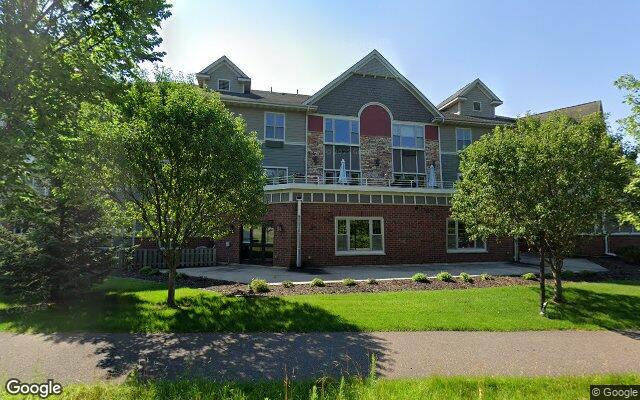
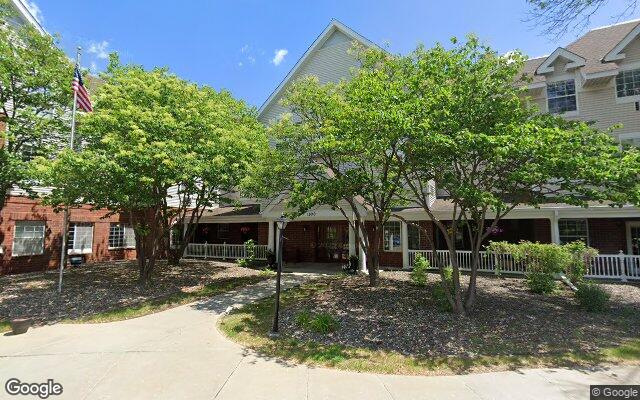
Other memory care facilities in Ramsey County with similar care offerings.

Full Inspection Record
Family reviews
No reviews yet — be the first to share your experience
Other memory care options nearby.
More options in neighboring cities
Licensed memory care in other cities within this county region — useful when your search radius crosses city limits.