Urbana Place Senior Living.
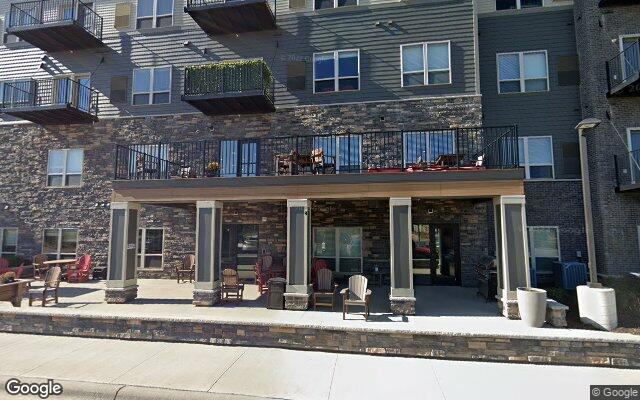
A large home, reviewed on public record.
Compared to 139 Minnesota facilities with a similar number of beds.
ALF memory care · 36-month window. Higher percentile = better performance on inspection record. Source: Minnesota Dept. of Health · Health Regulation Division.
among peers to rank.
Rankings based on 36-month MDH inspection data. Severity and frequency: fewer citations = higher percentile. Repeat rate: lower repeat citation share = higher percentile.
Citation history, plotted month by month.
1 deficiency on record. Each bar is a month with a citation.
Finding distribution
1 total · 36 monthsScope × Severity (CMS A–L)
Questions to ask before you visit.
A short pre-tour checklist tailored to Urbana Place Senior Living's record and state requirements.
Minnesota records show 5 inspection reports and 4 complaints on file through October 23, 2024 — can you walk us through the subjects of those complaints and provide copies of any corrective action plans or responses the facility submitted to MDH?
Ask the operator on tour. Take notes and compare answers across facilities you visit.
The facility holds an Assisted Living Facility with Dementia Care license under Minn. Stat. ch. 144G — can you provide a copy of the written dementia care program and describe how staff competency in dementia care is assessed and documented?
Ask the operator on tour. Take notes and compare answers across facilities you visit.
With 120 licensed beds and a dementia care designation, what documentation does Urbana Place maintain to demonstrate that residents requiring memory support receive individualized care plans, and can families review sample assessments during the tour?
Ask the operator on tour. Take notes and compare answers across facilities you visit.
Every inspection visit, verbatim.
3 inspections in the public record, most recent first. Plain-language summaries open first — click into any row for the full citation text.
2025-04-16Complaint InvestigationNo findings
Plain-language summary
Minnesota Department of Health investigated a complaint that the facility neglected two residents when resident #2 assaulted resident #1, causing multiple injuries including a fractured finger and head wounds. The investigation found neglect was inconclusive because although the memory care unit was short one staff member that evening, the facility provided care according to the residents' service plans and it could not be determined whether the assault could have been prevented with additional staffing. After the incident, the facility implemented corrective actions including door alarms, increased medication monitoring for resident #2, and staff education on safety checks and room security.
Read full citation textHide full citation text
Read raw inspector notesClose inspector notes
Finding: Inconclusive Nature of Investigation: The Minnesota Department of Health investigated an allegation of maltreatment, in accordance with the Minnesota Reporting of Maltreatment of Vulnerable Adults Act, Minn. Stat. 626.557, and to evaluate compliance with applicable licensing standards for the provider type. Initial Investigation Allegation(s): The facility neglected two residents (resident #1, resident #2) when they failed to provide adequate supervision. As a result, resident #2 assaulted resident #1 causing multiple injuries. Investigative Findings and Conclusion: The Minnesota Department of Health determined neglect was inconclusive. Although the memory care unit was short one staff that evening, facility staff provided care to resident #1 and resident #2 according to their care plan. It could not be determined if the incident could have been prevented with one additional staff. The investigator conducted interviews with facility staff members, including administrative staff, nursing staff, and unlicensed staff. The investigator contacted resident #1 and resident #2’s family members and resident #2’s case manager. The investigation included review of resident records, hospital records, facility internal investigation, facility incident reports, personnel files, staff schedules, and related facility policy and procedures. Also, the investigator observed staff and resident interactions and cares. Resident #1 resided in an assisted living memory care unit. Resident #1’s diagnoses included early onset Alzheimer’s disease. Resident #1’s service plan included assistance with toileting, escorts, medications, meals, personal cares, and safety checks. Resident #1’s assessment indicated resident #1 was not oriented to person, place, or time, was unable to express her needs, exhibited poor judgement with impaired decision making. Resident #1 was unable to report abuse or neglect. Resident #1 walked independently and wandered. Resident #2 resided in an assisted living memory care unit. Resident #2’s diagnoses included dementia. Resident #2’s service plan included assistance with toileting, escorts, medications, meals, and personal cares. Resident #2 received three scheduled safety checks at 3:00 a.m., 6:00 a.m., and 11:30 p.m. Resident #2 was forgetful, confused with poor/impaired decision making, and memory loss. Resident #2 was prescribed an antipsychotic medication scheduled three times a day for his agitation and anxiety. Resident #2’s apartment door was kept locked from the outside to prevent other residents from wandering into resident #2’s room. Resident #2 was able to leave his room independently. Resident #2 had impaired short-term memory and was unable to recall events. Resident #2 was unable to report abuse or neglect. Resident #2 used a walker for mobility and a wheelchair for longer distances. Resident #1’s progress note indicated one evening staff documented resident #1 experienced an unwitnessed fall in another resident’s bathroom. Resident #1 was unable to tell staff what happened. Staff found resident #1 in the common area bleeding from head wounds to the top and back of her head; blood dripped down her face and neck. Skin tears and cuts were noted on resident #1’s forearms and fingers and resident #1’s left pointer finger was discolored and swollen. Later, staff reviewed the facility’s recorded video. After review of the video, facility staff notified the on-call triage nurse to report the video showed resident #1 entering resident #2’s room. The on-call triage nurse advised the nurse to complete an incident report, place a door alarm on resident #2’s room door, obtain vitals, and see if resident #2 needed to be evaluated at a hospital if he became a risk to himself. The on-call nurse contacted resident #2’s primary provider about the incident and requested a change in resident #2’ s antipsychotic medications. Resident #2’s progress note indicated the day of the incident, at an unknown time, the resident exhibited increased confusion when he stated he needed to get to the third floor because “Someone is coming to get me.” Resident #2 was unable to be redirected and adamantly refused any assistance with his bedtime routine but took his medication without concern and went to bed. The facility’s internal investigation report indicated the day of the incident, at 7:44 p.m., resident #1 was seen on facility camera footage entering resident #2’s apartment. An hour later, resident #2 left his apartment and four minutes later resident #1 was seen exiting resident #2’s apartment. A few minutes later facility staff found resident #1 in the hallway with blood on her clothes and hair. Resident #1’s family members arrived and transported the resident to the hospital for evaluation. After the incident, staff activated door alarms on resident #1 and resident #2’s room doors. Resident #2’s antipsychotic medication dose was increased with an additional as needed dose. Staff education included ensuring resident #2’s door was locked when leaving his apartment, conducting safety checks according to the resident’s service plans, and frequent staff rounding in the memory care unit. Causative factors contributing to the incident included resident #1 was able to enter resident #2’s unlocked room door. Resident #1’s hospital record indicated resident #1 injuries included: a significant hematoma (swelling or lump caused by a collection of blood due to trauma or injury) to the occipital (back) of her head as well as superficial lacerations (cuts), abrasions (friction rubbing of skin) to her front chest and arms, scratch marks from a hand over her left shoulder, and bruising on her body. X-rays of her left hand indicated her left pointer finger was fractured. Due to resident #1’s impaired cognition, the head wound was repaired using minimally invasive procedures. Resident #1 was discharged back to the facility. Review of the facility staff schedule indicated three unlicensed personnel were scheduled to work the memory care unit for the evening shift instead of the normal schedule of four unlicensed personnel. During an interview, an unlicensed personnel stated between 7:00 p.m. and 7:30 p.m. she provided resident #2’s cares then locked his door and went to resident #1’s apartment to prepare the resident for bed. The unlicensed personnel stated resident #1 frequently wandered and was “so” fast, stating after putting her to bed, resident #1 was able to leave her room and enter resident #2’s apartment unnoticed. The unlicensed personnel stated although they were short staffed she and other unlicensed personnel worked together to provide services for the residents. During an interview, a facility nurse stated resident #2 felt comfortable and safe inside his apartment, was sometimes quiet and not a problem, but other times could be easily angered, yell, and aggressive around dinnertime. The facility nurse stated after the incident they were able to remove most of the blood from of resident #1 and keep her calm, stating resident #1 seemed okay and her vital signs were normal. The nurse stated she asked the three unlicensed personnel who worked in the memory care unit where they were when the incident happened, stating one unlicensed personnel was performing cares and giving medications to other residents and the other two unlicensed staff were completing two resident showers. During an interview, leadership stated she immediately reviewed camera footage after the incident and saw resident #1 wandering the hall looking for an unlocked apartment door. Leadership stated staff were in the hallway walking by resident #1 but stated resident #1 was not trying to enter a resident’s apartment. Leadership stated as soon as staff walked down another hallway resident #1 walked over to resident #2’s apartment door and opened it. Leadership stated after resident #2 and resident #1 left resident #2’s apartment, within minutes of each other, they crossed paths in the hallway. Resident #1 did not appear afraid and resident #2 showed no signs of aggression. Leadership stated after the incident they put door alarms on both residents’ doors to alert staff when the residents left their apartments, increased monitoring of facility camera footage, and increased resident #2’s behavior medication. During an interview, resident #1’s family member stated she complained to leadership about staffing issues and having staff in the common area while other staff prepare other residents for bed. During an interview, resident #2’s family member stated Resident #2 did not recall the incident stating staff reported resident #2 did not appear injured but was “out of it.” Resident #2’s family member stated she recognized even though the residents were on frequent safety checks something could still happen. In conclusion, the Minnesota Department of Health determined neglect was inconclusive Inconclusive: Minnesota Statutes, section 626.5572, Subdivision 11. "Inconclusive" means there is less than a preponderance of evidence to show that maltreatment did or did not occur. Neglect: Minnesota Statutes, section 626.
2024-10-23Annual Compliance VisitNo findings
Plain-language summary
A standard inspection of Urbana Place Senior Living on November 7, 2024, found one violation of Minnesota's assisted living rules regarding appropriate care and services, resulting in a $3,000 fine assessed at Level 3. The facility must document how it corrected the noncompliance for the affected resident and for all other residents who may have been impacted, and must implement system and practice changes to ensure future compliance. The facility may request reconsideration or a hearing within 15 calendar or business days of receiving the correction order.
Read full citation textHide full citation text
Read raw inspector notesClose inspector notes
CORRECTION ORDERS The enclosed State Form documents the state correction orders. MDH documents state licensing correction orders using federal software. Tag numbers are assigned to Minnesota state statutes for Assisted Living Facilities. The assigned tag number appears in the far left column entitled "ID Prefix Tag." The state statute number and the corresponding text of the state statute out of compliance are listed in the "Summary Statement of Deficiencies" column. This column also includes the findings that are in violation of the state statute after the statement, "This MN Requirement is not met as evidenced by . . ." IMPOSITION OF FINES In accordance with Minn. Stat. § 144G.31, Subd. 4, fines and enforcement actions may be imposed based on the level and scope of the violations and may be imposed immediately with no opportunity to correct the violation first as follows: Level 1: no fines or enforcement. Level 2: a fine of $500 per violation, in addition to any enforcement mechanism authorized in § 144G.20 for widespread violations; Level 3: a fine of $3,000 per violation per incident, in addition to any enforcement mechanism authorized in § 144G.20. Level 4: a fine of $5,000 per incident, in addition to any enforcement mechanism authorized in § 144G.20. Therefore, in accordance with Minn. Stat. §§ 144G.01 to 144G.9999, the following fines are assessed pursuant to this survey: An equal opportunity employer. Letter ID: IS7N REVISED 09/13/2021 Urbana Place Senior Living December 13, 2024 Page 2 St - 0 - 2310 - 144g.91 Subd. 4 (a) - Appropriate Care And Services - $3,000.00 Therefore, in accordance with Minn. Stat. §§ 144G.01 to 144G.9999, t he total amount you are assessed is $3,000.00. You will be invoiced approximately 30 days after receipt of this notice, subject to appeal. DOCUMENTATION OF ACTION TO COMPLY In accordance with Minn. Stat. § 144G.30, Subd. 5(c), the licensee must document actions taken to comply with the correction orders within the time period outlined on the state form; however, plans of correction are not required to be submitted for approval. The correction order documentation should include the following: Identify how the area(s) of noncompliance was corrected related to the resident(s)/employee(s) identified in the correction order. Identify how the area(s) of noncompliance was corrected for all of the provider’s resident(s)/employees that may be affected by the noncompliance. Identify what changes to your systems and practices were made to ensure compliance with the specific statute(s). CORRECTION ORDER RECONSIDERATION PROCESS In accordance with Minn. Stat. § 144G.32, Subd. 2, you may challenge the correction order(s) issued, including the level and scope, and any fine assessed through the correction order reconsideration process. The request for reconsideration must be in writing and received by MDH within 15 calendar days of the correction order receipt date. To submit a reconsideration request, please visit: https://forms.web.health.state.mn.us/form/HRDAppealsForm REQUESTING A HEARING Alternatively, in accordance with Minn. Stat. § 144G.31, Subd. 5(d), an assisted living provider that has been assessed a fine under this subdivision has a right to a reconsideration or a hearing under this section and chapter 14. Pursuant to Minn. Stat. § 144G.20, Subd. 14 and Subd. 18, a request for a hearing must be in writing and received by the Department of Health within 15 business days of the correction order receipt date. The request must contain a brief and plain statement describing each matter or issue contested and any new information you believe constitutes a defense or mitigating factor. To submit a hearing request, please visit: https://forms.web.health.state.mn.us/form/HRDAppealsForm To appeal fines via reconsideration, please follow the procedure outlined above. P lease note that you may request a reconsideration o r a hearing, but not both. If you wish to contest tags without fines in a reconsideration and tags with the fines at a hearing, please submit two separate appeals forms at Urbana Place Senior Living December 13, 2024 Page 3 the website listed above. The MDH Health Regulation Division (HRD) values your feedback about your experience during the survey and/or investigation process. Please fill out this anonymous provider feedback questionnaire at your convenience at this link: h ttps://forms.office.com/g/Bm5uQEpHVa. Your input is important to us and will enable MDH to improve its processes and communication with providers. If you have any questions regarding the questionnaire, please contact Susan Winkelmann at susan.winkelmann@state.mn.us or call 651-201-5952. You are encouraged to retain this document for your records. It is your responsibility to share the information contained in the letter and state form with your organization’s Governing Body. If you have any questions, please contact me. Sincerely, Casey DeVries, Supervisor State Evaluation Team Email: Casey.DeVries@state.mn.us Telephone: 651-201-5917 Fax: 1-866-890-9290 HHH PRINTED: 12/13/2024 FORM APPROVED STATEMENT OF DEFICIENCIES (X1) PROVIDER/SUPPLIER/CLIA (X2) MULTIPLE CONSTRUCTION (X3) DATE SURVEY AND PLAN OF CORRECTION IDENTIFICATION NUMBER: COMPLETED A. BUILDING: ______________________ B. WING _____________________________ 35230 11/07/2024 NAME OF PROVIDER OR SUPPLIER STREET ADDRESS, CITY, STATE, ZIP CODE 5601 94TH AVENUE NORTH URBANA PLACE SENIOR LIVING BROOKLYN PARK, MN 55443 SUMMARY STATEMENT OF DEFICIENCIES PROVIDER'S PLAN OF CORRECTION (X4) ID ID (X5) PREFIX (EACH DEFICIENCY MUST BE PRECEDED BY FULL PREFIX (EACH CORRECTIVE ACTION SHOULD BE COMPLETE REGULATORY OR LSC IDENTIFYING INFORMATION) CROSS-REFERENCED TO THE APPROPRIATE DATE TAG TAG DEFICIENCY) 0 000 Initial Comments 0 000 ******ATTENTION****** Minnesota Department of Health is documenting the State Licensing ASSISTED LIVING PROVIDER LICENSING Correction Orders using federal software. CORRECTION ORDER(S) Tag numbers have been assigned to Minnesota State Statutes for Home Care In accordance with Minnesota Statutes, section Providers. The assigned tag number 144G.08 to 144G.95, these correction orders are appears in the far-left column entitled "ID issued pursuant to a survey. Prefix Tag." The state Statute number and the corresponding text of the state Statute Determination of whether violations are corrected out of compliance is listed in the requires compliance with all requirements "Summary Statement of Deficiencies" provided at the Statute number indicated below. column. This column also includes the When Minnesota Statute contains several items, findings which are in violation of the state failure to comply with any of the items will be requirement after the statement, "This considered lack of compliance. Minnesota requirement is not met as evidenced by." Following the surveyors' INITIAL COMMENTS: findings is the Time Period for Correction. SL35230016-0 PLEASE DISREGARD THE HEADING OF On November 4, 2024, through November 7, THE FOURTH COLUMN WHICH 2024, the Minnesota Department of Health STATES,"PROVIDER'S PLAN OF conducted a full survey at the above provider, and CORRECTION." THIS APPLIES TO the following correction are issued. At the time of FEDERAL DEFICIENCIES ONLY. THIS the survey there were 104 residents residing at WILL APPEAR ON EACH PAGE. the facility, 90 of those residents received assisted living services. THERE IS NO REQUIREMENT TO SUBMIT A PLAN OF CORRECTION FOR An immediate correction order was identified on VIOLATIONS OF MINNESOTA STATE October 21, 2024, issued for SL36204016-0, tag STATUTES. identification 2310. The licensee took action to mitigate the immediate risk, however, THE LETTER IN THE LEFT COLUMN IS noncompliance remained, and the scope and USED FOR TRACKING PURPOSES AND level remained unchanged. REFLECTS THE SCOPE AND LEVEL ISSUED PURSUANT TO 144A.474 SUBDIVISION 11 (b)(1)(2). 0 470 144G.41 Subdivision 1 Minimum requirements 0 470 SS=F (11) develop and implement a staffing plan for LABORATORY DIRECTOR'S OR PROVIDER/SUPPLIER REPRESENTATIVE'S SIGNATURE TITLE (X6) DATE STATE FORM 6899 NJSR11 If continuation sheet 1 of 39 PRINTED: 12/13/2024 FORM APPROVED STATEMENT OF DEFICIENCIES (X1) PROVIDER/SUPPLIER/CLIA (X2) MULTIPLE CONSTRUCTION (X3) DATE SURVEY AND PLAN OF CORRECTION IDENTIFICATION NUMBER: COMPLETED A. BUILDING: ______________________ B.
2024-08-20Complaint InvestigationSubstantiated Finding · 1 finding
Plain-language summary
A complaint investigation substantiated that an assisted living staff member abused a resident with dementia by repeatedly tipping her wheelchair forward and using aggressive language to force her to stand during toileting and transfers, despite the resident's resistance and distress. Video footage confirmed the staff member yelled commands, shoved the wheelchair, made threatening statements including "I will bite you if you bite me," and pulled the resident up while she screamed in pain. The investigation determined the staff member ignored her training on proper care techniques for residents with dementia and was responsible for the maltreatment.
Read full citation text (1)Hide full citation text
“MDH substantiated maltreatment or licensing violation finding”
Read raw inspector notesClose inspector notes
Finding: Substantiated, individual responsibility Nature of Investigation: The Minnesota Department of Health investigated an allegation of maltreatment, in accordance with the Minnesota Reporting of Maltreatment of Vulnerable Adults Act, Minn. Stat. 626.557, and to evaluate compliance with applicable licensing standards for the provider type. Initial Investigation Allegation(s): The AP abused the resident when she repeatedly yelled at the resident to stand up from her wheelchair, and repeatedly tipped the resident’s wheelchair forward to force the resident to stand even though she did not want to stand and was distressed. The AP also used threatening and aggressive language and gestures during toileting and transferring. Investigative Findings and Conclusion: The Minnesota Department of Health determined abuse was substantiated. The AP was responsible for the maltreatment. The AP abused the resident when she ignored her training and tried forcing the resident to stand up from her wheelchair to transfer. The AP repeatedly lifted the back wheels of the resident’s wheelchair off the floor and tipped it forward to force the resident to stand even though she did not want to. The AP used aggressive and threatening language at the resident during toileting and transferring. The resident was visibly distressed; she yelled “Ow” multiple times and pushed the AP’s hands away from her. The investigator conducted interviews with facility staff members, including administrative staff, nursing staff, and unlicensed staff. The investigator contacted the resident’s family member. The investigation included review of the resident records, the facility internal investigation, facility incident reports, personnel files, staff schedules, related facility policy and procedures and video of the incident. The resident resided in an assisted living memory care unit. The resident’s diagnoses included vascular dementia, age-related osteoporosis and chronic heart failure. The resident’s service plan included assistance with toileting and incontinence cares and transfer assistance with one staff member. Staff were to provide assistance to monitor behaviors in a supportive environment. The resident’s admission assessment indicated she required mobility and walking assistance. She could make her needs known and was able to understand others. The resident was sometimes resistive to help from others or “hard to handle.” Her assessment indicated her dementia diagnosis included forgetfulness, confusion, impaired decision making, verbal and physical behavior issues. Non-pharmacological interventions were sometimes helpful. Review of the resident’s records indicated she could be verbally and physically aggressive with staff and resistive to cares due to cognition changes. Interventions included maintaining routines, provide consistent caregivers, speak slowly, use facial expressions and gestures to enhance communication, give the resident ample time to communicate and verify understanding, observe her facial expressions, behavior symptoms and vocalization for unmet needs. The investigator reviewed two segments of the resident’s family provided, in-room camera footage; both segments were about two minutes long. The segments lacked date and time stamps. The first segment showed the AP and resident in the resident’s bathroom. The AP lifted and tipped the resident’s wheelchair forward as the resident grasped a grab bar next to the toilet. The AP yelled “Stand up!” and shoved the wheelchair forward slightly. She told the resident to stand up repeatedly in a loud, aggressive tone. The resident clung to the grab bar but remained seated in the wheelchair. The AP moved to one side of the wheelchair. She tipped the wheelchair up higher and pulled it away from the resident, who remained in a seated position and held onto the grab bar. The AP said something unintelligible to the resident, and then told her again to stand up. The AP pushed the wheelchair farther away with one foot and pulled the resident up to a standing position. The resident screamed “Ow, ow, ow”. The AP aggressively pulled down the resident’s pants and underwear and seated her onto the toilet. The resident screamed “Ow”. The AP placed a new brief on the resident, then stood over her and asked if she had “peed.” When the resident said she did not know, the AP told the resident to pee a fee times, “so we can go.” The second segment showed the resident seated in her wheelchair facing the side of her bed with her back to the camera. The AP walked up behind the resident’s wheelchair and said in a loud aggressive tone “Ok stand up let’s go… stand up, stand up. You’re not gonna do this thing, stand up.” The AP lifted the back wheels up, tipped the wheelchair forward and shook the wheelchair. The resident grasped the edge of the mattress but did not stand. The AP leaned forward toward the resident who yelled “Ow, will you quit pinching me!” The AP said she did not pinch her and then told the resident “Don’t bite me, I will bite you if you bite me.” The resident screamed “Ow…so you’d bite me, you ass!” The AP moved to one side of the wheelchair, stood over the resident and asked why she lied when there was a camera back there and her daughter watched everything? She told the resident it was not ok to lie. The resident told the AP she was a liar and struck out at the AP’s hands. The AP bent down closer to the resident and asked what did she lie about? The AP asked that question several times. The resident yelled “Everything!” She remained seated in her wheelchair. The AP left the room for about 40 seconds. The AP returned to the room and told the resident she (the AP) needed to find help to get the resident into bed. Review of the internal investigation records included an untitled AP incident summary. The summary indicated the manager called the AP and asked her to review how her cares went the previous evening in memory care. The AP said she cared for the resident (identified by her group number and apartment number). The resident was difficult to care for, she refused her medications and toileting. The AP needed another staff person to help get the resident to bed. The resident took an hour to complete cares because she resisted all the time. The AP said the resident swore at her and she told the resident not to swear and let her help. The AP stated she told the resident it was okay if she could not stand up. She did not recall yelling at the resident. Facility management conducted employee and memory care resident interviews. None of the employees had concerns about or witnessed other staff members abusing the memory care residents. Memory care residents interviewed felt safe and said staff treated them well. The nurse also conducted skin audits of memory care residents. There were no injuries of unknown origin. A notice of discipline gave the AP a final written warning “Employee was observed via camera on evening of [date] attempting to unsafely transfer a resident with dementia to the bed and bathroom. Employee also failed to use therapeutic communication matching the cognitive status of the resident during the interaction.” Corrective action included two days of classroom retraining on dementia cares, completing computer modules on dementia’s challenging behaviors and handling aggression, retraining with a lead care giver, and after 30 days conduct a skills competency test with the nurse. The AP would no longer work in memory care. Review of the AP’s personnel file indicated she completed and passed new hire trainings on reporting maltreatment of vulnerable adults, the aging process, caring for those with dementia, communication (preserving dignity and respect) and transfer and ambulation. During an interview, the AP said the resident was difficult to be with and she often refused cares. The AP said she had training on how to work with memory care residents, including reapproaching residents who declined cares. The AP said it was important to know what to say to residents so they would agree to allow cares. She said the resident was especially difficult when she needed to go to bathroom. The AP said the resident had to hang onto the bathroom grab bar to stand. If the resident was tired, then standing was hard for her, so the AP lifted her (wheel)chair up a little bit to help her stand. The AP said lifting the wheelchair up to make the resident stand was not part of her training. She did not consider pulling the wheelchair away from the resident a safety issue.
3 older inspections from 2022 are not shown above.
Get the complete record, translated into plain language — emailed to you.
Other facilities in Hennepin County.
Other memory care facilities in Hennepin County with similar care offerings.
Full Inspection Record
Family reviews
No reviews yet — be the first to share your experience
Other memory care options nearby.
More options in neighboring cities
Licensed memory care in other cities within this county region — useful when your search radius crosses city limits.