Suite Living of Brooklyn Park.
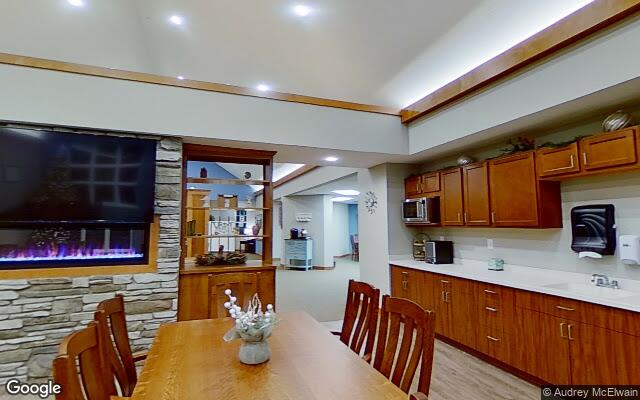
A medium home, reviewed on public record.
© Google Street View
Compared to 187 Minnesota facilities with a similar number of beds.
ALF memory care · 36-month window. Higher percentile = better performance on inspection record. Source: Minnesota Dept. of Health · Health Regulation Division.
among peers to rank.
Rankings based on 36-month MDH inspection data. Severity and frequency: fewer citations = higher percentile. Repeat rate: lower repeat citation share = higher percentile.
Citation history, plotted month by month.
1 deficiency on record. Each bar is a month with a citation.
Finding distribution
1 total · 36 monthsScope × Severity (CMS A–L)
Questions to ask before you visit.
A short pre-tour checklist tailored to Suite Living of Brooklyn Park's record and state requirements.
The most recent inspection on November 7, 2025 found zero deficiencies across all areas — can you walk us through how the community prepares for MDH surveys and what internal quality assurance processes you use to maintain compliance between state visits?
Ask the operator on tour. Take notes and compare answers across facilities you visit.
Four complaints were filed with the Minnesota Department of Health during the inspection period on file — can you share which of those complaints were substantiated, and provide documentation of the corrective actions taken in response to any substantiated findings?
Ask the operator on tour. Take notes and compare answers across facilities you visit.
This facility holds an Assisted Living Facility with Dementia Care license under Minnesota Statutes chapter 144G — can you provide a copy of your written dementia care program and explain how staff training on memory care differs from general assisted living training?
Ask the operator on tour. Take notes and compare answers across facilities you visit.
Every inspection visit, verbatim.
3 inspections in the public record, most recent first. Plain-language summaries open first — click into any row for the full citation text.
2025-11-07Annual Compliance VisitNo findings
Plain-language summary
A follow-up survey on December 17, 2025 found that the facility had not corrected a violation related to appropriate care and services that was first identified in a November 7, 2025 inspection. The facility is considered in substantial compliance overall, and no immediate fines were assessed, but the facility must document the actions it takes to correct this order.
Read full citation textHide full citation text
Read raw inspector notesClose inspector notes
correction orders issued pursuant to the November 7, 2025 survey. The Department of Health concludes the licensee is in substantial compliance. State law requires the facility must take action to correct the state correction orders and document the actions taken to comply in the facility's records. The Department reserves the right to return to the facility at any time should the Department receive a complaint or deem it necessary to ensure the health, safety, and welfare of residents in your care. In accordance with Minn. Stat. § 144G.31 Subd. 4 (a), state correction orders issued pursuant to the last survey, completed on November 7, 2025, found not corrected at the time of the December 17, 2025, follow-up survey and/ or subject to penalty assessment are as follows: 2310-Appropriate Care And Services-144g.91 Subd. 4 (a) The details of the violations noted at the time of this follow-up survey completed on December 17, 2025 (listed above) , are on the attached State Form. Brackets around the ID Prefix Tag in the left hand column, e.g., {2 ----} will identify the uncorrected tags. In accordance with Minn. Stat. § 144G.31 Subd. 4, MDH may assess fines based on the level and scope of t he violati ons ; however, no immediate fines are assessed for this survey of your facility. DOCUMENTATIO ONF ACTION TO COMPLY In accorda nce with Min n. Stat. § 144G.30, Sub d. 5(c), th e lic ens ee mus t docum ent ac tions taken t o comply with the correction orders outlined on the state form; however, plans of correction are not required to be submitted for approval. CORRECTIO NORDER RECONSIDERATIO PNROCESS In accordance with Minn. Stat. § 144G.32, Subd. 2, you may challenge the correction order( s) issued, An equal opportunity employer. Letter ID: 8GKP Revised 04/14/2023 Suite Living Senior Care of Brooklyn Park January 21, 2026 Page 2 including the level and scope, and any fine assessed through the correction order reconsideration process. The request for reconsideration must be in writing and received by MDH within 15 calendar days of the correction order receipt date. To submit a reconsideration request, please visit: https: / / forms. web. health. state. mn.us/ form/ HRDAppealsForm We urge you to review these orders carefully. If you have questions, please contact Jess Schoenecker at 651-201-3789. You are encouraged to retain this document for your records. It is your responsibility to share the information contained in the letter and/ or state form with your organization’s Governing Body. Sincerely, Jess Schoenecker, Supervisor State Evaluation Team Email: Jess.Schoenecker@state. mn.us Telephone: 651-201-3789 Fax: 1-866-890-9290 CLN PRINTED: 01/ 21/ 2026 FORM APPROVED STATEMENT OF DEFICIENCIES (X1) PROVIDER/ SUPPLIER/ CLIA (X2) MULTIPLE CONSTRUCTION (X3) DATE SURVEY AND PLAN OF CORRECTION IDENTIFICATION NUMBER: COMPLETED A. BUILDING: ______________________ R B. WING _____________________________ 36600 12/ 17/ 2025 NAME OF PROVIDER OR SUPPLIER STREET ADDRESS, CITY, STATE, ZIP CODE 8500 REGENT AVENUE NORTH SUITE LIVING SR CARE OF BP BROOKLYN PARK, MN 55443 SUMMARY STATEMENT OF DEFICIENCIES PROVIDER' S PLAN OF CORRECTION (X4) ID ID (X5) PREFIX (EACH DEFICIENCY MUST BE PRECEDED BY FULL PREFIX (EACH CORRECTIVE ACTION SHOULD BE COMPLETE REGULATORY OR LSC IDENTIFYING INFORMATION) CROSS- REFERENCED TO THE APPROPRIATE DATE TAG TAG DEFICIENCY) {0 000} Initial Comments {0 000} ******ATTENTION****** Minnesota Department of Health is documenting the State Correction Orders ASSISTED LIVING PROVIDER FOLLOW UP using federal software. Tag numbers have SURVEY WITH RE- ISSUE OF ORDERS been assigned to Minnesota State Statutes for Assisted Living Facilities. The INITIAL COMMENTS assigned tag number appears in the SL36600016- 1 far-left column entitled "ID Prefix Tag. " The state Statute number and the On December 16, 2025, through December 17, corresponding text of the state Statute out 2025, the Minnesota Department of Health of compliance is listed in the "Summary conducted a follow-up survey at the above Statement of Deficiencies" column. This provider to follow-up on orders issued pursuant to column also includes the findings which a survey completed November 7, 2025. At the are in violation of the state requirement time of the survey, there were 27 residents; 27 after the statement, "This Minnesota receiving services under the Assisted Living requirement is not met as evidenced by." Facility with Dementia Care license. As a result Following the evaluators' findings is the of the follow-up survey, the following order was Time Period for Correction. reissued. PLEASE DISREGARD THE HEADING OF THE FOURTH COLUMN WHICH STATES, "PROVIDER' S PLAN OF CORRECTION. " THIS APPLIES TO FEDERAL DEFICIENCIES ONLY. THIS WILL APPEAR ON EACH PAGE. THERE IS NO REQUIREMENT TO SUBMIT A PLAN OF CORRECTION FOR VIOLATIONS OF MINNESOTA STATE STATUTES. THE LETTER IN THE LEFT COLUMN IS USED FOR TRACKING PURPOSES AND REFLECTS THE SCOPE AND LEVEL ISSUED PURSUANT TO 144G. 31 SUBDIVISION 1-3. {0 510} 144G. 41 Subd. 3 Infection control program {0 510} SS= E (a) All assisted living facilities must establish and LABORATORY DIRECTOR' S OR PROVIDER/ SUPPLIER REPRESENTATIVE' S SIGNATURE TITLE (X6) DATE STATE FORM 6899 QN1D12 If continuation sheet 1 of 10 PRINTED: 01/ 21/ 2026 FORM APPROVED STATEMENT OF DEFICIENCIES (X1) PROVIDER/ SUPPLIER/ CLIA (X2) MULTIPLE CONSTRUCTION (X3) DATE SURVEY AND PLAN OF CORRECTION IDENTIFICATION NUMBER: COMPLETED A. BUILDING: ______________________ R B. WING _____________________________ 36600 12/ 17/ 2025 NAME OF PROVIDER OR SUPPLIER STREET ADDRESS, CITY, STATE, ZIP CODE 8500 REGENT AVENUE NORTH SUITE LIVING SR CARE OF BP BROOKLYN PARK, MN 55443 SUMMARY STATEMENT OF DEFICIENCIES PROVIDER' S PLAN OF CORRECTION (X4) ID ID (X5) PREFIX (EACH DEFICIENCY MUST BE PRECEDED BY FULL PREFIX (EACH CORRECTIVE ACTION SHOULD BE COMPLETE REGULATORY OR LSC IDENTIFYING INFORMATION) CROSS- REFERENCED TO THE APPROPRIATE DATE TAG TAG DEFICIENCY) {0 510} Continued From page 1 {0 510} maintain an infection control program that complies with accepted health care, medical, and nursing standards for infection control. (b)The facility's infection control program must be consistent with current guidelines from the national Centers for Disease Control and Prevention (CDC) for infection prevention and control in long- term care facilities and, as applicable, for infection prevention and control in assisted living facilities. (c) The facility must maintain written evidence of compliance with this subdivision. This MN Requirement is not met as evidenced by: Not reviewed during this survey. {0 775} 144G. 45 Subd. 2. (a) Fire protection and physical {0 775} SS= F environment Each assisted living facility must comply with the State Fire Code in Minnesota Rules, chapter 7511, and: This MN Requirement is not met as evidenced by: Not reviewed during this survey. {0 810} 144G. 45 Subd. 2 (b-f) Fire protection and {0 810} SS= F physical environment (b) Each assisted living facility shall develop and maintain fire safety and evacuation plans. The plans shall include but are not limited to: (1) location and number of resident sleeping rooms; (2) staff actions to be taken in the event of a fire or similar emergency; (3) fire protection procedures necessary for STATE FORM 6899 QN1D12 If continuation sheet 2 of 10 PRINTED: 01/ 21/ 2026 FORM APPROVED STATEMENT OF DEFICIENCIES (X1) PROVIDER/ SUPPLIER/ CLIA (X2) MULTIPLE CONSTRUCTION (X3) DATE SURVEY AND PLAN OF CORRECTION IDENTIFICATION NUMBER: COMPLETED A. BUILDING: ______________________ R B. WING _____________________________ 36600 12/ 17/ 2025 NAME OF PROVIDER OR SUPPLIER STREET ADDRESS, CITY, STATE, ZIP CODE 8500 REGENT AVENUE NORTH SUITE LIVING SR CARE OF BP BROOKLYN PARK, MN 55443 SUMMARY STATEMENT OF DEFICIENCIES PROVIDER' S PLAN OF CORRECTION (X4) ID ID (X5) PREFIX (EACH DEFICIENCY MUST BE PRECEDED BY FULL PREFIX (EACH CORRECTIVE ACTION SHOULD BE COMPLETE REGULATORY OR LSC IDENTIFYING INFORMATION) CROSS- REFERENCED TO THE APPROPRIATE DATE TAG TAG DEFICIENCY) {0 810} Continued From page 2 {0 810} residents; and (4) procedures for resident movement, evacuation, or relocation during a fire or similar emergency including the identification of unique or unusual resident needs for movement or evacuation. (c) Staff of assisted living facilities shall receive training on the fire safety and evacuation plans upon hiring and at least twice per year thereafter. (d) Fire safety and evacuation plans shall be readily available at all times within the facility. (e) Residents who are capable of assisting in their own evacuation shall be trained on the proper actions to take in the event of a fire to include movement, evacuation, or relocation. The training shall be made available to residents at least once per year.
2025-10-14Complaint InvestigationNo findings
Plain-language summary
The Minnesota Department of Health investigated a complaint that staff restricted a resident's access to his room and wheelchair, preventing him from using the bathroom and bedroom. The investigation found the allegation of abuse to be inconclusive because staff gave conflicting accounts—some said they kept the resident out of his room and away from his wheelchair for safety due to frequent falls, while others denied locking his door or removing his wheelchair, and nursing staff did not document such directives in his care plan. The resident, who had balance problems, dementia, and Parkinson disease, fell fifteen times in three months, mostly while unattended in his room.
Read full citation textHide full citation text
Read raw inspector notesClose inspector notes
Finding: Inconclusive Nature of Investigation: The Minnesota Department of Health investigated an allegation of maltreatment, in accordance with the Minnesota Reporting of Maltreatment of Vulnerable Adults Act, Minn. Stat. 626.557, and to evaluate compliance with applicable licensing standards for the provider type. Initial Investigation Allegation(s): The alleged perpetrator (AP), who was an unknown facility staff member, abused the resident when they restricted his movement by taking away his wheelchair and locking his room. As a result, the resident could not access his bathroom, bedroom, or personal property. Investigative Findings and Conclusion: The Minnesota Department of Health determined abuse was inconclusive. It could not be determined if staff encouraged the resident to stay out of his room for his safety or if staff consistently locked the resident’s door to prevent him from entering due to conflicting information. The resident fell fifteen times within three months while unattended in his room self-transferring. Additionally, the resident was observed sitting in a chair with his wheelchair out of reach, however nursing staff indicated that was not a directive given to the unlicensed personnel (ULP). The investigator conducted interviews with facility staff members, including administrative staff, nursing staff, and unlicensed staff. The investigation included review of the resident records, facility incident reports, personnel files, staff schedules, law enforcement report, and related facility policy and procedures. Also, the investigator toured the facility and observed the memory care unit, medication administration, video footage, and documentation systems. The resident resided in an assisted living facility. The resident’s diagnoses included ataxia (impaired balance), dementia, and Parkinson disease. The resident’s service plan included assistance with meals, medication administration, toileting, bathing, transfers, and walking. The resident’s nursing assessment indicated he moved himself around the unit independently when he was in his wheelchair, but required assistance for transferring. The resident’s nursing assessment indicated he was confused, had poor judgement, and required reminders. The nursing assessment indicated he was at risk of falling, and staff members were to encourage him to call them for assistance. Other interventions included staff members were to ensure his environment was free from clutter, all his personal items were within his reach, and to put his bed in the lowest position. The fall interventions lacked indication the staff were to remove his wheelchair, or lock his bedroom door. Incident reports indicated the resident fell fifteen times within three months. Fourteen of these falls occurred within the resident’s room when he was unattended by staff. While the surveyor toured the memory care unit, the surveyor observed the resident wheeling himself around the unit in his wheelchair. The surveyor observed an unlicensed personnel (ULP) tell him not to enter his room and to remain in the hallway. The resident did not appear distressed, and continued to wheel himself around the unit. The ULP told the surveyor the staff try to keep him out of his room because he falls frequently. A short time later, the surveyor observed the resident sitting in a reclining chair in the lounge area. The resident’s wheelchair was in the hallway, apart from him. The same ULP told the surveyor, they keep his wheelchair away from him because he required assistance with transferring, and if left within his reach, he would attempt to self-transfer and fall. During an interview, a facility nurse said the resident’s health declined. The nurse said the resident’s ability to walk was poor and he fell frequently. The nurse said the resident had poor insight into his physical abilities. The nurse said they told staff members to keep the resident in the common areas/lounge as much as they could to prevent him from falling, but they did not tell ULP to remove his wheelchair or lock his bedroom door. During an interview, another nurse said the resident was able to go into his room, however often fell while in there unattended. The nurse said they did not tell the ULP’s to lock his room, or remove his wheelchair. During an interview, a ULP said she observed the resident trying to get into his room, but he could not because staff locked the door. The ULP said she heard the resident holler in an angry voice for staff to unlock his door. The ULP said the resident was repetitious about this until a staff member arrived approximately five minutes later. The ULP said she asked another ULP why they locked the resident’s doors, and the ULP told her it was because the residents were “naughty” (referring to all residents, not just this resident). The ULP said she asked a nurse if this action was on the resident’s care plan, but the nurse did not give a definitive answer. The ULP said she continues to observe staff lock the resident’s bedroom door. The ULP said she observed staff members place the resident’s wheelchair away from him when he sits in the reclining chair in the lobby area, so it is not within his reach. During multiple investigative interviews, some ULPs acknowledged they moved the resident’s wheelchair away from him and/or locked his door for safety reasons because he fell frequently. Other ULP’s indicated they did not lock his door, or remove his wheelchair. In conclusion, the Minnesota Department of Health determined abuse was inconclusive. Inconclusive: Minnesota Statutes, section 626.5572, Subdivision 11. "Inconclusive" means there is less than a preponderance of evidence to show that maltreatment did or did not occur. Abuse: Minnesota Statutes section 626.5572, subdivision 2. "Abuse" means: (a) An act against a vulnerable adult that constitutes a violation of, an attempt to violate, or aiding and abetting a violation of: (1) assault in the first through fifth degrees as defined in sections 609.221 to 609.224; (2) the use of drugs to injure or facilitate crime as defined in section 609.235; (3) the solicitation, inducement, and promotion of prostitution as defined in section 609.322; and (4) criminal sexual conduct in the first through fifth degrees as defined in sections 609.342 to 609.3451. A violation includes any action that meets the elements of the crime, regardless of whether there is a criminal proceeding or conviction. (b) Conduct which is not an accident or therapeutic conduct as defined in this section, which produces or could reasonably be expected to produce physical pain or injury or emotional distress including, but not limited to, the following: (1) hitting, slapping, kicking, pinching, biting, or corporal punishment of a vulnerable adult; (2) use of repeated or malicious oral, written, or gestured language toward a vulnerable adult or the treatment of a vulnerable adult which would be considered by a reasonable person to be disparaging, derogatory, humiliating, harassing, or threatening; (3) use of any aversive or deprivation procedure, unreasonable confinement, or involuntary seclusion, including the forced separation of the vulnerable adult from other persons against the will of the vulnerable adult or the legal representative of the vulnerable adult; and (4) use of any aversive or deprivation procedures for persons with developmental disabilities or related conditions not authorized under section 245.825. (c) Any sexual contact or penetration as defined in section 609.341, between a facility staff person or a person providing services in the facility and a resident, patient, or client of that facility. (d) The act of forcing, compelling, coercing, or enticing a vulnerable adult against the vulnerable adult's will to perform services for the advantage of another. Vulnerable Adult interviewed: Attempted. Unable to participate. Family/Responsible Party interviewed: Attempted. Did not respond. Alleged Perpetrator interviewed: Not Applicable. Action taken by facility: The facility leadership staff told ULPs to keep the resident’s wheelchair next to him. Action taken by the Minnesota Department of Health: The facility was found to be in noncompliance. To view a copy of the Statement of Deficiencies and/or correction orders, please visit: https://www.health.state.mn.us/facilities/regulation/directory/provcompselect.html If you are viewing this report on the MDH website, please see the attached Statement of Deficiencies. You may also call 651-201-4200 to receive a copy via mail or email cc: The Office of Ombudsman for Long Term Care The Office of Ombudsman for Mental Health and Developmental Disabilities PRINTED: 10/15/2025 FORM APPROVED STATEMENT OF DEFICIENCIES (X1) PROVIDER/SUPPLIER/CLIA (X2) MULTIPLE CONSTRUCTION (X3) DATE SURVEY AND PLAN OF CORRECTION IDENTIFICATION NUMBER: COMPLETED A. BUILDING: ______________________ C B.
2025-04-21Complaint InvestigationSubstantiated Finding · 1 finding
Plain-language summary
A complaint investigation substantiated that the facility neglected a resident by failing to implement a physician's order for daily perineal washing after the resident's first urinary tract infection, resulting in the resident developing three urinary tract infections within six months. The facility's service delivery records showed the ordered daily morning wash-ups were not consistently provided for several months despite being documented in the physician's orders and the resident's service plan. The facility eventually implemented the daily cleansing and showers after interventions were put in place, which improved the resident's condition.
Read full citation text (1)Hide full citation text
“MDH substantiated maltreatment or licensing violation finding”
Read raw inspector notesClose inspector notes
Finding: Substantiated, facility responsibility Nature of Investigation: The Minnesota Department of Health investigated an allegation of maltreatment, in accordance with the Minnesota Reporting of Maltreatment of Vulnerable Adults Act, Minn. Stat. 626.557, and to evaluate compliance with applicable licensing standards for the provider type. Initial Investigation Allegation(s): The facility neglected the resident when the facility failed to provide services according to provider orders and the resident’s service plan. The resident sustained several bladder infections. Investigative Findings and Conclusion: The Minnesota Department of Health determined neglect was substantiated. The facility was responsible for the maltreatment. The resident had a history of urinary tract infections (UTIs). Due to the resident’s history her medical provider ordered daily perineum washing after the first UTI for prevention. The facility failed to implement physician orders for daily wash ups to help keep the resident clean for several months. The resident developed three UTI in less than six months. The investigator conducted interviews with facility staff members, including administrative staff, nursing staff, and unlicensed staff. The investigator contacted the physician and law enforcement. The investigation included review of the resident record, facility incident reports, staff schedules, related facility policy and procedures. Also, the investigator observed toileting and transfer assistance, call light response times, and a meal service. The resident resided in an assisted living facility. The resident’s diagnoses included strokes and urinary incontinence. The resident’s service plan included assistance with toileting, perineal care, and showers, as well as medication management. The resident’s assessment indicated due to her urinary incontinence, the resident needed help with toileting, including perineal care. UTI #1 The resident’s medical record indicated the provider ordered staff to increase the frequency of bathing with cleansing of the perineum to daily in the mornings. The next day, a progress note in the resident’s record indicated the resident displayed confusion and paranoia. One week later, the provider ordered an antibiotic for 10 days due to the resident being diagnosed with a UTI. A progress note from the same day indicated the resident received an order for the antibiotic for a UTI. The resident’s service delivery record for the month indicated the resident received bathing assistance: a shower utilizing soap and water, washing the resident’s body including perineum for 15 of the days. The service delivery record for the month did not include the order for daily bathing with cleansing of the perineum in the mornings. The resident’s service delivery records for the following two months also failed to include the order for daily bathing with cleansing of the perineum in the mornings. The service delivery record from the first month after the resident’s UTI, indicated the resident received the same bathing assistance 19 times. The second month after the first UTI, the resident’s service delivery record indicated she received the bathing assistance seventeen 17 days. The service delivery record for the month included toileting assistance, indicating the resident required staff assistance with toileting including transferring to and from the toilet, peri-care, and getting her clothing back up. This service started halfway through the month, and staff completed it nearly every shift for the rest of the month. UTI #2 About three months after the first UTI, the provider ordered an antibiotic for the resident. The next day, a progress note included the order for an antibiotic for the resident’s UTI. The resident’s service delivery record for the month indicated the resident received the same bathing assistance as she did prior months 26 days. The service delivery record also included the toileting assistance with peri-care which the resident received daily, nearly every shift. There were no progress notes around this time identifying concerns or symptoms of a UTI. UTI #3 At the end of the next month, the resident’s provider ordered for a urinalysis due to recurrent UTIs. The next day, a progress note indicated the facility collected a urine sample for the family to pick up and bring to the resident’s provider. Four days later, the resident’s provider ordered an antibiotic for 14 days. A progress note the next day indicated the facility received the faxed order from the provider to administer an antibiotic for 14 days. The resident’s service agreement, updated a few weeks prior, indicated the resident received one shower a week. The service agreement did not include daily bathing with cleansing of the perineum in the mornings. The resident’s service delivery record for the month indicated the resident received the same bathing assistance as she did prior months 22 times. The service delivery record also indicated the resident received the toileting assistance with peri-care every day, nearly every shift. During investigative interviews, several unlicensed personnel (ULP) stated the resident had recently been receiving two showers weekly and daily wash ups with soap and water. During an interview, a nurse stated the resident had a history of UTIs. Since putting interventions in place, the problem did improve. The facility implemented cleansing the resident with soap and water daily and showers one to two times per week. The nurse stated they did get the written order for daily wash ups but did not know the full timeline between discussing the issue, receiving an order, and implementing. The nurse stated the increase in showers were more of a discussion between nursing and family, while the provider had been pushing more for the wash ups of the perineum. During an interview, the resident’s provider stated the resident had a history of UTIs, going back several years. However, she only had up to one or two in a given year. The resident had an increased risk for UTIs due to her incontinence. The provider originally wrote an order for the resident to be cleaned up daily one month, due to getting a UTI. Then he had to write another order three months later due to the first order not being followed. The facility should have implemented the order as soon as they received them, but it appeared they did not implement them for several months. The provider stated the facility had been doing a better job recently. During an interview, the resident stated she had a couple of UTIs. One shower a week had not been good enough and needed to shower twice a week. The resident stated facility staff were currently doing a sufficient job at cleaning her up each morning. During an interview, a family member stated the resident had incontinence, so staff needed to make sure she was properly cleaned. The family member identified the resident as susceptible to UTIs if not kept clean. Previously, the resident’s provider wrote orders for the facility to wash her up daily in the morning because he had been concerned about this. However, the resident had not been getting washed up. The provider also wrote an order for to receive two showers a week, but that did not happen either. The family member stated the resident got a UTI two months in a row and became very sick and confused during that time. In conclusion, the Minnesota Department of Health determined neglect was substantiated. Substantiated: Minnesota Statutes, section 626.5572, Subdivision 19. “Substantiated” means a preponderance of evidence shows that an act that meets the definition of maltreatment occurred. Neglect: Minnesota Statutes, section 626.5572, subdivision 17 “Neglect” means neglect by a caregiver or self-neglect. (a) "Caregiver neglect" means the failure or omission by a caregiver to supply a vulnerable adult with care or services, including but not limited to, food, clothing, shelter, health care, or supervision which is: (1) reasonable and necessary to obtain or maintain the vulnerable adult's physical or mental health or safety, considering the physical and mental capacity or dysfunction of the vulnerable adult; and (2) which is not the result of an accident or therapeutic conduct. (5) an individual makes an error in the provision of therapeutic conduct to a vulnerable adult that results in injury or harm, which reasonably requires the care of a physician, and: (i) the necessary care is provided in a timely fashion as dictated by the condition of the vulnerable adult; (ii) if after receiving care, the health status of the vulnerable adult can be reasonably expected, as determined by the attending physician, to be restored to the vulnerable adult's preexisting condition; (iii) the error is not part of a pattern of errors by the individual; (iv) if in a facility, the error is immediately reported as required under section 626.
3 older inspections from 2022 are not shown above.
Get the complete record, translated into plain language — emailed to you.
Other facilities in Hennepin County.
Other memory care facilities in Hennepin County with similar care offerings.
Facility Watch · Premium
Family reviews
No reviews yet — be the first to share your experience
Other memory care options nearby.
More options in neighboring cities
Licensed memory care in other cities within this county region — useful when your search radius crosses city limits.