Best memory care in Seattle
15 licensed facilities, ranked by state inspection records — every citation from primary DSHS data, no referral fees.
Last updated October 2026
Browse Washington facilitiesSeattle's memory care market is dense and expensive — ALFs here hold DSHS Specialized Dementia Care contracts as the minimum bar for appearing on StarlynnCare. Inspection and investigation report links on each profile go directly to the DSHS ALF Reports portal.
Of the 15 licensed memory care facilities indexed in Seattle, 13 (87%) have a Type-A or Type-B deficiency in their state record from the past 24 months.
Source: CA CDSS Community Care Licensing · Refreshed 2026-10-11 · Type-A = immediate health/safety risk; Type-B = lesser violation
Licensed memory care facilities indexed in Seattle
Facilities with at least one Type-A or Type-B deficiency finding in the indexed inspection record (24 months where dated)
↑ 87% of indexed facilitiesFacilities with full DSHS profile published on StarlynnCare
Seattle — by the data
Derived from indexed inspections and deficiency records. Only shown when sufficient data exists.
- Citation trend · 3-year window
- → Stable9 → 28 → 9 (citations per 12-month window)
- Seattle vs. Washington avg
- 3.07citations/facility here vs.4.49statewide (36 months)
- Median beds per home
- 82beds
- Most improved · yr-over-yr
- Greenlake Emerald City-6 citations vs. prior year
- Most citations added · yr-over-yr
- Quail Park Memory Care Residences of West Seattle+2 citations vs. prior year
- Last inspected (region)
- April 2026
Sources: indexed state inspection records. See methodology.
Best memory care in Seattle — ranked by inspection record.
Aegis Living of West Seattle
Seattle
Aegis of Queen Anne on Galer
Seattle
Cogir of Northgate Memory Care
Seattle
Ida Culver House Broadview
SEATTLE
Vineyard Park at Queen Anne Manor
Seattle
Aegis Living at Ravenna
Seattle
Aegis Living Greenwood
Seattle
Aegis Living Laurelhurst
Seattle
All memory care in Seattle, ranked by inspection record.
Memory care · 50+ beds
(14)Community-style facilities (purpose-built buildings, common in regional chains).
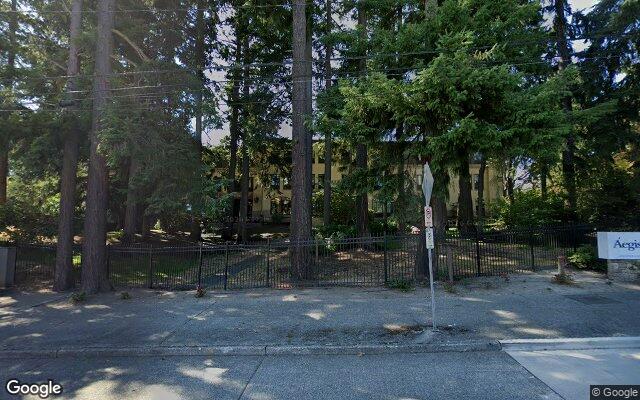 4 serious
Aegis Living at Ravenna
· limited history4 serious citations on fileSeattle · 79 beds · ALF · Memory care
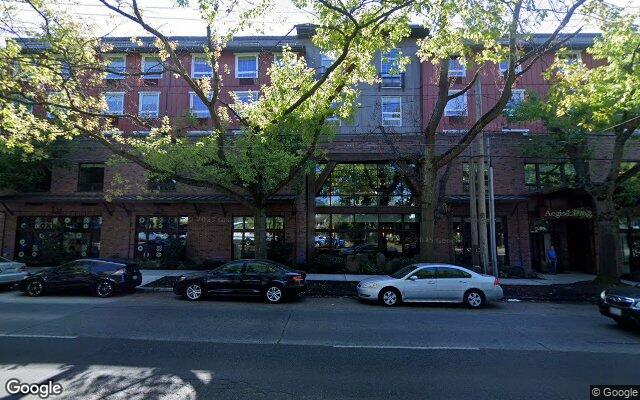 1 serious
Aegis Living Ballard
· limited history1 serious citation on fileSeattle · 80 beds · ALF · Memory care
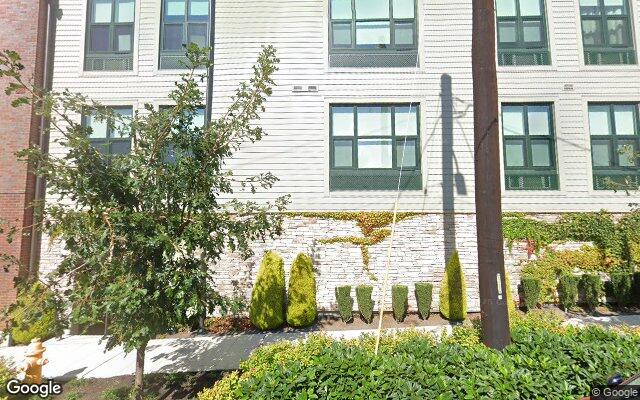
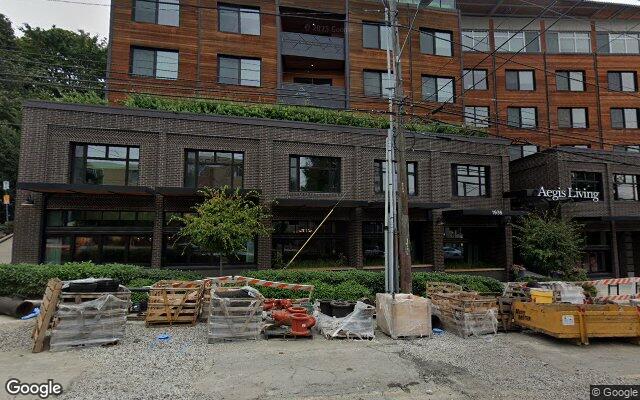 2 serious
Aegis Living Lake Union
· limited history2 serious citations on fileSeattle · 62 beds · ALF · Memory care
 1 serious
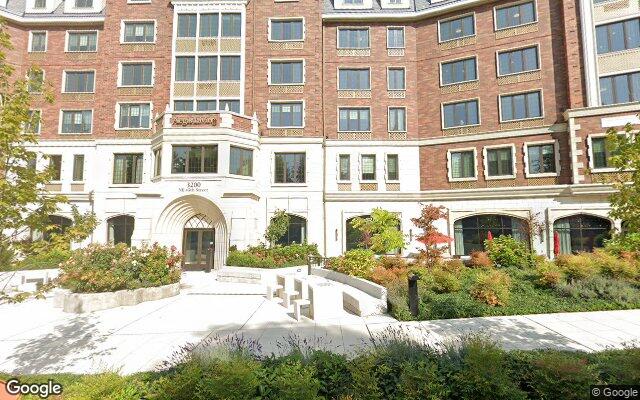
Aegis Living Laurelhurst
· limited history1 serious citation on fileSeattle · 82 beds · ALF · Memory care
 2 serious
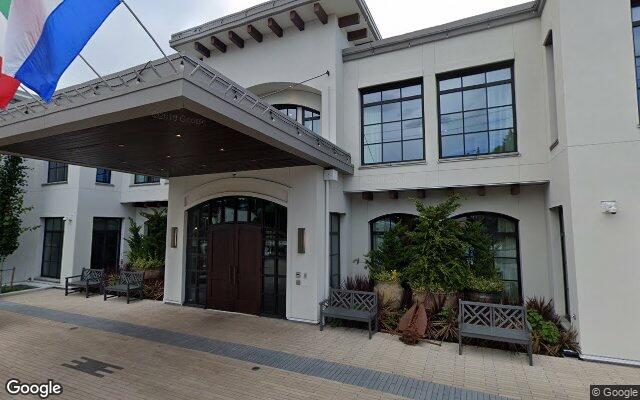
Aegis of Queen Anne at Rodgers Park
2 serious citations on fileSeattle · 106 beds · ALF · Memory care
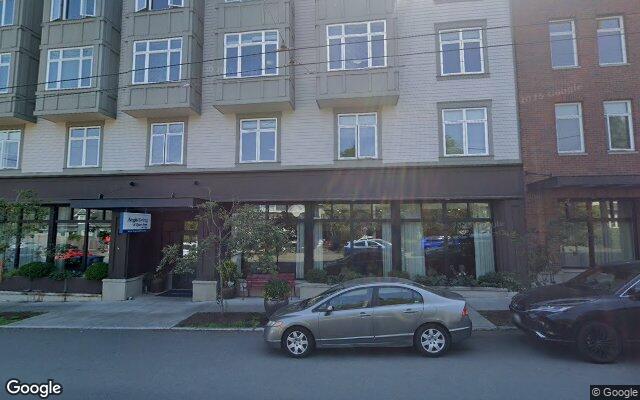
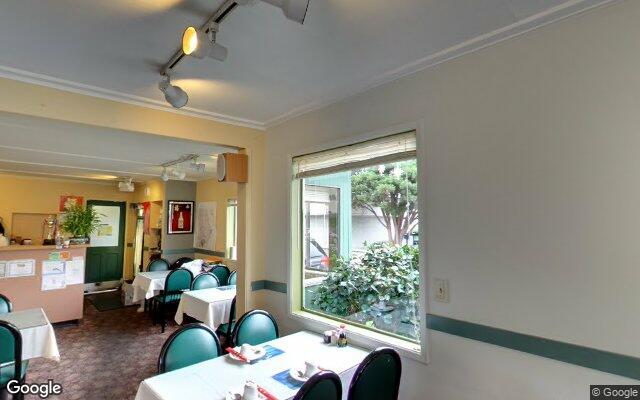 1 serious
Empress Senior Living at Laurelhurst
· limited history1 serious citation on fileSeattle · 73 beds · ALF · Memory care
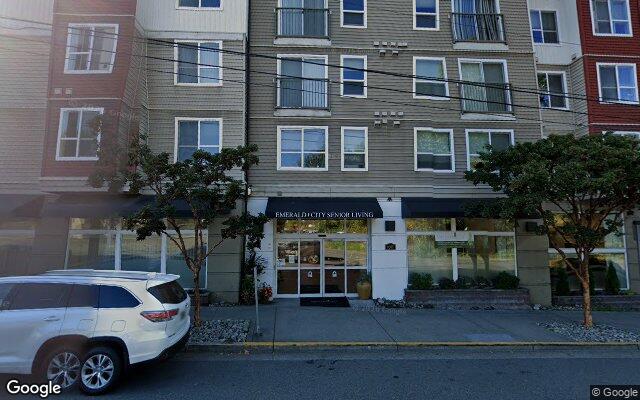
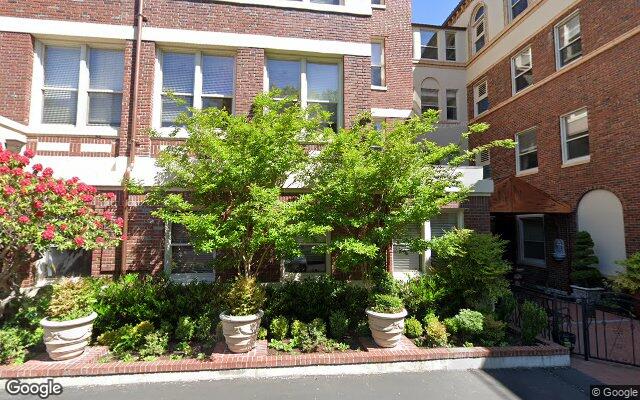
Memory care · 7–49 beds
(1)Small to medium freestanding RCFEs with a memory-care program.
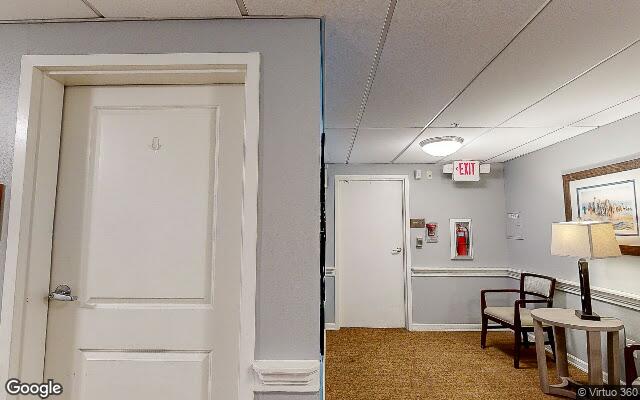
The public record behind every profile.
What memory care costs in this city.
Median monthly cost in Seattle ranges from approximately $5,500–$9,500/month based on regional benchmarks. For how we separate pricing estimates from inspection-derived facts, see how we source data.
Source: Regional estimate · Genworth 2024 + Washington DSHS rate guidance · Facility-specific quotes required before signing
Paying for memory care in Seattle.
Washington's COPES waiver pays for personal-care and support services at licensed Specialized Dementia Care ALFs for Medicaid-eligible residents.
Washington State's COPES (Community Options Program Entry System) waiver is the primary Medicaid pathway for residents of licensed Assisted Living Facilities (ALFs) with a Specialized Dementia Care contract. COPES covers personal-care services, medication administration, and certain therapies. Room and board are not Medicaid-funded and are paid by residents from their own income or assets. DSHS (Department of Social Services and Health) manages eligibility assessments and waiver enrollment.
To qualify for COPES, a person must meet nursing-facility level of care standards as determined by a DSHS assessment, and must be financially eligible for Medicaid (SSI-related rules apply). Wait lists exist in some counties. Families should initiate the DSHS assessment as early as possible — contact your local Area Agency on Aging (AAA) or DSHS Home and Community Services office.
Private-pay memory care in Washington typically costs $5,500–$9,500 per month. Long-term care insurance, veteran benefits, and private annuities are common funding sources. Washington also offers a state-run Carer Support Program for family caregivers who are delaying facility placement.
Veterans: The Washington State Department of Veterans Affairs (WDVA) operates a network of veterans homes and can assist eligible veterans with memory care placement and funding.
Source: WA DSHS Home and Community Services · Program rules change — verify eligibility requirements directly with your county agency before making care decisions
About memory care in Seattle.
How much does memory care cost in Seattle?
Memory care in Seattle typically runs $5,500–$9,500/month for an ALF with a Washington DSHS Specialized Dementia Care contract. Full monthly costs often exceed the advertised base rate by $500–$2,000 depending on care level.
What makes a facility "memory care" in Washington?
Washington state licenses memory care communities as Assisted Living Facilities (ALFs) regulated by DSHS Aging and Disability Services Administration (ADSA), Residential Care Services. Facilities here hold a Specialized Dementia Care contract with DSHS — a contract tier requiring specialized staff training in dementia care techniques, behavioral support protocols, and enhanced supervision standards. Contract status appears on every StarlynnCare profile and is sourced from the DSHS public lookup.
What's the difference between an ALF and a nursing home in Washington?
Washington ALFs provide residential care — room, board, personal assistance, and medication management — in a community setting. Nursing homes (Skilled Nursing Facilities) provide licensed medical nursing care 24/7 for residents needing IV therapy, wound care, or complex medication management. Dementia care ALFs are appropriate for residents who need memory-specific programming but not continuous skilled nursing.
How many Seattle facilities have a serious deficiency on file?
Of the 15 licensed memory care facilities indexed in Seattle, 13 (87%) carry a documented inspection or investigation finding in the indexed inspection record. Specific findings appear on each profile with inspection date and source link. StarlynnCare sources all deficiency data directly from state regulator records — no facility-side surveys or paid submissions are used. See the methodology for how deficiency classes are mapped across states.
How does StarlynnCare rank memory care facilities in Seattle?
StarlynnCare does not assign a single letter grade. Instead, each profile shows four independent signals derived from state inspection records: deficiency severity (Type-A vs. Type-B in California, equivalent classes in other states), repeat citation rate, inspection frequency relative to peers, and trajectory over time. Facilities with too few inspections on record show a "limited history" notice rather than a misleading score. All underlying data is sourced from mandatory public records — CDSS for California, HHSC LTCR for Texas, DHS for Oregon, and equivalent agencies for other states. Full methodology is at starlynncare.com/methodology.
What should I look for on a memory care tour in Seattle?
What predicts safety usually isn't what admissions directors highlight. From clinician and family interviews, the most under-asked items: staff-to-resident ratio at night and on weekends, skin-check and wound-prevention protocol, medication management and error reporting, shower frequency, and how the facility handles behavioral escalation. We publish a free 37-question tour checklist you can print.
Where can I find inspection reports for memory care facilities in Seattle?
Every facility profile on StarlynnCare links directly to its state inspection records — the same documents regulators use to evaluate compliance. For California facilities, reports come from the CDSS Community Care Licensing portal; for Texas, from HHSC LTCR; for Oregon, DHS Long-Term Care Licensing; for Washington, DSHS. On each facility profile, navigate to the "Inspection record" section to see full verbatim citations with dates and regulatory citations. You can also access the underlying raw data (open dataset).
How are memory care facilities in Seattle rated?
StarlynnCare uses state inspection data — not self-reported surveys or paid placements — to evaluate facilities. Each profile surfaces four signals: citation severity (e.g. Type-A vs. Type-B in California), citation frequency relative to peers, repeat-finding rate, and inspection recency. Facilities with too few inspections receive a "limited history" label rather than a misleading composite score. You can sort the list of Seattle facilities by inspection record using the "By record" sort toggle to see the cleanest inspection histories first. No referral commissions influence how facilities appear.
Does Apple Health (Medicaid) cover memory care in Seattle?
Washington Apple Health (Medicaid) can cover care in contracted ALFs through the Community Options Program Entry System (COPES) and other waiver programs, but not all facilities hold Medicaid contracts and waitlists exist. Eligibility depends on functional and financial criteria. Each StarlynnCare profile notes contract status where documented. Contact DSHS at 1-800-422-3263 for current contract and availability information in Seattle.