The Atrium at Flagstone.
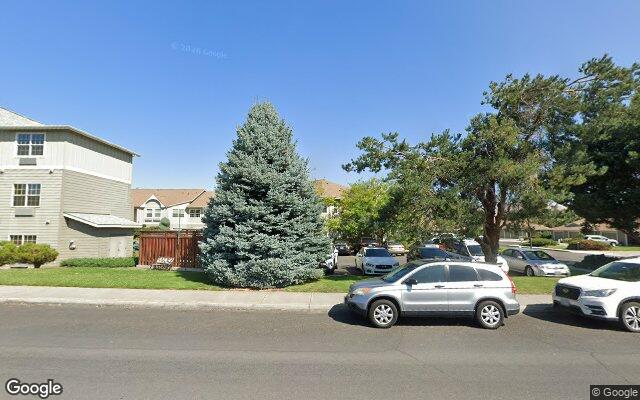
A medium home, reviewed on public record.
© Google Street View
Compared to 55 Oregon facilities with a similar number of beds.
ALF memory care · 36-month window. Higher percentile = better performance on inspection record. Source: Oregon Dept. of Human Services · Long-Term Care Licensing.
Rankings based on 36-month OR-DHS inspection data. Severity and frequency: fewer citations = higher percentile. Repeat rate: lower repeat citation share = higher percentile.
Citation history, plotted month by month.
9 deficiencies on record. Each bar is a month with a citation.
Finding distribution
9 total · 36 monthsScope × Severity (CMS A–L)
Every inspection visit, verbatim.
3 inspections in the public record, most recent first. Plain-language summaries open first — click into any row for the full citation text.
2025-11-17Annual Compliance VisitOR-cited · 2 findings
Plain-language summary
During a kitchen inspection, the facility was found to have violations of Oregon's Food Sanitation Rules and the licensing rules for Residential Care and Assisted Living Facilities, including failure to maintain the kitchens in accordance with required standards. The facility also failed to comply with the memory care community licensing rules. The specific violations are detailed in citation C 240.
Read full citation text (2)Hide full citation text
“Based on observation and interview, it was determined the facility failed to ensure the kitchens were maintained in accordance with the Food Sanitation Rules OAR 333-150-000. Findings include, but are not limited to:”
“Based on observation and interview, it was determined the facility failed to follow licensing rules for Residential Care and Assisted Living Facilities. Findings include, but are not limited to: Refer to C 240. OAR 411-057-0140(2) Administration Compliance (2) The licensee of a memory care community must comply with both the licensing rules for the facility and Chapter 411, Division 57. This Rule is not met as evidenced by:”
Read raw inspector notesClose inspector notes
Based on observation and interview, it was determined the facility failed to ensure the kitchens were maintained in accordance with the Food Sanitation Rules OAR 333-150-000. Findings include, but are not limited to: Based on observation and interview, it was determined the facility failed to follow licensing rules for Residential Care and Assisted Living Facilities. Findings include, but are not limited to: Refer to C 240. OAR 411-057-0140(2) Administration Compliance (2) The licensee of a memory care community must comply with both the licensing rules for the facility and Chapter 411, Division 57. This Rule is not met as evidenced by:
2025-04-16Annual Compliance VisitOR-cited · 5 findings
Plain-language summary
During a re-licensure inspection conducted April 14-16, 2025, the facility was found to have violated infection prevention and control rules when staff served meals to residents without protective barriers over potentially contaminated clothing and without restraining their hair. The facility also failed to document fire and life safety instruction for new residents within 24 hours of admission and did not provide annual safety instruction to residents, and seven shared bathroom doors lacked locking mechanisms to ensure resident privacy.
Read full citation text (5)Hide full citation text
“Based on observation and interview, it was determined the facility failed to maintain infection prevention and control protocols related to multiple sampled and unsampled residents who received meal service. Findings include, but are not limited to: Observations of meal service were conducted from 04/14/25 through 04/16/25 and the following was identified: * Caregiving staff, whose duties included providing ADL care to residents and delivering meals, were observed serving food to multiple residents and feeding a resident without wearing a protective barrier over potentially contaminated clothing; and * Caregiving staff were observed with hair that was not restrained while serving food to residents. The need to maintain effective infection prevention and control protocols was reviewed with Staff 1 (Associate ED), Staff 2 (Resident Care Director), and Staff 3 (Health and Wellness Director) on 04/16/25 at 11:30 am. They acknowledged the findings. OAR 411-054-0050(1-5) Infection Prevention & Control (Amended 03/18/2022)(1) Facilities must establish and maintain infection prevention and control protocols to provide a safe, sanitary and comfortable environment. This includes protocols to prevent the development and transmission of communicable diseases.(2) Each facility must designate an individual to be the facility ' s "Infection Control Specialist" responsible for carrying out the infection prevention and control protocols and serving as the primary point of contact for the Department regarding disease outbreaks. The Infection Control Specialist must:(a) Be qualified by education, training and experience or certification; and(b) Complete specialized training in infection prevention and control protocols within three months of being designated under this paragraph, unless the designee has received the specialized training within the 24-month period prior to the time of the designation. The Department will describe trainings that will be acceptable to meet the specialized training requirement in rule, by January 1, 2022.(3) Each facility must establish infection prevention and control protocols and have an Infection Control Specialist, trained as required in this rule, by July 1, 2022.(4) Facilities must comply with masking requirements as prescribed in OAR 333-019-1011 or, if applicable, OAR 437-001-0744, to control the spread of COVID-19.(5) Facilities must comply with vaccination requirements for COVID-19 as prescribed in OAR 333-019-1010.Stat. Auth.: ORS 410.070, 443.004, 443.012, 443.450Stats. Implemented: ORS 443.004, 443.400-443.455, 443.991 This Rule is not met as evidenced by:”
“Based on interview and record review, it was determined the facility failed to ensure each resident was instructed within 24 hours of admission and re-instructed, at least annually, in general safety procedures, evacuation methods, responsibilities during fire drills, and designated meeting places outside the building or within the fire safe area in the event of an actual fire. Findings include, but are not limited to: Fire drill records, from 10/2024 through 03/2025, were reviewed on 04/15/25 with Staff 4 (Maintenance Director) and revealed the following: * There was no documented evidence new residents were instructed on fire and life safety within 24 hours of admission; and * Staff 4 stated the facility was not providing or documenting annual instruction for residents in general safety procedures, evacuation methods, responsibilities during fire drills, and designated meeting places outside the building or within the fire safe area in the event of an actual fire. The requirements for Fire and Life Safety instruction for residents were reviewed with Staff 1(Associate Executive Director), Staff 2 (Resident Care Director), and Staff 3 (Director of Health and Wellness) on 04/16/25. They acknowledged the findings. OAR 411-054-0090 (5) Fire and Life Safety: Training for Residents (5) TRAINING FOR RESIDENTS. Residents must be instructed about the facility's fire and life safety procedures per OFC. (a) Each resident must be instructed within 24 hours of admission and re-instructed, at least annually, in general safety procedures, evacuation methods, responsibilities during fire drills, and designated meeting places outside the building or within the fire safe area in the event of an actual fire. This requirement does not apply to residents whose mental capability does not allow for following such instruction. (b) A written record of fire safety training, including content of the training sessions and the residents attending, must be kept. This Rule is not met as evidenced by:”
“Based on observation and interview, it was determined the facility failed to ensure privacy and dignity related to no locks on bathroom doors for residents who had shared bathrooms. Findings include, but are not limited to: Observations on 04/16/25 of shared bathrooms revealed there was no locking mechanisms on seven shared bathroom doors to ensure privacy. On 04/16/25, the observations and the need to ensure shared bathroom doors had locks were reviewed with Staff 1 (Associate ED) and Staff 2 (Resident Care Director) at approximately 1:00 pm. The staff acknowledged the findings. OAR411-004-0020(2)(d) Individual Privacy: Own Unit (2) Provider owned, controlled, or operated residential settings must have all of the following qualities: (d) Each individual has privacy in his or her own unit. This Rule is not met as evidenced by:”
“Based on observation, interview, and record review, it was determined the facility failed to follow licensing rules for Residential Care and Assisted Living Facilities. Findings include, but are limited to: Refer to: C295 and C422. OAR 411-057-0140(2) Administration Compliance (2) The licensee of a memory care community must comply with both the licensing rules for the facility and Chapter 411, Division 57. This Rule is not met as evidenced by:”
“Based on interview and record review, it was determined the facility failed to ensure 1 of 1 sampled newly-hired direct care staff (# 9) completed pre-service orientation topics and pre-service dementia care training before starting job duties, 3 of 3 long-term direct care staff (#s 7, 10 and 11) failed to complete a minimum of 16 hours of in-service training annually, including six hours of dementia care training, and 2 of 3 non-direct care staff (#s 4 and 6) failed to complete required annual trainings. Findings include, but are not limited to: Training records were reviewed on 04/16/25. The following was identified:”
Read raw inspector notesClose inspector notes
Based on observation and interview, it was determined the facility failed to maintain infection prevention and control protocols related to multiple sampled and unsampled residents who received meal service. Findings include, but are not limited to: Observations of meal service were conducted from 04/14/25 through 04/16/25 and the following was identified: * Caregiving staff, whose duties included providing ADL care to residents and delivering meals, were observed serving food to multiple residents and feeding a resident without wearing a protective barrier over potentially contaminated clothing; and * Caregiving staff were observed with hair that was not restrained while serving food to residents. The need to maintain effective infection prevention and control protocols was reviewed with Staff 1 (Associate ED), Staff 2 (Resident Care Director), and Staff 3 (Health and Wellness Director) on 04/16/25 at 11:30 am. They acknowledged the findings. OAR 411-054-0050(1-5) Infection Prevention & Control (Amended 03/18/2022)(1) Facilities must establish and maintain infection prevention and control protocols to provide a safe, sanitary and comfortable environment. This includes protocols to prevent the development and transmission of communicable diseases.(2) Each facility must designate an individual to be the facility ' s "Infection Control Specialist" responsible for carrying out the infection prevention and control protocols and serving as the primary point of contact for the Department regarding disease outbreaks. The Infection Control Specialist must:(a) Be qualified by education, training and experience or certification; and(b) Complete specialized training in infection prevention and control protocols within three months of being designated under this paragraph, unless the designee has received the specialized training within the 24-month period prior to the time of the designation. The Department will describe trainings that will be acceptable to meet the specialized training requirement in rule, by January 1, 2022.(3) Each facility must establish infection prevention and control protocols and have an Infection Control Specialist, trained as required in this rule, by July 1, 2022.(4) Facilities must comply with masking requirements as prescribed in OAR 333-019-1011 or, if applicable, OAR 437-001-0744, to control the spread of COVID-19.(5) Facilities must comply with vaccination requirements for COVID-19 as prescribed in OAR 333-019-1010.Stat. Auth.: ORS 410.070, 443.004, 443.012, 443.450Stats. Implemented: ORS 443.004, 443.400-443.455, 443.991 This Rule is not met as evidenced by: Based on interview and record review, it was determined the facility failed to ensure each resident was instructed within 24 hours of admission and re-instructed, at least annually, in general safety procedures, evacuation methods, responsibilities during fire drills, and designated meeting places outside the building or within the fire safe area in the event of an actual fire. Findings include, but are not limited to: Fire drill records, from 10/2024 through 03/2025, were reviewed on 04/15/25 with Staff 4 (Maintenance Director) and revealed the following: * There was no documented evidence new residents were instructed on fire and life safety within 24 hours of admission; and * Staff 4 stated the facility was not providing or documenting annual instruction for residents in general safety procedures, evacuation methods, responsibilities during fire drills, and designated meeting places outside the building or within the fire safe area in the event of an actual fire. The requirements for Fire and Life Safety instruction for residents were reviewed with Staff 1(Associate Executive Director), Staff 2 (Resident Care Director), and Staff 3 (Director of Health and Wellness) on 04/16/25. They acknowledged the findings. OAR 411-054-0090 (5) Fire and Life Safety: Training for Residents (5) TRAINING FOR RESIDENTS. Residents must be instructed about the facility's fire and life safety procedures per OFC. (a) Each resident must be instructed within 24 hours of admission and re-instructed, at least annually, in general safety procedures, evacuation methods, responsibilities during fire drills, and designated meeting places outside the building or within the fire safe area in the event of an actual fire. This requirement does not apply to residents whose mental capability does not allow for following such instruction. (b) A written record of fire safety training, including content of the training sessions and the residents attending, must be kept. This Rule is not met as evidenced by: Based on observation and interview, it was determined the facility failed to ensure privacy and dignity related to no locks on bathroom doors for residents who had shared bathrooms. Findings include, but are not limited to: Observations on 04/16/25 of shared bathrooms revealed there was no locking mechanisms on seven shared bathroom doors to ensure privacy. On 04/16/25, the observations and the need to ensure shared bathroom doors had locks were reviewed with Staff 1 (Associate ED) and Staff 2 (Resident Care Director) at approximately 1:00 pm. The staff acknowledged the findings. OAR411-004-0020(2)(d) Individual Privacy: Own Unit (2) Provider owned, controlled, or operated residential settings must have all of the following qualities: (d) Each individual has privacy in his or her own unit. This Rule is not met as evidenced by: Based on observation, interview, and record review, it was determined the facility failed to follow licensing rules for Residential Care and Assisted Living Facilities. Findings include, but are limited to: Refer to: C295 and C422. OAR 411-057-0140(2) Administration Compliance (2) The licensee of a memory care community must comply with both the licensing rules for the facility and Chapter 411, Division 57. This Rule is not met as evidenced by: Based on interview and record review, it was determined the facility failed to ensure 1 of 1 sampled newly-hired direct care staff (# 9) completed pre-service orientation topics and pre-service dementia care training before starting job duties, 3 of 3 long-term direct care staff (#s 7, 10 and 11) failed to complete a minimum of 16 hours of in-service training annually, including six hours of dementia care training, and 2 of 3 non-direct care staff (#s 4 and 6) failed to complete required annual trainings. Findings include, but are not limited to: Training records were reviewed on 04/16/25. The following was identified:
2024-08-28Annual Compliance VisitOR-cited · 2 findings
Plain-language summary
A routine kitchen inspection on August 28, 2024 found that the facility's main kitchen, kitchenette, and dining areas failed to meet food sanitation standards, with documented problems including a broken dishwasher temperature gauge, accumulation of dust and food debris on equipment and surfaces, rust on ceiling fixtures, black buildup on floors and baseboards, cracked and uncleanable food contact surfaces, and damaged wall and door surfaces in multiple areas. The facility acknowledged the findings and submitted a corrective action plan that included replacing the temperature gauge, adding areas to cleaning schedules, pressure washing the chemical cart, repairing or replacing damaged surfaces, and implementing monthly audits by the Director of Culinary Services to monitor ongoing compliance.
Read full citation text (2)Hide full citation text
“Based on observation and interview, it was determined the facility failed to ensure the kitchen was clean and in good repair in accordance with the Food Sanitation Rules OAR 333-150-000. Findings include, but are not limited to:? ? Observations of the facility’s main kitchen, food storage, food preparation areas, Memory Care Community’s kitchenette and dining room on 08/28/24 at 1:30 pm revealed the following was in need of cleaning or repair:? ? a. Warewashing Area? • The temperature gage for the wash cycle on the warewashing machine was in disrepair and would not register a temperature during the cycle;?? • The top of the warewashing machine had an accumulation of food debris and dust;?? • The vent located in the hood above the warewashing machine was observed to have a thick buildup of dust accumulation;?? • The windowsill above where the clean dishes could dry had an accumulation of dust and debris;?? • The metal T bars located in the ceiling were observed to have rust present located above the sink used prior to putting the dirty dishes into the warewashing machine;?? • There was brown splatters observed on the ceiling panels and some of the outside of the panels were pealing;?? • Black build-up was observed on the floor around the equipment legs, castings, and where the baseboards met the floor;?? • Walls under the stainless-steel shelving had food debris and brown matter;?? • The cart used for chemical storage had rust on it;?? • A plastic strip was coming away from the wall to the right of the warewashing machine; and?? • There was black matter on the corner of the wall, where the plastic strip was coming away from the wall, and around the posted signage.??? ? b. Bread Storage Area? ? • There was a thick, dark matter on the floor; and?? • The floor had scrapes and gouges, rendering it an uncleanable surface.? ? c. Front Food Preparation Area? ? • The floor under equipment legs and castings, where the baseboards met the floor, and around the floor of the door jambs had built-up black matter;?? • There was a build-up of food debris outside of the food warming cart;?? • Rust on the T frames located in the ceiling above the steamer;?? • The drain underneath the steamer had black and brown matter;?? • There were two cracked tiles at the bottom left of the electric panel;?? • The caulking behind the handwashing sink had pink and orange build-up observed;?? • The cutting board connected to the sandwich cart had score marks and grooves present which deemed it an uncleanable surface; and?? • Stainless-steel shelving above the steamtable had built-up food debris where the heating element was located and underneath the shelf directly above the food.?? ? d. Dry Food Storage Area? ? • The door had chipped paint and pealing wood towards the bottom deeming it an uncleanable surface;?? • The flooring underneath the wire shelving and around the legs and castings had a build-up of black matter; and?? • The ceiling panels had brown and gray splatters on them.?? ? e. Back Food Preparation Area? ? • The industrial mixer had chipped paint;?? • Stainless-steel drawers had food debris present and the second and third drawer handles had a thick build-up; and?? • There were score marks and grooves observed in the cutting boards.?? ? f. Janitor Closet? ? • The doors, both leading into the closet and the exit door to the left of the closet, had black and brown matter and there was chipped paint;?? • The T frames located in the ceiling were observed to have rusted; and?? • The floor, including around the door jamb, had a build-up brown matter.? ? g. Memory Care Kitchenette? ? • There were food splatters on the ceiling;?? • Cupboards and drawers throughout had food debris and drips;?? • Inside of lower cupboard located to the right of the sink there was black and brown matter observed and the lowest shelf was sagging in the middle;? • The grill on the lower front of the reach in refrigerator was missing; and?? • Baseboards throughout the kitchenette had an accumulation of brown matter on them.?? ? h. Memory Care Dining Room? • There were multiple areas on the walls in the dining room where paint was chipping; and?? • There were areas where the baseboards were pulling away from the walls.??? ? The need to ensure the kitchen and associated areas were kept clean and in good repair in accordance with the Food Sanitation Rules OAR 333-150-000 was discussed with Staff 1 (ED) on 08/28/24 at 3:45 pm. He acknowledged the findings.?? Temperature gauge replaced and correctly monitoring temperatures during cycle. Top of the dishwasher has been cleaned of all food debris and dust. Cleaning added to the monthly cleaning checklist for ongoing monitoring. Vent above washing machine was cleaned and also added to preventative maintenance tracking system for ongoing compliance. Audits will be performed monthly of daily, weekly, monthly and quarterly cleaning schedules to ensure ongoing compliance. Director of Culinary Services or Designee will perform audits and present to QA meeting for tracking substantiated compliance maintained. A. Windowsill above clean dishes area have been cleaned of debris and added to the cleaning schedule -T-Bar has been cleaned and sealed to ensure sanitary environment is maintained -Brown splatters on ceiling tiles have been cleaned and/or replaced -Black build-up on and around floor, equipment legs, casters and where floor meets walls has been removed and added to department cleaning schedule Walls under stainless steel shelving has been deep cleaned and all food debris and brown matter removed - Chemical cart storage has been pressure washed and rust removed to maintain cart in good operating function. -Plastic strip has been reattached and corner containing black matter in the corner cleaned and sanitized, and signage cleaned -Bread Storage floor has been thoroughly cleaned and repaired scrapes and gouges to ensure flooring remains a cleanable surface. Equipment legs and castings have been cleaned and added to quarterly and PRN cleaning schedule Warming cart has been thoroughly cleaned of food debris T Frames have been cleaned and protective paint applied to ensure cleanliness maintained. Drain under steamer cleaned of black and brown matter. Cracked tiles have been replaced below electric panel Caulk behind handwashing sink cleaned of pink and orange build-up Audits will be performed monthly of daily, weekly, monthly and quarterly cleaning schedules to ensure ongoing compliance. Director of Culinary Services or Designee will perform audits and present to QA meeting for tracking substantiated compliance maintained. New cutting board has been purchased and cutting board with score marks and grooves have been replaced. Food debris about steam table has been thoroughly cleaned and added to cleaning schedule. Door with chipped paint in Dry Food Storage has been repaired to ensure maintained as a cleanable surface Flooring under wire shelving and legs/casters have been cleaned and build-up of black matter removed. Ceiling panels have been cleaned of splatter. Audits will be performed monthly of daily, weekly, monthly and quarterly cleaning schedules to ensure ongoing compliance. Director of Culinary Services or Designee will perform audits and present to QA meeting for tracking substantiated compliance maintained. Industrial mixer has been painted to repair chipped areas. Food debris in stainless steel drawers removed and cleaned to remove thick build-up All grooved cutting boards have been replaced. Door to Janitor closet has been repaired of chipped paint. Thoroughly cleaned T Frames have been cleaned of rust. Deep clean of door jams to removed any build-up matter Dining Room: All exit doors have been thoroughly cleaned to remove debris and paint repaired Wall area that was damage has been repaired and painted Pillar paint at the base has been repaired. Hand ”
“Based on observation and interview, it was determined the facility failed to follow licensing rules for Residential Care and Assisted Living Facilities. Findings include, but are not limited to: Refer to C 240. see C 240 OAR 411-057-0140(2) Administration Compliance (2) The licensee of a memory care community must comply with both the licensing rules for the facility and Chapter 411, Division 57. This Rule is not met as evidenced by:”
Read raw inspector notesClose inspector notes
Based on observation and interview, it was determined the facility failed to ensure the kitchen was clean and in good repair in accordance with the Food Sanitation Rules OAR 333-150-000. Findings include, but are not limited to:? ? Observations of the facility’s main kitchen, food storage, food preparation areas, Memory Care Community’s kitchenette and dining room on 08/28/24 at 1:30 pm revealed the following was in need of cleaning or repair:? ? a. Warewashing Area? • The temperature gage for the wash cycle on the warewashing machine was in disrepair and would not register a temperature during the cycle;?? • The top of the warewashing machine had an accumulation of food debris and dust;?? • The vent located in the hood above the warewashing machine was observed to have a thick buildup of dust accumulation;?? • The windowsill above where the clean dishes could dry had an accumulation of dust and debris;?? • The metal T bars located in the ceiling were observed to have rust present located above the sink used prior to putting the dirty dishes into the warewashing machine;?? • There was brown splatters observed on the ceiling panels and some of the outside of the panels were pealing;?? • Black build-up was observed on the floor around the equipment legs, castings, and where the baseboards met the floor;?? • Walls under the stainless-steel shelving had food debris and brown matter;?? • The cart used for chemical storage had rust on it;?? • A plastic strip was coming away from the wall to the right of the warewashing machine; and?? • There was black matter on the corner of the wall, where the plastic strip was coming away from the wall, and around the posted signage.??? ? b. Bread Storage Area? ? • There was a thick, dark matter on the floor; and?? • The floor had scrapes and gouges, rendering it an uncleanable surface.? ? c. Front Food Preparation Area? ? • The floor under equipment legs and castings, where the baseboards met the floor, and around the floor of the door jambs had built-up black matter;?? • There was a build-up of food debris outside of the food warming cart;?? • Rust on the T frames located in the ceiling above the steamer;?? • The drain underneath the steamer had black and brown matter;?? • There were two cracked tiles at the bottom left of the electric panel;?? • The caulking behind the handwashing sink had pink and orange build-up observed;?? • The cutting board connected to the sandwich cart had score marks and grooves present which deemed it an uncleanable surface; and?? • Stainless-steel shelving above the steamtable had built-up food debris where the heating element was located and underneath the shelf directly above the food.?? ? d. Dry Food Storage Area? ? • The door had chipped paint and pealing wood towards the bottom deeming it an uncleanable surface;?? • The flooring underneath the wire shelving and around the legs and castings had a build-up of black matter; and?? • The ceiling panels had brown and gray splatters on them.?? ? e. Back Food Preparation Area? ? • The industrial mixer had chipped paint;?? • Stainless-steel drawers had food debris present and the second and third drawer handles had a thick build-up; and?? • There were score marks and grooves observed in the cutting boards.?? ? f. Janitor Closet? ? • The doors, both leading into the closet and the exit door to the left of the closet, had black and brown matter and there was chipped paint;?? • The T frames located in the ceiling were observed to have rusted; and?? • The floor, including around the door jamb, had a build-up brown matter.? ? g. Memory Care Kitchenette? ? • There were food splatters on the ceiling;?? • Cupboards and drawers throughout had food debris and drips;?? • Inside of lower cupboard located to the right of the sink there was black and brown matter observed and the lowest shelf was sagging in the middle;? • The grill on the lower front of the reach in refrigerator was missing; and?? • Baseboards throughout the kitchenette had an accumulation of brown matter on them.?? ? h. Memory Care Dining Room? • There were multiple areas on the walls in the dining room where paint was chipping; and?? • There were areas where the baseboards were pulling away from the walls.??? ? The need to ensure the kitchen and associated areas were kept clean and in good repair in accordance with the Food Sanitation Rules OAR 333-150-000 was discussed with Staff 1 (ED) on 08/28/24 at 3:45 pm. He acknowledged the findings.?? Temperature gauge replaced and correctly monitoring temperatures during cycle. Top of the dishwasher has been cleaned of all food debris and dust. Cleaning added to the monthly cleaning checklist for ongoing monitoring. Vent above washing machine was cleaned and also added to preventative maintenance tracking system for ongoing compliance. Audits will be performed monthly of daily, weekly, monthly and quarterly cleaning schedules to ensure ongoing compliance. Director of Culinary Services or Designee will perform audits and present to QA meeting for tracking substantiated compliance maintained. A. Windowsill above clean dishes area have been cleaned of debris and added to the cleaning schedule -T-Bar has been cleaned and sealed to ensure sanitary environment is maintained -Brown splatters on ceiling tiles have been cleaned and/or replaced -Black build-up on and around floor, equipment legs, casters and where floor meets walls has been removed and added to department cleaning schedule Walls under stainless steel shelving has been deep cleaned and all food debris and brown matter removed - Chemical cart storage has been pressure washed and rust removed to maintain cart in good operating function. -Plastic strip has been reattached and corner containing black matter in the corner cleaned and sanitized, and signage cleaned -Bread Storage floor has been thoroughly cleaned and repaired scrapes and gouges to ensure flooring remains a cleanable surface. Equipment legs and castings have been cleaned and added to quarterly and PRN cleaning schedule Warming cart has been thoroughly cleaned of food debris T Frames have been cleaned and protective paint applied to ensure cleanliness maintained. Drain under steamer cleaned of black and brown matter. Cracked tiles have been replaced below electric panel Caulk behind handwashing sink cleaned of pink and orange build-up Audits will be performed monthly of daily, weekly, monthly and quarterly cleaning schedules to ensure ongoing compliance. Director of Culinary Services or Designee will perform audits and present to QA meeting for tracking substantiated compliance maintained. New cutting board has been purchased and cutting board with score marks and grooves have been replaced. Food debris about steam table has been thoroughly cleaned and added to cleaning schedule. Door with chipped paint in Dry Food Storage has been repaired to ensure maintained as a cleanable surface Flooring under wire shelving and legs/casters have been cleaned and build-up of black matter removed. Ceiling panels have been cleaned of splatter. Audits will be performed monthly of daily, weekly, monthly and quarterly cleaning schedules to ensure ongoing compliance. Director of Culinary Services or Designee will perform audits and present to QA meeting for tracking substantiated compliance maintained. Industrial mixer has been painted to repair chipped areas. Food debris in stainless steel drawers removed and cleaned to remove thick build-up All grooved cutting boards have been replaced. Door to Janitor closet has been repaired of chipped paint. Thoroughly cleaned T Frames have been cleaned of rust. Deep clean of door jams to removed any build-up matter Dining Room: All exit doors have been thoroughly cleaned to remove debris and paint repaired Wall area that was damage has been repaired and painted Pillar paint at the base has been repaired. Hand Based on observation and interview, it was determined the facility failed to follow licensing rules for Residential Care and Assisted Living Facilities. Findings include, but are not limited to: Refer to C 240. see C 240 OAR 411-057-0140(2) Administration Compliance (2) The licensee of a memory care community must comply with both the licensing rules for the facility and Chapter 411, Division 57. This Rule is not met as evidenced by:
1 older inspection from 2022 are not shown above.
Get the complete record, translated into plain language — emailed to you.
Other facilities in The Dalles.
Other memory care facilities near The Dalles with similar care offerings.
Tour Prep
Family reviews
No reviews yet — be the first to share your experience