Oregon Veterans Home.
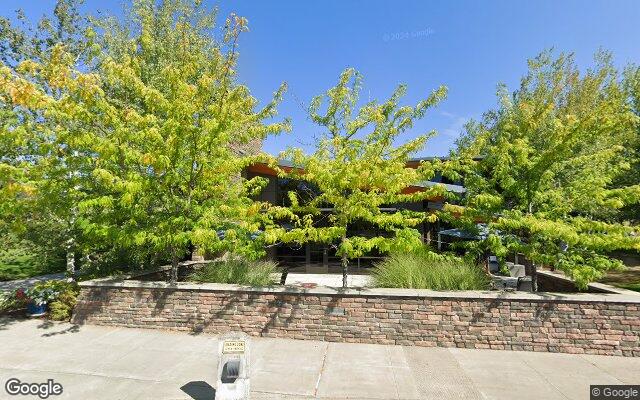
A large home, reviewed on public record.
© Google Street View
Compared to 15 Oregon facilities with a similar number of beds.
ALF memory care · 36-month window. Higher percentile = better performance on inspection record. Source: Oregon Dept. of Human Services · Long-Term Care Licensing.
on file.
Rankings based on 36-month OR-DHS inspection data. Severity and frequency: fewer citations = higher percentile. Repeat rate: lower repeat citation share = higher percentile.
Citation history, plotted month by month.
20 deficiencies on record. Each bar is a month with a citation.
Finding distribution
20 total · 36 monthsScope × Severity (CMS A–L)
Every inspection visit, verbatim.
5 inspections in the public record, most recent first. Plain-language summaries open first — click into any row for the full citation text.
2026-06-26Complaint InvestigationNo findings
2025-10-28Complaint InvestigationOR-cited · 2 findings
“There are no detail notes for this visit.”
“There are no detail notes for this visit.”
Read raw inspector notesClose inspector notes
There are no detail notes for this visit. There are no detail notes for this visit.
2025-03-14Complaint InvestigationOR-cited · 10 findings
Plain-language summary
A complaint investigation found the facility failed to promptly address a resident's grievance about therapy gym hours, which the resident had requested be open seven days a week but were often closed on weekends due to staffing shortages pulling the scheduled staff member to work on the units instead. The investigation also found the facility failed to protect a resident from physical abuse by another resident, with staff observing the aggressive resident choking another resident in their shared room on September 17, 2024. The facility has developed a corrective action plan including streamlined grievance tracking, resident education about gym operations and alternatives, and monitoring of grievance responses over three months.
Read full citation text (10)Hide full citation text
“OAR-411-085-0310: Residents' Rights: Generally Refer to F585 ******************** OAR-411-085-0360: Abuse Refer to F600, F609 and F610 ******************** OAR-086-0300: Clinical Records Refer to F641 ******************** OAR-086-0110: Nursing Services: Resident Care Refer to F684 There are no detail notes for this visit.”
“The findings of the state licensure and memory care unit health survey conducted on 3/10/25 to 3/14/25 are documented in this report. It was determined the facility was in compliance with OAR 411 Division 57. , The findings of the state licensure and memory care unit health survey conducted on 5/12/25 are documented in this report. It was determined the facility was in compliance with OAR 411 Division 57.”
“There are no detail notes for this visit. There are no detail notes for this visit.”
“Based on interview and record review, it was determined the facility failed to ensure prompt efforts to resolve a grievance regarding the therapy gym for 1 of 1 resident (#74) reviewed for grievances. This placed residents at risk for a lack of psychosocial well-being. Findings include: Resident 74 admitted to the facility in 3/2023 with diagnoses including a hip fracture and Parkinson's disease. The resident's 3/28/23 Care Plan indicated the resident had a "potential for decrease in physical function r/t [related to] disease process and/or aging." Interventions included staff were to "encourage daily exercise, mobility as tolerated", "assist [the resident] to the Therapy Gym as needed" and the resident utilized equipment in the therapy gym. A 1/14/25 Resident Council Concerns/Ideas Form completed by Resident 74 indicated the resident requested the therapy gym be open seven days a week, and at least four hours during the weekend. The facility written response to the form stated, "We do have staff scheduled to have the gym open seven days a week. Unfortunately the weekend staff are often called to the units to make sure residents care needs are met." There was no additional follow-up to the form. A Resident Council meeting was held on 3/11/25 at 1:53 PM. Multiple residents reported they would like the therapy gym to be open on weekends. The gym was sometimes open and sometimes not, usually not open on Sundays. If the scheduled CNA was not available, then the gym was not open. The residents stated many times the facility was short-staffed, and the CNA scheduled to be in the gym was needed to work the floor. On 3/10/25 at 1:38 PM Staff 8 (CNA) stated residents were told the restorative gym would be open on weekends, but the scheduled RA for weekends was often pulled to work as a CNA on the floor, which meant the gym was closed. On 3/12/25 at 8:23 AM Staff 9 (CNA) stated the therapy gym was supposed to be open seven days a week. Staff 9 stated "most" of the residents requested the gym be open all week as it helped residents' "well-being." The weekend CNA/RA was often "pulled" to work as a floor CNA on weekends about "95 percent of the time." On 3/13/25 multiple attempts were made to interview Resident 74, but the resident was unavailable for interview. On 3/13/25 at 1:41 PM Staff 7 (RNCM) stated sometimes RA staff worked as CNAs on the floor, therefore the gym was closed and residents "do not like this." Staff 7 stated Resident 74 attempted to go to the gym daily to work out and enjoyed this as part of her/his plan of care. Staff 7 also stated other residents mentioned wanting the therapy gym open seven days a week and it still was not always open on weekends. F585: Grievances How the corrective action will be accomplished for those residents found to have been affected by the deficient practice: - Resident was interviewed and an official grievance was filed on his behalf regarding his concern. How the facility will identify other residents having the potential to be affected by the same deficient practice? - Review grievances filed in the last three months for timeliness and that they had adequate follow up. - Attend resident council (next scheduled for April 15th) and ask if there are any unresolved grievances still pending. The measures that will be put in place or systematic changes made to ensure that the deficient practice will not recur - Review grievance policy with resident council. - Review specific grievance at resident council which will include: describing the difference between a Functional Maintenance Program (FMP) versus open use of the therapy gym; gym hours and days of operation; reasons the gym might be closed (i.e. illness, facility outbreaks, staffing crisis, etc); ; alternative exercise options for days when the gym might have to be closed; options for alternative exercise options when the RA gym is closed - Create signage to post on the gym door when it is closed that describes other exercise options available to the residents, including equipment that is available on the units. - Streamlined facility grievance form to use in place of resident council grievance form for better resolution tracking. - Education on grievances and also issues related to this specific grievance to occur at the April Licensed Nurse (LN) meeting. How the facility plans to monitor its performance to make sure the solutions are sustained. - QAPI RN audit of grievances x 3 months for timely response and adequate follow through. - Report to QAPI. The dates the corrective action will be completed and title of responsible individual. - May 3rd – DNS, Administrator or designee.”
“Based on interview and record review it was determined the facility failed to protect the resident's right to be free from physical abuse by Resident 76 for 1 of 3 sampled residents (#106) reviewed for physical abuse. This placed residents at risk for physical, mental, or psychosocial harm. Findings include: Resident 106 admitted to the facility in 2/2024 with diagnoses including heart failure and dementia. Resident 106 passed away on 11/2/24. Resident 76 admitted to the facility in 1/2023 with diagnoses including dementia and anxiety disorder. Resident 76's, Behavior Care Plan dated 4/24/23 indicated the resident expressed agitation with others, typically related to noise. Staff were to encourage Resident 76 to go to her/his room or another quiet area if there was music playing and she/he was getting agitated. A 9/17/24 Resident to Resident Conflict report indicated that day an altercation occurred in the residents' shared room. The report stated Resident 106 was choked by Resident 76. Staff reported hearing yelling coming from the room and when they arrived, they observed Resident 76 with both her/his arms around Resident 106's neck from behind. Resident 106's glasses were knocked off during the altercation. Staff separated the residents. The investigation indicated Resident 76 also struck a staff member across the face after being pulled away from Resident 106. Per resident interviews, Resident 76 asked resident 106 to turn off her/his radio, and Resident 106 told Resident 76 to "Shut the hell up." Resident 76 did not recall the incident, but when details were provided, she/he did recall placing her/his hands on Resident 106. Resident 106 stated, "I just wanted to listen to my radio. I try not to bother anyone." Resident 106 further stated Resident 76 was, "going to kill me" and "[Resident 76] had [her/his] finger in my mouth then covered my nose and mouth with [her/his] hand." Resident 106 denied feeling afraid of Resident 76, but stated, "I feel mad at [her/him]." Resident 106 sustained temporary redness to the back of her/his neck due to the incident. A 9/17/24 Wound Evaluation with a photo documented as "Bruise" indicated a reddened area to Resident 106's neck. A 9/18/24 nursing note completed by Staff 12 (RN) indicated Resident 106 no longer had a bruise on her/his neck. A 9/21/24 Wound Evaluation note with photo documented as "Bruise" indicated measurements of .27 cm x 1.47 cm x 0.2 cm and indicated Resident 106's bruise resolved. On 3/12/25 at 10:12 AM Staff 12 stated she was not the nurse on duty for the 9/17/24 incident as the nurse no longer worked at the facility. Staff 12 stated she did alert charting after the incident and would consider the incident abuse. Staff 12 stated there were no further incidents between the residents. On 3/13/25 at 11:47 AM Staff 25 (CNA) stated she did not witness the 9/17/24 incident but heard the residents yelling and assisted after the incident. Staff 25 stated Resident 106 responded to the incident "like what the heck just happened?" On 3/13/25 at 8:46 AM Staff 6 (RNCM) stated Resident 106 was playing music on the boombox and which triggered Resident 76. Resident 106 was on her/his side of the room with her/his back to Resident 76 who was upset Resident 106 was not turning the music down. Resident 76 came up behind Resident 106 and wrapped her/his arm around Resident 106's neck. Resident 106 told Staff 6, "[Resident 76] put [her/his] fingers in my mouth" and reported "that [woman/man] tried to kill me!" Resident 106 sustained a red area behind her/his neck because Resident 76 was holding her/him "close". Staff 6 stated the reddened area resolved on 9/21/24. Resident 106 reported "some pain" after the incident, but it was not long lasting. Survey determined the Past Noncompliance was corrected on 9/23/24 when the facility identified deficient practice and initiated corrections with no further incidents. The Plan of Action included; 1. Resident 76 was placed on 1:1 observation for 24 hours after the incident. 2. A room change was completed for Resident 106 on 9/17/24, down a different hall. 3. A room change to a private room was completed for Resident 76 on 9/23/24 4. Monitoring of both residents was immediately initiated. 5. The facility updated both resident care plans to prevent a re-occurence on 9/23/24.”
“Based on interview and record review, it was determined the facility failed to report an allegation of sexual abuse to the State Survey Agency for 2 of 3 residents (#s 54 and 307) reviewed for sexual abuse. This placed residents at risk for a lack of protective measures to prevent further abuse. Findings include: 1. Resident 54 admitted to the facility in 4/2021 with diagnoses including diabetes and a leg fracture. Resident 108 admitted to the facility in 11/2022 with diagnoses including diabetes and PTSD. Resident 54's 9/16/24 Saint Louis University Mental Status (SLUMS) Examination indicated the resident had a score of 16/30, indicating cognitive impairment or possible dementia. On 1/8/25 a public complaint was received indicating Resident 108 was known to "inappropriately touch" female residents during activities. Witness 2 (Complainant) stated Resident 108 put her/his hand "up their shirts or down their pants." Witness 2 stated Resident 108 put her/his hand up Resident 54's shirt five or six months ago. There was no further information provided. On 3/11/25 at 1:19 PM and 3/13/25 at 9:42 AM Staff 17 (Activities) stated she witnessed Resident 108 "grab" Resident 54's breast over the resident's shoulder during an activity. Staff 17 stated the incident occurred "months ago." At the time of the incident, Staff 17 separated the residents and reported the incident to Staff 23 (Former RNCM). No evidence was found to indicate the incident was reported to the State Survey Agency. On 3/12/25 at 2:17 PM and on 3/13/25 at 10:18 AM attempts were made to contact Staff 23, but calls were not returned. On 3/13/25 at 12:09 PM Staff 1 (Administrator) stated she was not aware of the concerns regarding Resident 108 touching Resident 54's breast. Staff 1 acknowledged the incident was not reported to the State Survey Agency and stated she expected this type of incident to be reported. 2. Resident 307 admitted to the facility in 1/2024 with diagnoses including dementia and vascular Parkinsonism. Resident 307 passed away on 2/8/25. Resident 108 admitted to the facility in 11/2022 with diagnoses including diabetes and PTSD. Resident 307's 9/3/24 Annual MDS indicated the resident had moderately impaired cognition. The resident's 9/5/24 care plan indicated the resident had "impaired cognitive function or impaired thought process" related to the dementia diagnosis. On 1/8/25 a public complaint was received and the complainant (Witness 2) reported Resident 108 was known to "inappropriately touch" female residents during activities. Witness 2 stated Resident 108 put her/his hand "up their shirts or down their pants." On 3/11/25 at 1:19 PM and 3/13/25 at 9:42 AM Staff 17 (Activities) stated "months ago" she witnessed Resident 108 touch Resident 307's breast during an activity. Staff 17 stated Resident 307 would "encourage" the behavior, but Resident 307 could not consent to the contact. Staff 17 stated she reported the incident to Staff 18 (Activities) and Staff 28 (Activities Director). No evidence was found to indicate the incident was reported to the State Survey Agency. On 3/13/25 at 12:09 PM Staff 1 (Administrator) stated she was not aware of the concerns regarding Resident 108 touching Resident 307's breast and acknowledged it was not reported to the State Survey Agency. F609: Reporting of Alleged Violations How the corrective action will be accomplished for those residents found to have been affected by the deficient practice: - FRIs completed for resident #54 and #307 with corresponding investigations. How the facility will identify other residents having the potential to be affected by the same deficient practice? - Interviewed approximately 60 staff members regarding abuse witnessing and reporting. The measures that will be put in place or systematic changes made to ensure that the deficient practice will not recur - Abuse reporting education at Certified Nursing Assistant (CNA), LN and all staff meetings in April. - IDT daily review of documented behaviors to identify any issues that should be reported. How the facility plans to monitor its performance to make sure the solutions are sustained. - FRI and abuse PIP with QA RN x 3 months. - Report to QAPI. The dates the corrective action will be completed and title of responsible individual. - May 3rd - DNS, Administrator or designee. There are no detail notes for this visit.”
“Based on interview and record review, it was determined the facility failed to thoroughly investigate an allegation of abuse for 3 of 6 sampled residents (#s 54, 106, and 307) reviewed for abuse. This placed residents at risk for lack of protective measures to prevent a reoccurrence. Findings include: The facility's 10/7/24 Freedom from Abuse and Abuse Investigation Policy stated, "The facility will investigate all charges of abuse and report findings to the appropriate local and state agencies." 1. Resident 54 admitted to the facility in 4/2021 with diagnoses including diabetes and a leg fracture. Resident 108 admitted to the facility in 11/2022 with diagnoses including diabetes and PTSD. Resident 54's 9/16/24 Saint Louis University Mental Status (SLUMS) Examination indicated the resident had a score of 16/30, indicating cognitive impairment or possible dementia. On 1/8/25 a public complaint was received indicating Resident 108 was known to "inappropriately touch" female residents during activities. Witness 2 (Complainant) stated Resident 108 would put her/his hand "up their shirts or down their pants." Witness 2 stated five-six months prior, Resident 108 put her/his hand up Resident 54's shirt. There was no further information provided. On 3/11/25 at 1:19 PM and 3/13/25 at 9:42 AM Staff 17 (Activities) stated she witnessed Resident 108 "grab" Resident 54's breast over the resident's shoulder during an activity. Staff 17 stated the incident occurred "months ago." At the time of the incident, Staff 17 moved Resident 108 away and reported the incident to Staff 23 (Former RNCM) who she believed talked with Resident 108 about the incident. On 3/13/25 at 12:09 PM Staff 1 (Administrator) stated she was not aware of the concerns regarding Resident 108 touching Resident 54's breast and this incident was not investigated prior to 3/13/25. 2. Resident 307 admitted to the facility in 1/2024 with diagnoses including dementia and vascular Parkinsonism. Resident 307 passed away on 2/8/25. Resident 307's 9/3/24 Annual MDS indicated the resident had moderately impaired cognition. Resident 108 admitted to the facility in 11/2022 with diagnoses including diabetes and PTSD. On 3/11/25 at 1:19 PM and 3/13/25 at 9:42 AM Staff 17 (Activities) stated she witnessed Resident 108 touch Resident 307's breast during an activity. Staff 17 stated Resident 307 would "encourage" the behavior, but the resident could not consent to the contact. The incident was reported to Staff 18 (Activities) and Staff 28 (Activities Director). On 3/13/25 at 12:09 PM Staff 1 (Administrator) stated she was not aware of the concern regarding Resident 108 touching Resident 307's breast and this incident was not investigated prior to 3/13/25. 3. The facility's 10/7/24 Freedom from Abuse and Abuse Investigation Policy, Abuse Investigation Guidelines stated, "RCM (Resident Care Manager) will complete a full comprehensive and thorough investigation, including follow-up interviews with witnesses or persons involved." Resident 106 admitted to the facility in 2/2024 with diagnoses including heart failure and dementia. Resident 106 passed away on 11/2/24. Resident 76 admitted to the facility in 1/2023 with diagnoses including dementia and anxiety disorder. Resident 76's Behavior Care Plan dated 4/24/23 (prior to the incident), indicated the resident expressed agitation with others, typically related to noise. Staff were to encourage Resident 76 to go to her/his room or another quiet area if there is music playing and she/he is getting agitated. A facility reported incident dated 9/17/24 indicated an altercation occurred in the residents' shared room. Staff reported hearing yelling coming from the room and when they arrived, they observed Resident 76 with her/his arms around Resident 106's neck. Resident 76 asked Resident 106 to turn off her/his radio, and Resident 106 told Resident 76 to "Shut the hell up." Resident 106 was sitting in her/his wheelchair with her/his back to Resident 76's side of the room when Resident 76 came up behind Resident 106 and wrapped her/his arms around Resident 106's neck. Resident 76 did not recall the incident, but when details were provided, she/he did recall placing her/his hands on Resident 106. Resident 106 stated Resident 76 was, "going to kill me. [Resident 76] had [her/his] hand in my mouth then covered my nose and mouth with [her/his] hand." The investigation did not indicate if abuse was ruled out or verified. The investigation did not include staff or other witness statements prior to 3/14/25. On 3/13/25 at 8:46 AM Staff 6 (RNCM) stated she completed the investigation for the 9/17/24 incident. Staff 6 stated she normally interviewed staff as part of an investigation, but not including them was "my mistake." When asked if abuse was determined to have occurred, Staff 6 stated it was determined the action was intentional from Resident 76. Staff 6 acknowledged the investigation required a determination to be documented. F610: Investigate/Prevent/Correct Alleged Violations How the corrective action will be accomplished for those residents found to have been affected by the deficient practice: - Completed FRI and thorough investigations for resident #54 and #307. How the facility will identify other residents having the potential to be affected by the same deficient practice? - DNS or designee to review FRI investigations from last 3 months for completeness. The measures that will be put in place or systematic changes made to ensure that the deficient practice will not recur - Education to LNs regarding investigation requirements (interviews, etc) at LN meeting in April. - Education to Resident Care Managers (RCM) about interview information included in investigations: interviews that include witness name, position or relationship to resident and their statement of what they know; and indication if abuse was ruled out or not. How the facility plans to monitor its performance to make sure the solutions are sustained. - QA RN to audit all FRI investigations prior to submission x 3 months for thoroughness, documented interviews and indication if abuse was ruled out or not. - Report to QAPI. The dates the corrective action will be completed and title of responsible individual. - May 3rd - DNS, Administrator or designee. There are no detail notes for this visit.”
“Based on interview and record review it was determined the facility failed to accurately code MDS assessments for 5 of 5 sampled residents (#s 10, 23, 84, 97, and 103) reviewed for use of anticoagulants. This placed residents at risk for inaccurate medication assessments. Findings include: 1. Resident 10 admitted to the facility in 2018 with diagnoses including dementia and anxiety. The 10/29/24 and 1/21/25 Quarterly MDSes indicated Resident 10 received an anticoagulant medication. No evidence was found in Resident 10's clinical record to indicate she/he received an anticoagulant medication. On 3/14/25 at 9:40 AM, Staff 6 RNCM and at 11:15 AM, Staff 2 (DNS) were interviewed. Staff 6 stated she completed portions of the the MDS, including section N for medications. Staff 6 acknowledged Resident 10 was not on an anticoagulant and the 10/29/24 and 1/21/25 Quarterly MDS entries were inaccurate. Staff 2 (DNS) acknowledged Resident 10 was not on an anticoagulant medication. 2. Resident 23 admitted to the facility in 2024 with diagnoses including dementia and heart failure. The 11/30/24 and 2/3/25 Quarterly MDSes indicated Resident 23 received anticoagulant medication. No evidence was found in Resident 23's clinical record to indicate she/he received anticoagulant medication. On 3/14/25 at 9:40 AM, Staff 6 RNCM and at 11:15 AM, Staff 2 (DNS) were interviewed. Staff 6 stated she completed portions of the the MDS, including section N for medications. Staff 6 acknowledged Resident 23 was not on an anticoagulant and the 11/30/24 and 2/3/25 Quarterly MDSes were inaccurate. Staff 2 (DNS) acknowledged Resident 10 was not on an anticoagulant medication. 3. Resident 84 admitted to the facility in 2023 with diagnoses including dementia and a stroke. The 10/4/24 and 12/25/24 Quarterly MDSes indicated Resident 84 received anticoagulant medication. No evidence was found in Resident 84's clinical record to indicate she/he received an anticoagulant medication. On 3/14/25 at 9:40 AM, Staff 6 RNCM and at 11:15 AM, Staff 2 (DNS) were interviewed. Staff 6 stated she completed portions of the the MDS, including section N for medications. Staff 6 acknowledged Resident 84 was not on an anticoagulant and the 10/4/24 and 12/25/24 Quarterly MDSes were inaccurate. Staff 2 (DNS) acknowledged Resident 10 was not on an anticoagulant medication. 4. Resident 97 admitted to the facility in 2024 with diagnoses including a stroke. The 10/9/24 and 1/3/25 Quarterly MDS indicated Resident 97 received anticoagulant medication. No evidence was found in Resident 97's clinical record to indicate she/he received an anticoagulant medication. On 3/14/25 at 9:40 AM, Staff 6 RNCM and at 11:15 AM, Staff 2 (DNS) were interviewed. Staff 6 stated she completed portions of the the MDS, including section N for medications. Staff 6 acknowledged Resident 97 was not on an anticoagulant and the 10/9/24 and 1/3/25 Quarterly MDSes were inaccurate. Staff 2 (DNS) acknowledged Resident 10 was not on an anticoagulant medication. 5. Resident 103 admitted to the facility in 2/2025 with diagnoses including dementia and anxiety. The 2/20/25 Admission MDS indicated Resident 103 received anticoagulant medication. No evidence was found in Resident 103's clinical record to indicate she/he received an anticoagulant medication. On 3/14/25 at 9:40 AM, Staff 6 RNCM and at 11:15 AM, Staff 2 (DNS) were interviewed. Staff 6 stated she completed portions of the the MDS, including section N for medications. Staff 6 acknowledged Resident 103 was not on an anticoagulant and the 2/20/25 Admission MDS was inaccurate. Staff 2 (DNS) acknowledged Resident 10 was not on an anticoagulant medication. F641: Accuracy of Assessments How the corrective action will be accomplished for those residents found to have been affected by the deficient practice: - Impacted MDS to be re-opened and corrected, if able. How the facility will identify other residents having the potential to be affected by the same deficient practice? - Audit of all residents on Aspirin and associated MDS coding. - Re-open and correct those MDS’s, if able. The measures that will be put in place or systematic changes made to ensure that the deficient practice will not recur - Pharmacist consultant to do RCM drug classification education in April. How the facility plans to monitor its performance to make sure the solutions are sustained. - RCMs to review each other’s section N on the MDS prior to submission and cc DNS on discrepancies so trends and need of further education can be identified. - The dates the corrective action will be completed and title of responsible individual. - May 3rd - DNS, Administrator or designee. There are no detail notes for this visit.”
“Based on interview and record review it was determined the facility failed to ensure physician orders related to bowel care were followed for 1 of 5 sampled residents (#79) reviewed for unnecessary medications. This placed residents at risk for adverse side effects of medications. Findings include: Resident 79 was admitted to the facility in 5/2023 with diagnosis including dementia and diabetes. A 7/16/24 physician order indicated Resident 79 was to receive a bowel care medication, Lactulose, once a day for constipation and the medication was to be held if the resident had two loose stools the day prior. A review of the 1/2025, 2/2025, and 3/2025 bowel records revealed the resident had two or more loose stools on the following dates: 1/3/25, 1/4/25, 1/10/25, 2/25/25, and 3/4/25. A review of the 1/2025, 2/2025, and 3/2025 MARs revealed Resident 79 was administered Lactulose on days it was to be held per the physician order on the following dates: 1/4/25, 1/5/25, 1/11/25, 2/26/25, and 3/5/25. On 3/13/25 at 2:39 PM Staff 4 (CMA) stated Resident 79 was consistent with having loose stools and she was aware of the physician order to hold the medication, Lactulose, for two loose stools the day prior. Staff 4 confirmed her initials on the MAR and acknowledged she administered Lactulose to the resident when it was to be held. On 3/13/25 at 3:01 PM Staff 5 (CMA) stated she was aware of Resident 79's physician order to hold Lactulose if the resident had two loose stools the day prior. Staff 5 stated at the start of her shift a report was run to identify Resident 79's bowel consistency and if the daily Lactulose physician order should be held. Staff 5 confirmed her initials on the MAR and acknowledged she administered Lactulose to the resident when it was to be held. On 3/14/25 at 9:43 AM and at 10:50 AM Staff 3 (RNCM) acknowledged Resident 79 was administered Lactulose on the identified dates and the dose should have been held. Staff 3 stated her expectation was for all staff to follow the resident's physician orders. F684: Quality of Care How the corrective action will be accomplished for those residents found to have been affected by the deficient practice: - Med error reports completed on all noted incidents. - Education provided to Certified Medication Aides (CMA) involved. - Bowel orders for resident #79 updated. How the facility will identify other residents having the potential to be affected by the same deficient practice? - Audited all residents for non-facility bowel protocol orders for abnormal orders to either dc The measures that will be put in place or systematic changes made to ensure that the deficient practice will not recur - CMA/LN pull bowel reports daily for constipation or loose stool/diarrhea to determine whether bowel med need to be administered or held. - Education at LN and CMA meetings in April. How the facility plans to monitor its performance to make sure the solutions are sustained. - Daily bowel report is given to RCM after utilized by LN/CMA. - RCMs review bowel orders quarterly and PRN during assessments. - Results reported to QA. The dates the corrective action will be completed and title of responsible individual. - May 3rd - DNS, Administrator or designee. There are no detail notes for this visit.”
“There are no detail notes for this visit. There are no detail notes for this visit.”
Read raw inspector notesClose inspector notes
There are no detail notes for this visit. There are no detail notes for this visit. Based on interview and record review, it was determined the facility failed to ensure prompt efforts to resolve a grievance regarding the therapy gym for 1 of 1 resident (#74) reviewed for grievances. This placed residents at risk for a lack of psychosocial well-being. Findings include: Resident 74 admitted to the facility in 3/2023 with diagnoses including a hip fracture and Parkinson's disease. The resident's 3/28/23 Care Plan indicated the resident had a "potential for decrease in physical function r/t [related to] disease process and/or aging." Interventions included staff were to "encourage daily exercise, mobility as tolerated", "assist [the resident] to the Therapy Gym as needed" and the resident utilized equipment in the therapy gym. A 1/14/25 Resident Council Concerns/Ideas Form completed by Resident 74 indicated the resident requested the therapy gym be open seven days a week, and at least four hours during the weekend. The facility written response to the form stated, "We do have staff scheduled to have the gym open seven days a week. Unfortunately the weekend staff are often called to the units to make sure residents care needs are met." There was no additional follow-up to the form. A Resident Council meeting was held on 3/11/25 at 1:53 PM. Multiple residents reported they would like the therapy gym to be open on weekends. The gym was sometimes open and sometimes not, usually not open on Sundays. If the scheduled CNA was not available, then the gym was not open. The residents stated many times the facility was short-staffed, and the CNA scheduled to be in the gym was needed to work the floor. On 3/10/25 at 1:38 PM Staff 8 (CNA) stated residents were told the restorative gym would be open on weekends, but the scheduled RA for weekends was often pulled to work as a CNA on the floor, which meant the gym was closed. On 3/12/25 at 8:23 AM Staff 9 (CNA) stated the therapy gym was supposed to be open seven days a week. Staff 9 stated "most" of the residents requested the gym be open all week as it helped residents' "well-being." The weekend CNA/RA was often "pulled" to work as a floor CNA on weekends about "95 percent of the time." On 3/13/25 multiple attempts were made to interview Resident 74, but the resident was unavailable for interview. On 3/13/25 at 1:41 PM Staff 7 (RNCM) stated sometimes RA staff worked as CNAs on the floor, therefore the gym was closed and residents "do not like this." Staff 7 stated Resident 74 attempted to go to the gym daily to work out and enjoyed this as part of her/his plan of care. Staff 7 also stated other residents mentioned wanting the therapy gym open seven days a week and it still was not always open on weekends. F585: Grievances How the corrective action will be accomplished for those residents found to have been affected by the deficient practice: - Resident was interviewed and an official grievance was filed on his behalf regarding his concern. How the facility will identify other residents having the potential to be affected by the same deficient practice? - Review grievances filed in the last three months for timeliness and that they had adequate follow up. - Attend resident council (next scheduled for April 15th) and ask if there are any unresolved grievances still pending. The measures that will be put in place or systematic changes made to ensure that the deficient practice will not recur - Review grievance policy with resident council. - Review specific grievance at resident council which will include: describing the difference between a Functional Maintenance Program (FMP) versus open use of the therapy gym; gym hours and days of operation; reasons the gym might be closed (i.e. illness, facility outbreaks, staffing crisis, etc); ; alternative exercise options for days when the gym might have to be closed; options for alternative exercise options when the RA gym is closed - Create signage to post on the gym door when it is closed that describes other exercise options available to the residents, including equipment that is available on the units. - Streamlined facility grievance form to use in place of resident council grievance form for better resolution tracking. - Education on grievances and also issues related to this specific grievance to occur at the April Licensed Nurse (LN) meeting. How the facility plans to monitor its performance to make sure the solutions are sustained. - QAPI RN audit of grievances x 3 months for timely response and adequate follow through. - Report to QAPI. The dates the corrective action will be completed and title of responsible individual. - May 3rd – DNS, Administrator or designee. Based on interview and record review it was determined the facility failed to protect the resident's right to be free from physical abuse by Resident 76 for 1 of 3 sampled residents (#106) reviewed for physical abuse. This placed residents at risk for physical, mental, or psychosocial harm. Findings include: Resident 106 admitted to the facility in 2/2024 with diagnoses including heart failure and dementia. Resident 106 passed away on 11/2/24. Resident 76 admitted to the facility in 1/2023 with diagnoses including dementia and anxiety disorder. Resident 76's, Behavior Care Plan dated 4/24/23 indicated the resident expressed agitation with others, typically related to noise. Staff were to encourage Resident 76 to go to her/his room or another quiet area if there was music playing and she/he was getting agitated. A 9/17/24 Resident to Resident Conflict report indicated that day an altercation occurred in the residents' shared room. The report stated Resident 106 was choked by Resident 76. Staff reported hearing yelling coming from the room and when they arrived, they observed Resident 76 with both her/his arms around Resident 106's neck from behind. Resident 106's glasses were knocked off during the altercation. Staff separated the residents. The investigation indicated Resident 76 also struck a staff member across the face after being pulled away from Resident 106. Per resident interviews, Resident 76 asked resident 106 to turn off her/his radio, and Resident 106 told Resident 76 to "Shut the hell up." Resident 76 did not recall the incident, but when details were provided, she/he did recall placing her/his hands on Resident 106. Resident 106 stated, "I just wanted to listen to my radio. I try not to bother anyone." Resident 106 further stated Resident 76 was, "going to kill me" and "[Resident 76] had [her/his] finger in my mouth then covered my nose and mouth with [her/his] hand." Resident 106 denied feeling afraid of Resident 76, but stated, "I feel mad at [her/him]." Resident 106 sustained temporary redness to the back of her/his neck due to the incident. A 9/17/24 Wound Evaluation with a photo documented as "Bruise" indicated a reddened area to Resident 106's neck. A 9/18/24 nursing note completed by Staff 12 (RN) indicated Resident 106 no longer had a bruise on her/his neck. A 9/21/24 Wound Evaluation note with photo documented as "Bruise" indicated measurements of .27 cm x 1.47 cm x 0.2 cm and indicated Resident 106's bruise resolved. On 3/12/25 at 10:12 AM Staff 12 stated she was not the nurse on duty for the 9/17/24 incident as the nurse no longer worked at the facility. Staff 12 stated she did alert charting after the incident and would consider the incident abuse. Staff 12 stated there were no further incidents between the residents. On 3/13/25 at 11:47 AM Staff 25 (CNA) stated she did not witness the 9/17/24 incident but heard the residents yelling and assisted after the incident. Staff 25 stated Resident 106 responded to the incident "like what the heck just happened?" On 3/13/25 at 8:46 AM Staff 6 (RNCM) stated Resident 106 was playing music on the boombox and which triggered Resident 76. Resident 106 was on her/his side of the room with her/his back to Resident 76 who was upset Resident 106 was not turning the music down. Resident 76 came up behind Resident 106 and wrapped her/his arm around Resident 106's neck. Resident 106 told Staff 6, "[Resident 76] put [her/his] fingers in my mouth" and reported "that [woman/man] tried to kill me!" Resident 106 sustained a red area behind her/his neck because Resident 76 was holding her/him "close". Staff 6 stated the reddened area resolved on 9/21/24. Resident 106 reported "some pain" after the incident, but it was not long lasting. Survey determined the Past Noncompliance was corrected on 9/23/24 when the facility identified deficient practice and initiated corrections with no further incidents. The Plan of Action included; 1. Resident 76 was placed on 1:1 observation for 24 hours after the incident. 2. A room change was completed for Resident 106 on 9/17/24, down a different hall. 3. A room change to a private room was completed for Resident 76 on 9/23/24 4. Monitoring of both residents was immediately initiated. 5. The facility updated both resident care plans to prevent a re-occurence on 9/23/24. Based on interview and record review, it was determined the facility failed to report an allegation of sexual abuse to the State Survey Agency for 2 of 3 residents (#s 54 and 307) reviewed for sexual abuse. This placed residents at risk for a lack of protective measures to prevent further abuse. Findings include: 1. Resident 54 admitted to the facility in 4/2021 with diagnoses including diabetes and a leg fracture. Resident 108 admitted to the facility in 11/2022 with diagnoses including diabetes and PTSD. Resident 54's 9/16/24 Saint Louis University Mental Status (SLUMS) Examination indicated the resident had a score of 16/30, indicating cognitive impairment or possible dementia. On 1/8/25 a public complaint was received indicating Resident 108 was known to "inappropriately touch" female residents during activities. Witness 2 (Complainant) stated Resident 108 put her/his hand "up their shirts or down their pants." Witness 2 stated Resident 108 put her/his hand up Resident 54's shirt five or six months ago. There was no further information provided. On 3/11/25 at 1:19 PM and 3/13/25 at 9:42 AM Staff 17 (Activities) stated she witnessed Resident 108 "grab" Resident 54's breast over the resident's shoulder during an activity. Staff 17 stated the incident occurred "months ago." At the time of the incident, Staff 17 separated the residents and reported the incident to Staff 23 (Former RNCM). No evidence was found to indicate the incident was reported to the State Survey Agency. On 3/12/25 at 2:17 PM and on 3/13/25 at 10:18 AM attempts were made to contact Staff 23, but calls were not returned. On 3/13/25 at 12:09 PM Staff 1 (Administrator) stated she was not aware of the concerns regarding Resident 108 touching Resident 54's breast. Staff 1 acknowledged the incident was not reported to the State Survey Agency and stated she expected this type of incident to be reported. 2. Resident 307 admitted to the facility in 1/2024 with diagnoses including dementia and vascular Parkinsonism. Resident 307 passed away on 2/8/25. Resident 108 admitted to the facility in 11/2022 with diagnoses including diabetes and PTSD. Resident 307's 9/3/24 Annual MDS indicated the resident had moderately impaired cognition. The resident's 9/5/24 care plan indicated the resident had "impaired cognitive function or impaired thought process" related to the dementia diagnosis. On 1/8/25 a public complaint was received and the complainant (Witness 2) reported Resident 108 was known to "inappropriately touch" female residents during activities. Witness 2 stated Resident 108 put her/his hand "up their shirts or down their pants." On 3/11/25 at 1:19 PM and 3/13/25 at 9:42 AM Staff 17 (Activities) stated "months ago" she witnessed Resident 108 touch Resident 307's breast during an activity. Staff 17 stated Resident 307 would "encourage" the behavior, but Resident 307 could not consent to the contact. Staff 17 stated she reported the incident to Staff 18 (Activities) and Staff 28 (Activities Director). No evidence was found to indicate the incident was reported to the State Survey Agency. On 3/13/25 at 12:09 PM Staff 1 (Administrator) stated she was not aware of the concerns regarding Resident 108 touching Resident 307's breast and acknowledged it was not reported to the State Survey Agency. F609: Reporting of Alleged Violations How the corrective action will be accomplished for those residents found to have been affected by the deficient practice: - FRIs completed for resident #54 and #307 with corresponding investigations. How the facility will identify other residents having the potential to be affected by the same deficient practice? - Interviewed approximately 60 staff members regarding abuse witnessing and reporting. The measures that will be put in place or systematic changes made to ensure that the deficient practice will not recur - Abuse reporting education at Certified Nursing Assistant (CNA), LN and all staff meetings in April. - IDT daily review of documented behaviors to identify any issues that should be reported. How the facility plans to monitor its performance to make sure the solutions are sustained. - FRI and abuse PIP with QA RN x 3 months. - Report to QAPI. The dates the corrective action will be completed and title of responsible individual. - May 3rd - DNS, Administrator or designee. There are no detail notes for this visit. Based on interview and record review, it was determined the facility failed to thoroughly investigate an allegation of abuse for 3 of 6 sampled residents (#s 54, 106, and 307) reviewed for abuse. This placed residents at risk for lack of protective measures to prevent a reoccurrence. Findings include: The facility's 10/7/24 Freedom from Abuse and Abuse Investigation Policy stated, "The facility will investigate all charges of abuse and report findings to the appropriate local and state agencies." 1. Resident 54 admitted to the facility in 4/2021 with diagnoses including diabetes and a leg fracture. Resident 108 admitted to the facility in 11/2022 with diagnoses including diabetes and PTSD. Resident 54's 9/16/24 Saint Louis University Mental Status (SLUMS) Examination indicated the resident had a score of 16/30, indicating cognitive impairment or possible dementia. On 1/8/25 a public complaint was received indicating Resident 108 was known to "inappropriately touch" female residents during activities. Witness 2 (Complainant) stated Resident 108 would put her/his hand "up their shirts or down their pants." Witness 2 stated five-six months prior, Resident 108 put her/his hand up Resident 54's shirt. There was no further information provided. On 3/11/25 at 1:19 PM and 3/13/25 at 9:42 AM Staff 17 (Activities) stated she witnessed Resident 108 "grab" Resident 54's breast over the resident's shoulder during an activity. Staff 17 stated the incident occurred "months ago." At the time of the incident, Staff 17 moved Resident 108 away and reported the incident to Staff 23 (Former RNCM) who she believed talked with Resident 108 about the incident. On 3/13/25 at 12:09 PM Staff 1 (Administrator) stated she was not aware of the concerns regarding Resident 108 touching Resident 54's breast and this incident was not investigated prior to 3/13/25. 2. Resident 307 admitted to the facility in 1/2024 with diagnoses including dementia and vascular Parkinsonism. Resident 307 passed away on 2/8/25. Resident 307's 9/3/24 Annual MDS indicated the resident had moderately impaired cognition. Resident 108 admitted to the facility in 11/2022 with diagnoses including diabetes and PTSD. On 3/11/25 at 1:19 PM and 3/13/25 at 9:42 AM Staff 17 (Activities) stated she witnessed Resident 108 touch Resident 307's breast during an activity. Staff 17 stated Resident 307 would "encourage" the behavior, but the resident could not consent to the contact. The incident was reported to Staff 18 (Activities) and Staff 28 (Activities Director). On 3/13/25 at 12:09 PM Staff 1 (Administrator) stated she was not aware of the concern regarding Resident 108 touching Resident 307's breast and this incident was not investigated prior to 3/13/25. 3. The facility's 10/7/24 Freedom from Abuse and Abuse Investigation Policy, Abuse Investigation Guidelines stated, "RCM (Resident Care Manager) will complete a full comprehensive and thorough investigation, including follow-up interviews with witnesses or persons involved." Resident 106 admitted to the facility in 2/2024 with diagnoses including heart failure and dementia. Resident 106 passed away on 11/2/24. Resident 76 admitted to the facility in 1/2023 with diagnoses including dementia and anxiety disorder. Resident 76's Behavior Care Plan dated 4/24/23 (prior to the incident), indicated the resident expressed agitation with others, typically related to noise. Staff were to encourage Resident 76 to go to her/his room or another quiet area if there is music playing and she/he is getting agitated. A facility reported incident dated 9/17/24 indicated an altercation occurred in the residents' shared room. Staff reported hearing yelling coming from the room and when they arrived, they observed Resident 76 with her/his arms around Resident 106's neck. Resident 76 asked Resident 106 to turn off her/his radio, and Resident 106 told Resident 76 to "Shut the hell up." Resident 106 was sitting in her/his wheelchair with her/his back to Resident 76's side of the room when Resident 76 came up behind Resident 106 and wrapped her/his arms around Resident 106's neck. Resident 76 did not recall the incident, but when details were provided, she/he did recall placing her/his hands on Resident 106. Resident 106 stated Resident 76 was, "going to kill me. [Resident 76] had [her/his] hand in my mouth then covered my nose and mouth with [her/his] hand." The investigation did not indicate if abuse was ruled out or verified. The investigation did not include staff or other witness statements prior to 3/14/25. On 3/13/25 at 8:46 AM Staff 6 (RNCM) stated she completed the investigation for the 9/17/24 incident. Staff 6 stated she normally interviewed staff as part of an investigation, but not including them was "my mistake." When asked if abuse was determined to have occurred, Staff 6 stated it was determined the action was intentional from Resident 76. Staff 6 acknowledged the investigation required a determination to be documented. F610: Investigate/Prevent/Correct Alleged Violations How the corrective action will be accomplished for those residents found to have been affected by the deficient practice: - Completed FRI and thorough investigations for resident #54 and #307. How the facility will identify other residents having the potential to be affected by the same deficient practice? - DNS or designee to review FRI investigations from last 3 months for completeness. The measures that will be put in place or systematic changes made to ensure that the deficient practice will not recur - Education to LNs regarding investigation requirements (interviews, etc) at LN meeting in April. - Education to Resident Care Managers (RCM) about interview information included in investigations: interviews that include witness name, position or relationship to resident and their statement of what they know; and indication if abuse was ruled out or not. How the facility plans to monitor its performance to make sure the solutions are sustained. - QA RN to audit all FRI investigations prior to submission x 3 months for thoroughness, documented interviews and indication if abuse was ruled out or not. - Report to QAPI. The dates the corrective action will be completed and title of responsible individual. - May 3rd - DNS, Administrator or designee. There are no detail notes for this visit. Based on interview and record review it was determined the facility failed to accurately code MDS assessments for 5 of 5 sampled residents (#s 10, 23, 84, 97, and 103) reviewed for use of anticoagulants. This placed residents at risk for inaccurate medication assessments. Findings include: 1. Resident 10 admitted to the facility in 2018 with diagnoses including dementia and anxiety. The 10/29/24 and 1/21/25 Quarterly MDSes indicated Resident 10 received an anticoagulant medication. No evidence was found in Resident 10's clinical record to indicate she/he received an anticoagulant medication. On 3/14/25 at 9:40 AM, Staff 6 RNCM and at 11:15 AM, Staff 2 (DNS) were interviewed. Staff 6 stated she completed portions of the the MDS, including section N for medications. Staff 6 acknowledged Resident 10 was not on an anticoagulant and the 10/29/24 and 1/21/25 Quarterly MDS entries were inaccurate. Staff 2 (DNS) acknowledged Resident 10 was not on an anticoagulant medication. 2. Resident 23 admitted to the facility in 2024 with diagnoses including dementia and heart failure. The 11/30/24 and 2/3/25 Quarterly MDSes indicated Resident 23 received anticoagulant medication. No evidence was found in Resident 23's clinical record to indicate she/he received anticoagulant medication. On 3/14/25 at 9:40 AM, Staff 6 RNCM and at 11:15 AM, Staff 2 (DNS) were interviewed. Staff 6 stated she completed portions of the the MDS, including section N for medications. Staff 6 acknowledged Resident 23 was not on an anticoagulant and the 11/30/24 and 2/3/25 Quarterly MDSes were inaccurate. Staff 2 (DNS) acknowledged Resident 10 was not on an anticoagulant medication. 3. Resident 84 admitted to the facility in 2023 with diagnoses including dementia and a stroke. The 10/4/24 and 12/25/24 Quarterly MDSes indicated Resident 84 received anticoagulant medication. No evidence was found in Resident 84's clinical record to indicate she/he received an anticoagulant medication. On 3/14/25 at 9:40 AM, Staff 6 RNCM and at 11:15 AM, Staff 2 (DNS) were interviewed. Staff 6 stated she completed portions of the the MDS, including section N for medications. Staff 6 acknowledged Resident 84 was not on an anticoagulant and the 10/4/24 and 12/25/24 Quarterly MDSes were inaccurate. Staff 2 (DNS) acknowledged Resident 10 was not on an anticoagulant medication. 4. Resident 97 admitted to the facility in 2024 with diagnoses including a stroke. The 10/9/24 and 1/3/25 Quarterly MDS indicated Resident 97 received anticoagulant medication. No evidence was found in Resident 97's clinical record to indicate she/he received an anticoagulant medication. On 3/14/25 at 9:40 AM, Staff 6 RNCM and at 11:15 AM, Staff 2 (DNS) were interviewed. Staff 6 stated she completed portions of the the MDS, including section N for medications. Staff 6 acknowledged Resident 97 was not on an anticoagulant and the 10/9/24 and 1/3/25 Quarterly MDSes were inaccurate. Staff 2 (DNS) acknowledged Resident 10 was not on an anticoagulant medication. 5. Resident 103 admitted to the facility in 2/2025 with diagnoses including dementia and anxiety. The 2/20/25 Admission MDS indicated Resident 103 received anticoagulant medication. No evidence was found in Resident 103's clinical record to indicate she/he received an anticoagulant medication. On 3/14/25 at 9:40 AM, Staff 6 RNCM and at 11:15 AM, Staff 2 (DNS) were interviewed. Staff 6 stated she completed portions of the the MDS, including section N for medications. Staff 6 acknowledged Resident 103 was not on an anticoagulant and the 2/20/25 Admission MDS was inaccurate. Staff 2 (DNS) acknowledged Resident 10 was not on an anticoagulant medication. F641: Accuracy of Assessments How the corrective action will be accomplished for those residents found to have been affected by the deficient practice: - Impacted MDS to be re-opened and corrected, if able. How the facility will identify other residents having the potential to be affected by the same deficient practice? - Audit of all residents on Aspirin and associated MDS coding. - Re-open and correct those MDS’s, if able. The measures that will be put in place or systematic changes made to ensure that the deficient practice will not recur - Pharmacist consultant to do RCM drug classification education in April. How the facility plans to monitor its performance to make sure the solutions are sustained. - RCMs to review each other’s section N on the MDS prior to submission and cc DNS on discrepancies so trends and need of further education can be identified. - The dates the corrective action will be completed and title of responsible individual. - May 3rd - DNS, Administrator or designee. There are no detail notes for this visit. Based on interview and record review it was determined the facility failed to ensure physician orders related to bowel care were followed for 1 of 5 sampled residents (#79) reviewed for unnecessary medications. This placed residents at risk for adverse side effects of medications. Findings include: Resident 79 was admitted to the facility in 5/2023 with diagnosis including dementia and diabetes. A 7/16/24 physician order indicated Resident 79 was to receive a bowel care medication, Lactulose, once a day for constipation and the medication was to be held if the resident had two loose stools the day prior. A review of the 1/2025, 2/2025, and 3/2025 bowel records revealed the resident had two or more loose stools on the following dates: 1/3/25, 1/4/25, 1/10/25, 2/25/25, and 3/4/25. A review of the 1/2025, 2/2025, and 3/2025 MARs revealed Resident 79 was administered Lactulose on days it was to be held per the physician order on the following dates: 1/4/25, 1/5/25, 1/11/25, 2/26/25, and 3/5/25. On 3/13/25 at 2:39 PM Staff 4 (CMA) stated Resident 79 was consistent with having loose stools and she was aware of the physician order to hold the medication, Lactulose, for two loose stools the day prior. Staff 4 confirmed her initials on the MAR and acknowledged she administered Lactulose to the resident when it was to be held. On 3/13/25 at 3:01 PM Staff 5 (CMA) stated she was aware of Resident 79's physician order to hold Lactulose if the resident had two loose stools the day prior. Staff 5 stated at the start of her shift a report was run to identify Resident 79's bowel consistency and if the daily Lactulose physician order should be held. Staff 5 confirmed her initials on the MAR and acknowledged she administered Lactulose to the resident when it was to be held. On 3/14/25 at 9:43 AM and at 10:50 AM Staff 3 (RNCM) acknowledged Resident 79 was administered Lactulose on the identified dates and the dose should have been held. Staff 3 stated her expectation was for all staff to follow the resident's physician orders. F684: Quality of Care How the corrective action will be accomplished for those residents found to have been affected by the deficient practice: - Med error reports completed on all noted incidents. - Education provided to Certified Medication Aides (CMA) involved. - Bowel orders for resident #79 updated. How the facility will identify other residents having the potential to be affected by the same deficient practice? - Audited all residents for non-facility bowel protocol orders for abnormal orders to either dc The measures that will be put in place or systematic changes made to ensure that the deficient practice will not recur - CMA/LN pull bowel reports daily for constipation or loose stool/diarrhea to determine whether bowel med need to be administered or held. - Education at LN and CMA meetings in April. How the facility plans to monitor its performance to make sure the solutions are sustained. - Daily bowel report is given to RCM after utilized by LN/CMA. - RCMs review bowel orders quarterly and PRN during assessments. - Results reported to QA. The dates the corrective action will be completed and title of responsible individual. - May 3rd - DNS, Administrator or designee. There are no detail notes for this visit. There are no detail notes for this visit. There are no detail notes for this visit. OAR-411-085-0310: Residents' Rights: Generally Refer to F585 ******************** OAR-411-085-0360: Abuse Refer to F600, F609 and F610 ******************** OAR-086-0300: Clinical Records Refer to F641 ******************** OAR-086-0110: Nursing Services: Resident Care Refer to F684 There are no detail notes for this visit. The findings of the state licensure and memory care unit health survey conducted on 3/10/25 to 3/14/25 are documented in this report. It was determined the facility was in compliance with OAR 411 Division 57. , The findings of the state licensure and memory care unit health survey conducted on 5/12/25 are documented in this report. It was determined the facility was in compliance with OAR 411 Division 57.
2024-12-18Complaint InvestigationOR-cited · 2 findings
“There are no detail notes for this visit.”
“There are no detail notes for this visit.”
Read raw inspector notesClose inspector notes
There are no detail notes for this visit. There are no detail notes for this visit.
2023-11-03Complaint InvestigationOR-cited · 6 findings
Plain-language summary
A complaint investigation found that the facility failed to promptly assess and address significant weight loss in two residents: one resident lost 11 pounds in 16 days with no documented assessment or intervention, and another lost 13 pounds in 33 days but was not assessed until 15 days after the weight loss occurred. The facility has since completed assessments for both residents, updated care plans, and plans to implement weekly audits and staff education on weight monitoring to prevent this from happening again.
Read full citation text (6)Hide full citation text
“There are no detail notes for this visit. There are no detail notes for this visit.”
“Based on interview and record review it was determined the facility failed to ensure residents were assessed after significant weight loss was identified for 2 of 3 sampled residents (#s 62 and 74) reviewed for weight loss. This placed residents at risk for severe weight loss. Findings include: 1. Resident 62 was admitted to the facility in 2/2023 with diagnoses including end stage renal disease. The 2/20/23 Admission MDS indicated Resident 62 had no weight loss and was on a therapeutic diet. The resident's Care Plan for risk for altered nutritional status, revised on 2/24/23, indicated a goal of maintaining weight and did not indicate the resident had any weight loss. Resident's 62's weight records indicated the following (weight in pounds): - 2/20/23: 142 - 9/12/23: 136 - 9/28/23: 125 - 10/5/23: 127 - 10/23/23: 125 The weight loss of 11 pounds from 9/12/23 to 9/28/23 indicated a significant weight loss of 8% in 16 days. A review of the resident's clinical record revealed no evidence Resident 62's weight loss was assessed and no indication new interventions were put in place to address the resident's weight loss. On 10/31/23 at 1:07 PM Staff 6 (RN) indicated Resident 62's weight was "pretty stable", and the resident had not lost a significant amount of weight. Staff 6 stated Resident 62 was not on alert charting for weight loss. On 10/31/23 at 1:29 PM Staff 18 (CNA) indicated Resident 62's weight was stable. On 10/31/23 at 1:38 PM Staff 3 (RNCM) indicated Resident 62's weight was "down a little bit" but the resident did not lose a significant amount of weight. On 11/1/23 at 10:13 AM these findings were shared with Staff 2 (DNS). Staff 2 stated she thought Resident 62 lost weight because the resident received hemodialysis treatment (a process of artificially removing toxins from the blood using an external filtering system). Staff 2 was asked to provide an assessment of the resident's weight loss. No assessment was provided. 2. Resident 74 was admitted to the facility in 2022 with diagnoses including Parkinson's disease. The Care Plan for risk for altered nutritional status, initiated on 9/12/22 indicated a goal of no significant weight changes. The 5/24/23 Quarterly MDS indicated Resident 74 did not have any significant weight loss. Resident 74's weight records indicated the following (weight in pounds): - 7/1/23: 181 - 8/3/23: 168 - 9/4/23: 157 - 10/7/23: 155 - 10/27/23: 153 The weight loss of 13 pounds from 7/1/23 to 8/3/23 indicated a significant weight loss of 7.2% in 33 days. A review of the resident's clinical record revealed no evidence Resident 74's weight loss was assessed until 8/18/23 (15 days after the resident's significant weight loss was identified) and no new interventions were put in place to address the weight loss until 8/22/23 when an additional calorie supplement was ordered. Resident 74's Care Plan for nutrition was updated on 10/4/23 to include a goal of comfort measures for nutrition. The goal of no significant weight changes was discontinued. On 10/30/23 at 5:54 PM Staff 19 (Infection Preventionist/RNCM) indicated weight loss showed up in the facility's electronic dashboard and the RNCM and dietitian were notified. Staff 19 stated she expected weight loss to be addressed right away. On 10/30/23 at 4:45 PM and 10/31/23 at 10:15 AM these findings were discussed with Staff 1 (Administrator), Staff 2 (DNS), and Staff 19. Staff 2 acknowledged Resident 74's significant weight loss and stated the weight loss was expected. Staff 2 acknowledged there was no evidence in the clinical record to indicate the weight loss was expected. Staff 2 stated Resident 74 was referred to the NAR (Nutritionally At Risk) committee on 8/14/23. Staff 2 was asked to provide evidence of an assessment of the resident's weight loss prior to 8/18/23 or evidence of new interventions put in place when the resident's weight loss was identified on 8/3/23 and prior to 8/22/23. No assessment and no evidence of additional interventions were provided. How the corrective action will be accomplished for those residents found to have been affected by the deficient practice: Resident 62 has been assessed by RD on 11/3 and again on 11/14. Collaboration with dialysis, supplements added 11/13. Discussed in NAR on 10/17. Food preferences updated 11/1. ST eval 11/14. Clarification of nutritional goals with resident and care plan updated accordingly. RCM spoke with resident 10/31 about meal replacements and possible use of Remeron, which resident was not interested in. Resident 74 was assessed by RD on 8/22 and 10/4 for weight loss. Discussed in NAR. Monthly weights only per PCP and POA – goal of comfort. PCP declined ST evaluation 10/6. Family encouraged to bring in outside food sources that resident enjoys. Updated food preferences and incorporated high calorie options. PRN assistance at meals, goal of comfort measures added to care plan 10/4 and continued weight loss expected r/t disease process 10/31. Clarification of diet textures and finger foods- risk agreement implemented 11/9 to accommodate both. Local denture referral in process. How the facility will identify other residents having the potential to be affected by the same deficient practice? Pulled monthly significant weight report for October 1-November 16th and ensured all significant changes were addressed. The measures that will be put in place or systematic changes made to ensure that the deficient practice will not recur Review weight and weight change policy to update. Re-educate staff. RD to pull significant weight record sheet from time of previous visit to current and review new weights to identify any significant changes. Education with nurses to be held at the monthly LN meeting on 12/13. How the facility plans to monitor its performance to make sure the solutions are sustained. Audit weekly x 4 and then monthly x 3. Results reported to QAPI. The dates the corrective action will be completed and title of responsible individual. Administrator or designee. Completion date: 12/23. There are no detail notes for this visit.”
“Based on observation, interview and record review it was determined the facility failed to obtain a physician's order for supplemental oxygen, ensure oxygen tubing was changed and oxygen equipment was maintained for 1 of 1 sampled resident (#25) reviewed for respiratory care. This placed residents at risk for respiratory complications. Findings include: Resident 25 was admitted to the facility in 2022 with diagnoses including obstructive sleep apnea (Pauses in breathing during sleep due to airway blockage). The facility's 2012 Oxygen Administration Procedure related to Physician's Orders and equipment maintenance included the following: - Check the Physician's Order for oxygen liter flow and method of administration. - Check and clean oxygen equipment and change oxygen tubing at regular intervals. On 10/31/23 at 8:41 AM Resident 25 was observed to have an oxygen concentrator (machine that filters air into purified oxygen) in her/his room. The oxygen concentrator had dust accumulation on the top of the concentrator and concentrator filter. The humidification bottle and oxygen tubing were not dated or initialed to indicate when they were last changed. On 10/31/23 at 9:19 AM Resident 25 stated she/he wears oxygen at night at 4 liters per minute. The resident stated staff changed the oxygen tubing and the humidification water about once a month. Resident 25's 10/2023 Physician Orders and 10/2023 TAR revealed no order for oxygen, oxygen tubing changes or oxygen concentrator maintenance and cleaning frequency. Resident 25's 10/13/23 Care Plan did not contain information or interventions for oxygen therapy. On 10/31/23 at 2:09 PM Staff 6 (RN) stated Resident 25 used oxygen at night when sleeping. Staff 6 stated she believed Resident 25 had a Physician's Order for oxygen at 2 liters per minute. Staff 6 confirmed after review of the resident's clinical record the resident did not have an order for oxygen. Staff 6 stated routine care of the oxygen concentrator for a resident who received oxygen therapy included cleaning the filters and concentrator. Staff 6 stated oxygen tubing and humidification water for a resident with an oxygen order was to be changed at least weekly. On 10/31/23 at 2:21 PM Staff 3 (RCM) confirmed Resident 25 did not have an order for oxygen, oxygen tubing changes, or maintenance of the concentrator. Staff 3 confirmed the oxygen concentrator was dirty and the tubing and humidification water were not dated and initialed by staff to indicate when they were last changed. On 11/02/23 at 3:18 PM Staff 2 (DNS) stated her expectation was for residents to have a Physician's Order to administer oxygen therapy, and for tubing changes and oxygen concentrator maintenance to be in place. How the corrective action will be accomplished for those residents found to have been affected by the deficient practice: Order for oxygen received. Concentrator and associated supplies were cleaned, changed and labeled. Batch order created for weekly maintenance of the concentrator and tubing How the facility will identify other residents having the potential to be affected by the same deficient practice? Facility wide room sweep to check for oxygen concentrators. a. Remove any that do not have orders for oxygen b. Make sure they are clean, filters are clean and tubing is labeled and has been replaced in the past week c. Make sure there is an order to have oxygen d. Make sure there is a batch order for the weekly maintenance of the concentrator and tubing e. Make sure oxygen is care planned f. Discontinue any PRN oxygen orders that are not being utilized The measures that will be put in place or systematic changes made to ensure that the deficient practice will not recur Batch order added to residents who use oxygen to include weekly maintenance of oxygen concentrators and tubing. Education with nurses to be held at the monthly LN meeting on 12/13. How the facility plans to monitor its performance to make sure the solutions are sustained. Check 5 random rooms of residents who don’t have oxygen orders to see if they have concentrators. Audit maintenance of concentrators for residents who have oxygen orders to ensure they are clean and that the tubing is labeled and changed weekly. Audits completed weekly x 4 and then monthly x 3. Results reported to QAPI. The dates the corrective action will be completed and title of responsible individual. Nurse management. Completion date: 12/23. There are no detail notes for this visit.”
“Based on observation, interview and record review it was determined the facility failed to ensure care and services were in place to treat an emergency related to a resident's dialysis port for 1 of 1 sampled resident (#62) reviewed for dialysis. This placed residents at risk for blood loss. Findings include: Resident 62 was admitted to the facility in 2/2023 with diagnoses including end stage renal disease. Resident 62's Care Plan, revised on 3/6/23, indicated the resident received hemodialysis (a process of artificially removing toxins from the blood using an external filtering system) via a port in the resident's chest. The care plan did not include any interventions related to emergent blood loss from the port. On 10/30/23 at 2:23 PM no emergency supplies were observed in Resident 62's room. On 10/31/23 at 1:07 PM Staff 6 (RN) stated she was not sure what she would do if Resident 62 was bleeding from the port. On 10/31/23 at 1:38 PM Staff 3 (RNCM) stated if Resident 62 was bleeding from the port she would try to stop it and call 911. When asked if the facility had supplies on hand to stop the bleeding from the port, Staff 3 stated she was not sure. Staff 3 stated she needed to contact the hemodialysis provider to determine what was needed to stop the port from bleeding. How the corrective action will be accomplished for those residents found to have been affected by the deficient practice: Stocked hemostat clamp at bedside with “stop the bleed” supplies. Obtained instructions from dialysis center for what to do in case of bleeding emergency. Instructions posted at bedside. Staff educated on what to do in bleeding emergency. Added information to orders and updated care plan. How the facility will identify other residents having the potential to be affected by the same deficient practice? No other residents on dialysis currently. Will implement same instructions for new admissions on dialysis. Facility is stocked with metal hemostat clamps. The measures that will be put in place or systematic changes made to ensure that the deficient practice will not recur Created batch order for bleeding emergency with instructions for dialysis patients. Education with nurses to be held at the monthly LN meeting on 12/13. How the facility plans to monitor its performance to make sure the solutions are sustained. Audit supplies, instructions and expiration date of supplies. Audit staff knowledge of procedure by asking random unit staff what to do in case of a bleeding emergency with this dialysis patient. Audits completed weekly x 4, then monthly x 3. Results reported to QAPI. The dates the corrective action will be completed and title of responsible individual. Nurse management. Completion date: 12/23 There are no detail notes for this visit.”
“There are no detail notes for this visit. There are no detail notes for this visit.”
“****************** OAR 411-086-0140 Nursing Services: Problem Resolution and Preventative Care Refer to F692 ****************** OAR 411-086-0110 Nursing Services: Resident Care Refer to F695 and F698 ******************”
Read raw inspector notesClose inspector notes
There are no detail notes for this visit. There are no detail notes for this visit. Based on interview and record review it was determined the facility failed to ensure residents were assessed after significant weight loss was identified for 2 of 3 sampled residents (#s 62 and 74) reviewed for weight loss. This placed residents at risk for severe weight loss. Findings include: 1. Resident 62 was admitted to the facility in 2/2023 with diagnoses including end stage renal disease. The 2/20/23 Admission MDS indicated Resident 62 had no weight loss and was on a therapeutic diet. The resident's Care Plan for risk for altered nutritional status, revised on 2/24/23, indicated a goal of maintaining weight and did not indicate the resident had any weight loss. Resident's 62's weight records indicated the following (weight in pounds): - 2/20/23: 142 - 9/12/23: 136 - 9/28/23: 125 - 10/5/23: 127 - 10/23/23: 125 The weight loss of 11 pounds from 9/12/23 to 9/28/23 indicated a significant weight loss of 8% in 16 days. A review of the resident's clinical record revealed no evidence Resident 62's weight loss was assessed and no indication new interventions were put in place to address the resident's weight loss. On 10/31/23 at 1:07 PM Staff 6 (RN) indicated Resident 62's weight was "pretty stable", and the resident had not lost a significant amount of weight. Staff 6 stated Resident 62 was not on alert charting for weight loss. On 10/31/23 at 1:29 PM Staff 18 (CNA) indicated Resident 62's weight was stable. On 10/31/23 at 1:38 PM Staff 3 (RNCM) indicated Resident 62's weight was "down a little bit" but the resident did not lose a significant amount of weight. On 11/1/23 at 10:13 AM these findings were shared with Staff 2 (DNS). Staff 2 stated she thought Resident 62 lost weight because the resident received hemodialysis treatment (a process of artificially removing toxins from the blood using an external filtering system). Staff 2 was asked to provide an assessment of the resident's weight loss. No assessment was provided. 2. Resident 74 was admitted to the facility in 2022 with diagnoses including Parkinson's disease. The Care Plan for risk for altered nutritional status, initiated on 9/12/22 indicated a goal of no significant weight changes. The 5/24/23 Quarterly MDS indicated Resident 74 did not have any significant weight loss. Resident 74's weight records indicated the following (weight in pounds): - 7/1/23: 181 - 8/3/23: 168 - 9/4/23: 157 - 10/7/23: 155 - 10/27/23: 153 The weight loss of 13 pounds from 7/1/23 to 8/3/23 indicated a significant weight loss of 7.2% in 33 days. A review of the resident's clinical record revealed no evidence Resident 74's weight loss was assessed until 8/18/23 (15 days after the resident's significant weight loss was identified) and no new interventions were put in place to address the weight loss until 8/22/23 when an additional calorie supplement was ordered. Resident 74's Care Plan for nutrition was updated on 10/4/23 to include a goal of comfort measures for nutrition. The goal of no significant weight changes was discontinued. On 10/30/23 at 5:54 PM Staff 19 (Infection Preventionist/RNCM) indicated weight loss showed up in the facility's electronic dashboard and the RNCM and dietitian were notified. Staff 19 stated she expected weight loss to be addressed right away. On 10/30/23 at 4:45 PM and 10/31/23 at 10:15 AM these findings were discussed with Staff 1 (Administrator), Staff 2 (DNS), and Staff 19. Staff 2 acknowledged Resident 74's significant weight loss and stated the weight loss was expected. Staff 2 acknowledged there was no evidence in the clinical record to indicate the weight loss was expected. Staff 2 stated Resident 74 was referred to the NAR (Nutritionally At Risk) committee on 8/14/23. Staff 2 was asked to provide evidence of an assessment of the resident's weight loss prior to 8/18/23 or evidence of new interventions put in place when the resident's weight loss was identified on 8/3/23 and prior to 8/22/23. No assessment and no evidence of additional interventions were provided. How the corrective action will be accomplished for those residents found to have been affected by the deficient practice: Resident 62 has been assessed by RD on 11/3 and again on 11/14. Collaboration with dialysis, supplements added 11/13. Discussed in NAR on 10/17. Food preferences updated 11/1. ST eval 11/14. Clarification of nutritional goals with resident and care plan updated accordingly. RCM spoke with resident 10/31 about meal replacements and possible use of Remeron, which resident was not interested in. Resident 74 was assessed by RD on 8/22 and 10/4 for weight loss. Discussed in NAR. Monthly weights only per PCP and POA – goal of comfort. PCP declined ST evaluation 10/6. Family encouraged to bring in outside food sources that resident enjoys. Updated food preferences and incorporated high calorie options. PRN assistance at meals, goal of comfort measures added to care plan 10/4 and continued weight loss expected r/t disease process 10/31. Clarification of diet textures and finger foods- risk agreement implemented 11/9 to accommodate both. Local denture referral in process. How the facility will identify other residents having the potential to be affected by the same deficient practice? Pulled monthly significant weight report for October 1-November 16th and ensured all significant changes were addressed. The measures that will be put in place or systematic changes made to ensure that the deficient practice will not recur Review weight and weight change policy to update. Re-educate staff. RD to pull significant weight record sheet from time of previous visit to current and review new weights to identify any significant changes. Education with nurses to be held at the monthly LN meeting on 12/13. How the facility plans to monitor its performance to make sure the solutions are sustained. Audit weekly x 4 and then monthly x 3. Results reported to QAPI. The dates the corrective action will be completed and title of responsible individual. Administrator or designee. Completion date: 12/23. There are no detail notes for this visit. Based on observation, interview and record review it was determined the facility failed to obtain a physician's order for supplemental oxygen, ensure oxygen tubing was changed and oxygen equipment was maintained for 1 of 1 sampled resident (#25) reviewed for respiratory care. This placed residents at risk for respiratory complications. Findings include: Resident 25 was admitted to the facility in 2022 with diagnoses including obstructive sleep apnea (Pauses in breathing during sleep due to airway blockage). The facility's 2012 Oxygen Administration Procedure related to Physician's Orders and equipment maintenance included the following: - Check the Physician's Order for oxygen liter flow and method of administration. - Check and clean oxygen equipment and change oxygen tubing at regular intervals. On 10/31/23 at 8:41 AM Resident 25 was observed to have an oxygen concentrator (machine that filters air into purified oxygen) in her/his room. The oxygen concentrator had dust accumulation on the top of the concentrator and concentrator filter. The humidification bottle and oxygen tubing were not dated or initialed to indicate when they were last changed. On 10/31/23 at 9:19 AM Resident 25 stated she/he wears oxygen at night at 4 liters per minute. The resident stated staff changed the oxygen tubing and the humidification water about once a month. Resident 25's 10/2023 Physician Orders and 10/2023 TAR revealed no order for oxygen, oxygen tubing changes or oxygen concentrator maintenance and cleaning frequency. Resident 25's 10/13/23 Care Plan did not contain information or interventions for oxygen therapy. On 10/31/23 at 2:09 PM Staff 6 (RN) stated Resident 25 used oxygen at night when sleeping. Staff 6 stated she believed Resident 25 had a Physician's Order for oxygen at 2 liters per minute. Staff 6 confirmed after review of the resident's clinical record the resident did not have an order for oxygen. Staff 6 stated routine care of the oxygen concentrator for a resident who received oxygen therapy included cleaning the filters and concentrator. Staff 6 stated oxygen tubing and humidification water for a resident with an oxygen order was to be changed at least weekly. On 10/31/23 at 2:21 PM Staff 3 (RCM) confirmed Resident 25 did not have an order for oxygen, oxygen tubing changes, or maintenance of the concentrator. Staff 3 confirmed the oxygen concentrator was dirty and the tubing and humidification water were not dated and initialed by staff to indicate when they were last changed. On 11/02/23 at 3:18 PM Staff 2 (DNS) stated her expectation was for residents to have a Physician's Order to administer oxygen therapy, and for tubing changes and oxygen concentrator maintenance to be in place. How the corrective action will be accomplished for those residents found to have been affected by the deficient practice: Order for oxygen received. Concentrator and associated supplies were cleaned, changed and labeled. Batch order created for weekly maintenance of the concentrator and tubing How the facility will identify other residents having the potential to be affected by the same deficient practice? Facility wide room sweep to check for oxygen concentrators. a. Remove any that do not have orders for oxygen b. Make sure they are clean, filters are clean and tubing is labeled and has been replaced in the past week c. Make sure there is an order to have oxygen d. Make sure there is a batch order for the weekly maintenance of the concentrator and tubing e. Make sure oxygen is care planned f. Discontinue any PRN oxygen orders that are not being utilized The measures that will be put in place or systematic changes made to ensure that the deficient practice will not recur Batch order added to residents who use oxygen to include weekly maintenance of oxygen concentrators and tubing. Education with nurses to be held at the monthly LN meeting on 12/13. How the facility plans to monitor its performance to make sure the solutions are sustained. Check 5 random rooms of residents who don’t have oxygen orders to see if they have concentrators. Audit maintenance of concentrators for residents who have oxygen orders to ensure they are clean and that the tubing is labeled and changed weekly. Audits completed weekly x 4 and then monthly x 3. Results reported to QAPI. The dates the corrective action will be completed and title of responsible individual. Nurse management. Completion date: 12/23. There are no detail notes for this visit. Based on observation, interview and record review it was determined the facility failed to ensure care and services were in place to treat an emergency related to a resident's dialysis port for 1 of 1 sampled resident (#62) reviewed for dialysis. This placed residents at risk for blood loss. Findings include: Resident 62 was admitted to the facility in 2/2023 with diagnoses including end stage renal disease. Resident 62's Care Plan, revised on 3/6/23, indicated the resident received hemodialysis (a process of artificially removing toxins from the blood using an external filtering system) via a port in the resident's chest. The care plan did not include any interventions related to emergent blood loss from the port. On 10/30/23 at 2:23 PM no emergency supplies were observed in Resident 62's room. On 10/31/23 at 1:07 PM Staff 6 (RN) stated she was not sure what she would do if Resident 62 was bleeding from the port. On 10/31/23 at 1:38 PM Staff 3 (RNCM) stated if Resident 62 was bleeding from the port she would try to stop it and call 911. When asked if the facility had supplies on hand to stop the bleeding from the port, Staff 3 stated she was not sure. Staff 3 stated she needed to contact the hemodialysis provider to determine what was needed to stop the port from bleeding. How the corrective action will be accomplished for those residents found to have been affected by the deficient practice: Stocked hemostat clamp at bedside with “stop the bleed” supplies. Obtained instructions from dialysis center for what to do in case of bleeding emergency. Instructions posted at bedside. Staff educated on what to do in bleeding emergency. Added information to orders and updated care plan. How the facility will identify other residents having the potential to be affected by the same deficient practice? No other residents on dialysis currently. Will implement same instructions for new admissions on dialysis. Facility is stocked with metal hemostat clamps. The measures that will be put in place or systematic changes made to ensure that the deficient practice will not recur Created batch order for bleeding emergency with instructions for dialysis patients. Education with nurses to be held at the monthly LN meeting on 12/13. How the facility plans to monitor its performance to make sure the solutions are sustained. Audit supplies, instructions and expiration date of supplies. Audit staff knowledge of procedure by asking random unit staff what to do in case of a bleeding emergency with this dialysis patient. Audits completed weekly x 4, then monthly x 3. Results reported to QAPI. The dates the corrective action will be completed and title of responsible individual. Nurse management. Completion date: 12/23 There are no detail notes for this visit. There are no detail notes for this visit. There are no detail notes for this visit. ****************** OAR 411-086-0140 Nursing Services: Problem Resolution and Preventative Care Refer to F692 ****************** OAR 411-086-0110 Nursing Services: Resident Care Refer to F695 and F698 ******************
4 older inspections from 2021 are not shown above.
Get the complete record, translated into plain language — emailed to you.
Other facilities in The Dalles.
Other memory care facilities near The Dalles with similar care offerings.
Facility Watch · Premium
Family reviews
No reviews yet — be the first to share your experience