Cascades of Grants Pass - the Pointe.
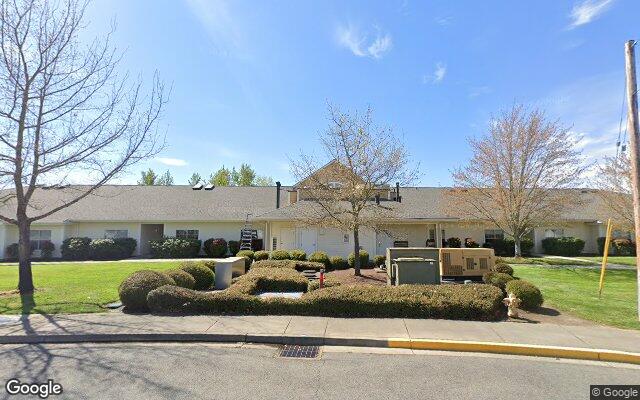
A large home, reviewed on public record.
© Google Street View
Compared to 22 Oregon facilities with a similar number of beds.
ALF memory care · 36-month window. Higher percentile = better performance on inspection record. Source: Oregon Dept. of Human Services · Long-Term Care Licensing.
Rankings based on 36-month OR-DHS inspection data. Severity and frequency: fewer citations = higher percentile. Repeat rate: lower repeat citation share = higher percentile.
Citation history, plotted month by month.
13 deficiencies on record. Each bar is a month with a citation.
Finding distribution
13 total · 36 monthsScope × Severity (CMS A–L)
Every inspection visit, verbatim.
4 inspections in the public record, most recent first. Plain-language summaries open first — click into any row for the full citation text.
2026-07-22Annual Compliance VisitNo findings
2026-04-22Annual Compliance VisitOR-cited · 6 findings
Plain-language summary
During a change of owner inspection in April 2026, the facility was found to have violated service plan requirements for four of five sampled residents by failing to document that service planning team meetings occurred with required participants, and two residents' service plans did not reflect their identified needs and preferences. The facility also failed to provide documented fire and life safety instruction to staff on alternate months from fire drills as required by the Oregon Fire Code, and four newly hired staff members had not completed required pre-service dementia training. The facility developed a corrective action plan to address these violations through documented service planning meetings, implementation of a fire and life safety training calendar, and completion of required staff training.
Read full citation text (6)Hide full citation text
“Based on interview and record review, it was determined the facility failed to ensure fire and life safety instruction was provided to staff on alternate months of fire drills in accordance with the Oregon Fire Code. Findings include, but are not limited to: Upon survey’s entrance to the facility on 04/20/26, fire drill and fire and life safety training records, from 11/2025 through 03/2026, were requested and reviewed. The facility lacked documented evidence fire and life safety instruction was provided to staff on alternate months from fire drills. On 04/21/26 at 1:35 pm, Staff 1 (ED) confirmed the facility’s lack of documentation of fire and life safety training for staff. The need to ensure staff were provided fire and life safety instruction at least every other month, on alternate months of fire drills, was discussed with Staff 1, Staff 3 (Resident Services Coordinator) and Staff 5 (Senior ED) on 04/22/26 at 2:45 pm. They acknowledged the findings. 1) Documentation of Fire and life safety instruction and fire drills will be reviewed for historical information. Facility will schedule henceforth, fire and life safety instruction, respectively per historical data, to be provided on alternate months from fire drills in accordance to Oregon Fire Code. 2) A fire and life safety training calendar will be implemented to ensure training is conducted in the months alternating with fire drills. All training will include a sign in sheet, training materials, and documented proof of completion. 3) Monthly 4) Executive Director and Plant Ops Director”
“Based on the resident evaluation performed before move-in, an initial service plan must be developed before move-in that reflects the identified needs and preferences of the resident. (b) The initial service plan must be reviewed within 30-days of movein to ensure that any changes made to the plan during the initial 30- days, accurately reflect the resident's needs and preferences. (c) Staff must document and date adjustments or changes as applicable. (4) QUARTERLY SERVICE PLAN REQUIREMENTS. (a) Service plans must be completed quarterly after the resident moves into the facility. (b) The quarterly evaluation is the basis of the resident's quarterly service plan. (c) If the resident's service plan is revised and updated at the quarterly review, changes must be dated and initialed, and prior historical information must be maintained. This Rule is not met as evidenced by: Based on observation, interview, and record review, it was determined the facility failed to ensure service plans were reflective of residents' needs and provided clear direction to staff regarding care and services for 2 of 5 sampled residents (#s 2 and 5) whose service plans were reviewed. Findings include, but are not limited to:”
“Based on interview and record review, it was determined the facility failed to ensure service plans were developed by a service planning team which consisted of the resident, the resident's legal representative if applicable, any person of the resident's choice, the facility administrator or designee, and at least one other staff person who was familiar with or provided services to the resident for 4 of 5 sampled residents (#s 1, 2, 4 and 5) whose service plans were reviewed. Findings include, but are not limited to: Resident 1, 2, 4 and 5’s most recent service plans lacked evidence a service planning team consisting of the required individuals participated in the development of the service plans. During an interview on 04/22/26 at 2:45 pm, Staff 1 (ED) confirmed the facility lacked evidence of a service planning team for all residents. The need to ensure service plans were developed by a service planning team was discussed with Staff 1, Staff 2 (RN), Staff 3 (Resident Services Director) and Staff 5 (Senior ED) on 04/22/26 at 5:30 pm. They acknowledged the findings. 1) Facility will schedule a service plan meeting to review current service plans with Residents 1,2,4, and 5 and include their service planning team which consists of the resident's legal representative if applicable, any person of resident choice, the facility administrator or designee and at least one other staff person familiar with or provides services for these residents. Service plan will reflect changes discussed during this meeting and evidence of this meeting will be documented in resident record. 2) Service plan meeting will be scheduled for all service plan updates, including move in, within 30 days after move in, quarterly and changes of condition. Required service planning members will be notified of meeting time/date, including the resident, resident's legal representative if applicable, any person of resident choice, the facility administrator or designee and at least one other staff person familiar with or provides services for these residents. Evidence of service planning team notification will be documented in resident record and include participants who were notified and attended the service plan meeting. 3) Monthly 4) Wellness Director/RN, Resident Services Director, and Executive Director”
“Based on observation, interview, and record review, it was determined the facility failed to follow licensing rules for Residential Care and Assisted Living Facilities. Findings include, but are not limited to: Refer to C420. Z 142 Refer to POC for C420”
“Based on interview and record review, it was determined the facility failed to ensure 4 of 4 newly hired staff (#s 10, 12, 13 and 14) completed all required pre-service dementia trainings. Findings include, but are not limited to: Staff training records were reviewed with Staff 3 (Resident Services Director) on 04/21/26 at 1:15 pm. The following was identified: Staff 10 (CG) was hired 02/24/26, Staff 12 (CG) was hired 02/23/26, Staff 13 (CG) was hired 03/10/26 and Staff 14 (Dishwasher) was hired 04/01/26. a. There was no documented evidence Staff 10, Staff 12 and Staff 13 completed the following pre-service dementia training topics for direct care staff: * Environmental factors that are important to resident's well-being; * Family support and the role the family may have in the care of the resident; and * The use of supportive devices with restraining qualities in memory care communities. b. There was no documented evidence Staff 14 completed the following pre-service dementia training topics for non-direct care staff: * Dementia disease process including progression of the disease, memory loss and psychiatric and behavioral symptoms; * Techniques for understanding, communicating and responding to distressful behavioral symptoms; * Strategies for addressing social needs and engaging persons with dementia in meaningful activities; and * Specific aspects of dementia care and ensuring safety of residents with dementia including addressing pain, providing food/fluids, preventing wandering, use of a person-centered approach. The need to ensure staff completed all required pre-service dementia trainings was discussed with Staff 1 (ED), Staff 3 and Staff 5 (Senior ED) on 04/22/26 at 3:35 pm. They acknowledged the findings. 1) All training records will be audited to verify completion of pre-service dementia training topics for direct and non-direct care staff are completed. Any deficiencies identified during the audit will be assigned. Any newly hired staff will be required to complete pre-service dementia training prior to performing job duties. 2) Verification of completion of pre-service dementia training, including topics on environmental factors that are important to resident's well-being; family support and the role the family may have in the care of the resident; and the use of supportive devices with restraining qualities in memory care communities, will occur prior to all newly hired direct care staff and non-direct staff performing job duties. All direct care staff and non-direct staff without complete pre-service dementia training will not be allowed to start job duties until training is complete. 3) Upon New Hire, Monthly 4) Resident Services Director and Executive DIrector”
“Based on observation, interview, and record review, it was determined the facility failed to provide health care services in accordance with the licensing rules for Residential Care and Assisted Living Facilities. Findings include, but are not limited to: Refer to: C260 and C262. Z 162 Refer to POC for C260 and C262”
Read raw inspector notesClose inspector notes
Based on the resident evaluation performed before move-in, an initial service plan must be developed before move-in that reflects the identified needs and preferences of the resident. (b) The initial service plan must be reviewed within 30-days of movein to ensure that any changes made to the plan during the initial 30- days, accurately reflect the resident's needs and preferences. (c) Staff must document and date adjustments or changes as applicable. (4) QUARTERLY SERVICE PLAN REQUIREMENTS. (a) Service plans must be completed quarterly after the resident moves into the facility. (b) The quarterly evaluation is the basis of the resident's quarterly service plan. (c) If the resident's service plan is revised and updated at the quarterly review, changes must be dated and initialed, and prior historical information must be maintained. This Rule is not met as evidenced by: Based on observation, interview, and record review, it was determined the facility failed to ensure service plans were reflective of residents' needs and provided clear direction to staff regarding care and services for 2 of 5 sampled residents (#s 2 and 5) whose service plans were reviewed. Findings include, but are not limited to: Based on interview and record review, it was determined the facility failed to ensure service plans were developed by a service planning team which consisted of the resident, the resident's legal representative if applicable, any person of the resident's choice, the facility administrator or designee, and at least one other staff person who was familiar with or provided services to the resident for 4 of 5 sampled residents (#s 1, 2, 4 and 5) whose service plans were reviewed. Findings include, but are not limited to: Resident 1, 2, 4 and 5’s most recent service plans lacked evidence a service planning team consisting of the required individuals participated in the development of the service plans. During an interview on 04/22/26 at 2:45 pm, Staff 1 (ED) confirmed the facility lacked evidence of a service planning team for all residents. The need to ensure service plans were developed by a service planning team was discussed with Staff 1, Staff 2 (RN), Staff 3 (Resident Services Director) and Staff 5 (Senior ED) on 04/22/26 at 5:30 pm. They acknowledged the findings. 1) Facility will schedule a service plan meeting to review current service plans with Residents 1,2,4, and 5 and include their service planning team which consists of the resident's legal representative if applicable, any person of resident choice, the facility administrator or designee and at least one other staff person familiar with or provides services for these residents. Service plan will reflect changes discussed during this meeting and evidence of this meeting will be documented in resident record. 2) Service plan meeting will be scheduled for all service plan updates, including move in, within 30 days after move in, quarterly and changes of condition. Required service planning members will be notified of meeting time/date, including the resident, resident's legal representative if applicable, any person of resident choice, the facility administrator or designee and at least one other staff person familiar with or provides services for these residents. Evidence of service planning team notification will be documented in resident record and include participants who were notified and attended the service plan meeting. 3) Monthly 4) Wellness Director/RN, Resident Services Director, and Executive Director Based on interview and record review, it was determined the facility failed to ensure fire and life safety instruction was provided to staff on alternate months of fire drills in accordance with the Oregon Fire Code. Findings include, but are not limited to: Upon survey’s entrance to the facility on 04/20/26, fire drill and fire and life safety training records, from 11/2025 through 03/2026, were requested and reviewed. The facility lacked documented evidence fire and life safety instruction was provided to staff on alternate months from fire drills. On 04/21/26 at 1:35 pm, Staff 1 (ED) confirmed the facility’s lack of documentation of fire and life safety training for staff. The need to ensure staff were provided fire and life safety instruction at least every other month, on alternate months of fire drills, was discussed with Staff 1, Staff 3 (Resident Services Coordinator) and Staff 5 (Senior ED) on 04/22/26 at 2:45 pm. They acknowledged the findings. 1) Documentation of Fire and life safety instruction and fire drills will be reviewed for historical information. Facility will schedule henceforth, fire and life safety instruction, respectively per historical data, to be provided on alternate months from fire drills in accordance to Oregon Fire Code. 2) A fire and life safety training calendar will be implemented to ensure training is conducted in the months alternating with fire drills. All training will include a sign in sheet, training materials, and documented proof of completion. 3) Monthly 4) Executive Director and Plant Ops Director Based on observation, interview, and record review, it was determined the facility failed to follow licensing rules for Residential Care and Assisted Living Facilities. Findings include, but are not limited to: Refer to C420. Z 142 Refer to POC for C420 Based on interview and record review, it was determined the facility failed to ensure 4 of 4 newly hired staff (#s 10, 12, 13 and 14) completed all required pre-service dementia trainings. Findings include, but are not limited to: Staff training records were reviewed with Staff 3 (Resident Services Director) on 04/21/26 at 1:15 pm. The following was identified: Staff 10 (CG) was hired 02/24/26, Staff 12 (CG) was hired 02/23/26, Staff 13 (CG) was hired 03/10/26 and Staff 14 (Dishwasher) was hired 04/01/26. a. There was no documented evidence Staff 10, Staff 12 and Staff 13 completed the following pre-service dementia training topics for direct care staff: * Environmental factors that are important to resident's well-being; * Family support and the role the family may have in the care of the resident; and * The use of supportive devices with restraining qualities in memory care communities. b. There was no documented evidence Staff 14 completed the following pre-service dementia training topics for non-direct care staff: * Dementia disease process including progression of the disease, memory loss and psychiatric and behavioral symptoms; * Techniques for understanding, communicating and responding to distressful behavioral symptoms; * Strategies for addressing social needs and engaging persons with dementia in meaningful activities; and * Specific aspects of dementia care and ensuring safety of residents with dementia including addressing pain, providing food/fluids, preventing wandering, use of a person-centered approach. The need to ensure staff completed all required pre-service dementia trainings was discussed with Staff 1 (ED), Staff 3 and Staff 5 (Senior ED) on 04/22/26 at 3:35 pm. They acknowledged the findings. 1) All training records will be audited to verify completion of pre-service dementia training topics for direct and non-direct care staff are completed. Any deficiencies identified during the audit will be assigned. Any newly hired staff will be required to complete pre-service dementia training prior to performing job duties. 2) Verification of completion of pre-service dementia training, including topics on environmental factors that are important to resident's well-being; family support and the role the family may have in the care of the resident; and the use of supportive devices with restraining qualities in memory care communities, will occur prior to all newly hired direct care staff and non-direct staff performing job duties. All direct care staff and non-direct staff without complete pre-service dementia training will not be allowed to start job duties until training is complete. 3) Upon New Hire, Monthly 4) Resident Services Director and Executive DIrector Based on observation, interview, and record review, it was determined the facility failed to provide health care services in accordance with the licensing rules for Residential Care and Assisted Living Facilities. Findings include, but are not limited to: Refer to: C260 and C262. Z 162 Refer to POC for C260 and C262
2024-08-28Annual Compliance VisitOR-cited · 4 findings
Plain-language summary
During this re-licensure inspection in August 2024, the facility was found to have understaffed the day and evening shifts below what their acuity-based staffing tool calculated as necessary, though night shift staffing met requirements and residents received needed care during observations. The facility's posted staffing plan did not accurately reflect the staffing numbers indicated by their acuity assessment tool. The facility indicated they were actively hiring additional staff and contracting with an agency to meet staffing needs and agreed to implement weekly reviews of their staffing calculations.
Read full citation text (4)Hide full citation text
“Based on observation, interview and record review, it was determined the facility failed to ensure the posted staffing plan was reflective of the staffing needs calculated and the staffing levels exceeded the number of staff indicated by the acuity-based staffing tool. Findings include, but are not limited to: Review of the facilities ABST entries, staff schedule, calculated staffing hours and posted staffing plan were completed and showed the following: * The facility’s ABST indicated that 11 to 12 staff were needed for day and evening shift, dependent on the day of the week. * The facility was staffing 10 staff on day and evening shifts, eight caregivers and two medication technicians. * The facility’s ABST indicated five staff were needed for the night shift. * The facility was staffing five staff on the night shift, four caregivers and one medication technician. Observations of the facility between 08/26/24 and 08/28/24 showed 10 staff were present and, on the floor, working. Residents received needed care, activities provided, behavior interventions were provided and unplanned needs were met. In an interview on 08/27/24, Staff 1 (ED) indicated they were aware they needed more staff and were actively working towards getting more staff for the floor. Staff 1 indicated an agency contract was in process as well as attempting to hire additional staff. The need to ensure the facility staffing plan and staff working on the floor, exceeded ABST staffing calculations was discussed with Staff 1. She acknowledged the findings. C363 1) ABST is updated for each resident before move in, 30 days, 90 days, and any COC. Staffing plan is posted at front entryway with required staffing. We have hired and continue to hire additional staff and we have contracted with an agency to provide additional staffing when needed due to call outs, etc. to ensure that we are meeting staffing requirements. 2) ED will review the ABST tool weekly to ensure compliance with staffing needs and send to RSD for scheduling. 3) Weekly review of ABST to ensure compliance 4) ED and RSD OAR 411-054-0037 (4)(5)(6)(a-b)(C) Acuity Based Staffing Tool: Frequency of Updates/Staffing Plan (4) FREQUENCY OF UPDATES. Facilities must complete or update and review the ABST evaluation for each resident according to the following schedule. (a) Before a resident moves in. (b) Whenever there is a significant change of condition as defined in OAR 411-054-0040(1)(b). (c) No less than quarterly at the same time the resident?s service plan is updated as required by OAR 411-054-0034. (5) DEVELOP AND MAINTAIN UPDATED POSTED STAFFING PLAN. Each facility should use the results of an ABST to develop and routinely update the facility?s posted staffing plan. The staffing plan must outline the staffing numbers required to meet the scheduled and unscheduled needs of all residents in the facility, for each shift. The ABST and staffing plan must be reviewed at the frequency required in paragraph (4) of this rule. The facility must review the following and ensure accuracy between the posted staffing plan and ABST: (a) The total ABST care time required for the individual care elements as referenced in paragraph (3) of this rule. (b) Staffing plan must account for unscheduled care needs. (c) Documentation of consistently staffing to meet or exceed the posted staffing plan 24 hours a day, seven days a week. (d) The staffing requirements outlined in OAR 411-054-0070(1). (e) Any other applicable factors to be considered. (e.g., disruptions to normal facility operations.) (f) Time for paid or unpaid staff meal breaks must be accounted for and should not be included in the total scheduled staff time per shift. (g) Distinct posted staffing plans for segregated areas as outlined in OAR 411-054-0070(1) to meet the scheduled and unscheduled needs of residents who reside in each segregated area. (h) The staffing needs required under the Specific Needs Contracts, if applicable. (6) ABST REPORTING OF SPECIFIC NEEDS CONTRACTS AND EXCEPTIONAL PAYMENTS. Staffing required by a Specific Needs Contract (Contract), as described in OAR chapter 411, division 027, must be included in a facility?s ABST. (a) If all residents within the facility are receiving service through a Contract: (A) The facility?s staffing plan must include the number of staff required by the Contract and additional staff time, if required to meet the scheduled and unscheduled needs of the residents. (B) If the ABST staffing analysis indicates numbers higher than the Contract, the facility must staff to the numbers indicated by the ABST. (b) If certain residents within the facility are served under Contract, and other residents are not served by a Contract: (A) The facility must maintain a posted staffing plan that includes the staffing required for residents served by the Contract as well as the staffing required for residents not served by the Contract. (B) The facility must prepare two distinct ABST reports: one for residents served by the Contract and the other for residents not served by the Contract. (C) If the ABST indicates higher staffing numbers than the Contract for residents who are served by the Contract, the facility must staff to numbers indicated by the ABST. (c) If the facility has any residents funded by an exceptional payment, as provided in OAR 411-027-0050, that must be included in the ABST and the facility must staff to the greater of the exception or the ABST. This Rule is not met as evidenced by:”
“Based on interview and record review, it was determined the facility failed to ensure fire drills were conducted in accordance with the Oregon Fire Code, fire and life safety instruction was provided to staff on alternate months. Findings include, but are not limited to: Fire and life safety records, reviewed between 03/2024 and 08/2024, showed fire drill documentation was lacking in the following areas: * The escape route used; * Problems encountered; * Evidence of alternate routes used; * Evacuation time-period needed; and * The number of occupants evacuated. The fire drills were not completed at least every other month on alternating shifts. Additionally, the records reviewed did not show life safety training was provided on alternating months from the fire drills. The need to ensure all required components were addressed and documented for each fire drill and that drills were conducted on alternating months from life safety training, was discussed with Staff 1 (ED) and Staff 23 (Campus Maintenance Director) on 08/27/24 and 08/28/24. The staff acknowledged the findings. C420 1) Disaster training was conducted with staff on 9/4/2024. An evacuation drill is scheduled for 9/25/2024. A fire drill with the missing components will be conducted for each shift on 9/30/24, 10/7/24, and 10/14/24 2) Fire drills will be completed and reviewed every other month by Plant Ops Director and ED using alternating shifts. Life Safety training will be completed at inservices on alternating months. 3)Monthly review of all drills and safety training to ensure compliance. 4) ED, POD, Campus POD OAR 411-054-0090 (1-2) Fire and Life Safety: Safety (1) FIRE DRILLS. All fire drills shall be conducted according to the Oregon Fire Code (OFC). (a) Unannounced fire drills must be conducted and recorded every other month at different times of the day, evening, and night shifts. (b) Fire and life safety instruction to staff must be provided on alternate months. (c) The Fire Authority may develop an alternative fire drill plan for the facility. Any such plan must be submitted to the Department. (d) A written fire drill record must be kept to document fire drills that include: (A) Date and time of day; (B) Location of simulated fire origin; (C) The escape route used; (D) Problems encountered and comments relating to residents who resisted or failed to participate in the drills; (E) Evacuation time period needed; (F) Staff members on duty and participating; and (G) Number of occupants evacuated. (e) Alternate exit routes must be used during fire drills to react to varying potential fire origin points. (f) The evacuation capability of the residents and staff is a function of both the ability of the residents to evacuate and the assistance provided by the staff. (g) Staff must provide fire evacuation assistance to residents from the building to a designated point of safety as determined by the Fire Authority having jurisdiction. Points of safety may include, outside the building, through a horizontal exit, or other areas as determined by the Fire Authority having jurisdiction. (h) The fire alarm system shall be activated during each fire drill, unless otherwise directed by the Fire Authority having jurisdiction. (2) If the facility is unable to meet the applicable evacuation level, the facility must make an immediate effort to make changes to ensure the evacuation standard is met. Changes must include, but not be limited to: (a) Increasing staff levels, (b) Changing staff assignments, (c) Requesting change in resident rooms, and (d) Arranging for special equipment. After making necessary changes, if the facility fails to meet the applicable evacuation level, the facility must issue an involuntary move-out notice to the residents in accordance with OAR 411-054-0080. This Rule is not met as evidenced by:”
“Based on observation and interview, it was determined the facility failed to ensure the environment was maintained clean and in good repair. Findings include, but are not limited to: Observations of the facility on 08/26/24 and 08/27/24 showed the following areas in need of cleaning or repair: * Multiple walls, doors, baseboards and door frames in the facility had scrapes, dings, chips, missing pieces of wood or spills; * Carpet and laminate flooring was pulling apart at the doorway to Room 149; * Room 145 had chips, gouges and scrapes to the interior walls, bathroom floor pulling away at the transition in the doorway; * Room 138 scraped, gouges wall near the recliner with pieces of drywall missing; * Apple neighborhood laundry area and peeling pieces of dry wall near the machine water connections; * Daisy neighborhood laundry area had a large chunk of linoleum missing and edges peeling away between the two machines; * Numerous black/gray carpet stains, of various sizes, in the common areas of all four neighborhoods; * Large, deep gouges and numerous small scratches were noted to the dining room floors in all four neighborhoods; * Multiple dining room chairs and common area furniture with stains, spills and or debris on the seats or backs; * Two patio chairs located in the Apple/Butterfly courtyards had darkly stained cushions with burn holes in the seat of one of the chairs; * Room 127 had a scraped door and the floor was pulling away at the transition to the common area creating a separation in the two flooring types; * Room 104 had cracked and separating floor in the center of the room; * The Butterfly neighborhood had two large leather chairs with spills, rips with one chair severely worn down to the mesh fabric layer; * Missing transition pieces from carpet to laminate flooring near the kitchenettes in all four neighborhoods. The missing pieces were both large and small with debris accumulated in the gaps; * Large gaps between the carpeting and the concrete surface located in the center of the facility between the four neighborhoods. Transition pieces were missing as well as large amounts of debris gathering in the different gap areas. There were a few gap areas creating a potential trip hazard; and * Significant black stains to the carpet were noted near the kitchen door and along the hallway around the center of the facility. The areas in need of cleaning and/or repair were shown to and discussed with Staff 1 (ED) on 08/27/24 and 08/28/24. The staff acknowledged the findings. C513 1) All flooring issues are currently being reviewed for approval, we are obtaining bids and working with our licensee. A request for extension for flooring needs was submitted on 9/16/24. All walls, doors, baseboards, and door frames will be cleaned and repainted to ensure compliance. 145 interior walls to be repaired and repainted, bathroom flooring under review for approval. 138 interior walls to be repaired and repainted. Neighborhood laundry areas to be repaired and repainted. All dining room chairs have been deep cleaned and will be on the weekly neighborhood cleaning schedule to ensure compliance. Outside cushions with stains, holes have been discarded, new cushions have been ordered and will arrive 10/7/24. 127 door will be repaired and repainted. Neighborhood chairs noted to have stains and rips have been discarded. 2) Weekly cleaning schedules have been updated to ensure all neighborhood furniture and flooring are kept clean and in good repair to ensure compliance. Monthly painting schedule created to ensure all walls, doors, and other areas that get knicked and scuffed with wheelchairs and walkers are kept in compliance. 3) ED and POD will continue daily walk throughs and identify areas needing attention and update cleaning and painting schedules as needed. 4) ED, POD, Campus POD OAR 411-054-0200 (4)(d-i) Doors, Walls, Elevators, Odors (d) INTERIOR DOORS. Lever-type door handles must be provided on all doors used by residents.(e) EXIT DOORS. Exit doors may not include locks that delay evacuation except as specified by the building codes. Such locks may not be installed except with written approval of the Department.(A) Exit doors may not include locks that prevent evacuation.(B) If an electronic code must be entered to use an exit door that code must be clearly posted for residents, visitors, and staff use.(f) WALLS AND CEILINGS. Walls and ceilings must be cleanable in kitchen, laundry, and bathing areas. Kitchen walls must be finished smooth per OAR 333-150-0000 (Food Sanitation Rules).(g) ELEVATORS. A RCF with residents on more than one floor must provide at least one elevator that meets Oregon Elevator Specialty Code (OESC) requirements.(h) The interior of the facility must be free from unpleasant odors.(i) All interior and exterior materials and surfaces (e.g., floors, walls, roofs, ceilings, windows, and furniture) and all equipment necessary for the health, safety, and comfort of the resident will be kept clean and in good repair. This Rule is not met as evidenced by:”
“Based on observation, interview and record review, it was determined the facility failed to follow licensing rules for Residential Care and Assisted Living Facilities. This is a repeat citation. Findings include, but are not limited to: Refer to C363, C420 and C513. Z142 Please refer to POCs for C363, C420, and C513 OAR 411-057-0140(2) Administration Compliance (2) The licensee of a memory care community must comply with both the licensing rules for the facility and Chapter 411, Division 57. This Rule is not met as evidenced by:”
Read raw inspector notesClose inspector notes
Based on observation, interview and record review, it was determined the facility failed to ensure the posted staffing plan was reflective of the staffing needs calculated and the staffing levels exceeded the number of staff indicated by the acuity-based staffing tool. Findings include, but are not limited to: Review of the facilities ABST entries, staff schedule, calculated staffing hours and posted staffing plan were completed and showed the following: * The facility’s ABST indicated that 11 to 12 staff were needed for day and evening shift, dependent on the day of the week. * The facility was staffing 10 staff on day and evening shifts, eight caregivers and two medication technicians. * The facility’s ABST indicated five staff were needed for the night shift. * The facility was staffing five staff on the night shift, four caregivers and one medication technician. Observations of the facility between 08/26/24 and 08/28/24 showed 10 staff were present and, on the floor, working. Residents received needed care, activities provided, behavior interventions were provided and unplanned needs were met. In an interview on 08/27/24, Staff 1 (ED) indicated they were aware they needed more staff and were actively working towards getting more staff for the floor. Staff 1 indicated an agency contract was in process as well as attempting to hire additional staff. The need to ensure the facility staffing plan and staff working on the floor, exceeded ABST staffing calculations was discussed with Staff 1. She acknowledged the findings. C363 1) ABST is updated for each resident before move in, 30 days, 90 days, and any COC. Staffing plan is posted at front entryway with required staffing. We have hired and continue to hire additional staff and we have contracted with an agency to provide additional staffing when needed due to call outs, etc. to ensure that we are meeting staffing requirements. 2) ED will review the ABST tool weekly to ensure compliance with staffing needs and send to RSD for scheduling. 3) Weekly review of ABST to ensure compliance 4) ED and RSD OAR 411-054-0037 (4)(5)(6)(a-b)(C) Acuity Based Staffing Tool: Frequency of Updates/Staffing Plan (4) FREQUENCY OF UPDATES. Facilities must complete or update and review the ABST evaluation for each resident according to the following schedule. (a) Before a resident moves in. (b) Whenever there is a significant change of condition as defined in OAR 411-054-0040(1)(b). (c) No less than quarterly at the same time the resident?s service plan is updated as required by OAR 411-054-0034. (5) DEVELOP AND MAINTAIN UPDATED POSTED STAFFING PLAN. Each facility should use the results of an ABST to develop and routinely update the facility?s posted staffing plan. The staffing plan must outline the staffing numbers required to meet the scheduled and unscheduled needs of all residents in the facility, for each shift. The ABST and staffing plan must be reviewed at the frequency required in paragraph (4) of this rule. The facility must review the following and ensure accuracy between the posted staffing plan and ABST: (a) The total ABST care time required for the individual care elements as referenced in paragraph (3) of this rule. (b) Staffing plan must account for unscheduled care needs. (c) Documentation of consistently staffing to meet or exceed the posted staffing plan 24 hours a day, seven days a week. (d) The staffing requirements outlined in OAR 411-054-0070(1). (e) Any other applicable factors to be considered. (e.g., disruptions to normal facility operations.) (f) Time for paid or unpaid staff meal breaks must be accounted for and should not be included in the total scheduled staff time per shift. (g) Distinct posted staffing plans for segregated areas as outlined in OAR 411-054-0070(1) to meet the scheduled and unscheduled needs of residents who reside in each segregated area. (h) The staffing needs required under the Specific Needs Contracts, if applicable. (6) ABST REPORTING OF SPECIFIC NEEDS CONTRACTS AND EXCEPTIONAL PAYMENTS. Staffing required by a Specific Needs Contract (Contract), as described in OAR chapter 411, division 027, must be included in a facility?s ABST. (a) If all residents within the facility are receiving service through a Contract: (A) The facility?s staffing plan must include the number of staff required by the Contract and additional staff time, if required to meet the scheduled and unscheduled needs of the residents. (B) If the ABST staffing analysis indicates numbers higher than the Contract, the facility must staff to the numbers indicated by the ABST. (b) If certain residents within the facility are served under Contract, and other residents are not served by a Contract: (A) The facility must maintain a posted staffing plan that includes the staffing required for residents served by the Contract as well as the staffing required for residents not served by the Contract. (B) The facility must prepare two distinct ABST reports: one for residents served by the Contract and the other for residents not served by the Contract. (C) If the ABST indicates higher staffing numbers than the Contract for residents who are served by the Contract, the facility must staff to numbers indicated by the ABST. (c) If the facility has any residents funded by an exceptional payment, as provided in OAR 411-027-0050, that must be included in the ABST and the facility must staff to the greater of the exception or the ABST. This Rule is not met as evidenced by: Based on interview and record review, it was determined the facility failed to ensure fire drills were conducted in accordance with the Oregon Fire Code, fire and life safety instruction was provided to staff on alternate months. Findings include, but are not limited to: Fire and life safety records, reviewed between 03/2024 and 08/2024, showed fire drill documentation was lacking in the following areas: * The escape route used; * Problems encountered; * Evidence of alternate routes used; * Evacuation time-period needed; and * The number of occupants evacuated. The fire drills were not completed at least every other month on alternating shifts. Additionally, the records reviewed did not show life safety training was provided on alternating months from the fire drills. The need to ensure all required components were addressed and documented for each fire drill and that drills were conducted on alternating months from life safety training, was discussed with Staff 1 (ED) and Staff 23 (Campus Maintenance Director) on 08/27/24 and 08/28/24. The staff acknowledged the findings. C420 1) Disaster training was conducted with staff on 9/4/2024. An evacuation drill is scheduled for 9/25/2024. A fire drill with the missing components will be conducted for each shift on 9/30/24, 10/7/24, and 10/14/24 2) Fire drills will be completed and reviewed every other month by Plant Ops Director and ED using alternating shifts. Life Safety training will be completed at inservices on alternating months. 3)Monthly review of all drills and safety training to ensure compliance. 4) ED, POD, Campus POD OAR 411-054-0090 (1-2) Fire and Life Safety: Safety (1) FIRE DRILLS. All fire drills shall be conducted according to the Oregon Fire Code (OFC). (a) Unannounced fire drills must be conducted and recorded every other month at different times of the day, evening, and night shifts. (b) Fire and life safety instruction to staff must be provided on alternate months. (c) The Fire Authority may develop an alternative fire drill plan for the facility. Any such plan must be submitted to the Department. (d) A written fire drill record must be kept to document fire drills that include: (A) Date and time of day; (B) Location of simulated fire origin; (C) The escape route used; (D) Problems encountered and comments relating to residents who resisted or failed to participate in the drills; (E) Evacuation time period needed; (F) Staff members on duty and participating; and (G) Number of occupants evacuated. (e) Alternate exit routes must be used during fire drills to react to varying potential fire origin points. (f) The evacuation capability of the residents and staff is a function of both the ability of the residents to evacuate and the assistance provided by the staff. (g) Staff must provide fire evacuation assistance to residents from the building to a designated point of safety as determined by the Fire Authority having jurisdiction. Points of safety may include, outside the building, through a horizontal exit, or other areas as determined by the Fire Authority having jurisdiction. (h) The fire alarm system shall be activated during each fire drill, unless otherwise directed by the Fire Authority having jurisdiction. (2) If the facility is unable to meet the applicable evacuation level, the facility must make an immediate effort to make changes to ensure the evacuation standard is met. Changes must include, but not be limited to: (a) Increasing staff levels, (b) Changing staff assignments, (c) Requesting change in resident rooms, and (d) Arranging for special equipment. After making necessary changes, if the facility fails to meet the applicable evacuation level, the facility must issue an involuntary move-out notice to the residents in accordance with OAR 411-054-0080. This Rule is not met as evidenced by: Based on observation and interview, it was determined the facility failed to ensure the environment was maintained clean and in good repair. Findings include, but are not limited to: Observations of the facility on 08/26/24 and 08/27/24 showed the following areas in need of cleaning or repair: * Multiple walls, doors, baseboards and door frames in the facility had scrapes, dings, chips, missing pieces of wood or spills; * Carpet and laminate flooring was pulling apart at the doorway to Room 149; * Room 145 had chips, gouges and scrapes to the interior walls, bathroom floor pulling away at the transition in the doorway; * Room 138 scraped, gouges wall near the recliner with pieces of drywall missing; * Apple neighborhood laundry area and peeling pieces of dry wall near the machine water connections; * Daisy neighborhood laundry area had a large chunk of linoleum missing and edges peeling away between the two machines; * Numerous black/gray carpet stains, of various sizes, in the common areas of all four neighborhoods; * Large, deep gouges and numerous small scratches were noted to the dining room floors in all four neighborhoods; * Multiple dining room chairs and common area furniture with stains, spills and or debris on the seats or backs; * Two patio chairs located in the Apple/Butterfly courtyards had darkly stained cushions with burn holes in the seat of one of the chairs; * Room 127 had a scraped door and the floor was pulling away at the transition to the common area creating a separation in the two flooring types; * Room 104 had cracked and separating floor in the center of the room; * The Butterfly neighborhood had two large leather chairs with spills, rips with one chair severely worn down to the mesh fabric layer; * Missing transition pieces from carpet to laminate flooring near the kitchenettes in all four neighborhoods. The missing pieces were both large and small with debris accumulated in the gaps; * Large gaps between the carpeting and the concrete surface located in the center of the facility between the four neighborhoods. Transition pieces were missing as well as large amounts of debris gathering in the different gap areas. There were a few gap areas creating a potential trip hazard; and * Significant black stains to the carpet were noted near the kitchen door and along the hallway around the center of the facility. The areas in need of cleaning and/or repair were shown to and discussed with Staff 1 (ED) on 08/27/24 and 08/28/24. The staff acknowledged the findings. C513 1) All flooring issues are currently being reviewed for approval, we are obtaining bids and working with our licensee. A request for extension for flooring needs was submitted on 9/16/24. All walls, doors, baseboards, and door frames will be cleaned and repainted to ensure compliance. 145 interior walls to be repaired and repainted, bathroom flooring under review for approval. 138 interior walls to be repaired and repainted. Neighborhood laundry areas to be repaired and repainted. All dining room chairs have been deep cleaned and will be on the weekly neighborhood cleaning schedule to ensure compliance. Outside cushions with stains, holes have been discarded, new cushions have been ordered and will arrive 10/7/24. 127 door will be repaired and repainted. Neighborhood chairs noted to have stains and rips have been discarded. 2) Weekly cleaning schedules have been updated to ensure all neighborhood furniture and flooring are kept clean and in good repair to ensure compliance. Monthly painting schedule created to ensure all walls, doors, and other areas that get knicked and scuffed with wheelchairs and walkers are kept in compliance. 3) ED and POD will continue daily walk throughs and identify areas needing attention and update cleaning and painting schedules as needed. 4) ED, POD, Campus POD OAR 411-054-0200 (4)(d-i) Doors, Walls, Elevators, Odors (d) INTERIOR DOORS. Lever-type door handles must be provided on all doors used by residents.(e) EXIT DOORS. Exit doors may not include locks that delay evacuation except as specified by the building codes. Such locks may not be installed except with written approval of the Department.(A) Exit doors may not include locks that prevent evacuation.(B) If an electronic code must be entered to use an exit door that code must be clearly posted for residents, visitors, and staff use.(f) WALLS AND CEILINGS. Walls and ceilings must be cleanable in kitchen, laundry, and bathing areas. Kitchen walls must be finished smooth per OAR 333-150-0000 (Food Sanitation Rules).(g) ELEVATORS. A RCF with residents on more than one floor must provide at least one elevator that meets Oregon Elevator Specialty Code (OESC) requirements.(h) The interior of the facility must be free from unpleasant odors.(i) All interior and exterior materials and surfaces (e.g., floors, walls, roofs, ceilings, windows, and furniture) and all equipment necessary for the health, safety, and comfort of the resident will be kept clean and in good repair. This Rule is not met as evidenced by: Based on observation, interview and record review, it was determined the facility failed to follow licensing rules for Residential Care and Assisted Living Facilities. This is a repeat citation. Findings include, but are not limited to: Refer to C363, C420 and C513. Z142 Please refer to POCs for C363, C420, and C513 OAR 411-057-0140(2) Administration Compliance (2) The licensee of a memory care community must comply with both the licensing rules for the facility and Chapter 411, Division 57. This Rule is not met as evidenced by:
2023-12-19Annual Compliance VisitOR-cited · 3 findings
Plain-language summary
A state kitchen inspection conducted on December 19, 2023, found that the facility failed to maintain food sanitation standards, with buildup of splatters, spills, and debris observed on refrigerators, cooking equipment, microwaves, and other surfaces; additionally, foods were undated and unlabeled, scoops were left in bulk food bins, a food thermometer was not operable, and the dish sanitizer was not reaching the required temperature. A follow-up inspection on March 25, 2024, found the facility in substantial compliance after corrective actions including deep cleaning, staff retraining on food labeling and dating, dishwasher servicing, thermometer replacement, and implementation of daily monitoring and walk-throughs by management.
Read full citation text (3)Hide full citation text
“The findings of the kitchen inspection, conducted 12/19/23, are documented in this report. The survey was conducted to determine compliance with the OARs 411-054-0030 for Residential Care and Assisted Living Facilities for Resident Services- Meals, and Oregon Health Service Food Sanitation Rules OARs 333-150-0000. The findings of the kitchen inspection, conducted 12/19/23, are documented in this report. The survey was conducted to determine compliance with the OARs 411-054-0030 for Residential Care and Assisted Living Facilities for Resident Services- Meals, and Oregon Health Service Food Sanitation Rules OARs 333-150-0000. The findings of the revisit to the annual kitchen inspection of 12/19/23, conducted 03/25/24, are documented in this report. The facility was found to be in substantial compliance with the OARs 411-054-0030 for Residential Care and Assisted Living Facilities for Resident Services- Meals, and Oregon Health Service Food Sanitation Rules OARs 333-150-0000. The findings of the revisit to the annual kitchen inspection of 12/19/23, conducted 03/25/24, are documented in this report. The facility was found to be in substantial compliance with the OARs 411-054-0030 for Residential Care and Assisted Living Facilities for Resident Services- Meals, and Oregon Health Service Food Sanitation Rules OARs 333-150-0000.”
“Based on observation, interview, and record review, it was determined the facility failed to ensure the kitchen was maintained in accordance with the Food Sanitation Rules OAR 333-150-000. Findings include, but are not limited to: Observations of the facility main kitchen, kitchenettes, food storage areas, food preparation, and food service on 12/19/23 noted a buildup of splatters, spills, drips, and debris on: - Exteriors and interiors of kitchenette reach-in refrigerators and freezers; - Handles of the reach-in and walk-in refrigerators in the main kitchen; - Fan cage and blade in the walk-in refrigerator; - Exterior of ice machine, vents, and surface; - Stand mixer; - Blender; - Ceiling vents, - Bakery cart; - Walls in food preparation areas; - Sides of the steam cart; - Interior of all microwaves; - Can opener casing and blade; - Exterior, knobs, sides, beneath, and behind the gas range and oven; - Open shelving: surfaces, legs, and underneath; - Metal rack shelving storing clean serving equipment; and - Dish washing area floors, walls, drain and equipment. * There were undated and unlabeled foods in refrigerators. * Scoops were left in bulk bins of foods. * There was not an operable small diameter probe thermometer to measure thin foods. * High temperature dish sanitizer was not reaching the required water temperature. Staff 2 (Dietary Services Director) agreed to sanitize dishes in the triple pot sink until the issue was resolved. Staff 1 (Executive Director), Staff 2, and the surveyor toured the kitchens on 12/19/23. They acknowledged the findings. Based on observation, interview, and record review, it was determined the facility failed to ensure the kitchen was maintained in accordance with the Food Sanitation Rules OAR 333-150-000. Findings include, but are not limited to: Observations of the facility main kitchen, kitchenettes, food storage areas, food preparation, and food service on 12/19/23 noted a buildup of splatters, spills, drips, and debris on: - Exteriors and interiors of kitchenette reach-in refrigerators and freezers; - Handles of the reach-in and walk-in refrigerators in the main kitchen; - Fan cage and blade in the walk-in refrigerator; - Exterior of ice machine, vents, and surface; - Stand mixer; - Blender; - Ceiling vents, - Bakery cart; - Walls in food preparation areas; - Sides of the steam cart; - Interior of all microwaves; - Can opener casing and blade; - Exterior, knobs, sides, beneath, and behind the gas range and oven; - Open shelving: surfaces, legs, and underneath; - Metal rack shelving storing clean serving equipment; and - Dish washing area floors, walls, drain and equipment. * There were undated and unlabeled foods in refrigerators. * Scoops were left in bulk bins of foods. * There was not an operable small diameter probe thermometer to measure thin foods. * High temperature dish sanitizer was not reaching the required water temperature. Staff 2 (Dietary Services Director) agreed to sanitize dishes in the triple pot sink until the issue was resolved. Staff 1 (Executive Director), Staff 2, and the surveyor toured the kitchens on 12/19/23. They acknowledged the findings. C240 1) Identified kitchen surfaces were cleaned. Deep cleaning of kitchen was completed on 12/19/2023, and additional cleaning of all storage shelving units are scheduled to be completed by 1/9/24. Kitchenette refrigerators were cleaned by housekeeping on 12/19/2023. Unlabeled and undated food found in neighborhood refrigerators and walk in refrigerator was immediately discarded. Inservice was held for staff regarding importance of labeling and dating all food items for food safety. Scoops found in bins were immediately removed. Dining Services Director counseled cook on 12/19/23 regarding leaving scoops in the bins. Battery was replaced in small diameter probe thermometer and is currently operable. Additional thermometers were ordered for backups, ETA 1/9/24. Dishwasher was serviced on 12/21/23 and technician reset temperature for 180. Dishwasher temp has been in compliance since it was reset. Temperatures are recorded 3x daily. 2) Regular cleaning schedules are posted and in place. Dining Services Director counseled kitchen staff on signing off on cleaning tasks not completed. Dining Services Director (or designee) will monitor cleaning schedules daily to ensure completion. Dining Services Director and Executive Director (or designee) will do daily walk throughs of kitchen to ensure cleanliness and compliance. Executive Director met with care staff and NOC shift care staff to review cleaning/defrosting schedules for the neighborhood refrigerators. Refrigerator cleaning schedule will be posted in neighborhoods requiring staff initials when completed. Executive Director (or designee) will monitor daily to ensure cleanliness and compliance. Kitchen staff to ensure all stored food has a label and date. Dining Services Director (or designee) to monitor daily for compliance in kitchen walk in refrigerator. Executive Director (or designee) to monitor daily for compliance in neighborhood refrigerators. Kitchen staff to monitor and record dishwasher temps 3x daily, temperature logs are posted. Dining Services Director (or designee) to monitor temp logs daily to ensure completion. Executive Director will audit temp logs weekly to ensure compliance. 3) Daily review of cleaning and temp logs by Dining Services Director (or designee) and weekly review by Executive Director to ensure compliance. Daily walk through of kitchen by Dining Services Director and Executive Director (or designee) to ensure cleanliness and compliance. 4) Dining Services Director and Executive Director C240 1) Identified kitchen surfaces were cleaned. Deep cleaning of kitchen was completed on 12/19/2023, and additional cleaning of all storage shelving units are scheduled to be completed by 1/9/24. Kitchenette refrigerators were cleaned by housekeeping on 12/19/2023. Unlabeled and undated food found in neighborhood refrigerators and walk in refrigerator was immediately discarded. Inservice was held for staff regarding importance of labeling and dating all food items for food safety. Scoops found in bins were immediately removed. Dining Services Director counseled cook on 12/19/23 regarding leaving scoops in the bins. Battery was replaced in small diameter probe thermometer and is currently operable. Additional thermometers were ordered for backups, ETA 1/9/24. Dishwasher was serviced on 12/21/23 and technician reset temperature for 180. Dishwasher temp has been in compliance since it was reset. Temperatures are recorded 3x daily. 2) Regular cleaning schedules are posted and in place. Dining Services Director counseled kitchen staff on signing off on cleaning tasks not completed. Dining Services Director (or designee) will monitor cleaning schedules daily to ensure completion. Dining Services Director and Executive Director (or designee) will do daily walk throughs of kitchen to ensure cleanliness and compliance. Executive Director met with care staff and NOC shift care staff to review cleaning/defrosting schedules for the neighborhood refrigerators. Refrigerator cleaning schedule will be posted in neighborhoods requiring staff initials when completed. Executive Director (or designee) will monitor daily to ensure cleanliness and compliance. Kitchen staff to ensure all stored food has a label and date. Dining Services Director (or designee) to monitor daily for compliance in kitchen walk in refrigerator. Executive Director (or designee) to monitor daily for compliance in neighborhood refrigerators. Kitchen staff to monitor and record dishwasher temps 3x daily, temperature logs are posted. Dining Services Director (or designee) to monitor temp logs daily to ensure completion. Executive Director will audit temp logs weekly to ensure compliance. 3) Daily review of cleaning and temp logs by Dining Services Di”
“Based on observation, interview, and record review, it was determined the facility failed to follow licensing rules for Residential Care and Assisted Living Facilities. Findings include, but are not limited to: Refer to C 240. Based on observation, interview, and record review, it was determined the facility failed to follow licensing rules for Residential Care and Assisted Living Facilities. Findings include, but are not limited to: Refer to C 240. Z142 Please refer to C240 POC Z142 Please refer to C240 POC There are no detail notes for this visit.”
Read raw inspector notesClose inspector notes
The findings of the kitchen inspection, conducted 12/19/23, are documented in this report. The survey was conducted to determine compliance with the OARs 411-054-0030 for Residential Care and Assisted Living Facilities for Resident Services- Meals, and Oregon Health Service Food Sanitation Rules OARs 333-150-0000. The findings of the kitchen inspection, conducted 12/19/23, are documented in this report. The survey was conducted to determine compliance with the OARs 411-054-0030 for Residential Care and Assisted Living Facilities for Resident Services- Meals, and Oregon Health Service Food Sanitation Rules OARs 333-150-0000. The findings of the revisit to the annual kitchen inspection of 12/19/23, conducted 03/25/24, are documented in this report. The facility was found to be in substantial compliance with the OARs 411-054-0030 for Residential Care and Assisted Living Facilities for Resident Services- Meals, and Oregon Health Service Food Sanitation Rules OARs 333-150-0000. The findings of the revisit to the annual kitchen inspection of 12/19/23, conducted 03/25/24, are documented in this report. The facility was found to be in substantial compliance with the OARs 411-054-0030 for Residential Care and Assisted Living Facilities for Resident Services- Meals, and Oregon Health Service Food Sanitation Rules OARs 333-150-0000. Based on observation, interview, and record review, it was determined the facility failed to ensure the kitchen was maintained in accordance with the Food Sanitation Rules OAR 333-150-000. Findings include, but are not limited to: Observations of the facility main kitchen, kitchenettes, food storage areas, food preparation, and food service on 12/19/23 noted a buildup of splatters, spills, drips, and debris on: - Exteriors and interiors of kitchenette reach-in refrigerators and freezers; - Handles of the reach-in and walk-in refrigerators in the main kitchen; - Fan cage and blade in the walk-in refrigerator; - Exterior of ice machine, vents, and surface; - Stand mixer; - Blender; - Ceiling vents, - Bakery cart; - Walls in food preparation areas; - Sides of the steam cart; - Interior of all microwaves; - Can opener casing and blade; - Exterior, knobs, sides, beneath, and behind the gas range and oven; - Open shelving: surfaces, legs, and underneath; - Metal rack shelving storing clean serving equipment; and - Dish washing area floors, walls, drain and equipment. * There were undated and unlabeled foods in refrigerators. * Scoops were left in bulk bins of foods. * There was not an operable small diameter probe thermometer to measure thin foods. * High temperature dish sanitizer was not reaching the required water temperature. Staff 2 (Dietary Services Director) agreed to sanitize dishes in the triple pot sink until the issue was resolved. Staff 1 (Executive Director), Staff 2, and the surveyor toured the kitchens on 12/19/23. They acknowledged the findings. Based on observation, interview, and record review, it was determined the facility failed to ensure the kitchen was maintained in accordance with the Food Sanitation Rules OAR 333-150-000. Findings include, but are not limited to: Observations of the facility main kitchen, kitchenettes, food storage areas, food preparation, and food service on 12/19/23 noted a buildup of splatters, spills, drips, and debris on: - Exteriors and interiors of kitchenette reach-in refrigerators and freezers; - Handles of the reach-in and walk-in refrigerators in the main kitchen; - Fan cage and blade in the walk-in refrigerator; - Exterior of ice machine, vents, and surface; - Stand mixer; - Blender; - Ceiling vents, - Bakery cart; - Walls in food preparation areas; - Sides of the steam cart; - Interior of all microwaves; - Can opener casing and blade; - Exterior, knobs, sides, beneath, and behind the gas range and oven; - Open shelving: surfaces, legs, and underneath; - Metal rack shelving storing clean serving equipment; and - Dish washing area floors, walls, drain and equipment. * There were undated and unlabeled foods in refrigerators. * Scoops were left in bulk bins of foods. * There was not an operable small diameter probe thermometer to measure thin foods. * High temperature dish sanitizer was not reaching the required water temperature. Staff 2 (Dietary Services Director) agreed to sanitize dishes in the triple pot sink until the issue was resolved. Staff 1 (Executive Director), Staff 2, and the surveyor toured the kitchens on 12/19/23. They acknowledged the findings. C240 1) Identified kitchen surfaces were cleaned. Deep cleaning of kitchen was completed on 12/19/2023, and additional cleaning of all storage shelving units are scheduled to be completed by 1/9/24. Kitchenette refrigerators were cleaned by housekeeping on 12/19/2023. Unlabeled and undated food found in neighborhood refrigerators and walk in refrigerator was immediately discarded. Inservice was held for staff regarding importance of labeling and dating all food items for food safety. Scoops found in bins were immediately removed. Dining Services Director counseled cook on 12/19/23 regarding leaving scoops in the bins. Battery was replaced in small diameter probe thermometer and is currently operable. Additional thermometers were ordered for backups, ETA 1/9/24. Dishwasher was serviced on 12/21/23 and technician reset temperature for 180. Dishwasher temp has been in compliance since it was reset. Temperatures are recorded 3x daily. 2) Regular cleaning schedules are posted and in place. Dining Services Director counseled kitchen staff on signing off on cleaning tasks not completed. Dining Services Director (or designee) will monitor cleaning schedules daily to ensure completion. Dining Services Director and Executive Director (or designee) will do daily walk throughs of kitchen to ensure cleanliness and compliance. Executive Director met with care staff and NOC shift care staff to review cleaning/defrosting schedules for the neighborhood refrigerators. Refrigerator cleaning schedule will be posted in neighborhoods requiring staff initials when completed. Executive Director (or designee) will monitor daily to ensure cleanliness and compliance. Kitchen staff to ensure all stored food has a label and date. Dining Services Director (or designee) to monitor daily for compliance in kitchen walk in refrigerator. Executive Director (or designee) to monitor daily for compliance in neighborhood refrigerators. Kitchen staff to monitor and record dishwasher temps 3x daily, temperature logs are posted. Dining Services Director (or designee) to monitor temp logs daily to ensure completion. Executive Director will audit temp logs weekly to ensure compliance. 3) Daily review of cleaning and temp logs by Dining Services Director (or designee) and weekly review by Executive Director to ensure compliance. Daily walk through of kitchen by Dining Services Director and Executive Director (or designee) to ensure cleanliness and compliance. 4) Dining Services Director and Executive Director C240 1) Identified kitchen surfaces were cleaned. Deep cleaning of kitchen was completed on 12/19/2023, and additional cleaning of all storage shelving units are scheduled to be completed by 1/9/24. Kitchenette refrigerators were cleaned by housekeeping on 12/19/2023. Unlabeled and undated food found in neighborhood refrigerators and walk in refrigerator was immediately discarded. Inservice was held for staff regarding importance of labeling and dating all food items for food safety. Scoops found in bins were immediately removed. Dining Services Director counseled cook on 12/19/23 regarding leaving scoops in the bins. Battery was replaced in small diameter probe thermometer and is currently operable. Additional thermometers were ordered for backups, ETA 1/9/24. Dishwasher was serviced on 12/21/23 and technician reset temperature for 180. Dishwasher temp has been in compliance since it was reset. Temperatures are recorded 3x daily. 2) Regular cleaning schedules are posted and in place. Dining Services Director counseled kitchen staff on signing off on cleaning tasks not completed. Dining Services Director (or designee) will monitor cleaning schedules daily to ensure completion. Dining Services Director and Executive Director (or designee) will do daily walk throughs of kitchen to ensure cleanliness and compliance. Executive Director met with care staff and NOC shift care staff to review cleaning/defrosting schedules for the neighborhood refrigerators. Refrigerator cleaning schedule will be posted in neighborhoods requiring staff initials when completed. Executive Director (or designee) will monitor daily to ensure cleanliness and compliance. Kitchen staff to ensure all stored food has a label and date. Dining Services Director (or designee) to monitor daily for compliance in kitchen walk in refrigerator. Executive Director (or designee) to monitor daily for compliance in neighborhood refrigerators. Kitchen staff to monitor and record dishwasher temps 3x daily, temperature logs are posted. Dining Services Director (or designee) to monitor temp logs daily to ensure completion. Executive Director will audit temp logs weekly to ensure compliance. 3) Daily review of cleaning and temp logs by Dining Services Di Based on observation, interview, and record review, it was determined the facility failed to follow licensing rules for Residential Care and Assisted Living Facilities. Findings include, but are not limited to: Refer to C 240. Based on observation, interview, and record review, it was determined the facility failed to follow licensing rules for Residential Care and Assisted Living Facilities. Findings include, but are not limited to: Refer to C 240. Z142 Please refer to C240 POC Z142 Please refer to C240 POC There are no detail notes for this visit.
2 older inspections from 2021 are not shown above.
Get the complete record, translated into plain language — emailed to you.
Other facilities in Josephine County.
Other memory care facilities in Josephine County with similar care offerings.
Full Inspection Record
Family reviews
No reviews yet — be the first to share your experience
Other memory care options nearby.
Applegate House of Grants Pass
Grants Pass
Arbor House of Grants Pass
Grants Pass
Autumn House of Grants Pass
Grants Pass
Countryside Village Lodge
Grants Pass
Kinsington at Redwood Park
Grants Pass
Kinsington Place
Grants Pass
Oak Lane Residential Care Facility
Grants Pass
Pacific Living Centers of Grants Pass at Anique
Grants Pass