Arbor House of Grants Pass.

A medium home, reviewed on public record.
© Google Street View
Compared to 38 Oregon facilities with a similar number of beds.
ALF memory care · 36-month window. Higher percentile = better performance on inspection record. Source: Oregon Dept. of Human Services · Long-Term Care Licensing.
among peers to rank.
Rankings based on 36-month OR-DHS inspection data. Severity and frequency: fewer citations = higher percentile. Repeat rate: lower repeat citation share = higher percentile.
Citation history, plotted month by month.
17 deficiencies on record. Each bar is a month with a citation.
Finding distribution
17 total · 36 monthsScope × Severity (CMS A–L)
Every inspection visit, verbatim.
1 inspection in the public record, most recent first. Plain-language summaries open first — click into any row for the full citation text.
2023-11-06Annual Compliance VisitOR-cited · 17 findings
Plain-language summary
A re-licensure inspection conducted November 6–8, 2023 found that the facility's kitchen did not meet food sanitation standards, with violations including debris buildup in storage areas, improper food storage (such as eggs above other foods and butter left on the counter), damaged shelving, dented cans, an open bag of rice, lack of a proper food thermometer, unmonitored cooling of hot food, and staff not restraining hair or changing gloves between tasks. A follow-up revisit on March 27–28, 2024 determined the facility was in substantial compliance with state regulations.
Read full citation text (17)Hide full citation text
“Based on interview and record review, it was determined the facility failed to ensure 3 of 4 sampled newly-hired staff (#s 6, 7, and 8) had documentation of completed pre-service orientation, pre-service dementia training, and obtaining Food Handler's certification. Findings include, but are not limited to: Staff training records were reviewed on 11/07/23 and 11/08/23. Staff 6 (Universal Worker/MT), hired 10/12/23, lacked documented evidence of obtaining Food Handler's certification and of completing required pre-service dementia training prior to beginning job duties, including: * Environmental factors that are important to resident's well-being (e.g. noise, staff interactions, lighting, room temperature, etc.); * Family support and the role the family may have in the care of the resident; * How to recognize behaviors that indicate a change in the resident's condition and report behaviors that require on-going assessment; * How to provide personal care to a resident with dementia, including an orientation to the resident and the resident's service plan; and * The use of supportive devices with restraining qualities in memory care communities. Staff 7 (Universal Worker/MT), hired 07/12/23, lacked documented evidence of obtaining Food Handler's certification, completing required pre-service orientation, and required pre-service dementia training prior to beginning job duties, including: * Resident Rights; * Abuse reporting requirements; * Fire safety and emergency procedures; * Education on the dementia disease process, including the progression of the disease, memory loss and psychiatric and behavioral symptoms; * Techniques for understanding, communicating and responding to distressful behavioral symptoms; including but not limited to, reducing the use of antipsychotic medications for non-standard uses when responding to distressful behavioral symptoms; * Strategies for addressing social needs of persons with dementia and engaging them with meaningful activities; * Specific aspects of dementia care and ensuring safety of residents with dementia including addressing pain, providing food/fluids, preventing wandering, use of person-centered approach; * Environmental factors that are important to resident's well-being (e.g. noise, staff interactions, lighting, room temperature, etc.); * Family support and the role the family may have in the care of the resident; * How to recognize behaviors that indicate a change in the resident's condition and report behaviors that require on-going assessment; * How to provide personal care to a resident with dementia, including an orientation to the resident and the resident's service plan; and * The use of supportive devices with restraining qualities in memory care communities. Staff 8 (Universal Worker/MT), hired 10/21/23, lacked documented evidence of obtaining Food Handler's certification, completing required pre-service orientation, and required pre-service dementia training prior to beginning job duties, including: * Resident Rights; * Abuse reporting requirements; * Fire safety and emergency procedures; * Techniques for understanding, communicating and responding to distressful behavioral symptoms; including but not limited to, reducing the use of antipsychotic medications for non-standard uses when responding to distressful behavioral symptoms; * Strategies for addressing social needs of persons with dementia and engaging them with meaningful activities; * Specific aspects of dementia care and ensuring safety of residents with dementia including addressing pain, providing food/fluids, preventing wandering, use of person-centered approach; * Environmental factors that are important to resident's well-being (e.g. noise, staff interactions, lighting, room temperature, etc.); * Family support and the role the family may have in the care of the resident; * How to recognize behaviors that indicate a change in the resident's condition and report behaviors that require on-going assessment; * How to provide personal care to a resident with dementia, including an orientation to the resident and the resident's service plan; and * The use of supportive devices with restraining qualities in memory care communities. The need to ensure staff completed all required pre-service orientation and training and obtained Food Handler's certification was discussed with Staff 1 (Assistant Director) on 11/07/23 and 11/08/23. She acknowledged the findings. Based on interview and record review, it was determined the facility failed to ensure 3 of 4 sampled newly-hired staff (#s 6, 7, and 8) had documentation of completed pre-service orientation, pre-service dementia training, and obtaining Food Handler's certification. Findings include, but are not limited to: Staff training records were reviewed on 11/07/23 and 11/08/23. Staff 6 (Universal Worker/MT), hired 10/12/23, lacked documented evidence of obtaining Food Handler's certification and of completing required pre-service dementia training prior to beginning job duties, including: * Environmental factors that are important to resident's well-being (e.g. noise, staff interactions, lighting, room temperature, etc.); * Family support and the role the family may have in the care of the resident; * How to recognize behaviors that indicate a change in the resident's condition and report behaviors that require on-going assessment; * How to provide personal care to a resident with dementia, including an orientation to the resident and the resident's service plan; and * The use of supportive devices with restraining qualities in memory care communities. Staff 7 (Universal Worker/MT), hired 07/12/23, lacked documented evidence of obtaining Food Handler's certification, completing required pre-service orientation, and required pre-service dementia training prior to beginning job duties, including: * Resident Rights; * Abuse reporting requirements; * Fire safety and emergency procedures; * Education on the dementia disease process, including the progression of the disease, memory loss and psychiatric and behavioral symptoms; * Techniques for understanding, communicating and responding to distressful behavioral symptoms; including but not limited to, reducing the use of antipsychotic medications for non-standard uses when responding to distressful behavioral symptoms; * Strategies for addressing social needs of persons with dementia and engaging them with meaningful activities; * Specific aspects of dementia care and ensuring safety of residents with dementia including addressing pain, providing food/fluids, preventing wandering, use of person-centered approach; * Environmental factors that are important to resident's well-being (e.g. noise, staff interactions, lighting, room temperature, etc.); * Family support and the role the family may have in the care of the resident; * How to recognize behaviors that indicate a change in the resident's condition and report behaviors that require on-going assessment; * How to provide personal care to a resident with dementia, including an orientation to the resident and the resident's service plan; and * The use of supportive devices with restraining qualities in memory care communities. Staff 8 (Universal Worker/MT), hired 10/21/23, lacked documented evidence of obtaining Food Handler's certification, completing required pre-service orientation, and required pre-service dementia training prior to beginning job duties, including: * Resident Rights; * Abuse reporting requirements; * Fire safety and emergency procedures; * Techniques for understanding, communicating and responding to distressful behavioral symptoms; including but not limited to, reducing the use of antipsychotic medications for non-standard uses when responding to distressful behavioral symptoms; * Strategies for addressing social needs of persons with dementia and engaging them with meaningful activities; * Specific aspects of dementia care and ensur”
“Based on interview and record review, it was determined the facility failed to ensure residents' MARs provided clear instructions and parameters for administration of PRN medications for 2 of 3 sampled residents (#s 1 and 3) whose MARs were reviewed. Findings include, but are not limited to: 1. Resident 1 was admitted to the facility in 07/2022 with diagnoses including dementia and was receiving hospice services. Resident 1's 10/01/23 through 11/06/23 MARs and current orders were reviewed. Resident 1 had orders for: * Morphine Sulfate 0.25 ml as needed for pain; and * Oxycodone 10 mg as needed for breakthrough pain. There were no resident-specific parameters to guide non-licensed staff in the administration of these as-needed narcotic pain medications. 2. Resident 3 was admitted to the facility in 02/2023 with diagnoses including dementia. Resident 3's 10/01/23 through 11/06/23 MARs and current orders were reviewed. Resident 3 had orders for: * Calmoseptine ointment as needed for redness on bottom; * Desitin 13% cream as needed for redness; * Morphine sulfate 0.5 ml as needed for pain; * Acetaminophen 325 mg two tablets as needed for pain or fever; and * Acetaminophen 650 suppository as needed for fever. There were no resident-specific parameters to guide non-licensed staff in the administration of these as-needed topical, fever, and pain medications. The electronic MARs for Residents 1 and 3 were reviewed with Staff 1(Assistant Director) on 11/08/23. She acknowledged there were no resident-specific parameters to guide non-licensed staff in the administration of the multiple PRN medications. The need to ensure MARs included resident-specific parameters to guide non-licensed staff in the administration of PRN medications was reviewed with Staff 1 and Staff 2 (RN). They acknowledged the findings. Based on interview and record review, it was determined the facility failed to ensure residents' MARs provided clear instructions and parameters for administration of PRN medications for 2 of 3 sampled residents (#s 1 and 3) whose MARs were reviewed. Findings include, but are not limited to:”
“The findings of the re-licensure survey, conducted 11/06/23 through 11/08/23, are documented in this report. The survey was conducted to determine compliance with OARs 411 Division 54 for Residential Care and Assisted Living Facilities, OARs 411 Division 57 for Memory Care Communities, and OARs 411 Division 004 Home and Community Based Services Regulations. Tag numbers beginning with the letter C refer to the Residential Care and Assisted Living rules. Tag numbers beginning with the letter Z refer to the Memory Care Community rules. Tag numbers beginning with the letter H refer to the Home & Community-Based Services rules. Abbreviations possibly used in this document: ADL: activities of daily living bid: twice a day CBG: capillary blood glucose or blood sugar CG: caregiver cm: centimeter ED: Executive Director F: Fahrenheit HH: Home Health LPN: Licensed Practical Nurse MA: Medication Aide MAR: Medication Administration Record MCC: Memory Care Community mg: milligram ml: milliliter MT: Medication Technician OT: Occupational Therapist PT: Physical Therapist PRN: as needed qd: every day or daily qid: four times a day QI: quality improvement RCC: Resident Care Coordinator RN: Registered Nurse TAR: Treatment Administration Record tid: three times a day The findings of the re-licensure survey, conducted 11/06/23 through 11/08/23, are documented in this report. The survey was conducted to determine compliance with OARs 411 Division 54 for Residential Care and Assisted Living Facilities, OARs 411 Division 57 for Memory Care Communities, and OARs 411 Division 004 Home and Community Based Services Regulations. Tag numbers beginning with the letter C refer to the Residential Care and Assisted Living rules. Tag numbers beginning with the letter Z refer to the Memory Care Community rules. Tag numbers beginning with the letter H refer to the Home & Community-Based Services rules. Abbreviations possibly used in this document: ADL: activities of daily living bid: twice a day CBG: capillary blood glucose or blood sugar CG: caregiver cm: centimeter ED: Executive Director F: Fahrenheit HH: Home Health LPN: Licensed Practical Nurse MA: Medication Aide MAR: Medication Administration Record MCC: Memory Care Community mg: milligram ml: milliliter MT: Medication Technician OT: Occupational Therapist PT: Physical Therapist PRN: as needed qd: every day or daily qid: four times a day QI: quality improvement RCC: Resident Care Coordinator RN: Registered Nurse TAR: Treatment Administration Record tid: three times a day The findings of the revisit to the re-licensure survey of 11/08/23, conducted 03/27/24 through 03/28/24, are documented in this report. It was determined the facility was in substantial compliance with the OARs 411 Division 54 for Residential Care and Assisted Living Facilities, OARs 411 Division 57 for Memory Care Communities and Home and Community Based Services Regulations OARs 411 Division 004. The findings of the revisit to the re-licensure survey of 11/08/23, conducted 03/27/24 through 03/28/24, are documented in this report. It was determined the facility was in substantial compliance with the OARs 411 Division 54 for Residential Care and Assisted Living Facilities, OARs 411 Division 57 for Memory Care Communities and Home and Community Based Services Regulations OARs 411 Division 004.”
“Based on observation, interview, and record review, it was determined the facility failed to ensure the kitchen was maintained in accordance with the Food Sanitation Rules OAR 333-150-000. Findings include, but are not limited to: Observations of the facility kitchen, food storage areas, food preparation, and food service from 11/06/23 to 11/08/23 revealed: * Splatters, spills, drips, and debris build-up was noted in the drawers and cupboards; * Damage to interior shelving creating un-cleanable surfaces; * Eggs stored on the top shelf above other foods; * Multiple dented cans in dry storage; * Open bag of rice in dry storage; * Butter, a potentially hazardous food, stored on the counter; and * No small diameter probe thermometer to measure thin foods. A stock pot of hot food was placed in the refrigerator and not monitored to ensure cooling to a safe temperature in under two hours. Staff failed to have hair and beards restrained and were observed to not change gloves between tasks during food preparation and service. The food storage concerns and areas in need of cleaning were reviewed with Staff 1 (Assistant Director) on 11/06/23 and 11/08/23. She acknowledged the findings. Based on observation, interview, and record review, it was determined the facility failed to ensure the kitchen was maintained in accordance with the Food Sanitation Rules OAR 333-150-000. Findings include, but are not limited to: Observations of the facility kitchen, food storage areas, food preparation, and food service from 11/06/23 to 11/08/23 revealed: * Splatters, spills, drips, and debris build-up was noted in the drawers and cupboards; * Damage to interior shelving creating un-cleanable surfaces; * Eggs stored on the top shelf above other foods; * Multiple dented cans in dry storage; * Open bag of rice in dry storage; * Butter, a potentially hazardous food, stored on the counter; and * No small diameter probe thermometer to measure thin foods. A stock pot of hot food was placed in the refrigerator and not monitored to ensure cooling to a safe temperature in under two hours. Staff failed to have hair and beards restrained and were observed to not change gloves between tasks during food preparation and service. The food storage concerns and areas in need of cleaning were reviewed with Staff 1 (Assistant Director) on 11/06/23 and 11/08/23. She acknowledged the findings. Arbor House of Grants Pass will implement the following: 1. All Splatters, spills, drips, and debris build-up in the drawers and cupboards have been thoroughly cleaned. * The interior shelving was cleaned and painted and is now a cleanable surface; * Eggs are now stored properly; * All dented cans in the dry storage have been removed; * Rice is now stored in a sealed container; * Butter is now properly stored in the refrigerator; * A small diameter probe thermometer was purchased to measure thin foods; * The stock pot was removed and food discarded from the fridge; * Hairnets are readily available for staff while working in the kitchen, *All staff are being required to re-take the infection prevention control course and have had training on proper use of donning/doffing gloves 2. Kitchen Binder with task sheets for cleaning and auditing the above issues in place. All staff retrained on deep cleaning the kitchen, infection control, and proper food handling. Hair and beard nets will be worn in kitchen. All surfaces will be monitored for cleanliness and ensuring cleanable surfaces. Dry stroage will be checked weekly for any dented cans and any open undated food. A New thermometer- small probe is now being used for thin foods. 3. Daily spot checks and weekly auditing will be done. 4. The Assistant Executive Director and/or Executive Director will be responsible for monitoring Arbor House of Grants Pass will implement the following:”
“Based on observation, interview, and record review, it was determined the facility failed to provide an activity program based on individual and group interests, physical, mental, and psychosocial needs, and opportunities for active participation in the community at large. Findings include, but are not limited to: During the re-licensure survey, conducted 11/06/23 through 11/08/23, there was a lack of scheduled and unscheduled activities provided for residents living in the facility. The facility was home to 13 residents and had two Universal Workers scheduled to provide for all needs, including: * Caregiving; * Medication pass; * Housekeeping; * Laundry; * Cooking, serving, and clean up for meals; and * Activity program. An activity calendar was provided for the community and included scheduled activities for each day of the week. Scheduled activities during the week had no identified scheduled times. Activities listed on the calendar for 11/06/23 and 11/07/23 included Exercise, Question Ball, Guess the scent, Simon Says, Board Game day, Flower pressing, Memory Match, Dessert Social, read aloud, and Dance party. One activity was offered on 11/06/23 from approximately 11:00 am to 11:30 am. Staff bounced a ball with residents in the living room. One activity was offered on 11/07/23 from approximately 11:00 am to 11:30 am. Staff played a chair Yoga video and cued residents to participate. During the survey, residents were observed sleeping in their rooms, wandering the halls, or sitting in front of the TV in the common living room area. Multiple visiting family members interviewed reported a lack of activities. The lack of an activity program was discussed with Staff 1 (Assistant Director). She acknowledged the findings. Based on observation, interview, and record review, it was determined the facility failed to provide an activity program based on individual and group interests, physical, mental, and psychosocial needs, and opportunities for active participation in the community at large. Findings include, but are not limited to: During the re-licensure survey, conducted 11/06/23 through 11/08/23, there was a lack of scheduled and unscheduled activities provided for residents living in the facility. The facility was home to 13 residents and had two Universal Workers scheduled to provide for all needs, including: * Caregiving; * Medication pass; * Housekeeping; * Laundry; * Cooking, serving, and clean up for meals; and * Activity program. An activity calendar was provided for the community and included scheduled activities for each day of the week. Scheduled activities during the week had no identified scheduled times. Activities listed on the calendar for 11/06/23 and 11/07/23 included Exercise, Question Ball, Guess the scent, Simon Says, Board Game day, Flower pressing, Memory Match, Dessert Social, read aloud, and Dance party. One activity was offered on 11/06/23 from approximately 11:00 am to 11:30 am. Staff bounced a ball with residents in the living room. One activity was offered on 11/07/23 from approximately 11:00 am to 11:30 am. Staff played a chair Yoga video and cued residents to participate. During the survey, residents were observed sleeping in their rooms, wandering the halls, or sitting in front of the TV in the common living room area. Multiple visiting family members interviewed reported a lack of activities. The lack of an activity program was discussed with Staff 1 (Assistant Director). She acknowledged the findings. Arbor House of Grants Pass will implement the following: 1. Each resident's evaluation will include: (i) Past and current interests; (ii) Current abilities and skills; (iii) Emotional and social needs and patterns; (iv) Physical abilities and limitations; (v) Adaptations necessary for the resident to participate; and (vi) Identification of activities for behavioral interventions 2. Activity calendar will specify the time of day that the primary activities will take place. Additional activities, to be done as time allows, and will be listed as well. An individual activity plan will be included in the evaluation. The Universal Caregivers will be responsible for completing the activity task and specifying who participated and who refused participation. If the none of the Universal Caregivers are able to lead the activity due to emergency, resident care, etc. they will notify the Executive Director, Assistant Executive Director and/or designated supervisor so that they can arrange for coverage and/or perform the activity. All staff will be trained at the next in-service on the new procedures for implementing and tracking activities within Point of Care. 3. Activities will be monitored daily. 4. The Med Aide, Assistant Executive Director and/or Executive Director will be responsible for monitoring. Arbor House of Grants Pass will implement the following:”
“Based on observation, interview, and record review, it was determined the facility failed to ensure service plans provided clear direction to staff regarding the delivery of services, for 2 of 3 sampled residents (#s 1 and 3), whose service plans were reviewed. Findings include, but are not limited to: 1. Resident 1 was admitted to the facility in 07/2022 with diagnoses including dementia and was receiving hospice services. Observations of the resident and interviews with staff were conducted throughout the survey. The resident's current service plan, dated 10/13/23, Temporary Service Plans, and facility Progress Notes from 08/02/23 through 11/05/23 were reviewed. The resident's service plan was not reflective and did not include clear instruction for staff in the following areas: * The use of an alternating pressure air mattress; and * The use of an oxygen concentrator and the need to monitor water levels and the filter. 2. Resident 3 was admitted to the facility in 02/2023 with diagnoses including dementia and was receiving hospice services. Observations of the resident and interviews with staff were conducted throughout the survey. The resident's current service plan, dated 09/13/23, Temporary Service Plans, and facility Progress Notes from 08/01/23 through 11/06/23 were reviewed. The resident's service plan was not reflective and did not include clear instruction for staff in the following areas: * Commode use; * The use of heel protectors; and * Side rails. The need to ensure service plans provided clear instruction to staff was discussed with Staff 1 (Assistant Director) during the survey. She acknowledged the findings. Based on observation, interview, and record review, it was determined the facility failed to ensure service plans provided clear direction to staff regarding the delivery of services, for 2 of 3 sampled residents (#s 1 and 3), whose service plans were reviewed. Findings include, but are not limited to:”
“Based on observation, interview and record review, it was determined the facility failed to evaluate and monitor residents specific to evaluated needs and service-planned interventions for 2 of 2 sampled residents (#s 2 and 3) who had a series of falls. Findings include but are not limited to: 1. Resident 2 was admitted to the facility in 11/2022 with diagnoses including dementia and was evaluated to be at risk for falls. Resident 2 was observed during the survey to utilize a front wheeled walker independently for mobility. In interviews, staff indicated Resident 2 required standby assistance with care and was a fall risk. Staff reported Resident 2 did not call for assistance. Resident 2's current service plan indicated the resident was a fall risk and provided interventions to reduce falls. Resident 2's clinical record revealed the resident was noted to have fallen three times between 10/15/23 and 10/30/23. There was no documented evidence Resident 2's fall interventions were evaluated with each instance and monitored for effectiveness. 2. Resident 3 was admitted to the facility in 02/2023 with diagnoses including dementia and was receiving hospice services. Resident 3 was observed during the survey to use a wheelchair for mobility and required escort. A personal alarm was used on Resident 3 at all times. In interviews, staff indicated Resident 3 required assistance with all care, was on frequent checks, and was a high fall risk. Staff reported Resident 3 did not call for assistance. Resident 3's current service plan indicated the resident was a fall risk and provided interventions to reduce falls. Resident 3's clinical record revealed the resident was noted to have fallen out of a recliner on two occasions, on 09/05/23 and 09/27/23. There was no documented evidence Resident 3's fall interventions were evaluated with each instance and monitored for effectiveness. The need to monitor interventions related to the ongoing falls experienced by residents was reviewed with Staff 1 (Assistant Director) and Staff 2 (RN). They acknowledged the findings. Based on observation, interview and record review, it was determined the facility failed to evaluate and monitor residents specific to evaluated needs and service-planned interventions for 2 of 2 sampled residents (#s 2 and 3) who had a series of falls. Findings include but are not limited to:”
“Based on observation, interview, and record review, it was determined the facility failed to ensure an RN assessment was completed which documented findings, resident status, and interventions made as a result of the assessment, for 1 of 2 sampled residents (#2) who experienced a significant weight loss. Resident 2 experienced ongoing weight loss. Findings include, but are not limited to: Resident 2 was admitted to the facility in 11/2022 with diagnoses including dementia. Resident 2 received a dietary supplement three times daily and meal intake was monitored. The resident was observed to eat between 25% and 75% of foods and fluids that were provided. The resident was provided his/her foods cut up and was able to eat independently once delivered. Between 04/05/23 and 07/01/23, Resident 2 lost 13.7 pounds, or 6.3% body weight (217.1 pounds to 203.4 pounds), which represented a significant weight loss. The facility failed to ensure the RN completed an assessment which included findings which may have been contributing to the weight loss. Between 07/01/23 and 10/11/23, Resident 2 lost an additional 9.4 pounds (194 pounds). This represented an additional 4.6% body weight loss. From 04/05/23 to 10/11/23 Resident 2 lost 23.1 pounds, or 10.6% body weight. There was no documented evidence the facility RN conducted an immediate assessment of this weight loss. No new interventions were implemented to address the continued weight decline. The surveyor requested a current weight for Resident 2 on 11/08/23. The resident's weight at that time was 190.4 pounds, an additional loss of 3.6 pounds since 10/11/23, a total loss of 27.6 pounds since 04/05/23. The facility's failure to ensure the facility RN completed a comprehensive assessment of Resident 2's weight loss which included findings, resident status, and interventions made as the result of the assessment was discussed with Staff 1 (Assistant Director) and Staff 2 (RN). They acknowledged no assessment had been completed and the resident continued to lose weight. Based on observation, interview, and record review, it was determined the facility failed to ensure an RN assessment was completed which documented findings, resident status, and interventions made as a result of the assessment, for 1 of 2 sampled residents (#2) who experienced a significant weight loss. Resident 2 experienced ongoing weight loss. Findings include, but are not limited to: Resident 2 was admitted to the facility in 11/2022 with diagnoses including dementia. Resident 2 received a dietary supplement three times daily and meal intake was monitored. The resident was observed to eat between 25% and 75% of foods and fluids that were provided. The resident was provided his/her foods cut up and was able to eat independently once delivered. Between 04/05/23 and 07/01/23, Resident 2 lost 13.7 pounds, or 6.3% body weight (217.1 pounds to 203.4 pounds), which represented a significant weight loss. The facility failed to ensure the RN completed an assessment which included findings which may have been contributing to the weight loss. Between 07/01/23 and 10/11/23, Resident 2 lost an additional 9.4 pounds (194 pounds). This represented an additional 4.6% body weight loss. From 04/05/23 to 10/11/23 Resident 2 lost 23.1 pounds, or 10.6% body weight. There was no documented evidence the facility RN conducted an immediate assessment of this weight loss. No new interventions were implemented to address the continued weight decline. The surveyor requested a current weight for Resident 2 on 11/08/23. The resident's weight at that time was 190.4 pounds, an additional loss of 3.6 pounds since 10/11/23, a total loss of 27.6 pounds since 04/05/23. The facility's failure to ensure the facility RN completed a comprehensive assessment of Resident 2's weight loss which included findings, resident status, and interventions made as the result of the assessment was discussed with Staff 1 (Assistant Director) and Staff 2 (RN). They acknowledged no assessment had been completed and the resident continued to lose weight. Arbor House of Grants Pass will implement the following: 1. The RN has reviewed all weights and completed a COC on both mentioned Residents. 2. The RN will review all weights monthly with the Executive Director. If a significant weight change has occurred the RN will complete a COC assessment promptly. The RN will monitor and chart weekly progress until resolved. 3. Monthly and as needed/indicated 4. The Executive Director and the RN will be responsible for ensuring COC assessments are completed and monitored Arbor House of Grants Pass will implement the following:”
“Based on observation and interview, it was determined the facility failed to establish and maintain infection prevention and control protocols to provide a safe, sanitary, and comfortable environment related to general hand hygiene and incontinence care for 1 of 1 sampled resident (#3) whose care was observed. Findings include but are not limited to: Observations were made during the survey to determine adherence to universal precautions for infection control. On 11/06/23, at approximately 2:00 pm, the surveyor obtained permission and observed Staff 5 (Universal Worker/CG) and Staff 9 (Universal Worker/MA) provide incontinence care to Resident 3. During the observation, Staff 9 failed to change gloves after removing a soiled incontinence product and providing incontinence care. Staff 9 touched the clean incontinence product and the resident's shirt, pants, and wheelchair while wearing the same soiled gloves. When Staff 9 was finished providing incontinence care, Staff 9 changed the gloves but did not perform hand hygiene. Multiple observations of staff during the survey identified a lack of infection control with glove use. Staff donned gloves and wore them in the common areas without changing them between tasks. The need to ensure staff consistently used universal precautions was discussed with Staff 1 (Assistant Director) and Staff 4 (VP of Management Services) on 11/06/23. They acknowledged the findings. Based on observation and interview, it was determined the facility failed to establish and maintain infection prevention and control protocols to provide a safe, sanitary, and comfortable environment related to general hand hygiene and incontinence care for 1 of 1 sampled resident (#3) whose care was observed. Findings include but are not limited to: Observations were made during the survey to determine adherence to universal precautions for infection control. On 11/06/23, at approximately 2:00 pm, the surveyor obtained permission and observed Staff 5 (Universal Worker/CG) and Staff 9 (Universal Worker/MA) provide incontinence care to Resident 3. During the observation, Staff 9 failed to change gloves after removing a soiled incontinence product and providing incontinence care. Staff 9 touched the clean incontinence product and the resident's shirt, pants, and wheelchair while wearing the same soiled gloves. When Staff 9 was finished providing incontinence care, Staff 9 changed the gloves but did not perform hand hygiene. Multiple observations of staff during the survey identified a lack of infection control with glove use. Staff donned gloves and wore them in the common areas without changing them between tasks. The need to ensure staff consistently used universal precautions was discussed with Staff 1 (Assistant Director) and Staff 4 (VP of Management Services) on 11/06/23. They acknowledged the findings. Arbor House of Grants Pass will implement the following: 1. All staff will re-take the infection prevention and control class and a hands on training will be given to all staff. 2. Staff will be monitored regularly for proper infection control procedures. Increase in oversight and a new Interim Executive Director has been assigned to ensure proper procedures are followed. 3. Daily Monitoring 4. The Assistant Executive Director and Executive Director will be responsible for monitoring the corrections to be sure they are completed. Arbor House of Grants Pass will implement the following:”
“Based on observation, interview, and record review, it was determined the facility failed to ensure a device with restraining qualities was assessed by an RN, PT, or OT prior to use for 1 of 1 sampled resident (#1) who was restrained in a recliner. Findings include, but are not limited to: Resident 3 was admitted to the facility in 02/2023 with diagnoses including dementia. Resident 3 was dependent for all care and required two staff for transfers. During the survey, Resident 3 was observed in a wheelchair or restrained in a recliner in the common area or in his/her room, with feet elevated. A personal alarm was in place on Resident 3 at all times. On 11/07/23 at approximately 10:45 am, Resident 3 was observed in a recliner in his/her room, attempting to get up and stating "I can't get up, this is horrible..." Review of the resident's record showed an assessment had not been completed for the use of the recliners as restraints, including precautions or risks. On 09/06/23, Resident 3 was found on the floor behind the recliner. Resident 3 was noted to have hit his/her head. On 09/27/03, Resident 3 was found on the floor. Resident 3 was attempting to stand and sat on the foot rest of the recliner, causing it to tip. Resident 3 was restrained in a recliner. Resident 3 fell from the recliner on two occasions, hitting his/her head. There was no assessment of the recliner documented by an RN, OT, or PT, including other less restrictive alternatives evaluated prior to the use of the device. The need to complete an assessment and the required components for the use of devices with restraining qualities was discussed with Staff 1 (Assistant Director) and Staff 2 (RN) on 11/07/23. The staff acknowledged the findings. Based on observation, interview, and record review, it was determined the facility failed to ensure a device with restraining qualities was assessed by an RN, PT, or OT prior to use for 1 of 1 sampled resident (#1) who was restrained in a recliner. Findings include, but are not limited to: Resident 3 was admitted to the facility in 02/2023 with diagnoses including dementia. Resident 3 was dependent for all care and required two staff for transfers. During the survey, Resident 3 was observed in a wheelchair or restrained in a recliner in the common area or in his/her room, with feet elevated. A personal alarm was in place on Resident 3 at all times. On 11/07/23 at approximately 10:45 am, Resident 3 was observed in a recliner in his/her room, attempting to get up and stating "I can't get up, this is horrible..." Review of the resident's record showed an assessment had not been completed for the use of the recliners as restraints, including precautions or risks. On 09/06/23, Resident 3 was found on the floor behind the recliner. Resident 3 was noted to have hit his/her head. On 09/27/03, Resident 3 was found on the floor. Resident 3 was attempting to stand and sat on the foot rest of the recliner, causing it to tip. Resident 3 was restrained in a recliner. Resident 3 fell from the recliner on two occasions, hitting his/her head. There was no assessment of the recliner documented by an RN, OT, or PT, including other less restrictive alternatives evaluated prior to the use of the device. The need to complete an assessment and the required components for the use of devices with restraining qualities was discussed with Staff 1 (Assistant Director) and Staff 2 (RN) on 11/07/23. The staff acknowledged the findings. Arbor House of Grants Pass will implement the following: 1. Assessments completed for the mentioned devices with restraining qualities and an audit was done to ensure all devices in the building have been properly assessed. 2. A new Interim Executive Director has been appointed, All staff will be retrained to know what a restraint is as well as safety training in proper use of supportive devices with restraining qualities. 3. Initially, 30 days, quarterly and as needed 4.The Assistant Executive Director, Executive Director and RN will be responsible to ensure correction is completed and monitored. Arbor House of Grants Pass will implement the following:”
“Based on observation, interview, and record review, it was determined the facility failed to have a sufficient number of caregiving staff to meet the 24-hour scheduled and unscheduled needs of residents to compensate for staff duties beyond direct resident care. Findings include, but are not limited to: Observations, interviews, and record review during the survey revealed the following: * The facility utilized Universal Workers whose job duties included passing medications, providing care and services to residents, housekeeping, laundry, cooking, serving, cleaning up after meals, and activities. * Review of the staffing schedule and interviews with Staff 1 (Assistant Administrator) during the survey revealed the facility had two Universal Workers scheduled on all shifts. * Interviews with Universal Workers revealed there were five residents who required the assistance of two staff for care needs and transfers. * Family members noted residents in common areas were left unattended when staff were assisting residents. * Universal Workers did not have time to engage residents in Life Enrichment activities. (Refer to C 242). The need to increase staffing levels to compensate for increased staff duties and unscheduled resident needs was discussed with Staff 1. She acknowledged the need for increased staff. Based on observation, interview, and record review, it was determined the facility failed to have a sufficient number of caregiving staff to meet the 24-hour scheduled and unscheduled needs of residents to compensate for staff duties beyond direct resident care. Findings include, but are not limited to: Observations, interviews, and record review during the survey revealed the following: * The facility utilized Universal Workers whose job duties included passing medications, providing care and services to residents, housekeeping, laundry, cooking, serving, cleaning up after meals, and activities. * Review of the staffing schedule and interviews with Staff 1 (Assistant Administrator) during the survey revealed the facility had two Universal Workers scheduled on all shifts. * Interviews with Universal Workers revealed there were five residents who required the assistance of two staff for care needs and transfers. * Family members noted residents in common areas were left unattended when staff were assisting residents. * Universal Workers did not have time to engage residents in Life Enrichment activities. (Refer to C 242). The need to increase staffing levels to compensate for increased staff duties and unscheduled resident needs was discussed with Staff 1. She acknowledged the need for increased staff. Arbor House of Grants Pass will implement the following: 1. All residents will be reviewed and ABST tool will be updated with proper and reflective time for each task and staffing will be updated to requirements. 2. Interim Executive Director will review each resident's services and ensure the ABST tool is up to date and accurate. Staffing hours will be updated to meet the ABST tool requirements 3. Initially, 30 days, quarterly and as needed 4. The Assistant Executive Director and Executive Director will be responsible to ensure correction is completed and monitored. Arbor House of Grants Pass will implement the following:”
“Based on observation, interview, and record review, it was determined the facility failed to develop a staffing plan based on the results of the facility's acuity-based staffing tool (ABST). Findings include, but are not limited to: The facility had 13 residents at the time of survey. Five of the residents were identified to require the assistance of two staff for ADLs. The facility utilized Universal Workers whose job duties included: * Caregiving; * Medication pass; * Housekeeping; * Laundry; * Cooking, serving, and clean up for meals; and * Activity program. The facility's ABST was reviewed on 11/07/23 with Staff 1 (Assistant Director) and indicated the need for approximately 16 hours of staff time during the day shift. The facility's posted staffing plan was for two Universal Workers at all times. The need to ensure the facility developed a staffing plan based on the results of the facility acuity-based staffing tool was discussed with Staff 1 (ED). They acknowledged the findings. Refer to C 360. Based on observation, interview, and record review, it was determined the facility failed to develop a staffing plan based on the results of the facility's acuity-based staffing tool (ABST). Findings include, but are not limited to: The facility had 13 residents at the time of survey. Five of the residents were identified to require the assistance of two staff for ADLs. The facility utilized Universal Workers whose job duties included: * Caregiving; * Medication pass; * Housekeeping; * Laundry; * Cooking, serving, and clean up for meals; and * Activity program. The facility's ABST was reviewed on 11/07/23 with Staff 1 (Assistant Director) and indicated the need for approximately 16 hours of staff time during the day shift. The facility's posted staffing plan was for two Universal Workers at all times. The need to ensure the facility developed a staffing plan based on the results of the facility acuity-based staffing tool was discussed with Staff 1 (ED). They acknowledged the findings. Refer to C 360. Arbor House of Grants Pass will implement the following: 1. ABST Tool training provided to all Executive Directors/Assistants. The ABST Tool is being updated to accurately reflect the time for each task. 2. ABST Tool will be monitored and updated per the OAR's 3. Initially, 30 days, quarterly, and as needed 4. The Assistant Executive Director and Executive Director will be responsible to see the corrections are complted and monitored. The Regional Director of Operations will monitor each quarter. Arbor House of Grants Pass will implement the following:”
“Based on observation and interview, it was determined the facility failed to ensure hot water temperatures in residents' units and common areas were maintained within a range of 110 to 120 degrees Fahrenheit. Findings include, but are not limited to: A tour of the facility on 11/06/23 revealed the following: * The shared bathroom in the common area had water that when turned on, was hot to the touch. The hot water temperature, taken by the surveyor, was 131 degrees Fahrenheit; * Various residents' bathroom sinks' hot water was between 130 and 131 degrees Fahrenheit; and * The surveyor and Staff 3 (Maintenance Director) measured water temperatures in a resident unit bathroom with the facility thermometer. The temperature measured 130 degrees Fahrenheit. Staff 3 immediately turned down the water temperature. The temperatures were within a range of 110 to 120 degrees Fahrenheit on 11/06/23. On 11/08/23, the water temperatures were hot to touch and measured 131 degrees Fahrenheit. Staff 3 adjusted the temperature and repaired the mixing valve. The temperatures were within a range of 110 to 120 degrees Fahrenheit on 11/08/23. On 11/06/23 and 11/08/23, the hot water temperatures and the need to ensure they were within range was were reviewed with Staff 1 (Assistant Director) and Staff 3. They acknowledged the water was too hot. Based on observation and interview, it was determined the facility failed to ensure hot water temperatures in residents' units and common areas were maintained within a range of 110 to 120 degrees Fahrenheit. Findings include, but are not limited to: A tour of the facility on 11/06/23 revealed the following: * The shared bathroom in the common area had water that when turned on, was hot to the touch. The hot water temperature, taken by the surveyor, was 131 degrees Fahrenheit; * Various residents' bathroom sinks' hot water was between 130 and 131 degrees Fahrenheit; and * The surveyor and Staff 3 (Maintenance Director) measured water temperatures in a resident unit bathroom with the facility thermometer. The temperature measured 130 degrees Fahrenheit. Staff 3 immediately turned down the water temperature. The temperatures were within a range of 110 to 120 degrees Fahrenheit on 11/06/23. On 11/08/23, the water temperatures were hot to touch and measured 131 degrees Fahrenheit. Staff 3 adjusted the temperature and repaired the mixing valve. The temperatures were within a range of 110 to 120 degrees Fahrenheit on 11/08/23. On 11/06/23 and 11/08/23, the hot water temperatures and the need to ensure they were within range was were reviewed with Staff 1 (Assistant Director) and Staff 3. They acknowledged the water was too hot. Arbor House of Grants Pass will impement the following: 1. A New water valve to control temps has been installed. 2. The valve has been replaced and temps will be taken regularly. 3. Maintence will evaluate the water temperatures monthly and as needed. 4. The Maintenance Director and Executive Director will be responsible to see the corrections are completed and monitored. Arbor House of Grants Pass will impement the following:”
“Based on record review and interview, the facility failed to ensure residents who lived in the facility were provided a key to their units per evaluated need. Findings include, but are not limited to: Review of records for Residents 1, 2, and 3 revealed no documented evidence the residents had been provided keys to their rooms or had been evaluated for the ability to manage keys to their rooms. In an interview with Staff 1 (Assistant Director) she was not able to locate evidence the residents had been provided keys to their rooms. The need to ensure all residents were provided keys to their units was discussed with Staff 1 (Assistant Director). She acknowledged the findings. Based on record review and interview, the facility failed to ensure residents who lived in the facility were provided a key to their units per evaluated need. Findings include, but are not limited to: Review of records for Residents 1, 2, and 3 revealed no documented evidence the residents had been provided keys to their rooms or had been evaluated for the ability to manage keys to their rooms. In an interview with Staff 1 (Assistant Director) she was not able to locate evidence the residents had been provided keys to their rooms. The need to ensure all residents were provided keys to their units was discussed with Staff 1 (Assistant Director). She acknowledged the findings. Arbor House of Grants Pass will implement the following: 1. All residents have been evauated for a key to their room and it is in their service plan. 2. All Executive Directors have been trained to evaluate residents use of a key and service plan it as well. 3. Initially, 30 days, quarterly and as needed 4. The Assistant Executive Director and Executive Director will be responsible to monitor. Arbor House of Grants Pass will implement the following:”
“Based on observation, interview, and record review, it was determined the facility failed to follow licensing rules for Residential Care and Assisted Living Facilities. Findings include, but are not limited to: Refer to C 160, C 240, C 242, C 360, C 361, C 545, and H 1518. Based on observation, interview, and record review, it was determined the facility failed to follow licensing rules for Residential Care and Assisted Living Facilities. Findings include, but are not limited to: Refer to C 160, C 240, C 242, C 360, C 361, C 545, and H 1518. Refer to C240,C242,C360,C361, AND C545 Refer to C240,C242,C360,C361, AND C545 There are no detail notes for this visit.”
“Based on observation, interview, and record review, it was determined the facility failed to provide health care services in accordance with the licensing rules for Residential Care and Assisted Living Facilities. Findings include, but are not limited to: Refer to C 260, C 270, C 280, C 310, and C 340. Based on observation, interview, and record review, it was determined the facility failed to provide health care services in accordance with the licensing rules for Residential Care and Assisted Living Facilities. Findings include, but are not limited to: Refer to C 260, C 270, C 280, C 310, and C 340. Refer to C260,C270,C280,C310, and C340 Refer to C260,C270,C280,C310, and C340 There are no detail notes for this visit.”
“Based on interview and record review, it was determined the facility failed to evaluate and develop individualized activity plans for 2 of 3 sampled residents (#s 2, and 3) whose activity plans were reviewed. Findings include, but are not limited to: Residents 2 and 3's records were reviewed during the survey. There was no documented evidence an activity evaluation had been completed and the service plans individualized to reflect one or more of the following required components: * Residents' current preferences; * Abilities and skills; * Emotional/social needs and patterns; * Physical abilities and limitations; * Adaptations necessary for the resident to participate; and * Identification of activities for behavioral interventions. There was no specific activity plan which detailed what, when, how, and how often staff should offer and assist each resident with individualized activities. On 11/07/23 and 11/08/23 the need to evaluate and develop individualized activity plans including all required components for each memory care resident was discussed with Staff 1 (Assistant Director). No further information was provided. Based on interview and record review, it was determined the facility failed to evaluate and develop individualized activity plans for 2 of 3 sampled residents (#s 2, and 3) whose activity plans were reviewed. Findings include, but are not limited to: Residents 2 and 3's records were reviewed during the survey. There was no documented evidence an activity evaluation had been completed and the service plans individualized to reflect one or more of the following required components: * Residents' current preferences; * Abilities and skills; * Emotional/social needs and patterns; * Physical abilities and limitations; * Adaptations necessary for the resident to participate; and * Identification of activities for behavioral interventions. There was no specific activity plan which detailed what, when, how, and how often staff should offer and assist each resident with individualized activities. On 11/07/23 and 11/08/23 the need to evaluate and develop individualized activity plans including all required components for each memory care resident was discussed with Staff 1 (Assistant Director). No further information was provided. Arbor House of Grants Pass will implement the following: 1. A individual activity form for each resident has been made and staff have been retrained on activities per the oar. 2. Activity Evaluations will be completed and reviewed. 3. Activities will be monitored daily and Point of Care will be reviewed weekly for completion of activities. 4. The Assistant Executive Director and Executive Director will be responsible for monitoring. Arbor House of Grants Pass will implement the following:”
Read raw inspector notesClose inspector notes
The findings of the re-licensure survey, conducted 11/06/23 through 11/08/23, are documented in this report. The survey was conducted to determine compliance with OARs 411 Division 54 for Residential Care and Assisted Living Facilities, OARs 411 Division 57 for Memory Care Communities, and OARs 411 Division 004 Home and Community Based Services Regulations. Tag numbers beginning with the letter C refer to the Residential Care and Assisted Living rules. Tag numbers beginning with the letter Z refer to the Memory Care Community rules. Tag numbers beginning with the letter H refer to the Home & Community-Based Services rules. Abbreviations possibly used in this document: ADL: activities of daily living bid: twice a day CBG: capillary blood glucose or blood sugar CG: caregiver cm: centimeter ED: Executive Director F: Fahrenheit HH: Home Health LPN: Licensed Practical Nurse MA: Medication Aide MAR: Medication Administration Record MCC: Memory Care Community mg: milligram ml: milliliter MT: Medication Technician OT: Occupational Therapist PT: Physical Therapist PRN: as needed qd: every day or daily qid: four times a day QI: quality improvement RCC: Resident Care Coordinator RN: Registered Nurse TAR: Treatment Administration Record tid: three times a day The findings of the re-licensure survey, conducted 11/06/23 through 11/08/23, are documented in this report. The survey was conducted to determine compliance with OARs 411 Division 54 for Residential Care and Assisted Living Facilities, OARs 411 Division 57 for Memory Care Communities, and OARs 411 Division 004 Home and Community Based Services Regulations. Tag numbers beginning with the letter C refer to the Residential Care and Assisted Living rules. Tag numbers beginning with the letter Z refer to the Memory Care Community rules. Tag numbers beginning with the letter H refer to the Home & Community-Based Services rules. Abbreviations possibly used in this document: ADL: activities of daily living bid: twice a day CBG: capillary blood glucose or blood sugar CG: caregiver cm: centimeter ED: Executive Director F: Fahrenheit HH: Home Health LPN: Licensed Practical Nurse MA: Medication Aide MAR: Medication Administration Record MCC: Memory Care Community mg: milligram ml: milliliter MT: Medication Technician OT: Occupational Therapist PT: Physical Therapist PRN: as needed qd: every day or daily qid: four times a day QI: quality improvement RCC: Resident Care Coordinator RN: Registered Nurse TAR: Treatment Administration Record tid: three times a day The findings of the revisit to the re-licensure survey of 11/08/23, conducted 03/27/24 through 03/28/24, are documented in this report. It was determined the facility was in substantial compliance with the OARs 411 Division 54 for Residential Care and Assisted Living Facilities, OARs 411 Division 57 for Memory Care Communities and Home and Community Based Services Regulations OARs 411 Division 004. The findings of the revisit to the re-licensure survey of 11/08/23, conducted 03/27/24 through 03/28/24, are documented in this report. It was determined the facility was in substantial compliance with the OARs 411 Division 54 for Residential Care and Assisted Living Facilities, OARs 411 Division 57 for Memory Care Communities and Home and Community Based Services Regulations OARs 411 Division 004. Based on observation, interview, and record review, it was determined the facility failed to ensure the kitchen was maintained in accordance with the Food Sanitation Rules OAR 333-150-000. Findings include, but are not limited to: Observations of the facility kitchen, food storage areas, food preparation, and food service from 11/06/23 to 11/08/23 revealed: * Splatters, spills, drips, and debris build-up was noted in the drawers and cupboards; * Damage to interior shelving creating un-cleanable surfaces; * Eggs stored on the top shelf above other foods; * Multiple dented cans in dry storage; * Open bag of rice in dry storage; * Butter, a potentially hazardous food, stored on the counter; and * No small diameter probe thermometer to measure thin foods. A stock pot of hot food was placed in the refrigerator and not monitored to ensure cooling to a safe temperature in under two hours. Staff failed to have hair and beards restrained and were observed to not change gloves between tasks during food preparation and service. The food storage concerns and areas in need of cleaning were reviewed with Staff 1 (Assistant Director) on 11/06/23 and 11/08/23. She acknowledged the findings. Based on observation, interview, and record review, it was determined the facility failed to ensure the kitchen was maintained in accordance with the Food Sanitation Rules OAR 333-150-000. Findings include, but are not limited to: Observations of the facility kitchen, food storage areas, food preparation, and food service from 11/06/23 to 11/08/23 revealed: * Splatters, spills, drips, and debris build-up was noted in the drawers and cupboards; * Damage to interior shelving creating un-cleanable surfaces; * Eggs stored on the top shelf above other foods; * Multiple dented cans in dry storage; * Open bag of rice in dry storage; * Butter, a potentially hazardous food, stored on the counter; and * No small diameter probe thermometer to measure thin foods. A stock pot of hot food was placed in the refrigerator and not monitored to ensure cooling to a safe temperature in under two hours. Staff failed to have hair and beards restrained and were observed to not change gloves between tasks during food preparation and service. The food storage concerns and areas in need of cleaning were reviewed with Staff 1 (Assistant Director) on 11/06/23 and 11/08/23. She acknowledged the findings. Arbor House of Grants Pass will implement the following: 1. All Splatters, spills, drips, and debris build-up in the drawers and cupboards have been thoroughly cleaned. * The interior shelving was cleaned and painted and is now a cleanable surface; * Eggs are now stored properly; * All dented cans in the dry storage have been removed; * Rice is now stored in a sealed container; * Butter is now properly stored in the refrigerator; * A small diameter probe thermometer was purchased to measure thin foods; * The stock pot was removed and food discarded from the fridge; * Hairnets are readily available for staff while working in the kitchen, *All staff are being required to re-take the infection prevention control course and have had training on proper use of donning/doffing gloves 2. Kitchen Binder with task sheets for cleaning and auditing the above issues in place. All staff retrained on deep cleaning the kitchen, infection control, and proper food handling. Hair and beard nets will be worn in kitchen. All surfaces will be monitored for cleanliness and ensuring cleanable surfaces. Dry stroage will be checked weekly for any dented cans and any open undated food. A New thermometer- small probe is now being used for thin foods. 3. Daily spot checks and weekly auditing will be done. 4. The Assistant Executive Director and/or Executive Director will be responsible for monitoring Arbor House of Grants Pass will implement the following: Based on observation, interview, and record review, it was determined the facility failed to provide an activity program based on individual and group interests, physical, mental, and psychosocial needs, and opportunities for active participation in the community at large. Findings include, but are not limited to: During the re-licensure survey, conducted 11/06/23 through 11/08/23, there was a lack of scheduled and unscheduled activities provided for residents living in the facility. The facility was home to 13 residents and had two Universal Workers scheduled to provide for all needs, including: * Caregiving; * Medication pass; * Housekeeping; * Laundry; * Cooking, serving, and clean up for meals; and * Activity program. An activity calendar was provided for the community and included scheduled activities for each day of the week. Scheduled activities during the week had no identified scheduled times. Activities listed on the calendar for 11/06/23 and 11/07/23 included Exercise, Question Ball, Guess the scent, Simon Says, Board Game day, Flower pressing, Memory Match, Dessert Social, read aloud, and Dance party. One activity was offered on 11/06/23 from approximately 11:00 am to 11:30 am. Staff bounced a ball with residents in the living room. One activity was offered on 11/07/23 from approximately 11:00 am to 11:30 am. Staff played a chair Yoga video and cued residents to participate. During the survey, residents were observed sleeping in their rooms, wandering the halls, or sitting in front of the TV in the common living room area. Multiple visiting family members interviewed reported a lack of activities. The lack of an activity program was discussed with Staff 1 (Assistant Director). She acknowledged the findings. Based on observation, interview, and record review, it was determined the facility failed to provide an activity program based on individual and group interests, physical, mental, and psychosocial needs, and opportunities for active participation in the community at large. Findings include, but are not limited to: During the re-licensure survey, conducted 11/06/23 through 11/08/23, there was a lack of scheduled and unscheduled activities provided for residents living in the facility. The facility was home to 13 residents and had two Universal Workers scheduled to provide for all needs, including: * Caregiving; * Medication pass; * Housekeeping; * Laundry; * Cooking, serving, and clean up for meals; and * Activity program. An activity calendar was provided for the community and included scheduled activities for each day of the week. Scheduled activities during the week had no identified scheduled times. Activities listed on the calendar for 11/06/23 and 11/07/23 included Exercise, Question Ball, Guess the scent, Simon Says, Board Game day, Flower pressing, Memory Match, Dessert Social, read aloud, and Dance party. One activity was offered on 11/06/23 from approximately 11:00 am to 11:30 am. Staff bounced a ball with residents in the living room. One activity was offered on 11/07/23 from approximately 11:00 am to 11:30 am. Staff played a chair Yoga video and cued residents to participate. During the survey, residents were observed sleeping in their rooms, wandering the halls, or sitting in front of the TV in the common living room area. Multiple visiting family members interviewed reported a lack of activities. The lack of an activity program was discussed with Staff 1 (Assistant Director). She acknowledged the findings. Arbor House of Grants Pass will implement the following: 1. Each resident's evaluation will include: (i) Past and current interests; (ii) Current abilities and skills; (iii) Emotional and social needs and patterns; (iv) Physical abilities and limitations; (v) Adaptations necessary for the resident to participate; and (vi) Identification of activities for behavioral interventions 2. Activity calendar will specify the time of day that the primary activities will take place. Additional activities, to be done as time allows, and will be listed as well. An individual activity plan will be included in the evaluation. The Universal Caregivers will be responsible for completing the activity task and specifying who participated and who refused participation. If the none of the Universal Caregivers are able to lead the activity due to emergency, resident care, etc. they will notify the Executive Director, Assistant Executive Director and/or designated supervisor so that they can arrange for coverage and/or perform the activity. All staff will be trained at the next in-service on the new procedures for implementing and tracking activities within Point of Care. 3. Activities will be monitored daily. 4. The Med Aide, Assistant Executive Director and/or Executive Director will be responsible for monitoring. Arbor House of Grants Pass will implement the following: Based on observation, interview, and record review, it was determined the facility failed to ensure service plans provided clear direction to staff regarding the delivery of services, for 2 of 3 sampled residents (#s 1 and 3), whose service plans were reviewed. Findings include, but are not limited to: 1. Resident 1 was admitted to the facility in 07/2022 with diagnoses including dementia and was receiving hospice services. Observations of the resident and interviews with staff were conducted throughout the survey. The resident's current service plan, dated 10/13/23, Temporary Service Plans, and facility Progress Notes from 08/02/23 through 11/05/23 were reviewed. The resident's service plan was not reflective and did not include clear instruction for staff in the following areas: * The use of an alternating pressure air mattress; and * The use of an oxygen concentrator and the need to monitor water levels and the filter. 2. Resident 3 was admitted to the facility in 02/2023 with diagnoses including dementia and was receiving hospice services. Observations of the resident and interviews with staff were conducted throughout the survey. The resident's current service plan, dated 09/13/23, Temporary Service Plans, and facility Progress Notes from 08/01/23 through 11/06/23 were reviewed. The resident's service plan was not reflective and did not include clear instruction for staff in the following areas: * Commode use; * The use of heel protectors; and * Side rails. The need to ensure service plans provided clear instruction to staff was discussed with Staff 1 (Assistant Director) during the survey. She acknowledged the findings. Based on observation, interview, and record review, it was determined the facility failed to ensure service plans provided clear direction to staff regarding the delivery of services, for 2 of 3 sampled residents (#s 1 and 3), whose service plans were reviewed. Findings include, but are not limited to: Based on observation, interview and record review, it was determined the facility failed to evaluate and monitor residents specific to evaluated needs and service-planned interventions for 2 of 2 sampled residents (#s 2 and 3) who had a series of falls. Findings include but are not limited to: 1. Resident 2 was admitted to the facility in 11/2022 with diagnoses including dementia and was evaluated to be at risk for falls. Resident 2 was observed during the survey to utilize a front wheeled walker independently for mobility. In interviews, staff indicated Resident 2 required standby assistance with care and was a fall risk. Staff reported Resident 2 did not call for assistance. Resident 2's current service plan indicated the resident was a fall risk and provided interventions to reduce falls. Resident 2's clinical record revealed the resident was noted to have fallen three times between 10/15/23 and 10/30/23. There was no documented evidence Resident 2's fall interventions were evaluated with each instance and monitored for effectiveness. 2. Resident 3 was admitted to the facility in 02/2023 with diagnoses including dementia and was receiving hospice services. Resident 3 was observed during the survey to use a wheelchair for mobility and required escort. A personal alarm was used on Resident 3 at all times. In interviews, staff indicated Resident 3 required assistance with all care, was on frequent checks, and was a high fall risk. Staff reported Resident 3 did not call for assistance. Resident 3's current service plan indicated the resident was a fall risk and provided interventions to reduce falls. Resident 3's clinical record revealed the resident was noted to have fallen out of a recliner on two occasions, on 09/05/23 and 09/27/23. There was no documented evidence Resident 3's fall interventions were evaluated with each instance and monitored for effectiveness. The need to monitor interventions related to the ongoing falls experienced by residents was reviewed with Staff 1 (Assistant Director) and Staff 2 (RN). They acknowledged the findings. Based on observation, interview and record review, it was determined the facility failed to evaluate and monitor residents specific to evaluated needs and service-planned interventions for 2 of 2 sampled residents (#s 2 and 3) who had a series of falls. Findings include but are not limited to: Based on observation, interview, and record review, it was determined the facility failed to ensure an RN assessment was completed which documented findings, resident status, and interventions made as a result of the assessment, for 1 of 2 sampled residents (#2) who experienced a significant weight loss. Resident 2 experienced ongoing weight loss. Findings include, but are not limited to: Resident 2 was admitted to the facility in 11/2022 with diagnoses including dementia. Resident 2 received a dietary supplement three times daily and meal intake was monitored. The resident was observed to eat between 25% and 75% of foods and fluids that were provided. The resident was provided his/her foods cut up and was able to eat independently once delivered. Between 04/05/23 and 07/01/23, Resident 2 lost 13.7 pounds, or 6.3% body weight (217.1 pounds to 203.4 pounds), which represented a significant weight loss. The facility failed to ensure the RN completed an assessment which included findings which may have been contributing to the weight loss. Between 07/01/23 and 10/11/23, Resident 2 lost an additional 9.4 pounds (194 pounds). This represented an additional 4.6% body weight loss. From 04/05/23 to 10/11/23 Resident 2 lost 23.1 pounds, or 10.6% body weight. There was no documented evidence the facility RN conducted an immediate assessment of this weight loss. No new interventions were implemented to address the continued weight decline. The surveyor requested a current weight for Resident 2 on 11/08/23. The resident's weight at that time was 190.4 pounds, an additional loss of 3.6 pounds since 10/11/23, a total loss of 27.6 pounds since 04/05/23. The facility's failure to ensure the facility RN completed a comprehensive assessment of Resident 2's weight loss which included findings, resident status, and interventions made as the result of the assessment was discussed with Staff 1 (Assistant Director) and Staff 2 (RN). They acknowledged no assessment had been completed and the resident continued to lose weight. Based on observation, interview, and record review, it was determined the facility failed to ensure an RN assessment was completed which documented findings, resident status, and interventions made as a result of the assessment, for 1 of 2 sampled residents (#2) who experienced a significant weight loss. Resident 2 experienced ongoing weight loss. Findings include, but are not limited to: Resident 2 was admitted to the facility in 11/2022 with diagnoses including dementia. Resident 2 received a dietary supplement three times daily and meal intake was monitored. The resident was observed to eat between 25% and 75% of foods and fluids that were provided. The resident was provided his/her foods cut up and was able to eat independently once delivered. Between 04/05/23 and 07/01/23, Resident 2 lost 13.7 pounds, or 6.3% body weight (217.1 pounds to 203.4 pounds), which represented a significant weight loss. The facility failed to ensure the RN completed an assessment which included findings which may have been contributing to the weight loss. Between 07/01/23 and 10/11/23, Resident 2 lost an additional 9.4 pounds (194 pounds). This represented an additional 4.6% body weight loss. From 04/05/23 to 10/11/23 Resident 2 lost 23.1 pounds, or 10.6% body weight. There was no documented evidence the facility RN conducted an immediate assessment of this weight loss. No new interventions were implemented to address the continued weight decline. The surveyor requested a current weight for Resident 2 on 11/08/23. The resident's weight at that time was 190.4 pounds, an additional loss of 3.6 pounds since 10/11/23, a total loss of 27.6 pounds since 04/05/23. The facility's failure to ensure the facility RN completed a comprehensive assessment of Resident 2's weight loss which included findings, resident status, and interventions made as the result of the assessment was discussed with Staff 1 (Assistant Director) and Staff 2 (RN). They acknowledged no assessment had been completed and the resident continued to lose weight. Arbor House of Grants Pass will implement the following: 1. The RN has reviewed all weights and completed a COC on both mentioned Residents. 2. The RN will review all weights monthly with the Executive Director. If a significant weight change has occurred the RN will complete a COC assessment promptly. The RN will monitor and chart weekly progress until resolved. 3. Monthly and as needed/indicated 4. The Executive Director and the RN will be responsible for ensuring COC assessments are completed and monitored Arbor House of Grants Pass will implement the following: Based on observation and interview, it was determined the facility failed to establish and maintain infection prevention and control protocols to provide a safe, sanitary, and comfortable environment related to general hand hygiene and incontinence care for 1 of 1 sampled resident (#3) whose care was observed. Findings include but are not limited to: Observations were made during the survey to determine adherence to universal precautions for infection control. On 11/06/23, at approximately 2:00 pm, the surveyor obtained permission and observed Staff 5 (Universal Worker/CG) and Staff 9 (Universal Worker/MA) provide incontinence care to Resident 3. During the observation, Staff 9 failed to change gloves after removing a soiled incontinence product and providing incontinence care. Staff 9 touched the clean incontinence product and the resident's shirt, pants, and wheelchair while wearing the same soiled gloves. When Staff 9 was finished providing incontinence care, Staff 9 changed the gloves but did not perform hand hygiene. Multiple observations of staff during the survey identified a lack of infection control with glove use. Staff donned gloves and wore them in the common areas without changing them between tasks. The need to ensure staff consistently used universal precautions was discussed with Staff 1 (Assistant Director) and Staff 4 (VP of Management Services) on 11/06/23. They acknowledged the findings. Based on observation and interview, it was determined the facility failed to establish and maintain infection prevention and control protocols to provide a safe, sanitary, and comfortable environment related to general hand hygiene and incontinence care for 1 of 1 sampled resident (#3) whose care was observed. Findings include but are not limited to: Observations were made during the survey to determine adherence to universal precautions for infection control. On 11/06/23, at approximately 2:00 pm, the surveyor obtained permission and observed Staff 5 (Universal Worker/CG) and Staff 9 (Universal Worker/MA) provide incontinence care to Resident 3. During the observation, Staff 9 failed to change gloves after removing a soiled incontinence product and providing incontinence care. Staff 9 touched the clean incontinence product and the resident's shirt, pants, and wheelchair while wearing the same soiled gloves. When Staff 9 was finished providing incontinence care, Staff 9 changed the gloves but did not perform hand hygiene. Multiple observations of staff during the survey identified a lack of infection control with glove use. Staff donned gloves and wore them in the common areas without changing them between tasks. The need to ensure staff consistently used universal precautions was discussed with Staff 1 (Assistant Director) and Staff 4 (VP of Management Services) on 11/06/23. They acknowledged the findings. Arbor House of Grants Pass will implement the following: 1. All staff will re-take the infection prevention and control class and a hands on training will be given to all staff. 2. Staff will be monitored regularly for proper infection control procedures. Increase in oversight and a new Interim Executive Director has been assigned to ensure proper procedures are followed. 3. Daily Monitoring 4. The Assistant Executive Director and Executive Director will be responsible for monitoring the corrections to be sure they are completed. Arbor House of Grants Pass will implement the following: Based on interview and record review, it was determined the facility failed to ensure residents' MARs provided clear instructions and parameters for administration of PRN medications for 2 of 3 sampled residents (#s 1 and 3) whose MARs were reviewed. Findings include, but are not limited to: 1. Resident 1 was admitted to the facility in 07/2022 with diagnoses including dementia and was receiving hospice services. Resident 1's 10/01/23 through 11/06/23 MARs and current orders were reviewed. Resident 1 had orders for: * Morphine Sulfate 0.25 ml as needed for pain; and * Oxycodone 10 mg as needed for breakthrough pain. There were no resident-specific parameters to guide non-licensed staff in the administration of these as-needed narcotic pain medications. 2. Resident 3 was admitted to the facility in 02/2023 with diagnoses including dementia. Resident 3's 10/01/23 through 11/06/23 MARs and current orders were reviewed. Resident 3 had orders for: * Calmoseptine ointment as needed for redness on bottom; * Desitin 13% cream as needed for redness; * Morphine sulfate 0.5 ml as needed for pain; * Acetaminophen 325 mg two tablets as needed for pain or fever; and * Acetaminophen 650 suppository as needed for fever. There were no resident-specific parameters to guide non-licensed staff in the administration of these as-needed topical, fever, and pain medications. The electronic MARs for Residents 1 and 3 were reviewed with Staff 1(Assistant Director) on 11/08/23. She acknowledged there were no resident-specific parameters to guide non-licensed staff in the administration of the multiple PRN medications. The need to ensure MARs included resident-specific parameters to guide non-licensed staff in the administration of PRN medications was reviewed with Staff 1 and Staff 2 (RN). They acknowledged the findings. Based on interview and record review, it was determined the facility failed to ensure residents' MARs provided clear instructions and parameters for administration of PRN medications for 2 of 3 sampled residents (#s 1 and 3) whose MARs were reviewed. Findings include, but are not limited to: Based on observation, interview, and record review, it was determined the facility failed to ensure a device with restraining qualities was assessed by an RN, PT, or OT prior to use for 1 of 1 sampled resident (#1) who was restrained in a recliner. Findings include, but are not limited to: Resident 3 was admitted to the facility in 02/2023 with diagnoses including dementia. Resident 3 was dependent for all care and required two staff for transfers. During the survey, Resident 3 was observed in a wheelchair or restrained in a recliner in the common area or in his/her room, with feet elevated. A personal alarm was in place on Resident 3 at all times. On 11/07/23 at approximately 10:45 am, Resident 3 was observed in a recliner in his/her room, attempting to get up and stating "I can't get up, this is horrible..." Review of the resident's record showed an assessment had not been completed for the use of the recliners as restraints, including precautions or risks. On 09/06/23, Resident 3 was found on the floor behind the recliner. Resident 3 was noted to have hit his/her head. On 09/27/03, Resident 3 was found on the floor. Resident 3 was attempting to stand and sat on the foot rest of the recliner, causing it to tip. Resident 3 was restrained in a recliner. Resident 3 fell from the recliner on two occasions, hitting his/her head. There was no assessment of the recliner documented by an RN, OT, or PT, including other less restrictive alternatives evaluated prior to the use of the device. The need to complete an assessment and the required components for the use of devices with restraining qualities was discussed with Staff 1 (Assistant Director) and Staff 2 (RN) on 11/07/23. The staff acknowledged the findings. Based on observation, interview, and record review, it was determined the facility failed to ensure a device with restraining qualities was assessed by an RN, PT, or OT prior to use for 1 of 1 sampled resident (#1) who was restrained in a recliner. Findings include, but are not limited to: Resident 3 was admitted to the facility in 02/2023 with diagnoses including dementia. Resident 3 was dependent for all care and required two staff for transfers. During the survey, Resident 3 was observed in a wheelchair or restrained in a recliner in the common area or in his/her room, with feet elevated. A personal alarm was in place on Resident 3 at all times. On 11/07/23 at approximately 10:45 am, Resident 3 was observed in a recliner in his/her room, attempting to get up and stating "I can't get up, this is horrible..." Review of the resident's record showed an assessment had not been completed for the use of the recliners as restraints, including precautions or risks. On 09/06/23, Resident 3 was found on the floor behind the recliner. Resident 3 was noted to have hit his/her head. On 09/27/03, Resident 3 was found on the floor. Resident 3 was attempting to stand and sat on the foot rest of the recliner, causing it to tip. Resident 3 was restrained in a recliner. Resident 3 fell from the recliner on two occasions, hitting his/her head. There was no assessment of the recliner documented by an RN, OT, or PT, including other less restrictive alternatives evaluated prior to the use of the device. The need to complete an assessment and the required components for the use of devices with restraining qualities was discussed with Staff 1 (Assistant Director) and Staff 2 (RN) on 11/07/23. The staff acknowledged the findings. Arbor House of Grants Pass will implement the following: 1. Assessments completed for the mentioned devices with restraining qualities and an audit was done to ensure all devices in the building have been properly assessed. 2. A new Interim Executive Director has been appointed, All staff will be retrained to know what a restraint is as well as safety training in proper use of supportive devices with restraining qualities. 3. Initially, 30 days, quarterly and as needed 4.The Assistant Executive Director, Executive Director and RN will be responsible to ensure correction is completed and monitored. Arbor House of Grants Pass will implement the following: Based on observation, interview, and record review, it was determined the facility failed to have a sufficient number of caregiving staff to meet the 24-hour scheduled and unscheduled needs of residents to compensate for staff duties beyond direct resident care. Findings include, but are not limited to: Observations, interviews, and record review during the survey revealed the following: * The facility utilized Universal Workers whose job duties included passing medications, providing care and services to residents, housekeeping, laundry, cooking, serving, cleaning up after meals, and activities. * Review of the staffing schedule and interviews with Staff 1 (Assistant Administrator) during the survey revealed the facility had two Universal Workers scheduled on all shifts. * Interviews with Universal Workers revealed there were five residents who required the assistance of two staff for care needs and transfers. * Family members noted residents in common areas were left unattended when staff were assisting residents. * Universal Workers did not have time to engage residents in Life Enrichment activities. (Refer to C 242). The need to increase staffing levels to compensate for increased staff duties and unscheduled resident needs was discussed with Staff 1. She acknowledged the need for increased staff. Based on observation, interview, and record review, it was determined the facility failed to have a sufficient number of caregiving staff to meet the 24-hour scheduled and unscheduled needs of residents to compensate for staff duties beyond direct resident care. Findings include, but are not limited to: Observations, interviews, and record review during the survey revealed the following: * The facility utilized Universal Workers whose job duties included passing medications, providing care and services to residents, housekeeping, laundry, cooking, serving, cleaning up after meals, and activities. * Review of the staffing schedule and interviews with Staff 1 (Assistant Administrator) during the survey revealed the facility had two Universal Workers scheduled on all shifts. * Interviews with Universal Workers revealed there were five residents who required the assistance of two staff for care needs and transfers. * Family members noted residents in common areas were left unattended when staff were assisting residents. * Universal Workers did not have time to engage residents in Life Enrichment activities. (Refer to C 242). The need to increase staffing levels to compensate for increased staff duties and unscheduled resident needs was discussed with Staff 1. She acknowledged the need for increased staff. Arbor House of Grants Pass will implement the following: 1. All residents will be reviewed and ABST tool will be updated with proper and reflective time for each task and staffing will be updated to requirements. 2. Interim Executive Director will review each resident's services and ensure the ABST tool is up to date and accurate. Staffing hours will be updated to meet the ABST tool requirements 3. Initially, 30 days, quarterly and as needed 4. The Assistant Executive Director and Executive Director will be responsible to ensure correction is completed and monitored. Arbor House of Grants Pass will implement the following: Based on observation, interview, and record review, it was determined the facility failed to develop a staffing plan based on the results of the facility's acuity-based staffing tool (ABST). Findings include, but are not limited to: The facility had 13 residents at the time of survey. Five of the residents were identified to require the assistance of two staff for ADLs. The facility utilized Universal Workers whose job duties included: * Caregiving; * Medication pass; * Housekeeping; * Laundry; * Cooking, serving, and clean up for meals; and * Activity program. The facility's ABST was reviewed on 11/07/23 with Staff 1 (Assistant Director) and indicated the need for approximately 16 hours of staff time during the day shift. The facility's posted staffing plan was for two Universal Workers at all times. The need to ensure the facility developed a staffing plan based on the results of the facility acuity-based staffing tool was discussed with Staff 1 (ED). They acknowledged the findings. Refer to C 360. Based on observation, interview, and record review, it was determined the facility failed to develop a staffing plan based on the results of the facility's acuity-based staffing tool (ABST). Findings include, but are not limited to: The facility had 13 residents at the time of survey. Five of the residents were identified to require the assistance of two staff for ADLs. The facility utilized Universal Workers whose job duties included: * Caregiving; * Medication pass; * Housekeeping; * Laundry; * Cooking, serving, and clean up for meals; and * Activity program. The facility's ABST was reviewed on 11/07/23 with Staff 1 (Assistant Director) and indicated the need for approximately 16 hours of staff time during the day shift. The facility's posted staffing plan was for two Universal Workers at all times. The need to ensure the facility developed a staffing plan based on the results of the facility acuity-based staffing tool was discussed with Staff 1 (ED). They acknowledged the findings. Refer to C 360. Arbor House of Grants Pass will implement the following: 1. ABST Tool training provided to all Executive Directors/Assistants. The ABST Tool is being updated to accurately reflect the time for each task. 2. ABST Tool will be monitored and updated per the OAR's 3. Initially, 30 days, quarterly, and as needed 4. The Assistant Executive Director and Executive Director will be responsible to see the corrections are complted and monitored. The Regional Director of Operations will monitor each quarter. Arbor House of Grants Pass will implement the following: Based on observation and interview, it was determined the facility failed to ensure hot water temperatures in residents' units and common areas were maintained within a range of 110 to 120 degrees Fahrenheit. Findings include, but are not limited to: A tour of the facility on 11/06/23 revealed the following: * The shared bathroom in the common area had water that when turned on, was hot to the touch. The hot water temperature, taken by the surveyor, was 131 degrees Fahrenheit; * Various residents' bathroom sinks' hot water was between 130 and 131 degrees Fahrenheit; and * The surveyor and Staff 3 (Maintenance Director) measured water temperatures in a resident unit bathroom with the facility thermometer. The temperature measured 130 degrees Fahrenheit. Staff 3 immediately turned down the water temperature. The temperatures were within a range of 110 to 120 degrees Fahrenheit on 11/06/23. On 11/08/23, the water temperatures were hot to touch and measured 131 degrees Fahrenheit. Staff 3 adjusted the temperature and repaired the mixing valve. The temperatures were within a range of 110 to 120 degrees Fahrenheit on 11/08/23. On 11/06/23 and 11/08/23, the hot water temperatures and the need to ensure they were within range was were reviewed with Staff 1 (Assistant Director) and Staff 3. They acknowledged the water was too hot. Based on observation and interview, it was determined the facility failed to ensure hot water temperatures in residents' units and common areas were maintained within a range of 110 to 120 degrees Fahrenheit. Findings include, but are not limited to: A tour of the facility on 11/06/23 revealed the following: * The shared bathroom in the common area had water that when turned on, was hot to the touch. The hot water temperature, taken by the surveyor, was 131 degrees Fahrenheit; * Various residents' bathroom sinks' hot water was between 130 and 131 degrees Fahrenheit; and * The surveyor and Staff 3 (Maintenance Director) measured water temperatures in a resident unit bathroom with the facility thermometer. The temperature measured 130 degrees Fahrenheit. Staff 3 immediately turned down the water temperature. The temperatures were within a range of 110 to 120 degrees Fahrenheit on 11/06/23. On 11/08/23, the water temperatures were hot to touch and measured 131 degrees Fahrenheit. Staff 3 adjusted the temperature and repaired the mixing valve. The temperatures were within a range of 110 to 120 degrees Fahrenheit on 11/08/23. On 11/06/23 and 11/08/23, the hot water temperatures and the need to ensure they were within range was were reviewed with Staff 1 (Assistant Director) and Staff 3. They acknowledged the water was too hot. Arbor House of Grants Pass will impement the following: 1. A New water valve to control temps has been installed. 2. The valve has been replaced and temps will be taken regularly. 3. Maintence will evaluate the water temperatures monthly and as needed. 4. The Maintenance Director and Executive Director will be responsible to see the corrections are completed and monitored. Arbor House of Grants Pass will impement the following: Based on record review and interview, the facility failed to ensure residents who lived in the facility were provided a key to their units per evaluated need. Findings include, but are not limited to: Review of records for Residents 1, 2, and 3 revealed no documented evidence the residents had been provided keys to their rooms or had been evaluated for the ability to manage keys to their rooms. In an interview with Staff 1 (Assistant Director) she was not able to locate evidence the residents had been provided keys to their rooms. The need to ensure all residents were provided keys to their units was discussed with Staff 1 (Assistant Director). She acknowledged the findings. Based on record review and interview, the facility failed to ensure residents who lived in the facility were provided a key to their units per evaluated need. Findings include, but are not limited to: Review of records for Residents 1, 2, and 3 revealed no documented evidence the residents had been provided keys to their rooms or had been evaluated for the ability to manage keys to their rooms. In an interview with Staff 1 (Assistant Director) she was not able to locate evidence the residents had been provided keys to their rooms. The need to ensure all residents were provided keys to their units was discussed with Staff 1 (Assistant Director). She acknowledged the findings. Arbor House of Grants Pass will implement the following: 1. All residents have been evauated for a key to their room and it is in their service plan. 2. All Executive Directors have been trained to evaluate residents use of a key and service plan it as well. 3. Initially, 30 days, quarterly and as needed 4. The Assistant Executive Director and Executive Director will be responsible to monitor. Arbor House of Grants Pass will implement the following: Based on observation, interview, and record review, it was determined the facility failed to follow licensing rules for Residential Care and Assisted Living Facilities. Findings include, but are not limited to: Refer to C 160, C 240, C 242, C 360, C 361, C 545, and H 1518. Based on observation, interview, and record review, it was determined the facility failed to follow licensing rules for Residential Care and Assisted Living Facilities. Findings include, but are not limited to: Refer to C 160, C 240, C 242, C 360, C 361, C 545, and H 1518. Refer to C240,C242,C360,C361, AND C545 Refer to C240,C242,C360,C361, AND C545 There are no detail notes for this visit. Based on interview and record review, it was determined the facility failed to ensure 3 of 4 sampled newly-hired staff (#s 6, 7, and 8) had documentation of completed pre-service orientation, pre-service dementia training, and obtaining Food Handler's certification. Findings include, but are not limited to: Staff training records were reviewed on 11/07/23 and 11/08/23. Staff 6 (Universal Worker/MT), hired 10/12/23, lacked documented evidence of obtaining Food Handler's certification and of completing required pre-service dementia training prior to beginning job duties, including: * Environmental factors that are important to resident's well-being (e.g. noise, staff interactions, lighting, room temperature, etc.); * Family support and the role the family may have in the care of the resident; * How to recognize behaviors that indicate a change in the resident's condition and report behaviors that require on-going assessment; * How to provide personal care to a resident with dementia, including an orientation to the resident and the resident's service plan; and * The use of supportive devices with restraining qualities in memory care communities. Staff 7 (Universal Worker/MT), hired 07/12/23, lacked documented evidence of obtaining Food Handler's certification, completing required pre-service orientation, and required pre-service dementia training prior to beginning job duties, including: * Resident Rights; * Abuse reporting requirements; * Fire safety and emergency procedures; * Education on the dementia disease process, including the progression of the disease, memory loss and psychiatric and behavioral symptoms; * Techniques for understanding, communicating and responding to distressful behavioral symptoms; including but not limited to, reducing the use of antipsychotic medications for non-standard uses when responding to distressful behavioral symptoms; * Strategies for addressing social needs of persons with dementia and engaging them with meaningful activities; * Specific aspects of dementia care and ensuring safety of residents with dementia including addressing pain, providing food/fluids, preventing wandering, use of person-centered approach; * Environmental factors that are important to resident's well-being (e.g. noise, staff interactions, lighting, room temperature, etc.); * Family support and the role the family may have in the care of the resident; * How to recognize behaviors that indicate a change in the resident's condition and report behaviors that require on-going assessment; * How to provide personal care to a resident with dementia, including an orientation to the resident and the resident's service plan; and * The use of supportive devices with restraining qualities in memory care communities. Staff 8 (Universal Worker/MT), hired 10/21/23, lacked documented evidence of obtaining Food Handler's certification, completing required pre-service orientation, and required pre-service dementia training prior to beginning job duties, including: * Resident Rights; * Abuse reporting requirements; * Fire safety and emergency procedures; * Techniques for understanding, communicating and responding to distressful behavioral symptoms; including but not limited to, reducing the use of antipsychotic medications for non-standard uses when responding to distressful behavioral symptoms; * Strategies for addressing social needs of persons with dementia and engaging them with meaningful activities; * Specific aspects of dementia care and ensuring safety of residents with dementia including addressing pain, providing food/fluids, preventing wandering, use of person-centered approach; * Environmental factors that are important to resident's well-being (e.g. noise, staff interactions, lighting, room temperature, etc.); * Family support and the role the family may have in the care of the resident; * How to recognize behaviors that indicate a change in the resident's condition and report behaviors that require on-going assessment; * How to provide personal care to a resident with dementia, including an orientation to the resident and the resident's service plan; and * The use of supportive devices with restraining qualities in memory care communities. The need to ensure staff completed all required pre-service orientation and training and obtained Food Handler's certification was discussed with Staff 1 (Assistant Director) on 11/07/23 and 11/08/23. She acknowledged the findings. Based on interview and record review, it was determined the facility failed to ensure 3 of 4 sampled newly-hired staff (#s 6, 7, and 8) had documentation of completed pre-service orientation, pre-service dementia training, and obtaining Food Handler's certification. Findings include, but are not limited to: Staff training records were reviewed on 11/07/23 and 11/08/23. Staff 6 (Universal Worker/MT), hired 10/12/23, lacked documented evidence of obtaining Food Handler's certification and of completing required pre-service dementia training prior to beginning job duties, including: * Environmental factors that are important to resident's well-being (e.g. noise, staff interactions, lighting, room temperature, etc.); * Family support and the role the family may have in the care of the resident; * How to recognize behaviors that indicate a change in the resident's condition and report behaviors that require on-going assessment; * How to provide personal care to a resident with dementia, including an orientation to the resident and the resident's service plan; and * The use of supportive devices with restraining qualities in memory care communities. Staff 7 (Universal Worker/MT), hired 07/12/23, lacked documented evidence of obtaining Food Handler's certification, completing required pre-service orientation, and required pre-service dementia training prior to beginning job duties, including: * Resident Rights; * Abuse reporting requirements; * Fire safety and emergency procedures; * Education on the dementia disease process, including the progression of the disease, memory loss and psychiatric and behavioral symptoms; * Techniques for understanding, communicating and responding to distressful behavioral symptoms; including but not limited to, reducing the use of antipsychotic medications for non-standard uses when responding to distressful behavioral symptoms; * Strategies for addressing social needs of persons with dementia and engaging them with meaningful activities; * Specific aspects of dementia care and ensuring safety of residents with dementia including addressing pain, providing food/fluids, preventing wandering, use of person-centered approach; * Environmental factors that are important to resident's well-being (e.g. noise, staff interactions, lighting, room temperature, etc.); * Family support and the role the family may have in the care of the resident; * How to recognize behaviors that indicate a change in the resident's condition and report behaviors that require on-going assessment; * How to provide personal care to a resident with dementia, including an orientation to the resident and the resident's service plan; and * The use of supportive devices with restraining qualities in memory care communities. Staff 8 (Universal Worker/MT), hired 10/21/23, lacked documented evidence of obtaining Food Handler's certification, completing required pre-service orientation, and required pre-service dementia training prior to beginning job duties, including: * Resident Rights; * Abuse reporting requirements; * Fire safety and emergency procedures; * Techniques for understanding, communicating and responding to distressful behavioral symptoms; including but not limited to, reducing the use of antipsychotic medications for non-standard uses when responding to distressful behavioral symptoms; * Strategies for addressing social needs of persons with dementia and engaging them with meaningful activities; * Specific aspects of dementia care and ensur Based on observation, interview, and record review, it was determined the facility failed to provide health care services in accordance with the licensing rules for Residential Care and Assisted Living Facilities. Findings include, but are not limited to: Refer to C 260, C 270, C 280, C 310, and C 340. Based on observation, interview, and record review, it was determined the facility failed to provide health care services in accordance with the licensing rules for Residential Care and Assisted Living Facilities. Findings include, but are not limited to: Refer to C 260, C 270, C 280, C 310, and C 340. Refer to C260,C270,C280,C310, and C340 Refer to C260,C270,C280,C310, and C340 There are no detail notes for this visit. Based on interview and record review, it was determined the facility failed to evaluate and develop individualized activity plans for 2 of 3 sampled residents (#s 2, and 3) whose activity plans were reviewed. Findings include, but are not limited to: Residents 2 and 3's records were reviewed during the survey. There was no documented evidence an activity evaluation had been completed and the service plans individualized to reflect one or more of the following required components: * Residents' current preferences; * Abilities and skills; * Emotional/social needs and patterns; * Physical abilities and limitations; * Adaptations necessary for the resident to participate; and * Identification of activities for behavioral interventions. There was no specific activity plan which detailed what, when, how, and how often staff should offer and assist each resident with individualized activities. On 11/07/23 and 11/08/23 the need to evaluate and develop individualized activity plans including all required components for each memory care resident was discussed with Staff 1 (Assistant Director). No further information was provided. Based on interview and record review, it was determined the facility failed to evaluate and develop individualized activity plans for 2 of 3 sampled residents (#s 2, and 3) whose activity plans were reviewed. Findings include, but are not limited to: Residents 2 and 3's records were reviewed during the survey. There was no documented evidence an activity evaluation had been completed and the service plans individualized to reflect one or more of the following required components: * Residents' current preferences; * Abilities and skills; * Emotional/social needs and patterns; * Physical abilities and limitations; * Adaptations necessary for the resident to participate; and * Identification of activities for behavioral interventions. There was no specific activity plan which detailed what, when, how, and how often staff should offer and assist each resident with individualized activities. On 11/07/23 and 11/08/23 the need to evaluate and develop individualized activity plans including all required components for each memory care resident was discussed with Staff 1 (Assistant Director). No further information was provided. Arbor House of Grants Pass will implement the following: 1. A individual activity form for each resident has been made and staff have been retrained on activities per the oar. 2. Activity Evaluations will be completed and reviewed. 3. Activities will be monitored daily and Point of Care will be reviewed weekly for completion of activities. 4. The Assistant Executive Director and Executive Director will be responsible for monitoring. Arbor House of Grants Pass will implement the following:
2 older inspections from 2021 are not shown above.
Get the complete record, translated into plain language — emailed to you.
Other facilities in Josephine County.
Other memory care facilities in Josephine County with similar care offerings.
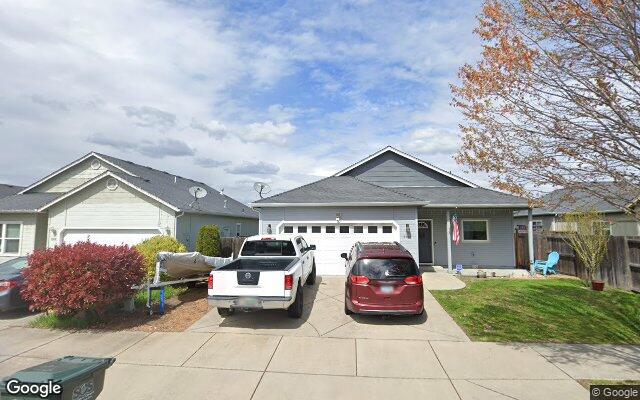
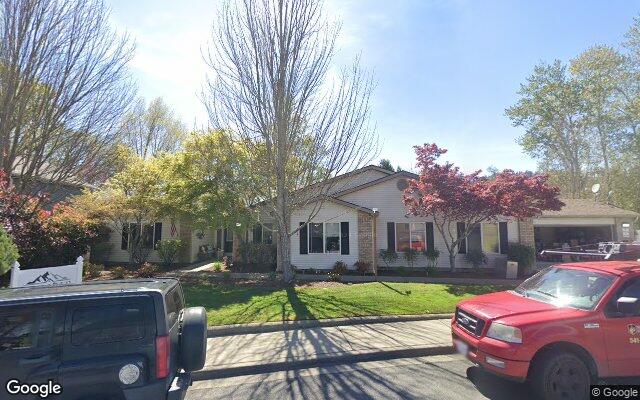
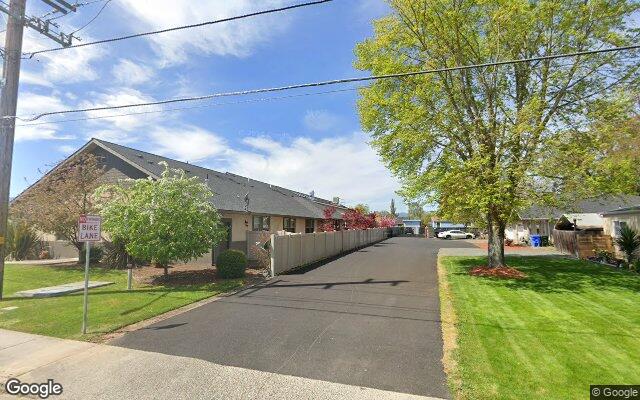
Contract Decoder
Family reviews
No reviews yet — be the first to share your experience
Other memory care options nearby.
Applegate House of Grants Pass
Grants Pass
Pacific Living Centers of Grants Pass at Heidi
Grants Pass
Kinsington Place
Grants Pass
Kinsington at Redwood Park
Grants Pass
Pacific Living Centers of Grants Pass at Anique
Grants Pass
Oak Lane Residential Care Facility
Grants Pass
Cascades of Grants Pass - the Pointe
Grants Pass
Autumn House of Grants Pass
Grants Pass