New Perspective Roseville.
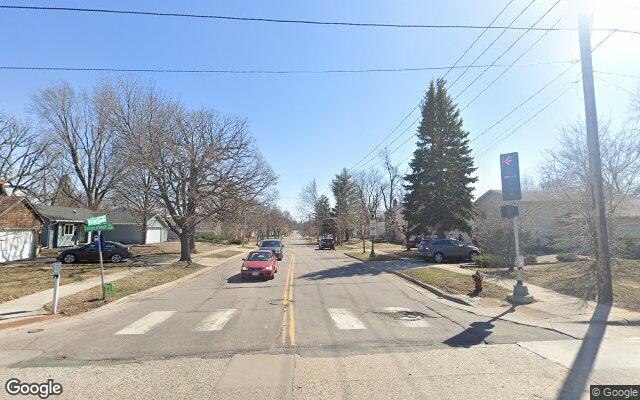
A large home, reviewed on public record.
Compared to 139 Minnesota facilities with a similar number of beds.
ALF memory care · 36-month window. Higher percentile = better performance on inspection record. Source: Minnesota Dept. of Health · Health Regulation Division.
among peers to rank.
Rankings based on 36-month MDH inspection data. Severity and frequency: fewer citations = higher percentile. Repeat rate: lower repeat citation share = higher percentile.
Citation history, plotted month by month.
2 deficiencies on record. Each bar is a month with a citation.
Finding distribution
2 total · 36 monthsScope × Severity (CMS A–L)
Questions to ask before you visit.
A short pre-tour checklist tailored to New Perspective Roseville's record and state requirements.
The most recent MDH inspection on May 5, 2023 found zero deficiencies across all 6 reports on file — can you walk us through how the community maintains compliance with Minnesota Statute Chapter 144G dementia care requirements, and share any internal audit or quality assurance documentation you use?
Ask the operator on tour. Take notes and compare answers across facilities you visit.
Five complaints were filed with the Minnesota Department of Health during the inspection period on file — were any of those complaints substantiated, and can you provide documentation of how the facility responded to each complaint?
Ask the operator on tour. Take notes and compare answers across facilities you visit.
Minnesota's Assisted Living Facility with Dementia Care license requires specific dementia training and care practices — can you show prospective families the written dementia care program and confirm how staff competency in dementia care is documented and tracked across all shifts?
Ask the operator on tour. Take notes and compare answers across facilities you visit.
Every inspection visit, verbatim.
7 inspections in the public record, most recent first. Plain-language summaries open first — click into any row for the full citation text.
2026-01-12Complaint InvestigationNo findings
Plain-language summary
The Minnesota Department of Health investigated a complaint that a staff member stole money and cigarettes from three residents but determined the allegation was not substantiated, finding insufficient evidence to prove the staff member took the items despite residents reporting missing money and property. Although thefts were reported within a three-day period after this employee showed the residents items from their rooms, other caregivers and staff members also had access to the residents' rooms and keys during the relevant timeframe, and similar thefts continued months after the staff member's employment ended. The investigation included interviews with facility staff and residents, review of records, law enforcement contact, and a facility tour.
Read full citation textHide full citation text
Read raw inspector notesClose inspector notes
Finding: Not Substantiated Nature of Investigation: The Minnesota Department of Health investigated an allegation of maltreatment, in accordance with the Minnesota Reporting of Maltreatment of Vulnerable Adults Act, Minn. Stat. 626.557, and to evaluate compliance with applicable licensing standards for the provider type. Initial Investigation Allegation(s): The alleged perpetrator (AP) financially exploited three residents (resident #1, resident #2, and resident #3) when he stole money and cigarettes. Investigative Findings and Conclusion: The Minnesota Department of Health determined financial exploitation was not substantiated. Although the residents reported they had money and items stolen from them, there was not a preponderance of evidence to indicate the AP stole these items. After the AP’s employment ended, other residents continued to report theft of their money and property. Multiple staff members had keys to unlock resident rooms. The investigator conducted interviews with facility staff members, including administrative staff and unlicensed staff. The investigator contacted law enforcement. The investigation included review of the resident records, facility internal investigation, facility incident reports, personnel files, staff schedules, law enforcement report, related facility policy and procedures. Also, the investigator toured the facility and observed staffing levels, documentation processes, resident locations. The residents resided in an assisted living facility. Resident #1’s diagnoses included Parkinson disease. Resident #1’s service plan included assistance with medications, trash removal, bed making, and weekly assistance with laundry and housekeeping. Resident #1’s nursing assessment indicated she was alert and her memory was intact. Resident #2’s diagnoses included heart failure. Resident #2’s service plan included assistance with medications, dressing, grooming, transfers (with the use of a mechanical lift and two staff), trash removal and bed making, and weekly assistance with laundry and housekeeping. Resident #2’s nursing assessment indicated he was alert and his memory was intact. Resident #3’s diagnoses included chronic pulmonary obstructive disease (COPD). Resident #3’s service plan included assistance with medications, trash removal, bed making, and weekly assistance with laundry and housekeeping. Resident #3’s nursing assessment indicated she was alert and her memory was intact. The facility’s internal investigation lacked any information regarding resident #2 but contained statements from resident #1 and #3 shortly after the incident. The investigation indicated resident #1 told the manger the AP was the only one she showed the pictures to from the drawer where she kept her money and the money went missing later that same day, so she suspected the AP took it. The investigation indicated resident #3 also suspected the AP because resident #1 believed it was him. Service delivery records indicated the AP did not provide services to resident #2. The records indicated the AP provided services to resident #1 and resident #3 during the morning shifts over the time frame when the thefts occurred, however so did at least three other caregivers. Additionally, the facility also had other caregivers who worked during the evenings and nights. The AP only worked in the mornings. During an interview, a manager said the residents reported these thefts within a three-day time frame. The manager said resident #1 suspected the AP took her money because she kept the money in a drawer and opened it to get a picture to show him. The manager said resident #1 had $80 in the drawer. The manager said resident #1 was uncertain when the money went missing. The manager said resident #2 said he had $48 dollars stolen from the table in his room, but resident #2 was uncertain who had been in his room. The manager said resident #3 said kept her money on top of her bookshelf and discovered it was gone. The manager said resident #3 reported missing $620 dollars. The manager said resident #3 was aware resident #1 thought it was the AP who took the money, and resident #3 believed resident #1 because the AP was a new staff member. The manager said the AP worked during the time frame when the thefts occurred, so he suspended the AP’s employment. The manager said months after the AP no longer worked at the facility, other residents continued to report theft of money and property. The manager said some of the caregiver’s “float” (move around) to help in different units. The manager said the facility was installing video cameras, but did not have them at the time of these incidences. During an interview, resident #1 said the last time she saw the money was when the AP was in her room with her. Resident #1 said she opened a drawer and got a card to show him and under the card was her money. Resident #1 said there was about $80 dollars in the drawer. Resident #1 said she also had $25 dollars taken from her wallet. Resident #1 said two days later she discovered the money was no longer there. Resident #1 said she was not trying to accuse the AP of taking the money, but she was suspicious of him because he had just started working there. Resident #1 said she locked her door when she left her room, however all the caregivers had a key to unlock her door. Resident #2 was not available for interview due to illness. During an interview, resident #3 said she had $227 dollars in a drawer and $400 dollars on top of a bookshelf in her room. Resident #3 said she noticed the money was missing from her purse, then called her son to come check for the money on top of her bookshelf and he discovered the money was gone. Resident #3 said the last time she saw the money was two days prior. When asked who she thought took the money, she said she thought was a worker from the kitchen, but she could not be certain. Resident #3 said she would probably never know. During an interview, the AP said he did not take any money resident #1, resident #2 or resident #3, and he did not work with resident #2. The AP said the manager suspended his employment but then had him return to work. The AP said when he returned to work, he continued to provide care and services to resident #1 and resident #3. There was no law enforcement reports for resident #1, resident #2 and resident #3’s report of missing money. Law enforcement records indicated resident #3 had an item stolen (missing bowl) from her apartment after the AP’s employment ended. In conclusion, the Minnesota Department of Health determined financial exploitation was not substantiated. “Not Substantiated” means: An investigatory conclusion indicating the preponderance of evidence shows that an act meeting the definition of maltreatment did not occur. Financial exploitation: Minnesota Statutes, section 626.5572, subdivision 9 "Financial exploitation" means: (b) In the absence of legal authority a person: (1) willfully uses, withholds, or disposes of funds or property of a vulnerable adult; (2) obtains for the actor or another the performance of services by a third person for the wrongful profit or advantage of the actor or another to the detriment of the vulnerable adult; (3) acquires possession or control of, or an interest in, funds or property of a vulnerable adult through the use of undue influence, harassment, duress, deception, or fraud; or (4) forces, compels, coerces, or entices a vulnerable adult against the vulnerable adult's will to perform services for the profit or advantage of another. Vulnerable Adult interviewed: Yes, resident #1 and resident #3. No, resident #2 due to illness. Family/Responsible Party interviewed: Yes. Alleged Perpetrator interviewed: Yes. the Action taken by facility: The facility investigated the incident and installed video cameras. Action taken by the Minnesota Department of Health: No further action taken at this time. cc: The Office of Ombudsman for Long Term Care The Office of Ombudsman for Mental Health and Developmental Disabilities PRINTED: 01/ 13/ 2026 FORM APPROVED STATEMENT OF DEFICIENCIES (X1) PROVIDER/ SUPPLIER/ CLIA (X2) MULTIPLE CONSTRUCTION (X3) DATE SURVEY AND PLAN OF CORRECTION IDENTIFICATION NUMBER: COMPLETED A. BUILDING: ______________________ C B.
2025-10-15Annual Compliance VisitNo findings
Plain-language summary
A routine inspection of this memory care facility on November 13, 2025 found one violation related to fire protection and the physical environment, resulting in a $500 fine. The facility must document the actions it took to correct this deficiency within the timeframe specified by the state.
Read full citation textHide full citation text
Read raw inspector notesClose inspector notes
correction orders and document the actions taken to comply in the facility's records. The Department reserves the right to return to the facility at any time should the Department receive a complaint or deem it necessar yto ensure the health, safety, and welfare of residents in your care. STATE CORRECTIO ONRDERS The enclosed State Form documents the state correction orders. MDH documents state licensing correction orders using federal software. Tag numbers are assigned to Minnesota state statutes for Assisted Living Facilities .The assigned tag number appears in the far left column entitled "ID Prefix Tag". The state statute number and the corresponding text of the state statute out of compliance are listed in the "Summary Statemen tof Deficiencies "column. This column also includes the findings that are in violation of the state statute after the statement, "This MN Requiremen tis not met as evidenced by . . ." IMPOSITION OF FINES In accordance with Minn. Stat. § 144G3. 1, Subd .4, fines and enforcement actions may be imposed based on the level and scope of the violations and may be imposed immediately with no opportunity to correct the violation first as follows: Leve l1: no fines or enforcement; Leve l2: a fine of $500 per violation, in addition to any enforcement mechanism authorized in § 144G2. 0; Leve l3: a fine of $1,000 per incident, in addition to any enforcement mechanism authorized in § 144G2. 0; An equal opportunity employer . Letter ID: IS7N REVISE 0D9/13/2021 New Perspectiv e- Roseville Novembe r13, 2025 Page 2 Leve l4: a fine of $3,000 per incident, in addition to any enforcement mechanism authorized in § 144G2. 0; Leve l5: a fine of $5,000 per violation, in addition to any enforcement mechanism authorized in § 144G2. 0. Therefore ,in accordance with Minn. Stat. §§ 144G0. 1 to 144G9. 999, the following fines are assessed pursuant to this survey: St - 0 - 0775 - 144g.45 Subd. 2. (a) - Fire Protection And Physica lEnvironment - $500.00 Therefore ,in accordance with Minn. Stat. §§ 144G0. 1 to 144G9. 999, the total amount you are assesse dis $500.00. You will be invoiced approximately 30 days after receipt of this notice, subject to . appeal DOCUMENTATIO ONF ACTION TO COMPLY In accordance with Minn. Stat. § 144G3. 0, Subd .5(c), the licensee must docum ent actions taken to comply with the correction orders within the time period outlined on the state form; however, plans of correction are not required to be submitted for approval. The correction order documentation should include the following: x Identify how the area(s) of noncompliance was corrected related to the resident(s)/ employees( ) identified in the correction order. x Identify how the area(s) of noncompliance was corrected for all of the provider’s resident(s)/ employees that may be affected by the noncompliance. x Identify what changes to your systems and practices were made to ensure compliance with the specific statute(s). CORRECTIO ONRDER RECONSIDERATI OPRNOCESS In accordance with Minn. Stat. § 144G3. 2, Subd .2, you may challenge the correction order(s) issued, including the level and scope ,and any fine assesse dthrough the correction order reconsideration process .The request for reconsideration must be in writing and received by MDH within 15 calendar days of the correction order receipt date. To submit a reconsideration request, please visit: https:/ / forms.web.health.state.mn.us/form/ HRDAppealsForm REQUESTIN AG HEARING Alternatively ,in accordance with Minn. Stat. § 144G3. 1, Subd .5(d), an assisted living provider that has been assesse da fine under this subdivision has a right to a reconsideration or a hearing under this section and chapter 14. Pursuan tto Minn. Stat. § 144G2. 0, Subd .14 and Subd .18, a request for a hearing must be in writing and received by the Department of Health within 15 business days of the correction order receipt date. The request must contain a brief and plain statement describing each matter or issue contested and any new information you believe constitutes a defense or mitigating New Perspectiv e- Roseville Novembe r13, 2025 Page 3 factor. To submit a hearing request, please visit: https:/ / forms.web.health.state.mn.us/form/ HRDAppealsForm To appea lfines via reconside ration, please follow the pr ocedur e outlined above. Plea se note that you may request a reconsideration or a hearing, but not both. If you wish to contest tags without fines in a reconsideration and tags with the fines at a hearing, please submit two separate appeals forms at the website listed above. INFORMA LCONFERENCE In accordance with Minn. Stat. § 144A.475, Subd .8 OR Minn. Stat. § 144G2. 0, Subd .20, the Commissione or f Health is authorized to hold a conference to exchange information, clarify issues ,or resolve issues .The Department of Health staff would like to schedule a conference call with New Perspective - Roseville .Please contact Jess Schoenecke ar t 651-201-3789 on or before November 20, 2025, to schedule the conference call. The MDH Health Regulation Division (HRD )values your feedback about your experience during the survey and/or investigation process .Please fill out this anonymous provider feedback questionnaire at your convenience at this link: https:/ / forms.office.com/g/ Bm5uQEpHV.a Your input is important to us and will enable MDH to improve its processe sand communication with providers . If you have any questions regarding the questionnaire ,please contact Susan Winkelmann at susanw. inkelmann@state.mn.us or call 651-201-5952. You are encouraged to retain this document for your records . It is your responsibility to share the information contained in the letter and state form with your organizations’ Governing Body. If you have any questions ,please contact me. Sincerely, Jess Schoenecke rS, upervisor State Evaluation Team Email: JessS. choenecker@state.mn.us Telephone :651-201-3789 Fax :1-866-890-9290 CLN PRINTED: 11/13/2025 FORM APPROVED STATEMENT OF DEFICIENCIES (X1) PROVIDER/SUPPLIER/CLIA (X2) MULTIPLE CONSTRUCTION (X3) DATE SURVEY AND PLAN OF CORRECTION IDENTIFICATION NUMBER: COMPLETED A. BUILDING: ______________________ B. WING _____________________________ 20022 10/15/2025 NAME OF PROVIDER OR SUPPLIER STREET ADDRESS, CITY, STATE, ZIP CODE 2750 NORTH VICTORIA STREET NEW PERSPECTIVE - ROSEVILLE ROSEVILLE, MN 55113 SUMMARY STATEMENT OF DEFICIENCIES PROVIDER'S PLAN OF CORRECTION (X4) ID ID (X5) (EACH DEFICIENCY MUST BE PRECEDED BY FULL (EACH CORRECTIVE ACTION SHOULD BE COMPLETE PREFIX PREFIX REGULATORY OR LSC IDENTIFYING INFORMATION) CROSS-REFERENCED TO THE APPROPRIATE DATE TAG TAG DEFICIENCY) 0 000 Initial Comments 0 000 *****ATTENTION***** Minnesota Department of Health is documenting the State Correction Orders ASSISTED LIVING PROVIDER LICENSING using federal software. Tag numbers have CORRECTION ORDER(S) been assigned to Minnesota State Statutes for Assisted Living Facilities. The In accordance with Minnesota Statutes, section assigned tag number appears in the 144G.08 to 144G.95, these correction orders are far-left column entitled "ID Prefix Tag." issued pursuant to a survey. The state Statute number and the corresponding text of the state Statute out Determination of whether violations are corrected of compliance is listed in the "Summary requires compliance with all requirements Statement of Deficiencies" column. This provided at the Statute number indicated below. column also includes the findings which When Minnesota Statute contains several items, are in violation of the state requirement failure to comply with any of the items will be after the statement, "This Minnesota considered lack of compliance. requirement is not met as evidenced by." Following the evaluators' findings is the INITIAL COMMENTS: Time Period for Correction. SL20022016-0 PLEASE DISREGARD THE HEADING OF THE FOURTH COLUMN WHICH On October 13, 2025, through October 15, 2025, STATES,"PROVIDER'S PLAN OF the Minnesota Department of Health conducted a CORRECTION." THIS APPLIES TO full survey at the above provider and the FEDERAL DEFICIENCIES ONLY. THIS following correction orders are issued. At the time WILL APPEAR ON EACH PAGE. of the survey, there were 91 residents receiving services under the Assisted Living Facility with THERE IS NO REQUIREMENT TO Dementia Care license. SUBMIT A PLAN OF CORRECTION FOR VIOLATIONS OF MINNESOTA STATE STATUTES. THE LETTER IN THE LEFT COLUMN IS USED FOR TRACKING PURPOSES AND REFLECTS THE SCOPE AND LEVEL ISSUED PURSUANT TO 144G.31 SUBDIVISION 1-3. 0 100 144G.10 Subdivision 1 License required 0 100 SS=F LABORATORY DIRECTOR'S OR PROVIDER/SUPPLIER REPRESENTATIVE'S SIGNATURE TITLE (X6) DATE STATE FORM 6899 ODTS11 If continuation sheet 1 of 22 PRINTED: 11/13/2025 FORM APPROVED STATEMENT OF DEFICIENCIES (X1) PROVIDER/SUPPLIER/CLIA (X2) MULTIPLE CONSTRUCTION (X3) DATE SURVEY AND PLAN OF CORRECTION IDENTIFICATION NUMBER: COMPLETED A. BUILDING: ______________________ B.
2025-02-28Complaint InvestigationSubstantiated Finding · 1 finding
Plain-language summary
A complaint investigation substantiated that a facility staff member sexually abused a resident by kissing him on the cheek and fondling his genitals multiple times while providing incontinence care; the resident's consistent account, corroborated by witness statements and the staff member's prior history of abuse complaints, established the abuse occurred despite the staff member's denial. The investigation found the staff member had previously been terminated for abuse of another resident and had received a written warning for conduct violations two months before this incident. The resident experienced trauma from the abuse, including sleep difficulties and anxiety about the staff member's presence at the facility.
Read full citation text (1)Hide full citation text
“MDH substantiated maltreatment or licensing violation finding”
Read raw inspector notesClose inspector notes
Finding: Substantiated, individual responsibility Nature of Investigation: The Minnesota Department of Health investigated an allegation of maltreatment, in accordance with the Minnesota Reporting of Maltreatment of Vulnerable Adults Act, Minn. Stat. 626.557, and to evaluate compliance with applicable licensing standards for the provider type. Initial Investigation Allegation(s): The alleged perpetrator (AP) abused a resident when the AP (a facility staff) had unwanted physical and sexual contact with the resident. The AP kissed the resident on the cheek and fondled his genitals multiple times. Investigative Findings and Conclusion: The Minnesota Department of Health determined abuse was substantiated. The AP was responsible for the maltreatment. The AP received training from the facility on maltreatment, sexual abuse, and resident boundaries and although the AP denied the allegation, there was a preponderance of evidence that the incidents occurred based on the resident’s consistent report of events and the AP’s history of abusive behavior toward residents. The investigator conducted interviews with facility staff members, including administrative staff, nursing staff, and unlicensed staff. The investigator contacted law enforcement and family. The investigation included review of the resident records, facility internal investigation, facility incident reports, personnel files, staff schedules, law enforcement report, related facility policy and procedures. Also, the investigator observed the facility, the resident’s room where the alleged incidents occurred, and staff interactions with residents. The resident lived in an assisted living. The resident’s diagnoses included stroke, diabetes, and incontinence. The resident’s service plan included assistance with verbal cues, and incontinence cares. The resident’s assessment indicated he was cognitively intact. An internal investigation report indicated a resident reported the AP hugged and kissed the resident, asked the resident if he “loved” the AP, and on more than two occasions, fondled the residents’ genitals while providing incontinence cares. The investigation indicated the facility reported to law enforcement, interviewed residents, and assessed the resident. During an interview, a staff stated she witnessed the AP verbally abuse residents, swearing and saying degrading things about and to the residents in front of them. During an interview, a supervisory staff stated the AP was terminated for witnessed abuse of another resident shortly before the current incident was reported. The supervisory staff stated there were additional complaints about the AP. During an interview, the AP stated she did not provide cares, but only passed medications. The AP then stated that she did provide cares if residents needed help. The AP declined the rest of the interview, but stated she was going to have a lie detector test done so she could sue the facility. The AP’s personnel file indicated the AP had received a written warning for a conduct violation two months before the incident. During an interview, a family member stated the incidents traumatized the resident, who had difficulty sleeping, required a light on at night, and continued to ask who was working on the overnight shift for fear of the AP returning. The family member stated the resident had never made an allegation of abuse before and his recollection of events were consistent when he talked with the facility administration, police, and family. During an interview the resident stated the AP used terms of endearment (calling him “Baby”) and touched him inappropriately only when she was in his room. The resident stated the AP fondled his privates when she changed his incontinence brief on four to five occasions. The resident stated he wanted the AP to never do this to another person, but did not want her hurt. In conclusion, the Minnesota Department of Health determined abuse was substantiated. Substantiated: Minnesota Statutes, section 626.5572, Subdivision 19. “Substantiated” means a preponderance of evidence shows that an act that meets the definition of maltreatment occurred. Abuse: Minnesota Statutes section 626.5572, subdivision 2. "Abuse" means: (a) An act against a vulnerable adult that constitutes a violation of, an attempt to violate, or aiding and abetting a violation of: (1) assault in the first through fifth degrees as defined in sections 609.221 to 609.224; (2) the use of drugs to injure or facilitate crime as defined in section 609.235; (3) the solicitation, inducement, and promotion of prostitution as defined in section 609.322; and (4) criminal sexual conduct in the first through fifth degrees as defined in sections 609.342 to 609.3451. A violation includes any action that meets the elements of the crime, regardless of whether there is a criminal proceeding or conviction. (b) Conduct which is not an accident or therapeutic conduct as defined in this section, which produces or could reasonably be expected to produce physical pain or injury or emotional distress including, but not limited to, the following: (1) hitting, slapping, kicking, pinching, biting, or corporal punishment of a vulnerable adult; (2) use of repeated or malicious oral, written, or gestured language toward a vulnerable adult or the treatment of a vulnerable adult which would be considered by a reasonable person to be disparaging, derogatory, humiliating, harassing, or threatening; or (3) use of any aversive or deprivation procedure, unreasonable confinement, or involuntary seclusion, including the forced separation of the vulnerable adult from other persons against the will of the vulnerable adult or the legal representative of the vulnerable adult unless authorized under applicable licensing requirements or Minnesota Rules, chapter 9544. (c) Any sexual contact or penetration as defined in section 609.341, between a facility staff person or a person providing services in the facility and a resident, patient, or client of that facility. Vulnerable Adult interviewed: Yes. Family/Responsible Party interviewed: Yes. Alleged Perpetrator interviewed: The AP briefly interviewed, then declined. He Action taken by facility: The facility terminated the AP for a prior abuse allegation. The facility investigated the allegation by interviewing other residents. Action taken by the Minnesota Department of Health: The facility was found to be in noncompliance. To view a copy of the Statement of Deficiencies and/or correction orders, please visit: https://www.health.state.mn.us/facilities/regulation/directory/provcompselect.html If you are viewing this report on the MDH website, please see the attached Statement of Deficiencies. You may also call 651-201-4200 to receive a copy via mail or email The responsible party will be notified of their right to appeal the maltreatment finding. If the maltreatment is substantiated against an identified employee, this report will be submitted to the nurse aide registry for possible inclusion of the finding on the abuse registry and/or to the Minnesota Department of Human Services for possible disqualification in accordance with the provisions of the background study requirements under Minnesota 245C. cc: The Office of Ombudsman for Long Term Care The Office of Ombudsman for Mental Health and Developmental Disabilities Ramsey County Attorney Roseville City Attorney Roseville Police Department PRINTED: 02/28/2025 FORM APPROVED STATEMENT OF DEFICIENCIES (X1) PROVIDER/SUPPLIER/CLIA (X2) MULTIPLE CONSTRUCTION (X3) DATE SURVEY AND PLAN OF CORRECTION IDENTIFICATION NUMBER: COMPLETED A. BUILDING: ______________________ C B. WING _____________________________ 20022 02/06/2025 NAME OF PROVIDER OR SUPPLIER STREET ADDRESS, CITY, STATE, ZIP CODE 2750 NORTH VICTORIA STREET NEW PERSPECTIVE - ROSEVILLE ROSEVILLE, MN 55113 SUMMARY STATEMENT OF DEFICIENCIES PROVIDER'S PLAN OF CORRECTION (X4) ID ID (X5) PREFIX (EACH DEFICIENCY MUST BE PRECEDED BY FULL PREFIX (EACH CORRECTIVE ACTION SHOULD BE COMPLETE REGULATORY OR LSC IDENTIFYING INFORMATION) CROSS-REFERENCED TO THE APPROPRIATE DATE TAG TAG DEFICIENCY) 0 000 Initial Comments 0 000 ******ATTENTION****** Minnesota Department of Health is documenting the State Correction Orders ASSISTED LIVING PROVIDER CORRECTION using federal software. Tag numbers have ORDER been assigned to Minnesota State Statutes for Assisted Living Facilities. The In accordance with Minnesota Statutes, section assigned tag number appears in the 144G.08 to 144G.95, these correction orders are far-left column entitled "ID Prefix Tag." The issued pursuant to a complaint investigation. state Statute number and the corresponding text of the state Statute out Determination of whether a violation is corrected of compliance is listed in the "Summary requires compliance with all requirements Statement of Deficiencies" column. This provided at the statute number indicated below. column also includes the findings which When a Minnesota Statute contains several are in violation of the state requirement items, failure to comply with any of the items will after the statement, "This Minnesota be considered lack of compliance. requirement is not met as evidenced by." Following the evaluators' findings is the INITIAL COMMENTS: Time Period for Correction. #HL200223047C/#HL200227585M; PLEASE DISREGARD THE HEADING OF HL200225780C/#HL200228542M THE FOURTH COLUMN WHICH STATES,"PROVIDER'S PLAN OF On February 6, 2025, the Minnesota Department CORRECTION." THIS APPLIES TO of Health conducted a complaint investigation at FEDERAL DEFICIENCIES ONLY.
2024-11-06Complaint InvestigationNo findings
Plain-language summary
The Minnesota Department of Health investigated a complaint that a staff member forced a resident with dementia into a chair, but determined the allegation was inconclusive because witnesses gave conflicting accounts of whether the staff member was forceful and whether the resident was injured. One staff witness said the staff member was not forceful, while another said the staff member forcefully pushed the resident down by the arms, causing the resident to cry but with no visible injury. The resident's family stated there were no abuse concerns.
Read full citation textHide full citation text
Read raw inspector notesClose inspector notes
Finding: Inconclusive Nature of Investigation: The Minnesota Department of Health investigated an allegation of maltreatment, in accordance with the Minnesota Reporting of Maltreatment of Vulnerable Adults Act, Minn. Stat. 626.557, and to evaluate compliance with applicable licensing standards for the provider type. Initial Investigation Allegation(s): The alleged perpetrator (AP), a facility staff member, abused the resident when the AP forced the resident to sit in a chair. Investigative Findings and Conclusion: The Minnesota Department of Health determined abuse was inconclusive. Due to conflicting information provided by witnesses and the AP, it could not be determined whether abuse occurred. The investigator conducted interviews with facility staff members, including administrative staff, nursing staff, and unlicensed staff. The investigator contacted the resident’s family member. The investigation included review of the resident records, facility internal investigation, facility incident reports, personnel files, staff schedules, and related facility policy and procedures. Also, the investigator observed staff and resident interactions. The resident resided in an assisted living memory care unit. The resident’s diagnoses included dementia and anxiety. The resident’s service plan indicated the resident became anxious, restless, sad, and cried multiple times a day. The resident’s assessment indicated the resident had impaired cognition and was able transfer and ambulate independently. The resident’s assessment indicated staff were to offer food, snack and/or something to drink if the resident became compulsive, agitated, or resistive to cares. The resident was at risk for abuse. The facility investigation indicated one day the resident approached the AP and struck the AP with a boot. The AP took the resident by her arms and pushed her down into a chair. The facility investigation indicated the resident began to cry and yelled out “you hurt me.” During an interview, unlicensed personnel stated she was cleaning tables in the dining room and the AP was passing medications. The resident attempted to grab the medications from the AP. The AP told the resident she needed to eat breakfast and had the resident sit in a chair in the dining room. Unlicensed personnel stated the AP was not forceful with the resident, did not grab the resident with both hands, and did not yell at the resident. During an interview, another unlicensed personnel stated the AP was assisting the resident from the living room to the dining room. The unlicensed personnel stated the AP became frustrated with the resident, placed one hand on each of the resident’s upper arms, above the elbow and below the shoulder and forcefully sat the resident down in a chair in the dining room. The unlicensed personnel stated the resident became “scared” and started to cry. The unlicensed staff stated she told the AP not to grab the resident that way and asked the resident if she was okay and checked the resident’s arms for bruises. The unlicensed staff stated the resident had no injury following the incident. The unlicensed personnel stated she did not report the incident to leadership right away. During an interview, leadership stated once they became aware of the incident about two days later, they began an investigation. Leadership stated when they interviewed the AP, the AP said he had to pivot the resident near a chair and admitted to forcefully putting the resident in a chair but denied hitting or pushing the resident. Leadership stated the resident frequently cried but could be redirected easily. Leadership stated they assessed the resident and found no injury. Leadership stated the AP had no other work issues or disciplinary actions. During an interview, the AP stated the day of the allegation while passing medications, the resident approached him and attempted to grab an insulin pen and a medication cup that had medications in it for another resident. The AP stated the resident started yelling and the AP took the resident by the hand/wrist to prevent her from grabbing the insulin pen and medication cup. The AP stated he pulled a chair close to the resident by using his foot and leg and asked the resident to sit down and have breakfast. The AP denied pushing, hitting, or having both of his hands on the resident. During an interview, the resident’s family member stated there was no concerns with abuse and that the resident can be challenging for the staff members. In conclusion, the Minnesota Department of Health determined abuse was inconclusive. Inconclusive: Minnesota Statutes, section 626.5572, Subdivision 11. "Inconclusive" means there is less than a preponderance of evidence to show that maltreatment did or did not occur. Abuse: Minnesota Statutes section 626.5572, subdivision 2. "Abuse" means: (a) An act against a vulnerable adult that constitutes a violation of an attempt to violate, or aiding and abetting a violation of: (1) assault in the first through fifth degrees as defined in sections 609.221 to 609.224; (2) the use of drugs to injure or facilitate crime as defined in section 609.235; (3) the solicitation, inducement, and promotion of prostitution as defined in section 609.322; and (4) criminal sexual conduct in the first through fifth degrees as defined in sections 609.342 to 609.3451. A violation includes any action that meets the elements of the crime, regardless of whether there is a criminal proceeding or conviction. (b) Conduct which is not an accident or therapeutic conduct as defined in this section, which produces or could reasonably be expected to produce physical pain or injury or emotional distress including, but not limited to, the following: (1) hitting, slapping, kicking, pinching, biting, or corporal punishment of a vulnerable adult; (2) use of repeated or malicious oral, written, or gestured language toward a vulnerable adult or the treatment of a vulnerable adult which would be considered by a reasonable person to be disparaging, derogatory, humiliating, harassing, or threatening; or (3) use of any aversive or deprivation procedure, unreasonable confinement, or involuntary seclusion, including the forced separation of the vulnerable adult from other persons against the will of the vulnerable adult or the legal representative of the vulnerable adult unless authorized under applicable licensing requirements or Minnesota Rules, chapter 9544. (c) Any sexual contact or penetration as defined in section 609.341, between a facility staff person or a person providing services in the facility and a resident, patient, or client of that facility. (d) The act of forcing, compelling, coercing, or enticing a vulnerable adult against the vulnerable adult's will to perform services for the advantage of another. Vulnerable Adult interviewed: No. Resident no longer resided at the facility. Family/Responsible Party interviewed: Yes. Alleged Perpetrator interviewed: Yes. the Action taken by facility: The facility suspended the AP while completing an internal investigation. In addition, the facility completed education with staff on reporting suspected abuse. Action taken by the Minnesota Department of Health: No further action taken at this time. cc: The Office of Ombudsman for Long Term Care The Office of Ombudsman for Mental Health and Developmental Disabilities PRINTED: 11/07/2024 FORM APPROVED STATEMENT OF DEFICIENCIES (X1) PROVIDER/SUPPLIER/CLIA (X2) MULTIPLE CONSTRUCTION (X3) DATE SURVEY AND PLAN OF CORRECTION IDENTIFICATION NUMBER: COMPLETED A. BUILDING: ______________________ C B. WING _____________________________ 20022 10/21/2024 NAME OF PROVIDER OR SUPPLIER STREET ADDRESS, CITY, STATE, ZIP CODE 2750 NORTH VICTORIA STREET NEW PERSPECTIVE - ROSEVILLE ROSEVILLE, MN 55113 SUMMARY STATEMENT OF DEFICIENCIES PROVIDER'S PLAN OF CORRECTION (X4) ID ID (X5) PREFIX (EACH DEFICIENCY MUST BE PRECEDED BY FULL PREFIX (EACH CORRECTIVE ACTION SHOULD BE COMPLETE REGULATORY OR LSC IDENTIFYING INFORMATION) CROSS-REFERENCED TO THE APPROPRIATE DATE TAG TAG DEFICIENCY) 0 000 Initial Comments 0 000 On October 21, 2024, the Minnesota Department of Health initiated an investigation of complaint #HL200225921M/#HL200228414C. No correction orders are issued. LABORATORY DIRECTOR'S OR PROVIDER/SUPPLIER REPRESENTATIVE'S SIGNATURE TITLE (X6) DATE STATE FORM 6899 J9E711 If continuation sheet 1 of 1
2024-07-30Complaint InvestigationNo findings
Plain-language summary
The Minnesota Department of Health investigated a complaint that the facility neglected a resident by failing to prevent her from smoking in her apartment near an oxygen supply. The investigation found the allegation was not substantiated because the facility had assessed the resident as capable of safely smoking, provided a designated outdoor smoking area, the resident understood the risks, and staff addressed the incident when it occurred—the resident had smoked indoors only that one day while experiencing significant grief over an unexpected loss. No correction orders were issued and the matter is closed.
Read full citation textHide full citation text
Read raw inspector notesClose inspector notes
Finding: Not Substantiated Nature of Investigation: The Minnesota Department of Health investigated an allegation of maltreatment, in accordance with the Minnesota Reporting of Maltreatment of Vulnerable Adults Act, Minn. Stat. 626.557, and to evaluate compliance with applicable licensing standards for the provider type. Initial Investigation Allegation(s): The facility neglected the resident when the facility failed to implement appropriate interventions to ensure the residents safety when smoking cigarettes. The resident was found to have smoked in her apartment where an oxygen supply is kept. Investigative Findings and Conclusion: The Minnesota Department of Health determined neglect was not substantiated. The facility assessed the resident to be able to safely smoke and provided an outside location for smoking. The resident understood the risk of smoking indoors and close to an oxygen supply, however, the resident had experienced a loss the day of the incident and was in a state of grief. The investigator conducted interviews with facility staff members, including administrative staff, nursing staff, and unlicensed staff. The investigation included review of resident medical records, facility internal investigation, facility incident reports, staff schedules, and related facility policy and procedures. Also, the investigator observed staff members interacting and providing care to residents. The resident resided in an assisted living facility. The resident’s diagnoses included depression and cancer. The resident’s service plan included assistance with medication management. The resident’s assessment indicated the resident was capable of smoking independently and understood smoking was only permitted in designated locations. The resident’s medical orders indicated a provider ordered independent management of oxygen for the resident. Progress notes the day of the incident indicated the resident experienced an unexpected loss and was very distraught. Staff members sat with the resident to help console her. That same day, a leadership member became aware the resident smoked in her apartment and spoke with the resident regarding the facility’s smoke free policy and risks of smoking with oxygen use. The resident verbalized understanding. During interview, a leadership member stated she visited the resident to provide support the day in question and noted a tray with cigarettes in the resident’s apartment along with a cigarette smoke smell. The resident stated she smoked in her bathroom. The leadership member and the resident discussed why the resident could not smoke in her apartment or with oxygen and the resident verbalized understanding. The leadership member stated there had been no concerns with the resident’s safety while smoking, and she has not been made aware of smoking issues since the incident. During interview, the resident stated she was under great distress during the time in question and did smoke in her apartment that day. The resident expressed knowledge of designated smoking areas and knew it was unsafe to smoke with oxygen. The resident stated she smokes in the designated smoking area or goes to other outdoor areas. In conclusion, the Minnesota Department of Health determined neglect was not substantiated. “Not Substantiated” means: An investigatory conclusion indicating the preponderance of evidence shows that an act meeting the definition of maltreatment did not occur. Neglect: Minnesota Statutes, section 626.5572, subdivision 17 “Neglect” means neglect by a caregiver or self-neglect. (a) "Caregiver neglect" means the failure or omission by a caregiver to supply a vulnerable adult with care or services, including but not limited to, food, clothing, shelter, health care, or supervision which is: (1) reasonable and necessary to obtain or maintain the vulnerable adult's physical or mental health or safety, considering the physical and mental capacity or dysfunction of the vulnerable adult; and (2) which is not the result of an accident or therapeutic conduct. Vulnerable Adult interviewed: Yes. Family/Responsible Party interviewed: No, vulnerable adult is her own decision maker. Alleged Perpetrator interviewed: Not Applicable. Action taken by facility: Facility leadership followed up with resident regarding incident and conducted a risk assessment of the resident. Action taken by the Minnesota Department of Health: No further action taken at this time. cc: The Office of Ombudsman for Long Term Care The Office of Ombudsman for Mental Health and Developmental Disabilities PRINTED: 07/30/2024 FORM APPROVED STATEMENT OF DEFICIENCIES (X1) PROVIDER/SUPPLIER/CLIA (X2) MULTIPLE CONSTRUCTION (X3) DATE SURVEY AND PLAN OF CORRECTION IDENTIFICATION NUMBER: COMPLETED A. BUILDING: ______________________ C B. WING _____________________________ 20022 07/01/2024 NAME OF PROVIDER OR SUPPLIER STREET ADDRESS, CITY, STATE, ZIP CODE 2750 NORTH VICTORIA STREET NEW PERSPECTIVE - ROSEVILLE ROSEVILLE, MN 55113 SUMMARY STATEMENT OF DEFICIENCIES PROVIDER'S PLAN OF CORRECTION (X4) ID ID (X5) PREFIX (EACH DEFICIENCY MUST BE PRECEDED BY FULL PREFIX (EACH CORRECTIVE ACTION SHOULD BE COMPLETE REGULATORY OR LSC IDENTIFYING INFORMATION) CROSS-REFERENCED TO THE APPROPRIATE DATE TAG TAG DEFICIENCY) 0 000 Initial Comments 0 000 On July 1, 2024, , the Minnesota Department of Health initiated an investigation of complaint #HL200224728C/#HL200224141M. No correction orders are issued. LABORATORY DIRECTOR'S OR PROVIDER/SUPPLIER REPRESENTATIVE'S SIGNATURE TITLE (X6) DATE STATE FORM 6899 FOVV11 If continuation sheet 1 of 1
2024-03-27Complaint InvestigationNo findings
Plain-language summary
MDH investigated a complaint and determined that maltreatment occurred at the facility and identified an individual responsible. Families can review the public maltreatment report for specific details about what happened.
Read full citation textHide full citation text
Read raw inspector notesClose inspector notes
Findings include: The Minnesota Department of Health (MDH) issued a determination maltreatment occurred, and an individual was responsible for the maltreatment, in connection with incidents which occurred at the facility. Please refer to the public maltreatment report for details. STATE FORM 6899 FVV411 If continuation sheet 2 of 2
2024-03-26Complaint InvestigationSubstantiated Finding · 1 finding
Plain-language summary
Minnesota Department of Health investigated a complaint of financial exploitation and found it substantiated: a housekeeper employed at the facility used residents' credit and debit cards without permission to make approximately $2,526 in unauthorized purchases for herself, with law enforcement surveillance footage and store records confirming the employee's presence at purchase locations. The three affected residents, who had varying degrees of cognitive and physical limitations, did not authorize the charges. The employee's employment was terminated, and no similar incidents occurred after she left.
Read full citation text (1)Hide full citation text
“MDH substantiated maltreatment or licensing violation finding”
Read raw inspector notesClose inspector notes
Finding: Substantiated, individual responsibility Nature of Investigation: The Minnesota Department of Health investigated an allegation of maltreatment, in accordance with the Minnesota Reporting of Maltreatment of Vulnerable Adults Act, Minn. Stat. 626.557, and to evaluate compliance with applicable licensing standards for the provider type. Initial Investigation Allegation(s): The alleged perpetrator (AP) financially exploited multiple residents when she took their credit or debit cards and used them to buy personal items for herself. Investigative Findings and Conclusion: The Minnesota Department of Health determined financial exploitation was substantiated. The AP was responsible for the maltreatment. Law enforcement conducted an investigation which included security camera footage from locations in which unauthorized purchases occurred and showed the AP present. The investigator conducted interviews with facility staff members, including administrative staff, nursing staff, and unlicensed staff. The investigator also contacted law enforcement. The investigation included review of resident records, employee records, facility policies and police records. Also, the investigator observed interactions between staff and residents and visitors. An equal opportunity employer. The AP worked full time at the facility for approximately a year as a housekeeper, which was a role that allowed the AP to all the resident’s rooms for cleaning purposes. Resident #1 resided in an assisted living facility. The resident’s diagnoses include Huntington’s disease (progressive breakdown of the nerve cells in the brain) and suffered from chorea movements (unpredictable and involuntary irregular muscle movements). Resident #1’s service plan includes assistance with all daily living activities including dressing, bathing, and eating. The assessment indicated resident #1 understood others and was able to communicate but speech was difficult to understand. Resident #2 resided in an assisted living facility. Resident #2’ diagnoses include type II diabetes, epilepsy, and stroke. The service plan indicated resident #2 required with dressing and grooming and stand by assistance with transferring from chair to bed. The resident has some difficulty with speech because of the stroke but was understandable and able to communicate needs. Resident #3 resided in an assisted living facility. Resident #3’s diagnoses include osteoarthritis, peripheral vascular disease, and irritable bowel syndrome. The service plan indicated resident #3 required assistance with medication management and housekeeping. The resident has normal speech, understood others and was able to communicate needs. All three residents reported irregularities on their personal financial statements regarding credit and/or debit cards. Subsequently, the facility contacted local law enforcement. The law enforcement documents indicated police officers and investigators reviewed the allegations of unauthorized charges on these 3 residents’ debit or credit cards. The same documents indicated the officers contacted the stores where unauthorized charges occurred and reviewed surveillance video which showed the AP and her vehicle in some instances at these locations. In at least one instance, the AP used the resident’s cards for paying for purchases but used the AP’s personal customer account at the store to earn purchase points. According to the police report, the AP was identified by her employer due to hair color and distinctive clothing. These documents indicated the following amounts in fraudulent charges made by the AP for each respective resident. Resident #1: $320 Resident #2: $1,180.11 Resident #3: $1,025.82 During an interview, a member of management stated she viewed images from the surveillance video from the police investigator and it looked like the AP and her clothing which included a t shirt distributed by the facility which was specific to the facility and only a few employees had. The manager stated the AP had worked at the facility for about 11 months and after her employment was discontinued no more similar events occurred. During an interview, an additional manager stated they view the surveillance video and stated the looked like the AP. During an interview, the registered nurse also verified that the AP had education about maltreatment and what included maltreatment, like financial exploitation, as well as acceptable conduct to work at the facility. During an interview, resident #1 stated they did not give anyone authority to make the fraudulent charges on her cards. The facility's internal investigation indicated resident #2 said she did not give anyone authority to use her debit or credit card. During an interview, resident #3 stated she did not authorize the fraudulent charges on her card and was very upset this happened to her. She stated she had been uncomfortable with the AP in her apartment unless resident #3 was also present prior to these events. However, the AP did not abide by this request and resident #3 believed the AP had accessed her wallet on multiple occasions. In conclusion, the Minnesota Department of Health determined financial exploitation was substantiated. Substantiated: Minnesota Statutes, section 626.5572, Subdivision 19. “Substantiated” means a preponderance of evidence shows that an act that meets the definition of maltreatment occurred. Financial exploitation: Minnesota Statutes, section 626.5572, subdivision 9 "Financial exploitation" means: (b) In the absence of legal authority a person: (1) willfully uses, withholds, or disposes of funds or property of a vulnerable adult; (2) obtains for the actor or another the performance of services by a third person for the wrongful profit or advantage of the actor or another to the detriment of the vulnerable adult; (3) acquires possession or control of, or an interest in, funds or property of a vulnerable adult through the use of undue influence, harassment, duress, deception, or fraud; or (4) forces, compels, coerces, or entices a vulnerable adult against the vulnerable adult's will to perform services for the profit or advantage of another. Vulnerable Adult interviewed: Yes Family/Responsible Party interviewed: No, residents are responsible for themselves. Alleged Perpetrator interviewed: attempted multiple times. the Action taken by facility: The facility terminated the AP and reported the incidents to the police department. Action taken by the Minnesota Department of Health: The facility was issued a correction order regarding the vulnerable adult’s right to be free from maltreatment. You may also call 651-201-4200 to receive a copy via mail or email. The responsible party will be notified of their right to appeal the maltreatment finding. If the maltreatment is substantiated against an identified employee, this report will be submitted to the nurse aide registry for possible inclusion of the finding on the abuse registry and/or to the Minnesota Department of Human Services for possible disqualification in accordance with the provisions of the background study requirements under Minnesota 245C. cc: The Office of Ombudsman for Long Term Care The Office of Ombudsman for Mental Health and Developmental Disabilities Ramsey County Attorney Roseville City Attorney MN Department of Human Services PRINTED: 03/27/2024 FORM APPROVED STATEMENT OF DEFICIENCIES (X1) PROVIDER/SUPPLIER/CLIA (X2) MULTIPLE CONSTRUCTION (X3) DATE SURVEY AND PLAN OF CORRECTION IDENTIFICATION NUMBER: COMPLETED A. BUILDING: ______________________ C B. WING _____________________________ 20022 02/20/2024 NAME OF PROVIDER OR SUPPLIER STREET ADDRESS, CITY, STATE, ZIP CODE 2750 NORTH VICTORIA STREET NEW PERSPECTIVE - ROSEVILLE ROSEVILLE, MN 55113 SUMMARY STATEMENT OF DEFICIENCIES PROVIDER'S PLAN OF CORRECTION (X4) ID ID (X5) PREFIX (EACH DEFICIENCY MUST BE PRECEDED BY FULL PREFIX (EACH CORRECTIVE ACTION SHOULD BE COMPLETE REGULATORY OR LSC IDENTIFYING INFORMATION) CROSS-REFERENCED TO THE APPROPRIATE DATE TAG TAG DEFICIENCY) 0 000 Initial Comments 0 000 ******ATTENTION****** ASSISTED LIVING PROVIDER CORRECTION ORDER In accordance with Minnesota Statutes, section 144G.08 to 144G.95, these correction orders are issued pursuant to a complaint investigation. Determination of whether a violation is corrected requires compliance with all requirements provided at the statute number indicated below. When a Minnesota Statute contains several items, failure to comply with any of the items will be considered lack of compliance. INITIAL COMMENTS: #HL200226497C/#HL200228968M and HL200224977C On February 20 2024, the Minnesota Department of Health conducted a complaint investigation at the above provider, and the following correction orders are issued. At the time of the complaint investigation, there were 87 residents receiving services under the provider's Assisted Living with Dementia Care license. The following correction order is issued/orders are issued for #HL200226497C/#HL200228968M, 2360 tag identification . No order are issued for HL200224977C. 02360 144G.91 Subd. 8 Freedom from maltreatment 02360 Residents have the right to be free from physical, LABORATORY DIRECTOR'S OR PROVIDER/SUPPLIER REPRESENTATIVE'S SIGNATURE TITLE (X6) DATE STATE FORM 6899 FVV411 If continuation sheet 1 of 2 PRINTED: 03/27/2024 FORM APPROVED STATEMENT OF DEFICIENCIES (X1) PROVIDER/SUPPLIER/CLIA (X2) MULTIPLE CONSTRUCTION (X3) DATE SURVEY AND PLAN OF CORRECTION IDENTIFICATION NUMBER: COMPLETED A. BUILDING: ______________________ C B.
1 older inspection from 2023 are not shown above.
Get the complete record, translated into plain language — emailed to you.
Other facilities in Ramsey County.
Other memory care facilities in Ramsey County with similar care offerings.
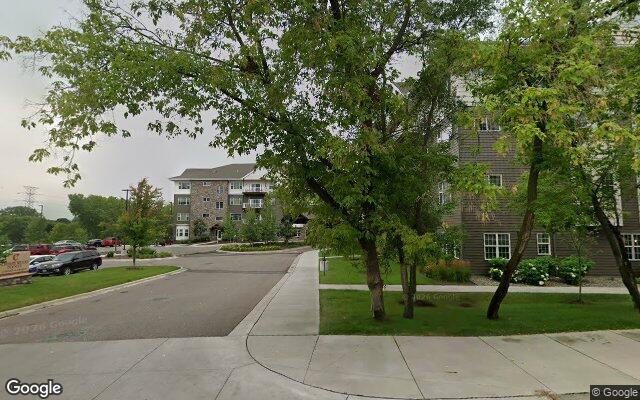
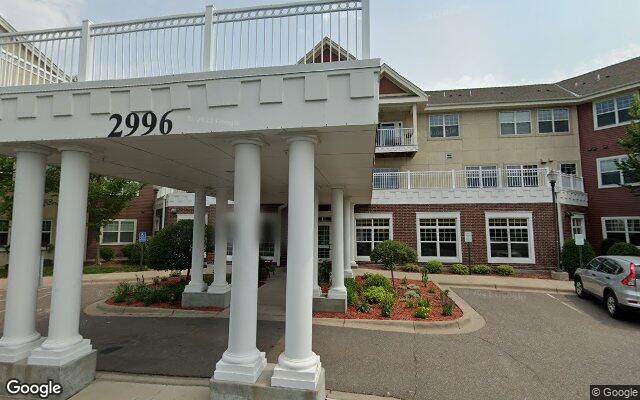
Tour Prep
Family reviews
No reviews yet — be the first to share your experience
Other memory care options nearby.
More options in neighboring cities
Licensed memory care in other cities within this county region — useful when your search radius crosses city limits.