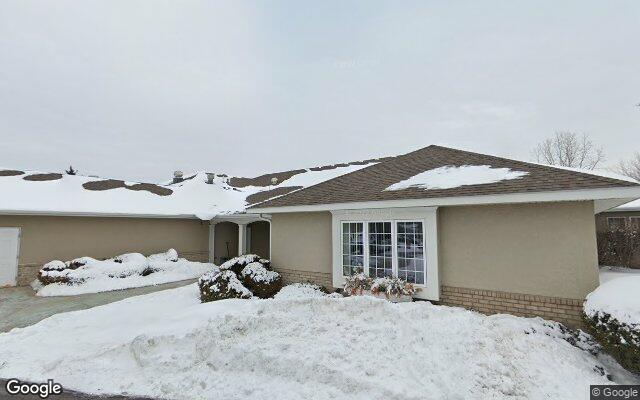
Regent at Burnsville.
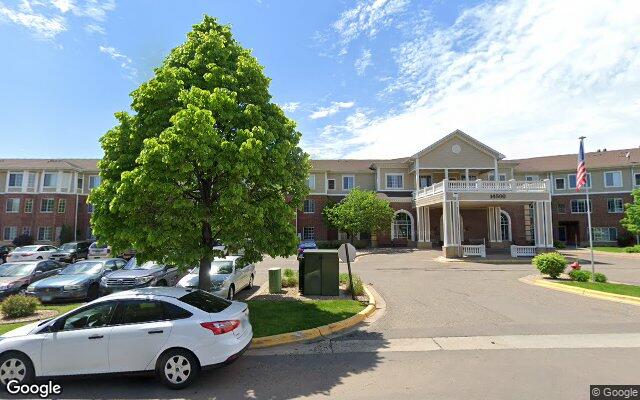
A large home, reviewed on public record.
Compared to 139 Minnesota facilities with a similar number of beds.
ALF memory care · 36-month window. Higher percentile = better performance on inspection record. Source: Minnesota Dept. of Health · Health Regulation Division.
among peers to rank.
Rankings based on 36-month MDH inspection data. Severity and frequency: fewer citations = higher percentile. Repeat rate: lower repeat citation share = higher percentile.
Citation history, plotted month by month.
No citations in the last 36 months.
Finding distribution
none · 36 monthsScope × Severity (CMS A–L)
Questions to ask before you visit.
A short pre-tour checklist tailored to Regent at Burnsville's record and state requirements.
Minnesota Department of Health records show 5 complaints on file for this community — can you walk us through how those complaints were investigated, and may we see any corrective action plans or written responses the facility provided to MDH?
Ask the operator on tour. Take notes and compare answers across facilities you visit.
The most recent inspection was on November 6, 2025, with zero deficiencies cited — can you provide a copy of that inspection report and explain how the facility maintains compliance with Minnesota Chapter 144G assisted living and dementia care standards?
Ask the operator on tour. Take notes and compare answers across facilities you visit.
This facility holds an Assisted Living Facility with Dementia Care license under Minnesota Statute Chapter 144G — can you describe in writing what dementia-specific supports, programs, and staff competencies are required under that designation, and how families can verify those are in place?
Ask the operator on tour. Take notes and compare answers across facilities you visit.
Every inspection visit, verbatim.
4 inspections in the public record, most recent first. Plain-language summaries open first — click into any row for the full citation text.
2025-11-06Annual Compliance VisitNo findings
Plain-language summary
A standard inspection of Regent at Burnsville on November 6, 2025 found violations in fire protection and physical environment, and in background studies requirements for staff, resulting in fines of $500 and $1,000 respectively for a total of $1,500. The facility must document how it corrected these issues and made changes to prevent future noncompliance. The facility has 15 days to request reconsideration or a hearing if it wishes to challenge the findings.
Read full citation textHide full citation text
Read raw inspector notesClose inspector notes
correction orders. MDH documents state licensing correction orders using federal software. Tag numbers are assigned to Minnesota state statutes for Assisted Living Facilities .The assigned tag number appears in the far left column entitled "ID Prefix Tag". The state statute number and the corresponding text of the state statute out of compliance are listed in the "Summary Statement of Deficiencies "column. This column also includes the findings that are in violation of the state statute after the statement, "This MN Requiremen tis not met as evidenced by . . ." IMPOSITION OF FINES In accordance with Minn. Stat. § 144G3. 1, Subd .4, fines and enforcement actions may be imposed based on the level and scope of the violations and may be imposed immediately with no opportunity to correct the violation first as follows: Leve l1: no fines or enforcement; Leve l2: a fine of $500 per violation, in addition to any enforcement mechanism authorized in § 144G2. 0; Leve l3: a fine of $1,000 per incident, in addition to any enforcement mechanism authorized in § 144G2. 0; Leve l4: a fine of $3,000 per incident, in addition to any enforcement mechanism authorized in § 144G2. 0; Leve l5: a fine of $5,000 per violation, in addition to any enforcement mechanism authorized in § 144G2. 0. Therefore ,in accordance with Minn. Stat. §§ 144G0. 1 to 144G9. 999, the following fines are assessed An equal opportunity employer . Letter ID: IS7N REVISE 0D9/13/2021 Regen tat Burnsville Decembe r2, 2025 Page 2 pursuant to this survey: St - 0 - 0775 - 144g.45 Subd. 2. (a) - Fire Protection And Physica lEnvironment - $500.00 St - 0 - 1290 - 144g.60 Subdivision 1 - Background Studies Required - $1,000.00 Therefore ,in accordance with Minn. Stat. §§ 144G0. 1 to 144G9. 999, the total amount you are assesse dis $1,500.00. You will be invoiced approximately 30 days after receipt of this notice, subject . to appeal DOCUMENTATIO ONF ACTION TO COMPLY In accordance with Minn. Stat. § 144G3. 0, Subd .5(c), t he licensee must document actions taken to comply with the correction orders within the time period outlined on the state form; however, plans of correction are not required to be submitted for approval. The correction order documentation should include the following: x Identify how the area(s) of noncompliance was corrected related to the resident(s)/ employee(s) identified in the correction order. x Identify how the area(s) of noncompliance was corrected for all of the provider’s resident(s)/ employees that may be affected by the noncompliance. x Identify what changes to your systems and practices were made to ensure compliance with the specific statute(s). CORRECTIO ONRDER RECONSIDERATI OPRNOCESS In accordance with Minn. Stat. § 144G3. 2, Subd .2, you may challenge the correction order(s) issued, including the level and scope ,and any fine assesse dthrough the correction order reconsideration process .The request for reconsideration must be in writing and received by MDH within 15 calendar days of the correction order receipt date. To submit a reconsideration request, please visit: https:/ / forms.web.health.state.mn.us/form/ HRDAppealsForm REQUESTIN AG HEARING Alternatively, in accordance with Minn. Stat. § 144G3. 1, Subd .5(d), an assisted living provider that has been assesse da fine under this subdivision has a right to a reconsideration or a hearing under this section and chapter 14. Pursuan tto Minn. Stat. § 144G2. 0, Subd .14 and Subd .18, a request for a hearing must be in writing and received by the Department of Health within 15 business days of the correction order receipt date. The request must contain a brief and plain statement describing each matter or issue contested and any new information you believe constitutes a defense or mitigating factor. To submit a hearing request, please visit: https:/ / forms.web.health.state.mn.us/form/ HRDAppealsForm Regen tat Burnsville Decembe r2, 2025 Page 3 may request a reconsideration or a hearing, but not both. If you wish to contest tags without fines in a reconsideration and tags with the fines at a hearing, please submit two separate appeals forms at the website listed above. The MDH Health Regulation Division (HRD )values your feedback about your experience during the survey and/or investigation process .Please fill out this anonymous provider feedback questionnaire at your convenience at this link: https:/ / forms.office.com/g/Bm5uQEpHV.a Your input is important to us and will enable MDH to improve its processe sand communication with providers. If you have any questions regarding the questionnaire ,please contact Susan Winkelmann at susanw. inkelmann@state.mn.us or call 651-201-5952. You are encouraged to retain this document for your records. It is your responsibility to share the information contained in the letter and state form with your organizations’ Governing Body. If you have any questions ,please contact me. Sincerely, Jod iJohnson ,Supervisor State Evaluation Team Email: Jodi.Johnson@state.mn.us Telephone :507-344-2730 Fax :1-866-890-9290 CLN PRINTED: 12/02/2025 FORM APPROVED STATEMENT OF DEFICIENCIES (X1) PROVIDER/SUPPLIER/CLIA (X2) MULTIPLE CONSTRUCTION (X3) DATE SURVEY AND PLAN OF CORRECTION IDENTIFICATION NUMBER: COMPLETED A. BUILDING: ______________________ B. WING _____________________________ 23217 11/06/2025 NAME OF PROVIDER OR SUPPLIER STREET ADDRESS, CITY, STATE, ZIP CODE 14500 REGENT LANE REGENT AT BURNSVILLE BURNSVILLE, MN 55306 SUMMARY STATEMENT OF DEFICIENCIES PROVIDER'S PLAN OF CORRECTION (X4) ID ID (X5) (EACH DEFICIENCY MUST BE PRECEDED BY FULL (EACH CORRECTIVE ACTION SHOULD BE COMPLETE PREFIX PREFIX REGULATORY OR LSC IDENTIFYING INFORMATION) CROSS-REFERENCED TO THE APPROPRIATE DATE TAG TAG DEFICIENCY) 0 000 Initial Comments 0 000 *****ATTENTION***** Minnesota Department of Health is documenting the State Correction Orders ASSISTED LIVING PROVIDER LICENSING using federal software. Tag numbers have CORRECTION ORDER(S) been assigned to Minnesota State Statutes for Assisted Living Facilities. The In accordance with Minnesota Statutes, section assigned tag number appears in the 144G.08 to 144G.95, these correction orders are far-left column entitled "ID Prefix Tag." issued pursuant to a survey. The state Statute number and the corresponding text of the state Statute out Determination of whether violations are corrected of compliance is listed in the "Summary requires compliance with all requirements Statement of Deficiencies" column. This provided at the Statute number indicated below. column also includes the findings which When Minnesota Statute contains several items, are in violation of the state requirement failure to comply with any of the items will be after the statement, "This Minnesota considered lack of compliance. requirement is not met as evidenced by." Following the evaluators ' findings is the INITIAL COMMENTS: Time Period for Correction. SL23217016-0 PLEASE DISREGARD THE HEADING OF THE FOURTH COLUMN WHICH On November 3, 2025, through November 6, STATES,"PROVIDER'S PLAN OF 2025, the Minnesota Department of Health CORRECTION." THIS APPLIES TO conducted a full survey at the above provider and FEDERAL DEFICIENCIES ONLY. THIS the following correction orders are issued. At the WILL APPEAR ON EACH PAGE. time of the survey, there were 153 residents; 74 receiving services under the Assisted Living THERE IS NO REQUIREMENT TO Facility with Dementia Care license. SUBMIT A PLAN OF CORRECTION FOR VIOLATIONS OF MINNESOTA STATE STATUTES. 1290: An immediate correction order was issued on November 4, 2025, at a level 3/Widespread THE LETTER IN THE LEFT COLUMN IS (I). The licensee took immediate action; however, USED FOR TRACKING PURPOSES AND the scope and level remains at I. REFLECTS THE SCOPE AND LEVEL ISSUED PURSUANT TO 144G.31 SUBDIVISION 1-3. 0 480 144G.41 Subdivision 1 Subd. 1a (a-b) Minimum 0 480 SS=F requirements; required food services LABORATORY DIRECTOR'S OR PROVIDER/SUPPLIER REPRESENTATIVE'S SIGNATURE TITLE (X6) DATE STATE FORM 6899 3VLJ11 If continuation sheet 1 of 32 PRINTED: 12/02/2025 FORM APPROVED STATEMENT OF DEFICIENCIES (X1) PROVIDER/SUPPLIER/CLIA (X2) MULTIPLE CONSTRUCTION (X3) DATE SURVEY AND PLAN OF CORRECTION IDENTIFICATION NUMBER: COMPLETED A. BUILDING: ______________________ B. WING _____________________________ 23217 11/06/2025 NAME OF PROVIDER OR SUPPLIER STREET ADDRESS, CITY, STATE, ZIP CODE 14500 REGENT LANE REGENT AT BURNSVILLE BURNSVILLE, MN 55306 SUMMARY STATEMENT OF DEFICIENCIES PROVIDER'S PLAN OF CORRECTION (X4) ID ID (X5) (EACH DEFICIENCY MUST BE PRECEDED BY FULL (EACH CORRECTIVE ACTION SHOULD BE COMPLETE PREFIX PREFIX REGULATORY OR LSC IDENTIFYING INFORMATION) CROSS-REFERENCED TO THE APPROPRIATE DATE TAG TAG DEFICIENCY) 0 480 Continued From page 1 0 480 (a) Except as provided in paragraph (b), food must be prepared and served according to the Minnesota Food Code, Minnesota Rules, chapter 4626. (b) For an assisted living facility with a licensed capacity of ten or fewer residents: (1) notwithstanding Minnesota Rules, part 4626.
2024-01-19Complaint InvestigationNo findings
Plain-language summary
A memory care resident with advanced cancer died after choking on food while being cared for by a single staff member who performed the Heimlich maneuver but did not immediately tell arriving staff that the resident was choking. The Minnesota Department of Health found the staff member's failure to report the choking incident was inconclusive as to whether it constituted neglect, given conflicting facility policies about calling 911 for hospice residents and uncertainty whether earlier notification would have changed the outcome.
Read full citation textHide full citation text
Read raw inspector notesClose inspector notes
Finding: Inconclusive Nature of Investigation: The Minnesota Department of Health investigated an allegation of maltreatment, in accordance with the Minnesota Reporting of Maltreatment of Vulnerable Adults Act, Minn. Stat. 626.557, and to evaluate compliance with applicable licensing standards for the provider type. Initial Investigation Allegation(s): The alleged perpetrator (AP) neglected the resident when she failed to report to nursing that she performed the Heimlich maneuver on the resident, who choked to death. Investigative Findings and Conclusion: The Minnesota Department of Health determined neglect was inconclusive. While the AP did not initially report the resident choked when she called facility staff for help, she performed the Heimlich maneuver on the resident. It was inconclusive if the outcome would have changed had other facility staff known the resident choked when they arrived to help. Interviews produced conflicting information on when or if staff were to call 911 for a hospice resident. The investigator conducted interviews with facility staff members, including administrative staff, nursing staff, and unlicensed staff. The investigation included review of medical records, internal investigation records including statements from facility and hospice staff, policies and, procedures, and training. Also, the investigator observed residents in memory care and the main dining areas eating and drinking. The resident resided in an assisted living memory care unit. The resident’s diagnoses included malignant salivary gland cancer, brain cancer and dementia. The resident’s service plan included assistance with activities of daily living and documenting an unscheduled service if she ate breakfast. The resident’s assessment indicated she was wheelchair-bound and had a regular diet with thin liquids. A hospice nurse had assessed the resident and began hospice enrollment, the day the choking incident occurred. On the day of the incident, the AP said she was in the kitchen area reheating soup for the resident’s lunch, which was soup and salad. Another resident at the dining table told the AP the resident needed help. The AP saw the resident was in distress, pulled her a few feet away from the table and began the Heimlich maneuver. The AP phoned the nursing office and the front desk for help but dropped the phone a few times because she was crying and still performing the Heimlich maneuver on the resident. The AP was the only staff member scheduled in the memory care unit for the day shift. The AP said when she finally reached the front desk, she told the staff member to send help but did not relay the resident was choking. According to records reviewed, the AP performed the Heimlich maneuver alone for about three minutes before she called for help. Approximately two minutes passed from the time the AP phoned for help and staff arrived. The AP continued the Heimlich maneuver until the resident became unresponsive and “turned colors.” Once staff members arrived, after the AP summoned for help, the AP left the unit to compose herself. The facility nurse called Emergency medical services (EMS). When the AP returned to the unit, staff had moved the resident to her room and into her bed. The facility nurse notified the resident’s family and physician. EMS arrived approximately 20 minutes after the resident first choked. The hospice nurses returned to the facility and asked the AP what happened since they had just seen the resident that same morning to arrange hospice services. They assumed the resident had died of natural causes, but the AP told them the resident had choked. The AP’s report to the hospice nurses was the first time she informed someone the resident was unresponsive due to choking. The hospice nurses let facility management know the resident had choked to death. Facility management returned to the memory care unit and interviewed the AP, then suspended her for a few days while they conducted an internal investigation. The nurse contacted the family the new information on how the resident died. The nurse contacted the medical examiner’s office to take the resident’s body for an autopsy. During an interview, the AP said she was trained on the Heimlich maneuver, but never performed it before that day. She said it was also the first time a nurse was not nearby. The AP said she was frightened. When the resident slumped in her wheelchair and turned colors, she stopped the Heimlich maneuver. The AP said she had learned not to call 911 if a resident was on hospice; instead, staff called hospice or the facility nurse, which she did. The AP said no one asked her what happened and management “yelled at her” afterwards for poor communication skills. She heard staff members were retrained on the Heimlich maneuver process after she was no longer working for the facility. The AP said she was traumatized by the resident’s death. During an interview, a nurse manager said the staffing ratio for memory care is one staff to five residents. The nurse manager said she was not immediately called about the incident. When she arrived several minutes later there were a lot of people in the room, but the AP was not there. A nurse assessed the resident’s vital signs and called EMS. The nurse manager said no one knew the resident had choked, they assumed she died of natural causes. Had they known she choked, they would have let EMS step in to provide care. The nurse manager said it did not matter whether a resident was full code or no code status, if someone was choking, the staff perform the Heimlich maneuver and call 911. During an interview, a nurse said she was in the nursing office when the desk phone rang and whoever was on the other end sounded like they were crying or laughing strangely. She said hello a few times, but no one answered. She then received a call from the front desk to go to memory care right away but did not know what happened. The nurse said when she arrived, the AP was crying hysterically and ran out of the unit. No one went after the AP to ask what happened. The resident was slumped in her wheelchair and took two very shallow breaths which is common just before death. The nurse assessed the resident and heard one heartbeat over 15 seconds. A second nurse arrived, assessed the resident, and could not detect breathing or a heartbeat. Review of written statements by facility and hospice staff indicated uncertainty amongst staff and EMS on the resident’s code status, when her hospice began, and whether EMS should have been contacted. Review of records indicated the resident’s salivary gland cancer may have decreased adequate saliva production and could have increased her risk for choking. The medical examiner determined the resident’s cause of death was an accident due to food bolus asphyxia. Review of the AP’s training records indicated she successfully completed on-line Emergency Preparedness training and passed the Heimlich maneuver competency demonstration. The resident’s family members did not respond to multiple interview requests. A former facility nurse who assessed the AP’s Heimlich competency did not respond to interview requests. The investigator requested a copy of the incident camera footage but was informed the facility no longer had a copy of the footage despite documentation to the resident’s family indicating the facility would preserve video and other data. In conclusion, the Minnesota Department of Health determined neglect was inconclusive. Inconclusive: Minnesota Statutes, section 626.5572, Subdivision 11. "Inconclusive" means there is less than a preponderance of evidence to show that maltreatment did or did not occur. Neglect: Minnesota Statutes, section 626.5572, subdivision 17 Neglect means neglect by a caregiver or self-neglect. (a) "Caregiver neglect" means the failure or omission by a caregiver to supply a vulnerable adult with care or services, including but not limited to, food, clothing, shelter, health care, or supervision which is: (1) reasonable and necessary to obtain or maintain the vulnerable adult's physical or mental health or safety, considering the physical and mental capacity or dysfunction of the vulnerable adult; and (2) which is not the result of an accident or therapeutic conduct. Vulnerable Adult interviewed: No, deceased. Family/Responsible Party interviewed: No, did not reply to multiple interview requests. Alleged Perpetrator interviewed: Yes. the Action taken by facility: The facility conducted an internal investigation, retrained staff on the Heimlich maneuver and the AP is no longer employed by the facility. Action taken by the Minnesota Department of Health: The facility was found to be in noncompliance.
2024-01-08Complaint InvestigationNo findings
Plain-language summary
A complaint alleged that staff neglected a resident when she fell from a wheelchair and sustained spinal fractures, but the Minnesota Department of Health determined the allegation was not substantiated after reviewing medical records, policies, video of the fall, and interviews with staff and family. The resident, who had narcolepsy with catalepsy and a history of falls, suddenly fell forward from the wheelchair while being transported down a hallway despite staff following her service plan and using appropriate equipment; the resident was promptly assessed, transported to the hospital, and received necessary surgery. No further action was taken by the Minnesota Department of Health.
Read full citation textHide full citation text
Read raw inspector notesClose inspector notes
Finding: Not Substantiated Nature of Investigation: The Minnesota Department of Health investigated an allegation of maltreatment, in accordance with the Minnesota Reporting of Maltreatment of Vulnerable Adults Act, Minn. Stat. 626.557, and to evaluate compliance with applicable licensing standards for the provider type. Initial Investigation Allegation(s): The alleged perpetrator (AP) neglected the resident when she fell out of her wheelchair and suffered spinal fractures. Investigative Findings and Conclusion: The Minnesota Department of Health determined neglected was not substantiated. The AP followed the resident’s service plan which required staff to use a wheelchair when transporting the resident. The AP escorted the resident back to her room in a wheelchair when she suddenly fell forward, face down onto the floor, injuring her face and spine. The investigator conducted interviews with facility staff members, including administrative staff, nursing staff, and unlicensed staff. The investigator contacted the resident’s family member. The investigation included review of medical records, policies and procedures and video of the fall. Also, the investigator observed staff members transporting residents in wheelchairs. The resident resided in assisted living. The resident’s diagnoses included narcolepsy with catalepsy, osteoarthritis, and repeated falls. Narcolepsy with catalepsy is a sleep disorder with excessive daytime sleepiness, sleep paralysis, hallucinations, and sudden loss of muscle tone. The resident’s service plan included assistance with toileting, showering and escorting her to the dining room for meals in a wheelchair. The resident’s assessment indicated she had a history of multiple falls in the same manor without injury due to spontaneity, and poor decision making. She was vulnerable due to inability to walk safely. She was oriented to person. One evening, the AP transported the resident by wheelchair, from the TV room to her room to get ready for bed. As the AP transported her down a hallway, the resident fell forward from the wheelchair and landed face down on the carpeted floor. The AP stayed with the resident and called for help. The nurse assessed the resident and called 911. Paramedics transported the resident by ambulance to the emergency room for evaluation and treatment. The resident admitted to the hospital with a head laceration and cervical spine fractures which required a cervical collar and surgery. The facility notified her family and physician. The resident’s family member provided an undated, no audio, video clip of the resident’s fall. The video clip showed the AP transporting the resident in a wheelchair. The resident leaned slightly to her right side, then abruptly fell forward, and landed face down on the carpeted floor. The AP ran around the wheelchair toward the resident. The video ended. Due to the video quality and lighting it was unclear where her feet were when she fell. During an interview, the AP said the resident had a standard wheelchair with footrests. He said the resident had been in the TV room watching a program with several other residents when she started “behaviors” that usually meant she was tired. The AP asked her if she wanted to get ready for bed and the resident said yes. The AP transported the resident from the TV room towards her room. They were about 25 feet from her room when she suddenly pitched forward and fell out of her wheelchair. He saw blood on her head and screamed for help. The AP said it happened so fast he had no warning. He thought she may have moved one of her feet and it went under the wheelchair. During an interview, a nurse manager said she reviewed the video, and all interventions were in place. The nurse manager said the resident fell out of the wheelchair unexpectedly and it looked like one of her narcolepsy incidents because she appeared to go limp as she fell. During an interview, the resident’s family member said the fall was an accident and not the AP’s fault. The resident had narcolepsy for decades and recent increased dementia issues made her a fall risk. She wished the facility could have used a wheelchair restraint to secure the resident, but realized restraints are not allowed. The family member said the resident was hospitalized and had spine surgery, which went well. The family member said the resident is back to her baseline physical health and moved to a new facility specializing in dementia cares. The family member said the facility provided good care while the resident lived there. A nurse who assessed the resident after the fall did not return multiple phone calls for an interview. In conclusion, the Minnesota Department of Health determined neglect was not substantiated. “Not Substantiated” means: An investigatory conclusion indicating the preponderance of evidence shows that an act meeting the definition of maltreatment did not occur. Neglect: Minnesota Statutes, section 626.5572, subdivision 17 Neglect means neglect by a caregiver or self-neglect. (a) "Caregiver neglect" means the failure or omission by a caregiver to supply a vulnerable adult with care or services, including but not limited to, food, clothing, shelter, health care, or supervision which is: (1) reasonable and necessary to obtain or maintain the vulnerable adult's physical or mental health or safety, considering the physical and mental capacity or dysfunction of the vulnerable adult; and (2) which is not the result of an accident or therapeutic conduct. Vulnerable Adult interviewed: No, moved to different facility and cognition issues. Family/Responsible Party interviewed: Yes. Alleged Perpetrator interviewed: Yes. the Action taken by facility: The facility had interventions in place and sent the resident to the hospital. The facility conducted an internal investigation. Action taken by the Minnesota Department of Health: No further action taken at this time. cc: The Office of Ombudsman for Long Term Care The Office of Ombudsman for Mental Health and Developmental Disabilities PRINTED: 02/02/2024 FORM APPROVED STATEMENT OF DEFICIENCIES (X1) PROVIDER/SUPPLIER/CLIA (X2) MULTIPLE CONSTRUCTION (X3) DATE SURVEY AND PLAN OF CORRECTION IDENTIFICATION NUMBER: COMPLETED A. BUILDING: ______________________ C B. WING _____________________________ 23217 12/06/2023 NAME OF PROVIDER OR SUPPLIER STREET ADDRESS, CITY, STATE, ZIP CODE 14500 REGENT LANE REGENT AT BURNSVILLE BURNSVILLE, MN 55306 SUMMARY STATEMENT OF DEFICIENCIES PROVIDER'S PLAN OF CORRECTION (X4) ID ID (X5) PREFIX (EACH DEFICIENCY MUST BE PRECEDED BY FULL PREFIX (EACH CORRECTIVE ACTION SHOULD BE COMPLETE REGULATORY OR LSC IDENTIFYING INFORMATION) CROSS-REFERENCED TO THE APPROPRIATE DATE TAG TAG DEFICIENCY) 0 000 Initial Comments 0 000 ******ATTENTION****** Minnesota Department of Health is documenting the State Correction Orders ASSISTED LIVING PROVIDER CORRECTION using federal software. Tag numbers have ORDER been assigned to Minnesota State Statutes for Assisted Living Facilities. The In accordance with Minnesota Statutes, section assigned tag number appears in the far 144G.08 to 144G.95, these correction orders are left column entitled "ID Prefix Tag." The issued pursuant to a complaint investigation. state Statute number and the corresponding text of the state Statute out Determination of whether a violation is corrected of compliance is listed in the "Summary requires compliance with all requirements Statement of Deficiencies" column. This provided at the statute number indicated below. column also includes the findings which When a Minnesota Statute contains several are in violation of the state requirement items, failure to comply with any of the items will after the statement, "This Minnesota be considered lack of compliance. requirement is not met as evidenced by." Following the evaluators' findings is the INITIAL COMMENTS: Time Period for Correction. #HL232173882C/HL232177306M, PLEASE DISREGARD THE HEADING OF HL232171126C/HL232175923M, and THE FOURTH COLUMN WHICH HL232177104C/ HL232179346M. STATES,"PROVIDER'S PLAN OF CORRECTION." THIS APPLIES TO On December 5, 2023 through December 6, FEDERAL DEFICIENCIES ONLY. THIS 2023, the Minnesota Department of Health WILL APPEAR ON EACH PAGE. conducted a complaint investigation at the above provider, and the following correction orders are THERE IS NO REQUIREMENT TO issued. At the time of the complaint investigation, SUBMIT A PLAN OF CORRECTION FOR there were 139 residents receiving services under VIOLATIONS OF MINNESOTA STATE the provider's Assisted Living with Dementia Care STATUTES. license. THE LETTER IN THE LEFT COLUMN IS The following correction order is issued for USED FOR TRACKING PURPOSES AND #HL232173882C/HL232177306M#, tag REFLECTS THE SCOPE AND LEVEL identification 470. ISSUED PURSUANT TO 144G.31 SUBDIVISION 1-3. 0 470 144G.
2024-01-02Complaint InvestigationNo findings
Plain-language summary
Minnesota Department of Health investigated a complaint that a staff member handled a resident roughly during toileting assistance and caused a visible red mark on the resident's back. The investigation found conflicting accounts: the resident reported being set down hard on the toilet, while the staff member denied rough handling, and the resident's wife's recollection of timing was unclear, resulting in the Department determining abuse was inconclusive under state law. The facility conducted its own investigation and the staff member is no longer employed there.
Read full citation textHide full citation text
Read raw inspector notesClose inspector notes
Finding: Inconclusive Nature of Investigation: The Minnesota Department of Health investigated an allegation of maltreatment, in accordance with the Minnesota Reporting of Maltreatment of Vulnerable Adults Act, Minn. Stat. 626.557, and to evaluate compliance with applicable licensing standards for the provider type. Initial Investigation Allegation(s): The alleged perpetrator (AP) abused a resident when he rough handled the resident during toileting. Investigative Findings and Conclusion: The Minnesota Department of Health determined abuse was inconclusive. Even though the resident had a red mark on his back, interviews produced conflicting information on several aspects of the incident. The investigator conducted interviews with facility staff members, including administrative staff, nursing staff, and unlicensed staff. The investigator contacted the resident. The investigation included review of medical records, personnel records, policies and procedures and staff An equal opportunity employer. schedules. Also, the investigator observed staff members provide personal cares, serve meals and clean resident rooms. The resident lived in an assisted living facility with his wife. His service plan indicated he received help with dressing and toileting assistance of one staff member. The resident’s diagnoses included hypertension, glaucoma and macular degeneration. The nurse assessed the resident as able to use a call pendant and makes his needs known. He had episodes of hallucinations and a decline in strength and endurance. He was able to stand with assistance of one staff member and use a walker for some walking. The resident recently began hospice. His wife did not receive assisted living services. One night, the resident activated his call pendant for toileting assistance. The AP answered the call pendant, assisted the resident to the toilet and then back to his wheelchair and bed. The following day the nurse received a report of a rough handling allegation. The nurse assessed the resident and observed a red mark on his back that measured six inches long by one inch wide along the spine. The nurse wrote the mark looked like a rug burn. The nurse interviewed the resident and his wife. The resident said during the previous night, the male staff person sat him down on the toilet so hard he hit his back and was “thrown around like a sack of potatoes.” The resident told the nurse he was not sure who the staff member was by name but described him. During an interview, the AP said he did not handle the resident roughly. He answered the call light, introduced himself and asked what he could do to help. The AP said he had no difficulties transferring the resident from his wheelchair to the toilet. The AP said the resident did not yell or complain about his back during the toileting transfer. The AP said the resident’s wife talked to him most of the time while he transferred the resident. Then she went to the bedroom across the hall, so she would have heard if there was a problem. The AP said he waited outside the bathroom to give the resident privacy and asked him several times if he was ok. The resident said he was ok each time. When the resident finished in the bathroom, the AP said he transferred him back to the wheelchair and to his bed. The resident and his wife thanked the AP by name when he left. The AP said he was shocked when the nurse called him the next day and said he had been rough with the resident and bruised him. The AP was placed on suspension pending investigation. During an interview, the nurse said she interviewed the resident and his wife a few times and they described the incident the same way each time. When she called the AP, the nurse said he told her he performed the cares correctly and did a good job. Hallway camera footage showed the AP was the only male staff member to enter the resident’s room during the overnight shift. The resident and his wife declined recorded interviews. The resident said the male staff person did not want to be there or help him, but he did not know his name. The resident’s wife said she thought the incident occurred several days earlier than reported. Record review indicated several days earlier, another male staff member answered the resident’s call pendant during the overnight shift and initially refused to provide toileting cares because he thought the resident did not receive any assisted living services. The staff member eventually helped the resident to the toilet. The resident’s wife reported the interaction to the nurse and staff were re-educated on the various service packages residents might have. There was no allegation of rough handling. In conclusion, the Minnesota Department of Health determined abuse inconclusive. Inconclusive: Minnesota Statutes, section 626.5572, Subdivision 11. "Inconclusive" means there is less than a preponderance of evidence to show that maltreatment did or did not occur. Abuse: Minnesota Statutes section 626.5572, subdivision 2. "Abuse" means: (b) Conduct which is not an accident or therapeutic conduct as defined in this section, which produces or could reasonably be expected to produce physical pain or injury or emotional distress including, but not limited to, the following: (1) hitting, slapping, kicking, pinching, biting, or corporal punishment of a vulnerable adult; Vulnerable Adult interviewed: Declined a recorded interview. Family/Responsible Party interviewed: Declined a recorded interview. Alleged Perpetrator interviewed: Yes. the Action taken by facility: Facility conducted an internal investigation, assessed the resident and the AP is no longer employed by the facility. Action taken by the Minnesota Department of Health: No further action taken at this time. cc: The Office of Ombudsman for Long Term Care The Office of Ombudsman for Mental Health and Developmental Disabilities PRINTED: 02/02/2024 FORM APPROVED STATEMENT OF DEFICIENCIES (X1) PROVIDER/SUPPLIER/CLIA (X2) MULTIPLE CONSTRUCTION (X3) DATE SURVEY AND PLAN OF CORRECTION IDENTIFICATION NUMBER: COMPLETED A. BUILDING: ______________________ C B. WING _____________________________ 23217 12/06/2023 NAME OF PROVIDER OR SUPPLIER STREET ADDRESS, CITY, STATE, ZIP CODE 14500 REGENT LANE REGENT AT BURNSVILLE BURNSVILLE, MN 55306 SUMMARY STATEMENT OF DEFICIENCIES PROVIDER'S PLAN OF CORRECTION (X4) ID ID (X5) PREFIX (EACH DEFICIENCY MUST BE PRECEDED BY FULL PREFIX (EACH CORRECTIVE ACTION SHOULD BE COMPLETE REGULATORY OR LSC IDENTIFYING INFORMATION) CROSS-REFERENCED TO THE APPROPRIATE DATE TAG TAG DEFICIENCY) 0 000 Initial Comments 0 000 ******ATTENTION****** Minnesota Department of Health is documenting the State Correction Orders ASSISTED LIVING PROVIDER CORRECTION using federal software. Tag numbers have ORDER been assigned to Minnesota State Statutes for Assisted Living Facilities. The In accordance with Minnesota Statutes, section assigned tag number appears in the far 144G.08 to 144G.95, these correction orders are left column entitled "ID Prefix Tag." The issued pursuant to a complaint investigation. state Statute number and the corresponding text of the state Statute out Determination of whether a violation is corrected of compliance is listed in the "Summary requires compliance with all requirements Statement of Deficiencies" column. This provided at the statute number indicated below. column also includes the findings which When a Minnesota Statute contains several are in violation of the state requirement items, failure to comply with any of the items will after the statement, "This Minnesota be considered lack of compliance. requirement is not met as evidenced by." Following the evaluators' findings is the INITIAL COMMENTS: Time Period for Correction. #HL232173882C/HL232177306M, PLEASE DISREGARD THE HEADING OF HL232171126C/HL232175923M, and THE FOURTH COLUMN WHICH HL232177104C/ HL232179346M. STATES,"PROVIDER'S PLAN OF CORRECTION." THIS APPLIES TO On December 5, 2023 through December 6, FEDERAL DEFICIENCIES ONLY. THIS 2023, the Minnesota Department of Health WILL APPEAR ON EACH PAGE. conducted a complaint investigation at the above provider, and the following correction orders are THERE IS NO REQUIREMENT TO issued. At the time of the complaint investigation, SUBMIT A PLAN OF CORRECTION FOR there were 139 residents receiving services under VIOLATIONS OF MINNESOTA STATE the provider's Assisted Living with Dementia Care STATUTES. license. THE LETTER IN THE LEFT COLUMN IS The following correction order is issued for USED FOR TRACKING PURPOSES AND #HL232173882C/HL232177306M#, tag REFLECTS THE SCOPE AND LEVEL identification 470. ISSUED PURSUANT TO 144G.31 SUBDIVISION 1-3. 0 470 144G.41 Subdivision 1 Minimum requirements 0 470 SS=F (11) develop and implement a staffing plan for LABORATORY DIRECTOR'S OR PROVIDER/SUPPLIER REPRESENTATIVE'S SIGNATURE TITLE (X6) DATE STATE FORM 6899 NFCE11 If continuation sheet 1 of 6 PRINTED: 02/02/2024 FORM APPROVED STATEMENT OF DEFICIENCIES (X1) PROVIDER/SUPPLIER/CLIA (X2) MULTIPLE CONSTRUCTION (X3) DATE SURVEY AND PLAN OF CORRECTION IDENTIFICATION NUMBER: COMPLETED A. BUILDING: ______________________ C B.
3 older inspections from 2023 are not shown above.
Get the complete record, translated into plain language — emailed to you.
Other facilities in Dakota County.
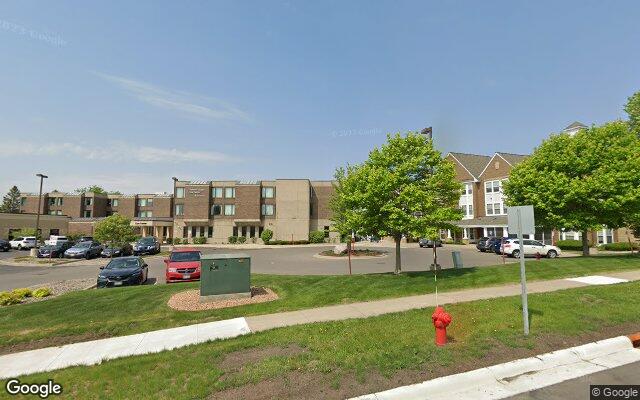
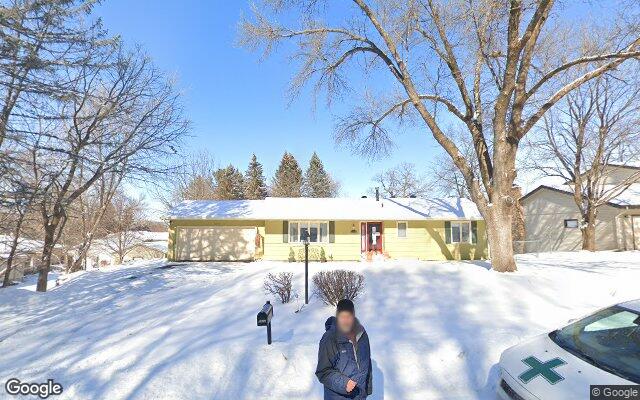
Other memory care facilities in Dakota County with similar care offerings.
Full Inspection Record
Family reviews
No reviews yet — be the first to share your experience
Other memory care options nearby.
More options in neighboring cities
Licensed memory care in other cities within this county region — useful when your search radius crosses city limits.