Inver Grove Heights Wp II LLC.
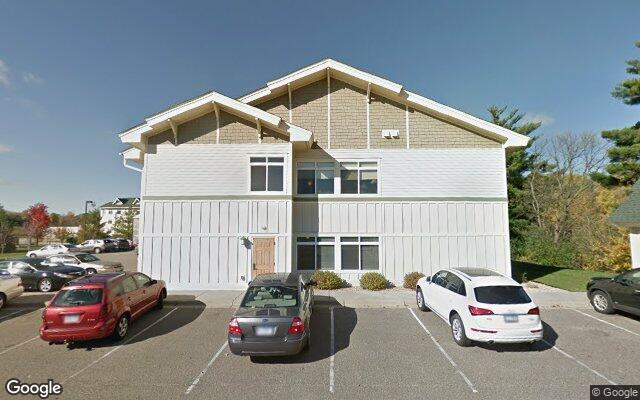
A medium home, reviewed on public record.
Compared to 187 Minnesota facilities with a similar number of beds.
ALF memory care · 36-month window. Higher percentile = better performance on inspection record. Source: Minnesota Dept. of Health · Health Regulation Division.
among peers to rank.
Rankings based on 36-month MDH inspection data. Severity and frequency: fewer citations = higher percentile. Repeat rate: lower repeat citation share = higher percentile.
Citation history, plotted month by month.
No citations in the last 36 months.
Finding distribution
none · 36 monthsScope × Severity (CMS A–L)
Questions to ask before you visit.
A short pre-tour checklist tailored to Inver Grove Heights Wp II LLC's record and state requirements.
The January 29, 2025 inspection resulted in zero deficiencies — can you walk us through the documentation MDH reviewed during that visit, and share a copy of the final inspection report so we understand what was assessed?
Ask the operator on tour. Take notes and compare answers across facilities you visit.
Two complaints were filed with the Minnesota Department of Health during the inspection period on file — were either of those complaints substantiated, and what corrective actions did the facility take in response?
Ask the operator on tour. Take notes and compare answers across facilities you visit.
Minnesota's Assisted Living Facility with Dementia Care license under chapter 144G requires specific dementia care programming — can you share the written description of your dementia care program and show us how staff competency in dementia care is documented?
Ask the operator on tour. Take notes and compare answers across facilities you visit.
Every inspection visit, verbatim.
3 inspections in the public record, most recent first. Plain-language summaries open first — click into any row for the full citation text.
2025-12-18Complaint InvestigationNo findings
Plain-language summary
A complaint alleged the facility neglected a resident by failing to provide wound care and hygiene assistance, resulting in pressure wounds, skin rashes, and hospitalization; however, the Minnesota Department of Health determined the allegation was not substantiated. The resident had chronic, non-healing wounds requiring complex wound care beyond the facility's capabilities, which the facility appropriately coordinated with an outside agency, and a skin rash caused by yeast infection related to antibiotic use rather than neglect. The facility's physician and staff regularly communicated about the resident's medical needs and health decline throughout this period.
Read full citation textHide full citation text
Read raw inspector notesClose inspector notes
Finding: Not Substantiated S N O Nature of Investigation: C The Minnesota Department of Health investigated an allegation of maltreatment, in accordance E with the Minnesota Reporting of MRaltreatment of Vulnerable Adults Act, Minn. Stat. 626.557, and to evaluate compliance with applicable licensing standards for the provider type. R O F Initial Investigation Allegation(s): T The facility neglected the resident when they failed to provide wound care and S hygiene/toileting assistance. As a result, the resident developed advanced pressure wounds and E U skin rashes. The resident required hospitalization. Q E Investigative Findings and Conclusion: R The Minnesota Department of Health determined neglect was not substantiated. The resident had chronic, non-healing wounds which required complex wound care management. The facility did not have the capabilities of providing these types of wound cares, but they did coordinate wound care management with an outside agency. Although the resident developed a skin rash in her groin, candida (yeast) caused this. The resident received multiple antibiotic medications prior to the rash. (Antibiotics can cause yeast infections/rash). Additionally, the facility regularly communicated with the resident’s physician about her wounds and health decline. The investigator conducted interviews with facility staff members, including administrative staff, nursing staff, and unlicensed staff. The investigation included review of the resident records, death record, hospital records, facility internal investigation, facility incident reports, personnel files, wound care agency notes, and related facility policy and procedures. Also, the investigator toured the facility and observed medication management, staffing levels, and documentation systems. The resident resided in an assisted living memory care unit. The resident’s diagnoses included diabetes, heart disease, dementia (memory loss), failure to thrive, vascular disease (problems D with circulatory system), and chronic skin ulcers not caused by pressure. E V I The resident’s service plan included assistance with bathing, dressing, grooming, meals, E C medications, and toileting. The resident’s nursing assessment indicated her health declined and E she had a “severe” weight loss. The assessment indicated the resident needed help with R mobility and was incontinent of bowel and bladder. The resident had urinary tract infections N (UTI). O I T Progress notes indicated approximately one month prior to the allegation, the resident went to A R the hospital, and they determined she had a UTI and low blood sugar levels. The resident E returned to the facility with a new wound to her right hip and ankle. The facility nurse cleansed D and covered the wounds. The facility nurse told the resident’s physician assistant (PA) about the I S wounds, and the PA told the facility to have physical and occupational therapists (PT/OT) N evaluate the resident. The PA also told thOe facility to get a skilled nursing service (out of facility C agency) to manage the resident’s hip and ankle wounds. The facility notified the resident’s E family because they made all medical decisions for her. R R During an interview, a nurse manager said she assessed the resident’s wounds when she O returned from the hospital and contacted an outside agency to come into the facility and F provide the wound careT to the resident. The nurse manager said there was a delay in obtaining S those services because the resident’s family was not in agreement. The nurse manager said the E facility was only capable of providing basic wound care and they specified this information in U their uniformQ disclosure of assisted living services and amenities (UDALSA). The nurse manger E said she measured and cleansed the resident’s wounds during this time. R Medical records indicated the resident’s physician (MD) went to the facility to assess her health status shortly after she returned. The MD’s records indicated the resident required wound care management beyond the capabilities of the facility. The MD used a portal system (electronic communication system) to communicate with the facility. The MD’s communication with the facility indicated the resident’s family did not agree to start PT/OT, or skilled nursing services for the resident at this time. Medical records indicated the resident’s family took her to a dermatologist (physician who specializes in skin disorders) approximately two weeks after she returned to the facility. The dermatologist records indicated the resident had chronic, non-pressure wounds to her right thigh, right ankle, right calf, and right finger. The notes indicated the dermatologist cultured (tested) the wounds for bacteria and the test indicated the wounds were infected. The dermatologist gave the resident an oral antibiotic medication to take three times a day for ten days. The notes indicated the dermatologist also attempted to get a skilled nursing agency to do the resident’s wound care at the facility. The dermatologist also wanted the resident to go to a wound care clinic (specialty clinic which manages wounds). Wound care agency notes indicated they started providing wound care to the resident, at the D facility, three days after her dermatology appointment. (This was then seventeen days after the E PA gave the initial order). V I E C The resident’s health continued to decline and progress notes indicated the resident’s family E took her to an urgency room (UR) two weeks later. The notes indicated the UR physician R prescribed two antibiotic medications and completed an X-ray of the resident’s right hip. The N notes indicated the UR physician wanted the resident to have a magnetic resonance imaging O (MRI) to determine if she had osteomyelitis (bone infection).I The UR physician discontinued one T of the antibiotic medications three days later but added Aan additional antibiotic medication. R (Overall, the resident took three different antibiotics). E D Four days later the resident’s PA went to the facility and assessed the resident health status. I S Medical records indicated the PA completed documentation for the resident to have an MRI. N O C Electronic communication between the PA, wound care agency, and the facility indicated they E worked together to try to get the resident into a wound care clinic, however the resident’s R family did not want her to go until she completed the MRI. The medical team continued to R make efforts for the resident to have more diagnostic evaluations. O F Progress notes indicated the resident’s health continued to decline and vital sign records T S indicated she lost approximately twenty-five pounds which was 21.47% of her body weight, E during the month these events occurred. The PA discussed hospice care (end of life) with the U family, howevQer they made the decision to send the resident to the hospital. (This was E approximately six weeks after her initial hospital return.) R Hospital records indicated the resident had a UTI with sepsis (life-threatening) infection caused by candida. The records indicated candida also caused the resident’s groin rash. The hospital returned the resident to the facility. During an interview, a director said the facility was unable to provided advanced wound care and coordinated wound care with an agency who came into the facility. The director said the resident continued to require advanced care and discharged from the facility. In conclusion, the Minnesota Department of Health determined neglect was not substantiated. “Not Substantiated” means: An investigatory conclusion indicating the preponderance of evidence shows that an act meeting the definition of maltreatment did not occur. Neglect: Minnesota Statutes, section 626.5572, subdivision 17 “Neglect” means neglect by a caregiver or self-neglect. (a) "Caregiver neglect" means the failure or omission by a caregiver to supply a vulnerable adult D with care or services, including but not limited to, food, clothing, shelter, health care, or E supervision which is: V I (1) reasonable and necessary to obtain or maintain the vulnerable adult's physical or mental E C health or safety, considering the physical and mental capacity or dysfunction of the vulnerable E adult; and R (2) which is not the result of an accident or therapeutic conduct. N O Vulnerable Adult interviewed: No. Deceased. I T Family/Responsible Party interviewed: No. Attempted. Did not respond. A R Alleged Perpetrator interviewed: Not Applicable. E D Action taken by facility: I S The facility coordinated the resident’s medical care with her medical providers. N O C Action taken by the Minnesota Department of Health: E No further action taken at this time.
2025-06-09Complaint InvestigationNo findings
Plain-language summary
Minnesota Department of Health investigated a complaint that staff failed to provide proper fall precautions, resulting in a resident with dementia sustaining a hip fracture that required hospitalization. The investigation determined the complaint was not substantiated because there was insufficient evidence that staff neglect caused the fall, though the facility's own internal review found that one staff member did not follow the resident's care plan during the incident and required retraining. The facility immediately called emergency medical services and the resident received hospital care.
Read full citation textHide full citation text
Read raw inspector notesClose inspector notes
Finding: Not Substantiated Nature of Investigation: The Minnesota Department of Health investigated an allegation of maltreatment, in accordance with the Minnesota Reporting of Maltreatment of Vulnerable Adults Act, Minn. Stat. 626.557, and to evaluate compliance with applicable licensing standards for the provider type. Initial Investigation Allegation(s): The alleged perpetrator/facility unlicensed personnel neglected the resident when they failed to provide physical safety and implement fall precautions. The resident fell and required hospitalization for a left leg fracture. Investigative Findings and Conclusion: The Minnesota Department of Health determined neglect was not substantiated. Although the resident fell and sustained a hip fracture, there was not a preponderance of evidence to support that the actions of the facility staff met the definition of neglect. The investigator conducted interviews with facility staff members, including nursing staff. The investigation included review of the resident record, hospital records, facility incident reports, personnel files, employee training files, and facility policy and procedures. The investigator also toured the facility and observed staff interactions with residents. The resident resided in an assisted living facility memory care unit. The resident’s diagnoses included dementia, anxiety, and vertigo. The resident’s service plan included assistance with all activities of daily living, routine safety checks, and medication administration. The resident’s assessment indicated the resident had a history of unwitnessed falls with injury, as well as impaired cognition with poor decision making and required supervision. The resident’s medical records indicated she had history of unwitnessed falls. Records further indicated that the resident was independent with ambulation prior to the injury with occasional incidents of compulsive behavior. In the weeks and days leading up to the resident’s fall with injury, facility staff recorded unwitnessed falls occurred twice in the resident’s apartment. On the day of the incident, the resident and the AP were standing in the common area of the facility having a conversation, when the AP turned and walked away the resident. When the AP turned back around the resident was on the floor. The facility followed emergency protocols, contacted Emergency Medical Services (EMS), and transported the resident to the hospital for evaluation and treatment. The resident sustained a fractured hip which required surgical intervention. During an interview, the AP stated she was aware of the resident’s previous and recent history of falls. She stated that the resident required stand by assistance during transfers but used assistive devices to ambulate. The care plan at the time of the incident indicated assistance of one person was required during ambulation. The AP recalled on the day of the incident the resident was standing in the common dining area and became agitated, shaking her walker. The AP stated after a short period of verbal interaction, she turned away from the resident to retrieve a piece of equipment, leaving the resident standing alone with her walker. As she walked away from the resident, she heard the resident yell from behind her and then saw the resident on the floor. During an interview, a registered nurse (RN) stated she was aware of the resident’s recent history of falls and that all staff were orientated to the resident’s increased fall precautions and care plans. The nurse indicated that facility nursing staff provided continuous amendments to the resident’s care plan to ensure safety, which including increased observation during transfers and ambulation, as well as increased safety checks when the resident was in her apartment. During an internal investigation conducted by the facility after the incident it was determined by the nursing staff that the AP failed to follow the residents care plan as instructed during transfer and ambulation when she left the resident unattended to retrieve a piece of equipment. Following the incident, the AP and all other staff were retrained on following resident care plans at all times. In conclusion, the Minnesota Department of Health determined neglect was not substantiated. “Not Substantiated” means: An investigatory conclusion indicating the preponderance of evidence shows that an act meeting the definition of maltreatment did not occur. Neglect: Minnesota Statutes, section 626.5572, subdivision 17 “Neglect” means neglect by a caregiver or self-neglect. (a) "Caregiver neglect" means the failure or omission by a caregiver to supply a vulnerable adult with care or services, including but not limited to, food, clothing, shelter, health care, or supervision which is: (1) reasonable and necessary to obtain or maintain the vulnerable adult's physical or mental health or safety, considering the physical and mental capacity or dysfunction of the vulnerable adult; and (2) which is not the result of an accident or therapeutic conduct. Vulnerable Adult interviewed: No, due to impaired cogntion. Family/Responsible Party interviewed: No, attempts to contact were unsuccessful. Alleged Perpetrator interviewed: Yes Action taken by facility: The facility staff provided immediate assistance and contacted emergency medical services. The resident was admitted to the hospital for care. The facility investigated the incident and required staff to attend additional training. Action taken by the Minnesota Department of Health: No further action at this time. cc: The Office of Ombudsman for Long Term Care The Office of Ombudsman for Mental Health and Developmental Disabilities PRINTED: 06/10/2025 FORM APPROVED STATEMENT OF DEFICIENCIES (X1) PROVIDER/SUPPLIER/CLIA (X2) MULTIPLE CONSTRUCTION (X3) DATE SURVEY AND PLAN OF CORRECTION IDENTIFICATION NUMBER: COMPLETED A. BUILDING: ______________________ C B. WING _____________________________ 27378 04/17/2025 NAME OF PROVIDER OR SUPPLIER STREET ADDRESS, CITY, STATE, ZIP CODE 9058 BUCHANAN TRAIL INVER GROVE HEIGHTS WP II LLC INVER GROVE HEIGHTS, MN 55077 SUMMARY STATEMENT OF DEFICIENCIES PROVIDER'S PLAN OF CORRECTION (X4) ID ID (X5) PREFIX (EACH DEFICIENCY MUST BE PRECEDED BY FULL PREFIX (EACH CORRECTIVE ACTION SHOULD BE COMPLETE REGULATORY OR LSC IDENTIFYING INFORMATION) CROSS-REFERENCED TO THE APPROPRIATE DATE TAG TAG DEFICIENCY) 0 000 Initial Comments 0 000 On April 17, 2025, the Minnesota Department of Assisted Living Provider 144G. Health conducted a complaint investigation #HL273787065C/#HL273788982M for at the Minnesota Department of Health is above provider. No correction orders are issued. documenting the State Correction Orders using federal software. Tag numbers have been assigned to Minnesota State Statutes for Assisted Living Facilities. The assigned tag number appears in the far-left column entitled "ID Prefix Tag." The state Statute number and the corresponding text of the state Statute out of compliance is listed in the "Summary Statement of Deficiencies" column. This column also includes the findings which are in violation of the state requirement after the statement, "This Minnesota requirement is not met as evidenced by." Following the evaluators' findings is the Time Period for Correction. PLEASE DISREGARD THE HEADING OF THE FOURTH COLUMN WHICH STATES,"PROVIDER'S PLAN OF CORRECTION." THIS APPLIES TO FEDERAL DEFICIENCIES ONLY. THIS WILL APPEAR ON EACH PAGE. THERE IS NO REQUIREMENT TO SUBMIT A PLAN OF CORRECTION FOR VIOLATIONS OF MINNESOTA STATE STATUTES. THE LETTER IN THE LEFT COLUMN IS USED FOR TRACKING PURPOSES AND REFLECTS THE SCOPE AND LEVEL ISSUED PURSUANT TO 144G.31 SUBDIVISION 1-3. LABORATORY DIRECTOR'S OR PROVIDER/SUPPLIER REPRESENTATIVE'S SIGNATURE TITLE (X6) DATE STATE FORM 6899 OXTK11 If continuation sheet 1 of 1
2025-01-29Annual Compliance VisitNo findings
Plain-language summary
A routine inspection of this memory care facility was conducted January 27–29, 2025, when 42 residents were living there, and state correction orders were issued for violations of Minnesota statutes. No immediate fines were assessed, and the facility is required to document the actions it takes to correct the violations within the timeframe specified on the state form. The facility may request reconsideration of the correction orders in writing within 15 days of receiving the notice.
Read full citation textHide full citation text
Read raw inspector notesClose inspector notes
correction orders and document the actions taken to comply in the facility's records. The Department reserves the right to return to the facility at any time should the Department receive a complaint or deem it necessary to ensure the health, safety, and welfare of residents in your care. STATE CORRECTION ORDERS The enclosed State Form documents the state correction orders. MDH documents state licensing correction orders using federal software. Tag numbers are assigned to Minnesota state statutes for Assisted Living Facilities. The assigned tag number appears in the far left column entitled "ID Prefix Tag." The state statute number and the corresponding text of the state statute out of compliance are listed in the "Summary Statement of Deficiencies" column. This column also includes the findings that are in violation of the state statute after the statement, "This MN Requirement is not met as evidenced by . . ." In accordance with Minn. Stat. § 144G.31 Subd. 4, MDH may assess fines based on the level and scope of the violations; h owever, no immediate fines are assessed for this survey of your facility. DOCUMENTATION OF ACTION TO COMPLY In accordance with Minn. Stat. § 144G.30, Subd. 5(c), the licensee must document actions taken to comply with the correction orders within the time period outlined on the state form; however, plans of correction are not required to be submitted for approval. The correction order documentation should include the following: An equal opportunity employer. Letter ID: IS7N REVISED 09/13/2021 Inver Grove Heights WP II LLC March 4, 2025 Page 2 Identify how the area(s) of noncompliance was corrected related to the resident(s)/employee(s) identified in the correction order. Identify how the area(s) of noncompliance was corrected for all of the provider’s resident(s)/employees that may be affected by the noncompliance. Identify what changes to your systems and practices were made to ensure compliance with the specific statute(s). CORRECTION ORDER RECONSIDERATION PROCESS In accordance with Minn. Stat. § 144G.32, Subd. 2, you may challenge the correction order(s) issued, including the level and scope, and any fine assessed through the correction order reconsideration process. The request for reconsideration must be in writing and received by MDH within 15 calendar days of the correction order receipt date. To submit a reconsideration request, please visit: https://forms.web.health.state.mn.us/form/HRDAppealsForm The MDH Health Regulation Division (HRD) values your feedback about your experience during the survey and/or investigation process. Please fill out this anonymous provider feedback questionnaire at your convenience at this link: h ttps://forms.office.com/g/Bm5uQEpHVa. Your input is important to us and will enable MDH to improve its processes and communication with providers. If you have any questions regarding the questionnaire, please contact Susan Winkelmann at susan.winkelmann@state.mn.us or call 651-201-5952. You are encouraged to retain this document for your records. It is your responsibility to share the information contained in the letter and state form with your organization’s Governing Body. If you have any questions, please contact me. Sincerely, Jodi Johnson, Supervisor State Evaluation Team Email: jodi.johnson@state.mn.us Telephone: 507-344-2730 Fax: 1 -866-890-9290 JMD PRINTED: 03/04/2025 FORM APPROVED STATEMENT OF DEFICIENCIES (X1) PROVIDER/SUPPLIER/CLIA (X2) MULTIPLE CONSTRUCTION (X3) DATE SURVEY AND PLAN OF CORRECTION IDENTIFICATION NUMBER: COMPLETED A. BUILDING: ______________________ B. WING _____________________________ 27378 01/29/2025 NAME OF PROVIDER OR SUPPLIER STREET ADDRESS, CITY, STATE, ZIP CODE 9058 BUCHANAN TRAIL INVER GROVE HEIGHTS WP II LLC INVER GROVE HEIGHTS, MN 55077 SUMMARY STATEMENT OF DEFICIENCIES PROVIDER'S PLAN OF CORRECTION (X4) ID ID (X5) PREFIX (EACH DEFICIENCY MUST BE PRECEDED BY FULL PREFIX (EACH CORRECTIVE ACTION SHOULD BE COMPLETE REGULATORY OR LSC IDENTIFYING INFORMATION) CROSS-REFERENCED TO THE APPROPRIATE DATE TAG TAG DEFICIENCY) 0 000 Initial Comments 0 000 ASSISTED LIVING PROVIDER LICENSING Minnesota Department of Health is CORRECTION ORDER(S) documenting the State Correction Orders using federal software. Tag numbers have In accordance with Minnesota Statutes, section been assigned to Minnesota State 144G.08 to 144G.95, these correction orders are Statutes for Assisted Living Facilities. The issued pursuant to a survey. assigned tag number appears in the far-left column entitled "ID Prefix Tag." The Determination of whether violations are corrected state Statute number and the requires compliance with all requirements corresponding text of the state Statute out provided at the Statute number indicated below. of compliance is listed in the "Summary When Minnesota Statute contains several items, Statement of Deficiencies" column. This failure to comply with any of the items will be column also includes the findings which considered lack of compliance. are in violation of the state requirement after the statement, "This Minnesota INITIAL COMMENTS: requirement is not met as evidenced by." Following the evaluators ' findings is the SL27378016 Time Period for Correction. On January 27, 2025, through January 29, 2025, PLEASE DISREGARD THE HEADING OF the Minnesota Department of Health conducted a THE FOURTH COLUMN WHICH full survey at the above provider. At the time of STATES,"PROVIDER'S PLAN OF the survey, there were 44 residents; 42 receiving CORRECTION." THIS APPLIES TO services under the Assisted Living Facility with FEDERAL DEFICIENCIES ONLY. THIS Dementia Care license. WILL APPEAR ON EACH PAGE. THERE IS NO REQUIREMENT TO SUBMIT A PLAN OF CORRECTION FOR VIOLATIONS OF MINNESOTA STATE STATUTES. THE LETTER IN THE LEFT COLUMN IS USED FOR TRACKING PURPOSES AND REFLECTS THE SCOPE AND LEVEL ISSUED PURSUANT TO 144G.31 SUBDIVISION 1-3. 0 340 144G.30 Subd. 5 Correction orders 0 340 SS=F (a) A correction order may be issued whenever LABORATORY DIRECTOR'S OR PROVIDER/SUPPLIER REPRESENTATIVE'S SIGNATURE TITLE (X6) DATE STATE FORM 6899 ZFF111 If continuation sheet 1 of 32 PRINTED: 03/04/2025 FORM APPROVED STATEMENT OF DEFICIENCIES (X1) PROVIDER/SUPPLIER/CLIA (X2) MULTIPLE CONSTRUCTION (X3) DATE SURVEY AND PLAN OF CORRECTION IDENTIFICATION NUMBER: COMPLETED A. BUILDING: ______________________ B. WING _____________________________ 27378 01/29/2025 NAME OF PROVIDER OR SUPPLIER STREET ADDRESS, CITY, STATE, ZIP CODE 9058 BUCHANAN TRAIL INVER GROVE HEIGHTS WP II LLC INVER GROVE HEIGHTS, MN 55077 SUMMARY STATEMENT OF DEFICIENCIES PROVIDER'S PLAN OF CORRECTION (X4) ID ID (X5) PREFIX (EACH DEFICIENCY MUST BE PRECEDED BY FULL PREFIX (EACH CORRECTIVE ACTION SHOULD BE COMPLETE REGULATORY OR LSC IDENTIFYING INFORMATION) CROSS-REFERENCED TO THE APPROPRIATE DATE TAG TAG DEFICIENCY) 0 340 Continued From page 1 0 340 the commissioner finds upon survey or during a complaint investigation that a facility, a managerial official, an agent of the facility, or staff of the facility is not in compliance with this chapter. The correction order shall cite the specific statute and document areas of noncompliance and the time allowed for correction. (b) The commissioner shall mail or email copies of any correction order to the facility within 30 calendar days after the survey exit date. A copy of each correction order and copies of any documentation supplied to the commissioner shall be kept on file by the facility and public documents shall be made available for viewing by any person upon request. Copies may be kept electronically. (c) By the correction order date, the facility must: (1) document in the facility's records any action taken to comply with the correction order. The commissioner may request a copy of this documentation and the facility's action to respond to the correction order in future surveys, upon a complaint investigation, and as otherwise needed; and This MN Requirement is not met as evidenced by: Based on interview and record review, the licensee failed to have sufficient documentation with actions taken to comply with correction orders (tag identification: 0480, 0680, 0800, 0810, and 2040 for a survey completed on January 20, 2022. This had the potential to affect all residents, staff, and visitors at the facility. This practice resulted in a level two violation (a violation that did not harm a resident's health or safety but had the potential to have harmed a resident's health or safety) and was issued at a STATE FORM 6899 ZFF111 If continuation sheet 2 of 32 PRINTED: 03/04/2025 FORM APPROVED STATEMENT OF DEFICIENCIES (X1) PROVIDER/SUPPLIER/CLIA (X2) MULTIPLE CONSTRUCTION (X3) DATE SURVEY AND PLAN OF CORRECTION IDENTIFICATION NUMBER: COMPLETED A. BUILDING: ______________________ B.
Other facilities in Dakota County.
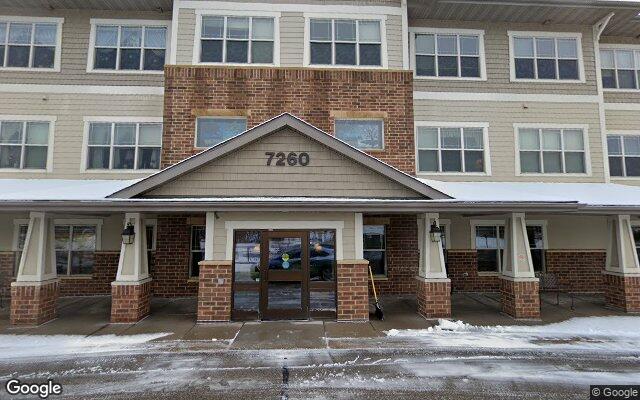
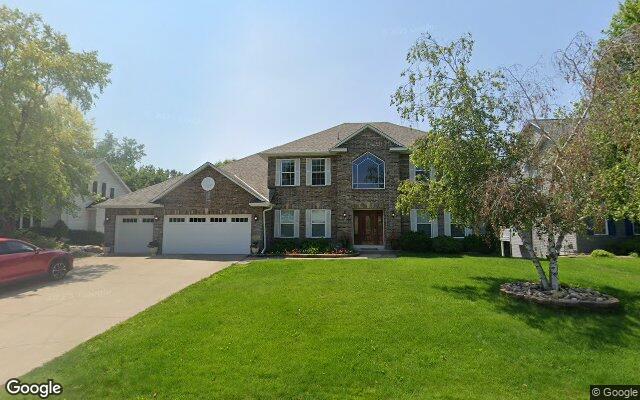
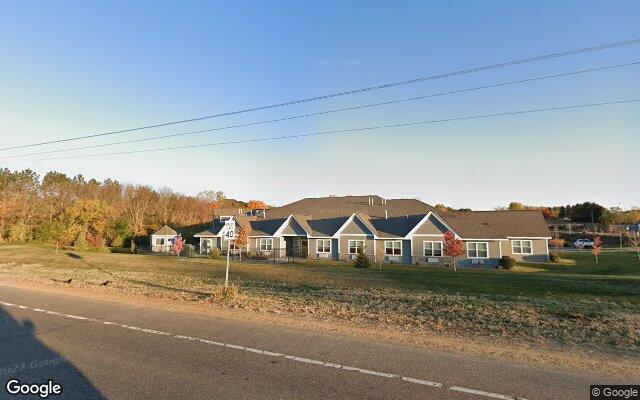
Other memory care facilities in Dakota County with similar care offerings.
Facility Watch · Premium
Family reviews
No reviews yet — be the first to share your experience
Other memory care options nearby.
More options in neighboring cities
Licensed memory care in other cities within this county region — useful when your search radius crosses city limits.