Burnsville Carefree Living by.
A large home, reviewed on public record.
Compared to 143 Minnesota facilities with a similar number of beds.
ALF memory care · 36-month window. Higher percentile = better performance on inspection record. Source: Minnesota Dept. of Health · Health Regulation Division.
among peers to rank.
Rankings based on 36-month MDH inspection data. Severity and frequency: fewer citations = higher percentile. Repeat rate: lower repeat citation share = higher percentile.
Citation history, plotted month by month.
No citations in the last 36 months.
Finding distribution
none · 36 monthsScope × Severity (CMS A–L)
Every inspection visit, verbatim.
11 inspections in the public record, most recent first. Plain-language summaries open first — click into any row for the full citation text.
2026-09-10Complaint InvestigationNo findings
2025-11-05Complaint InvestigationNo findings
Plain-language summary
A complaint investigation was conducted at Burnsville Carefree Living by Oxford Living on October 15, 2025, regarding compliance with Minnesota state laws governing assisted living facilities with dementia care. No correction orders were issued and no violations were identified.
Read full citation textHide full citation text
Read raw inspector notesClose inspector notes
STATE LICENSING COMPLIANCE REPORT Report #: HL201916022C Date Concluded: October 30, 2025 Name, Address, and County of Facility Investigated: Burnsville Carefree Living by Oxford Living 600 East Nicollet Boulevard Burnsville, MN 55337 Dakota County Facility Type: Assisted Living Facility with Evaluator’s Name: Kevin Sedivy, Dementia Care (ALFDC) Special Investigator The Minnesota Department of Health conducted a complaint investigation to determine compliance with state laws and rules governing the provision of care under Minnesota Statutes, Chapter 144G. The purpose of this complaint investigation was to review if facility policies and practices comply with applicable laws and rules. No maltreatment under Minnesota Statutes, Chapter 626 was alleged. To view a copy of the correction orders, if any, please visit: https://www.health.state.mn.us/facilities/regulation/directory/provcompselect.html, or call MDH website, please see the attached state form. PRINTED: 11/05/2025 FORM APPROVED STATEMENT OF DEFICIENCIES (X1) PROVIDER/SUPPLIER/CLIA (X2) MULTIPLE CONSTRUCTION (X3) DATE SURVEY AND PLAN OF CORRECTION IDENTIFICATION NUMBER: COMPLETED A. BUILDING: ______________________ C B. WING _____________________________ 20191 10/15/2025 NAME OF PROVIDER OR SUPPLIER STREET ADDRESS, CITY, STATE, ZIP CODE 600 EAST NICOLLET BOULEVARD BURNSVILLE CAREFREE LIVING BY OXFORD BURNSVILLE, MN 55337 SUMMARY STATEMENT OF DEFICIENCIES PROVIDER'S PLAN OF CORRECTION (X4) ID ID (X5) (EACH DEFICIENCY MUST BE PRECEDED BY FULL (EACH CORRECTIVE ACTION SHOULD BE COMPLETE PREFIX PREFIX REGULATORY OR LSC IDENTIFYING INFORMATION) CROSS-REFERENCED TO THE APPROPRIATE DATE TAG TAG DEFICIENCY) 0 000 Initial Comments 0 000 On October 15, 2025, the Minnesota Department of Health initiated an investigation of complaint HL201916022C. No correction orders are issued. LABORATORY DIRECTOR'S OR PROVIDER/SUPPLIER REPRESENTATIVE'S SIGNATURE TITLE (X6) DATE STATE FORM 6899 6CSV11 If continuation sheet 1 of 1
2025-09-11Annual Compliance VisitNo findings
Plain-language summary
A follow-up survey on November 10, 2025 found that the facility had not corrected a fire protection and physical environment violation from a previous inspection dated September 11, 2025. The facility was assessed a $500 fine for this uncorrected violation and is otherwise in substantial compliance. The facility must document the actions it takes to correct this violation and may appeal the fine within 15 business days.
Read full citation textHide full citation text
Read raw inspector notesClose inspector notes
correction orders issued pursuant to the September 11, 2025 survey. The Department of Health concludes the licensee is in substantial compliance. State law requires the facility must take action to correct the state correction orders and document the actions taken to comply in the facility's records. The Department reserves the right to return to the facility at any time should the Department receive a complaint or deem it necessary to ensure the health, safety, and welfare of residents in your care. In accordance with Minn. Stat. § 144G.31 Subd. 4 (a), state correction orders issued pursuant to the last survey, completed on September 11, 2025, found not corrected at the time of the November 10, 2025, follow-up survey and/ or subject to penalty assessment are as follows: 0775-Fire Protection And Physical Environment- 144g.45 Subd. 2. (a) - $500.00 The details of the violations noted at the time of this follow-up survey completed on November 10, 2025 (listed above), are on the attached State Form. Brackets around the ID Prefix Tag in the left hand column, e.g., {2 ----} will identify the uncorrected tags. Therefo re , in acc ordanc e with Minn. Stat. §§ 144 G.01 to 144G .99 99 , the total amount you are assessed is $500.00. You will be invoiced approximately 30 days after receipt of this notice, subject to appeal. DOCUMENTATIO ONF ACTION TO COMPLY In accordance with Minn. Stat. § 144G.30, Subd. 5(c), the licensee must document actions taken to comply with the correction orders outlined on the state form; however, plans of correction are not required to be submitted for approval. IMPOSITION OF FINES In accordance with Minn. Stat. § 144G.31, Subd. 4, fines and enforcement actions may be imposed based on the level and scope of the violations and may be imposed immediately with no opportunity to correct the violation first as follows: Level 1: no fines or enforcement; An equal opportunity employer. Letter ID: 8GKP Revised 04/14/2023 Burnsville Carefree Living by Oxford Living December 9, 2025 Page 2 Level 2: a fine of $500 per violation, in addition to any enforcement mechanism authorized in § 144G.20; Level 3: a fine of $1,000 per incident, in addition to any enforcement mechanism authorized in § 144G.20; Level 4: a fine of $3,000 per incident, in addition to any enforcement mechanism authorized in § 144G.20; Level 5: a fine of $5,000 per violation, in addition to any enforcement mechanism authorized in § 144G.20. CORRECTIO NORDER RECONSIDERATIO PNROCESS In accordance with Minn. Stat. § 144G.32, Subd. 2, you may challenge the correction order( s) issued, including the level and scope, and any fine assessed through the correction order reconsideration process. The request for reconsideration must be in writing and received by MDH within 15 calendar days of the correction order receipt date. To submit a reconsideration request, please visit: https: / / forms. web. health. state. mn. us/ form/ HRDAppealsForm REQUESTIN GA HEARING Alternatively, in accordance with Minn. Stat. § 144G.31, Subd. 5(d), an assisted living provider that has been assessed a fine under this subdivision has a right to a reconsideration or a hearing under this section and chapter 14. Pursuant to Minn. Stat. § 144G.20, Subd. 14 and Subd. 18, a request for a hearing must be in writing and received by the Department of Health within 15 business days of the correction order receipt date. The request must contain a brief and plain statement describing each matter or issue contested and any new information you believe constitutes a defense or mitigating factor. To submit a hearing request, please visit: https: / / forms. web. health. state. mn. us/ form/ HRDAppealsForm To appea l fines via rec onsiderati o n, ple ase fol lo w the pro cedure outlined abo ve. Please no te tha t you may reques t a reco ns ide ratio n or a he aring, but no t bo th. If you wish to conte st tags witho ut fines in a reconsideration and tags with the fines at a hearing, please submit two separate appeals forms at the website listed above. We urge you to review these orders carefully. If you have questions, please contact Jodi Johnson at You are encouraged to retain this document for your records. It is your responsibility to share the information contained in the letter and/ or state form with your organization’s Governing Body. Sincerely, Jodi Johnson, Supervisor State Evaluation Team Email: Jodi.Johnson@state. mn.us Telephone: 507-344-2730 Fax: 1-866-890-9290 CLN PRINTED: 12/ 09/ 2025 FORM APPROVED STATEMENT OF DEFICIENCIES (X1) PROVIDER/ SUPPLIER/ CLIA (X2) MULTIPLE CONSTRUCTION (X3) DATE SURVEY AND PLAN OF CORRECTION IDENTIFICATION NUMBER: COMPLETED A. BUILDING: ______________________ R B. WING _____________________________ 20191 11/10/ 2025 NAME OF PROVIDER OR SUPPLIER STREET ADDRESS, CITY, STATE, ZIP CODE 600 EAST NICOLLET BOULEVARD BURNSVILLE CAREFREE LIVING BY OXFORD LIVING BURNSVILLE, MN 55337 SUMMARY STATEMENT OF DEFICIENCIES PROVIDER' S PLAN OF CORRECTION (X4) ID ID (X5) PREFIX (EACH DEFICIENCY MUST BE PRECEDED BY FULL PREFIX (EACH CORRECTIVE ACTION SHOULD BE COMPLETE REGULATORY OR LSC IDENTIFYING INFORMATION) CROSS- REFERENCED TO THE APPROPRIATE DATE TAG TAG DEFICIENCY) {0 000} Initial Comments {0 000} ******ATTENTION****** Minnesota Department of Health is documenting the State Correction Orders ASSISTED LIVING PROVIDER FOLLOW UP using federal software. Tag numbers have SURVEY WITH RE- ISSUE OF ORDERS been assigned to Minnesota State Statutes for Assisted Living Facilities. The INITIAL COMMENTS assigned tag number appears in the SL20191016- 1 far-left column entitled "ID Prefix Tag. " The state Statute number and the On November 10, 2025, the Minnesota corresponding text of the state Statute out Department of Health conducted a follow-up of compliance is listed in the "Summary survey at the above provider to follow-up on Statement of Deficiencies" column. This orders issued pursuant to a survey completed on column also includes the findings which September 15, 2025. At the time of the survey, are in violation of the state requirement there were 57 residents; 57 receiving services after the statement, "This Minnesota under the Assisted Living with Dementia Care requirement is not met as evidenced by." license. As a result of the follow-up survey, the Following the evaluators ' findings is the following orders reissued. Time Period for Correction. 0775 PLEASE DISREGARD THE HEADING OF THE FOURTH COLUMN WHICH STATES, "PROVIDER' S PLAN OF CORRECTION. " THIS APPLIES TO FEDERAL DEFICIENCIES ONLY. THIS WILL APPEAR ON EACH PAGE. THERE IS NO REQUIREMENT TO SUBMIT A PLAN OF CORRECTION FOR VIOLATIONS OF MINNESOTA STATE STATUTES. THE LETTER IN THE LEFT COLUMN IS USED FOR TRACKING PURPOSES AND REFLECTS THE SCOPE AND LEVEL ISSUED PURSUANT TO 144G. 31 SUBDIVISION 1-3. {0 420} 144G. 40 Subdivision 1 Responsibility for housing {0 420} SS= F and services LABORATORY DIRECTOR' S OR PROVIDER/ SUPPLIER REPRESENTATIVE' S SIGNATURE TITLE (X6) DATE STATE FORM 6899 77QI12 If continuation sheet 1 of 17 PRINTED: 12/ 09/ 2025 FORM APPROVED STATEMENT OF DEFICIENCIES (X1) PROVIDER/ SUPPLIER/ CLIA (X2) MULTIPLE CONSTRUCTION (X3) DATE SURVEY AND PLAN OF CORRECTION IDENTIFICATION NUMBER: COMPLETED A. BUILDING: ______________________ R B. WING _____________________________ 20191 11/10/ 2025 NAME OF PROVIDER OR SUPPLIER STREET ADDRESS, CITY, STATE, ZIP CODE 600 EAST NICOLLET BOULEVARD BURNSVILLE CAREFREE LIVING BY OXFORD LIVING BURNSVILLE, MN 55337 SUMMARY STATEMENT OF DEFICIENCIES PROVIDER' S PLAN OF CORRECTION (X4) ID ID (X5) PREFIX (EACH DEFICIENCY MUST BE PRECEDED BY FULL PREFIX (EACH CORRECTIVE ACTION SHOULD BE COMPLETE REGULATORY OR LSC IDENTIFYING INFORMATION) CROSS- REFERENCED TO THE APPROPRIATE DATE TAG TAG DEFICIENCY) {0 420} Continued From page 1 {0 420} The facility is directly responsible to the resident for all housing and service- related matters provided, irrespective of a management contract. Housing and service- related matters include but are not limited to the handling of complaints, the provision of notices, and the initiation of any adverse action against the resident involving housing or services provided by the facility. This MN Requirement is not met as evidenced by: Not reviewed during this survey {0 470} 144G.
2025-06-06Complaint InvestigationNo findings
Plain-language summary
A complaint investigation found no substantiated neglect regarding a resident's missed pain medication or supervision. The resident missed five days of hydrocodone due to switching health insurance providers twice and delays in establishing care with a new doctor, not facility failure, and candles found in the resident's room were ordered online without the facility's knowledge and were removed by facility staff and the fire department before the investigation.
Read full citation textHide full citation text
Read raw inspector notesClose inspector notes
Finding: Not Substantiated Nature of Investigation: The Minnesota Department of Health investigated an allegation of maltreatment, in accordance with the Minnesota Reporting of Maltreatment of Vulnerable Adults Act, Minn. Stat. 626.557, and to evaluate compliance with applicable licensing standards for the provider type. Initial Investigation Allegation(s): The facility neglected the resident when the resident missed five days of her scheduled narcotic pain medication (hydrocodone) because the facility ran out of the resident’s scheduled narcotic pain medication. In addition, the facility neglected the resident when they failed to supervise and monitor the resident. The resident was found with lit candles in her room, violating the building fire code. Investigative Findings and Conclusion: The Minnesota Department of Health determined neglect was not substantiated. The resident missed days of hydrocodone due to changing providers and health insurance not due to facility neglect. The resident changed health insurance companies twice within one month and waited to establish care with a new medical provider which delayed the start of the resident’s hydrocodone being refilled by her new provider. The resident’s new medical provider prescribed a weeks’ worth of the resident’s hydrocodone until she scheduled an in-person visit. The Minnesota Department of Health determined neglect of supervision was not substantiated. The facility monitored the resident’s apartment, but the resident ordered candles and lighters from an on-line shopping site without the facility’s knowledge. The facility and fire department confiscated the candles and lighters from the resident’s apartment prior to the investigator’s on-site visit. The investigator observed no candles or lighters during two separate visits to the resident’s apartment. The investigator conducted interviews with facility staff members, including administrative staff, nursing staff, and unlicensed staff. The resident was interviewed. The investigator contacted the resident’s former and current case managers, and fire department. The investigation included review of the resident record, previous in-house provider’s record, case management record, physical therapy record, facility incident reports, personnel files, staff schedules, and related facility policy and procedures. Also, the investigator observed staff and resident interactions during the onsite investigation. The resident resided in an assisted living facility. The resident’s diagnoses included morbid obesity, chronic joint pain (osteoarthritis), major depressive disorder, Bipolar disorder, and Post-Traumatic Stress Disorder (PTSD). The resident used a manual wheelchair and a four wheeled walker for mobility. The resident’s service plan included assistance with personal cares, medication administration, and three daily safety checks. The resident’s assessment indicated the resident was alert and oriented to person, place, time, and situation. The resident was independent with walking and bed mobility but required stand-by assistance with transfers. The resident’s medication administration record indicated staff administered daily medications to the resident which included scheduled hydrocodone three times a day (10:00 a.m., 2:00 p.m., 7:00 p.m.), in addition to as needed (prn) hydrocodone every six hours. The resident’s in-house medical provider notes dated February 2025, indicated the resident’s medical provider notified the resident her services with the in-house medical provider would be terminated in 30 days. The medical provider indicated the inability to achieve and maintain rapport with the resident along with the resident not adhering to her behavioral plan as reasons for terminating services. The medical provider indicated they would continue to provide continuity of care and any needed pharmacy prescriptions for an additional 30 days. The resident was encouraged to find a new medical provider as soon as possible. The resident’s progress note indicated one month later the resident’s medical provider refilled the resident’s hydrocodone prescription. The resident’s provider indicated they would sign-off as the resident’s medical provider once the resident scheduled an in person visit with the new provider. Two days later the resident had a telehealth visit with her new medical provider but did not schedule an in-person visit. The resident’s record indicated days after the resident’s services were terminated with her medical provider the resident received notice her health insurance would change to a new insurance company at the beginning of April 2025. The day after the resident switched health insurance companies, the resident contacted her case manager, requesting yet another change to a different health insurance company. The resident’s record indicated three weeks later the resident ran out of hydrocodone. The resident called 911 to be transported to the hospital to get more hydrocodone. Review of the resident’s emergency department (ED) record indicated the resident presented to the hospital three times in three days requesting hydrocodone for her chronic pain. The ED indicated the resident changed primary care providers and had no provider to refill her chronic pain medication. The ED staff contacted the facility who indicated they would welcome the resident back to the facility but reported the resident’s behaviors at the facility were problematic. When interviewed by ED staff the resident stated she did not have any more refills of her hydrocodone due to “firing” her last provider. The resident stated she had a new provider but had not yet scheduled an in-person visit to obtain prescription refills. The hospital refused to refill the resident’s pain medications and declined to administer narcotic pain medications in the ED. A few hours later the resident was discharged back to the facility with prescriptions for a non-steroidal anti-inflammatory drug (Toradol) for moderate to severe pain, and a topical pain patch (Lidoderm 5%). An ED doctor ordered outpatient primary care follow-up with her new provider indicating the provider’s care team would call the resident to arrange an appointment within the next week. When interviewed, a facility nurse stated the resident was in-between providers at the time the resident ran out of her hydrocodone. The nurse stated he ordered another refill of the resident’s hydrocodone two days before she ran out but stated the resident’s new provider would not renew her prescription until he physically saw the resident. When interviewed, the resident stated she thought she missed only a few days of hydrocodone and was unsure when she ran out stating she thought her new provider prescribed a week’s worth of hydrocodone the last week of April until an in-person visit but was unsure. The resident stated the ED staff treated her like an addict and refused to administer any narcotic pain medication. The resident gave conflicting statements when she first stated she was not addicted to opioids but later stated she was physically addicted to hydrocodone stating, “If you just cut me off of this I will go into withdrawal.” In conclusion, the Minnesota Department of Health determined neglect was not substantiated. “Not Substantiated” means: An investigatory conclusion indicating the preponderance of evidence shows that an act meeting the definition of maltreatment did not occur. “Neglect” means neglect by a caregiver or self-neglect. (a) "Caregiver neglect" means the failure or omission by a caregiver to supply a vulnerable adult with care or services, including but not limited to, food, clothing, shelter, health care, or supervision which is: (1) reasonable and necessary to obtain or maintain the vulnerable adult's physical or mental health or safety, considering the physical and mental capacity or dysfunction of the vulnerable adult; and (2) which is not the result of an accident or therapeutic conduct. Vulnerable Adult interviewed: Yes Family/Responsible Party interviewed: Yes Alleged Perpetrator interviewed: Not applicable. Action taken by facility: Facility nursing staff tried to reorder the resident’s pain medication before she ran out. Action taken by the Minnesota Department of Health: No further action taken at this time. cc: The Office of Ombudsman for Long Term Care The Office of Ombudsman for Mental Health and Developmental Disabilities PRINTED: 06/09/2025 FORM APPROVED STATEMENT OF DEFICIENCIES (X1) PROVIDER/SUPPLIER/CLIA (X2) MULTIPLE CONSTRUCTION (X3) DATE SURVEY AND PLAN OF CORRECTION IDENTIFICATION NUMBER: COMPLETED A. BUILDING: ______________________ C B. WING _____________________________ 20191 05/13/2025 NAME OF PROVIDER OR SUPPLIER STREET ADDRESS, CITY, STATE, ZIP CODE 600 EAST NICOLLET BOULEVARD BURNSVILLE CAREFREE LIVING BY OXFORD BURNSVILLE, MN 55337 SUMMARY STATEMENT OF DEFICIENCIES PROVIDER'S PLAN OF CORRECTION (X4) ID ID (X5) PREFIX (EACH DEFICIENCY MUST BE PRECEDED BY FULL PREFIX (EACH CORRECTIVE ACTION SHOULD BE COMPLETE REGULATORY OR LSC IDENTIFYING INFORMATION) CROSS-REFERENCED TO THE APPROPRIATE DATE TAG TAG DEFICIENCY) 0 000 Initial Comments 0 000 ******ATTENTION****** ASSISTED LIVING PROVIDER CORRECTION ORDER In accordance with Minnesota Statutes, section 144G.08 to 144G.95, this correction order is issued pursuant to a complaint investigation. Determination of whether a violation is corrected requires compliance with all requirements provided at the statute number indicated below.
2025-05-28Complaint InvestigationNo findings
Plain-language summary
A complaint investigation was conducted on April 25, 2025, and found that the facility failed to provide person-centered dementia care and lacked adequate resources to safely assist a resident with mobility limitations after a fall, instead calling 911 for lift assistance. The facility's public disclosure stated mechanical lifts were available with two-person assist, but staff indicated no mechanical lifts were on-site because the facility considered them appropriate only for higher-level care settings. A correction order was issued for this staffing and dementia training violation.
Read full citation textHide full citation text
Read raw inspector notesClose inspector notes
findings which When a Minnesota Statute contains several are in violation of the state requirement items, failure to comply with any of the items will after the statement, "This Minnesota be considered lack of compliance. requirement is not met as evidenced by." Following the evaluators ' findings is the INITIAL COMMENTS: Time Period for Correction. #HL201912712C PLEASE DISREGARD THE HEADING OF THE FOURTH COLUMN WHICH On April 25, 2025, the Minnesota Department of STATES,"PROVIDER'S PLAN OF Health conducted a complaint investigation at the CORRECTION." THIS APPLIES TO above provider, and the following correction order FEDERAL DEFICIENCIES ONLY. THIS is issued. At the time of the complaint WILL APPEAR ON EACH PAGE. investigation, there were 66 residents receiving services under the provider's Assisted Living with THERE IS NO REQUIREMENT TO Dementia Care license. SUBMIT A PLAN OF CORRECTION FOR VIOLATIONS OF MINNESOTA STATE The following correction order is issued for STATUTES. #HL201912712C, tag identification 2130. THE LETTER IN THE LEFT COLUMN IS USED FOR TRACKING PURPOSES AND REFLECTS THE SCOPE AND LEVEL ISSUED PURSUANT TO 144G.31 SUBDIVISION 1-3. 02130 144G.83 Subd. 2 Staffing requirements 02130 SS=E (a) The licensee must ensure that staff who LABORATORY DIRECTOR'S OR PROVIDER/SUPPLIER REPRESENTATIVE'S SIGNATURE TITLE (X6) DATE STATE FORM 6899 02J411 If continuation sheet 1 of 5 PRINTED: 05/28/2025 FORM APPROVED STATEMENT OF DEFICIENCIES (X1) PROVIDER/SUPPLIER/CLIA (X2) MULTIPLE CONSTRUCTION (X3) DATE SURVEY AND PLAN OF CORRECTION IDENTIFICATION NUMBER: COMPLETED A. BUILDING: ______________________ C B. WING _____________________________ 20191 04/25/2025 NAME OF PROVIDER OR SUPPLIER STREET ADDRESS, CITY, STATE, ZIP CODE 600 EAST NICOLLET BOULEVARD BURNSVILLE CAREFREE LIVING BY OXFORD BURNSVILLE, MN 55337 SUMMARY STATEMENT OF DEFICIENCIES PROVIDER'S PLAN OF CORRECTION (X4) ID ID (X5) PREFIX (EACH DEFICIENCY MUST BE PRECEDED BY FULL PREFIX (EACH CORRECTIVE ACTION SHOULD BE COMPLETE REGULATORY OR LSC IDENTIFYING INFORMATION) CROSS-REFERENCED TO THE APPROPRIATE DATE TAG TAG DEFICIENCY) 02130 Continued From page 1 02130 provide support to residents with dementia can demonstrate a basic understanding and ability to apply dementia training to the residents' emotional and unique health care needs using person-centered planning delivery. Direct care dementia-trained staff and other staff must be trained on the topics identified during the expedited rulemaking process. These requirements are in addition to the licensing requirements for training. (b) Failure to comply with paragraph (a) or subdivision 1 shall result in a fine under section 144G.31. This MN Requirement is not met as evidenced by: Based on observation, interview, and record review, the licensee failed to ensure the licensee's facility applied person-centered planning delivery for one of one resident (R1) with record reviewed. The licensee's facility failed to have adequate resources and means to assist larger-sized residents off the floor when they fell. Facility staff were unable to assist R1 off the floor when she experienced a fall with no injuries due to R1's physical size. Instead, the facility instructed staff to call 911 for lift assist, potentially leaving the fire department short-handed to respond to critical emergencies. This practice resulted in a level two violation (a violation that did not harm a resident's health or safety but had the potential to have harmed a resident's health or safety, but was not likely to cause serious injury, impairment, or death) and was issued at a pattern scope (when more than a limited number of residents are affected, more than a limited number of staff are involved, or the situation has occurred repeatedly; but is not found to be pervasive). STATE FORM 6899 02J411 If continuation sheet 2 of 5 PRINTED: 05/28/2025 FORM APPROVED STATEMENT OF DEFICIENCIES (X1) PROVIDER/SUPPLIER/CLIA (X2) MULTIPLE CONSTRUCTION (X3) DATE SURVEY AND PLAN OF CORRECTION IDENTIFICATION NUMBER: COMPLETED A. BUILDING: ______________________ C B. WING _____________________________ 20191 04/25/2025 NAME OF PROVIDER OR SUPPLIER STREET ADDRESS, CITY, STATE, ZIP CODE 600 EAST NICOLLET BOULEVARD BURNSVILLE CAREFREE LIVING BY OXFORD BURNSVILLE, MN 55337 SUMMARY STATEMENT OF DEFICIENCIES PROVIDER'S PLAN OF CORRECTION (X4) ID ID (X5) PREFIX (EACH DEFICIENCY MUST BE PRECEDED BY FULL PREFIX (EACH CORRECTIVE ACTION SHOULD BE COMPLETE REGULATORY OR LSC IDENTIFYING INFORMATION) CROSS-REFERENCED TO THE APPROPRIATE DATE TAG TAG DEFICIENCY) 02130 Continued From page 2 02130 The findings include: The licensee's Uniform Disclosure of Assisted Living Services & Amenities (UDALSA), dated November 28, 2023, and posted on the (https://www.health.state.mn.us), indicated the licensee's facility offered a mechanical lift with the assist of two staff persons for transfers. On April 25, 2025, at 10:00 a.m. the MDH investigator entered the facility. During the entrance conference at 11:10 a.m., assistant assisted living director (ALALD)-B stated the facility did not have any mechanical lifts (Hoyer) because they were licensed as an assisted living facility, stating Hoyer lifts were for facilities with residents who required a higher level of care. ALALD-B stated there were a few residents who fell but stated R1 frequently fell and would call the fire department herself to assist R1 off the floor. R1's medical record was reviewed. R1 was admitted to the licensee's facility on June 19, 2024. R1's diagnoses included but were not limited to morbid obesity, chronic joint pain (osteoarthritis), major depressive disorder, Bipolar disorder, and Post-Traumatic Stress Disorder (PTSD). The resident used a manual wheelchair and a four wheeled walker for mobility. R1's assessment dated January 17, 2025, indicated R1 was alert and oriented to person, place, time, and situation. R1 was independent with walking and bed mobility but required stand-by assistance with transfers. R1's Individual Abuse Prevention Plan (IAPP) dated March 27, 2025, indicated R1 was unable STATE FORM 6899 02J411 If continuation sheet 3 of 5 PRINTED: 05/28/2025 FORM APPROVED STATEMENT OF DEFICIENCIES (X1) PROVIDER/SUPPLIER/CLIA (X2) MULTIPLE CONSTRUCTION (X3) DATE SURVEY AND PLAN OF CORRECTION IDENTIFICATION NUMBER: COMPLETED A. BUILDING: ______________________ C B. WING _____________________________ 20191 04/25/2025 NAME OF PROVIDER OR SUPPLIER STREET ADDRESS, CITY, STATE, ZIP CODE 600 EAST NICOLLET BOULEVARD BURNSVILLE CAREFREE LIVING BY OXFORD BURNSVILLE, MN 55337 SUMMARY STATEMENT OF DEFICIENCIES PROVIDER'S PLAN OF CORRECTION (X4) ID ID (X5) PREFIX (EACH DEFICIENCY MUST BE PRECEDED BY FULL PREFIX (EACH CORRECTIVE ACTION SHOULD BE COMPLETE REGULATORY OR LSC IDENTIFYING INFORMATION) CROSS-REFERENCED TO THE APPROPRIATE DATE TAG TAG DEFICIENCY) 02130 Continued From page 3 02130 to ambulate safely with or without a mobility device. Staff were to keep R1's apartment free of clutter and hazards to ensure R1 remained free from falls. R1 had chronic pain and required regular follow-up visits with her medical provider regarding her chronic conditions and took her prescribed medications as directed. R1's service plan dated April 30, 2025, indicated R1 received assistance with personal cares, medication administration, and three daily safety checks. Review of R1's fall incident reports dated Between February 24, 2025, and May 15, 2025, indicated the fire department responded to 17 calls to R1's apartment for lift assist. Several of R1's incident reports indicated under the title "What did you do? Describe all the assistance given," indicated staff were advised to call 911 for lift assist to help R1 off the floor when she fell. During an interview on April 21, 2025, at 3:24 p.m., assistant fire chief, (AFC)-A stated between January 1, 2025 and April 21, 2025, the fire department received many calls to assist R1 off the floor, stating he believed R1 required a higher level of care than the facility could provide in addition to a Hoyer lift. During interviews on April 25, 2025, with several unlicensed staff, many reported they were unable to manually lift R1 off the floor due to her size. During an interview on April 25, 2025, at 11:05 a.m., registered nurse (RN)-C stated the licensee's facility was not licensed to have Hoyer lifts at the facility. During an interview on April 25, 2025, at 1:40 p.m., R1 stated, there was no one at the facility STATE FORM 6899 02J411 If continuation sheet 4 of 5 PRINTED: 05/28/2025 FORM APPROVED STATEMENT OF DEFICIENCIES (X1) PROVIDER/SUPPLIER/CLIA (X2) MULTIPLE CONSTRUCTION (X3) DATE SURVEY AND PLAN OF CORRECTION IDENTIFICATION NUMBER: COMPLETED A. BUILDING: ______________________ C B.
2025-05-27Complaint InvestigationNo findings
Plain-language summary
A complaint investigation found that staff did not administer a resident's clozapine medication for four days because the medication ran out and staff failed to notify nursing to reorder it, which contributed to the resident developing severe depression and suicidal thoughts requiring hospitalization. The Minnesota Department of Health determined the neglect allegation was not substantiated because the failure to administer the medication was an isolated error rather than a pattern of neglect, though the investigation confirmed the medication error occurred and identified gaps in how staff communicated medication shortages to nursing. After the resident was hospitalized and her clozapine was restarted, she returned to her baseline mental health condition.
Read full citation textHide full citation text
Read raw inspector notesClose inspector notes
Finding: Not Substantiated Nature of Investigation: The Minnesota Department of Health investigated an allegation of maltreatment, in accordance with the Minnesota Reporting of Maltreatment of Vulnerable Adults Act, Minn. Stat. 626.557, and to evaluate compliance with applicable licensing standards for the provider type. Initial Investigation Allegation(s): The facility neglected the resident when staff members did not administer the resident’s clozapine (an antipsychotic medication used to lower the risk of suicidal behavior in individuals with schizophrenia or schizoaffective disorder) for four days. The resident was hospitalized for a suicide attempt. Investigative Findings and Conclusion: The Minnesota Department of Health determined neglect was not substantiated. The resident did not receive four doses of clozapine after the resident ran out of medication and staff failed to ensure nursing was aware to order more. Although a medication error occurred, the error was an isolated incident. The resident developed suicidal ideation, was hospitalized for psychiatric stabilization, and the resident returned to her baseline mental health condition. The investigator conducted interviews with facility staff members, including administrative staff, nursing staff, and unlicensed staff. The investigation included review of the resident record, hospital records, pharmacy records, facility internal investigation, facility incident reports, personnel files, staff schedules, and related facility policy and procedures. Also, the investigator observed medication pass procedures. The resident resided in an assisted living facility. The resident’s diagnoses included schizoaffective disorder, bipolar type; borderline personality disorder; and panic disorder without agoraphobia. The resident’s services included assistance with activities of daily living, behavioral support, and medication management. The resident’s assessment indicated the resident’s mental health diagnoses contributed to increased risk for self-abuse and would be monitored per the resident’s care plan and behavioral health plan. An incident report indicated a missing medication led to the resident’s worsening mood/depression. Staff did not administer clozapine to the resident for four days, although a full card of clozapine had been available in the nursing office. Possible contributing factors were noted as failure of the nurse to follow policy and procedures and nursing’s failure to keep medication in stock available to medication passers. Nursing also failed to monitor medication administration compliance. The resident’s MAR (medication administration record) indicated staff documented the resident’s clozapine as “medication not available” for four days. Staff did not document any follow-up. The resident’s progress notes indicated the resident had become “heavily depressed.” The resident said she was feeling bad about herself and that she would be better off dead. The resident felt unhappy and lonely and said, “I don’t know how I’m going to live like this, I just want to die." The resident’s PHQ-9 score was 24 (providers use the Patient Health Questionnaire-9 [PHQ-9], to screen, diagnose, monitor, and measure the severity of depression. A PHQ-9 score between 20-27 indicates “severe” depression and suggests the immediate initiation of pharmacotherapy and expedited referral to a mental health specialist). A later progress note indicated the resident said she had a knife but threw it away. Staff searched the resident’s room and trash but did not find a knife. The resident agreed to go to the hospital for further assessment. After that, nursing discovered staff had not administered clozapine to the resident for four days prior, although a full card of clozapine had been available in the nursing office. Nursing had not been aware the resident had missed her clozapine. Hospital records indicated the resident’s chief complaint was suicidal ideation. The resident reported for the past four days she had been feeling increasingly depressed and suicidal with a plan to overdose on medications. The resident had been “very suicidal” and did not feel safe. At the time of hospital discharge, after re-titrating the resident’s clozapine, the resident attended groups, became social with peers, was future-oriented, and denied suicidal ideation. When interviewed, a facility nurse said the resident’s clozapine, to be taken once daily in the evening, was delivered on cards from the pharmacy. To avoid confusion from using two different cards at the same time, the nurse would wait to put the new card in the medication cart until the old card was used up. When medication passers administered the last dose of clozapine from one card, they documented in the resident’s MAR that the clozapine was unavailable. Staff did not notify nursing. The nurse said after a few days, he noticed the resident developing symptoms he had not seen before and checked her MAR. The nurse discovered the resident’s clozapine had been documented as unavailable for several days. Evening medication passers did not call the triage line, because they were unaware the after-hours triage line communicated with nursing. If nursing ran a report, the MAR would indicate a medication was out, but the MAR did not actively notify nursing if a medication was unavailable. The nurse said he increased MAR audits from one day to two days a week. When interviewed, evening medication passers said when the resident’s clozapine ran out, they documented in the MAR that the clozapine was unavailable. The evening medication passers said on the day shift, they would notify the nurse of any medications that had run out. But in the evening, there was no nurse on duty, and they thought the MAR documentation would automatically notify nursing that the resident’s clozapine had run out. The evening medication passers were unaware the triage line communicated with nursing. They did not call the triage line because they did not know triage would pass their messages to nursing. When interviewed, the resident said she was angry about the medication error, but since restarting the clozapine her mood had improved, and she was feeling okay. In conclusion, the Minnesota Department of Health determined neglect was not substantiated. “Not Substantiated” means: An investigatory conclusion indicating the preponderance of evidence shows that an act meeting the definition of maltreatment did not occur. Neglect: Minnesota Statutes, section 626.5572, subdivision 17 “Neglect” means neglect by a caregiver or self-neglect. (a) "Caregiver neglect" means the failure or omission by a caregiver to supply a vulnerable adult with care or services, including but not limited to, food, clothing, shelter, health care, or supervision which is: (1) reasonable and necessary to obtain or maintain the vulnerable adult's physical or mental health or safety, considering the physical and mental capacity or dysfunction of the vulnerable adult; and (2) which is not the result of an accident or therapeutic conduct. Vulnerable Adult interviewed: Yes. Family/Responsible Party interviewed: No, the resident is her own guardian. Alleged Perpetrator interviewed: Not Applicable. the Action taken by facility: The facility provided refresher training to staff on when to contact a nurse, and the facility updated medication oversight procedures for nursing. Action taken by the Minnesota Department of Health: The facility was found to be in noncompliance. To view a copy of the Statement of Deficiencies and/or correction orders, please visit: https://www.health.state.mn.us/facilities/regulation/directory/provcompselect.html If you are viewing this report on the MDH website, please see the attached Statement of Deficiencies. You may also call 651-201-4200 to receive a copy via mail or email. cc: The Office of Ombudsman for Long Term Care The Office of Ombudsman for Mental Health and Developmental Disabilities PRINTED: 05/27/2025 FORM APPROVED STATEMENT OF DEFICIENCIES (X1) PROVIDER/SUPPLIER/CLIA (X2) MULTIPLE CONSTRUCTION (X3) DATE SURVEY AND PLAN OF CORRECTION IDENTIFICATION NUMBER: COMPLETED A. BUILDING: ______________________ C B. WING _____________________________ 20191 04/21/2025 NAME OF PROVIDER OR SUPPLIER STREET ADDRESS, CITY, STATE, ZIP CODE 600 EAST NICOLLET BOULEVARD BURNSVILLE CAREFREE LIVING BY OXFORD BURNSVILLE, MN 55337 SUMMARY STATEMENT OF DEFICIENCIES PROVIDER'S PLAN OF CORRECTION (X4) ID ID (X5) PREFIX (EACH DEFICIENCY MUST BE PRECEDED BY FULL PREFIX (EACH CORRECTIVE ACTION SHOULD BE COMPLETE REGULATORY OR LSC IDENTIFYING INFORMATION) CROSS-REFERENCED TO THE APPROPRIATE DATE TAG TAG DEFICIENCY) 0 000 Initial Comments 0 000 ******ATTENTION****** Minnesota Department of Health is documenting the State Correction Orders ASSISTED LIVING PROVIDER CORRECTION using federal software. Tag numbers have ORDER been assigned to Minnesota State Statutes for Assisted Living Facilities. The In accordance with Minnesota Statutes, section assigned tag number appears in the 144G.08 to 144G.95, these correction orders are far-left column entitled "ID Prefix Tag." The issued pursuant to a complaint investigation. state Statute number and the corresponding text of the state Statute out Determination of whether a violation is corrected of compliance is listed in the "Summary requires compliance with all requirements Statement of Deficiencies" column. This provided at the statute number indicated below.
2025-05-22Complaint InvestigationNo findings
Plain-language summary
Minnesota Department of Health investigated a complaint that the facility neglected a resident by withholding medications and meals for five days and financially exploited the resident by stealing money from his bank account. The investigation found both allegations were not substantiated: facility records showed staff provided medications and meals during the period in question, the resident frequently declined dialysis appointments on his own, and the money discrepancy was explained by a decrease in the resident's social security benefits. No violation was found and no further action was taken.
Read full citation textHide full citation text
Read raw inspector notesClose inspector notes
Finding: Not Substantiated Nature of Investigation: The Minnesota Department of Health investigated an allegation of maltreatment, in accordance with the Minnesota Reporting of Maltreatment of Vulnerable Adults Act, Minn. Stat. 626.557, and to evaluate compliance with applicable licensing standards for the provider type. Initial Investigation Allegation(s): The facility neglected a resident when they failed to administer the resident’s medications or provide meals for five days, causing the resident to miss his dialysis treatment (a process of removing waste and excess fluid from blood that kidneys would normally remove). In addition, the facility financially exploited the resident when they stole money from his bank account causing the resident to be fearful and afraid for his life. Investigative Findings and Conclusion: The Minnesota Department of Health determined neglect was not substantiated. Documentation in the resident’s record indicated staff administered the resident’s medications and provided services during the five days prior to the resident’s hospitalization. The resident was responsible for scheduling his dialysis appointments and medical transportation and frequently missed his appointments telling facility staff he did not want to go. After missing three dialysis appointments in a row the resident was hospitalized with uremic toxicity (the buildup of harmful waste products in the bloodstream due to failing kidneys). The Minnesota Department of Health determined financial exploitation was not substantiated. The discrepancy in the resident’s money was reconciled by facility leadership and the resident’s case manager. It was determined there the resident’s funding from social security and supplemental income decreased. The resident was satisfied when the facility explained why his funding decreased. The investigator conducted interviews with facility staff members, including facility leadership, nursing staff, and unlicensed staff. The investigator contacted the resident’s case worker. The investigation included review of the resident’s facility record, hospital record, clinic record, dialysis record, personnel files, staff schedules, and related facility policy and procedures. Also, the investigator observed resident and staff interactions during the onsite visit. The resident resided in an assisted living facility. The resident’s diagnoses included diabetes, hyperglycemia (high blood sugar), chronic kidney disease, and end stage renal disease. The resident’s service plan included daily safety checks and blood sugar checks four times daily. The resident’s assessment indicated the resident was independent with his activities of daily living (ADL’s) and able to self-administer insulin. The resident was alert and oriented and able to make his needs known. The resident walked independently and occasionally used a walker and cane. The resident’s progress note indicated on the 12th day of a month, at 12:15 p.m., a facility nurse called the dialysis clinic to check and see if the resident went to his dialysis appointments. The clinic indicated the resident missed his scheduled dialysis treatment on the 10th, his rescheduled treatment on the 11th, and regularly scheduled appointment on the 12th of the same month. Another progress note documented two hours later indicated the resident showed signs of uremic toxicity. The resident’s vital signs were obtained. A facility nurse noted the resident’s dialysis tubing was completely exposed with redness and secretions coming out of the tubing. The resident was transported to the hospital. The resident’s hospital record indicated the resident had “no clue” why he missed his dialysis appointments. Facility staff called emergency medical services (EMS) after observing the resident appeared confused. The resident spent six days in the hospital where he received dialysis treatments. The resident returned to his baseline status and was discharged to the facility. When interviewed, a facility nurse stated he implemented interventions to assist the resident in going to his dialysis appointments stating the resident’s dialysis used to start at 6:00 a.m. but after talking to the resident the nurse was able to switch the resident’s dialysis start time to 12:30 p.m. The nurse stated the facility began scheduling the resident’s transportation to and from the dialysis clinic. The nurse stated after the resident’s hospitalization he added nursing to monitor and ensure the resident made it to dialysis appointment and help him with rescheduling his appointment if he missed his treatment. When interviewed, the resident stated he was insulin dependent for years and self-injected his own insulin when his blood sugars were high. The resident stated he would tell staff when he decided he was not going to his dialysis. The resident stated he did not recall missing medications and meals for five days. In conclusion, the Minnesota Department of Health determined neglect was not substantiated. Neglect: Minnesota Statutes, section 626.5572, subdivision 17 “Neglect” means neglect by a caregiver or self-neglect. (a) "Caregiver neglect" means the failure or omission by a caregiver to supply a vulnerable adult with care or services, including but not limited to, food, clothing, shelter, health care, or supervision which is: (1) reasonable and necessary to obtain or maintain the vulnerable adult's physical or mental health or safety, considering the physical and mental capacity or dysfunction of the vulnerable adult; and (2) which is not the result of an accident or therapeutic conduct. Vulnerable Adult interviewed: Yes. Family/Responsible Party interviewed: Yes. Alleged Perpetrator interviewed: Not Applicable. Action taken by facility: The facility called 911 to transport the resident to the hospital. Action taken by the Minnesota Department of Health: No further action taken at this time. cc: The Office of Ombudsman for Long Term Care The Office of Ombudsman for Mental Health and Developmental Disabilities PRINTED: 05/27/2025 FORM APPROVED STATEMENT OF DEFICIENCIES (X1) PROVIDER/SUPPLIER/CLIA (X2) MULTIPLE CONSTRUCTION (X3) DATE SURVEY AND PLAN OF CORRECTION IDENTIFICATION NUMBER: COMPLETED A. BUILDING: ______________________ C B. WING _____________________________ 20191 04/25/2025 NAME OF PROVIDER OR SUPPLIER STREET ADDRESS, CITY, STATE, ZIP CODE 600 EAST NICOLLET BOULEVARD BURNSVILLE CAREFREE LIVING BY OXFORD BURNSVILLE, MN 55337 SUMMARY STATEMENT OF DEFICIENCIES PROVIDER'S PLAN OF CORRECTION (X4) ID ID (X5) PREFIX (EACH DEFICIENCY MUST BE PRECEDED BY FULL PREFIX (EACH CORRECTIVE ACTION SHOULD BE COMPLETE REGULATORY OR LSC IDENTIFYING INFORMATION) CROSS-REFERENCED TO THE APPROPRIATE DATE TAG TAG DEFICIENCY) 0 000 Initial Comments 0 000 On April 25, 2025, the Minnesota Department of Health initiated an investigation of complaint #HL201918661C/#HL201919482M. No correction orders are issued. LABORATORY DIRECTOR'S OR PROVIDER/SUPPLIER REPRESENTATIVE'S SIGNATURE TITLE (X6) DATE STATE FORM 6899 EJM411 If continuation sheet 1 of 1
2024-12-20Complaint InvestigationNo findings
Plain-language summary
A complaint investigation at Carefree Living in Burnsville was concluded on December 9, 2024, following multiple complaints filed in October 2024. No correction orders were issued as a result of the investigation.
Read full citation textHide full citation text
Read raw inspector notesClose inspector notes
STATE LICENSING COMPLIANCE REPORT Report #: HL201917648C Date Concluded: December 9, 2024 Name, Address, and County of Facility Investigated: Carefree Living 600 East Nicollet Blvd. 216 Burnsville, MN 55337 Dakota County Facility Type: Assisted Living Facility with Evaluator’s Name: Christine Bluhm, RN Dementia Care (ALFDC) Special Investigator The Minnesota Department of Health conducted a complaint investigation to determine compliance with state laws and rules governing the provision of care under Minnesota Statutes, 144G (ALL). The purpose of this complaint investigation was to review if facility policies and practices comply with applicable laws and rules. No maltreatment under Minnesota Statutes, Chapter 626 was alleged. To view a copy of the correction orders, if any, please visit: https://www.health.state.mn.us/facilities/regulation/directory/provcompselect.html, or call website, please see the attached state form. PRINTED: 12/20/2024 FORM APPROVED STATEMENT OF DEFICIENCIES (X1) PROVIDER/SUPPLIER/CLIA (X2) MULTIPLE CONSTRUCTION (X3) DATE SURVEY AND PLAN OF CORRECTION IDENTIFICATION NUMBER: COMPLETED A. BUILDING: ______________________ C B. WING _____________________________ 20191 10/22/2024 NAME OF PROVIDER OR SUPPLIER STREET ADDRESS, CITY, STATE, ZIP CODE 600 EAST NICOLLET BOULEVARD BURNSVILLE CAREFREE LIVING BURNSVILLE, MN 55337 SUMMARY STATEMENT OF DEFICIENCIES PROVIDER'S PLAN OF CORRECTION (X4) ID ID (X5) PREFIX (EACH DEFICIENCY MUST BE PRECEDED BY FULL PREFIX (EACH CORRECTIVE ACTION SHOULD BE COMPLETE REGULATORY OR LSC IDENTIFYING INFORMATION) CROSS-REFERENCED TO THE APPROPRIATE DATE TAG TAG DEFICIENCY) 0 000 Initial Comments 0 000 On October 22, 2024, the Minnesota Department of Health initiated an investigation of the following complaints: #HL201917648C #HL201917647C/#HL201915482M. #HL201917646C/#HL201915481M. #HL201919475C/#HL201916287M. No correction orders are issued. LABORATORY DIRECTOR'S OR PROVIDER/SUPPLIER REPRESENTATIVE'S SIGNATURE TITLE (X6) DATE STATE FORM 6899 YWY211 If continuation sheet 1 of 1
2024-12-19Complaint InvestigationNo findings
Plain-language summary
A complaint investigation found that a resident called 911 for leg pain after trying her call button, but the Minnesota Department of Health determined the facility did not neglect her because there was conflicting information about whether staff had a full opportunity to respond, and the resident had not fallen or been injured. The facility took no action, and the Minnesota Department of Health issued no correction orders.
Read full citation textHide full citation text
Read raw inspector notesClose inspector notes
Finding: Not Substantiated Nature of Investigation: The Minnesota Department of Health investigated an allegation of maltreatment, in accordance with the Minnesota Reporting of Maltreatment of Vulnerable Adults Act, Minn. Stat. 626.557, and to evaluate compliance with applicable licensing standards for the provider type. Initial Investigation Allegation: The facility neglected the resident when it did not answer the resident’s call button when she was in pain. The resident called 911 on her own and went to the hospital for leg pain. Investigative Findings and Conclusion: The Minnesota Department of Health determined neglect was not substantiated. While the resident did call 911 for generalized pain, there was conflicting information regarding the facility’s opportunity to respond to the call pendant. However, the resident had not fallen nor an injury when the pain occurred. The resident was transferred to the hospital via 911. The investigator conducted interviews with facility staff. The investigation included review of the resident record, facility incident reports, personnel files, staff schedules, and related facility policy and procedures. Also, the investigator interviewed other residents in the facility regarding the care they receive and the staff’s response to call pendants. The resident resided in an assisted living. The resident’s diagnoses included spinal stenosis, chronic leg pain, bipolar disorder, and panic disorder. The resident’s service plan indicated she required assistance with bathing, dressing, grooming, meals, and medication administration. The resident was assessed to require wheelchair mobility and assist with transfers in and out of her wheelchair. The plan indicated the resident was a poor historian due to memory and cognitive loss. An emergency medical services (EMS) report indicated one morning the resident called 911 for leg pain. The report indicated that upon arrival, the resident was found seated in her chair in no visible distress, and without obvious trauma. The resident said she had left leg pain for the last three days which came on gradually but had made it impossible for her to walk. The resident denied injury. EMS noted the resident’s leg was swollen and painful on palpation. During interview, the resident stated she could not walk or move around on the morning she called 911. The resident stated she tried the call button first for about fifteen minutes, but nobody came so she called 911. During interview, a case manager stated she received a call from someone who was frantic and in pain that morning but did not know who it was at first. The case manager stated that when she figured out who it was, and spoke with the resident again, the resident was calm and other voices were heard in the background whom she figured were EMS. During interview, a nurse manager stated the resident actually called 911 because she was having an anxiety attack. The nurse interviewed a staff member who worked that morning who said she went into the resident’s room but she did not have her walkie radio on her so she left the room and told the resident she would be right back. However, before the staff member returned, the resident had called 911. In conclusion, the Minnesota Department of Health determined neglect was not substantiated. Vulnerable Adult interviewed: Yes. Family/Responsible Party interviewed: Not applicable. Alleged Perpetrator interviewed: Not applicable. Action taken by facility: No action taken. Action taken by the Minnesota Department of Health: None at this time. cc: The Office of Ombudsman for Long Term Care The Office of Ombudsman for Mental Health and Developmental Disabilities PRINTED: 12/20/2024 FORM APPROVED STATEMENT OF DEFICIENCIES (X1) PROVIDER/SUPPLIER/CLIA (X2) MULTIPLE CONSTRUCTION (X3) DATE SURVEY AND PLAN OF CORRECTION IDENTIFICATION NUMBER: COMPLETED A. BUILDING: ______________________ C B. WING _____________________________ 20191 10/22/2024 NAME OF PROVIDER OR SUPPLIER STREET ADDRESS, CITY, STATE, ZIP CODE 600 EAST NICOLLET BOULEVARD BURNSVILLE CAREFREE LIVING BURNSVILLE, MN 55337 SUMMARY STATEMENT OF DEFICIENCIES PROVIDER'S PLAN OF CORRECTION (X4) ID ID (X5) PREFIX (EACH DEFICIENCY MUST BE PRECEDED BY FULL PREFIX (EACH CORRECTIVE ACTION SHOULD BE COMPLETE REGULATORY OR LSC IDENTIFYING INFORMATION) CROSS-REFERENCED TO THE APPROPRIATE DATE TAG TAG DEFICIENCY) 0 000 Initial Comments 0 000 On October 22, 2024, the Minnesota Department of Health initiated an investigation of the following complaints: #HL201917648C #HL201917647C/#HL201915482M. #HL201917646C/#HL201915481M. #HL201919475C/#HL201916287M. No correction orders are issued. LABORATORY DIRECTOR'S OR PROVIDER/SUPPLIER REPRESENTATIVE'S SIGNATURE TITLE (X6) DATE STATE FORM 6899 YWY211 If continuation sheet 1 of 1
2024-12-13Complaint InvestigationNo findings
Plain-language summary
A complaint investigation found that a staff member may have provided shower assistance roughly to a resident with bowel incontinence, but the Minnesota Department of Health determined the allegation of abuse was inconclusive because accounts differed—the staff member denied placing his finger in the resident's anus and stated he was cleaning dried stool, while the resident and a case manager reported discomfort with the intensity of the cleaning. The facility suspended the staff member during its internal investigation, reassigned him away from providing personal care to that resident, and provided him education on therapeutic communication, and the state took no further action at that time.
Read full citation textHide full citation text
Read raw inspector notesClose inspector notes
Finding: Inconclusive Nature of Investigation: The Minnesota Department of Health investigated an allegation of maltreatment, in accordance with the Minnesota Reporting of Maltreatment of Vulnerable Adults Act, Minn. Stat. 626.557, and to evaluate compliance with applicable licensing standards for the provider type. Initial Investigation Allegation: The alleged perpetrator (AP) emotionally abused the resident when the AP became irritated, yelled at the resident, and placed his finger in his anus and squirted water in it to clean the resident during shower care after the resident had bowel incontinence. Investigative Findings and Conclusion: The Minnesota Department of Health determined abuse inconclusive. The AP stated he provided routine shower assistance for the resident which included cleansing around the resident’s anal area to remove dried stool. However, the AP denied placing his finger in the resident’s anus or yelling at the resident. The investigator conducted interviews with facility staff members, including administrative staff, nursing staff, and unlicensed staff. The investigator contacted the care coordinator, case managers and the resident’s medical provider. The investigation included review of the resident record, facility incident reports, personnel files, staff schedules, and related facility policy and procedures. Also, the investigator interviewed other residents in the facility regarding the care they receive and how facility staff respond to their needs and provide personal care. The resident resided in an assisted living facility with a diagnosis of schizoaffective disorder. The resident’s service plan included assistance with showering, specifically set up supplies and supervision that included helping bathe the resident’s backside due to unsteadiness. Assistance with meals, medication administration and diabetes management were also part of the resident’s service plan. A concern arose that the AP put his finger in the resident’s anus while giving a shower while squirting water in it during a shower three months prior. During interview, a case manager, who worked with the resident, stated the resident mentioned multiple times the AP gave him a shower, which was a common task. However, one time the AP had made him feel uncomfortable when the AP had stuck his finger in his anus and yelled at him. The case manager stated he brought the concern forward to the nurse manager, who after she investigated the incident, said she had learned the resident needed more extensive cleaning on that occasion. The case manager stated the resident has moments of paranoia and occasionally misinterpret another person’s actions however the case manager asked the AP no longer provide cares for the resident. During interview, a second case manager stated the resident described the same concern to her and that it happened about three months prior to when he told her. During an interview, a nurse stated she interviewed the resident regarding the allegation after she became aware of the situation from a case manager. The resident told her the AP had given him a shower, but too roughly, because of the dried stool stuck to his bottom. The nurse stated the AP said other residents were complaining about the resident’s odor at the dining table. The nurse stated the resident said he did not feel the AP was trying to make him uncomfortable but rather the situation made him uncomfortable. The nurse followed up with the resident afterwards and encouraged the resident to report further situations that made him feel uncomfortable. During interview, the AP stated he helped the resident that day with his shower and during the shower, he noticed stool on the resident’s body, and he washed him. The AP denied placing his finger in the resident’s anus. The AP stated he told the resident the next time he had a bowel movement, to clean himself well, because it was going to smell on him. The AP stated he had always provided shower assistance with care. During an interview, the resident stated he was able to use the bathroom by himself but needed assistance with showers. The resident stated he had problems with one caregiver [the AP] one time where the aide ran hot water up in his anus and yelled at him that he should not have stool on his body. The resident stated that aide no longer provides personal care for him. During an interview, a family member stated the resident had not mentioned any concerns regarding the care he received from staff. The resident’s assessments completed indicated no significant changes in the resident’s physical or mental health around the time and since the incident. In conclusion, the Minnesota Department of Health determined abuse was inconclusive. Vulnerable Adult interviewed: Yes. Family/Responsible Party interviewed: Yes. Alleged Perpetrator interviewed: Yes. Action taken by facility: The facility suspended the AP during their internal investigation of the allegations and followed up with the resident and the AP. The facility provided the AP with education regarding therapeutic communication. Action taken by the Minnesota Department of Health: No action taken at this time. cc: The Office of Ombudsman for Long Term Care The Office of Ombudsman for Mental Health and Developmental Disabilities PRINTED: 12/20/2024 FORM APPROVED STATEMENT OF DEFICIENCIES (X1) PROVIDER/SUPPLIER/CLIA (X2) MULTIPLE CONSTRUCTION (X3) DATE SURVEY AND PLAN OF CORRECTION IDENTIFICATION NUMBER: COMPLETED A. BUILDING: ______________________ C B. WING _____________________________ 20191 10/22/2024 NAME OF PROVIDER OR SUPPLIER STREET ADDRESS, CITY, STATE, ZIP CODE 600 EAST NICOLLET BOULEVARD BURNSVILLE CAREFREE LIVING BURNSVILLE, MN 55337 SUMMARY STATEMENT OF DEFICIENCIES PROVIDER'S PLAN OF CORRECTION (X4) ID ID (X5) PREFIX (EACH DEFICIENCY MUST BE PRECEDED BY FULL PREFIX (EACH CORRECTIVE ACTION SHOULD BE COMPLETE REGULATORY OR LSC IDENTIFYING INFORMATION) CROSS-REFERENCED TO THE APPROPRIATE DATE TAG TAG DEFICIENCY) 0 000 Initial Comments 0 000 On October 22, 2024, the Minnesota Department of Health initiated an investigation of the following complaints: #HL201917648C #HL201917647C/#HL201915482M. #HL201917646C/#HL201915481M. #HL201919475C/#HL201916287M. No correction orders are issued. LABORATORY DIRECTOR'S OR PROVIDER/SUPPLIER REPRESENTATIVE'S SIGNATURE TITLE (X6) DATE STATE FORM 6899 YWY211 If continuation sheet 1 of 1
2024-11-08Complaint InvestigationNo findings
Plain-language summary
The Minnesota Department of Health investigated a complaint that the facility neglected a resident by not providing water, which the family believed hastened her death, but found the allegation was not substantiated. The resident had advanced Alzheimer's dementia and moderate swallowing problems that prevented her from safely taking in fluids, and medical records showed the facility and her doctor documented these barriers and her decline. The resident's condition became unsuitable for assisted living care in her final weeks, and she died at the hospital from dehydration, elevated blood sodium, and pneumonia with contributing dementia.
Read full citation textHide full citation text
Read raw inspector notesClose inspector notes
Finding: Not Substantiated Nature of Investigation: The Minnesota Department of Health investigated an allegation of maltreatment, in accordance with the Minnesota Reporting of Maltreatment of Vulnerable Adults Act, Minn. Stat. 626.557, and to evaluate compliance with applicable licensing standards for the provider type. Initial Investigation Allegation: The facility neglected the resident when the resident did not receive water to drink, which sped up her passing. Investigative Findings and Conclusion: The Minnesota Department of Health determined neglect was not substantiated. The resident had a diagnosis of dementia which impaired the resident’s ability to take in fluids. The resident had moderate dysphagia (swallowing problems) and lethargy, which kept her in bed. The facility and the medical provider documented the resident’s decline and the barriers preventing the resident’s intake of fluids. The investigator conducted interviews with facility staff members. The investigator contacted the care coordinator and the resident’s medical provider. The investigation included review of the resident record, death record, hospital records, facility incident reports, personnel files, staff schedules, and related facility policy and procedures. Also, the investigator interviewed other residents in the facility regarding the care they receive and how the staff respond to their needs. The resident resided in an assisted living memory care unit. The resident’s diagnoses included Alzheimer’s dementia and COPD (lung disease). The resident’s service plan included assistance with all activities of daily living, meals, and medication administration. The resident’s last documented assessment indicated the resident was oriented to person only, required staff assistance with mobility, a regular diet and fluids were provided at each meal and with medications. The assessment indicated the resident’s hydration intake was “good” and was not at risk of dehydration at that time. Records do not include a change of condition or updated nursing assessment based on the resident’s decline in oral intake or decreased mobility. The progress notes indicated the resident chose not to eat at times, remained in bed most of day and became weaker. The notes indicated the medical provider requested staff to push fluids. The notes also indicated that family was encouraged to consider moving the resident to a facility that could offer a higher level of skilled care and consider hospice support. The resident’s hospital admission record indicated she presented with decreased oral intake, lethargy, and decreased responsiveness. The records indicated the resident had previous hospital admissions for urinary tract infections, pneumonia, and aspiration pneumonia. The resident passed away at the hospital due to hypernatremia (elevated blood sodium levels), dehydration and dementia, with contributing pneumonia. During an interview, a nurse stated the resident also had issues with unrelieved pain which may have contributed to her decline with activity. During an interview, a manager stated the facility did contact the ombudsman because of the concern that family was not fully aware of how far the resident’s condition had deteriorated. The manager stated the family member thought the decline was care-related when it was a disease-related decline. During interview, the medical provider stated that in the weeks prior to her death, the resident was no longer safe or appropriate for the assisted living care setting due to her ongoing decline, increased care needs and required an assist of two staff for all transfers. The provider stated speech therapy was consulted and testing confirmed the resident had moderate dysphagia and appeared that the dementia was preventing her from swallowing the liquids she was offered. In conclusion, the Minnesota Department of Health determined neglect was not substantiated. “Not Substantiated” means: An investigatory conclusion indicating the preponderance of evidence shows that an act meeting the definition of maltreatment did not occur. Neglect: Minnesota Statutes, section 626.5572, subdivision 17 “Neglect” means neglect by a caregiver or self-neglect. (a) "Caregiver neglect" means the failure or omission by a caregiver to supply a vulnerable adult with care or services, including but not limited to, food, clothing, shelter, health care, or supervision which is: (1) reasonable and necessary to obtain or maintain the vulnerable adult's physical or mental health or safety, considering the physical and mental capacity or dysfunction of the vulnerable adult; and (2) which is not the result of an accident or therapeutic conduct. Vulnerable Adult interviewed: No, the resident was deceased. Family/Responsible Party interviewed: Yes. Alleged Perpetrator interviewed: Not Applicable. Action taken by facility: No action needed. Action taken by the Minnesota Department of Health: No action taken at this time. cc: The Office of Ombudsman for Long Term Care The Office of Ombudsman for Mental Health and Developmental Disabilities PRINTED: 11/12/2024 FORM APPROVED STATEMENT OF DEFICIENCIES (X1) PROVIDER/SUPPLIER/CLIA (X2) MULTIPLE CONSTRUCTION (X3) DATE SURVEY AND PLAN OF CORRECTION IDENTIFICATION NUMBER: COMPLETED A. BUILDING: ______________________ C B. WING _____________________________ 20191 10/22/2024 NAME OF PROVIDER OR SUPPLIER STREET ADDRESS, CITY, STATE, ZIP CODE 600 EAST NICOLLET BOULEVARD BURNSVILLE CAREFREE LIVING BURNSVILLE, MN 55337 SUMMARY STATEMENT OF DEFICIENCIES PROVIDER'S PLAN OF CORRECTION (X4) ID ID (X5) PREFIX (EACH DEFICIENCY MUST BE PRECEDED BY FULL PREFIX (EACH CORRECTIVE ACTION SHOULD BE COMPLETE REGULATORY OR LSC IDENTIFYING INFORMATION) CROSS-REFERENCED TO THE APPROPRIATE DATE TAG TAG DEFICIENCY) 0 000 Initial Comments 0 000 On October 22, 2024, the Minnesota Department of Health initiated an investigation of complaint #HL201913060C/#HL201913041M. No correction orders are issued. LABORATORY DIRECTOR'S OR PROVIDER/SUPPLIER REPRESENTATIVE'S SIGNATURE TITLE (X6) DATE STATE FORM 6899 IDGX11 If continuation sheet 1 of 1
1 older inspection from 2023 are not shown above.
Get the complete record, translated into plain language — emailed to you.
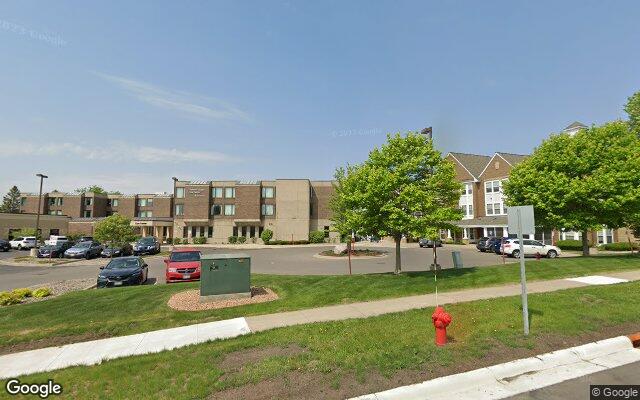
Other facilities in Dakota County.
Other memory care facilities in Dakota County with similar care offerings.
Tour Prep
Family reviews
No reviews yet — be the first to share your experience
Other memory care options nearby.
More options in neighboring cities
Licensed memory care in other cities within this county region — useful when your search radius crosses city limits.