Crest View Senior Community at.
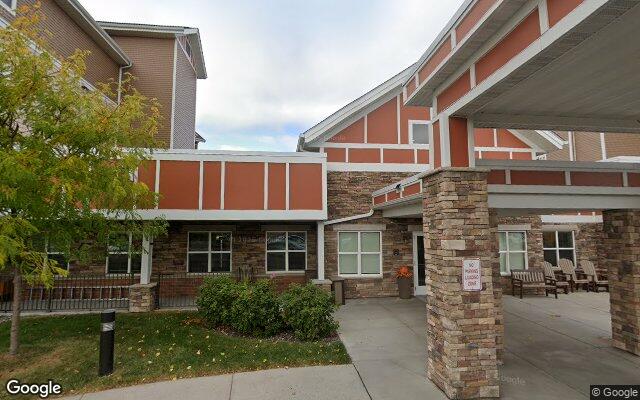
A large home, reviewed on public record.
Compared to 143 Minnesota facilities with a similar number of beds.
ALF memory care · 36-month window. Higher percentile = better performance on inspection record. Source: Minnesota Dept. of Health · Health Regulation Division.
among peers to rank.
Rankings based on 36-month MDH inspection data. Severity and frequency: fewer citations = higher percentile. Repeat rate: lower repeat citation share = higher percentile.
Citation history, plotted month by month.
2 deficiencies on record. Each bar is a month with a citation.
Finding distribution
2 total · 36 monthsScope × Severity (CMS A–L)
Questions to ask before you visit.
A short pre-tour checklist tailored to Crest View Senior Community at's record and state requirements.
The Minnesota Department of Health most recently inspected this facility on July 23, 2025, and found zero deficiencies — can you walk us through the written policies and staff training protocols that support your dementia care program under Minnesota Statute chapter 144G?
Ask the operator on tour. Take notes and compare answers across facilities you visit.
Five complaints were filed with MDH during the inspection period on file — were any of those complaints substantiated, and what corrective action plans or documentation can you share with families regarding how the facility responded?
Ask the operator on tour. Take notes and compare answers across facilities you visit.
This community holds an Assisted Living Facility with Dementia Care license under chapter 144G — can you provide families with a copy of your written dementia care disclosure and explain how staff demonstrate competency in memory care techniques specific to your 98-bed setting?
Ask the operator on tour. Take notes and compare answers across facilities you visit.
Every inspection visit, verbatim.
6 inspections in the public record, most recent first. Plain-language summaries open first — click into any row for the full citation text.
2026-01-27Complaint InvestigationNo findings
Plain-language summary
A complaint investigation found that an unlicensed caregiver and a resident had conflicting accounts of what happened during nighttime incontinence care, with the resident reporting the caregiver continued despite being asked to stop and then grasped her hand, while the caregiver denied a physical struggle occurred; the resident developed a bruise on her hand but did not require medical attention and returned to baseline. The Minnesota Department of Health determined the allegation of abuse was inconclusive because the inconsistent statements made it impossible to establish what actually took place. Following the incident, the facility increased the resident's care plan to require two staff members for bed mobility assistance.
Read full citation textHide full citation text
Read raw inspector notesClose inspector notes
Finding: Inconclusive Nature of Investigation: The Minnesota Department of Health investigated an allegation of maltreatment, in accordance with the Minnesota Reporting of Maltreatment of Vulnerable Adults Act, Minn. Stat. 626.557, and to evaluate compliance with applicable licensing standards for the provider type. Initial Investigation Allegation(s): The AP, who is an unlicensed caregiver, abused the resident when providing personal cares caused bruising to the top of the resident’s hand. Investigative Findings and Conclusion: The Minnesota Department of Health determined abuse was inconclusive. Although an incident did occur, it could not be determined what took place due to the inconsistencies of the statements provided by the AP and resident. The resident did not require medical attention and returned to baseline. The investigator conducted interviews with facility staff members, including administrative staff, nursing staff, and unlicensed staff. The investigation included review of the resident record(s), facility internal investigation, facility incident reports, personnel files, staff schedules, and related facility policy and procedures. Also, the investigator observed type of bed resident used and the location of the bed in her apartment. The resident resided in an assisted living facility. The resident’s diagnoses included Parkinson’s Disease, chronic back pain, and anxiety. The resident’s service plan included assistance with toileting, dressing, transfer, and bed mobility with assist of one staff. The resident’s assessment indicated the resident was alert and oriented and able to give accurate information but not consistently. The resident could communicate needs but was also hard of hearing. The resident’s side rail assessment indicated the resident had a hospital bed with bilateral ¼ bedrails she used to during repositioning in bed during cares. The medical record indicated the resident’s medication included an anticoagulant (blood thinner) which increased her risk for bruising. A concern arose during an overnight shift when it was reported that while the AP assisted the resident with bed mobility during incontinence cares the resident asked the AP to stop. Initially, the AP did not stop, and the resident pushed the AP’s hand away and then the AP took hold of the resident’s hand. The AP discontinued the cares at that point leaving the resident’s incontinence pad not completely fastened. Later, a bruise developed on the resident’s hand. The facility task list report and signed tasks list completed record indicated the resident has a history of becoming upset during cares if the resident feels she is being rushed, for resident not to be anxious staff are to approach cares more slowly. This same document indicated resistance to toileting during the overnight. This task lists no specific check and changing time on the overnight shift, does not indicate resident is not gotten up out of bed or walked to the toilet, but that the resident is actually changed in bed, and does not specify number of staff required for the tasks. The facility’s internal investigation indicated there were conflicting narratives of what occurred. The document indicated the resident said the AP rolled her quickly from side-to-side and she asked the AP to stop. However, the AP continued so the resident grabbed and pushed the AP’s hand away while the AP grasped the resident’s hand while she finished placed the incontinence brief. The resident indicated the AP gave up and left the room. The same document indicated the AP acknowledged she was having difficulty rolling the resident while changing her. The AP stated she may not have stopped immediately because she was in mid-task, however the resident’s voice became very serious, and she seemed upset, so the AP stopped and left the room leaving the incontinence pad partly unfastened. The AP denied a physical struggle occurred or grasping the resident’s hands. During an interview, the AP stated the resident required assistance on the overnight shift with toileting which was completed in bed. AP stated the resident was listed as a one staff assist on the task list report [guide for cares which staff provide]. The AP stated the resident was able to help roll some from side-to-side but not all the way. The AP stated at some point mid-task the resident asked her to stop, and she tried to finish with the incontinence pad but ended up leaving it not completely closed on one side due to the resident’s request and left the room. The AP stated when she exited the resident’s room the second staff was outside near the room when AP explained she had a difficult time turning the resident. AP stated task list indicated the resident was a one person assist with night changes, but a two person assist with transfers. During an interview, an unlicensed caregiver stated the AP did tell her the resident had been combative with changing, so AP had left the room. The caregiver stated she told the AP that next time she went into change resident that they would both go in together. The caregiver stated at the time of the incident the resident was a one person assist for changing, but after that night became two persons assist for bed mobility. The caregiver stated the resident was able to turn to one side better than the other side and uses the side rails on her bed to assist with the turning. The caregiver stated the resident has been known to display behaviors especially with staff with which she is not familiar. During an interview, a facility nurse stated the resident is heavier cares and requires assistance. The nurse stated at the time of the incident the resident was a one person assist with overnight changes in bed. The nurse stated staff do have difficulty removing the brief from under the resident. The nurse stated staff are provided direction for tasks to be completed by what is located on the Task List Report. The nurse stated since the incident the resident has requested two staff for cares for the resident’s comfort. The nurse stated she made this change to the resident service plan and documented a note in the resident’s progress notes. In conclusion, the Minnesota Department of Health determined abuse was inconclusive. Inconclusive: Minnesota Statutes, section 626.5572, Subdivision 11. "Inconclusive" means there is less than a preponderance of evidence to show that maltreatment did or did not occur. Abuse: Minnesota Statutes section 626.5572, subdivision 2. "Abuse" means: (a) An act against a vulnerable adult that constitutes a violation of, an attempt to violate, or aiding and abetting a violation of: (1) assault in the first through fifth degrees as defined in sections 609.221 to 609.224; (2) the use of drugs to injure or facilitate crime as defined in section 609.235; A violation includes any action that meets the elements of the crime, regardless of whether there is a criminal proceeding or conviction. (b) Conduct which is not an accident or therapeutic conduct as defined in this section, which produces or could reasonably be expected to produce physical pain or injury or emotional distress including, but not limited to, the following: (1) hitting, slapping, kicking, pinching, biting, or corporal punishment of a vulnerable adult; (2) use of repeated or malicious oral, written, or gestured language toward a vulnerable adult or the treatment of a vulnerable adult which would be considered by a reasonable person to be disparaging, derogatory, humiliating, harassing, or threatening; or (3) use of any aversive or deprivation procedure, unreasonable confinement, or involuntary seclusion, including the forced separation of the vulnerable adult from other persons against the will of the vulnerable adult or the legal representative of the vulnerable adult unless authorized under applicable licensing requirements or Minnesota Rules, chapter 9544. Vulnerable Adult interviewed: Yes Family/Responsible Party interviewed: No, attempts to interview were unsuccessful Alleged Perpetrator interviewed: Yes the Action taken by facility: The facility conducted an internal investigation and updated the service plan to two people for bed mobility. The AP was no longer employed by the facility. Action taken by the Minnesota Department of Health: The facility was found to be in noncompliance. To view a copy of the Statement of Deficiencies and/or correction orders, please visit: https://www.health.state.mn.us/facilities/regulation/directory/provcompselect.html If you are viewing this report on the MDH website, please see the attached Statement of Deficiencies.
2025-07-23Annual Compliance VisitNo findings
Plain-language summary
A routine inspection of Crest View Senior Community at Blaine on July 23, 2025 found one violation related to fire protection and physical environment; the facility was assessed a $500 fine for this Level 2 violation. The facility must document how it corrected the noncompliance and made system changes to ensure future compliance, with documentation due according to the timeframe specified on the state correction order form.
Read full citation textHide full citation text
Read raw inspector notesClose inspector notes
correction orders and document the actions taken to comply in the facility's records. The Department reserves the right to return to the facility at any time should the Department receive a complaint or deem it necessary to ensure the health, safety, and welfare of residents in your care. STATE CORRECTION ORDERS The enclosed State Form documents the state correction orders. MDH documents state licensing correction orders using federal software. Tag numbers are assigned to Minnesota state statutes for Assisted Living Facilities. The assigned tag number appears in the far left column entitled "ID Prefix Tag." The state statute number and the corresponding text of the state statute out of compliance are listed in the "Summary Statement of Deficiencies" column. This column also includes the findings that are in violation of the state statute after the statement, "This MN Requirement is not met as evidenced by . . ." IMPOSITION OF FINES In accordance with Minn. Stat. § 144G.31, Subd. 4, fines and enforcement actions may be imposed based on the level and scope of the violations and may be imposed immediately with no opportunity to correct the violation first as follows: Level 1: no fines or enforcement; Level 2: a fine of $500 per violation, in addition to any enforcement mechanism authorized in § 144G.20; Level 3: a fine of $1,000 per incident, in addition to any enforcement mechanism authorized in § 144G.20; Level 4: a fine of $3,000 per incident, in addition to any enforcement mechanism authorized in An equal opportunity employer. Letter ID: IS7N REVISED 09/13/2021 Crest View Senior Community at Blaine August 11, 2025 Page 2 § 144G.20; Level 5: a fine of $5,000 per violation, in addtion to any enforcement mechanism authorized in § 144G.20. Therefore, in accordance with Minn. Stat. §§ 144G.01 to 144G.9999, the following fines are assessed pursuant to this survey: St - 0 - 0775 - 144g.45 Subd. 2. (a) - Fire Protection And Physical Environment - $500.00 Therefore, in accordance with Minn. Stat. §§ 144G.01 to 144G.9999, t he total amount you are assessed is $500.00. You will be invoiced approximately 30 days after receipt of this notice, subject to appeal. DOCUMENTATION OF ACTION TO COMPLY In accordance with Minn. Stat. § 144G.30, Subd. 5(c), the licensee must document actions taken to comply with the correction orders within the time period outlined on the state form; however, plans of correction are not required to be submitted for approval. The correction order documentation should include the following: Identify how the area(s) of noncompliance was corrected related to the resident(s)/employee(s) identified in the correction order. Identify how the area(s) of noncompliance was corrected for all of the provider’s resident(s)/employees that may be affected by the noncompliance. Identify what changes to your systems and practices were made to ensure compliance with the specific statute(s). CORRECTION ORDER RECONSIDERATION PROCESS In accordance with Minn. Stat. § 144G.32, Subd. 2, you may challenge the correction order(s) issued, including the level and scope, and any fine assessed through the correction order reconsideration process. The request for reconsideration must be in writing and received by MDH within 15 calendar days of the correction order receipt date. To submit a reconsideration request, please visit: https://forms.web.health.state.mn.us/form/HRDAppealsForm REQUESTING A HEARING Alternatively, in accordance with Minn. Stat. § 144G.31, Subd. 5(d), an assisted living provider that has been assessed a fine under this subdivision has a right to a reconsideration or a hearing under this section and chapter 14. Pursuant to Minn. Stat. § 144G.20, Subd. 14 and Subd. 18, a request for a hearing must be in writing and received by the Department of Health within 15 business days of the correction order receipt date. The request must contain a brief and plain statement describing each matter or issue contested and any new information you believe constitutes a defense or mitigating factor. Crest View Senior Community at Blaine August 11, 2025 Page 3 To submit a hearing request, please visit: https://forms.web.health.state.mn.us/form/HRDAppealsForm To appeal fines via reconsideration, please follow the procedure outlined above. P lease note that you may request a reconsideration o r a hearing, but not both. If you wish to contest tags without fines in a reconsideration and tags with the fines at a hearing, please submit two separate appeals forms at the website listed above. The MDH Health Regulation Division (HRD) values your feedback about your experience during the survey and/or investigation process. Please fill out this anonymous provider feedback questionnaire at your convenience at this link: h ttps://forms.office.com/g/Bm5uQEpHVa. Your input is important to us and will enable MDH to improve its processes and communication with providers. If you have any questions regarding the questionnaire, please contact Susan Winkelmann at susan.winkelmann@state.mn.us or call 651-201-5952. You are encouraged to retain this document for your records. It is your responsibility to share the information contained in the letter and state form with your organization’s Governing Body. If you have any questions, please contact me. Sincerely, Kelly Thorson, Supervisor State Evaluation Team Email: Kelly.Thorson@state.mn.us Telephone: 320-223-7336 Fax: 1-866-890-9290 AH PRINTED: 08/11/2025 FORM APPROVED STATEMENT OF DEFICIENCIES (X1) PROVIDER/SUPPLIER/CLIA (X2) MULTIPLE CONSTRUCTION (X3) DATE SURVEY AND PLAN OF CORRECTION IDENTIFICATION NUMBER: COMPLETED A. BUILDING: ______________________ B. WING _____________________________ 32676 07/23/2025 NAME OF PROVIDER OR SUPPLIER STREET ADDRESS, CITY, STATE, ZIP CODE 12016 ULYSSES STREET NE CREST VIEW SENIOR COMMUNITY AT BLAINE BLAINE, MN 55434 SUMMARY STATEMENT OF DEFICIENCIES PROVIDER'S PLAN OF CORRECTION (X4) ID ID (X5) PREFIX (EACH DEFICIENCY MUST BE PRECEDED BY FULL PREFIX (EACH CORRECTIVE ACTION SHOULD BE COMPLETE REGULATORY OR LSC IDENTIFYING INFORMATION) CROSS-REFERENCED TO THE APPROPRIATE DATE TAG TAG DEFICIENCY) 0 000 Initial Comments 0 000 *****ATTENTION***** Minnesota Department of Health is documenting the State Licensing ASSISTED LIVING PROVIDER LICENSING Correction Orders using federal software. CORRECTION ORDER(S) Tag numbers have been assigned to Minnesota State Statutes for Assisted In accordance with Minnesota Statutes, section Living License Providers. The assigned 144G.08 to 144G.95, these correction orders are tag number appears in the far left column issued pursuant to a survey. entitled "ID Prefix Tag." The state Statute number and the corresponding text of the Determination of whether violations are corrected state Statute out of compliance is listed in requires compliance with all requirements the "Summary Statement of Deficiencies" provided at the Statute number indicated below. column. This column also includes the When Minnesota Statute contains several items, findings which are in violation of the state failure to comply with any of the items will be requirement after the statement, "This considered lack of compliance. Minnesota requirement is not met as evidenced by." Following the surveyors' INITIAL COMMENTS: findings is the Time Period for Correction. SL32676016 PLEASE DISREGARD THE HEADING OF THE FOURTH COLUMN WHICH On July 21, 2025, through July 23, 2025, the STATES,"PROVIDER'S PLAN OF survey at the above provider and the following FEDERAL DEFICIENCIES ONLY. THIS correction orders are issued. At the time of the WILL APPEAR ON EACH PAGE. survey, there were 86 residents; 77 receiving services under the Assisted Living Facility with THERE IS NO REQUIREMENT TO Dementia Care license. SUBMIT A PLAN OF CORRECTION FOR VIOLATIONS OF MINNESOTA STATE STATUTES. The letter in the left column is used for tracking purposes and reflects the scope and level issued pursuant to 144G.31 subd. 1, 2, and 3. 0 775 144G.45 Subd. 2. (a) Fire protection and physical 0 775 SS=F environment Each assisted living facility must comply with the LABORATORY DIRECTOR'S OR PROVIDER/SUPPLIER REPRESENTATIVE'S SIGNATURE TITLE (X6) DATE STATE FORM 6899 9DCY11 If continuation sheet 1 of 4 PRINTED: 08/11/2025 FORM APPROVED STATEMENT OF DEFICIENCIES (X1) PROVIDER/SUPPLIER/CLIA (X2) MULTIPLE CONSTRUCTION (X3) DATE SURVEY AND PLAN OF CORRECTION IDENTIFICATION NUMBER: COMPLETED A. BUILDING: ______________________ B. WING _____________________________ 32676 07/23/2025 NAME OF PROVIDER OR SUPPLIER STREET ADDRESS, CITY, STATE, ZIP CODE 12016 ULYSSES STREET NE CREST VIEW SENIOR COMMUNITY AT BLAINE, MN 55434 SUMMARY STATEMENT OF DEFICIENCIES PROVIDER'S PLAN OF CORRECTION (X4) ID ID (X5) PREFIX (EACH DEFICIENCY MUST BE PRECEDED BY FULL PREFIX (EACH CORRECTIVE ACTION SHOULD BE COMPLETE REGULATORY OR LSC IDENTIFYING INFORMATION) CROSS-REFERENCED TO THE APPROPRIATE DATE TAG TAG DEFICIENCY) 0 775 Continued From page 1 0 775 State Fire Code in Minnesota Rules, chapter 7511, and: This MN Requirement is not met as evidenced by: Based on observation and interview, the licensee failed to comply with Minnesota State Fire Code in Minnesota Rules chapter 7511.
2025-06-24Complaint InvestigationNo findings
Plain-language summary
A complaint was investigated alleging that the facility neglected a resident who was hospitalized twice after ingesting hand sanitizer. The Minnesota Department of Health determined the allegation was not substantiated, finding that facility staff appropriately monitored and assessed the resident when incidents were observed, reported them to family and medical providers, and worked with the resident's family and doctor to implement safety measures including restricting hand sanitizer access and arranging psychiatric evaluation and treatment.
Read full citation textHide full citation text
Read raw inspector notesClose inspector notes
Finding: Not Substantiated Nature of Investigation: The Minnesota Department of Health investigated an allegation of maltreatment, in accordance with the Minnesota Reporting of Maltreatment of Vulnerable Adults Act, Minn. Stat. 626.557, and to evaluate compliance with applicable licensing standards for the provider type. Initial Investigation Allegation(s): The facility neglected the resident when the resident was hospitalized twice after ingesting hand sanitizer. Investigative Findings and Conclusion: The Minnesota Department of Health determined neglect was not substantiated. When facility staff observed the resident pumping the hand sanitizer into his hands then bringing his hand to his mouth, the resident was assessed, monitored, and treated. Facility staff facilitated meetings with the resident’s family, medical provider(s) and the resident to develop and implement interventions for alcohol abuse. The investigator conducted interviews with facility staff members, including administrative staff, nursing staff, and unlicensed staff. The investigation included review of the resident record(s), hospital records, internal investigation documentation, incident reports, personnel files, staff schedules, and related facility policy and procedures. Also, the investigator observed the facility environment and staff interaction with the residents. The resident resided in an assisted living facility. The resident’s diagnoses included cerebellar stroke syndrome (a group of neurological deficits resulting from impaired blood flow to the cerebellum, a region of the brain responsible for coordination and balance), major depressive disorder and alcohol abuse. The resident’s service plan included assistance with medication management. The resident’s assessment indicated the resident had a history of alcohol abuse that involved ingesting rubbing alcohol, the resident was alert and orient to person, place, and time. The resident’s assessment indicated the resident was independent with all activities of daily living, including mobility, but received staff assistance with medication management and encouragement to attend facility activities. The resident’s medical records indicated the resident received outpatient counseling services for mental health concerns. The medical records indicated the resident’s family reported hand sanitizer was found in the resident’s room, inside snack boxes. Facility staff investigated the incidents, discussed the risks of ingesting hand sanitizer, and encouraged the resident to wash his hands with soap and water to reduce the temptation of ingestion. The resident’s medical records indicated the resident was observed by staff after pumping hand sanitizer in his hands and bringing his hands up to his mouth. Although the resident did not always admit to ingesting the hand sanitizer, facility staff investigated each incident, monitored the resident and reported the incidents to the resident’s family and provider. The facility implemented services for medication management to ensure the resident was taking his prescribed Antabuse medication (medication that would produce a sensitivity to alcohol causing symptoms such as: nausea, vomiting, dizziness, weakness and confusion). Following implementation of medication management services, the resident reported on two different occasions that he ingested hand sanitizer, felt nauseous, was vomiting and unsteady. Staff assessed the resident, reported the incidents to family and the medical provider, then transported the resident to the hospital for evaluation. During the second hospitalization, the resident refused in-patient treatment and returned to the facility. The facility decreased access to hand sanitizer by keeping hand sanitizers only with facility staff, and facilitated meetings with the resident, family, and medical providers to schedule a psychiatric evaluation and an outpatient treatment program. During an interview, a facility administrative nurse stated video footage was reviewed during facility investigations. The facility administrative nurse stated the video locations made it difficult to view if the resident pumped the hand sanitizer in his hands and it could not be determined if, after the resident brought his hands to his face, if he was smelling or ingesting it. During an interview, a floor nurse recalled staff reporting the hand sanitizer missing off of a medication cart that was located in the same room the resident had been sitting. The floor nurse then interviewed the resident, who denied taking the hand sanitizer at first, but gave permission for the floor nurse to look in his room for the bottle. A bottle of sanitizer was found in the resident’s closet. The resident then admitted to taking the hand sanitizer bottle and apologized. The floor nurse stated she updated the resident’s provider regarding the incident. During an interview, a facility administrative staff stated the resident like to walk around the facility independently where he had access to various hand sanitizers throughout the building. Facility administrative staff stated the resident, the resident’s family, and the medical provider were agreeable to a plan that included the resident to be transported directly to a hospital inpatient treatment program if other incidents occurred. During an interview, the resident’s family member stated the resident’s alcohol abuse had gone on for decades and was the reason for the resident’s admission to the facility. The family member stated they completed audits of the resident’s room and found hand sanitizer bottles in various places then removed them and reported the findings to facility staff. The family member stated they were grateful for the collaboration with the facility to assist the resident with the alcohol abuse concerns. In conclusion, the Minnesota Department of Health determined neglect was not substantiated. “Not Substantiated” means: An investigatory conclusion indicating the preponderance of evidence shows that an act meeting the definition of maltreatment did not occur. Neglect: Minnesota Statutes, section 626.5572, subdivision 17 “Neglect” means neglect by a caregiver or self-neglect. (a) "Caregiver neglect" means the failure or omission by a caregiver to supply a vulnerable adult with care or services, including but not limited to, food, clothing, shelter, health care, or supervision which is: (1) reasonable and necessary to obtain or maintain the vulnerable adult's physical or mental health or safety, considering the physical and mental capacity or dysfunction of the vulnerable adult; and (2) which is not the result of an accident or therapeutic conduct. Vulnerable Adult interviewed: No, per family request. Family/Responsible Party interviewed: Yes Alleged Perpetrator interviewed: Not Applicable Action taken by facility: The facility assessed and monitored the resident after each incident, completed facility internal investigations of the incidents, reported the incidents to family and the resident’s provider and implemented interventions to prevent further occurrance. Action taken by the Minnesota Department of Health: No further action taken at this time. cc: The Office of Ombudsman for Long Term Care The Office of Ombudsman for Mental Health and Developmental Disabilities PRINTED: 06/25/2025 FORM APPROVED STATEMENT OF DEFICIENCIES (X1) PROVIDER/SUPPLIER/CLIA (X2) MULTIPLE CONSTRUCTION (X3) DATE SURVEY AND PLAN OF CORRECTION IDENTIFICATION NUMBER: COMPLETED A. BUILDING: ______________________ C B. WING _____________________________ 32676 05/06/2025 NAME OF PROVIDER OR SUPPLIER STREET ADDRESS, CITY, STATE, ZIP CODE 12016 ULYSSES STREET NE CREST VIEW SENIOR COMMUNITY AT BLAINE, MN 55434 SUMMARY STATEMENT OF DEFICIENCIES PROVIDER'S PLAN OF CORRECTION (X4) ID ID (X5) PREFIX (EACH DEFICIENCY MUST BE PRECEDED BY FULL PREFIX (EACH CORRECTIVE ACTION SHOULD BE COMPLETE REGULATORY OR LSC IDENTIFYING INFORMATION) CROSS-REFERENCED TO THE APPROPRIATE DATE TAG TAG DEFICIENCY) 0 000 Initial Comments 0 000 On May 6, 2025, the Minnesota Department of Health initiated an investigation of complaint #HL326769902C/#HL326769962M. No correction orders are issued. LABORATORY DIRECTOR'S OR PROVIDER/SUPPLIER REPRESENTATIVE'S SIGNATURE TITLE (X6) DATE STATE FORM 6899 JNU711 If continuation sheet 1 of 1
2024-07-02Complaint InvestigationSubstantiated Finding · 1 finding
Plain-language summary
A complaint investigation found that staff neglected a resident when they transferred her using a mechanical lift and she fell from the sling, breaking her hip; the facility failed to properly measure the resident for the correct sling size, failed to document critical sling and lift details in her care plan, and staff demonstrated incorrect sling attachment during observation despite having received documented training. An allegation of abuse related to the incident could not be substantiated because the alleged perpetrator could not be identified and there were no documented concerns in the resident's medical record. The facility was found responsible for the neglect.
Read full citation text (1)Hide full citation text
“MDH substantiated maltreatment or licensing violation finding”
Read raw inspector notesClose inspector notes
Finding: Substantiated, facility responsibility Nature of Investigation: The Minnesota Department of Health investigated an allegation of maltreatment, in accordance with the Minnesota Reporting of Maltreatment of Vulnerable Adults Act, Minn. Stat. 626.557, and to evaluate compliance with applicable licensing standards for the provider type. Initial Investigation Allegation(s): Alleged perpetrator (AP) #1 and AP #2 neglected the resident when AP #1 and AP #2 transferred resident with a full body mechanical lift and resident fell from the lift. The resident broke her hip. The unknown AP abused the resident when the AP pushed resident out of bed and pressed on areas of neuropathy causing resident pain. Investigative Findings and Conclusion: The Minnesota Department of Health determined neglect was substantiated. The facility was responsible for the maltreatment. The facility failed to measurement the resident’s body to determine the proper size sling to use with the mechanical lift. AP #1 and AP #2 reported the fall out of the sling occurred in an unlikely way and the facility failed to investigate the size of the sling used, the color straps used and the attachment of the sling to the mechanical lift when An equal opportunity employer. a nurse was present at the facility to evaluate the root cause of the fall. The facility failed to update their mechanical lift policy to include instructions of sling placement and mechanical lift use with the type of sling and mechanical lift utilized by the unlicensed personnel (ULP) within the facility. Although the facility had documented training and competency, during observation, ULP staff demonstrated incorrect attachment of the sling to the mechanical lift. The Minnesota Department of Health determined abuse was not substantiated. The AP was unknown and there were no documented concerns, progress notes or incident reports, related to the allegation of abuse in the resident’s medical record. The investigator conducted interviews with facility staff members, including administrative staff, nursing staff, and unlicensed staff. The investigation included review of medical records, personnel files, police reports, facility policies, and mechanical lift user manual and training tutorials. Also, the investigator toured the facility and observed a mechanical full body lift demonstration. The resident resided in an assisted living facility. The resident’s diagnoses included obesity, neuropathy, chronic pain, anxiety, and stroke. The resident’s service plan included assistance with bathing, grooming, toileting, medication management and assist of two staff for mechanical full body lift transfers. NEGLECT ALLEGATION: The resident’s nursing assessment indicated the resident was alert and oriented to person, place, time. The resident required total assistance with transfers utilizing two staff with a mechanical full body lift. The resident’s weight was 230 pounds and height was 55 inches. The assessment failed to include the assessed size of sling the resident required for the full body mechanical lift and indicate which straps of the sling were required to be applied to the lift for safe and proper use. The resident’s care plan indicated the resident used a size large sling for the mechanical lift. The care plan failed to include what color straps to utilize when connecting the sling to the mechanical lift. A photograph provided by the facility of the sling used showed a maroon color binding on the EZ Way brand sling. The EZ Way brand sling sizing chart indicated the size and weight designations were estimates and basic guidelines. A proper fit would depend on other weight measurements including height and girth of the resident. The size chart indicated the fabric of one leg seam to the other should be the same width as the resident's hip to the other hip. The size guide also included a maximum distance from the resident's tailbone to base of the neck for each sling size. The document indicated the color coding referenced the binding color of the sling. The color maroon indicated a size large. The resident’s record failed to include measurements of the resident’s tailbone to base of her neck and measurements from her hip to the other hip. The resident’s progress note indicated AP #1 and AP #2 contacted the on-call nurse to report the resident fell from the side of the sling onto her left side and complained of left hip pain. The resident initially refused to go to the hospital. Staff called the resident’s family and family requested the resident go to the hospital. The facility’s internal investigation included a written statement from AP #1 and AP #2. AP #1 wrote they crossed the leg straps between her legs and connected the correct colors of the sling to the right hooks. AP #1 wrote the resident was lifting smoothly out of her wheelchair when the resident leaned on her right side and fell out before staff could stop her. AP #2 wrote they crossed the leg strap between her legs and hooked the sling colors. AP #2 wrote they stopped and looked to make sure everything was connected to the right hooks and secure. After lifting up smoothly, the resident started to lean on her right side and the resident fell to the floor before they could stop her. The nurse examined the resident on the floor. The resident landed on her left side and complained of left hip pain. The nurse sent the resident to the hospital. The internal investigation failed to include evaluation by the nurse at the time of the incident the size of the sling used, the color straps used and the attachment of the sling to the mechanical lift. Two days after the incident, the internal investigation indicated the director of nursing (DON) interviewed the AP #1 and AP#2. The DON had AP #1 demonstrate the transfer. The internal investigation documented AP #1 reported “resident leaned to her right and leaned out of the sling.” The DON investigated the mechanical lift functioned properly and “proper technique” was involved with transferring the resident. The internal investigation failed to indicate what size sling was utilized during the transfer. The internal investigation failed to investigate how the resident leaned out of the sling on her right side, but landed on her left hip when her legs were within crossed leg straps. The resident’s hospital record indicated she admitted for a displaced and impacted left hip fracture. She required surgical repair of the hip and was hospitalized for 17 days. The resident’s progress note indicated the resident returned to the facility but discharged to a skilled nursing facility four days later for higher level of care. During an interview, the DON stated she was not onsite when the fall happened. The DON said the loops were on the proper colors. The DON stated the resident used a size large sling, the type with the legs crossed. The DON stated the nurses train staff on the mechanical lifts. She said one staff controls the lift and the second staff navigates the resident and the sling. She said while AP #1 and AP #2 lifted the resident in the mechanical lift, the resident pushed herself to the side which caused resident to fall out of the lift sling. She said the sling was still attached to the lift after the resident fell. During an interview, AP #1 said she and AP #2 attempted to transfer the resident from her wheelchair to her bed with a mechanical full body lift. While she mechanically lifted the resident via remote control, AP #2 moved the resident’s wheelchair. AP #1 said AP #2 had both hands on the wheelchair when the resident fell from the lift. AP #1 said the resident was calm during the lift and did not move while in the sling during the transfer. During an interview, AP #2 described the incident. AP #2 stated after attaching the sling to the lift hooks, AP #1 lifted the resident from her wheelchair while AP #2 moved the resident’s wheelchair. AP #2 said she never saw the resident fall as she was turned around moving the wheelchair. AP #2 said she completed paper training on mechanical lifts in new employee orientation. AP #2 said she never received re-education on mechanical lifts after the incident. During an interview, the licensed assisted living director said she and a nurse completed the internal investigation. She said only AP #1 and AP #2 received re-education on mechanical lifts after the incident. During a mechanical lift demonstration onsite, two ULP failed to attach the full body mesh sling correctly to the full body mechanical lift.
2024-06-24Complaint InvestigationNo findings
Plain-language summary
The Minnesota Department of Health investigated a complaint that the facility neglected a resident by failing to provide hygiene care, proper nutrition, and medication management, which resulted in two hospitalizations and the resident's death; the investigation found the neglect allegation was not substantiated. The investigation identified a medication transcription error in which an antipsychotic medication was continued for 10 days after a hospital order to discontinue it, and documentation gaps in bath services, but these issues did not constitute substantiated neglect under Minnesota law. The facility made adjustments to the resident's care plan following hospital discharge and responded to family concerns by reviewing and adjusting medications during the resident's care.
Read full citation textHide full citation text
Read raw inspector notesClose inspector notes
Finding: Not Substantiated Nature of Investigation: The Minnesota Department of Health investigated an allegation of maltreatment, in accordance with the Minnesota Reporting of Maltreatment of Vulnerable Adults Act, Minn. Stat. 626.557, and to evaluate compliance with applicable licensing standards for the provider type. Initial Investigation Allegation(s): The facility neglected the resident when staff failed to provide hygiene care, proper nutrition, and follow medication orders. As a result, the resident was hospitalized on two separate occasions. Investigative Findings and Conclusion: The Minnesota Department of Health determined neglect was not substantiated. The facility moved the resident to the memory care unit upon hospital return to accommodate her increased support needs, updated the resident’s provider on changes in status and made medication adjustments. The investigator conducted interviews with facility staff members, including administrative staff and nursing staff. The investigator also interviewed family. The investigation included review of medical records, hospital records and facility policies. Also, the investigator toured the facility and observed resident cares including medication administration and grooming. An equal opportunity employer. The resident resided in an assisted living memory care unit. The resident’s diagnoses included Alzheimer’s disease, heart failure, and depression. The resident’s service plan included assistance with bathing, grooming, medication management, and behavioral interventions. The resident’s assessment indicated the resident had cognitive impairment with poor decision making and was an increased elopement risk. According to the resident’s progress notes, the resident had a behavioral episode where she was physically and verbally aggressive towards staff. Staff sent the resident to the hospital for further evaluation. According to the hospital record, the resident presented with escalated agitation upon admission. The hospital physician diagnosed the resident with a urinary tract infection. The resident was delirious and placed on a one-to-one staff ratio for supervision. The resident had impaired memory, judgement, and safety awareness. The hospital physician recommended increased assistance once medically stable. In addition, the hospital discharge orders included an order to discontinue the resident’s antipsychotic medication (quetiapine). During an interview, a family member said she questioned whether the resident should have admitted to the memory care unit upon hospital return but said another family member may have approved the move. The family member said upon discharge, the hospital discontinued one medication, but the facility re-ordered it. In addition, the family member was concerned about the recent medication changes made while at the hospital. She said the resident appeared overly sedated when she came to visit after the resident readmitted to the facility and the resident recently fell twice. She reported her concerns to the facility staff. She said the facility reviewed and adjusted medications at that time. The family member said the resident appeared unkept and had dry mucus membranes possibly related to dehydration. The facility staff sent the resident back to the hospital due to low oxygen saturation level. She was diagnosed with pneumonia at the hospital. The resident’s service delivery records indicated the resident’s scheduled bath was left blank without documentation as being completed. The family reported staff completed an unscheduled bath later that same week, however the facility staff failed to document completion of the unscheduled bath on the service delivery record. The resident’s medication administration record (MAR) indicated medication order changes were made after family voiced concern. The MAR showed a medication transcription error when quetiapine was not discontinued and was given to the resident for 10 days after returning to the facility. The resident’s nurse practitioner (NP) visit note indicated the NP saw the resident six days after returning from the hospital (five days after the transcription error). The NP noted the hospital order to discontinue quetiapine, reviewed the MAR and additionally wrote an order to discontinue quetiapine. The NP ordered laboratory tests for the resident. The NP assessed the resident and found no clinical symptoms for respiratory concerns at that time. The NP noted concern for continued weakness, other signs for increased fluid within the brain related to congestive heart failure and ordered additional laboratory tests. The visit note however was not completed and provided to the facility until five days after the visit. The resident’s progress notes indicated two days after receiving the NP’s orders, the resident presented with breathing changes and the NP ordered supplemental oxygen and a weight recheck (for increased fluid). The resident’s weight had increased 3.5 pounds from her hospital discharge and the NP ordered a change to her Lasix (water pill). A week later, the NP discontinued the resident’s other antipsychotic medication (Haldol), which had started in the hospital. Four days later, the progress note indicated the resident had a rapid decline and changes in the past 24 hours, including requiring three staff for assistance due to inability to stand and the facility staff sent the resident to the hospital. The resident’s discharge summary indicated she had a rapid decline and was sent to the hospital. The resident passed away at the hospital. During an interview, a member of management said resident became extremely agitated during a group activity. When resident was asked to leave, she became physically aggressive towards a staff member. The member of management said the resident had dementia and a history of verbal aggression, but the resident was not physically aggressive in the past. Staff sent her to the hospital for evaluation for the change in condition. At the hospital she was diagnosed with a urinary tract infection. The member of management stated upon return to the facility, she admitted to the locked memory care unit, which family approved. The resident received one bath a week. The member of management stated staff were instructed to assist with additional showers upon resident request or as needed. The member of management was unsure why staff did not document the resident’s bath on the service record. The member of management stated later after returning from the first hospitalization, the resident had a significant change in a 24-hour period and sent back to the hospital for the second hospitalization. In conclusion, the Minnesota Department of Health determined neglect was not substantiated. “Not Substantiated” means: An investigatory conclusion indicating the preponderance of evidence shows that an act meeting the definition of maltreatment did not occur. Neglect: Minnesota Statutes, section 626.5572, subdivision 17 Neglect means neglect by a caregiver or self-neglect. (a) "Caregiver neglect" means the failure or omission by a caregiver to supply a vulnerable adult with care or services, including but not limited to, food, clothing, shelter, health care, or supervision which is: (1) reasonable and necessary to obtain or maintain the vulnerable adult's physical or mental health or safety, considering the physical and mental capacity or dysfunction of the vulnerable adult; and (2) which is not the result of an accident or therapeutic conduct. Vulnerable Adult interviewed: No, deceased. Family/Responsible Party interviewed: Yes. Alleged Perpetrator interviewed: Not Applicable. Action taken by facility: The facility moved the resident to memory for increased care assistance. The facility followed orders received by the resident’s NP. After a significant change in status, the facility sent the resident to the hospital for a second admission. The facility made changes to management staff to ensure timely communication to families and ensure nursing processes are carried out accurately and timely. Action taken by the Minnesota Department of Health: The facility was found to be in noncompliance. To view a copy of the Statement of Deficiencies and/or correction orders, please visit: https://www.health.state.mn.us/facilities/regulation/directory/provcompselect.html If you are viewing this report on the MDH website, please see the attached Statement of Deficiencies. You may also call 651-201-4200 to receive a copy via mail or email cc: The Office of Ombudsman for Long Term Care The Office of Ombudsman for Mental Health and Developmental Disabilities PRINTED: 07/05/2024 FORM APPROVED STATEMENT OF DEFICIENCIES (X1) PROVIDER/SUPPLIER/CLIA (X2) MULTIPLE CONSTRUCTION (X3) DATE SURVEY AND PLAN OF CORRECTION IDENTIFICATION NUMBER: COMPLETED A. BUILDING: ______________________ C B. WING _____________________________ 32676 03/26/2024 NAME OF PROVIDER OR SUPPLIER STREET ADDRESS, CITY, STATE, ZIP CODE 12016 ULYSSES STREET NE CREST VIEW SENIOR COMMUNITY AT BLAINE, MN 55434 SUMMARY STATEMENT OF DEFICIENCIES PROVIDER'S PLAN OF CORRECTION (X4) ID ID (X5) PREFIX (EACH DEFICIENCY MUST BE PRECEDED BY FULL PREFIX (EACH CORRECTIVE ACTION SHOULD BE COMPLETE REGULATORY OR LSC IDENTIFYING INFORMATION) CROSS-REFERENCED TO THE APPROPRIATE DATE TAG TAG DEFICIENCY) 0 000 Initial Comments 0 000 ******ATTENTION****** Minnesota Department of Health is documenting the State Correction Orders ASSISTED LIVING PROVIDER CORRECTION using federal software.
2024-01-22Complaint InvestigationSubstantiated Finding · 1 finding
Plain-language summary
On January 22, 2024, the Minnesota Department of Health conducted a complaint investigation at Crest View Senior Community at Blaine and issued a correction order for failure to protect resident records. The facility left an empty medication punch card with one resident's identifying information on a counter in a public area and left another resident's medication administration record unattended on a computer screen in a busy hallway, creating potential for unauthorized access to private health information. This violation did not result in harm to residents but had the potential to do so.
Read full citation text (1)Hide full citation text
“MDH substantiated maltreatment or licensing violation finding”
Read raw inspector notesClose inspector notes
findings which When a Minnesota Statute contains several are in violation of the state requirement items, failure to comply with any of the items will after the statement, "This Minnesota be considered lack of compliance. requirement is not met as evidenced by." Following the evaluators' findings is the INITIAL COMMENTS: Time Period for Correction. #HL326764484C PLEASE DISREGARD THE HEADING OF THE FOURTH COLUMN WHICH On January 22, 2024, the Minnesota Department STATES,"PROVIDER'S PLAN OF of Health conducted a complaint investigation at CORRECTION." THIS APPLIES TO the above provider, and the following correction FEDERAL DEFICIENCIES ONLY. THIS orders are issued. At the time of the complaint WILL APPEAR ON EACH PAGE. investigation, there were 74 residents receiving services under the provider's Assisted Living with THERE IS NO REQUIREMENT TO Dementia Care license. SUBMIT A PLAN OF CORRECTION FOR VIOLATIONS OF MINNESOTA STATE The following correction order is issued for STATUTES. #HL326764484C, tag identification, 0700. THE LETTER IN THE LEFT COLUMN IS USED FOR TRACKING PURPOSES AND REFLECTS THE SCOPE AND LEVEL ISSUED PURSUANT TO 144G.31 SUBDIVISION 1-3. 0 700 144G.43 Subdivision 1 Resident record 0 700 SS=E (b) Resident records, whether written or LABORATORY DIRECTOR'S OR PROVIDER/SUPPLIER REPRESENTATIVE'S SIGNATURE TITLE (X6) DATE STATE FORM 6899 ZFS511 If continuation sheet 1 of 4 PRINTED: 02/16/2024 FORM APPROVED STATEMENT OF DEFICIENCIES (X1) PROVIDER/SUPPLIER/CLIA (X2) MULTIPLE CONSTRUCTION (X3) DATE SURVEY AND PLAN OF CORRECTION IDENTIFICATION NUMBER: COMPLETED A. BUILDING: ______________________ C B. WING _____________________________ 32676 01/22/2024 NAME OF PROVIDER OR SUPPLIER STREET ADDRESS, CITY, STATE, ZIP CODE 12016 ULYSSES STREET NE CREST VIEW SENIOR COMMUNITY AT BLAINE, MN 55434 SUMMARY STATEMENT OF DEFICIENCIES PROVIDER'S PLAN OF CORRECTION (X4) ID ID (X5) PREFIX (EACH DEFICIENCY MUST BE PRECEDED BY FULL PREFIX (EACH CORRECTIVE ACTION SHOULD BE COMPLETE REGULATORY OR LSC IDENTIFYING INFORMATION) CROSS-REFERENCED TO THE APPROPRIATE DATE TAG TAG DEFICIENCY) 0 700 Continued From page 1 0 700 electronic, must be protected against loss, tampering, or unauthorized disclosure in compliance with chapter 13 and other applicable relevant federal and state laws. The facility shall establish and implement written procedures to control use, storage, and security of resident records and establish criteria for release of resident information. This MN Requirement is not met as evidenced by: Based on record review, observation and interview, the licensee failed to ensure resident records were protected against loss, tampering or disclosure, for two of two residents (R2 and R3) reviewed. Unlicensed personnel (ULP)-D left an empty pill punch card with R2's identifying information lying on a counter in an activity/dining area. ULP-F left R3's medication administration record (MAR) up on a computer screen, unattended for several minutes in an activity room next to a busy hallway and diningroom. This practice resulted in a level two violation (a violation that did not harm a resident's health or safety but had the potential to have harmed a resident's health or safety, but was not likely to cause serious injury, impairment, or death) and was issued at a pattern scope (when more than a limited number of residents are affected, more than a limited number of staff are involved, or the situation has occurred repeatedly; but is not found to be pervasive). The findings include: R2's diagnoses included chronic gout, chronic kidney disease and joint pain. R2's service plan dated December 14, 2021, indicated she received assistance with medication administration and STATE FORM 6899 ZFS511 If continuation sheet 2 of 4 PRINTED: 02/16/2024 FORM APPROVED STATEMENT OF DEFICIENCIES (X1) PROVIDER/SUPPLIER/CLIA (X2) MULTIPLE CONSTRUCTION (X3) DATE SURVEY AND PLAN OF CORRECTION IDENTIFICATION NUMBER: COMPLETED A. BUILDING: ______________________ C B. WING _____________________________ 32676 01/22/2024 NAME OF PROVIDER OR SUPPLIER STREET ADDRESS, CITY, STATE, ZIP CODE 12016 ULYSSES STREET NE CREST VIEW SENIOR COMMUNITY AT BLAINE, MN 55434 SUMMARY STATEMENT OF DEFICIENCIES PROVIDER'S PLAN OF CORRECTION (X4) ID ID (X5) PREFIX (EACH DEFICIENCY MUST BE PRECEDED BY FULL PREFIX (EACH CORRECTIVE ACTION SHOULD BE COMPLETE REGULATORY OR LSC IDENTIFYING INFORMATION) CROSS-REFERENCED TO THE APPROPRIATE DATE TAG TAG DEFICIENCY) 0 700 Continued From page 2 0 700 activities of daily living R2's medication management plan dated April 10, 2023, indicated R2 received weekly medication set up and daily medication administration. R2's medication order summary dated January 22, 2024, indicated R2 had an active prescription for allopurinal tablets, 100 milligram (mg), give two tablets by mouth once daily for chronic gout. During an observation on January 22, 2024, at 11:15 a.m., the surveyor found an empty pill punch card for R2's allopurinal 100 mg tablets lying on a counter in a second floor activity and dining area. A locked medication cart was nearby. One person stood near a dining table approximately 20 feet away. Two staff members entered the activity and dining room and approached the surveyor. The surveyor asked ULP-D and ULP-E about R2's pill punch card. ULP-D said she was scheduled to pass medications today and got busy. She did not throw the pill punch card away like she normally would. ULP-D took R2's pill punch card and disposed of it in a nearby trash bin. R3's diagnoses included chronic obstructive pulmonary disease, type 2 diabetes and chronic kidney disease. R3's service plan dated September 22, 2023, indicated he received daily medication administration and weekly medication review and set up by a nurse. R3's medication assessment and management plan dated October 2, 2023, indicated staff would document administered medications in R3's MAR. During an observation on January 22, 2024, at STATE FORM 6899 ZFS511 If continuation sheet 3 of 4 PRINTED: 02/16/2024 FORM APPROVED STATEMENT OF DEFICIENCIES (X1) PROVIDER/SUPPLIER/CLIA (X2) MULTIPLE CONSTRUCTION (X3) DATE SURVEY AND PLAN OF CORRECTION IDENTIFICATION NUMBER: COMPLETED A. BUILDING: ______________________ C B. WING _____________________________ 32676 01/22/2024 NAME OF PROVIDER OR SUPPLIER STREET ADDRESS, CITY, STATE, ZIP CODE 12016 ULYSSES STREET NE CREST VIEW SENIOR COMMUNITY AT BLAINE, MN 55434 SUMMARY STATEMENT OF DEFICIENCIES PROVIDER'S PLAN OF CORRECTION (X4) ID ID (X5) PREFIX (EACH DEFICIENCY MUST BE PRECEDED BY FULL PREFIX (EACH CORRECTIVE ACTION SHOULD BE COMPLETE REGULATORY OR LSC IDENTIFYING INFORMATION) CROSS-REFERENCED TO THE APPROPRIATE DATE TAG TAG DEFICIENCY) 0 700 Continued From page 3 0 700 11:36 a.m., ULP-F stood at a third floor medication cart working at the computer. ULP-F grabbed a medication cup and walked away from the medication cart with R3's profile and MAR visible on the computer screen. ULP-F was gone approximately four minutes. The activity room was across the hall from the main dining room for all 4th and 3rd floor residents. Lunch was being served and the hallway was crowded. ULP-F returned to the activity room at approximately 11:40 a.m. and said she closed the screen before she went to check on R3. The she indicated R3's information was displayed and she should have locked the computer screen before leaving it unattended. During an interview on January 22, 2024, at 12:50 a.m., executive director (ED)-A said it was not okay to leave any medical records displayed and staff have been trained on securing resident records and HIPAA (Health Insurance Portability and Accountability Act). A policy titled Security of Resident Records dated August 1, 2021, indicated resident records would be kept secure and protected. All information in the resident record must be kept confidential an accessible only to authorized agency personnel. Electronic health records and devices, such as laptops, flash drives, handheld devices, etc. will be kept secured and encrypted as appropriate. TIME PERIOD TO CORRECT: Seven (7) Days STATE FORM 6899 ZFS511 If continuation sheet 4 of 4
1 older inspection from 2023 are not shown above.
Get the complete record, translated into plain language — emailed to you.
Other facilities in Anoka County.
Other memory care facilities in Anoka County with similar care offerings.
Tour Prep
Family reviews
No reviews yet — be the first to share your experience
Other memory care options nearby.
More options in neighboring cities
Licensed memory care in other cities within this county region — useful when your search radius crosses city limits.