Autumn Glen Senior Living.
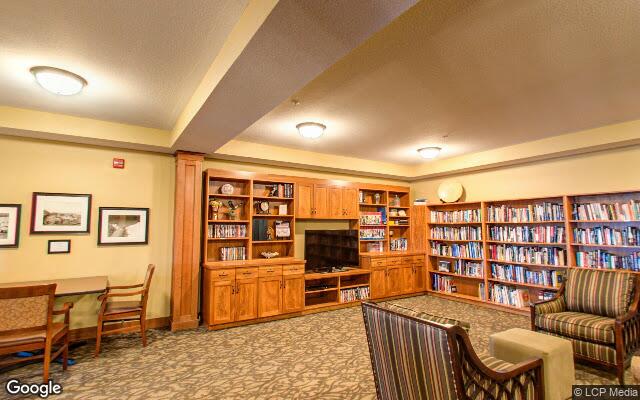
A large home, reviewed on public record.
© Google Street View
Compared to 139 Minnesota facilities with a similar number of beds.
ALF memory care · 36-month window. Higher percentile = better performance on inspection record. Source: Minnesota Dept. of Health · Health Regulation Division.
among peers to rank.
Rankings based on 36-month MDH inspection data. Severity and frequency: fewer citations = higher percentile. Repeat rate: lower repeat citation share = higher percentile.
Citation history, plotted month by month.
No citations in the last 36 months.
Finding distribution
none · 36 monthsScope × Severity (CMS A–L)
Questions to ask before you visit.
A short pre-tour checklist tailored to Autumn Glen Senior Living's record and state requirements.
Minnesota Department of Health records show 3 complaints on file for this community — can you walk me through what those complaints were about, whether any were substantiated, and what corrective actions you took in response?
Ask the operator on tour. Take notes and compare answers across facilities you visit.
The most recent inspection on April 9, 2025 resulted in zero deficiencies — can you show families the written inspection report from MDH and explain how you maintain compliance with Minnesota Statute Chapter 144G requirements between survey visits?
Ask the operator on tour. Take notes and compare answers across facilities you visit.
Your license designates this as an Assisted Living Facility with Dementia Care under Minnesota law — can you provide a copy of your written dementia care program and describe how staff competency in dementia care is assessed and documented?
Ask the operator on tour. Take notes and compare answers across facilities you visit.
Every inspection visit, verbatim.
4 inspections in the public record, most recent first. Plain-language summaries open first — click into any row for the full citation text.
2026-03-03Complaint InvestigationNo findings
Plain-language summary
A complaint investigation found that neglect was not substantiated after a resident in the memory care unit experienced multiple falls with injuries. Although the resident fell several times and sustained injury, investigators determined there was not sufficient evidence that staff failed to provide necessary care or services—the resident had a documented history of falls, received scheduled assistance with mobility and bathroom use, and staff implemented multiple fall-prevention measures after each incident. The facility worked with the resident's family to adjust care plans and interventions as the resident's condition declined.
Read full citation textHide full citation text
Read raw inspector notesClose inspector notes
Finding: Not Substantiated Nature of Investigation: The Minnesota Department of Health investigated an allegation of maltreatment, in accordance with the Minnesota Reporting of Maltreatment of Vulnerable Adults Act, Minn. Stat. 626.557, and to evaluate compliance with applicable licensing standards for the provider type. Initial Investigation Allegation(s): The facility neglected the resident when staff failed to follow the resident’s plan of care which resulted in multiple falls with injury. Investigative Findings and Conclusion: The Minnesota Department of Health determined neglect was not substantiated. Although the resident fell multiple times and sustained injury, there was not a preponderance of evidence to support that the falls were a result of staff’s failure to provide necessary care or services. The investigator conducted interviews with facility staff members, including administrative nursing staff. The investigation included review of the resident record(s), death record, hospital records, facility incident reports, personnel files, staff schedules, and related facility policy and procedures. Also, the investigator observed staff interactions and care provided to the resident. The resident resided in an assisted living memory care unit. The resident’s diagnoses included dementia, history of falls and multiple fractures. The resident’s service plan included assistance with dressing, grooming, bathing, toileting, escorting meals, medication management and safety checks. The resident’s assessment indicated the resident was confused with impaired decision making. The resident received staff assistance with ambulating to the toilet, staff escort with a wheelchair to all three meals and safety checks every two hours throughout the night. The assessment indicated the resident transferred and ambulated independently with a walker while in her room. The resident’s medical record indicated the resident’s physical ability declined over the last six months of her stay at the facility and the resident required more assistance with mobility and transfers and had an increase in falls. Following an illness that resulted in hospitalization, the resident was transferred to the memory care unit. Review of the resident’s record indicated the resident remained independent with transfers and ambulation to the bathroom. The resident sustained several unwitnessed falls as a result of self-ambulation attempts. When staff became aware of the falls, they assessed the resident and implemented interventions related to the falls. Documentation indicated facility staff included family in fall review and interventions. When staff suspected significant injury, the resident was transferred to the hospital for further evaluation. The resident’s medical records included fall reports, assessments, treatments provided and post-fall monitoring. The facility initiated several post-fall interventions to prevent future falls, such as requests for occupational and physical therapy, reminders to use the call pendant, assistive devices, an increase in staff assistance, grab bars throughout the room, and encouragement to wear non-slip footwear. Additionally, the resident’s medical records included communication with the resident’s family to change toileting service times to prevent future falls. Following a fall that resulted in pelvic fracture, hospice services were initiated. The resident’s hospice medical records indicated that the resident received additional care services through a hospice agency and post-fall intervention equipment that included a new hospital bed that adjusted positions, a table to keep next to the bed for personal items to be within reach and fall mats. The resident’s family members assisted in fall interventions and provided non-slip bedding, replaced the resident’s recliner, purchased a new walker and provided support for the resident to start hospice services. During an interview, the administrative nurse stated the resident admitted from the facility’s assisted living to the facility’s memory care after a decline in physical and cognitive abilities. The administrative nurse stated the resident’s services in the memory care included staff assistance with dressing, grooming, oral care, bathing, escorts to and from meals with a wheelchair, safety checks on the night shift and scheduled toileting that was adjusted throughout the resident’s stay to prevent falls. The administrative nurse stated the resident was independent with a walker between scheduled service times. During an interview, the resident stated she was impressed with her room at the facility, enjoyed the facility activities but felt the wait for assistance to the bathroom was at times too long. The resident reported that she felt safe residing at the facility. During an interview, the resident’s family stated that as the resident’s condition declined, the resident sustained multiple falls with injury. The family stated they worked with the facility and were involved in the initiation of some post-fall interventions. The resident’s family stated they communicated with facility staff when the resident needed assistance to go to the bathroom as the resident gradually declined in the ability to use her call pendent. The resident’s family members stated they had expressed some concerns to facility staff, but felt care was provided appropriately and described most staff as “very good”. In conclusion, the Minnesota Department of Health determined neglect was not substantiated. “Not Substantiated” means: An investigatory conclusion indicating the preponderance of evidence shows that an act meeting the definition of maltreatment did not occur. Neglect: Minnesota Statutes, section 626.5572, subdivision 17 “Neglect” means neglect by a caregiver or self-neglect. (a) "Caregiver neglect" means the failure or omission by a caregiver to supply a vulnerable adult with care or services, including but not limited to, food, clothing, shelter, health care, or supervision which is: (1) reasonable and necessary to obtain or maintain the vulnerable adult's physical or mental health or safety, considering the physical and mental capacity or dysfunction of the vulnerable adult; and (2) which is not the result of an accident or therapeutic conduct. Vulnerable Adult interviewed: Yes Family/Responsible Party interviewed: Yes Alleged Perpetrator interviewed: Not Applicable Action taken by facility: The facility documented, assessed, implemented interventions and evaluated each fall. Action taken by the Minnesota Department of Health: No further action at this time. cc: The Office of Ombudsman for Long Term Care The Office of Ombudsman for Mental Health and Developmental Disabilities PRINTED: 03/ 05/ 2026 FORM APPROVED STATEMENT OF DEFICIENCIES (X1) PROVIDER/ SUPPLIER/ CLIA (X2) MULTIPLE CONSTRUCTION (X3) DATE SURVEY AND PLAN OF CORRECTION IDENTIFICATION NUMBER: COMPLETED A. BUILDING: ______________________ C B. WING _____________________________ 31129 02/ 03/ 2026 NAME OF PROVIDER OR SUPPLIER STREET ADDRESS, CITY, STATE, ZIP CODE 3715 COON RAPIDS BOULEVARD NW AUTUMN GLEN SENIOR LIVING COON RAPIDS, MN 55433 SUMMARY STATEMENT OF DEFICIENCIES PROVIDER' S PLAN OF CORRECTION (X4) ID ID (X5) PREFIX (EACH DEFICIENCY MUST BE PRECEDED BY FULL PREFIX (EACH CORRECTIVE ACTION SHOULD BE COMPLETE REGULATORY OR LSC IDENTIFYING INFORMATION) CROSS- REFERENCED TO THE APPROPRIATE DATE TAG TAG DEFICIENCY) 0 000 Initial Comments 0 000 On February 3, 2026, the Minnesota Department of Health initiated an investigation of complaint #HL311292000C/ #HL311298802M. No correction orders are issued. LABORATORY DIRECTOR' S OR PROVIDER/ SUPPLIER REPRESENTATIVE' S SIGNATURE TITLE (X6) DATE STATE FORM 6899 6TX111 If continuation sheet 1 of 1
2025-07-23Complaint InvestigationNo findings
Plain-language summary
A complaint alleged the facility failed to properly staff and care for a resident with dementia, resulting in falls and blisters on the resident's buttocks. The Minnesota Department of Health investigated and found the allegations were not substantiated; staff followed the resident's care plan, provided appropriate monitoring after falls, and documented no skin concerns during the resident's stay. The blisters the resident's family observed were found after the resident had discharged to their home.
Read full citation textHide full citation text
Read raw inspector notesClose inspector notes
Finding: Not Substantiated Nature of Investigation: The Minnesota Department of Health investigated an allegation of maltreatment, in accordance with the Minnesota Reporting of Maltreatment of Vulnerable Adults Act, Minn. Stat. 626.557, and to evaluate compliance with applicable licensing standards for the provider type. Initial Investigation Allegation(s): The facility neglected the resident when the facility was not appropriately staffed, and staff did not follow the plan of care resulting in falls and development of blisters on the resident’s buttocks. Investigative Findings and Conclusion: The Minnesota Department of Health determined neglect was not substantiated. Facility staff followed the resident’s plan of care and there was no record of skin concerns noted on the resident. Following each fall, the resident was assessed and monitored and sent for further evaluation if needed. The investigator conducted interviews with facility staff members, including administrative staff, nursing staff, and unlicensed staff. The investigation included review of the resident record(s), facility incident reports, personnel files, staff schedules, and related facility policy and procedures. Also, the investigator observed the facility environment, medication and treatment administration, cares being completed and staff interaction with the residents. The resident resided in an assisted living memory care unit. The resident’s diagnoses included Alzheimer’s Disease, chronic kidney disease and thrombophlebitis (inflammation of a vein, often caused by a blood clot (thrombus). The resident’s service plan included assistance with dressing, grooming, medication management, escorts to the dining room, and laundry. Safety checks were also included on the resident’s service plan to be completed at: 12:00 a.m., 2:00 a.m., 4:00 a.m., 6:00 a.m., and 10:00 p.m. The resident’s assessment indicated the resident was oriented to self, but forgetful and confused with impaired decision making. The resident’s assessment indicated the resident was independent with transfers with a four-wheeled walker and was, at times, resistive to cares and medication administration. A complaint report indicated the facility did not have proper staffing or competent staff to care for the resident per the resident’s care plan. The complaint report indicated because of staffing and/or lack of staff competency, the resident sustained falls and blisters on the resident’s right buttocks. Facility staffing plans were reviewed and personnel files were found to be in compliance with training requirements. Documentation reviewed supported that the facility provided medication administration audits on unlicensed staff who administer medication to the resident. The resident’s medical records indicated the resident received all services according to the resident’s service plan, including medication management, escorts to the dining room and scheduled safety checks and the resident’s family assisted with the resident’s bathing care. The resident’s medical records reviewed indicated the resident resided at the facility for approximately six months. During the resident’s stay at the facility the resident fell four times. When falls with injury occurred, facility staff assessed and monitored the resident and sent the resident to the emergency room for evaluation. When the resident complained of pain following the falls, staff monitored and assessed the resident and had the resident evaluated when complaints of pain persisted. Services were increased when the resident required additional assistance with transfers. Documentation did not include evidence of any skin concerns found by staff during scheduled cares. During an interview, the resident’s family stated they had communicated concerns with the resident’s plan of care and falls. The resident’s family could not recall who called the resident’s provider after the second fall, but the resident’s provider was updated due to the chronic pain that seemed to be getting worse. The resident’s family stated two blister-type open areas were found on the resident’s right buttock after the resident discharged from the facility to their home. The resident’s family stated the blister areas were treated with an antibiotic ointment and resolved within couple of weeks. During an interview, facility administrative nursing stated the resident’s services were increased approximately two days before the resident’s discharge due to increased hip/leg pain. Facility administrative nursing staff stated there were no reports of skin concerns at the time of the resident’s discharge. During an interview, unlicensed staff, who cared for the resident the date before the resident’s discharge stated she provided incontinent cares with another staff member and no skin issues were observed. The unlicensed staff stated she regularly checks for any redness when completing incontinent cares on residents. The unlicensed staff recalled the resident often refused cares and medications and was informed by the resident’s family that if the resident refuses then: “no, means no.” The unlicensed staff stated the resident was able to transfer independently and would often transfer to the bed and lay cross way on the bed. The unlicensed staff recalled a time when assisting the resident, the resident’s family was present, everything was done according to the resident’s care plan and the resident’s family seemed to appreciate it. During an interview, another unlicensed staff, staff recalled the resident was more independent with cares, but for approximately a week, the resident’s condition changed resulting in the resident’s services to include incontinent care with assist of two staff. The unlicensed staff stated she found no skin issues with the resident. In conclusion, the Minnesota Department of Health determined neglect was not substantiated. “Not Substantiated” means: An investigatory conclusion indicating the preponderance of evidence shows that an act meeting the definition of maltreatment did not occur. Neglect: Minnesota Statutes, section 626.5572, subdivision 17 “Neglect” means neglect by a caregiver or self-neglect. (a) "Caregiver neglect" means the failure or omission by a caregiver to supply a vulnerable adult with care or services, including but not limited to, food, clothing, shelter, health care, or supervision which is: (1) reasonable and necessary to obtain or maintain the vulnerable adult's physical or mental health or safety, considering the physical and mental capacity or dysfunction of the vulnerable adult; and (2) which is not the result of an accident or therapeutic conduct. Vulnerable Adult interviewed: No, per family and resident’s cognition Family/Responsible Party interviewed: Yes Alleged Perpetrator interviewed: Not Applicable Action taken by facility: The facility provided competency training to care givers. The facility completed incident reports and follow-up to falls. The facility notified the resident’s provider of incidents. The facility completed staff audits of medication administration. Action taken by the Minnesota Department of Health: The facility was found to be in noncompliance. To view a copy of the Statement of Deficiencies and/or correction orders, please visit: https://www.health.state.mn.us/facilities/regulation/directory/provcompselect.html If you are viewing this report on the MDH website, please see the attached Statement of Deficiencies. You may also call 651-201-4200 to receive a copy via mail or email cc: The Office of Ombudsman for Long Term Care The Office of Ombudsman for Mental Health and Developmental Disabilities PRINTED: 08/04/2025 FORM APPROVED STATEMENT OF DEFICIENCIES (X1) PROVIDER/SUPPLIER/CLIA (X2) MULTIPLE CONSTRUCTION (X3) DATE SURVEY AND PLAN OF CORRECTION IDENTIFICATION NUMBER: COMPLETED A. BUILDING: ______________________ C B. WING _____________________________ 31129 07/29/2025 NAME OF PROVIDER OR SUPPLIER STREET ADDRESS, CITY, STATE, ZIP CODE 3715 COON RAPIDS BOULEVARD NW AUTUMN GLEN SENIOR LIVING COON RAPIDS, MN 55433 SUMMARY STATEMENT OF DEFICIENCIES PROVIDER'S PLAN OF CORRECTION (X4) ID ID (X5) PREFIX (EACH DEFICIENCY MUST BE PRECEDED BY FULL PREFIX (EACH CORRECTIVE ACTION SHOULD BE COMPLETE REGULATORY OR LSC IDENTIFYING INFORMATION) CROSS-REFERENCED TO THE APPROPRIATE DATE TAG TAG DEFICIENCY) 0 000 Initial Comments 0 000 ******ATTENTION****** Assisted Living Provider 144G. ASSISTED LIVING PROVIDER CORRECTION documenting the State Correction Orders ORDER using federal software. Tag numbers have been assigned to Minnesota State In accordance with Minnesota Statutes, section Statutes for Assisted Living Facilities. The 144A.43 to 144A.482/144G.08 to 144G.95, these assigned tag number appears in the correction orders are issued pursuant to a far-left column entitled "ID Prefix Tag." The complaint investigation. state Statute number and the corresponding text of the state Statute out Determination of whether a violation is corrected of compliance is listed in the "Summary requires compliance with all requirements Statement of Deficiencies" column. This provided at the statute number indicated below. column also includes the findings which When a Minnesota Statute contains several are in violation of the state requirement items, failure to comply with any of the items will after the statement, "This Minnesota be considered lack of compliance. requirement is not met as evidenced by." Following the evaluators' findings is the INITIAL COMMENTS: Time Period for Correction.
2025-05-14Complaint InvestigationNo findings
Plain-language summary
The Minnesota Department of Health investigated a complaint that the facility neglected a resident who fell six times over five days and sustained a subdural hematoma that led to his death. The investigation found no neglect because the facility assessed the resident after each fall, implemented interventions such as medication review and safety equipment, reported all falls to family and medical staff, and transported the resident to the hospital when he sustained injury. The complaint was not substantiated.
Read full citation textHide full citation text
Read raw inspector notesClose inspector notes
Finding: Not Substantiated Nature of Investigation: The Minnesota Department of Health investigated an allegation of maltreatment, in accordance with the Minnesota Reporting of Maltreatment of Vulnerable Adults Act, Minn. Stat. 626.557, and to evaluate compliance with applicable licensing standards for the provider type. Initial Investigation Allegation(s): The facility neglected, when, after five falls, the resident fell a sixth time, sustained a subdural hematoma, (brain bleed) and later, died at the hospital. Investigative Findings and Conclusion: Neglect was not substantiated. Although the resident sustained multiple falls, following each fall the resident was assessed and interventions were implemented. When the resident fell and sustained injury, the resident was sent to the hospital for further evaluation. The investigator conducted interviews with facility staff members, including unlicensed staff. The investigator also contacted the resident’s hospice case manager. The investigation included review of the resident record(s), death record, hospital records, facility internal investigations, facility incident reports, personnel files, staff schedules, and related facility policy and procedures Also, the investigator observed the facility environment, cares being completed and staff interaction with residents. The resident resided in an assisted living memory care unit. The resident’s diagnoses included cerebral vascular disease and vascular dementia. The resident’s service plan included assistance with dressing, hygiene, bathing, toileting reminders for ambulation with a wheeled walker, medication management, meals, safety checks, laundry and housekeeping. The resident’s behavioral assessment indicated the resident had mild agitation, anxiety and depression. The resident’s medical records indicated four months prior to the multiple falls, the resident had a decline with his ambulation. The resident attended physical therapy and instead of being and it was recommended the resident use a four-wheeled walker for ambulation due to weakness. The resident’s facility medical records indicated two months prior to the multiple falls the resident was placed on hospice services due to behavioral and physical decline associated with dementia. The resident’s medical record further indicated the resident fell six times during a five-day period. During this time, the resident was on hospice services and being treated for a UTI. Prior to the resident’s first fall, the resident’s antipsychotropic medications (medication to assist with calming agitation) were increased due to the resident having an increase in agitation and noncompliance to care. Documentation indicated that staff reported all six falls to nursing staff, the resident’s family, resident’s provider and hospice personnel. Facility nursing staff, as well as hospice nursing staff, assessed the resident and interventions such as antibiotics, medication review, furniture height, and ordered medical equipment including a lower bed, new wheelchair, and fall mat. Documentation indicated the resident did not sustain injury with the first five falls. According to the resident’s facility medical records, the sixth fall was witnessed and occurred in the facility lounge area. After falling, the resident was laying on his right side with blood was coming out of his nose. Staff also observed three skin tears on his right arm and a lump on the resident’s right temple. Staff kept the resident on his right side to prevent aspiration and applied pressure to the nose in attempts to stop the bleeding. While the resident was being assessed he was observed going in and out of consciousness. While conscious, the resident was physically combative and hitting out at staff. 911 was called and the resident was transported to the hospital. Two days after the resident was transported to the hospital, the resident was diagnosed with a subdural hematoma and discharged to a skilled nursing facility. During an interview, the resident’s family member stated the resident admitted to the facility due to an increase in elopements and physical aggression at home. The family member stated when the resident was admitted to the facility he ambulated independently, but as the dementia progressed he needed a walker and more reminders due to forgetfulness. While at the facility, the family member stated the resident was noncompliant with cares and could become physically aggressive. The family recalled being concerned regarding the resident’s behavior medications during the time of the falls but was informed by facility nursing staff that the medications were needed for the resident’s increased behaviors. During an interview, a facility nurse recalled the resident declined due to his dementia and with the decline, the resident became increasingly physically aggressive. The facility nurse also recalled the resident needed more assistance with care due to the aggressive behavior and non-compliance. The facility nurse recalled the resident’s family member expressing concern over the resident appearing sedated and the facility nurse stated after hearing this, she assessed the resident while he was in his chair, and he did not appear sedated and was observed to be at baseline. In conclusion, the Minnesota Department of Health determined neglect was not substantiated. “Not Substantiated” means: An investigatory conclusion indicating the preponderance of evidence shows that an act meeting the definition of maltreatment did not occur. Neglect: Minnesota Statutes, section 626.5572, subdivision 17 Neglect means neglect by a caregiver or self-neglect. (a) "Caregiver neglect" means the failure or omission by a caregiver to supply a vulnerable adult with care or services, including but not limited to, food, clothing, shelter, health care, or supervision which is: (1) reasonable and necessary to obtain or maintain the vulnerable adult's physical or mental health or safety, considering the physical and mental capacity or dysfunction of the vulnerable adult; and (2) which is not the result of an accident or therapeutic conduct. Vulnerable Adult interviewed: No. Deceased. Family/Responsible Party interviewed: Yes Alleged Perpetrator interviewed: Not Applicable he Action taken by facility: The facility assessed the resident following each fall, implemented interventions and transported the resident to the hospital when there was a change in condition. Action taken by the Minnesota Department of Health: No further action at this time. cc: The Office of Ombudsman for Long Term Care The Office of Ombudsman for Mental Health and Developmental Disabilities PRINTED: 05/14/2025 FORM APPROVED STATEMENT OF DEFICIENCIES (X1) PROVIDER/SUPPLIER/CLIA (X2) MULTIPLE CONSTRUCTION (X3) DATE SURVEY AND PLAN OF CORRECTION IDENTIFICATION NUMBER: COMPLETED A. BUILDING: ______________________ C B. WING _____________________________ 31129 03/31/2025 NAME OF PROVIDER OR SUPPLIER STREET ADDRESS, CITY, STATE, ZIP CODE 3715 COON RAPIDS BOULEVARD NW AUTUMN GLEN SENIOR LIVING COON RAPIDS, MN 55433 SUMMARY STATEMENT OF DEFICIENCIES PROVIDER'S PLAN OF CORRECTION (X4) ID ID (X5) PREFIX (EACH DEFICIENCY MUST BE PRECEDED BY FULL PREFIX (EACH CORRECTIVE ACTION SHOULD BE COMPLETE REGULATORY OR LSC IDENTIFYING INFORMATION) CROSS-REFERENCED TO THE APPROPRIATE DATE TAG TAG DEFICIENCY) 0 000 Initial Comments 0 000 On March 31, 2025, the Minnesota Department of Health initiated an investigation of complaint #HL311299321C/#HL311299762M. No correction orders are issued. LABORATORY DIRECTOR'S OR PROVIDER/SUPPLIER REPRESENTATIVE'S SIGNATURE TITLE (X6) DATE STATE FORM 6899 1K5911 If continuation sheet 1 of 1
2025-04-09Annual Compliance VisitNo findings
Plain-language summary
A routine inspection of Autumn Glen Senior Living on April 11, 2025 found violations related to fire protection and physical environment requirements under Minnesota Statutes Chapter 144G, resulting in two correction orders and fines totaling $1,000. The facility must document the actions taken to correct these deficiencies and may request reconsideration or a hearing within the specified timeframe.
Read full citation textHide full citation text
Read raw inspector notesClose inspector notes
CORRECTION ORDERS The enclosed State Form documents the state correction orders. MDH documents state licensing correction orders using federal software. Tag numbers are assigned to Minnesota state statutes for Assisted Living Facilities. The assigned tag number appears in the far left column entitled "ID Prefix Tag." The state statute number and the corresponding text of the state statute out of compliance are listed in the "Summary Statement of Deficiencies" column. This column also includes the findings that are in violation of the state statute after the statement, "This MN Requirement is not met as evidenced by . . ." IMPOSITION OF FINES In accordance with Minn. Stat. § 144G.31, Subd. 4, fines and enforcement actions may be imposed based on the level and scope of the violations and may be imposed immediately with no opportunity to correct the violation first as follows: Level 1: no fines or enforcement. Level 2: a fine of $500 per violation, in addition to any enforcement mechanism authorized in § 144G.20 for widespread violations; Level 3: a fine of $3,000 per violation per incident, in addition to any enforcement mechanism authorized in § 144G.20. Level 4: a fine of $5,000 per incident, in addition to any enforcement mechanism authorized in § 144G.20. Therefore, in accordance with Minn. Stat. §§ 144G.01 to 144G.9999, the following fines are assessed pursuant to this survey: St - 0 - 0775 - 144g.45 Subd. 2. (a) - Fire Protection And Physical Environment $500.00 St - 0 - 0780 - 144g.45 Subd. 2 (a) (1) - Fire Protection And Physical Environment $500.00 Therefore, in accordance with Minn. Stat. §§ 144G.01 to 144G.9999, the total amount you are assessed is An equal opportunity employer. Letter ID: IS7N REVISED 09/13/2021 Autumn Glen Senior Living May 14, 2025 Page 2 $1,000.00. You will be invoiced approximately 30 days after receipt of this notice, subject to appeal. DOCUMENTATION OF ACTION TO COMPLY In accordance with Minn. Stat. § 144G.30, Subd. 5(c), the licensee must document actions taken to comply with the correction orders within the time period outlined on the state form; however, plans of correction are not required to be submitted for approval. The correction order documentation should include the following: Identify how the area(s) of noncompliance was corrected related to the resident(s)/employee(s) identified in the correction order. Identify how the area(s) of noncompliance was corrected for all of the provider’s resident(s)/employees that may be affected by the noncompliance. Identify what changes to your systems and practices were made to ensure compliance with the specific statute(s). CORRECTION ORDER RECONSIDERATION PROCESS In accordance with Minn. Stat. § 144G.32, Subd. 2, you may challenge the correction order(s) issued, including the level and scope, and any fine assessed through the correction order reconsideration process. The request for reconsideration must be in writing and received by MDH within 15 calendar days of the correction order receipt date. To submit a reconsideration request, please visit: https://forms.web.health.state.mn.us/form/HRDAppealsForm REQUESTING A HEARING Alternatively, in accordance with Minn. Stat. § 144G.31, Subd. 5(d), an assisted living provider that has been assessed a fine under this subdivision has a right to a reconsideration or a hearing under this section and chapter 14. Pursuant to Minn. Stat. § 144G.20, Subd. 14 and Subd. 18, a request for a hearing must be in writing and received by the Department of Health within 15 business days of the correction order receipt date. The request must contain a brief and plain statement describing each matter or issue contested and any new information you believe constitutes a defense or mitigating factor. To submit a hearing request, please visit: https://forms.web.health.state.mn.us/form/HRDAppealsForm To appeal fines via reconsideration, please follow the procedure outlined above. Please note that you may request a reconsideration o r a hearing, but not both. If you wish to contest tags without fines in a reconsideration and tags with the fines at a hearing, please submit two separate appeals forms at the website listed above. Autumn Glen Senior Living May 14, 2025 Page 3 The MDH Health Regulation Division (HRD) values your feedback about your experience during the survey and/or investigation process. Please fill out this anonymous provider feedback questionnaire at your convenience at this link: https://forms.office.com/g/Bm5uQEpHVa. Your input is important to us and will enable MDH to improve its processes and communication with providers. If you have any questions regarding the questionnaire, please contact Susan Winkelmann at susan.winkelmann@state.mn.us or call You are encouraged to retain this document for your records. It is your responsibility to share the information contained in the letter and state form with your organization’s Governing Body. If you have any questions, please contact me. Sincerely, Kelly Thorson, Supervisor State Evaluation Team Email: Kelly.Thorson@state.mn.us Telephone: 320-223-7336 Fax: 1-866-890-9290 KKM PRINTED: 05/14/2025 FORM APPROVED STATEMENT OF DEFICIENCIES (X1) PROVIDER/SUPPLIER/CLIA (X2) MULTIPLE CONSTRUCTION (X3) DATE SURVEY AND PLAN OF CORRECTION IDENTIFICATION NUMBER: COMPLETED A. BUILDING: ______________________ B. WING _____________________________ 31129 04/11/2025 NAME OF PROVIDER OR SUPPLIER STREET ADDRESS, CITY, STATE, ZIP CODE 3715 COON RAPIDS BOULEVARD NW AUTUMN GLEN SENIOR LIVING COON RAPIDS, MN 55433 SUMMARY STATEMENT OF DEFICIENCIES PROVIDER'S PLAN OF CORRECTION (X4) ID ID (X5) PREFIX (EACH DEFICIENCY MUST BE PRECEDED BY FULL PREFIX (EACH CORRECTIVE ACTION SHOULD BE COMPLETE REGULATORY OR LSC IDENTIFYING INFORMATION) CROSS-REFERENCED TO THE APPROPRIATE DATE TAG TAG DEFICIENCY) 0 000 Initial Comments 0 000 ASSISTED LIVING PROVIDER LICENSING Minnesota Department of Health is CORRECTION ORDER(S) documenting the State Correction Orders using federal software. Tag numbers have In accordance with Minnesota Statutes, section been assigned to Minnesota State 144G.08 to 144G.95, these correction orders are Statutes for Assisted Living Facilities. The issued pursuant to a survey. assigned tag number appears in the far-left column entitled "ID Prefix Tag." The Determination of whether violations are corrected state Statute number and the requires compliance with all requirements corresponding text of the state Statute out provided at the Statute number indicated below. of compliance is listed in the "Summary When Minnesota Statute contains several items, Statement of Deficiencies" column. This failure to comply with any of the items will be column also includes the findings which considered lack of compliance. are in violation of the state requirement after the statement, "This Minnesota INITIAL COMMENTS: requirement is not met as evidenced by." Following the evaluators ' findings is the SL31129016-0 Time Period for Correction. On April 7, 2025, through April 9, 2025, the PLEASE DISREGARD THE HEADING OF survey at the above provider. At the time of the STATES,"PROVIDER'S PLAN OF survey, there were 87 residents; 87 receiving CORRECTION." THIS APPLIES TO services under the Assisted Living Facility with FEDERAL DEFICIENCIES ONLY. THIS Dementia Care license. WILL APPEAR ON EACH PAGE. THERE IS NO REQUIREMENT TO SUBMIT A PLAN OF CORRECTION FOR VIOLATIONS OF MINNESOTA STATE STATUTES. THE LETTER IN THE LEFT COLUMN IS USED FOR TRACKING PURPOSES AND REFLECTS THE SCOPE AND LEVEL ISSUED PURSUANT TO 144G.31 SUBDIVISION 1-3. 0 480 144G.41 Subdivision 1 Subd. 1a (a-b) Minimum 0 480 SS=F requirements; required food services LABORATORY DIRECTOR'S OR PROVIDER/SUPPLIER REPRESENTATIVE'S SIGNATURE TITLE (X6) DATE STATE FORM 6899 3JWE11 If continuation sheet 1 of 13 PRINTED: 05/14/2025 FORM APPROVED STATEMENT OF DEFICIENCIES (X1) PROVIDER/SUPPLIER/CLIA (X2) MULTIPLE CONSTRUCTION (X3) DATE SURVEY AND PLAN OF CORRECTION IDENTIFICATION NUMBER: COMPLETED A. BUILDING: ______________________ B. WING _____________________________ 31129 04/11/2025 NAME OF PROVIDER OR SUPPLIER STREET ADDRESS, CITY, STATE, ZIP CODE 3715 COON RAPIDS BOULEVARD NW AUTUMN GLEN SENIOR LIVING COON RAPIDS, MN 55433 SUMMARY STATEMENT OF DEFICIENCIES PROVIDER'S PLAN OF CORRECTION (X4) ID ID (X5) PREFIX (EACH DEFICIENCY MUST BE PRECEDED BY FULL PREFIX (EACH CORRECTIVE ACTION SHOULD BE COMPLETE REGULATORY OR LSC IDENTIFYING INFORMATION) CROSS-REFERENCED TO THE APPROPRIATE DATE TAG TAG DEFICIENCY) 0 480 Continued From page 1 0 480 (a) Except as provided in paragraph (b), food must be prepared and served according to the Minnesota Food Code, Minnesota Rules, chapter 4626. (b) For an assisted living facility with a licensed capacity of ten or fewer residents: (1) notwithstanding Minnesota Rules, part 4626.0033, item A, the facility may share a certified food protection manager (CFPM) with one other facility located within a 60-mile radius and under common management provided the CFPM is present at each facility frequently enough to effectively administer, manage, and supervise each facility's food service operation; (2) notwithstanding Minnesota Rules, part 4626.
2 older inspections from 2023 are not shown above.
Get the complete record, translated into plain language — emailed to you.
Other facilities in Anoka County.
Other memory care facilities in Anoka County with similar care offerings.
Facility Watch · Premium
Family reviews
No reviews yet — be the first to share your experience
Other memory care options nearby.
More options in neighboring cities
Licensed memory care in other cities within this county region — useful when your search radius crosses city limits.