Boden Sr Lvg - Coon Rapids.
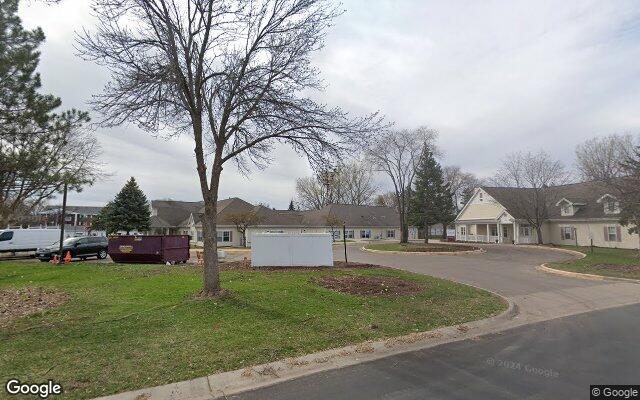
A large home, reviewed on public record.
Compared to 187 Minnesota facilities with a similar number of beds.
ALF memory care · 36-month window. Higher percentile = better performance on inspection record. Source: Minnesota Dept. of Health · Health Regulation Division.
among peers to rank.
Rankings based on 36-month MDH inspection data. Severity and frequency: fewer citations = higher percentile. Repeat rate: lower repeat citation share = higher percentile.
Citation history, plotted month by month.
No citations in the last 36 months.
Finding distribution
none · 36 monthsScope × Severity (CMS A–L)
Questions to ask before you visit.
A short pre-tour checklist tailored to Boden Sr Lvg - Coon Rapids's record and state requirements.
The most recent inspection on November 6, 2024 resulted in zero deficiencies — can you walk us through how the community prepares for MDH surveys and share copies of the written policies that guide daily dementia care practices?
Ask the operator on tour. Take notes and compare answers across facilities you visit.
Four complaints were filed with the Minnesota Department of Health during the inspection period on file — were any of those complaints substantiated, and what corrective measures did the facility implement in response?
Ask the operator on tour. Take notes and compare answers across facilities you visit.
This facility holds an Assisted Living Facility with Dementia Care license under Minnesota Statute Chapter 144G — can you provide families with a copy of the written dementia care program and explain how staff competency in dementia-specific interventions is documented?
Ask the operator on tour. Take notes and compare answers across facilities you visit.
Every inspection visit, verbatim.
5 inspections in the public record, most recent first. Plain-language summaries open first — click into any row for the full citation text.
2026-04-06Complaint InvestigationNo findings
2025-12-24Complaint InvestigationNo findings
Plain-language summary
A complaint investigation found that abuse allegations were inconclusive—there was insufficient evidence to determine whether a staff member pinched a resident's arm or ignored her request to leave a bathroom light on, as the resident had also experienced multiple falls around the same time that could have caused the bruising. The facility suspended and then terminated the staff member and provided all staff with additional training on abuse prevention and customer service. The Minnesota Department of Health took no further action.
Read full citation textHide full citation text
Read raw inspector notesClose inspector notes
Finding: Inconclusive Nature of Investigation: The Minnesota Department of Health investigated an allegation of maltreatment, in accordance with the Minnesota Reporting of Maltreatment of Vulnerable Adults Act, Minn. Stat. 626.557, and to evaluate compliance with applicable licensing standards for the provider type. Initial Investigation Allegation(s): The alleged perpetrator (AP) abused the resident when he was helping her to bed in a manner that pinched her arm leaving a bruise. In addition, the AP shut all the lights off in the room when the resident requested the bathroom light be left on. Investigative Findings and Conclusion: The Minnesota Department of Health determined abuse was inconclusive. The AP denied being rough with the resident or pinching the resident. The AP also denied ignoring the request to leave the resident’s bathroom light on. The investigator conducted interviews with facility staff members, including administrative staff, nursing staff, and unlicensed staff. The investigation included review of the resident record, facility internal investigation, facility incident reports, personnel files, staff schedules, and related facility policy and procedures. Also, the investigator observed resident and facility staff interactions during an onsite visit. The resident resided in a secured assisted living facility. The resident’s diagnoses included Parkinson’s disease and frequent falls. The resident’s service plan included assistance with dressing, reminders and assist with interventions to prevent falls. The resident’s assessment indicated she had cognitive impairment, ambulated with a walker and had frequent falls. A concern arose when the resident reported to the nurse manager the AP was mean to her, grabbed her arm and told her to go to sleep. The resident’s medical record indicated the nurse manager identified a bruise on the resident’s left arm. The facility internal investigation report indicated the resident reported the AP pinched her right arm, however the same report indicated the nurse found bruising on the residents left arm. The resident’s medical record included four falls in the previous week, two of which indicated the resident had fallen on her right side. The resident’s family member stated she was not present during the incident and was unsure if the resident’s bruise on the resident’s right arm was from a pinch as it could have been a result from one of several falls which occurred around the same time. During an interview, the AP denied pinching the resident’s arm or ignoring her requests to leave the bathroom light on. The AP stated all cares were provided with ULP #2 present. During an interview, ULP #2 stated she was with the AP when cares were provided to the resident. ULP #2 stated the AP did pinch the resident nor ignore a request to leave the bathroom light on. In conclusion, the Minnesota Department of Health determined abuse was inconclusive. Inconclusive: Minnesota Statutes, section 626.5572, Subdivision 11. "Inconclusive" means there is less than a preponderance of evidence to show that maltreatment did or did not occur. Abuse: Minnesota Statutes section 626.5572, subdivision 2. "Abuse" means (b) Conduct which is not an accident or therapeutic conduct as defined in this section, which produces or could reasonably be expected to produce physical pain or injury or emotional distress including, but not limited to, the following: (1) hitting, slapping, kicking, pinching, biting, or corporal punishment of a vulnerable adult; (2) use of repeated or malicious oral, written, or gestured language toward a vulnerable adult or the treatment of a vulnerable adult which would be considered by a reasonable person to be disparaging, derogatory, humiliating, harassing, or threatening. Vulnerable Adult interviewed: No, due to cognitive impairment Family/Responsible Party interviewed: Yes Alleged Perpetrator interviewed: Yes Action taken by facility: The facility suspended the AP and investigated. The facility no longer employed the AP. The facility provided reeducation to all staff on abuse prevention and customer service. Action taken by the Minnesota Department of Health: No further action taken at this time. cc: The Office of Ombudsman for Long Term Care The Office of Ombudsman for Mental Health and Developmental Disabilities Department of Human Services (DHS) Background Study Unit PRINTED: 12/ 26/ 2025 FORM APPROVED STATEMENT OF DEFICIENCIES (X1) PROVIDER/ SUPPLIER/ CLIA (X2) MULTIPLE CONSTRUCTION (X3) DATE SURVEY AND PLAN OF CORRECTION IDENTIFICATION NUMBER: COMPLETED A. BUILDING: ______________________ C B. WING _____________________________ 30689 11/19/ 2025 NAME OF PROVIDER OR SUPPLIER STREET ADDRESS, CITY, STATE, ZIP CODE 11372 ROBINSON DRIVE NW BODEN SENIOR LIVING - COON RAPIDS COON RAPIDS, MN 55433 SUMMARY STATEMENT OF DEFICIENCIES PROVIDER' S PLAN OF CORRECTION (X4) ID ID (X5) PREFIX (EACH DEFICIENCY MUST BE PRECEDED BY FULL PREFIX (EACH CORRECTIVE ACTION SHOULD BE COMPLETE REGULATORY OR LSC IDENTIFYING INFORMATION) CROSS- REFERENCED TO THE APPROPRIATE DATE TAG TAG DEFICIENCY) 0 000 Initial Comments 0 000 On November 19, 2025, the Minnesota Department of Health initiated an investigation of complaint #HL306895845C/ #HL306896622M. No correction orders are issued. LABORATORY DIRECTOR' S OR PROVIDER/ SUPPLIER REPRESENTATIVE' S SIGNATURE TITLE (X6) DATE STATE FORM 6899 HUD311 If continuation sheet 1 of 1
2025-07-22Complaint InvestigationNo findings
Plain-language summary
A complaint alleged the facility neglected a resident with chronic leg wounds that developed into a life-threatening infection, resulting in her death from gangrene and sepsis; however, the Minnesota Department of Health investigation found the allegation not substantiated because the resident received weekly specialized wound care at an outside clinic, the facility did not manage her wounds, and the resident made her own medical decisions and did not share clinic information with facility staff. The resident's condition deteriorated rapidly a few days after a clinic visit, and the nurse promptly called 911 when the resident became confused and showed signs of acute illness. The resident was hospitalized and died approximately 24 hours later from critical limb ischemia and gangrene.
Read full citation textHide full citation text
Read raw inspector notesClose inspector notes
Finding: Not Substantiated Nature of Investigation: The Minnesota Department of Health investigated an allegation of maltreatment, in accordance with the Minnesota Reporting of Maltreatment of Vulnerable Adults Act, Minn. Stat. 626.557, and to evaluate compliance with applicable licensing standards for the provider type. Initial Investigation Allegation(s): The facility neglected the resident. The resident had chronic leg wounds that were wrapped and required wound care and management. She developed lower limb ischemia (no circulation) with gangrene and was hospitalized. The resident died from sepsis. Investigative Findings and Conclusion: The Minnesota Department of Health determined neglect was not substantiated. The resident was her own decision maker. She had weekly out-patient complex wound care visits and treatments for chronic leg ulcers and osteomyelitis. The facility did not manage her wounds; therefore the nurse did not assess the resident’s legs because they were wrapped with compression dressings and in soft casts. The resident did not often share information from the clinic visits with the facility nurse. When the resident experienced a change in condition a few days after a wound clinic visit, the nurse called 911 and sent the resident to the hospital. The resident was admitted and died from critical limb ischemia and gangrene. The investigator conducted interviews with facility staff members, including nursing staff, and unlicensed staff. The wound physician was not available for an interview. The investigation included review of the resident records, her death record, hospital records, wound clinic records, facility incident reports, staff schedules, and related facility policy and procedures The resident resided in an assisted living facility. She had a complex medial history. Her diagnoses included osteomyelitis (bone infection that causes inflammation and destruction of bone tissue) of the left foot, bilateral foot ulcers, peripheral edema (swelling of legs and feet), paraplegia from a motor vehicle accident, and prediabetes. The resident’s service plan included assistance with medication administration, safety checks, toileting and full mechanical transfers. She used an electric scooter for mobility. The resident’s assessment indicated she had complex wound dressings in place with ortho boots and went to wound clinic weekly. She had some memory impairment and needed help taking medications but was cognitively intact. Wound care records indicated the resident had chronic leg and foot ulcers. The right leg and foot wounds had signs of infection but there no systemic infection. Some wounds were down to the fatty layer beneath the skin with some necrotic (dead) tissue. Her leg swelling was under good control. Her wounds were cleaned and redressed. She was prescribed a second antibiotic and planned to return to the clinic next week. Progress notes indicated the resident returned to the facility from her clinic visit and reported to the nurse that the podiatry-wound doctor had performed wound cares on her legs and buttock, applied barrier cream and prescribed a new antibiotic. The nurse contacted the wound care clinic to clarify that the resident needed to take two antibiotics together. During the call, the wound clinic staff told the nurse they did not care for any wounds above the knee. The nurse then contacted the resident’s primary physician for wound care and home care orders for the right-side buttock wound, which the nurse assessed as reddened with an open area but without infection. Staff applied barrier cream daily to her buttock during morning toileting. About three days later, staff members informed the nurse the resident appeared confused. The nurse assessed the resident, who said “um, um” repeatedly and could not answer questions. Her vital signs were low. The nurse called 911 and the resident went to the hospital. She was admitted and died approximately 24 hours later. Hospital records indicated she admitted with acute shock, acute kidney injury, ischemic legs and rhabdomyolosis, (a serious condition where damaged muscle cells breakdown and release toxins into bloodstream). During an interview, the nurse said the resident was very private, made her own decisions and did not have much family involvement. The nurse said the resident had chronic leg wounds for years. The facility did not offer complex wound cares, which was what the resident required, so she used out-patient services. The resident made it clear that only wound clinic staff handled her leg dressings, so it was unlikely any staff members ever removed or re-wrapped the resident’s leg dressings. The nurse said she helped a staff member get the resident ready for bed on a Friday night, a few days after her clinic visit. Her legs looked normally wrapped. There was no smell or drainage to indicate gangrene. The following Monday morning the resident refused to get out of bed and was confused. The nurse said she was not comfortable keeping the resident and called 911. Later, when she called the hospital for an update, she learned the resident was septic, in kidney failure and dying. The nurse contacted the resident’s family member and instructed her to call the hospital. The resident’s cause of death was critical limb ischemia of both lower legs with gangrene. The podiatry-wound doctor was not available for an interview. In conclusion, the Minnesota Department of Health determined neglect was not substantiated. “Not Substantiated” means: An investigatory conclusion indicating the preponderance of evidence shows that an act meeting the definition of maltreatment did not occur. Neglect: Minnesota Statutes, section 626.5572, subdivision 17 “Neglect” means neglect by a caregiver or self-neglect. (a) "Caregiver neglect" means the failure or omission by a caregiver to supply a vulnerable adult with care or services, including but not limited to, food, clothing, shelter, health care, or supervision which is: (1) reasonable and necessary to obtain or maintain the vulnerable adult's physical or mental health or safety, considering the physical and mental capacity or dysfunction of the vulnerable adult; and (2) which is not the result of an accident or therapeutic conduct. Vulnerable Adult interviewed: No, deceased. Family/Responsible Party interviewed: No, resident made her own decisions. Alleged Perpetrator interviewed: Not Applicable. the Action taken by facility: The facility nurse assessed the resident and sent her to the hospital. Action taken by the Minnesota Department of Health: The facility was found to be in noncompliance. To view a copy of the Statement of Deficiencies and/or correction orders, please visit: https://www.health.state.mn.us/facilities/regulation/directory/provcompselect.html If you are viewing this report on the MDH website, please see the attached Statement of Deficiencies. You may also call 651-201-4200 to receive a copy via mail or email cc: The Office of Ombudsman for Long Term Care The Office of Ombudsman for Mental Health and Developmental Disabilities PRINTED: 07/29/2025 FORM APPROVED STATEMENT OF DEFICIENCIES (X1) PROVIDER/SUPPLIER/CLIA (X2) MULTIPLE CONSTRUCTION (X3) DATE SURVEY AND PLAN OF CORRECTION IDENTIFICATION NUMBER: COMPLETED A. BUILDING: ______________________ C B. WING _____________________________ 30689 06/17/2025 NAME OF PROVIDER OR SUPPLIER STREET ADDRESS, CITY, STATE, ZIP CODE 11372 ROBINSON DRIVE NW BODEN SENIOR LIVING - COON RAPIDS COON RAPIDS, MN 55433 SUMMARY STATEMENT OF DEFICIENCIES PROVIDER'S PLAN OF CORRECTION (X4) ID ID (X5) PREFIX (EACH DEFICIENCY MUST BE PRECEDED BY FULL PREFIX (EACH CORRECTIVE ACTION SHOULD BE COMPLETE REGULATORY OR LSC IDENTIFYING INFORMATION) CROSS-REFERENCED TO THE APPROPRIATE DATE TAG TAG DEFICIENCY) 0 000 Initial Comments 0 000 ******ATTENTION****** Minnesota Department of Health is documenting the State Correction Orders ASSISTED LIVING PROVIDER CORRECTION using federal software. Tag numbers have ORDER been assigned to Minnesota State Statutes for Assisted Living Facilities. The In accordance with Minnesota Statutes, section assigned tag number appears in the 144G.08 to 144G.95, these correction orders are far-left column entitled "ID Prefix Tag." The issued pursuant to a complaint investigation. state Statute number and the corresponding text of the state Statute out Determination of whether a violation is corrected of compliance is listed in the "Summary requires compliance with all requirements Statement of Deficiencies" column. This provided at the statute number indicated below. column also includes the findings which When a Minnesota Statute contains several are in violation of the state requirement items, failure to comply with any of the items will after the statement, "This Minnesota be considered lack of compliance. requirement is not met as evidenced by." Following the evaluators' findings is the INITIAL COMMENTS: Time Period for Correction. HL30689447C/HL306892542M PLEASE DISREGARD THE HEADING OF HL30894409C/HL306892502M THE FOURTH COLUMN WHICH STATES,"PROVIDER'S PLAN OF On June 17, 2025 the Minnesota Department of CORRECTION." THIS APPLIES TO Health conducted a complaint investigation at the FEDERAL DEFICIENCIES ONLY. THIS above provider, and the following correction WILL APPEAR ON EACH PAGE. orders are issued.
2024-11-06Annual Compliance VisitNo findings
Plain-language summary
A standard licensing inspection was conducted at Boden Senior Living - Coon Rapids on November 4-6, 2024, and state correction orders were issued for violations of Minnesota statutes governing assisted living facilities with dementia care. No immediate fines were assessed, and the facility was required to document the actions taken to correct the violations within the time period specified on the state form. The facility may request reconsideration of the correction orders within 15 calendar days of receiving them.
Read full citation textHide full citation text
Read raw inspector notesClose inspector notes
correction orders and document the actions taken to comply in the facility's records. The Department reserves the right to return to the facility at any time should the Department receive a complaint or deem it necessary to ensure the health, safety, and welfare of residents in your care. STATE CORRECTION ORDERS The enclosed State Form documents the state correction orders. MDH documents state licensing correction orders using federal software. Tag numbers are assigned to Minnesota state statutes for Assisted Living Facilities. The assigned tag number appears in the far left column entitled "ID Prefix Tag." The state statute number and the corresponding text of the state statute out of compliance are listed in the "Summary Statement of Deficiencies" column. This column also includes the findings that are in violation of the state statute after the statement, "This MN Requirement is not met as evidenced by . . ." In accordance with Minn. Stat. § 144G.31 Subd. 4, MDH may assess fines based on the level and scope of the violations; h owever, no immediate fines are assessed for this survey of your facility. DOCUMENTATION OF ACTION TO COMPLY In accordance with Minn. Stat. § 144G.30, Subd. 5(c), the licensee must document actions taken to comply with the correction orders within the time period outlined on the state form; however, plans of correction are not required to be submitted for approval. The correction order documentation should include the following: An equal opportunity employer. Letter ID: IS7N REVISED 09/13/2021 Boden Senior Living - Coon Rapids December 11, 2024 Page 2 Identify how the area(s) of noncompliance was corrected related to the resident(s)/employee(s) identified in the correction order. Identify how the area(s) of noncompliance was corrected for all of the provider’s resident(s)/employees that may be affected by the noncompliance. Identify what changes to your systems and practices were made to ensure compliance with the specific statute(s). CORRECTION ORDER RECONSIDERATION PROCESS In accordance with Minn. Stat. § 144G.32, Subd. 2, you may challenge the correction order(s) issued, including the level and scope, and any fine assessed through the correction order reconsideration process. The request for reconsideration must be in writing and received by MDH within 15 calendar days of the correction order receipt date. To submit a reconsideration request, please visit: https://forms.web.health.state.mn.us/form/HRDAppealsForm The MDH Health Regulation Division (HRD) values your feedback about your experience during the survey and/or investigation process. Please fill out this anonymous provider feedback questionnaire at your convenience at this link: h ttps://forms.office.com/g/Bm5uQEpHVa. Your input is important to us and will enable MDH to improve its processes and communication with providers. If you have any questions regarding the questionnaire, please contact Susan Winkelmann at susan.winkelmann@state.mn.us or call 651-201-5952. You are encouraged to retain this document for your records. It is your responsibility to share the information contained in the letter and state form with your organization’s Governing Body. If you have any questions, please contact me. Sincerely, Casey DeVries, Supervisor State Evaluation Team Email: Casey.DeVries@state.mn.us Telephone: 651-201-5917 Fax: 1-866-890-9290 HHH PRINTED: 12/11/2024 FORM APPROVED STATEMENT OF DEFICIENCIES (X1) PROVIDER/SUPPLIER/CLIA (X2) MULTIPLE CONSTRUCTION (X3) DATE SURVEY AND PLAN OF CORRECTION IDENTIFICATION NUMBER: COMPLETED A. BUILDING: ______________________ B. WING _____________________________ 30689 11/06/2024 NAME OF PROVIDER OR SUPPLIER STREET ADDRESS, CITY, STATE, ZIP CODE 11372 ROBINSON DRIVE NW BODEN SENIOR LIVING - COON RAPIDS COON RAPIDS, MN 55433 SUMMARY STATEMENT OF DEFICIENCIES PROVIDER'S PLAN OF CORRECTION (X4) ID ID (X5) PREFIX (EACH DEFICIENCY MUST BE PRECEDED BY FULL PREFIX (EACH CORRECTIVE ACTION SHOULD BE COMPLETE REGULATORY OR LSC IDENTIFYING INFORMATION) CROSS-REFERENCED TO THE APPROPRIATE DATE TAG TAG DEFICIENCY) 0 000 Initial Comments 0 000 ASSISTED LIVING PROVIDER LICENSING Minnesota Department of Health is CORRECTION ORDER(S) documenting the State Correction Orders using federal software. Tag numbers have In accordance with Minnesota Statutes, section been assigned to Minnesota State 144G.08 to 144G.95, these correction orders are Statutes for Assisted Living Facilities. The issued pursuant to a survey. assigned tag number appears in the far-left column entitled "ID Prefix Tag." The Determination of whether violations are corrected state Statute number and the requires compliance with all requirements corresponding text of the state Statute out provided at the Statute number indicated below. of compliance is listed in the "Summary When Minnesota Statute contains several items, Statement of Deficiencies" column. This failure to comply with any of the items will be column also includes the findings which considered lack of compliance. are in violation of the state requirement after the statement, "This Minnesota INITIAL COMMENTS: requirement is not met as evidenced by." Following the evaluators' findings is the SL30689016-1 Time Period for Correction. On November 4, 2024, through November 6, PLEASE DISREGARD THE HEADING OF 2024, the Minnesota Department of Health THE FOURTH COLUMN WHICH conducted a full survey at the above provider. At STATES,"PROVIDER'S PLAN OF the time of the survey, there were 47 residents CORRECTION." THIS APPLIES TO who received services under the Assisted Living FEDERAL DEFICIENCIES ONLY. THIS Facility with Dementia Care license. WILL APPEAR ON EACH PAGE. THERE IS NO REQUIREMENT TO SUBMIT A PLAN OF CORRECTION FOR VIOLATIONS OF MINNESOTA STATE STATUTES. THE LETTER IN THE LEFT COLUMN IS USED FOR TRACKING PURPOSES AND REFLECTS THE SCOPE AND LEVEL ISSUED PURSUANT TO 144G.31 SUBDIVISION 1-3. 0 485 144G.41 Subdivision 1. (13)(i)(A)and(C) Minimum 0 485 SS=F Requirements LABORATORY DIRECTOR'S OR PROVIDER/SUPPLIER REPRESENTATIVE'S SIGNATURE TITLE (X6) DATE STATE FORM 6899 6F5Q11 If continuation sheet 1 of 11 PRINTED: 12/11/2024 FORM APPROVED STATEMENT OF DEFICIENCIES (X1) PROVIDER/SUPPLIER/CLIA (X2) MULTIPLE CONSTRUCTION (X3) DATE SURVEY AND PLAN OF CORRECTION IDENTIFICATION NUMBER: COMPLETED A. BUILDING: ______________________ B. WING _____________________________ 30689 11/06/2024 NAME OF PROVIDER OR SUPPLIER STREET ADDRESS, CITY, STATE, ZIP CODE 11372 ROBINSON DRIVE NW BODEN SENIOR LIVING - COON RAPIDS COON RAPIDS, MN 55433 SUMMARY STATEMENT OF DEFICIENCIES PROVIDER'S PLAN OF CORRECTION (X4) ID ID (X5) PREFIX (EACH DEFICIENCY MUST BE PRECEDED BY FULL PREFIX (EACH CORRECTIVE ACTION SHOULD BE COMPLETE REGULATORY OR LSC IDENTIFYING INFORMATION) CROSS-REFERENCED TO THE APPROPRIATE DATE TAG TAG DEFICIENCY) 0 485 Continued From page 1 0 485 (13) offer to provide or make available at least the following services to residents: (i) at least three nutritious meals daily with snacks available seven days per week, according to the recommended dietary allowances in the United States Department of Agriculture (USDA) guidelines, including seasonal fresh fruit and fresh vegetables. The following apply: (A) menus must be prepared at least one week in advance and made available to all residents. The facility must encourage residents' involvement in menu planning. Meal substitutions must be of similar nutritional value if a resident refuses a food that is served. Residents must be informed in advance of menu changes; and (C) the facility cannot require a resident to include and pay for meals in their contract; (ii) weekly housekeeping; (iii) weekly laundry service; This MN Requirement is not met as evidenced by: Based on observation, interview, and record review, the licensee failed to offer at least three nutritious meals daily, according to the recommended dietary allowances in the United Stated Department of Agriculture (USDA) guidelines, including seasonal fresh fruit and fresh vegetables. This had the potential to affect all residents. This practice resulted in a level one violation (a violation that has no potential to cause more than a minimal impact on the resident and does not affect health or safety) and was issued at a widespread scope (when problems are pervasive or represent a systemic failure that has affected or has potential to affect a large portion or all the residents). STATE FORM 6899 6F5Q11 If continuation sheet 2 of 11 PRINTED: 12/11/2024 FORM APPROVED STATEMENT OF DEFICIENCIES (X1) PROVIDER/SUPPLIER/CLIA (X2) MULTIPLE CONSTRUCTION (X3) DATE SURVEY AND PLAN OF CORRECTION IDENTIFICATION NUMBER: COMPLETED A. BUILDING: ______________________ B. WING _____________________________ 30689 11/06/2024 NAME OF PROVIDER OR SUPPLIER STREET ADDRESS, CITY, STATE, ZIP CODE 11372 ROBINSON DRIVE NW BODEN SENIOR LIVING - COON RAPIDS COON RAPIDS, MN 55433 SUMMARY STATEMENT OF DEFICIENCIES PROVIDER'S PLAN OF CORRECTION (X4) ID ID (X5) PREFIX (EACH DEFICIENCY MUST BE PRECEDED BY FULL PREFIX (EACH CORRECTIVE ACTION SHOULD BE COMPLETE REGULATORY OR LSC IDENTIFYING INFORMATION) CROSS-REFERENCED TO THE APPROPRIATE DATE TAG TAG DEFICIENCY) 0 485 Continued From page 2 0 485 The findings include: On November 4, 2024, at 9:58 a.m., during the entrance conference licensed assisted living director (LALD)-C stated the licensee served three meals per day, served per Minnesota Food Code.
2024-09-30Complaint InvestigationNo findings
Plain-language summary
A complaint investigation into allegations that the facility neglected a resident who fell twice and was hospitalized found the neglect determination to be inconclusive, though the facility was cited for failing to complete readmission assessments after hospitalizations, lacking documented safety checks, and failing to update the service plan to reflect increased safety monitoring that staff had verbally implemented. The resident had a history of unwitnessed falls related to his behavior and impulsiveness rather than staff failure to respond, and staff did contact the nurse and arrange hospital care when falls occurred. The facility later added services to the resident's care plan but did not consistently document them on service delivery records.
Read full citation textHide full citation text
Read raw inspector notesClose inspector notes
Finding: Inconclusive Nature of Investigation: The Minnesota Department of Health investigated an allegation of maltreatment, in accordance with the Minnesota Reporting of Maltreatment of Vulnerable Adults Act, Minn. Stat. 626.557, and to evaluate compliance with applicable licensing standards for the provider type. Initial Investigation Allegation(s): The facility neglected the resident when he fell and was hospitalized with a fractured hip. The resident fell a second time and was hospitalized with a UTI. Investigative Findings and Conclusion: The Minnesota Department of Health determined neglect was inconclusive. The resident had a history of unwitnessed falls attributed to impulsiveness and not using his call pendant. Staff contacted the nurse when the resident fell and provided care. The nurse assessed and monitored the resident and sent him to the hospital as needed. The facility lacked a process for documenting resident safety checks and lacked documentation of provided services. The nurse stated she verbalized an increase in safety checks to unlicensed personnel (ULP) and when interview, ULP stated they received verbal direction to increase the frequency of safety checks. The facility failed to complete readmission assessments from both hospitalizations, however the facility added additional services to the resident’s service plan in between the two hospitalizations. The investigator conducted interviews with facility staff members, including administrative staff, nursing staff, and unlicensed staff. The investigator contacted the resident’s family member. The investigation included review of the resident records, hospital records, facility incident reports, staff schedules, related facility policy and procedures. Also, the investigator observed staff administering medications, and interacting with residents during activities. The resident resided in an assisted living facility. His diagnosis included type 2 diabetes, enlarged prostate, congestive heart failure and stroke. The resident’s service plan included assistance with bathing and medication administration. The facility did not have an available assessment on the resident prior to the first hospitalization. Management staff indicated they acquired the facility through a change in ownership and the previous owner took all of the paper records. The resident’s progress noted indicated he had an unwitnessed fall in his bathroom while picking something up from the floor. The following day the resident reported left foot pain. The nurse contacted the on-call provider to get an order for a portable x-ray. The on-call provider returned the nurse’s call the next day. The on-call provider stated the resident could go to the emergency department (ED) for evaluation or “until Monday” and contact his regular primary care provider (PCP). The resident declined going to the ED. Two days later, the resident had a second unwitnessed fall while pulling up his pants. ULP assisted the resident into his wheelchair from the floor and notified the nurse who assessed the resident. He complained of left hip pain. Staff administered scheduled and as needed pain medications and sent the resident to the hospital. Hospital records indicated the resident had suffered a non-displaced fracture of his right hip. After hospitalization, he transferred to a transitional care unit (TCU) almost one month before he readmitted to the facility. An incident report indicated one day after the resident returned to the facility, he fell in his room. He was not injured. The nurse notified family and the PCP. A family member said the resident’s pendant was left behind at the TCU. She picked it up and returned it to the resident (at the facility). During an interview, an ULP said the resident was alert and knew how to use the call pendant. She said he had a wheeled walker but did not use it properly; he tended to push it away from himself. She reminded him to keep the walker close to his body for support. The staff member said the resident had a few falls and when he returned from the hospital, he seemed much weaker. The nurse told her the resident needed more cares and more toileting checks. The ULP said safety checks increased to hourly from every two hours. The facility failed to conduct a readmission assessment upon his return from the hospital following a hip fracture. The facility also failed to update the resident’s service plan with safety checks and an increased frequency of safety checks as indicated by the ULP. Three weeks later, the nurse completed a change in condition assessment. The assessment indicated the resident received outside services from skilled nursing for wound care, and physical and occupational therapy. The assessment indicated the resident continued to be partially incontinent, was at risk for falls with intermittent confusion or disorientation. The resident had mild cognitive impairment and 3 or more falls in past three months. The resident had gait, balance, impaired functional mobility balance problem while standing, balance problem while walking, and used assistive devices. The assessment did not include any information about the resident's level of assistance needs or services required for activities of daily living, or transfers. The assessment section "review service plan" indicated the service plan did not match the scheduled services for the staff to provide and indicated the resident "required more care." The assessment lacked any specific evaluation of what "more care" the resident required. The same date as the assessment, the facility added additional services to the resident’s service plan. The additional services included toileting and incontinence assistance, monthly vital signs, wound management, skin care, escort assistance, meal assistance, nail care, turning and repositioning, and physical assist of one with grooming, dressing and transfers. However, the additional services were not included on the service delivery records. The only service on the service delivery record for documentation services received was turning/repositioning. Six weeks after the resident’s hospital return, the progress notes indicated the resident had an unwitnessed fall with no injury. The next day, the facility received verbal orders from the resident’s PCP that directed it was ok to transfer the resident to a long term care or transitional care unit for skilled services. The resident’s record lacked an assessment of the resident’s need to transfer to a higher level of care facility. Five days later, the progress notes indicated the resident attended a telehealth visit with his PCP who ordered a hospital bed with side rails. The next day, the resident had another unwitnessed fall. The ULP documented on the incident report the resident was found during a safety check, was unharmed but sweaty. The resident had a low blood pressure and the nurse directed staff to send him to the hospital. The resident’s hospital records indicated the resident was hospitalized with rectal colitis and dehydration. Eight days later, the resident returned to the facility. The facility failed to conduct a readmission assessment following the resident’s second hospital return. However, the facility updated the resident’s services three days later to increased the resident transfer assistance of one person to two people. During an interview, the interim nurse said staff conducted resident safety checks but those were “folded” in with other tasks like toileting or repositioning and not stand-alone services. The nurse said she worked when the resident fell and hurt his hip. When she assessed him, he did not report pain. Later in the day he said his left foot hurt. It looked slightly swollen, so she contacted the on-call PCP to get a portable x-ray. The nurse said readmission assessments were completed each time a resident returned from a hospitalization. She was not working at the facility when the resident returned after his hip fracture and did not know if a reassessment was done. The nurse said staff could not prevent the resident from falling but they anticipated them and provided the resident with proper footwear, grippy socks, and reminders to use his call pendant for help. During an interview, a former nurse said was not sure the resident’s safety checks were consistently done during overnight shifts. Safety checks were stand-alone services documented separately. She said staff were responsive when the resident fell and followed fall protocols. The former nurse said the resident needed a higher level of care, but his family member declined to transfer him to a skilled nursing facility. During an interview, a manager said staff have a fall meeting every morning to review resident falls. The manager said he recalled discussions about the resident in particular and his falls were mostly in the middle of the night while going to the bathroom. During an interview, the resident’s family member said the resident fell because staff did not come when he used his call button.
2 older inspections from 2023 are not shown above.
Get the complete record, translated into plain language — emailed to you.
Other facilities in Anoka County.
Other memory care facilities in Anoka County with similar care offerings.

Tour Prep
Family reviews
No reviews yet — be the first to share your experience
Other memory care options nearby.
More options in neighboring cities
Licensed memory care in other cities within this county region — useful when your search radius crosses city limits.