Blaine Wp II LLC.
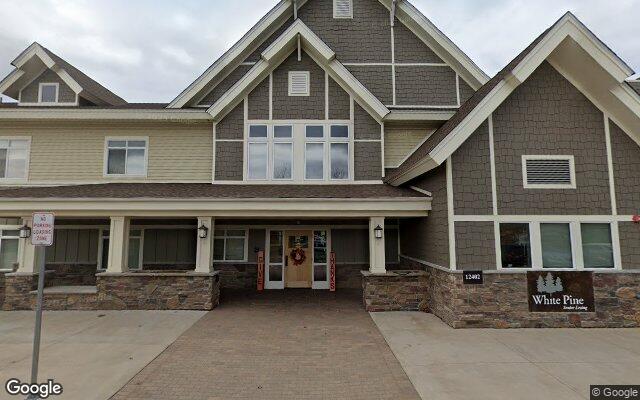
A medium home, reviewed on public record.
Compared to 187 Minnesota facilities with a similar number of beds.
ALF memory care · 36-month window. Higher percentile = better performance on inspection record. Source: Minnesota Dept. of Health · Health Regulation Division.
among peers to rank.
on file.
Rankings based on 36-month MDH inspection data. Severity and frequency: fewer citations = higher percentile. Repeat rate: lower repeat citation share = higher percentile.
Citation history, plotted month by month.
No citations in the last 36 months.
Finding distribution
none · 36 monthsScope × Severity (CMS A–L)
Questions to ask before you visit.
A short pre-tour checklist tailored to Blaine Wp II LLC's record and state requirements.
MDH records show 2 complaints filed against this facility — were any of those complaints substantiated, and can you share your corrective action plans or internal investigation summaries with families during a tour?
Ask the operator on tour. Take notes and compare answers across facilities you visit.
The facility holds an Assisted Living Facility with Dementia Care license under Minnesota Statutes chapter 144G — can you walk us through the written dementia care program and show how it differs from the general assisted living program for the other 42 licensed beds?
Ask the operator on tour. Take notes and compare answers across facilities you visit.
MDH inspection data shows 2 reports on file with 0 deficiencies cited — can you provide families with copies of those inspection reports and explain your internal quality assurance process that has maintained compliance?
Ask the operator on tour. Take notes and compare answers across facilities you visit.
Every inspection visit, verbatim.
5 inspections in the public record, most recent first. Plain-language summaries open first — click into any row for the full citation text.
2026-01-14Complaint InvestigationNo findings
Plain-language summary
A complaint investigation found that a resident with diabetes and poor blood circulation developed foot wounds that led to hospitalization and amputation of her right leg, but the Minnesota Department of Health determined the facility was not negligent because staff coordinated with the resident's doctors, provided documented wound care and dressing changes, and called 911 when the resident's condition worsened. The facility had a care plan that included foot care assistance, and medical records showed staff completed daily wound treatment and twice-weekly showers before the resident was hospitalized. Following this incident, the facility implemented additional skin observation audits and staff retraining on wound reporting.
Read full citation textHide full citation text
Read raw inspector notesClose inspector notes
Finding: Not Substantiated Nature of Investigation: The Minnesota Department of Health investigated an allegation of maltreatment, in accordance with the Minnesota Reporting of Maltreatment of Vulnerable Adults Act, Minn. Stat. 626.557, and to evaluate compliance with applicable licensing standards for the provider type. Initial Investigation Allegation(s): The facility neglected the resident when the resident was found to have wounds on her feet resulting in hospitalization and amputation of the resident’s right lower extremity. Investigative Findings and Conclusion: The Minnesota Department of Health determined neglect was not substantiated. Although the resident did get diabetic ulcers and had her right lower extremity amputated, the resident had chronic diabetes and peripheral vascular disease (blood flow reduction in the extremities). The facility coordinated care with the resident’s health care providers and sent her to the hospital when her health condition changed. The investigator conducted interviews with facility staff members, including administrative staff, nursing staff, and unlicensed staff. The investigator contacted the resident’s podiatry provider. The investigation included review of the resident’s medical records including hospital records, personnel files, staff schedules and related facility policy and procedures. Also, the investigator observed the facility physical plant, medication administrations, wound treatment observations, cares provided to the residents and staff interaction. The resident resided in an assisted living memory care unit. The resident’s diagnoses included Alzheimer’s Disease, type two diabetes, diabetic pressure ulcers and peripheral vascular disease. The resident’s service plan included assistance with medication management, dressing, grooming, showers and nail care/filing on shower day. The resident’s assessment indicated the resident was orient to person was confused and forgetful. The resident could be resistive to cares. Medical records indicated an administrative nurse assessed the resident and a peanut to grape-sized wounds on her third and fourth toe and a painful left outer heel wound that was peanut-sized wound with drainage. The resident’s left foot second toe had a wound that was peanut-sized, open and dry. The resident’s wounds were cleansed, treated and a request was made to the resident’s provider, for the resident to have a skilled nursing evaluation of the wounds. The resident started oral antibiotics for the wounds. Medical records indicated three days later, a facility nurse, called 911 due to the resident’s worsening wounds. After paramedics arrived, a resident’s family member informed staff not to transport the resident to the hospital at that time. Later that same day, the resident’s family observed the resident’s wound then transported the resident to the hospital for evaluation of the wounds. Hospital records indicated the resident had a small wound on right foot that had worsened, causing the resident pain and guarding of the foot. The resident was treated with intravenous antibiotics and had an unsuccessful surgical procedure to open the artery in her right leg. Subsequently the resident had her right leg amputated above the knee. Review of medical records indicated in the weeks prior to the incident, staff documented daily dressing cares for the resident in the morning and evening, along with showers twice per week had been completed. Medical records indicated the resident had a history of diabetic ulcers and peripheral vascular disease but did not have any open areas at the last podiatry appointment. During an interview, an unlicensed personnel stated when she would give showers she would provide a bed bath because the resident would refuse her showers. The unlicensed personnel stated the resident would get impatient during the bed bath and occasionally she would refuse the bed bath too. An unlicensed personnel stated when she saw concerns with the resident’s feet the nurse was notified. During an interview, a facility staff nurse did not recall any wounds found on the resident prior to the incident. The facility staff nurse stated she may have received a text from evening staff regarding the resident’s wounds, then the next day the facility nurse and administrative staff looked at the resident’s feet together. The facility nurse stated the wounds were discussed during daily staff meetings and no one reported observing the wounds prior to the day they were reported. The facility staff nurse stated the facility had since initiated skin audits to ensure staff-skin observation was completed. During an interview, the administrative nurse stated the wounds were reported to him by administrative staff and a facility nurse. The administrative nurse stated he treated the wounds then called to schedule the skilled nursing evaluation. Administrative staff stated during a facility meeting, staff were re-trained on skin observation and reporting. The administrative nurse stated staff were training during daily meetings to ensure skin observations are completed. During an interview, the family member stated the resident had side effects from diabetes such as, callouses and dry skin on her feet and she was not aware of any wounds on her feet prior to the hospitalization. The resident discharged to a higher level of care after the incident. In conclusion, the Minnesota Department of Health determined neglect was not substantiated. “Not Substantiated” means: An investigatory conclusion indicating the preponderance of evidence shows that an act meeting the definition of maltreatment did not occur. Neglect: Minnesota Statutes, section 626.5572, subdivision 17 “Neglect” means neglect by a caregiver or self-neglect. (a) "Caregiver neglect" means the failure or omission by a caregiver to supply a vulnerable adult with care or services, including but not limited to, food, clothing, shelter, health care, or supervision which is: (1) reasonable and necessary to obtain or maintain the vulnerable adult's physical or mental health or safety, considering the physical and mental capacity or dysfunction of the vulnerable adult; and (2) which is not the result of an accident or therapeutic conduct. Vulnerable Adult interviewed: No, due to cognitive deficits. Family/Responsible Party interviewed: Yes. Alleged Perpetrator interviewed: Not Applicable. Action taken by facility: The resident visited the podiatry provider on recommended scheduled visits. Reported the wounds to the resident’s provider and family. Completed an assessment. Treated the wounds. A skilled nursing evaluation was completed on the resident’s wounds. The resident was transported to the hospital for further evaluation of the wounds. Action taken by the Minnesota Department of Health: No further action taken at this time. cc: The Office of Ombudsman for Long Term Care The Office of Ombudsman for Mental Health and Developmental Disabilities PRINTED: 01/ 14/ 2026 FORM APPROVED STATEMENT OF DEFICIENCIES (X1) PROVIDER/ SUPPLIER/ CLIA (X2) MULTIPLE CONSTRUCTION (X3) DATE SURVEY AND PLAN OF CORRECTION IDENTIFICATION NUMBER: COMPLETED A. BUILDING: ______________________ C B. WING _____________________________ 31675 12/ 08/ 2025 NAME OF PROVIDER OR SUPPLIER STREET ADDRESS, CITY, STATE, ZIP CODE 12402 JAMESTOWN STREET NE BLAINE WHITE PINE II BLAINE, MN 55449 SUMMARY STATEMENT OF DEFICIENCIES PROVIDER' S PLAN OF CORRECTION (X4) ID ID (X5) PREFIX (EACH DEFICIENCY MUST BE PRECEDED BY FULL PREFIX (EACH CORRECTIVE ACTION SHOULD BE COMPLETE REGULATORY OR LSC IDENTIFYING INFORMATION) CROSS- REFERENCED TO THE APPROPRIATE DATE TAG TAG DEFICIENCY) 0 000 Initial Comments 0 000 On December 8, 2025, the Minnesota Department of Health initiated an investigation of complaint #HL316758824C/ #HL316758102M. No correction orders are issued. LABORATORY DIRECTOR' S OR PROVIDER/ SUPPLIER REPRESENTATIVE' S SIGNATURE TITLE (X6) DATE STATE FORM 6899 1R6M11 If continuation sheet 1 of 1
2025-02-13Complaint InvestigationNo findings
Plain-language summary
A complaint alleged that staff neglected a resident by failing to provide supervision, after the resident exited the locked memory care unit and was found outside bleeding and requiring hospital evaluation. The Minnesota Department of Health investigated and determined the allegation was not substantiated, finding that staff were following the resident's plan of care which included two-hour safety checks, the facility had locked exits requiring keypads that the resident did not have access to, no alarms sounded during the incident, and it could not be determined how the resident exited the unit. The resident was treated at the hospital for a scalp laceration and possible wrist fracture.
Read full citation textHide full citation text
Read raw inspector notesClose inspector notes
Finding: Not Substantiated Nature of Investigation: The Minnesota Department of Health investigated an allegation of maltreatment, in accordance with the Minnesota Reporting of Maltreatment of Vulnerable Adults Act, Minn. Stat. 626.557, and to evaluate compliance with applicable licensing standards for the provider type. Initial Investigation Allegation(s): The facility neglected the resident when staff failed to provide supervision, the resident eloped from the facility and was found outside of the memory care unit bleeding and required an evaluation at a hospital. Investigative Findings and Conclusion: The Minnesota Department of Health determined neglect was not substantiated. Although the resident was found outside of the locked memory unit, staff were following the residents plan of care. It could not be determined how the resident exited the facility. The investigator conducted interviews with facility staff members, including administrative staff. The investigation included review of the resident records, hospital records, facility internal investigation, facility incident report, and related facility policy and procedures. Also, the investigator observed the resident, staff interactions with the resident, and the resident’s locked memory care unit. The resident resided in an assisted living memory care unit. The resident’s diagnoses included dementia and agitation. The resident’s service plan included every two-hour safety check with staff physically visualizing the resident to ensure safety. The resident’s assessment indicated the resident walked independently, was oriented to person, was confused, and had poor decision making. The resident wandered, stated he wanted to leave the facility, and wanted to go home. The facility was a locked building, and the resident required staff assistance to exit the unit. The resident was a risk for elopement requiring placement in the locked unit. Records indicated one day around midnight, the resident called 911 and stated he had been held hostage in the building for eight years against his wishes, the resident was agitated. Police informed facility staff of the resident’s phone call. At 3:30 a.m., the resident was seen sitting on his bed. Between 4:20 and 4:45 a.m., the resident had knocked on an outside window of another resident’s room on the first floor. Staff on the resident’s unit (second floor) were in the laundry room finishing tasks during the timeframe when the first-floor staff found the resident outside. A resident on the first floor used her call light and let staff know a man had knocked on her window. Staff looked outside and saw the resident walking towards another building. Staff went outside and called 911. The back of the resident’s head was bleeding. Staff walked the resident back to the facility, put a towel on the resident’s head and applied pressure while waiting for the ambulance to arrive. Hospital records indicated the resident’s scalp laceration was repaired with staples. The resident had a possible wrist fracture, which required a Velcro brace, and follow-up appointment with orthopedics. Scheduled services records indicated the resident received safety checks as scheduled. During an interview, leadership said the resident had got a hold of a phone from another resident on the unit, called 911, and said he was being held hostage. Leadership stated the facility had a first and second floor. The resident resided on the second floor, a locked unit. One day, the resident had gotten off the unit and was found outside. While outside, the resident had tapped on a first-floor resident window. The resident had hit his head. Leadership stated stairwell exits were located at each end of the resident’s unit, that required punching a code into a keypad to unlock. If opened, the stairwell exits alarmed (fire alarm type sound.) If someone pushed on the doors, doors would be locked. The unit also had a keypad at the balcony/deck area, which was also alarmed. Only staff could open the door. The elevator required punching a code into the keypad to leave the second-floor unit. Leadership said the resident did not have the code for any of the keypads. In addition, the unit’s windows could not open wide enough for the resident to exit. Leadership said they spoke to staff who worked the day of the incident. Staff said no alarms sounded and they had no idea the resident was outside the facility until a different resident notified them of a man tapping on their window. Shortly before the resident had been found outside, staff saw the resident during their rounding check. Leadership reviewed camera footage and said nothing was seen regarding the resident exiting. Leadership said the facility investigated and could not determine how the resident got off the locked unit. Leadership said there had been no other similar incidents. In conclusion, the Minnesota Department of Health determined neglect was not substantiated. “Not Substantiated” means: An investigatory conclusion indicating the preponderance of evidence shows that an act meeting the definition of maltreatment did not occur. Neglect: Minnesota Statutes, section 626.5572, subdivision 17 “Neglect” means neglect by a caregiver or self-neglect. (a) "Caregiver neglect" means the failure or omission by a caregiver to supply a vulnerable adult with care or services, including but not limited to, food, clothing, shelter, health care, or supervision which is: (1) reasonable and necessary to obtain or maintain the vulnerable adult's physical or mental health or safety, considering the physical and mental capacity or dysfunction of the vulnerable adult; and (2) which is not the result of an accident or therapeutic conduct. Vulnerable Adult interviewed: Yes. Family/Responsible Party interviewed: Yes. Alleged Perpetrator interviewed: Not Applicable. Action taken by facility: The facility sent the resident to the hospital for evaluation and conducted an internal investigation. Action taken by the Minnesota Department of Health: No further action taken at this time. cc: The Office of Ombudsman for Long Term Care The Office of Ombudsman for Mental Health and Developmental Disabilities PRINTED: 02/13/2025 FORM APPROVED STATEMENT OF DEFICIENCIES (X1) PROVIDER/SUPPLIER/CLIA (X2) MULTIPLE CONSTRUCTION (X3) DATE SURVEY AND PLAN OF CORRECTION IDENTIFICATION NUMBER: COMPLETED A. BUILDING: ______________________ C B. WING _____________________________ 31675 01/16/2025 NAME OF PROVIDER OR SUPPLIER STREET ADDRESS, CITY, STATE, ZIP CODE 12402 JAMESTOWN STREET NE BLAINE WHITE PINE II BLAINE, MN 55449 SUMMARY STATEMENT OF DEFICIENCIES PROVIDER'S PLAN OF CORRECTION (X4) ID ID (X5) PREFIX (EACH DEFICIENCY MUST BE PRECEDED BY FULL PREFIX (EACH CORRECTIVE ACTION SHOULD BE COMPLETE REGULATORY OR LSC IDENTIFYING INFORMATION) CROSS-REFERENCED TO THE APPROPRIATE DATE TAG TAG DEFICIENCY) 0 000 Initial Comments 0 000 On January 16, 2025, the Minnesota Department of Health initiated an investigation of complaint #HL316751482C/#HL316756942M. No correction orders are issued. LABORATORY DIRECTOR'S OR PROVIDER/SUPPLIER REPRESENTATIVE'S SIGNATURE TITLE (X6) DATE STATE FORM 6899 P7BR11 If continuation sheet 1 of 1
2024-05-21Complaint InvestigationNo findings
Plain-language summary
A complaint investigation found that a resident developed a urinary tract infection and was hospitalized for sepsis, but the Minnesota Department of Health determined the facility did not neglect the resident because staff followed proper guidelines, communicated with the physician, and responded appropriately when the resident developed a fever. The facility had the resident on hourly safety checks and every two-hour toileting assistance, and staff received training on catheter care after the resident was discharged from the hospital with a Foley catheter. No violations were substantiated and no further action was taken.
Read full citation textHide full citation text
Read raw inspector notesClose inspector notes
Finding: Not Substantiated Nature of Investigation: The Minnesota Department of Health investigated an allegation of maltreatment, in accordance with the Minnesota Reporting of Maltreatment of Vulnerable Adults Act, Minn. Stat. 626.557, and to evaluate compliance with applicable licensing standards for the provider type. Initial Investigation Allegation(s): The facility neglected a resident when he developed a urinary tract infection and was hospitalized for sepsis. Investigative Findings and Conclusion: The Minnesota Department of Health determined neglect was not substantiated. While the resident did develop a urinary tract infection and was hospitalized for sepsis, however the facility followed guidelines and communicated with the physician. The investigator conducted interviews with facility staff members, including administrative staff, nursing staff, and unlicensed staff. The investigator contacted family members and case workers. The investigation included review of facility records, hospital records, training records, facility internal communication records, and resident records. Also, the investigator observed staff to staff interactions as well as staff to resident interactions. Also, the investigator observed the general order and cleanliness of the facility and resident rooms. An equal opportunity employer. The resident resided in an assisted living memory care unit. The resident’s diagnoses included dementia, cerebral palsy, encephalopathy (brain dysfunction) and incontinence. The resident’s service plan included assistance with meals, bathing, dressing, grooming, toileting, and medications. Additionally, the service plan included behavior reminders such as reassurance checks and to help minimize time in his room. The resident’s assessment indicated he was incontinent of stool and had a history of exit-seeking behaviors. The assessment also indicated the resident became angry or agitated at times. The resident’s progress notes indicated one day the resident woke up with a fever. The facility registered nurse (RN) was notified, and the resident was tested for covid and flu, which came back negative. The same document indicated the RN assessed the resident, who then called the family and the medical provider. The facility sent the resident hospital. The hospital records indicated the resident was diagnosed with sepsis with a prostate abscess. The record also indicated the resident was incontinent of both urine and stool. The hospital record indicated on several occasions the resident smeared his stool over his bed, his body and clothes. The hospital record also stated the resident would be discharged with a Foley (indwelling) catheter in place even though the resident was at risk for self-removal related to his dementia. The facility service checkoff list demonstrated the resident was on hourly safety checks and every two-hour toileting assistance. The facility’s training documents indicated it had provided Foley catheter care training to ensure caregivers gave proper care for the resident’s catheter. During an interview, a manager said the resident resided in a male only memory care unit. The manager stated the resident had some behaviors that could be challenging at times, but staff were responsive to his needs. During an interview, a nurse stated she provided the education for the staff on how to care for the resident’s catheter. The nurse also expressed concern for the resident to have a catheter related to him pulling it and because he was incontinent of stool. During an interview, an unlicensed caregiver stated she was trained and felt confident in caring for the resident with his catheter but that at times the resident would become combative and resistant to cares. The caregiver stated when this happened the staff would either wait for a little while or get other staff to distract the resident so care could be provided. In conclusion, the Minnesota Department of Health determined neglect was not substantiated. “Not Substantiated” means: An investigatory conclusion indicating the preponderance of evidence shows that an act meeting the definition of maltreatment did not occur. Neglect: Minnesota Statutes, section 626.5572, subdivision 17 Neglect means neglect by a caregiver or self-neglect. (a) "Caregiver neglect" means the failure or omission by a caregiver to supply a vulnerable adult with care or services, including but not limited to, food, clothing, shelter, health care, or supervision which is: (1) reasonable and necessary to obtain or maintain the vulnerable adult's physical or mental health or safety, considering the physical and mental capacity or dysfunction of the vulnerable adult; and (2) which is not the result of an accident or therapeutic conduct. Vulnerable Adult interviewed: no, not able related to dementia Family/Responsible Party interviewed: Yes Alleged Perpetrator interviewed: Not Applicable the Action taken by facility: The facility identified the resident needed to be sent to the hospital for the fever. The facility documented the residents’ cares and trained all staff on foley catheter care. Action taken by the Minnesota Department of Health: No further action taken at this time. cc: The Office of Ombudsman for Long Term Care The Office of Ombudsman for Mental Health and Developmental Disabilities PRINTED: 05/22/2024 FORM APPROVED STATEMENT OF DEFICIENCIES (X1) PROVIDER/SUPPLIER/CLIA (X2) MULTIPLE CONSTRUCTION (X3) DATE SURVEY AND PLAN OF CORRECTION IDENTIFICATION NUMBER: COMPLETED A. BUILDING: ______________________ C B. WING _____________________________ 31675 04/11/2024 NAME OF PROVIDER OR SUPPLIER STREET ADDRESS, CITY, STATE, ZIP CODE 12402 JAMESTOWN STREET NE BLAINE WHITE PINE II BLAINE, MN 55449 SUMMARY STATEMENT OF DEFICIENCIES PROVIDER'S PLAN OF CORRECTION (X4) ID ID (X5) PREFIX (EACH DEFICIENCY MUST BE PRECEDED BY FULL PREFIX (EACH CORRECTIVE ACTION SHOULD BE COMPLETE REGULATORY OR LSC IDENTIFYING INFORMATION) CROSS-REFERENCED TO THE APPROPRIATE DATE TAG TAG DEFICIENCY) 0 000 Initial Comments 0 000 On April 11, 2024, the Minnesota Department of Health initiated an investigation of complaint #HL316758705C/#HL316751281M. No correction orders are issued. LABORATORY DIRECTOR'S OR PROVIDER/SUPPLIER REPRESENTATIVE'S SIGNATURE TITLE (X6) DATE STATE FORM 6899 7SPT11 If continuation sheet 1 of 1
2024-05-16Complaint InvestigationNo findings
Plain-language summary
A complaint investigation found that neglect was not substantiated when a resident with dementia fell and broke her hip. The facility had implemented two-hour safety checks to reduce fall risk, and when the fall occurred, staff immediately assessed the resident, contacted her doctor, and arranged hospital transfer for treatment of the fracture. No correction orders were issued.
Read full citation textHide full citation text
Read raw inspector notesClose inspector notes
Finding: Not Substantiated Nature of Investigation: The Minnesota Department of Health investigated an allegation of maltreatment, in accordance with the Minnesota Reporting of Maltreatment of Vulnerable Adults Act, Minn. Stat. 626.557, and to evaluate compliance with applicable licensing standards for the provider type. Initial Investigation Allegation(s): The facility neglected a resident when she fell and broke her hip. Investigative Findings and Conclusion: The Minnesota Department of Health determined neglect was not substantiated. While the resident did fall and sustain a hip fracture, the facility had taken reasonable steps to reduce the risk for falls. When the fall did occur, the facility sought appropriate medical care for the resident. The investigator conducted interviews with facility staff members, including administrative staff, nursing staff, and unlicensed staff. The investigator also contacted the resident’s family. The investigation included review of facility records, policies and reports, resident records, staff records and schedules. Also, the investigator observed staff interactions with other staff, residents, and visitors. An equal opportunity employer. The resident resided in an assisted living memory care unit. The resident’s diagnoses included dementia with behavioral disturbances, high blood pressure and weakness. The resident’s service plan included assistance with dressing, grooming, toileting, feeding, transfers, and mobility. The resident’s assessment indicated the resident was on 2-hour safety checks, was mostly nonverbal and was a poor decision-maker. A document titled Uniform Assessment tool, indicated the resident had an elevated risk of falling related to impulsive behavior, weakness, and prior history of falling. A document titled service checkoff list indicated the resident was on 2-hour safety checks, and these were documented as completed every 2 hours including the day of the fall. The resident’s progress notes indicated the resident was found on the floor in her room by the nurse and was assessed and assisted to bed. The same document shows the nurse called the residents doctor and x-rays were ordered. When the results of the x-rays were known, the nurse called the doctor, and the resident was transferred to the hospital for care of the fractured hip. During an interview, a nurse stated that the resident had experienced at least 2 falls before this incident and the safety checks were implemented to help prevent the resident’s impulsive behavior. The facility also implemented toileting every 2 hours to assist with the impulsive behavior. During an interview, a family member had no concerns about the care of the resident and stated the facility calls him any time there is an issue. The family member was notified of the fall and transfer to the hospital. In conclusion, the Minnesota Department of Health determined neglect was not substantiated. “Not Substantiated” means: An investigatory conclusion indicating the preponderance of evidence shows that an act meeting the definition of maltreatment did not occur. Neglect: Minnesota Statutes, section 626.5572, subdivision 17 Neglect means neglect by a caregiver or self-neglect. (a) "Caregiver neglect" means the failure or omission by a caregiver to supply a vulnerable adult with care or services, including but not limited to, food, clothing, shelter, health care, or supervision which is: (1) reasonable and necessary to obtain or maintain the vulnerable adult's physical or mental health or safety, considering the physical and mental capacity or dysfunction of the vulnerable adult; and (2) which is not the result of an accident or therapeutic conduct. Vulnerable Adult interviewed: No, non-verbal Family/Responsible Party interviewed: Yes Alleged Perpetrator interviewed: Not Applicable the Action taken by facility: The facility assessed the resident immediately, notified the doctor and followed the ordered plan of care. The facility notified the family and sent the resident to the hospital as ordered. Action taken by the Minnesota Department of Health: No further actions at this time. cc: The Office of Ombudsman for Long Term Care The Office of Ombudsman for Mental Health and Developmental Disabilities PRINTED: 05/22/2024 FORM APPROVED STATEMENT OF DEFICIENCIES (X1) PROVIDER/SUPPLIER/CLIA (X2) MULTIPLE CONSTRUCTION (X3) DATE SURVEY AND PLAN OF CORRECTION IDENTIFICATION NUMBER: COMPLETED A. BUILDING: ______________________ C B. WING _____________________________ 31675 04/11/2024 NAME OF PROVIDER OR SUPPLIER STREET ADDRESS, CITY, STATE, ZIP CODE 12402 JAMESTOWN STREET NE BLAINE WHITE PINE II BLAINE, MN 55449 SUMMARY STATEMENT OF DEFICIENCIES PROVIDER'S PLAN OF CORRECTION (X4) ID ID (X5) PREFIX (EACH DEFICIENCY MUST BE PRECEDED BY FULL PREFIX (EACH CORRECTIVE ACTION SHOULD BE COMPLETE REGULATORY OR LSC IDENTIFYING INFORMATION) CROSS-REFERENCED TO THE APPROPRIATE DATE TAG TAG DEFICIENCY) 0 000 Initial Comments 0 000 On April 11, 2024, the Minnesota Department of Health initiated an investigation of complaint #HL316759142C/#HL316751540M. No correction orders are issued. LABORATORY DIRECTOR'S OR PROVIDER/SUPPLIER REPRESENTATIVE'S SIGNATURE TITLE (X6) DATE STATE FORM 6899 KHVC11 If continuation sheet 1 of 1
2023-12-12Complaint InvestigationNo findings
Plain-language summary
The Minnesota Department of Health investigated a complaint of financial exploitation and found that an employee diverted oxycodone pills from two residents' medication supplies by signing out significantly more narcotic doses than were actually administered to the residents and forging co-workers' names in medication records. For one resident over two months, the employee signed out 67 pills but only administered 26, and for the other resident, signed out 15 pills but only administered 4 during the first month reviewed. Law enforcement was contacted, and the employee declined to cooperate with the facility's internal investigation.
Read full citation textHide full citation text
Read raw inspector notesClose inspector notes
Finding: Substantiated, individual responsibility Nature of Investigation: The Minnesota Department of Health investigated an allegation of maltreatment, in accordance with the Minnesota Reporting of Maltreatment of Vulnerable Adults Act, Minn. Stat. 626.557, and to evaluate compliance with applicable licensing standards for the provider type. Initial Investigation Allegation(s): The alleged perpetrator (AP) financially exploited resident #1 and resident #2 when the AP diverted their narcotic medications. Investigative Findings and Conclusion: The Minnesota Department of Health determined financial exploitation was substantiated. The AP was responsible for the maltreatment. The investigation identified a consistent discrepancy of the AP signing out oxycodone in resident #1 and resident #2’s handwritten narcotic book and each resident’s electronic medical record (EMAR). Additionally, multiple unlicensed caregivers, the AP’s co-workers, identified handwritten entries of their names they identified as forgeries for both resident #1 and #2. A review of the documents identified a pattern indicating the AP had access to resident #1 and resident #2’s narcotic book at times consistent with when forgeries occurred. An equal opportunity employer. The investigator conducted interviews with facility staff members, including administrative staff, nursing staff, and unlicensed staff. The investigator contacted law enforcement. The investigation included review of individual narcotic records, resident medical records, facility policies and procedures, internal investigations, staff payroll, personnel records, and training records. Also, the investigator observed staff administering medications and interactions with residents. A facility internal investigation indicated unlicensed caregivers raised concerns someone had forged their signatures on the individual narcotic record (narcotic book) and removed oxycodone under their names, which prompted the facility administration to investigate. The facility contacted several unlicensed caregivers for assistance with the investigation including the AP who declined to cooperate with the facility’s investigation. Resident #1 Resident #1 resided in an assisted living memory care unit with diagnoses including traumatic brain injury and bipolar disorder. The residents service plan included assistance with medication management and administration. Resident #1’s orders for pain management included oxycodone 5 milligram (mg) every four hours as needed for complaints of pain. Resident #1 lived on the first floor of the facility. During the investigation resident #1’s narcotic book pages and EMAR were compared covering a time span of approximately two months, which included four pages from the narcotic book. Each of the narcotic book pages had room for 30 entries, which coincides with 30 oxycodone pills per pill card. The first page in resident #1’s narcotic book indicated the AP signed out and removed a narcotic from the resident’s supply 14 times. The EMAR for the same time indicated the AP documented administering the same narcotic seven times. The second page in resident #1’s narcotic book indicated the AP signed out and removed a narcotic from the resident’s supply 14 times. The EMAR for the same time indicated the AP documented administering the same narcotic nine times. The third page in resident #1’s narcotic book indicated the AP signed out and removed a narcotic from the resident’s supply 16 times. The EMAR for the same time indicated the AP documented administering the same narcotic seven times. The fourth page in resident #1’s narcotic book indicated the AP signed out and removed a narcotic from the resident’s supply 23 times. The EMAR for the same time indicated the AP documented administering the same narcotic approximately three times. The facility’s internal investigation indicated the facility reviewed resident #1’s narcotic book on the 10th day of the month. The resident’s narcotic book indicated the AP had signed out the last pill and filled out the last entry on the fourth page of resident #1’s narcotic book at 11:00 a.m. on the 10th. However, this entry was identified by the facility at 8:00 a.m. on the 10th thus three hours prior to the documented time. Resident #1’s narcotic book indicated the AP signed out the last five oxycodone pills with four of the five dated the 9th of the month, one of which the AP documented removing from the resident’s supply was dated for the 9th at 2:00 p.m. The fifth and final oxycodone pill the AP documented removing from the resident’s supply was dated for the 10th at 11:00 a.m. A review of the payroll records indicated the AP worked the 9th but was off the payroll at 11:45 a.m. The AP was not on the schedule or the facility payroll on the 10th. Resident #2 Resident #2 resided in an assisted living memory care unit. The resident’s diagnoses included dementia with behavioral disturbance and mild cognitive impairment. The resident’s service plan included assistance with medication management and administration. Resident #2 had orders for oxycodone 5 mg, scheduled two times per day and an additional oxycodone 5 mg as needed (PRN) for complaints of increased pain one time per day. Resident #2 lived on the second floor of the facility. During the investigation resident #2’s narcotic book pages and EMAR were compared for as needed dosage that could be given one time per day, and EMAR were compared covering a time of approximately two months, which included two pages from the narcotic book. Each of the narcotic book pages has room for 30 entries, which coincides with 30 oxycodone pills per pill card. The first page in resident #2’s narcotic book indicated the AP signed out and removed a narcotic from the resident’s supply 15 times. The EMAR for the same time indicated the AP documented administering the same narcotic four times. The second page in resident #2’s narcotic book indicated the AP signed out and removed a narcotic from the resident’s supply 10 times. The EMAR for the same time indicated the AP documented administering the same narcotic two times. Resident #2’s narcotic book indicated the AP signed out the last oxycodone pill on the 9th of the month. The final oxycodone pill the AP documented removing from the resident’s supply was dated for the 9th at 2:00 p.m. A review of the payroll records indicated the AP worked the 9th but was off the payroll at 11:45 a.m. Claims of Forgery Resident #1 Narcotic Book During an interview unlicensed caregiver #1 stated her name had been forged in resident #1’s narcotic book An example identified by unlicensed caregiver #1 was found on resident #1’s third narcotic page. Resident #1’s narcotic book indicated unlicensed caregiver #1 removed and oxycodone twice. The facility’s payroll records showed unlicensed caregiver #1 was present that day and shift the 26th of the month. However, unlicensed caregiver #1 identified the second of the two entries as a handwritten forgery of her signature for later that same day and shift. Resident #1’s EMAR indicated unlicensed caregiver #1 documented the first oxycodone as administered, which was consistent with her statement she gave the first dose that day. A review of the EMAR indicated the second dose of oxycodone attributed to her in the narcotic book was not documented as administered in the EMAR, which was also consistent with her statement she did not give the second dose that day. The entry identified by unlicensed caregiver #1 as a forgery included date, time, and name. The facility’s payroll records indicated the AP worked the following day the 27th of the month. Resident #1’s narcotic book and EMAR indicated no other oxycodone doses were removed or administered until the 27th when the facility payroll records indicated the AP worked. After the entry unlicensed caregiver #1 identified as a forgery, the next four handwritten entries of removing resident #1’s oxycodone were entered by the AP. Of those four, one was documented in the EMAR as administered by the AP. The final entry on the page was dated for the 28th, which was a day the AP worked but on a different floor. Resident #1’s EMAR did not indicate any oxycodone was documented for resident #1 on the 28th day of the month. Resident #2 Narcotic Book During the same interview cited above, unlicensed caregiver #1 stated her name was forged in resident #2’s narcotic book. Two examples identified by unlicensed caregiver #1 were on the second page of resident #2’s narcotic book. The first was dated the 21st of the month and was the first entry on the page. The second example was dated the 27th of the month and was the fourth entry on the page. During a separate interview unlicensed caregiver #2 stated her name was forged on the second page resident #2’s narcotic book.
2 older inspections from 2023 are not shown above.
Get the complete record, translated into plain language — emailed to you.
Other facilities in Anoka County.
Other memory care facilities in Anoka County with similar care offerings.
Tour Prep
Family reviews
No reviews yet — be the first to share your experience
Other memory care options nearby.
More options in neighboring cities
Licensed memory care in other cities within this county region — useful when your search radius crosses city limits.