Sedona Garden Assisted Living.
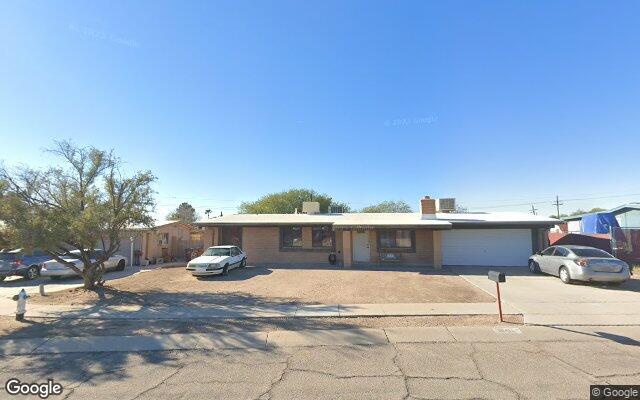
A medium home, reviewed on public record.
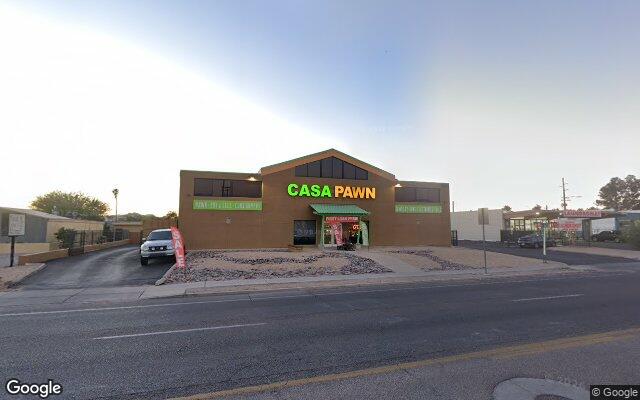
© Google Street View
Compared to 1,649 Arizona facilities with a similar number of beds.
Care · 36-month window. Higher percentile = better performance on inspection record. Source: Arizona Dept. of Health Services · Bureau of Residential Facilities Licensing.
among peers to rank.
Rankings based on 36-month ADHS inspection data. Severity and frequency: fewer citations = higher percentile. Repeat rate: lower repeat citation share = higher percentile.
Citation history, plotted month by month.
7 deficiencies on record. Each bar is a month with a citation.
Finding distribution
7 total · 36 monthsScope × Severity (CMS A–L)
Every inspection visit, verbatim.
3 inspections in the public record, most recent first. Plain-language summaries open first — click into any row for the full citation text.
2025-05-02Complaint InvestigationR9-10-803.L.2 · 1 finding
“Based on record review and interview, the manager failed to ensure care instructions for a resident, provided by a hospice service agency, were documented in the resident’s service plan. Findings include: 1. A review of R2’s medical record revealed documentation indicating R2 was receiving hospice care. A review of medical orders, dated February 12, 2025, revealed instructions for “Wound orders,” provided by the hospice agency, to the assisted living facility caregivers. However, the wound care instructions were not included in R2’s service plan. 2. In an interview, E1 agreed R2’s service plan did not include the wound care instructions provided by R2’s hospice provider.”
2025-04-04Complaint InvestigationR9-10-808.A.3.a · 4 findings
“Based on record review and interview, the manager failed to ensure a resident had a written service plan that included a description of the resident’s medical or health problems, including physical, behavioral, cognitive, or functional conditions or impairments. Findings include: 1. A review of R2’s medical record revealed a service plan, dated July 20, 2023, which reflected R2’s “Diagnosis:” as Hereditary and Idiopathic Neuropathy/RA/Sciatica/Panniculitis, Raynaud’s, Chronic Pain Syndrome/Pneumatic Retinopexy/Cholecystectomy.” 2. A review of R2’s medical record revealed a service plan dated April 12, 2024, which reflected R2’s “Diagnosis:” as “S/P Fall.” Further review of R2’s medical record revealed a document, dated October 12, 2024, titled “Service Plan Update Overview.” The document did not include a specific section to describe R2’s medical or health conditions or impairments, but it did include a section titled “Narrative.” The section did include documentation regarding R2’s eating habits, socialization, and lack of “…problems or concerns…” However, the section did not include any information about R2’s medical or health conditions or impairments. 3. In an interview, E1 agreed R2’s most recent service plan did not describe the resident’s medical or health problems, including physical, behavioral, cognitive, or functional conditions or impairments.”
“Based on record review and interview, the manager failed to ensure a medical record included all required information per R9-10-811.C.1-24. The deficient practice posed a risk as the required information could not be verified. Findings include: 1. During an on-site investigation, the Compliance Officer requested to review the medical record for R3. However, evidence of documentation of R3’s medical record was unavailable for review. 2. In an interview, E1 reported O1 had R3’s file in O1's possession, but O1 was not available to produce the record. E1 acknowledged R3’s medical record did not include all documentation required in R9-10-807(B), including but not limited to completed residency agreements, initial documentation of the residents' needs, initial service plans, documentation of services provided, and documentation of medications administered to a resident.”
“Based on documentation review and interview, the manager failed to ensure a caregiver or an assistant caregiver immediately notified a resident's primary care provider when a resident had an accident, emergency, or injury that resulted in the resident needing medical services. Findings include: 1. A review of facility incident reports revealed an incident report for R6, dated January 28, 2025, at 2:15 a.m. The incident report indicated R6 was “having difficulty breathing,” and when emergency responders arrived, R6 “coded.” The document reported there was a notification to R6’s emergency contact, and included a section for documenting notification of R6’s primary care provider. However, evidence of documentation of notification of R6’s primary care provider was unavailable for review. 2. In an interview, E1 advised E1 was unaware if R6’s primary care provider was ever notified of R6’s emergency incident. E1 agreed the incident report did not indicate R6’s primary care provider was immediately notified as required.”
“Based on documentation review and interview, the manager failed to ensure a caregiver or an assistant caregiver documented an event in which a resident had an accident, emergency, or injury and needed medical services, as required per R9-10-818.D.2. Findings include: 1. A review of facility incident reports from January 1, 2025, through April 3, 2025, revealed two incident reports documenting accidents, emergencies, or injuries where medical services were needed. Of the two reports, one report, dated January 18, 2025, contained documentation of the date and time of the incident, a description of the incident name(s) of those who observed the incident, and actions taken. While the report included documentation indicating the resident’s emergency contact was notified, it did not indicate the resident’s emergency contact was notified immediately, as no time of notification was documented. Furthermore, the report did not contain evidence of documentation indicating the resident’s primary contact was ever notified. 2. In an interview, E1 acknowledged the incident report dated January 28, 2025, did not contain all documentation as required per R9-10-818.D.2.”
2024-08-02Annual Compliance VisitA.A.C. · 2 findings
“Based on record review and interview, the manager failed to ensure a caregiver or an assistant caregiver documented the services provided in the resident's medical record for one of two residents sampled. Findings include: 1. A review of R2's medical record revealed a current service plans for personal care services. The service plan included the service, "Skin Care," and indicated caregivers were to "Check skin daily and with brief changes." 2. A review of R2's medical record revealed a tracking sheet dated July, 2024, used for tracking activities of daily living (ADLs) and services provided. The tracking sheet contained a section for documenting the service "Skin Care." Evidence of documentation the service was provided to R2 on July 6, 13, 17, 20, 27 or 31, 2024 was unavailable for review. 3. In an interview, E1 acknowledged the caregivers were not correctly documenting all services provided for R2 in their medical records.”
“Based on documentation review, observation, and interview, the manager failed to ensure the means of exiting the facility for a resident who does not have a key, special knowledge for egress, or the ability to expend increased physical effort, controlled or alerted employees of the egress of a resident from the facility. The deficient practice posed a risk if the facility was unaware of the general or specific whereabouts of a resident. Findings include: 1. A review of the license issued by the Department revealed the facility was authorized to provide directed care services. 2. During the facility tour with E1, the compliance officer observed the door leading out to the backyard. The outside area, in the backyard, allowed residents to be a least 30 feet away from the facility. The door leading out to the backyard was equipped with a device intended to alert employees to the egress of a resident to the outside area, however the device was not working and did not sound an alert when the compliance officer opened the door. 3. During an interview, E1 acknowledged there was a means of exiting the facility which allowed residents to be at least 30 feet away from the facility, which did not control or alert employees of the egress of a resident.”
Other facilities in Tucson.
Other memory care facilities near Tucson with similar care offerings.
Facility Watch · Premium
Family reviews
No reviews yet — be the first to share your experience