Avista Senior Living Tucson.
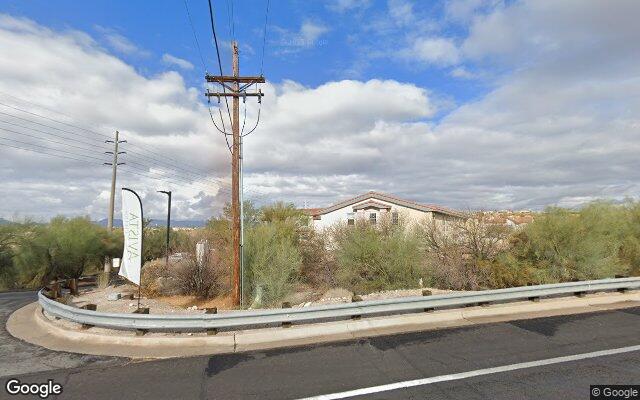
A large home, reviewed on public record.
© Google Street View
Compared to 75 Arizona facilities with a similar number of beds.
Care · 36-month window. Higher percentile = better performance on inspection record. Source: Arizona Dept. of Health Services · Bureau of Residential Facilities Licensing.
among peers to rank.
Rankings based on 36-month ADHS inspection data. Severity and frequency: fewer citations = higher percentile. Repeat rate: lower repeat citation share = higher percentile.
Citation history, plotted month by month.
37 deficiencies on record. Each bar is a month with a citation.
Finding distribution
37 total · 36 monthsScope × Severity (CMS A–L)
Every inspection visit, verbatim.
10 inspections in the public record, most recent first. Plain-language summaries open first — click into any row for the full citation text.
2026-04-14Complaint InvestigationNo findings
2026-02-03Complaint InvestigationR9-10-803.A.9 · 15 findings
“Based on record review, documentation review and interview, the governing authority failed to ensure compliance with A.R.S. § 36-411, for one of eight sampled personnel. The deficient practice posed a risk if E10 was a danger to a vulnerable population. Findings include: 1. A review of E10's personnel record revealed E10 had been hired as a caregiver in August of 2025. 2. A review of E10's personnel record revealed an employment history listing multiple prior employers. 3. A review of E10's personnel record revealed documented attempts to contaact prior employers had only been documented for a single prior employer. 4. A review of E10's personnel record revealed a fingerprint clearance card with a marked expiration of January 15, 2026. 5. Online verification of the status of E10's fingerprint clearance card revealed the card was not valid at the time of the on-site inspection. 6. During the on-site inspection, the Compliance Officer requested documentation of a current fingerprint clearance card for E10. However, no additional information was provided during the on-site inspection. 7. A review of the facility work schedule revealed E10 had worked in the memory care unit on January 18, January 24, January 25, and January 31, 2026, after the expiration of E10's fingerprint clearance card. 8. In an interview, E1 reported E10 had been contacted and had scheduled a fingerprinting appointment for the following day. E1 assured E10 would not provide services until E10 provided a valid fingerprint clearance card. 9. In an exit interview with E1 and E2, the findings were reviewed and no additional information was provided. This is a repeat deficiency from the on-site compliance and complaint inspection conducted on February 5, 2025 and the on-site complaint inspection conducted on February 14, 2025.”
“Based on documentation review, record review, and interview, the manager failed to ensure policies and procedures were established, documented, and implemented to cover cardiopulmonary resuscitation (CPR) training for applicable employees and volunteers, including the method and content of cardiopulmonary resuscitation training, which includes a demonstration of the employee’s or volunteer’s ability to perform cardiopulmonary resuscitation; the qualifications of an individual to provide cardiopulmonary resuscitation training; the time-frame for renewal of cardiopulmonary resuscitation training; and the documentation that verifies that the employee or volunteer has received cardiopulmonary resuscitation training, for one of eight personnel sampled. The deficient practice posed a risk if an employee was unable to meet a resident's needs during an emergency. Findings include: A review of the facility's policies and procedures, reviewed and updated September 2025, revealed a policy covering CPR training was not available for review. A review of the facility's policies and procedures revealed a policy titled "Caregiver Employment Requirements," which included "Has current CPR and First Aid Cards - specifically for adults, which includes a demonstration of the ability to perform cardiopulmonary resuscitation. CPR and First Aid is updated/renewed within the time-frame of the training provider." A review of E8's personnel record revealed E8 was hired in April of 2025 as a caregiver. A review of the facility work schedule revealed E8 began providing services to residents on April 12, 2025. A review of E8's personnel record revealed CPR and First Aid certification from "NationalCPRFoundation," an online-only provider whose training does not include a demonstration of the ability to perform cardiopulmonary resuscitation, dated August 21, 2023, with a 2-year expiration. A review of E8's personnel record revealed a CPR and First Aid certification from HSI dated August 7, 2025, indicating E8 had provided services between April 12, 2025 and August 7, 2025 without valid CPR certification. In an exit interview with E1 and E2, the findings were reviewed and no additional information was provided.”
“Based on record review and interview, the manager failed to report suspected abuse, neglect or exploitation of a resident and failed to document the suspected abuse, neglect, or exploitation; the actions taken to stop the suspected abuse, neglect, or exploitation; the report made to Adult Protective Services or Law Enforcement; the date, time, and description of the suspected abuse, neglect, or exploitation; a description of the injury to a resident and any change to the resident's physical, cognitive, functional, or emotional condition; the names of witnesses to the suspected abuse, neglect, or exploitation; or any actions taken by the manager to prevent the suspected abuse, neglect, or exploitation from occurring in the future. The deficient practice posed a risk as the Department was unable to assess if there was an immediate health and safety concern for residents who resided in the assisted living facility. Findings include: A review of R2's medical record revealed R2 moved out of the facility in November 2025. A review of R2's medical record revealed a termination notice, dated October 6, 2025. The termination notice stated, "This letter is to notify you of your 14 - day notice of termination of residency from Avista Senior Living Tucson due to verbal aggression towards staff, accompanied by sexually inappropriate and predatory behavior towards residents and staff." During the on-site inspection, the Compliance Officer requested to review all incident reports and internal investigation reports related to sexually inappropriate and predatory behavior towards residents; however, no incident reports per R9-10-804 or investigations per R9-10-803(J) were available. A review of progress notes for R2 revealed the following progress notes: August 13, 2025 at 17:35: "[R2] was in the dining room sitting with ladies while [R2] continues to speak inappropriate language. [A staff member] came upstairs to let us know [R2] was ready to leave. [R2] then wheeled [R2's] way out to the courtyard. Other residents expressed their concerns as well. I did call [R2's] pcp and left a message." December 3, 2025 11:40: "APS called and requested record relating to incidents about [R2's] behaviors, verbal abuse towards staff or residents, inappropriate behaviors. Medication records related to not received them or issues with them." In an interview, E2 reported multiple incidents had led to the decision to terminate R2's residency due to sexually inappropriate and predatory behavior towards residents. E2 reported one resident had woken up and found R2 in their room and reported this to the facility. E2 reported a different resident reported they were afraid to leave their room because R2 was aggressive with them. E2 reported a family member of a resident reported to the facility after a shared meal, that R2 had made unsolicited and explicit comments to the resident and the family member describing sexual acts they wished to perform with the resident, which were perceived as harassing and inappropriate. E2 also reported R2 made sexual comments towards staff members. During the on-site inspection, the Compliance Officer requested any and all documentation of these incidents, including the facility's internal investigation following contact by Adult Protective Services (APS) regarding these allegations. However, no documentation was available for review. In an exit interview with E1 and E2, the findings were reviewed and no additional information was provided.”
“Based on record review and interview, the manager failed to ensure a caregiver's skills and knowledge were verified and documented before the caregiver provided physical health services, for one of five sampled caregivers. The deficient practice posed a risk if the employees were unable to meet a resident's needs. Findings include: A review of E4's personnel record revealed a skills and knowledge checklist with E4's name written on it. However, the checklist had been otherwise left blank. In an exit interview with E1 and E2, the findings were reviewed and no additional information was provided.”
“Based on documentation review, record review, interview, and observation, the manager failed to ensure a caregiver provided evidence of freedom from infectious tuberculosis (TB) on or before the date the individual began providing services at or on behalf of the assisted living facility as specified in Arizona Administrative Code (A.A.C.) R9-10-113, for five of eight sampled employees. Findings include: 1. R9-10-113(A)(2)(a)(i-iii) states: "If a health care institution is subject to the requirements of this Section, as specified in an Article in this Chapter, the health care institution's chief administrative officer shall ensure that the health care institution establishes, documents, and implements tuberculosis infection control activities that...2. Include: a. For each individual who is employed by the health care institution…and who is subject to the requirements of this Section, screening, on or before the date specified in the applicable Article of this Chapter, that consists of i. Assessing risks of prior exposure to infectious tuberculosis, ii. Determining if the individual has signs or symptoms of tuberculosis, and iii. Obtaining documentation of the individual's freedom from infectious tuberculosis according to subsection (B)(1)." 2. R9-10-113(B)(1)(a)(i) states: "B. A health care institution's chief administrative officer shall: 1. For an individual for whom baseline screening and documentation of freedom from infectious tuberculosis is required by an Article in this Chapter, as specified in subsection (A)(2)(a), obtain one of the following as evidence of freedom from infectious tuberculosis: a. Documentation of a negative Mantoux skin test or other tuberculosis screening test that: i. Is recommended by the U.S. Centers for Disease Control and Prevention (CDC).” 3. A review of the CDC website revealed a web page titled "Baseline Tuberculosis Screening and Testing for Health Care Personnel." The web page stated: "If the Mantoux tuberculin skin test (TST) is used for baseline testing of health care personnel, use two-step testing. Purpose: Two-step testing is recommended for the initial TB skin test for adults who may be tested periodically, such as health care personnel." 4. A review of E6's personnel record revealed E6 was hired in July of 2023 as a Dining Assistant. 5. A review of E6's personnel record revealed a baseline TB screening questionnaire was not available for review. Additionally, E6's personnel record included a single TST in 2021 and a second in 2023, more than a year after the first. 6. A review of E7's personnel record revealed E7 was hired in June of 2024 as a housekeeper. 7. A review of E7's personnel record revealed a baseline screening document. However, the baseline screening was dated more than 30 days after E7's date of hire. 8. A review of E8's personnel record revealed E8 was hired in April of 2025 as a caregiver. 9. A review of the facility work schedule revealed E8 began working regular shifts on April 12, 2025. 10. A review of E8's personnel record revealed E8's baseline screening, including a two-step TST, was completed on April 24, 2025. 11. A review of E9's personnel record revealed E9 was hired in May of 2025 as a caregiver. 12. A review of the facility work schedule revealed E9 began working regular shifts on May 19, 2025. 13. A review of E9's personnel record revealed E9's baseline screening, including a two-step TST, was completed on May 28, 2025. 14. A review of E10's personnel record revealed E10 was hired in August of 2025 as a caregiver. 15. A review of the facility work schedule revealed E10 began working regular shifts on September 5, 2025. 16. A review of E10's personnel record revealed E10's baseline screening, including a two-step TST, was completed on September 28, 2025. 17. In an exit interview with E1 and E2, the findings were reviewed and no additional information was provided.”
“Based on record review and interview, the manager failed to ensure a resident provided evidence of freedom from infectious tuberculosis (TB) as specified in R9-10-113, before or within seven calendar days after the resident's date of occupancy, for four of eight sampled residents. Findings include: A review of R1's medical record revealed baseline screening, to include an assessment of R1's risk of prior exposure to TB, a determination if R1 had symptoms of TB, and documentation of R1's freedom from TB was not available for review. R1's medical record included a negative chest X-ray. However, based on R1's date of occupancy, completed TB baseline screening was required. A review of R3's medical record revealed baseline screening, to include an assessment of R3's risk of prior exposure to TB, and a determination if R3 had symptoms of TB, was not available for review. R3's medical record included a negative TB blood test. However, based on R3's date of occupancy, completed TB baseline screening was required. A review of R5's medical record revealed baseline screening, to include an assessment of R5's risk of prior exposure to TB, and a determination if R5 had symptoms of TB, was dated more than seven calendar days after R5's date of occupancy and had not been completed or reviewed by a Medical Provider, Occupation Health Provider (to include a registered nurse), or local health agency. R5's medical record included a negative TB skin test. However, based on R5's date of occupancy, completed TB baseline screening was required. A review of R7's medical record revealed baseline screening, to include an assessment of R7's risk of prior exposure to TB, and a determination if R7 had symptoms of TB, was not available for review. R7's medical record included a negative TB blood test. However, based on R7's date of occupancy, completed TB baseline screening was required. In an exit interview with E1 and E2, the findings were reviewed and no additional information was provided.”
“Based on record review and interview, the manager failed to ensure documented residency agreements included a list of the services available from the assisted living facility at an additional fee or charge, for eight of eight sampled residents. Findings include: A review of R1's, R2's, R3's, R4's, R5's, R6's, R7's and R8's medical records revealed a signed residency agreement was available for each resident. In a section titled "Other Additional Services and Fees," the residency agreements stated, "There may be additional charges for a la carte services as outlined in Exhibit 1 of this Agreement. The Community will bill monthly, as applicable, for any such additional services." However, Exhibit 1 was not included in the residency agreement of any of the eight sampled residents. During the on-site inspection, E1 provided a copy of exhibit one, which included the following services available for an additional fee: Community Fee, Assisted Living Care Fees for six levels and an unnamed level, Memory Care Fees for three levels, Transportation, Guest Meals, Additional Key, Electric Scooter Fee, Pet Fee, and Pendant Fee. All services had listed prices except "Non-Conforming Pharmacy Fee, which stated, "$Added to Service Plan." A review of R3's billing statements revealed R3 had been billed for "Room Meal Trays" in June of 2025. In an interview, E2 reported residents who are able to go to the dining room for meals must either eat in the dining room or pick up their meal from the dining room. If the facility has to deliver a meal to a resident, there is a charge for the food delivery. E2 reported residents have to get a doctor's note in order to waive the food delivery fee. In an interview, E1 acknowledged that the "Room Meal Tray" fee was not on the copy of "Exhibit 1," which had been provided for review. In an exit interview with E1 and E2, the findings were reviewed and no additional information was provided.”
“Based on documentation review, record review, and interview, the manager failed to ensure a resident's service plan included the psychosocial interactions or behaviors for which the resident required assistance; the psychotropic medications ordered for the resident; the planned strategies and actions for changing the resident's psychosocial interactions or behaviors; and the goals for changes in the resident's psychosocial interactions or behaviors, for two of two residents reviewed who required behavioral care. The deficient practice posed a risk as a service plan directs the services to be provided to a resident. R9-10-101(29) defines "Behavioral care" a. means limited behavioral health services, provided to a patient whose primary admitting diagnosis is related to the patient's need for physical health services, that include: i. Assistance with the patient's psychosocial interactions to manage the patient's behavior that can be performed by an individual without a professional license or certificate including: (1) Direction provided by a behavioral health professional, and (2) Medication ordered by a medical practitioner or behavioral health professional; or ii. Behavioral health services provided by a behavioral health professional on an intermittent basis to address the patient's significant psychological or behavioral response to an identifiable stressor or stressors; and b. Does not include court-ordered behavioral health services. Findings include: 1. A review of R2's medical record revealed a service plan, dated August 21, 2025, for personal care services. The service plan stated, "Diagnosis...Depression, Unspecified," and did not list any physical, cognitive or functional impairments. The service plan indicated R2's "community or other services utilized," included: "MHC behavioral health." The service plan included the following services: "Cognitive/Behavioral: assistance: resident requires cognitive support. Assistance may include redirection, reminders, and cues, and addressing any unusual or disturbing behavior. SEXUAL COMMENTS;" and "Mental Health & Wellness: History: Resident has a history of substance abuse (drugs, alcohol, illicit drugs, narcotic abuse) ALCOHOL. Mental Health Support: Resident will be referred to and/or may receive supportive mental health care. However, the service plan did not include psychotropic medications ordered for the resident, planned strategies and actions for changing the resident's psychosocial interactions or behaviors, or goals for changes in the resident's psychosocial interactions or behaviors. 2. A review of R2's medical record revealed a document from an outpatient provider titled "Psychiatry Progress Note," dated September 25, 2025, and signed by a medical practitioner. In a section titled "History of Present Illness," the note stated, "Staff reports that patient has been accused of being sexually inappropriate with other residents and staff." The progress note included an outdated medication list from July of 2024, diagnoses of "moderate episode of recurrent depressive disorder," "Insufficient sleep syndrome," and "Alcohol use." The progress note indicated psychotherapy services were provided to R2 on this date and recommended weekly visits from a behavioral health tech for supportive therapy. 3. A review of R2's medical record revealed a signed list of medication orders, dated July 29, 2025. The list included, "Paroxetine, Depression, 30 MG, 1 tab, oral 1x a day." 4. A review of R5's medical record revealed a service plan, updated January 21, 2026, for personal care services. The service plan included a diagnosis list which stated, "Bipolar disorder, mild neurocognitive disorder...chronic kidney disease, alcohol use." The service plan indicated R5 was receiving behavioral care and included the following section: "Behavioral Care: The resident's psychosocial interactions and accompanying behaviors will be appropriately managed to optimize satisfaction. Medication Management: Team member will follow the medical practitioner's orders, including administering psychotropic medication, to enhance resident comfort and help minimize the negative side effects of the disease process." However, the service plan did not include the psychosocial interactions or behaviors for which the resident required assistance, psychotropic medications ordered for the resident, planned strategies and actions for changing the resident’s psychosocial interactions or behaviors, or goals for changes in the resident’s psychosocial interactions or behaviors. 5. A review of R5's medical record revealed a signed list of medication orders, dated January 21, 2026. The list included, "Lurasidone HCL 40 MG tablet, take 1 tablet by mouth daily with food (indications for use: BPD)." 6. In an exit interview with E1 and E2, the findings were reviewed and no additional information was provided.”
“Based on record review and interview, the manager retained two of two sampled residents who required behavioral care without meeting the requirements, to include documentation to demonstrate a behavioral health professional or medical practitioner examined the resident at least once every six months throughout the duration of the resident's condition; reviewed the facility's scope of services; and signed and dated a determination stating the resident's needs were being met at the facility. The deficient practice posed a risk if the facility was unable to meet a resident's needs. Findings include: 1. A review of R2's medical record revealed a document from an outpatient provider titled "Psychiatry Progress Note," dated September 25, 2025, and signed by a medical practitioner. In a section titled "History of Present Illness," the note stated, "Staff reports that patient has been accused of being sexually inappropriate with other residents and staff." The progress note included an outdated medication list from July of 2024, diagnoses of "moderate episode of recurrent depressive disorder," "Insufficient sleep syndrome," and "Alcohol use." The progress note indicated psychotherapy services were provided to R2 on this date and recommended weekly visits from a behavioral health tech for supportive therapy. 2. A review of R2's medical record revealed a signed list of medication orders, dated July 29, 2025. The list included, "Paroxetine, Depression, 30 MG, 1 tab, oral 1x a day." 3. A review of R2's medical record revealed documentation to demonstrate a behavioral health professional or medical practitioner had examined the resident at least once every six months throughout the duration of R2's bipolar disorder; reviewed the facility's scope of services; and signed and dated a determination stating the R2's needs were being met at the facility, was not available for review. 4. A review of R5's medical record revealed a service plan, updated January 21, 2026, for personal care services. The service plan included a diagnosis list which stated, "Bipolar disorder, mild neurocognitive disorder...chronic kidney disease, alcohol use." The service plan indicated R5 was receiving behavioral care and included the following section: "Behavioral Care: The resident's psychosocial interactions and accompanying behaviors will be appropriately managed to optimize satisfaction. Medication Management: Team member will follow the medical practitioner's orders, including administering psychotropic medication, to enhance resident comfort and help minimize the negative side effects of the disease process." However, the service plan did not include the psychosocial interactions or behaviors for which the resident required assistance, psychotropic medications ordered for the resident, planned strategies and actions for changing the resident’s psychosocial interactions or behaviors, or goals for changes in the resident’s psychosocial interactions or behaviors. 5. A review of R5's medical record revealed a signed list of medication orders, dated January 21, 2026. The list included, "Lurasidone HCL 40 MG tablet, take 1 tablet by mouth daily with food (indications for use: BPD)." 6. A review of R5's medical record revealed documentation to demonstrate a behavioral health professional or medical practitioner had examined the resident at least once every six months throughout the duration of R5's bipolar disorder; reviewed the facility's scope of services; and signed and dated a determination stating the R5's needs were being met at the facility, was not available for review. 7. In an exit interview with E1 and E2, the findings were reviewed and no additional information was provided.”
“Based on documentation review and interview, the manager failed to ensure a disaster drill for employees was conducted on each shift at least once every three months and documented. Findings include: A review of the facility work schedule revealed the facility operated on three shifts per day; a 1st shift from 6 AM to 2:30 PM, a 2nd shift from 2 PM to 10:30 PM, and a 3rd shift from 10 PM to 6:30 AM. A review of disaster drills conducted during the previous twelve months revealed the following: February 6, 2025 at 6 PM; March 2, 2025 at 11:36 PM; August 10, 2025 at 3:45 PM; September 1, 2025 at 9:25 AM; November 13, 2025 at 1:45 PM; and January 20, 2026 at 2 PM. In an exit interview with E1 and E2, the findings were reviewed and no additional information was provided.”
“Based on documentation review and interview, the manager failed to ensure an evacuation drill for employees and residents was conducted at least once every six months. Findings include: A review of facility evacuation drills conducted during the previous twelve months revealed evacuation drills had been conducted on April 8, 2025 and July 7, 2025. However a required evacuation drill, conducted on or before January 2026, was not available for review. In an exit interview with E1 and E2, the findings were reviewed and no additional information was provided.”
“Based on observation, documentation review, and interview, the manager failed to ensure a pest control program was implemented and documented. Findings include: During an environmental tour of the facility, the Compliance Officer did not observe any pests inside or outside the facility. A review of facility documentation revealed an invoice from a pest control company dated October 7, 2025. The invoice indicated service had been provided between 2:03 PM and 2:29 PM on October 7, 2025. However, no subsequent invoices were available for review. A review of facility documentation revealed an undated and unsigned quote to provide rodent eradication in the "kitchen dry storage drop ceiling," and around the building perimeter from a different pest control company. In an interview, E1 reported the contract with the previous pest control company had been discontinued and a new contract for pest control was still waiting for corporate approval and had not been implemented. In an exit interview with E1 and E2, the findings were reviewed and no additional information was provided.”
“Based on documentation review and interview, the manager failed to ensure hot water temperatures were maintained between 95º F and 120º F in areas of an assisted living facility used by residents. Findings include: 1. A review of facility documentation revealed weekly hot water testing logs between October 27, 2025 and January 30, 2026. The temperature logs indicated the facility water temperature in six locations was within required limits between October 27, 2025 and January 2, 2026. However, the logs indicated the following out of range temperatures: On January 15, 2026, the water temperature on the two third-floor testing locations was 91 degrees and 93 degrees; On January 22, 2026, the water temperature on the first floor was 92 degrees, the water temperature at one of two second floor locations was 94 degrees, the water temperature on the third floor was 91 degrees and 93 degrees, and the water temperature in the break room was 92 degrees. On January 30, 2026, the water temperature on the first floor was 93.6 degrees. 2. A review of facility documentation revealed a service request, dated January 14, 2026, which stated, "E11 requested a service for circulating pump in the boiler room. Additional information: Boiler replaced within 6 months, mixing valve replaced within 12 months. Mixing valve serviced recently. Water leaving the mixing valve is 120 degrees. Water arriving in rooms in the 80s. Water has to run for 20+ minutes to warm up. Date(s) of service: 1/15/26, 01/22/26. Work completed onsite: Pump has been installed and leak checked. Pump housing is installed incorrectly into system loop and required re-pipe to be corrected. Scheduled with site for 1/23/26." 3. In an interview with E11, E11 reported the pump housing was reinstalled and is working correctly. E11 reported the water system has 90 loops and there is a check valve for each loop that needs to be adjusted correctly to ensure sufficient hot water enters each loop. E11 reported the work to adjust every check valve is ongoing and should be completed soon. 4. During the on-site inspection, the Compliance Officer checked the water temperature in resident rooms on all three floors. All water temperatures were observed to be between 95 degrees and 120 degrees during the on-site inspection. 5. In an exit interview with E1, and E2, the findings were reviewed and no additional information was provided.”
“Based on observation and interview, the manager failed to ensure poisonous or toxic materials were maintained in labeled containers in a locked area inaccessible to residents. The deficient practice posed a risk to the physical health and safety of a resident. Findings include: During an environmental inspection of the facility, in the secure memory care unit, the Compliance Officer inspected a dining room and kitchen area used by memory care residents. The Compliance Officer observed a swinging half-door that separated the dining room from the kitchen area; however, the swinging door did not have any type of lock, so the kitchen area was accessible to residents at all times. The Compliance Officer observed residents were present in the dining area and observed caregivers were in and out of the dining area during the on-site inspection. Inside the kitchen area, the Compliance Officer observed a cabinet below a sink. The cabinet had a padlock. However, the padlock had been left unlocked at the time of the inspection. Inside the cabinet, the Compliance Officer observed containers of "Auto-Clor Super 8" and, "Auto-Clor Pot & Pan Supreme." Inside the kitchen area, the Compliance Officer observed a cabinet below the counter to the left of the sink. The cabinet did not have a locking mechanism of any kind. Inside the cabinet, the Compliance Officer observed a bottle with a label stating the bottle contained "Lemon Fresh Pine-Sol." However, the bottle contained a purple liquid. In an exit interview with E1 and E2, the findings were reviewed and no additional information was provided.”
“Based on record review and interview, the manager failed to ensure dogs allowed in the assisted living facility were licensed consistent with local ordinances, for three of three dogs. Findings include: A review of pet records revealed current rabies vaccinations for three dogs. However, documentation of current annual licenses, as required for all dogs in Pima County, were not available for review. In an exit interview with E1 and E2, the findings were reviewed and no additional information was provided. Technical Assistance for this rule was provided during the on-site compliance and complaint inspection conducted on February 5, 2025.”
2025-05-06Complaint InvestigationR9-10-808.A.3.b · 2 findings
“Based on record review and interview, the manager failed to ensure a resident had a written service plan which included the level of service the resident is expected to receive, for one of five residents sampled. Findings include: 1. A review of R2's medical record revealed a service plan generated in February 2025 and signed in April 2025. However, R2’s service plan failed to identify the level of service R2 was expected to receive. 2. In an interview E1 acknowledged R2’s service plan did not include the level of service R2 was expected to receive.”
“Based on documentation review and interview, the assisted living center failed to maintain a copy of the document provided to the emergency responder for a period of two years after the date of the emergency. Findings include: 1. A review of R4's medical record revealed documentation of two incidents where R4 suffered an accident, illness, or injury that resulted in the resident needing emergency medical services on the following dates: April 23, 2025; and April 25, 2025. 2. A review of facility documentation revealed a copy of the documentation provided to an emergency responder on April 23, 2025 was not available for review. 3. A review of facility documentation revealed a copy of the documentation provided to an emergency responder on April 25, 2025 included a copy of the facility's prepared emergency responder form. However, a copy of the medication list, HIPPA waiver, face sheet, and advanced directive provided to the emergency responder were not available for review. 4. In an interview, E1 reported the facility provided the required documentation to emergency medical services; however, E1 acknowledged a copy of the documentation provided had not been maintained for a period of two years after the date of the emergency.”
2025-04-28Complaint InvestigationR9-10-808.A.5 · 2 findings
“Based on record review and interview, the manager failed to ensure a resident had a written service plan, when initially developed and when updated, was signed and dated by the resident or resident’s representative, the manager, and a nurse or medical practitioner, for three of seven resident's sampled. Findings include: 1. A review of R2’s medical record revealed a service plan initiated on October 28, 2024 and revised on November 1, 2024, indicating R2 received personal care services, including medication administration and behavioral care. The service plan had a signature page which included the following signatures: - An LPN had signed and dated the service plan on October 30, 2024; - A medical practitioner had signed and dated the service plan on December 11, 2024; - The facility manager had signed and dated the service plan on December 10, 2024; and - The resident’s representative had signed and dated the service plan on December 10, 2024. 2. A review of R4’s medical record revealed a service plan, indicating R4 received personal care services, including medication administration. However, the service plan did not include an initiated, revised, or effective date. The service plan had a signature page which included the following signatures: - An LPN had signed and dated the service plan on December 16, 2024; - A medical practitioner had signed and dated the service plan on January 3, 2025; - The facility manager had signed and dated the service plan on January 3, 2025; and - The resident’s representative had signed and dated the service plan on January 3, 2025. 3. A review of R5’s medical record revealed a service plan, indicating R5 received personal care services, including medication administration. However, the service plan did not include an initiated, revised, or effective date. The service plan had a signature page which included the following signatures: - An LPN had signed and dated the service plan on February 18, 2025; - A medical practitioner had signed and dated the service plan on March 7, 2025; - The facility manager had signed and dated the service plan on March 7, 2025; and - The resident’s representative had signed and dated the service plan on March 7, 2025. 4. In an interview, E2 advised when service plans are initially developed or updated, the service plans are not immediately signed by the manager. E2 said the service plans are forwarded to the resident’s representative for their signature, before the manager signs. E1 and E2 acknowledged the provided service plans had not been signed by the manager, medical provider, or the resident’s representative when initially developed or updated, as required.”
“Based on record review, documentation review and interview, the manager failed to ensure the caregiver provided a resident with the assisted living services in the resident’s service plan or documented the services provided in the resident's medical record, for five of seven residents reviewed. The deficient practice posed a risk as a service plan to direct services was not followed, services could not be verified as provided against a service plan. Findings include: 1. A review of seven sampled resident medical records revealed each resident had a current service plan which included the services which would be provided to each resident. 2. A review of seven sampled resident medical records revealed electronic documentation of services provided to each resident (ADL). The ADL’s included a description of the service, the frequency of the task, and the initials of a caregiver and time stamp if the task was provided. However, the time stamp indicated the time the entry had been made into the ADL, not the time the service was provided. 3. A review of facility documentation revealed an incident report, dated April 24, 2025, which stated, “[R3] reported to [R3]’s representative] and staff that another resident inappropriately touched [R3] and tried to kiss [R3]. [R3] was being sent to the hospital and reported to the EMT’s (Emergency Medical Technician’s) who notified our staff and contacted Sheriff.” 4. In an interview, E1 reported R3 has not returned to the facility since the incident on April 24, 2025 as of the date of the inspection, April 28, 2025. E1 indicated the facility staff work on three shifts, from 6 AM to 2 PM, from 2 PM to 10 PM and from 10 PM to 6 AM. 5. In an interview O1 reported a surveillance camera in R3’s room shows, on April 24, 2025, facility staff administered medications to R3 at 8:30 AM, and staff had not entered R3’s room or provided any services to R3 between 8:30 AM until 4:24 PM. 6. A review of R3’s medical record revealed an ADL, dated April 2025, which included the following: For the service, “Team member will provide assistance which may include meal reminders, set-up assistance, and food selection as needed. Snacks are available at all times upon resident request. [Resident Representative] has requested that staff encourage/escort resident to dining room for meals. [R3] is forgetful and will skip meals,” the ADL indicated the following: - On April 4, 2025, meals were offered at 21:54, during 2nd shift, and were not offered during 1st shift; - On April 6, 2025, meals were offered at 13:50, during 1st shift, and were not offered during 2nd shift; -On April 10, 2025, meals were offered at 21:16, during 2nd shift, and were not offered during 1st shift; - -On April 12, 2025, meals were offered at 21:40, during 2nd shift, and were not offered during 1st shift; -On April 13, 2025, meals were offered at 20:44, during 2nd shift, and were not offered during 1st shift; -On April 14, 2025, meals were offered at 20:46, during 2nd shift, and were not offered during 1st shift; - On April 24, 2025, meals were documented to have been offered at 09:58. However, this entry was false or misleading, as meal services were not provided to R3 during the 1st shift on this day; - On April 25, 2025, meals were documented to have been offered at 15:43. However, this entry was false and misleading, as meal services were not provided to R3 on this day; - On April 26 2025, meals were documented to have been offered at 12:39 and 15:51. However, these entries were both false or misleading, as meal services were not provided to R3 on this day; and - On April 27, 2025, meals were documented to have been offered at 10:39. However, this entry was false or misleading, as meal services were not provided to R3 on this day. 7. A review of R3’s medical record revealed an ADL, dated April 2025, which included the following: For the service, “Routine safety checks, Team members will perform routine safety checks a minimum of once a day,” the ADL indicated the following: - On April 25, 2025, a safety check was documented to have been performed at 15:43. However, this entry was false or misleading, as safety checks were not provided to R3 on this day; - On April 26, 2025, safety checks were documented to have been performed at 12:39 and 15:51. However, these entries were false or misleading, as safety checks were not provided to R3 on this day; and - On April 27, 2025, a safety check was documented to have been performed at 10:39. However, this entry was false or misleading, as safety checks were not provided to R3 on this day. 7. A review of R3’s medical record revealed an ADL, dated April 2025, which included the following: For the service, “Assistance Home Management: Team member will assist resident with routine home management which may include taking out trash, linen changes, laundry, and weekly housekeeping,” the ADL indicated the service was scheduled twice a week, on Mondays and Thursdays, and indicated the following: - On Thursday, April 10, 2025, the service had not been marked completed; and - On Monday, April 14, 2025, the service had not been marked completed, indicating R3 did not receive this service between April 7, 2025 and April 17, 2025. 8. A review of R3’s service plan revealed a scheduled frequency for bathing assistance of 2 times/week. 9. A review of R3’s medical record revealed an ADL, dated April 2025, which included the following: For the task, “Team members will provide scheduled and as needed support with bathing per resident preference which may include cueing and reminders and standby assistance during the bathing process as [R3] is scared to fall,” the ADL indicated the service was scheduled twice a week, on Thursdays and Sundays, and indicated the following: - On Thursday, April 10, 2025, bathing assistance had not been marked completed; - On Sunday, April 13, 2025, bathing assistance had not been marked completed, indicated R3 had not received assistance to bathe between April 6, 2025 and April 17, 2025; - On April 24, 2025, bathing assistance was documented to have been provided at 09:58. However, this entry was false or misleading because bathing assistance was not provided to R3 on this day; and - On April 27, 2025, bathing assistance was documented to have been provided at 10:39. However, this entry was false or misleading because bathing assistance was not provided to R3 on this day. 10. A review of R4’s service plan revealed a scheduled frequency for bathing assistance of 2 times/week. 11. A review of R4’s medical record revealed an ADL, dated April 2025, which included the following: For the task, “Team members will provide scheduled and as needed support with bathing per resident preference which may include cueing and reminders and standby assistance during the bathing process,” the ADL indicated the service was scheduled twice per week, on Tuesdays and Fridays, and indicated the following: - On April 4, 2025, bathing assistance had not been marked completed; and - On April 25, 2025, bathing assistance had not been marked completed. 12. A review of R4’s medical record revealed an ADL, dated April 2025, which included the following: On April 25, 2025, at 20:54, the following services were marked as completed: - Assistance: Team members may provide reminders or assistance to offer hydration, care for skin, apply lotion, and maintain appropriate standards for hygiene; - Assistance Oxygen: Team members will provide the necessary assistance with oxygen therapy; - Assistance: Team members may provide assistance managing resident pain including repositioning, hot/cold therapy, providing medication, or other routine interventions; - Assistance: Team members may provide assistance managing resident pain including repositioning, hot/cold therapy, providing medication, or other routine interventions; - Assistance: Team members may provide assistance managing resident pain including repositioning, hot/cold therapy, providing medication, or other routine interventions; and - Routine Safety Check. On April 25, 2025, at 20:55, the following services were marked as completed: - Assistance Oxygen: Team members will provide the necessary assistance with oxygen therapy; - Assistance Oxygen: Team members will provide the necessary assistance with oxygen therapy; - Assistance Escort / Reminders: Team members will provide reminders, encourage resident participation and/or escort resident to cognitively stimulating activities of interest; - Guest Meal; - Room Service; and - Room Service; no charge. 12. A review of R4’s medical record revealed an ADL, dated April 2025, which included the following: On April 26, 2026 at 12:59, the following services were marked as completed: - Assistance: Team members may provide reminders or assistance to offer hydration, care for skin, apply lotion, and maintain appropriate standards for hygiene; - Assistance: Team members may provide assistance managing resident pain including repositioning, hot/cold therapy, providing medication, or other routine interventions; and - Room Service; no charge. On April 26, 2026 at 13:47, the following services were marked as completed: - Routine Safety Check; - Guest Meal; and - Room Service. On April 26, 2026 at 13:48, the following services were marked as completed: - Assistance Oxygen: Team members will provide the necessary assistance with oxygen therapy; - Assistance Oxygen: Team members will provide the necessary assistance with oxygen therapy; - Assistance Oxygen: Team members will provide the necessary assistance with oxygen therapy; - Assistance: Team members may provide assistance managing resident pain including repositioning, hot/cold therapy, providing medication, or other routine interventions; and - Assistance: Team members may provide assistance managing resident pain including repositioning, hot/cold therapy, providing medication, or other routine interventions. 13. A review of R5’s medical record revealed an ADL, dated April 2025, which included the following: For the service, “Team member will provide assistance which may include meal reminders, set-up assistance, and food selection as needed. Snacks are available at all times upon resident request,” the ADL indicated the following: - On April 6, 2025, the service was documented to have been completed at 21:59, on the 2nd shift, and had not been completed during the 1st shift; - On April 12, 2025, the service was documented to have been completed at 21:59, on the 2nd shift, and had not been completed during the 1st shift; - On April 14, 2025, the service was documented to have been completed at 21:11, on the 2nd shift, and had not been completed during the 1st shift; - On April 17, 2025, the service was documented to have been completed at 21:29, on the 2nd shift, and had not been completed during the 1st shift; - On April 18, 2025, the service was documented to have been completed at 21:16, on the 2nd shift, and had not been completed during the 1st shift; - On April 19, 2025, the service was documented to have been completed at 21:30, on the 2nd shift, and had not been completed during the 1st shift; - On April 20, 2025, the service was documented to have been completed at 14:36, on the 2nd shift, and had not been completed during the 1st shift; - On April 25, 2025, the service was documented to have been completed at 21:12, on the 2nd shift, and had not been completed during the 1st shift; and - On April 26, 2025, the service was documented to have been completed at 19:42, on the 2nd shift, and had not been completed during the 1st shift. For the service, “Hydration assistance with meals: Team members will encourage resident fluid intake with meals which may include reminders, hydration schedule, filling resident drink mug, offering and honoring resident fluid preferences,” the ADL indicated the following: - On April 6, 2025, the service was documented to have been completed at 21:59, on the 2nd shift, and had not been completed during the 1st shift; - On April 12, 2025, the service was documented to have been completed at 21:59, on the 2nd shift, and had not been completed during the 1st shift; - On April 14, 2025, the service was documented to have been completed at 21:11, on the 2nd shift, and had not been completed during the 1st shift; - On April 17, 2025, the service was documented to have been completed at 21:29, on the 2nd shift, and had not been completed during the 1st shift; - On April 18, 2025, the service was documented to have been completed at 21:16, on the 2nd shift, and had not been completed during the 1st shift; - On April 19, 2025, the service was documented to have been completed at 21:30, on the 2nd shift, and had not been completed during the 1st shift; - On April 20, 2025, the service was documented to have been completed at 14:36, on the 2nd shift, and had not been completed during the 1st shift; - On April 25, 2025, the service was documented to have been completed at 21:12, on the 2nd shift, and had not been completed during the 1st shift; and - On April 26, 2025, the service was documented to have been completed at 19:42, on the 2nd shift, and had not been completed during the 1st shift. For the service, “Team members will assist resident with routine home management which may include taking out trash, linen changes, laundry and weekly housekeeping,” the ADL indicated the service was scheduled twice per week on Mondays and Thursdays and indicated the following: - On April 14, 2025, the service had not been marked completed; and - On April 17, 2025, the service had not been marked completed. For the service, “Team members will assist resident with laundry services which may include washing drying, folding, hanging and putting away personal clothing per resident preference,” the ADL indicated the service was scheduled twice per week on Mondays and Thursdays and indicated the following: - On April 14, 2025, the service had not been marked completed; and - On April 17, 2025, the service had not been marked completed. For the service, “Team members will provide scheduled and as needed support with bathing per resident preference which may include cueing and reminders and standby assistance during the bathing process,” the ADL indicated the service was scheduled twice per week on Tuesdays and Fridays and indicated the following: - On April 18, 2025, the service had not been marked completed; and - On April 25, 2025, the service had not been marked completed. 14. A review of R5’s medical record revealed an ADL, dated April 2025, which included the following: On April 1, 2025 at 13:47, the following services were marked as completed: - Guest Meal; - Guest Meal; - Guest Meal; - Room Service; - Room Service; - Room Service; - Room Service – NO CHARGE; - Room Service – NO CHARGE; and - Room Service – NO CHARGE. On April 2, 2025 at 13:31, the following services were marked as completed: - Guest Meal; - Guest Meal; - Guest Meal; - Room Service; - Room Service; - Room Service; - Room Service – NO CHARGE; - Room Service – NO CHARGE; and - Room Service – NO CHARGE. On April 12, 2025 at 23:53 and 23:54, the following services were marked as completed: - Guest Meal; - Guest Meal; - Guest Meal; - Room Service; - Room Service; - Room Service; - Room Service – NO CHARGE; - Room Service – NO CHARGE; and - Room Service – NO CHARGE. On April 13, 2025 at 22:38 and 22:39, the following services were marked as completed: - Guest Meal; - Guest Meal; - Guest Meal; - Room Service; - Room Service; - Room Service; - Room Service – NO CHARGE; - Room Service – NO CHARGE; and - Room Service – NO CHARGE. On April 14, 2025 at 22:48 and 22:49, the following services were marked as completed: - Guest Meal; - Guest Meal; - Guest Meal; - Room Service; - Room Service; - Room Service; - Room Service – NO CHARGE; - Room Service – NO CHARGE; and - Room Service – NO CHARGE. On April 20, 2025 at 23:25 and 23:26, the following services were marked as completed: - Guest Meal; - Guest Meal; - Guest Meal; - Room Service; - Room Service; - Room Service; - Room Service – NO CHARGE; - Room Service – NO CHARGE; and - Room Service – NO CHARGE. 15. A review of R6’s medical record revealed an ADL, dated April 2025, which included the following: For the service, “Resident requires assistance with meeting bathroom (toileting) needs and/or incontinence care which may include physically assisting the resident to the restroom, providing incontinence care, and ordering supplies as needed,” the ADL indicated the following: - On April 6, 2025, the service was documented to have been completed at 21:59, on the 2nd shift, and at 00:15, on the 3rd shift, and had not been completed during the 1st shift; - On April 8, 2025, the service was documented to have been completed at 13:01, on the 1st shift, and at 00:42, on the 3rd shift, and had not been completed during the 2nd shift; - On April 12, 2025, the service was documented to have been completed at 21:59, on the 2nd shift, and 23:05, on the 3rd shift, and had not been completed during the 1st shift; - On April 14, 2025, the service was documented to have been completed at 21:25, on the 2nd shift, and at 22:46, on the 3rd shift, and had not been completed during the 1st shift; - On April 17, 2025, the service was documented to have been completed at 21:20, on the 2nd shift, and at 23:05, on the 3rd shift, and had not been completed during the 1st shift; - On April 18, 2025, the service was documented to have been completed at 21:15, on the 2nd shift, and at 23:14, on the 3rd shift, and had not been completed during the 1st shift; - On April 19, 2025, the service was documented to have been completed at 21:29, on the 2nd shift, and had not been completed during the 1st shift; - On April 20, 2025, the service was documented to have been completed at 14:37, on the 2nd shift, and had not been completed during the 1st shift; - On April 25, 2025, the service was documented to have been completed at 21:13, on the 2nd shift, and at 22:51, on the 3rd shift, and had not been completed during the 1st shift; and - On April 26, 2025, the service was documented to have been completed at 21:26, on the 2nd shift, and had not been completed during the 1st shift. For the service, “Team member will provide assistance which may include meal reminders, set-up assistance, and food selection as needed. Snacks are available at all times upon resident request,” the ADL indicated the following: - On April 6, 2025, the service was documented to have been completed at 21:59, on the 2nd shift, and had not been completed during the 1st shift; - On April 8, 2025, the service was documented to have been completed at 13:01, on the 1st shift, and had not been completed during the 2nd shift; - On April 12, 2025, the service was documented to have been completed at 21:59, on the 2nd shift, and had not been completed during the 1st shift; - On April 14, 2025, the service was documented to have been completed at 21:25, on the 2nd shift, and had not been completed during the 1st shift; - On April 17, 2025, the service was documented to have been completed at 21:20, on the 2nd shift, and had not been completed during the 1st shift; - On April 18, 2025, the service was documented to have been completed at 21:15, on the 2nd shift, and had not been completed during the 1st shift; - On April 19, 2025, the service was documented to have been completed at 21:29, on the 2nd shift, and had not been completed during the 1st shift; - On April 20, 2025, the service was documented to have been completed at 14:37, on the 2nd shift, and had not been completed during the 1st shift; - On April 25, 2025, the service was documented to have been completed at 21:13, on the 2nd shift, and had not been completed during the 1st shift; and - On April 26, 2025, the service was documented to have been completed at 21:26, on the 2nd shift, and had not been completed during the 1st shift. For the service, “Frequent Safety Checks: Team members will perform periodic safety checks on each shift. Safety checks may include fall interventions are in place, and resident needs are met,” the ADL indicated the following: - On April 1, 2025, the service had not been completed during the 1st shift; - On April 6, 2025, the service had not been completed during the 1st shift; - On April 8, 2025, the service had not been completed during the 2nd shift; - On April 12, 2025, the service had not been completed during the 1st shift; - On April 14, 2025, the service had not been completed during the 1st shift; - On April 17, 2025, the service had not been completed during the 1st shift; - On April 18, 2025, the service had not been completed during the 1st shift; - On April 19, 2025, the service had not been completed during the 1st shift or 3rd shift; - On April 20, 2025, the service had not been completed during the 1st shift or 3rd shift; - On April 25, 2025, the service had not been completed during the 1st shift; - On April 26, 2025, the service had not been completed during the 1st shift or 3rd shift; - On April 27, 2025, the service had not been completed during the 3rd shift; and - On April 28, 2025, the service had not been completed during the 3rd shift. For the service, “Team members will provide scheduled and as needed support with bathing per resident preference which may include cueing and reminders and standby assistance during the bathing process,” the ADL indicated the service was scheduled twice per week on Mondays and Thursdays and indicated the following: - On April 14, 2025, the service had not been marked completed; and - On April 17, 2025, the service had not been marked completed, indicating R6 had not been assisted to bathe between April 10th and April 21st. 16. A review of R6’s medical record revealed an ADL, dated April 2025, which included the following: On April 1, 2025 at 13:48, the following services were marked as completed: - Guest Meal; - Guest Meal; - Guest Meal; - Room Service; - Room Service; - Room Service; - Room Service – NO CHARGE; - Room Service – NO CHARGE; and - Room Service – NO CHARGE. On April 2, 2025 at 13:33, the following services were marked as completed: - Guest Meal; - Guest Meal; - Guest Meal; - Room Service; - Room Service; - Room Service; - Room Service – NO CHARGE; - Room Service – NO CHARGE; and - Room Service – NO CHARGE. On April 9, 2025 at 11:11, the following services were marked as completed: - Guest Meal; - Guest Meal; - Guest Meal; and - Room Service. On April 13, 2025 at 22:38 and 22:39, the following services were marked as completed: - Guest Meal; - Guest Meal; - Guest Meal; - Room Service; - Room Service; - Room Service; - Room Service – NO CHARGE; - Room Service – NO CHARGE; and - Room Service – NO CHARGE. On April 14, 2025 at 22:48 and 22:49, the following services were marked as completed: - Guest Meal; - Guest Meal; - Guest Meal; - Room Service; - Room Service; - Room Service; - Room Service – NO CHARGE; - Room Service – NO CHARGE; and - Room Service – NO CHARGE. 17. In an interview, E1 reported the allegations regarding R3 were still under investigation. E1 and E2 acknowledged the documentation of services provided to each resident was not accurate.”
2025-04-11Complaint InvestigationNo findings
2025-03-12Complaint InvestigationA.A.C. · 6 findings
“A. A governing authority shall: 9. Ensure compliance with A.R.S. § 36-411.”
“C. A manager shall ensure that: 1. A caregiver or an assistant caregiver: g. Documents the services provided in the resident's medical record; and”
“C. A manager shall ensure that a resident's medical record contains: 12. A medication order from a medical practitioner for each medication that is administered to the resident or for which the resident receives assistance in the self-administration of the medication;”
“C. A manager shall ensure that food is obtained, prepared, served, and stored as follows: 6. Frozen foods are stored at a temperature of 0° F or below; and”
“A. A manager shall ensure that: 6. Hot water temperatures are maintained between 95º F and 120º F in areas of an assisted living facility used by residents;”
“R9-10-113. Tuberculosis Screening A. If a health care institution is subject to the requirements of this Section, as specified in an Article in this Chapter, the health care institution's chief administrative officer shall ensure that the health care institution establishes, documents, and implements tuberculosis infection control activities that: 2. Include: c. Annually providing training and education related to recognizing the signs and symptoms of tuberculosis to individuals employed by or providing volunteer services for the health care institution;”
2025-02-14Complaint InvestigationR9-10-120.F.1 · 4 findings
“Based on documentation review, record review, and interview, the manager failed to establish, document, and implement policies and procedures for administering an opioid as part of treatment which covered which personnel members may administer an opioid in treating a patient and the required knowledge and qualifications of these personnel members, covered which personnel members may provide assistance in the self-administration of medication for a prescribed opioid and the required knowledge and qualifications of these personnel members, included how, when and by whom a patient's need for opioid administration is assessed, included how, when and by whom a patient receiving an opioid is monitored, and covered how, when and by whom the actions taken according to subsections (F)(1)(c) and (d) would be documented. Findings include: 1. A review of the facility's policies and procedures revealed a policy titled, "Policy: Opioid Management." However, the policy did not cover which personnel members may administer an opioid in treating a patient and the required knowledge and qualifications of these personnel members, did not cover which personnel members may provide assistance in the self administration of medication for a prescribed opioid and the required knowledge and qualifications of these personnel members, and did not include how, when and by whom a patient's need for opioid administration is assessed, or how, when and by whom the actions taken according to subsections (F)(1)(c) would be documented. 2. A review of R1's medical record revealed an electronic Medication Administration Record (eMAR) dated December 2024. the eMAR documented R1 had received, "Tramadol 50 MG tablet, Take one tablet by mouth twice daily" on each day in December 2024. However, documentation of an assessment of R1's need for each dose of the opioid, and documentation of monitoring R1 after each dose of the opioid were not available for review. 3. In an interview, E1 acknowledged the facility's policy and procedure covering opioid administration did not include all of the policies required by R9-10-120.F.”
“Based on record review, documentation review, and interview, the governing authority failed to ensure compliance with A.R.S. § 36-411, for one of six personnel records reviewed. The deficient practice posed a risk if a personnel member was a danger to a vulnerable population. A.R.S. § 36-411 states: "A. Except as provided in subsection F of this section, as a condition of licensure or continued licensure of a residential care institution, a nursing care institution or a home health agency and as a condition of employment in a residential care institution, a nursing care institution or a home health agency, employees and owners of residential care institutions, nursing care institutions or home health agencies, contracted persons of residential care institutions, nursing care institutions or home health agencies or volunteers of residential care institutions, nursing care institutions or home health agencies who provide medical services, nursing services, behavioral health services, health-related services, home health services or direct supportive services and who have not been subject to the fingerprinting requirements of a health professional's regulatory board pursuant to title 32 shall have a valid fingerprint clearance card that is issued pursuant to title 41, chapter 12, article 3.1 or shall apply for a fingerprint clearance card within twenty working days after employment or beginning volunteer work or contracted work. B. A health professional who has complied with the fingerprinting requirements of the health professional's regulatory board as a condition of licensure or certification pursuant to title 32 is not required to submit an additional set of fingerprints to the department of public safety pursuant to this section. C. Each residential care institution, nursing care institution and home health agency shall make documented, good faith efforts to: 1. Contact previous employers to obtain information or recommendations that may be relevant to a person's fitness to work in a residential care institution, nursing care institution or home health agency. 2. Verify the current status of a person's fingerprint clearance card. 3. Beginning January 1, 2025, verify that a potential employee is not on the adult protective services registry pursuant to section 46-459. If a potential employee is found to be on the adult protective services registry, the residential care institution, nursing care institution or home health agency may not hire the potential employee. 4. On or before March 31, 2025, verify that each employee is not on the adult protective services registry pursuant to section 46-459. If an employee is found to be on the adult protective services registry, the residential care institution, nursing care institution or home health agency shall take action to terminate the employment of that employee. 5. Beginning March 31, 2025, annually reverify that each employee is not on the adult protective services registry pursuant to section 46-459. D. An employee, an owner, a contracted person or a volunteer or a facility on behalf of the employee, the owner, the contracted person or the volunteer shall submit a completed application that is provided by the department of public safety within twenty days after the date the person begins work or volunteer service. E. Except as provided in subsection F of this section, a residential care institution, nursing care institution or home health agency shall not allow an employee to continue employment or a volunteer or contracted person to continue to provide medical services, nursing services, behavioral health services, health-related services, home health services or direct supportive services if the person has been denied a fingerprint clearance card pursuant to title 41, chapter 12, article 3.1, has been denied approval pursuant to this section before May 7, 2001 or has had a fingerprint clearance card suspended or revoked. F. An employee, volunteer or contractor of a residential care institution, nursing care institution or home health agency who is eligible pursuant to section 41-1758.07, subsection C to petition the board of fingerprinting for a good cause exception and who provides documentation of having applied for a good cause exception pursuant to section 41-619.55 but who has not yet received a decision is exempt from the fingerprinting requirements of this section if the person provides medical services, nursing services, behavioral health services, health-related services, home health services or direct supportive services to residents or patients while under the direct visual supervision of an owner or employee who has a valid fingerprint clearance card. G. If a person's employment record contains a six-month or longer time frame during which the person was not employed by any employer, a completed application with a new set of fingerprints shall be submitted to the department of public safety. H. For the purposes of this section: 1. "Direct supportive services": (a) Means services other than home health services that provide direct individual care and that are not provided in a common area of a health care institution, including: (i) Assistance with ambulating, bathing, toileting, grooming, eating and getting in and out of a bed or chair. (ii) Assistance with self-administration of medication. (iii) Janitorial, maintenance, housekeeping or other services provided in a resident's room. (iv) Transportation services, including van services. (b) Does not include services provided by persons contracted directly by a resident or the resident's family in a health care institution. 2. "Direct visual supervision" means continuous visual oversight of the supervised person that does not require the supervisor to be in a superior organizational role to the person being supervised. 3. "Home health services" has the same meaning prescribed in section 36-151." Findings include: 1. A review of E4's personnel record revealed E4 had been hired as an assistant caregiver in November of 2024. 2. A review of E4’s personnel record revealed documentation of a fingerprint clearance card was not available for review. 3. During the on-site inspection, E1 provided the Compliance Officer with a fingerprint clearance card application number for E4. However, online verification revealed the application was pending and had been submitted on the day of the on-site inspection, which was more than twenty working days after E4’s date of hire. 4. In an interview, E1 acknowledged the personnel record provided for E4 did not include documentation of compliance with all sections of ARS § 36-411.”
“Based on record review and interview, the manager failed to ensure each resident's written service plan accurately included the amount, type and frequency of assisted living services being provided to the resident, including medication administration or assistance in the self-administration of medications, for two of six residents sampled. Findings include: 1. A review of R1's medical record revealed a service plan, dated November 20, 2024, for personal care services. The service plan stated, "Medication Management: Assistance: Resident requires assistance and supervision with medication administration. Medications are kept in a locked med cart and administered with water (or other drink) as ordered and documented on the eMAR." 2. A review of R1’s medical record revealed an electronic Medication Administration Record (eMAR) dated December 2024. The eMAR documented R1 was self-administering “Voltaren,” and, “Lidocaine External Patch.” 3. A review of R5's medical record revealed a service plan, dated January 14, 2025, for personal care services. The service plan stated, "Medication Management: Assistance: Resident requires assistance and supervision with medication administration. Medications are kept in a locked med cart and administered with water (or other drink) as ordered and documented on the eMAR." 4. A review of R5’s medical record revealed an electronic Medication Administration Record (eMAR) dated December 2024. The eMAR documented R5 was self-administering “Nystatin.” 5. In an interview, E1 acknowledged R1's and R5's service plans did not accurately state each resident was permitted to self-administer some specific medications.”
“Based on record review and interview, the manager failed to ensure a medication administered to a resident was administered in compliance with a medication order, for two of six residents sampled who received medication administration. The deficient practice posed a risk if the resident experienced a change in condition due to improper administration of medication. Findings include: 1. A review of R1's medical record revealed a service plan, dated November 20, 2024, for personal care services including medication administration. 2. A review of R1's medical record revealed a list of medication orders which included the following: - "Nystatin External Powder 100000 Unit/Gm. Apply to rash topically two times a day for antifungals, vaginal and related products, mouth/throat/dent." 3. A review of R1's medical record revealed an electronic Medication Administration Record (eMAR) dated November 2024. However the MAR documented Nystatin was not available for administration between November 11, 2024 and November 30, 2024, and had not been administered as ordered. 4. A review of R1’s medical record revealed an eMAR dated December 2024. However the MAR documented Nystatin was not available for administration between December 1, 2024 and December 7, 2024, when the medication was discontinued, and had not been administered as ordered. 5. A review of R5's medical record revealed a service plan, dated January 14, 2025, for personal care services including medication administration. 6. A review of R5’s medical record revealed a list of medication orders, dated December 5, 2024, which included: - “Midodrine HCL 10 MG tablet, take 1 tablet by mouth every eight hours for 30 days. Hold for SPB >120.” 7. A review of R5’s medical record revealed an eMAR dated December 2024. For the medication, “Midodrine HCL 10 MG tablet, take 1 tablet by mouth every 8 hours (hold for BP > 120),” the medication was administered instead of being held on the following days and parameters: - December 17, 2024 at 14:00, blood pressure 142/81; - December 18, 2024 at 8:00, blood pressure 22/66; - December 18, 2024 at 22:00, blood pressure 126/88; - December 19, 2024 at 8:00, blood pressure 142/81; - December 20, 2024 at 8:00, blood pressure 127/78; - December 20, 2024 at 8:00, blood pressure 125/65; - December 21, 2024 at 8:00, blood pressure 128/69; - December 21, 2024 at 14:00, blood pressure 133/87; - December 21, 2024 at 22:00, blood pressure 126/71; - December 22, 2024 at 8:00, blood pressure 136/78; - December 22, 2024 at 14:00, blood pressure 143/88; - December 23, 2024 at 8:00, blood pressure 130/78; - December 26, 2024 at 14:00, blood pressure 133/64; - December 26, 2024 at 22:00, blood pressure 140/68; - December 27, 2024 at 8:00, blood pressure 135/76; - December 27, 2024 at 22:00, blood pressure 133/78; - December 28, 2024 at 8:00, blood pressure 136/75; - December 29, 2024 at 14:00, blood pressure 138/78; - December 29, 2024 at 22:00, blood pressure 131/76; - December 30, 2024 at 8:00, blood pressure 125/69; - December 30, 2024 at 14:00, blood pressure 123/54; and - December 30, 2024 at 22:00, blood pressure 122/64. 8. In an interview, E1 acknowledged medications had not been administered to R1 and R5 in compliance with a medication order.”
2025-02-05Complaint InvestigationA.A.C. · 6 findings
“Based on record review, documentation review, and interview, the governing authority failed to ensure compliance with A.R.S. \'a7 36-411, for one of seven personnel records reviewed. The deficient practice posed a risk if a personnel member was a danger to a vulnerable population. A.R.S. \'a7 36-411 states: "A. Except as provided in subsection F of this section, as a condition of licensure or continued licensure of a residential care institution, a nursing care institution or a home health agency and as a condition of employment in a residential care institution, a nursing care institution or a home health agency, employees and owners of residential care institutions, nursing care institutions or home health agencies, contracted persons of residential care institutions, nursing care institutions or home health agencies or volunteers of residential care institutions, nursing care institutions or home health agencies who provide medical services, nursing services, behavioral health services, health-related services, home health services or direct supportive services and who have not been subject to the fingerprinting requirements of a health professional's regulatory board pursuant to title 32 shall have a valid fingerprint clearance card that is issued pursuant to title 41, chapter 12, article 3.1 or shall apply for a fingerprint clearance card within twenty working days after employment or beginning volunteer work or contracted work. B. A health professional who has complied with the fingerprinting requirements of the health professional's regulatory board as a condition of licensure or certification pursuant to title 32 is not required to submit an additional set of fingerprints to the department of public safety pursuant to this section. C. Each residential care institution, nursing care institution and home health agency shall make documented, good faith efforts to: 1. Contact previous employers to obtain information or recommendations that may be relevant to a person's fitness to work in a residential care institution, nursing care institution or home health agency. 2. Verify the current status of a person's fingerprint clearance card. 3. Beginning January 1, 2025, verify that a potential employee is not on the adult protective services registry pursuant to section 46-459. If a potential employee is found to be on the adult protective services registry, the residential care institution, nursing care institution or home health agency may not hire the potential employee. 4. On or before March 31, 2025, verify that each employee is not on the adult protective services registry pursuant to section 46-459. If an employee is found to be on the adult protective services registry, the residential care institution, nursing care institution or home health agency shall take action to terminate the employment of that employee. 5. Beginning March 31, 2025, annually reverify that each employee is not on the adult protective services registry pursuant to section 46-459. D. An employee, an owner, a contracted person or a volunteer or a facility on behalf of the employee, the owner, the contracted person or the volunteer shall submit a completed application that is provided by the department of public safety within twenty days after the date the person begins work or volunteer service. E. Except as provided in subsection F of this section, a residential care institution, nursing care institution or home health agency shall not allow an employee to continue employment or a volunteer or contracted person to continue to provide medical services, nursing services, behavioral health services, health-related services, home health services or direct supportive services if the person has been denied a fingerprint clearance card pursuant to title 41, chapter 12, article 3.1, has been denied approval pursuant to this section before May 7, 2001 or has had a fingerprint clearance card suspended or revoked. F. An employee, volunteer or contractor of a residential care institution, nursing care institution or home health agency who is eligible pursuant to section 41-1758.07, subsection C to petition the board of fingerprinting for a good cause exception and who provides documentation of having applied for a good cause exception pursuant to section 41-619.55 but who has not yet received a decision is exempt from the fingerprinting requirements of this section if the person provides medical services, nursing services, behavioral health services, health-related services, home health services or direct supportive services to residents or patients while under the direct visual supervision of an owner or employee who has a valid fingerprint clearance card. G. If a person's employment record contains a six-month or longer time frame during which the person was not employed by any employer, a completed application with a new set of fingerprints shall be submitted to the department of public safety. H. For the purposes of this section: 1. "Direct supportive services": (a) Means services other than home health services that provide direct individual care and that are not provided in a common area of a health care institution, including: (i) Assistance with ambulating, bathing, toileting, grooming, eating and getting in and out of a bed or chair. (ii) Assistance with self-administration of medication. (iii) Janitorial, maintenance, housekeeping or other services provided in a resident's room. (iv) Transportation services, including van services. (b) Does not include services provided by persons contracted directly by a resident or the resident's family in a health care institution. 2. "Direct visual supervision" means continuous visual oversight of the supervised person that does not require the supervisor to be in a superior organizational role to the person being supervised. 3. "Home health services" has the same meaning prescribed in section 36-151." Findings include: 1. A review of E6's personnel record revealed E6 had been hired as a caregiver in September of 2024. 2. A review of E6's personnel record revealed a fingerprint clearance card with a marked expiration of December 12, 2024. 3. In an interview, E1 reported E6 would be immediately suspended until they could produce a valid fingerprint clearance card. 4. In an interview, E1 and E2 acknowledged E6 did not have documentation of a valid fingerprint clearance card.”
“Based on record review and interview, the manager failed to ensure a caregiver documented the services provided in the resident's medical record, for four of six residents sampled. Findings include: 1. A review of R2's, R3's, R5's and R6's medical records revealed current service plans for each resident which detailed the services to be provided to each. 2. A review of R2's R3's, R5's and R6's medical records revealed documentation of the services provided to each resident (ADL's) during the month of January 2025. However, each ADL included multiple omissions or gaps where services had not been documented to have been provided. 3. In an interview, E1 and E2 acknowledged the services provided to R2, R3, R5, and R6 had not been accurately documented in each resident's medical record.”
“Based on record review, observation, and interview, the manager failed to ensure a resident medical record contained a medication order from a medical practitioner for each medication that was administered, for one of six residents reviewed. Findings include: 1. A review of R4's medical record revealed an order, dated August 21, 2024 for "Lisinopril, 20 MG tablet, take 75 mg by mouth daily." 2. A review of R4's medical record revealed an electronic Medication Administration Record (eMAR) dated August 2024. The MAR documented R4 had not received Lisinopril. 3. In an interview, E1 reported the August 21, 2024 orders were pre-admission, and upon admission, a new doctor took over and issued new orders to R4, which did not include 75 milligrams of Lisinopril . However, E1 acknowledged accurate orders for R4 for August of 2024 had not been provided for review. 4. In an interview, E1 and E2 acknowledged R4's medical record did not contain a medication order for all medications administered to R4 in August 2024.”
“Based on observation and interview, the manager failed to ensure that frozen foods were stored at a temperature of 0\'b0 F or below. Findings include: 1. During a facility tour, the Compliance Officer observed a walk-in freezer in the commercial kitchen. The freezer had a built in thermostat which was displaying 21\'b0 F. 2. During a facility tour, the Compliance Officer observed a thermometer attached to a rack inside the walk-in freezer read 15\'b0 F. 3. In an interview, E1 and E2 acknowledged frozen foods had not been stored at or below 0\'b0 F.”
“Based on observation and interview, the manager failed to ensure the hot water temperature was maintained between 95 \'b0F and 120 \'b0F in areas of the assisted living facility used by residents. Findings include: 1. During an environmental inspection of the facility, the Compliance Officer observed the water temperature measured at 124.0\'b0 F in a resident's private bathroom. 2. In an interview, E1 and E2 acknowledged the hot water temperatures had not been maintained between 95 \'b0F and 120 \'b0F in an area of the assisted living facility used by residents.”
“Based on documentation review, record review, and interview, the health care institution's chief administrative officer failed to implement tuberculosis (TB) infection control activities which included annual training and education related to recognizing the signs and symptoms of TB to individuals employed by the health care institution, for four of six personnel records sampled. Findings include: 1. A review of E1's, E4's, E5's and E7's personnel records revealed annual training and education related to recognizing the signs and symptoms of TB were not available for review. 2. In an interview, E1 and E2 acknowledged documentation of annual TB signs and symptoms training for personnel had not been provided for review.”
2024-06-18Complaint InvestigationA.A.C. · 2 findings
“Based on documentation review and interview, the manager failed to ensure a caregiver or an assistant caregiver immediately notified the resident's emergency contact and primary care provider when a resident had an accident, emergency, or injury that resulted in the resident needing medical services. Findings include: 1. A review of facility incident reports revealed an incident report for R3, dated, "3/7/24 05:23." The incident report stated, "Resident called at 4:30 AM.....Resident was on the floor by [their] bed and walker was tilted on the floor....This CG and a second caregiver waited for ambulance to arrive." The incident report indicated the resident's representative had been notified on "3/7/2024 11:24." and indicated a physician had been notified on, "6/7/2024 11:28." However, documentation of the immediate notification of the resident's emergency contact and primary care provider was not available for review. 2. A review of facility incident reports revealed an incident report for R7, dated, "3/5/2024 14:07." The incident report stated, "Resident was found laying on [their] left side with head against wall...Incident happened 3/5/2024....RCC was informed and 911 was called." The incident report indicated R7's emergency contact was notified on "3/20/2024 12:05,"and did not indicate a physician had been notified. However, documentation of the immediate notification of the resident's emergency contact and primary care provider was not available for review. 3. A review of R7's medical record revealed a progress note dated, "03/20/2024 12:07." The progress note included the incident report and also indicated R7's primary care physician had been notified. However, documentation of the immediate notification of the resident's emergency contact and primary care provider was not available for review. 4. In an interview, E1 acknowledged the incident reports for R3 and R7 did not include documentation of the immediate notification of R3's emergency contact and primary care provider.”
“Based on documentation review and interview, the manager failed to ensure, when a resident had an accident, emergency, or injury that resulted in the resident needing medical services, a caregiver or assistant caregiver documented the time of the accident, emergency, or injury. Findings include: 1. A review of facility incident reports revealed an incident report for R7, dated, "3/5/2024 14:07." The incident report stated, "Resident was found laying on [their] left side with head against wall...Incident happened on 3/5/2024...RCC was informed and 911 was called." However, the time of the incident was not documented. 2. A review of facility incident reports revealed an incident report for R7, dated, "4/6/2024 16:30." The incident report stated, "Resident was in the dining room tripped over [their] own foot, fell and hit [their] face...Vitals were obtained, did a body assessment. Contacted 911. Contacted all emergencies contacts. Resident sent out to hospital." The incident report indicated R7's emergency contact was notified on, "4/6/2024 16:21," so the fall must have occurred prior to that time, however, the time of the incident was not documented. 3. In an interview, E1 acknowledged the provided incident reports for R7 included the time the incident report was generated, but did not document the actual time of the incident.”
2023-11-17Annual Compliance VisitNo findings
Other facilities in Tucson.
Other memory care facilities near Tucson with similar care offerings.


Tour Prep
Family reviews
No reviews yet — be the first to share your experience