Annie's Loving Care.
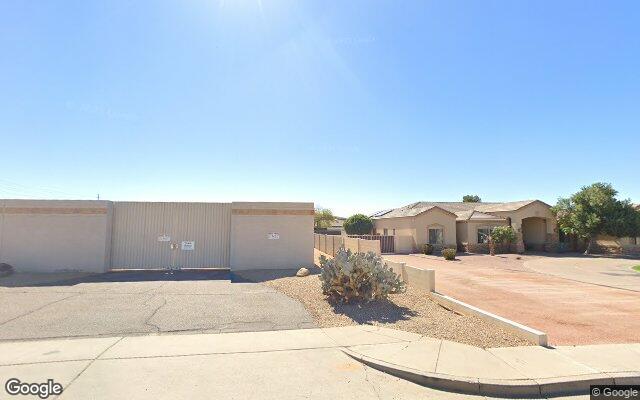
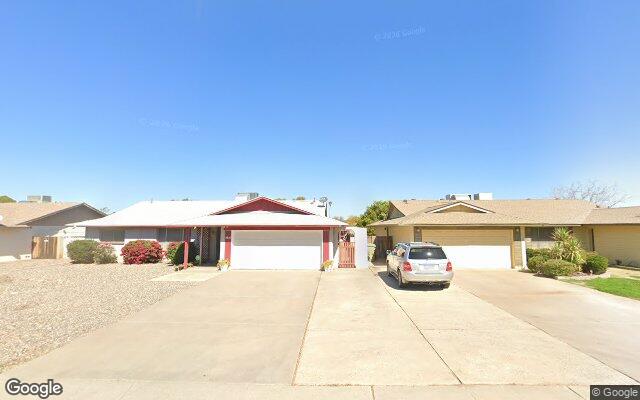
A medium home, reviewed on public record.
© Google Street View
Compared to 1,661 Arizona facilities with a similar number of beds.
Care · 36-month window. Higher percentile = better performance on inspection record. Source: Arizona Dept. of Health Services · Bureau of Residential Facilities Licensing.
among peers to rank.
Rankings based on 36-month ADHS inspection data. Severity and frequency: fewer citations = higher percentile. Repeat rate: lower repeat citation share = higher percentile.
Citation history, plotted month by month.
11 deficiencies on record. Each bar is a month with a citation.
Finding distribution
11 total · 36 monthsScope × Severity (CMS A–L)
Every inspection visit, verbatim.
3 inspections in the public record, most recent first. Plain-language summaries open first — click into any row for the full citation text.
2026-06-18Annual Compliance VisitNo findings
2025-04-24Annual Compliance VisitR9-10-120.F.4 · 3 findings
“Based on documentation review, record review, and interview, the manager failed to ensure an individual authorized by policies and procedures to administer an opioid, documented in the resident's medical record the identification of the resident's need for the opioid and the effect of the opioid administered, for one of one resident reviewed. The deficient practice posed a risk to the physical health and safety of a resident. Findings include: 1. Review of the facility’s policies and procedures revealed a policy titled, “Opioid Administration” which stated, “3. Document in the Opioid MAR: Identification of the resident’s pain before the opioid was administered and the effect of the opioid administered.” 2. Review of R2’s medical record revealed a medication order dated May 1, 2024, for “Tramadol 50 mg take 1-2 tab po Q PRN- for pain”. 3. Review of R2’s medical record revealed a "Narcotic/ Control Substance Administration Record and Inventory". This document revealed Tramadol 50 mg was administered from April 1st to April 23rd, 2025. The pain level was recorded on this document however, there was no documentation of the effect of the medication. 4. Review of R2’s medical record revealed a current service plan dated October 28, 2024. This service plan showed no indication that R2 had an active malignancy or an end-of-life condition. 5. In an interview, E1 reported R2 did not have an active malignancy or an end-of-life condition. 6. In an interview, E1 acknowledged R2’s response to the opioid was not documented per the policy. Technical assistance was provided on this Rule during the inspection conducted on November 7, 2023.”
“Based on observation and interview, the manager failed to ensure poisonous or toxic materials stored by the assisted living facility were maintained in a locked area inaccessible to residents. The deficient practice posed a risk to the physical health and safety of a resident. Findings include: 1. During an environmental inspection, the Compliance Officers opened an unlocked door leading to the garage. There were various items such as: SUPER TECH Antifreeze/Coolant, Liquid Nails Heavy Duty, BEHR paint, ORTHENE Fire Ant Killer, Pool Time Stabilized Chlorinator, Spectracide TERMITNATE, Tomcat Bait Chunx, a bottle of Instant Power Hair & Grease, a can of WD-40, Blaster White Lithium Grease, Great Stuff Gaps & Cracks, and BERZOMATIC. 2. During an environmental inspection, the Compliance Officers observed two Glade Automatic Spray Air Fresheners in a hallway bathroom. 3. In an interview, E1 acknowledged that poisonous or toxic materials were not stored in a locked area inaccessible to residents.”
“Based on documentation review, observation, and interview, the manager failed to ensure a pest control program that complied with A.A.C. R3-8-201(C)(4) was implemented and effective. The deficient practice posed a potential risk to residents. Findings include: 1. R3-8-201.C.4. stated "C. Applicator licensure. 4. An individual may not provide pest management services at a school, child care facility, health care institution, or food-handling establishment unless the individual is a certified applicator in the certification category for which services are being provided." 2. Review of the facility's policies and procedures revealed a policy titled, “Pest Control” which stated, “1. A pest control program that complies with A.A.C. R3-8-201(C)(4) is implemented and documented accordingly in the maintenance log." 3. Review of the facility's pest control records revealed pest control had been going to the facility regularly in the year of 2024. 4. The Compliance Officers observed in an unlocked garage two spray bottles of Spectracide Terminate, a bottle of Ortho Home Defense insect killer, and three bottles of Ortho Orthene fire ant killer. 5. In an interview, E3 reported E3 sprayed for pests around the facility. However, E3 reported that E3 was not a licensed applicator. 6. In an interview, E1 acknowledged E3 did pest control for the facility when needed. E1 acknowledged that last year the facility sprayed for ants themselves. 7. In an interview, E1 acknowledged the facility did not utilize a pest control program compliant with A.A.C. R3-8-201(C)(4).”
2023-11-07Complaint InvestigationA.A.C. · 8 findings
“Based on documentation review, record review, and interview, the manager failed to ensure the health care institution developed and administered a training program for all staff regarding fall prevention and fall recovery. The deficient practice posed a risk to the physical health and safety of a resident. Findings include: 1. Review of facility documents revealed a training program for all staff regarding fall prevention and fall recovery. 2. Review of E7's personnel record revealed E7 worked as a volunteer and had a hire date of March 6, 2023. The personnel record did not include documentation that showed E7 completed fall prevention and fall recovery training. 3. In an interview, E1 acknowledged E7 had not completed a training program for fall prevention and fall recovery.”
“Based on documentation review, record review, and interview, the manager failed to ensure a caregiver received orientation that was specific to the duties to be performed before providing assisted living services to a resident, for one of seven caregivers. The deficient practice posed a risk if the employee was unable to meet the needs of a resident. Findings include: 1. Review of the facility's policy and procedure revealed a policy titled "Orientation and In-Service Training" reviewed and signed by E1 May 1, 2022. This policy stated "New employee orientation is required to be completed by all new employees and volunteers before providing assisted living services to the residents ..." 2. Review of E7's personnel record revealed E7 worked as a volunteer and had a hire date of March 6, 2023. The personnel record revealed no documentation that showed E7 received orientation specific to the duties to be performed. 3. In an interview, E1 reported E7 cleaned, talked with residents, and assisted E6 while working. E1 acknowledged documentation was not available that showed E7 received orientation specific to the duties to be performed.”
“Based on documentation review, record review, and interview, the manager failed to ensure a residency agreement contained provisions allowing a manager to terminate residency of a resident in compliance with A.A.C. R9-10-807(G), for two of two residents reviewed accepted by the assisted living facility on or after October 1, 2019. The deficient practice posed a health and safety risk to the residents. Findings include: 1. Rule review of R9-10-807(G) on or after October 1, 2019 and the facility's policy and procedure titled "Termination of Residency" reviewed and signed by E1 May 1, 2022 stated: "A manager may terminate residency of a resident as follows: 1. Without notice, if the resident exhibits behavior that is an immediate threat to the health and safety of the resident or other individuals in an assisted living facility; 2. With a 14 calendar day written notice of termination of residency: a. For nonpayment of fees, charges or deposits; or b. Under any of the conditions in subsection (C); or 3. With a 30 calendar day written notice of termination of residency, for any other reason." Review of subsection (C) stated: "1. The individual requires continuous: a. Medical services; b. Nursing services unless the assisted living facility complies with A.R.S.36-401(C); or c. Behavioral Health Services; 2. The primary condition for which the individual needs assisted living services is a behavioral health issue; 3. The assisted living services needed by the individual are not within the assisted living facility's scope of services and a home health agency or hospice service agency is not involved in the care of the individual; 4. The assisted living facility does not have the ability to provide the assisted living services needed by the individual; or 5. The individual requires restraints, including the use of bedrails." 2. Review of R1's medical record revealed a residency agreement. This residency agreement stated "...2. The home may terminate a resident's residency agreement after providing fourteen days written notice to a resident or the resident's representative for one of the following reasons: a) The resident's urgent medical or health needs require immediate transfer to another health care institution. b) The resident's care and service needs exceed the services the facility is licensed to provide...d) Documentation of the resident's non-compliance with the residency agreement or Internal Facility Requirements as House Rules..." The residency agreement did not include the following terms for a 14 day termination: "1. The individual requires continuous medical services; nursing services unless the assisted living facility complies with A.R.S.36-401(C); or behavioral Health Services; 2. The primary condition for which the individual needs assisted living services is a behavioral health issue; 3. The assisted living services needed by the individual are not within the assisted living facility's scope of services and a home health agency or hospice service agency is not involved in the care of the individual; 4. The assisted living facility does not have the ability to provide the assisted living services needed by the individual; or 5. The individual requires restraints, including the use of bedrails." Based on R1's acceptance date, this documentation was required. 3. Review of R2's medical record revealed a residency agreement. This residency agreement stated "...2. The home may terminate a resident's residency agreement after providing fourteen days written notice to a resident or the resident's representative for one of the following reasons: a) The resident's urgent medical or health needs require immediate transfer to another health care institution. b) The resident's care and service needs exceed the services the facility is licensed to provide...d) Documentation of the resident's non-compliance with the residency agreement or Internal Facility Requirements as House Rules..." The residency agreement did not include the following terms for a 14 day termination: "1. The individual requires continuous medical services; nursing services unless the assisted living facility complies with A.R.S.36-401(C); or behavioral Health Services; 2. The primary condition for which the individual needs assisted living services is a behavioral health issue; 3. The assisted living services needed by the individual are not within the assisted living facility's scope of services and a home health agency or hospice service agency is not involved in the care of the individual; 4. The assisted living facility does not have the ability to provide the assisted living services needed by the individual; or 5. The individual requires restraints, including the use of bedrails." Based on R2's acceptance date, this documentation was required. 4. In an interview, E1 acknowledged R1's and R2's residency agreements did not include the correct policy and procedure for an assisted living facility to terminate residency.”
“Based on documentation review, observation, and interview, the manager failed to ensure there was a means of exiting the facility for a resident who did not have a key, special knowledge for egress, or the ability to expend increased physical effort, that provided access to an outside area, and controlled or alerted employees of the egress of a resident from the facility. The deficient practice posed a risk if the facility was unaware of the general or specific whereabouts of a resident. Findings include: 1. Review of the license issued by the Department revealed the facility was authorized to provide directed care services. 2. During an environmental inspection of the facility with E1 and E2, the Compliance Officers observed the central door exiting to the backyard did not have a device that alerted employees to the egress of a resident to the outside area. In addition, the Compliance Officers observed an exit door on the west side of the facility did not have a device that alerted employees to the egress of a resident to the outside area. 3. In an interview, E1 and E2 acknowledged there were means of exiting the facility to an outside area which did not control or alert employees of the egress of a resident from the facility.”
“Based on observation and interview, the manager failed to ensure an evacuation path was conspicuously posted on each hallway of each floor of the assisted living facility. The deficient practice posed a risk as a way to exit the facility in the event of an emergency was not posted. Findings include: 1. During an environmental inspection of the facility with E1, the Compliance Officers observed two interior hallways on the west side of the facility did not have a posted evacuation path. 2. In an interview, E1 acknowledged the evacuation path was not posted on each hallway of the assisted living facility.”
“Based on observation and interview, the manager failed to ensure a fire alarm system was in working order. The deficient practice posed a risk if safety measures were not in place to protect residents in a fire. Findings include: 1. During an environmental tour of the facility with E1, the Compliance Officers observed the red fire alarm panel in R2's bedroom closet. The panel had two orange lights illuminated that stated "Common Trouble" and "Zone 6". 2. In an interview, E1 acknowledged the fire alarm system was not in working order.”
“Based on observation, record review, and interview, the manager failed to ensure the premises were free from a condition or situation that may cause a resident or other individual to suffer physical injury. The deficient practice posed potential dangers to the resident. Findings include: 1. During an environmental inspection of the facility with E1, the Compliance Officers observed R1 lying in bed. R1's bed had half bedrails in the upright position. 2. Review of R1's medical record revealed a current written service plan for directed care services dated September 1, 2023. This service plan stated R1 had a diagnosis of "Alzheimers" and was "Confined to bed". 3. In an interview, E1 reported R1 could not move the rails up or down and could not move around them. E1 acknowledged the situation may cause the resident to suffer physical injury. 4. During an environmental inspection of the facility with E2, the Compliance Officers observed a BB gun behind a chair in the backyard. 5. During an interview, E1 and E2 acknowledged the situation may cause a resident to suffer physical injury.”
“Based on observation and interview, the manager failed to ensure toxic materials stored by the facility were stored in a locked area and inaccessible to residents. The deficient practice posed a risk to the physical health and safety of a resident. Findings include: 1. During an environmental inspection of the facility with E1 and E2, the Compliance Officers observed multiple cans of paint, Spectracide Bug Stop, and Super Tech bar and chain oil unlocked in the garage. The garage door had a thumb turn locking device that could easily be opened without a key. 2. During an observation, the caregivers were not accessing the toxic materials at the time of arrival. 3. In an interview, E1 and E2 acknowledged toxic materials were stored unlocked.”
Other facilities in Glendale.
Other memory care facilities near Glendale with similar care offerings.
Tour Prep
Family reviews
No reviews yet — be the first to share your experience