Christina's Assisted Living.
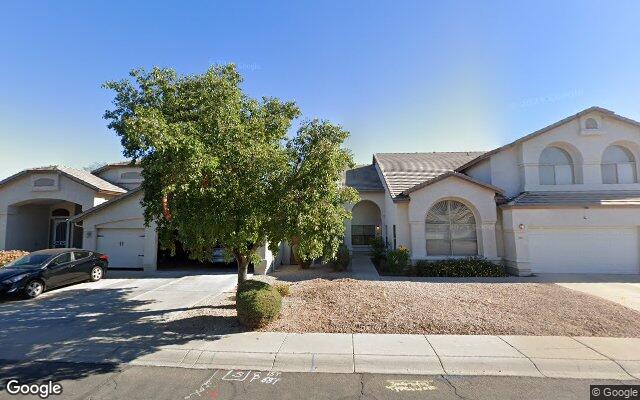
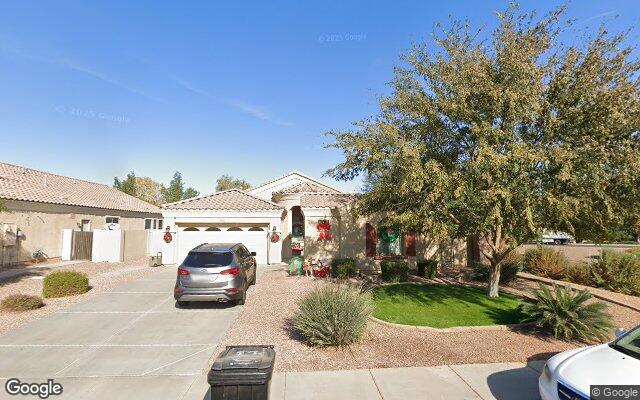
A medium home, reviewed on public record.
© Google Street View
Compared to 1,661 Arizona facilities with a similar number of beds.
Care · 36-month window. Higher percentile = better performance on inspection record. Source: Arizona Dept. of Health Services · Bureau of Residential Facilities Licensing.
among peers to rank.
on file.
Rankings based on 36-month ADHS inspection data. Severity and frequency: fewer citations = higher percentile. Repeat rate: lower repeat citation share = higher percentile.
Citation history, plotted month by month.
20 deficiencies on record. Each bar is a month with a citation.
Finding distribution
20 total · 36 monthsScope × Severity (CMS A–L)
Every inspection visit, verbatim.
2 inspections in the public record, most recent first. Plain-language summaries open first — click into any row for the full citation text.
2026-04-10Complaint InvestigationEnforcement · 13 findings
“Based on documentation review, record review, and interview, the manager of an assisted living home who contacted emergency responders on behalf of a resident failed to provide to the emergency responders a written document that included all information required in A.R.S. § 36-420.04, for one of two residents reviewed. The deficient practice posed a risk if the emergency responder was not aware of critical health information for the resident. Findings include: 1. A.R.S. 36-420.04.A states, "A. An assisted living center or assisted living home that contacts an emergency responder on behalf of a resident shall provide to the emergency responder a written document that includes all of the following: 1. The reason or reasons the emergency responder was requested on behalf of the resident. 2. Whether the resident receives medication services and, if the resident has provided this information to the assisted living center or assisted living home, a list of all the resident's prescription and over-the-counter medications, their dosages and how frequently they are administered. 3. The name, address and telephone number of the resident's current pharmacy. 4. A list of any known allergies to any medications, additives, preservatives or materials like latex or adhesive. 5. The name and contact information for the resident's primary care physician and power of attorney or authorized representative. 6. Basic information about the resident's physical and mental conditions and basic medical history, such as having diabetes or a pacemaker or experiencing frequent falls or cardiovascular and cerebrovascular events, as well as dates of recent episodes, if known. 7. The point-of-contact information for the assisted living center or assisted living home, including the telephone number, if available, cell phone number and email address. A point of contact must be available to respond to questions regarding the information provided twenty-four hours a day, seven days a week. 8. A copy of the resident's health insurance portability and accountability act release authorizing a receiving hospital to communicate with the assisted living center or assisted living home to plan for the resident's discharge. This paragraph does not preclude a resident from revoking the resident's Health Insurance Portability and Accountability Act release authorization. 9. A copy of the resident's advance directives, if any, on file at the assisted living center or assisted living home. This paragraph does not preclude a resident from revoking or modifying the resident's advance directives." 2. A review of Department documentation revealed emergency medical services (EMS) were contacted on February 23, 2026, for R2, who was transported to the hospital for medical services. 3. In an interview, E1 reported R2 had been transported to the hospital by EMS on February 23, 2026. 4. A review of the facility's documentation revealed the facility did not have documentation to show the facility provided the emergency responder with a written document that included: -The reason the emergency responder was requested on behalf of the resident; -Basic information about the resident’s physical and mental conditions, and basic medical history; and -A copy of the resident’s health insurance portability and accountability act release authorizing a receiving hospital to communicate with the assisted living center or assisted living home to plan for the resident’s discharge. 5. In an exit interview, the findings were reviewed with E1 and no additional information was provided. This is a repeat deficiency from the inspection conducted on February 12, 2025.”
“Based on documentation review, record review, and interview, the assisted living home failed to maintain a copy of the documentation provided to an emergency responder. The deficient practice posed a risk if the Department was unable to verify the required documentation was provided during a resident emergency. Findings include: 1. A review of Department documentation revealed the facility contacted emergency medical services (EMS) on February 23, 2026, for R2, who was transported to the hospital for medical services. 2. A review of facility documentation revealed the facility did not have documentation to show that the facility provided the emergency responder with a written document that included all of the required documentation for R2. 3. In an exit interview, the findings were reviewed with E1 and no additional information was provided.”
“Based on documentation review and interview a manager failed to provide written notification to the Department of a resident’s: Elopement, within 24 hours of the elopement being discovered. Findings include: 1. A review of Department documentation did not reveal a report made to the Department of an elopement. 2. In an interview, E1 reported R2 had left the facility but was found by the caregivers.”
“Based on record review and interview, the manager failed to ensure a caregiver or assistant caregiver documented the services provided in the resident's medical record, for two of two residents sampled. The deficient practice posed a risk as the Department was provided false and misleading documentation as the facility pre-filled activities of daily living documentation. Findings include: 1. A review of R1's medical record revealed a document titled "Vital and Activities of Daily Living," which documented the services that were provided to R1 in April 2026. Further review revealed no documentation of the services provided to R1 on April 9, 2026. 2. A review of R2's medical record revealed a document titled "Vital and Activities of Daily Living," which documented the services that were provided to R2 in April 2026. Further review revealed no documentation of the services provided to R2 on April 9, 2026. 3. In an exit interview, the findings were reviewed with E1, and no additional information was provided. ”
“Based on record review, observation, and interview, the manager failed to ensure a resident was not subjected to a restraint. The deficient practice posed a health and safety risk to the resident. Findings include: 1. R9-10-101.199 defines "Restraint" as any physical or chemical method of restricting a patient's freedom of movement, physical activity, or access to the patient's own body. 2. During an environmental tour of the facility, the Compliance Officer observed R2's bed was equipped with half-bedrails on both sides of the bed. 3. In an interview, E1 reported R2 was a fall risk and the bed rails were used to keep R2 from falling out of bed. 4. In an exit interview, the findings were reviewed with E1 and no additional information was provided. This is a repeat deficiency from the inspection conducted on February 12, 2025.”
“Based on documentation review, observation, and interview, the manager failed to ensure the means of exiting the facility for a resident who does not have a key, special knowledge for egress, or the ability to expend increased physical effort, controlled or alerted employees of the egress of a resident from the facility to the outside area allowing the resident to be at least 30 feet away from the facility. The deficient practice posed a risk if staff were unaware of the egress of a resident from the facility. Findings include: 1. A review of Department documentation revealed the facility was authorized to provide directed care services. 2. During the environmental inspection of the facility, the Compliance Officer observed the front door and the back door of the facility had an alert; however, the alert on the front door and the back door was not turned on at the time of the inspection. 3. The Compliance Officer observed a door in a resident's bedroom that led to the backyard of the facility. The door did not have an alert or control that alerted employees of the egress of a resident. 4. In an exit interview, the findings were reviewed with E1 and no additional information was provided.”
“Based on documentation review, observation, and interview, the manager failed to ensure that policies and procedures for memory care services were implemented to cover prevention techniques of elopement and responding to elopement incidents promptly and effectively. The deficient practice posed a risk to the physical health and safety of a resident. Findings include: 1. A review of facility documentation revealed a policy titled "Memory Care Services." The policy stated "...D. Prevention of Elopement...Elopement Prevention: Implement measures to prevent elopement, such as secure doors and windows..." 2. During the environmental tour of the facility, the Compliance Officer observed that the front door, the back door, and the door leading into the backyard from a resident's bedroom did not alert the employees of egress. 3. In an interview, E1 acknowledged the facility did not follow the policy and procedure to prevent elopement. 4. In an exit interview, the findings were reviewed with E1 and no additional information was provided.”
“Based on record review, observation, and interview, the manager failed to ensure that medication administered to a resident was accurately documented in the resident's medical record, for two of two residents sampled. The deficient practice posed a risk as medication could not be verified as administered against a medication order. Findings include: 1. A review of R1’s medical record revealed a signed medication list, dated March 29, 2026, for the following medications: -Atorvastatin, 10 mg, 1 tab per oral (PO), once a day, PM; -Carbamazepine XR, 100 mg, 1 tab PO, twice a day; -Gabapentin, 300 mg, 1 tab PO, Twice daily; -Quetiapine, 25 mg, 1 tab PO, twice daily; and -Trazodone, 100 mg, 1 tab PO, at bedtime. However, a review of R1's medication administration record (MAR) sheet for April 2026 revealed the above medications were not documented as administered on April 9, 2026. 2. A review of R2's medical record revealed a signed medication list, dated December 19, 2025, for the following medications: -Benzonnatate; 100 mg capsule; Take 1 capsule by mouth three times a day as needed; -Calmoseptine 0.44 %-20.6 % topical ointment, Use squirt on the skin daily as needed, apply topically to affected area as needed; -Levothyroxine, 75 mcg tablet, Take 1 tablet by mouth once daily in the morning, take 1 hour before a meal or on an empty stomach; -Breo Ellipta, 100-25 mcg, inhale 1 puff by mouth once daily; -Ferrous Sulfate, 325 mg, Take 1 tablet by mouth once daily; -Nitrofurantoin MCR, 50 mg, Take 1 capsule by mouth once daily; -Omeprazole DR, 20 mg, Take 1 capsule by mouth once daily; -Vitamin D3, Take 1 capsule by mouth once weekly; -Metformin HC, 500 mg, Take 1 tablet by mouth twice daily for DM2; -Fenofibrate, 48 mg, take 1 tablet by mouth once daily for Hypertriglyceridemia; -Pramipexole, 0.5 mg, take 1 tablet by mouth at bedtime; -Trazodone, 50 mg, take 1 tablet by mouth at bedtime for depression; -Duloxetine, 20 mg, take 2 capsules by mouth once daily; -Albuterol HFA, 90 mcg, inhale 2 puffs by mouth every 4 hours as needed; However, a review of R2's medication administration record (MAR) sheet for April 2026 revealed the above medications were not documented as administered on April 9, 2026. 3. In an exit interview, the findings were reviewed with E1 and no additional information was provided.”
“Based on observation, documentation review, and interview, the manager failed to ensure medications stored by the facility were stored in a separate locked room, closed, or self-contained unit. The deficient practice posed a risk to residents who could access the medication. Findings include: 1. During an environmental inspection of the facility, the Compliance Officer observed a kitchen refrigerator where an unlocked medication storage bag contained the following medications: -Haloperidol Oral Solution USP (Concentrate) 2 MG/ML; and -Morphine Sulf 100 MG/5 ML. 2. In an exit interview, the findings were reviewed with E1 and no additional information was provided. This is a repeat deficiency from the inspection conducted on February 12, 2025.”
“Based on documentation review and interview, the manager failed to ensure that for an assisted living facility authorized to provide directed care services, an elopement drill for employees was conducted every six months on each shift. Findings include: 1. A review of facility documentation revealed no documentation of elopement drills. 2. In an exit interview, the findings were reviewed with E1, and no additional information was provided.”
“Based on documentation review and interview, the manager failed to ensure that the assisted living facility immediately investigated any elopement and notified the designated family members, legal guardian, or other responsible person within 24 hours. Findings include: 1. A review of facility documentation revealed no documentation of an investigation that was immediately conducted of R1's elopement from the facility. 2. In an interview, the findings were reviewed with E1 and no additional information was provided.”
“Based on an interview, documentation review, and record review, the manager failed to ensure when a resident had an incident resulting in the resident needing medical services, a caregiver documented the date and time of the incident; a description of the incident; the names of individuals who observed the incident; the action taken by the caregiver; the individuals notified by the caregiver; and any action taken to prevent the incident from occurring in the future, for one of two residents reviewed. The deficient practice posed a health and safety risk. Findings include: 1. In an interview, E1 reported R2 had a medical emergency that resulted in R2 needing medical services on February 23, 2026. 2. A review of facility documentation revealed a policy titled "Medical Emergency." The policy stated "...The owner, manager, or facility staff shall complete an incident report, providing all details of what happened, how the resident was treated, who was notified, and the time of the notification, there shall also be documented suggestions as to how this type of incident could have been prevented and actions to be taken to assist in this not happening again..." 3. A review of R2's medical record did not reveal documentation of the incident report. 4. In an interview, E1 reported that an incident report was not completed for R2. 5. In an exit interview, the findings were reviewed with E1, and no additional information was provided.”
“Based on observation and interview, the manager failed to ensure toxic materials stored by the facility were stored in a locked area and inaccessible to residents. The deficient practice posed a risk to the physical health and safety of residents with access to the materials. Findings include: 1. During the environmental inspection of the facility, the Compliance Officer observed a container of "Bar Keepers Friend" stainless steel cleaner and a bottle of glass cleaner in an unlocked cabinet under the bathroom sink. 2. In an exit interview, the findings were reviewed with E1 and no additional information was provided. This is a repeat citation from the compliance inspection conducted on February 12, 2025.”
2025-02-12Complaint InvestigationA.A.C. · 7 findings
“Based on record review and interview, the manager failed to ensure the assisted living home maintained a standardized form for each resident that included the information prescribed in subsection A of this section for three of three residents reviewed. Findings include: 1. Review of R1's, R2's, and R3's medical record revealed a resident information document. This document contained spaces designated for the information required in subsection A of ARS 36-420.04, however the following information was not included: - The name, address and telephone number of the resident's current pharmacy; - Whether the resident receives medication services and, if the resident has provided this information to the assisted living center or assisted living home, a list of all the resident's prescription and over-the-counter medications, their dosages and how frequently they are administered; and - A copy of the resident's health insurance portability and accountability act release authorizing a receiving hospital to communicate with the assisted living center or assisted living home to plan for the resident's discharge. 2. A review of the facility's emergency documentation revealed a form titled "Assisted Living Resident Transfer Checklist." However, the form was blank at the time of review and was not completed for each individual resident. 3. In an interview, E1 reported that the resident information document with a medication list was the documentation provided to first responders when entering the home. E1 acknowledged that the assisted living home did not maintain a standardized form for each resident.”
“A. A manager shall ensure that: 8. A manager, a caregiver, and an assistant caregiver, or an employee or a volunteer who has or is expected to have more than eight hours per week of direct interaction with residents, provides evidence of freedom from infectious tuberculosis: a. On or before the date the individual begins providing services at or on behalf of the assisted living facility, and b. As specified in R9-10-113;”
“Based on documentation review and interview, the manager failed to ensure that a resident was treated with dignity, respect, and consideration. Findings include: 1. A review of E5's personnel record revealed a document titled 'Disciplinary Action Form" reporting "Employment Termination" due to "unauthorized restraint of a resident." 2. A review of facility documentation revealed a document titled "Abuse/Or Neglect Allegation Investigation Notes" which reported E5 admitted to restraining R2. The document reported R2 reported E5 used a "sheet" to restrain R2. Per the document the hospice chaplain witnessed the restraint and the hospice RN conducted an eval or review of R2's condition. The document reported facility management was made aware and removed the caregiver for the remainder of the shift. 3. A review of facility documention revealed a self report to Adult Protective Services of the events. 4. In an interview R2 was not able to provide information on the incident. 5. In an interview, E1 reported hospice evaluated R2 and E5's employment was terminated. E1 acknowledged R2 was not treated with dignity, respect, and consideration.”
“Based on documentation review, record review, and interview, the manager failed to ensure a resident was not subjected to restraint. The deficient practice posed a potential for physical injury and psychological distress. Findings include: 1. Arizona Administrative Code (A.A.C.) R9-10-101(201) states: "Restraint" means "any physical or chemical method of restricting a patient's freedom of movement, physical activity, or access to the patient's own body." 2. A review of E5's personnel record revealed a document titled 'Disciplinary Action Form" reporting "Employment Termination" due to "unauthorized restraint of a resident." 3. A review of facility documentation revealed a document titled "Abuse/Or Neglect Allegation Investigation Notes" which reported E5 admitted to restraining R2. The document reported R2 reported E5 used a "sheet" to restrain R2. Per the document the hospice chaplain witnessed the restraint and the hospice RN conducted an eval or review of R2's condition. The document reported facility management was made aware and removed the caregiver for the remainder of the shift. 4. A review of facility documention from revealed a self report to Adult Protective Services of the events. 5. In an interview R2 was not able to provide information on the incident. 6. In an interview, E1 reported hospice evaluated R2 and E5's employment was terminated. E1 acknowledged R2 was subjected to restraint.”
“Based on observation and interview, the manager failed to ensure medication was stored in a separate locked room, closet, cabinet, or self-contained unit used only for medication storage. The deficient practice posed a risk to residents who could access the medication. Findings include: 1. During an environmental inspection of the facility, the Compliance Officers observed the following on a shelf in the closet of an unlocked resident room: - Thirty syringes of "Lorazepam 2 milligram(MG)/Milliliter(ML) Intenso - 15ML syringes"; and - One bottle of "Quetiapine Fumarate 25 MG - Quantity: 60." 2. In an interview, E3 reported the medications had been delivered at 8:00 PM on February 10, 2025. E1 acknowledged the medication was not stored in a separate locked room, closet, cabinet, or self-contained unit used only for medication storage.”
“Based on observation and interview, the manager failed to ensure medication was stored according to the instructions on the medication container. Findings include: 1. During an environmental tour of the facility, the compliance officer observed a clear plastic bag of medications on a table in the living room of the facility. Further observation revealed the following medication: - Lorazepam 2 milligram(MG)/Milliliter(ML) Intenso - Give 0.5ML (1MG) by mouth every 4 hours as needed - thirty 15ML syringes. The bag was labled with white and blue stickers stating "REFRIGERATE" and a red sticker stating "DO NOT FREEZE Keep Medication in a Refrigerator." However, the medication was not in the refrigerator and the medication was wrapped with cold packs that at the time of survey were warm to the touch. 2. In an interview, E3 reported the medications had been delivered at 8:00 PM on February 10, 2025 and was not refrigerated. E1 acknowledged the Lorazepam was not stored according to the instructions on the medication container.”
“Based on documentation review, observation, and interview, the manager failed to ensure poisonous or toxic materials stored by the assisted living facility were maintained in a locked area, labeled and inaccessible to residents. The deficient practice posed a risk to the physical health and safety of a resident. Findings include: 1. A review of Department records revealed the facility was licensed to provide directed care services. 2. During an environmental inspection, Compliance Officer observed ambulatory residents in the home. 3. During the environmental tour, the Compliance Officer observed the following poisonous or toxic material in the unlocked cabinet of a common area bathroom accessible to residents: - One bottle of "Fabuloso Multi-Purpose Cleaner"; - One spray bottle of "Fabuloso Multi-Purpose Cleaner"; - One spray bottle of "Lysol All Purpose Cleaner"; - One can of "Black Flag Spider and Scorpion Killer"; and - One can of "Hot Shot Spider and Scorpion Killer." 4. During the environmental tour, the Compliance Officers observed the following poisonous or toxic material in the unlocked kitchen cabinet: - One container of "Comet with Bleach"; and - One bottle of "Great Value Glass Cleaner." 5. In an interview, E1 acknowledged poisonous or toxic materials stored by the assisted living facility were not maintained in a locked area, labeled and inaccessible to residents.”
1 older inspection from 2023 are not shown above.
Get the complete record, translated into plain language — emailed to you.
Other facilities in Gilbert.
Other memory care facilities near Gilbert with similar care offerings.
Facility Watch · Premium
Family reviews
No reviews yet — be the first to share your experience