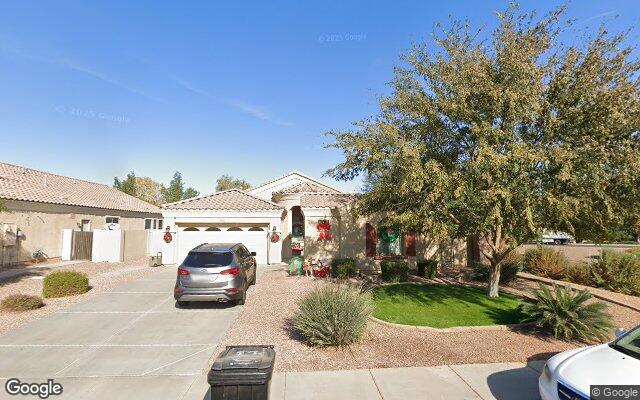
Almond Care Concepts at American Orchards.
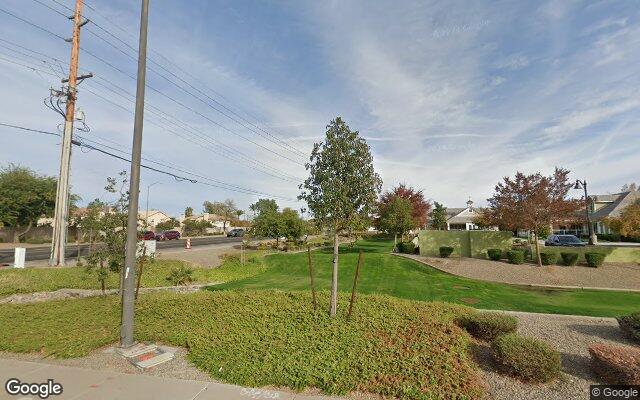
A medium home, reviewed on public record.
© Google Street View
Compared to 72 Arizona facilities with a similar number of beds.
Care · 36-month window. Higher percentile = better performance on inspection record. Source: Arizona Dept. of Health Services · Bureau of Residential Facilities Licensing.
among peers to rank.
on file.
Rankings based on 36-month ADHS inspection data. Severity and frequency: fewer citations = higher percentile. Repeat rate: lower repeat citation share = higher percentile.
Citation history, plotted month by month.
7 deficiencies on record. Each bar is a month with a citation.
Finding distribution
7 total · 36 monthsScope × Severity (CMS A–L)
Every inspection visit, verbatim.
12 inspections in the public record, most recent first. Plain-language summaries open first — click into any row for the full citation text.
2026-09-30Complaint InvestigationNo findings
2026-08-18Complaint InvestigationNo findings
2026-04-20Complaint InvestigationNo findings
2026-03-16Complaint InvestigationNo findings
2026-01-05Complaint InvestigationNo findings
2025-11-24Complaint InvestigationNo findings
2025-06-20Complaint InvestigationNo findings
2025-05-07Complaint InvestigationNo findings
2025-05-02Complaint InvestigationR9-10-113.A · 7 findings
“Based on documentation review and interview, the health care institution failed to implement tuberculosis (TB) infection control activities that included an annual assessment of the health care institution's risk of exposure to infectious TB. The deficient practice posed a TB exposure risk to residents and staff. Findings include: 1. A review of facility documentation revealed no documentation of an annual assessment of the health care institution's risk of exposure to infectious TB. 2. In an interview, E1 and E2 acknowledged an assessment of the health care institution's risk of exposure to infectious TB was not available.”
“Based on documentation review and interview, after having a reasonable basis to believe abuse occurred on the premises, the manager failed to report the suspected abuse of a resident according to Arizona Revised Statutes (A.R.S.) § 46-454. The deficient practice posed a risk to the physical health and safety of a resident. Findings include: 1. A.R.S. § 46-454(A) states: "A health professional... or other person who has responsibility for the care of a vulnerable adult and who has a reasonable basis to believe that abuse, neglect or exploitation of the vulnerable adult has occurred shall immediately report or cause reports to be made of such reasonable basis to a peace officer or to the adult protective services central intake unit...The reports required by this subsection shall be made immediately by telephone or online." 2. Arizona Administrative Code (A.A.C.) R9-10-101(111) states, "'Immediate' means without delay." 3. A review of facility documentation revealed an incident report regarding an altercation between R1 and R3 dated April 29, 2025 around 12:00PM. The report stated "R1 tempted to take candy from R3 and who R3 did not give it to R1, R1 grabbed and twisted R3's left wrist/forearm ... minor bruising noted to left wrist and forearm ..." However, the report revealed facility personnel did not report the suspected abuse until more than 24 hours after the incident on April 30, 2025 1:49PM. 4. In an interview, E1 reported that an Adult Protective Services officer advised E1 did not need to report a resident-to-resident altercation immediately. E1 and E2 acknowledged the altercation between R1 and R3 was not reported to APS immediately, according to A.R.S. § 46-454(A).”
“Based on record review and interview, the manager failed to ensure a resident's written service plan included the frequency of assisted living services provided to a resident, for three of three residents sampled. The deficient practice posed a risk as the service plans did not reinforce and clarify services to be provided to a resident. Findings include: 1. A review of R1's medical record revealed a service plan dated April 16, 2025. The service plan stated, "Requires bathroom assistance, requires skin maintenance." However, there was no documentation of the frequency of these services in R1’s service plan. 2. A review of R2's medical record revealed a service plan dated November 13, 2024. The service plan stated, "Requires bathroom assistance, Requires skin maintenance, stand-by assistance while in shower." However, there was no documentation of the frequency of these services in R2’s services plan. 3. A review of R3's medical record revealed a service plan dated April 7, 2025. The service plan stated, "Requires bathroom assistance." However, there was no documentation of the frequency of this service in R3’s services plan. 4. In an interview, E2 acknowledged R1's, R2's, and R3's service plans did not include the frequency of assisted living services provided.”
“Based on observation, record review, and interview, the manager failed to ensure a bell, intercom, or other mechanical means to alert employees to a resident's needs or emergencies was available in a bedroom being used by a resident receiving directed care services or had implemented another means to alert a caregiver or assistant caregiver to a resident's needs or emergencies. Findings include: 1. During the environmental tour, the Compliance Officers observed R1's, R2's, R3's, R4's, R5's, and R6's bedrooms were not equipped with a bell, intercom, or other mechanical means to alert employees to their needs or emergencies or had implemented another means to alert a caregiver or assistant caregiver to their needs or emergencies. 2. A review of R1's, R2's, R3's, R4's, R5's, and R6's medical records revealed the mentioned residents received directed care services. 3. In an interview, E2 reported that the facility checked on residents every two hours, and some residents had bed pads in place that alerted staff when a resident attempted to get up. 4. In an interview, E1, E2, and E5 acknowledged that the residents’ bedrooms did not have a bell, intercom, or any other mechanical means available to alert employees to a resident’s needs or emergencies or implemented another means to alert a caregiver or assistant caregiver to a resident's needs or emergencies.”
“Based on record review, observation, and interview, the manager failed to ensure medication was administered in compliance with a medication order, for one of three residents sampled. The deficient practice posed a risk if the resident experienced a change in condition due to improper administration of medication. Findings include: 1. A review of R3's medical record revealed a current written service plan dated April 7, 2025. This service plan indicated R3 received medication administration. 2. A review of R3's medical record revealed a signed medication order. The medication order stated the following: “buPROPLaon HCI ER (XL) Oral Tablet Extended Release 24 hour” 3. A review of R3's medical record revealed an April 2025 and May 2025 medication administration record (MAR). These MARs stated the following: "buPROPLaon HCI ER (XL) Oral Tablet Extended Release 24 hour” and indicated 1 tab was administered at 6 am April 1st - present. 4. During an observation of R3's medications, the following was observed: “buPROPLaon HCI ER (XL) 300mg TAB” 5. In an interview, E2 reported 300mg was administered once daily. However, the order was missing the dosage. E2 acknowledged the medication was not administered in compliance with an order.”
“Based on documentation review and interview, the manager failed to ensure an employee disaster drill was conducted on each shift at least once every three months and documented. The deficient practice posed a risk if employees were unable to implement the disaster plan. Findings include: 1. A review of the April 2025 personnel schedule revealed three shifts; 6 AM - 2:00 PM, 2:00 PM - 10:00PM and 10:00 PM - 6:00 AM. 2. A review of the facility's disaster drills revealed the following drills; - March 31, 2025, at 1:00 PM - December 31, 2024 at 1:30 PM - October 17, 2024 at 1:15 PM - September 23, 2024 at 1:00 PM - February 26, 2024, at 7:45 AM 3. In an interview, E1 acknowledged the employee disaster drills were not conducted on each shift at least once every three months.”
“Based on documentation review and interview, the manager failed to ensure an evacuation drill for employees and residents was conducted at least once every six months, and included all individuals on the premises except for a resident whose medical record contains documentation that evacuation from the assisted living facility would cause harm to the resident. The deficient practice posed a health and safety risk to residents and employees if the employee were unable to implement the evacuation plan. Findings include: 1. A review of the facility documentation revealed that an evacuation drill involving residents and employees was conducted on January 18, 2024. However, there was no documentation indicating that all individuals on the premises had participated in the drill, and no additional evacuation drill records were available for review. 2. In an interview, E1 acknowledged that the evacuation drill documentation did not include the names of all individuals who participated, nor did it list residents whose medical records indicated that evacuation from the assisted living facility could have caused them harm and that the drill was not conducted at least once every six months.”
2025-01-13Complaint InvestigationNo findings
2024-04-25Complaint InvestigationNo findings
2024-03-06Complaint InvestigationNo findings
Other facilities in Gilbert.
Other memory care facilities near Gilbert with similar care offerings.
Tour Prep
Family reviews
No reviews yet — be the first to share your experience