All Valley Assisted Living Home, LLC.
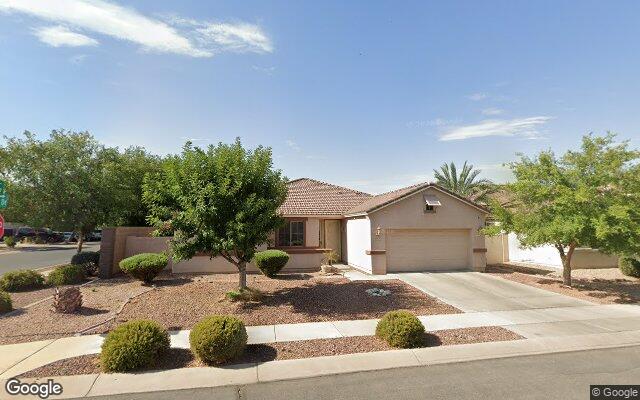
A small home, reviewed on public record.
© Google Street View
Compared to 1,661 Arizona facilities with a similar number of beds.
Care · 36-month window. Higher percentile = better performance on inspection record. Source: Arizona Dept. of Health Services · Bureau of Residential Facilities Licensing.
among peers to rank.
Rankings based on 36-month ADHS inspection data. Severity and frequency: fewer citations = higher percentile. Repeat rate: lower repeat citation share = higher percentile.
Citation history, plotted month by month.
3 deficiencies on record. Each bar is a month with a citation.
Finding distribution
3 total · 36 monthsScope × Severity (CMS A–L)
Every inspection visit, verbatim.
1 inspection in the public record, most recent first. Plain-language summaries open first — click into any row for the full citation text.
2025-07-03Annual Compliance VisitR9-10-808.C.1.b · 3 findings
“Based on record review, documentation review, and interview, the manager failed to ensure caregivers were only assigned to provide the assisted living services the caregiver had the documented skills and knowledge to perform, for two of two caregivers sampled. The deficient practice posed a risk if the caregivers were unable to meet a resident's needs. Findings include: 1. Review of R3’s medical record revealed two incident reports dated June 11, 2025, and June 22, 2025. On June 11, 2025, the incident was for “pain bladder (Possible UTI)” and on June 22, 2025, the incident was for a “Possible UTI”. 2. Review of R3’s medical record revealed a current service plan dated April 4, 2025, which indicated R3 had a catheter. The service plan also revealed a checked box, which stated, “Caregiver does daily care”. 3. Review of R3’s medical record revealed a June 2025 activities of daily living (ADL) log. This ADL log stated, “Drain Catheter Bag” which had been checked off on the days R3 was in the facility. 4. Review of E2’s and E3’s personnel records revealed no documentation showing E2's and E3's had the skill and knowledge to perform catheter care. 5. Review of the facility’s policies and procedures revealed a policy titled, "Urinary Catheter” which stated, “To care for the catheter, caregivers on shift are to clean the area where the catheter exits the body and the catheter itself with soap and water every day. Also clean the area after every bowel movement to prevent infection.” 6. In an interview, E2 reported continuing education was not offered for catheter care. 7. In an interview, E2 acknowledged E2 and E3 provided catheter care and did not have the documented skills and knowledge. In an exit interview, the findings were reviewed with [employee(s)] and no additional information was provided.”
“Based on observation and interview, the manager failed to ensure medication was stored in a separate locked room, closet, cabinet, or self-contained unit. The deficient practice posed a risk to residents who were not prescribed the accessible medication. Findings include: 1. The Compliance Officers observed an ambulatory resident. 2. The Compliance Officers observed a basket in a R1's and R3's room which contained an Albuterol Sulfate inhaler and Fluticasone Propionate nasal spray 50 mcg. 3. The Compliance Officers observed a closet in R1's and R3's bedroom. The closet had a plank of wood that was placed on the sliding door to the closet to keep it from opening. However, the plank of wood was not in place and Compliance Officers were able to open the sliding door without any physical exertion. The following medications were observed in the closet: Nasal Spray Oxymetazoline HCI .05%; Vitamins A&D Ointment ; Analgesic Creme with Aloe; Aspercreme; Proctozone-HC 2.5%; Triple Antibiotic ointment; Diclofenac Sodium 1% topical gel; and Triamcinolone Acetonide Cream USP .1% 4. The Compliance Officers observed in a common area a drawer that contained the following: Sterile Otic Suspension; Ciprofloxacin .3% and Dexamethasone .1% Otic Suspension; A&D Ointment; Naproxen 500 MG; Fluconzole 100 MG; Gabapentin 100 MG; and Diclofenac Sodium Topical Gel 1%; and One medication organizer with medications inside 5. In an interview, E2 acknowledged medications were not stored in the locked medication cabinet.”
“Based on documentation review, observation, and interview, the manager failed to ensure poisonous or toxic materials were maintained in labeled containers in a locked area and inaccessible to residents. The deficient practice posed a risk to the physical health and safety of a resident. Findings include: 1. Review of department documentation revealed the facility was licensed at the directed level of care. 2. The Compliance Officers observed an ambulatory resident. 3. The Compliance Officers observed a clear plastic 1-gallon container filled with a purple liquid in a common area. The container had a label which read “Aqua Hydrate”. However, the liquid in the container smelled like a cleaning material. 4. The Compliance Officers observed a container of Lysol Power Clinging Gel in R1's and R3's bathroom. 5. The Compliance Officers observed an unlocked kitchen cabinet sink that contained the following: A bottle of Easy Off Cleaner Degreaser; A can of Comet with bleach powder; and A spray can of Easy Off heavy duty oven cleaner 6. Review of the facility policies and procedures revealed a policy titled, “Emergency, Safety and Environmental Standards” which stated, “Poisonous and toxic materials will be in labeled containers and stored in a locked area separate from food preparation and food storage areas.” 7. In an interview, E2 reported that the 1-gallon container was a cleaning material and acknowledged poisonous or toxic materials were not maintained in labeled containers in a locked area and inaccessible to residents.”
1 older inspection from 2023 are not shown above.
Get the complete record, translated into plain language — emailed to you.
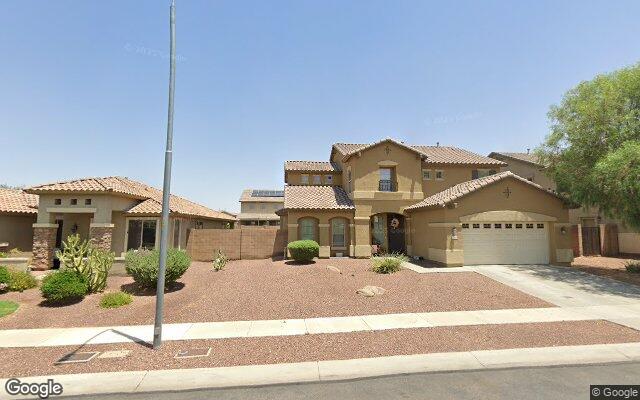
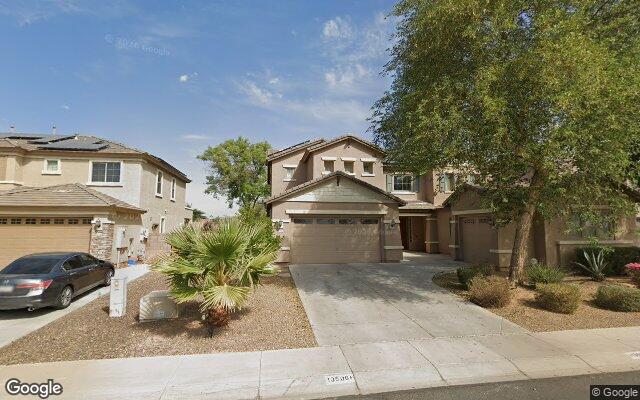
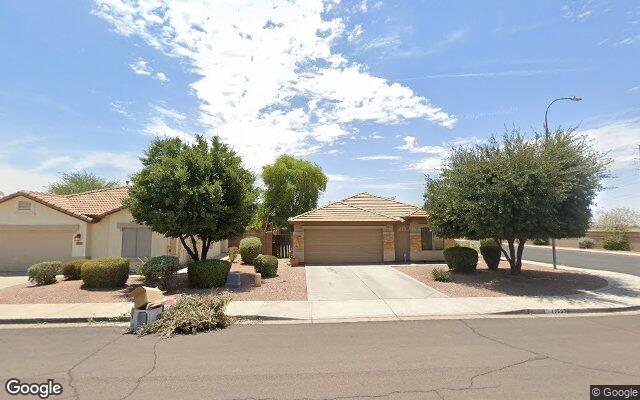
Other facilities in Avondale.
Other memory care facilities near Avondale with similar care offerings.
Facility Watch · Premium
Family reviews
No reviews yet — be the first to share your experience
Other memory care options nearby.
Happy Days Assisted Living LLC
Avondale
Rhoda's Assisted Living Home
Avondale
Avondale Assisted Living Home
Avondale
Our Grouphome LLC
Avondale
Premier Group Home Avondale, LLC
Avondale
Rancho Santa Fe Assisted Living LLC
Avondale
Bridgewater Avondale Operations, LLC
Avondale
Sunnyside Assisted Living LLC
Avondale