Avamere at Newberg.
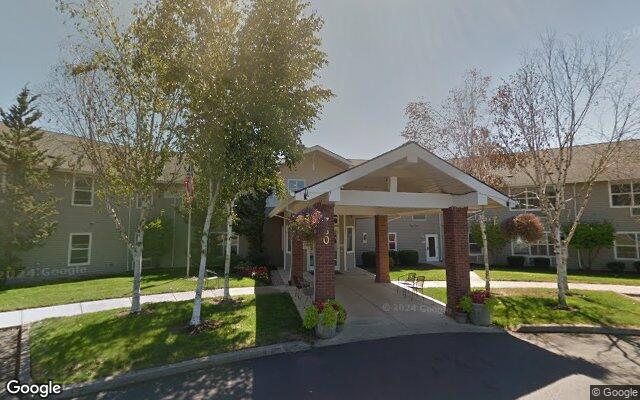
A medium home, reviewed on public record.
© Google Street View
Compared to 38 Oregon facilities with a similar number of beds.
ALF memory care · 36-month window. Higher percentile = better performance on inspection record. Source: Oregon Dept. of Human Services · Long-Term Care Licensing.
Rankings based on 36-month OR-DHS inspection data. Severity and frequency: fewer citations = higher percentile. Repeat rate: lower repeat citation share = higher percentile.
Citation history, plotted month by month.
22 deficiencies on record. Each bar is a month with a citation.
Finding distribution
22 total · 36 monthsScope × Severity (CMS A–L)
Every inspection visit, verbatim.
4 inspections in the public record, most recent first. Plain-language summaries open first — click into any row for the full citation text.
2026-08-12Annual Compliance VisitNo findings
2025-09-03Annual Compliance VisitOR-cited · 2 findings
Plain-language summary
A routine kitchen inspection on September 3, 2025 found the facility failed to maintain sanitary conditions and follow food safety rules, with accumulations of food debris, grease, dirt, and black matter observed on equipment, floors, walls, and storage areas throughout the kitchen and memory care kitchenette, along with equipment damage, staff not sanitizing thermometers between uses, and staff not changing gloves when moving between dirty and clean surfaces. The facility also had an inoperable oven, damaged flooring and walls, and uncovered food preparation equipment left in use. Facility leadership was notified of the violations on the same day.
Read full citation text (2)Hide full citation text
“Based on observation and interview, it was determined the facility failed to follow licensing rules for Residential Care and Assisted Living Facilities. Findings include, but are not limited to: Refer to C240. Refer to above C240 as referenced in SOD 9/3/25 OAR 411-057-0140(2) Administration Compliance (2) The licensee of a memory care community must comply with both the licensing rules for the facility and Chapter 411, Division 57. This Rule is not met as evidenced by:”
“Based on observation and interview, it was determined the facility failed to maintain the kitchen in a sanitary manner and ensure food was prepared and served in accordance with OAR 333-150-0000 (Food Sanitation Rules). Findings include, but are not limited to: On 09/03/25, from 10:35 am to 1:25 pm, interviews with staff and observations of the facility kitchen, memory care kitchenette, food storage areas, food preparation, and food service were conducted. The following was identified: a. An accumulation of food spills, splatters, loose food and trash debris, dirt, dust, black matter, and grease was visible on or underneath the following: * Interior and exterior of all large equipment on the hot line and serving line; * Flooring throughout including under, behind, and in-between large equipment on the hot line; * Walls throughout including behind and around large equipment on hot line and ice machine; * Backside of the refrigerator located on the hot line; * Cart located between the deep fryer and convection oven; * Caulking in the dish pit; * Walls under the dish pit area; * Ceiling, wall, and vent above the ware wash machine; * Walk-in refrigerator flooring and storage racks; * Walk-in freezer flooring; * Interior of the microwave; * Large meat slicer; * Metal cart that stored the large meat slicer; * Knife holders located on the side of food preparation areas; * Industrial can opener and casing; * Flooring in dry storage; * Large standing and table top mixers; * Exterior of all large rolling storage bins and interior of one; * Base of all rolling storage racks throughout the kitchen and meal preparation areas; * Ceiling vents throughout the kitchen and food preparation areas; * Fire sprinklers throughout the kitchen; * Floor drain under the ice machine; and * The vent on the wall above the towel dispenser in the memory care kitchenette. b. The following areas were noted in need of repair: * Oven located on the hot line was reported inoperable; * Kitchen entry door had multiple holes; * Ceiling above the dish pit had peeling material; * Flooring near the serving line had approximately 16 inch crack/break; * Flooring near the back exit door had missing material approximately three quarters of an inch by 36 inches long; * Coved wall base had missing material to the right of the back exit door; * Lower left side of the back exit door frame was broken, chipped, and cracked; and * Ceiling, wall, and vent above the ware wash machine; and * Partial doors located in the memory care kitchenette had worn and missing material. c. Staff were observed to use a probe thermometer to take internal food temperatures, however there were no observations of staff sanitizing the thermometer before or after use. d. Staff were observed to wear disposable gloves throughout the observation, however staff did not change gloves in-between touching dirty and clean surfaces, including multiple kitchen appliances, cooking tools, and items dropped on the floor. e. The large meat slicer and large standing mixer were observed uncovered while not in use. f. Food contact and non-food contact surfaces were observed to have significant clutter and were noted unclean. On 09/03/25 at 12:50 pm, Staff 1 (Executive Director), Staff 2 (Memory Care Administrator), Staff 3 (Dietary Services Manager), and Staff 4 (Plant Operations Supervisor) completed a walk-through of the kitchen and at 1:05 pm completed a walk-through of the memory care kitchenette and reviewed the above noted areas. The need to ensure the kitchen was maintained in a sanitary manner and food was prepared and served in accordance with Food Sanitation Rules was reviewed with Staff #s 1, 2, 3, and 4, on 09/03/25 at 1:11 pm. They acknowledged the findings. A.”
Read raw inspector notesClose inspector notes
Based on observation and interview, it was determined the facility failed to maintain the kitchen in a sanitary manner and ensure food was prepared and served in accordance with OAR 333-150-0000 (Food Sanitation Rules). Findings include, but are not limited to: On 09/03/25, from 10:35 am to 1:25 pm, interviews with staff and observations of the facility kitchen, memory care kitchenette, food storage areas, food preparation, and food service were conducted. The following was identified: a. An accumulation of food spills, splatters, loose food and trash debris, dirt, dust, black matter, and grease was visible on or underneath the following: * Interior and exterior of all large equipment on the hot line and serving line; * Flooring throughout including under, behind, and in-between large equipment on the hot line; * Walls throughout including behind and around large equipment on hot line and ice machine; * Backside of the refrigerator located on the hot line; * Cart located between the deep fryer and convection oven; * Caulking in the dish pit; * Walls under the dish pit area; * Ceiling, wall, and vent above the ware wash machine; * Walk-in refrigerator flooring and storage racks; * Walk-in freezer flooring; * Interior of the microwave; * Large meat slicer; * Metal cart that stored the large meat slicer; * Knife holders located on the side of food preparation areas; * Industrial can opener and casing; * Flooring in dry storage; * Large standing and table top mixers; * Exterior of all large rolling storage bins and interior of one; * Base of all rolling storage racks throughout the kitchen and meal preparation areas; * Ceiling vents throughout the kitchen and food preparation areas; * Fire sprinklers throughout the kitchen; * Floor drain under the ice machine; and * The vent on the wall above the towel dispenser in the memory care kitchenette. b. The following areas were noted in need of repair: * Oven located on the hot line was reported inoperable; * Kitchen entry door had multiple holes; * Ceiling above the dish pit had peeling material; * Flooring near the serving line had approximately 16 inch crack/break; * Flooring near the back exit door had missing material approximately three quarters of an inch by 36 inches long; * Coved wall base had missing material to the right of the back exit door; * Lower left side of the back exit door frame was broken, chipped, and cracked; and * Ceiling, wall, and vent above the ware wash machine; and * Partial doors located in the memory care kitchenette had worn and missing material. c. Staff were observed to use a probe thermometer to take internal food temperatures, however there were no observations of staff sanitizing the thermometer before or after use. d. Staff were observed to wear disposable gloves throughout the observation, however staff did not change gloves in-between touching dirty and clean surfaces, including multiple kitchen appliances, cooking tools, and items dropped on the floor. e. The large meat slicer and large standing mixer were observed uncovered while not in use. f. Food contact and non-food contact surfaces were observed to have significant clutter and were noted unclean. On 09/03/25 at 12:50 pm, Staff 1 (Executive Director), Staff 2 (Memory Care Administrator), Staff 3 (Dietary Services Manager), and Staff 4 (Plant Operations Supervisor) completed a walk-through of the kitchen and at 1:05 pm completed a walk-through of the memory care kitchenette and reviewed the above noted areas. The need to ensure the kitchen was maintained in a sanitary manner and food was prepared and served in accordance with Food Sanitation Rules was reviewed with Staff #s 1, 2, 3, and 4, on 09/03/25 at 1:11 pm. They acknowledged the findings. A. Based on observation and interview, it was determined the facility failed to follow licensing rules for Residential Care and Assisted Living Facilities. Findings include, but are not limited to: Refer to C240. Refer to above C240 as referenced in SOD 9/3/25 OAR 411-057-0140(2) Administration Compliance (2) The licensee of a memory care community must comply with both the licensing rules for the facility and Chapter 411, Division 57. This Rule is not met as evidenced by:
2024-09-25Annual Compliance VisitOR-cited · 2 findings
Plain-language summary
A kitchen inspection on September 25, 2024 found the facility did not meet food sanitation rules. The kitchen had widespread cleanliness violations including buildup of food debris, grease, and dust on refrigerators, freezers, cooking equipment, drains, and floors; worn cutting boards; and staff not using beard restraints. The facility acknowledged these findings and was required to submit a plan of correction.
Read full citation text (2)Hide full citation text
“Based on observation and interview, it was determined the facility failed to ensure kitchen practices and protocols were in accordance with the Food Sanitation Rules OARs 333-150-0000. Findings include, but are not limited to: On 09/25/24 at 11:00 am, the facility kitchen was observed to need cleaning in the following areas: * Walk in refrigerator and freezer floors – food debris, black matter buildup; * Refrigerator in MCC kitchenette – interior shelves/drawers sticky, food spills ; * Ceiling vents and ceiling areas located near serving area – heavy buildup of dust; * Sprinkler head near serving area – heavy buildup of dust; * Hood vents above stove/grill/deep fat fryer – buildup of grease and dust; * Deep fat fryer – sides and front significant grease drips/splatters; * Oven doors – drips/splatters; * Three-tiered rolling cart shelves stored between cooking equipment – food debris/grease; * Interior and exterior of microwave – food splatters; * Grill on back of refrigerator near serving area – heavy buildup of dust; * Flooring throughout the kitchen including underneath counters, prep areas, cooking equipment and dishwashing area – build up of black matter and grease (under cooking equipment); * Drains throughout kitchen – buildup of black/brown matter/stained; * Top of booster in dishwashing area – rusty and tray holding chemicals rusty; * Hood above dishwasher – dusty; * Top of dishwasher - buildup of debris; * Sandwich prep refrigerator – interior drips/spills; * Commercial and counter mixers – buildup of dried food splatters; * Knife holder next to sandwich refrigerator – food crumbs; * Lids of food bins containing flour and brown sugar – food debris buildup; * Commercial can opener blade – black matter; * Three-door refrigerator exterior doors – smears/drips/splatters; * Garbage can lids – splatters/spills/black matter; * Steamer top/sides and shelf below – spills/debris; and * Lowest shelves on wire shelving – significant dust buildup. Other areas of concern included: * White cutting boards on steam table and sandwich refrigerator – heavily scored and stained; * Red and green cutting board – heavily scored and colored finish worn off to white; and * Lack of using beard restraints. The areas of concern were discussed with Staff 1 (Dietary Services Manager) and Staff 2 (Executive Director) on 09/25/24. The findings were acknowledged.”
“Based on observation and interview, it was determined the facility failed to follow licensing rules for Residential Care and Assisted Living Facilities. Findings include, but are not limited to: Refer to C240. See POC for C240. OAR 411-057-0140(2) Administration Compliance (2) The licensee of a memory care community must comply with both the licensing rules for the facility and Chapter 411, Division 57. This Rule is not met as evidenced by:”
Read raw inspector notesClose inspector notes
Based on observation and interview, it was determined the facility failed to ensure kitchen practices and protocols were in accordance with the Food Sanitation Rules OARs 333-150-0000. Findings include, but are not limited to: On 09/25/24 at 11:00 am, the facility kitchen was observed to need cleaning in the following areas: * Walk in refrigerator and freezer floors – food debris, black matter buildup; * Refrigerator in MCC kitchenette – interior shelves/drawers sticky, food spills ; * Ceiling vents and ceiling areas located near serving area – heavy buildup of dust; * Sprinkler head near serving area – heavy buildup of dust; * Hood vents above stove/grill/deep fat fryer – buildup of grease and dust; * Deep fat fryer – sides and front significant grease drips/splatters; * Oven doors – drips/splatters; * Three-tiered rolling cart shelves stored between cooking equipment – food debris/grease; * Interior and exterior of microwave – food splatters; * Grill on back of refrigerator near serving area – heavy buildup of dust; * Flooring throughout the kitchen including underneath counters, prep areas, cooking equipment and dishwashing area – build up of black matter and grease (under cooking equipment); * Drains throughout kitchen – buildup of black/brown matter/stained; * Top of booster in dishwashing area – rusty and tray holding chemicals rusty; * Hood above dishwasher – dusty; * Top of dishwasher - buildup of debris; * Sandwich prep refrigerator – interior drips/spills; * Commercial and counter mixers – buildup of dried food splatters; * Knife holder next to sandwich refrigerator – food crumbs; * Lids of food bins containing flour and brown sugar – food debris buildup; * Commercial can opener blade – black matter; * Three-door refrigerator exterior doors – smears/drips/splatters; * Garbage can lids – splatters/spills/black matter; * Steamer top/sides and shelf below – spills/debris; and * Lowest shelves on wire shelving – significant dust buildup. Other areas of concern included: * White cutting boards on steam table and sandwich refrigerator – heavily scored and stained; * Red and green cutting board – heavily scored and colored finish worn off to white; and * Lack of using beard restraints. The areas of concern were discussed with Staff 1 (Dietary Services Manager) and Staff 2 (Executive Director) on 09/25/24. The findings were acknowledged. Based on observation and interview, it was determined the facility failed to follow licensing rules for Residential Care and Assisted Living Facilities. Findings include, but are not limited to: Refer to C240. See POC for C240. OAR 411-057-0140(2) Administration Compliance (2) The licensee of a memory care community must comply with both the licensing rules for the facility and Chapter 411, Division 57. This Rule is not met as evidenced by:
2023-10-30Annual Compliance VisitOR-cited · 18 findings
Plain-language summary
A validation survey conducted from October 30 through November 2, 2023, followed by revisits in February and May 2024, found that the facility was in substantial compliance with Oregon regulations for residential care, assisted living, and memory care by May 2024. During the validation process, inspectors identified that the facility failed to ensure a homelike environment for its 16 residents with dementia diagnoses, though specific details of this finding were not fully documented in the available report sections. The facility ultimately achieved substantial compliance status for licensing purposes.
Read full citation text (18)Hide full citation text
“The findings of the re-licensure survey, conducted 10/30/23 through 11/02/23, are documented in this report. The survey was conducted to determine compliance with the OARs 411 Division 54 for Residential Care and Assisted Living Facilities, Division 57 for Memory Care Communities and Home and Community Based Services Regulations OARs 411 Division 004. Tag numbers beginning with C refer to the Residential Care and Assisted Living Facilities rules. Tag numbers beginning with the letter Z refer to the Memory Care Community rules. Abbreviations possibly used in this document: ADL: activities of daily living bid: twice a day CBG: capillary blood glucose or blood sugar CG: caregiver cm: centimeter ED: Executive Director F: Fahrenheit HH: Home Health LPN: Licensed Practical Nurse MA: Medication Aide MAR: Medication Administration Record MCC: Memory Care Community mg: milligram ml: milliliter MT: Medication Technician OT: Occupational Therapist PT: Physical Therapist PRN: as needed qd: every day or daily qid: four times a day QI: quality improvement RCC: Resident Care Coordinator RN: Registered Nurse TAR: Treatment Administration Record tid: three times a day The findings of the re-licensure survey, conducted 10/30/23 through 11/02/23, are documented in this report. The survey was conducted to determine compliance with the OARs 411 Division 54 for Residential Care and Assisted Living Facilities, Division 57 for Memory Care Communities and Home and Community Based Services Regulations OARs 411 Division 004. Tag numbers beginning with C refer to the Residential Care and Assisted Living Facilities rules. Tag numbers beginning with the letter Z refer to the Memory Care Community rules. Abbreviations possibly used in this document: ADL: activities of daily living bid: twice a day CBG: capillary blood glucose or blood sugar CG: caregiver cm: centimeter ED: Executive Director F: Fahrenheit HH: Home Health LPN: Licensed Practical Nurse MA: Medication Aide MAR: Medication Administration Record MCC: Memory Care Community mg: milligram ml: milliliter MT: Medication Technician OT: Occupational Therapist PT: Physical Therapist PRN: as needed qd: every day or daily qid: four times a day QI: quality improvement RCC: Resident Care Coordinator RN: Registered Nurse TAR: Treatment Administration Record tid: three times a day The findings of the re-visit to the re-licensure survey of 11/02/23, conducted 02/14/24, are documented in this report. The survey was conducted to determine compliance with the OARs 411 Division 54 for Residential Care and Assisted Living Facilities, Division 57 for Memory Care Communities, and Home and Community Based Services Regulations OARs 411 Division 004. Tag numbers beginning with C refer to the Residential Care and Assisted Living Facilities rules. Tag numbers beginning with the letter Z refer to the Memory Care Community rules. Abbreviations possibly used in this document: ADL: activities of daily living bid: twice a day CBG: capillary blood glucose or blood sugar CG: caregiver cm: centimeter ED: Executive Director F: Fahrenheit HH: Home Health LPN: Licensed Practical Nurse MA: Medication Aide MAR: Medication Administration Record MCC Memory Care Community mg: milligram ml: milliliter MT: Medication Technician OT: Occupational Therapist PT: Physical Therapist PRN: as needed qd: every day or daily qid: four times a day QI: quality improvement RCC: Resident Care Coordinator RN: Registered Nurse TAR: Treatment Administration Record tid: three times a day The findings of the re-visit to the re-licensure survey of 11/02/23, conducted 02/14/24, are documented in this report. The survey was conducted to determine compliance with the OARs 411 Division 54 for Residential Care and Assisted Living Facilities, Division 57 for Memory Care Communities, and Home and Community Based Services Regulations OARs 411 Division 004. Tag numbers beginning with C refer to the Residential Care and Assisted Living Facilities rules. Tag numbers beginning with the letter Z refer to the Memory Care Community rules. Abbreviations possibly used in this document: ADL: activities of daily living bid: twice a day CBG: capillary blood glucose or blood sugar CG: caregiver cm: centimeter ED: Executive Director F: Fahrenheit HH: Home Health LPN: Licensed Practical Nurse MA: Medication Aide MAR: Medication Administration Record MCC Memory Care Community mg: milligram ml: milliliter MT: Medication Technician OT: Occupational Therapist PT: Physical Therapist PRN: as needed qd: every day or daily qid: four times a day QI: quality improvement RCC: Resident Care Coordinator RN: Registered Nurse TAR: Treatment Administration Record tid: three times a day The findings of the second revisit to the re-licensure survey of 11/02/23, conducted 05/08/24 through 05/09/24, are documented in this report. It was determined the facility was in substantial compliance with the OARs 411 Division 54 for Residential Care and Assisted Living Facilities, OARs 411 Division 57 for Memory Care Communities and OARs 411 Division 004 Home and Community Based Services Regulations. The findings of the second revisit to the re-licensure survey of 11/02/23, conducted 05/08/24 through 05/09/24, are documented in this report. It was determined the facility was in substantial compliance with the OARs 411 Division 54 for Residential Care and Assisted Living Facilities, OARs 411 Division 57 for Memory Care Communities and OARs 411 Division 004 Home and Community Based Services Regulations.”
“Based on observation and interview, it was determined the facility failed to ensure a homelike environment for the residents. Findings include, but are not limited to: The facility was a memory care community consisting of 16 residents who were all diagnosed with some type of dementia. Approximately half the residents ate meals in the MCC dining room while the others ate meals in their rooms. During lunch service on 10/30/23 and 10/31/23, residents in the dining room were given plastic utensils for their meals. Residents who ate in their rooms were also given plastic utensils and staff transferred each of their meals from a plate to a styrofoam container. In an interview on 10/30/23, Staff 10 (CG) stated, "Sometimes we don't have enough silverware given to us from the assisted living, so we use plastic utensils." However, in an interview on 10/31/23, Staff 6 (Director of Culinary Services) stated, "There is plenty of silverware for the memory care community's meals." In an interview on 11/1/23, Staff 1 (ED) stated, "Residents in the memory care community should have regular silverware for all their meals and residents who eat in their rooms should not receive their meals in styrofoam containers." During lunch service on 11/01/23, residents were provided metal utensils and all meals were served on regular dinnerware. During lunch service on 11/02/23, residents were again provided plastic utensils with their meals. The need to ensure a homelike environment for residents was discussed with Staff 1, Staff 2 (Administrator of Record) and Staff 4 (LPN) on 11/02/23. They acknowledged the findings. Based on observation and interview, it was determined the facility failed to ensure a homelike environment for the residents. Findings include, but are not limited to: The facility was a memory care community consisting of 16 residents who were all diagnosed with some type of dementia. Approximately half the residents ate meals in the MCC dining room while the others ate meals in their rooms. During lunch service on 10/30/23 and 10/31/23, residents in the dining room were given plastic utensils for their meals. Residents who ate in their rooms were also given plastic utensils and staff transferred each of their meals from a plate to a styrofoam container. In an interview on 10/30/23, Staff 10 (CG) stated, "Sometimes we don't have enough silverware given to us from the assisted living, so we use plastic utensils." However, in an interview on 10/31/23, Staff 6 (Director of Culinary Services) stated, "There is plenty of silverware for the memory care community's meals." In an interview on 11/1/23, Staff 1 (ED) stated, "Residents in the memory care community should have regular silverware for all their meals and residents who eat in their rooms should not receive their meals in styrofoam containers." During lunch service on 11/01/23, residents were provided metal utensils and all meals were served on regular dinnerware. During lunch service on 11/02/23, residents were again provided plastic utensils with their meals. The need to ensure a homelike environment for residents was discussed with Staff 1, Staff 2 (Administrator of Record) and Staff 4 (LPN) on 11/02/23. They acknowledged the findings.”
“Based on interview and record review, it was determined the facility failed to immediately investigate and document how the facility reasonably concluded a resident injury of unknown cause was not the result of abuse or failed to report the injury of unknown cause to the local SPD office or the local AAA as suspected abuse, for 1 of 1 sampled resident (#2) with a documented injury of unknown cause. Findings include, but are not limited to: Resident 2 was admitted to the MCC in 09/2019 with diagnoses including vascular dementia, Alzheimer's disease and bilateral knee pain. The record indicated the facility was informed by the hospice bath aide on 09/12/23 that Resident 2 had a "red open area on [right] side middle of [resident's] back." Staff 4 (LPN) documented she evaluated and provided wound care to the injury on 09/13/23. There was no documented evidence the facility either reported the injury to the local SPD office or the local AAA as suspected abuse or immediately investigated and documented how the facility reasonably concluded the injury was not the result of abuse. The need to ensure the facility responded appropriately to an injury of unknown cause was reviewed with Staff 1 (ED), Staff 2 (Administrator of Record) and Staff 4 on 11/02/23. They acknowledged the findings. The facility was instructed to report this injury to the local SPD office - confirmation of the report was received 11/03/23. Based on interview and record review, it was determined the facility failed to immediately investigate and document how the facility reasonably concluded a resident injury of unknown cause was not the result of abuse or failed to report the injury of unknown cause to the local SPD office or the local AAA as suspected abuse, for 1 of 1 sampled resident (#2) with a documented injury of unknown cause. Findings include, but are not limited to: Resident 2 was admitted to the MCC in 09/2019 with diagnoses including vascular dementia, Alzheimer's disease and bilateral knee pain. The record indicated the facility was informed by the hospice bath aide on 09/12/23 that Resident 2 had a "red open area on [right] side middle of [resident's] back." Staff 4 (LPN) documented she evaluated and provided wound care to the injury on 09/13/23. There was no documented evidence the facility either reported the injury to the local SPD office or the local AAA as suspected abuse or immediately investigated and documented how the facility reasonably concluded the injury was not the result of abuse. The need to ensure the facility responded appropriately to an injury of unknown cause was reviewed with Staff 1 (ED), Staff 2 (Administrator of Record) and Staff 4 on 11/02/23. They acknowledged the findings. The facility was instructed to report this injury to the local SPD office - confirmation of the report was received 11/03/23.”
“Based on interview and record review, it was determined the facility failed to carry out orders as prescribed, for 2 of 2 sampled residents (#s 1 and 2) whose orders were reviewed. Findings include, but are not limited to: 1. Resident 2 was admitted to the MCC in 09/2019 with diagnoses including vascular dementia, Alzheimer's disease and bilateral knee pain. Review of the record indicated: a. Resident 2's hospice provider wrote an order dated 09/11/23 to "Please weigh [resident] twice a month." There was no documented evidence the facility obtained Resident 2's weight as ordered. The last recorded weight was documented on 06/05/23. b. Between 10/01/23 and 10/30/23, the resident was not administered the following medications as ordered: * Furosemide (to treat edema) on 10/03/23, 10/06/23, 10/07/23, 10/13/23 and 10/20/23 due to the medication not being available or on order from the pharmacy; * Risperdone (to treat behavior problems in persons with dementia) on 10/01/23 through 10/05/23, 10/07/23 through 10/11/23 and on 10/28/23 due to the medication being on order; and * The MT working the 2 pm - 10 pm shift on 10/28/23 documented she could not find the resident's furosemide, chlorecalciferol (for Vitamin D deficiency), memantine (for dementia), glipizide (to treat diabetes) and metformin (to treat diabetes). The MAR and the need to ensure medication orders were carried out as prescribed was reviewed with Staff 1 (ED), Staff 2 (Administrator of Record) and Staff 4 (LPN) on 11/01/23. They acknowledged the findings. Based on interview and record review, it was determined the facility failed to carry out orders as prescribed, for 2 of 2 sampled residents (#s 1 and 2) whose orders were reviewed. Findings include, but are not limited to:”
“Based on observation, interview, and record review, it was determined the facility failed to provide a daily program of social and recreational activities based upon individual and group interests, physical, mental and psychosocial needs. Findings include, but are not limited to: During the re-licensure survey 10/30/23 through 11/02/23, there was a lack of scheduled and unscheduled activities provided for residents living in the memory care community. An activity calendar was provided which noted scheduled activities for each day of the week. * Each weekday morning, a "Current Events" activity was scheduled at 9:00 am. This activity was not observed to occur on any days during the survey. * Throughout each day of the survey, unit staff turned on various animal and nature television programs/videos in the common area of the unit - only one or two residents appeared to watch or pay attention to what was on the TV. * On 10/30/23, "Walk and Talk" was scheduled at 10:00 am. This activity did not occur. At 1:00 pm, a "Root Beer Float Social" was scheduled. Only residents who were up and in the common area of the unit were offered a root beer float. Residents who were awake in their rooms, including Resident 1, were not invited to the activity or offered a beverage in their rooms. * On 10/31/23, Staff 14 (Activity Assistant) was on the unit leading a "Sit and Stretch" activity at 10:30 am. Six of sixteen residents on the unit attended the activity. The "Pet Play Day" activity, scheduled at 2:00 pm, lasted 10 minutes when a staff person walked through the unit with her dog. * On 11/01/23, Staff 14 spent minimal time on the unit and no scheduled activities occurred. Caregivers and the MT were observed spending time talking one-to-one with a few of the residents in the common area. * On 11/02/23, Staff 14 led the scheduled "Sit and Stretch" activity. Only a few residents attended. * In an interview on 10/30/23, Resident 1, a newer resident to the unit, expressed the desire to attend activities out in the common areas so s/he could socialize and meet the other residents. Resident 1 required two staff to assist with transfers into his/her wheelchair. The resident expressed frustration that staff were not offering to get him/her into the wheelchair and help him/her join activities. The need to ensure the facility provided a daily program of social and recreational activities that were based on individual and group interests, physical, mental and psychosocial needs was discussed with Staff 1 (ED), Staff 2 (Administrator of Record) and Staff 4 (LPN) on 11/02/23. They acknowledged the findings. Based on observation, interview, and record review, it was determined the facility failed to provide a daily program of social and recreational activities based upon individual and group interests, physical, mental and psychosocial needs. Findings include, but are not limited to: During the re-licensure survey 10/30/23 through 11/02/23, there was a lack of scheduled and unscheduled activities provided for residents living in the memory care community. An activity calendar was provided which noted scheduled activities for each day of the week. * Each weekday morning, a "Current Events" activity was scheduled at 9:00 am. This activity was not observed to occur on any days during the survey. * Throughout each day of the survey, unit staff turned on various animal and nature television programs/videos in the common area of the unit - only one or two residents appeared to watch or pay attention to what was on the TV. * On 10/30/23, "Walk and Talk" was scheduled at 10:00 am. This activity did not occur. At 1:00 pm, a "Root Beer Float Social" was scheduled. Only residents who were up and in the common area of the unit were offered a root beer float. Residents who were awake in their rooms, including Resident 1, were not invited to the activity or offered a beverage in their rooms. * On 10/31/23, Staff 14 (Activity Assistant) was on the unit leading a "Sit and Stretch" activity at 10:30 am. Six of sixteen residents on the unit attended the activity. The "Pet Play Day" activity, scheduled at 2:00 pm, lasted 10 minutes when a staff person walked through the unit with her dog. * On 11/01/23, Staff 14 spent minimal time on the unit and no scheduled activities occurred. Caregivers and the MT were observed spending time talking one-to-one with a few of the residents in the common area. * On 11/02/23, Staff 14 led the scheduled "Sit and Stretch" activity. Only a few residents attended. * In an interview on 10/30/23, Resident 1, a newer resident to the unit, expressed the desire to attend activities out in the common areas so s/he could socialize and meet the other residents. Resident 1 required two staff to assist with transfers into his/her wheelchair. The resident expressed frustration that staff were not offering to get him/her into the wheelchair and help him/her join activities. The need to ensure the facility provided a daily program of social and recreational activities that were based on individual and group interests, physical, mental and psychosocial needs was discussed with Staff 1 (ED), Staff 2 (Administrator of Record) and Staff 4 (LPN) on 11/02/23. They acknowledged the findings.”
“Based on interview and record review, it was determined the facility failed to ensure an initial move-in evaluation included all required elements, for 1 of 1 sampled resident (# 1) who recently moved in. Findings include, but are not limited to: Resident 1 moved into the memory care community in 10/2023 with diagnoses including Parkinson's disease and dementia. Resident 1's move-in evaluation, dated 10/12/23, lacked information regarding the following required elements: * Physical health status including: Visits to health practitioner(s), ER, hospital or NF in the past year; * Vital signs if indicated by diagnosis, health problems, or medications; * Cognition, including: memory and confusion; * Pain: pharmaceutical and non-pharmaceutical interventions. The move-in evaluation was reviewed with Staff 1 (ED), Staff 2 (Administrator of Record) and Staff 4 (LPN). They acknowledged the findings. Based on interview and record review, it was determined the facility failed to ensure an initial move-in evaluation included all required elements, for 1 of 1 sampled resident (# 1) who recently moved in. Findings include, but are not limited to: Resident 1 moved into the memory care community in 10/2023 with diagnoses including Parkinson's disease and dementia. Resident 1's move-in evaluation, dated 10/12/23, lacked information regarding the following required elements: * Physical health status including: Visits to health practitioner(s), ER, hospital or NF in the past year; * Vital signs if indicated by diagnosis, health problems, or medications; * Cognition, including: memory and confusion; * Pain: pharmaceutical and non-pharmaceutical interventions. The move-in evaluation was reviewed with Staff 1 (ED), Staff 2 (Administrator of Record) and Staff 4 (LPN). They acknowledged the findings.”
“Based on interview and record review, it was determined the facility failed to determine, document and communicate to staff what actions or interventions were needed for the resident in response to a change of condition and failed to monitor and document on the progress of the resident at least weekly until the condition resolved, for 2 of 2 sampled residents (#s 2 and 3) who had changes of condition requiring monitoring. Findings include, but are not limited to: 1. Resident 2 was admitted to the MCC in 09/2019 with diagnoses including vascular dementia, Alzheimer's disease and bilateral knee pain. The record indicated that between 08/01/23 and 10/30/23 Resident 2 experienced the following changes of condition: * 08/06/23: increase in furosemide (used to treat edema and fluid build-up); * 10/06/23: medication error - was administered another resident's blood pressure medication by accident; * 10/08/23: injectable insulin was decreased and on 10/19/23: injectable insulin was discontinued; * Falls during the night on 08/14/23, 08/25/23, 08/28/23, 09/03/23, 09/08/23, 09/20/23 and 10/03/23 (twice within 15 minutes). Though the facility developed an Interim Service Plan (ISP) for several of these events, the ISPs lacked instructions for staff as to how to respond and what, if any, monitoring should be completed and documented. There was no documented monitoring of the resident's status following these changes of condition. The need to ensure the facility had a process for determining what actions or interventions were needed for a resident and monitoring the resident following a change of condition was reviewed with Staff 1 (ED), Staff 2 (Administrator of Record) and Staff 4 (LPN) on 11/02/23. They acknowledged the findings. Based on interview and record review, it was determined the facility failed to determine, document and communicate to staff what actions or interventions were needed for the resident in response to a change of condition and failed to monitor and document on the progress of the resident at least weekly until the condition resolved, for 2 of 2 sampled residents (#s 2 and 3) who had changes of condition requiring monitoring. Findings include, but are not limited to:”
“Based on observation, interview, and record review, it was determined the facility failed to ensure an RN assessment was completed for 2 of 2 sampled residents (#s 2 and 3) who experienced a significant change of condition. Findings include, but are not limited to: 1. Resident 3 was admitted to the facility in 08/2018 with diagnoses including Alzheimer's disease. Review of Resident 3's weight record indicated the resident lost 14.4 pounds or 9% of their body weight between 04/01/23 and 07/01/23. This represented a significant change of condition for which a timely RN assessment was required. There was no documented RN assessment of Resident 3's weight loss until 07/27/23, approximately three weeks after the change of condition was identified. The "Nutritional Update Assessment MCC" document completed by Staff 5 (RN) noted the weight loss of 9%, however it failed to document findings, resident status, and interventions developed as a result of the assessment. The 07/27/23 RN assessment recommended no changes to the service plan: "Current Plan/Conclusion: continue plan of care." The service plan was not updated, and no revised interventions were developed and the resident's weight was not monitored. The need to ensure an RN assessment of any significant change of condition was completed timely and included determined by the RN that included findings, resident status, and interventions made as a result of the assessment was reviewed with Staff 1 (ED), Staff 2 (Administrator of Record) and Staff 4 (LPN) on 11/02/23. They acknowledged the findings Based on observation, interview, and record review, it was determined the facility failed to ensure an RN assessment was completed for 2 of 2 sampled residents (#s 2 and 3) who experienced a significant change of condition. Findings include, but are not limited to:”
“Based on interview and record review, it was determined the facility failed to have a system in place for accurately tracking controlled substances administered by the facility for 2 of 2 sampled residents (#s 1 and 2) whose MARs and Controlled Substance Drug Disposition logs were reviewed for accuracy. Findings include, but are not limited to: 1. Resident 1 moved into the facility in 10/2023 and had diagnoses including Parkinson's disease and dementia. The resident's physician orders, the Controlled Substance Disposition logs and the MAR, dated 10/12/23 through 10/30/23, were reviewed. Resident 1 had physician orders for the following controlled medications: * Morphine sulfate 20 mg/ml - give by mouth every one hour as needed for pain; and * Lorazepam 0.5 mg - take one tablet by mouth every four hours as needed for anxiety. The following discrepancies were identified between the resident's MAR and the Controlled Substance Disposition log: * On 10/15/23 and 10/21/23 - Resident 1's PRN morphine sulfate was documented as removed from locked storage in the Controlled Substance Disposition log, but it was not documented as administered on the MAR; * On 10/12/23 and 10/13/23 - Resident 1's PRN lorazepam was documented as removed from locked storage in the Controlled Substance Disposition log, but it was not documented as administered on the MAR. Inconsistencies between the MARs and Controlled Substance Disposition logs were reviewed on 11/1/23 with Staff 1 (ED), Staff 2 (Administrator of Record) and Staff 4 (LPN). They reviewed the documentation and acknowledged the discrepancies . Based on interview and record review, it was determined the facility failed to have a system in place for accurately tracking controlled substances administered by the facility for 2 of 2 sampled residents (#s 1 and 2) whose MARs and Controlled Substance Drug Disposition logs were reviewed for accuracy. Findings include, but are not limited to:”
“Based on interview and record review, it was determined the facility failed to ensure PRN psychotropic medications were administered only after documented, non-pharmacological interventions have been tried with ineffective results, for 1 of 1 sampled resident (#2) who was prescribed and administered a PRN psychotropic medication. Findings include, but are not limited to: Resident 2 was admitted to the MCC in 09/2019 with diagnoses including vascular dementia, Alzheimer's disease and bilateral knee pain. The record indicated Resident 2 was prescribed lorazepam 0.5 mg - 1 tablet as needed for anxiety. Between 10/01/23 and 10/30/23, the MAR indicated the resident was administered the medication 11 times. For nine of the 11 times the medication was administered, there was no documented evidence in the resident's record that non-pharmacological interventions have been tried first with ineffective results. The need to ensure staff attempted and documented non-pharmacological interventions hade been tried first with ineffective results was reviewed with Staff 1 (ED), Staff 2 (Administrator of Record) and Staff 4 (LPN) on 11/01/23. They acknowledged the findings. Based on interview and record review, it was determined the facility failed to ensure PRN psychotropic medications were administered only after documented, non-pharmacological interventions have been tried with ineffective results, for 1 of 1 sampled resident (#2) who was prescribed and administered a PRN psychotropic medication. Findings include, but are not limited to: Resident 2 was admitted to the MCC in 09/2019 with diagnoses including vascular dementia, Alzheimer's disease and bilateral knee pain. The record indicated Resident 2 was prescribed lorazepam 0.5 mg - 1 tablet as needed for anxiety. Between 10/01/23 and 10/30/23, the MAR indicated the resident was administered the medication 11 times. For nine of the 11 times the medication was administered, there was no documented evidence in the resident's record that non-pharmacological interventions have been tried first with ineffective results. The need to ensure staff attempted and documented non-pharmacological interventions hade been tried first with ineffective results was reviewed with Staff 1 (ED), Staff 2 (Administrator of Record) and Staff 4 (LPN) on 11/01/23. They acknowledged the findings.”
“Based on interview and record review, it was determined the facility failed use the results of an acuity-based staffing tool to develop and routinely update the facility's staffing plan and convert evaluated care needs of residents into staff hours to generate a facility staffing plan. Findings include, but are not limited to: The facility used the Oregon Department of Human Services ABST. Review of the data on 10/30/23 showed the ABST generated staffing hours were not used to generate a staffing plan. The need to ensure ABST was used to develop and update the facility's staffing plan was reviewed with Staff 1 (Executive Director), Staff 2 (Administrator of Record) and Staff 5 (LPN) on 10/30/23 and 10/31/23. They acknowledged the findings and stated they would work with the ABST Policy Analyst to improve their system. Based on interview and record review, it was determined the facility failed use the results of an acuity-based staffing tool to develop and routinely update the facility's staffing plan and convert evaluated care needs of residents into staff hours to generate a facility staffing plan. Findings include, but are not limited to: The facility used the Oregon Department of Human Services ABST. Review of the data on 10/30/23 showed the ABST generated staffing hours were not used to generate a staffing plan. The need to ensure ABST was used to develop and update the facility's staffing plan was reviewed with Staff 1 (Executive Director), Staff 2 (Administrator of Record) and Staff 5 (LPN) on 10/30/23 and 10/31/23. They acknowledged the findings and stated they would work with the ABST Policy Analyst to improve their system.”
“Based on interview and record review, it was determined the facility failed to ensure fire drills were conducted according to the Oregon Fire Code (OFC). Findings include, but are not limited to: Fire drill records reviewed from May 2023 through September 2023 lacked documentation of the following: * Escape route used; * Problems encountered, comments relating to residents who resisted or failed to participate in the drills; * Evacuation time-period needed; * Evidence alternate escape routes were used; and * Evidence of immediate changes that were made for the residents who were identified as unwilling to participate in the fire drills, to ensure the evacuation standard could be met. On 11/1/23 the need to ensure fire drill records included all required components was reviewed with Staff 1 (ED), Staff 2 (Administrator of Record) and Staff 4 (LPN). They acknowledged the findings. Based on interview and record review, it was determined the facility failed to ensure fire drills were conducted according to the Oregon Fire Code (OFC). Findings include, but are not limited to: Fire drill records reviewed from May 2023 through September 2023 lacked documentation of the following: * Escape route used; * Problems encountered, comments relating to residents who resisted or failed to participate in the drills; * Evacuation time-period needed; * Evidence alternate escape routes were used; and * Evidence of immediate changes that were made for the residents who were identified as unwilling to participate in the fire drills, to ensure the evacuation standard could be met. On 11/1/23 the need to ensure fire drill records included all required components was reviewed with Staff 1 (ED), Staff 2 (Administrator of Record) and Staff 4 (LPN). They acknowledged the findings.”
“Based on observation, interview, and record review, it was determined the facility failed to ensure their re-licensure survey plan of correction was implemented and satisfied the Department. Findings include but are not limited to: Refer to C 242, C 270, C 280, C 361, C 420, and C 513. Based on observation, interview, and record review, it was determined the facility failed to ensure their re-licensure survey plan of correction was implemented and satisfied the Department. Findings include but are not limited to: Refer to C 242, C 270, C 280, C 361, C 420, and C 513. See other plan of corrections C242, C270, C280, C361, C420, and C513 See other plan of corrections C242, C270, C280, C361, C420, and C513”
“Based on observation and interview, it was determined the facility failed to ensure all interior materials and surfaces (e.g., floors, walls, roofs, ceilings, windows, and furniture) and all equipment necessary for the health, safety, and comfort of the residents were kept clean and in good repair. Findings include, but are not limited to: The interior of the MCC was toured on 10/30/23. A remodel of the common areas was in process at the time of the survey, however, resident rooms were not included in the remodel. The following items needed cleaning or repair: * Room 122 had areas of pushed in drywall and wall damage around the bed, a windowsill with exposed particleboard, and a broken side rail attached to a resident's bed; * Room 121 had a persistent unpleasant odor on all days of the survey; and * The wheelchair accessible scale (used to monitor the weight of residents who could not stand) was not functioning at the time of the survey. The areas and equipment that required cleaning or repair were shown to and reviewed with Staff 1 (ED) and Staff 2 (Administrator of Record) on 10/31/23 and on 11/01/23, they acknowledged the findings. Based on observation and interview, it was determined the facility failed to ensure all interior materials and surfaces (e.g., floors, walls, roofs, ceilings, windows, and furniture) and all equipment necessary for the health, safety, and comfort of the residents were kept clean and in good repair. Findings include, but are not limited to: The interior of the MCC was toured on 10/30/23. A remodel of the common areas was in process at the time of the survey, however, resident rooms were not included in the remodel. The following items needed cleaning or repair: * Room 122 had areas of pushed in drywall and wall damage around the bed, a windowsill with exposed particleboard, and a broken side rail attached to a resident's bed; * Room 121 had a persistent unpleasant odor on all days of the survey; and * The wheelchair accessible scale (used to monitor the weight of residents who could not stand) was not functioning at the time of the survey. The areas and equipment that required cleaning or repair were shown to and reviewed with Staff 1 (ED) and Staff 2 (Administrator of Record) on 10/31/23 and on 11/01/23, they acknowledged the findings.”
“Based on observation, interview, and record review, it was determined the facility failed to follow licensing rules for Residential Care and Assisted Living Facilities. Findings include, but are not limited to: Refer to C 200, C 231, C 242, C 361, C 420 and C 513. Based on observation, interview, and record review, it was determined the facility failed to follow licensing rules for Residential Care and Assisted Living Facilities. Findings include, but are not limited to: Refer to C 200, C 231, C 242, C 361, C 420 and C 513. Refer to POC for C200, C231, C242, C361, C420 and C513. Refer to POC for C200, C231, C242, C361, C420 and C513. Based on observation, interview, and record review, it was determined the facility failed to follow licensing rules for Residential Care and Assisted Living Facilities. This is a repeat citation. Findings include, but are not limited to: Refer to C 242, C 361, C 420, and C 513. Based on observation, interview, and record review, it was determined the facility failed to follow licensing rules for Residential Care and Assisted Living Facilities. This is a repeat citation. Findings include, but are not limited to: Refer to C 242, C 361, C 420, and C 513. See other plan of corrections C242, C270, C280, C361, C420, and C513 See other plan of corrections C242, C270, C280, C361, C420, and C513”
“Based on interview and record review, it was determined the facility failed to ensure newly-hired staff completed all required pre-service and competency training and long term direct-care staff completed required annual in-service training, for 5 of 5 sampled staff (#s 9, 12, 13, 14 and 15). Findings include, but are not limited to: Staff training records were reviewed with Staff 16 (Business Office Manager) on 11/01/23. The following were identified: a. Staff 14 (Activity Assistant), hired 10/05/23, had not completed the required pre-service dementia training prior to providing services to residents. b. Staff 9 (CG), hired 07/11/23, was not documented as having demonstrated competency in caregiving duties until 10/04/23 - more than 30 days after she was hired. c. Staff 12 (MT) lacked documentation of demonstrated competency in medication administration. d. Staff 13 (MT), hired 06/08/23, lacked documentation of demonstrated competency in caregiving duties and medication administration. e. Staff 15 (CG), hired 02/04/22, lacked documentation of having completed a total of 16 hours of in-service training annually, including six hours of annual dementia care training, reviewed from 03/01/22 through 02/28/23. Training deficiencies and requirements for training of new and long term employees was reviewed with Staff 1 (ED), Staff 2 (Administrator of Record), Staff 4 (LPN) and Staff 16 on 11/02/23. They acknowledged the findings. Based on interview and record review, it was determined the facility failed to ensure newly-hired staff completed all required pre-service and competency training and long term direct-care staff completed required annual in-service training, for 5 of 5 sampled staff (#s 9, 12, 13, 14 and 15). Findings include, but are not limited to: Staff training records were reviewed with Staff 16 (Business Office Manager) on 11/01/23. The following were identified: a. Staff 14 (Activity Assistant), hired 10/05/23, had not completed the required pre-service dementia training prior to providing services to residents. b. Staff 9 (CG), hired 07/11/23, was not documented as having demonstrated competency in caregiving duties until 10/04/23 - more than 30 days after she was hired. c. Staff 12 (MT) lacked documentation of demonstrated competency in medication administration. d. Staff 13 (MT), hired 06/08/23, lacked documentation of demonstrated competency in caregiving duties and medication administration. e. Staff 15 (CG), hired 02/04/22, lacked documentation of having completed a total of 16 hours of in-service training annually, including six hours of annual dementia care training, reviewed from 03/01/22 through 02/28/23. Training deficiencies and requirements for training of new and long term employees was reviewed with Staff 1 (ED), Staff 2 (Administrator of Record), Staff 4 (LPN) and Staff 16 on 11/02/23. They acknowledged the findings.”
“Based on observation, interview, and record review, it was determined the facility failed to provide health care services in accordance with the licensing rules for Residential Care and Assisted Living Facilities. Findings include, but are not limited to: Refer to C 252, C 270, C 280, C 302, C 303, and C 330. Based on observation, interview, and record review, it was determined the facility failed to provide health care services in accordance with the licensing rules for Residential Care and Assisted Living Facilities. Findings include, but are not limited to: Refer to C 252, C 270, C 280, C 302, C 303, and C 330. Refer to POC for C252, C270, C280, C302, C303, and C330. Refer to POC for C252, C270, C280, C302, C303, and C330. Based on observation, interview, and record review, it was determined the facility failed to provide health care services in accordance with the licensing rules for Residential Care and Assisted Living Facilities. This is a repeat citation. Findings include, but are not limited to: Refer to C 270 and C 280. Based on observation, interview, and record review, it was determined the facility failed to provide health care services in accordance with the licensing rules for Residential Care and Assisted Living Facilities. This is a repeat citation. Findings include, but are not limited to: Refer to C 270 and C 280. See other plan of corrections C242, C270, C280, C361, C420, and C513 See other plan of corrections C242, C270, C280, C361, C420, and C513 There are no detail notes for this visit.”
“Based on observation, interview, and record review, it was determined the facility failed to evaluate the resident for activities and develop an individualized activity plan for each resident based on their activity evaluation, for 3 of 3 sampled residents (#s 1, 2 and 3 ) whose service plans were reviewed. Findings include, but are not limited to: During the survey there were 16 residents residing in the memory care unit. Observations showed that between 8:30 AM - 3:30 PM daily, there were up to eight residents in the common areas and the remaining residents were in their rooms. Many residents were observed needing assistance and encouragement from staff to initiate, attend and participate in activities. The facility offered group activities, which some residents attended. All residents were diagnosed with some type of dementia. Resident 1 was receiving hospice services, was non-ambulatory, and spent most of his/her time during the survey in his/her room in bed. On 10/30/23 at 1:00 PM a root beer float group activity was scheduled. Resident 1 was in her/his room and in bed. Resident 1 was not asked to participate in the activity and was not offered a root beer float. During the survey, Resident 2 was observed up in the common area in the mornings in a manual wheelchair which the resident could self-propel. During these times, staff were not observed to engage the resident in any activities other than an exercise group that the resident attended on 10/31/23. During the group, the resident did not participate in the activity and spent the time rolling his/her wheelchair around in circles. On 10/30/23 interviews with caregivers and observation showed Resident 3 was dependent of staff for all care needs, and did not get out of bed. On 10/30/23, Resident 3 was admitted to the hospital and remained there for the rest of the survey. Resident 1, 2 and 3's service plan and "Life Enrichment Plan" documents were reviewed. Though the activities section of the service plan included some information about each resident's past and current interests, the facility had not fully evaluated the resident's: * Current abilities and skills; * Emotional and social needs and patterns; * Physical abilities and limitations; * Adaptations necessary for participation; and * Activities that could be used as behavioral interventions. There was no specific activity plan which detailed what, when, how and how often staff should offer and assist the residents with individualized activities. There were no instructions for providing activities for residents who did not participate in group activities. During an interview on 10/31/23 Staff 3 (Administer in Training) confirmed she did not evaluate Resident 1's individual activity status and was not part of the service planning team to develop individualized activity plans. The need to develop an individualized activity plan, which was based on a thorough evaluation of the resident's interests, abilities and needs, was discussed with Staff 1 (ED), Staff 2 (Administrator of Record) and Staff 4 (LPN) on 11/01/23. They acknowledged the findings. Based on observation, interview, and record review, it was determined the facility failed to evaluate the resident for activities and develop an individualized activity plan for each resident based on their activity evaluation, for 3 of 3 sampled residents (#s 1, 2 and 3 ) whose service plans were reviewed. Findings include, but are not limited to: During the survey there were 16 residents residing in the memory care unit. Observations showed that between 8:30 AM - 3:30 PM daily, there were up to eight residents in the common areas and the remaining residents were in their rooms. Many residents were observed needing assistance and encouragement from staff to initiate, attend and participate in activities. The facility offered group activities, which some residents attended. All residents were diagnosed with some type of dementia. Resident 1 was receiving hospice services, was non-ambulatory, and spent most of his/her time during the survey in his/her room in bed. On 10/30/23 at 1:00 PM a root beer float group activity was scheduled. Resident 1 was in her/his room and in bed. Resident 1 was not asked to participate in the activity and was not offered a root beer float. During the survey, Resident 2 was observed up in the common area in the mornings in a manual wheelchair which the resident could self-propel. During these times, staff were not observed to engage the resident in any activities other than an exercise group that the resident attended on 10/31/23. During the group, the resident did not participate in the activity and spent the time rolling his/her wheelchair around in circles. On 10/30/23 interviews with caregivers and observation showed Resident 3 was dependent of staff for all care needs, and did not get out of bed. On 10/30/23, Resident 3 was admitted to the hospital and remained there for the rest of the survey. Resident 1, 2 and 3's service plan and "Life Enrichment Plan" documents were reviewed. Though the activities section of the service plan included some information about each resident's past and current interests, the facility had not fully evaluated the resident's: * Current abilities and skills; * Emotional and social needs and patterns; * Physical abilities and limitations; * Adaptations necessary for participation; and * Activities that could be used as behavioral interventions. There was no specific activity plan which detailed what, when, how and how often staff should offer and assist the residents with individualized activities. There were no instructions for providing activities for residents who did not participate in group activities. During an interview on 10/31/23 Staff 3 (Administer in Training) confirmed she did not evaluate Resident 1's individual activity status and was not part of the service planning team to develop individualized activity plans. The need to develop an individualized activity plan, which was based on a thorough evaluation of the resident's interests, abilities and needs, was discussed with Staff 1 (ED), Staff 2 (Administrator of Record) and Staff 4 (LPN) on 11/01/23. They acknowledged the findings.”
Read raw inspector notesClose inspector notes
The findings of the re-licensure survey, conducted 10/30/23 through 11/02/23, are documented in this report. The survey was conducted to determine compliance with the OARs 411 Division 54 for Residential Care and Assisted Living Facilities, Division 57 for Memory Care Communities and Home and Community Based Services Regulations OARs 411 Division 004. Tag numbers beginning with C refer to the Residential Care and Assisted Living Facilities rules. Tag numbers beginning with the letter Z refer to the Memory Care Community rules. Abbreviations possibly used in this document: ADL: activities of daily living bid: twice a day CBG: capillary blood glucose or blood sugar CG: caregiver cm: centimeter ED: Executive Director F: Fahrenheit HH: Home Health LPN: Licensed Practical Nurse MA: Medication Aide MAR: Medication Administration Record MCC: Memory Care Community mg: milligram ml: milliliter MT: Medication Technician OT: Occupational Therapist PT: Physical Therapist PRN: as needed qd: every day or daily qid: four times a day QI: quality improvement RCC: Resident Care Coordinator RN: Registered Nurse TAR: Treatment Administration Record tid: three times a day The findings of the re-licensure survey, conducted 10/30/23 through 11/02/23, are documented in this report. The survey was conducted to determine compliance with the OARs 411 Division 54 for Residential Care and Assisted Living Facilities, Division 57 for Memory Care Communities and Home and Community Based Services Regulations OARs 411 Division 004. Tag numbers beginning with C refer to the Residential Care and Assisted Living Facilities rules. Tag numbers beginning with the letter Z refer to the Memory Care Community rules. Abbreviations possibly used in this document: ADL: activities of daily living bid: twice a day CBG: capillary blood glucose or blood sugar CG: caregiver cm: centimeter ED: Executive Director F: Fahrenheit HH: Home Health LPN: Licensed Practical Nurse MA: Medication Aide MAR: Medication Administration Record MCC: Memory Care Community mg: milligram ml: milliliter MT: Medication Technician OT: Occupational Therapist PT: Physical Therapist PRN: as needed qd: every day or daily qid: four times a day QI: quality improvement RCC: Resident Care Coordinator RN: Registered Nurse TAR: Treatment Administration Record tid: three times a day The findings of the re-visit to the re-licensure survey of 11/02/23, conducted 02/14/24, are documented in this report. The survey was conducted to determine compliance with the OARs 411 Division 54 for Residential Care and Assisted Living Facilities, Division 57 for Memory Care Communities, and Home and Community Based Services Regulations OARs 411 Division 004. Tag numbers beginning with C refer to the Residential Care and Assisted Living Facilities rules. Tag numbers beginning with the letter Z refer to the Memory Care Community rules. Abbreviations possibly used in this document: ADL: activities of daily living bid: twice a day CBG: capillary blood glucose or blood sugar CG: caregiver cm: centimeter ED: Executive Director F: Fahrenheit HH: Home Health LPN: Licensed Practical Nurse MA: Medication Aide MAR: Medication Administration Record MCC Memory Care Community mg: milligram ml: milliliter MT: Medication Technician OT: Occupational Therapist PT: Physical Therapist PRN: as needed qd: every day or daily qid: four times a day QI: quality improvement RCC: Resident Care Coordinator RN: Registered Nurse TAR: Treatment Administration Record tid: three times a day The findings of the re-visit to the re-licensure survey of 11/02/23, conducted 02/14/24, are documented in this report. The survey was conducted to determine compliance with the OARs 411 Division 54 for Residential Care and Assisted Living Facilities, Division 57 for Memory Care Communities, and Home and Community Based Services Regulations OARs 411 Division 004. Tag numbers beginning with C refer to the Residential Care and Assisted Living Facilities rules. Tag numbers beginning with the letter Z refer to the Memory Care Community rules. Abbreviations possibly used in this document: ADL: activities of daily living bid: twice a day CBG: capillary blood glucose or blood sugar CG: caregiver cm: centimeter ED: Executive Director F: Fahrenheit HH: Home Health LPN: Licensed Practical Nurse MA: Medication Aide MAR: Medication Administration Record MCC Memory Care Community mg: milligram ml: milliliter MT: Medication Technician OT: Occupational Therapist PT: Physical Therapist PRN: as needed qd: every day or daily qid: four times a day QI: quality improvement RCC: Resident Care Coordinator RN: Registered Nurse TAR: Treatment Administration Record tid: three times a day The findings of the second revisit to the re-licensure survey of 11/02/23, conducted 05/08/24 through 05/09/24, are documented in this report. It was determined the facility was in substantial compliance with the OARs 411 Division 54 for Residential Care and Assisted Living Facilities, OARs 411 Division 57 for Memory Care Communities and OARs 411 Division 004 Home and Community Based Services Regulations. The findings of the second revisit to the re-licensure survey of 11/02/23, conducted 05/08/24 through 05/09/24, are documented in this report. It was determined the facility was in substantial compliance with the OARs 411 Division 54 for Residential Care and Assisted Living Facilities, OARs 411 Division 57 for Memory Care Communities and OARs 411 Division 004 Home and Community Based Services Regulations. Based on observation and interview, it was determined the facility failed to ensure a homelike environment for the residents. Findings include, but are not limited to: The facility was a memory care community consisting of 16 residents who were all diagnosed with some type of dementia. Approximately half the residents ate meals in the MCC dining room while the others ate meals in their rooms. During lunch service on 10/30/23 and 10/31/23, residents in the dining room were given plastic utensils for their meals. Residents who ate in their rooms were also given plastic utensils and staff transferred each of their meals from a plate to a styrofoam container. In an interview on 10/30/23, Staff 10 (CG) stated, "Sometimes we don't have enough silverware given to us from the assisted living, so we use plastic utensils." However, in an interview on 10/31/23, Staff 6 (Director of Culinary Services) stated, "There is plenty of silverware for the memory care community's meals." In an interview on 11/1/23, Staff 1 (ED) stated, "Residents in the memory care community should have regular silverware for all their meals and residents who eat in their rooms should not receive their meals in styrofoam containers." During lunch service on 11/01/23, residents were provided metal utensils and all meals were served on regular dinnerware. During lunch service on 11/02/23, residents were again provided plastic utensils with their meals. The need to ensure a homelike environment for residents was discussed with Staff 1, Staff 2 (Administrator of Record) and Staff 4 (LPN) on 11/02/23. They acknowledged the findings. Based on observation and interview, it was determined the facility failed to ensure a homelike environment for the residents. Findings include, but are not limited to: The facility was a memory care community consisting of 16 residents who were all diagnosed with some type of dementia. Approximately half the residents ate meals in the MCC dining room while the others ate meals in their rooms. During lunch service on 10/30/23 and 10/31/23, residents in the dining room were given plastic utensils for their meals. Residents who ate in their rooms were also given plastic utensils and staff transferred each of their meals from a plate to a styrofoam container. In an interview on 10/30/23, Staff 10 (CG) stated, "Sometimes we don't have enough silverware given to us from the assisted living, so we use plastic utensils." However, in an interview on 10/31/23, Staff 6 (Director of Culinary Services) stated, "There is plenty of silverware for the memory care community's meals." In an interview on 11/1/23, Staff 1 (ED) stated, "Residents in the memory care community should have regular silverware for all their meals and residents who eat in their rooms should not receive their meals in styrofoam containers." During lunch service on 11/01/23, residents were provided metal utensils and all meals were served on regular dinnerware. During lunch service on 11/02/23, residents were again provided plastic utensils with their meals. The need to ensure a homelike environment for residents was discussed with Staff 1, Staff 2 (Administrator of Record) and Staff 4 (LPN) on 11/02/23. They acknowledged the findings. Based on interview and record review, it was determined the facility failed to immediately investigate and document how the facility reasonably concluded a resident injury of unknown cause was not the result of abuse or failed to report the injury of unknown cause to the local SPD office or the local AAA as suspected abuse, for 1 of 1 sampled resident (#2) with a documented injury of unknown cause. Findings include, but are not limited to: Resident 2 was admitted to the MCC in 09/2019 with diagnoses including vascular dementia, Alzheimer's disease and bilateral knee pain. The record indicated the facility was informed by the hospice bath aide on 09/12/23 that Resident 2 had a "red open area on [right] side middle of [resident's] back." Staff 4 (LPN) documented she evaluated and provided wound care to the injury on 09/13/23. There was no documented evidence the facility either reported the injury to the local SPD office or the local AAA as suspected abuse or immediately investigated and documented how the facility reasonably concluded the injury was not the result of abuse. The need to ensure the facility responded appropriately to an injury of unknown cause was reviewed with Staff 1 (ED), Staff 2 (Administrator of Record) and Staff 4 on 11/02/23. They acknowledged the findings. The facility was instructed to report this injury to the local SPD office - confirmation of the report was received 11/03/23. Based on interview and record review, it was determined the facility failed to immediately investigate and document how the facility reasonably concluded a resident injury of unknown cause was not the result of abuse or failed to report the injury of unknown cause to the local SPD office or the local AAA as suspected abuse, for 1 of 1 sampled resident (#2) with a documented injury of unknown cause. Findings include, but are not limited to: Resident 2 was admitted to the MCC in 09/2019 with diagnoses including vascular dementia, Alzheimer's disease and bilateral knee pain. The record indicated the facility was informed by the hospice bath aide on 09/12/23 that Resident 2 had a "red open area on [right] side middle of [resident's] back." Staff 4 (LPN) documented she evaluated and provided wound care to the injury on 09/13/23. There was no documented evidence the facility either reported the injury to the local SPD office or the local AAA as suspected abuse or immediately investigated and documented how the facility reasonably concluded the injury was not the result of abuse. The need to ensure the facility responded appropriately to an injury of unknown cause was reviewed with Staff 1 (ED), Staff 2 (Administrator of Record) and Staff 4 on 11/02/23. They acknowledged the findings. The facility was instructed to report this injury to the local SPD office - confirmation of the report was received 11/03/23. Based on observation, interview, and record review, it was determined the facility failed to provide a daily program of social and recreational activities based upon individual and group interests, physical, mental and psychosocial needs. Findings include, but are not limited to: During the re-licensure survey 10/30/23 through 11/02/23, there was a lack of scheduled and unscheduled activities provided for residents living in the memory care community. An activity calendar was provided which noted scheduled activities for each day of the week. * Each weekday morning, a "Current Events" activity was scheduled at 9:00 am. This activity was not observed to occur on any days during the survey. * Throughout each day of the survey, unit staff turned on various animal and nature television programs/videos in the common area of the unit - only one or two residents appeared to watch or pay attention to what was on the TV. * On 10/30/23, "Walk and Talk" was scheduled at 10:00 am. This activity did not occur. At 1:00 pm, a "Root Beer Float Social" was scheduled. Only residents who were up and in the common area of the unit were offered a root beer float. Residents who were awake in their rooms, including Resident 1, were not invited to the activity or offered a beverage in their rooms. * On 10/31/23, Staff 14 (Activity Assistant) was on the unit leading a "Sit and Stretch" activity at 10:30 am. Six of sixteen residents on the unit attended the activity. The "Pet Play Day" activity, scheduled at 2:00 pm, lasted 10 minutes when a staff person walked through the unit with her dog. * On 11/01/23, Staff 14 spent minimal time on the unit and no scheduled activities occurred. Caregivers and the MT were observed spending time talking one-to-one with a few of the residents in the common area. * On 11/02/23, Staff 14 led the scheduled "Sit and Stretch" activity. Only a few residents attended. * In an interview on 10/30/23, Resident 1, a newer resident to the unit, expressed the desire to attend activities out in the common areas so s/he could socialize and meet the other residents. Resident 1 required two staff to assist with transfers into his/her wheelchair. The resident expressed frustration that staff were not offering to get him/her into the wheelchair and help him/her join activities. The need to ensure the facility provided a daily program of social and recreational activities that were based on individual and group interests, physical, mental and psychosocial needs was discussed with Staff 1 (ED), Staff 2 (Administrator of Record) and Staff 4 (LPN) on 11/02/23. They acknowledged the findings. Based on observation, interview, and record review, it was determined the facility failed to provide a daily program of social and recreational activities based upon individual and group interests, physical, mental and psychosocial needs. Findings include, but are not limited to: During the re-licensure survey 10/30/23 through 11/02/23, there was a lack of scheduled and unscheduled activities provided for residents living in the memory care community. An activity calendar was provided which noted scheduled activities for each day of the week. * Each weekday morning, a "Current Events" activity was scheduled at 9:00 am. This activity was not observed to occur on any days during the survey. * Throughout each day of the survey, unit staff turned on various animal and nature television programs/videos in the common area of the unit - only one or two residents appeared to watch or pay attention to what was on the TV. * On 10/30/23, "Walk and Talk" was scheduled at 10:00 am. This activity did not occur. At 1:00 pm, a "Root Beer Float Social" was scheduled. Only residents who were up and in the common area of the unit were offered a root beer float. Residents who were awake in their rooms, including Resident 1, were not invited to the activity or offered a beverage in their rooms. * On 10/31/23, Staff 14 (Activity Assistant) was on the unit leading a "Sit and Stretch" activity at 10:30 am. Six of sixteen residents on the unit attended the activity. The "Pet Play Day" activity, scheduled at 2:00 pm, lasted 10 minutes when a staff person walked through the unit with her dog. * On 11/01/23, Staff 14 spent minimal time on the unit and no scheduled activities occurred. Caregivers and the MT were observed spending time talking one-to-one with a few of the residents in the common area. * On 11/02/23, Staff 14 led the scheduled "Sit and Stretch" activity. Only a few residents attended. * In an interview on 10/30/23, Resident 1, a newer resident to the unit, expressed the desire to attend activities out in the common areas so s/he could socialize and meet the other residents. Resident 1 required two staff to assist with transfers into his/her wheelchair. The resident expressed frustration that staff were not offering to get him/her into the wheelchair and help him/her join activities. The need to ensure the facility provided a daily program of social and recreational activities that were based on individual and group interests, physical, mental and psychosocial needs was discussed with Staff 1 (ED), Staff 2 (Administrator of Record) and Staff 4 (LPN) on 11/02/23. They acknowledged the findings. Based on interview and record review, it was determined the facility failed to ensure an initial move-in evaluation included all required elements, for 1 of 1 sampled resident (# 1) who recently moved in. Findings include, but are not limited to: Resident 1 moved into the memory care community in 10/2023 with diagnoses including Parkinson's disease and dementia. Resident 1's move-in evaluation, dated 10/12/23, lacked information regarding the following required elements: * Physical health status including: Visits to health practitioner(s), ER, hospital or NF in the past year; * Vital signs if indicated by diagnosis, health problems, or medications; * Cognition, including: memory and confusion; * Pain: pharmaceutical and non-pharmaceutical interventions. The move-in evaluation was reviewed with Staff 1 (ED), Staff 2 (Administrator of Record) and Staff 4 (LPN). They acknowledged the findings. Based on interview and record review, it was determined the facility failed to ensure an initial move-in evaluation included all required elements, for 1 of 1 sampled resident (# 1) who recently moved in. Findings include, but are not limited to: Resident 1 moved into the memory care community in 10/2023 with diagnoses including Parkinson's disease and dementia. Resident 1's move-in evaluation, dated 10/12/23, lacked information regarding the following required elements: * Physical health status including: Visits to health practitioner(s), ER, hospital or NF in the past year; * Vital signs if indicated by diagnosis, health problems, or medications; * Cognition, including: memory and confusion; * Pain: pharmaceutical and non-pharmaceutical interventions. The move-in evaluation was reviewed with Staff 1 (ED), Staff 2 (Administrator of Record) and Staff 4 (LPN). They acknowledged the findings. Based on interview and record review, it was determined the facility failed to determine, document and communicate to staff what actions or interventions were needed for the resident in response to a change of condition and failed to monitor and document on the progress of the resident at least weekly until the condition resolved, for 2 of 2 sampled residents (#s 2 and 3) who had changes of condition requiring monitoring. Findings include, but are not limited to: 1. Resident 2 was admitted to the MCC in 09/2019 with diagnoses including vascular dementia, Alzheimer's disease and bilateral knee pain. The record indicated that between 08/01/23 and 10/30/23 Resident 2 experienced the following changes of condition: * 08/06/23: increase in furosemide (used to treat edema and fluid build-up); * 10/06/23: medication error - was administered another resident's blood pressure medication by accident; * 10/08/23: injectable insulin was decreased and on 10/19/23: injectable insulin was discontinued; * Falls during the night on 08/14/23, 08/25/23, 08/28/23, 09/03/23, 09/08/23, 09/20/23 and 10/03/23 (twice within 15 minutes). Though the facility developed an Interim Service Plan (ISP) for several of these events, the ISPs lacked instructions for staff as to how to respond and what, if any, monitoring should be completed and documented. There was no documented monitoring of the resident's status following these changes of condition. The need to ensure the facility had a process for determining what actions or interventions were needed for a resident and monitoring the resident following a change of condition was reviewed with Staff 1 (ED), Staff 2 (Administrator of Record) and Staff 4 (LPN) on 11/02/23. They acknowledged the findings. Based on interview and record review, it was determined the facility failed to determine, document and communicate to staff what actions or interventions were needed for the resident in response to a change of condition and failed to monitor and document on the progress of the resident at least weekly until the condition resolved, for 2 of 2 sampled residents (#s 2 and 3) who had changes of condition requiring monitoring. Findings include, but are not limited to: Based on observation, interview, and record review, it was determined the facility failed to ensure an RN assessment was completed for 2 of 2 sampled residents (#s 2 and 3) who experienced a significant change of condition. Findings include, but are not limited to: 1. Resident 3 was admitted to the facility in 08/2018 with diagnoses including Alzheimer's disease. Review of Resident 3's weight record indicated the resident lost 14.4 pounds or 9% of their body weight between 04/01/23 and 07/01/23. This represented a significant change of condition for which a timely RN assessment was required. There was no documented RN assessment of Resident 3's weight loss until 07/27/23, approximately three weeks after the change of condition was identified. The "Nutritional Update Assessment MCC" document completed by Staff 5 (RN) noted the weight loss of 9%, however it failed to document findings, resident status, and interventions developed as a result of the assessment. The 07/27/23 RN assessment recommended no changes to the service plan: "Current Plan/Conclusion: continue plan of care." The service plan was not updated, and no revised interventions were developed and the resident's weight was not monitored. The need to ensure an RN assessment of any significant change of condition was completed timely and included determined by the RN that included findings, resident status, and interventions made as a result of the assessment was reviewed with Staff 1 (ED), Staff 2 (Administrator of Record) and Staff 4 (LPN) on 11/02/23. They acknowledged the findings Based on observation, interview, and record review, it was determined the facility failed to ensure an RN assessment was completed for 2 of 2 sampled residents (#s 2 and 3) who experienced a significant change of condition. Findings include, but are not limited to: Based on interview and record review, it was determined the facility failed to have a system in place for accurately tracking controlled substances administered by the facility for 2 of 2 sampled residents (#s 1 and 2) whose MARs and Controlled Substance Drug Disposition logs were reviewed for accuracy. Findings include, but are not limited to: 1. Resident 1 moved into the facility in 10/2023 and had diagnoses including Parkinson's disease and dementia. The resident's physician orders, the Controlled Substance Disposition logs and the MAR, dated 10/12/23 through 10/30/23, were reviewed. Resident 1 had physician orders for the following controlled medications: * Morphine sulfate 20 mg/ml - give by mouth every one hour as needed for pain; and * Lorazepam 0.5 mg - take one tablet by mouth every four hours as needed for anxiety. The following discrepancies were identified between the resident's MAR and the Controlled Substance Disposition log: * On 10/15/23 and 10/21/23 - Resident 1's PRN morphine sulfate was documented as removed from locked storage in the Controlled Substance Disposition log, but it was not documented as administered on the MAR; * On 10/12/23 and 10/13/23 - Resident 1's PRN lorazepam was documented as removed from locked storage in the Controlled Substance Disposition log, but it was not documented as administered on the MAR. Inconsistencies between the MARs and Controlled Substance Disposition logs were reviewed on 11/1/23 with Staff 1 (ED), Staff 2 (Administrator of Record) and Staff 4 (LPN). They reviewed the documentation and acknowledged the discrepancies . Based on interview and record review, it was determined the facility failed to have a system in place for accurately tracking controlled substances administered by the facility for 2 of 2 sampled residents (#s 1 and 2) whose MARs and Controlled Substance Drug Disposition logs were reviewed for accuracy. Findings include, but are not limited to: Based on interview and record review, it was determined the facility failed to carry out orders as prescribed, for 2 of 2 sampled residents (#s 1 and 2) whose orders were reviewed. Findings include, but are not limited to: 1. Resident 2 was admitted to the MCC in 09/2019 with diagnoses including vascular dementia, Alzheimer's disease and bilateral knee pain. Review of the record indicated: a. Resident 2's hospice provider wrote an order dated 09/11/23 to "Please weigh [resident] twice a month." There was no documented evidence the facility obtained Resident 2's weight as ordered. The last recorded weight was documented on 06/05/23. b. Between 10/01/23 and 10/30/23, the resident was not administered the following medications as ordered: * Furosemide (to treat edema) on 10/03/23, 10/06/23, 10/07/23, 10/13/23 and 10/20/23 due to the medication not being available or on order from the pharmacy; * Risperdone (to treat behavior problems in persons with dementia) on 10/01/23 through 10/05/23, 10/07/23 through 10/11/23 and on 10/28/23 due to the medication being on order; and * The MT working the 2 pm - 10 pm shift on 10/28/23 documented she could not find the resident's furosemide, chlorecalciferol (for Vitamin D deficiency), memantine (for dementia), glipizide (to treat diabetes) and metformin (to treat diabetes). The MAR and the need to ensure medication orders were carried out as prescribed was reviewed with Staff 1 (ED), Staff 2 (Administrator of Record) and Staff 4 (LPN) on 11/01/23. They acknowledged the findings. Based on interview and record review, it was determined the facility failed to carry out orders as prescribed, for 2 of 2 sampled residents (#s 1 and 2) whose orders were reviewed. Findings include, but are not limited to: Based on interview and record review, it was determined the facility failed to ensure PRN psychotropic medications were administered only after documented, non-pharmacological interventions have been tried with ineffective results, for 1 of 1 sampled resident (#2) who was prescribed and administered a PRN psychotropic medication. Findings include, but are not limited to: Resident 2 was admitted to the MCC in 09/2019 with diagnoses including vascular dementia, Alzheimer's disease and bilateral knee pain. The record indicated Resident 2 was prescribed lorazepam 0.5 mg - 1 tablet as needed for anxiety. Between 10/01/23 and 10/30/23, the MAR indicated the resident was administered the medication 11 times. For nine of the 11 times the medication was administered, there was no documented evidence in the resident's record that non-pharmacological interventions have been tried first with ineffective results. The need to ensure staff attempted and documented non-pharmacological interventions hade been tried first with ineffective results was reviewed with Staff 1 (ED), Staff 2 (Administrator of Record) and Staff 4 (LPN) on 11/01/23. They acknowledged the findings. Based on interview and record review, it was determined the facility failed to ensure PRN psychotropic medications were administered only after documented, non-pharmacological interventions have been tried with ineffective results, for 1 of 1 sampled resident (#2) who was prescribed and administered a PRN psychotropic medication. Findings include, but are not limited to: Resident 2 was admitted to the MCC in 09/2019 with diagnoses including vascular dementia, Alzheimer's disease and bilateral knee pain. The record indicated Resident 2 was prescribed lorazepam 0.5 mg - 1 tablet as needed for anxiety. Between 10/01/23 and 10/30/23, the MAR indicated the resident was administered the medication 11 times. For nine of the 11 times the medication was administered, there was no documented evidence in the resident's record that non-pharmacological interventions have been tried first with ineffective results. The need to ensure staff attempted and documented non-pharmacological interventions hade been tried first with ineffective results was reviewed with Staff 1 (ED), Staff 2 (Administrator of Record) and Staff 4 (LPN) on 11/01/23. They acknowledged the findings. Based on interview and record review, it was determined the facility failed use the results of an acuity-based staffing tool to develop and routinely update the facility's staffing plan and convert evaluated care needs of residents into staff hours to generate a facility staffing plan. Findings include, but are not limited to: The facility used the Oregon Department of Human Services ABST. Review of the data on 10/30/23 showed the ABST generated staffing hours were not used to generate a staffing plan. The need to ensure ABST was used to develop and update the facility's staffing plan was reviewed with Staff 1 (Executive Director), Staff 2 (Administrator of Record) and Staff 5 (LPN) on 10/30/23 and 10/31/23. They acknowledged the findings and stated they would work with the ABST Policy Analyst to improve their system. Based on interview and record review, it was determined the facility failed use the results of an acuity-based staffing tool to develop and routinely update the facility's staffing plan and convert evaluated care needs of residents into staff hours to generate a facility staffing plan. Findings include, but are not limited to: The facility used the Oregon Department of Human Services ABST. Review of the data on 10/30/23 showed the ABST generated staffing hours were not used to generate a staffing plan. The need to ensure ABST was used to develop and update the facility's staffing plan was reviewed with Staff 1 (Executive Director), Staff 2 (Administrator of Record) and Staff 5 (LPN) on 10/30/23 and 10/31/23. They acknowledged the findings and stated they would work with the ABST Policy Analyst to improve their system. Based on interview and record review, it was determined the facility failed to ensure fire drills were conducted according to the Oregon Fire Code (OFC). Findings include, but are not limited to: Fire drill records reviewed from May 2023 through September 2023 lacked documentation of the following: * Escape route used; * Problems encountered, comments relating to residents who resisted or failed to participate in the drills; * Evacuation time-period needed; * Evidence alternate escape routes were used; and * Evidence of immediate changes that were made for the residents who were identified as unwilling to participate in the fire drills, to ensure the evacuation standard could be met. On 11/1/23 the need to ensure fire drill records included all required components was reviewed with Staff 1 (ED), Staff 2 (Administrator of Record) and Staff 4 (LPN). They acknowledged the findings. Based on interview and record review, it was determined the facility failed to ensure fire drills were conducted according to the Oregon Fire Code (OFC). Findings include, but are not limited to: Fire drill records reviewed from May 2023 through September 2023 lacked documentation of the following: * Escape route used; * Problems encountered, comments relating to residents who resisted or failed to participate in the drills; * Evacuation time-period needed; * Evidence alternate escape routes were used; and * Evidence of immediate changes that were made for the residents who were identified as unwilling to participate in the fire drills, to ensure the evacuation standard could be met. On 11/1/23 the need to ensure fire drill records included all required components was reviewed with Staff 1 (ED), Staff 2 (Administrator of Record) and Staff 4 (LPN). They acknowledged the findings. Based on observation, interview, and record review, it was determined the facility failed to ensure their re-licensure survey plan of correction was implemented and satisfied the Department. Findings include but are not limited to: Refer to C 242, C 270, C 280, C 361, C 420, and C 513. Based on observation, interview, and record review, it was determined the facility failed to ensure their re-licensure survey plan of correction was implemented and satisfied the Department. Findings include but are not limited to: Refer to C 242, C 270, C 280, C 361, C 420, and C 513. See other plan of corrections C242, C270, C280, C361, C420, and C513 See other plan of corrections C242, C270, C280, C361, C420, and C513 Based on observation and interview, it was determined the facility failed to ensure all interior materials and surfaces (e.g., floors, walls, roofs, ceilings, windows, and furniture) and all equipment necessary for the health, safety, and comfort of the residents were kept clean and in good repair. Findings include, but are not limited to: The interior of the MCC was toured on 10/30/23. A remodel of the common areas was in process at the time of the survey, however, resident rooms were not included in the remodel. The following items needed cleaning or repair: * Room 122 had areas of pushed in drywall and wall damage around the bed, a windowsill with exposed particleboard, and a broken side rail attached to a resident's bed; * Room 121 had a persistent unpleasant odor on all days of the survey; and * The wheelchair accessible scale (used to monitor the weight of residents who could not stand) was not functioning at the time of the survey. The areas and equipment that required cleaning or repair were shown to and reviewed with Staff 1 (ED) and Staff 2 (Administrator of Record) on 10/31/23 and on 11/01/23, they acknowledged the findings. Based on observation and interview, it was determined the facility failed to ensure all interior materials and surfaces (e.g., floors, walls, roofs, ceilings, windows, and furniture) and all equipment necessary for the health, safety, and comfort of the residents were kept clean and in good repair. Findings include, but are not limited to: The interior of the MCC was toured on 10/30/23. A remodel of the common areas was in process at the time of the survey, however, resident rooms were not included in the remodel. The following items needed cleaning or repair: * Room 122 had areas of pushed in drywall and wall damage around the bed, a windowsill with exposed particleboard, and a broken side rail attached to a resident's bed; * Room 121 had a persistent unpleasant odor on all days of the survey; and * The wheelchair accessible scale (used to monitor the weight of residents who could not stand) was not functioning at the time of the survey. The areas and equipment that required cleaning or repair were shown to and reviewed with Staff 1 (ED) and Staff 2 (Administrator of Record) on 10/31/23 and on 11/01/23, they acknowledged the findings. Based on observation, interview, and record review, it was determined the facility failed to follow licensing rules for Residential Care and Assisted Living Facilities. Findings include, but are not limited to: Refer to C 200, C 231, C 242, C 361, C 420 and C 513. Based on observation, interview, and record review, it was determined the facility failed to follow licensing rules for Residential Care and Assisted Living Facilities. Findings include, but are not limited to: Refer to C 200, C 231, C 242, C 361, C 420 and C 513. Refer to POC for C200, C231, C242, C361, C420 and C513. Refer to POC for C200, C231, C242, C361, C420 and C513. Based on observation, interview, and record review, it was determined the facility failed to follow licensing rules for Residential Care and Assisted Living Facilities. This is a repeat citation. Findings include, but are not limited to: Refer to C 242, C 361, C 420, and C 513. Based on observation, interview, and record review, it was determined the facility failed to follow licensing rules for Residential Care and Assisted Living Facilities. This is a repeat citation. Findings include, but are not limited to: Refer to C 242, C 361, C 420, and C 513. See other plan of corrections C242, C270, C280, C361, C420, and C513 See other plan of corrections C242, C270, C280, C361, C420, and C513 Based on interview and record review, it was determined the facility failed to ensure newly-hired staff completed all required pre-service and competency training and long term direct-care staff completed required annual in-service training, for 5 of 5 sampled staff (#s 9, 12, 13, 14 and 15). Findings include, but are not limited to: Staff training records were reviewed with Staff 16 (Business Office Manager) on 11/01/23. The following were identified: a. Staff 14 (Activity Assistant), hired 10/05/23, had not completed the required pre-service dementia training prior to providing services to residents. b. Staff 9 (CG), hired 07/11/23, was not documented as having demonstrated competency in caregiving duties until 10/04/23 - more than 30 days after she was hired. c. Staff 12 (MT) lacked documentation of demonstrated competency in medication administration. d. Staff 13 (MT), hired 06/08/23, lacked documentation of demonstrated competency in caregiving duties and medication administration. e. Staff 15 (CG), hired 02/04/22, lacked documentation of having completed a total of 16 hours of in-service training annually, including six hours of annual dementia care training, reviewed from 03/01/22 through 02/28/23. Training deficiencies and requirements for training of new and long term employees was reviewed with Staff 1 (ED), Staff 2 (Administrator of Record), Staff 4 (LPN) and Staff 16 on 11/02/23. They acknowledged the findings. Based on interview and record review, it was determined the facility failed to ensure newly-hired staff completed all required pre-service and competency training and long term direct-care staff completed required annual in-service training, for 5 of 5 sampled staff (#s 9, 12, 13, 14 and 15). Findings include, but are not limited to: Staff training records were reviewed with Staff 16 (Business Office Manager) on 11/01/23. The following were identified: a. Staff 14 (Activity Assistant), hired 10/05/23, had not completed the required pre-service dementia training prior to providing services to residents. b. Staff 9 (CG), hired 07/11/23, was not documented as having demonstrated competency in caregiving duties until 10/04/23 - more than 30 days after she was hired. c. Staff 12 (MT) lacked documentation of demonstrated competency in medication administration. d. Staff 13 (MT), hired 06/08/23, lacked documentation of demonstrated competency in caregiving duties and medication administration. e. Staff 15 (CG), hired 02/04/22, lacked documentation of having completed a total of 16 hours of in-service training annually, including six hours of annual dementia care training, reviewed from 03/01/22 through 02/28/23. Training deficiencies and requirements for training of new and long term employees was reviewed with Staff 1 (ED), Staff 2 (Administrator of Record), Staff 4 (LPN) and Staff 16 on 11/02/23. They acknowledged the findings. Based on observation, interview, and record review, it was determined the facility failed to provide health care services in accordance with the licensing rules for Residential Care and Assisted Living Facilities. Findings include, but are not limited to: Refer to C 252, C 270, C 280, C 302, C 303, and C 330. Based on observation, interview, and record review, it was determined the facility failed to provide health care services in accordance with the licensing rules for Residential Care and Assisted Living Facilities. Findings include, but are not limited to: Refer to C 252, C 270, C 280, C 302, C 303, and C 330. Refer to POC for C252, C270, C280, C302, C303, and C330. Refer to POC for C252, C270, C280, C302, C303, and C330. Based on observation, interview, and record review, it was determined the facility failed to provide health care services in accordance with the licensing rules for Residential Care and Assisted Living Facilities. This is a repeat citation. Findings include, but are not limited to: Refer to C 270 and C 280. Based on observation, interview, and record review, it was determined the facility failed to provide health care services in accordance with the licensing rules for Residential Care and Assisted Living Facilities. This is a repeat citation. Findings include, but are not limited to: Refer to C 270 and C 280. See other plan of corrections C242, C270, C280, C361, C420, and C513 See other plan of corrections C242, C270, C280, C361, C420, and C513 There are no detail notes for this visit. Based on observation, interview, and record review, it was determined the facility failed to evaluate the resident for activities and develop an individualized activity plan for each resident based on their activity evaluation, for 3 of 3 sampled residents (#s 1, 2 and 3 ) whose service plans were reviewed. Findings include, but are not limited to: During the survey there were 16 residents residing in the memory care unit. Observations showed that between 8:30 AM - 3:30 PM daily, there were up to eight residents in the common areas and the remaining residents were in their rooms. Many residents were observed needing assistance and encouragement from staff to initiate, attend and participate in activities. The facility offered group activities, which some residents attended. All residents were diagnosed with some type of dementia. Resident 1 was receiving hospice services, was non-ambulatory, and spent most of his/her time during the survey in his/her room in bed. On 10/30/23 at 1:00 PM a root beer float group activity was scheduled. Resident 1 was in her/his room and in bed. Resident 1 was not asked to participate in the activity and was not offered a root beer float. During the survey, Resident 2 was observed up in the common area in the mornings in a manual wheelchair which the resident could self-propel. During these times, staff were not observed to engage the resident in any activities other than an exercise group that the resident attended on 10/31/23. During the group, the resident did not participate in the activity and spent the time rolling his/her wheelchair around in circles. On 10/30/23 interviews with caregivers and observation showed Resident 3 was dependent of staff for all care needs, and did not get out of bed. On 10/30/23, Resident 3 was admitted to the hospital and remained there for the rest of the survey. Resident 1, 2 and 3's service plan and "Life Enrichment Plan" documents were reviewed. Though the activities section of the service plan included some information about each resident's past and current interests, the facility had not fully evaluated the resident's: * Current abilities and skills; * Emotional and social needs and patterns; * Physical abilities and limitations; * Adaptations necessary for participation; and * Activities that could be used as behavioral interventions. There was no specific activity plan which detailed what, when, how and how often staff should offer and assist the residents with individualized activities. There were no instructions for providing activities for residents who did not participate in group activities. During an interview on 10/31/23 Staff 3 (Administer in Training) confirmed she did not evaluate Resident 1's individual activity status and was not part of the service planning team to develop individualized activity plans. The need to develop an individualized activity plan, which was based on a thorough evaluation of the resident's interests, abilities and needs, was discussed with Staff 1 (ED), Staff 2 (Administrator of Record) and Staff 4 (LPN) on 11/01/23. They acknowledged the findings. Based on observation, interview, and record review, it was determined the facility failed to evaluate the resident for activities and develop an individualized activity plan for each resident based on their activity evaluation, for 3 of 3 sampled residents (#s 1, 2 and 3 ) whose service plans were reviewed. Findings include, but are not limited to: During the survey there were 16 residents residing in the memory care unit. Observations showed that between 8:30 AM - 3:30 PM daily, there were up to eight residents in the common areas and the remaining residents were in their rooms. Many residents were observed needing assistance and encouragement from staff to initiate, attend and participate in activities. The facility offered group activities, which some residents attended. All residents were diagnosed with some type of dementia. Resident 1 was receiving hospice services, was non-ambulatory, and spent most of his/her time during the survey in his/her room in bed. On 10/30/23 at 1:00 PM a root beer float group activity was scheduled. Resident 1 was in her/his room and in bed. Resident 1 was not asked to participate in the activity and was not offered a root beer float. During the survey, Resident 2 was observed up in the common area in the mornings in a manual wheelchair which the resident could self-propel. During these times, staff were not observed to engage the resident in any activities other than an exercise group that the resident attended on 10/31/23. During the group, the resident did not participate in the activity and spent the time rolling his/her wheelchair around in circles. On 10/30/23 interviews with caregivers and observation showed Resident 3 was dependent of staff for all care needs, and did not get out of bed. On 10/30/23, Resident 3 was admitted to the hospital and remained there for the rest of the survey. Resident 1, 2 and 3's service plan and "Life Enrichment Plan" documents were reviewed. Though the activities section of the service plan included some information about each resident's past and current interests, the facility had not fully evaluated the resident's: * Current abilities and skills; * Emotional and social needs and patterns; * Physical abilities and limitations; * Adaptations necessary for participation; and * Activities that could be used as behavioral interventions. There was no specific activity plan which detailed what, when, how and how often staff should offer and assist the residents with individualized activities. There were no instructions for providing activities for residents who did not participate in group activities. During an interview on 10/31/23 Staff 3 (Administer in Training) confirmed she did not evaluate Resident 1's individual activity status and was not part of the service planning team to develop individualized activity plans. The need to develop an individualized activity plan, which was based on a thorough evaluation of the resident's interests, abilities and needs, was discussed with Staff 1 (ED), Staff 2 (Administrator of Record) and Staff 4 (LPN) on 11/01/23. They acknowledged the findings.
3 older inspections from 2022 are not shown above.
Get the complete record, translated into plain language — emailed to you.
Other facilities in Yamhill County.
Other memory care facilities in Yamhill County with similar care offerings.
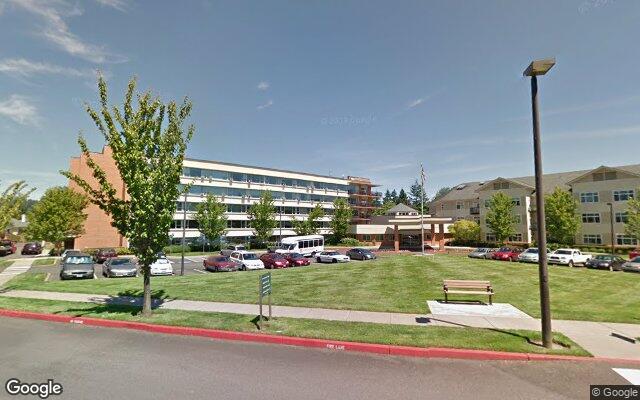
Full Inspection Record
Family reviews
No reviews yet — be the first to share your experience
Other memory care options nearby.
More options in neighboring cities
Licensed memory care in other cities within this county region — useful when your search radius crosses city limits.