Prelude Homes and Services.
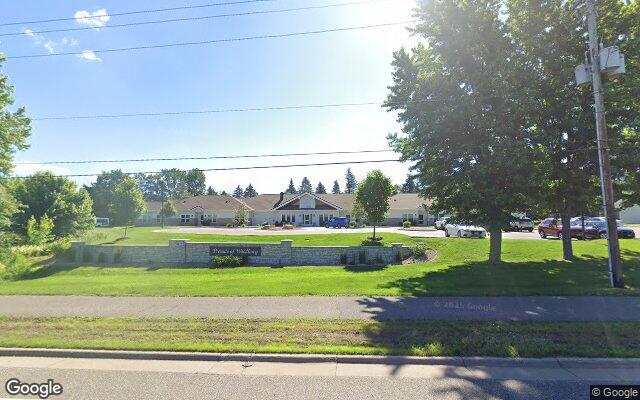
A large home, reviewed on public record.
Compared to 187 Minnesota facilities with a similar number of beds.
ALF memory care · 36-month window. Higher percentile = better performance on inspection record. Source: Minnesota Dept. of Health · Health Regulation Division.
among peers to rank.
Rankings based on 36-month MDH inspection data. Severity and frequency: fewer citations = higher percentile. Repeat rate: lower repeat citation share = higher percentile.
Citation history, plotted month by month.
1 deficiency on record. Each bar is a month with a citation.
Finding distribution
1 total · 36 monthsScope × Severity (CMS A–L)
Questions to ask before you visit.
A short pre-tour checklist tailored to Prelude Homes and Services's record and state requirements.
MDH records show 4 complaints on file through the March 7, 2025 inspection — can you walk us through what those complaints addressed and share any written corrective action plans or policy changes that resulted from the complaint investigations?
Ask the operator on tour. Take notes and compare answers across facilities you visit.
The facility holds an Assisted Living Facility with Dementia Care license under Minnesota Statutes chapter 144G — can you provide families with a copy of your written dementia care program and explain how it meets the specific requirements for memory care designation under MDH standards?
Ask the operator on tour. Take notes and compare answers across facilities you visit.
Six inspection reports are on file with zero deficiencies cited through March 7, 2025 — can you share documentation of how the facility prepares for MDH surveys, including internal audit records or quality assurance checklists used between state visits?
Ask the operator on tour. Take notes and compare answers across facilities you visit.
Every inspection visit, verbatim.
5 inspections in the public record, most recent first. Plain-language summaries open first — click into any row for the full citation text.
2026-04-23Complaint InvestigationNo findings
Plain-language summary
The Minnesota Department of Health investigated a complaint that an unlicensed caregiver made threatening gestures and comments about "body slamming" a resident; the investigation concluded the abuse allegation was inconclusive because video footage showed the resident's presence was unclear, the caregiver stated she did not realize the resident was nearby, and the resident could not recall the incidents when interviewed. The facility suspended the caregiver and completed its own investigation.
Read full citation textHide full citation text
Read raw inspector notesClose inspector notes
Finding: Inconclusive Nature of Investigation: The Minnesota Department of Health investigated an allegation of maltreatment, in accordance with the Minnesota Reporting of Maltreatment of Vulnerable Adults Act, Minn. Stat. 626.557, and to evaluate compliance with applicable licensing standards for the provider type. Initial Investigation Allegation(s): The alleged perpetrator (AP) abused the resident when the AP made a gestured threat to “body slam” the resident. Investigative Findings and Conclusion: The Minnesota Department of Health determined abuse was inconclusive. Although the AP, an unlicensed caregiver, made inappropriate comments and gestures during a conversation with a co-worker, it is unclear if the AP realized the resident was present. The investigator conducted interviews with facility staff members, including administrative staff, nursing staff, and unlicensed staff. The investigation included review of the resident record, hospital records, facility internal investigation, facility incident reports, personnel files, staff schedules, and related facility policy and procedures. Also, the investigator observed resident and staff interactions during an onsite visit. The resident resided in an assisted living memory care unit. The resident’s diagnoses included dementia and history of a traumatic brain injury causing memory loss. The resident’s service plan included assistance with medication management, behavior monitoring and safety checks every two hours. The resident’s assessment indicated he was able to walk independently, but had impaired decision making and was exit seeking at times. A facility document indicated while managers were investigating an altercation between the resident and unlicensed caregiver #1, they reviewed video footage and saw the AP making gestured aggression in the direction of the resident. The video view shows the kitchen area and half of the dining area, the video does not show the area behind the dining area or the hallway on the side of the kitchen and dining area which is a large area. The video began with unlicensed caregiver #1 and the AP discussing the incident when the AP stated to unlicensed caregiver #1, “you are better than me, I would have picked him up like this and boom, right on the ground” while making a gesture of putting her arms over her head and stepped forward moving her arms down twice. The resident could not be seen on the video, however when a voice is heard on the video, the AP immediately stopped the behavior and walked back towards unlicensed caregiver #1. During an interview, the manager stated the facility video was reviewed after the facility received a report regarding the resident’s aggression towards unlicensed caregiver #1. The video later showed the AP making inappropriate comments and gestures in regard to the incident. The manager stated she could hear the resident’s voice in the video but the resident could not be seen on the video. The manager suspended the AP and an investigation was completed. The manager stated the resident was interviewed quickly that same day and could not recall either incident that occurred. During an interview, the AP stated she realized her statements and gestures were wrong, but both were made during a conversation with unlicensed caregiver #1 and were not intended to be heard by the resident. The AP stated she did not realize the resident was in the immediate area, but he could have overheard their conversation. During an interview, unlicensed caregiver #1 stated she was in pain and could not remember what the AP said or any gestures made. In conclusion, the Minnesota Department of Health determined abuse was inconclusive. Inconclusive: Minnesota Statutes, section 626.5572, Subdivision 11. "Inconclusive" means there is less than a preponderance of evidence to show that maltreatment did or did not occur. Abuse: Minnesota Statutes section 626.5572, subdivision 2. "Abuse" means: (a) An act against a vulnerable adult that constitutes a violation of, an attempt to violate, or aiding and abetting a violation of: (1) assault in the first through fifth degrees as defined in sections 609.221 to 609.224; (2) the use of drugs to injure or facilitate crime as defined in section 609.235; (3) the solicitation, inducement, and promotion of prostitution as defined in section 609.322; and (4) criminal sexual conduct in the first through fifth degrees as defined in sections 609.342 to 609.3451. A violation includes any action that meets the elements of the crime, regardless of whether there is a criminal proceeding or conviction. (b) Conduct which is not an accident or therapeutic conduct as defined in this section, which produces or could reasonably be expected to produce physical pain or injury or emotional distress including, but not limited to, the following: (1) hitting, slapping, kicking, pinching, biting, or corporal punishment of a vulnerable adult; (2) use of repeated or malicious oral, written, or gestured language toward a vulnerable adult or the treatment of a vulnerable adult which would be considered by a reasonable person to be disparaging, derogatory, humiliating, harassing, or threatening; or (3) use of any aversive or deprivation procedure, unreasonable confinement, or involuntary seclusion, including the forced separation of the vulnerable adult from other persons against the will of the vulnerable adult or the legal representative of the vulnerable adult unless authorized under applicable licensing requirements or Minnesota Rules, chapter 9544. (c) Any sexual contact or penetration as defined in section 609.341, between a facility staff person or a person providing services in the facility and a resident, patient, or client of that facility. (d) The act of forcing, compelling, coercing, or enticing a vulnerable adult against the vulnerable adult's will to perform services for the advantage of another. Vulnerable Adult interviewed: No, attempted to interview but unable due to cognitive impairment. Family/Responsible Party interviewed: Yes Alleged Perpetrator interviewed: Yes Action taken by facility: The facility suspended the AP while investigating the incident. At the time of the investigation, the AP was no longer employed at the facility. Action taken by the Minnesota Department of Health: No further action taken at this time. cc: The Office of Ombudsman for Long Term Care The Office of Ombudsman for Mental Health and Developmental Disabilities PRINTED: 04/ 28/ 2026 FORM APPROVED STATEMENT OF DEFICIENCIES (X1) PROVIDER/ SUPPLIER/ CLIA (X2) MULTIPLE CONSTRUCTION (X3) DATE SURVEY AND PLAN OF CORRECTION IDENTIFICATION NUMBER: COMPLETED A. BUILDING: ______________________ C B. WING _____________________________ 34601 03/ 10/ 2026 NAME OF PROVIDER OR SUPPLIER STREET ADDRESS, CITY, STATE, ZIP CODE 10018 RALEIGH ROAD PRELUDE HOMES AND SERVICES WOODBURY, MN 55129 SUMMARY STATEMENT OF DEFICIENCIES PROVIDER' S PLAN OF CORRECTION (X4) ID ID (X5) PREFIX (EACH DEFICIENCY MUST BE PRECEDED BY FULL PREFIX (EACH CORRECTIVE ACTION SHOULD BE COMPLETE REGULATORY OR LSC IDENTIFYING INFORMATION) CROSS- REFERENCED TO THE APPROPRIATE DATE TAG TAG DEFICIENCY) 0 000 Initial Comments 0 000 On March 10, 2026, the Minnesota Department of Health initiated an investigation of complaint #HL346013721C/ #HL346019463M. No correction orders are issued. LABORATORY DIRECTOR' S OR PROVIDER/ SUPPLIER REPRESENTATIVE' S SIGNATURE TITLE (X6) DATE STATE FORM 6899 FZQJ11 If continuation sheet 1 of 1
2025-03-07Annual Compliance VisitNo findings
Plain-language summary
A routine inspection of Prelude Homes and Services in Woodbury on March 7, 2025 found a violation of Minnesota's background studies requirement for assisted living facilities with dementia care, resulting in a $3,000 fine assessed at Level 3. The facility must document the corrective actions taken to bring the backgrounds into compliance and implement system changes to prevent future violations. The facility may request reconsideration or a hearing within 15 business days of receiving this order.
Read full citation textHide full citation text
Read raw inspector notesClose inspector notes
CORRECTION ORDERS The enclosed State Form documents the state correction orders. MDH documents state licensing correction orders using federal software. Tag numbers are assigned to Minnesota state statutes for Assisted Living Facilities. The assigned tag number appears in the far left column entitled "ID Prefix Tag." The state statute number and the corresponding text of the state statute out of compliance are listed in the "Summary Statement of Deficiencies" column. This column also includes the findings that are in violation of the state statute after the statement, "This MN Requirement is not met as evidenced by . . ." IMPOSITION OF FINES In accordance with Minn. Stat. § 144G.31, Subd. 4, fines and enforcement actions may be imposed based on the level and scope of the violations and may be imposed immediately with no opportunity to correct the violation first as follows: Level 1: no fines or enforcement. Level 2: a fine of $500 per violation, in addition to any enforcement mechanism authorized in § 144G.20 for widespread violations; Level 3: a fine of $3,000 per violation per incident, in addition to any enforcement mechanism authorized in § 144G.20. An equal opportunity employer. Letter ID: IS7N REVISED 09/13/2021 Prelude Homes And Services April 3, 2025 Page 2 Level 4: a fine of $5,000 per incident, in addition to any enforcement mechanism authorized in § 144G.20. Therefore, in accordance with Minn. Stat. §§ 144G.01 to 144G.9999, the following fines are assessed pursuant to this survey: St - 0 - 1290 - 144g.60 Subdivision 1 - Background Studies Required - $3,000.00 Therefore, in accordance with Minn. Stat. §§ 144G.01 to 144G.9999, t he total amount you are assessed is $3,000.00. You will be invoiced approximately 30 days after receipt of this notice, subject to appeal. DOCUMENTATION OF ACTION TO COMPLY In accordance with Minn. Stat. § 144G.30, Subd. 5(c), the licensee must document actions taken to comply with the correction orders within the time period outlined on the state form; however, plans of correction are not required to be submitted for approval. The correction order documentation should include the following: Identify how the area(s) of noncompliance was corrected related to the resident(s)/employee(s) identified in the correction order. Identify how the area(s) of noncompliance was corrected for all of the provider’s resident(s)/employees that may be affected by the noncompliance. Identify what changes to your systems and practices were made to ensure compliance with the specific statute(s). CORRECTION ORDER RECONSIDERATION PROCESS In accordance with Minn. Stat. § 144G.32, Subd. 2, you may challenge the correction order(s) issued, including the level and scope, and any fine assessed through the correction order reconsideration process. The request for reconsideration must be in writing and received by MDH within 15 calendar days of the correction order receipt date. To submit a reconsideration request, please visit: https://forms.web.health.state.mn.us/form/HRDAppealsForm REQUESTING A HEARING Alternatively, in accordance with Minn. Stat. § 144G.31, Subd. 5(d), an assisted living provider that has been assessed a fine under this subdivision has a right to a reconsideration or a hearing under this section and chapter 14. Pursuant to Minn. Stat. § 144G.20, Subd. 14 and Subd. 18, a request for a hearing must be in writing and received by the Department of Health within 15 business days of the correction order receipt date. The request must contain a brief and plain statement describing each matter or issue contested and any new information you believe constitutes a defense or mitigating factor. Prelude Homes And Services April 3, 2025 Page 3 To submit a hearing request, please visit: https://forms.web.health.state.mn.us/form/HRDAppealsForm To appeal fines via reconsideration, please follow the procedure outlined above. P lease note that you may request a reconsideration o r a hearing, but not both. If you wish to contest tags without fines in a reconsideration and tags with the fines at a hearing, please submit two separate appeals forms at the website listed above. The MDH Health Regulation Division (HRD) values your feedback about your experience during the survey and/or investigation process. Please fill out this anonymous provider feedback questionnaire at your convenience at this link: h ttps://forms.office.com/g/Bm5uQEpHVa. Your input is important to us and will enable MDH to improve its processes and communication with providers. If you have any questions regarding the questionnaire, please contact Susan Winkelmann at susan.winkelmann@state.mn.us or call 651-201-5952. You are encouraged to retain this document for your records. It is your responsibility to share the information contained in the letter and state form with your organization’s Governing Body. If you have any questions, please contact me. Sincerely, Jess Schoenecker, Supervisor State Evaluation Team Email: Jess.Schoenecker@state.mn.us Telephone: 651-201-3789 Fax: 1-866-890-9290 HHH PRINTED: 04/03/2025 FORM APPROVED STATEMENT OF DEFICIENCIES (X1) PROVIDER/SUPPLIER/CLIA (X2) MULTIPLE CONSTRUCTION (X3) DATE SURVEY AND PLAN OF CORRECTION IDENTIFICATION NUMBER: COMPLETED A. BUILDING: ______________________ B. WING _____________________________ 34601 03/07/2025 NAME OF PROVIDER OR SUPPLIER STREET ADDRESS, CITY, STATE, ZIP CODE 10018 RALEIGH ROAD PRELUDE HOMES AND SERVICES WOODBURY, MN 55129 SUMMARY STATEMENT OF DEFICIENCIES PROVIDER'S PLAN OF CORRECTION (X4) ID ID (X5) PREFIX (EACH DEFICIENCY MUST BE PRECEDED BY FULL PREFIX (EACH CORRECTIVE ACTION SHOULD BE COMPLETE REGULATORY OR LSC IDENTIFYING INFORMATION) CROSS-REFERENCED TO THE APPROPRIATE DATE TAG TAG DEFICIENCY) 0 000 Initial Comments 0 000 ASSISTED LIVING PROVIDER LICENSING Minnesota Department of Health is CORRECTION ORDER(S) documenting the State Correction Orders using federal software. Tag numbers have In accordance with Minnesota Statutes, section been assigned to Minnesota State 144G.08 to 144G.95, these correction orders are Statutes for Assisted Living Facilities. The issued pursuant to a survey. assigned tag number appears in the far-left column entitled "ID Prefix Tag." The Determination of whether violations are corrected state Statute number and the requires compliance with all requirements corresponding text of the state Statute out provided at the Statute number indicated below. of compliance is listed in the "Summary When Minnesota Statute contains several items, Statement of Deficiencies" column. This failure to comply with any of the items will be column also includes the findings which considered lack of compliance. are in violation of the state requirement after the statement, "This Minnesota INITIAL COMMENTS: requirement is not met as evidenced by." Following the evaluators ' findings is the SL34601016-0 Time Period for Correction. On March 3, 2025, through March 7, 2025, the PLEASE DISREGARD THE HEADING OF survey at the above provider. At the time of the STATES,"PROVIDER'S PLAN OF survey, there were 47 residents; all whom CORRECTION." THIS APPLIES TO received services under the Assisted Living FEDERAL DEFICIENCIES ONLY. THIS Facility with Dementia Care license. WILL APPEAR ON EACH PAGE. An immediate correction order was issued for tag THERE IS NO REQUIREMENT TO identification 1290 on March 7, 2025. SUBMIT A PLAN OF CORRECTION FOR VIOLATIONS OF MINNESOTA STATE During the course of the survey, the licensee took STATUTES. action to mitigate the immediate risk. Non compliance remained and the scope and level THE LETTER IN THE LEFT COLUMN IS remain unchanged. USED FOR TRACKING PURPOSES AND REFLECTS THE SCOPE AND LEVEL During supervisory review, an additional ISSUED PURSUANT TO 144G.31 immediate order for tag identification 2310 was SUBDIVISION 1-3. identified. On April 3, 2025, the immediate order for tag identification 2310 was rescinded and reissued at LABORATORY DIRECTOR'S OR PROVIDER/SUPPLIER REPRESENTATIVE'S SIGNATURE TITLE (X6) DATE STATE FORM 6899 KCT711 If continuation sheet 1 of 28 PRINTED: 04/03/2025 FORM APPROVED STATEMENT OF DEFICIENCIES (X1) PROVIDER/SUPPLIER/CLIA (X2) MULTIPLE CONSTRUCTION (X3) DATE SURVEY AND PLAN OF CORRECTION IDENTIFICATION NUMBER: COMPLETED A. BUILDING: ______________________ B. WING _____________________________ 34601 03/07/2025 NAME OF PROVIDER OR SUPPLIER STREET ADDRESS, CITY, STATE, ZIP CODE 10018 RALEIGH ROAD PRELUDE HOMES AND SERVICES WOODBURY, MN 55129 SUMMARY STATEMENT OF DEFICIENCIES PROVIDER'S PLAN OF CORRECTION (X4) ID ID (X5) PREFIX (EACH DEFICIENCY MUST BE PRECEDED BY FULL PREFIX (EACH CORRECTIVE ACTION SHOULD BE COMPLETE REGULATORY OR LSC IDENTIFYING INFORMATION) CROSS-REFERENCED TO THE APPROPRIATE DATE TAG TAG DEFICIENCY) 0 000 Continued From page 1 0 000 a level 2 order with a time period of correction that was not immediate. 0 330 144G.30 Subd. 4 Information provided by facility 0 330 SS=D (a) The assisted living facility shall provide accurate and truthful information to the department during a survey, investigation, or other licensing activities.
2025-01-31Complaint InvestigationNo findings
Plain-language summary
Minnesota Department of Health investigated a complaint that the facility neglected a resident by not following the care plan, resulting in a fall and fractured femur; the investigation found neglect was not substantiated because the facility had appropriate fall-prevention measures in place including frequent checks and a personal alarm system. Although the resident did fall and sustain a fractured femur, staff responded appropriately by notifying the nurse and arranging emergency transport to the hospital.
Read full citation textHide full citation text
Read raw inspector notesClose inspector notes
Finding: Not Substantiated Nature of Investigation: The Minnesota Department of Health investigated an allegation of maltreatment, in accordance with the Minnesota Reporting of Maltreatment of Vulnerable Adults Act, Minn. Stat. 626.557, and to evaluate compliance with applicable licensing standards for the provider type. Initial Investigation Allegation(s): The facility neglected the resident when plan of care was not followed, and the resident fell sustaining a fractured femur (thigh). Investigative Findings and Conclusion: The Minnesota Department of Health determined neglect was not substantiated. Although the resident fell and sustained a fractured femur, the facility had appropriate interventions in place to reduce the risk of falls including frequent checks on the resident. The investigator conducted interviews with facility staff members, including administrative staff, nursing staff, and unlicensed staff. The investigator contacted the resident’s family member. The investigation included review of the resident record, death record, facility internal investigation, facility incident reports, personnel files, staff schedules, and related facility policy and procedures. Also, the investigator observed facility staff and resident interactions during an onsite visit. The resident lived in a memory care unit. The resident’s diagnoses included Alzheimer’s disease and osteopenia (low bone density). The resident’s service plan included assistance with mobility and safety checks along with a tab alarm, which had scheduled checks the alarm was set up. The assessment indicated the resident had an increased risk for falls, was cognitively impaired and required standby assist when ambulating with a walker. The resident’s medical record indicated the resident was found on the floor after an unwitnessed fall, approximately 30-45 minutes before the evening meal. The unlicensed caregivers notified the nurse, then the resident was transferred by emergency medical services to the hospital and found to have a fractured femur. The resident had a personal alarm in use that was activated if the resident attempted to self-transfer. During the onsite visit associated with this investigation it was observed that the alarm did not go off in the resident’s room, but rather at a nurse’s desk located elsewhere on the memory care unit. Additionally, the investigation determined the facility had a practice at shift-change in which both the outgoing and the oncoming shift would check each resident although this check was not specially scheduled in the residents’ care plans. The facility had two different types of checks scheduled for the resident. A personal alarm check which was scheduled near the end of each shift (day, evening, and night). A safety check one half-hour after the start of each shift. The report of delivered services by unlicensed caregivers indicated the personal alarm check was documented as completed near the end of the day shift. The report of delivered services by unlicensed caregivers indicated unlicensed caregiver #1, who later found the resident on the floor, documented completion of this check prior to the resident’s fall. During an interview, unlicensed caregiver #1 stated she started her shift 30 minutes late and was told the end of shift count and walking rounds were already completed. Since she was starting her shift a bit late, she checked on all the residents in her assignment, which included the resident. Caregiver #1 stated she checked in the resident’s room and greeted the resident; but did not check to see if the tab alarm was under the resident. The unlicensed staff member stated she continued to check the other residents assigned to her. About an hour later, the resident was heard calling out and was found on the floor in her room. During an interview with unlicensed caregiver #2, who worked the evening shift with caregiver #1, stated she completed the change of shift rounds with the previous day shift that was ending although she did not specifically recall the personal alarm was on the resident at that time. During an interview, a nurse stated she was called after resident was found on floor, who was complaining of pain in the thigh area, and so the resident was transferred to the hospital via emergency medical services. The nurse stated that when she checked to see if the personal alarm was activated at the nurses station it was not, however she acknowledged someone might have turned it off prior to her arrival. In conclusion, the Minnesota Department of Health determined neglect was not substantiated. “Not Substantiated” means: An investigatory conclusion indicating the preponderance of evidence shows that an act meeting the definition of maltreatment did not occur. Neglect: Minnesota Statutes, section 626.5572, subdivision 17 “Neglect” means neglect by a caregiver or self-neglect. (a) "Caregiver neglect" means the failure or omission by a caregiver to supply a vulnerable adult with care or services, including but not limited to, food, clothing, shelter, health care, or supervision which is: (1) reasonable and necessary to obtain or maintain the vulnerable adult's physical or mental health or safety, considering the physical and mental capacity or dysfunction of the vulnerable adult; and (2) which is not the result of an accident or therapeutic conduct. (5) an individual makes an error in the provision of therapeutic conduct to a vulnerable adult that results in injury or harm, which reasonably requires the care of a physician, and: (i) the necessary care is provided in a timely fashion as dictated by the condition of the vulnerable adult; (ii) if after receiving care, the health status of the vulnerable adult can be reasonably expected, as determined by the attending physician, to be restored to the vulnerable adult's preexisting condition; (iii) the error is not part of a pattern of errors by the individual; (iv) if in a facility, the error is immediately reported as required under section 626.557, and recorded internally in the facility; (v) if in a facility, the facility identifies and takes corrective action and implements measures designed to reduce the risk of further occurrence of this error and similar errors; and (vi) if in a facility, the actions required under items (iv) and (v) are sufficiently documented for review and evaluation by the facility and any applicable licensing, certification, and ombudsman agency. Vulnerable Adult interviewed: No. The resident was deceased. Family/Responsible Party interviewed: Yes Alleged Perpetrator interviewed: Not Applicable the Action taken by facility: The facility made changes to its shift-change process more specific direction and documentation on personal alarm checks. Action taken by the Minnesota Department of Health: No further action taken at this time. cc: The Office of Ombudsman for Long Term Care The Office of Ombudsman for Mental Health and Developmental Disabilities PRINTED: 02/03/2025 FORM APPROVED STATEMENT OF DEFICIENCIES (X1) PROVIDER/SUPPLIER/CLIA (X2) MULTIPLE CONSTRUCTION (X3) DATE SURVEY AND PLAN OF CORRECTION IDENTIFICATION NUMBER: COMPLETED A. BUILDING: ______________________ C B. WING _____________________________ 34601 01/08/2025 NAME OF PROVIDER OR SUPPLIER STREET ADDRESS, CITY, STATE, ZIP CODE 10018 RALEIGH ROAD PRELUDE HOMES AND SERVICES WOODBURY, MN 55129 SUMMARY STATEMENT OF DEFICIENCIES PROVIDER'S PLAN OF CORRECTION (X4) ID ID (X5) PREFIX (EACH DEFICIENCY MUST BE PRECEDED BY FULL PREFIX (EACH CORRECTIVE ACTION SHOULD BE COMPLETE REGULATORY OR LSC IDENTIFYING INFORMATION) CROSS-REFERENCED TO THE APPROPRIATE DATE TAG TAG DEFICIENCY) 0 000 Initial Comments 0 000 On January 8, 2025, the Minnesota Department of Health initiated an investigation of complaint #HL346011483C/#HL346016943M. No correction orders are issued. LABORATORY DIRECTOR'S OR PROVIDER/SUPPLIER REPRESENTATIVE'S SIGNATURE TITLE (X6) DATE STATE FORM 6899 HMTN11 If continuation sheet 1 of 1
2025-01-15Complaint InvestigationSubstantiated Finding · 1 finding
Plain-language summary
A complaint investigation found that a staff member at this memory care facility pushed a resident to the floor on two separate occasions, causing the resident to hit his head on a wall and sustain a skin tear to his elbow; facility video confirmed the staff member pushed the resident twice while attempting to prevent the resident from entering another resident's room. The Minnesota Department of Health determined this conduct constituted abuse and held the staff member individually responsible for the maltreatment. The resident had dementia and was known to require behavior monitoring due to confusion and disorientation.
Read full citation text (1)Hide full citation text
“MDH substantiated maltreatment or licensing violation finding”
Read raw inspector notesClose inspector notes
Finding: Substantiated, individual responsibility Nature of Investigation: The Minnesota Department of Health investigated an allegation of maltreatment, in accordance with the Minnesota Reporting of Maltreatment of Vulnerable Adults Act, Minn. Stat. 626.557, and to evaluate compliance with applicable licensing standards for the provider type. Initial Investigation Allegation(s): The alleged perpetrator (AP) abused the resident when the AP pushed the resident down to the floor two separate times. The resident sustained a skin tear and bruising to his left elbow. Investigative Findings and Conclusion: The Minnesota Department of Health determined abuse was substantiated. The AP was responsible for the maltreatment. The AP attempted to redirect the resident when he saw the resident trying to enter a peer’s room. The resident became agitated, and the AP pushed the resident to the floor. The resident struggled to get up and again approached the AP. The AP pushed the resident down to the floor again. The resident hit his head on a wall and sustained a skin tear to his left elbow. The investigator conducted interviews with facility staff members, including administrative staff, nursing staff, and unlicensed staff. The investigator contacted a family member. The investigation included review of the resident records, the facility internal investigation, facility incident reports, personnel files, staff schedules, and related facility policy and procedures. Also, the investigator observed resident interactions with staff. The resident resided in an assisted living memory care unit. The resident’s diagnoses included dementia. The resident’s services included assistance with personal hygiene, dressing, securing and managing healthcare, meals, housekeeping, laundry, and medication management. The resident’s assessment indicated he was vulnerable to falls and injuries due to confusion. The resident required regular behavior monitoring due to disorientation, hallucinations, and wandering. An incident report indicated the resident was “aggressive” with the AP resulting in an altercation, and the resident fell. The resident got himself up off the floor and tried to swing at the AP, causing the resident to fall again. After the second fall, staff helped the resident off the floor and notified a nurse. The resident sustained a skin tear on his left elbow. An employee corrective action report indicated a recorded video of the incident showed the resident trying to enter a locked room. The AP stepped between the resident and the door. The resident became agitated, and the AP and resident began to struggle. The AP pushed the resident and the resident fell to the floor. The resident got himself up off the floor using a handrail on the wall and approached the AP throwing a punch. The AP took several steps toward the resident and the AP pushed the resident again and the resident fell backwards to the floor. The AP said he was trying to “defend himself.” The progress notes indicated staff reviewed camera footage and saw the resident fall twice during the incident with the AP. The resident was trying to get into a locked room and the AP moved in front of the door and told the resident he could not go into that room. The resident started to push past the AP when the AP leaned into resident, causing the resident to fall backwards onto the floor. The resident got himself up without help from the AP. The resident swung towards the AP and the AP pushed the resident, causing the resident to fall again. Review of the facility video of the incident the resident was observed standing alone in a hallway, jiggling the door handle to a peer’s room. The AP came down the hall and approached the resident. The resident continued to stand at the door and the AP stepped between the resident and the door. The resident struggled to reach the door around the AP. The AP pushed the resident back using his right arm and the fell backward on to the floor and hit his head on the wall. The AP stood over the resident without providing any assistance as the resident attempted to get up from the floor. The resident crawled to the opposite side of the hallway and grabbed a handrail with both hands to get himself up off the floor. The resident stood up in front of the AP, who had his back to the video. There appeared to be a continued conversation between the AP and the resident. The AP walked toward the resident and again, with his right arm, pushed the resident away from him, causing the resident to fall backward to the floor a second time. A second staff member ran to the scene as the resident laid on the floor. The video ended. When interviewed, a facility leader stated she reviewed the video and saw the AP contributed to the resident falling to the floor. When interviewed, a supervisor stated he reviewed the video and observed the AP push the resident to the floor twice. The supervisor stated all staff were trained in de-escalation techniques, as well as how to interact with each individual resident. When interviewed, the AP stated he was trying to prevent a confrontation between the resident and a peer when the resident tried to enter the peer’s room. A struggle ensued and the resident lost his balance, falling to the floor. The AP stated the resident hit him twice, and denied he caused the resident to fall. The AP’s training files indicated he received training in the aging process, the Assisted Living Bill of Rights, communication, person-centered care, dementia care, and vulnerable adult. The AP’s performance evaluation form from the beginning of the year indicated the AP needed to “learn how to redirect.” In conclusion, the Minnesota Department of Health determined abuse was substantiated. Substantiated: Minnesota Statutes, section 626.5572, Subdivision 19. “Substantiated” means a preponderance of evidence shows that an act that meets the definition of maltreatment occurred. Abuse: Minnesota Statutes section 626.5572, subdivision 2. "Abuse" means: (a) An act against a vulnerable adult that constitutes a violation of, an attempt to violate, or aiding and abetting a violation of: (1) assault in the first through fifth degrees as defined in sections 609.221 to 609.224; (2) the use of drugs to injure or facilitate crime as defined in section 609.235; (3) the solicitation, inducement, and promotion of prostitution as defined in section 609.322; and (4) criminal sexual conduct in the first through fifth degrees as defined in sections 609.342 to 609.3451. A violation includes any action that meets the elements of the crime, regardless of whether there is a criminal proceeding or conviction. (b) Conduct which is not an accident or therapeutic conduct as defined in this section, which produces or could reasonably be expected to produce physical pain or injury or emotional distress including, but not limited to, the following: (1) hitting, slapping, kicking, pinching, biting, or corporal punishment of a vulnerable adult; (2) use of repeated or malicious oral, written, or gestured language toward a vulnerable adult or the treatment of a vulnerable adult which would be considered by a reasonable person to be disparaging, derogatory, humiliating, harassing, or threatening; or (3) use of any aversive or deprivation procedure, unreasonable confinement, or involuntary seclusion, including the forced separation of the vulnerable adult from other persons against the will of the vulnerable adult or the legal representative of the vulnerable adult unless authorized under applicable licensing requirements or Minnesota Rules, chapter 9544. (c) Any sexual contact or penetration as defined in section 609.341, between a facility staff person or a person providing services in the facility and a resident, patient, or client of that facility. (d) The act of forcing, compelling, coercing, or enticing a vulnerable adult against the vulnerable adult's will to perform services for the advantage of another. Vulnerable Adult interviewed: No, unable. Family/Responsible Party interviewed: Yes. Alleged Perpetrator interviewed: Yes. the Action taken by facility: The facility provided refresher training to staff in de-escalation techniques. The AP is no longer employed by the facility. Action taken by the Minnesota Department of Health: The facility was issued a correction order regarding the vulnerable adult’s right to be free from maltreatment. To view a copy of the Statement of Deficiencies and/or correction orders, please visit: https://www.health.state.mn.us/facilities/regulation/directory/provcompselect.html You may also call 651-201-4200 to receive a copy via mail or email. The responsible party will be notified of their right to appeal the maltreatment finding.
2024-08-05Complaint InvestigationNo findings
Plain-language summary
A complaint investigation found that allegations of neglect when staff did not immediately report a resident's unresponsiveness and abuse when a staff member improperly grabbed the resident's ankles to transfer him back to bed were both inconclusive — meaning there was insufficient evidence to substantiate either violation, though the facility did suspend the staff member and provide retraining after reviewing surveillance video of the transfer incident. The resident was hospitalized and returned to baseline health, and the resident's family stated that facility staff had addressed their previous concerns appropriately. No licensing violations were substantiated as a result of this investigation.
Read full citation textHide full citation text
Read raw inspector notesClose inspector notes
Finding: Inconclusive Nature of Investigation: The Minnesota Department of Health investigated an allegation of maltreatment, in accordance with the Minnesota Reporting of Maltreatment of Vulnerable Adults Act, Minn. Stat. 626.557, and to evaluate compliance with applicable licensing standards for the provider type. Initial Investigation Allegation(s): The facility neglected the resident when staff failed to report a change in condition when the resident was found unresponsive. The alleged perpetrator (AP)/facility staff member abused the resident when the AP grabbed the resident’s ankles to put him back into bed. Investigative Findings and Conclusion: The Minnesota Department of Health determined neglect was inconclusive. It is unable to be determined if the actions or inactions of facility staff contributed to the resident’s change in condition. The resident was treated at a local hospital and returned to his baseline health condition. The Minnesota Department of Health determined abuse was inconclusive. Although the AP transferred the resident inappropriately, the error in procedure was an isolated incident and the resident returned to their baseline condition. The investigator conducted interviews with facility staff members, including nursing staff and unlicensed staff. The investigator also contacted the resident’s family. The investigation included review of resident records, a death record, facility internal investigation documentation, facility incident reports, personnel files, staff schedules, training materials, and related policies and procedures. Also, the investigator toured the facility and observed staff to resident interactions. The resident resided in an assisted living facility. The resident’s diagnoses included amyotrophic lateral sclerosis (ALS), dementia, and a compression fracture of the spine. The resident’s service plan included assistance with activities of daily living, transfer and repositioning assistance, medications, meals, and housekeeping. The resident was able to independently get out of bed but required assistance to sit up, and supervision to ensure safety with transfers and ambulation. Facility documentation indicated that one morning, staff were unable to wake the resident to take his morning medications. Later that morning, a family member arrived at the facility and found the resident unresponsive. Staff monitored the resident’s condition and upon arrival of another family member three hours later, the resident was transferred to the hospital for further evaluation. The resident was evaluated and returned to the facility later that day with a recommendation for admission to hospice care. During an interview, facility administration stated that the resident was initially found to be lethargic; staff followed procedures and notified the on-call nurse when there was an observed change in condition. A further review of complaint documents indicated that weeks later, an unlicensed staff member/alleged perpetrator (AP) was seen on surveillance video entering the resident’s room. The resident had gotten himself out of bed and onto the floor. He was kneeling on the side of his bed with his elbows on the mattress supporting his upper body weight. The AP put on gloves and positioned himself behind the resident. The AP then grabbed each of the resident’s ankles and with an upward lifting motion, pulled the resident up by his legs while rotating the resident’s body off the floor and onto the bed. The resident was now on the lower half of the bed positioned on his right side. The AP proceeded to pull on the resident’s right arm and attempted to drag the resident over onto his back and further up on the mattress. An internal investigation into the incident included an assessment of the resident and suspension of the AP. The resident had no evidence of injury and the AP was retrained on proper transfer techniques. During an interview, administration stated when they were presented video of the AP’s interaction with the resident, the AP was immediately suspended, and an internal investigation was initiated. The AP admitted that he did not properly assist the resident off the ground at the time of the incident. During an interview, the AP recalled that when he entered the resident’s room, he found the resident kneeling next to his bed. The AP asked the resident what he was doing, and the resident said he was praying. The AP stated that his intention was to get the resident back into bed and that he assisted the resident back to bed by lifting him gently by his legs. The AP confirmed that he was not able to return to work until after undergoing additional training and skills testing by a facility nurse. During an interview with the resident’s family member, she stated when she arrived at the facility one morning, she found the resident unresponsive. This change in condition was not typical, and when she asked facility staff about the change in condition, she was told that they noticed this earlier that morning prior to her arrival. Facility staff monitored the resident until additional family members arrived hours later and it was then determined that the resident should be taken to a local hospital for further evaluation. While in the hospital, the resident remained unconscious and was released back to the facility with a referral to hospice care related to his ALS diagnosis. The family member reported they had previous concerns with the care provided at the facility and discussed their concerns at the time with facility staff. The family member felt that the facility addressed the concerns appropriately and had no further concerns with the care provided by the facility. In conclusion, the Minnesota Department of Health determined neglect was inconclusive. In conclusion, the Minnesota Department of Health determined abuse was inconclusive. Inconclusive: Minnesota Statutes, section 626.5572, Subdivision 11. "Inconclusive" means there is less than a preponderance of evidence to show that maltreatment did or did not occur. Neglect: Minnesota Statutes, section 626.5572, subdivision 17 “Neglect” means neglect by a caregiver or self-neglect. (a) "Caregiver neglect" means the failure or omission by a caregiver to supply a vulnerable adult with care or services, including but not limited to, food, clothing, shelter, health care, or supervision which is: (1) reasonable and necessary to obtain or maintain the vulnerable adult's physical or mental health or safety, considering the physical and mental capacity or dysfunction of the vulnerable adult; and (2) which is not the result of an accident or therapeutic conduct. Abuse: Minnesota Statutes section 626.5572, subdivision 2. "Abuse" means: (a) An act against a vulnerable adult that constitutes a violation of, an attempt to violate, or aiding and abetting a violation of: (1) assault in the first through fifth degrees as defined in sections 609.221 to 609.224; (2) the use of drugs to injure or facilitate crime as defined in section 609.235; (3) the solicitation, inducement, and promotion of prostitution as defined in section 609.322; and (4) criminal sexual conduct in the first through fifth degrees as defined in sections 609.342 to 609.3451. A violation includes any action that meets the elements of the crime, regardless of whether there is a criminal proceeding or conviction. (b) Conduct which is not an accident or therapeutic conduct as defined in this section, which produces or could reasonably be expected to produce physical pain or injury or emotional distress including, but not limited to, the following: (1) hitting, slapping, kicking, pinching, biting, or corporal punishment of a vulnerable adult; (2) use of repeated or malicious oral, written, or gestured language toward a vulnerable adult or the treatment of a vulnerable adult which would be considered by a reasonable person to be disparaging, derogatory, humiliating, harassing, or threatening; Vulnerable Adult interviewed: No. Deceased Family/Responsible Party interviewed: Yes. Alleged Perpetrator interviewed: Yes. the Action taken by facility: The facility retrained the AP and conducted additional competency testing prior to the AP returning to work. The facility also completed a focused review of the resident's care plan, as well as review of the facility policies and procedures pertaining to falls, repositioning, transfers, and assistance with ambulation. Action taken by the Minnesota Department of Health: The facility was found to be in noncompliance. To view a copy of the Statement of Deficiencies and/or correction orders, please visit: https://www.health.state.mn.us/facilities/regulation/directory/provcompselect.html If you are viewing this report on the MDH website, please see the attached Statement of Deficiencies. You may also call 651-201-4200 to receive a copy via mail or email cc: The Office of Ombudsman for Long Term Care The Office of Ombudsman for Mental Health and Developmental Disabilities PRINTED: 08/ 07/ 2024 FORM APPROVED STATEMENT OF DEFICIENCIES (X1) PROVIDER/ SUPPLIER/ CLIA (X2) MULTIPLE CONSTRUCTION (X3) DATE SURVEY AND PLAN OF CORRECTION IDENTIFICATION NUMBER: COMPLETED A.
3 older inspections from 2022 are not shown above.
Get the complete record, translated into plain language — emailed to you.
Other facilities in Washington County.
Other memory care facilities in Washington County with similar care offerings.
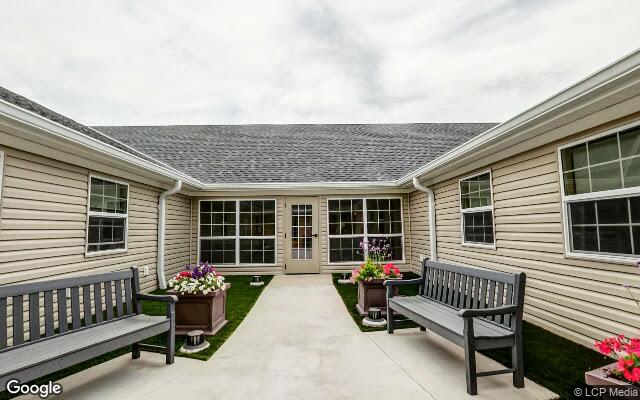
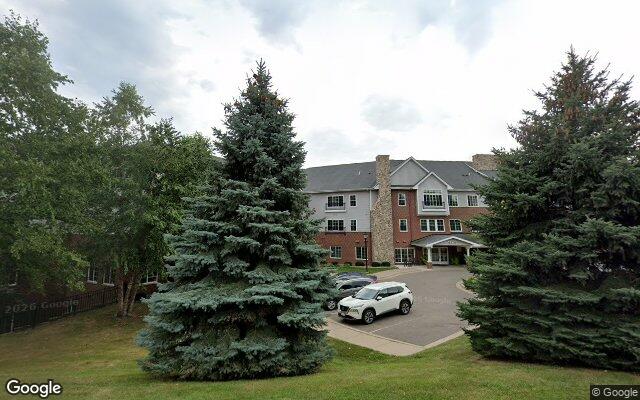
Contract Decoder
Family reviews
No reviews yet — be the first to share your experience
Other memory care options nearby.
More options in neighboring cities
Licensed memory care in other cities within this county region — useful when your search radius crosses city limits.