Editorial Independence

StarlynnCare receives no referral commissions, lead fees, or paid placement from any operator. Rankings are derived solely from state inspection records and verified family reviews.

StarlynnCare
Minnesota · Cottage Grove

Cottage Grove Wp Ii Llc.

Cottage Grove Wp Ii Llc is Grade A, ranked in the top 1% of Minnesota memory care with no MDH citations on record; last inspected Apr 2025.

ALF · Memory Care44 licensed beds · mediumDementia-trained staff
6950 East Point Douglas Road S · Cottage Grove, MN 55016LIC# ALRC:740
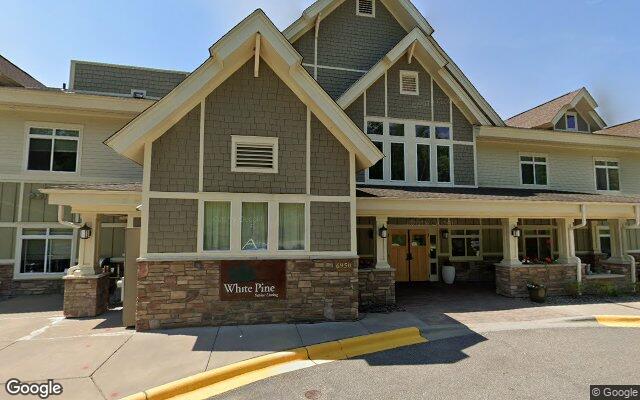
Facility · Cottage Grove
Cottage Grove Wp Ii Llc
© Google Street Viewoperator? submit a photo →
A 44-bed ALF · Memory Care with no citations on file.
Last inspection · Apr 2025 · cleanSource · MDH
Licensed beds
44
Memory care
✓ Yes
Last inspection
Apr 2025
Last citation
None on record
Operated by
Phone
§ 01 · Snapshot

A medium home, reviewed on public record.

§ 02 · Peer Comparison

Ranked against 187 Minnesota facilities.

ALF memory care · 36-month window. Higher percentile = better. Source: Minnesota Dept. of Health · Health Regulation Division.

Severity rank
100th
Weighted citations per bed.
peer median
0
100
Repeat rank
100th
Repeat deficiencies as share of total.
peer median
0
100
Frequency rank
100th
Deficiencies per inspection.
peer median
0
100

FACILITY WATCH · BETA

Be first to know if Cottage Grove Wp Ii Llc's inspection record changes.

New findings, complaint investigations, or status changes — emailed to you free.

§ 03 · The Record

Citation history, plotted month by month.

No citations in the last 36 months.

0weighted score · 24 mo
No citation activity in this window.
peer median
Jun 2024May 2026

Finding distribution

none · 36 months

Scope × Severity (CMS A–L)

No findings in the last 36 months.
§ 05 · Tour Prep

Questions to ask before you visit.

A short pre-tour checklist tailored to Cottage Grove Wp Ii Llc's record and state requirements.

01 /

The most recent Minnesota Department of Health inspection on April 19, 2023 found zero deficiencies across all regulatory standards — can you walk us through how the facility prepares for state surveys and maintains compliance with Minn. Stat. ch. 144G dementia care requirements?

Ask the operator on tour. Take notes and compare answers across facilities you visit.

02 /

Two complaints were filed with MDH during the inspection period on record — were either of those complaints substantiated, and can you share the facility's written response or corrective action documentation from those complaint investigations?

Ask the operator on tour. Take notes and compare answers across facilities you visit.

03 /

This facility holds an Assisted Living Facility with Dementia Care license under chapter 144G — can you provide families with a copy of the written dementia care program that describes staff training, behavioral interventions, and how care plans are individualized for residents with cognitive impairment?

Ask the operator on tour. Take notes and compare answers across facilities you visit.

§ 06 · Full Inspection Record

Every MDH visit, verbatim.

7 inspections in the public record, most recent first. Click any row to expand — cited rows open automatically.

7
reports on file
0
total deficiencies
2026-03-25
Complaint Investigation
No findings

Plain-language summary

The Minnesota Department of Health investigated a complaint that a memory care facility was not repositioning a resident often enough and was not providing three meals per day, but found the allegation was not substantiated. The facility held a care conference with family, hospice, and an ombudsman representative; added new interventions including a posted transfer schedule and pain management; and retrained staff, with follow-up after 30 days confirming the improvements were effective. No further action was taken by the Department of Health.

Full inspector notes

Finding: Not Substantiated Nature of Investigation: The Minnesota Department of Health investigated an allegation of maltreatment, in accordance with the Minnesota Reporting of Maltreatment of Vulnerable Adults Act, Minn. Stat. 626.557, and to evaluate compliance with applicable licensing standards for the provider type. Initial Investigation Allegation(s): The facility abused the resident when the facility would limit repositioning or transfers to only one every two hours and did not provide the resident with three meals per day. Investigative Findings and Conclusion: The Minnesota Department of Health determined abuse was not substantiated. The resident’s concerns were addressed, and new interventions were added that better met the resident’s needs. The new interventions were found to be effective. The investigator conducted interviews with facility staff members, including administrative staff, nursing staff, and unlicensed staff. The investigation included review of the resident record, hospital records, facility internal investigation, facility incident reports, personnel files, staff schedules, and related facility policy and procedures. Also, the investigator observed resident and staff interactions during an onsite visit. The resident resided in an assisted living secured memory care unit. The resident’s diagnoses included Parkinson’s disease, dementia, and recent diagnosis of colon cancer. The resident’s service plan included assistance with medication management, transfers using a mechanical lift, every two-hour repositioning, and toileting. The resident’s assessment indicated the resident was cognitively impaired, unable to make her own decisions and required the assistance of two caregivers with mechanical lift for transfers and mobility. The resident was also receiving hospice services for a terminal illness. A concern arose the resident was not being repositioned enough, was not provided with three meals per day and a termination notice was given to the resident. A facility document indicated a meeting was held to determine if the facility was able to meet the resident’s needs with ombudsmen, hospice, family and facility staff. New interventions were added to the resident’s plan of care to address pain, a posted schedule to address transferring times, and staff reeducation. A follow-up meeting attended by the same attendees was held after 30 days and found the new interventions to be effective. The resident’s needs were better met with the posted schedule, pain management, and re-trained facility caregivers. During an interview, a manager reported concerns were brought to her attention the resident was exceeding the care determined by the facilities Uniform Disclosure of Assisted Living Services and Amenities (UDLASA). A collaborative meeting was held with providers and new interventions were added to better meet the resident’s needs. Videos were provided that indicated discourteous care by two caregivers, one was re-educated, and the other’s employment was terminated. All caregivers received training and instructions to better meet the resident’s needs. The manager reported the interventions were effective and no additional concerns were identified. In conclusion, the Minnesota Department of Health determined abuse was not substantiated. “Not Substantiated” means: An investigatory conclusion indicating the preponderance of evidence shows that an act meeting the definition of maltreatment did not occur. Abuse: Minnesota Statutes section 626.5572, subdivision 2. "Abuse" means: (a) An act against a vulnerable adult that constitutes a violation of, an attempt to violate, or aiding and abetting a violation of: (1) assault in the first through fifth degrees as defined in sections 609.221 to 609.224; (2) the use of drugs to injure or facilitate crime as defined in section 609.235; (3) the solicitation, inducement, and promotion of prostitution as defined in section 609.322; and (4) criminal sexual conduct in the first through fifth degrees as defined in sections 609.342 to 609.3451. A violation includes any action that meets the elements of the crime, regardless of whether there is a criminal proceeding or conviction. (b) Conduct which is not an accident or therapeutic conduct as defined in this section, which produces or could reasonably be expected to produce physical pain or injury or emotional distress including, but not limited to, the following: (1) hitting, slapping, kicking, pinching, biting, or corporal punishment of a vulnerable adult; (2) use of repeated or malicious oral, written, or gestured language toward a vulnerable adult or the treatment of a vulnerable adult which would be considered by a reasonable person to be disparaging, derogatory, humiliating, harassing, or threatening; or (3) use of any aversive or deprivation procedure, unreasonable confinement, or involuntary seclusion, including the forced separation of the vulnerable adult from other persons against the will of the vulnerable adult or the legal representative of the vulnerable adult unless authorized under applicable licensing requirements or Minnesota Rules, chapter 9544. (c) Any sexual contact or penetration as defined in section 609.341, between a facility staff person or a person providing services in the facility and a resident, patient, or client of that facility. (d) The act of forcing, compelling, coercing, or enticing a vulnerable adult against the vulnerable adult's will to perform services for the advantage of another. Vulnerable Adult interviewed: No, due to cognitive impairment Family/Responsible Party interviewed: Yes Alleged Perpetrator interviewed: Not Applicable Action taken by facility: Care conference was held where new interventions were added to better meet the resident’s needs, caregivers were re-educated and situation improved with updated service plan. Action taken by the Minnesota Department of Health: No further action taken at this time. cc: The Office of Ombudsman for Long Term Care The Office of Ombudsman for Mental Health and Developmental Disabilities PRINTED: 03/ 30/ 2026 FORM APPROVED STATEMENT OF DEFICIENCIES (X1) PROVIDER/ SUPPLIER/ CLIA (X2) MULTIPLE CONSTRUCTION (X3) DATE SURVEY AND PLAN OF CORRECTION IDENTIFICATION NUMBER: COMPLETED A. BUILDING: ______________________ C B. WING _____________________________ 30783 01/ 07/ 2026 NAME OF PROVIDER OR SUPPLIER STREET ADDRESS, CITY, STATE, ZIP CODE 6950 EAST POINT DOUGLAS ROAD S COTTAGE GROVE WHITE PINE II COTTAGE GROVE, MN 55016 SUMMARY STATEMENT OF DEFICIENCIES PROVIDER' S PLAN OF CORRECTION (X4) ID ID (X5) PREFIX (EACH DEFICIENCY MUST BE PRECEDED BY FULL PREFIX (EACH CORRECTIVE ACTION SHOULD BE COMPLETE REGULATORY OR LSC IDENTIFYING INFORMATION) CROSS- REFERENCED TO THE APPROPRIATE DATE TAG TAG DEFICIENCY) 0 000 Initial Comments 0 000 On January 7, 2026, the Minnesota Department of Health initiated an investigation of complaint #HL307838562C/ #HL307837942M. No correction orders are issued. LABORATORY DIRECTOR' S OR PROVIDER/ SUPPLIER REPRESENTATIVE' S SIGNATURE TITLE (X6) DATE STATE FORM 6899 KMEI11 If continuation sheet 1 of 1

2025-04-30
Annual Compliance Visit
No findings

Plain-language summary

A standard licensing inspection on April 30, 2025 found two violations related to fire protection and physical environment at this facility, resulting in fines totaling $1,000. The facility must document how it corrected these fire safety issues and make system changes to prevent future noncompliance. The facility has 15 business days to request a hearing or reconsideration if it wishes to contest the findings.

Full inspector notes

correction orders and document the actions taken to comply in the facility's records. The Department reserves the right to return to the facility at any time should the Department receive a complaint or deem it necessary to ensure the health, safety, and welfare of residents in your care. STATE CORRECTION ORDERS The enclosed State Form documents the state correction orders. MDH documents state licensing correction orders using federal software. Tag numbers are assigned to Minnesota state statutes for Assisted Living Facilities. The assigned tag number appears in the far left column entitled "ID Prefix Tag." The state statute number and the corresponding text of the state statute out of compliance are listed in the "Summary Statement of Deficiencies" column. This column also includes the findings that are in violation of the state statute after the statement, "This MN Requirement is not met as evidenced by . . ." IMPOSITION OF FINES In accordance with Minn. Stat. § 144G.31, Subd. 4, fines and enforcement actions may be imposed based on the level and scope of the violations and may be imposed immediately with no opportunity to correct the violation first as follows: Level 1: no fines or enforcement. Level 2: a fine of $500 per violation, in addition to any enforcement mechanism authorized in § 144G.20 for widespread violations; Level 3: a fine of $3,000 per violation per incident, in addition to any enforcement mechanism authorized in § 144G.20. Level 4: a fine of $5,000 per incident, in addition to any enforcement mechanism authorized in An equal opportunity employer. Letter ID: IS7N REVISED 09/13/2021 Cottage Grove White Pine II June 11, 2025 Page 2 § 144G.20. Therefore, in accordance with Minn. Stat. §§ 144G.01 to 144G.9999, the following fines are assessed pursuant to this survey: 0775 - 144g.45 Subd. 2. (a) - Fire Protection And Physical Environment - $500.00 0780 - 144g.45 Subd. 2 (a) (1) - Fire Protection And Physical Environment - $500.00 Therefore, in accordance with Minn. Stat. §§ 144G.01 to 144G.9999, t he total amount you are assessed is $1,000.00. You will be invoiced approximately 30 days after receipt of this notice, subject to appeal. DOCUMENTATION OF ACTION TO COMPLY In accordance with Minn. Stat. § 144G.30, Subd. 5(c), the licensee must document actions taken to comply with the correction orders within the time period outlined on the state form; however, plans of correction are not required to be submitted for approval. The correction order documentation should include the following: Identify how the area(s) of noncompliance was corrected related to the resident(s)/employee(s) identified in the correction order. Identify how the area(s) of noncompliance was corrected for all of the provider’s resident(s)/employees that may be affected by the noncompliance. Identify what changes to your systems and practices were made to ensure compliance with the specific statute(s). CORRECTION ORDER RECONSIDERATION PROCESS In accordance with Minn. Stat. § 144G.32, Subd. 2, you may challenge the correction order(s) issued, including the level and scope, and any fine assessed through the correction order reconsideration process. The request for reconsideration must be in writing and received by MDH within 15 calendar days of the correction order receipt date. To submit a reconsideration request, please visit: https://forms.web.health.state.mn.us/form/HRDAppealsForm REQUESTING A HEARING Alternatively, in accordance with Minn. Stat. § 144G.31, Subd. 5(d), an assisted living provider that has been assessed a fine under this subdivision has a right to a reconsideration or a hearing under this section and chapter 14. Pursuant to Minn. Stat. § 144G.20, Subd. 14 and Subd. 18, a request for a hearing must be in writing and received by the Department of Health within 15 business days of the correction order receipt date. The request must contain a brief and plain statement describing each matter or issue contested and any new information you believe constitutes a defense or mitigating factor. Cottage Grove White Pine II June 11, 2025 Page 3 To submit a hearing request, please visit: https://forms.web.health.state.mn.us/form/HRDAppealsForm To appeal fines via reconsideration, please follow the procedure outlined above. P lease note that you may request a reconsideration o r a hearing, but not both. If you wish to contest tags without fines in a reconsideration and tags with the fines at a hearing, please submit two separate appeals forms at the website listed above. The MDH Health Regulation Division (HRD) values your feedback about your experience during the survey and/or investigation process. Please fill out this anonymous provider feedback questionnaire at your convenience at this link: h ttps://forms.office.com/g/Bm5uQEpHVa. Your input is important to us and will enable MDH to improve its processes and communication with providers. If you have any questions regarding the questionnaire, please contact Susan Winkelmann at susan.winkelmann@state.mn.us or call 651-201-5952. You are encouraged to retain this document for your records. It is your responsibility to share the information contained in the letter and state form with your organization’s Governing Body. If you have any questions, please contact me. Sincerely, Casey DeVries, Supervisor State Evaluation Team Email: casey.devries@state.mn.us Telephone: 651-201-5917 Fax: 1 -866-890-9290 JMD PRINTED: 06/11/2025 FORM APPROVED STATEMENT OF DEFICIENCIES (X1) PROVIDER/SUPPLIER/CLIA (X2) MULTIPLE CONSTRUCTION (X3) DATE SURVEY AND PLAN OF CORRECTION IDENTIFICATION NUMBER: COMPLETED A. BUILDING: ______________________ B. WING _____________________________ 30783 04/30/2025 NAME OF PROVIDER OR SUPPLIER STREET ADDRESS, CITY, STATE, ZIP CODE 6950 EAST POINT DOUGLAS ROAD S COTTAGE GROVE WHITE PINE II COTTAGE GROVE, MN 55016 SUMMARY STATEMENT OF DEFICIENCIES PROVIDER'S PLAN OF CORRECTION (X4) ID ID (X5) PREFIX (EACH DEFICIENCY MUST BE PRECEDED BY FULL PREFIX (EACH CORRECTIVE ACTION SHOULD BE COMPLETE REGULATORY OR LSC IDENTIFYING INFORMATION) CROSS-REFERENCED TO THE APPROPRIATE DATE TAG TAG DEFICIENCY) 0 000 Initial Comments 0 000 ***ATTENTION*** Minnesota Department of Health is documenting the State Correction Orders ASSISTED LIVING PROVIDER LICENSING using federal software. Tag numbers have CORRECTION ORDER(S) been assigned to Minnesota State Statutes for Assisted Living Facilities. The In accordance with Minnesota Statutes, section assigned tag number appears in the 144G.08 to 144G.95, these correction orders are far-left column entitled "ID Prefix Tag." The issued pursuant to a survey. state Statute number and the corresponding text of the state Statute out Determination of whether violations are corrected of compliance is listed in the "Summary requires compliance with all requirements Statement of Deficiencies" column. This provided at the Statute number indicated below. column also includes the findings which When Minnesota Statute contains several items, are in violation of the state requirement failure to comply with any of the items will be after the statement, "This Minnesota considered lack of compliance. requirement is not met as evidenced by." Following the evaluators ' findings is the INITIAL COMMENTS: Time Period for Correction. SL30783016-0 PLEASE DISREGARD THE HEADING OF THE FOURTH COLUMN WHICH On April 28, 2025, through April 30, 2025, the STATES,"PROVIDER'S PLAN OF survey at the above provider and the following FEDERAL DEFICIENCIES ONLY. THIS correction orders are issued. At the time of the WILL APPEAR ON EACH PAGE. survey, there were 34 residents; 34 receiving services under the Assisted Living Facility with THERE IS NO REQUIREMENT TO Dementia Care license. SUBMIT A PLAN OF CORRECTION FOR VIOLATIONS OF MINNESOTA STATE STATUTES. THE LETTER IN THE LEFT COLUMN IS USED FOR TRACKING PURPOSES AND REFLECTS THE SCOPE AND LEVEL ISSUED PURSUANT TO 144G.31 SUBDIVISION 1-3. 0 480 144G.41 Subdivision 1 Subd. 1a (a-b) Minimum 0 480 SS=F requirements; required food services LABORATORY DIRECTOR'S OR PROVIDER/SUPPLIER REPRESENTATIVE'S SIGNATURE TITLE (X6) DATE STATE FORM 6899 O22W11 If continuation sheet 1 of 26 PRINTED: 06/11/2025 FORM APPROVED STATEMENT OF DEFICIENCIES (X1) PROVIDER/SUPPLIER/CLIA (X2) MULTIPLE CONSTRUCTION (X3) DATE SURVEY AND PLAN OF CORRECTION IDENTIFICATION NUMBER: COMPLETED A. BUILDING: ______________________ B. WING _____________________________ 30783 04/30/2025 NAME OF PROVIDER OR SUPPLIER STREET ADDRESS, CITY, STATE, ZIP CODE 6950 EAST POINT DOUGLAS ROAD S COTTAGE GROVE WHITE PINE II COTTAGE GROVE, MN 55016 SUMMARY STATEMENT OF DEFICIENCIES PROVIDER'S PLAN OF CORRECTION (X4) ID ID (X5) PREFIX (EACH DEFICIENCY MUST BE PRECEDED BY FULL PREFIX (EACH CORRECTIVE ACTION SHOULD BE COMPLETE REGULATORY OR LSC IDENTIFYING INFORMATION) CROSS-REFERENCED TO THE APPROPRIATE DATE TAG TAG DEFICIENCY) 0 480 Continued From page 1 0 480 (a) Except as provided in paragraph (b), food must be prepared and served according to the Minnesota Food Code, Minnesota Rules, chapter 4626. (b) For an assisted living facility with a licensed capacity of ten or fewer residents: (1) notwithstanding Minnesota Rules, part 4626.

2024-06-20
Complaint Investigation
No findings

Plain-language summary

The Minnesota Department of Health investigated a complaint that the facility neglected a resident by not giving ordered medications and causing an overdose; the investigation found neglect was not substantiated because the facility followed the doctor's orders for Fentanyl patches, had proper procedures in place with two staff members verifying patch changes every three days, and appropriately called 911 when the resident became unresponsive with shallow breathing. An allegation of abuse also arose during the investigation but could not be substantiated due to insufficient evidence.

Full inspector notes

Finding: Not Substantiated Nature of Investigation: The Minnesota Department of Health investigated an allegation of maltreatment, in accordance with the Minnesota Reporting of Maltreatment of Vulnerable Adults Act, Minn. Stat. 626.557, and to evaluate compliance with applicable licensing standards for the provider type. Initial Investigation Allegation(s): The facility neglected the resident when the facility did not administer medication(s) to the resident as ordered and overdosed the resident. Investigative Findings and Conclusion: The Minnesota Department of Health determined neglect was not substantiated. Although it is true the resident required hospitalization and treatment for narcotic (Fentanyl) overdose, the facility followed medical providers orders. When the resident became nonresponsive with shallow breathing, the facility identified this and sought emergency care appropriately. During the course of the investigation, an allegation of abuse arose but it was inconclusive because there was insufficient evidence to demonstrate abuse occurred. The investigator conducted interviews with facility staff members, including administrative staff, nursing staff, and unlicensed staff. The investigator contacted a family member, hospice, and case manager. The investigation included review of the resident’s medication administration record, hospice notes, assessments, and progress notes, Also, the investigator completed an onsite visit to observe staff to resident interactions in the memory care units. The resident resided in an assisted living memory care unit. The resident’s diagnoses included dementia with a history of anxiety and hallucinations. The resident’s service plan included behavioral Interventions, assistance with transferring and toileting. The resident used a Broda (provides supportive positioning) chair or wheelchair for mobility. The resident was enrolled in hospice. The facility and the hospice made medication changes over time to address issues such as the resident’s calling out frequently. One day the facility found the resident unresponsive with shallow breathing. The facility called 911 for emergency services and the resident was transferred to hospital where he was treated for an accidental overdose of narcotic and placed on a Narcan drip (used to reverse narcotic overdose) overnight. About seven months prior, the resident’s facility medical records indicated the resident’s health and behaviors began to decline. During that time, he had an increase in unwitnessed falls, hallucinations, and yelling out. The same records indicated the resident enrolled in hospice due to this overall decline. To address the resident’s increased fall risk due to his decline, the facility completed a risk assessment. The facility and hospice coordinated cares to reduce risk of falls or risk of injury from falls with interventions including use of a hospital bed in the lowest position, a fall mat on the floor next to the bed, positioning resident as far from the edge as possible, Broda chair, Hoyer lift, and placing a pillow on the open side of the bed. The resident’s progress notes indicated the facility and hospice also tried interventions such as a talking book player with headphones and other comfort measures to address pain and/or anxiety. The resident’s medication administration record indicated the resident was prescribed a Fentanyl (a narcotic) scheduled to be changed once every three days. The resident’s electronic medication administration record (EMAR) indicated the facility had a system in place in which two caregivers documented application of a new Fentanyl patch and the remove of the old Fentanyl patch every 72 hours. A review of the EMAR indicated two facility caregivers documented both the application of a new patch and the removal of the old patch for the week prior to the resident’s hospitalization. Approximately one week prior to the resident’s hospitalization the resident discontinued hospice services. The progress notes indicated the facility reached out the resident’s medical provider to see if Fentanyl patches should be continued. The progress notes indicated the medical provider continued the patches. The progress notes indicated that when the resident was found unresponsive the nurse was contacted who asked the caregiver(s) to check the resident’s body for Fentanyl patches. The same note indicated there was one Fentanyl patch present on the resident’s body at that time. The facility called 911 and transferred the resident to the hospital. The same note indicated the facility called the daughter and left a voicemail. The progress notes indicated the facility contacted the hospital the next day to learn the resident had been placed on a Narcan drip (a medication to reverse a narcotic overdose) which had been discontinued early that morning. The same note indicated the hospital reported the resident was awake and alert. The hospital indicated Fentanyl had been discontinued and the resident had a different narcotic pain reliever prescribed. During an interview, an unlicensed caregiver stated prior to admission to hospice the resident was prescribed medications to treat anxiety and agitation. The caregiver stated hospice added medications including a Fentanyl patch to determine if resident was experiencing pain due his yelling. The caregiver stated the facility trained medication passers changed the narcotic patch every three days and two staff were required to verify removal of old patch and application of a new patch. The caregiver stated the caregivers were required to put their initials on the patch along with dated and document disposal of old patch. The caregiver stated they documented in the EMAR and recorded the location the patch was placed and only four areas of the body were used and rotated each time. During an interview, a family member stated the family had placed electronic monitoring in the resident’s room and observed staff being rough with cares causing pain and verbal yelling. The family member stated while the resident was on hospice the facility administered numerous as needed medications for behaviors, and stated one time two narcotic patches were found on the resident, and once hospice was discontinued the facility continued to administer hospice ordered medications. During the interview, the family member stated she had video recordings which caused her concern for the cares the resident received. Several brief video clips provided by the family were reviewed. The videos showed instances over the course of approximately three months which included the resident being repositioned in bed, sitting in his Broda chair, and caregivers approaching the resident as he laid on the floor. One video showed resident hanging partially out of bed and caregivers approaching him. However, the videos did not show events that met the definition of abuse. During an interview, a manager stated the facility became aware of the family member’s concern about the cares provided by one unlicensed caregiver but not until after the resident discharged from the facility. The unlicensed caregiver was no longer employed at the facility. A review of the resident’s medical record did not identify changes which could be attributed specifically to the events viewed on videos. In conclusion, the Minnesota Department of Health determined neglect was not substantiated while abuse was inconclusive. “Not Substantiated” means: An investigatory conclusion indicating the preponderance of evidence shows that an act meeting the definition of maltreatment did not occur. Neglect: Minnesota Statutes, section 626.5572, subdivision 17 Neglect means neglect by a caregiver or self-neglect. (a) "Caregiver neglect" means the failure or omission by a caregiver to supply a vulnerable adult with care or services, including but not limited to, food, clothing, shelter, health care, or supervision which is: (1) reasonable and necessary to obtain or maintain the vulnerable adult's physical or mental health or safety, considering the physical and mental capacity or dysfunction of the vulnerable adult; and (2) which is not the result of an accident or therapeutic conduct. 4) an individual makes an error in the provision of therapeutic conduct to a vulnerable adult which does not result in injury or harm which reasonably requires medical or mental health care; or (5) an individual makes an error in the provision of therapeutic conduct to a vulnerable adult that results in injury or harm, which reasonably requires the care of a physician Inconclusive: Minnesota Statutes, section 626.5572, Subdivision 11. "Inconclusive" means there is less than a preponderance of evidence to show that maltreatment did or did not occur. Abuse: Minnesota Statutes section 626.5572, subdivision 2. "Abuse" means: (a) An act against a vulnerable adult that constitutes a violation of, an attempt to violate, or aiding and abetting a violation of: (1) assault in the first through fifth degrees as defined in sections 609.221 to 609.224; (2) the use of drugs to injure or facilitate crime as defined in section 609.235; (3) the solicitation, inducement, and promotion of prostitution as defined in section 609.

2023-08-29
Complaint Investigation
No findings

Plain-language summary

Minnesota Department of Health investigated a complaint that facility staff neglected a resident by failing to monitor and assess her condition and potentially using medication to keep her quiet, after the resident was hospitalized multiple times for pneumonia, urinary tract infections, and infected wounds. The investigation determined that neglect was inconclusive because there was insufficient evidence that staff actions or inactions directly caused the resident's medical conditions, wound care was provided as ordered, and there was not enough evidence the resident was chemically restrained. The resident was ultimately admitted to a hospital for an infected wound and did not return to the facility.

Full inspector notes

Finding: Inconclusive Nature of Visit: The Minnesota Department of Health investigated an allegation of maltreatment, in accordance with the Minnesota Reporting of Maltreatment of Vulnerable Adults Act, Minn. Stat. 626.557, and to evaluate compliance with applicable licensing standards for the provider type. Allegation(s): The facility neglected the resident when staff failed to assess and monitor the resident with a change in condition and failed to provide care as directed by the resident’s service plan. The resident was hospitalized multiple times within a two-month period for pneumonia, urinary tract infection (UTI), and infected wounds. In addition, staff chemically restrained the resident when medication was administered to “keep her quiet”. Investigative Findings and Conclusion: The Minnesota Department of Health determined neglect was inconclusive. Although the resident developed pneumonia and wounds that required hospitalization, it is unable to be determined if the action or inaction of facility staff was the direct cause of the resident’s condition or progression of her wounds. Wound care was provided as ordered and the facility made several attempts to arrange for an outside agency to provide additional wound care and treatment. In addition, although the resident’s pain management plan wasn’t followed the An equal opportunity employer. resident was administered ordered as-needed pain medication. There was not enough evidence to support that staff chemically restrained the resident. The investigator conducted interviews with facility staff members, including administrative staff, nursing staff, and unlicensed staff. The investigator also interviewed hospital staff. The investigation included review of the resident’s medical record, nursing assessments, service plan, care plan, and progress notes. The investigator also conducted an onsite visit and observed staff’s interactions with residents. The resident resided in an assisted living facility memory care unit. The resident’s diagnoses included dementia, kidney disease, and history of recurrent pneumonia and urinary tract infections (UTIs). The resident’s service plan directed staff to provide assistance with medication administration, safety checks, every two-hour toileting and repositioning, assistance with activities of daily living, laundry, housekeeping services, and meals. The resident’s medical record identified the resident had a history of pain and behaviors of frequently yelling or calling out. Two days after admission to the facility, the resident was sent to the emergency room per the family’s request. The resident was diagnosed with dehydration and a urinary tract infection (UTI). The resident was prescribed an antibiotic and returned to the facility that same evening. Three weeks later, staff reported to the nurse an observed change in the resident’s condition. The nurse assessed the resident and noted the resident was congested, had a cough, and was diaphoretic (sweating heavily). The nurse contacted emergency medical services (EMS) and the resident was sent to the emergency room for an evaluation. The resident was admitted to the hospital and diagnosed with pneumonia, UTI, flu, and sepsis (an infection of the blood stream). The resident was hospitalized for ten days and discharged back to the facility. Staff documented pressure ulcers on the resident’s left heel, two days after her re-admission to the facility. The nurse assessed the wounds, then sent a notification and a request for treatment orders to the resident’s physician. The next day, the physician assessed the resident and noted an ulcer on the resident’s right buttock, verified there was an ulcer on the left heel, and prescribed wound care treatment orders. Approximately four hours later, EMS was contacted due to a significant change in the resident’s condition. The resident was unresponsive, diaphoretic, cold, and crackles were noted in the right lower lobe. The resident was diagnosed with pneumonia and hospitalized for four days. The resident returned to the facility with a prescription for an antibiotic. The re-admission assessment contained documentation of a right buttock ulcer and coccyx ulcer. Staff continued to monitor the resident’s respiratory status and assess the resident’s wounds. The resident’s wounds continued to worsen, and staff kept the physician informed of progression of the wounds. Wound care by an outside agency was ordered by the physician. Approximately two weeks after the resident’s most recent re-admission to the facility, the resident was again sent to the emergency room for evaluation due to a change in condition. The resident was admitted for observation and treated for an infected coccyx wound. The resident did not return to the facility. Concerns related to medication used as a chemical restraint were also investigated. Current nursing staff members were not employed at the time the alleged incident occurred and had no knowledge of the incident. Review of the resident’s Medication Administration Record (MAR) indicated the resident was administered as-needed pain medication, but it is unable to be determined if the medication was used as a chemical restraint. There was no documentation of any negative or adverse effect to the resident due to the use of the medication. Attempts to contact the resident’s family were unsuccessful. In conclusion, the Minnesota Department of Health determined neglect was inconclusive. Inconclusive: Minnesota Statutes, section 626.5572, Subdivision 11. "Inconclusive" means there is less than a preponderance of evidence to show that maltreatment did or did not occur. Neglect: Minnesota Statutes, section 626.5572, subdivision 17 Neglect means neglect by a caregiver or self-neglect. (a) "Caregiver neglect" means the failure or omission by a caregiver to supply a vulnerable adult with care or services, including but not limited to, food, clothing, shelter, health care, or supervision which is: (1) reasonable and necessary to obtain or maintain the vulnerable adult's physical or mental health or safety, considering the physical and mental capacity or dysfunction of the vulnerable adult; and (2) which is not the result of an accident or therapeutic conduct. Vulnerable Adult interviewed: No, deceased. Family/Responsible Party interviewed: No, attempts to contact were unsuccessful Alleged Perpetrator interviewed: N/A Action taken by facility: The facility communicated with the primary care team, outside wound care agency, and family throughout the time the wounds were being treated. Action taken by the Minnesota Department of Health: The facility was found to be in noncompliance. To view a copy of the Statement of Deficiencies and/or correction orders, please visit: https://www.health.state.mn.us/facilities/regulation/directory/provcompselect.html If you are viewing this report on the MDH website, please see the attached Statement of Deficiencies. You may also call 651-201-4200 to receive a copy via mail or email. cc: The Office of Ombudsman for Long-Term Care The Office of Ombudsman for Mental Health and Developmental Disabilities PRINTED: 08/30/2023 FORM APPROVED STATEMENT OF DEFICIENCIES (X1) PROVIDER/SUPPLIER/CLIA (X2) MULTIPLE CONSTRUCTION (X3) DATE SURVEY AND PLAN OF CORRECTION IDENTIFICATION NUMBER: COMPLETED A. BUILDING: ______________________ C B. WING _____________________________ 30783 07/14/2023 NAME OF PROVIDER OR SUPPLIER STREET ADDRESS, CITY, STATE, ZIP CODE 6950 EAST POINT DOUGLAS ROAD S COTTAGE GROVE WHITE PINE II COTTAGE GROVE, MN 55016 SUMMARY STATEMENT OF DEFICIENCIES PROVIDER'S PLAN OF CORRECTION (X4) ID ID (X5) PREFIX (EACH DEFICIENCY MUST BE PRECEDED BY FULL PREFIX (EACH CORRECTIVE ACTION SHOULD BE COMPLETE REGULATORY OR LSC IDENTIFYING INFORMATION) CROSS-REFERENCED TO THE APPROPRIATE DATE TAG TAG DEFICIENCY) 0 000 Initial Comments 0 000 On July 14, 2023, the Minnesota Department of Assisted Living Provider 144G. Health initiated an investigation of complaint #HL307837486C/#HL307834445M. No correction Minnesota Department of Health is orders are issued. documenting the State Correction Orders using federal software. Tag numbers have been assigned to Minnesota State Statutes for Assisted Living Facilities. The assigned tag number appears in the far left column entitled "ID Prefix Tag." The state Statute number and the corresponding text of the state Statute out of compliance is listed in the "Summary Statement of Deficiencies" column. This column also includes the findings which are in violation of the state requirement after the statement, "This Minnesota requirement is not met as evidenced by." Following the evaluators ' findings is the Time Period for Correction. PLEASE DISREGARD THE HEADING OF THE FOURTH COLUMN WHICH STATES,"PROVIDER'S PLAN OF CORRECTION." THIS APPLIES TO FEDERAL DEFICIENCIES ONLY. THIS WILL APPEAR ON EACH PAGE. THERE IS NO REQUIREMENT TO SUBMIT A PLAN OF CORRECTION FOR VIOLATIONS OF MINNESOTA STATE STATUTES. THE LETTER IN THE LEFT COLUMN IS LABORATORY DIRECTOR'S OR PROVIDER/SUPPLIER REPRESENTATIVE'S SIGNATURE TITLE (X6) DATE STATE FORM 6899 8FEY11 If continuation sheet 1 of 2 PRINTED: 08/30/2023 FORM APPROVED STATEMENT OF DEFICIENCIES (X1) PROVIDER/SUPPLIER/CLIA (X2) MULTIPLE CONSTRUCTION (X3) DATE SURVEY AND PLAN OF CORRECTION IDENTIFICATION NUMBER: COMPLETED A. BUILDING: ______________________ C B.

2023-08-09
Complaint Investigation
No findings

Plain-language summary

The Minnesota Department of Health investigated complaints that facility staff failed to reposition the resident and provide incontinence care, leading to bed sores that required hospitalization, and that staff gave a medication for four days after the physician ordered it stopped. The investigation found that while the resident did develop wounds and a medication error occurred, there was insufficient evidence to conclude that staff actions directly caused the wounds, and the resident experienced no documented harm from the extra medication doses. At the time of the inspection, wound care was being provided as ordered and the resident's wounds were improving.

Full inspector notes

Finding: Inconclusive Nature of Visit: The Minnesota Department of Health investigated an allegation of maltreatment, in accordance with the Minnesota Reporting of Maltreatment of Vulnerable Adults Act, Minn. Stat. 626.557, and to evaluate compliance with applicable licensing standards for the provider type. Allegation(s): The facility neglected the resident when staff failed to reposition and provide incontinent care in accordance with the resident’s service plan. The resident developed bed sores and was hospitalized for wound care. In addition, the facility neglected the resident when staff failed to discontinue a medication in accordance with physician orders. Investigative Findings and Conclusion: The Minnesota Department of Health determined neglect was inconclusive. Although the resident developed wounds that required skilled nursing care, it is unable to be determined if the action or inaction of facility staff was the direct cause of the resident’s wounds. Wound care was provided as ordered, and the facility made attempts for additional evaluations and treatments to be provided for the resident’s wounds. In addition, although a medication error occurred, there was no evidence that the resident experienced negative or adverse effects as a result of the error. An equal opportunity employer. The investigator conducted interviews with facility staff members, including administrative staff, and nursing staff. The investigator also interviewed the resident’s family and hospital staff. The investigation included review of the resident’s medical record, nursing assessments, service plans, care plans, and progress notes. The investigator conducted an onsite visit and observed staff interaction with residents. The resident resided in an assisted living facility memory care unit. The resident’s diagnoses included hronic obstructive pulmonary disease (COPD), Lewy body dementia, and c schizophrenia. The resident’s service plan included safety checks, assistance with medication administration and activities of daily living, housekeeping, and meals. Complaint documents indicated the resident was admitted to the facility after a five-month hospital stay for dementia-related issues and failure to thrive. Upon admission to the facility, facility nursing staff assessed the resident and identified the resident was not able to communicate her needs and had a history of being resistant to care. The resident’s medical record indicated facility staff notified the resident’s care team when bed sores were observed on the resident’s coccyx and right buttock. Progress notes indicated facility staff made multiple requests for a skilled wound care consult for treatment, but due to insurance issues, this request was denied. Progress notes included documentation that basic wound care was provided by the resident’s family and facility staff; however, the resident’s wounds worsened. Seven weeks later, the resident was admitted to a local hospital for further evaluation and a need for a higher level of care. Days later, the resident returned to the facility with physician orders for skilled wound care provided by an outside agency. Skilled wound care treatment was provided as ordered, but the wounds continued to worsen. Progress note documentation indicated the family was notified of the continued progression of the resident’s wounds and recommended that the resident be seen in the emergency room. The family declined and requested further consultation by the wound care nurse. Approximately two weeks later, the resident went to a scheduled appointment at an outpatient wound clinic. The wound clinic transferred the resident to a local hospital emergency room, where she was admitted for advanced wound care treatment. The resident was discharged from the hospital and admitted again to the facility with orders for skilled wound care provided by an outside agency. During an interview, a facility nurse stated upon the resident’s re-admission from the hospital, the outside home care agency trained the facility nursing staff on the resident’s wound care plan of care. Facility staff were trained on the treatments required to be provided in between the days of the scheduled home care agency wound care visits. Facility staff also implemented additional care measures to promote wound healing. During an interview, a staffing agency nurse stated the resident was still followed for wound care by an outpatient wound clinic and although the wounds remain, they are now healing. A concern related to a medication error was also reviewed. A review of the resident record identified that the resident’s scheduled Trazadone (an anti-psychotic medication) was changed from daily use to as-needed (PRN) use for insomnia (the inability to fall asleep naturally). Although a physician's order was received, the order was not immediately updated on the resident’s medication administration record (MAR). Due to this oversight, staff continued to administer the medication for an additional four days before the resident’s family alerted them to the error. When staff became aware of the error, the resident’s MAR was updated to reflect the accurate frequency for administration of the medication. The resident’s record included no documentation of any adverse effects observed in the resident due to the additional doses of Trazadone administered to the resident. At the time of the onsite visit, medication was administered as prescribed and resident cares were provided in accordance with the resident’s service plan. Documentation review indicated wound care treatment was provided as ordered and the resident’s wounds had improved. During an interview with the resident’s family, they indicated the resident had been left in bed or left in a chair on more than one occasion for extended periods of time, ranging from two to eight hours at a time, without being brought to the restroom, and incontinent care was not provided as needed. The family also voiced concern over the resident losing weight during the first six months of her stay at the facility. The family did not have any current concerns about the care being provided by the facility. In conclusion, the Minnesota Department of Health determined neglect was inconclusive. Inconclusive: Minnesota Statutes, section 626.5572, Subdivision 11. "Inconclusive" means there is less than a preponderance of evidence to show that maltreatment did or did not occur. Neglect: Minnesota Statutes, section 626.5572, subdivision 17 Neglect means neglect by a caregiver or self-neglect. (a) "Caregiver neglect" means the failure or omission by a caregiver to supply a vulnerable adult with care or services, including but not limited to, food, clothing, shelter, health care, or supervision which is: (1) reasonable and necessary to obtain or maintain the vulnerable adult's physical or mental health or safety, considering the physical and mental capacity or dysfunction of the vulnerable adult; and (2) which is not the result of an accident or therapeutic conduct. Vulnerable Adult interviewed: No; due to cognitive decline Family/Responsible Party interviewed: Yes Alleged Perpetrator interviewed: N/A Action taken by facility: The facility requested consult for skilled wound care and communicated with the resident’s primary care team, outside agency staff, and family regarding the wound care treatments. Action taken by the Minnesota Department of Health: The facility was found to be in noncompliance. To view a copy of the Statement of Deficiencies and/or correction orders, please visit: https://www.health.state.mn.us/facilities/regulation/directory/provcompselect.html. If you are viewing this report on the MDH website, please see the attached Statement of Deficiencies. You may also call 651-201-4200 to receive a copy via mail or email. cc: The Office of Ombudsman for Long-Term Care The Office of Ombudsman for Mental Health and Developmental Disabilities PRINTED: 08/10/2023 FORM APPROVED STATEMENT OF DEFICIENCIES (X1) PROVIDER/SUPPLIER/CLIA (X2) MULTIPLE CONSTRUCTION (X3) DATE SURVEY AND PLAN OF CORRECTION IDENTIFICATION NUMBER: COMPLETED A. BUILDING: ______________________ C B. WING _____________________________ 30783 06/28/2023 NAME OF PROVIDER OR SUPPLIER STREET ADDRESS, CITY, STATE, ZIP CODE 6950 EAST POINT DOUGLAS ROAD S COTTAGE GROVE WP II , LLC COTTAGE GROVE, MN 55016 SUMMARY STATEMENT OF DEFICIENCIES PROVIDER'S PLAN OF CORRECTION (X4) ID ID (X5) PREFIX (EACH DEFICIENCY MUST BE PRECEDED BY FULL PREFIX (EACH CORRECTIVE ACTION SHOULD BE COMPLETE REGULATORY OR LSC IDENTIFYING INFORMATION) CROSS-REFERENCED TO THE APPROPRIATE DATE TAG TAG DEFICIENCY) 0 000 Initial Comments 0 000 ******ATTENTION****** Minnesota Department of Health is documenting the State Correction Orders ASSISTED LIVING PROVIDER CORRECTION using federal software. Tag numbers have ORDER been assigned to Minnesota State Statutes for Assisted Living Facilities. The In accordance with Minnesota Statutes, section assigned tag number appears in the far 144G.08 to 144G.95, these correction orders are left column entitled "ID Prefix Tag." The issued pursuant to a complaint investigation. state Statute number and the corresponding text of the state Statute out Determination of whether a violation is corrected of compliance is listed in the "Summary requires compliance with all requirements Statement of Deficiencies" column. This provided at the statute number indicated below.

2023-07-20
Complaint Investigation
No findings

Plain-language summary

A complaint investigation found that a facility nurse took 75 morphine tablets from three hospice residents without physician orders to discontinue the medications and falsely documented the pills were destroyed, constituting financial exploitation. The nurse resigned shortly after the incident, and while another staff member signed off on the destruction documentation, she did not actually witness the removal or destruction of the medications. The Minnesota Department of Health substantiated the maltreatment allegation based on a preponderance of evidence showing the nurse was responsible.

Full inspector notes

Finding: Substantiated, individual responsibility Nature of Investigation: The Minnesota Department of Health investigated an allegation of maltreatment, in accordance with the Minnesota Reporting of Maltreatment of Vulnerable Adults Act, Minn. Stat. 626.557, and to evaluate compliance with applicable licensing standards for the provider type. Initial Investigation Allegation(s): The alleged perpetrator (AP), a facility nurse, financially exploited three residents (resident #1, resident #2, and resident #3) when the AP took the resident’s morphine (narcotic pain medication) and documented the morphine was destroyed without a physician order. Investigative Findings and Conclusion: The Minnesota Department of Health determined financial exploitation was substantiated. Based on a preponderance of evidence, the AP is responsible for the maltreatment. The AP took 16 morphine from resident #1, 29 morphine from resident #2, and 30 Morphine from resident #3. The AP had no physician order to discontinue and/or destroy the residents’ morphine, and there was no corresponding destruction documentation regarding any of the 75 Morphine the AP took. The investigator conducted interviews with facility staff members, including administrative staff, nursing staff, and unlicensed staff. The investigation included review of narcotic records, staff An equal opportunity employer. training, resident medical records, staff personnel files, and facility policies and procedures. Also, the investigator observed staff administering medications to residents. Resident #1’s medical record indicated the resident resided in an assisted living memory care unit with diagnoses including Parkinson’s disease and cognitive decline. The residents service plan included assistance with medication management and administration. Resident #1’s assessment indicated the resident had dementia and was non-communicative. Resident #1 was on hospice care with orders for morphine 5 mg solutab (dissolvable tablet); every 1 hour as needed for pain. Resident #2 resided in an assisted living memory care unit. The resident’s diagnoses included Alzheimer’s disease and adult failure to thrive. The resident’s service plan included assistance with medication management and administration. The resident’s assessment indicated the resident had dementia. Resident #2 was on hospice care with orders for morphine 5 mg solutab; 1 tablet every 6 hours as needed for pain. Resident #3 resided in an assisted living memory care unit. The resident’s diagnoses included major neurocognitive disorder and osteoporosis. The resident’s service plan included assistance with medication management and administration. The resident’s assessment indicated the resident has cognitive impairments and chronic pain. Resident #3 was on hospice care with orders for morphine 5 mg solutab; 1 tablet every 6 hours as needed for pain or shortness of breath. According to an outside report, resident #3 requested morphine and staff were unable to locate the medication card. When investigated, it was discovered residents #1, and #2, were also missing their as needed morphine. Residents #1, #2, and #3 were all receiving hospice care. The hospice company denied discontinuing the morphine order. The report indicated the morphine was not discontinued by any physician, and there was no medication destruction form filled out by the nurse indicating the morphine was destroyed; both of which are required when destroying narcotics. Resident #2’s morphine was documented in the narcotic book by the AP and another facility nurse as, “29 tabs destroyed-not being used.” The last time resident #2 used morphine was 23 days prior to the date the AP removed it from the medication cart. Three days later, the AP documented in Resident #3’s narcotic book, “30 tabs destroyed per drug buster” (a liquid that destroys medications). A temporary staff signed next to the AP’s signature. Resident #3 had not used the morphine in the prior three months. Five days after the AP documented destroying Resident #3’s morphine, the AP documented in Resident #1’s narcotic book, “16 tabs destroyed per drug buster.” A temporary staff signed next to the AP’s signature. Resident #1 had just taken a dose of morphine the day prior to the AP documenting it was destroyed. The AP’s employee and training records indicated the AP notified the facility of her resignation on the same day the first card of morphine was signed out as destroyed without a physician order. The AP’s last day of employment was 16 days after the last card of morphine was signed out as destroyed. The AP was trained regarding narcotic medication destruction. When interviewed the facility nursing administrator stated all narcotic medication destruction required a staff witness to be present. The nurse would get a physician’s order to discontinue the medication prior to destroying a resident’s medications. When interviewed a facility nurse stated the AP brought the narcotic book to her and asked her to sign it. The nurse signed the narcotic book and stated she trusted the AP to destroy the narcotic, so she did not actually observe the destruction or the removal of the morphine from the medication cart. During interview the AP stated she did not remember what happened to the morphine. The AP stated the facility process for destroying narcotics required two staff present to put the destroyed medication in the drug buster and both staff would sign the “book” (meaning the destruction book). The AP stated she could not recall getting a discontinuation order prior taking resident #1, #2, or #3’s morphine out of the medication cart. In conclusion, the Minnesota Department of Health determined financial exploitation was substantiated. Substantiated: Minnesota Statutes, section 626.5572, Subdivision 19. “Substantiated” means a preponderance of evidence shows that an act that meets the definition of maltreatment occurred. Financial exploitation: Minnesota Statutes, section 626.5572, subdivision 9 "Financial exploitation" means: (a) In breach of a fiduciary obligation recognized elsewhere in law, including pertinent regulations, contractual obligations, documented consent by a competent person, or the obligations of a responsible party under section 144.6501, a person: (1) engages in unauthorized expenditure of funds entrusted to the actor by the vulnerable adult which results or is likely to result in detriment to the vulnerable adult; or (2) fails to use the financial resources of the vulnerable adult to provide food, clothing, shelter, health care, therapeutic conduct or supervision for the vulnerable adult, and the failure results or is likely to result in detriment to the vulnerable adult. (b) In the absence of legal authority a person: (1) willfully uses, withholds, or disposes of funds or property of a vulnerable adult; (2) obtains for the actor or another the performance of services by a third person for the wrongful profit or advantage of the actor or another to the detriment of the vulnerable adult; (3) acquires possession or control of, or an interest in, funds or property of a vulnerable adult through the use of undue influence, harassment, duress, deception, or fraud; or (4) forces, compels, coerces, or entices a vulnerable adult against the vulnerable adult's will to perform services for the profit or advantage of another. Vulnerable Adult interviewed: No, due to cognition. Family/Responsible Party interviewed: Yes Alleged Perpetrator interviewed: Yes Action taken by facility: The facility investigated the incident and filed a vulnerable adult report. Action taken by the Minnesota Department of Health: The facility was issued a correction order regarding the vulnerable adult’s right to be free from maltreatment. You may also call 651-201-4200 to receive a copy via mail or email The responsible party will be notified of their right to appeal the maltreatment finding. If the maltreatment is substantiated against an identified employee, this report will be submitted to the nurse aide registry for possible inclusion of the finding on the abuse registry and/or to the Minnesota Department of Human Services for possible disqualification in accordance with the provisions of the background study requirements under Minnesota 245C. cc: The Office of Ombudsman for Long Term Care The Office of Ombudsman for Mental Health and Developmental Disabilities Washington County Attorney Cottage Grove City Attorney Cottage Grove Police Department PRINTED: 07/24/2023 FORM APPROVED STATEMENT OF DEFICIENCIES (X1) PROVIDER/SUPPLIER/CLIA (X2) MULTIPLE CONSTRUCTION (X3) DATE SURVEY AND PLAN OF CORRECTION IDENTIFICATION NUMBER: COMPLETED A. BUILDING: ______________________ C B. WING _____________________________ 30783 07/11/2023 NAME OF PROVIDER OR SUPPLIER STREET ADDRESS, CITY, STATE, ZIP CODE 6950 EAST POINT DOUGLAS ROAD S COTTAGE GROVE WHITE PINE II COTTAGE GROVE, MN 55016 SUMMARY STATEMENT OF DEFICIENCIES PROVIDER'S PLAN OF CORRECTION (X4) ID ID (X5) PREFIX (EACH DEFICIENCY MUST BE PRECEDED BY FULL PREFIX (EACH CORRECTIVE ACTION SHOULD BE COMPLETE REGULATORY OR LSC IDENTIFYING INFORMATION) CROSS-REFERENCED TO THE APPROPRIATE DATE TAG TAG DEFICIENCY) 0 000 Initial Comments 0 000 ******ATTENTION****** The Minnesota Department of Health documents the State Correction Orders ASSISTED LIVING PROVIDER LICENSING using federal software.

2023-06-16
Complaint Investigation
No findings

Plain-language summary

Minnesota Department of Health investigated a complaint that the facility neglected a resident by failing to monitor and report poor oral intake and changes in condition, resulting in the resident's hospitalization for dehydration and ICU admission. The department determined the complaint was inconclusive because, although the resident was hospitalized and required advanced medical treatment, there was insufficient evidence to establish whether lack of monitoring or delayed reporting directly caused the resident's decline. The facility was found in noncompliance and correction orders were issued.

Full inspector notes

Finding: Inconclusive Nature of Visit: The Minnesota Department of Health investigated an allegation of maltreatment, in accordance with the Minnesota Reporting of Maltreatment of Vulnerable Adults Act, Minn. Stat. 626.557, and to evaluate compliance with applicable licensing standards for the provider type. Allegation(s): The facility neglected the resident when staff failed to monitor and report poor oral intake and a change in condition, resulting in the resident’s admission to the hospital’s intensive care unit (ICU) for dehydration and required further treatment. Investigative Findings and Conclusion: The Minnesota Department of Health determined neglect was inconclusive. Although the resident was hospitalized and required advanced medical treatment, the direct cause of the decline in the resident's condition could not be determined. The status of the resident’s condition throughout her stay at the facility was not consistently documented and it could not be established if a lack of monitoring or a delay in reporting a change in condition, led to the resident’s decline in status. An equal opportunity employer. The investigator conducted interviews with facility staff members, including administrative staff, and nursing staff. The investigator also contacted the resident’s guardian and made attempts to contact the resident’s family. The investigation included review of the resident’s medical record, nursing assessments, service plans, care plans, and progress notes. The investigator conducted an onsite visit and observed staff interaction with residents. The resident resided in an assisted living facility. The resident admitted to the facility following a hospitalization. Hospital notes identified the resident had a history of poor oral intake and included record of less than 25% intake for meals. A facility pre-admission assessment identified a history of food related issues including food fixations, an unwillingness to try new foods when offered, and a history of refusals of medication. The resident’s diagnoses included Alzheimer's disease, dementia, and type II diabetes. The resident’s service plan included safety checks, assistance with medication administration, blood glucose checks, activities of daily living, housekeeping, and meals. Three days after admission to the facility, a physician’s assistant assessed the resident. Notes from the visit identified the resident’s history of poor oral intake but no new orders were prescribed for staff to monitor or record the resident’s weight or oral intake. Notes from the visit did not identify concerns with the resident’s condition. Review of the resident’s medical record identified the resident began refusing oral medications on day eight of her facility stay. Progress notes identified staff were unable to contact the resident’s responsible party to update on the refusals. The resident’s medical record identified refusals of blood glucose checks and medications days prior to the observed change in condition. Review of blood glucose readings included no incidence of hypoglycemia (a condition of low blood sugar due to lack of oral intake or eating). On the morning of the sixteenth day of residency, a nurse was alerted to a change in the resident’s condition which included dry chapped lips, refusal to participate in activities of daily living (ADLs), and lethargy. Staff also informed the nurse the resident had refused meals the last four to five days and had limited fluid intake. The nurse assessed the resident for signs of dehydration and other complications related to the resident’s diagnoses. The resident’s guardian and family were updated on the resident’s condition, and the resident was sent to a local hospital for further evaluation. The resident’s medical record included no documentation of the resident’s refusals or limited fluid intake on the days leading up to her hospitalization. Current administrative staff and several nursing staff were new and not employed during the resident’s stay at the facility. Staff interviewed could not recall details of the resident’s stay. During an interview with the resident’s guardian, they indicated the resident had a history of poor oral intake, refusal of treatments, and wanting to remain in bed prior to admission. In conclusion, the Minnesota Department of Health determined neglect was inconclusive. Inconclusive: Minnesota Statutes, section 626.5572, Subdivision 11. "Inconclusive" means there is less than a preponderance of evidence to show that maltreatment did or did not occur. Neglect: Minnesota Statutes, section 626.5572, subdivision 17 Neglect means neglect by a caregiver or self-neglect. (a) "Caregiver neglect" means the failure or omission by a caregiver to supply a vulnerable adult with care or services, including but not limited to, food, clothing, shelter, health care, or supervision which is: (1) reasonable and necessary to obtain or maintain the vulnerable adult's physical or mental health or safety, considering the physical and mental capacity or dysfunction of the vulnerable adult; and (2) which is not the result of an accident or therapeutic conduct. Vulnerable Adult interviewed: N/A (Deceased) Family/Responsible Party interviewed: Yes Alleged Perpetrator interviewed: N/A Action taken by facility: The facility alerted the resident’s family when a change in condition was observed. Emergency medical services were contacted, who assumed care and transported the resident to the hospital for further treatment. Action taken by the Minnesota Department of Health: The facility was found to be in noncompliance. To view a copy of the Statement of Deficiencies and/or correction orders, please visit: https://www.heaIth .state.mn.us/facilities/regulation/directory/provcompselect.htmI If you are viewing this report on the MDH website, please see the attached Statement of Deficiencies. You may also call 651-201-4890 to receive a copy via mail or email. cc: The Office of Ombudsman for Long-Term Care The Office of Ombudsman for Mental Health and Developmental Disabilities PRINTED: 06/21/2023 FORM APPROVED STATEMENT OF DEFICIENCIES (X1) PROVIDER/SUPPLIER/CLIA (X2) MULTIPLE CONSTRUCTION (X3) DATE SURVEY AND PLAN OF CORRECTION IDENTIFICATION NUMBER: COMPLETED A. BUILDING: ______________________ C B. WING _____________________________ 30783 05/19/2023 NAME OF PROVIDER OR SUPPLIER STREET ADDRESS, CITY, STATE, ZIP CODE 6950 EAST POINT DOUGLAS ROAD S COTTAGE GROVE WHITE PINE II COTTAGE GROVE, MN 55016 SUMMARY STATEMENT OF DEFICIENCIES PROVIDER'S PLAN OF CORRECTION (X4) ID ID (X5) PREFIX (EACH DEFICIENCY MUST BE PRECEDED BY FULL PREFIX (EACH CORRECTIVE ACTION SHOULD BE COMPLETE REGULATORY OR LSC IDENTIFYING INFORMATION) CROSS-REFERENCED TO THE APPROPRIATE DATE TAG TAG DEFICIENCY) 0 000 Initial Comments 0 000 On May 19, 2023, the Minnesota Department of Assisted Living Provider 144G. Health initiated an investigation of complaint Minnesota Department of Health is #HL307836297C/#HL307833763M. No documenting the State Correction Orders correction orders are issued. using federal software. Tag numbers have been assigned to Minnesota State Statutes for Assisted Living Facilities. The assigned tag number appears in the far left column entitled "ID Prefix Tag." The state Statute number and the corresponding text of the state Statute out of compliance is listed in the "Summary Statement of Deficiencies" column. This column also includes the findings which are in violation of the state requirement after the statement, "This Minnesota requirement is not met as evidenced by." Following the evaluators' findings is the Time Period for Correction. PLEASE DISREGARD THE HEADING OF THE FOURTH COLUMN WHICH STATES,"PROVIDER'S PLAN OF CORRECTION." THIS APPLIES TO FEDERAL DEFICIENCIES ONLY. THIS WILL APPEAR ON EACH PAGE. THERE IS NO REQUIREMENT TO SUBMIT A PLAN OF CORRECTION FOR VIOLATIONS OF MINNESOTA STATE STATUTES. THE LETTER IN THE LEFT COLUMN IS USED FOR TRACKING PURPOSES AND REFLECTS THE SCOPE AND LEVEL ISSUED PURSUANT TO 144G.31 SUBDIVISION 1-3. LABORATORY DIRECTOR'S OR PROVIDER/SUPPLIER REPRESENTATIVE'S SIGNATURE TITLE (X6) DATE STATE FORM 6899 UD7X11 If continuation sheet 1 of 1

2 older inspections from 2022 are not shown in the free view.

2 older inspections (20222023) are available with a premium membership.

§ 07 · Nearby

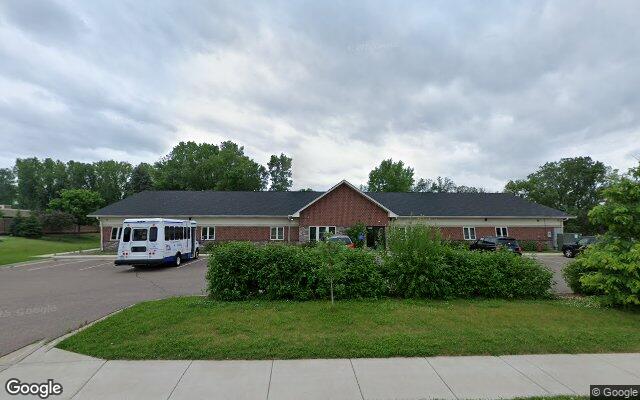
Other facilities in Washington County.

Other memory care facilities in Washington County with similar care offerings.
Family reviews

No reviews yet — be the first to share your experience

No published reviews yet. Use the button above to share your experience.

Related in this city

Other memory care options nearby.

Nearby cities · same county

More options in neighboring cities

Licensed memory care in other cities within this county region — useful when your search radius crosses city limits.

Is this listing wrong? Report an issue →
Reports help us maintain accurate facility information. Your report will be reviewed within 1-2 business days.