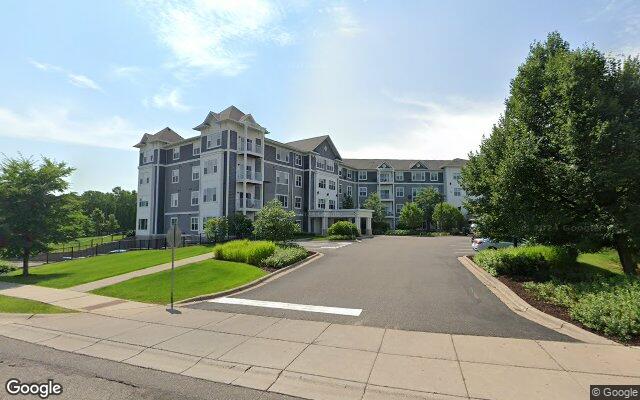
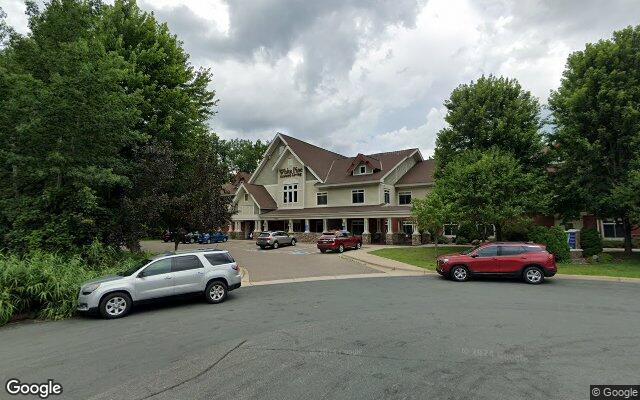
Harbor Crossing.
A large home, reviewed on public record.
Compared to 139 Minnesota facilities with a similar number of beds.
ALF memory care · 36-month window. Higher percentile = better performance on inspection record. Source: Minnesota Dept. of Health · Health Regulation Division.
among peers to rank.
Rankings based on 36-month MDH inspection data. Severity and frequency: fewer citations = higher percentile. Repeat rate: lower repeat citation share = higher percentile.
Citation history, plotted month by month.
1 deficiency on record. Each bar is a month with a citation.
Finding distribution
1 total · 36 monthsScope × Severity (CMS A–L)
Every inspection visit, verbatim.
3 inspections in the public record, most recent first. Plain-language summaries open first — click into any row for the full citation text.
2026-03-25Complaint InvestigationSubstantiated Finding · 1 finding
Plain-language summary
A complaint investigation found that the facility neglected two residents by failing to provide adequate supervision after staff knew that one resident exhibited violent and aggressive behaviors, wandered into other residents' rooms, and had repeatedly entered the other resident's apartment despite family concerns. The resident with aggressive behaviors physically assaulted the other resident, who was hospitalized; the facility did not implement interventions to prevent this incident despite being warned by nursing staff that injury to another resident was imminent. The Minnesota Department of Health substantiated the neglect allegation and determined the facility was responsible for the maltreatment.
Read full citation text (1)Hide full citation text
“MDH substantiated maltreatment or licensing violation finding”
Read raw inspector notesClose inspector notes
Finding: Substantiated, facility responsibSility E U Nature of Investigation: Q The Minnesota Department of Health investigated an allegation of maltreatment, in accordance E R with the Minnesota Reporting of Maltreatment of Vulnerable Adults Act, Minn. Stat. 626.557, and to evaluate complianAce with applicable licensing standards for the provider type. D E Initial Investigation Allegation(s): V The facility neglected resident-1 and resident-2 when they failed to provide adequate I E supervision. Consequently, resident-2 physically assaulted resident-1, resulting in C hospitalization. E R Investigative Findings and Conclusion: The Minnesota Department of Health determined neglect was substantiated. The facility was responsible for the maltreatment. The facility failed to provide supervision to protect residents’ (resident-1 and resident-2). The facility was aware resident-2 exhibited violent and aggressive behaviors and wandered into other residents’ rooms and failed to identify and implement interventions to mitigate future incidents. The facility failed to supervise, assess and implement interventions to protect the health and safety of resident-1 and resident-2. The investigator interviewed facility staff, including administrative, nursing, and unlicensed personnel. The investigator contacted law enforcement and the families of both residents. The investigator reviewed medical records for both residents, including resident-1’s hospital and death record, the facility investigation, incident reports, training records, and related facility policies and procedures. The investigator also reviewed live-stream audio and video of the incident before, during, and after the altercation and observed care provided in the memory care unit. N Resident-1 lived in the assisted living memory care unit with diagnoses including dementia. The O service plan included assistance with all personal care and safety checks. The nursing I T assessment indicated resident-1 had poor vision, required a walker, and required staff A R assistance with mobility. Resident-1 could communicate her needs and needed some help with E decision-making. Nursing identified resident-1 was vulnerable and at risk of abuse and neglect D by others. I S N Resident-2 lived in the assisted living memory care unit with diagnoses including Alzheimer’s O disease, severe dementia with agitation, depression, and aCnxiety. The service plan included E safety checks, assistance, and supervision with all personal care. The nursing assessment R indicated that resident-2 was agile and independent with mobility, had difficulty communicating R her needs, was confused, and had a history of agitation and physical aggression toward others. O Nursing identified resident-2 had vulnerabilitiFes including being abused and neglected, or T abusing others. S E Medical records indicated resident-2 moved into the facility and within the first day, unlicensed U staff noted resident-2 was agitated, anxious, wandering, refusing assistance, and difficult to Q redirect. Family reported resident-2 was previously prescribed a benzodiazepine (fast-acting E R medication for anxiety), and family would administer to help decrease anxiety and agitation. Unlicensed staff documenAtation continued with frequent notes indicating resident-2 continued to be anxious, agitatedD and redirection and medication was not effective. E V A nursing assessment completed 15 days after admission indicated resident-2 attempted to I E leave the secure unit, wandered, showed anxiety, cried, and invaded others' personal space. C E Resident-2's interventions included redirection, as-needed medications, and music. The R assessment indicated resident-2 was vulnerable, at risk of abuse, and did not pose a danger to the health and safety of others. The assessment indicated resident-2 was stable, had no change in condition and the care plan remained appropriate. Post assessment progress notes indicated that unlicensed staff continued to report that resident-2 had ongoing aggression, entered other residents’ apartments, invaded others' personal space, and was difficult to redirect. Staff noted medications and other interventions were ineffective. Medical records indicated a facility nurse contacted the provider to request a medication change due to resident-2's continued aggression and entered other residents’ apartments uninvited. When staff tried to redirect resident-2, she was physically resistive, and staff reported being kicked at and hit. The nurse notified the provider that a different medication was needed because it was “only a matter of time” before resident-2 injured another resident. Despite the concerns, resident-2’s medical record did not address staff concerns, and no new interventions were implemented. N The following day, resident-1’s family reported multiple concerns to facility leadership, O including that resident-2 entered resident-1’s apartment, rummaged through her belongings, I T and frightened her. The family also reported that staff inconsistently locked the door and that A R resident-1 was unfamiliar with the locking mechanism and call light. Facility leadership E scheduled a meeting to address these concerns five days later. D I S Despite reported concerns from ULPs and family, resident-1 and resident-2 medical records N lacked new interventions, and no mention of locking resident-1's door. O C The night before the altercation, resident-2’s records indicated she entered resident-1’s E apartment, and staff had difficulty redirecting residenRt-2 to leave because she was physically combative. Later that night, resident-2 entered anRother resident’s apartment and again resisted O staff intervention. F T Video footage from the day of the altercation showed resident-2 entered resident-1’s S apartment. Resident-1 told resident-2 to leave, guided her to the door, opened it, and watched E U resident-2 walk out. Resident-1 appeared to lock the door, but resident-2 returned and opened Q the door. Resident-2 walked toward resident-1 sitting in the chair, stood over resident-1 and E yelled at her. Resident-1 toldR resident-2 to leave, but resident-2 refused, claimed it was her house, and used the bathAroom. Resident-1 appeared visibly frustrated, rose from her chair, stood by the bathroomD door, and repeatedly instructed resident-2 to leave and she would call E the police if she did not leave. Resident-1 pressed her call light for staff assistance and sat V down. When resident-2 finished in the bathroom, resident-1 stood up, directed her to the door, I E and openedC it. They argued in the doorway as others passed by. Resident-2 stepped forward, E and the door closed behind her. Resident-2 reached for an item before leaving the apartment R and resident-1 reached back for the item. Resident-2 responded by slapping resident-1’s hands at least six times then pushed resident-1 to the ground, while resident-2 simultaneously said, “I’m going to kill you if you don’t quit.” Resident-1 collapsed to the floor, resident-2 left the apartment; the door closed behind her. The camera captured resident-1 struggling to move and calling for staff. Approximately 13 minutes after resident-1 initially pressed her pendent, five staff members were observed in resident-1’s apartment, assessed resident-1, talked among themselves, and called 911. Paramedics arrived, treated resident-1’s bleeding head wound, assisted resident-1 on the stretcher, and took her to the ambulance. Hospital records indicated that resident-1 sustained brain bleeds, a fractured right eye socket, rib fractures, and probable fractures of lumbar spine following an altercation with another resident. Resident-1’s condition rapidly declined from the altercation and resident-1 died in the hospital five days later. Resident-1’s death certificate indicated the primary cause of death was from complications of multiple traumatic injuries due to assault. During an interview, unlicensed staff reported resident-2 was aggressive and combative with N others from the day she moved into the facility, and interventions were ineffective. Unlicensed O I staff stated they frequently updated a facility nurse by snap messages, end of shift T A documentation and called an on-call nurse about resident-2’s behaviors including biting, R slapping, punching staff and wandering into other residents’ apartments. No changes were E D made to resident-2’s plan of care. I S During an interview, a facility nurse stated one of the interventNions was to lock resident-1's O door so wandering residents could not enter. However, there was no assessment or C documentation to ensure resident-1 knew how to lock and unlock her door. In addition, it was E not added to the service plan to ensure it was compleRted by staff. The nurse stated they were unaware of any other staff or residents being harmRed by resident-2, aside from an outside O agency staff person but they did not investigate that altercation because the person was not F employed by the facility. T S During an interview, leadership stated they were aware resident-2 had wandered into E U resident-1 and other residents’ apartments and invaded others' space. The facility implemented Q appropriate interventions for safety and stated the altercation was an “unexpected” and E “unfortunate event.
2025-06-05Annual Compliance VisitNo findings
Plain-language summary
During a standard inspection conducted on June 5, 2025, the facility was found to be out of compliance with state requirements for infection control program and fire protection and physical environment, resulting in two Level 2 violations with a total fine of $1,000. The facility must document corrective actions taken within the required timeframe and may appeal the correction orders or fines within 15 business days of receiving this notice.
Read full citation textHide full citation text
Read raw inspector notesClose inspector notes
correction orders and document the actions taken to comply in the facility's records. The Department reserves the right to return to the facility at any time should the Department receive a complaint or deem it necessary to ensure the health, safety, and welfare of residents in your care. STATE CORRECTION ORDERS The enclosed State Form documents the state correction orders. MDH documents state licensing correction orders using federal software. Tag numbers are assigned to Minnesota state statutes for Assisted Living Facilities. The assigned tag number appears in the far left column entitled "ID Prefix Tag." The state statute number and the corresponding text of the state statute out of compliance are listed in the "Summary Statement of Deficiencies" column. This column also includes the findings that are in violation of the state statute after the statement, "This MN Requirement is not met as evidenced by . . ." IMPOSITION OF FINES In accordance with Minn. Stat. § 144G.31, Subd. 4, fines and enforcement actions may be imposed based on the level and scope of the violations and may be imposed immediately with no opportunity to correct the violation first as follows: Level 2: a fine of $500 per violation, in addition to any enforcement mechanism authorized in § 144G.20; Therefore, in accordance with Minn. Stat. §§ 144G.01 to 144G.9999, the following fines are assessed pursuant to this survey: An equal opportunity employer. Letter ID: IS7N REVISED 09/13/2021 Harbor Crossing August 6, 2025 Page 2 St - 0 - 0510 - 144g.41 Subd. 3 - Infection Control Program - $500.00 St - 0 - 0775 - 144g.45 Subd. 2. (a) - Fire Protection And Physical Environment - $500.00 Therefore, in accordance with Minn. Stat. §§ 144G.01 to 144G.9999, t he total amount you are assessed is $1,000.00. You will be invoiced approximately 30 days after receipt of this notice, subject to appeal. DOCUMENTATION OF ACTION TO COMPLY In accordance with Minn. Stat. § 144G.30, Subd. 5(c), the licensee must document actions taken to comply with the correction orders within the time period outlined on the state form; however, plans of correction are not required to be submitted for approval. The correction order documentation should include the following: Identify how the area(s) of noncompliance was corrected related to the resident(s)/employee(s) identified in the correction order. Identify how the area(s) of noncompliance was corrected for all of the provider’s resident(s)/employees that may be affected by the noncompliance. Identify what changes to your systems and practices were made to ensure compliance with the specific statute(s). CORRECTION ORDER RECONSIDERATION PROCESS In accordance with Minn. Stat. § 144G.32, Subd. 2, you may challenge the correction order(s) issued, including the level and scope, and any fine assessed through the correction order reconsideration process. The request for reconsideration must be in writing and received by MDH within 15 calendar days of the correction order receipt date. To submit a reconsideration request, please visit: https://forms.web.health.state.mn.us/form/HRDAppealsForm REQUESTING A HEARING Alternatively, in accordance with Minn. Stat. § 144G.31, Subd. 5(d), an assisted living provider that has been assessed a fine under this subdivision has a right to a reconsideration or a hearing under this section and chapter 14. Pursuant to Minn. Stat. § 144G.20, Subd. 14 and Subd. 18, a request for a hearing must be in writing and received by the Department of Health within 15 business days of the correction order receipt date. The request must contain a brief and plain statement describing each matter or issue contested and any new information you believe constitutes a defense or mitigating factor. To submit a hearing request, please visit: https://forms.web.health.state.mn.us/form/HRDAppealsForm To appeal fines via reconsideration, please follow the procedure outlined above. P lease note that you Harbor Crossing August 6, 2025 Page 3 may request a reconsideration o r a hearing, but not both. If you wish to contest tags without fines in a reconsideration and tags with the fines at a hearing, please submit two separate appeals forms at the website listed above. The MDH Health Regulation Division (HRD) values your feedback about your experience during the survey and/or investigation process. Please fill out this anonymous provider feedback questionnaire at your convenience at this link: h ttps://forms.office.com/g/Bm5uQEpHVa. Your input is important to us and will enable MDH to improve its processes and communication with providers. If you have any questions regarding the questionnaire, please contact Susan Winkelmann at susan.winkelmann@state.mn.us or call 651-201-5952. You are encouraged to retain this document for your records. It is your responsibility to share the information contained in the letter and state form with your organization’s Governing Body. If you have any questions, please contact me. Sincerely, Jess Schoenecker, Supervisor State Evaluation Team Email: Jess.Schoenecker@state.mn.us Telephone: 651-201-3789 Fax: 1-866-890-9290 AH PRINTED: 08/06/2025 FORM APPROVED STATEMENT OF DEFICIENCIES (X1) PROVIDER/SUPPLIER/CLIA (X2) MULTIPLE CONSTRUCTION (X3) DATE SURVEY AND PLAN OF CORRECTION IDENTIFICATION NUMBER: COMPLETED A. BUILDING: ______________________ B. WING _____________________________ 32991 06/05/2025 NAME OF PROVIDER OR SUPPLIER STREET ADDRESS, CITY, STATE, ZIP CODE 4650 CENTERVILLE ROAD HARBOR CROSSING SAINT PAUL, MN 55127 SUMMARY STATEMENT OF DEFICIENCIES PROVIDER'S PLAN OF CORRECTION (X4) ID ID (X5) PREFIX (EACH DEFICIENCY MUST BE PRECEDED BY FULL PREFIX (EACH CORRECTIVE ACTION SHOULD BE COMPLETE REGULATORY OR LSC IDENTIFYING INFORMATION) CROSS-REFERENCED TO THE APPROPRIATE DATE TAG TAG DEFICIENCY) 0 000 Initial Comments 0 000 ***ATTENTION*** Minnesota Department of Health is documenting the State Correction Orders ASSISTED LIVING PROVIDER LICENSING using federal software. Tag numbers have CORRECTION ORDER(S) been assigned to Minnesota State Statutes for Assisted Living Facilities. The In accordance with Minnesota Statutes, section assigned tag number appears in the 144G.08 to 144G.95, these correction orders are far-left column entitled "ID Prefix Tag." The issued pursuant to a survey. state Statute number and the corresponding text of the state Statute out Determination of whether violations are corrected of compliance is listed in the "Summary requires compliance with all requirements Statement of Deficiencies" column. This provided at the Statute number indicated below. column also includes the findings which When Minnesota Statute contains several items, are in violation of the state requirement failure to comply with any of the items will be after the statement, "This Minnesota considered lack of compliance. requirement is not met as evidenced by." Following the evaluators ' findings is the INITIAL COMMENTS: Time Period for Correction. SL33991016-0 PLEASE DISREGARD THE HEADING OF THE FOURTH COLUMN WHICH On June 2, 2025, through June 5, 2025, the STATES,"PROVIDER'S PLAN OF survey at the above provider and the following FEDERAL DEFICIENCIES ONLY. THIS correction orders are issued. At the time of the WILL APPEAR ON EACH PAGE. survey, there were 102 residents; 67 residents received services under the Assisted Living THERE IS NO REQUIREMENT TO Facility with Dementia Care license. SUBMIT A PLAN OF CORRECTION FOR VIOLATIONS OF MINNESOTA STATE STATUTES. THE LETTER IN THE LEFT COLUMN IS USED FOR TRACKING PURPOSES AND REFLECTS THE SCOPE AND LEVEL ISSUED PURSUANT TO 144G.31 SUBDIVISION 1-3. 0 480 144G.41 Subdivision 1 Subd. 1a (a-b) Minimum 0 480 SS=F requirements; required food services LABORATORY DIRECTOR'S OR PROVIDER/SUPPLIER REPRESENTATIVE'S SIGNATURE TITLE (X6) DATE STATE FORM 6899 P3GB11 If continuation sheet 1 of 40 PRINTED: 08/06/2025 FORM APPROVED STATEMENT OF DEFICIENCIES (X1) PROVIDER/SUPPLIER/CLIA (X2) MULTIPLE CONSTRUCTION (X3) DATE SURVEY AND PLAN OF CORRECTION IDENTIFICATION NUMBER: COMPLETED A. BUILDING: ______________________ B. WING _____________________________ 32991 06/05/2025 NAME OF PROVIDER OR SUPPLIER STREET ADDRESS, CITY, STATE, ZIP CODE 4650 CENTERVILLE ROAD HARBOR CROSSING SAINT PAUL, MN 55127 SUMMARY STATEMENT OF DEFICIENCIES PROVIDER'S PLAN OF CORRECTION (X4) ID ID (X5) PREFIX (EACH DEFICIENCY MUST BE PRECEDED BY FULL PREFIX (EACH CORRECTIVE ACTION SHOULD BE COMPLETE REGULATORY OR LSC IDENTIFYING INFORMATION) CROSS-REFERENCED TO THE APPROPRIATE DATE TAG TAG DEFICIENCY) 0 480 Continued From page 1 0 480 (a) Except as provided in paragraph (b), food must be prepared and served according to the Minnesota Food Code, Minnesota Rules, chapter 4626. (b) For an assisted living facility with a licensed capacity of ten or fewer residents: (1) notwithstanding Minnesota Rules, part 4626.0033, item A, the facility may share a certified food protection manager (CFPM) with one other facility located within a 60-mile radius and under common management provided the CFPM is present at each facility frequently enough to effectively administer, manage, and supervise each facility's food service operation; (2) notwithstanding Minnesota Rules, part 4626.
2023-12-22Complaint InvestigationNo findings
Plain-language summary
A complaint investigation found that neglect was not substantiated when a resident was found on the floor during a night shift and subsequently died; the medical examiner determined the resident died of cardiac arrest and a blood clot in the lung, unrelated to whether overnight care was provided. Security footage showed the night shift caregiver sitting throughout most of the shift rather than performing documented tasks, and the facility terminated that caregiver's employment. The Minnesota Department of Health took no further licensing action.
Read full citation textHide full citation text
Read raw inspector notesClose inspector notes
Finding: Not Substantiated Nature of Investigation: The Minnesota Department of Health investigated an allegation of maltreatment, in accordance with the Minnesota Reporting of Maltreatment of Vulnerable Adults Act, Minn. Stat. 626.557, and to evaluate compliance with applicable licensing standards for the provider type. Initial Investigation Allegation(s): The facility neglected the resident when the facility did not provide overnight cares resulting in a fall. Investigative Findings and Conclusion: The Minnesota Department of Health determined neglect was not substantiated. While resident was found on the floor at the end of the night shift, the resident had a heart attack unrelated to the cares that may or may not have been provided overnight. The investigator conducted interviews with facility staff members, including administrative staff, nursing staff, and unlicensed staff. The investigator contacted a family member. The investigation included review of medical records, facility records, facility polices, employee records and death records. Also, the investigator toured the facility and observed staff to staff, staff to resident and staff to visitor interactions. An equal opportunity employer. The resident resided in an assisted living memory care unit. The resident’s diagnoses included mild cognitive impairment, arthritis, and morbid obesity. The resident’s service plan included assistance with toileting, showering, dressing, medications. The assessment indicated the resident was able to walk without assistance. The resident’s care plan indicated the resident was to be woken up and brought to the bathroom at 1 a.m. by unlicensed caregivers on the night shift. The facility’s internal investigation indicated that one morning the unlicensed caregiver working the night shift heard the resident yelling for help at 5:30 a.m. The resident was found on the floor, 911 was called, and the resident transferred to the hospital. The same document indicated the facility reviewed security footage of the night shift and the unlicensed caregiver sat in a chair throughout most of her shift and got up to document her nightly tasks at approximately 5:00 a.m. The resident’s notes indicated the resident passed away while enroute to the hospital. The resident’s death record reports the cause of death was cardiac arrest (a heart attack) and probable acute pulmonary embolism (a blood clot in the lung). A task list from the same shift indicated the unlicensed caregiver documented bringing the resident to the bathroom at 1 a.m. During an interview, a member of the facility management stated the documentation showed the unlicensed caregiver documented her cares to the resident at around 5 a.m. instead of documenting at the actual time when they were to be done. The management team member stated the facility cameras showed the unlicensed caregiving sitting in a chair and not moving until around 5 a.m. During an interview, another member of the facility management team stated she viewed the video footage from that night but stated she was not able to tell who was actually sitting in the chair overnight. The video footage was no longer available at the time of the investigation. During an interview, a family member stated the resident had swollen ankles and lower legs the day before this incident which was unusual. The resident also reported that she was tired and not feeling well the day before the incident. The attempts to interview the unlicensed caregiver working that shift were unsuccessful. In conclusion, neglect was not substantiated. “Not Substantiated” means: An investigatory conclusion indicating the preponderance of evidence shows that an act meeting the definition of maltreatment did not occur. Neglect: Minnesota Statutes, section 626.5572, subdivision 17 Neglect means neglect by a caregiver or self-neglect. (a) "Caregiver neglect" means the failure or omission by a caregiver to supply a vulnerable adult with care or services, including but not limited to, food, clothing, shelter, health care, or supervision which is: (1) reasonable and necessary to obtain or maintain the vulnerable adult's physical or mental health or safety, considering the physical and mental capacity or dysfunction of the vulnerable adult; and (2) which is not the result of an accident or therapeutic conduct. Vulnerable Adult interviewed: No, deceased. Family/Responsible Party interviewed: Yes. Alleged Perpetrator interviewed: NA. the Action taken by facility: The facility terminated the unlicensed caregiver’s employment. Action taken by the Minnesota Department of Health: No further action taken at this time. cc: The Office of Ombudsman for Long Term Care The Office of Ombudsman for Mental Health and Developmental Disabilities PRINTED: 12/27/2023 FORM APPROVED STATEMENT OF DEFICIENCIES (X1) PROVIDER/SUPPLIER/CLIA (X2) MULTIPLE CONSTRUCTION (X3) DATE SURVEY AND PLAN OF CORRECTION IDENTIFICATION NUMBER: COMPLETED A. BUILDING: ______________________ C B. WING _____________________________ 32991 11/07/2023 NAME OF PROVIDER OR SUPPLIER STREET ADDRESS, CITY, STATE, ZIP CODE 4650 CENTERVILLE ROAD HARBOR CROSSING SAINT PAUL, MN 55127 SUMMARY STATEMENT OF DEFICIENCIES PROVIDER'S PLAN OF CORRECTION (X4) ID ID (X5) PREFIX (EACH DEFICIENCY MUST BE PRECEDED BY FULL PREFIX (EACH CORRECTIVE ACTION SHOULD BE COMPLETE REGULATORY OR LSC IDENTIFYING INFORMATION) CROSS-REFERENCED TO THE APPROPRIATE DATE TAG TAG DEFICIENCY) 0 000 Initial Comments 0 000 On November 7, 2023, the Minnesota Department of Health initiated an investigation of complaint #HL329912238C/#HL329916506M. No correction orders are issued. LABORATORY DIRECTOR'S OR PROVIDER/SUPPLIER REPRESENTATIVE'S SIGNATURE TITLE (X6) DATE STATE FORM 6899 NOZ411 If continuation sheet 1 of 1
1 older inspection from 2023 are not shown above.
Get the complete record, translated into plain language — emailed to you.
Other facilities in Ramsey County.
Other memory care facilities in Ramsey County with similar care offerings.
Facility Watch · Premium
Family reviews
No reviews yet — be the first to share your experience
Other memory care options nearby.
More options in neighboring cities
Licensed memory care in other cities within this county region — useful when your search radius crosses city limits.