West Saint Paul Opco LLC.
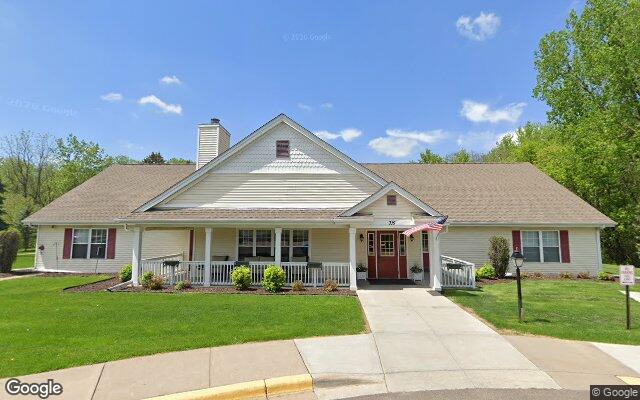
A medium home, reviewed on public record.
Compared to 84 Minnesota facilities with a similar number of beds.
ALF memory care · 36-month window. Higher percentile = better performance on inspection record. Source: Minnesota Dept. of Health · Health Regulation Division.
among peers to rank.
Rankings based on 36-month MDH inspection data. Severity and frequency: fewer citations = higher percentile. Repeat rate: lower repeat citation share = higher percentile.
Citation history, plotted month by month.
2 deficiencies on record. Each bar is a month with a citation.
Finding distribution
2 total · 36 monthsScope × Severity (CMS A–L)
Questions to ask before you visit.
A short pre-tour checklist tailored to West Saint Paul Opco LLC's record and state requirements.
The Minnesota Department of Health conducted its most recent inspection on March 12, 2026 — can you walk us through the findings from that visit and share any written documentation of the inspection outcome?
Ask the operator on tour. Take notes and compare answers across facilities you visit.
Two complaints were filed with MDH during the inspection period on file — can you describe the nature of those complaints and what steps the facility took in response, including any corrective action plans or policy changes that resulted?
Ask the operator on tour. Take notes and compare answers across facilities you visit.
This facility holds an Assisted Living Facility with Dementia Care license under Minnesota Statutes chapter 144G with 20 licensed beds — can you explain how the dementia care program is documented in writing, and may we review the facility's dementia care policies during our tour?
Ask the operator on tour. Take notes and compare answers across facilities you visit.
Every inspection visit, verbatim.
3 inspections in the public record, most recent first. Plain-language summaries open first — click into any row for the full citation text.
2026-03-12Annual Compliance VisitNo findings
Plain-language summary
A standard inspection of this facility on April 10, 2026 found five violations related to fire protection and physical environment, background studies, and appropriate care and services, resulting in a total fine of $4,500. The facility must document corrective actions within the timeframe specified and may request reconsideration or a hearing within 15 days if it wishes to contest the findings.
Read full citation textHide full citation text
Read raw inspector notesClose inspector notes
correction orders. MDH documents state licensing correction orders using federal software. Tag numbers are assigned to Minnesota state statutes for Assisted Living Facilities. The assigned tag number appears in the far left column entitled "ID Prefix Tag." The state statute number and the corresponding text of the state statute out of compliance are listed in the "Summary Statement of Deficiencies" column. This column also includes the findings that are in violation of the state statute after the statement, "This MN Requirement is not met as evidenced by . . ." IMPOSITION OF FINES In accordance with Minn. Stat. § 144G.31, Subd. 4, fines and enforcement actions may be imposed based on the level and scope of the violations and may be imposed immediately with no opportunity to correct the violation first as follows: Level 1: no fines or enforcement; Level 2: a fine of $500 per violation, in addition to any enforcement mechanism authorized in § 144G.20; Level 3: a fine of $1,000 per incident, in addition to any enforcement mechanism authorized in § 144G.20; Level 4: a fine of $3,000 per incident, in addition to any enforcement mechanism authorized in § 144G.20; Level 5: a fine of $5,000 per violation, in addition to any enforcement mechanism authorized in § 144G.20. Therefore, in accordance with Minn. Stat. §§ 144G.01 to 144G.9999, the following fines are assessed An equal opportunity employer. Letter ID: IS7N REVISE D09/13/2021 West Saint Paul Opco LLC April 10, 2026 Page 2 pursuant to this survey: St - 0 - 0775 - 144g.45 Subd. 2. (a) - Fire Protection And Physical Environment - $500.00 St - 0 - 0810 - 144g.45 Subd. 2 (b-F) - Fire Protection And Physical Environment - $1,000.00 St - 0 - 1290 - 144g.60 Subdivision 1 - Background Studies Required - $1,000.00 St - 0 - 2310 - 144g.91 Subd. 4 (a) - Appropriate Care And Services - $1,000.00 St - 0 - 2320 - 144g.91 Subd. 4 (b) - Appropriate Care And Services - $1,000.00 The refor e, in accor danc e wit h Minn. Sta t. §§ 144G.01 to 144G.999 9, the total amount you are assessed is $4,500.00. You will be invoiced approximately 30 days after receipt of this notice, subject to appeal . DOCUMENTATIO ONF ACTION TO COMPLY In accorda nce with Min n. Stat. § 144G.30, Sub d. 5(c), th e lic ens ee mus t docum ent ac tions taken t o comply with the correction orders within the time period outlined on the state form; however, plans of correction are not required to be submitted for approval. The correction order documentation should include the following: Identify how the area( s) of noncompliance was corrected related to the · resident( s)/ employee( s) identified in the correction order. Identify how the area( s) of noncompliance was corrected for all of the provider’s · resident( s)/ employees that may be affected by the noncompliance. Identify what changes to your systems and practices were made to ensure compliance with · the specific statute( s). CORRECTIO NORDER RECONSIDERATIO PNROCESS In accordance with Minn. Stat. § 144G.32, Subd. 2, you may challenge the correction order( s) issued, including the level and scope, and any fine assessed through the correction order reconsideration process. The request for reconsideration must be in writing and received by MDH within 15 calendar days of the correction order receipt date. To submit a reconsideration request, please visit: https: / / forms. web. health. state. mn.us/ form/ HRDAppealsForm REQUESTIN GA HEARING Alternatively, in accordance with Minn. Stat. § 144G.31, Subd. 5(d), an assisted living provider that has been assessed a fine under this subdivision has a right to a reconsideration or a hearing under this section and chapter 14. Pursuant to Minn. Stat. § 144G.20, Subd. 14 and Subd. 18, a request for a hearing must be in writing and received by the Department of Health within 15 business days of the correction order receipt date. The request must contain a brief and plain statement describing each matter or issue contested and any new information you believe constitutes a defense or mitigating factor. To submit a hearing request, please visit: West Saint Paul Opco LLC April 10, 2026 Page 3 https: / / forms. web. health. state. mn. us/ form/ HRDAppealsForm To appe al fi nes via re cons iderat ion , pl ease follow the procedu r e outl ined abo ve. Plea se no te tha t you may re que st a rec onside rati on or a hearing, bu t not bot h. If you wish to cont est ta gs with out fine s in a reconsideration and tags with the fines at a hearing, please submit two separate appeals forms at the website listed above. INFORMA LCONFERENCE In accordance with Minn. Stat. § 144A.475, Subd. 8 OR Minn. Stat. § 144G.20, Subd. 20, the Commissioner of Health is authorized to hold a conference to exchange information, clarify issues, or resolve issues. The Department of Health staff would like to schedule a conference call with West Saint Paul Opco LLC .Please contact Jodi Johnson at 507-344-2730 on or before April 15, 2026, to schedule the conference call. The MDH Health Regulation Division (HRD )values your feedback about your experience during the survey and/ or investigation process. Please fill out this anonymous provider feedback questionnaire at your conv enien ce at thi s link: https: / / forms. office.com/ g/ Bm5uQEpHVa. Your inpu t is import ant to us and will enable MDH to improve its processes and communication with providers. If you have any questions regarding the questionnaire, please contact Susan Winkelmann at susan. winkelmann@state. mn.us or call 651-201-5952. You are encouraged to retain this document for your records. It is your responsibility to share the information contained in the letter and state form with your organization’s Governing Body. If you have any questions, please contact me. Sincerely, Jodi Johnson, Supervisor State Evaluation Team Email: Jodi.Johnson@state. mn.us Telephone: 507-344-2730 Fax: 1-866-890-9290 CLN PRINTED: 04/ 10/ 2026 FORM APPROVED STATEMENT OF DEFICIENCIES (X1) PROVIDER/ SUPPLIER/ CLIA (X2) MULTIPLE CONSTRUCTION (X3) DATE SURVEY AND PLAN OF CORRECTION IDENTIFICATION NUMBER: COMPLETED A. BUILDING: ______________________ B. WING _____________________________ 30684 03/ 12/ 2026 NAME OF PROVIDER OR SUPPLIER STREET ADDRESS, CITY, STATE, ZIP CODE 315 THOMPSON AVENUE EAST WEST SAINT PAUL OPCO LLC WEST SAINT PAUL, MN 55118 SUMMARY STATEMENT OF DEFICIENCIES PROVIDER' S PLAN OF CORRECTION (X4) ID ID (X5) PREFIX (EACH DEFICIENCY MUST BE PRECEDED BY FULL PREFIX (EACH CORRECTIVE ACTION SHOULD BE COMPLETE REGULATORY OR LSC IDENTIFYING INFORMATION) CROSS- REFERENCED TO THE APPROPRIATE DATE TAG TAG DEFICIENCY) 0 000 Initial Comments 0 000 *****ATTNTION***** Minnesota Department of Health is documenting the State Correction Orders ASSISTED LIVING PROVIDER LICENSING using federal software. Tag numbers have CORRECTION ORDER( S) been assigned to Minnesota State Statutes for Assisted Living Facilities. The In accordance with Minnesota Statutes, section assigned tag number appears in the 144G. 08 to 144G. 95, these correction orders are far-left column entitled "ID Prefix Tag. " The issued pursuant to a survey. state Statute number and the corresponding text of the state Statute out Determination of whether violations are corrected of compliance is listed in the "Summary requires compliance with all requirements Statement of Deficiencies" column. This provided at the Statute number indicated below. column also includes the findings which When Minnesota Statute contains several items, are in violation of the state requirement failure to comply with any of the items will be after the statement, "This Minnesota considered lack of compliance. requirement is not met as evidenced by." Following the evaluators' findings is the INITIAL COMMENTS: Time Period for Correction. SL30684016- 0 PLEASE DISREGARD THE HEADING OF THE FOURTH COLUMN WHICH On March 9, 2026, through March 12, 2026, the STATES, "PROVIDER' S PLAN OF change of ownership (CHOW) survey at the FEDERAL DEFICIENCIES ONLY. THIS above provider. At the time of the survey, there WILL APPEAR ON EACH PAGE. were 10 residents; 10 receiving services under the Assisted Living Facility with Dementia Care THERE IS NO REQUIREMENT TO license. SUBMIT A PLAN OF CORRECTION FOR VIOLATIONS OF MINNESOTA STATE STATUTES. 1290: An immediate correction order was issued on March 9, 2026, at a level 3/Widespread (I). THE LETTER IN THE LEFT COLUMN IS The license took immediate action; however, the USED FOR TRACKING PURPOSES AND scope and level remain at I.
2025-02-20Complaint InvestigationSubstantiated Finding · 1 finding
Plain-language summary
A complaint investigation found that the facility neglected a resident by failing to assess falls, develop fall-prevention plans, or notify the resident's healthcare provider after the resident fell three times over one month, causing bruising on multiple parts of her body. The investigation also found conflicting information about whether staff consistently provided the resident with meals, oral care, and timely responses to call lights as required by her care plan, though some concerns such as medication timing and toenail care involved shared responsibility with hospice or were addressed by facility policy. The facility was found responsible for the substantiated neglect.
Read full citation text (1)Hide full citation text
“MDH substantiated maltreatment or licensing violation finding”
Read raw inspector notesClose inspector notes
Finding: Substantiated, facility responsibility Nature of Investigation: The Minnesota Department of Health investigated an allegation of maltreatment, in accordance with the Minnesota Reporting of Maltreatment of Vulnerable Adults Act, Minn. Stat. 626.557, and to evaluate compliance with applicable licensing standards for the provider type. Initial Investigation Allegation(s): The facility neglected a resident when facility staff failed to assess and develop interventions following the resident falls. In addition, facility staff failed to provide services for the resident according to resident’s care plan including escorts to meals, oral care, responding timely to the resident’s call light, and maintaining a clean environment for the resident. Investigative Findings and Conclusion: The Minnesota Department of Health determined neglect was substantiated. The facility was responsible for the maltreatment. The facility failed to assess, provide interventions, and notify the resident’s provider following the resident’s multiple falls in order to prevent future falls and injuries. It was inconclusive whether staff failed to provide the resident with her care planned needs due to conflicting information provided by facility staff and family. An equal opportunity employer. The investigator conducted interviews with facility staff members, including administrative staff, nursing staff, and unlicensed staff. The investigator contacted hospice care. The investigation included review of employee and resident records, facility policies and procedures. Also, the investigator observed medication administration, resident cares, and meal services. The resident resided in an assisted living memory care unit and received contracted hospice services. The resident’s diagnoses included dementia and chronic pain. The resident’s service plan included assistance with medication management, dressing and grooming, bathing and incontinence assistance, escorts to meals, mobility assistance, and safety checks. The resident’s assessment indicated the resident was a vulnerable adult and staff were to ensure the resident’s safety and report any suspected abuse. At the end of her decline, the resident was unable to utilize the call light. Hospice service plan included assisting the resident with medications, chronic condition management, bathing and skin care. The resident record indicated over a period of one month, the resident fell three times when attempting to self-transfer causing multiple bruising. While staff stated the resident fell frequently, staff did not document every time the resident fell. The facility failed to provide updated assessments or develop interventions following the falls to prevent future falls and injuries. Photos provided show bruises in various stages of healing on the resident’s left knee, right ear, right side of neck, and right thigh. Record review indicated the bruising was caused by the resident’s multiple falls. The hospice record indicated hospice staff assisted facility staff with the resident to complete activities of daily living including showers and baths along with grooming. Hospice staff indicated they also planned on providing the resident with nail care. The record indicated the resident had an unintentional weight loss due to her medical diagnoses. During an interview, unlicensed personnel stated there should always be two staff members on memory care, but they often worked with just one staff member. The unlicensed staff stated the resident had frequent falls however staff often did not complete the required documentation of the falls. The unlicensed staff stated he came in one day and found the resident on the floor and did not know how long she had been there. The unlicensed staff stated he followed the falls protocol, and the resident was not harmed. During an interview, another unlicensed personnel stated the resident preferred not to leave her room for meals and preferred snacks in her room that were provided by staff and family. The resident preferred to only eat an evening meal in the main dining room. During an interview, the director of nursing (DON) stated she was out of the facility during the resident’s stay at the facility and did not provide any cares to the resident. DON stated there should always be two staff members working in memory care, and was aware the unit needed a manager and additional direct care staff, and they were working on that. DON stated all staff were trained on the falls policy and should complete the form before the end of the shift, but that did not always happen During an interview, a family member (FM) stated a staff member reported to her the resident had fallen frequently during the last month at the facility. FM stated the resident was missing meals because she would not come out of her room on her own and staff would not get her and bring her to the dining room. In addition, other concerns investigated included the resident’s call light not being answered in a timely manner, the room being dirty, the toilet not cleaned, and the resident’s toenails were not clipped. The call light report did not provide insight into call usage and the resident was unable to use the call light in the last days of her decline in health. During a tour of the facility, there were no concerns with the cleanliness of the facility and although a photograph of the resident’s toenails indicated they had not been clipped for several months, both facility staff and hospice staff were responsible to assist with clipping the resident’s toenails. There was a concern regarding oral care and dentures not being cleaned, however, the resident’s service plan indicated staff completed this task. Another concern indicated the staff gave the resident morphine 45 minutes late. While documentation showed morphine was provided 45 minutes late, facility policy indicated medications can be given an hour before or an hour after the scheduled time. In conclusion, the Minnesota Department of Health determined neglect was substantiated. Inconclusive: Minnesota Statutes, section 626.5572, Subdivision 11. "Inconclusive" means there is less than a preponderance of evidence to show that maltreatment did or did not occur. Substantiated: Minnesota Statutes, section 626.5572, Subdivision 19. “Substantiated” means a preponderance of evidence shows that an act that meets the definition of maltreatment occurred. Neglect: Minnesota Statutes, section 626.5572, subdivision 17 “Neglect” means neglect by a caregiver or self-neglect. (a) "Caregiver neglect" means the failure or omission by a caregiver to supply a vulnerable adult with care or services, including but not limited to, food, clothing, shelter, health care, or supervision which is: (1) reasonable and necessary to obtain or maintain the vulnerable adult's physical or mental health or safety, considering the physical and mental capacity or dysfunction of the vulnerable adult; and (2) which is not the result of an accident or therapeutic conduct. Vulnerable Adult interviewed: No, deceased. Family/Responsible Party interviewed: Yes. Alleged Perpetrator interviewed: Yes. the Action taken by facility: The facility is working on hiring managers and direct care staff. Action taken by the Minnesota Department of Health: The responsible party will be notified of their right to appeal the maltreatment finding. The facility was found to be in noncompliance. To view a copy of the Statement of Deficiencies and/or correction orders, please visit: https://www.health.state.mn.us/facilities/regulation/directory/provcompselect.html If you are viewing this report on the MDH website, please see the attached Statement of Deficiencies. You may also call 651-201-4200 to receive a copy via mail or email. cc: The Office of Ombudsman for Long Term Care The Office of Ombudsman for Mental Health and Developmental Disabilities Dakota County Attorney West St. Paul City Attorney West Saint Paul Police Department PRINTED: 02/20/2025 FORM APPROVED STATEMENT OF DEFICIENCIES (X1) PROVIDER/SUPPLIER/CLIA (X2) MULTIPLE CONSTRUCTION (X3) DATE SURVEY AND PLAN OF CORRECTION IDENTIFICATION NUMBER: COMPLETED A. BUILDING: ______________________ C B. WING _____________________________ 30684 10/21/2024 NAME OF PROVIDER OR SUPPLIER STREET ADDRESS, CITY, STATE, ZIP CODE 315 THOMPSON AVENUE EAST BROOKDALE WEST ST PAUL MC WEST SAINT PAUL, MN 55118 SUMMARY STATEMENT OF DEFICIENCIES PROVIDER'S PLAN OF CORRECTION (X4) ID ID (X5) PREFIX (EACH DEFICIENCY MUST BE PRECEDED BY FULL PREFIX (EACH CORRECTIVE ACTION SHOULD BE COMPLETE REGULATORY OR LSC IDENTIFYING INFORMATION) CROSS-REFERENCED TO THE APPROPRIATE DATE TAG TAG DEFICIENCY) 0 000 Initial Comments 0 000 ******ATTENTION****** Minnesota Department of Health is documenting the State Correction Orders HOME CARE PROVIDER/ASSISTED LIVING using federal software. Tag numbers have PROVIDER CORRECTION ORDER been assigned to Minnesota State Statutes for Assisted Living Facilities. The In accordance with Minnesota Statutes, section assigned tag number appears in the 144G.08 to 144G.95, these correction orders are far-left column entitled "ID Prefix Tag." The issued pursuant to a complaint investigation.
2024-02-27Complaint InvestigationSubstantiated Finding · 1 finding
Plain-language summary
A complaint investigation substantiated that the facility neglected a resident with Alzheimer's disease and left-eye blindness by failing to recognize his elopement risk despite documented exit-seeking behavior, failing to implement adequate safety checks, and failing to ensure facility exits were secure—the resident left through an unlocked back door and unsecured patio gate, walked approximately 1.5 miles away, fell, and sustained facial bruising and abrasions. The facility had no system to monitor or secure exits, staff pagers were not consistently worn or responded to, and the resident's care records showed no documentation of safety checks during the week of the incident. The facility was found responsible for the maltreatment.
Read full citation text (1)Hide full citation text
“MDH substantiated maltreatment or licensing violation finding”
Read raw inspector notesClose inspector notes
Finding: Substantiated, facility responsibility Nature of Investigation: The Minnesota Department of Health investigated an allegation of maltreatment, in accordance with the Minnesota Reporting of Maltreatment of Vulnerable Adults Act, Minn. Stat. 626.557, and to evaluate compliance with applicable licensing standards for the provider type. Initial Investigation Allegation(s): The facility neglected the resident when the resident left a secured unit, walked away on foot approximately 1.5 miles from the facility, and fell, striking the left side of his face/head, left arm, and hip. Investigative Findings and Conclusion: The Minnesota Department of Health determined neglect was substantiated. The facility was responsible for the maltreatment. The facility failed to identify the resident’s risk of elopement and failed to develop and implement interventions to protect the resident’s health and safety. In addition, the facility had no systems in place to ensure facility exits were secure and in proper functioning order, and the resident eloped from the facility. The investigator conducted interviews with facility staff members, including administrative staff, nursing staff, and unlicensed staff. The investigator contacted hospital staff and the resident’s family. The investigation included review of the resident’s record, hospital records, facility records, and a paramedic report. At the time of the onsite visit, the investigator toured the facility and observed interactions between staff and residents. The resident resided in an assisted living memory care unit. The resident’s diagnoses included Alzheimer’s disease, left-eye blindness, and diabetes. The resident’s service plan included assistance with dressing, diabetic management, and medication management. The resident’s assessment indicated the resident had impaired judgement due to cognitive decline, was not at risk for elopement, and had no history of elopement or wandering. The resident’s service plan included safety checks every four to six hours during the night. The resident’s record included a progress note which indicated the resident attempted to exit the facility via the main entrance doors. A staff member (staff member #1) redirected the resident, and the resident stated he would break the windows to get out of the facility. Later, he was found banging on the windows in his room with his cane. Ten days later, an incident report indicated facility management was contacted at 6:09 a.m. by staff who reported the resident missing. Staff member #2 realized that the resident was missing at 5:50 a.m. when bed checks were completed, and staff member #3 reported the resident was last seen at 1:00 a.m. Facility management notified the police department and reported the resident missing. A paramedic report indicated a passerby found the resident at 5:36 a.m. The resident was awake and talking but very confused. The resident was unable to recall his address, date of birth, how he fell, when he fell, or how long he had been on the ground. The resident was found with a medical bracelet that identified cognitive impairment and the resident was transported to the emergency department. Hospital records indicated the resident was diagnosed with an orbital contusion (bruising around the eye) and abrasions (scrapes of the thin layer of skin). The hospital discharged the resident back to the facility with instructions to ensure the resident was not able to leave the facility unsupervised. A facility investigation indicated the back left door of the facility (that opened to an enclosed patio) was opened at 12:53 a.m. The patio gate was opened at 12:56 a.m. and shut at 12:57 a.m. A staff pager was alerted at the time the gate was opened, and there was evidence of the pager being silenced, but staff denied silencing the alarm. The resident was gone for approximately four and a half hours and was found a mile and a half away from the facility. The resident’s service delivery record included no documentation of safety checks or any other services for the week of the incident. It was unable to be determined when the resident was last seen or when care was last provided to the resident. Staff reported that the resident was last seen at 1:00 a.m.; however, a review of the facility internal investigation indicated the resident left out of the patio gate at 12:57 a.m. During an interview, staff member #1 identified the resident as an elopement risk and stated the resident had a pattern of exit-seeking behavior and required staff redirection. Staff member #1 was not sure if the facility nurse knew about this behavior or if it was documented anywhere. Staff member #1 also stated the resident required every two-hour safety checks and often talked about leaving the facility. During an interview, staff member #2 stated the resident was on every two-to-four-hour safety checks but was unable to provide a time for when the resident was last checked on the night of the elopement. Staff member #2 stated staff pagers beeped when a door was opened or closed, but stated he was not wearing the pager the night of the incident. The resident got out the back left door of the building, which was not locked, to the enclosed patio and left out the patio gate. Staff member #2 stated he didn’t know much about the gate’s keypad, and the maintenance director was the only person with the code. Staff member #2 stated he discovered the resident was missing during his morning rounds. He reported this immediately to staff member #3, and they conducted a search for the resident and contacted police and facility management. During an interview, staff member #3 stated the resident was on every four-to-six-hour safety checks. Staff member #3 stated she did not wear the pager the night of the incident, and it was left on the medication cart. Staff member #3 stated the pager alarmed one time when staff member #2 went out the front door, but that was the only time she heard the pager alert. Staff member #3 assumed the back doors to the patio were still locked because no one told her they were unlocked for the spring. Staff member #3 stated that when they completed their final resident checks, they discovered the resident was missing and notified facility management. During an interview, a maintenance staff member stated she was not sure if the back door to the enclosed patio was unlocked the night of the incident, but leaving one back door unlocked was the facility practice in the summer months. The maintenance staff stated that after the incident, she identified that the gate keypad had several codes that opened the gate, so it was not unrealistic to think that the resident typed in multiple numbers and the gate opened. After the incident, the keypad codes were erased, and the gate was secured with one code. A lockable cover was placed over the keypad and locked with a key. During an interview, facility management stated that all doors and patio gates were secured with a keypad and code. An alarm would sound if anyone attempted to exit the door without using the code and staff carried pagers to alert them anytime a door was opened, even if a code was used. Facility management stated the only reasonable explanation for the elopement was that the resident figured out the codes. Facility management stated staff education was completed after the incident and the keypad codes were changed. During an interview, a hospital staff member stated that the facility would not disclose how the resident was able to get out of the secured memory care unit on the night of the incident. The hospital staff member stated the facility refused to communicate with the hospital and family about how the facility was going to keep the resident safe in the future. During an interview, a family member stated she was not aware of the resident attempting to leave the facility prior to the incident. The family member stated there was no way the resident could have remembered the door code; he could not even remember his phone number. The family member stated that on the night of the incident the resident was found in a ditch near the road by a passerby. The resident had broken glasses, cuts on his face, and bruises all over. The family was provided conflicting reports from the facility on how the resident was able to leave unsupervised. The family member stated the resident was upset and shaken after the incident and no longer resided at the facility.
1 older inspection from 2022 are not shown above.
Get the complete record, translated into plain language — emailed to you.
Other facilities in Dakota County.
Other memory care facilities in Dakota County with similar care offerings.
Contract Decoder
Family reviews
No reviews yet — be the first to share your experience
Other memory care options nearby.
More options in neighboring cities
Licensed memory care in other cities within this county region — useful when your search radius crosses city limits.