Minnesota Greenleaf.
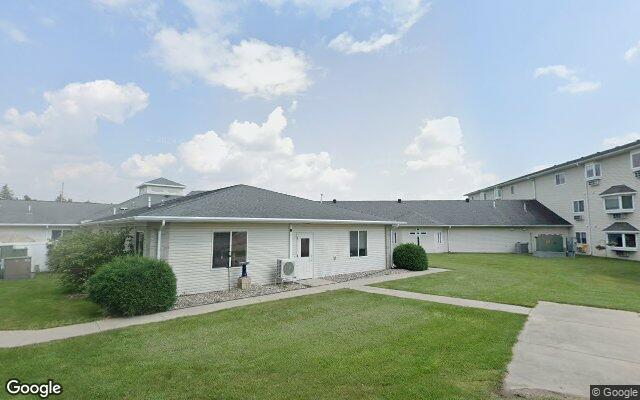
A large home, reviewed on public record.
Compared to 143 Minnesota facilities with a similar number of beds.
ALF memory care · 36-month window. Higher percentile = better performance on inspection record. Source: Minnesota Dept. of Health · Health Regulation Division.
among peers to rank.
Rankings based on 36-month MDH inspection data. Severity and frequency: fewer citations = higher percentile. Repeat rate: lower repeat citation share = higher percentile.
Citation history, plotted month by month.
2 deficiencies on record. Each bar is a month with a citation.
Finding distribution
2 total · 36 monthsScope × Severity (CMS A–L)
Questions to ask before you visit.
A short pre-tour checklist tailored to Minnesota Greenleaf's record and state requirements.
Minnesota Greenleaf holds an Assisted Living Facility with Dementia Care license under Minnesota Statutes chapter 144G and has 71 licensed beds — can you walk us through the specific dementia care policies and environmental adaptations that meet the state's dementia care licensing requirements?
Ask the operator on tour. Take notes and compare answers across facilities you visit.
The facility has had 7 inspections on file with the Minnesota Department of Health, with the most recent inspection on July 18, 2025, and zero deficiencies cited — can you share copies of the most recent inspection reports and explain how the facility maintains compliance across all areas?
Ask the operator on tour. Take notes and compare answers across facilities you visit.
Five complaints have been filed with the Minnesota Department of Health during the inspection period on file — were any of those complaints substantiated, and can you provide documentation of how the facility responded to each complaint?
Ask the operator on tour. Take notes and compare answers across facilities you visit.
Every inspection visit, verbatim.
6 inspections in the public record, most recent first. Plain-language summaries open first — click into any row for the full citation text.
2025-10-17Complaint InvestigationSubstantiated Finding · 1 finding
Plain-language summary
A complaint investigation found that nursing staff neglected a resident by failing to administer ordered antibiotics for a urinary tract infection timely, which caused the resident to miss a scheduled cancer treatment appointment when her white blood cell count became elevated due to the untreated infection. The facility did not follow its own procedures for handling medications that arrived without accompanying physician orders, and the resident ultimately required a clinic visit for an antibiotic injection and experienced a two-week delay in her chemotherapy. The Minnesota Department of Health substantiated the complaint and determined the facility was responsible for the maltreatment.
Read full citation text (1)Hide full citation text
“MDH substantiated maltreatment or licensing violation finding”
Read raw inspector notesClose inspector notes
Finding: Substantiated, facility responsibility Nature of Investigation: The Minnesota Department of Health investigated an allegation of maltreatment, in accordance with the Minnesota Reporting of Maltreatment of Vulnerable Adults Act, Minn. Stat. 626.557, and to evaluate compliance with applicable licensing standards for the provider type. Initial Investigation Allegation(s): The alleged perpetrator (AP), a nurse, neglected the resident when the AP failed to obtain orders for extended antibiotic use for the resident’s UTI (Urinary Tract Infection.) As a result, the resident’s medication was not started timely requiring a clinic visit. As a result, the resident’s cancer treatment was delayed for two weeks. Investigative Findings and Conclusion: The Minnesota Department of Health determined neglect was substantiated. The facility was responsible for the maltreatment. Facility staff failed to follow their system in place of what to do when medications arrived at the facility from the pharmacy without orders. As a result, the resident did not receive her antibiotic medication treatment for a UTI timely. The resident was seen by a medical provider in a clinic, received an injection of antibiotic, and the resident’s scheduled cancer treatment was canceled due to elevated white blood cell count related to the infection. The investigator conducted interviews with facility staff members, including administrative staff, nursing staff, unlicensed staff, and the AP. The investigation included review of the resident records, pharmacy records, a personnel file, related facility policy and procedures. Also, the investigator observed the resident and staff interactions with the resident. The resident resided in an assisted living memory care unit. The resident’s diagnoses included bladder cancer, bladder resection (surgical procedure to treat bladder cancer,) and chemo to bladder/implant. The resident’s service plan included assistance with medication administration and coordination of care by the nurse and with other providers. The resident’s assessment indicated a licensed nurse was responsible for monitoring medication supply, reviewing new medication orders, and made changes to the medication administration record as needed. The resident was oriented to person, place, and time with a memory problem. The same assessment indicated a nurse helped with health issues, scheduling, and follow-ups. The resident’s record indicated the resident had chemotherapy treatment (infusion therapy) scheduled weekly for bladder cancer. Records indicated the resident’s blood and urine would be looked at for signs of infection and this may be done three to four days prior to the appointment. If the resident had signs of infection cancer treatment may be delayed. The resident’s record indicated one day the resident’s provider ordered an antibiotic, a supply of 14 capsules to take 1 capsule twice daily for seven days to treat the resident’s UTI. Orders provided by the facility included an E-prescription (electronic prescription from a medical provider to a pharmacy). Pharmacy delivery records indicated the resident’s 14 capsules of antibiotics were delivered to the facility the same day the E-prescription was received. The resident’s medication administration record (MAR) indicated the resident received a seven-day course of antibiotics as well as additional antibiotic capsules after a supply of the seven-day course was administered. After the first antibiotic treatment, pharmacy delivery records indicated a 10-day supply of 20 capsules of antibiotics, were delivered. Orders provided by the facility included an E-prescription from the pharmacy. Pharmacy delivery records indicated the resident’s 20 capsules of antibiotics were delivered to the facility the same day the E-prescription was received. Seven days after that, the AP documented on the E-prescription to start the antibiotics today per a phone call the AP had with the resident’s provider’s nurse. The resident’s MAR indicated for the 10-day course there was a duration of five consecutive days the resident did not receive any antibiotic capsules administered by staff for treatment of the resident’s UTI. The resident’s MAR indicated during the five consecutive days the resident did not receive the antibiotics, there were 15 medication passes and numerous different staff administering other medications to the resident. The resident’s record indicated the AP spoke with the resident’s provider’s nurse and indicated the resident’s 10-day supply of antibiotics was received and did not get administered, because the provider did not fax the orders to the facility. The notes also indicated the resident received four capsules out of the 10-day medication pack and had an eight-day supply remaining. The resident’s record indicated the facility was informed to restart the remainder of 10-day supply of antibiotics. The next day, records indicated the resident had a low-grade temp of 99.3, the resident said she was not “feeling the best,” was tired, and had some weakness. The resident went to the clinic for evaluation. Clinic medical provider notes indicated the resident was sent in by the facility for concern of ongoing malaise (general discomfort, uneasiness, or lack of wellbeing), fatigue, and low-grade temp. The medical provider indicated the resident was recently treated for UTI. Seven days later another urine lab test was checked, infection was present, so an additional 10 days of antibiotic was ordered but was not started by the facility. The provider’s notes indicated, urology indicated they spoke to the facility; the facility received the medication but did not receive an order, so they did not start them. The medical provider notes indicated the antibiotic medication did get restarted the evening prior to the clinic visit and the resident had two doses. The clinic notes indicated the resident’s antibiotics were not started timely per the resident’s clinic records. The resident and resident’s family were unaware of this. The resident received a Rocephin (antibiotic) injection, and the antibiotics were not changed as prescribed. Clinic visit orders indicated the resident was seen and a urine was rechecked and indicated the resident still had a UTI. The resident received a Rocephin injection and orders included to ensure antibiotics were given to the resident as already ordered. During onsite compliance interviews, multiple unlicensed staff stated if a medication was delivered from pharmacy, and the medication was not listed on a resident’s MAR staff contacted a nurse. Two unlicensed staff also both stated after pharmacy delivery, medications were distributed to a resident’s dedicated medication cart. During an interview, nurse 1 stated she could not tell when looking at the resident’s MAR why the MAR indicated more than 14 capsules of antibiotics were administrated during the resident’s 7-day course of antibiotics. Nurse 1 said either a medication or documentation error occurred. During an interview, nurse 2 stated if medications were delivered to the facility from pharmacy and were not on the MAR, and if there was no paperwork or orders from a provider, unlicensed staff were to contact a nurse. Nurse 2 said within 24 hours medication orders were supposed to be entered by a nurse onto the MAR. Nurse 2 said if the facility did not have an order for the medication delivered, a nurse called the pharmacy or called the medical provider for an order. When the resident’s 10-day course of antibiotic arrived and was not on the MAR, nurse 2 said she did not receive a call from unlicensed staff. Nurse 2 said, if she would have received a call, she would have obtained an order, or an order would have at least been obtained within 24 hours to add this to the MAR for administration. Nurse 2 stated from what she reviewed in the resident’s record there was a delay in the resident receiving the 10-day course of antibiotic. During an interview, the AP stated the resident was undergoing cancer treatment for her bladder and required lab work prior to treatment to check if the resident had a UTI. If the resident had a UTI, the bladder treatment was postponed. The AP stated the resident had a UTI, and 7-day course of antibiotics were ordered and administered. The resident had lab work done, the UTI was not cleared, so an additional 10-day course of antibiotics was ordered by the resident’s provider. The 10-day course was delivered to the facility from the pharmacy. The AP said the 10-day course of medication was not added to the MAR like it should have been because there was no paperwork from the provider with an order. However, the AP said the facility had a process in place when this occurred, unlicensed staff called a nurse, and a nurse called the provider for an order or called the pharmacy to obtain an E-prescription.
2025-07-18Annual Compliance VisitNo findings
Plain-language summary
A routine licensing survey on July 18, 2025, found Minnesota Greenleaf not in substantial compliance with state assisted living facility rules, resulting in a 90-day conditional license. The facility received six correction orders involving the assisted living director license, housing and services responsibility, fire protection, background studies, resident assessments, and medication management plans, with a total of $5,500 in fines assessed. The facility must document how it corrected these violations and may appeal the findings within 15 days of receiving the correction orders.
Read full citation textHide full citation text
Read raw inspector notesClose inspector notes
correction orders and document the actions taken to comply in the facility's records. The Department reserves the right to return to the facility at any time should the Department receive a complaint or deem it necessary to ensure the health, safety, and welfare of residents in your care. You are encouraged to retain this document for your records. It is your responsibility to share the information contained in the letter and/ or state form with your organization’s Governing Body. Sincerely, Rick Michals, J.D. Executive Regional Operations Manager JMD An equal opportunity employer. Letter ID: 292I_Revised 04/14/2023 P r o t e c t i n g , M a i n t a i n i n g a n d I m p r o v i n g t h e H e a l t h o f A l l M i n n e s o t a n s NOTICE OF CONDITIONA LLICENSE Electronically Delivered October 22, 2025 Licensee Minnesota Greenleaf 1006 Greenwood Street East Thief River Falls ,MN 56701 RE : Conditiona lLicense Number 418316 Health Facility Identification Number (HFID )30342 Project Number(s) SL30342016 Dear Licensee: The Minnesota Department of Health (MDH) completed a survey on July 18, 2025, for the purpose of assessing compliance with state licensing statutes. Based on the survey results you were found not to be in substantial compliance with the laws pursuant to Minnesota Statutes ,Chapter 144G. As a result, pursuant to Minn. Stat. § 144G2. 0 ,Subd .1 (a), MDH is issuing a 90-day conditional license ,pending appea lunder Minn. Stat. § 144G2. 0, Subd .18. STATE CORRECTIO ONRDERS The enclosed State Form documents the state correction orders. MDH documents state correction orders using federal software. Tag numbers are assigned to Minnesota state statutes for Assisted Living Facilities .The assigned tag number appears in the far left column entitled "ID Prefix Tag". The state statute number and the corresponding text of the state statute out of compliance are listed in the "Summary Statement of Deficiencies "column. This column also includes the findings that are in violation of the state statute after the statement, "This MN Requiremen tis not met as evidenced by . . ." IMPOSITION OF FINES In accordance with Minn. Stat. § 144G3. 1, Subd .4, fines and enforcement actions may be imposed based on the level and scope of the violations and may be imposed immediately with no opportunity to correct the violation first as follows: Leve l1: no fines or enforcement; Leve l2: a fine of $500 per violation, in addition to any enforcement mechanism authorized in § 144G2. 0; Leve l3: a fine of $1,000 per incident, in addition to any enforcement mechanism authorized in § 144G2. 0; Leve l4: a fine of $3,000 per incident, in addition to any enforcement mechanism authorized in § 144G2. 0; Leve l5: a fine of $5,000 per violation, in addtion to any enforcement mechanism authorized in § 144G.20. An equal opportunity employer. Letter ID: MX30_Revised 04/14/2023 Minnesota Greenleaf October 22, 2025 Page 2 St - 0 - 0110 - 144g.10 Subdivision 1a - Assisted Living Director License Required - $1,000.00 St - 0 - 0420 - 144g.40 Subdivision 1 - Responsibility For Housing And Services - $1,000.00 St - 0 - 0775 - 144g.45 Subd. 2. (a) - Fire Protection And Physica lEnvironment - $500.00 St - 0 - 1290 - 144g.60 Subdivision 1 - Background Studies Required S-S - $1,000.00 St - 0 - 1620 - 144g.70 Subd. 2 (c-E) - Initial Reviews ,Assessments A, nd Monitoring - $1,000.00 St - 0 - 1730 - 144g.71 Subd. 5 - Individualized Medication Management Plan - $1,000.00 Therefore, in accordance with Minn. Stat. §§ 144G.01 to 144G.9999, the total amount you are assessed is $5,500.00 You will be invoiced approximately 30 days after receipt of this notice, subject to appeal. DOCUMENTATIO ONF ACTION TO COMPLY In acc ordanc e with Minn. Stat. § 144 G.30 , Subd .5(c), the licensee must do cume nt ac tio ns ta ken to comply with the correction orders and immediately correct any reissued orders outlined on the state form; however, plans of correction are not required to be submitted for approval. The correction order documentation should include the following: x Identify how the area(s) of noncompliance was corrected related to the resident(s)/ employee(s) identified in the correction order. x Identify how the area(s) of noncompliance was corrected for all of the provider’s resident(s)/ employees that may be affected by the noncompliance. x Identify what changes to your systems and practices were made to ensure compliance with the specific statute(s). CORRECTIO ONRDER RECONSIDERATI OPNROCESS In accordance with Minn. Stat. § 144G3. 2, Subd .2, you may challenge the correction order(s) issued ,including the level and scope ,and any fine assesse dthrough the correction order reconsideration process .The request for reconsideration must be in writing and received by MDH within 15 calendar days of the correction order receipt date. To submit a reconsideration request, please visit: https:/ / forms.web.health.state.mn.us/form/ HRDAppealsForm REQUESTIN AG HEARING Alternatively, in accordance with Minn. Stat. § 144G3. 1, Subd .5(d), an assisted living provider that has been assesse da fine under this subdivision has a right to a reconsideration or a hearing under this section and chapter 14. Pursuan tto Minn. Stat. § 144G2. 0, Subd .14 and Subd .18, a request for a hearing must be in writing and received by the Department of Health within 15 business days of the correction order receipt date. The request must contain a brief and plain statement describing each matter or issue contested and any new information you believe constitutes a defense or mitigating factor. To submit a hearing request, please visit: https:/ / forms.web.health.state.mn.us/form/ HRDAppealsForm To appea lfines via reconsideration ,please follow the procedure outlined above. Please note that you may request a reconsideration or a hearing, but not both. If you wish to contest tags without fines in a reconsideration and tags with the fines at a hearing, please submit two separate appeals forms at the website listed above. If you request a hearing, please specify whether you are appealing the orders and fines, the Minnesota Greenleaf October 22, 2025 Page 3 imposed conditions, or both. CONDITIONA LLICENS IESSUED: MDH will issue Minnesota Greenlea fa conditional assisted living facility license for 90 calendar days from the date of this notice. At an unannounced point in time, within the 90 calendar days, MDH will conduct a follow-up survey, as defined in Minn. Stat. § 144G.30, Subd .6. Based on the results of the follow-up survey, MDH will determine if Minnesota Greenlea fis in substantia lcompliance. The following conditions apply on the conditional assisted living facility license: a. No new substantiated maltreatment allegations: If any new investigations begin in the conditional license period, and the allegations are substantiated ,MDH may pursue additional enforcement actions up to and including immediate temporary suspension and revocation of the license. b. No new admissions :Minnesota Greenlea fwill not admit any new residents under its conditional assisted living facility license until MDH removes the “no new admissions ”condition. Minnesota Greenlea fmust provide the Department: i. A list of the names and birthdates of any individuals Minnesota Greenlea fis currently in the process of admitting. These individuals will be able to continue the admittance process. ii. A list of all current residents: 1. Name and birthdate of each resident 2. Current payment source for services 3. If Elderly Waiver, the name and contact information of the care coordinator/case manager 4. If the resident is not able to make informed decisions ,the name of their representative and how to contact the representative c. Consultant: Minnesota Greenlea fwill contract with an RN to provide consultation concerning all resident(s) to whom Minnesota Greenlea fprovides licensed assisted living serv ices under the co nditio nal lic ens e. The consultant must hav e ac cess to all resident(s) receiving services from Minnesota Greenleaf .The consultant will conduct initial and ongoing evaluations of the provider. Direct resident observation may be required based on the consultant’s judgement or at the discretion of MDH. The RN must not have any affiliation with Minnesota Greenlea fand MDH must review the RNs’ credentials and approve the selection .Minnesota Greenlea fis responsible for the expense of the contract with the RN.
2025-03-25Complaint InvestigationNo findings
Plain-language summary
The Minnesota Department of Health investigated a complaint that a staff member abused a resident, resulting in a bruise on the resident's left breast and behavioral changes including increased isolation and flinching during care. The investigation determined the allegation was inconclusive because while the bruise was confirmed, there was insufficient evidence to establish how it occurred or who was responsible. The facility reported the matter to law enforcement, and the alleged staff member no longer works at the facility.
Read full citation textHide full citation text
Read raw inspector notesClose inspector notes
Finding: Inconclusive Nature of Investigation: The Minnesota Department of Health investigated an allegation of maltreatment, in accordance with the Minnesota Reporting of Maltreatment of Vulnerable Adults Act, Minn. Stat. 626.557, and to evaluate compliance with applicable licensing standards for the provider type. Initial Investigation Allegation: The alleged perpetrator (AP) abused the resident which resulted in a purple bruise on the resident’s left breast. The resident displayed a change in behavior by isolating more to her room and flinched during personal cares during that time. Investigative Findings and Conclusion: The Minnesota Department of Health determined abuse was inconclusive. While there is sufficient evidence showing the resident’s left breast was bruised, there is not sufficient evidence to demonstrate how it occurred nor who might be responsible. The investigator conducted interviews with facility staff members, including administrative staff, nursing staff, and unlicensed staff. The investigator contacted law enforcement. The investigation included review of the resident record, facility incident reports, personnel files, staff schedules, and related facility policy and procedures. The investigator observed interactions between staff and residents during a recent visit to the facility. The resident resided in an assisted living memory care unit. The resident’s diagnoses included Alzheimer’s Disease. The resident’s service plan included assistance with activities of living including personal cares and bathing assistance. The resident’s assessment indicated she could ambulate on her own, had poor memory and impaired decision-making skills. One morning caregivers noticed the resident had discoloration located on her left breast, which had characteristics of a new bruise. Caregivers also observed the resident flinch when approached during bathing cares and isolated herself more to her room when her routine had been to walk in the hallways. A facility incident report indicated staff members identified a bruise on the resident’s left breast with morning cares and notified the on-call nurse. A progress note later the same day indicated the bruise presented as a purple coloration on her skin. When unlicensed caregivers attempted to assist her with a shower, noticed the discoloration, and asked the resident what occurred. The same document indicated the resident said a [reference to skin color] “did it”. The medical record indicated the bruise resolved without treatment. During an interview, a nurse stated that she did not interview the resident but received the information from caregivers who assisted the resident that day. The nurse stated staff members schedules were reviewed to narrow down the staff who worked when the injury may have occurred. During an interview, an unlicensed caregiver stated the resident was jumpy and seemed to resist physical touch during shower assistance one morning. The caregiver stated she noticed the bruise, which was not there the day before. The caregiver stated that the resident said ‘the [reference to skin color] girl did it.’ The caregiver stated there were multiple females working at the facility who fit that description worked at the facility along with the AP, however the AP had worked the night before the bruise was identified. During interview, a manager stated that the injury looked like a pinch bruise. During interview with this investigator, the resident had difficulty recalling person, place and time questions and was unable to recall any incident in which the bruise could have occurred. During interview, a family member stated he was not aware of the bruise found on the resident or had he heard there was an allegation of any suspected abuse. The Minnesota Department of Health determined abuse was inconclusive. Inconclusive: Minnesota Statutes, section 626.5572, Subdivision 11. "Inconclusive" means there is less than a preponderance of evidence to show that maltreatment did or did not occur. Abuse: Minnesota Statutes section 626.5572, subdivision 2. "Abuse" means: (b) Conduct which is not an accident or therapeutic conduct as defined in this section, which produces or could reasonably be expected to produce physical pain or injury or emotional distress including, but not limited to, the following: (1) hitting, slapping, kicking, pinching, biting, or corporal punishment of a vulnerable adult; (2) use of repeated or malicious oral, written, or gestured language toward a vulnerable adult or the treatment of a vulnerable adult which would be considered by a reasonable person to be disparaging, derogatory, humiliating, harassing, or threatening; or (3) use of any aversive or deprivation procedure, unreasonable confinement, or involuntary seclusion, including the forced separation of the vulnerable adult from other persons against the will of the vulnerable adult or the legal representative of the vulnerable adult unless authorized under applicable licensing requirements or Minnesota Rules, chapter 9544. (c) Any sexual contact or penetration as defined in section 609.341, between a facility staff person or a person providing services in the facility and a resident, patient, or client of that facility. (d) The act of forcing, compelling, coercing, or enticing a vulnerable adult against the vulnerable adult's will to perform services for the advantage of another. Vulnerable Adult interviewed: Yes. Family/Responsible Party interviewed: Yes. Alleged Perpetrator interviewed: No, the AP declined an interview with the investigator. Action taken by facility: The facility reported the matter to law enforcement. The AP no longer works at the facility. Action taken by the Minnesota Department of Health: No further action taken at this time. cc: The Office of Ombudsman for Long Term Care The Office of Ombudsman for Mental Health and Developmental Disabilities PRINTED: 03/27/2025 FORM APPROVED STATEMENT OF DEFICIENCIES (X1) PROVIDER/SUPPLIER/CLIA (X2) MULTIPLE CONSTRUCTION (X3) DATE SURVEY AND PLAN OF CORRECTION IDENTIFICATION NUMBER: COMPLETED A. BUILDING: ______________________ C B. WING _____________________________ 30342 03/06/2025 NAME OF PROVIDER OR SUPPLIER STREET ADDRESS, CITY, STATE, ZIP CODE 1006 GREENWOOD STREET EAST MINNESOTA GREENLEAF THIEF RIVER FALLS, MN 56701 SUMMARY STATEMENT OF DEFICIENCIES PROVIDER'S PLAN OF CORRECTION (X4) ID ID (X5) PREFIX (EACH DEFICIENCY MUST BE PRECEDED BY FULL PREFIX (EACH CORRECTIVE ACTION SHOULD BE COMPLETE REGULATORY OR LSC IDENTIFYING INFORMATION) CROSS-REFERENCED TO THE APPROPRIATE DATE TAG TAG DEFICIENCY) 0 000 Initial Comments 0 000 On March 6, 2025, the Minnesota Department of Health initiated an investigation of complaint #HL303425200C/#HL303428422M and HL303424361C/#HL303428142M. No correction orders are issued. LABORATORY DIRECTOR'S OR PROVIDER/SUPPLIER REPRESENTATIVE'S SIGNATURE TITLE (X6) DATE STATE FORM 6899 1OP111 If continuation sheet 1 of 1
2025-03-21Complaint InvestigationNo findings
Plain-language summary
The Minnesota Department of Health investigated a complaint that the facility neglected a resident by failing to adequately assess and monitor a lower leg injury with swelling, redness, and pain, but determined the allegation was not substantiated. A facility nurse examined the injury when the resident reported it, documented it as a bruise, discussed follow-up options with the resident who declined immediate evaluation, and scheduled an appointment with the resident's medical provider; the resident did not inform staff when the condition worsened until another agency nurse visited. No correction orders were issued and no further action was taken.
Read full citation textHide full citation text
Read raw inspector notesClose inspector notes
Finding: Not Substantiated Nature of Investigation: The Minnesota Department of Health investigated an allegation of maltreatment, in accordance with the Minnesota Reporting of Maltreatment of Vulnerable Adults Act, Minn. Stat. 626.557, and to evaluate compliance with applicable licensing standards for the provider type. Initial Investigation Allegation: The facility neglected the resident when it failed to adequately assess and monitor the resident’s lower leg injury resulting in swelling, redness and pain. Investigative Findings and Conclusion: The Minnesota Department of Health determined neglect was not substantiated. A facility nurse looked at the injury and documented the resident stated he bumped his left lower leg resulting in a large purple bruise. The resident did not choose to have it evaluated at that time, so the nurse scheduled the next available appointment with the resident’s medical provider. The resident did not alert staff when the wound worsened until another agency nurse made a visit and the resident was then sent in for a medical evaluation. The investigator conducted interviews with facility staff members, including administrative staff and nursing staff. The investigation included review of the resident record, facility incident reports, staff schedules, related facility policy and procedures Also, the investigator observed residents and staff during routine activities during a recent visit to the facility. The resident resided in an assisted living facility. The resident’s diagnoses included diabetes, congestive heart failure, atrial fibrillation and lymphedema. The resident’s care plan indicated he was independent with personal cares, hygiene and mobility. The care plan also indicated the resident’s lower legs were fragile, discolored, bruised easily and he would ask for assistance if he noticed any open areas that needed assessment. The resident’s assessment indicated the resident was oriented and could verbalize his needs. A concern arose the resident had an injury to his leg that had become red, very swollen, blistered and painful to the touch. The report indicated the injury was not monitored and the resident was not provided pain medication for the injury. During an interview, a facility nurse stated the resident brought the injury to her attention and it appeared to be a bruise. The nurse stated it was not red with no evidence of a clot. She stated follow-up options were discussed at that time with the resident, who did not want it to be immediately evaluated, and she made the soonest appointment with his medical provider that was available. She stated the resident agreed to go in sooner if it worsened. During interview, a second facility nurse stated she did not receive any concerns from staff or the resident that the injury had worsened or that it needed immediate attention. During interview, the resident stated he had fallen but could not remember when it happened. The resident said he thought the injury occurred then and the nurse looked at it. The resident stated he did not think it was bad at the time and never really told anyone about it. In conclusion, the Minnesota Department of Health determined neglect was not substantiated. “Not Substantiated” means: An investigatory conclusion indicating the preponderance of evidence shows that an act meeting the definition of maltreatment did not occur. Neglect: Minnesota Statutes, section 626.5572, subdivision 17 “Neglect” means neglect by a caregiver or self-neglect. (a) "Caregiver neglect" means the failure or omission by a caregiver to supply a vulnerable adult with care or services, including but not limited to, food, clothing, shelter, health care, or supervision which is: (1) reasonable and necessary to obtain or maintain the vulnerable adult's physical or mental health or safety, considering the physical and mental capacity or dysfunction of the vulnerable adult; and (2) which is not the result of an accident or therapeutic conduct. Vulnerable Adult interviewed: Yes. Family/Responsible Party interviewed: Yes. Alleged Perpetrator interviewed: Not Applicable. Action taken by facility: No action taken. Action taken by the Minnesota Department of Health: No further action taken at this time. cc: The Office of Ombudsman for Long Term Care The Office of Ombudsman for Mental Health and Developmental Disabilities PRINTED: 03/27/2025 FORM APPROVED STATEMENT OF DEFICIENCIES (X1) PROVIDER/SUPPLIER/CLIA (X2) MULTIPLE CONSTRUCTION (X3) DATE SURVEY AND PLAN OF CORRECTION IDENTIFICATION NUMBER: COMPLETED A. BUILDING: ______________________ C B. WING _____________________________ 30342 03/06/2025 NAME OF PROVIDER OR SUPPLIER STREET ADDRESS, CITY, STATE, ZIP CODE 1006 GREENWOOD STREET EAST MINNESOTA GREENLEAF THIEF RIVER FALLS, MN 56701 SUMMARY STATEMENT OF DEFICIENCIES PROVIDER'S PLAN OF CORRECTION (X4) ID ID (X5) PREFIX (EACH DEFICIENCY MUST BE PRECEDED BY FULL PREFIX (EACH CORRECTIVE ACTION SHOULD BE COMPLETE REGULATORY OR LSC IDENTIFYING INFORMATION) CROSS-REFERENCED TO THE APPROPRIATE DATE TAG TAG DEFICIENCY) 0 000 Initial Comments 0 000 On March 6, 2025, the Minnesota Department of Health initiated an investigation of complaint #HL303425200C/#HL303428422M and HL303424361C/#HL303428142M. No correction orders are issued. LABORATORY DIRECTOR'S OR PROVIDER/SUPPLIER REPRESENTATIVE'S SIGNATURE TITLE (X6) DATE STATE FORM 6899 1OP111 If continuation sheet 1 of 1
2024-09-09Complaint InvestigationSubstantiated Finding · 1 finding
Plain-language summary
A complaint investigation found that the facility neglected a resident with dementia by failing to provide adequate supervision, allowing the resident to elope from the locked memory care unit. The resident exited the building, was found several blocks away under a bridge underpass, and sustained a left elbow bruise from an unwitnessed fall; staff did not realize the resident was missing until law enforcement arrived at the facility. The investigation concluded that staff heard a door alarm but failed to account for all residents in the unit after the alarm sounded, and the facility was unable to determine which exit door the resident used or how she got out.
Read full citation text (1)Hide full citation text
“MDH substantiated maltreatment or licensing violation finding”
Read raw inspector notesClose inspector notes
Finding: Substantiated, facility responsibility Nature of Investigation: The Minnesota Department of Health investigated an allegation of maltreatment, in accordance with the Minnesota Reporting of Maltreatment of Vulnerable Adults Act, Minn. Stat. 626.557, and to evaluate compliance with applicable licensing standards for the provider type. Initial Investigation Allegation(s): The facility neglected the resident when the facility failed to provide supervision. The resident eloped from the locked memory care unit and was found several blocks away. Investigative Findings and Conclusion: The Minnesota Department of Health determined neglect was substantiated. The facility was responsible for the maltreatment. The facility staff were unaware the resident had eloped from the locked memory care unit until law enforcement arrived asking if the resident resided at the facility. The resident was found blocks away under a bridge underpass, had an unwitnessed fall, and sustained a left elbow contusion (bruise.) The investigator conducted interviews with facility staff members, including administrative staff and nursing staff. The investigation included review of the resident records, hospital record, incident report, law enforcement report, and related facility policy and procedures. Also, the investigator observed the resident and the facility’s locked memory care unit. The resident resided in an assisted living memory care unit. The resident’s diagnoses included dementia. The resident’s service plan included safety checks at 7:00 a.m., 10:00 a.m., 1:00 p.m., 3:00 p.m., 7:00 p.m., 9:00 p.m., 11:00 p.m., 1:00 a.m., 4:00 a.m. The resident’s assessment indicated the resident wandered hallways and paced during evening time, walked independently, was disoriented to place, time, had moderately impaired decision making, and had no history of elopement. The resident’s record indicated one day staff reported the resident was last observed by staff around 5:30 p.m. during the evening meal. The door alarm went off between 6:00 p.m. and 6:30 p.m., staff checked the doors but did not see anything of concern. Around 7:00 p.m., law enforcement arrived and asked if the facility knew who the resident was. The resident was found blocks away under a bridge underpass. Law enforcement informed the facility the resident was transported to the emergency room. The law enforcement report indicated law enforcement received multiple calls of a woman passed out in the street under the underpass at 6:31 p.m. and arrived at 6:35 p.m. A passersby assisted the resident off the roadway. When law enforcement arrived, the resident was up on her feet and conscious. The resident was only able to say her last name, told law enforcement she did not know where she was, was from out of town, and was just there visiting. Emergency medical services transported the resident to the hospital. Law enforcement checked with the facility to see if the resident lived there. Law enforcement was able to identify the resident, learned that she lived at the facility, and spoke to several staff. Staff were unable to provide a definitive answer as to how and when the resident had gotten out of the memory care. Emergency room records indicated the resident presented to the emergency room after eloping from the facility. The resident was found wandering the streets about two blocks away from the facility. The resident was diagnosed with an unwitnessed fall, a left elbow contusion, and discharged back to the facility. During an interview, a nurse stated staff last observed the resident at 5:30 p.m. when eating supper. Staff heard a door alarm go off between 6:00 p.m. and 6:30 p.m., staff checked, and did not have any concerns. Staff did not know the resident was missing until law enforcement arrived. During an interview, leadership stated the resident eloped from the locked memory care unit. The facility was unable to determine what exit door the resident eloped from or how the resident exited. Leadership stated in order to enter or exit the locked unit, a code must be punched into a keypad for each doorway. The memory care unit had a total of three exit doors, one off the facility’s lobby, one to an outside patio area, and one at the end of a hallway. All required punching a keycode into a keypad. Leadership stated the main door used to enter and exit memory care was the door located off the facility lobby which also led to the assisted living side of the building. Off the lobby, was an exit door to go outside. Leadership stated prior to the resident’s elopement, facility staff provided family members and residents who resided on the assisted living side of the building who were also family members, the keycode to enter and exit memory care freely. Leadership stated the facility believed the resident followed behind a family member who passed through the memory care door into the lobby and the resident exited the building. Facility staff were unaware the resident left until law enforcement arrived. Leadership stated any time someone enters or exits the building an alarm sounded. Leadership stated the sound made was a doorbell “ding-dong” type sound and could be heard throughout the entire building. The day the resident eloped; the alarm sounded, and multiple staff checked the facility’s lobby door, however, did not see anything of concern. Leadership stated facility staff failed to ensure all the residents in memory care were accounted for following the activation of the door alarm. During an interview, the resident did not recall eloping from the facility. During an interview, a family member stated the resident resided in the locked memory unit because of her dementia and risk for leaving the facility. In conclusion, the Minnesota Department of Health determined neglect was substantiated. Substantiated: Minnesota Statutes, section 626.5572, Subdivision 19. “Substantiated” means a preponderance of evidence shows that an act that meets the definition of maltreatment occurred. Neglect: Minnesota Statutes, section 626.5572, subdivision 17 “Neglect” means neglect by a caregiver or self-neglect. (a) "Caregiver neglect" means the failure or omission by a caregiver to supply a vulnerable adult with care or services, including but not limited to, food, clothing, shelter, health care, or supervision which is: (1) reasonable and necessary to obtain or maintain the vulnerable adult's physical or mental health or safety, considering the physical and mental capacity or dysfunction of the vulnerable adult; and (2) which is not the result of an accident or therapeutic conduct. Vulnerable Adult interviewed: Yes. Family/Responsible Party interviewed: Yes. Alleged Perpetrator interviewed: Not Applicable. the Action taken by facility: The facility increased the resident’s safety checks to every one hour, changed all the keycodes for the keypads in memory care, changed their process to only staff knowing the codes, checked memory care window stoppers, posted signage for family and visitors to have escorts by staff to enter and leave the unit, reeducated staff on the varying sounds of door alarms, and reeducated staff how to respond to door alarms including conducting resident head counts. Action taken by the Minnesota Department of Health: The responsible party will be notified of their right to appeal the maltreatment finding. The facility was found to be in noncompliance. To view a copy of the Statement of Deficiencies and/or correction orders, please visit: https://www.health.state.mn.us/facilities/regulation/directory/provcompselect.html If you are viewing this report on the MDH website, please see the attached Statement of Deficiencies. You may also call 651-201-4200 to receive a copy via mail or email. cc: The Office of Ombudsman for Long Term Care The Office of Ombudsman for Mental Health and Developmental Disabilities Pennington County Attorney Thief River Falls City Attorney Thief River Falls Police Department PRINTED: 09/10/2024 FORM APPROVED STATEMENT OF DEFICIENCIES (X1) PROVIDER/SUPPLIER/CLIA (X2) MULTIPLE CONSTRUCTION (X3) DATE SURVEY AND PLAN OF CORRECTION IDENTIFICATION NUMBER: COMPLETED A. BUILDING: ______________________ C B. WING _____________________________ 30342 08/20/2024 NAME OF PROVIDER OR SUPPLIER STREET ADDRESS, CITY, STATE, ZIP CODE 1006 GREENWOOD STREET EAST MINNESOTA GREENLEAF THIEF RIVER FALLS, MN 56701 SUMMARY STATEMENT OF DEFICIENCIES PROVIDER'S PLAN OF CORRECTION (X4) ID ID (X5) PREFIX (EACH DEFICIENCY MUST BE PRECEDED BY FULL PREFIX (EACH CORRECTIVE ACTION SHOULD BE COMPLETE REGULATORY OR LSC IDENTIFYING INFORMATION) CROSS-REFERENCED TO THE APPROPRIATE DATE TAG TAG DEFICIENCY) 0 000 Initial Comments 0 000 ******ATTENTION****** ASSISTED LIVING PROVIDER CORRECTION ORDER In accordance with Minnesota Statutes, section 144G.08 to 144G.95, these correction orders are issued pursuant to a complaint investigation. Determination of whether a violation is corrected requires compliance with all requirements provided at the statute number indicated below.
2023-11-06Complaint InvestigationNo findings
Plain-language summary
A complaint investigation was conducted at Minnesota Greenleaf on October 31, 2023, to review whether facility policies and practices complied with state laws governing assisted living facilities with dementia care. No correction orders were issued as a result of the investigation.
Read full citation textHide full citation text
Read raw inspector notesClose inspector notes
STATE LICENSING COMPLIANCE REPORT Report #: HL303421222C Date Concluded: November 3, 2023 Name, Address, and County of Facility Investigated: Minnesota Greenleaf 1006 Greenwood Street East Thief River Falls, MN 56701 Pennington County Facility Type: Assisted Living Facility with Evaluator’s Name: Angela Vatalaro, RN Dementia Care (ALFDC) Special Investigator The Minnesota Department of Health conducted a complaint investigation to determine compliance with state laws and rules governing the provision of care under Minnesota Statutes, Chapter 144G. The purpose of this complaint investigation was to review if facility policies and practices comply with applicable laws and rules. No maltreatment under Minnesota Statutes, Chapter 626 was alleged. To view a copy of the correction orders, if any, please visit: https://www.health.state.mn.us/facilities/regulation/directory/provcompselect.html, or call website, please see the attached state form. PRINTED: 11/06/2023 FORM APPROVED STATEMENT OF DEFICIENCIES (X1) PROVIDER/SUPPLIER/CLIA (X2) MULTIPLE CONSTRUCTION (X3) DATE SURVEY AND PLAN OF CORRECTION IDENTIFICATION NUMBER: COMPLETED A. BUILDING: ______________________ C B. WING _____________________________ 30342 10/31/2023 NAME OF PROVIDER OR SUPPLIER STREET ADDRESS, CITY, STATE, ZIP CODE 1006 GREENWOOD STREET EAST MINNESOTA GREENLEAF THIEF RIVER FALLS, MN 56701 SUMMARY STATEMENT OF DEFICIENCIES PROVIDER'S PLAN OF CORRECTION (X4) ID ID (X5) PREFIX (EACH DEFICIENCY MUST BE PRECEDED BY FULL PREFIX (EACH CORRECTIVE ACTION SHOULD BE COMPLETE REGULATORY OR LSC IDENTIFYING INFORMATION) CROSS-REFERENCED TO THE APPROPRIATE DATE TAG TAG DEFICIENCY) 0 000 Initial Comments 0 000 On October 31, 2023, the Minnesota Department of Health initiated an investigation of complaint #HL303421222C. No correction orders are issued. LABORATORY DIRECTOR'S OR PROVIDER/SUPPLIER REPRESENTATIVE'S SIGNATURE TITLE (X6) DATE STATE FORM 6899 MHOC11 If continuation sheet 1 of 1
1 older inspection from 2022 are not shown above.
Get the complete record, translated into plain language — emailed to you.
Other facilities in Thief River Falls.
Other memory care facilities near Thief River Falls with similar care offerings.
Tour Prep
Family reviews
No reviews yet — be the first to share your experience