Talamore Senior Living.
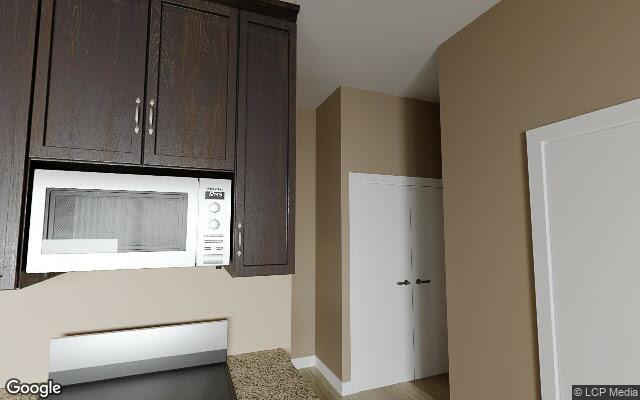
A large home, reviewed on public record.
© Google Street View
Compared to 139 Minnesota facilities with a similar number of beds.
ALF memory care · 36-month window. Higher percentile = better performance on inspection record. Source: Minnesota Dept. of Health · Health Regulation Division.
among peers to rank.
Rankings based on 36-month MDH inspection data. Severity and frequency: fewer citations = higher percentile. Repeat rate: lower repeat citation share = higher percentile.
Citation history, plotted month by month.
1 deficiency on record. Each bar is a month with a citation.
Finding distribution
1 total · 36 monthsScope × Severity (CMS A–L)
Questions to ask before you visit.
A short pre-tour checklist tailored to Talamore Senior Living's record and state requirements.
Minnesota Department of Health records show 1 complaint on file and 0 deficiencies cited — can you walk us through what that complaint involved and what steps the community took in response?
Ask the operator on tour. Take notes and compare answers across facilities you visit.
The facility holds an Assisted Living Facility with Dementia Care license under Minnesota Statutes Chapter 144G with 160 licensed beds — how many of those beds are specifically designated for memory care residents, and what additional supports or programming distinguish those units?
Ask the operator on tour. Take notes and compare answers across facilities you visit.
With 1 complaint filed and no resulting deficiencies, can you share the facility's written corrective action documentation or response plan that was submitted to MDH, so we understand how concerns are addressed?
Ask the operator on tour. Take notes and compare answers across facilities you visit.
Every inspection visit, verbatim.
5 inspections in the public record, most recent first. Plain-language summaries open first — click into any row for the full citation text.
2026-07-07Complaint InvestigationNo findings
2024-11-08Annual Compliance VisitNo findings
Plain-language summary
A routine inspection of Talamore Senior Living on November 8, 2024 found violations in infection control program procedures, background study requirements for staff, and appropriate care and services delivery. The facility was assessed a total fine of $6,500.00: $500 for the infection control deficiency and $3,000 each for the background studies and care services violations. The facility must document corrective actions within the timeframe specified and has the right to request reconsideration or a hearing within 15 business days of receiving the correction order.
Read full citation textHide full citation text
Read raw inspector notesClose inspector notes
CORRECTION ORDERS The enclosed State Form documents the state correction orders. MDH documents state licensing correction orders using federal software. Tag numbers are assigned to Minnesota state statutes for Assisted Living Facilities. The assigned tag number appears in the far left column entitled "ID Prefix Tag." The state statute number and the corresponding text of the state statute out of compliance are listed in the "Summary Statement of Deficiencies" column. This column also includes the findings that are in violation of the state statute after the statement, "This MN Requirement is not met as evidenced by . . ." IMPOSITION OF FINES In accordance with Minn. Stat. § 144G.31, Subd. 4, fines and enforcement actions may be imposed based on the level and scope of the violations and may be imposed immediately with no opportunity to correct the violation first as follows: Level 1: no fines or enforcement. Level 2: a fine of $500 per violation, in addition to any enforcement mechanism authorized in § 144G.20 for widespread violations; Level 3: a fine of $3,000 per violation per incident, in addition to any enforcement mechanism authorized in § 144G.20. Level 4: a fine of $5,000 per incident, in addition to any enforcement mechanism authorized in § 144G.20. Therefore, in accordance with Minn. Stat. §§ 144G.01 to 144G.9999, the following fines are assessed pursuant to this survey: An equal opportunity employer. Letter ID: IS7N REVISED 09/13/2021 Talamore Senior Living December 13, 2024 Page 2 St - 0 - 0510 - 144g.41 Subd. 3 - Infection Control Program - $500.00 St - 0 - 1290 - 144g.60 Subdivision 1 - Background Studies Required - $3,000.00 St - 0 - 2310 - 144g.91 Subd. 4 (a) - Appropriate Care And Services - $3,000.00 Therefore, in accordance with Minn. Stat. §§ 144G.01 to 144G.9999, t he total amount you are assessed is $6,500.00. You will be invoiced approximately 30 days after receipt of this notice, subject to appeal. DOCUMENTATION OF ACTION TO COMPLY In accordance with Minn. Stat. § 144G.30, Subd. 5(c), the licensee must document actions taken to comply with the correction orders within the time period outlined on the state form; however, plans of correction are not required to be submitted for approval. The correction order documentation should include the following: Identify how the area(s) of noncompliance was corrected related to the resident(s)/employee(s) identified in the correction order. Identify how the area(s) of noncompliance was corrected for all of the provider’s resident(s)/employees that may be affected by the noncompliance. Identify what changes to your systems and practices were made to ensure compliance with the specific statute(s). CORRECTION ORDER RECONSIDERATION PROCESS In accordance with Minn. Stat. § 144G.32, Subd. 2, you may challenge the correction order(s) issued, including the level and scope, and any fine assessed through the correction order reconsideration process. The request for reconsideration must be in writing and received by MDH within 15 calendar days of the correction order receipt date. To submit a reconsideration request, please visit: https://forms.web.health.state.mn.us/form/HRDAppealsForm REQUESTING A HEARING Alternatively, in accordance with Minn. Stat. § 144G.31, Subd. 5(d), an assisted living provider that has been assessed a fine under this subdivision has a right to a reconsideration or a hearing under this section and chapter 14. Pursuant to Minn. Stat. § 144G.20, Subd. 14 and Subd. 18, a request for a hearing must be in writing and received by the Department of Health within 15 business days of the correction order receipt date. The request must contain a brief and plain statement describing each matter or issue contested and any new information you believe constitutes a defense or mitigating factor. To submit a hearing request, please visit: https://forms.web.health.state.mn.us/form/HRDAppealsForm To appeal fines via reconsideration, please follow the procedure outlined above. P lease note that you Talamore Senior Living December 13, 2024 Page 3 may request a reconsideration o r a hearing, but not both. If you wish to contest tags without fines in a reconsideration and tags with the fines at a hearing, please submit two separate appeals forms at the website listed above. The MDH Health Regulation Division (HRD) values your feedback about your experience during the survey and/or investigation process. Please fill out this anonymous provider feedback questionnaire at your convenience at this link: h ttps://forms.office.com/g/Bm5uQEpHVa. Your input is important to us and will enable MDH to improve its processes and communication with providers. If you have any questions regarding the questionnaire, please contact Susan Winkelmann at susan.winkelmann@state.mn.us or call 651-201-5952. You are encouraged to retain this document for your records. It is your responsibility to share the information contained in the letter and state form with your organization’s Governing Body. If you have any questions, please contact me. Sincerely, Kelly Thorson, Supervisor State Evaluation Team Email: Kelly.Thorson@state.mn.us Telephone: 320-223-7336 Fax: 1-866-890-9290 HHH PRINTED: 12/13/2024 FORM APPROVED STATEMENT OF DEFICIENCIES (X1) PROVIDER/SUPPLIER/CLIA (X2) MULTIPLE CONSTRUCTION (X3) DATE SURVEY AND PLAN OF CORRECTION IDENTIFICATION NUMBER: COMPLETED A. BUILDING: ______________________ B. WING _____________________________ 34875 11/08/2024 NAME OF PROVIDER OR SUPPLIER STREET ADDRESS, CITY, STATE, ZIP CODE 215 37TH AVENUE NORTH TALAMORE SENIOR LIVING SAINT CLOUD, MN 56303 SUMMARY STATEMENT OF DEFICIENCIES PROVIDER'S PLAN OF CORRECTION (X4) ID ID (X5) PREFIX (EACH DEFICIENCY MUST BE PRECEDED BY FULL PREFIX (EACH CORRECTIVE ACTION SHOULD BE COMPLETE REGULATORY OR LSC IDENTIFYING INFORMATION) CROSS-REFERENCED TO THE APPROPRIATE DATE TAG TAG DEFICIENCY) 0 000 Initial Comments 0 000 ASSISTED LIVING PROVIDER LICENSING Minnesota Department of Health is CORRECTION ORDER(S) documenting the State Correction Orders using federal software. Tag numbers have In accordance with Minnesota Statutes, section been assigned to Minnesota State 144G.08 to 144G.95, these correction orders are Statutes for Assisted Living Facilities. The issued pursuant to a survey. assigned tag number appears in the far left column entitled "ID Prefix Tag." The Determination of whether violations are corrected state Statute number and the requires compliance with all requirements corresponding text of the state Statute out provided at the Statute number indicated below. of compliance is listed in the "Summary When Minnesota Statute contains several items, Statement of Deficiencies" column. This failure to comply with any of the items will be column also includes the findings which considered lack of compliance. are in violation of the state requirement after the statement, "This Minnesota INITIAL COMMENTS: requirement is not met as evidenced by." Following the evaluators ' findings is the SL34875016-0 Time Period for Correction. On November 4, 2024, through November 7, PLEASE DISREGARD THE HEADING OF 2024, the Minnesota Department of Health THE FOURTH COLUMN WHICH conducted a full survey at the above provider. At STATES,"PROVIDER'S PLAN OF the time of the survey, there were 140 resident(s); CORRECTION." THIS APPLIES TO 95 receiving services under the Assisted Living FEDERAL DEFICIENCIES ONLY. THIS Facility with Dementia Care license. WILL APPEAR ON EACH PAGE. THERE IS NO REQUIREMENT TO SUBMIT A PLAN OF CORRECTION FOR VIOLATIONS OF MINNESOTA STATE STATUTES. THE LETTER IN THE LEFT COLUMN IS USED FOR TRACKING PURPOSES AND REFLECTS THE SCOPE AND LEVEL ISSUED PURSUANT TO 144G.31 SUBDIVISION 1-3. 0 510 144G.41 Subd. 3 Infection control program 0 510 SS=F (a) All assisted living facilities must establish and LABORATORY DIRECTOR'S OR PROVIDER/SUPPLIER REPRESENTATIVE'S SIGNATURE TITLE (X6) DATE STATE FORM 6899 5ORU11 If continuation sheet 1 of 26 PRINTED: 12/13/2024 FORM APPROVED STATEMENT OF DEFICIENCIES (X1) PROVIDER/SUPPLIER/CLIA (X2) MULTIPLE CONSTRUCTION (X3) DATE SURVEY AND PLAN OF CORRECTION IDENTIFICATION NUMBER: COMPLETED A. BUILDING: ______________________ B. WING _____________________________ 34875 11/08/2024 NAME OF PROVIDER OR SUPPLIER STREET ADDRESS, CITY, STATE, ZIP CODE 215 37TH AVENUE NORTH TALAMORE SENIOR LIVING SAINT CLOUD, MN 56303 SUMMARY STATEMENT OF DEFICIENCIES PROVIDER'S PLAN OF CORRECTION (X4) ID ID (X5) PREFIX (EACH DEFICIENCY MUST BE PRECEDED BY FULL PREFIX (EACH CORRECTIVE ACTION SHOULD BE COMPLETE REGULATORY OR LSC IDENTIFYING INFORMATION) CROSS-REFERENCED TO THE APPROPRIATE DATE TAG TAG DEFICIENCY) 0 510 Continued From page 1 0 510 maintain an infection control program that complies with accepted health care, medical, and nursing standards for infection control. (b)The facility's infection control program must be consistent with current guidelines from the national Centers for Disease Control and Prevention (CDC) for infection prevention and control in long-term care facilities and, as applicable, for infection prevention and control in assisted living facilities. (c) The facility must maintain written evidence of compliance with this subdivision.
2024-08-26Complaint InvestigationNo findings
Plain-language summary
A complaint investigation found the facility substantiated for neglect when a resident with a pressure wound on her buttocks was not properly assessed, monitored, or treated according to physician orders; the wound worsened over five months, the resident was hospitalized with a large infected pressure ulcer, developed sepsis, and died nine days later. The facility failed to train unlicensed staff on wound care, did not consistently turn and reposition the resident as ordered, and nurses did not routinely assess the wound despite staff reports of infection and odor. The resident died from acute hypoxic respiratory failure due to sepsis caused by the untreated pressure wound.
Read full citation textHide full citation text
Read raw inspector notesClose inspector notes
Finding: Substantiated, facility responsibility Nature of Investigation: The Minnesota Department of Health investigated an allegation of maltreatment, in accordance with the Minnesota Reporting of Maltreatment of Vulnerable Adults Act, Minn. Stat. 626.557, and to evaluate compliance with applicable licensing standards for the provider type. Initial Investigation Allegation(s): The facility neglected the resident when the resident was hospitalized with a large open wound on her buttocks, the resident became septic (a life-threatening condition caused by a severe localized or system-wide infection) and died. Investigative Findings and Conclusion: The Minnesota Department of Health determined neglect was substantiated. The facility was responsible for the maltreatment. The facility failed to assess, monitor, and implement physician orders to promote healing and/or prevent worsening of the resident’s wounds. The wound required surgical debridement, intravenous (IV) antibiotics, and a wound vacuum for treatment. The resident was hospitalized and died nine days later. The investigator conducted interviews with facility staff members, including administrative staff, nursing staff, and unlicensed staff. The investigator also contacted outside agency hospice staff. The investigation included review of resident records, a death record, hospital records, facility incident reports, personnel files, staff schedules, and related facility policies and procedures. At the time of the onsite visit, the investigator observed interactions between staff and residents. The resident resided in an assisted living memory care unit. The resident’s diagnoses included Parkinson’s disease. The resident’s service plan included assistance with turning and repositioning, wound care, and medication management. The resident’s assessment indicated she had mild disorientation to person, place, or time and was receiving hospice care. The medical record indicated the resident’s buttocks was reddened, inflamed, and became an open wound. Over the course of five months, wound care orders changed approximately seven times. The facility failed to implement the orders as prescribed. The medical record indicated facility unlicensed staff completed the wound care and had concerns on which wound care order was supposed to be completed. The facility failed to train the unlicensed personnel on how to complete the wound care. Turning and repositioning was ordered by a physician, and there were conflicting accounts on if the turning and repositioning was completed. The resident’s medical record indicated nursing assessments were not routinely completed by facility nurses. The wound progressively worsened, and the unlicensed staff updated the hospice team and facility nurses about their concerns with the wound’s progression. The response provided to unlicensed staff was that the wound was not likely to heal, and aggressive treatment would not be initiated; the goal for the resident included comfort and pain management with the use of prescribed pain medications. While attending an appointment at an outside clinic, the resident’s physician noted the resident had increased lethargy and sent the resident to the emergency room for further evaluation. Emergency room records indicated the resident had a large pressure ulcer that was 6.5 cm in length, 7.2 cm in width, and 3.2 cm in depth. The wound had signs of infection and an odor. The resident was placed on intravenous (IV) antibiotics, the wound was surgically debrided (the removal of damaged tissue), and a wound vacuum device was initiated. Hospital records indicated the resident was septic (systemic infection) from the wound and died nine days later. The death report indicated the resident died from acute hypoxic respiratory failure due to sepsis. During investigative interviews, multiple unlicensed staff stated the resident had a wound that progressively worsened. Unlicensed staff reported to facility nurses that the resident was not being turned and repositioned as ordered. Unlicensed staff stated the facility did not train them on how to complete the resident’s wound care until after the resident died. Staff reported the wound looked infected and had a strong odor, but they never saw a facility nurse assess the wound and were told hospice would take care of it. The unlicensed staff stated more should have been done for the resident. During an interview, a facility nurse stated the wound started as a small pressure ulcer and the facility implemented every two-hour repositioning and tried different wound treatments. The nurse recalled that the wound would get better than would get worse. The facility nurse stated wound assessments she completed were occasionally based off the hospice nurse’s assessment if she couldn’t assess it herself. The facility nurse stated because the resident was on hospice the goal wasn’t to heal the wound but to keep her comfortable. During an interview, a hospice nurse stated the wound was initially superficial and irritated and quickly developed into a pressure ulcer. The hospice nurse stated the wound worsened despite treatments ordered by the provider. The hospice nurse was not sure if turning and repositioning was completed by staff as ordered. The hospice nurse stated prior to the resident’s hospitalization she completed visits twice per week and although the wound was worsening and had an odor, an antibiotic was not started because hospice didn’t offer aggressive treatments like antibiotics. During an interview, a family member stated he was told the resident had a bruise on her back and that it was being taken care of. The family member couldn’t imagine the pain the resident went through with the wound and although hospice kept increasing the medication, the medication just made the resident more and more lethargic. The family member stated if he would have been told about the severity of the wound, he would have had her sent to the emergency room for treatment. In conclusion, the Minnesota Department of Health determined neglect was substantiated. Substantiated: Minnesota Statutes, section 626.5572, Subdivision 19. “Substantiated” means a preponderance of evidence shows that an act that meets the definition of maltreatment occurred. Neglect: Minnesota Statutes, section 626.5572, subdivision 17 “Neglect” means neglect by a caregiver or self-neglect. (a) "Caregiver neglect" means the failure or omission by a caregiver to supply a vulnerable adult with care or services, including but not limited to, food, clothing, shelter, health care, or supervision which is: (1) reasonable and necessary to obtain or maintain the vulnerable adult's physical or mental health or safety, considering the physical and mental capacity or dysfunction of the vulnerable adult; and (2) which is not the result of an accident or therapeutic conduct. Vulnerable Adult interviewed: No. Family/Responsible Party interviewed: Yes. Alleged Perpetrator interviewed: Not Applicable. the Action taken by facility: No action taken. Action taken by the Minnesota Department of Health: The responsible party will be notified of their right to appeal the maltreatment finding. The facility was found to be in noncompliance. To view a copy of the Statement of Deficiencies and/or correction orders, please visit: https://www.health.state.mn.us/facilities/regulation/directory/provcompselect.html If you are viewing this report on the MDH website, please see the attached Statement of Deficiencies. You may also call 651-201-4200 to receive a copy via mail or email cc: The Office of Ombudsman for Long Term Care The Office of Ombudsman for Mental Health and Developmental Disabilities Stearns County Attorney St. Cloud City Attorney St. Cloud Police Department Minnesota Board of Nursing PRINTED: 11/06/2024 FORM APPROVED STATEMENT OF DEFICIENCIES (X1) PROVIDER/SUPPLIER/CLIA (X2) MULTIPLE CONSTRUCTION (X3) DATE SURVEY AND PLAN OF CORRECTION IDENTIFICATION NUMBER: COMPLETED A. BUILDING: ______________________ R-C B. WING _____________________________ 34875 10/21/2024 NAME OF PROVIDER OR SUPPLIER STREET ADDRESS, CITY, STATE, ZIP CODE 215 37TH AVENUE NORTH TALAMORE SENIOR LIVING SAINT CLOUD, MN 56303 SUMMARY STATEMENT OF DEFICIENCIES PROVIDER'S PLAN OF CORRECTION (X4) ID ID (X5) PREFIX (EACH DEFICIENCY MUST BE PRECEDED BY FULL PREFIX (EACH CORRECTIVE ACTION SHOULD BE COMPLETE REGULATORY OR LSC IDENTIFYING INFORMATION) CROSS-REFERENCED TO THE APPROPRIATE DATE TAG TAG DEFICIENCY) {0 000} Initial Comments {0 000} On October 21, 2024, the Minnesota Department Minnesota Department of Health is of Health conducted a licensing order follow-up documenting the State Correction Orders related to correction orders issued for complaint using federal software. Tag numbers have #HL348754464C/#HL348753961M. The following been assigned to Minnesota State correction order is re-issued for Statutes for Assisted Living Facilities. The #HL348754464C/#HL348753961M, tag assigned tag number appears in the identification 2320. far-left column entitled "ID Prefix Tag." The state Statute number and the corresponding text of the state Statute out of compliance is listed in the "Summary Statement of Deficiencies" column. This column also includes the findings which are in violation of the state requirement after the statement, "This Minnesota requirement is not met as evidenced by." Following the evaluators ' findings is the Time Period for Correction.
2024-05-20Complaint InvestigationNo findings
Plain-language summary
A complaint investigation found that the facility neglected a resident by failing to recognize a significant decline in the resident's condition and provide appropriate care, including proper hygiene, oral care, and skin protection; the resident developed a tailbone wound and experienced poor nutrition, though the facility was not found responsible for the resident's falls. The resident's care plan was not updated despite clear signs of increased needs over a two-week period, and hospice staff documented that upon admission the resident had crusted eyes, soiled clothing, poor oral hygiene, and appeared unbathed for an extended time. The resident died two days after being admitted to hospice, with malnutrition and dementia listed as contributing causes.
Read full citation textHide full citation text
Read raw inspector notesClose inspector notes
Finding: Substantiated, facility responsibility Nature of Investigation: The Minnesota Department of Health investigated an allegation of maltreatment, in accordance with the Minnesota Reporting of Maltreatment of Vulnerable Adults Act, Minn. Stat. 626.557, and to evaluate compliance with applicable licensing standards for the provider type. Initial Investigation Allegation(s): The facility neglected the resident when staff failed to identify the resident’s change in condition. That failure led to facility staff providing inappropriate care and services for the resident including oral cares, bathing, and repositioning, The resident developed a coccyx (tailbone) wound. In addition, the resident experienced 17 falls in one year. Investigative Findings and Conclusion: The Minnesota Department of Health determined neglect was substantiated. The facility was responsible for the maltreatment. The facility failed to identify a sudden decline in the resident’s condition that required increased staff assistance to complete the resident’s care. The resident experienced poor hygiene, oral hygiene, and lacked a repositioning schedule to maintain the resident’s skin integrity. The resident developed a coccyx wound. The Minnesota Department of Health determined neglect related to the resident’s frequent falls was not substantiated. In the seven months the resident resided in the memory care unit, the resident had three unrelated falls without injury. The investigator conducted interviews with facility staff members, including administrative staff, nursing staff, and unlicensed staff. The investigator interviewed a hospice nurse and a family member. The investigation included review of the resident records, death record, hospice records, facility incident reports, staff schedules, related facility policy and procedures. Also, the investigator observed staff and residents at the facility. The resident resided in an assisted living memory care unit. The resident’s diagnoses included Parkinson’s disease, Lewy body dementia, blindness, anxiety, and depression. The resident required a wheelchair for mobility. Early one month, an assessment indicated the resident had impaired cognition, had no wounds, no difficulty with swallowing, and required a regular diet with thin liquids. The resident had no change in appetite or weight loss in the previous three months. The resident used a bedrail to assist with bed mobility and required one staff and a mechanical stand lift for transfers. The resident required assist of one staff for bathing one time a week, denture, and oral care, and staff assistance to and from meals three times a day. Staff administered the resident’s medications four times a day. The assessment did not indicate the resident required assistance with repositioning either in bed or in the wheelchair. The resident’s individual abuse prevention plan indicated no vulnerabilities or abuse concerns. Five days after the assessment, the resident’s record indicated the resident had a fall while trying to transfer out of bed with assistance of a family member. Twelve days after the assessment, the resident’s record indicated the facility requested a physician’s order for thicken liquids and a referral to hospice. Two days later, staff reported the resident had a “large” open area on his coccyx, measuring approximately two inches and bleeding. Staff cleansed and covered the wound with a dressing. The facility record lacked evidence of a plan of care for on-going dressing changes and lacked a repositioning schedule for the resident. In the two weeks following the assessment, the resident had a fall, a change in diet, a referral to hospice, and developed a coccyx wound. The resident’s record lacked interventions to care for the resident with the change in condition. Sixteen days after the facility’s assessment, the contracted hospice admission assessment indicated the resident was non-weight bearing, required a mechanical sling lift for transfers, required staff assistance to reposition every two hours, and was incontinent of bowel and bladder. The resident required assistance with bathing, grooming, dressing, eating, and had poor nutrition. In a nine-month period prior to the hospice admission the resident had a 44-pound weight loss. The resident was disorientated and lethargic. A family member reported to hospice the resident had not been bathed in weeks. The resident’s record indicated facility staff failed to provide the resident assistance with bathing for 16 days. The facility failed to update the resident’s care needs until after the hospice assessment that identified an increase in the resident’s needs. The resident’s death record indicated the resident died two days after admitting to hospice services. The resident cause of death was Parkinson’s disease with other significant conditions contributing to the resident’s death included malnutrition and Lewy-body dementia. During an interview a contracted hospice nurse stated the day of the resident’s admission to hospice, the resident was resting in bed, his eyes crusted shut with oral pills partially disintegrated in the resident’s mouth. The resident’s clothes and face were soiled with leftover food. In addition, the resident was unkempt and appeared that he had not been bathed for some time. The hospice nurse indicated she completed oral cares with multiple oral swabs, a partial bed bath, and changed the resident clothes. The hospice nurse stated she arranged for a mechanical sling lift and a pressure reducing mattress to be delivered to the facility for the resident. During an interview, a facility nurse stated the facility completed an assessment for every resident during admission, every 90 days, and with a change in condition. The facility nurse stated a change in condition assessment should be completed when a resident returned from the hospital or required more staff assistance. Determining a change in condition is assessed either by the nurse or what staff are reporting to the nurse. The facility nurse stated she did not assess the resident for a change in condition until notified by hospice of the resident’s change in condition. During an interview, nursing leadership stated a different nurse completed all the assessments including a change in condition assessment. The resident had refused bathing on his scheduled day, however, the resident’s record lacked documentation of staff reattempting or rescheduling the resident’s bath. Nursing leadership stated the resident’s delivery record indicated the resident did not receive a bath for two weeks prior to him passing away. Nursing leadership stated another nurse looked at the resident’s wound. The facility failed to provide an interventions and an assessment of the resident coccyx wound. During an interview, a family member stated they requested hospice services for the resident, not facility staff. The family member stated staff were to complete all the resident’s cares, which included dressing, bathing, oral hygiene, and toileting. The family member stated hygiene and clipping the resident’s fingernails was not completed. The resident did not appear very clean. The family member was told the resident often refused bathing and cares however, the resident did not have the cognitive ability to refuse and if he did refuse, the facility did not return to offer the care at a later time. The resident spent most of his time in bed and did not use the restroom. Another concern investigated included the resident experiencing several falls within one year. Review of the resident record indicated in the seven months the resident resided in the memory care unit, the resident experienced three falls; one when the resident attempted to self-transfer, another during seizure like activity, and one when a family member attempted to transfer the resident. The facility provided safety checks for the resident and reminded the family member to request staff assistance with transfers. In conclusion, the Minnesota Department of Health determined neglect was substantiated. Substantiated: Minnesota Statutes, section 626.5572, Subdivision 19. “Substantiated” means a preponderance of evidence shows that an act that meets the definition of maltreatment occurred. Neglect: Minnesota Statutes, section 626.5572, subdivision 17 “Neglect” means neglect by a caregiver or self-neglect. (a) "Caregiver neglect" means the failure or omission by a caregiver to supply a vulnerable adult with care or services, including but not limited to, food, clothing, shelter, health care, or supervision which is: (1) reasonable and necessary to obtain or maintain the vulnerable adult's physical or mental health or safety, considering the physical and mental capacity or dysfunction of the vulnerable adult; and (2) which is not the result of an accident or therapeutic conduct. Vulnerable Adult interviewed: No. The resident was deceased. Family/Responsible Party interviewed: Yes. Alleged Perpetrator interviewed: Not Applicable. the Action taken by facility: The facility cleansed and applied a dressing to the resident’s wound. After hospice services were initiated, the facility completed an assessment on the resident. Action taken by the Minnesota Department of Health: The responsible party will be notified of their right to appeal the maltreatment finding.
2024-05-16Complaint InvestigationSubstantiated Finding · 1 finding
Plain-language summary
A complaint investigation substantiated that the facility neglected a resident by failing to apply prescribed antifungal cream and failing to provide incontinence care over a weekend, resulting in a severe skin infection that led to hospitalization and the resident's death ten days later. The investigation found that although staff were directed to attempt care after giving medication for behavioral refusals, and to send the resident to the hospital if care could not be completed, the resident remained in soiled clothing from Friday through Sunday without receiving the prescribed cream applications or adequate incontinence care. The facility was found responsible for the maltreatment.
Read full citation text (1)Hide full citation text
“MDH substantiated maltreatment or licensing violation finding”
Read raw inspector notesClose inspector notes
Finding: Substantiated, facility responsibility Nature of Investigation: The Minnesota Department of Health investigated an allegation of maltreatment, in accordance with the Minnesota Reporting of Maltreatment of Vulnerable Adults Act, Minn. Stat. 626.557, and to evaluate compliance with applicable licensing standards for the provider type. Initial Investigation Allegation(s): The facility neglected the resident when staff failed to follow physician’s orders and failed to provide incontinent care over a period of two days. The resident’s family requested to send the resident to the hospital and the resident was diagnosed with cellulitis and died 10 days later. Investigative Findings and Conclusion: The Minnesota Department of Health determined neglect was substantiated. The facility was responsible for the maltreatment. The facility failed to ensure a nystatin cream (antifungal cream) was applied per physician’s orders and failed to provide incontinent care, resulting in hospitalization with a diagnosis of scrotal cellulitis (skin infection). The resident died 10 days later. The investigator conducted interviews with facility staff members, including administrative staff, nursing staff, and unlicensed staff. The investigation included review of the resident’s records, death record, hospital records, facility incident reports, personnel files, staff schedules, and related facility policies and procedures. Also, at the time of the onsite visit, the investigator observed interactions between staff and residents. The resident resided in an assisted living memory care unit. The resident’s diagnoses included Alzheimer’s disease and inflammatory disorders of the scrotum. The resident’s service plan included assistance with bathing, safety checks, medication management, and behavior management. The resident’s assessment indicated the resident required assistance with toileting and incontinence care and a family member (family member #1) also provided toileting and incontinence care. The resident’s medical record included a physician’s order for staff to change the resident’s incontinent product every morning. The resident also had a skin rash on his groin and had an order for nystatin cream (antifungal cream) to be applied three times per day. However, the resident’s medical record included no evidence that the facility nurse completed an assessment of the area and documentation indicated that the nystatin cream was only applied 4 times out of the 28 scheduled administration times. The resident’s medical record included documentation that family member #1 was planning to be on vacation over the weekend and last changed the resident’s incontinent product on the Friday prior to their planned vacation. On Saturday, staff documented that the resident told staff to “get out” and kicked at them when they attempted to provide care. On Sunday, staff documented that the resident refused incontinent care, complained of flank (upper back) pain, and was still in his same clothes from Friday. When family member #2 came to visit with the resident, they requested for the resident to be sent to the emergency room as the resident was laying in soiled clothing and could not get out of bed. Hospital records indicated that upon arrival in the emergency department, the resident’s incontinent product was saturated with urine and feces. Hospital staff documented that the resident’s scrotum was inflamed, macerated (skin breakdown due to moisture), erythematosus (red, circular skin lesions), and tender to the touch with multiple superficial ulcers. The resident received treatment, but his overall health continued to decline; the resident was placed on comfort cares and died at the hospital 10 days later. The resident’s death record indicated the resident’s cause of death as Alzheimer’s dementia with behavioral disturbance and severe scrotum cellulitis due to poor hygiene. During an interview, a facility nurse stated the resident had a history of refusing cares, but she was usually able to get the resident to take his medications without refusals. The facility nurse denied knowledge of an order for nystatin cream to be applied to the resident’s groin and stated she had not observed the resident’s groin area. The facility nurse stated she worked the weekend of the incident and received a call from the unlicensed staff on Saturday. Staff reported that the resident’s family member was at the facility and wanted a nurse to try to provide care because the resident was combative. The nurse recalled that when she attempted to assist the resident, the resident smelled and had urine and feces on him. The nurse then called facility management and inquired about what to do about the resident’s refusals. Facility management advised the nurse to administer PRN (as needed) Seroquel (an antipsychotic medication that treats several kinds of mental health conditions) for the behaviors and make another attempt to change his incontinent product. The facility nurse directed staff to administer the Seroquel and re-attempt care. However, the nurse told staff that if the PRN Seroquel did not work, to administer the scheduled Seroquel and then attempt to complete incontinent care. If that did not work, staff were to call the triage nursing line and the resident’s family and send the resident to the hospital. The facility nurse stated after she left that evening, she assumed the cares were completed until she got a call from staff during her shift on Sunday afternoon. Staff reported that while the resident’s family was at the facility, they attempted to get the resident out of bed and the resident was screaming in pain, so the family requested that the resident be sent to the hospital. The facility nurse called the on-call nurse, 911 was called, and the resident was sent to the hospital. During an interview, facility management stated that when family member #1 was not available to provide care, staff were responsible for the resident’s care. Facility management stated they were called the weekend of the incident because family member #2 was upset that the resident had not been changed after being incontinent. Facility management stated that the resident’s plan of care should have been updated and the facility should have had a better plan in place knowing family member #1 was not available. During an interview, family member #1 stated that the resident had a rash prior to the incident and the medical provider ordered a medication to treat the area. Family member #1 stated that when family member #2 arrived at the facility, they found the resident laying in his bed. Family member #2 assisted the resident to stand and when the resident stood up, the resident was so saturated with urine there was a puddle on the floor where he was standing. Family member #1 stated that they expected facility staff to care for the resident and that was why the resident lived there; he needed help with care. In conclusion, the Minnesota Department of Health determined neglect was substantiated. Substantiated: Minnesota Statutes, section 626.5572, Subdivision 19. “Substantiated” means a preponderance of evidence shows that an act that meets the definition of maltreatment occurred. Neglect: Minnesota Statutes, section 626.5572, subdivision 17 “Neglect” means neglect by a caregiver or self-neglect. (a) "Caregiver neglect" means the failure or omission by a caregiver to supply a vulnerable adult with care or services, including but not limited to, food, clothing, shelter, health care, or supervision which is: (1) reasonable and necessary to obtain or maintain the vulnerable adult's physical or mental health or safety, considering the physical and mental capacity or dysfunction of the vulnerable adult; and (2) which is not the result of an accident or therapeutic conduct. Vulnerable Adult interviewed: No. Family/Responsible Party interviewed: Yes. Alleged Perpetrator interviewed: Not Applicable. the Action taken by facility: None. Action taken by the Minnesota Department of Health: The responsible party will be notified of their right to appeal the maltreatment finding. The facility was found to be in noncompliance. To view a copy of the Statement of Deficiencies and/or correction orders, please visit: https://www.health.state.mn.us/facilities/regulation/directory/provcompselect.html If you are viewing this report on the MDH website, please see the attached Statement of Deficiencies. You may also call 651-201-4200 to receive a copy via mail or email cc: The Office of Ombudsman for Long Term Care The Office of Ombudsman for Mental Health and Developmental Disabilities Stearns County Attorney St. Cloud City Attorney St. Cloud Police Department Minnesota Board of Nursing PRINTED: 05/28/2024 FORM APPROVED STATEMENT OF DEFICIENCIES (X1) PROVIDER/SUPPLIER/CLIA (X2) MULTIPLE CONSTRUCTION (X3) DATE SURVEY AND PLAN OF CORRECTION IDENTIFICATION NUMBER: COMPLETED A. BUILDING: ______________________ C B.
1 older inspection from 2023 are not shown above.
Get the complete record, translated into plain language — emailed to you.
Other facilities in Stearns County.
Other memory care facilities in Stearns County with similar care offerings.
Contract Decoder
Family reviews
No reviews yet — be the first to share your experience
Other memory care options nearby.
More options in neighboring cities
Licensed memory care in other cities within this county region — useful when your search radius crosses city limits.