Edgewood Sartell LLC.
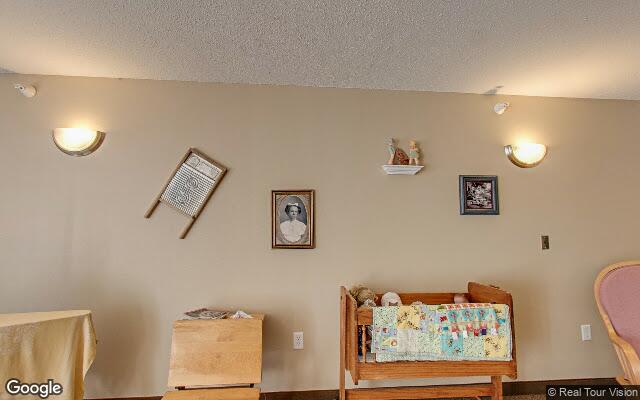
A large home, reviewed on public record.
© Google Street View
Compared to 143 Minnesota facilities with a similar number of beds.
ALF memory care · 36-month window. Higher percentile = better performance on inspection record. Source: Minnesota Dept. of Health · Health Regulation Division.
among peers to rank.
Rankings based on 36-month MDH inspection data. Severity and frequency: fewer citations = higher percentile. Repeat rate: lower repeat citation share = higher percentile.
Citation history, plotted month by month.
No citations in the last 36 months.
Finding distribution
none · 36 monthsScope × Severity (CMS A–L)
Questions to ask before you visit.
A short pre-tour checklist tailored to Edgewood Sartell LLC's record and state requirements.
The most recent MDH inspection on May 22, 2023 found zero deficiencies across all regulatory areas — can you walk us through how the facility prepares for state surveys and what internal auditing systems are in place to maintain compliance between inspections?
Ask the operator on tour. Take notes and compare answers across facilities you visit.
One complaint was filed with the Minnesota Department of Health during the inspection period on record — was that complaint substantiated, and can you share the facility's written response or corrective action documentation from that complaint review?
Ask the operator on tour. Take notes and compare answers across facilities you visit.
This facility holds an Assisted Living Facility with Dementia Care license under Minnesota Statutes chapter 144G — can you provide a copy of the written dementia care program that describes staffing approaches, environment modifications, and activity programming specific to memory care residents?
Ask the operator on tour. Take notes and compare answers across facilities you visit.
Every inspection visit, verbatim.
7 inspections in the public record, most recent first. Plain-language summaries open first — click into any row for the full citation text.
2026-02-05Annual Compliance VisitNo findings
Plain-language summary
A standard inspection on February 6, 2026 found one violation of Minnesota fire protection and physical environment rules at this facility, resulting in a $500 fine. The facility must document what actions it took to fix the fire protection or physical environment issue and ensure the problem does not happen again. The facility has 15 days to request reconsideration of the violation or fine if it disagrees with the finding.
Read full citation textHide full citation text
Read raw inspector notesClose inspector notes
correction orders and document the actions taken to comply in the facility's records. The Department reserves the right to return to the facility at any time should the Department receive a complaint or deem it necessary to ensure the health, safety, and welfare of residents in your care. STATE CORRECTIO NORDERS The enclosed State Form documents the state correction orders. MDH documents state licensing correction orders using federal software. Tag numbers are assigned to Minnesota state statutes for Assisted Living Facilities. The assigned tag number appears in the far left column entitled "ID Prefix Tag." The state statute number and the corresponding text of the state statute out of compliance are listed in the "Summary Statement of Deficiencies" column. This column also includes the findings that are in violation of the state statute after the statement, "This MN Requirement is not met as evidenced by . . ." IMPOSITION OF FINES In accordance with Minn. Stat. § 144G.31, Subd. 4, fines and enforcement actions may be imposed based on the level and scope of the violations and may be imposed immediately with no opportunity to correct the violation first as follows: Level 1: no fines or enforcement; Level 2: a fine of $500 per violation, in addition to any enforcement mechanism authorized in § 144G.20; Level 3: a fine of $1,000 per incident, in addition to any enforcement mechanism authorized in § 144G.20; An equal opportunity employer. Letter ID: IS7N REVISE D09/13/2021 Edgewood Sartell LLC February 25, 2026 Page 2 Level 4: a fine of $3,000 per incident, in addition to any enforcement mechanism authorized in § 144G.20; Level 5: a fine of $5,000 per violation, in addition to any enforcement mechanism authorized in § 144G.20. Therefore, in accordance with Minn. Stat. §§ 144G.01 to 144G.9999, the following fines are assessed pursuant to this survey: St - 0 - 0775 - 144g.45 Subd. 2. (a) - Fire Protection And Physical Environment - $500.00 The refor e, in accor danc e wit h Minn. Sta t. §§ 144G.01 to 144G.999 9, the total amount you are assessed is $500.00. You will be invoiced approximately 30 days after receipt of this notice, subject to appeal . DOCUMENTATIO ONF ACTION TO COMPLY In accorda nce with Min n. Stat. § 144G.30, Sub d. 5(c), th e lic ens ee mus t docum ent ac tions taken t o comply with the correction orders within the time period outlined on the state form; however, plans of correction are not required to be submitted for approval. The correction order documentation should include the following: Identify how the area( s) of noncompliance was corrected related to the · resident( s)/ employee( s) identified in the correction order. Identify how the area( s) of noncompliance was corrected for all of the provider’s · resident( s)/ employees that may be affected by the noncompliance. Identify what changes to your systems and practices were made to ensure compliance with · the specific statute( s). CORRECTIO NORDER RECONSIDERATIO PNROCESS In accordance with Minn. Stat. § 144G.32, Subd. 2, you may challenge the correction order( s) issued, including the level and scope, and any fine assessed through the correction order reconsideration process. The request for reconsideration must be in writing and received by MDH within 15 calendar days of the correction order receipt date. To submit a reconsideration request, please visit: https: / / forms. web. health. state. mn.us/ form/ HRDAppealsForm REQUESTIN GA HEARING Alternatively, in accordance with Minn. Stat. § 144G.31, Subd. 5(d), an assisted living provider that has been assessed a fine under this subdivision has a right to a reconsideration or a hearing under this section and chapter 14. Pursuant to Minn. Stat. § 144G.20, Subd. 14 and Subd. 18, a request for a hearing must be in writing and received by the Department of Health within 15 business days of the correction order receipt date. The request must contain a brief and plain statement describing each matter or issue contested and any new information you believe constitutes a defense or mitigating factor. Edgewood Sartell LLC February 25, 2026 Page 3 To submit a hearing request, please visit: https: / / forms. web. health. state. mn. us/ form/ HRDAppealsForm To appe al fi nes via re cons iderat ion , pl ease follow the procedu r e outl ined abo ve. Plea se no te tha t you may re que st a rec onside rati on or a hearing, bu t not bot h. If you wish to cont est ta gs with out fine s in a reconsideration and tags with the fines at a hearing, please submit two separate appeals forms at the website listed above. The MDH Health Regulation Division (HRD )values your feedback about your experience during the survey and/ or investigation process. Please fill out this anonymous provider feedback questionnaire at your conv enien ce at thi s link: https: / / forms. office.com/ g/ Bm5uQEpHVa. Your inpu t is import ant to us and will enable MDH to improve its processes and communication with providers. If you have any questions regarding the questionnaire, please contact Susan Winkelmann at susan. winkelmann@state. mn.us or call 651-201-5952. You are encouraged to retain this document for your records. It is your responsibility to share the information contained in the letter and state form with your organization’s Governing Body. If you have any questions, please contact me. Sincerely, Kelly Thorson, Supervisor State Evaluation Team Email: KellyT. horson@state. mn.us Telephone: 320-223-7336 Fax: 1-866-890-9290 CLN PRINTED: 02/ 25/ 2026 FORM APPROVED STATEMENT OF DEFICIENCIES (X1) PROVIDER/ SUPPLIER/ CLIA (X2) MULTIPLE CONSTRUCTION (X3) DATE SURVEY AND PLAN OF CORRECTION IDENTIFICATION NUMBER: COMPLETED A. BUILDING: ______________________ B. WING _____________________________ 26585 02/ 06/ 2026 NAME OF PROVIDER OR SUPPLIER STREET ADDRESS, CITY, STATE, ZIP CODE 677 BRIANNA DRIVE EDGEWOOD SARTELL LLC SARTELL, MN 56377 SUMMARY STATEMENT OF DEFICIENCIES PROVIDER' S PLAN OF CORRECTION (X4) ID ID (X5) PREFIX (EACH DEFICIENCY MUST BE PRECEDED BY FULL PREFIX (EACH CORRECTIVE ACTION SHOULD BE COMPLETE REGULATORY OR LSC IDENTIFYING INFORMATION) CROSS- REFERENCED TO THE APPROPRIATE DATE TAG TAG DEFICIENCY) 0 000 Initial Comments 0 000 *****ATTENTION***** ASSISTED LIVING PROVIDER LICENSING CORRECTION ORDER( S) In accordance with Minnesota Statutes, section 144G. 08 to 144G. 95, these correction orders are issued pursuant to a survey. Determination of whether violations are corrected requires compliance with all requirements provided at the Statute number indicated below. When Minnesota Statute contains several items, failure to comply with any of the items will be considered lack of compliance. INITIAL COMMENTS: SL26585016- 0 On February 2, 2026, through February 5, 2026, the Minnesota Department of Health conducted a full survey at the above provider and the following correction orders are issued. At the time of the survey, there was eighty- three (83) residents receiving services under the Assisted Living with Dementia Services license. 0 775 144G. 45 Subd. 2. (a) Fire protection and physical 0 775 SS= F environment Each assisted living facility must comply with the State Fire Code in Minnesota Rules, chapter 7511, and: This MN Requirement is not met as evidenced by: Based on observation, interview, and record review, the licensee failed to ensure the physical LABORATORY DIRECTOR' S OR PROVIDER/ SUPPLIER REPRESENTATIVE' S SIGNATURE TITLE (X6) DATE STATE FORM 6899 5UOH11 If continuation sheet 1 of 11 PRINTED: 02/ 25/ 2026 FORM APPROVED STATEMENT OF DEFICIENCIES (X1) PROVIDER/ SUPPLIER/ CLIA (X2) MULTIPLE CONSTRUCTION (X3) DATE SURVEY AND PLAN OF CORRECTION IDENTIFICATION NUMBER: COMPLETED A. BUILDING: ______________________ B. WING _____________________________ 26585 02/ 06/ 2026 NAME OF PROVIDER OR SUPPLIER STREET ADDRESS, CITY, STATE, ZIP CODE 677 BRIANNA DRIVE EDGEWOOD SARTELL LLC SARTELL, MN 56377 SUMMARY STATEMENT OF DEFICIENCIES PROVIDER' S PLAN OF CORRECTION (X4) ID ID (X5) PREFIX (EACH DEFICIENCY MUST BE PRECEDED BY FULL PREFIX (EACH CORRECTIVE ACTION SHOULD BE COMPLETE REGULATORY OR LSC IDENTIFYING INFORMATION) CROSS- REFERENCED TO THE APPROPRIATE DATE TAG TAG DEFICIENCY) 0 775 Continued From page 1 0 775 environment of the facility was maintained in compliance with the requirements of Minnesota Statute 144G.
2025-04-24Complaint InvestigationNo findings
Plain-language summary
Minnesota Department of Health investigated a complaint that a resident with dementia and Parkinson's disease was neglected when she fell outside in extreme cold weather (-20 degrees, -48 windchill) and sustained frostbite injuries to her hands and fingers; the investigation found the facility failed to implement required fall prevention measures despite documented recurring falls, failed to timely assess the resident for injuries after the falls, and provided wound care documented as completed while photographs showed the wounds were embedded with dirt and debris, leading to the resident's hospitalization. The investigator substantiated neglect and determined the facility was responsible for the maltreatment.
Read full citation textHide full citation text
Read raw inspector notesClose inspector notes
Finding: Substantiated, facility responsibility Nature of Investigation: The Minnesota Department of Health investigated an allegation of maltreatment, in accordance with the Minnesota Reporting of Maltreatment of Vulnerable Adults Act, Minn. Stat. 626.557, and to evaluate compliance with applicable licensing standards for the provider type. Initial Investigation Allegation(s): The resident was neglected when she fell outside during severe cold weather and sustained frostbite injuries to her hands and fingers. Then, the facility failed to provide ordered wound care resulting in hospitalization and treatment for her wounds. Investigative Findings and Conclusion: The Minnesota Department of Health determined neglect was substantiated. The facility was responsible for the maltreatment. The resident had recurring falls outside by her car, however, the facility failed to implement care planned fall interventions to ensure the residents safety. The resident fell again going to her car during extreme cold, but the facility failed to timely assess the resident for injuries and failed to report changes in the resident’s condition after blisters, pain, swelling, and necrosis (dead tissue) developed on the residents’ fingers. Although the resident record indicated wound care was provided to the resident’s frostbite on her fingers; date/time stamped photographs showed the residents wounds thickly imbedded with dirt and debris around the time wound care was documented as completed. The resident was hospitalized and treated for frostbite of her fingers. The investigator conducted interviews with facility staff members, including administrative staff, nursing staff, and unlicensed staff. The investigator contacted the resident’s family members, and witnesses to the incident. The investigation included review of the resident record(s), hospital records, emergency department (ED) records, clinic records, therapy records, facility incident reports, staff schedules, law enforcement reports, and related facility policy and procedures. Also, the investigator observed resident’s and staff in the facility and the area where the fall incidents occurred. Local weather reports from the day of the incident indicated severe cold warnings and school closures were in effect with temperature recordings of -20 degrees around the time of the incident and windchill of -48 degrees Fahrenheit possible. The resident resided in an assisted living facility with diagnoses including Parkinson’s disease, dementia, memory loss, closed head injury with altered mental status, hypotension, and cerebral meningioma (non-cancerous brain tumor that can cause cognitive changes, memory loss, confusion, and difficulty with balance/coordination). The resident’s service plan included escort assistance 3 times daily, assistance with showering, and medication management services. The resident’s assessment and plan of care prior to the incident identified the resident was at a high risk for falls but failed to indicate the resident needed escort assistance as indicated in the resident’s service plan. The assessment and plan of care indicated the resident was independent with ambulation using a 4 wheeled walker, and had fall interventions including encouraging the resident to use her walker at all times especially when outside in the snow, keep her cell phone/pendant call light within reach when going outside, and in bad weather the resident was not to go outside without another person. The assessment identified the resident had moderate cognitive impairment related to dementia with impaired judgment, but indicated the resident was able to make her needs known and utilized a pendant call light. A review of the resident’s fall incident reports indicated the resident had 6 recurring falls in the last 60 days with 2 of them occurring while going outside to her car during snowy conditions without her walker prior to the incident. After the falls occurred the resident record lacked documentation to indicate the facility had implemented the resident’s plan of care for fall interventions including providing the resident with encouragement to use her walker, have her cell phone, pendant call light, and someone with her when going outside in bad weather to ensure the resident’s safety. The resident record lacked any documentation of resident refusal or non-compliance with assessed fall interventions as indicated in the resident’s plan of care. 12 days later at 9:33 a.m. a progress note indicated the resident’s provider was notified the resident had another fall outside while going to her car. - At 10:00 a.m. a fall incident report indicated the resident left her walker inside the building and was found on the ground by her car by a visitor who helped the resident up, but the resident got into her car and left before staff could check on her. - At 12:15 p.m. the same day another fall incident report indicated the resident had another unwitnessed fall in her room by her recliner chair. The incident report indicated although the resident was back in the facility, and a nurse was notified the resident had another fall, there was no indication the resident was assessed for possible injuries after either fall occurred. The following day at 10:19 a.m. a progress note indicated unlicensed personnel (ULP) staff reported to the facility registered nurse (RN) the resident had blisters on all of her fingers on both hands. The progress note indicated when the RN looked at the residents fingers she noted large blisters on the 2nd, 3rd, and 5th finger on the left hand and blisters on the 1st, 2nd, 4th and 5th finger on her right hand. The note indicated the resident was unaware the blisters were there, or how they occurred. The RN documented 2 of the blisters on the right hand were open, and the rings on multiple fingers appeared tight. The RN documented updating the resident’s family who agreed to bring the resident to the ED and questioned if the blisters were frost bite. At 12:13 p.m. a progress note indicated the RN interviewed staff who stated they - noticed blisters on the resident’s hands and fingers the previous evening at 8:00 p.m. the day of the incident. The record indicated staff did not report the change of condition to nursing when blisters developed until about 14 hours after they were first observed. At 1:43 p.m. the resident returned from the ED with the diagnosis of frostbite on both - hands. The ED provided no orders for dressing changes or wound care at that time. The note indicated the family member planned to have the resident seen at the clinic for a follow up the next day. At 2:32 p.m. a post fall event progress note identified the resident had 6 falls in the last - 60 days and was at a risk for falls related to Parkinson’s and an unsteady gait. The note indicated the resident had a large bruise on her left hip but failed to include the frost bite injuries. The following day a progress note at 1:02 p.m. indicated the RN checked on the resident’s blisters and noted most were open, some were weeping, and some were open and bloody looking. The resident reported more pain, appeared to be lethargic, and needed assistance with dressing. Another progress note later that day indicated the resident was seen at the clinic by her provider who debrided loose dead skin from the wounds and ordered the facility to provide Epsom salt soaks 3 times daily to the residents fingers. The resident’s clinic record indicated the resident had extensive blistering on both hands, and indicated the resident’s exposure to cold was likely prolonged. A bilateral hand exam revealed the resident’s fingertips had frost bite with flaps of dead skin hanging from the fingertips on multiple fingers, with blisters along the left fifth finger. The record included orders to soak the resident’s fingers in warm Epsom salt water for 15 minutes 3-4 times daily, keep areas clean and dry, protect hands from cold exposure, eliminate smoking, and observed for signs of infection including redness, and symptoms of fever, chills, or sweats. A review of the resident’s service delivery of care record for wound care indicated although Epsom salt hand soaks were scheduled 3 times daily, they were not completed timely as scheduled, and the resident refused one time with no indication staff reapproached or reported the refusal to nursing or the resident’s provider. The resident record lacked direction to ULP staff to monitor and report changes in the resident’s wounds including increased pain, swelling, signs of infection, and black necrotic tissue. Four days later, at 10:50 a.m. the RN documented in a progress note the resident’s frostbite injuries, previously blistered, were now black in color, swollen, and the resident had increased pain in her fingers.
2025-03-12Complaint InvestigationNo findings
Plain-language summary
The Minnesota Department of Health investigated a complaint that three staff members forcibly restrained a resident during toileting assistance, causing bruises on the resident's hands, wrists, and forearms; the investigation determined that abuse could not be conclusively proven because staff denied restraining the resident, there were no witnesses, and video showed only the staff entering the bathroom but not the actual incident. The facility's investigation found that staff did not follow the resident's care plan, which required them to step away and re-approach later if the resident became combative, rather than continuing to provide care; the resident had a documented history of aggressive behavior related to anxiety and required communication approaches that avoided rushing or raising voices. Leadership reviewed video that appeared to show rough handling during the care, and a nurse documented bruising consistent with hand and thumb prints, but the investigation could not definitively establish whether abuse occurred.
Read full citation textHide full citation text
Read raw inspector notesClose inspector notes
Finding: Inconclusive Nature of Investigation: The Minnesota Department of Health investigated an allegation of maltreatment, in accordance with the Minnesota Reporting of Maltreatment of Vulnerable Adults Act, Minn. Stat. 626.557, and to evaluate compliance with applicable licensing standards for the provider type. Initial Investigation Allegation(s): The resident was abused when Alleged Perpetrator 1, (AP1), AP2, and AP3 forcibly restrained the resident while assisting the resident with cares causing bruising on the resident’s forearms, wrists, and hands. Investigative Findings and Conclusion: The Minnesota Department of Health determined abuse was inconclusive. AP1, AP2, and AP3 attempted to assist the resident with toileting and the resident was resistive and became combative. Instead of reapproaching the resident, the AP’s continued to attempt to provide cares. After the incident occurred, bruising was noted on the residents’ hands, wrists, and forearms. However, AP1 and AP2 denied holding/restraining the resident, or seeing anyone do so. There were no other witnesses to the incident. It could not be determined if abuse occurred. The investigator conducted interviews with facility staff members, including administrative staff, nursing staff, and unlicensed staff. The investigation included review of the resident record(s), facility internal investigation, facility incident reports, personnel files, staff schedules, related facility policy and procedures, video surveillance, and bruise photographs. Also, the investigator observed resident’s and staff in the secure memory care unit. The resident resided in an assisted living memory care unit with diagnoses including Alzheimer’s Disease. The resident’s assessment prior to the incident indicated the resident had moderately impaired cognition and was confused, anxious, agitated, resistive, combative, and paranoid. The assessment indicated the resident required assistance with toileting, and dressing. The resident’s care plan identified the resident had impaired cognition and communication vulnerabilities and indicated staff should not raise their voices or shout at the resident, should speak to the resident as an adult, avoid carrying on more than one conversation at a time, keep a quiet atmosphere, and not rush the resident. The assessment identified the resident had a history of verbal/physically aggressive behaviors related to increased anxiety and indicated staff should explain what they want to do before completing a task. If the resident refused or if behavior escalated staff were directed to back away, allow the resident space, re-approach later, and document the behavior with attempted interventions. The resident’s service delivery record indicated AP3 documented the resident had physically aggressive behavior the day of the incident. The note indicated the resident was incontinent of stool and AP1, AP2, and AP3 tried to change the resident in his bathroom, but the resident became aggressive by grabbing staff's hair and punching staff in the face and head. Following the incident AP3 documented the resident remained agitated and was calling care staff, "stupid hoe's and bitch's, " as well as calling residents and other care staff "stupid idiots.” Leadership staff stated the resident’s family reported finding bruises on the resident, then reviewed recorded video from the resident’s room and observed the 3 staff (AP1, AP2, and AP3) were rough with the resident while providing incontinence cares. Leadership stated they were not aware of any bruising or skin issues prior to the incident. The nurse who assessed the resident following the incident described the bruises appearing like hand and thumb prints on the resident’s hands and arms. Leadership staff stated when the APs were interviewed AP3 reported they had to “put hands,” on the resident to get him to sit down on the toilet. Leadership stated they did not clarify with AP3 what it meant to “put hands” on the resident. Leadership stated AP1, AP2, and AP3 did not follow the residents plan of care related to responding appropriately to the residents aggressive behavior. The staff should have walked away and approached the resident at a later time. The resident’s progress notes indicated the resident’s family reported concerns with the way staff assisted the resident with incontinence cares. Another progress note indicated the APs attempted to assist the resident to the bathroom when the resident became resistive/combative towards staff. A nurse assessed the resident following the incident and noticed discolored areas on his right and left forearms. The progress notes lacked documentation of the discolored areas including size/description. A facility investigation indicated leadership interviewed AP1 about the incident who stated she tried to get the resident to sit on the toilet, but he became combative and harder to work with. When leadership interviewed AP2 about the incident, she stated AP3 called for help to change the resident’s soiled pants, but the resident became agitated and hit AP2 in the head. AP2 stated the resident did not want to sit on the toilet, but they finally got him to sit down and cleaned him up. When leadership interviewed AP3 about the incident, AP3 stated she took the resident to get his pants changed and clean up. AP3 stated the resident became frustrated, so AP3 called AP1 and AP2 for assistance. AP3 stated the resident started to push staff but they were able to get the resident to sit down on the toilet. AP3 indicated they had to, “Put hands” on the resident to get him to sit. The facility investigation had no further documentation to clarify AP3’s statement regarding putting hands on the resident. A 12-minute-long recorded video of the incident was reviewed, and the resident was observed entering his room with AP1, AP2, and AP3. The staff could be heard on video but could not be seen when they were in the bathroom. The AP’s (unknown) were heard repeatedly telling the resident “Let’s go potty", “you have poop on your butt.” At one point the resident was observed trying to leave the bathroom, then appeared to return to the bathroom willingly with the 3 APs. A few moments later the resident and staff voices were heard escalating higher, louder, as all 3 APs attempted to redirect the resident at one time. One AP (unknown) was heard say in a scolding tone, "I am so disappointed…” After approximately 12 minutes, the resident and AP1, AP2, and AP3 leave the bathroom, and the video ended. A review of family provided time and date stamped pictures following the incident showed the resident had a large dark purple bruise on his left hand spanning the webbed space between his thumb and index finger, a quarter size dark purple bruise on the back of his right hand, a small dot the size of a thumb on the inner aspect of his right forearm above the wrist, and a large bruise on one of his forearms. When interviewed AP1 stated if a resident had aggressive resistive behaviors she would step back and re-approach later. AP1 stated the resident had a history of verbally and physically aggressive behaviors toward residents and staff and indicated only one staff normally provided cares to the resident. AP1 indicated having 3 staff in the bathroom the day of the incident was unusual and likely made the resident’s behaviors worse. AP1 indicated they did not stop, re-approach, or ask the nurse/family for help when the resident’s behavior escalated because she thought they would be in trouble if they left the resident in incontinence. AP1 denied hearing or saying anything to the resident in a scolding manner. AP1 denied holding/grabbing or forcing the resident to sit on the toilet for incontinence care or seeing anyone else do so either. When interviewed AP2 stated the resident required assistance with toileting and incontinence cares with one staff. AP2 stated the resident was verbally and physically aggressive toward staff and residents, would hit, swear, and hit people with his walker. AP2 stated if the resident was resistive or refused cares staff should redirect/re-approach, switch staff, and indicated they would sometimes use 2 staff or call the nurse or family for help, however, they did not do any of those things the day of the incident. AP2 stated 3 staff assisting the resident with cares at one time could have been overwhelming for the resident. AP2 denied holding/grabbing or forcing the resident to sit on the toilet for incontinence care or seeing anyone else do so either. When interviewed the resident’s family members stated every evening around 6:00 p.m. they went to the facility to assist with bedtime cares and showers. The family indicated the resident had no bruising prior to the day the incident occurred.
2024-11-22Complaint InvestigationNo findings
Plain-language summary
A complaint investigation found that a resident with dementia who fell multiple times during one week and was found bleeding from his nose and mouth before being hospitalized was not neglected, because facility staff conducted thirty-minute safety checks as required and provided appropriate care after each fall, including notifying medical providers and emergency services. The resident died three days after hospitalization, but the Minnesota Department of Health determined the falls were not the result of caregiver failure to provide reasonable supervision or care. No further action was taken by the department.
Read full citation textHide full citation text
Read raw inspector notesClose inspector notes
Finding: Not Substantiated Nature of Investigation: The Minnesota Department of Health investigated an allegation of maltreatment, in accordance with the Minnesota Reporting of Maltreatment of Vulnerable Adults Act, Minn. Stat. 626.557, and to evaluate compliance with applicable licensing standards for the provider type. Initial Investigation Allegation(s): The facility neglected the resident when the resident was found on the floor with bleeding from his nose and mouth. The resident was transferred to the hospital and passed away three days later. Investigative Findings and Conclusion: The Minnesota Department of Health determined neglect was not substantiated. Although the resident did fall multiple times during the five-day period, the facility provided appropriate care each time. The investigator conducted interviews with facility staff members, including nursing staff, and unlicensed staff. The investigation included review of the resident’s records, incident reports, staff schedules, policies, and procedures. The resident resided in an assisted living secured memory care building. The resident’s diagnoses include dementia. The resident’s service plan included assistance of one person with all activities of daily living which included hygiene, dressing, toileting, medications, and meals. The service plan also included thirty-minute safety check every shift. The resident’s assessment indicated he was independent with transfers and mobility. One week the resident began to experience increased falls. On Tuesday, a staff member found the resident lying on his back in the medication room. No injuries were noted. The nurse and primary care provider were notified. The facility updated the medical provider who gave orders for outpatient physical and occupational therapy orders. The facility faxed the order to the therapy agency. On Wednesday, a staff member contacted the on-call nurse and reported the resident attempted to sit down on a chair in his apartment but missed the chair and fell, hitting his head on the wall. The facility called emergency services, and the resident was transferred to the emergency room. He returned to the facility the next day with no new orders and ambulating at his baseline. On Thursday, the resident fell at 5:45 AM with no injuries noted. Later the same day at 12:30 PM, the resident fell again but with no injuries. Later that evening near 6:00 PM, the resident was found on the floor again this time bleeding profusely from his nose and mouth after hitting his head on the doorway. These falls occurred despite staff checking on him every thirty minutes. The facility notified the family and the medical provide and subsequently sent the resident to the hospital, where he died three days later. During an interview, unlicensed caregiver #1 stated the resident was able to ambulate independently, and staff had been instructed to keep an eye on him. She said that the resident was on a thirty-minute safety check schedule, and she was on-duty when the resident fell the last time. Unlicensed caregiver #1 stated a co-worker said she had just checked on the resident and saw him sleeping on a couch. A few minutes later, they both heard the resident yelling for help. Upon reaching his room, the resident was found on the floor and bleeding from his head so the called 911. During an interview, unlicensed caregiver #2 stated that when providing care, she would assist the resident in getting dressed, which he was generally able to complete on his own most days. Unlicensed caregiver #2 stated the resident occasionally needed help with personal hygiene and/or toileting. She said the resident was mostly independent with movement throughout the majority of his stay. He could remove and put on his pants while standing. The resident typically spent his days in the common areas, but when he was in his room, he would either watch TV or color. She stated that she performed safety checks, ensured the floor was clear, and made sure he had appropriate shoes to help prevent falls. During an interview, unlicensed caregiver #3 stated the resident’s behavior became more pronounced after he returned from geriatric psychiatric care not long before his falls occurred. The resident began to experience hallucinations and waking by himself. She said offered to walk with him using a gait belt, as he was a tall individual to calm him. In conclusion, the Minnesota Department of Health determined neglect was not substantiated. “Not Substantiated” means: An investigatory conclusion indicating the preponderance of evidence shows that an act meeting the definition of maltreatment did not occur. Neglect: Minnesota Statutes, section 626.5572, subdivision 17 “Neglect” means neglect by a caregiver or self-neglect. (a) "Caregiver neglect" means the failure or omission by a caregiver to supply a vulnerable adult with care or services, including but not limited to, food, clothing, shelter, health care, or supervision which is: (1) reasonable and necessary to obtain or maintain the vulnerable adult's physical or mental health or safety, considering the physical and mental capacity or dysfunction of the vulnerable adult; and (2) which is not the result of an accident or therapeutic conduct. Vulnerable Adult interviewed: No. The resident was deceased. Family/Responsible Party interviewed: No, attempted but did not reach. Alleged Perpetrator interviewed: Not Applicable. Action taken by facility: No action required. Action taken by the Minnesota Department of Health: No further action taken at this time. cc: The Office of Ombudsman for Long Term Care The Office of Ombudsman for Mental Health and Developmental Disabilities PRINTED: 11/25/2024 FORM APPROVED STATEMENT OF DEFICIENCIES (X1) PROVIDER/SUPPLIER/CLIA (X2) MULTIPLE CONSTRUCTION (X3) DATE SURVEY AND PLAN OF CORRECTION IDENTIFICATION NUMBER: COMPLETED A. BUILDING: ______________________ C B. WING _____________________________ 26585 11/07/2024 NAME OF PROVIDER OR SUPPLIER STREET ADDRESS, CITY, STATE, ZIP CODE 677 BRIANNA DRIVE EDGEWOOD SARTELL LLC SARTELL, MN 56377 SUMMARY STATEMENT OF DEFICIENCIES PROVIDER'S PLAN OF CORRECTION (X4) ID ID (X5) PREFIX (EACH DEFICIENCY MUST BE PRECEDED BY FULL PREFIX (EACH CORRECTIVE ACTION SHOULD BE COMPLETE REGULATORY OR LSC IDENTIFYING INFORMATION) CROSS-REFERENCED TO THE APPROPRIATE DATE TAG TAG DEFICIENCY) 0 000 Initial Comments 0 000 On November 7, 2024, the Minnesota Department of Health initiated an investigation of complaints #HL265856329M/HL265859574C. No correction orders are issued. LABORATORY DIRECTOR'S OR PROVIDER/SUPPLIER REPRESENTATIVE'S SIGNATURE TITLE (X6) DATE STATE FORM 6899 JJQQ11 If continuation sheet 1 of 1
2024-08-25Complaint InvestigationNo findings
Plain-language summary
A complaint investigation found that a staff member abused a resident by throwing water on her after the resident threw lemonade on the staff member, then leaving the resident wet and upset. The investigation included interviews with two other staff members who witnessed the incident, review of facility records, and an internal investigation; the staff member was terminated and escorted from the building. The facility received a correction order to ensure residents are protected from maltreatment.
Read full citation textHide full citation text
Read raw inspector notesClose inspector notes
Finding: Substantiated, individual responsibility Nature of Investigation: The Minnesota Department of Health investigated an allegation of maltreatment, in accordance with the Minnesota Reporting of Maltreatment of Vulnerable Adults Act, Minn. Stat. 626.557, and to evaluate compliance with applicable licensing standards for the provider type. Initial Investigation Allegation(s): The alleged perpetrator (AP) abused the resident when she moved the chair with the resident in it to another table without her consent. The resident then threw lemonade on her, and in response, the AP threw water at the resident. The resident was upset, and AP just walked away, leaving the resident wet. Investigative Findings and Conclusion: The Minnesota Department of Health determined abuse was substantiated. The AP was responsible for the maltreatment. The AP threw the water at the resident and walked away, leaving the resident wet and upset. The investigator conducted interviews with facility staff members, including administrative staff and unlicensed staff. The investigation included review of the resident’s records, internal investigation documentation, incident reports, personnel files, staff schedules, policies, and procedures. The resident resided in an assisted living secured memory care building. The resident’s diagnoses include major neurocognitive disorder. The resident’s service plan indicated the resident was able to do most of activities daily living and needed supervision redirection and cuing. She required assistance with meals, medication management, and nursing oversight. An incident report indicated the AP stated the resident refused to move to another table, so the AP moved the resident’s chair, with her in it, to another table. The resident got upset and tossed her lemonade at the AP. Then the AP took water and threw it on the resident. The AP also said she told the resident that if she wanted to get “hot” next time, they could get “hot”. The AP then walked away, leaving the resident wet. The same document indicated the resident was not able to say what happened. During an interview, unlicensed caregiver #1 stated she worked on the evening the incident happened and witnessed the whole event. She said the AP moved the resident, who was sitting in a chair, to another table. The resident got upset and threw lemonade at the AP. The AP then grabbed water and threw it on the resident. The AP also said she was not afraid to throw hot liquids on the resident. Unlicensed caregiver #1 stated that the AP left, leaving the resident wet. The resident became very agitated with everyone after the incident. Unlicensed caregiver #1 then notified the nurse on call about what happened. During an interview, unlicensed caregiver #2 stated she witnessed the whole event. She said the resident got upset and threw lemonade at the AP. The AP grabbed water and threw it at the resident. The AP then left the resident wet in the chair. Unlicensed caregiver #2 stated she stepped in to assist the resident and notified the nurse on call. During an interview, a manager stated she heard from the nurse on call about what happened. The manager stated the AP was escorted out of the building immediately after the incident. The nurse on call interviewed the staff members working that night, as well as the AP. The AP was terminated after the internal investigation. During the investigation, the investigator was unable to reach the AP and the family members after multiple attempts. In conclusion, the Minnesota Department of Health determined abuse was substantiated. Substantiated: Minnesota Statutes, section 626.5572, Subdivision 19. “Substantiated” means a preponderance of evidence shows that an act that meets the definition of maltreatment occurred. Abuse: Minnesota Statutes section 626.5572, subdivision 2. "Abuse" means: (a) An act against a vulnerable adult that constitutes a violation of an attempt to violate, or aiding and abetting a violation of: (1) assault in the first through fifth degrees as defined in sections 609.221 to 609.224; (2) the use of drugs to injure or facilitate crime as defined in section 609.235; (3) the solicitation, inducement, and promotion of prostitution as defined in section 609.322; and (4) criminal sexual conduct in the first through fifth degrees as defined in sections 609.342 to 609.3451. A violation includes any action that meets the elements of the crime, regardless of whether there is a criminal proceeding or conviction. (b) Conduct which is not an accident or therapeutic conduct as defined in this section, which produces or could reasonably be expected to produce physical pain or injury or emotional distress including, but not limited to, the following: (1) hitting, slapping, kicking, pinching, biting, or corporal punishment of a vulnerable adult; (2) use of repeated or malicious oral, written, or gestured language toward a vulnerable adult or the treatment of a vulnerable adult which would be considered by a reasonable person to be disparaging, derogatory, humiliating, harassing, or threatening; Vulnerable Adult interviewed: No, unable to interview related to dementia. Family/Responsible Party interviewed: No, attempted but did not reach. Alleged Perpetrator interviewed: No, attempted but did not reach. Action taken by facility: The facility escorted AP out of the building to keep the resident safe. They started the internal investigation and reported the event to the Minnesota Adult Abuse Reporting Center. The AP’s employment was terminated. Action taken by the Minnesota Department of Health: The facility was issued a correction order regarding the vulnerable adult’s right to be free from maltreatment. You may also call 651-201-4200 to receive a copy via mail or email. The responsible party will be notified of their right to appeal the maltreatment finding. If the maltreatment is substantiated against an identified employee, this report will be submitted to the nurse aide registry for possible inclusion of the finding on the abuse registry and/or to the Minnesota Department of Human Services for possible disqualification in accordance with the provisions of the background study requirements under Minnesota 245C. cc: The Office of Ombudsman for Long Term Care The Office of Ombudsman for Mental Health and Developmental Disabilities. Stearns County Attorney Sartell City Attorney Sartell Police Department PRINTED: 08/29/2024 FORM APPROVED STATEMENT OF DEFICIENCIES (X1) PROVIDER/SUPPLIER/CLIA (X2) MULTIPLE CONSTRUCTION (X3) DATE SURVEY AND PLAN OF CORRECTION IDENTIFICATION NUMBER: COMPLETED A. BUILDING: ______________________ C B. WING _____________________________ 26585 08/01/2024 NAME OF PROVIDER OR SUPPLIER STREET ADDRESS, CITY, STATE, ZIP CODE 677 BRIANNA DRIVE EDGEWOOD SARTELL LLC SARTELL, MN 56377 SUMMARY STATEMENT OF DEFICIENCIES PROVIDER'S PLAN OF CORRECTION (X4) ID ID (X5) PREFIX (EACH DEFICIENCY MUST BE PRECEDED BY FULL PREFIX (EACH CORRECTIVE ACTION SHOULD BE COMPLETE REGULATORY OR LSC IDENTIFYING INFORMATION) CROSS-REFERENCED TO THE APPROPRIATE DATE TAG TAG DEFICIENCY) 0 000 Initial Comments 0 000 On August 1, 2024, the Minnesota Department of Health initiated an investigation of complaint HL265854201M/HL265854900C. The following correction order is issued, tag identification 2360. 02360 144G.91 Subd. 8 Freedom from maltreatment 02360 Residents have the right to be free from physical, sexual, and emotional abuse; neglect; financial exploitation; and all forms of maltreatment covered under the Vulnerable Adults Act. This MN Requirement is not met as evidenced by: The facility failed to ensure one of one resident See Public Report for details. reviewed (R1) was free from maltreatment. Findings include: The Minnesota Department of Health (MDH) issued a determination maltreatment occurred, and an individual AP was responsible for the maltreatment, in connection with incidents which occurred at the facility. Please refer to the public maltreatment report for details. LABORATORY DIRECTOR'S OR PROVIDER/SUPPLIER REPRESENTATIVE'S SIGNATURE TITLE (X6) DATE STATE FORM 6899 622711 If continuation sheet 1 of 1
2024-06-28Complaint InvestigationNo findings
Plain-language summary
A complaint investigation found that a resident died after being hospitalized with a foodborne illness caused by bacteria most often acquired from undercooked pork, and the facility had deficient food handling and preparation practices; however, the Department of Health determined the resident's illness could not be conclusively traced to the facility since no other residents became ill and the resident may have eaten pork elsewhere. The investigation also identified that the resident lay on the floor for several hours without being checked, his call pendant was left in the bathroom out of reach, and the facility's service plan did not include overnight safety checks. The facility was found to have deficient practices in food handling, food storage, temperature monitoring, and communication between departments regarding the resident's hospitalization.
Read full citation textHide full citation text
Read raw inspector notesClose inspector notes
Finding: Inconclusive E R Nature of Investigation: R The Minnesota Department of HealthO investigated an allegation of maltreatment, in accordance F with the Minnesota Reporting of Maltreatment of Vulnerable Adults Act, Minn. Stat. 626.557, T and to evaluate compliance with applicable licensing standards for the provider type. S E Initial Investigation AllegUation(s): Q The facility neglected the resident when staff failed to ensure food was prepared and served E per Minnesota Food Code. The resident was served undercooked pork and became sick with a R foodborne illness. In addition, the facility failed to ensure services were provided according to the resident’s care plan and failed to check on the resident for six hours. The resident was found on the floor, covered in secretions and vomit, and cold to the touch. The resident was admitted to the hospital where he later died. Investigative Findings and Conclusion: The Minnesota Department of Health determined neglect was inconclusive. The resident’s death certificate listed his cause of death as acute infectious gastroenteritis (inflammation of the stomach and intestines causing diarrhea, vomiting, and nausea) due to yersinia enterocolitica (a bacteria most often acquired by handling or eating raw or undercooked pork). However, it is unable to be determined where or how the resident acquired the bacteria. Menus reviewed indicated that pork was served by the facility days prior to the resident’s hospitalization, but there was no evidence that other residents experienced similar symptoms. The facility was found to have deficient practices related to food handling and food preparation. In addition, it was identified that the resident was likely on the floor for several hours; however, the resident’s service plan did not include overnight safety checks. The resident also had a call light pendant, but the pendant was not within reach at the time of the incident. The investigator conducted interviews with facility staff members, including administrative staff, nursing staff, and unlicensed staff. The investigator also contacted law enforcement and the ambulance service. The investigation included review of resident records, a death record, hospital records, facility incident reports, staff schedules, menus and food preparation logs, the law enforcement report, ambulance report, and related facility policies and procedures. Also, the investigator observed meal service and kitchens in use at the facility. N O The resident resided in an assisted living facility. The resident’s diagnoses included hypertension I T (high blood pressure) and abnormal weight loss. The resident’s service plan included assistance A R with dressing, showers, escorts to meals, and medication administration. The resident’s E assessment indicated the resident was independent with most activities of daily living. D I S The resident’s medical record indicated staff found the resident lying in front of his recliner with N an area of dried emesis (vomit) around his mouth.O The resident reported to staff that he went C to the bathroom and could not remember how he got onto the floor but believed he had been E lying there for most of the night. Staff noted that the resident’s walker and call pendant were R left in the bathroom and the resident reported hitting his head. Staff contacted emergency R medical services (EMS) and the resident was sent to the hospital for further evaluation. O F The ambulance report indicatedT the resident had loose stools and vomiting on and off for the S past day. The report indicated the resident tried to get out of his recliner but was too weak to E stand and fell. The resident reported to ambulance staff that he had been on the floor for about U Q eight hours. E R The police report indicated the resident was observed laying on his stomach on the living room floor between the couch and the recliner and noted that the resident vomited and was incontinent of bowel. Hospital records indicated the resident was found covered in vomit and feces and there was a reported outbreak of viral gastroenteritis at the facility. The resident's admitting diagnoses included septic shock (a medical emergency caused by a systemic response to infection) and acute infectious gastroenteritis due to yersinia enterocolitica. The resident died 12 days after admission to the hospital. The resident’s death record indicated the immediate cause of death was septic shock due to acute infectious gastroenteritis due to yersinia enterocolitica and acute septic/metabolic encephalopathy (damage or disease that affects the brain) with severe dysphagia (difficulty swallowing). A review of the facility’s menu from the days leading up to the resident’s hospitalization, indicated pork was served on several different days. The facility did not consistently maintain temperature logs to record the temperature of food before it was served. At the time of the onsite visit, the investigator observed deficient practices related to food storage and food handling. The facility was informed that the resident was admitted to the hospital with a foodborne illness; however, the facility failed to communicate this information to the dietary department. The facility failed to take action to investigate if the foodborne illness originated from their facility or if mitigating action as required. N During an interview, an administrative nurse stated that the facility did not receive many O updates from the hospital but recalled she was told the resident had “a rare something” caused I T from undercooked pork but no other residents displayed similar symptoms. The nurse stated A R that the resident’s family took him out of the facility a lot so he could have eaten something E somewhere else. D I S During an interview, dietary management staff stated they were not aware the resident was N hospitalized with a foodborne illness but indicatedO that should have been communicated to the C dietary department to determine if there was any follow-up required. E R During an interview, facility management staff stated they found out about the resident's death R shortly after he passed away. Management staff stated it was at that time they found out the O resident passed away due to a foodborne illness. Management staff stated that the hospital F never contacted the facility about this, but they later received a concern that the resident had T S eaten bad pork or bad meat. Management staff stated they reviewed the menu and saw pork E was served but indicated that all pork products came to the facility pre-cooked. Management U staff acknowledged theQ dietary department was not informed of the resident’s diagnosis as they E didn’t consider this foodborne illness related because they weren’t informed by the hospital R right away. . In conclusion, the Minnesota Department of Health determined neglect was inconclusive. Inconclusive: Minnesota Statutes, section 626.5572, Subdivision 11. "Inconclusive" means there is less than a preponderance of evidence to show that maltreatment did or did not occur. Neglect: Minnesota Statutes, section 626.5572, subdivision 17 “Neglect” means neglect by a caregiver or self-neglect. (a) "Caregiver neglect" means the failure or omission by a caregiver to supply a vulnerable adult with care or services, including but not limited to, food, clothing, shelter, health care, or supervision which is: (1) reasonable and necessary to obtain or maintain the vulnerable adult's physical or mental health or safety, considering the physical and mental capacity or dysfunction of the vulnerable adult; and (2) which is not the result of an accident or therapeutic conduct. Vulnerable Adult interviewed: No, deceased Family/Responsible Party interviewed: Yes Alleged Perpetrator interviewed: Not Applicable Action taken by facility: The facility was found to be in noncompliance. To view a copy of the Statement of Deficiencies and/or correction orders, please visit: N O https://www.health.state.mn.us/facilities/regulation/directory/provcompselect.html I T A If you are viewing this report on the MDH website, please see tRhe attached Statement of E Deficiencies. D I S You may also call 651-201-4200 to receive a copy via mail or email N O Action taken by the Minnesota Department ofC Health: E Insert appropriate action from standard language document R R cc: O The Office of Ombudsman for Long Term Care F The Office of Ombudsman for Mental Health and Developmental Disabilities T S E U Q E R PRINTED: 07/01/2024 FORM APPROVED STATEMENT OF DEFICIENCIES (X1) PROVIDER/SUPPLIER/CLIA (X2) MULTIPLE CONSTRUCTION (X3) DATE SURVEY AND PLAN OF CORRECTION IDENTIFICATION NUMBER: COMPLETED A. BUILDING: ______________________ C B.
2024-03-04Complaint InvestigationNo findings
Plain-language summary
A complaint investigation substantiated that a staff member neglected a resident by failing to perform required 30-minute safety checks over a 2½-hour period; the resident, who was at high risk for falls, fell and sustained a head laceration and was found deceased. The resident's underlying cause of death was heart failure, but the fall and head injury occurred because the staff member did not follow the care plan. The staff member was found individually responsible for the maltreatment.
Read full citation textHide full citation text
Read raw inspector notesClose inspector notes
Finding: Substantiated, individual responsibility Nature of Investigation: The Minnesota Department of Health investigated an allegation of maltreatment, in accordance with the Minnesota Reporting of Maltreatment of Vulnerable Adults Act, Minn. Stat. 626.557, and to evaluate compliance with applicable licensing standards for the provider type. Initial Investigation Allegation(s): The alleged perpetrator (AP), a staff member, neglected the resident when the AP did not follow the resident’s plan of care and provide every 30-minute safety checks on the resident. The resident was found lying on the floor, surrounded in blood, without a pulse, and not breathing. The resident passed away. Investigative Findings and Conclusion: The Minnesota Department of Health determined neglect was substantiated. The AP was responsible for the maltreatment. The resident was at risk for falls and required every 30-minute safety checks. The AP failed to check on the resident for 2 ½ hours. The resident fell, sustained a head laceration (deep cut or tear of the skin), and was found deceased. The investigator conducted interviews with facility staff members, including administrative staff, nursing staff, unlicensed staff, hospice staff, and the AP. The investigation included review of An equal opportunity employer. the resident medical records, incident reports, internal investigation, hospice records, the law enforcement report, the resident’s death record, the AP’s personnel file, and facility policy and procedures. Also, the investigator observed the resident’s memory care unit and safety check documentation process. The resident resided in an assisted living memory care unit. The resident’s diagnoses included Alzheimer’s disease and heart failure. The resident’s service plan included assistance with dressing, toileting, transfers, and stand by assistance with a walker for ambulation. The resident was disoriented daily and at high risk for falls. Staff were directed to anticipate the resident’s needs and complete every 30-minute safety checks. The resident was on hospice services. The facility incident report indicated at approximately 4:30 a.m. to 4:45 a.m. the AP found the resident lying on her back on the bedroom floor. The AP stated when he completed the resident’s safety check at 2:00 a.m., the resident was sitting in her recliner with the lights and television on. When the AP found the resident on the floor, he called two other unlicensed staff to assist with the resident. The resident’s record indicated staff contacted the on-call nurse about the resident being found on the floor, unresponsive, without a pulse, and surrounded by “a lot of blood.” Hospice services was contacted. Hospice services arrived, contacted the coroner, and received instruction from the coroner to contact law enforcement. Law enforcement and emergency medical services arrived at the facility. The resident’s family requested an autopsy. During an interview, the hospice nurse said when she arrived and went to the resident’s room, it looked like the resident got up, tried to walk on her own, and hit her head on the corner of the nightstand. There was blood on the bedsheets as if the resident had turned herself and tried to crawl on the floor next to the bed. The hospice nurse stated due to the trauma of the resident’s fall and subsequent death, the coroner told the nurse to call law enforcement. The law enforcement report indicated the resident was found without a pulse and cold to the touch. The resident had what appeared to be a large laceration on her head directly above her left eye with swelling and bruising. The size of the laceration was difficult to see due to the amount of blood. There was a large amount of blood on the resident’s head, nightgown, and the carpet under the resident’s head. In addition, there was blood spatter on the resident’s nightstand, wheelchair, and bed sheets. When law enforcement spoke to the AP, the AP said he discovered the resident around 4:30 a.m. on the floor with blood on the left side of the resident’s face. The AP said he last checked on the resident around 2:00 a.m. when the resident was sitting in her recliner. The medical examiner’s report indicated a postmortem with radiographs (X ray) showed a laceration with associated bruising on the resident’s left forehead. There was no underlying fracture or intracranial hemorrhage (bleeding within the skull). The resident’s cause of death was heart failure related to atherosclerotic cardiovascular disease (buildup of fats, cholesterol, and other substances in the artery walls). During an interview, the AP stated he did not complete every 30-minute safety checks on the resident the day the resident fell and was found deceased. The AP stated when he arrived to shift, he conducted safety checks on all the residents on the unit. By 12:00 a.m., the AP completed his first round of checks. The resident was in her recliner watching television, lights were on, and she did not want to go to bed yet. The AP said he checked on the resident again between 2:00 a.m. and 2:30 a.m. The AP said there were no changes with the resident. The resident remained in the recliner watching television. The AP stated he did not hear any yelling out by the resident or any sounds from her room. When the AP checked the resident again around 4:30 a.m., the resident had fallen and was on the floor deceased. The AP contacted co-workers for assistance with the resident. During an interview, leadership stated safety checks were an expectation for staff to perform in memory care. Frequency of safety checks was determined from the residents’ assessment, and staff were instructed to document the safety checks in the resident’s service record. During an interview, a nurse stated prior to this incident staff documented completion of 30-minute safety checks once per shift and prior to the resident’s fall, that documentation had been sufficient to ensure staff completed the resident’s safety checks as care planned. During an interview, another nurse stated the AP said he last checked on the resident at 2:00 a.m. The AP found the resident on the floor deceased at approximately 4:30 a.m. to 4:45 a.m. The nurse stated the AP did not complete every 30 minutes safety checks on the resident according to the resident’s care plan. The nurse stated the resident had a history of self-transferring and not waiting for staff assistance. The nurse said when staff clicked on the service for a resident in the electronic record, the record provided staff instructions on how often to complete safety checks on a resident, and staff documented completion once per shift. During an interview, a family member stated he received a call from the medical examiner’s office informing him the resident died from a heart attack. The family member stated it could not be determined whether the resident had gotten up because she had a heart attack or had a heart attack and hit her head. In conclusion, the Minnesota Department of Health determined neglect was substantiated. Substantiated: Minnesota Statutes, section 626.5572, Subdivision 19. “Substantiated” means a preponderance of evidence shows that an act that meets the definition of maltreatment occurred. Neglect: Minnesota Statutes, section 626.5572, subdivision 17 Neglect means neglect by a caregiver or self-neglect. (a) "Caregiver neglect" means the failure or omission by a caregiver to supply a vulnerable adult with care or services, including but not limited to, food, clothing, shelter, health care, or supervision which is: (1) reasonable and necessary to obtain or maintain the vulnerable adult's physical or mental health or safety, considering the physical and mental capacity or dysfunction of the vulnerable adult; and (2) which is not the result of an accident or therapeutic conduct. Vulnerable Adult interviewed: No. The resident was deceased. Family/Responsible Party interviewed: Yes. Alleged Perpetrator interviewed: Yes. t Action taken by facility: Following the incident, the facility re-educated staff on safety checks and implemented a paper documenting system which included increments of time for documentation. The AP was no longer employed by the facility. Action taken by the Minnesota Department of Health: The facility was issued a correction order regarding the vulnerable adult’s right to be free from maltreatment. You may also call 651-201-4200 to receive a copy via mail or email. The responsible party will be notified of their right to appeal the maltreatment finding.
2 older inspections from 2023 are not shown above.
Get the complete record, translated into plain language — emailed to you.
Other facilities in Stearns County.
Other memory care facilities in Stearns County with similar care offerings.
Facility Watch · Premium
Family reviews
No reviews yet — be the first to share your experience
Other memory care options nearby.
More options in neighboring cities
Licensed memory care in other cities within this county region — useful when your search radius crosses city limits.