Walker Methodist River Heights.
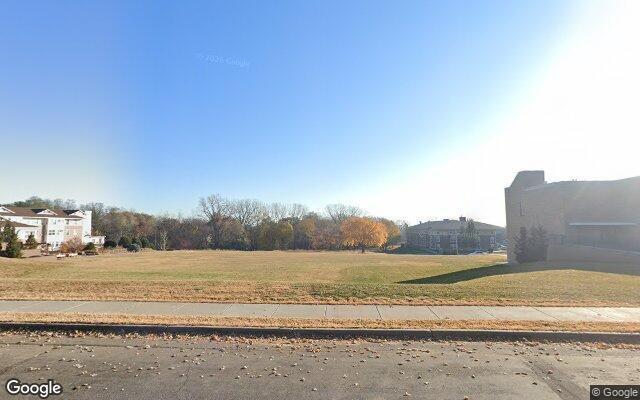
A large home, reviewed on public record.
Compared to 187 Minnesota facilities with a similar number of beds.
ALF memory care · 36-month window. Higher percentile = better performance on inspection record. Source: Minnesota Dept. of Health · Health Regulation Division.
among peers to rank.
Rankings based on 36-month MDH inspection data. Severity and frequency: fewer citations = higher percentile. Repeat rate: lower repeat citation share = higher percentile.
Citation history, plotted month by month.
1 deficiency on record. Each bar is a month with a citation.
Finding distribution
1 total · 36 monthsScope × Severity (CMS A–L)
Questions to ask before you visit.
A short pre-tour checklist tailored to Walker Methodist River Heights's record and state requirements.
The most recent inspection on January 14, 2026 resulted in zero deficiencies — can you walk us through how you prepare for Minnesota Department of Health surveys and share any internal quality assurance processes you use between state visits?
Ask the operator on tour. Take notes and compare answers across facilities you visit.
Two complaints were filed with MDH during the inspection period on file — can you explain the nature of those complaints and provide documentation of any corrective actions or policy changes you implemented in response?
Ask the operator on tour. Take notes and compare answers across facilities you visit.
Your license under Minn. Stat. ch. 144G designates this as an Assisted Living Facility with Dementia Care for 60 residents — can you show us the written dementia care program that MDH reviewed during licensure and explain how it guides daily care decisions?
Ask the operator on tour. Take notes and compare answers across facilities you visit.
Every inspection visit, verbatim.
3 inspections in the public record, most recent first. Plain-language summaries open first — click into any row for the full citation text.
2026-01-14Annual Compliance VisitNo findings
Plain-language summary
A standard licensing inspection was conducted on January 14, 2026, and two violations were found: a fire protection and physical environment deficiency and an appropriate care and services deficiency. The facility was assessed a total fine of $1,500.00 ($500 for the fire protection violation and $1,000 for the care and services violation) and must document how it corrected these issues within the specified timeframe.
Read full citation textHide full citation text
Read raw inspector notesClose inspector notes
correction orders. MDH documents state licensing correction orders using federal software. Tag numbers are assigned to Minnesota state statutes for Assisted Living Facilities. The assigned tag number appears in the far left column entitled "ID Prefix Tag." The state statute number and the corresponding text of the state statute out of compliance are listed in the "Summary Statement of Deficiencies" column. This column also includes the findings that are in violation of the state statute after the statement, "This MN Requirement is not met as evidenced by . . ." IMPOSITION OF FINES In accordance with Minn. Stat. § 144G.31, Subd. 4, fines and enforcement actions may be imposed based on the level and scope of the violations and may be imposed immediately with no opportunity to correct the violation first as follows: Level 1: no fines or enforcement; Level 2: a fine of $500 per violation, in addition to any enforcement mechanism authorized in § 144G.20; Level 3: a fine of $1,000 per incident, in addition to any enforcement mechanism authorized in § 144G.20; Level 4: a fine of $3,000 per incident, in addition to any enforcement mechanism authorized in § 144G.20; Level 5: a fine of $5,000 per violation, in addition to any enforcement mechanism authorized in § 144G.20. Therefore, in accordance with Minn. Stat. §§ 144G.01 to 144G.9999, the following fines are assessed An equal opportunity employer. Letter ID: IS7N REVISE D09/13/2021 Walker Methodist River Heights February 4, 2026 Page 2 pursuant to this survey: 0775 - 144g.45 Subd. 2. (a) - Fire Protection And Physical Environment - $500.00 2310 - 144g.91 Subd. 4 (a) - Appropriate Care And Services - $1,000.00 The refor e, in accor danc e wit h Minn. Sta t. §§ 144G.01 to 144G.999 9, the total amount you are assessed is $1,500.00. You will be invoiced approximately 30 days after receipt of this notice, subject to appeal . DOCUMENTATIO ONF ACTION TO COMPLY In accorda nce with Min n. Stat. § 144G.30, Sub d. 5(c), th e lic ens ee mus t docum ent ac tions taken t o comply with the correction orders within the time period outlined on the state form; however, plans of correction are not required to be submitted for approval. The correction order documentation should include the following: Identify how the area( s) of noncompliance was corrected related to the · resident( s)/ employee( s) identified in the correction order. Identify how the area( s) of noncompliance was corrected for all of the provider’s · resident( s)/ employees that may be affected by the noncompliance. Identify what changes to your systems and practices were made to ensure compliance with · the specific statute( s). CORRECTIO NORDER RECONSIDERATIO PNROCESS In accordance with Minn. Stat. § 144G.32, Subd. 2, you may challenge the correction order( s) issued, including the level and scope, and any fine assessed through the correction order reconsideration process. The request for reconsideration must be in writing and received by MDH within 15 calendar days of the correction order receipt date. To submit a reconsideration request, please visit: https: / / forms. web. health. state. mn.us/ form/ HRDAppealsForm REQUESTIN GA HEARING Alternatively, in accordance with Minn. Stat. § 144G.31, Subd. 5(d), an assisted living provider that has been assessed a fine under this subdivision has a right to a reconsideration or a hearing under this section and chapter 14. Pursuant to Minn. Stat. § 144G.20, Subd. 14 and Subd. 18, a request for a hearing must be in writing and received by the Department of Health within 15 business days of the correction order receipt date. The request must contain a brief and plain statement describing each matter or issue contested and any new information you believe constitutes a defense or mitigating factor. To submit a hearing request, please visit: https: / / forms. web. health. state. mn. us/ form/ HRDAppealsForm Walker Methodist River Heights February 4, 2026 Page 3 To appe al fi nes via re cons iderat ion , pl ease follow the procedu r e outl ined abo ve. Plea se no te tha t you may re que st a rec onside rati on or a hearing, bu t not bot h. If you wish to cont est ta gs with out fine s in a reconsideration and tags with the fines at a hearing, please submit two separate appeals forms at the website listed above. The MDH Health Regulation Division (HRD )values your feedback about your experience during the survey and/ or investigation process. Please fill out this anonymous provider feedback questionnaire at your conv enien ce at thi s link: https: / / forms. office.com/ g/ Bm5uQEpHVa. Your inpu t is import ant to us and will enable MDH to improve its processes and communication with providers. If you have any questions regarding the questionnaire, please contact Susan Winkelmann at susan. winkelmann@state. mn.us or call 651-201-5952. You are encouraged to retain this document for your records. It is your responsibility to share the information contained in the letter and state form with your organization’s Governing Body. If you have any questions, please contact me. Sincerely, Jodi Johnson, Supervisor State Evaluation Team Email: jodi.johnson@ state. mn.us Tel ephon e: 507-344- 2730 Fax: 1-866- 890- 9290 JMD PRINTED: 02/ 04/ 2026 FORM APPROVED STATEMENT OF DEFICIENCIES (X1) PROVIDER/ SUPPLIER/ CLIA (X2) MULTIPLE CONSTRUCTION (X3) DATE SURVEY AND PLAN OF CORRECTION IDENTIFICATION NUMBER: COMPLETED A. BUILDING: ______________________ B. WING _____________________________ 21583 01/ 14/ 2026 NAME OF PROVIDER OR SUPPLIER STREET ADDRESS, CITY, STATE, ZIP CODE 744 19TH AVENUE NORTH WALKER METHODIST RIVER HEIGHTS S ST PAUL, MN 55075 SUMMARY STATEMENT OF DEFICIENCIES PROVIDER' S PLAN OF CORRECTION (X4) ID ID (X5) PREFIX (EACH DEFICIENCY MUST BE PRECEDED BY FULL PREFIX (EACH CORRECTIVE ACTION SHOULD BE COMPLETE REGULATORY OR LSC IDENTIFYING INFORMATION) CROSS- REFERENCED TO THE APPROPRIATE DATE TAG TAG DEFICIENCY) 0 000 Initial Comments 0 000 *****ATTENTION***** Minnesota Department of Health is documenting the State Correction Orders ASSISTED LIVING PROVIDER LICENSING using federal software. Tag numbers have CORRECTION ORDER( S) been assigned to Minnesota State Statutes for Assisted Living Facilities. The In accordance with Minnesota Statutes, section assigned tag number appears in the 144G. 08 to 144G. 95, these correction orders are far-left column entitled "ID Prefix Tag. " The issued pursuant to a survey. state Statute number and the corresponding text of the state Statute out Determination of whether violations are corrected of compliance is listed in the "Summary requires compliance with all requirements Statement of Deficiencies" column. This provided at the Statute number indicated below. column also includes the findings which When Minnesota Statute contains several items, are in violation of the state requirement failure to comply with any of the items will be after the statement, "This Minnesota considered lack of compliance. requirement is not met as evidenced by." Following the evaluators' findings is the INITIAL COMMENTS: Time Period for Correction. SL21583016- 0 PLEASE DISREGARD THE HEADING OF THE FOURTH COLUMN WHICH On January 12, 2026, through January 14, 2026, STATES, "PROVIDER' S PLAN OF the Minnesota Department of Health conducted a CORRECTION. " THIS APPLIES TO full survey at the above provider and the following FEDERAL DEFICIENCIES ONLY. THIS correction orders are issued. At the time of the WILL APPEAR ON EACH PAGE. survey, there were 42 residents; 42 receiving services under the Assisted Living Facility with THERE IS NO REQUIREMENT TO Dementia Care license. SUBMIT A PLAN OF CORRECTION FOR VIOLATIONS OF MINNESOTA STATE STATUTES. 2310: An immediate order was issued on January 13, 2026, at a level 3/Isolated (G). THE LETTER IN THE LEFT COLUMN IS Immediate action was taken to mitigate risk; USED FOR TRACKING PURPOSES AND however, scope and level remains at G. REFLECTS THE SCOPE AND LEVEL ISSUED PURSUANT TO 144G. 31 SUBDIVISION 1-3. 0 480 144G. 41 Subdivision 1 Subd. 1a (a-b) Minimum 0 480 SS= F requirements; required food services LABORATORY DIRECTOR' S OR PROVIDER/ SUPPLIER REPRESENTATIVE' S SIGNATURE TITLE (X6) DATE STATE FORM 6899 LOZV11 If continuation sheet 1 of 36 PRINTED: 02/ 04/ 2026 FORM APPROVED STATEMENT OF DEFICIENCIES (X1) PROVIDER/ SUPPLIER/ CLIA (X2) MULTIPLE CONSTRUCTION (X3) DATE SURVEY AND PLAN OF CORRECTION IDENTIFICATION NUMBER: COMPLETED A. BUILDING: ______________________ B.
2024-12-17Complaint InvestigationSubstantiated Finding · 1 finding
Plain-language summary
The Minnesota Department of Health investigated a complaint that an unlicensed caregiver shaved a resident's head without consent or authorization, and substantiated abuse occurred. The resident, who has dementia and cannot protect himself, became distressed and humiliated by the shaving, hid under his blankets, and withdrew from social interaction for several days afterward; the resident's family had not given permission for this action. The caregiver admitted she should not have done it and her employment ended.
Read full citation text (1)Hide full citation text
“MDH substantiated maltreatment or licensing violation finding”
Read raw inspector notesClose inspector notes
Finding: Substantiated, individual responsibility S N O Nature of Investigation: C The Minnesota Department of Health investigated an allegation of maltreatment, in accordance E with the Minnesota Reporting of MRaltreatment of Vulnerable Adults Act, Minn. Stat. 626.557, and to evaluate compliance with applicable licensing standards for the provider type. R O F Initial Investigation Allegation(s): T The alleged perpetrator (AP), an unlicensed caregiver, abused the resident when she shaved his S head. E U Q Investigative Findings and Conclusion: E The Minnesota Department of Health determined abuse was substantiated. The AP was R responsible for the maltreatment. The AP shaved the resident’s hair without although it was not part of his service plan nor was she directed to do so. Afterwards, the resident acted in a way indicating he found having his head shaved bald humiliating. The investigator conducted interviews with facility staff members, including administrative staff, nursing staff, and unlicensed staff. The investigator contacted the resident’s family member. The investigation included review of the resident record, facility internal investigation, facility incident reports, personnel files, staff schedules, and related facility policy and procedures. Also, the investigator made an onsite visit to the facility to observe memory care unit and staff to resident interactions. The resident resided in an assisted living memory care unit. The resident’s diagnoses included dementia. The resident’s service plan included assistance with grooming and bathing. The same document indicated the resident ambulated with a walker. The resident’s assessment indicated the resident was unable to protect himself or report abuse and could be combative when upset. A facility report indicated unlicensed caregiver #1 found the resident hiding under his bed D covers after his head had been shaved and he was upset about it. The same incident report E indicated the AP said she shaved the resident’s head because it was getting toVo long. I Unlicensed caregiver #1 observed he had bald patches along with areas of long hair left and E C offered to help him, which he accepted. Unlicensed caregiver #1 trimmed his hair to be even, E stayed with the resident until he felt better, and contacted the nurse. R N An internal investigation indicated when the AP was questioned, she admitted she cut the O residents hair and claimed she thought the family had given consent to cut the resident’s hair. I T When asked if the family had authorized shaving his head bald, the AP replied she did not know. A R However, the facility had already contacted the resident’s family who had denied giving E permission to cut his hair, although trimming his beard had been authorized. The AP’s D employment ended at the time of this discussion. I S N During an interview, a manager stated shOe learned of this incident when unlicensed caregiver C #1 called to report it. The manager stated she notified the family member, who stated consent E was not given to cut the resident’s hair and found this upsetting. The family member stated the R resident would not have been able to give consent nor would he have wanted his head shaved, R as he had always been very particular about his hair. O F During an interview, unlicensed caregiver #1 stated when she first learned the AP had shaved T S the resident’s head, the AP said, “Ha-ha, did you see what I did to [the resident]?” Then, the AP E led her to the resident’s room where he was laying on the bed with his head under the blankets, U whimpering, uQpset and crying. Unlicensed caregiver #1 stated the AP said she cut his hair E because he looked “homeless”. When unlicensed caregiver #1 found the resident, he had R patches of long hair with bald spots over his head and the AP told her the resident had fought with her so she could not finish. When told she should not have cut the resident’s hair without consent from the family, the AP shrugged her shoulders and walked away. After calming the resident, he allowed her to “fix” his hair, so it was the same length, and she contacted the manager. Unlicensed caregiver #1 stated the resident prior to this incident the resident would come out of his room and interact with others. However, for the next few days he mostly stayed in his room. During an interview, an unlicensed caregiver #2 stated the resident’s hair was cut “completely bald” and, after the incident, the resident did not want to leave his room and he would cover his head with his blankets. Unlicensed caregiver #2 stated she felt it several days for his demeanor to return to baseline after his dignity had been taken from him. During an interview, the AP stated she knew she should not have done it nor did she know why she did it. The AP stated that unlicensed caregiver #2 finished cutting the resident’s hair after she did. The AP stated the resident did not fight with her while cutting his hair. During an interview, a family member stated she received a call that someone had cut the resident’s hair, she stated she was not notified prior to nor given permission for this. The family D member stated the resident’s head was shaved bald and he would not want his head to be E shave as he had always been very particular about his hair. V I E C In conclusion, the Minnesota Department of Health determined abuse was substantiated. E R Substantiated: Minnesota Statutes, section 626.5572, Subdivision 19. N “Substantiated” means a preponderance of evidence shows that an act that meets the O definition of maltreatment occurred. I T A R Abuse: Minnesota Statutes section 626.5572, subdivision 2. E "Abuse" means: D (a) An act against a vulnerable adult that constitutes a violation of an attempt to violate, or I S aiding and abetting a violation of: N (1) assault in the first through fifth degreOes as defined in sections 609.221 to 609.224; C (2) the use of drugs to injure or facilitate crime as defined in section 609.235; E (3) the solicitation, inducement, and promotion of prostitution as defined in section 609.322; R and R (4) criminal sexual conduct in the first through fifth degrees as defined in sections 609.342 to O 609.3451. F A violation includes any action that meets the elements of the crime, regardless of whether T S there is a criminal proceeding or conviction. E (b) Conduct which is not an accident or therapeutic conduct as defined in this section, which U produces or cQould reasonably be expected to produce physical pain or injury or emotional E distress including, but not limited to, the following: R (1) hitting, slapping, kicking, pinching, biting, or corporal punishment of a vulnerable adult; (2) use of repeated or malicious oral, written, or gestured language toward a vulnerable adult or the treatment of a vulnerable adult which would be considered by a reasonable person to be disparaging, derogatory, humiliating, harassing, or threatening; or (3) use of any aversive or deprivation procedure, unreasonable confinement, or involuntary seclusion, including the forced separation of the vulnerable adult from other persons against the will of the vulnerable adult or the legal representative of the vulnerable adult unless authorized under applicable licensing requirements or Minnesota Rules, chapter 9544. (c) Any sexual contact or penetration as defined in section 609.341, between a facility staff person or a person providing services in the facility and a resident, patient, or client of that facility. (d) The act of forcing, compelling, coercing, or enticing a vulnerable adult against the vulnerable adult's will to perform services for the advantage of another. Vulnerable Adult interviewed: Attempted but unable due to cognitive impairment Family/Responsible Party interviewed: Yes D Alleged Perpetrator interviewed: Yes E V Action taken by facility: I E The facility conducted an internal investigation. The AP was no longer eCmployed at the facility. E R Action taken by the Minnesota Department of Health: N The facility was issued a correction order regarding the vulnerable adult’s right to be free from O maltreatment. I T A You may also call 651-201-4200 to receive a copy via mRail or email. E D The responsible party will be notified of their right to appeal the maltreatment finding.
2024-06-27Complaint InvestigationNo findings
Plain-language summary
The Minnesota Department of Health investigated a complaint that staff failed to provide medical assistance during a resident's medical emergency and did not promptly let first responders into the building. The investigation found the allegation was not substantiated; while there may have been a delay in staff opening the locked doors, conflicting accounts made it unclear whether the resident had actually asked staff to leave, and any delay did not rise to the level of neglect. The facility subsequently provided additional training to staff on a new process for answering the locked entry door while carrying the phone.
Read full citation textHide full citation text
Read raw inspector notesClose inspector notes
Finding: Not Substantiated Nature of Investigation: The Minnesota Department of Health investigated an allegation of maltreatment, in accordance with the Minnesota Reporting of Maltreatment of Vulnerable Adults Act, Minn. Stat. 626.557, and to evaluate compliance with applicable licensing standards for the provider type. Initial Investigation Allegations: The facility neglected the resident when facility staff members refused to provide medical assistance during a medical emergency. The facility called 911 but were not available to let first responders into the building and did not communicate with responders to assist the resident during the emergency. Investigative Findings and Conclusion: The Minnesota Department of Health determined neglect was not substantiated. Conflicting interviews indicated it was unclear whether the resident asked staff to leave her during the incident. It is possible there may have been a delay when staff members were not immediately available to let first responders into the locked facility but this possible delay did not result in neglect. The investigator conducted interviews with facility staff members, including administrative staff, nursing staff, and unlicensed staff. The investigation included a review of the resident record, facility incident reports, staff schedules, the law enforcement report, and related facility policy and procedures. The resident resided in an assisted living facility. The resident’s diagnoses included diabetes and chronic pain and diagnosed after the incident with hospitalization with dyskinesia of the esophagus (spasms). The resident’s service plan included assistance with laundry, light housekeeping, stand by bathing assistance and medication assistance. The resident’s assessment indicated she was able to make independent decisions and direct her own care. Review of the resident’s progress notes indicated that one evening a staff member called the on-call nurse to report the resident was complaining of choking. The note indicated staff did not observe signs or symptoms of choking and the resident was communicating and breathing. Emergency responders arrived and transported the resident to the emergency room although the resident was alert and able to talk. The resident did admit to the hospital for blood pressure monitoring. Review of the facility protocols indicated staff are to call the on-call nurse before calling 911 unless it is life threatening. Review of the facility’s Uniform Disclosure of Assisted Living Services and Amenities, (UDALSA), indicated unlicensed staff are not universally CPR certified but can call 911. The same document indicated that if a licensed nurse is available, that individual will perform CPR until relieved by paramedics. During an interview, a manager stated it was evening at the time of the incident, there was not a licensed nurse in the building and unlicensed staff are not required to be trained in CPR. The manager stated that the incident was reviewed with managers the following morning in the daily stand-up meeting, was not made aware of any concerns, and believed staff responded appropriately in the situation. During an interview, an unlicensed caregiver stated she checked to see if the resident and staff working in that area needed assistance after she saw the other staff member in and out of the resident’s room. She said she returned to her duties because the resident was talking, and police were already there. During an interview, the resident stated that she called 911 and police showed up first. She stated that a staff member also called 911 and other emergency personnel showed up. The resident stated that staff were there and called 911 for her, but she did not tell staff to leave at any time. The resident stated she was in the hospital with pneumonia after this incident and also diagnosed with an esophagus motility (swallowing) problem. In conclusion, the Minnesota Department of Health determined neglect was not substantiated. “Not Substantiated” means: An investigatory conclusion indicating the preponderance of evidence shows that an act meeting the definition of maltreatment did not occur. Neglect: Minnesota Statutes, section 626.5572, subdivision 17 “Neglect” means neglect by a caregiver or self-neglect. (a) "Caregiver neglect" means the failure or omission by a caregiver to supply a vulnerable adult with care or services, including but not limited to, food, clothing, shelter, health care, or supervision which is: (1) reasonable and necessary to obtain or maintain the vulnerable adult's physical or mental health or safety, considering the physical and mental capacity or dysfunction of the vulnerable adult; and (2) which is not the result of an accident or therapeutic conduct. Vulnerable Adult interviewed: Yes. Family/Responsible Party interviewed: No. Alleged Perpetrator interviewed: Not Applicable. Action taken by facility: The facility has provided additional training to staff members with a new process while carrying the phone that answers the locked entry doors. Action taken by the Minnesota Department of Health: No further action taken at this time. cc: The Office of Ombudsman for Long Term Care The Office of Ombudsman for Mental Health and Developmental Disabilities PRINTED: 07/01/2024 FORM APPROVED STATEMENT OF DEFICIENCIES (X1) PROVIDER/SUPPLIER/CLIA (X2) MULTIPLE CONSTRUCTION (X3) DATE SURVEY AND PLAN OF CORRECTION IDENTIFICATION NUMBER: COMPLETED A. BUILDING: ______________________ C B. WING _____________________________ 21583 06/13/2024 NAME OF PROVIDER OR SUPPLIER STREET ADDRESS, CITY, STATE, ZIP CODE 744 19TH AVENUE NORTH WALKER METHODIST RIVER HEIGHTS S ST PAUL, MN 55075 SUMMARY STATEMENT OF DEFICIENCIES PROVIDER'S PLAN OF CORRECTION (X4) ID ID (X5) PREFIX (EACH DEFICIENCY MUST BE PRECEDED BY FULL PREFIX (EACH CORRECTIVE ACTION SHOULD BE COMPLETE REGULATORY OR LSC IDENTIFYING INFORMATION) CROSS-REFERENCED TO THE APPROPRIATE DATE TAG TAG DEFICIENCY) 0 000 Initial Comments 0 000 On June 13, 2024, the Minnesota Department of Health initiated an investigation of complaint #HL215838079C/#HL215831001M. No correction orders are issued. LABORATORY DIRECTOR'S OR PROVIDER/SUPPLIER REPRESENTATIVE'S SIGNATURE TITLE (X6) DATE STATE FORM 6899 0CFF11 If continuation sheet 1 of 1
1 older inspection from 2023 are not shown above.
Get the complete record, translated into plain language — emailed to you.
Facility Watch · Premium
Family reviews
No reviews yet — be the first to share your experience
More options in neighboring cities
Licensed memory care in other cities within this county region — useful when your search radius crosses city limits.