Summit Ridge Place.
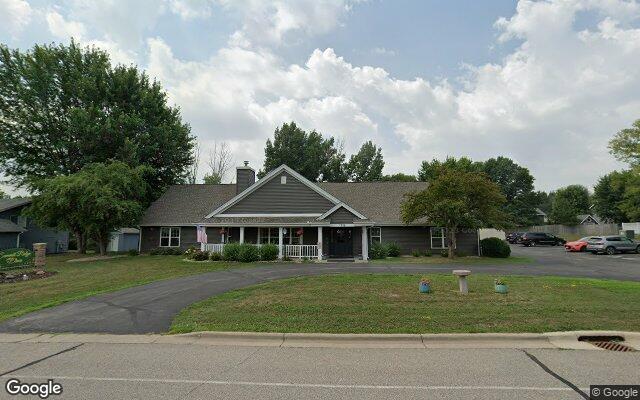
A medium home, reviewed on public record.
Compared to 187 Minnesota facilities with a similar number of beds.
ALF memory care · 36-month window. Higher percentile = better performance on inspection record. Source: Minnesota Dept. of Health · Health Regulation Division.
among peers to rank.
Rankings based on 36-month MDH inspection data. Severity and frequency: fewer citations = higher percentile. Repeat rate: lower repeat citation share = higher percentile.
Citation history, plotted month by month.
No citations in the last 36 months.
Finding distribution
none · 36 monthsScope × Severity (CMS A–L)
Every inspection visit, verbatim.
4 inspections in the public record, most recent first. Plain-language summaries open first — click into any row for the full citation text.
2026-06-29Complaint InvestigationNo findings
2025-03-18Annual Compliance VisitNo findings
Plain-language summary
A routine inspection on March 18, 2025 found one fire protection and physical environment violation at this facility. A $500 fine was assessed for this Level 2 violation, and the facility must document corrective actions within the specified timeframe.
Read full citation textHide full citation text
Read raw inspector notesClose inspector notes
CORRECTION ORDERS The enclosed State Form documents the state correction orders. MDH documents state licensing correction orders using federal software. Tag numbers are assigned to Minnesota state statutes for Assisted Living Facilities. The assigned tag number appears in the far left column entitled "ID Prefix Tag." The state statute number and the corresponding text of the state statute out of compliance are listed in the "Summary Statement of Deficiencies" column. This column also includes the findings that are in violation of the state statute after the statement, "This MN Requirement is not met as evidenced by . . ." IMPOSITION OF FINES In accordance with Minn. Stat. § 144G.31, Subd. 4, fines and enforcement actions may be imposed based on the level and scope of the violations and may be imposed immediately with no opportunity to correct the violation first as follows: Level 1: no fines or enforcement. Level 2: a fine of $500 per violation, in addition to any enforcement mechanism authorized in § 144G.20 for widespread violations; Level 3: a fine of $3,000 per violation per incident, in addition to any enforcement mechanism authorized in § 144G.20. Level 4: a fine of $5,000 per incident, in addition to any enforcement mechanism authorized in § 144G.20. Therefore, in accordance with Minn. Stat. §§ 144G.01 to 144G.9999, the following fines are assessed pursuant to this survey: An equal opportunity employer. Letter ID: IS7N REVISED 09/13/2021 Summit Ridge Place April 21, 2025 Page 2 0775 - 144g.45 Subd. 2. (a) - Fire Protection And Physical Environment - $500.00 Therefore, in accordance with Minn. Stat. §§ 144G.01 to 144G.9999, t he total amount you are assessed is $500.00. You will be invoiced approximately 30 days after receipt of this notice, subject to appeal. DOCUMENTATION OF ACTION TO COMPLY In accordance with Minn. Stat. § 144G.30, Subd. 5(c), the licensee must document actions taken to comply with the correction orders within the time period outlined on the state form; however, plans of correction are not required to be submitted for approval. The correction order documentation should include the following: Identify how the area(s) of noncompliance was corrected related to the resident(s)/employee(s) identified in the correction order. Identify how the area(s) of noncompliance was corrected for all of the provider’s resident(s)/employees that may be affected by the noncompliance. Identify what changes to your systems and practices were made to ensure compliance with the specific statute(s). CORRECTION ORDER RECONSIDERATION PROCESS In accordance with Minn. Stat. § 144G.32, Subd. 2, you may challenge the correction order(s) issued, including the level and scope, and any fine assessed through the correction order reconsideration process. The request for reconsideration must be in writing and received by MDH within 15 calendar days of the correction order receipt date. To submit a reconsideration request, please visit: https://forms.web.health.state.mn.us/form/HRDAppealsForm REQUESTING A HEARING Alternatively, in accordance with Minn. Stat. § 144G.31, Subd. 5(d), an assisted living provider that has been assessed a fine under this subdivision has a right to a reconsideration or a hearing under this section and chapter 14. Pursuant to Minn. Stat. § 144G.20, Subd. 14 and Subd. 18, a request for a hearing must be in writing and received by the Department of Health within 15 business days of the correction order receipt date. The request must contain a brief and plain statement describing each matter or issue contested and any new information you believe constitutes a defense or mitigating factor. To submit a hearing request, please visit: https://forms.web.health.state.mn.us/form/HRDAppealsForm To appeal fines via reconsideration, please follow the procedure outlined above. P lease note that you may request a reconsideration o r a hearing, but not both. If you wish to contest tags without fines in a reconsideration and tags with the fines at a hearing, please submit two separate appeals forms at Summit Ridge Place April 21, 2025 Page 3 the website listed above. The MDH Health Regulation Division (HRD) values your feedback about your experience during the survey and/or investigation process. Please fill out this anonymous provider feedback questionnaire at your convenience at this link: h ttps://forms.office.com/g/Bm5uQEpHVa. Your input is important to us and will enable MDH to improve its processes and communication with providers. If you have any questions regarding the questionnaire, please contact Susan Winkelmann at susan.winkelmann@state.mn.us or call 651-201-5952. You are encouraged to retain this document for your records. It is your responsibility to share the information contained in the letter and state form with your organization’s Governing Body. If you have any questions, please contact me. Sincerely, Kelly Thorson, Supervisor State Evaluation Team Email: kelly.thorson@state.mn.us Telephone: 320-223-7336 Fax: 1 -866-890-9290 JMD PRINTED: 04/21/2025 FORM APPROVED STATEMENT OF DEFICIENCIES (X1) PROVIDER/SUPPLIER/CLIA (X2) MULTIPLE CONSTRUCTION (X3) DATE SURVEY AND PLAN OF CORRECTION IDENTIFICATION NUMBER: COMPLETED A. BUILDING: ______________________ B. WING _____________________________ 30601 03/18/2025 NAME OF PROVIDER OR SUPPLIER STREET ADDRESS, CITY, STATE, ZIP CODE 1325 SUMMIT AVENUE NORTH SUMMIT RIDGE PLACE SAUK RAPIDS, MN 56379 SUMMARY STATEMENT OF DEFICIENCIES PROVIDER'S PLAN OF CORRECTION (X4) ID ID (X5) PREFIX (EACH DEFICIENCY MUST BE PRECEDED BY FULL PREFIX (EACH CORRECTIVE ACTION SHOULD BE COMPLETE REGULATORY OR LSC IDENTIFYING INFORMATION) CROSS-REFERENCED TO THE APPROPRIATE DATE TAG TAG DEFICIENCY) 0 000 Initial Comments 0 000 ASSISTED LIVING PROVIDER LICENSING Minnesota Department of Health is CORRECTION ORDER(S) documenting the State Correction Orders using federal software. Tag numbers have In accordance with Minnesota Statutes, section been assigned to Minnesota State 144G.08 to 144G.95, these correction orders are Statutes for Assisted Living Facilities. The issued pursuant to a survey. assigned tag number appears in the far left column entitled "ID Prefix Tag." The Determination of whether violations are corrected state Statute number and the requires compliance with all requirements corresponding text of the state Statute out provided at the Statute number indicated below. of compliance is listed in the "Summary When Minnesota Statute contains several items, Statement of Deficiencies" column. This failure to comply with any of the items will be column also includes the findings which considered lack of compliance. are in violation of the state requirement after the statement, "This Minnesota INITIAL COMMENTS: requirement is not met as evidenced by." Following the evaluators ' findings is the SL#30601016 Time Period for Correction. On March 17, 2025, through March 18, 2025, the PLEASE DISREGARD THE HEADING OF survey at the above provider. At the time of the STATES,"PROVIDER'S PLAN OF survey, there were 12 residents; 12 receiving CORRECTION." THIS APPLIES TO services under the Assisted Living Facility with FEDERAL DEFICIENCIES ONLY. THIS Dementia Care license. WILL APPEAR ON EACH PAGE. THERE IS NO REQUIREMENT TO SUBMIT A PLAN OF CORRECTION FOR VIOLATIONS OF MINNESOTA STATE STATUTES. THE LETTER IN THE LEFT COLUMN IS USED FOR TRACKING PURPOSES AND REFLECTS THE SCOPE AND LEVEL ISSUED PURSUANT TO 144G.31 SUBDIVISION 1-3. 0 480 144G.41 Subdivision 1 Subd. 1a (a-b) Minimum 0 480 SS=F requirements; required food services LABORATORY DIRECTOR'S OR PROVIDER/SUPPLIER REPRESENTATIVE'S SIGNATURE TITLE (X6) DATE STATE FORM 6899 HCJD11 If continuation sheet 1 of 32 PRINTED: 04/21/2025 FORM APPROVED STATEMENT OF DEFICIENCIES (X1) PROVIDER/SUPPLIER/CLIA (X2) MULTIPLE CONSTRUCTION (X3) DATE SURVEY AND PLAN OF CORRECTION IDENTIFICATION NUMBER: COMPLETED A. BUILDING: ______________________ B. WING _____________________________ 30601 03/18/2025 NAME OF PROVIDER OR SUPPLIER STREET ADDRESS, CITY, STATE, ZIP CODE 1325 SUMMIT AVENUE NORTH SUMMIT RIDGE PLACE SAUK RAPIDS, MN 56379 SUMMARY STATEMENT OF DEFICIENCIES PROVIDER'S PLAN OF CORRECTION (X4) ID ID (X5) PREFIX (EACH DEFICIENCY MUST BE PRECEDED BY FULL PREFIX (EACH CORRECTIVE ACTION SHOULD BE COMPLETE REGULATORY OR LSC IDENTIFYING INFORMATION) CROSS-REFERENCED TO THE APPROPRIATE DATE TAG TAG DEFICIENCY) 0 480 Continued From page 1 0 480 (a) Except as provided in paragraph (b), food must be prepared and served according to the Minnesota Food Code, Minnesota Rules, chapter 4626. (b) For an assisted living facility with a licensed capacity of ten or fewer residents: (1) notwithstanding Minnesota Rules, part 4626.0033, item A, the facility may share a certified food protection manager (CFPM) with one other facility located within a 60-mile radius and under common management provided the CFPM is present at each facility frequently enough to effectively administer, manage, and supervise each facility's food service operation; (2) notwithstanding Minnesota Rules, part 4626.0545, item A, kick plates that are not removable or cannot be rotated open are allowed unless the facility has been issued repeated correction orders for violations of Minnesota Rules, part 4626.1565 or 4626.1570; (3) notwithstanding Minnesota Rules, part 4626.
2024-05-21Complaint InvestigationNo findings
Plain-language summary
The Minnesota Department of Health investigated a complaint that a staff member was rough and aggressive with a resident during personal care, but determined the allegation was not substantiated because there was not enough evidence to confirm abuse occurred. Investigators interviewed multiple staff members and reviewed facility records; while one staff member reported witnessing rough handling, other staff members denied observing any mistreatment, and the accused staff member denied the allegations. The facility reported the incident to state authorities, conducted its own investigation, and the staff member is no longer employed there.
Read full citation textHide full citation text
Read raw inspector notesClose inspector notes
Finding: Not Substantiated Nature of Investigation: The Minnesota Department of Health investigated an allegation of maltreatment, in accordance with the Minnesota Reporting of Maltreatment of Vulnerable Adults Act, Minn. Stat. 626.557, and to evaluate compliance with applicable licensing standards for the provider type. Initial Investigation Allegation(s): The alleged perpetrator (AP) abused the resident when the AP was rough and aggressive with the resident. Investigative Findings and Conclusion: The Minnesota Department of Health determined abuse was not substantiated. There was not a preponderance of evidence to determine that abuse occurred or whether the AP’s actions met the definition of abuse. The investigator conducted interviews with facility staff members, including administrative staff, nursing staff, and unlicensed staff. The investigation included review of the resident’s record, facility internal investigation documentation, incident reports, personnel files, staff schedules, and related facility policies and procedures. At the time of the onsite investigation, the investigator observed resident cares. The resident resided in an assisted living memory care unit. The resident’s diagnoses included Alzheimer’s disease and dementia with behavioral disturbance. The resident’s service plan included assistance with bathing, dressing, grooming, toileting, behavior management for agitation, medication management, and safety checks. The resident’s assessment indicated the resident was severely cognitively impaired and wandered into other resident’s rooms. The assessment also indicated the resident was at risk for abuse due to cognitive impairment. The resident’s record did not indicate any evidence of injuries. Complaint documents indicated facility management was informed by a witness that on two occasions, a facility staff member/alleged perpetrator (AP) was rough with the resident while providing cares. Facility internal investigation notes indicated multiple staff were interviewed and denied knowledge of the AP mistreating residents. During investigative interviews, one facility unlicensed personnel (ULP) stated that the AP did not like when the resident was up at night and wanted the resident to go back to bed. The ULP stated that the AP was rough, aggressive, and that the AP yanked and pulled the resident’s pants down if the resident resisted toileting assistance. The ULP stated that the AP continued to provide care despite the resident refusing and being resistive to care. During multiple interviews, other staff members stated they had never witnessed the AP, or any other staff members, mistreat any residents. The staff members indicated that if they had concerns with a staff member that they would immediately report their concerns to facility management. During an interview, the AP denied grabbing, pulling, yanking, on the resident while performing cares. The AP stated that if the resident required incontinent assistance, she could not just leave the resident in a soaked incontinent product in bed, but she never forced the resident to do anything. The AP stated that if the resident resisted care, she would first attempt to calm the resident before providing care. In conclusion, the Minnesota Department of Health determined abuse was not substantiated. “Not Substantiated” means: An investigatory conclusion indicating the preponderance of evidence shows that an act meeting the definition of maltreatment did not occur. Abuse: Minnesota Statutes section 626.5572, subdivision 2. "Abuse" means: (a) An act against a vulnerable adult that constitutes a violation of, an attempt to violate, or aiding and abetting a violation of: (1) assault in the first through fifth degrees as defined in sections 609.221 to 609.224; (2) the use of drugs to injure or facilitate crime as defined in section 609.235; (3) the solicitation, inducement, and promotion of prostitution as defined in section 609.322; and (4) criminal sexual conduct in the first through fifth degrees as defined in sections 609.342 to 609.3451. A violation includes any action that meets the elements of the crime, regardless of whether there is a criminal proceeding or conviction. (b) Conduct which is not an accident or therapeutic conduct as defined in this section, which produces or could reasonably be expected to produce physical pain or injury or emotional distress including, but not limited to, the following: (1) hitting, slapping, kicking, pinching, biting, or corporal punishment of a vulnerable adult; (2) use of repeated or malicious oral, written, or gestured language toward a vulnerable adult or the treatment of a vulnerable adult which would be considered by a reasonable person to be disparaging, derogatory, humiliating, harassing, or threatening; Vulnerable Adult interviewed: No, unable due to cognitive impairment. Family/Responsible Party interviewed: Attempts to contact were unsuccessful. Alleged Perpetrator interviewed: Yes Action taken by facility: The facility reported the incident to the state agency, completed an internal investigation, and the AP is no longer employed at the facility. Action taken by the Minnesota Department of Health: No further action taken at this time. cc: The Office of Ombudsman for Long Term Care The Office of Ombudsman for Mental Health and Developmental Disabilities PRINTED: 05/28/2024 FORM APPROVED STATEMENT OF DEFICIENCIES (X1) PROVIDER/SUPPLIER/CLIA (X2) MULTIPLE CONSTRUCTION (X3) DATE SURVEY AND PLAN OF CORRECTION IDENTIFICATION NUMBER: COMPLETED A. BUILDING: ______________________ C B. WING _____________________________ 30601 03/12/2024 NAME OF PROVIDER OR SUPPLIER STREET ADDRESS, CITY, STATE, ZIP CODE 1325 SUMMIT AVENUE NORTH SUMMIT RIDGE PLACE SAUK RAPIDS, MN 56379 SUMMARY STATEMENT OF DEFICIENCIES PROVIDER'S PLAN OF CORRECTION (X4) ID ID (X5) PREFIX (EACH DEFICIENCY MUST BE PRECEDED BY FULL PREFIX (EACH CORRECTIVE ACTION SHOULD BE COMPLETE REGULATORY OR LSC IDENTIFYING INFORMATION) CROSS-REFERENCED TO THE APPROPRIATE DATE TAG TAG DEFICIENCY) 0 000 Initial Comments 0 000 On March 12, 2024, the Minnesota Department of Minnesota Department of Health is Health initiated an investigation of complaint documenting the State Correction Orders #HL306012380M/HL306011431C. No correction using federal software. Tag numbers have orders are issued. been assigned to Minnesota State Statutes for Assisted Living Facilities. The assigned tag number appears in the far-left column entitled "ID Prefix Tag." The state Statute number and the corresponding text of the state Statute out of compliance is listed in the "Summary Statement of Deficiencies" column. This column also includes the findings which are in violation of the state requirement after the statement, "This Minnesota requirement is not met as evidenced by." Following the evaluators ' findings is the Time Period for Correction. PLEASE DISREGARD THE HEADING OF THE FOURTH COLUMN WHICH STATES,"PROVIDER'S PLAN OF CORRECTION." THIS APPLIES TO FEDERAL DEFICIENCIES ONLY. THIS WILL APPEAR ON EACH PAGE. THERE IS NO REQUIREMENT TO SUBMIT A PLAN OF CORRECTION FOR VIOLATIONS OF MINNESOTA STATE STATUTES. THE LETTER IN THE LEFT COLUMN IS USED FOR TRACKING PURPOSES AND REFLECTS THE SCOPE AND LEVEL LABORATORY DIRECTOR'S OR PROVIDER/SUPPLIER REPRESENTATIVE'S SIGNATURE TITLE (X6) DATE STATE FORM 6899 MTMQ11 If continuation sheet 1 of 2 PRINTED: 05/28/2024 FORM APPROVED STATEMENT OF DEFICIENCIES (X1) PROVIDER/SUPPLIER/CLIA (X2) MULTIPLE CONSTRUCTION (X3) DATE SURVEY AND PLAN OF CORRECTION IDENTIFICATION NUMBER: COMPLETED A. BUILDING: ______________________ C B. WING _____________________________ 30601 03/12/2024 NAME OF PROVIDER OR SUPPLIER STREET ADDRESS, CITY, STATE, ZIP CODE 1325 SUMMIT AVENUE NORTH SUMMIT RIDGE PLACE SAUK RAPIDS, MN 56379 SUMMARY STATEMENT OF DEFICIENCIES PROVIDER'S PLAN OF CORRECTION (X4) ID ID (X5) PREFIX (EACH DEFICIENCY MUST BE PRECEDED BY FULL PREFIX (EACH CORRECTIVE ACTION SHOULD BE COMPLETE REGULATORY OR LSC IDENTIFYING INFORMATION) CROSS-REFERENCED TO THE APPROPRIATE DATE TAG TAG DEFICIENCY) 0 000 Continued From page 1 0 000 ISSUED PURSUANT TO 144G.31 SUBDIVISION 1-3. STATE FORM 6899 MTMQ11 If continuation sheet 2 of 2
2024-02-05Complaint InvestigationNo findings
Plain-language summary
MDH investigated a complaint that the facility neglected a resident by failing to provide scheduled supervision, which led to the resident climbing out a window and leaving the facility. MDH determined the allegation of neglect was inconclusive, finding it could not be established that the missed safety check directly caused the elopement or that staff could have predicted the resident's actions. The resident was located quickly, sustained no injuries, and the facility implemented additional safety measures and more frequent checks after the incident.
Read full citation textHide full citation text
Read raw inspector notesClose inspector notes
Finding: Inconclusive Nature of Investigation: The Minnesota Department of Health investigated an allegation of maltreatment, in accordance with the Minnesota Reporting of Maltreatment of Vulnerable Adults Act, Minn. Stat. 626.557, and to evaluate compliance with applicable licensing standards for the provider type. Initial Investigation Allegation(s): The facility neglected the resident when they failed to provide supervision in accordance with the resident’s service plan and the resident eloped from the facility. Investigative Findings and Conclusion: The Minnesota Department of Health determined neglect was inconclusive. It was unable to be determined whether staff's failure to complete a safety check at the scheduled time resulted in the resident's elopement, and the actions the resident took to carry out the elopement could not be predicted. When staff discovered the resident missing, staff immediately contacted the police, the resident’s guardian, and facility administration. The resident was located a short time later and sent to the hospital for evaluation. The resident sustained no injuries and upon his return to the facility, additional interventions were implemented to protect the resident’s health and safety. The investigator conducted interviews with facility staff members, including administrative staff, nursing staff, and unlicensed staff. The investigator also contacted the resident’s family. The investigation included review of the resident’s medical record, hospital records, facility internal investigation documentation, personnel files, staffing schedules, law enforcement reports, and facility policies and procedures. The resident resided in an assisted living memory care unit. The resident’s diagnoses included delirium and cognitive impairment. The resident’s assessment identified the resident as alert and oriented to person, place, and time, with a history of poor decision making. The resident’s assessment identified the resident as a high elopement risk due to being upset with placement in a memory care unit. The resident’s service plan included assistance with activities of daily living, medication management, behavior monitoring, and every two-hour safety checks. A facility report indicated the resident eloped out of the window of his room from the locked memory care unit. Around 9:00 p.m. on the night of the elopement, the resident informed an evening shift staff member he was leaving for the weekend and requested his medication. The staff member told the resident he could not leave the facility unsupervised or without the permission of his guardian, which upset the resident. The resident told the staff member that he planned on leaving “no matter what” then went to his room. The evening shift staff member later documented she completed a final evening shift safety check on the resident at 10:12 p.m. The staff member documented the safety check was completed from outside of the door, due to the resident being upset, and she heard the resident “throwing and banging things around his room”. The night shift began at 10:30 p.m. The evening shift staff member informed night shift staff that the resident was upset after not being allowed to leave earlier that evening and reminded them to complete safety checks on the resident. The resident’s next scheduled safety check was scheduled for 12:00 a.m., however, the safety check was not completed until sometime after 1:00 a.m. Facility documentation indicated night shift staff completed a safety check on the resident sometime between 1:15 and 1:51 a.m. When staff arrived at the resident’s room, the door was locked. Staff located a master key to open the door, but the resident was not in the room; the window was open, and the screen had been removed. Staff contacted the on-call nurse, police, and facility administration after they discovered the resident missing. A police report indicated police were contacted at 1:52 a.m. and arrived at the facility around 1:59 a.m. Shortly after police arrived, the resident was located at his previous home address and transported to the hospital for further evaluation. The resident was evaluated at the hospital and returned to the facility the next day. Prior to the resident’s return, the facility secured the resident’s window and updated the service plan to include more frequent safety checks. During an interview, the evening shift staff member stated the resident was upset with her, so she did not enter the resident’s room to visualize the resident for her last safety check. The staff member recalled the resident telling her, “I’m leaving, no matter what; if I have to go out the window, I’m leaving.” The staff member said she did not think the resident could or would have the ability to escape out of the window. The staff member acknowledged she should have opened the door to complete the safety check but didn’t want to escalate the situation at the time. Night shift staff stated they did not check on the resident at the beginning of their shift because a safety check was just completed by evening shift staff. Night shift staff stated they completed routine cleaning tasks before starting resident rounds and safety checks. Night shift staff stated the safety check was not completed at 12:00 a.m. as they started resident rounds on the other side of the building. However, when they got to the resident’s room during their rounds and discovered the resident missing, they immediately contacted the on-call nurse, police, and facility administration. During an interview, facility administration stated the resident admitted to the facility one week prior to the elopement. Administration indicated they were aware of the resident’s risk for elopement but indicated the resident had no elopement attempts or exit-seeking behavior prior to this incident. Following the incident, administration indicated new interventions were implemented to ensure the resident’s safety and all staff were re-educated on safety checks, documentation, and resident supervision. During an interview with the resident’s family, the family indicated they were informed of the elopement by the facility and the police at the time of the incident. The family described the incident as a set of unfortunate circumstances; however, they had no concerns with the care provided by the facility. In conclusion, the Minnesota Department of Health determined neglect was inconclusive. Inconclusive: Minnesota Statutes, section 626.5572, Subdivision 11. "Inconclusive" means there is less than a preponderance of evidence to show that maltreatment did or did not occur. Neglect: Minnesota Statutes, section 626.5572, subdivision 17 “Neglect” means neglect by a caregiver or self-neglect. (a) "Caregiver neglect" means the failure or omission by a caregiver to supply a vulnerable adult with care or services, including but not limited to, food, clothing, shelter, health care, or supervision which is: (1) reasonable and necessary to obtain or maintain the vulnerable adult's physical or mental health or safety, considering the physical and mental capacity or dysfunction of the vulnerable adult; and (2) which is not the result of an accident or therapeutic conduct. Vulnerable Adult interviewed: No; Attempts to contact were unsuccessful. Family/Responsible Party interviewed: Yes Alleged Perpetrator interviewed: Not Applicable Action taken by facility: The facility contacted police when the resident was discovered missing. Following the incident, the facility installed locks and alarms on the resident’s window and increased their supervision of the resident. Action taken by the Minnesota Department of Health: No further action taken at this time. cc: The Office of Ombudsman for Long Term Care The Office of Ombudsman for Mental Health and Developmental Disabilities PRINTED: 02/07/2024 FORM APPROVED STATEMENT OF DEFICIENCIES (X1) PROVIDER/SUPPLIER/CLIA (X2) MULTIPLE CONSTRUCTION (X3) DATE SURVEY AND PLAN OF CORRECTION IDENTIFICATION NUMBER: COMPLETED A. BUILDING: ______________________ C B. WING _____________________________ 30601 12/13/2023 NAME OF PROVIDER OR SUPPLIER STREET ADDRESS, CITY, STATE, ZIP CODE 1325 SUMMIT AVENUE NORTH SUMMIT RIDGE PLACE SAUK RAPIDS, MN 56379 SUMMARY STATEMENT OF DEFICIENCIES PROVIDER'S PLAN OF CORRECTION (X4) ID ID (X5) PREFIX (EACH DEFICIENCY MUST BE PRECEDED BY FULL PREFIX (EACH CORRECTIVE ACTION SHOULD BE COMPLETE REGULATORY OR LSC IDENTIFYING INFORMATION) CROSS-REFERENCED TO THE APPROPRIATE DATE TAG TAG DEFICIENCY) 0 000 Initial Comments 0 000 On December 13, 2023, the Minnesota Minnesota Department of Health is Department of Health initiated an investigation of documenting the State Correction Orders complaint #HL306017711C/HL306019766M. No using federal software. Tag numbers have correction orders are issued. been assigned to Minnesota State Statutes for Assisted Living Facilities. The assigned tag number appears in the far left column entitled "ID Prefix Tag." The state Statute number and the corresponding text of the state Statute out of compliance is listed in the "Summary Statement of Deficiencies" column.
2 older inspections from 2023 are not shown above.
Get the complete record, translated into plain language — emailed to you.
Other facilities in Sauk Rapids.
Other memory care facilities near Sauk Rapids with similar care offerings.
Facility Watch · Premium
Family reviews
No reviews yet — be the first to share your experience